Most travelers assume all European river cruises are the same. A Douro River cruise operates under entirely different rules than the Rhine or Danube, with mandatory daylight sailing, massive lock chambers, and bus transfers that catch first-timers off guard. This guide covers exactly what to expect before you book your trip into Portugal’s fortified wine country.
What makes the Douro River cruise different from the Rhine or Danube?
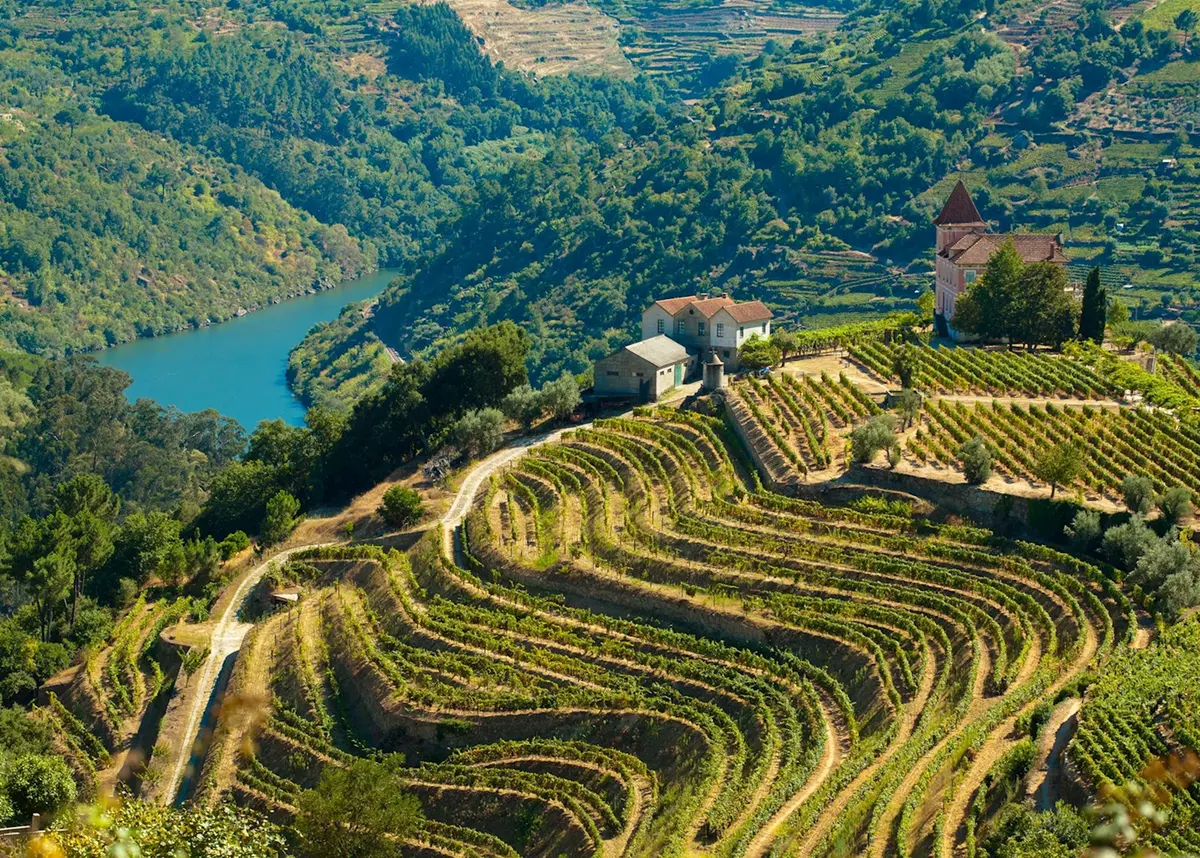
The Douro is not a transportation route connecting major cities. It is a 130-mile (210 km) journey through a UNESCO World Heritage wine valley — departing from Porto on Portugal’s northern coast — where five massive dams control every aspect of your daily schedule. Unlike the Rhine, where you wake up in a new capital city each morning, Douro cruising is deliberate and immersive — built around one extraordinary region rather than a tour of countries.
The lock system you won’t find anywhere else in Europe
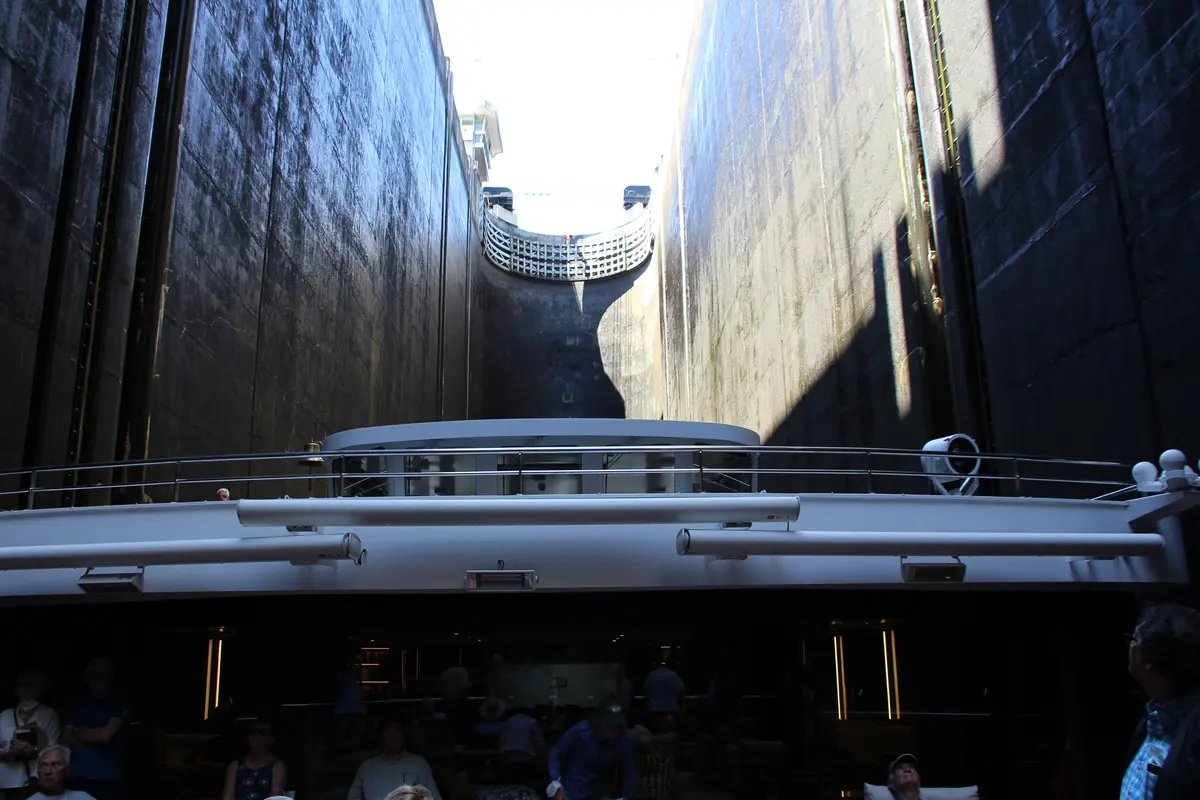
The Carrapatelo Dam stands 115 feet (35 m) tall, making it one of Europe’s deepest locks. Ships enter a concrete canyon where the walls rise above the sun deck and block out the sky. The water roars as the chamber fills or drains, creating an almost claustrophobic experience that passengers describe as being inside a draining bathtub.
All five dams require daylight-only navigation. Ships must dock by sunset every evening, meaning you will not wake up in a new city like you would on the Rhine. Instead, expect quiet evenings in small villages like Pinhão or Peso da Régua.
Pro Tip: The lock transits are the best photo opportunities on the river. Position yourself on the sun deck with a wide-angle lens as you enter Carrapatelo.
Why your ship cannot sail at night
Portuguese maritime regulations prohibit nighttime navigation due to the narrow channel and proximity to the steep valley walls. The river is only marginally wider than the ships themselves in certain sections. This creates a slower-paced experience focused on onboard entertainment rather than hopping between major European capitals. You will spend evenings at local cultural shows brought to the ship or enjoying wine tastings under the stars.
Which Douro River cruise line should you book?
The locks restrict ship length to 270 feet (82 m) maximum. Every cruise line operates purpose-built vessels carrying 96–130 passengers instead of the standard 190 found on other European rivers. The four main lines differ sharply in design philosophy, inclusion levels, and price.
1. AmaWaterways (AmaDouro, AmaVida, AmaSintra)
AmaWaterways painted their Douro fleet gold and bronze to match the “River of Gold” nickname. The hardware delivers the best balcony options on the river. The twin balcony design in suites gives you both a French balcony (sliding glass door with railing) and a small step-out balcony. Most competitors only offer French balconies due to width restrictions. The heated sun-deck pool is worth prioritizing during the valley’s scorching summer heat.
- Location: Porto embarkation
- Cost: $500–$800 per person/day
- Best for: Balcony enthusiasts and pool users
- Passenger capacity: 102 per ship
2. Viking River Cruises (Helgrim, Osfrid and four more)
Viking’s Douro fleet — six ships in all, including Helgrim, Osfrid, Hemming, Torgil, Sol, and Gyda — brings their award-winning Scandinavian aesthetic to Portugal. Light woods and clean lines create continuity with the rest of their fleet. The Aquavit Terrace adapts their signature indoor/outdoor dining space to the smaller bow. Standard cabins range from 135–205 square feet, making them the tightest on the river. You will appreciate the space during daytime scenic cruising but may feel cramped during evening downtime.
- Location: Porto embarkation
- Cost: $500–$800 per person/day
- Best for: Viking loyalists seeking consistency
- Note: Veranda Suites reach 302 sq ft and include a full step-out balcony
3. Scenic Luxury Cruises (Scenic Azure)
Scenic’s “Sun Lounge” balconies raise and lower at the push of a button. The glass window seals the balcony to create an indoor solarium, perfect for cool spring mornings or intense midday summer heat. A nearly 1:2 crew-to-guest ratio enables butler service in all cabin categories. At 172 square feet, standard suites offer more breathing room than Viking.
- Location: Porto embarkation
- Cost: $800–$1,100+ per person/day
- Best for: Heat-sensitive travelers and luxury seekers
- Passenger capacity: 96 guests
4. Uniworld (S.S. São Gabriel)
Hand-painted azulejo tilework and ornate wood paneling create a floating boutique hotel aesthetic. The design leans heavily into Portuguese Grand Hotel style rather than modern minimalism. The S.S. São Gabriel is Uniworld’s dedicated Douro vessel; the Queen Isabel operates as a chartered companion ship on select itineraries. The top-deck pool and enhanced outdoor dining compensate for standard cabins that feel tight on space.
- Location: Porto embarkation
- Cost: $800–$1,100+ per person/day
- Best for: Design enthusiasts who prioritize decor
- Passenger capacity: 98 guests on S.S. São Gabriel
Are bus transfers on the Douro really that bad?
Many Douro ports require significant bus transfers because the valley is a deep gorge. Historic towns and wine estates sit high on the plateau, inaccessible directly from the gangway. Plan on spending five to six hours total on motorcoaches across a seven-night cruise — the honest figure that itineraries tend to bury.
The Salamanca day trip
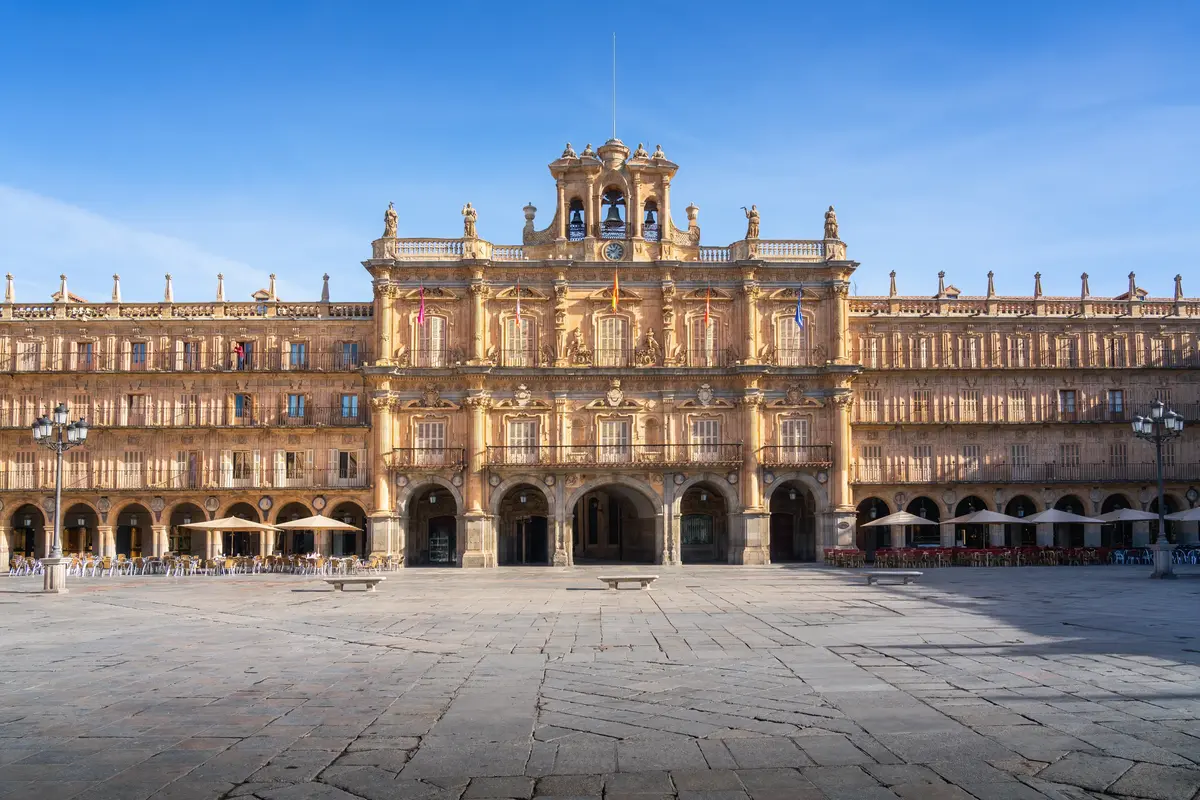
The excursion to Salamanca, Spain, represents the most demanding logistics day of any itinerary. Ships dock at Vega de Terrón, a concrete pier surrounded by nothing. You will spend four hours total on a motorcoach (two hours each way) crossing the Spanish plateau. The reward is Salamanca’s UNESCO-listed Plaza Mayor and the oldest university in Spain. Expect a nine-hour day with limited downtime. Some cruise lines offer shorter alternative excursions to Freixo de Espada à Cinta for travelers averse to long bus rides.
Pro Tip: Bring a neck pillow and entertainment for the Salamanca bus ride. The drive traverses flat, monotonous terrain.
Lamego’s 686-step staircase
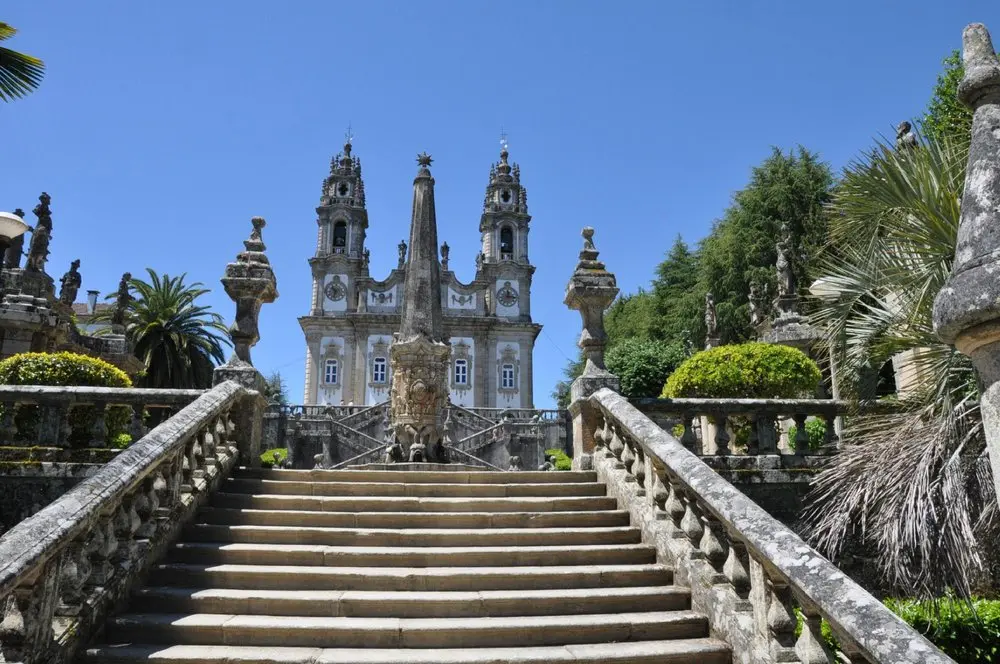
The Sanctuary of Nossa Senhora dos Remédios sits atop a Portuguese baroque staircase that would punish your knees. Most tour operators bus passengers to the top and let you walk down, which is significantly easier. The 20–30 minute bus ride from Régua is required because the sanctuary sits high above the river valley.
Which Douro River ports are actually worth your time?
Set within Northern Portugal‘s wine heartland, the Douro’s best ports share one quality: the ship docks close enough to explore on foot. That is rarer than the brochures suggest. Of the main stops, only Pinhão offers true walk-off independence; the others require a bus or a long uphill climb. Plan your excursion energy accordingly.
Porto and Vila Nova de Gaia
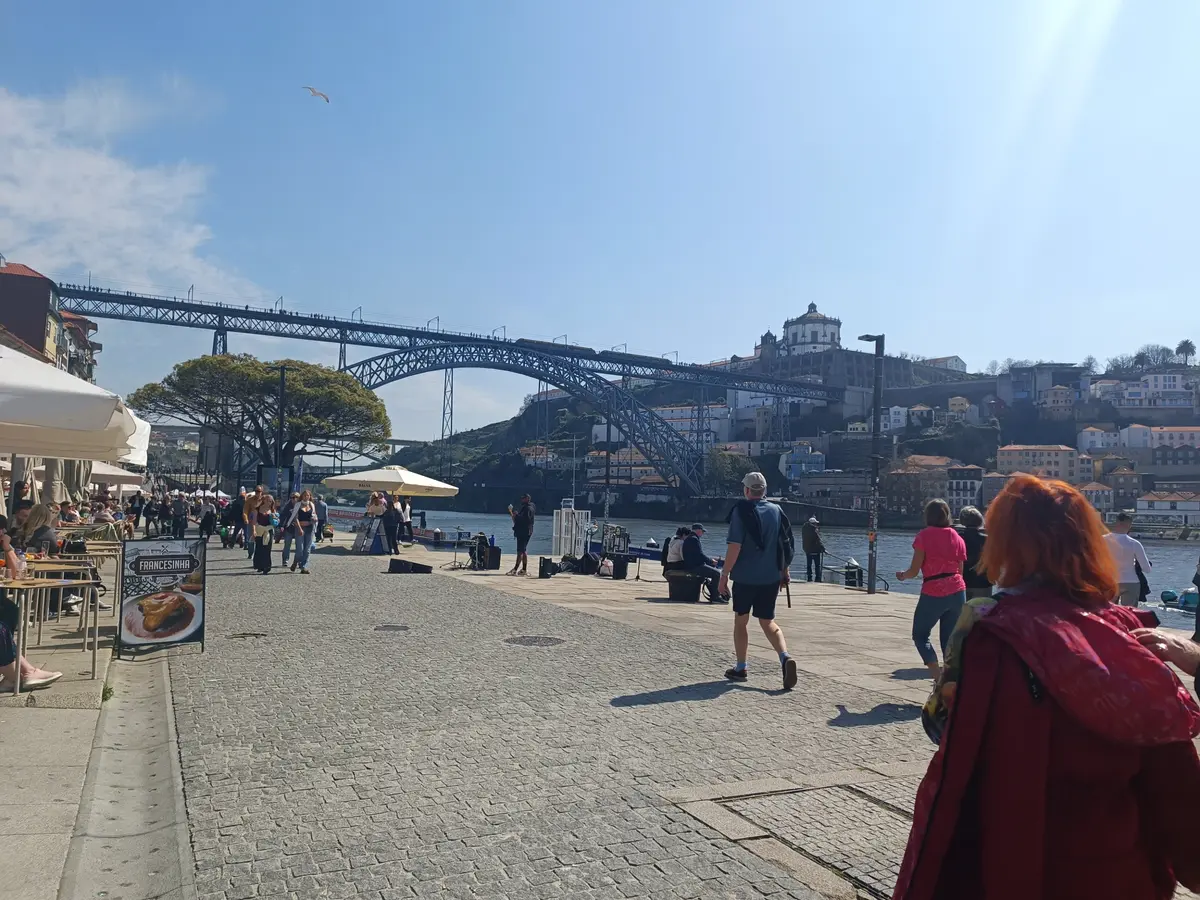
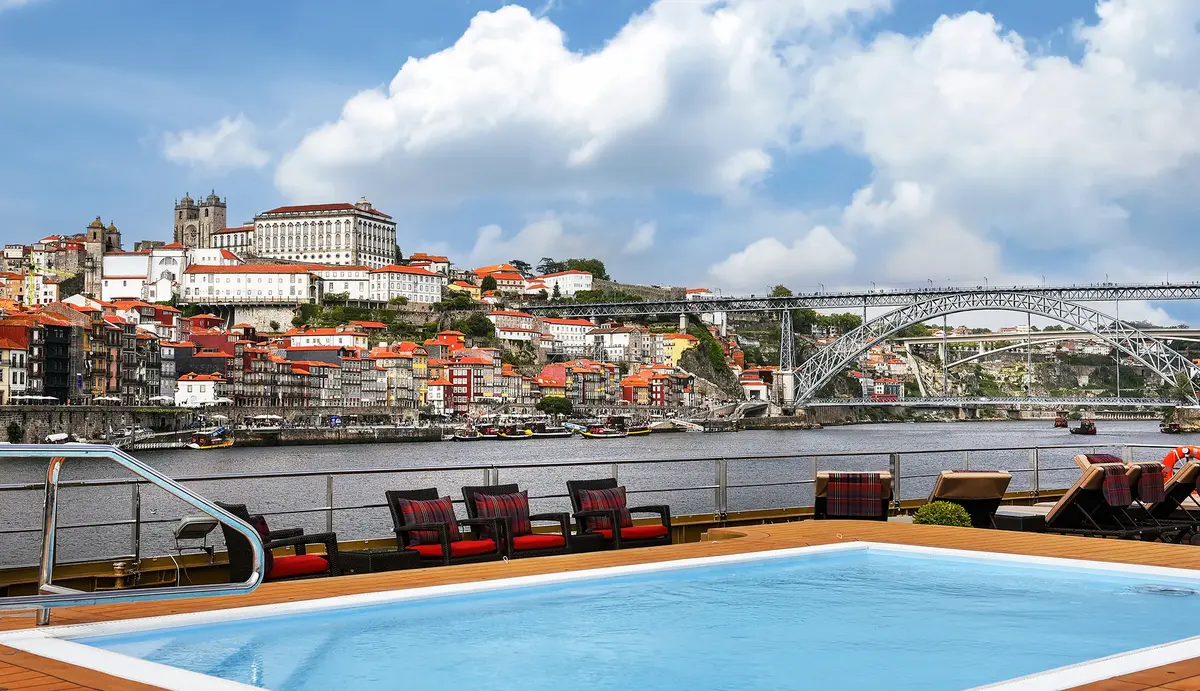
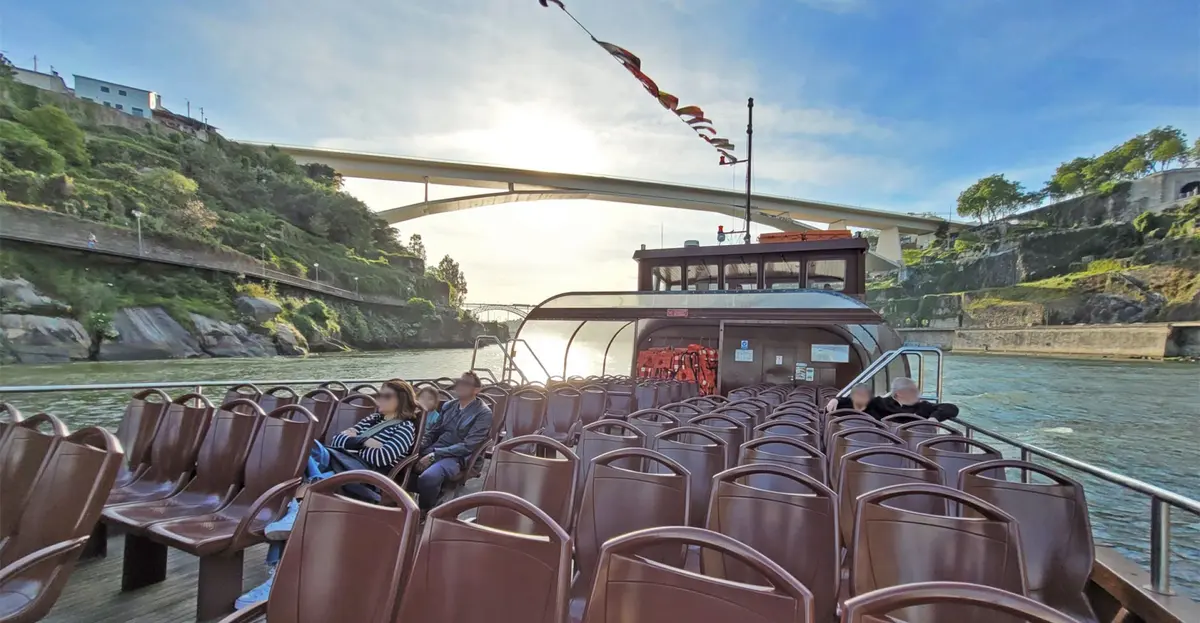
Ships dock in Vila Nova de Gaia on the south bank, not in Porto proper. Gaia houses the historic Port Wine Lodges where Taylor’s, Graham’s, and Sandeman age their fortified wines. The Dom Luís I Bridge connects you to Porto. The upper deck carries the metro and pedestrians with views straight down the gorge. The lower deck handles cars and foot traffic. The air in Gaia literally smells of aging wine from the vast cellars lining the riverfront. Graham’s and Taylor’s offer the most educational port wine cellar tours, while Sandeman provides theatrical flair with guides in black capes.
- Location: Vila Nova de Gaia docks
- Cost: Port wine tours $15–$25 per person
- Best for: Wine education and city exploration
- Time needed: 6–8 hours for Porto and Gaia combined
Pinhão
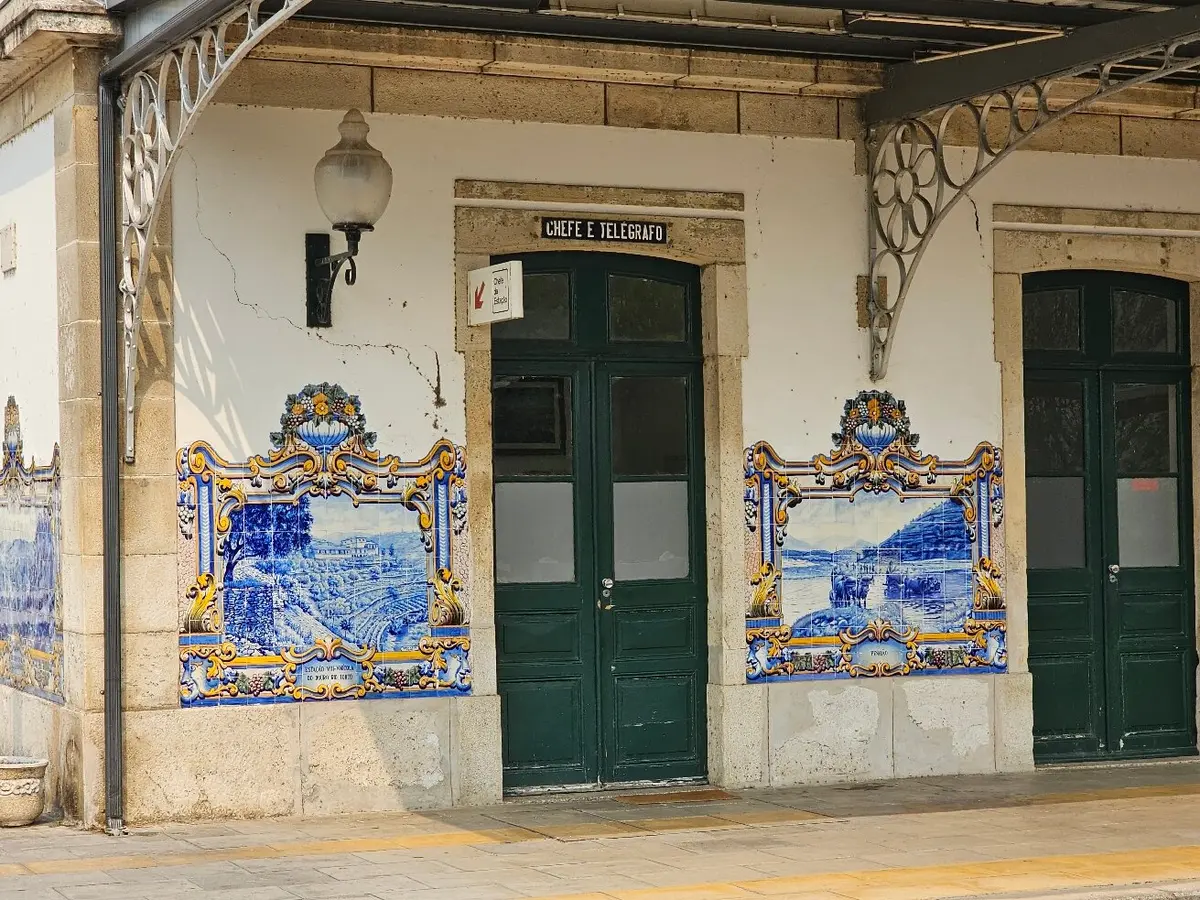
Pinhão ranks as most travelers’ favorite port because the ship docks in the town center. This is the only stop offering true walking access to wine estates. The train station sits steps from the dock. Twenty-four azulejo tile panels depicting the grape harvest create a free open-air museum. You can walk to estates like Quinta do Bomfim or Quinta da Roêda for tastings without boarding a bus. The autonomy here is rare and highly valued by independent travelers tired of group excursions.
- Location: Heart of the Douro wine region
- Cost: Quinta tastings $20–$40 per person
- Best for: Independent explorers and wine enthusiasts
- Time needed: 4–6 hours
Régua
Régua functions as the commercial hub and gateway to Mateus Palace. The palace gardens appear on the Mateus Rosé bottle label. Budget 30–40 minutes for the bus ride to the palace. The interior tour can feel crowded and rushed, but the baroque gardens justify the visit. Request extra time for garden photography rather than rushing through the cramped palace rooms.
- Location: Commercial center of the Douro
- Cost: Palace admission included in most excursions
- Best for: Garden photography and architecture fans
- Time needed: 3–4 hours including transit
When is the best time to book a Douro River cruise?
The Douro Valley’s microclimate is significantly hotter and drier than coastal Portugal. Timing determines whether you experience the valley at its best or endure an outdoor sauna — the same logic that applies when choosing the best time to visit Portugal as a whole. September is the single best month for most travelers — the harvest is underway, temperatures drop to a manageable 85°F (30°C), and the valley smells like crushed fruit.
Summer (July–August): the heat dome
Temperatures in the upper Douro regularly exceed 104°F (40°C). The valley walls trap heat, creating an oven effect that makes midday excursions brutal. The sun deck becomes unusable without shade. Choose ships with pools (AmaWaterways, Uniworld, Scenic) or retractable balconies (Scenic’s Sun Lounge) if traveling during these months. Avoid hiking-heavy itineraries entirely.
Harvest season (September–October): the golden ticket
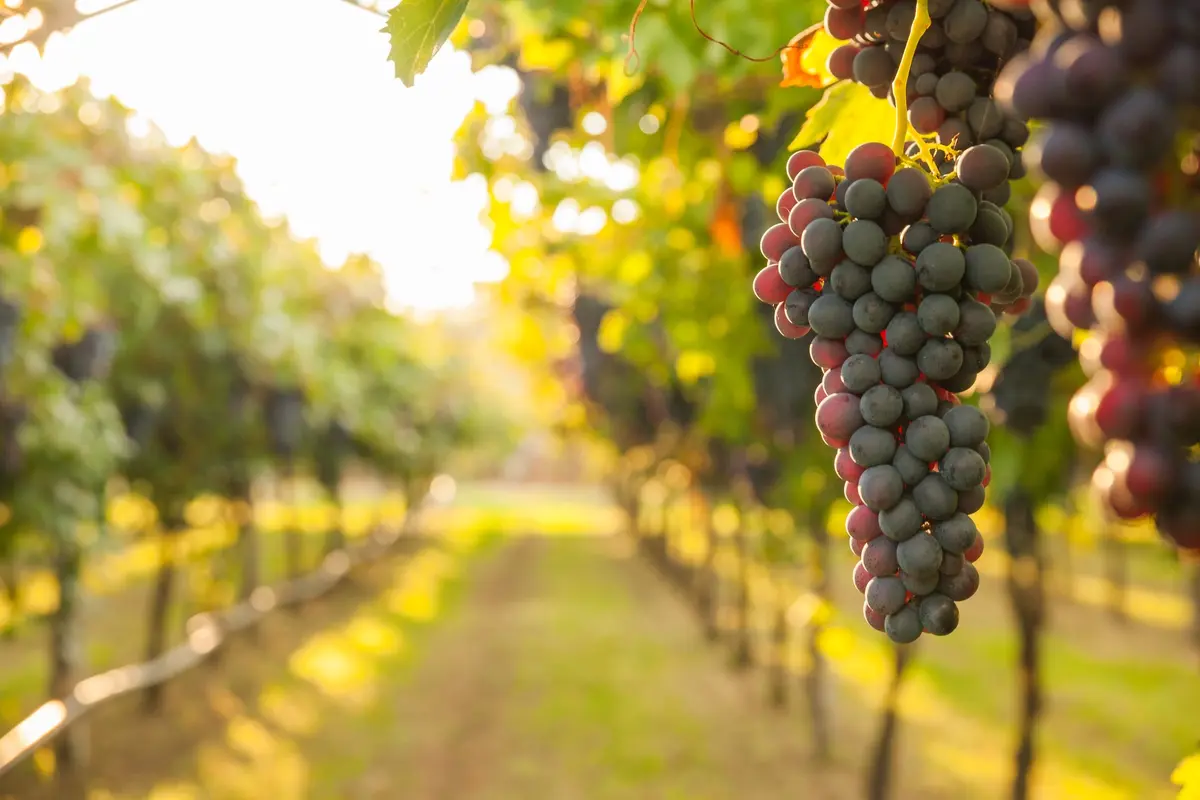
The vineyards turn russet and gold. The scent of crushed grapes hangs in the air as workers carry baskets to the crushing houses. Many Quintas offer harvest experiences where you stomp grapes in stone lagares to the beat of drums. This tactile connection to history transforms the trip from sightseeing to immersion — the kind of singular experience a good Portugal travel guide singles out as a reason to plan your visit around the harvest calendar. Expect the highest fares of the year and book 12–18 months ahead for balcony suites.
Spring (March–May): almond blossoms
Almond trees bloom in late February and March, covering the valley in white and pink flowers. Locals call it “the snow of the Douro.” Rain is more likely during spring, carrying the risk of high water levels that disrupt navigation. When bridges have low clearance and locks reach capacity limits, cruise lines may resort to “bus bridges” — using the ship as a floating hotel while busing you to ports.
Pro Tip: September offers the best balance of weather, scenery, and cultural events. October brings cooler temperatures and thinning crowds.
What will you eat and drink on a Douro cruise?
The Douro Valley holds the world’s oldest demarcated wine region status, established in 1756. Every meal revolves around the valley’s winemaking heritage, from multi-course Quinta dinners to barbecue nights on the sun deck with grilled sardines and chorizo.
Understanding Port wine
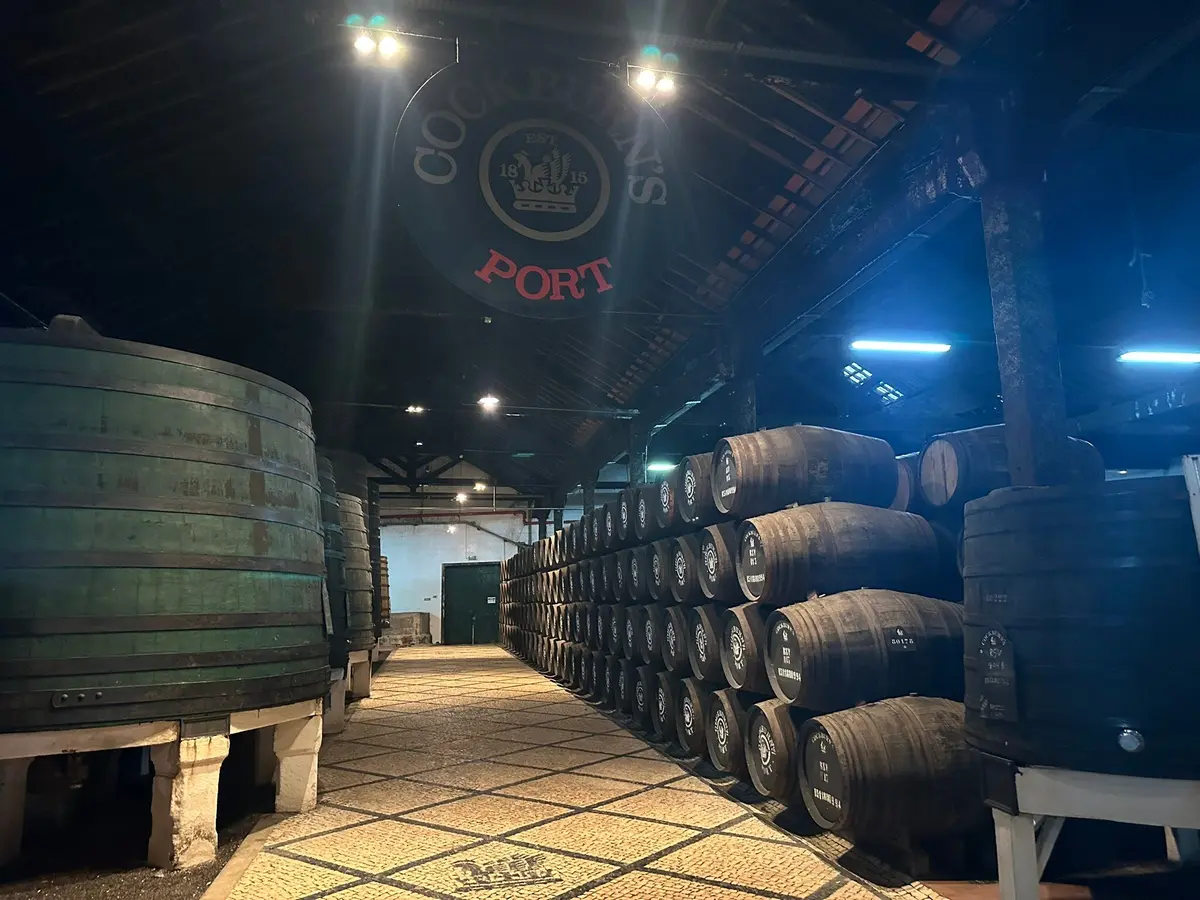
Port production stops grape fermentation by adding brandy (aguardente). This creates the sweet, fortified wine that made the region famous. Ruby Port is young and fruity. Tawny Port ages in wood barrels, developing oxidized, nutty flavors. Vintage Port comes from a single exceptional year and commands premium prices. Don’t overlook Douro DOC table wines — these non-fortified reds made from Touriga Nacional are gaining global acclaim for their mineral-heavy, food-friendly character. The Douro is just one of Portugal’s wine regions earning global recognition for still reds, but it may be the most dramatic to experience firsthand.
The Quinta dinner experience
Every itinerary includes a meal at a Quinta (wine estate). These rank among the trip’s highest-rated experiences. Quinta da Avessada features an interactive museum and a charismatic owner who explains terroir with humor. The lunch is rustic and traditional. Quinta do Seixo sits high on a hill with sweeping views over the valley, accessed via a winding road through steeply terraced vines. Expect grilled sardines, chorizo, and pork ribs at Portuguese BBQ theme nights on the sun deck.
How much does a Douro River cruise actually cost?
Sticker prices mislead because the “all-inclusive” gap between the premium and luxury tiers narrows when you calculate total trip cost. A value-tier cruise can end up costing nearly as much as a luxury one once gratuities, drinks, and transfers are added.
Value tier ($400–$550 per person/day)
Emerald and CroisiEurope include wine and beer with meals, Wi-Fi, and basic excursions. You will pay separately for gratuities ($20–$25 per person/day), premium spirits, and airport transfers. Add $350 per couple for gratuities alone on a week-long cruise. Drinks packages can add another $300 per person — numbers that make calculating the full Portugal travel cost essential before comparing itineraries.
Premium tier ($500–$800 per person/day)
AmaWaterways and Viking offer predictable inclusive packages. AmaWaterways adds “Sip & Sail” cocktail hours and more active excursion choices. Viking provides consistency for brand loyalists.
Ultra-luxury tier ($800–$1,100+ per person/day)
Uniworld and Scenic include unlimited premium spirits, all gratuities, butler service, and airport transfers. For travelers who value convenience and drink freely, the higher upfront cost often delivers better value than paying à la carte.
Pro Tip: Calculate total trip cost including gratuities, drinks, and transfers before comparing cruise lines. The “value” option often costs nearly as much as luxury once you add everything.
Should you add a Lisbon extension before your Douro River cruise?
The Douro sits 185 miles (300 km) north of Lisbon. Flying directly into Porto for just the cruise creates an incomplete Portuguese narrative — you skip Lisbon, the capital city that funded the discoveries that put Portugal on the map.
Cruise lines typically bus passengers from Lisbon to Porto, taking 3.5–4 hours with a stop in Coimbra to break up the journey. The Alfa Pendular train offers a superior independent option. The route from Lisbon Oriente to Porto Campanhã takes under three hours, and tickets run $26–$50 depending on how far in advance you book through CP’s website. A Lisbon extension creates a complete arc from Discovery Age maritime history to rural wine culture — and train travel in Portugal makes the connection between the two cities both affordable and fast.
How do you avoid the French balcony trap on a Douro cruise?
“French Balcony” means a sliding glass door with a railing. You cannot sit outside. Many first-time Douro cruisers book these assuming they have secured outdoor space, and the disappointment is real. If sitting on a private balcony is non-negotiable, you must book a Suite on AmaWaterways (Twin Balcony design) or a Veranda Suite on Viking. Standard cabins on most ships offer French balconies only due to width restrictions.
Scenic’s Sun Lounge balconies provide the best compromise. The retractable glass window allows fresh air when desired and climate control when temperatures soar past 100°F (38°C). On my last Douro sailing, the Sun Lounge was where I spent every morning — coffee in hand, watching the terraces scroll past while everyone else was still at breakfast.
The bottom line
TL;DR: The Douro River cruise rewards travelers who want depth over distance. Expect one extraordinary region instead of four countries, bus transfers in exchange for intimate port access, and wine immersion you cannot replicate anywhere else in Europe. Book in September, pick a ship with a pool if you run hot, and do not let a French balcony be your cabin.
The trade-off is real: you sacrifice waking up in Vienna or Budapest for the privilege of watching a 686-step baroque staircase emerge through the morning mist. Which matters more for your trip — seeing multiple countries or understanding one region deeply?