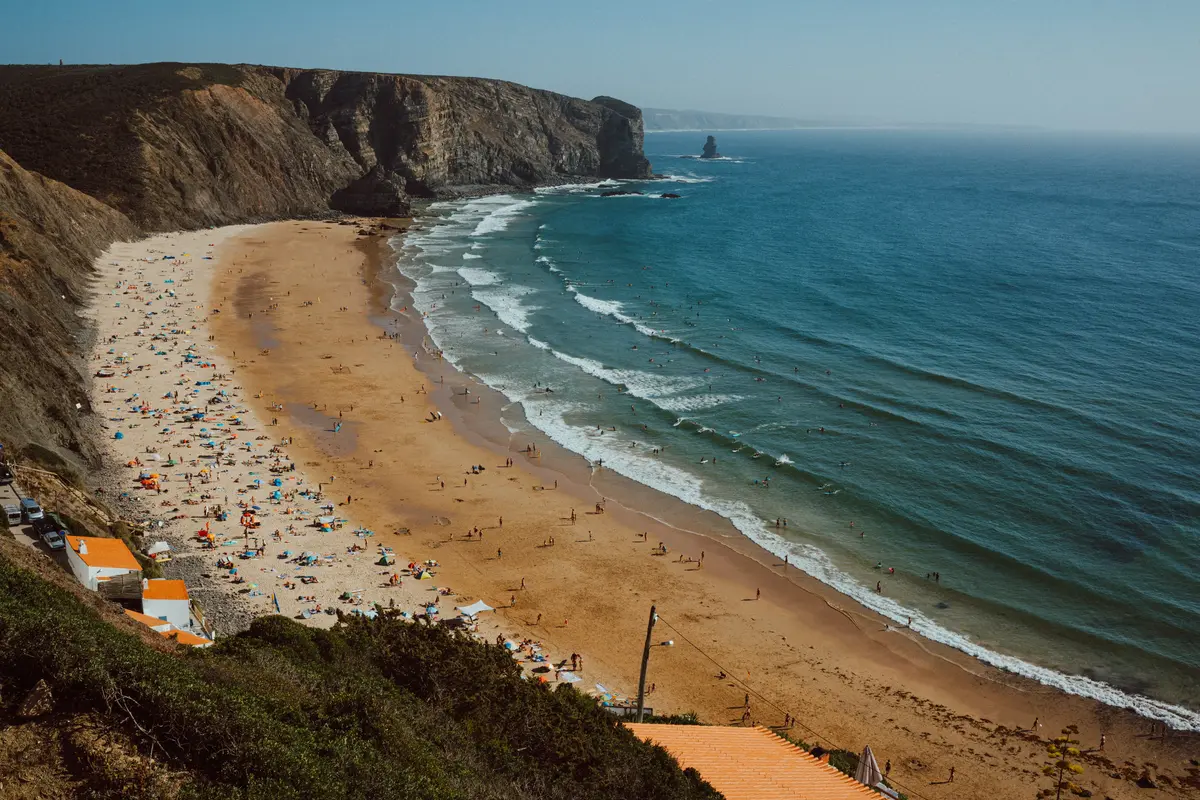
Portugal’s best beaches stretch across a 1,115-mile (1,794 km) coastline that most US travelers explore only in part. The Algarve draws the majority of visitors, but the country’s variety extends from cliff-sheltered southern coves where the Atlantic runs warm by midsummer to cold, surf-battered northern shores. This guide gives you specific picks for every travel style and the logistics to reach them.
What makes the Algarve the top destination for beach travel in Portugal?
The Algarve covers the extreme southwestern tip of Europe and accounts for the vast majority of Portugal’s beach tourism. Reliable sunshine, dramatic sandstone cliffs carved into arches and sea caves, and more than 150 separate stretches of sand make the case. The region divides cleanly into two different experiences: the developed central and eastern coast around Albufeira and Portimão, and the wild, protected shores of the Costa Vicentina Natural Park to the west.
The geography matters more than most travel writing admits. If you want calm, warm water and poolside amenities within walking distance, stay in the center. If you want waves, empty dunes, and no high-rise hotels in your sightline, go west. Trying to do both from one base means a daily 40-minute drive each way — doable, but worth knowing before you book.

Algarve beaches that earn the reputation
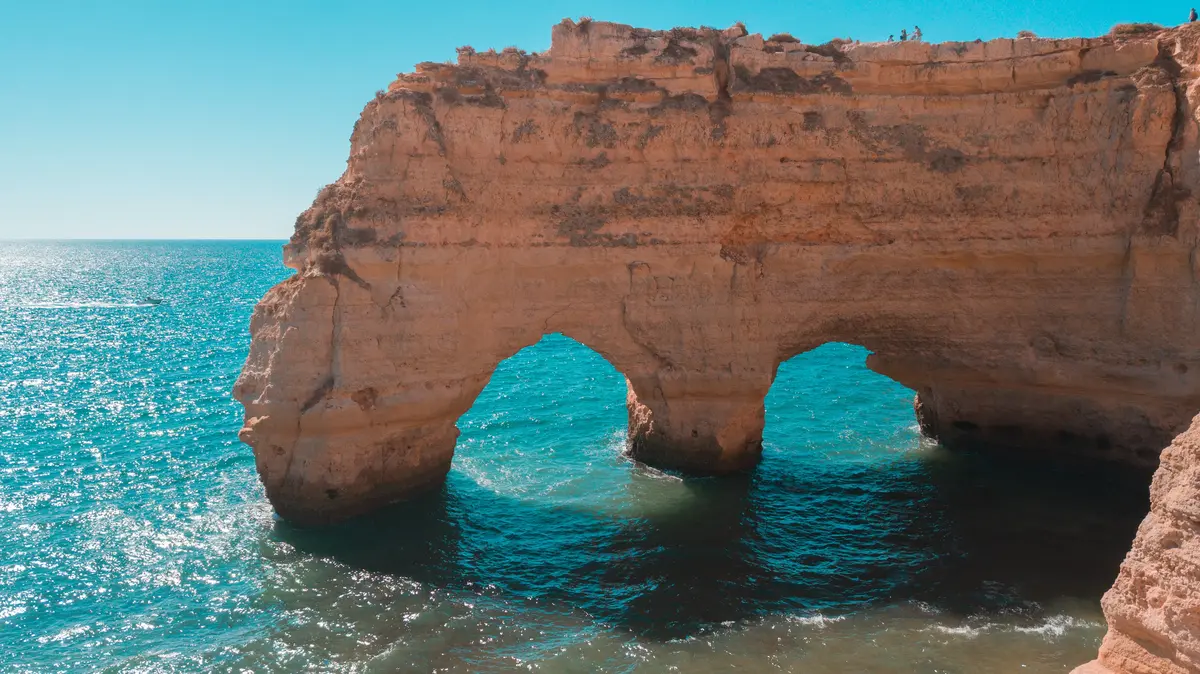
Praia da Marinha
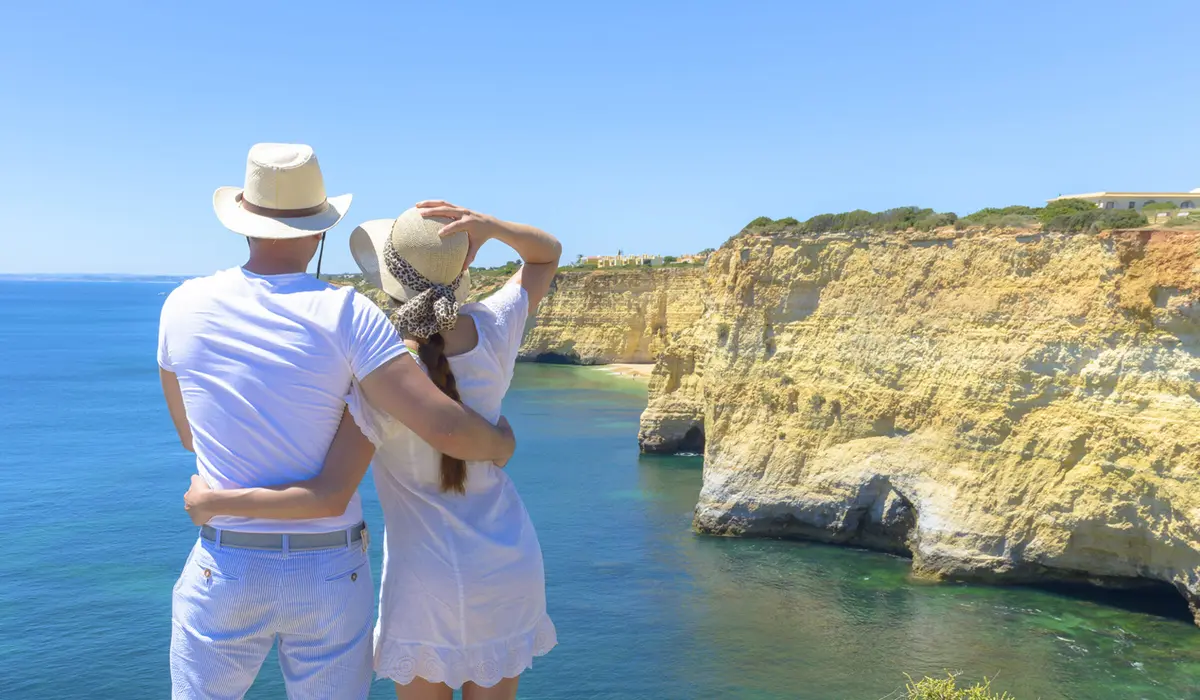
Praia da Marinha is consistently ranked the most beautiful beach in the country, and the sandstone cliffs — golden orange, ribbed with dark horizontal bands — do live up to that billing. A long wooden staircase cut into the cliff brings you down to a sheltered bay of green water. The double sea arch on the right side of the cove is the defining feature, large enough to swim through on calm days.
The honest caveat: Atlantic currents push heavy seaweed ashore for days at a time, turning the water murky and making swimming unpleasant. There is no solution when that happens except driving to another cove — which is one of several reasons a rental car is non-negotiable on this coastline.
For active travelers, Praia da Marinha is the eastern starting point of the Seven Hanging Valleys Trail, a 4-mile (6.4 km) clifftop walk with a series of viewpoints directly above the arches and neighboring coves.
- Location: Near Lagoa, central Algarve
- Cost: Free; paid parking lot above the beach
- Best for: Photographers, clifftop hikers, couples without toddlers
- Time needed: Half day minimum, full day if walking the trail
Pro Tip: Walk the Seven Hanging Valleys Trail east to west, arriving at Marinha last. You’ll clear the main viewpoints before the tour buses arrive, and the beach itself photographs best in mid-morning light when the sun hits the cliff face directly.
Benagil Cave (Algar de Benagil)
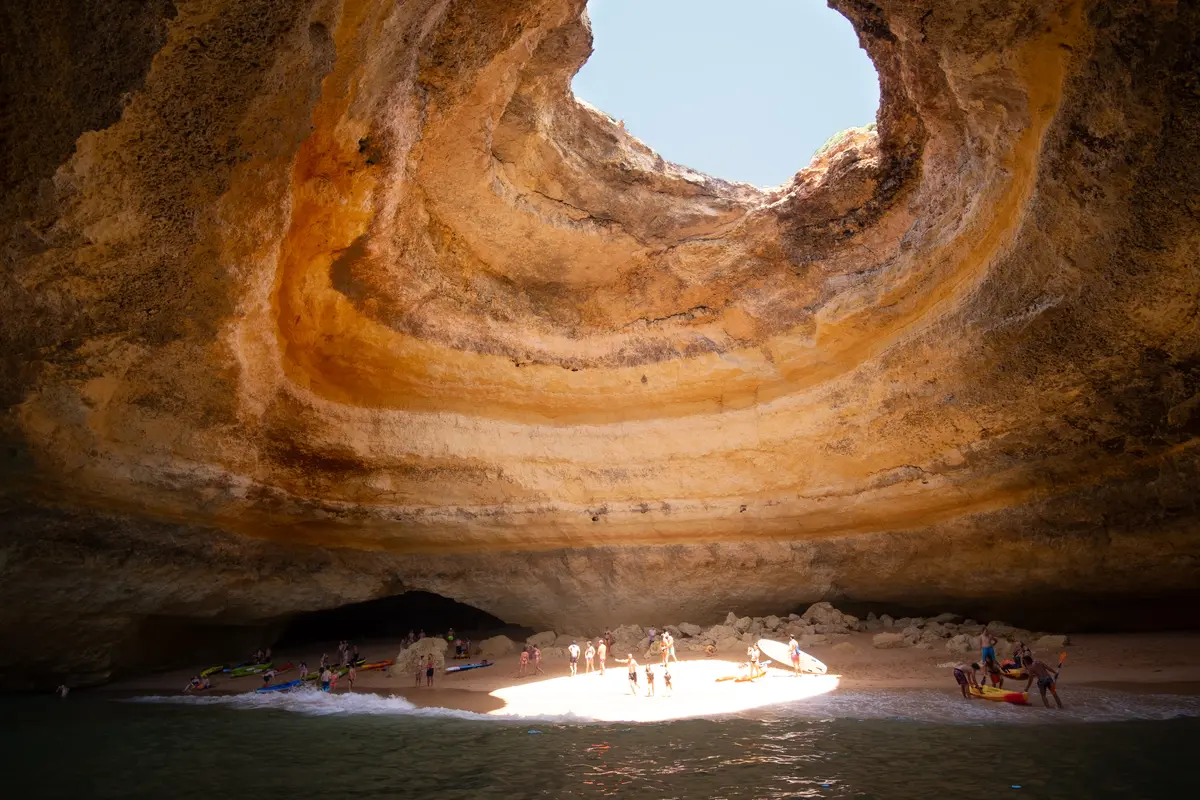
The Benagil Cave is a sea cavern with a domed limestone roof and a circular natural skylight that drops light directly onto a small interior beach. The photographs you’ve seen are accurate — it really does look like that. Standard boat tours from Benagil beach circle the outside of the cave entrance. They never land inside. For that, you need a guided kayak or stand-up paddleboard tour that physically carries you onto the interior beach.
The beach inside is smaller than the photos suggest — roughly the size of two tennis courts — and boat engines echo loudly off the cave walls. Go early in the morning if any sense of quiet matters to you.
Do not swim to the cave independently. The current at the entrance is strong, boat traffic is heavy from 9 a.m. onward in summer, and water rescues happen here every season.
- Location: Praia de Benagil, near Lagoa
- Cost: Free beach access; kayak tours typically $25–$50 per person
- Best for: Anyone willing to book a kayak tour in advance
- Time needed: 2–3 hours including the tour
Pro Tip: Book your kayak tour at least two days ahead in summer. Tour operators fill up fast, and the best morning slots are typically claimed by the afternoon the day before.
Ponta da Piedade & Praia do Camilo near Lagos
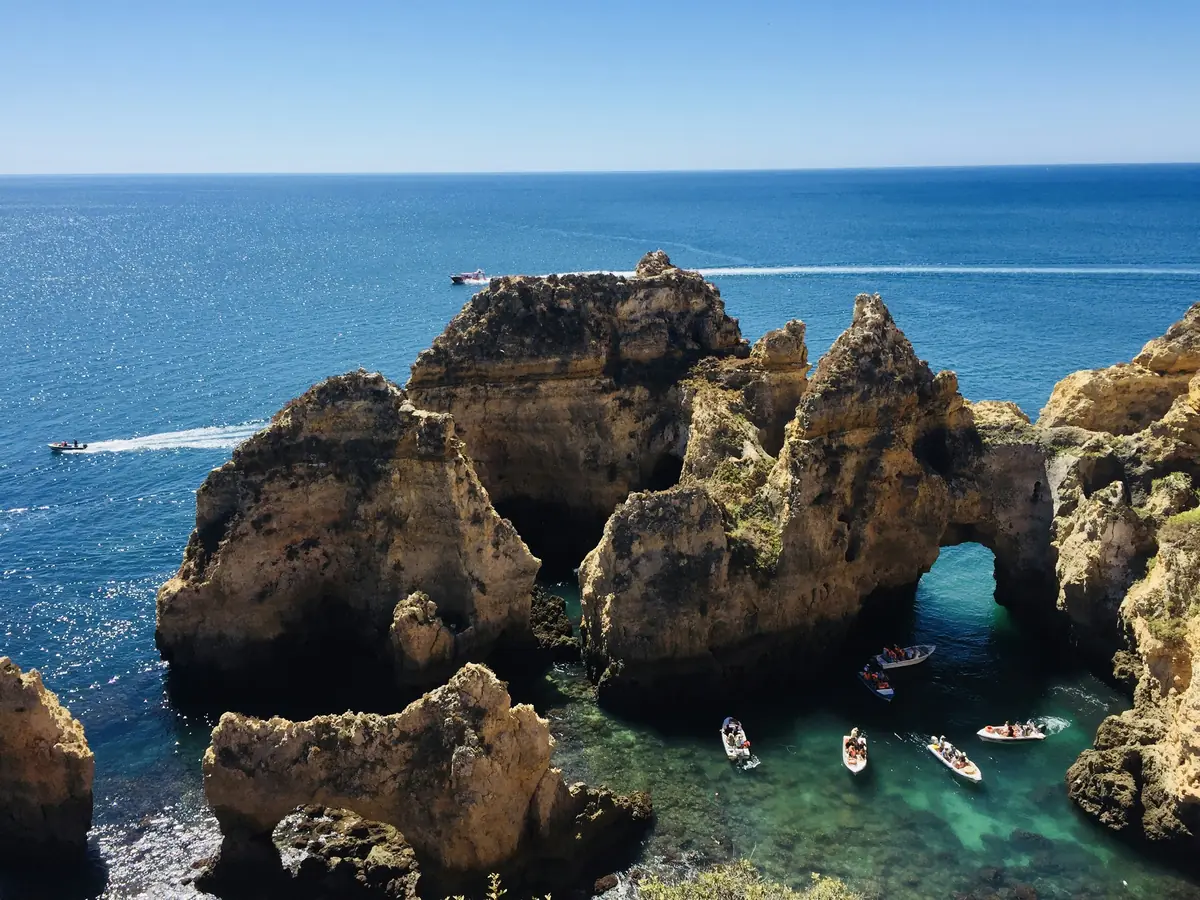
The Ponta da Piedade headland is the most dramatic stretch of Algarve coastline — a maze of golden sea stacks, natural arches, and carved grottos that you explore by boat or kayak from the Lagos marina. Praia do Camilo sits tucked inside this landscape and requires descending roughly 200 wooden steps. The water at the bottom is exceptionally clear and, because the cove faces slightly away from the prevailing swell, usually calmer than beaches farther up the coast.
At the base, a small tunnel cut through the rock on the left wall leads to a second, quieter pocket beach. Most visitors miss it entirely.
- Location: 2 miles (3.2 km) south of Lagos town center
- Cost: Free; paid parking nearby
- Best for: Kayakers, photographers, couples
- Time needed: 2–3 hours, including a boat tour from the marina
Best family beaches in the Algarve
Skip the main Albufeira town beach. The sand is fine and the water is the same quality as everywhere else on this coast, but the surrounding concentration of bars, package tour hotels, and noise makes it the least relaxing beach in Portugal. Praia de São Rafael, ten minutes west by car, gives you nearly identical water conditions with a fraction of the circus.
Praia da Rocha (Portimão)
Praia da Rocha stretches about 1.2 miles (2 km) of fine sand below steep limestone cliffs, which means that even at full summer capacity the beach rarely feels crushingly crowded. A busy promenade lined with restaurants, cafes, rental shops, and bars backs the full length. The cliff elevator at the eastern end takes you to the main road without stairs, which is useful with young children and heavy beach gear.
It lacks the quiet charm of smaller coves, but for families who want everything within a short walk — food, shade rental, toilets, and shallow entry points — no beach on the coast handles logistics more efficiently.
- Location: Portimão, central Algarve
- Cost: Free beach access; sun lounger rental available
- Best for: Families who want full amenities close at hand
- Time needed: Full day
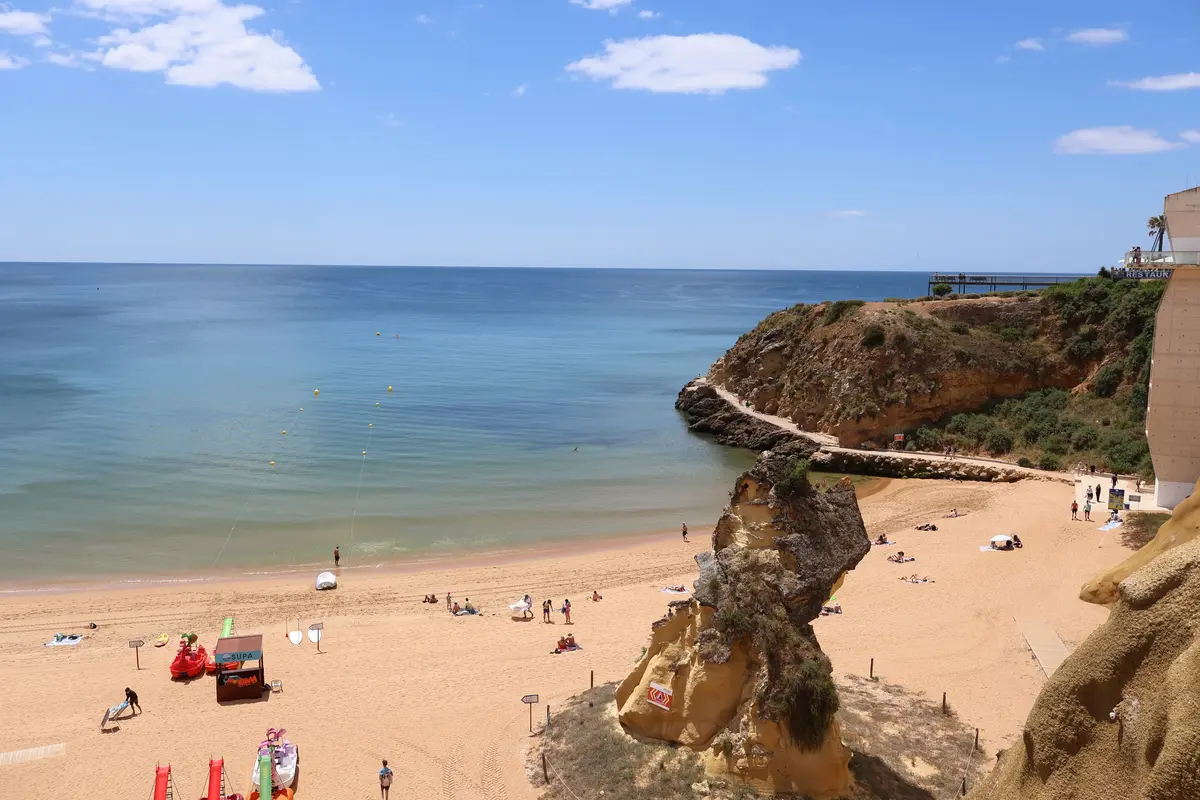
Praia da Luz
Located in the low-key town of Luz, west of Lagos, this is the Algarve beach that actually works for toddlers. The water stays shallow for a long stretch from shore, there is a ramp to the sand that makes stroller access straightforward, and the town’s main street has cafes and restaurants that feel built for people rather than package tourists. Paddle boat rentals operate from the water’s edge.
- Location: Luz, 6 miles (9.7 km) west of Lagos
- Cost: Free; paddle boat rental available
- Best for: Families with toddlers, stroller users
- Time needed: Full day
Praia de São Rafael (Albufeira)
Slightly west of Albufeira’s main strip, São Rafael has shallow, clear water and fine sand hemmed in by low rock formations that give children something to explore at low tide. The parking situation is manageable by mid-morning if you arrive before 10 a.m., and there are enough cafe terraces and sun-lounger rentals to keep a full day comfortable.
- Location: 2.5 miles (4 km) west of Albufeira center
- Cost: Free; parking and sun lounger rentals available
- Best for: Families wanting calm water without the Albufeira noise
- Time needed: Half to full day
Where do serious surfers go in Portugal? The Algarve’s wild western coast
The best surf beaches in southern Portugal aren’t on the central Algarve coast. They’re on the wild western edge, inside the Costa Vicentina Natural Park — a protected stretch of windswept dunes, river lagoons, and schist cliffs with no resort hotels in sight. This is what the California coast looked like before development took over. It operates as a magnet for surfers and independent travelers who want nature without infrastructure.
Praia do Amado & Praia da Bordeira
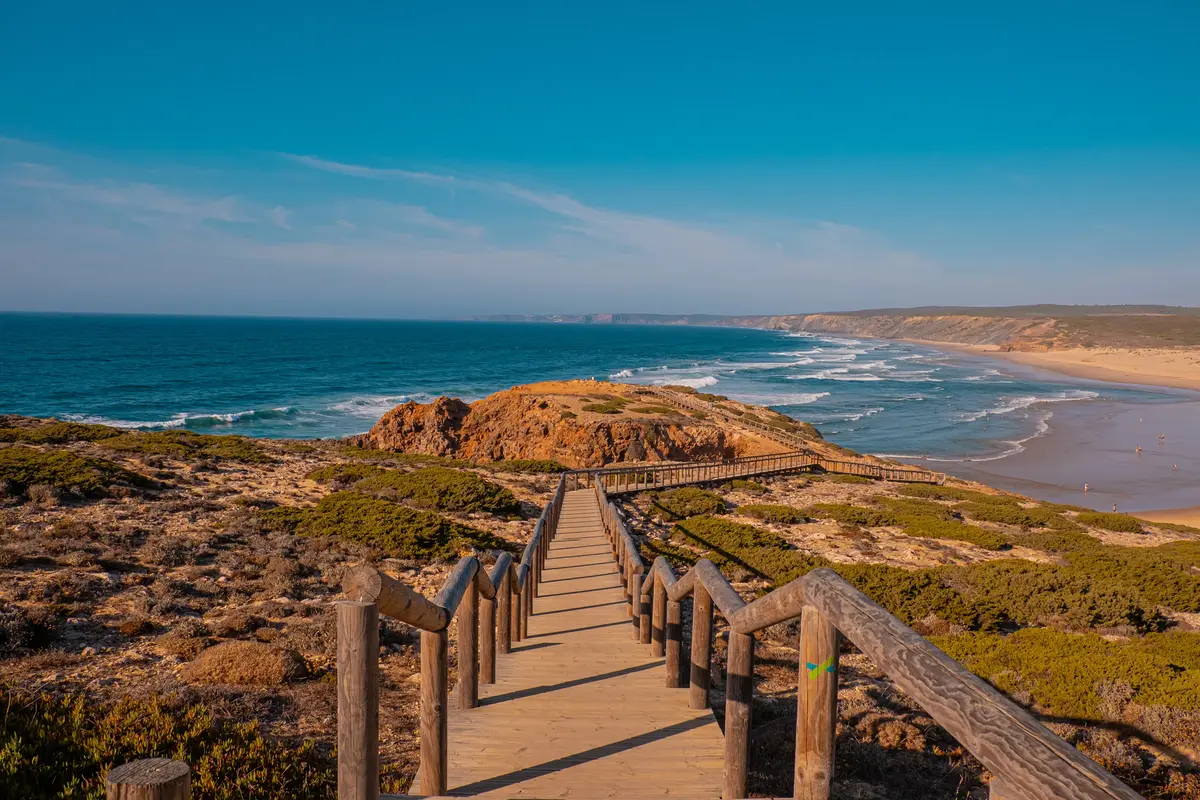
Praia do Amado is the most accessible surf beach on the western Algarve, with consistent beach-break waves suitable for beginners and intermediates and a cluster of surf schools at the top of the dune. Competitions run here regularly, which signals the reliability of the swell.
Just north, Praia da Bordeira is a larger, rawer beach framed by massive sand dunes and a river that creates a calm lagoon on the inland side. The lagoon is genuinely useful: when the ocean surf is too heavy for swimmers, the river side offers flat, shallow water. It is one of the only spots on the western coast where a non-surfing companion actually has somewhere comfortable to be.
- Location: Near Carrapateira, Aljezur municipality
- Cost: Free; parking available
- Best for (Amado): Beginner and intermediate surfers; surf school lessons
- Best for (Bordeira): Photographers, families with mixed interests, hikers
- Time needed: Full day
Praia da Arrifana (Aljezur)
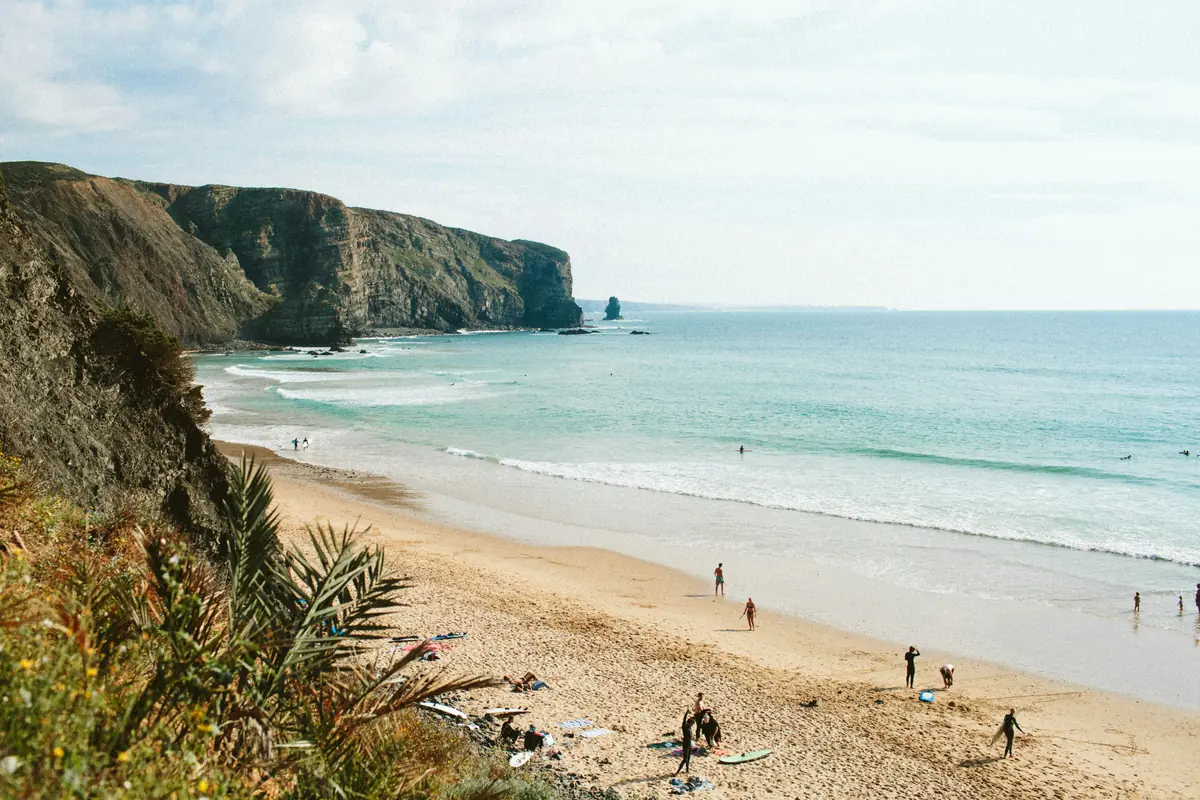
Arrifana sits below tall black schist cliffs that turn a deeper shade of charcoal when wet — the contrast against white foam and green water is worth the drive on its own. The crescent-shaped beach draws surfers for its consistent break, and the village perched on the clifftop above has a few restaurants with direct Atlantic views. The seafood here, served simply grilled on terraces above the break, is some of the best value on the western coast.
- Location: 7 miles (11.3 km) west of Aljezur
- Cost: Free; parking in village above
- Best for: Intermediate surfers, solo travelers, those who want dramatic scenery with a meal
- Time needed: Half day to full day
What are the best Portugal beaches near Lisbon?
The best shores near Lisbon include Praia de Carcavelos for surf lessons, Praia do Tamariz for easy family access, and Praia do Guincho for wind sports and dramatic scenery. The Lisbon-to-Cascais train line reaches the Riviera beaches in under 40 minutes and costs under $5 each way. For the wilder shores near Sintra, you will need a car.
The Lisbon-to-Cascais train line: the easiest beach day from the capital
Praia de Carcavelos
Carcavelos is the beach that Lisbonites actually use — a wide, sweeping bay about 20 minutes by train from the city center. The sand is coarser than the Algarve, the water is cold enough in May and June that the first minute of swimming requires commitment, and the waves are consistent enough that several surf schools run full programs here year-round. On my last visit, I counted four different lesson groups running simultaneously before 11 a.m. — this is the most convenient place near the capital to learn to surf without renting a car.
- Location: Cascais train line, 6 miles (9.7 km) from Lisbon
- Cost: Free beach access; train from Lisbon under $5 each way
- Best for: Day-trippers from Lisbon, beginner surfers, people without a car
- Time needed: Half day
Praia do Tamariz (Estoril)
Estoril’s main beach carries a history as the stretch of sand favored by European royalty and wartime exiles, and the town still has a slightly faded elegance to it. The beach itself is compact but well-organized, with tidal rock pools at the north end that work well for small children. The Casino Estoril — the building that gave Ian Fleming the setting for Casino Royale — is visible from the sand, which is a useful orientation landmark when you’re navigating back from the water.
- Location: Estoril, one train stop west of Cascais
- Cost: Free; sun lounger rental available
- Best for: Families, history travelers, Lisbon day-trippers
- Time needed: Half day
Wild beaches near Sintra: where the Atlantic is unfiltered
Anyone using a Sintra Portugal travel guide should know that Sintra’s coastline operates on different terms than the sheltered Algarve. These beaches face the full Atlantic, the water is cold year-round, and the wind on most summer days is strong enough to sandblast your calves if you stand near the surf. That exposure is exactly what keeps them from becoming resort towns.
Praia do Guincho
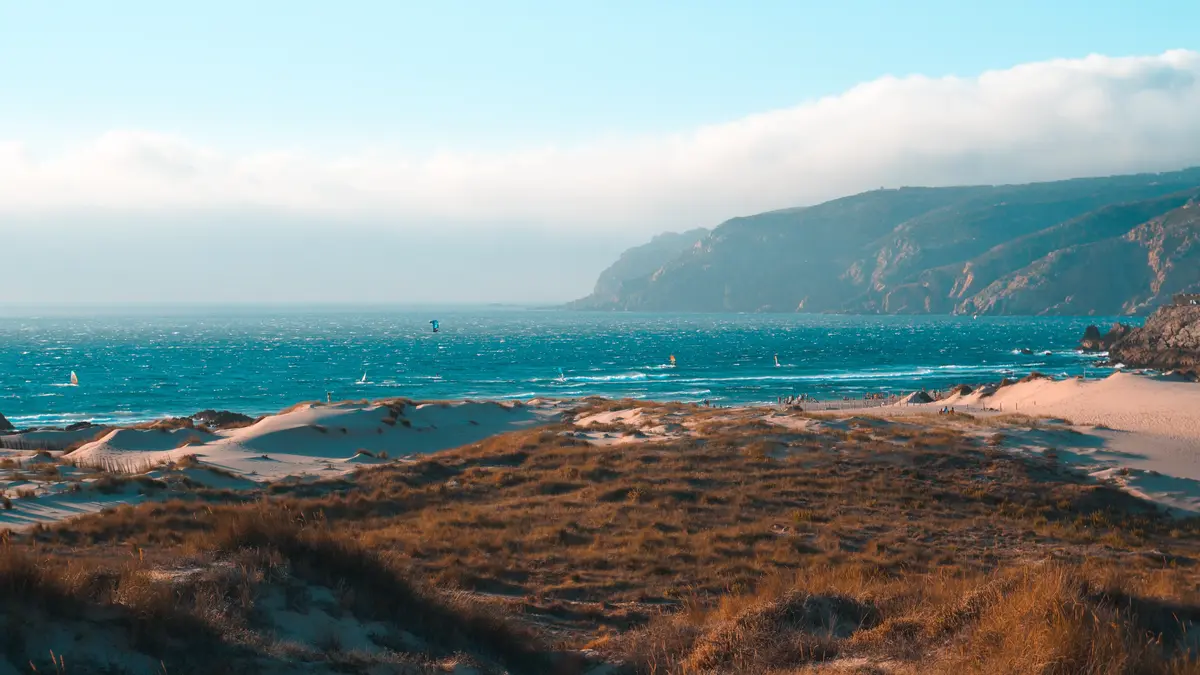
Guincho is the beach that appeared in the pre-title sequence of the 1969 James Bond film On Her Majesty’s Secret Service — Bond pulls Tracy from the surf right here, and the scene looks exactly as the beach does today: vast, wind-flattened dunes, the Atlantic coming in hard from the west, and the Sintra Hills visible inland.
The wind at Guincho is relentless from June through September. On most summer days it blows hard enough that casual sunbathing is uncomfortable and sand stings exposed skin near the waterline. This makes it one of Europe’s best destinations for windsurfing and kitesurfing, and a poor choice for swimmers unless you stay behind the dune line. The seafood restaurants directly behind the beach are some of the best near Lisbon.
One practical warning: theft from vehicles in the parking area is a recurring issue here. Do not leave anything visible in your car.
- Location: 5 miles (8 km) north of Cascais; car required
- Cost: Free beach access; paid parking lot
- Best for: Wind sports, wave watchers, seafood, James Bond enthusiasts
- Time needed: 3–4 hours
Pro Tip: The restaurant inside the converted 17th-century fortress at the north end of the beach — Fortaleza do Guincho — serves some of the best seafood in the Lisbon region. Reserve ahead; it fills on weekends even in shoulder season.
Praia da Ursa
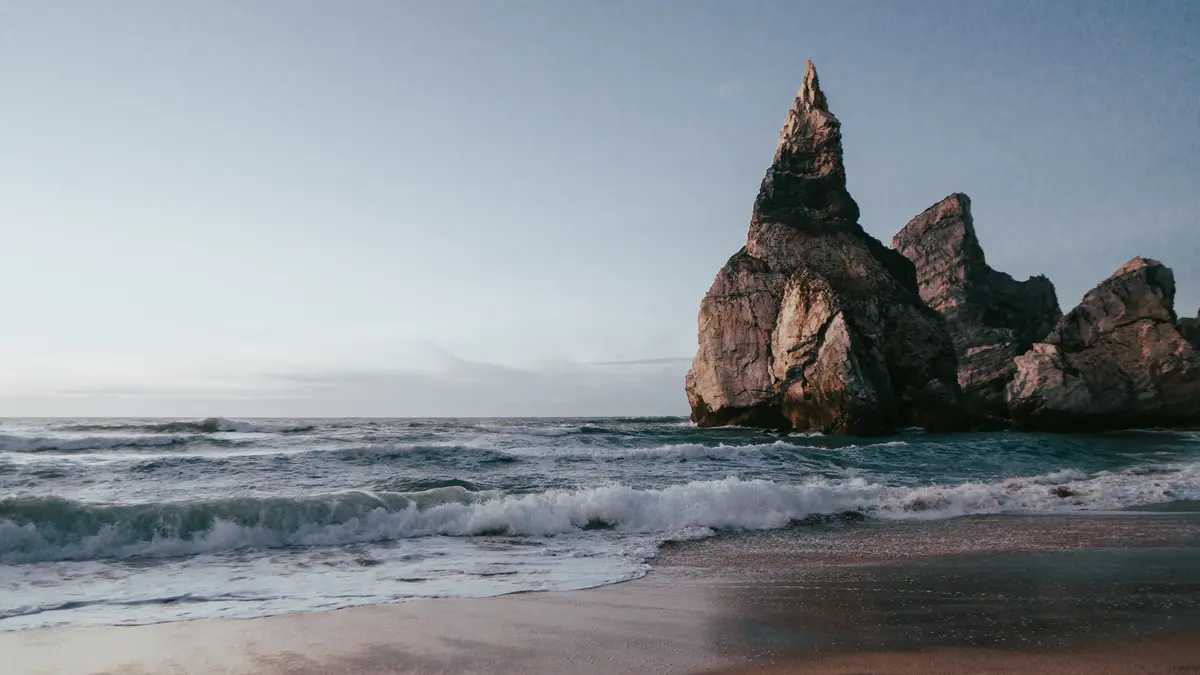
Ursa occupies a cove near Cabo da Roca, mainland Europe’s westernmost point, and reaching it requires a 25-30 minute scramble down an unmarked dirt path that drops steeply enough to make the descent slow, careful work. The reward is a large, completely isolated beach dominated by two enormous sea stacks — the Bear and the Giant — that frame the cove against the open Atlantic.
There is no infrastructure here whatsoever: no lifeguard, no cafe, no toilets. The path back up is harder than the descent, and the footing is loose in places. Do not attempt this with young children, mobility limitations, or footwear that lacks grip.
- Location: Near Cabo da Roca, Sintra Natural Park; car required
- Cost: Free; no facilities
- Best for: Fit hikers who want genuine solitude and dramatic coastal scenery
- Time needed: 3–4 hours including the hike
Ericeira: Portugal’s world surfing reserve
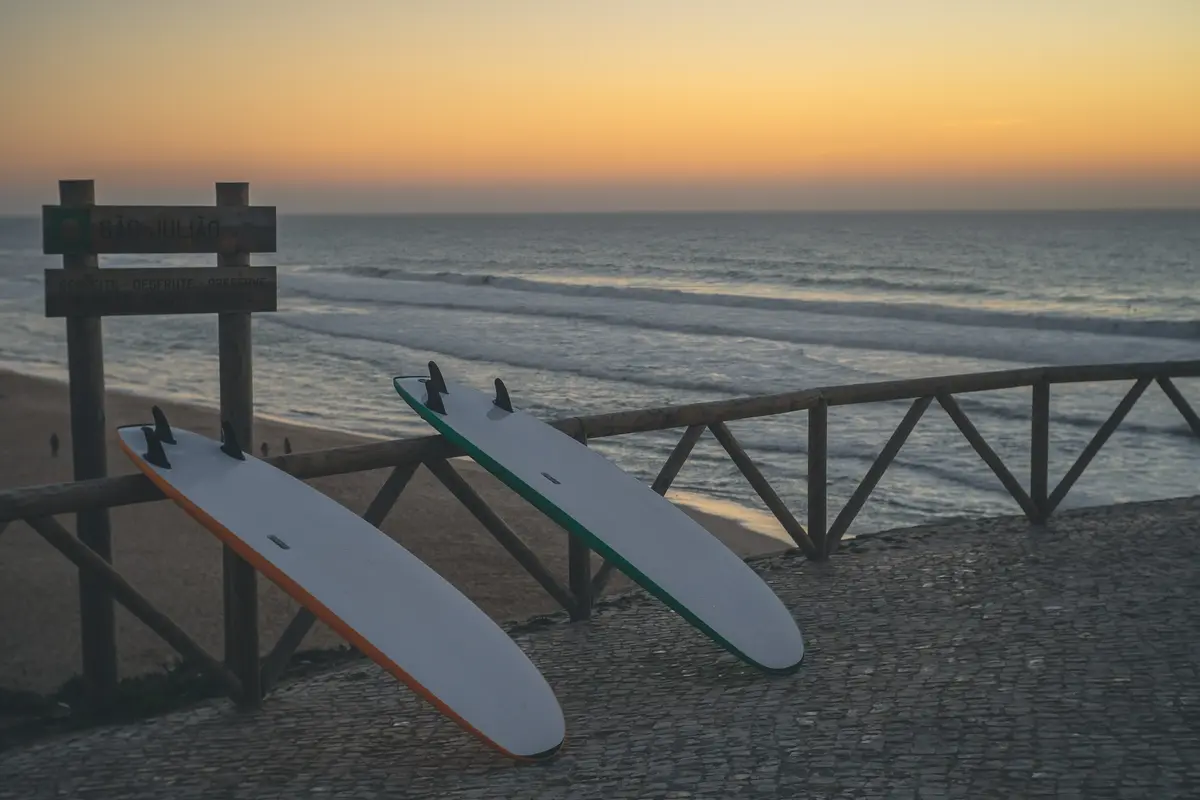
The fishing village of Ericeira, about 30 miles (48 km) north of Lisbon by car, holds one of the few World Surfing Reserve designations granted globally — a recognition of the quality, consistency, and environmental health of its waves. The designation brought surf tourism and surf industry attention, but the village kept the whitewashed streets and small-boat harbor of the fishing town it was before any of that happened.
The reserve covers a stretch of coastline with multiple breaks at different skill levels. Foz do Lizandro is the beginner option, with a river-mouth setup that softens the wave entry and a long sandy bottom. Ribeira d’Ilhas is the iconic reef break — a well-defined right-hand wave that appears in international competition coverage and belongs to advanced surfers.
- Location: 30 miles (48 km) north of Lisbon; car or direct bus from the capital
- Cost: Free beach access; surf lessons and board rental available
- Best for: Surfers of all levels; travelers who want surf culture with genuine village character
- Time needed: Overnight minimum to explore multiple breaks
Where can you find the most secluded beaches in Portugal?
The most secluded beaches in Portugal are spread across the Alentejo coast, the northern Costa Verde near Porto, and the volcanic island archipelagos of the Azores and Madeira. What these areas share is limited infrastructure, lower tourist volumes, and coastlines that remained largely undeveloped. The trade-off is longer drives, fewer amenities, and in some cases a physical scramble to reach the sand.
The Alentejo coast: the beach region most Americans skip entirely
Stretching between the Algarve and the Lisbon suburbs, the Alentejo coast is one of the least developed stretches of Atlantic shoreline in Western Europe — low dunes, marsh lagoons, and cliffs with almost no construction in sight. Vila Nova de Milfontes is the main hub, with enough accommodation and restaurants to make a two- or three-night base comfortable while you drive to different beaches each day.
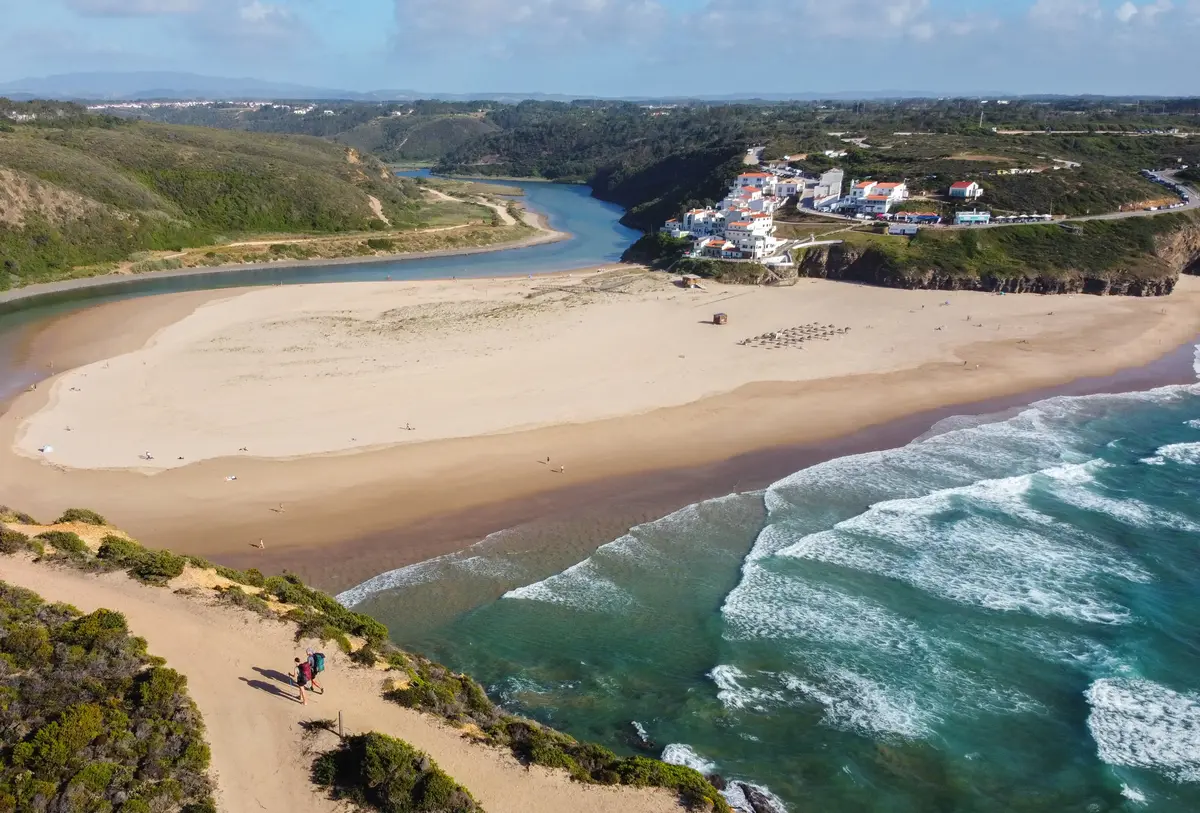
Praia de Odeceixe earns its reputation for a specific geographic reason. The Seixe River meets the ocean here and creates two entirely different water environments in the same location: the river side is flat, shallow, and protected, making it genuinely safe for small children and paddling; the ocean side has proper Atlantic surf. You can switch between them in under a minute. It is the most family-versatile beach on the entire Portuguese coast.
- Location: Odeceixe village, southern Alentejo; 1 hour 40 minutes from Faro
- Cost: Free; parking available in the village
- Best for: Families, surfers, travelers who want Algarve-quality water without Algarve crowds
- Time needed: Full day; an overnight nearby makes more sense
The Costa Verde: dramatic beaches near Porto
Northern Portugal’s coastline operates at a completely different temperature — both literally and in terms of development pressure. The Atlantic water here is noticeably colder than the south, the weather is less predictable, and the landscape is green and wet in a way the Algarve never is.
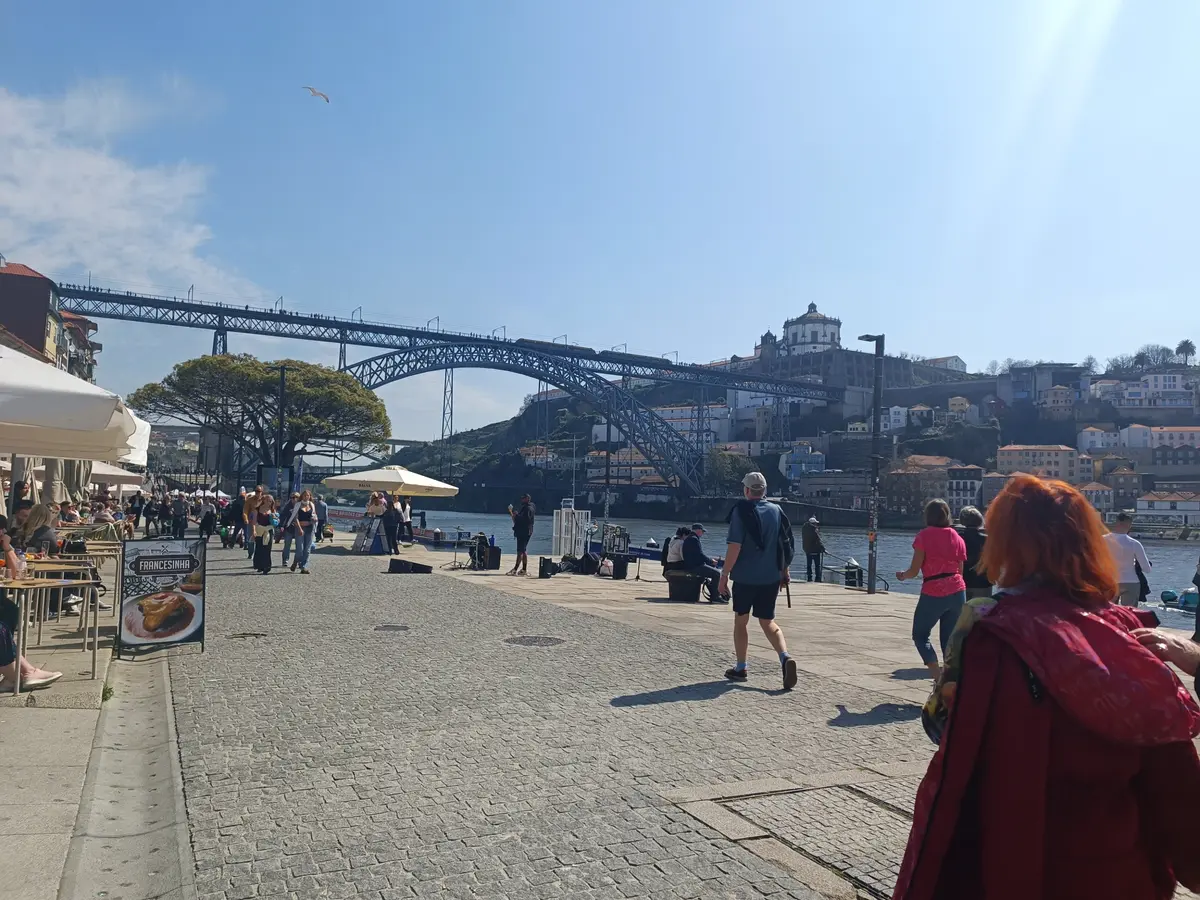
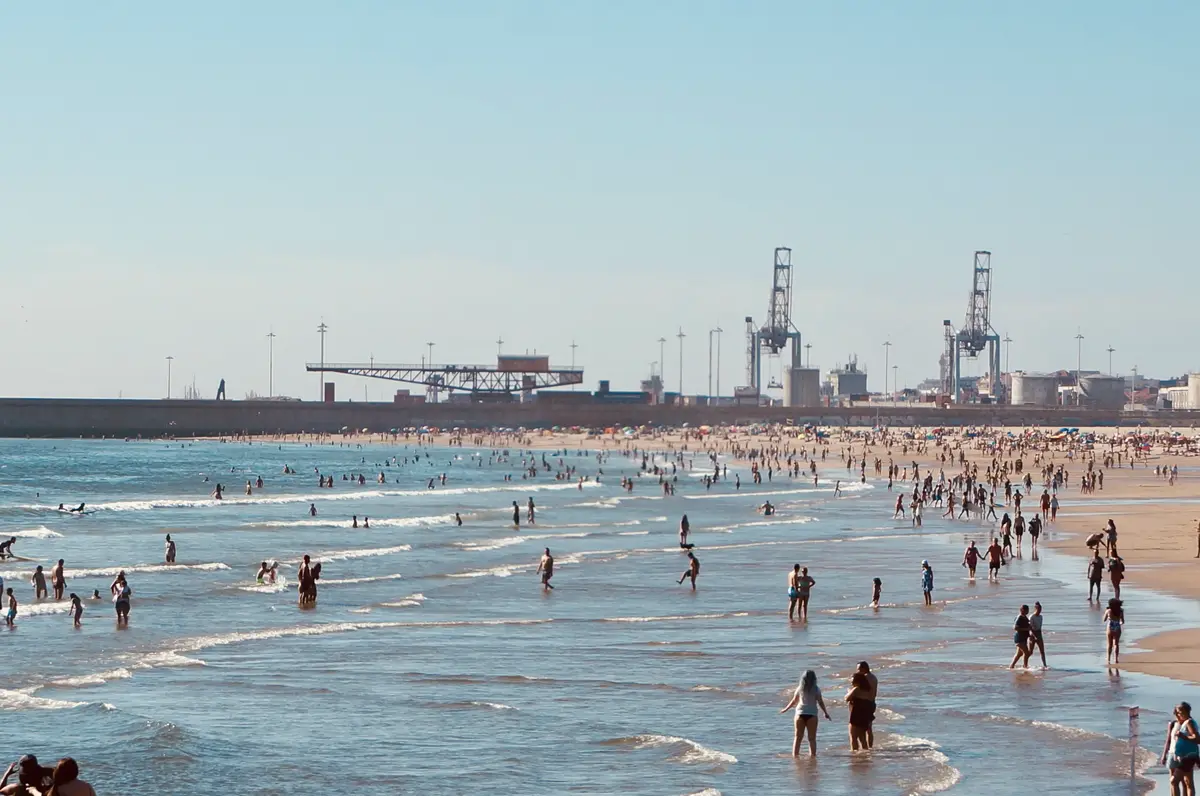
For anyone working through a Porto travel guide, Praia de Matosinhos is the easiest beach day from the city. A 20-minute metro ride from downtown, it has a long sandy shore with active surf schools and sits directly next to a working fishing harbor. The seafood restaurants that line Rua Heróis de França source fish from that harbor the same morning — this is the best-value seafood corridor adjacent to any major Portuguese city. Walk the street and pick whichever grill has the most locals eating.
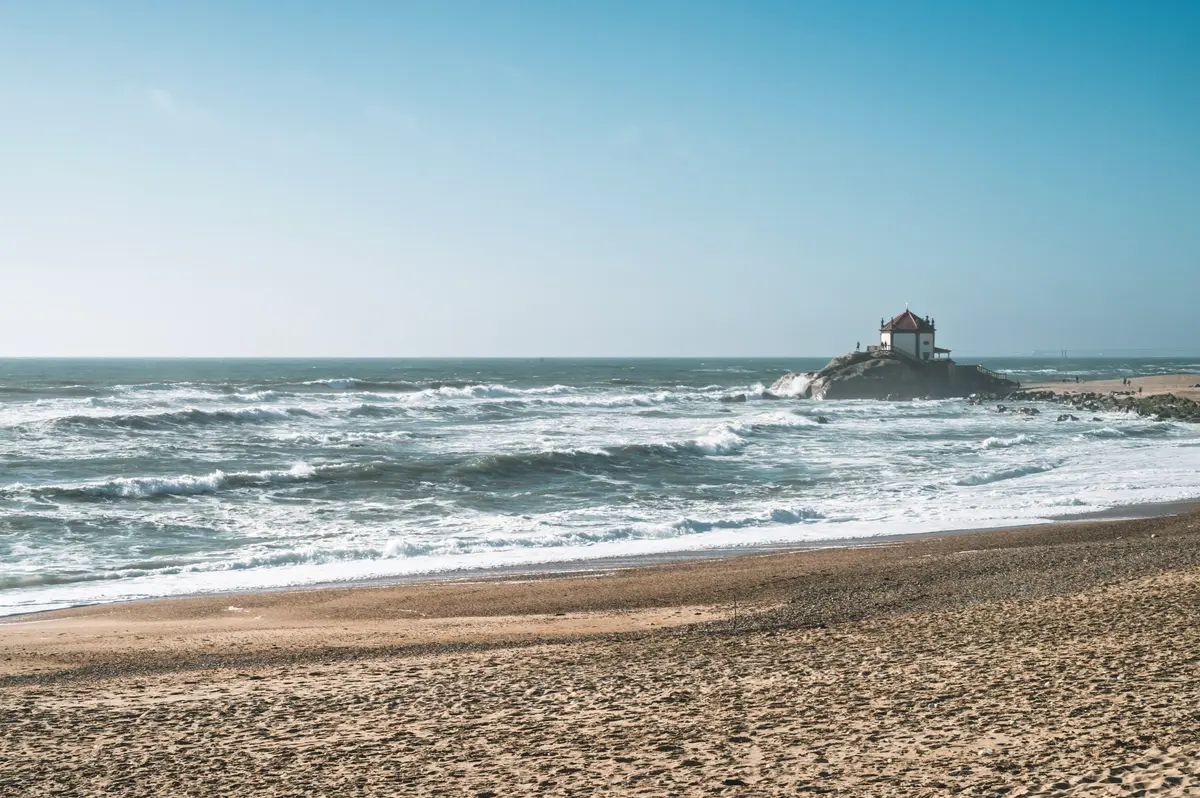
Praia do Senhor da Pedra, in Vila Nova de Gaia, has one specific reason to visit: a 17th-century chapel built directly on a rocky shelf in the surf. The chapel — Capela do Senhor da Pedra — appears to float when the tide is high enough, and it has been photographed from every angle for centuries. The beach itself is wide and clean, but the chapel is the reason to come.
- Matosinhos location: Metro lines B, C, or E from Porto center; Matosinhos Sul stop
- Matosinhos cost: Free beach access; metro under $2 each way
- Matosinhos best for: Surfers, seafood travelers, Porto day-trippers
- Senhor da Pedra location: Vila Nova de Gaia, 30 minutes south of Porto by car
- Senhor da Pedra cost: Free
- Senhor da Pedra best for: Photographers, history travelers, coastal walkers
- Time needed: Half day at each
The island archipelagos: beach experiences unlike anything on the mainland
Portugal’s two autonomous island groups offer coastal experiences that share almost nothing with the Algarve.
The Azores consist of nine volcanic islands where black lava rock meets the ocean and the beach sand, where it exists at all, is dark gray or black. Swimming is possible at natural lava pools protected from open swell — Biscoitos on Terceira is the best known — but the Azores are not beach holiday territory in the conventional sense. They are for hikers, whale watchers, and travelers who would rather stare at calderas than cabanas.
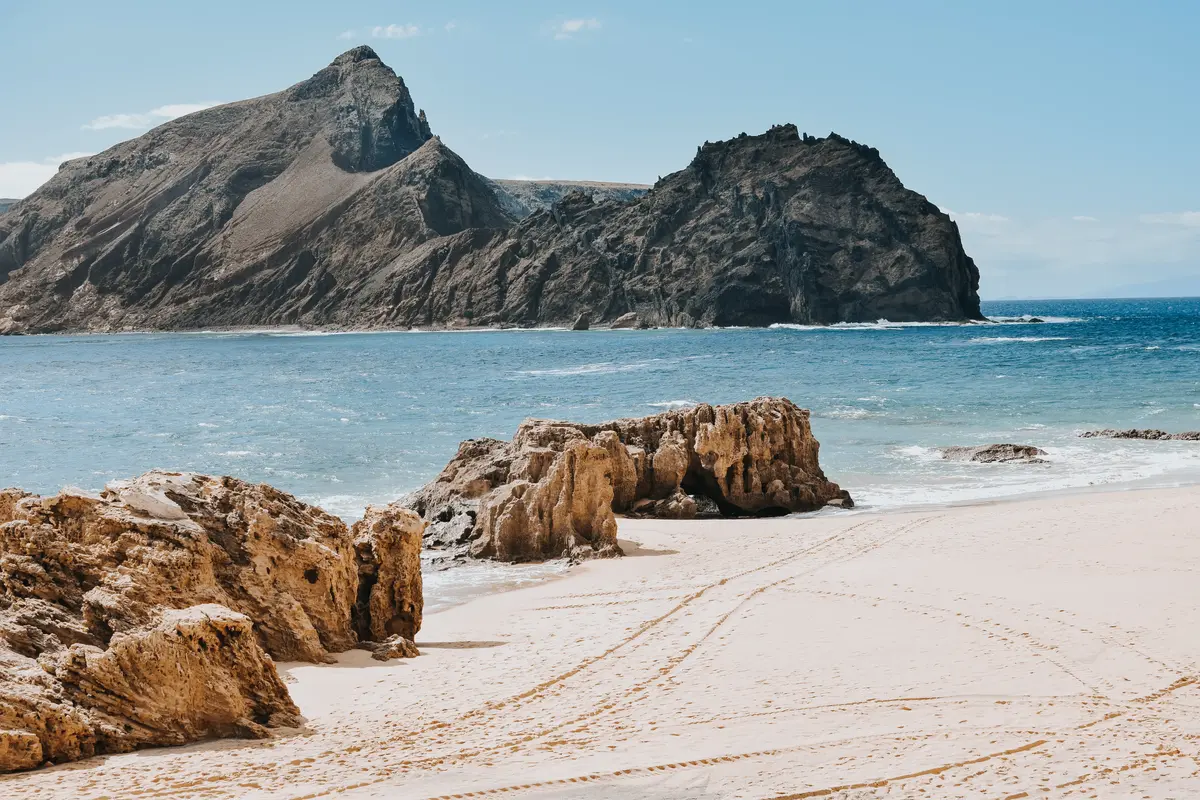
Porto Santo, the smaller island in the Madeira archipelago, is the exception: a 5.5-mile (9 km) stretch of fine, pale golden sand with calmer water than anywhere on the mainland. Locals from Madeira take the ferry specifically to swim here. That transfer pattern tells you something about the quality of the water.
Which Portugal beach fits your travel style?
With this much coastal variety, the right beach depends almost entirely on what you came to do. These picks cut straight to the best options by travel type.
Adventure seekers: big waves, sea caves, and clifftop trails
For watching big wave surfing, Nazaré is the only honest answer. The underwater canyon offshore generates some of the largest waves ever documented, primarily between October and April. The cliff viewpoint above town is where you watch from — not the water.
For learning to surf, three spots have the combination of gentle waves, sandy bottoms, and established schools that make the experience productive rather than terrifying: Praia do Amado in the Algarve, Foz do Lizandro in Ericeira, and Baleal in Peniche.
For hiking to a beach, the Seven Hanging Valleys Trail in the Algarve covers 4 miles (6.4 km) of clifftop terrain above Praia da Marinha and several neighboring coves. Praia da Ursa near Sintra is a more demanding scramble that delivers a more isolated reward.
Family beach vacations: calm water and nearby amenities
For toddlers and small children, the sheltered waters of Praia da Conceição in Cascais and the river side of Praia de Odeceixe in the Alentejo are the two safest paddling options on the coast. Both stay genuinely shallow at low tide.
For families who want maximum amenities — restaurants, rentals, and beach services in walking distance — Praia da Rocha in Portimão handles this better than anywhere else on the Algarve. Near Lisbon, Praia de Carcavelos is the large, flat, well-serviced option.
Scenery and photography: cliffs, sea caves, and coastal landmarks
The golden cliff coves of Praia da Marinha and the sea stack grottos of Ponta da Piedade near Lagos offer the most recognizable Algarve coastal photography. The interior of Benagil Cave — reached by kayak as described above — produces the backlit, domed-cavern shots that dominate Portugal travel photography.
For a landmark with genuine historical weight, the 17th-century sea chapel at Praia do Senhor da Pedra near Porto has no equivalent on the coast. Approach at high tide.
Solitude and off-the-beaten-path beaches
Praia do Carvalho in the Algarve requires passing through a tunnel carved into the cliff face to reach the sand — that entrance filter keeps casual visitors out, and the beach stays relatively uncrowded even in August.
In the Alentejo, Praia da Samoqueira and Praia do Barranco offer the kind of emptiness that feels genuinely difficult to find in southern Europe in summer. Neither has facilities. Both require a car and a walk from wherever you manage to park.
How do you plan a Portugal beach trip that actually works?
A successful coastal trip requires choosing the right entry airport, committing to a rental car for most itineraries, and timing the visit to avoid peak-season parking gridlock. Get those three decisions right and everything else adjusts around them.
Getting there and getting around
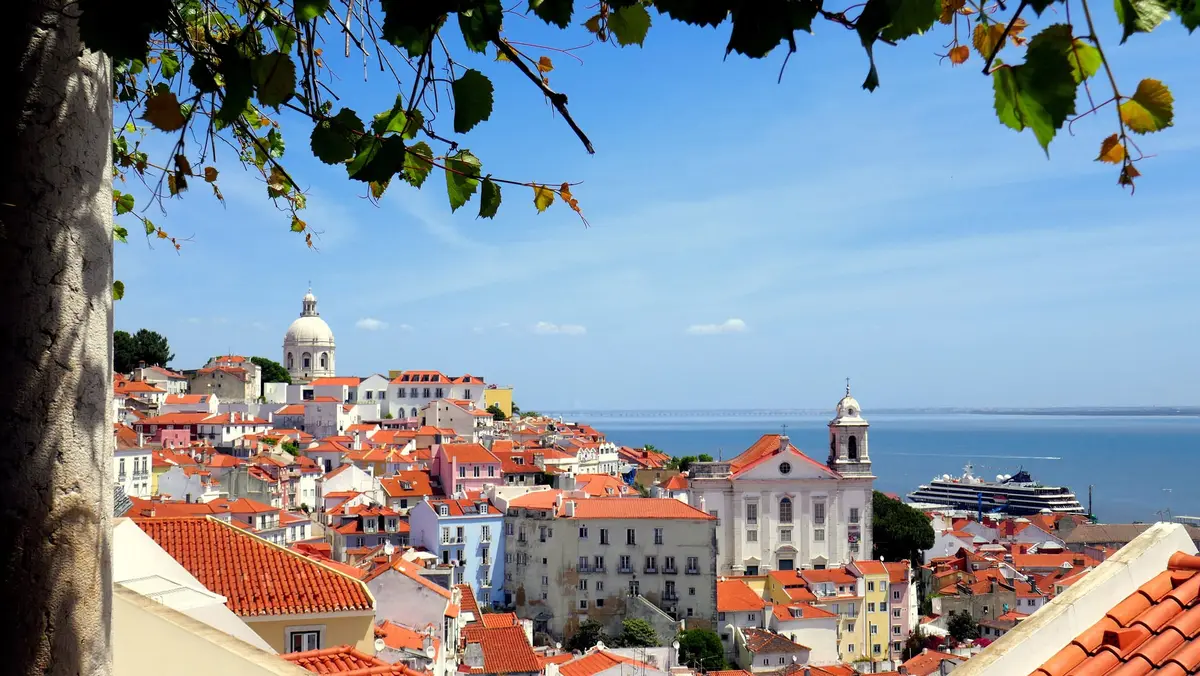
Portugal has three main international airports: Lisbon (LIS), Porto (OPO), and Faro (FAO). Faro sits in the center of the Algarve and is the obvious entry point if you’re spending most of your time in the south. Lisbon works for a mixed itinerary combining city time with Sintra, Ericeira, and Cascais day trips. Porto is the right base for a north-focused trip or a full-coast road trip from the Douro River down.
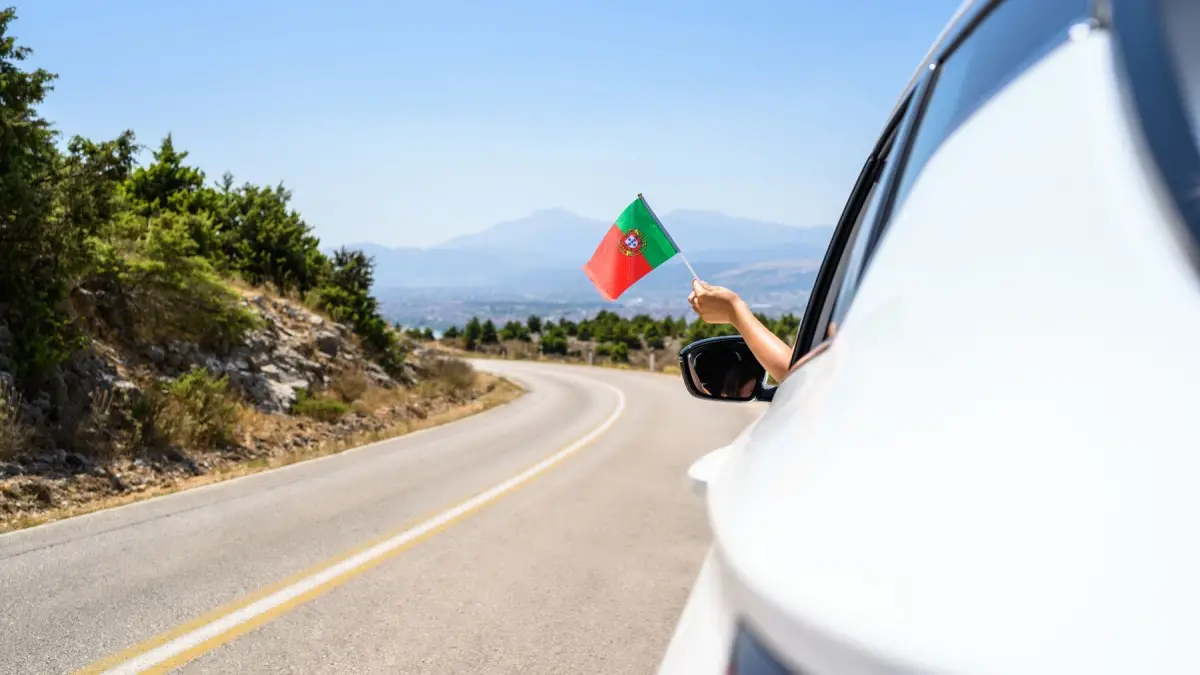
A rental car is non-negotiable for almost any itinerary that extends beyond the Cascais train line. The secluded beaches — Praia da Ursa, the Alentejo coast, the entire western Algarve — are unreachable by public transport. Even for the Algarve’s more accessible spots, the flexibility to change beaches based on sea conditions (seaweed, wind direction, swell size) is worth more than any organized tour. Rent a car in Portugal before leaving home — prices at airport pickup desks run significantly higher than advance bookings.
The Lisbon-to-Cascais train line is the one legitimate exception. It runs every 30 minutes, costs under $5 each way, and covers Carcavelos, Estoril, and Cascais without parking complications. Use it for capital day trips; use the car for everything else.
- Lisbon (LIS): Best entry for mixed city and coast itineraries
- Porto (OPO): Best for northern coast and Douro Valley combinations
- Faro (FAO): Best for Algarve-focused trips; 40-minute drive to central Algarve beaches
When to go: shoulder season is the correct answer
The best time to visit Portugal for beaches is May through June or September through October. Water temperatures reach a comfortable range, popular spots are a fraction of August capacity, and hotel prices are significantly lower.
July and August are the most expensive and crowded months. The most photographed Algarve beaches — Marinha, Benagil, Praia do Camilo — see parking lots fill by 9 a.m. and sand packed by 10. If peak-season travel is unavoidable, arrive at any popular beach before 9 a.m. or after 4 p.m.
The winter months, November through April, suit surfers and solitude-seekers. Many beachside restaurants along the Algarve and Alentejo close completely from November through March. Guincho and Ericeira stay active for wave-seekers year-round.
Where to stay: resorts, boutiques, and pousadas
For a full Algarve accommodation overview, our guide to where to stay in the Algarve covers the full range — the VidaMar Resort Hotel, which sits directly above Salgados Beach near Albufeira with multiple pools, a kids’ club, and golf access at the adjacent course, is the top full-service choice.
The real savings calculation: staying inland in Lagoa or Silves instead of beachfront Albufeira cuts nightly rates by 30-40%, but adds a 15-20 minute drive each way to every beach visit. For a week-long trip, that’s roughly $150-$200 in hotel savings against perhaps $25-$30 in extra fuel. Quieter nights are included in the deal.
For more character than a resort delivers, boutique hotels in the historic town centers of Lagos, Carvoeiro, and Cascais put you within walking distance of town life and close enough to the water for early beach starts.
Pousadas — government-recognized inns in restored historic buildings including medieval castles and former convents — are available throughout the country and provide a specifically Portuguese stay that connects accommodation to the country’s architectural history.
Essential planning resources
- Official tourism information: Visit Portugal (visitportugal.com) is the authoritative source for destination guides, updated travel information, and regional event listings.
- Beach safety and water quality: Check Blue Flag certification before swimming at any unfamiliar beach. Certified beaches meet verified standards for water quality, safety services, and environmental management. Full database at www.blueflag.global.
- Surf forecasts: Surfline (surfline.com) covers Portugal’s surf spots with daily forecasts, wave reports, and live beach cameras.
- Tide charts: Check local tide times daily before visiting rock-formation beaches or coves that access changes at high tide. Several Algarve beaches and the approach to Praia da Ursa become hazardous or partially inaccessible depending on tidal conditions.
- Broader Portugal planning: Start with our Portugal travel guide, which covers entry requirements, regional overviews, and destination context beyond the coast.
The bottom line
TL;DR: The Algarve’s central coast handles families and dramatic photography best. The western Algarve is for surfers and travelers who want to avoid resorts entirely. Lisbon’s beach corridor gives you city and coast in the same day. The Alentejo and the north are where you go when everyone else turns south.
The mistake most American visitors make is spending the entire trip in one region. Portugal’s coastline is compact enough by car that four nights in the Algarve followed by three near Lisbon covers more beach variety than most Europeans get across two separate holidays — and you don’t backtrack to do it.
What kind of beach trip are you planning — resort comfort, surf, solitude, or a road trip mixing all three? Drop it in the comments and I’ll point you toward specific spots.