Seven days in Portugal is enough to fall hard for the country — if you skip the backtracking and let the train do the work. This guide maps the exact route for 7 days in Portugal: Lisbon, Sintra, Porto, and the Douro Valley, with the fares, ticket prices, and timing I wish I’d had on my first trip to Portugal.
Quick Answer: The Best 7-Day Portugal Itinerary
The best 7-day Portugal itinerary spends two days in Lisbon, a full day in Sintra, two days in Porto, and one day in the Douro Valley, with a flexible final day. Fly into Porto (OPO) and out of Lisbon (LIS) to avoid backtracking, and ride the Alfa Pendular train — as fast as 2 hours 39 minutes — between the two cities.
The two cities sit about 209 miles (337 km) apart, and that fast train covers the gap in under three hours. Here’s the route at a glance:
- Days 1–2: Lisbon (Alfama, Belém, fado)
- Day 3: Sintra day trip (Pena Palace, Quinta da Regaleira)
- Day 4: Train to Porto (Ribeira, the Luís I Bridge)
- Day 5: Porto and the Gaia port lodges
- Day 6: Douro Valley (vineyards, a river cruise)
- Day 7: Flexible day (Óbidos, Cascais, or a slow morning)
Pro Tip: Booking into Porto and out of Lisbon costs about the same as a round-trip on most US carriers, and it kills a three-hour backtrack at the end. I started north to shake off jet lag at Porto’s gentler pace before taking on Lisbon’s hills.
Do US Citizens Need a Visa for Portugal?
No. US citizens do not need a visa for stays of up to 90 days within any 180-day period in Portugal, which is part of the Schengen Area — a valid US passport is all you need today. A new pre-travel authorization called ETIAS is being introduced for Americans, so check the official ETIAS portal before you book.
What US travelers should know before flying:
- Visa: None required for tourist stays under 90 days in any 180-day window.
- Passport validity: Should be valid at least three months beyond your planned departure from the Schengen Area.
- ETIAS: A pre-travel authorization with a one-time fee of around €20 (about $22) that is not a visa; it’s being phased in across the EU, so confirm the current start date and fee on the official portal.
- EES: A new biometric Entry/Exit System is also rolling out at Schengen borders, which can mean fingerprint and photo scans on arrival.
Pro Tip: Border control at Lisbon’s airport backs up badly in high summer — I’ve waited close to an hour at passport control after a midday landing. Build a buffer into any same-day connection.
How Do You Get Around Portugal in a Week?
For a Lisbon–Porto–Sintra week, skip the rental car. The Alfa Pendular train links Lisbon and Porto in as little as 2 hours 39 minutes, and both cities are walkable with cheap metros and Bolt rides that run a few dollars. Rent a car only for the Douro Valley, Óbidos, or the Algarve, where public transit thins out.
The core logistics:
- Lisbon to Porto (Alfa Pendular): about 2h39; standard 2nd-class fare around €36 (about $39), with promo seats from roughly €10 ($11) if you book early.
- Lisbon to Porto (Intercidades): slightly slower; 2nd class around €28 ($31).
- Lisbon to Sintra: about 40–46 minutes, around €3 ($3.30) each way from Rossio station.
- City metros: under $2 a ride in both Lisbon and Porto.
- Rental cars: must carry a Via Verde toll transponder by law (roughly €1.85/day, about $2, plus the tolls themselves).
Pro Tip: Buy CP train tickets the day they open, about 60 days out, and the same Lisbon–Porto seat that costs around €36 can drop to roughly €10. The cheap fares vanish fast — I’ve watched them sell out within a day of release.
Train vs. Rental Car vs. Domestic Flights
Here’s how the three modes stack up for the classic city route:
| Mode | Lisbon–Porto time | Typical cost | Best for |
|---|---|---|---|
| Train (Alfa Pendular) | 2h39–3h, city center to city center | Around €36 ($39) standard 2nd class | Almost everyone on the classic route |
| Rental car | 3h+ driving, plus parking hunts | Tolls + parking + ~€1.85/day transponder | The Douro, Óbidos, or the Algarve |
| Domestic flight | ~1h in the air, 3h+ door to door | Usually pricier once bags and transfers count | Rarely worth it for Lisbon–Porto |
I parked a rental in Gaia for the Douro day and never once touched it inside Porto — the city is built for walking, not driving.

Day-by-Day: Your 7-Day Portugal Itinerary
This route spends two nights in Lisbon, one full day in Sintra, two nights in Porto, and a day in the Douro Valley, with a flexible seventh day. Two nights per city means you unpack once and actually rest, the train carries you between hubs, and the slower city — Porto — comes first if you fly in from the north.
Days 1–2, Lisbon — Alfama, Belém, and the Hills
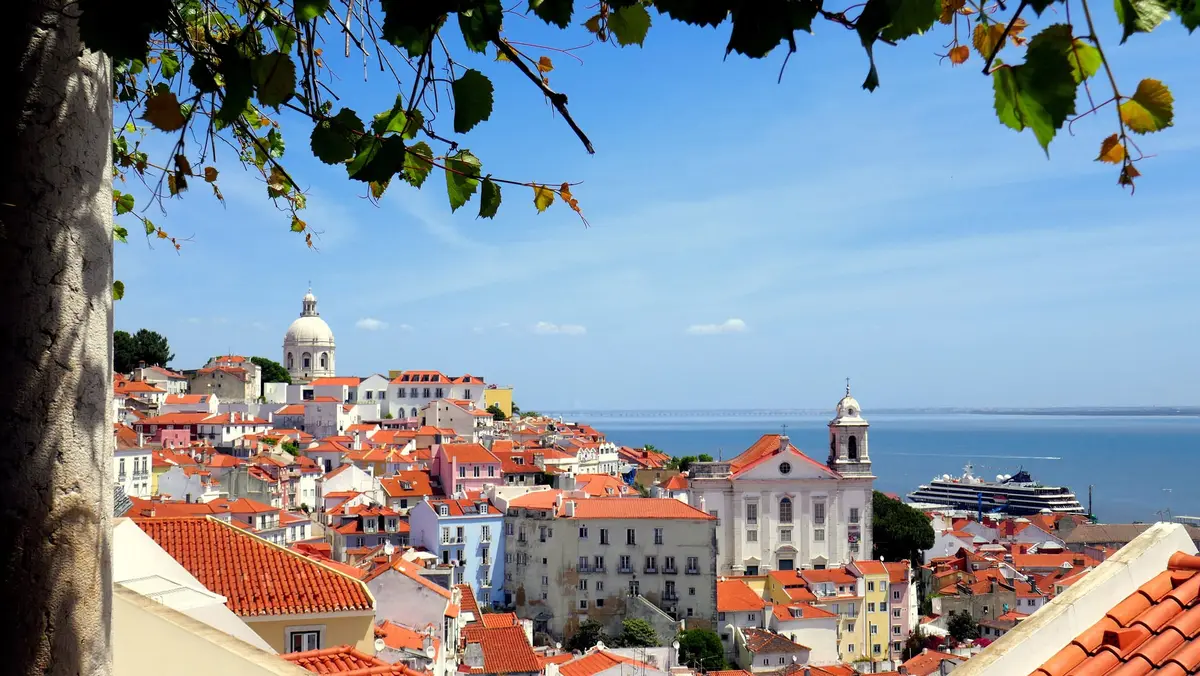
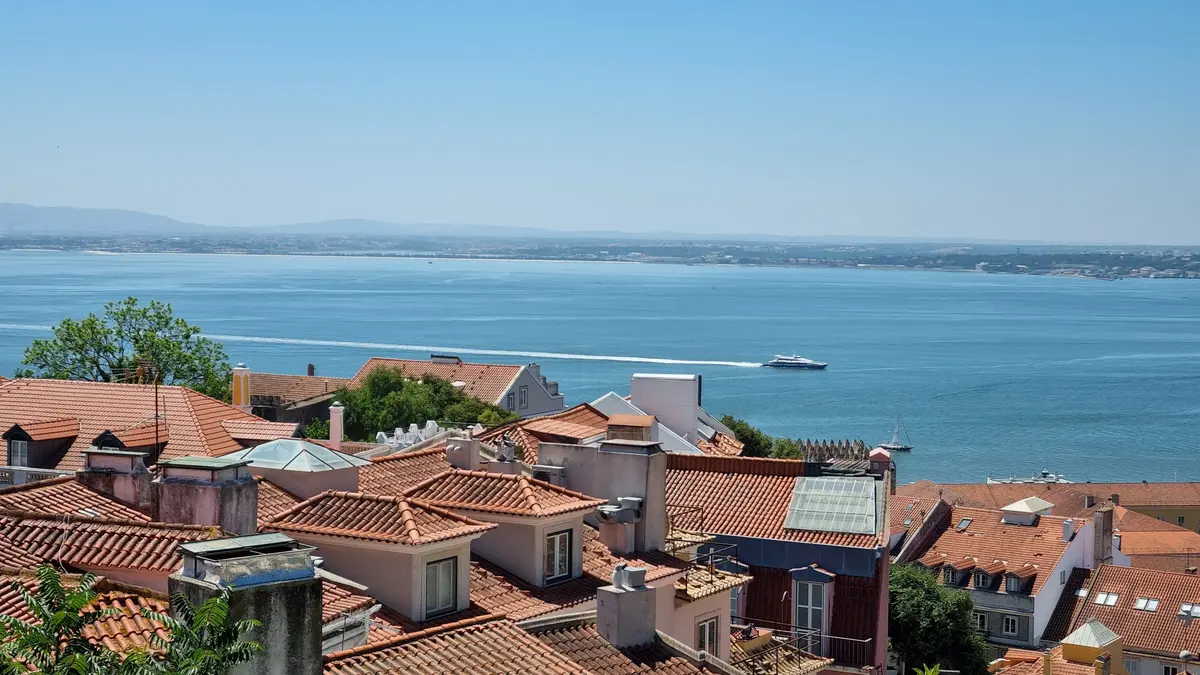
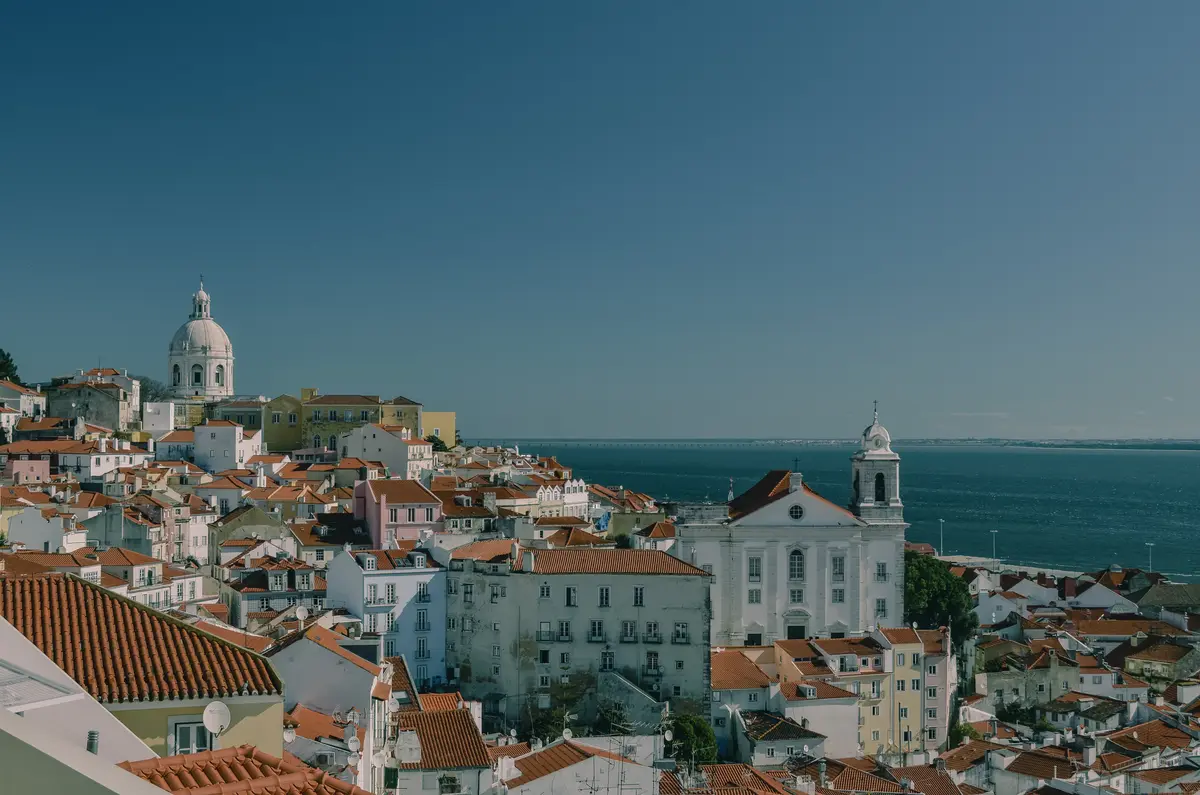
Lisbon rewards walkers and punishes the lazy. The city climbs across seven hills, and half the joy is stumbling onto a viewpoint you didn’t plan for. Start in Alfama, the oldest quarter, where laundry lines cross alleys too narrow for cars and fado leaks out of doorways after dark.
Spend the first morning at Castelo de São Jorge for the orientation view, then ride Tram 28 as it grinds through Alfama’s switchbacks. Save an afternoon for Belém, where the smell of warm custard tarts reaches you before you’ve even stepped off the tram.
The first-two-days hit list:
- Castelo de São Jorge: hilltop castle with the widest city view; go early for thinner crowds.
- Tram 28: runs through Alfama and Graça; charming, but often packed by mid-morning.
- Jerónimos Monastery (Mosteiro dos Jerónimos): cloisters ticket around €18 (about $20); the adjoining church is free.
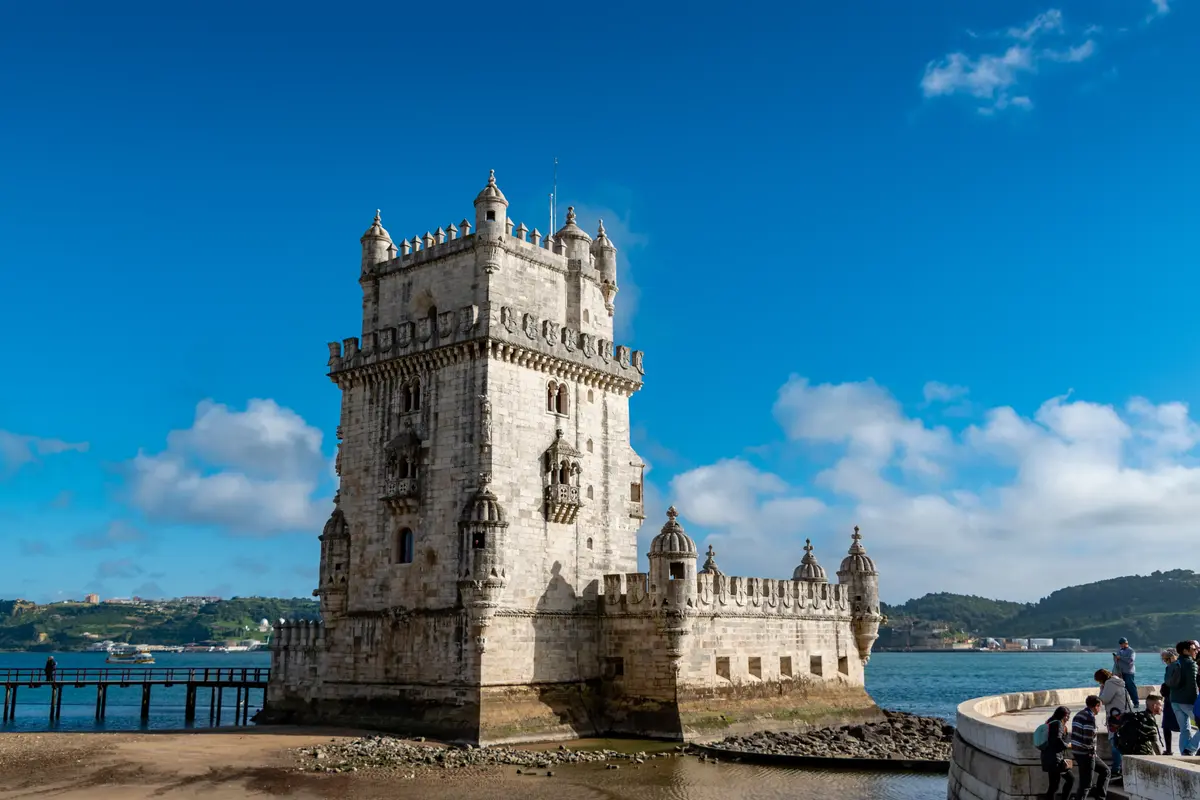
- Torre de Belém: the riverfront Manueline tower; expect a wait for the narrow interior stairs.
- Pastéis de Belém: the original custard tarts, around €1.50 (under $2) each.
- Fado in Alfama: an evening of Portugal’s mournful folk song; book a small tasca over a touristy dinner show.
Pro Tip: Get to Pastéis de Belém the moment it opens. By mid-morning the takeaway line wraps around the block, and the move locals swear by is dusting the table cinnamon over the still-warm tart before the first bite.
Day 3, Sintra Day Trip — Palaces in the Clouds
Sintra sits about 40 minutes by train from Lisbon, and it runs cooler and mistier than the capital — the hills trap fog that drifts through the palace gardens by late morning. The train from Rossio costs around €3 ($3.30) each way, which makes Sintra the easiest day trip of the week.
Sintra’s main sights and current prices:
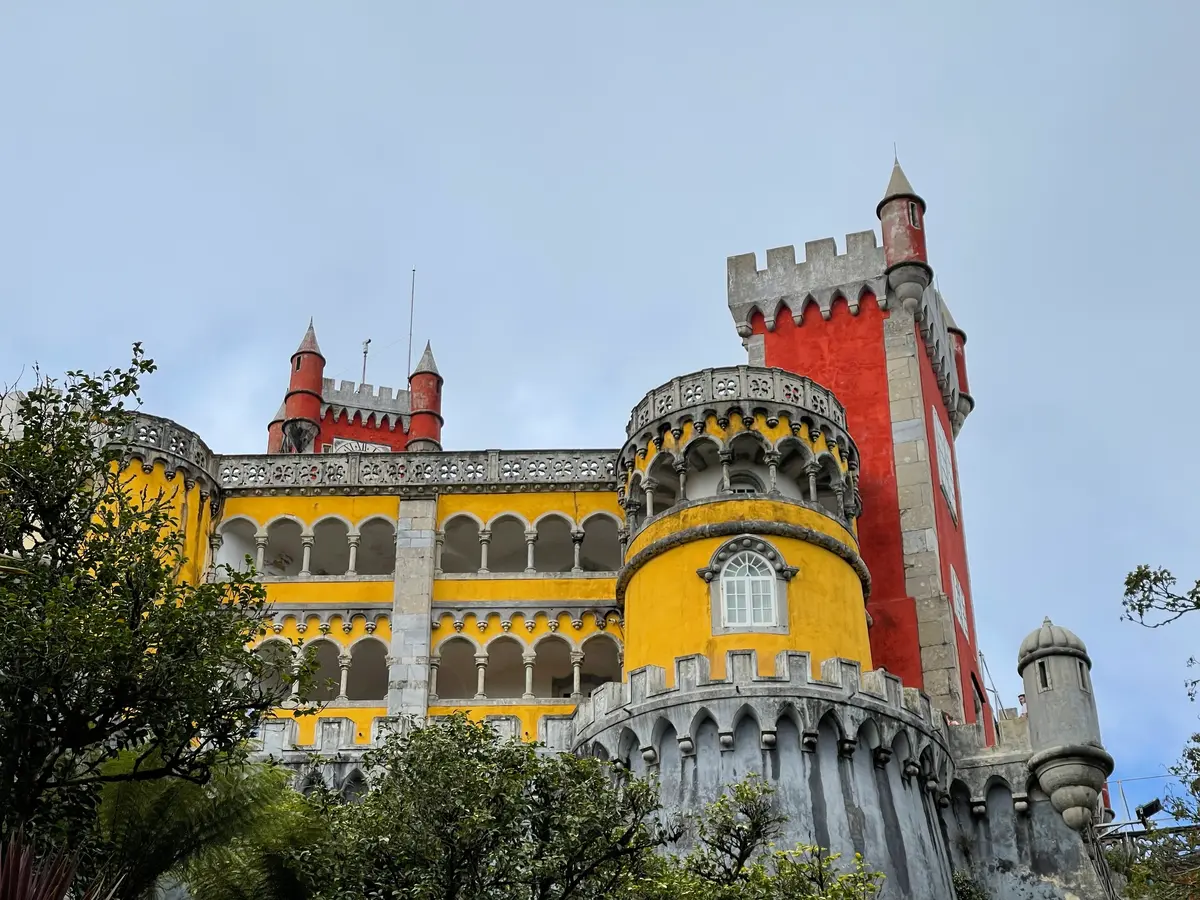
- Pena Palace (Palácio da Pena): Park + Palace adult ticket around €20 (about $23); Park-only around €12. Book the timed interior slot online.
- Quinta da Regaleira: adult around €20 ($22), home to the famous spiral Initiation Well.
- National Palace of Sintra: adult around €13 ($14), in the town center.
- Moorish Castle (Castelo dos Mouros): hilltop ramparts with valley views.
- Bus 434 loop or shuttle: the paid shuttle runs around €4.50 round trip ($5) up the hill.
- Cabo da Roca: optional add-on; the westernmost point of mainland Europe.
Pro Tip: Walk-up lines for Pena’s interior can run close to three hours in peak season, so the prebooked timed slot is the single most important reservation of the whole week. Take the shuttle too — the climb to the palace gate is a steep 20 to 25 minutes nobody enjoys twice.
Day 4, Train to Porto — Ribeira and the Bridge
Catch a morning Alfa Pendular north; the ride to Porto‘s Campanhã station takes about 2h39 to 3 hours. Campanhã sits on the edge of the city, so don’t grab a taxi — hop the two-minute local train one stop to São Bento and you’ll surface under a hall lined with blue azulejo tile panels.
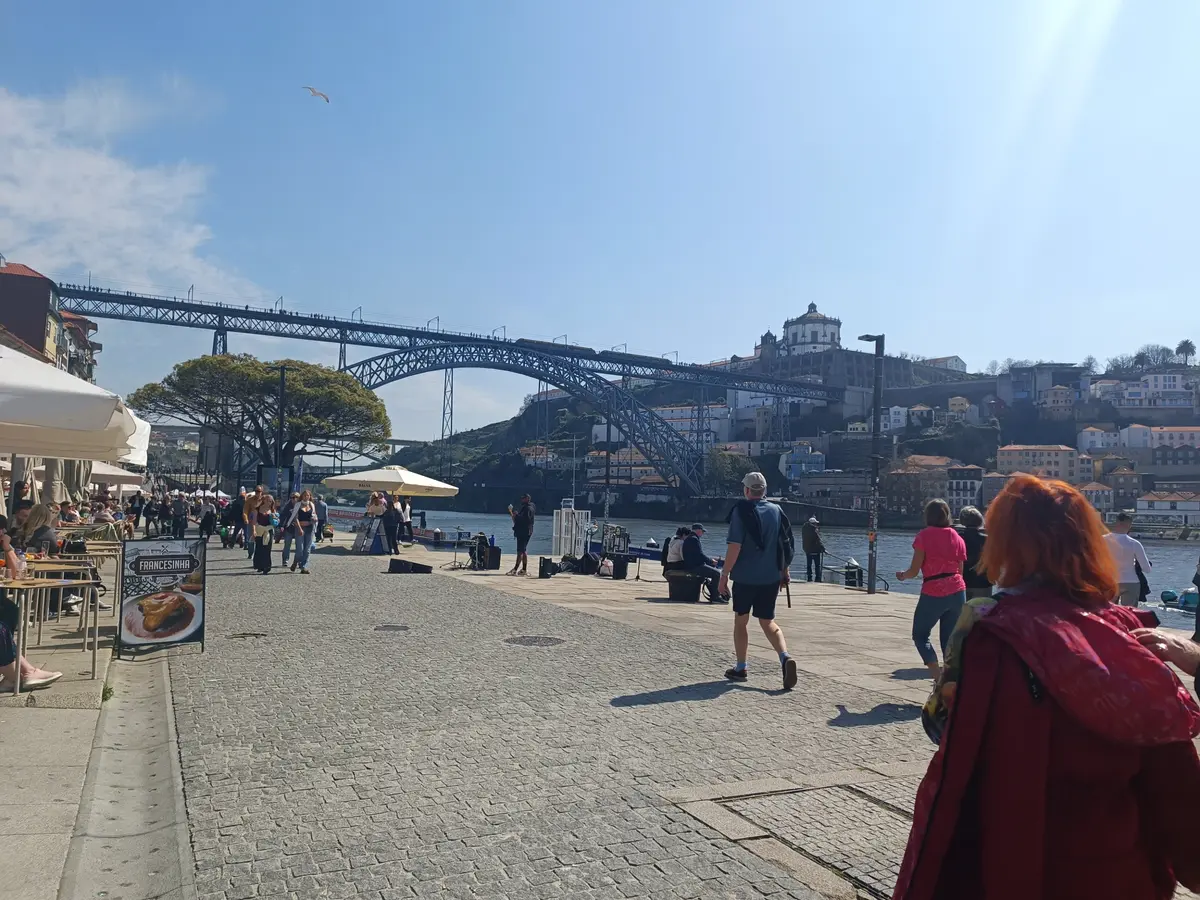
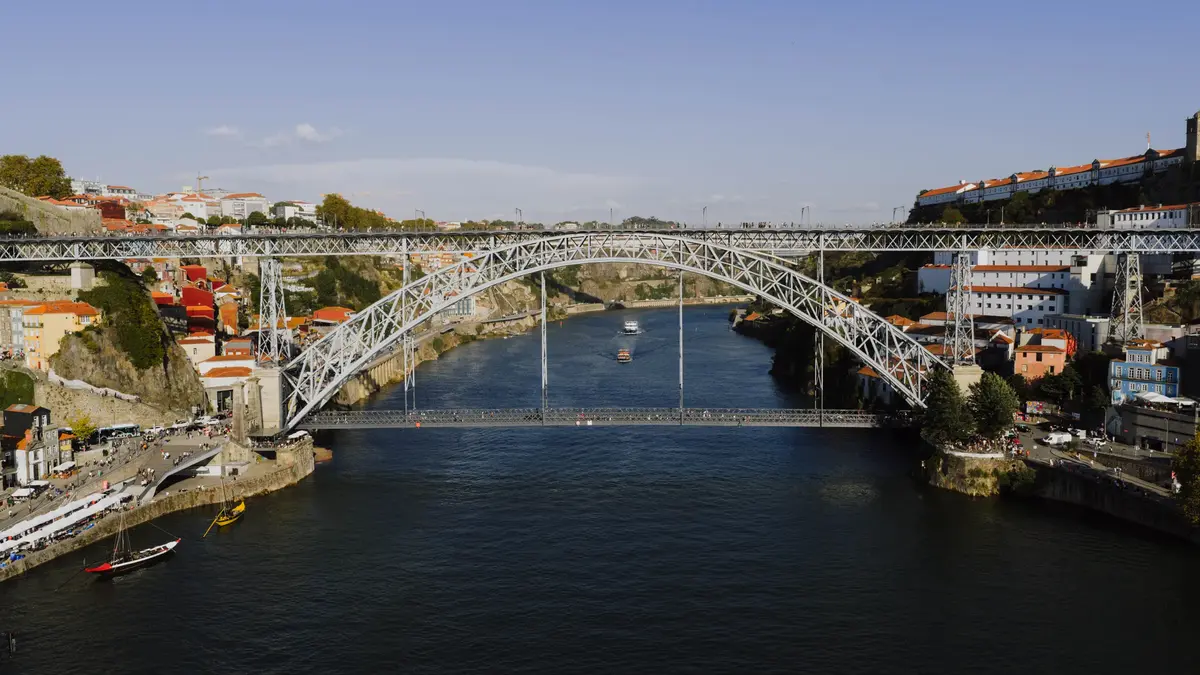
Spend the afternoon in Ribeira, the riverfront tangle of medieval lanes, then walk the upper deck of the Luís I Bridge for the postcard view — free, and better than any paid lookout.
The day-4 basics:
- Campanhã to São Bento: a two-minute local train into the city center.
- São Bento station: walls covered in azulejo tile panels depicting Portuguese history; free to walk through.
- Ribeira: the UNESCO-listed riverfront district.
- Luís I Bridge: walk the top deck for the widest Douro view.
- Livraria Lello: ornate bookshop; ticket-voucher from around €10 ($11), redeemable against a book.
Pro Tip: Skip Livraria Lello unless you’re a devoted reader. The all-day line and shoulder-to-shoulder interior rarely justify the wait; São Bento station hands you the same jaw-dropping azulejos for free, and Gaia’s port lodges are a better use of the hour.
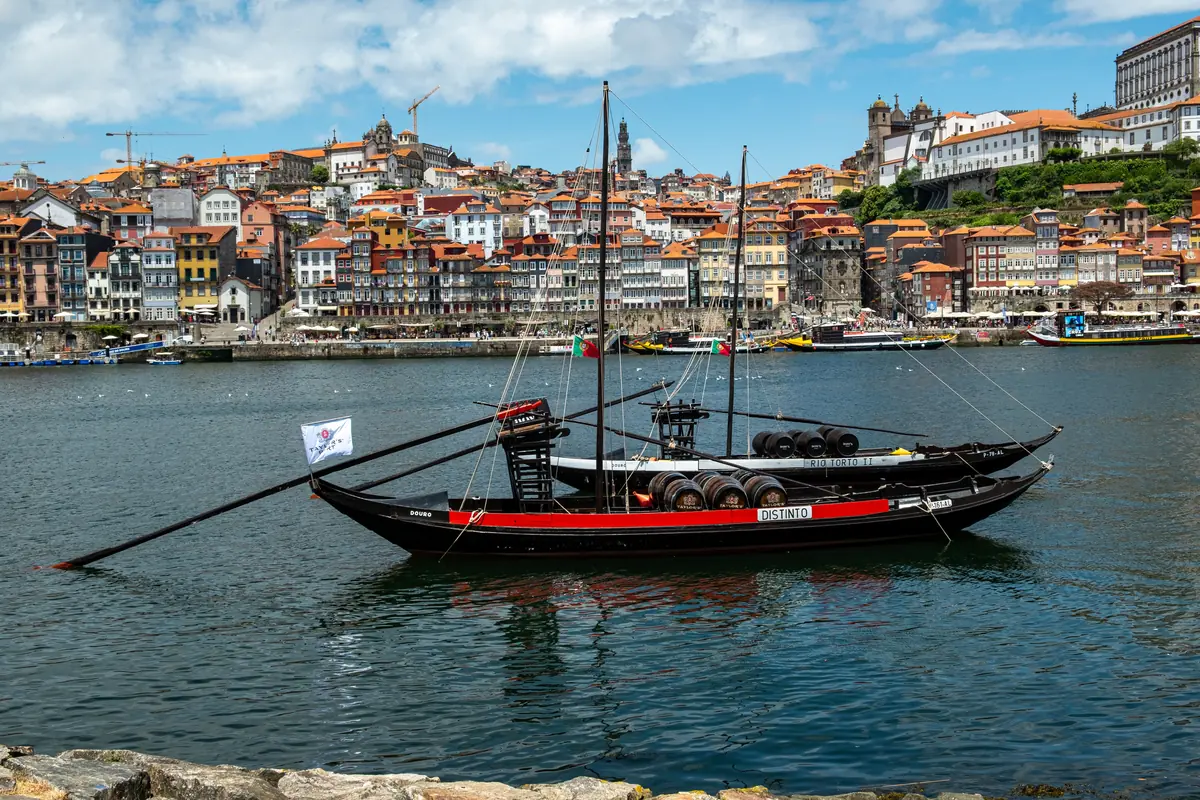
Day 5, Porto — Port Lodges in Gaia and a Food Tour
Here’s the thing most guides bury: the port lodges everyone photographs aren’t in Porto at all. They sit across the river in Vila Nova de Gaia, a five-minute walk over the Luís I Bridge.
Spend the day tasting at the big lodges — Graham’s, Taylor’s, and Croft all run cellar tours that end in a flight. Break for a francesinha at lunch, Porto’s gut-bomb sandwich of cured meats under melted cheese and a beer-and-tomato sauce.
Day-5 highlights in Gaia:
- Port lodges: Graham’s, Taylor’s, or Croft for a cellar tour and tasting flight.
- Gaia cable car: a short ride along the waterfront for elevated river views.
- Francesinha: the local sandwich; one is plenty for two light eaters.
- Sunset: watch it from the Gaia side, looking back at Porto’s stacked houses.
Pro Tip: Book a port tasting that includes the cellar tour, not just the bar pour — the cool, barrel-stacked aging rooms are the part worth your money, and the guides pour more generously at the end.
Day 6, Douro Valley — Vineyards and a River Cruise
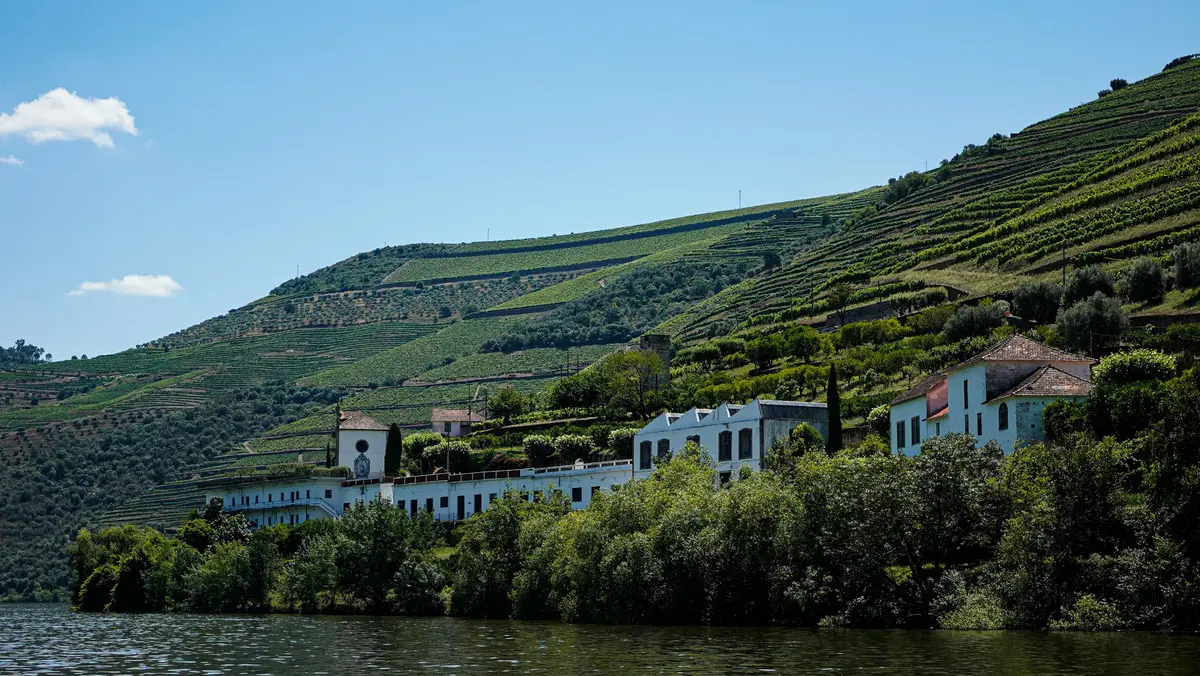
The Douro Valley is the payoff for the week’s only early alarm. Most travelers do it as a full-day guided tour from Porto — 9 to 10 hours, one or two quintas (wine estates), lunch, and a one-hour river cruise.
Two ways to see the Douro:
- Guided day tour from Porto: 9–10 hours, 1–2 quintas, lunch, and a 1-hour cruise; around €90–€160 per person ($100–$175).
- DIY by train: Porto to Pinhão or Peso da Régua takes about 2 hours and costs around €20 ($22) each way.
- Overnight upgrade: stay at a riverside quinta if you can spare the night.
Pro Tip: The tour bus out of Porto is long and a little queasy on the switchbacks, but the first viewpoint over the terraced valley erases the drive instantly. If I changed one thing about this itinerary, I’d give the Douro an overnight — it’s the regret travelers voice most.
Day 7, Flexible Day — Óbidos, Cascais, or a Slow Morning
Keep the last day loose. Jet lag and three-hour lunches have a way of eating any schedule, and a buffer day saves you from sprinting to a flight.
Pick your buffer-day move:
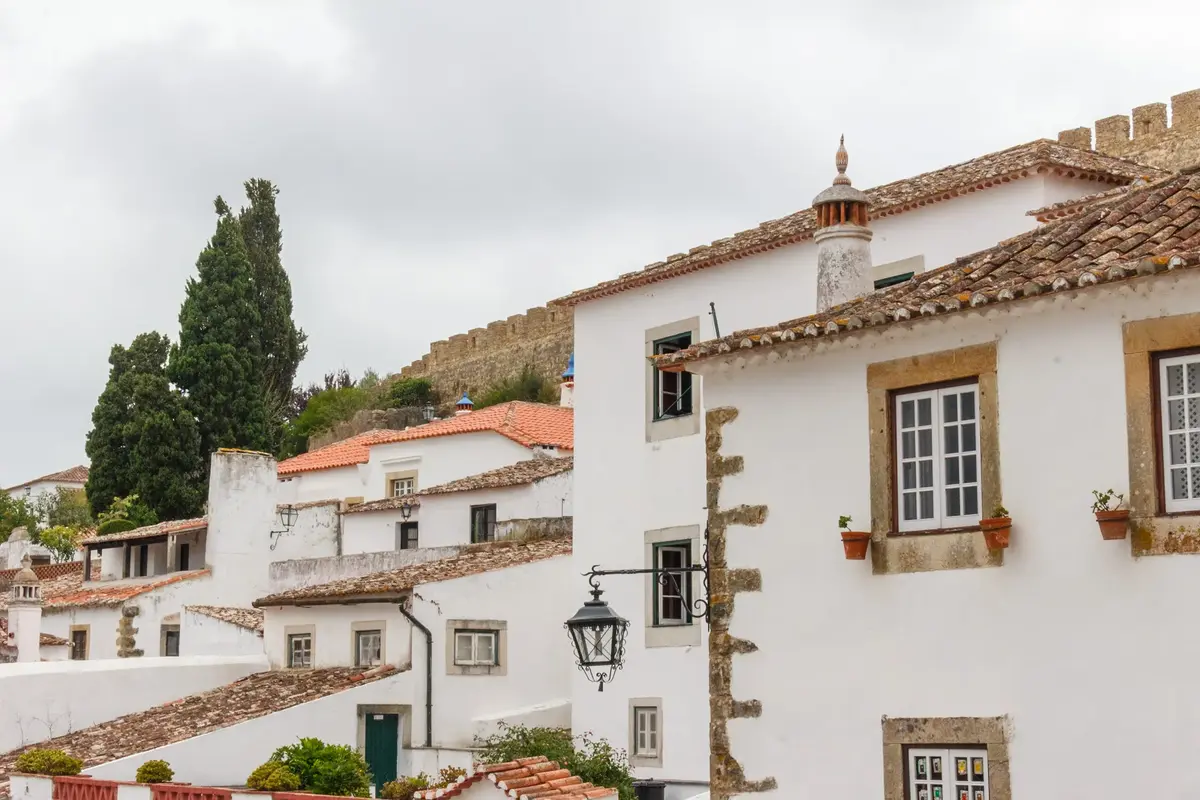
- Óbidos: a walled medieval town about an hour from Lisbon; walk the ramparts and sip ginjinha.
- Cascais: a breezy beach town around 40 minutes by train from Cais do Sodré.
- Slow Lisbon morning: a relaxed breakfast and one last viewpoint before the LIS departure.
Pro Tip: If you fly out of Lisbon in the evening, leave your bags at the hotel and squeeze in a half-day at Cascais — the train back lands you at Cais do Sodré with time to grab your luggage and go.
How Much Does a Week in Portugal Cost?
A week in Portugal runs about $1,355 per person excluding flights, according to BudgetYourTrip, with the full week-long range spanning roughly $553 to $3,174. Budget travelers spend around $79 a day, mid-range travelers about $192, and luxury travelers near $451. US round-trip flights typically add another $500 to $900.
Where the money goes:
- Lunch (prato do dia): the daily special runs around €8–€12 (about $9–$13), often with wine.
- Custard tart: around €1.50 (under $2).
- Restaurant wine: a decent bottle runs about $10–$15.
- Sightseeing: budget roughly $35 a day for the small admission tickets — they feel trivial alone, then stack up fast.
- US flights: TAP Air Portugal fares from the US often start around $500 round trip.
Is Portugal Expensive for Tourists?
Short answer: no — Portugal is among Western Europe’s better values. Here’s the daily spend by travel style, per BudgetYourTrip:
| Travel style | Daily spend | What it covers |
|---|---|---|
| Budget | ~$79/day | Hostels and guesthouses, markets and prato do dia, public transit |
| Mid-range | ~$192/day | Three-star hotels, sit-down meals, paid tours and tickets |
| Luxury | ~$451/day | Quintas and four-star stays, fine dining, private guides |
Typical nightly hotel rates:
- Portugal overall: budget around $58, mid-range around $98, luxury from around $180.
- Lisbon: averages about $109 in low season and $203 in busy season; hostel dorms around $21.
Pro Tip: A three-course prato do dia with a glass of wine for under €12 (about $13) is the budget hack locals actually use — lunch is where Portugal is cheapest, so make it your big meal of the day.
When Is the Best Time to Visit Portugal?
The best time to visit Portugal is spring (April through June) and fall (September through October), when days are warm, crowds thinner, and prices lower. Summer is hot and crowded, especially on the Algarve, while winter stays mild and quiet, with Lisbon highs around 59°F (15°C).
Festivals worth timing your trip around:
- Freedom Day (April 25): marks the Carnation Revolution, with events nationwide.
- St. Anthony (June 13): Lisbon’s biggest street party, with grilled sardines smoking all over Alfama.
- St. John / São João (June 23–24): Porto’s wild all-night festival.
Portugal Weather and Crowds by Season
Here’s how the seasons compare for a US traveler. Porto runs cooler and wetter than Lisbon year-round, so shave a few degrees off these numbers up north.
| Season | Lisbon highs | Crowds | Prices | Best for |
|---|---|---|---|---|
| Spring (Apr–Jun) | 67–79°F (19–26°C) | Moderate | Moderate | Sightseeing in mild weather |
| Summer (Jul–Aug) | ~82°F (28°C) | Heavy | Highest | Beaches and festivals, if you handle heat |
| Fall (Sep–Oct) | 67–79°F (19–26°C) | Moderate | Moderate | Wine season, fewer crowds |
| Winter (Nov–Mar) | ~59°F (15°C) | Light | Lowest | Budget trips and quiet cities |
Pro Tip: August in the inland Alentejo and inside the cities can be punishing — if you go in high summer, build your days around the coast and save museums for the hottest afternoon hours.
What Should You Eat and Drink in Portugal?
Eat your way through Portugal with pastéis de nata (custard tarts, around €1.50), fresh seafood, bacalhau (salt cod prepared a hundred ways), and Porto’s francesinha. Drink port wine in Gaia, vinho verde with lunch, and a shot of ginjinha as a nightcap. Lisbon’s Time Out Market is the easiest one-stop tasting hall.
What to seek out, and what to watch for:
- Pastéis de Belém vs Manteigaria: the two custard-tart heavyweights; try both and pick a side.
- Time Out Market (Mercado da Ribeira): dozens of stalls under one roof in Cais do Sodré.
- Couvert: the bread, olives, and cheese set on your table aren’t free — wave them off if you don’t want the charge.
- Tipping: not expected; rounding up is plenty.
- Vinho verde: the slightly fizzy young white from the north, made for hot afternoons.
Pro Tip: When bread and olives land on your table unasked, that’s the couvert — it’s not complimentary. Eat it if you want it, but wave it away and you won’t be charged a cent.

Should I Rent a Car in Portugal?
For a Lisbon–Porto–Sintra week, you do not need to rent a car — trains and city transit are faster and cheaper, and parking is a real headache. Rent one only to explore the Douro Valley, Óbidos, the Alentejo, or the Algarve at your own pace, and pick it up after your city days rather than before.
If you do rent, know this:
- Via Verde: every rental must carry the electronic toll transponder by law.
- Tolls: the Lisbon–Algarve run alone costs around €30 ($33) in tolls.
- License: a US driver’s license is valid for up to six months.
- Break-ins: car break-ins are a known problem — never leave anything visible.
- Timing: collect the car when you leave the cities, not while you’re in them.
Pro Tip: A wrong turn into Alfama’s staircase-streets will test any GPS and any marriage. Save the car for open road and the Douro’s curves, not Lisbon’s medieval grid.
Alternative 7-Day Routes: Algarve and Road-Trip Versions
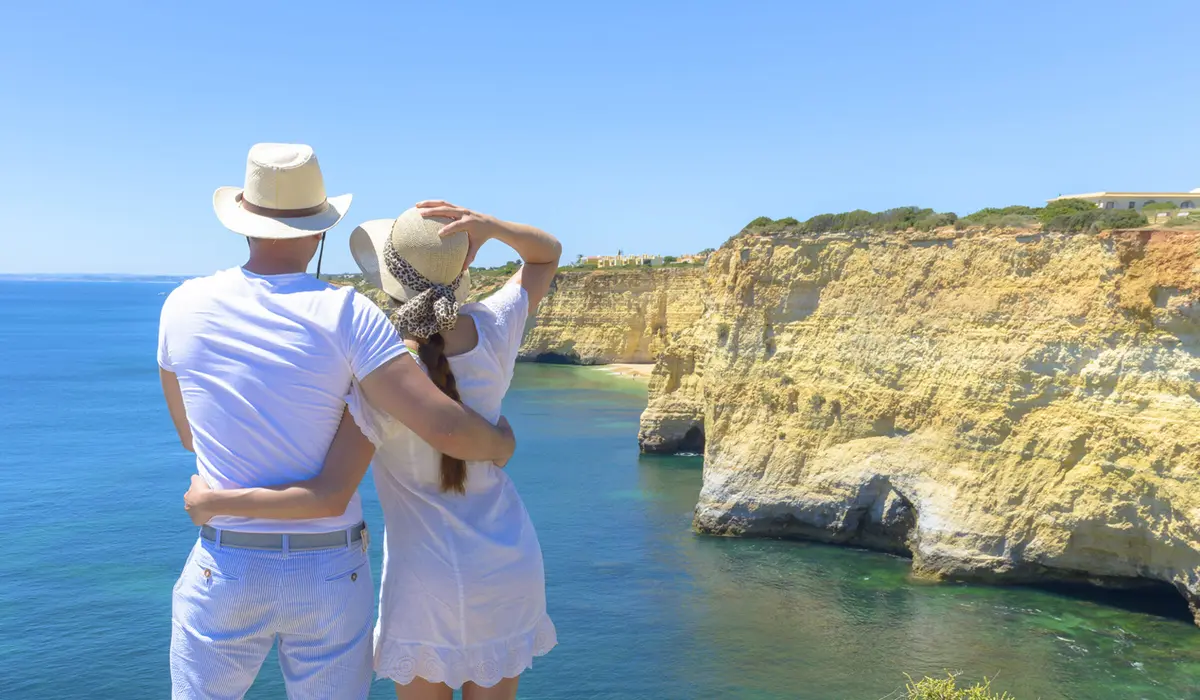
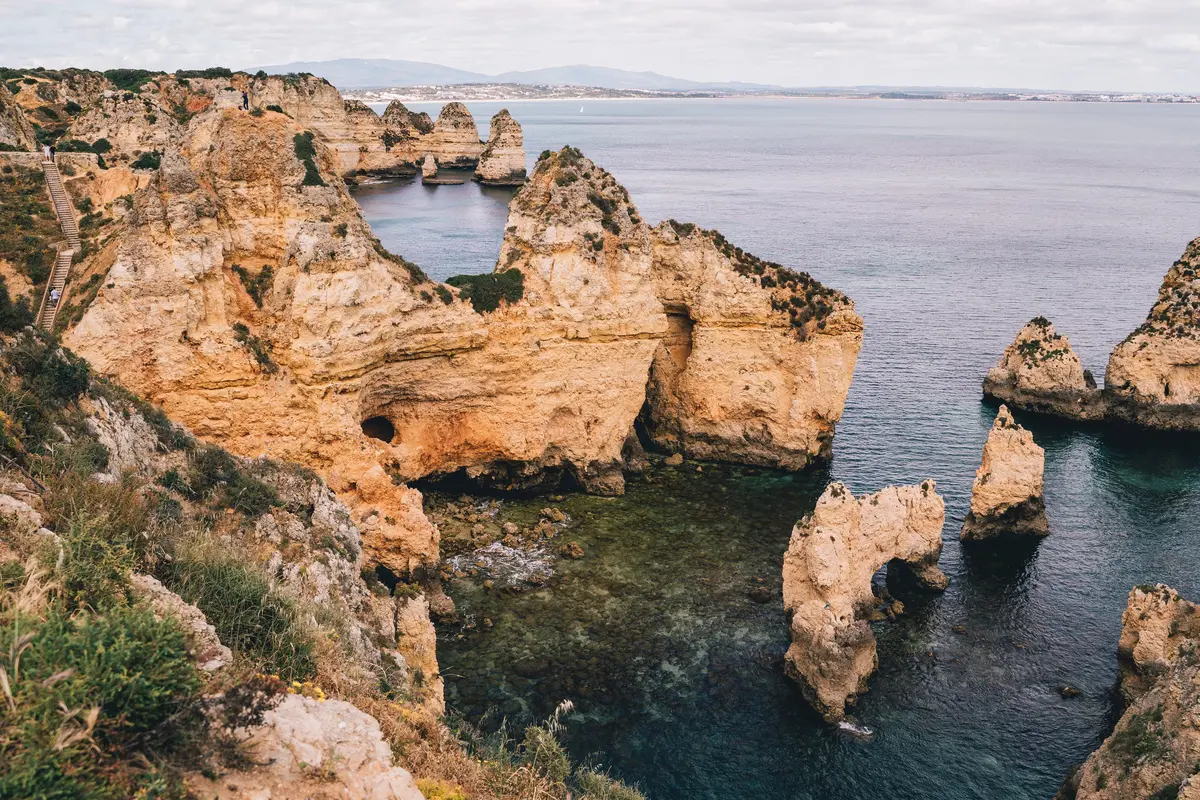
Prefer beaches? Swap Porto and the Douro for the Algarve: two days in Lisbon, then the train south to Lagos for cliffs, sea caves, and the Ria Formosa lagoon. Driving instead? A Lisbon–Óbidos–Coimbra–Porto–Douro loop trades the train’s simplicity for hill-town freedom and a car you’ll actually use.
The two main detours:
- Algarve (beach week): the coastline runs about 93 miles (150 km); base in Lagos, Albufeira, or Faro. The Lisbon–Faro train takes about 3 hours.
- Road trip (driving week): loop Lisbon to Óbidos, Nazaré, and Coimbra before Porto and the Douro; add Évora for the Alentejo’s plains and wine.
Pro Tip: Don’t try to bolt the Algarve onto a 7-day Lisbon–Porto trip. It’s a real three-hour haul each way from Lisbon, so you’d burn a full day in transit. Either build the whole week around the south, or save it for next time.
Where Should You Stay in Lisbon and Porto?
In Lisbon, base yourself in Baixa, Chiado, or Alfama for walkability; per BudgetYourTrip the average Lisbon hotel runs about $109 a night in low season and $203 in busy season, with hostel dorms around $21. In Porto, stay near Ribeira or São Bento to put the river and the station at your feet.
Where to base yourself:
- Baixa (Lisbon): flat, central, well-connected; pricier and busier.
- Chiado (Lisbon): stylish and walkable, near the best shopping.
- Alfama (Lisbon): atmospheric and tiled, but a steep climb home every night.
- Príncipe Real (Lisbon): quieter and design-forward, a short walk above the center.
- Ribeira / São Bento (Porto): riverside and central, steps from the bridge and the trains.
Pro Tip: Book two to three months ahead for summer in both cities — the best-located rooms under about $130 a night go first, and you’ll otherwise pay for the distance in daily Bolt fares.
The Bottom Line on a Week in Portugal
TL;DR: Seven days in Portugal is enough for a first taste, not the whole country. Do Lisbon, Sintra, Porto, and the Douro; take the train, not a car; go in spring or fall; budget about $192 a day mid-range; and sort out ETIAS before you fly. Prebook Pena Palace and your CP train seats — those are the two reservations that make or break the week.
Spend the week this way and you’ll leave with the country’s greatest hits and a short list of reasons to come back — the Douro overnight you skipped, the Algarve beach you didn’t have time for. Seven days in Portugal isn’t the whole story, but it’s the right first chapter.
Which leg would you hand the extra day — a Douro overnight, or a slow morning on a Cascais beach? Tell me where you’d spend day seven in the comments.