
Fado in Lisbon is not a tourist attraction — it’s a room going completely silent the moment the fadista starts. Three pricing models, four neighborhoods, nine venues: this guide gives you the exact houses, real prices, and the tells that separate cultural institutions from dinner traps with laminated menus.
What is Fado, and why does it hit so hard?
Portugal’s Fado music is built on saudade — the longing for what’s already gone. A live performance features one singer, a 12-string Guitarra Portuguesa, and a viola de fado. When it works, the room goes silent within seconds of the first note. It is grief made musical, and it catches first-timers completely off guard.
The Guitarra Portuguesa is a pear-shaped guitar with a metallic, crying tone — the sound that defines the genre. The viola de fado is a classical guitar that provides rhythm and bass, framing the fadista from below. Together they hold the room. A great performance will catch you off guard even if you’ve read about it five times before walking through the door.
Pro Tip: When the lights go down, stop talking immediately. This is a non-verbal command — not a suggestion. Staff will shush you without hesitation.

How does a Fado evening actually work?
Fado shows run in sets of 15 to 20 minutes — three or four songs — with 20 to 30 minute breaks for eating and conversation. Service stops entirely during songs: waiters will not pour your wine while a fadista is performing. Clap only at the end of each song, never during. Fado tempos shift unexpectedly, and off-beat clapping derails the guitarra.
First-timers are often thrown by the pace. Do not wave down a waiter while a song is in progress. Wait for the applause, then signal. The rhythm of the evening — music, then food, then music again — is the structure, not an inconvenience. Let it work.
What does a Fado night in Lisbon actually cost?
Lisbon’s Fado houses run on three pricing models: a fixed set menu ($75–$120+ per person), à la carte with a minimum spend ($27–$38 per person), or a cover charge plus consumption ($11–$22 entry). Tascas like Tasca do Chico charge only for what you order. The bill can swing $80 per person depending on the category — know the model before you sit down.
- Set Menu: Fixed-price dinner — three courses plus wine or drinks. Most common at upscale houses. $75–$120+ per person.
- Minimum Spend: Order à la carte, but hit a required minimum per head. $27–$38 per person.
- Cover Charge + Drinks: A Taxa de Espetáculo (show fee) added to your bill, plus food and drinks. $11–$22 cover + consumption.
The couvert trap
The moment you sit down, bread, olives, sardine pâté, and cheese will appear at the table. These are not free. If you eat them, you pay — typically $3–$9 per person. If you don’t want them, say: “Pode levar, por favor” (please take them away). Do this immediately, before touching anything.
Pro Tip: At top-tier houses, the couvert is often excellent — artisanal sheep cheese and quality cured meats. At tourist traps, it’s stale bread. Know the difference before you dismiss it.
Many traditional tascas — including Tasca do Chico and A Baiuca — are cash only. Mesa de Frades accepts cash or ATM card only. Carry euros. If you’re still building the full trip budget, our Portugal travel guide breaks down what to expect across accommodation, transport, and daily costs.
Which Lisbon neighborhood fits your Fado night?
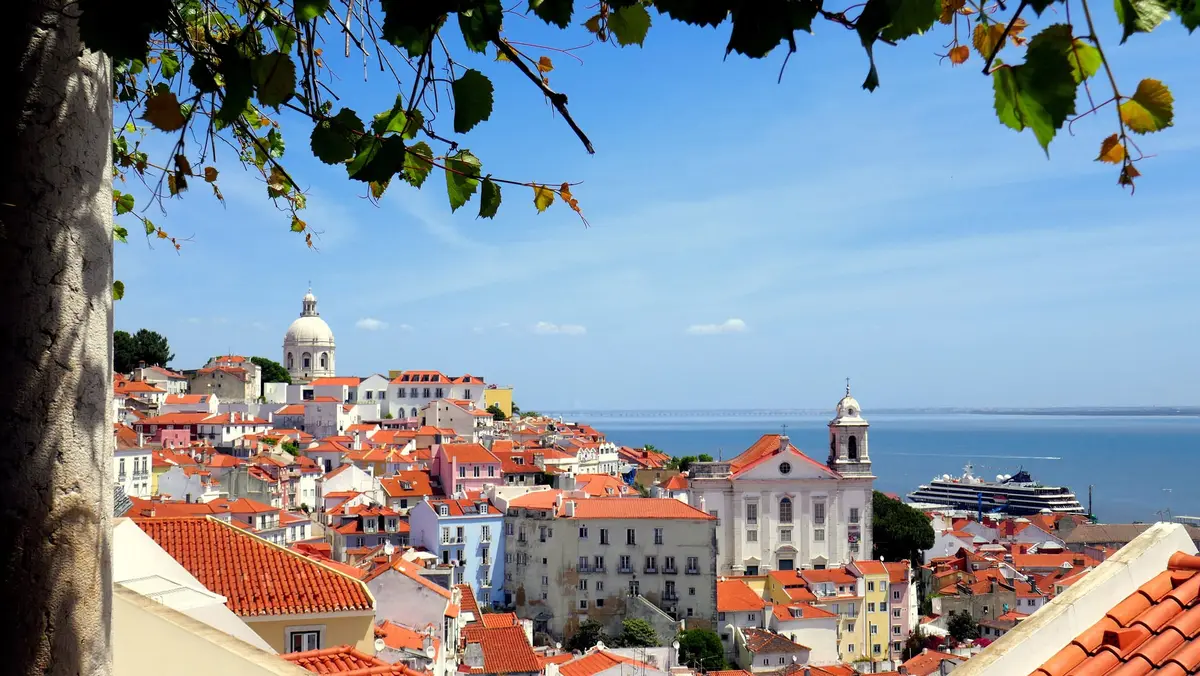
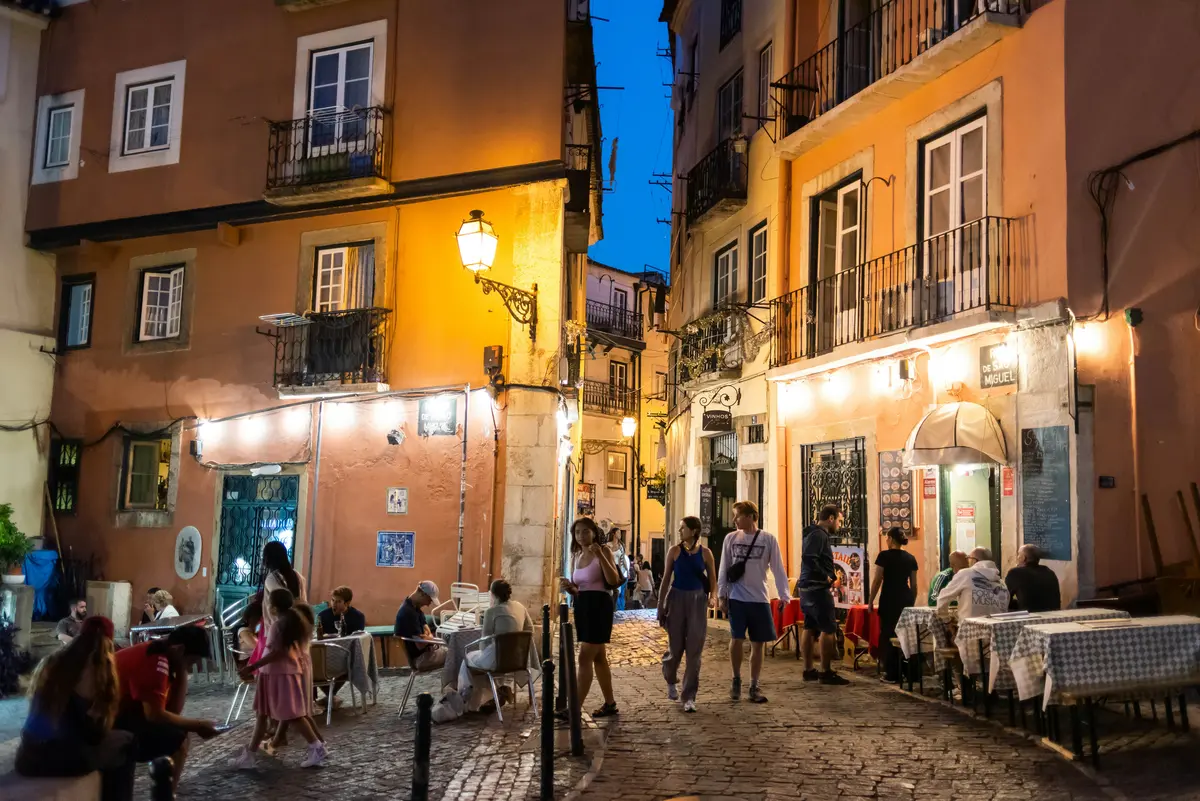
In Lisbon, Alfama is the most atmospheric neighborhood for Fado — but also the most tourist-saturated. Bairro Alto is accessible and lively between sets. Mouraria — the genre’s actual birthplace — is rawer, more local, and almost entirely overlooked by most guides. Lapa is residential and quiet; the only reason to go there is Senhor Vinho, which is reason enough.
Alfama
The oldest district in the city, a maze of alleys that survived the 1755 earthquake. This is the visual heart of Fado in Lisbon — medieval, smelling of grilled sardines in the evening air, every stone wall telling you it has been here longer than the country. It is also the most tourist-saturated. Street touts near the main entry points are aggressive.
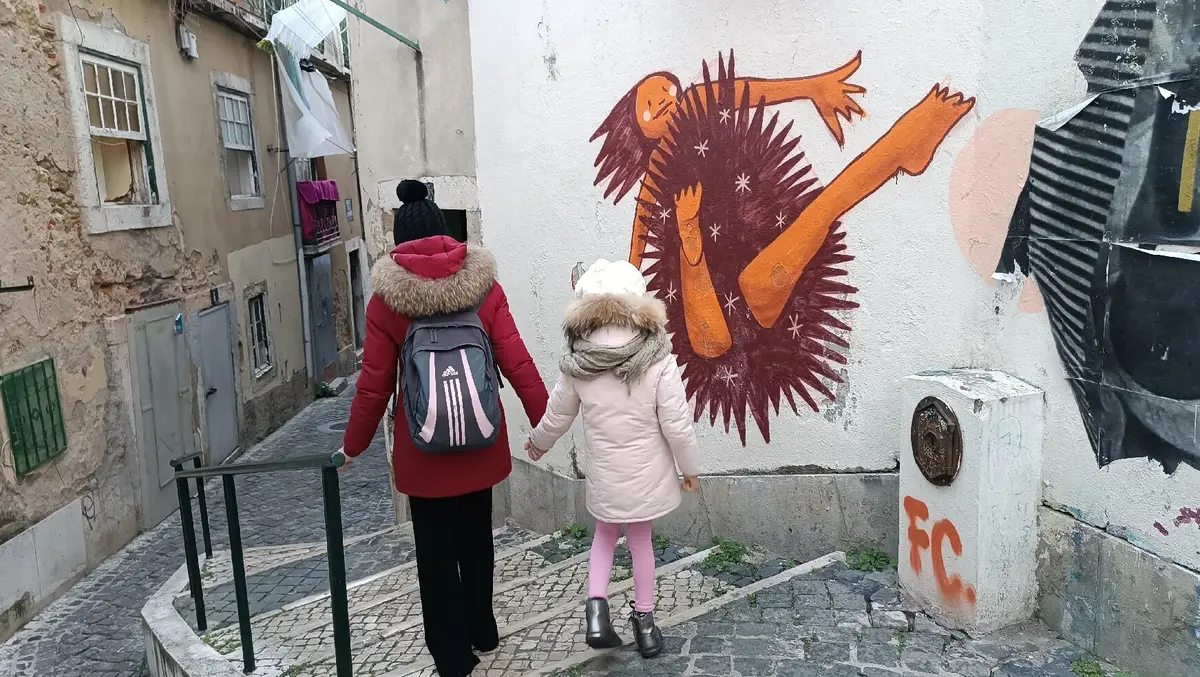
Navigation note: Uber and Bolt often can’t reach the deepest alleys. Be prepared to walk the final 650 feet (200 meters) on uneven cobblestones.
Bairro Alto
Lisbon’s historic nightlife grid. More accessible and livelier between sets, but street noise bleeds into venues with poor soundproofing. Less historically grounded than Alfama — but home to some of the city’s most prestigious houses and two locations of Tasca do Chico.
Mouraria
The actual birthplace of Fado — the former Moorish quarter where the legendary first fadista, Maria Severa, lived and died in the early 19th century. Most guides overlook it entirely. It’s rawer, more multicultural, and more alive than Alfama’s postcard version of itself.
Lapa / Estrela
The aristocratic west. Quiet, residential, and far from everything else. You go here specifically for Senhor Vinho and nothing else. If your Lisbon accommodation is in the center, budget for a taxi both ways.
The aristocrats: high-end Fado houses worth the price
1. Senhor Vinho
This is where reputations are made. Owner Maria da Fé — herself a celebrated fadista — launched the careers of Mariza, Camané, and Ana Moura from this stage. Current regulars include Aldina Duarte and Francisco Salvação Barreto. The room feels like a private salon: heavy curtains, white tablecloths, and musicians who have been doing this their entire professional lives. The acoustics are tight — the ceiling is low enough that the guitarra fills the space without amplification.
The kitchen stays open until 12:30 AM, making Senhor Vinho one of Lisbon’s best options for a late post-flight dinner. The price is the highest in the city.
- Location: Rua do Meio à Lapa 18, Lapa/Estrela
- Cost: from $70 (€65) per person (set menu, drinks extra)
- Best for: Connoisseurs, special occasions, late arrivals
- Time needed: 3–4 hours
Pro Tip: Request a table in the main salon with a direct sightline to center stage. The peripheral alcoves have poor viewing angles and slightly muffled acoustics — the difference between a great seat and a wasted reservation.
2. O Faia
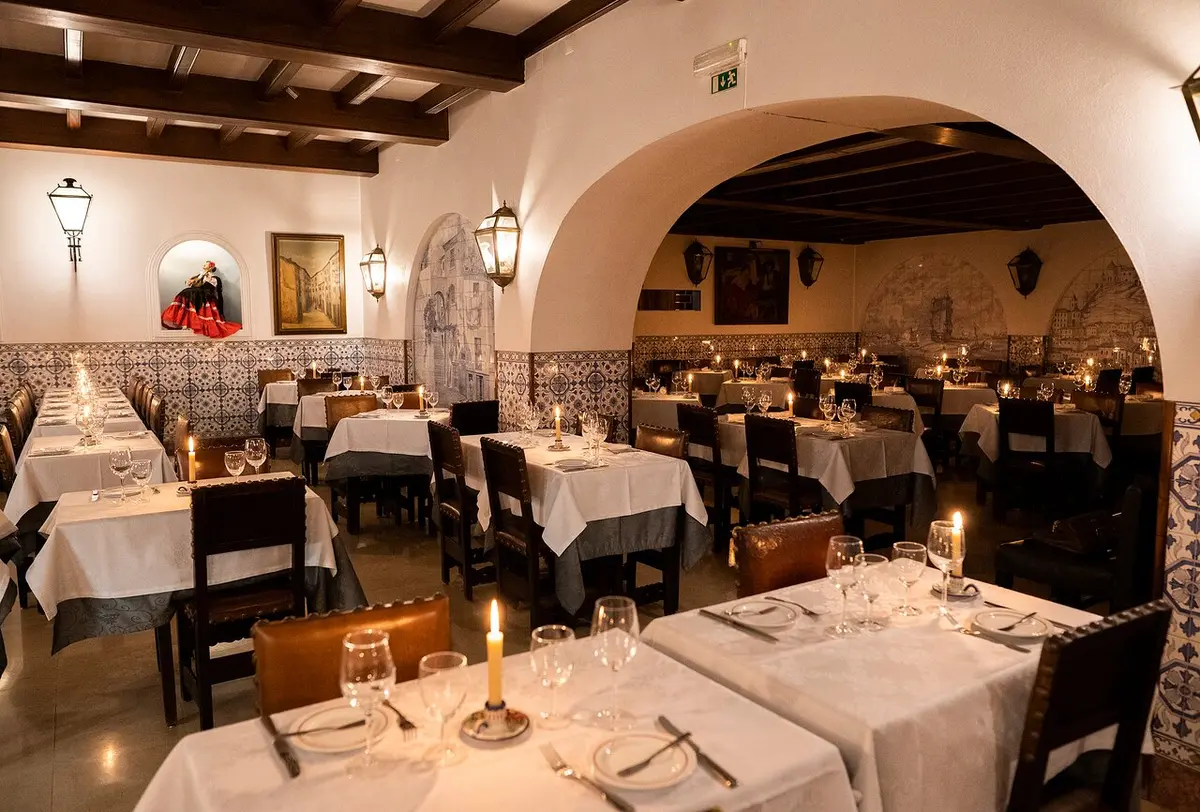
Founded in 1947 by Lucília do Carmo — mother of Carlos do Carmo, often called the Sinatra of Fado — O Faia passed to the Ramos family in the mid-1990s and has preserved its Golden Age atmosphere through the transition: beautiful tile panels, vaulted ceilings, and a formal service that still takes the room seriously. The food is genuinely good, which is rare for a Fado house. Order the Polvo à Lagareiro (octopus with olive oil and potatoes) or the Alheira game sausage — exactly the kind of traditional Portuguese food that earns its place on any serious menu.
Two menus are available: the Menu Faia at $86 (€80) per person with three courses, and the five-course Menu “Ah, Fadista!” at $108 (€100) per person, with optional wine pairing on both. The evening runs from 7:00 PM with the show starting at 8:45 PM and ending at 10:30 PM.
- Location: Rua da Barroca 54–56, Bairro Alto
- Cost: $86–$110 per person (set menus, drinks extra)
- Best for: Dinner + show, those who care about food as much as music
- Time needed: 3–4 hours
Pro Tip: The first reservation slot — arriving at 7:00 PM with the show at 8:45 PM — gives you a full dining window before the performances begin, so your food doesn’t compete with the music. Book it and arrive on time.
3. Casa de Linhares
Built inside the ruins of a palace destroyed in the 1755 earthquake, the vaulted stone arches and original fireplaces create natural reverb that most modern venues can’t replicate. Microphones are often unnecessary — the room does the work. It’s one of the few upscale Fado houses with dedicated vegetarian mains, a real advantage when the rest of the menu is cod and steak.
Four to five fadistas rotate through the evening, offering more variety than most comparable venues. The kitchen serves à la carte, so you’re not locked into a fixed menu — a genuine advantage for groups with different budgets.
- Location: Beco dos Armazéns do Linho 2, Alfama
- Cost: $70–$87 per person
- Best for: Food-focused travelers, architectural atmosphere, vegetarians
- Time needed: 3–4 hours
4. Clube de Fado
Owned by Mário Pacheco, a celebrated Portuguese guitar player, Clube de Fado guarantees exceptional instrumental quality every night. The stone arches and a preserved Moorish well give the space a quiet authority. Three singers rotate through the evening — the consistency here is the selling point. You are unlikely to have a bad night.
On my last visit, I arrived at 8:30 PM without a reservation and was turned away at the door. Book at least a week ahead. The online booking system is reliable and the confirmation is instant.
- Location: Rua de São João da Praça, near the Sé Cathedral, Alfama
- Cost: $54–$65 per person
- Best for: First-timers who want consistency and a straightforward booking experience
- Time needed: 2.5–3 hours
The purists: intimate houses for serious listening
5. Mesa de Frades
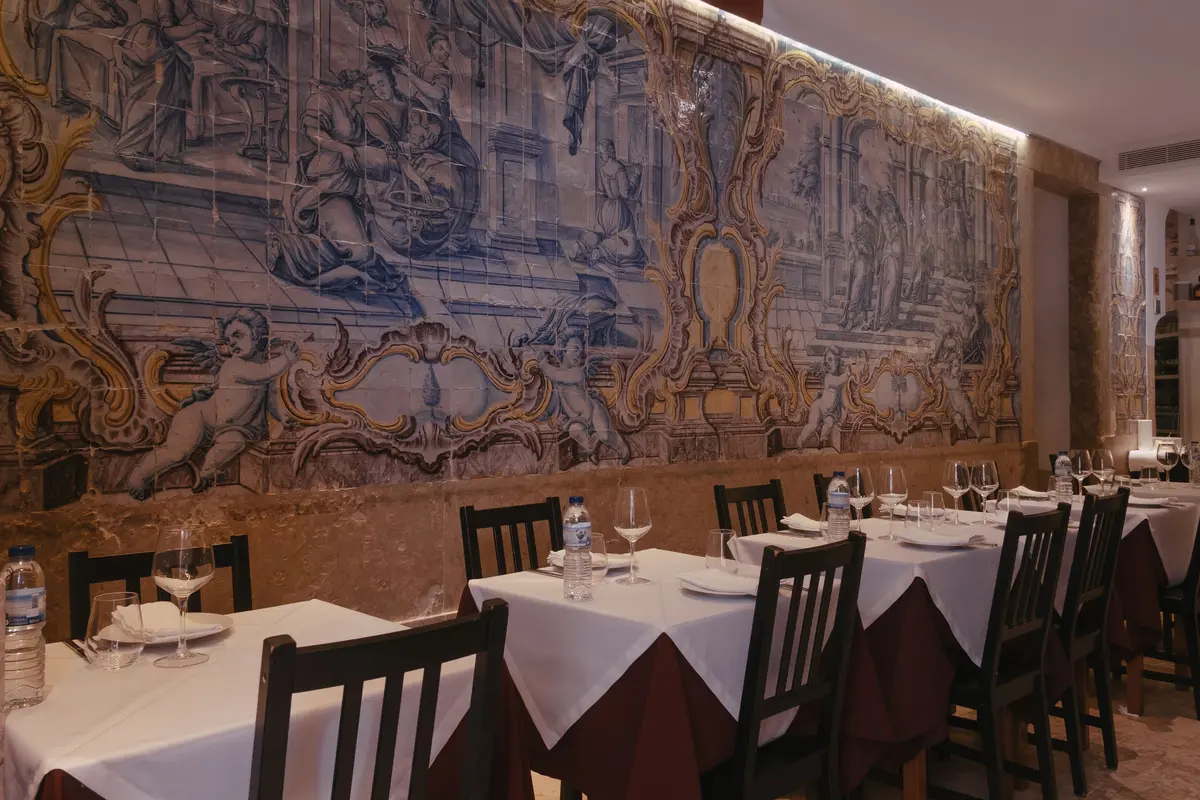
Built inside an 18th-century chapel, the walls are lined with original blue-and-white azulejo tiles and the acoustics are extraordinary — the kind of room that makes every note hang in the air half a beat longer than it should. Performers often wander between tables rather than standing on a stage; the fadista may be singing inches from your shoulder by the third set. The experience is genuinely electric.
The downside is physical: the seating is wooden pews without backs, and a three-hour sitting will make itself felt. The set menu runs $76 (€70) per person including starter, main, dessert, and drinks — significantly higher than older booking sites suggest, so ignore any prices below that figure.
- Location: Rua dos Remédios 139, Alfama
- Cost: ~$76 (€70) per person (set menu including drinks)
- Best for: Atmosphere chasers, those who prioritize acoustic immersion over comfort
- Time needed: 3 hours
Pro Tip: Arrive around midnight for the venue’s late-night open mic session — fadistas from other houses drop in after their own shifts end. Entry at this hour is drinks-only, and the shift in energy from reverent to loose is worth staying for.
6. Maria da Mouraria
This venue sits in the actual house where Maria Severa — the legendary first fadista — lived and died in the early 19th century. For anyone serious about Fado history, this is the pilgrimage site, not Alfama. The neighborhood is grittier and more real. It’s not a postcard. That’s precisely the point.
The all-in pricing model here is the cleanest in Lisbon: $73 (€67.50) per person covers starters, a main of your choice, dessert, drinks, and the full Fado show. No minimum spend games, no couvert traps, no surprises on the bill.
- Location: Largo da Severa 2, Mouraria
- Cost: ~$73 (€67.50) per person (all-in: food, drinks, and Fado show)
- Best for: History buffs, travelers who want Mouraria over Alfama
- Time needed: 3 hours
- Hours: Wednesday–Sunday (closed Monday and Tuesday)
The vadio experience: raw, spontaneous, and cheap
7. Tasca do Chico
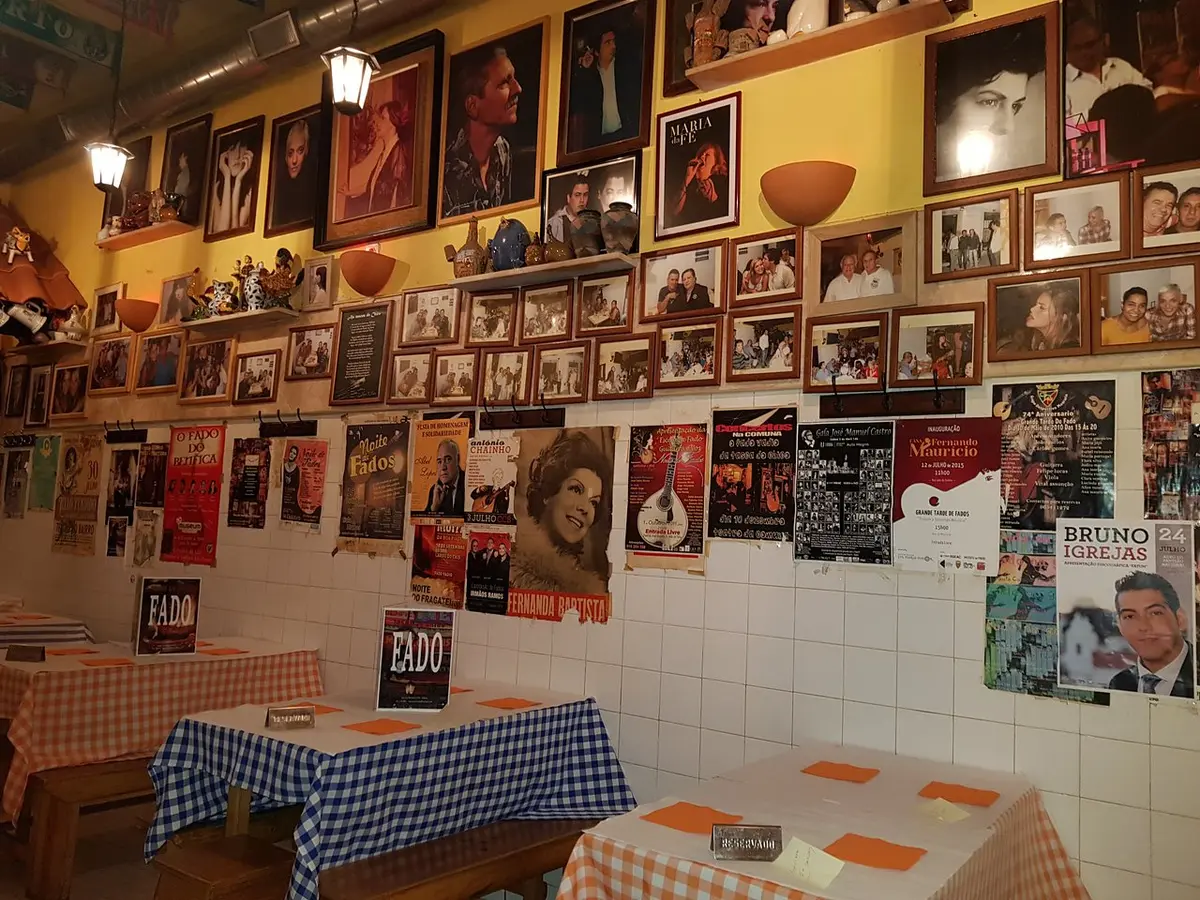
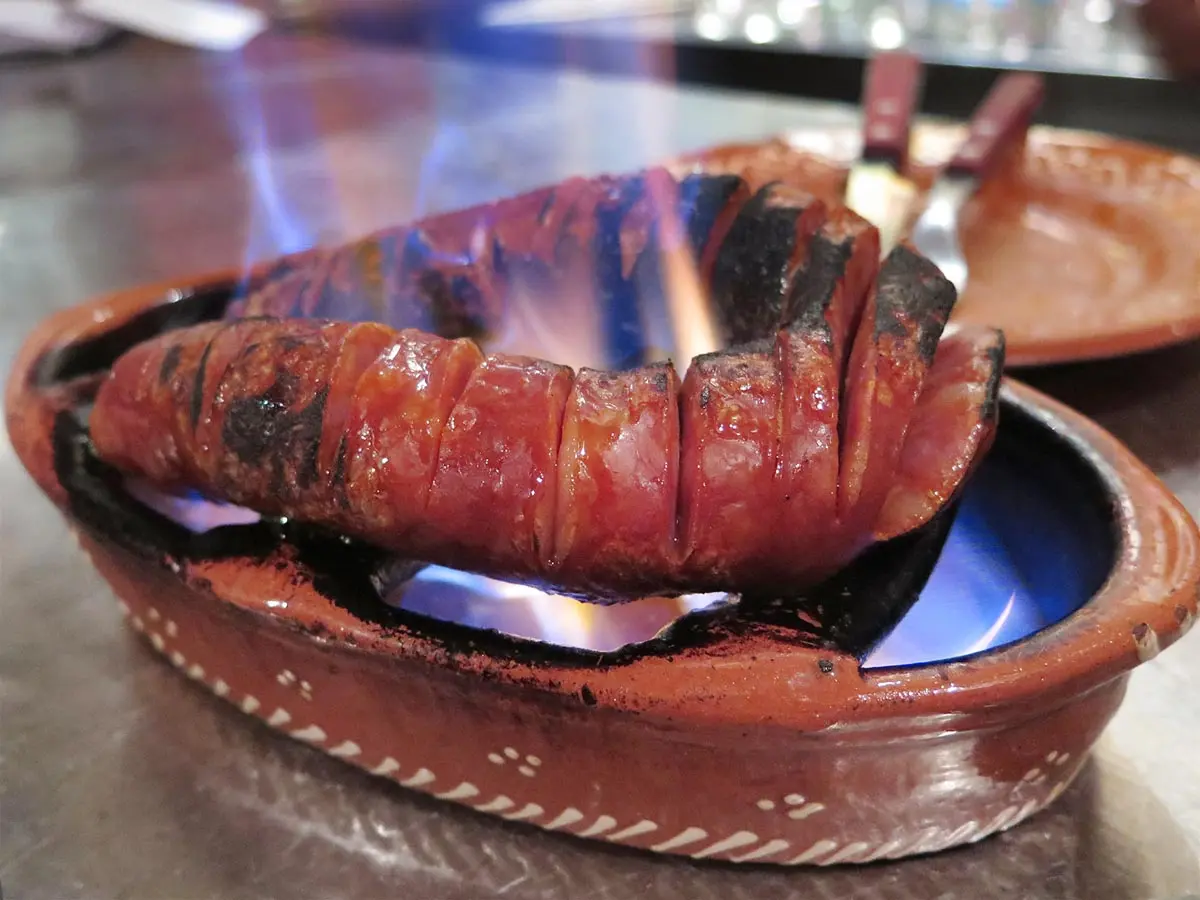
Fado Vadio — “vagabond Fado” — means anyone can sing. A professional warming up before their own shift elsewhere. A taxi driver who used to perform. A grandmother who sang this same song at her wedding forty years ago. Quality varies. Passion does not. The space is chaotic: thousands of scarves and posters hanging from the ceiling, wooden tables packed tight, no stage. The signature order is Chouriço Assado — sausage that arrives at your table still flaming over a clay pot.
- Location: Rua do Diário de Notícias 39 (Bairro Alto) or Rua dos Remédios 83 (Alfama)
- Cost: No cover. Pay only for food and drinks. Cash only.
- Best for: Budget travelers, authentic atmosphere, those who want energy over polish
- Time needed: 2–3 hours
Pro Tip: If the door is locked when you arrive, a song is in progress. Do not knock. Wait on the street until you hear applause, then enter. Mondays and Wednesdays draw the strongest Fado Vadio nights — the amateur singers who come out on those nights tend to have more experience than the weekend walk-ins.
8. A Baiuca
The most intimate Fado in Lisbon venue on this list. Six tables. The cook may come out from the kitchen mid-shift to sing a set, then return to the grill. The audience is invited to join in on choruses — a tradition called Fado Batido. It offers an authentic window into Portuguese culture — genuinely communal rather than performative, and it breaks every stiff stereotype about what Fado is supposed to be.
- Location: Rua de São Miguel, Alfama
- Cost: Mains from ~$22
- Best for: Groups, interactive experiences, joyous rather than solemn Fado
- Time needed: 2–3 hours
Warning: Booking is required — there are only six tables and they fill days in advance.
The express option: Fado without dinner
9. Fado in Chiado
A 50-minute theatre show with no food. High-quality musicianship, professional staging, and Lisbon imagery projected on backdrop screens. It lacks the wine, the food smells, and the spontaneous electricity of a tasca. But it offers something the tascas can’t: a guaranteed seat, no minimum spend, and you’re back on the street by 8:00 PM for dinner elsewhere — or for a second venue if you want to compare styles in one night.
- Location: Rua da Misericórdia 14, Chiado
- Cost: ~$23 (€21) per ticket
- Best for: Families, travelers with dietary restrictions, tight schedules
- Time needed: 1 hour
How do you spot a tourist trap Fado house?
Any venue with a street barker physically recruiting passersby has already answered the question. Authentic Fado houses in Lisbon run on reputation and advance reservations — they do not need sidewalk salesmen. A posted menu showing paella, sangria, or “Fado & Folklore” on the sign is equally reliable as a signal to keep walking.
Three tells, in order of reliability:
The barker: If a waiter is physically blocking foot traffic with a laminated menu showing “FADO TONIGHT” in five languages — keep walking. Real houses don’t need to recruit.
The signage: Steer clear of anything advertising “Typical Portuguese Restaurant” or “Fado & Folklore.” Authentic venues just use the name.
The menu audit: Check the posted menu outside before entering. Red flags — paella, tapas (Portuguese say petiscos), sangria as the featured drink, faded food photos. Green flags — a short menu anchored by Bacalhau, Polvo, and Portuguese wines from Douro, Alentejo, or Dão.
What should you order at a Fado house?
Stick to Bacalhau à Brás, Polvo à Lagareiro, Caldo Verde, and Chouriço Assado — the four Portuguese food staples that appear on every serious Lisbon menu. Skip anything with a food photo on the wall. Sangria and paella on the menu are the kitchen equivalent of the street barker: a tell that the food isn’t the point.
Bacalhau à Brás: Shredded salt cod, fried potatoes, onions, and scrambled eggs. Portugal’s ultimate comfort dish — the one that shows up everywhere because it earns its place.
Caldo Verde: Potato-and-collard-green soup with sliced chouriço. The right starter at any hour, particularly late at night when the cold outside finally justifies it.
Polvo à Lagareiro: Octopus baked in olive oil and garlic with punch-potatoes (batatas a murro). The signature dish at O Faia — order it there.
Peixinhos da Horta: Tempura green beans — the dish from which Japanese tempura is thought to derive. Outstanding at Maria da Mouraria.
Chouriço Assado: Flaming sausage in a clay pot. Non-negotiable at Tasca do Chico. Do not leave without ordering it.
Two complete Fado evenings, planned for you
Both work well as standalone evenings or as the capstone of a full Lisbon day. If you’re spending a morning in Sintra first, our Sintra Portugal guide covers the palace circuit from first ticket to last tram — then the evening in Alfama or Bairro Alto lands with real contrast.
The “Roots of Fado” Night
Start at 4:00 PM at the Museu do Fado, on the Alfama/Mouraria border. One hour gives you the full historical context before you feel it live — the instruments, the poets, the provenance. At sunset, walk up through Alfama’s alleys to the Miradouro das Portas do Sol for the river view. Dinner at 8:00 PM at Mesa de Frades; let the chapel acoustics do the rest. Finish at 11:00 PM at Tasca do Chico for a nightcap and amateur singing as contrast — the jump from a former chapel to a room full of scarves and flaming sausage lands hard.
The “Bohemian Luxury” Night
Open at 7:00 PM with a glass of Port at Solar do Vinho do Porto, near the São Pedro de Alcântara viewpoint. Dinner reservation at 8:30 PM at O Faia: polished, historic, four singers rotating through a two-hour show. At 11:30 PM, walk into the chaos of Bairro Alto and step into Tasca do Chico. The contrast between high Fado and street Fado lands harder when you’ve just come from the other — the same music, completely different relationship to it.
What to wear and how to get home after midnight
Upscale houses — Senhor Vinho, O Faia, Casa de Linhares — require smart casual: a collared shirt and trousers for men are standard; shorts, flip-flops, or beachwear will get you turned away or seated badly. For tascas like Tasca do Chico or A Baiuca, jeans and clean sneakers are fine.
Solo travelers will find Tasca do Chico (easy to stand at the bar) and Fado in Chiado (individual theatre seats) the best fits, though upscale houses accommodate solo diners without making it awkward.
Shows often end past midnight. Alfama and Mouraria’s cobblestones are uneven and poorly lit after dark — a rolled ankle on the way back to the taxi rank is a real risk. Use Uber or Bolt. They’re cheap, reliable, and far safer than navigating the alleys on foot at 1:00 AM. Skip the tuk-tuks after dark unless you negotiate a fixed price before getting in. If you’ve spent the day at Cascais Portugal on the Estoril Line, factor in an extra 45 minutes to return to central Lisbon before your Fado reservation.
All nine venues, side by side
| Venue | Neighborhood | Vibe | Cost (USD) | Best for |
|---|---|---|---|---|
| Senhor Vinho | Lapa | Aristocratic, serious | $70+ | Connoisseurs, special occasions |
| O Faia | Bairro Alto | Historic, polished | $86–$110 | Dinner + show |
| Mesa de Frades | Alfama | Chapel acoustics, intimate | ~$76 | Atmosphere, immersion |
| Clube de Fado | Alfama | Classic, reliable | $54–$65 | First-timers |
| Casa de Linhares | Alfama | Palace ruins, spacious | $70–$87 | Foodies, vegetarians |
| Maria da Mouraria | Mouraria | Historic home, local | ~$73 all-in | History buffs |
| Tasca do Chico | Bairro Alto / Alfama | Raucous, amateur | Drinks only | Budget, authenticity |
| A Baiuca | Alfama | Communal, tiny | $22+ mains | Interactive, fun |
| Fado in Chiado | Chiado | Theatre show, no food | ~$23 | Quick intro, families |

The bottom line
TL;DR: Book Senhor Vinho or O Faia for a formal evening. Choose Mesa de Frades or Maria da Mouraria if history and intimacy matter more than polish. Go to Tasca do Chico when you want the real thing without a dress code or a bill that needs explaining. Carry cash, book upscale houses at least two weeks out, and when the lights go down — stop talking.
Which style of Fado evening sounds most like you — the white-tablecloth experience or a crowded tasca with wine and strangers?