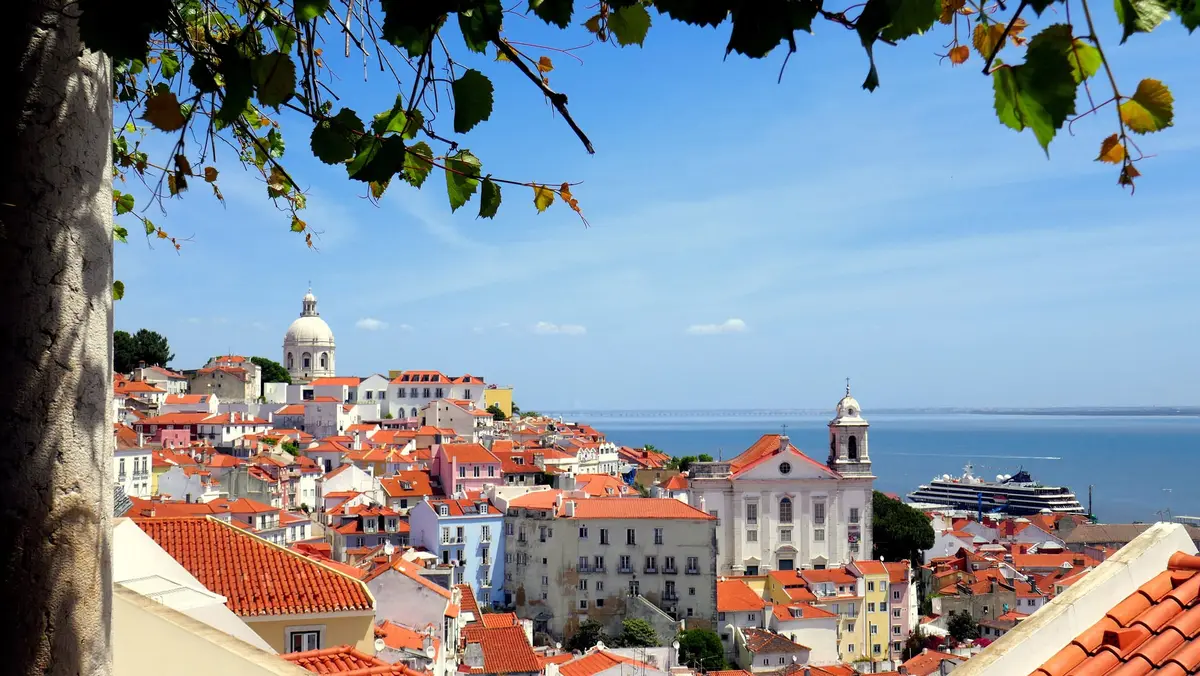
Shopping in Lisbon is an access problem, not a browsing problem. The heritage shops, VAT savings, and centuries of craftsmanship are all here — but without knowing where to go and how the VAT refund works, you will spend your money in the wrong rooms. This guide covers the shops worth your time, organized by neighborhood.
How does the VAT refund work for US shoppers in Portugal?
Portugal refunds 23% VAT on most purchases above $55 (€50) per receipt for non-EU residents. Present your passport at the time of purchase, validate at the airport kiosk before departure, and receive the refund posted to your credit card. Reclaiming 23% on ceramics or leather goods adds up fast — on a $325 (€300) pair of shoes, that is roughly $75 (€70) back.
Portugal applies a Value Added Tax (VAT), called IVA locally, on most purchases. You will pay 23% on clothing and ceramics, 13% on wine, and 6% on books. If you spend at least $55 (€50) on a single receipt at one store, you can reclaim that tax as a non-EU resident. The process has gone fully digital through the e-Taxfree system, and there is a specific protocol you need to follow or you will lose the money.
When shopping in Lisbon, bring your physical passport — not a photo, not a copy, the actual document. Retailers participating in the tax-free system (look for Global Blue or Planet signage) will scan your passport to generate a digital code linking your purchase to your exit flight. Request this before they finalize the transaction; retroactive forms are nearly impossible to get. The staff will give you a receipt with a QR code or registration number.
Understanding what to buy in Portugal before you shop helps you allocate the refund potential strategically — ceramics and leather goods taxed at 23% offer the strongest return.
Pro Tip: If you are shopping across multiple smaller heritage shops that each fall below the $55 (€50) threshold, consolidate your purchases at El Corte Inglés on your last day — you can combine categories on a single receipt and hit the minimum once rather than chasing it across five shops.
How does the VAT validation actually work at the airport?
Validation happens before you check your bags at Lisbon Airport. Arrive at least two to three hours before departure. Take tagged luggage to the e-Taxfree kiosks in the public departures area, scan your passport and boarding pass, and wait for a green light before dropping the bag at the customs belt. If your purchases are in carry-on, kiosks are also available after security.
Here is the full sequence:
- Check in with your airline but do not hand over your bag yet if it contains tax-free items
- Take tagged luggage to the e-Taxfree kiosks in the public departures hall
- Scan your passport and boarding pass
- Green light: drop the bag at the dedicated customs belt and proceed
- Red light: a customs officer inspects your purchases physically — common for jewelry or random audits
Once validated, the refund posts automatically to your credit card if you provided details in-store. Otherwise, drop the validated form in the operator’s box or visit the cash desk for an immediate payout, which comes with service fees attached.
The system works smoothly when you follow the steps. Missing any single step means forfeiting your refund entirely — the airport staff cannot override a missed validation.

How do you ship fragile purchases without losing them?
The safest rule: if a purchase costs more than $540 (€500), use the store’s shipping service rather than the airline. Vista Alegre and Bordallo Pinheiro offer specialized packaging built for transatlantic transit and assume liability for breakage. For smaller shops and flea market finds, use Mail Boxes Etc. or UPS Access Points in the city center rather than Portugal’s national postal service for anything high-value.
Cortiço & Netos handles industrial-grade packing for heavy tile shipments, ensuring discontinued patterns survive the journey intact.
For purchases from markets or small shops, Mail Boxes Etc. and UPS Access Points in the city center will foam-inject your goods and provide unified tracking. This costs more upfront but saves you the grief of opening a box of shards.
Professional shipping often costs less than airline excess baggage fees. The downside: you will not have your purchases immediately, and shipping adds two to three weeks to delivery.
What do you need to know about payments and pickpockets?
Portugal’s Multibanco domestic payment network frequently rejects international credit cards. Carry $110–220 (€100–200) in small bills for historic shops and flea markets, where card terminals are either nonexistent or “conveniently” broken to avoid merchant fees. American Express barely works outside luxury hotels; Visa and Mastercard are your reliable options.
Professional pickpocket teams operate in Lisbon’s retail zones. Tram 28, despite its famous scenic route, functions as a pickpocket training ground. Walking around that crowded wooden tram with shopping bags from heritage stores is asking for trouble.
In Rua Augusta and Baixa’s pedestrian streets, watch for distraction tactics: strangers asking for directions while an accomplice targets your bag, or someone spilling a drink to create confusion. Use cross-body bags with zippers, keep backpacks on your front in crowds, and never hang bags on the back of chairs at outdoor cafes.
With basic awareness and a glance at our Portugal safety guide, shopping in Lisbon is manageable for attentive visitors. Tourist-heavy areas require constant vigilance with your belongings — the threat is opportunistic theft, not confrontation.
What’s worth buying in Chiado and Baixa?
Chiado and Baixa hold the greatest concentration of heritage-protected shops in Lisbon — commercial spaces the government legally prevents from closing or converting. These are not tourist recreations of old shops. They are the original operations. Six are worth treating as destination stops rather than casual browsing.
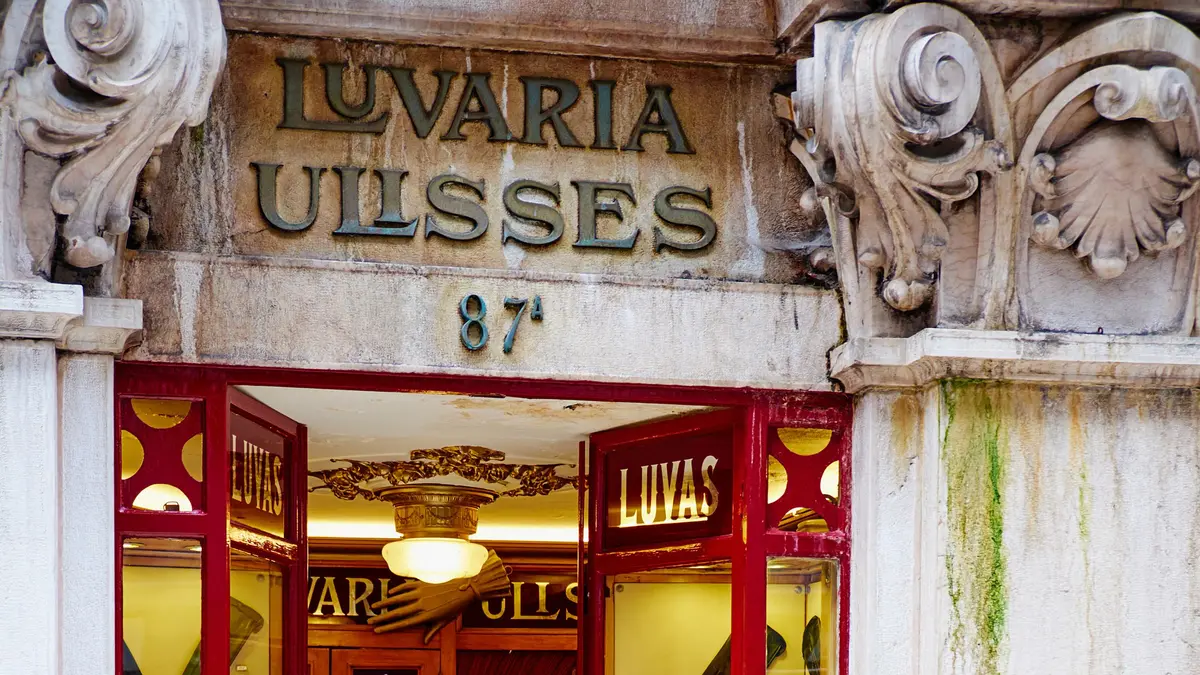
1. Luvaria Ulisses — the last glove shop in Portugal
Luvaria Ulisses sits at Rua do Carmo 87A in a neoclassical facade barely wide enough for two customers. The shop is not just selling gloves — it is preserving a service ritual from another century. The staff visually assesses your hand size without measuring, invites you to rest your elbow on a velvet cushion, then expands unlined kidskin gloves using specialized wooden tongs before smoothing them onto your hand like a second skin.
The gloves fit tighter than what Americans expect, but that is the Portuguese style: kidskin that molds to your hand over time. What makes Ulisses different from any glove shop in the US is the expertise — the staff can identify the right size and material for your specific hand shape and climate without any measuring. On my last visit, the queue outside moved faster than expected because the fitting itself takes only about ten minutes per customer.
The Good: You are buying both a product and a service experience that has operated unchanged since 1925; the quality justifies the price.
The Bad: The four-square-meter size means you may wait outside if other customers are being fitted; limited stock in larger sizes has frustrated some visitors.
- Location: Rua do Carmo 87A, Chiado
- Cost: $55–75 (€50–70) per pair, depending on leather and lining
- Best for: Anyone wanting a memorable Lisbon purchase; glove wearers in colder climates
- Time needed: 20–30 minutes including any queue
2. Livraria Bertrand — the world’s oldest continuously operating bookstore
Livraria Bertrand opened in 1732 on Rua Garrett 73 and holds the Guinness World Record for continuous operation. It survived the 1755 earthquake that leveled Lisbon, relocated to its current spot in 1773, and kept selling books through every political upheaval since. The front rooms fill with visitors photographing the facade, but walk to the rear vaulted spaces or the attached cafe to find breathing room.
Buy a Portuguese classic — Fernando Pessoa or José Saramago in English translation — and request the official “Oldest Bookstore in the World” stamp on the inside cover. This seal provides provenance you cannot get from an online order. The selection emphasizes Portuguese literature and history, offering context you will not find in generic travel sections back home.
The Good: The historical significance and unique stamp add value beyond the book itself; prices match standard retail.
The Bad: The visitor crowd in front creates a chaotic entry experience, and the English selection is smaller than the Portuguese offerings.
- Location: Rua Garrett 73, Chiado
- Cost: Standard book retail prices
- Best for: Readers interested in Portuguese literature; anyone who appreciates provenance
- Time needed: 30–45 minutes
3. Paris em Lisboa — European luxury linens at source prices
Paris em Lisboa occupies Rua Garrett 77 and has supplied Lisbon’s upper classes with linens since 1888, operating across three floors of a beautifully preserved shop interior. Despite the French name, the stock spans Portuguese and European luxury textile production — bed linens, intricate embroidery, and silks that rival export brands at a fraction of international retail prices. Buying directly here means bypassing the markup that luxury home retailers charge in the States.
The staff understands textile construction and can explain why certain weaves work better in humid versus dry climates. They will walk you through thread counts, finishing techniques, and care requirements without pressure.
The Good: You are accessing investment-grade textiles at Portuguese source pricing; the three-floor shop rewards slow browsing.
The Bad: Prices still reflect luxury positioning — this is not bargain shopping. Shipping bulky linens requires planning.
- Location: Rua Garrett 77, Chiado (directly next door to Livraria Bertrand)
- Cost: Individual pieces start around $55 (€50) and scale significantly upward for full sets
- Best for: Home décor shoppers; couples furnishing a new house; anyone who judges a hotel by its thread count
- Time needed: 30–60 minutes
4. A Carioca — Art Deco coffee and Azorean tea
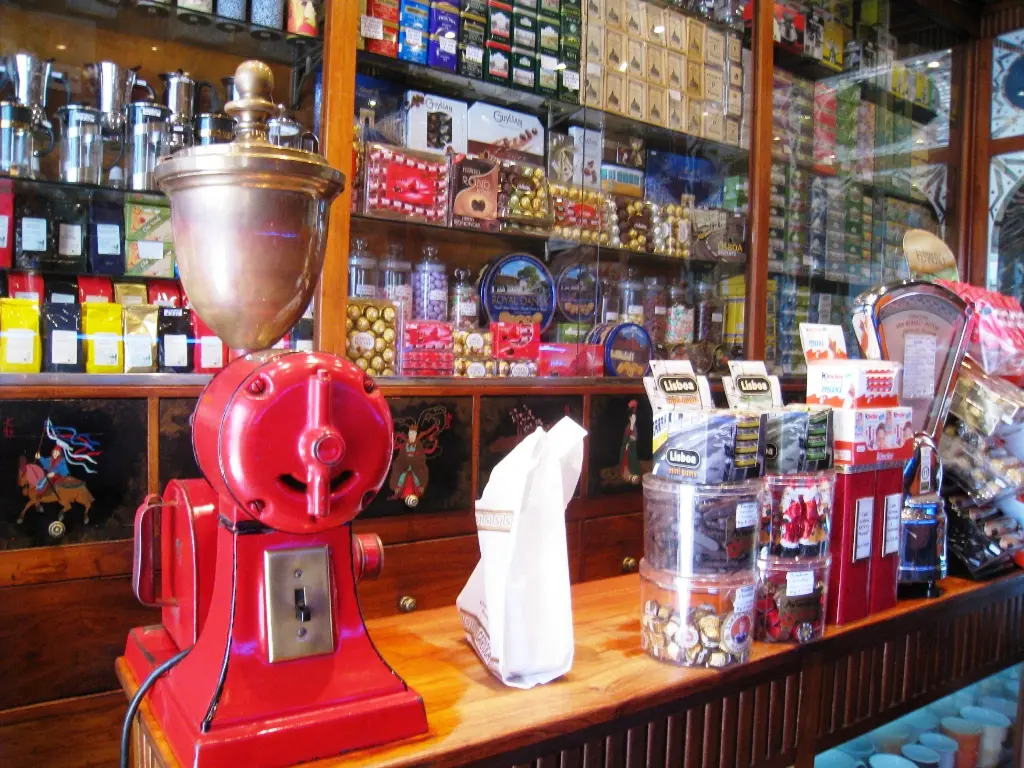
A Carioca stands at Rua da Misericórdia 9 in one of Lisbon’s last intact Art Deco interiors dedicated to coffee. The scent hits you before you enter — roasting beans processed in vintage grinding machines that still operate daily. Wood-paneled walls and original fixtures create an atmosphere modern cafes try to fake with Edison bulbs and reclaimed wood, and fail.
Order coffee beans ground to your specifications — French press, Moka pot, espresso — or explore Gorreana tea from the Azores, Europe’s only tea plantation. The Gorreana Black Pekoe and Green Hysson varieties represent deep Portuguese agricultural knowledge that most visitors never encounter. The staff will vacuum-seal packages for travel.
Pro Tip: Freshly ground coffee loses most of its volatile compounds within two weeks of grinding. If you are buying more than two bags, ask A Carioca to grind one and leave the others as whole beans — you will get dramatically better flavor when you brew at home.
The Good: You are buying from a living historic business that prioritizes quality over volume; the products are not available in standard US grocery stores.
The Bad: Freshly ground coffee needs to be used quickly for optimal flavor, limiting how much you can stockpile.
- Location: Rua da Misericórdia 9, Chiado
- Cost: Ground coffee and tea typically $8–18 (€7–17) per package
- Best for: Coffee drinkers; anyone looking for a lightweight, non-fragile gift
- Time needed: 15–20 minutes
5. Claus Porto — soap packaging as design artifact
Claus Porto’s flagship store at Rua da Misericórdia 135 functions as both shop and museum. Founded in 1887 by German immigrants in Porto, the brand became known for Art Deco wrapper designs that still define its identity. The lower level houses a fully functional barber shop dedicated to the Musgo Real men’s line, offering hot towel shaves in the original scent profile from the 1930s.
The Guest Soap Box contains 15 miniature soaps in different archival wrapper designs — portable art that weighs nothing and packs easily. Each soap is macaron-sized, and the collection showcases the brand’s graphic design evolution across decades. The Musgo Real shaving cream in spiced citrus has a following among wet shavers worldwide but costs significantly less here than through US importers.
The Good: The products combine functional quality with collectible design; the miniature soap box solves the lightweight gift problem elegantly.
The Bad: The scent profiles skew classic and might feel old-fashioned to anyone who prefers modern minimalist fragrances.
- Location: Rua da Misericórdia 135, Chiado
- Cost: Guest Soap Box around $40–50 (€37–47); individual soaps from $8 (€7)
- Best for: Design-minded shoppers; anyone who needs quality gifts that survive carry-on
- Time needed: 20–30 minutes
6. Conserveira de Lisboa — canned fish worth aging like wine
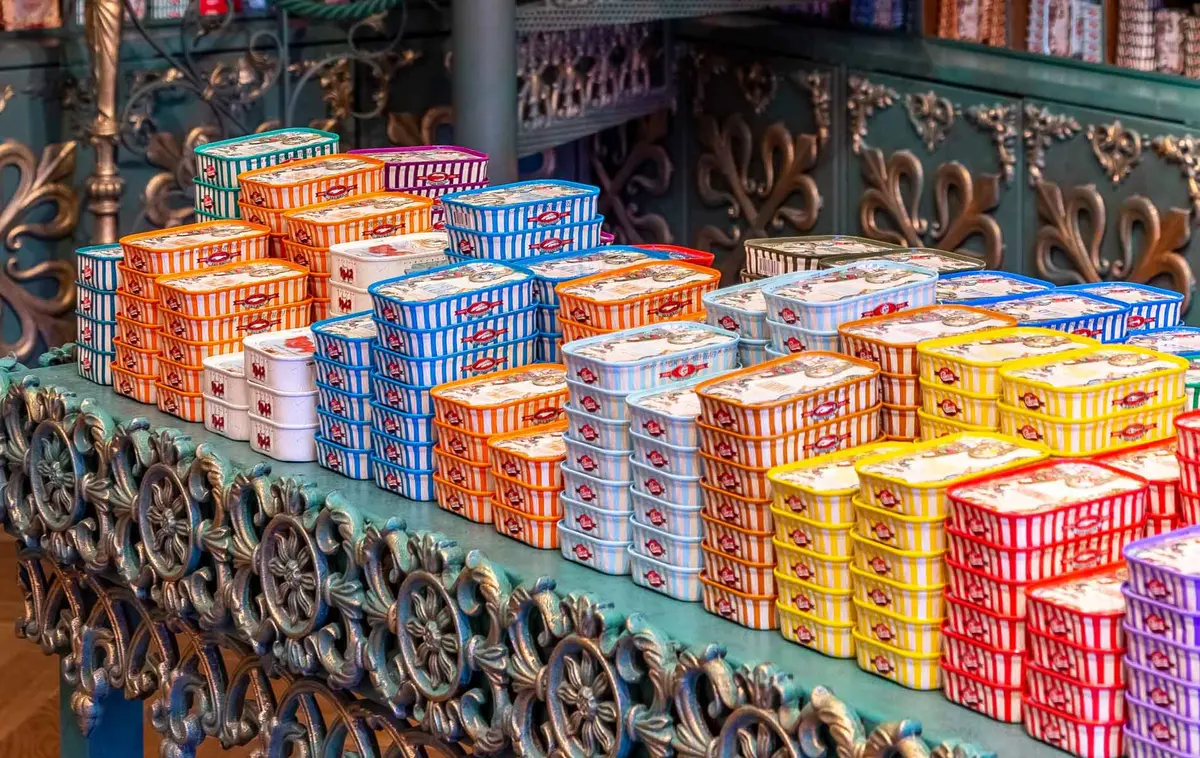
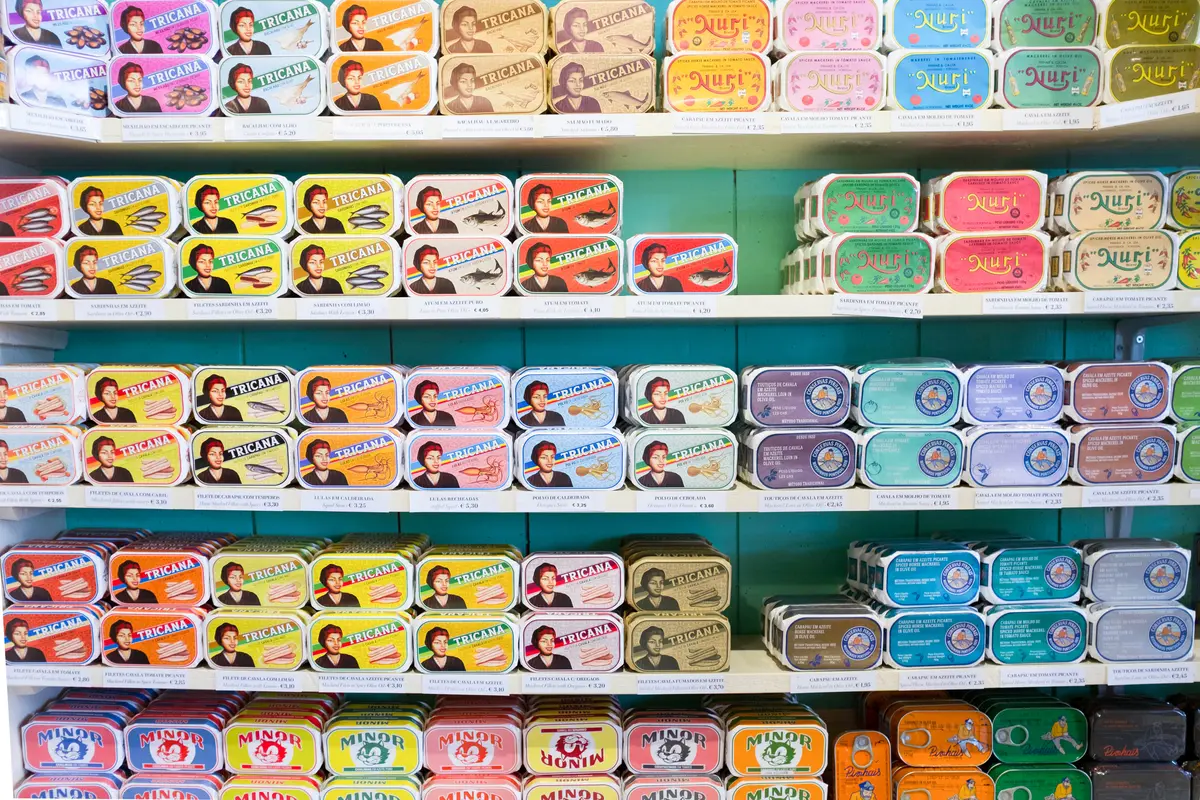
Conserveira de Lisboa at Rua dos Bacalhoeiros 34 represents authentic Portuguese canned fish tradition, distinctly separate from the sardine circus tourist shops with flashing lights and gimmick packaging. The shop retains its original 1930s interior layout — the main counter, shelves, and office unchanged — and treats canned fish as seriously as wine merchants treat vintage bottles. The staff wraps tins in brown paper and ties them with a specific knotting technique that has remained unchanged for generations. This packaging is a trust signal.
Portuguese sardines canned in olive oil improve with age, developing complexity the way wine does. The brands here include Tricana (large fillets suitable for gastronomy), Minor (small mackerel), and Prata do Mar. Staff can explain which varieties age best and how to store them.
The Good: You are buying a shelf-stable product with real cultural significance; prices are lower than specialty importers charge in the US.
The Bad: The aging concept requires patience and storage space; canned fish does not photograph as immediately appealing as other purchases.
- Location: Rua dos Bacalhoeiros 34, Baixa
- Cost: Most tins $5–15 (€5–14); specialty varieties higher
- Best for: Food lovers; anyone buying edible gifts; people with a pantry and patience
- Time needed: 20–30 minutes
What makes Príncipe Real worth the detour for shoppers?
Príncipe Real is where Lisbon’s contemporary design scene operates. Unlike Chiado’s heritage-protected shops, this neighborhood houses independent Portuguese designers who make and sell from the same address. Three stops are worth building your afternoon around: Embaixada for Portuguese brand density, ISTO for radical pricing transparency, and +351 for Atlantic-influenced casual wear.
7. Embaixada — Portuguese design in a Moorish palace
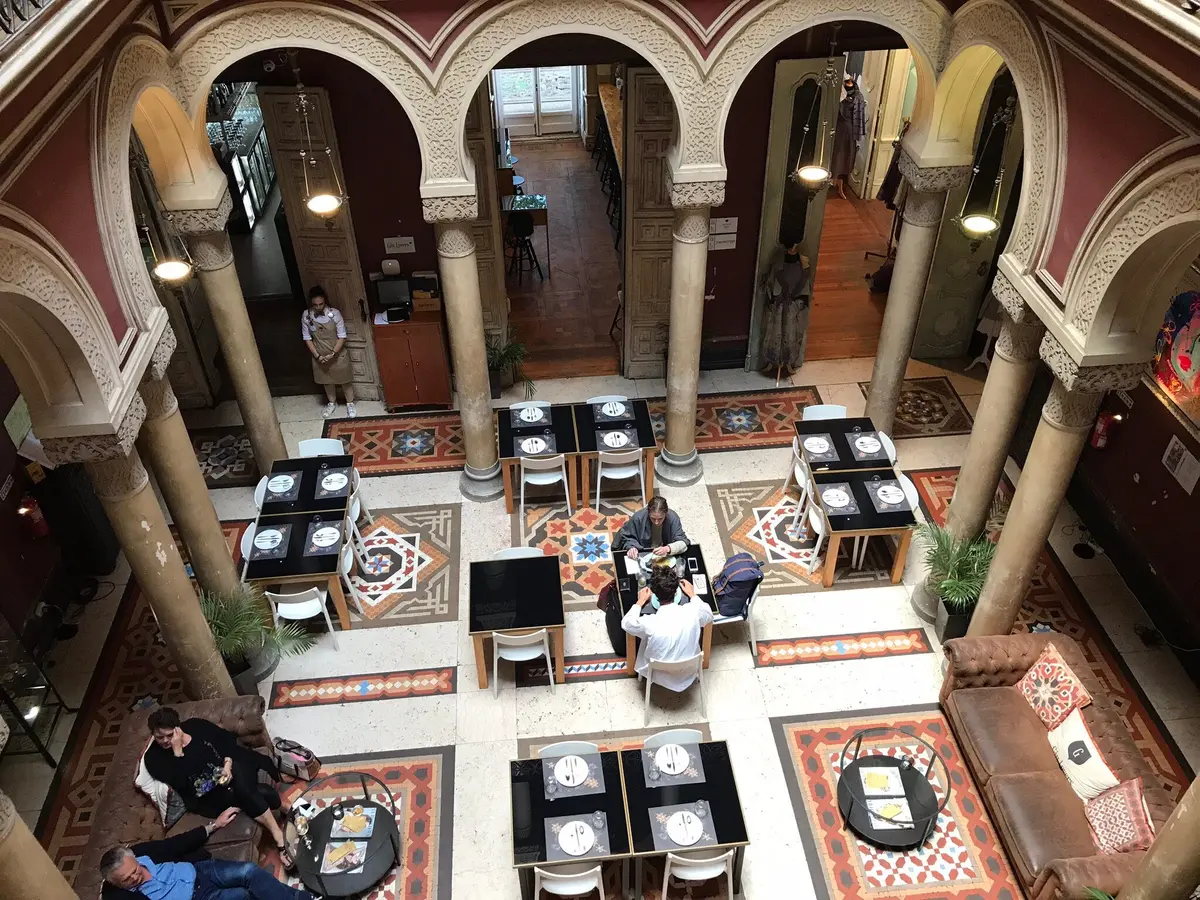
Embaixada occupies the Ribeiro da Cunha Palace, a 19th-century Neo-Moorish mansion with Arabian-style courtyards and grand staircases. It has been converted into a multi-brand gallery showcasing Portuguese designers across 15+ independent shops. Latitid creates luxury swimwear engineered for the Atlantic’s powerful waves — structured, durable, and distinctly different from resort wear designed for calm Caribbean waters. Organii produces Portugal’s first certified organic cosmetics line. Boa Safra designs sustainable furniture using Portuguese cork and wood.
Walking through Embaixada feels like museum-shopping; the architecture competes for attention with the merchandise. Each vendor maintains independence, so you will interact with people who designed what they are selling.
The Good: The concentration of high-quality Portuguese brands saves time; the building itself justifies the visit even if you buy nothing.
The Bad: Prices reflect the independent, artisanal nature of each vendor — this is not discount shopping.
- Location: Praça do Príncipe Real 26, Príncipe Real
- Cost: $55+ (€50+) per item for most brands
- Best for: Design shoppers; anyone wanting to discover emerging Portuguese labels in one building
- Time needed: 45–60 minutes
8. ISTO — radical pricing transparency in organic cotton
ISTO operates on Rua Nova da Piedade with a business model built on showing customers exactly where their money goes. Every price tag breaks down material costs, labor, transport, and markup. A $43 (€40) organic cotton t-shirt shows that $13 (€12) goes to fabric, $9 (€8) to the seamstress in Braga, $4 (€4) to transport, and $17 (€16) to margin and operations.
The products emphasize durability over trend cycles — high-density organic cotton t-shirts and Oxford shirts built to last years. The fit skews European, which means slimmer than typical American cuts. What distinguishes ISTO from similar brands is the radical transparency; you are making an informed purchase rather than trusting marketing claims.
The Good: The transparency builds trust and justifies the price point; production in Northern Portugal ensures quality control.
The Bad: The minimalist aesthetic and slim European fit will not suit everyone’s body type or style preferences.
- Location: Rua Nova da Piedade 76, Príncipe Real
- Cost: T-shirts from $43 (€40); Oxford shirts from $110 (€100)
- Best for: Conscious shoppers; people who have given up on fast fashion; those who run slim in American sizing
- Time needed: 20–30 minutes
9. +351 — Atlantic surf culture in wearable form
+351 takes its name from Portugal’s country code and builds a brand around Atlantic beach culture from Cascais to Comporta. The shop on Rua da Escola Politécnica sells terry-cloth hoodies and polos that reference post-surf comfort without the California surf shop clichés. The fabrics absorb moisture quickly and maintain structure through repeated washing.
This is where Portuguese surf culture translates to wearable design that works in non-beach contexts. The color palette pulls from the coast: ocean blues, sand tones, and weathered whites.
The Good: The pieces serve dual purposes — beachwear and casual urban; the quality exceeds fast-fashion competitors.
The Bad: The specific aesthetic might feel too regionally tied for people who do not connect with Portuguese beach culture.
- Location: Rua da Escola Politécnica 42, Príncipe Real
- Cost: Hoodies from $65 (€60); polos from $49 (€45)
- Best for: Casual dressers; beach travelers; anyone who finds US surf brands too logo-heavy
- Time needed: 20–30 minutes
Where do you find authentic tiles — and how do you spot the fakes?
Authentic Portuguese azulejos come in two very different categories: industrial mid-century machine-made pieces with geometric patterns, and hand-painted antiques salvaged from demolished buildings. Street vendors and most tourist shops sell neither — they sell factory reproductions made in bulk for the souvenir market. These are identifiable by their uniform glaze, lightweight feel, and generic blue-and-white patterns. The two shops below deal in the real thing.
10. Cortiço & Netos — industrial tile designs running out
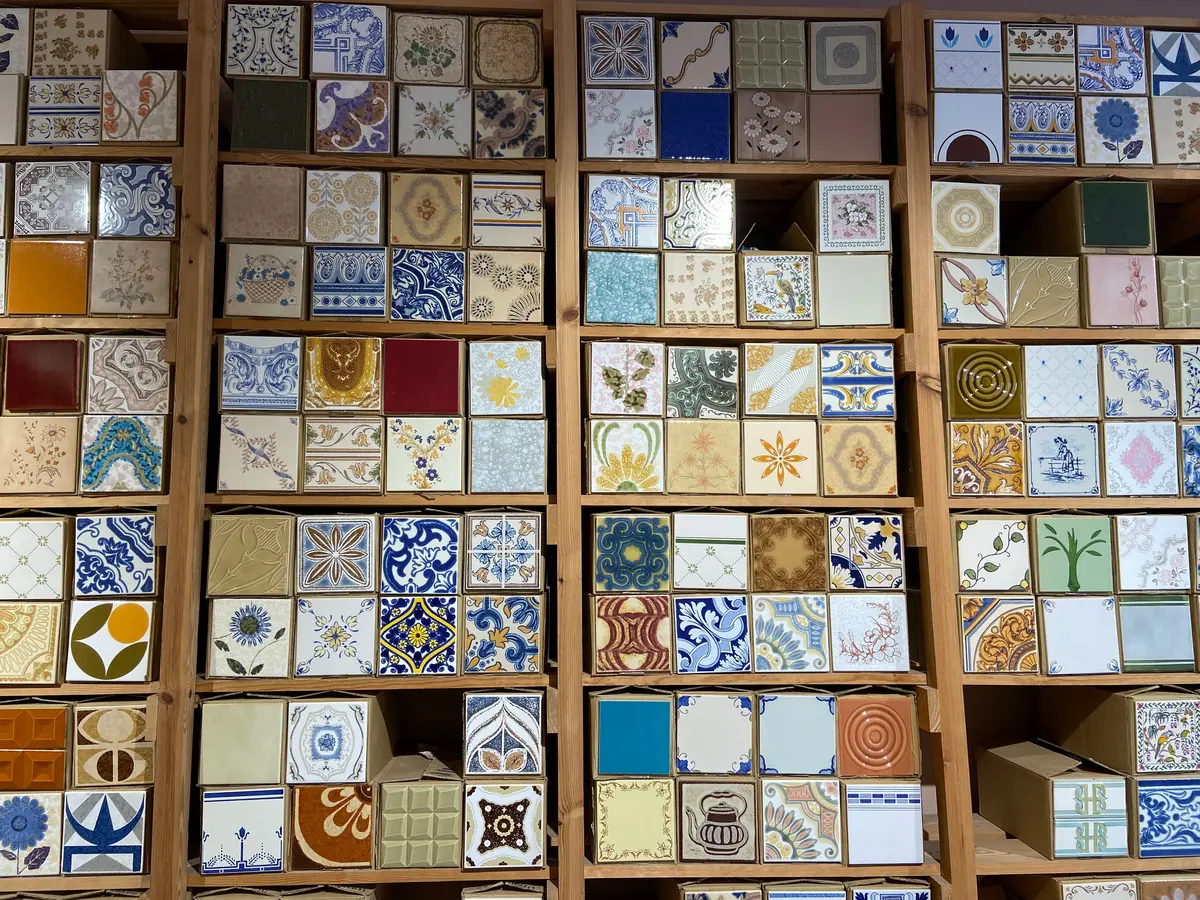
Cortiço & Netos operates at Rua Maria Andrade 37D in the Intendente neighborhood, away from tourist zones. The Cortiço family purchased dead stock from discontinued tile factories in the 1970s and 80s, creating an archive of industrial design. Once a pattern sells out, it is gone permanently. These are not hand-painted antiques — they are machine-made tiles from Portugal’s mid-century industrial era, characterized by geometric patterns and bold graphics.
Prices run $4.50–9 (€4–8) per tile depending on rarity. People frame individual tiles as art or use them as coasters. The staff can check online inventory before you visit since the warehouse system is complex.
Pro Tip: Call or email Cortiço & Netos before making the trip to Intendente. They maintain a searchable inventory database and can tell you whether a specific pattern or color palette is still in stock — saving you a 30-minute detour to find nothing left.
The Good: You are purchasing finite pieces of design history at reasonable prices; the industrial aesthetic offers a different angle than tourist azulejos.
The Bad: The location requires deliberate travel; browsing the full selection demands time and patience.
- Location: Rua Maria Andrade 37D, Intendente (near Intendente Metro, Green Line)
- Cost: $4.50–9 (€4–8) per tile; bulk pricing available
- Best for: Design enthusiasts; anyone decorating a home; collectors who want something other than blue-and-white tourist tiles
- Time needed: 45–60 minutes minimum; allow extra time if you are seriously browsing
11. Solar Antiques — museum-quality hand-painted tiles
Solar Antiques in Príncipe Real specializes in salvaged tiles from the 15th to 19th centuries — hand-painted pieces recovered from demolished buildings. Prices reflect art market values: $55–545+ (€50–500+) per tile. This is collecting territory, not souvenir shopping.
The concern here is provenance — stolen heritage is a significant issue in the antiquity trade. Request a Certificate of Authenticity proving legal acquisition and export eligibility. Solar’s reputation depends on legitimate sourcing, but verification protects both buyer and seller.
The Good: You are acquiring museum-quality pieces with historical significance; these tiles appreciate in value.
The Bad: The price point requires serious commitment; authentication and export documentation add complexity.
- Location: Rua Dom Pedro V 68–70, Príncipe Real
- Cost: $55–545+ (€50–500+) per tile depending on age and rarity
- Best for: Serious collectors; interior designers sourcing statement pieces; investors in decorative arts
- Time needed: 30–60 minutes; longer if you are seriously considering a purchase
Which Portuguese ceramics and porcelain are actually worth buying?
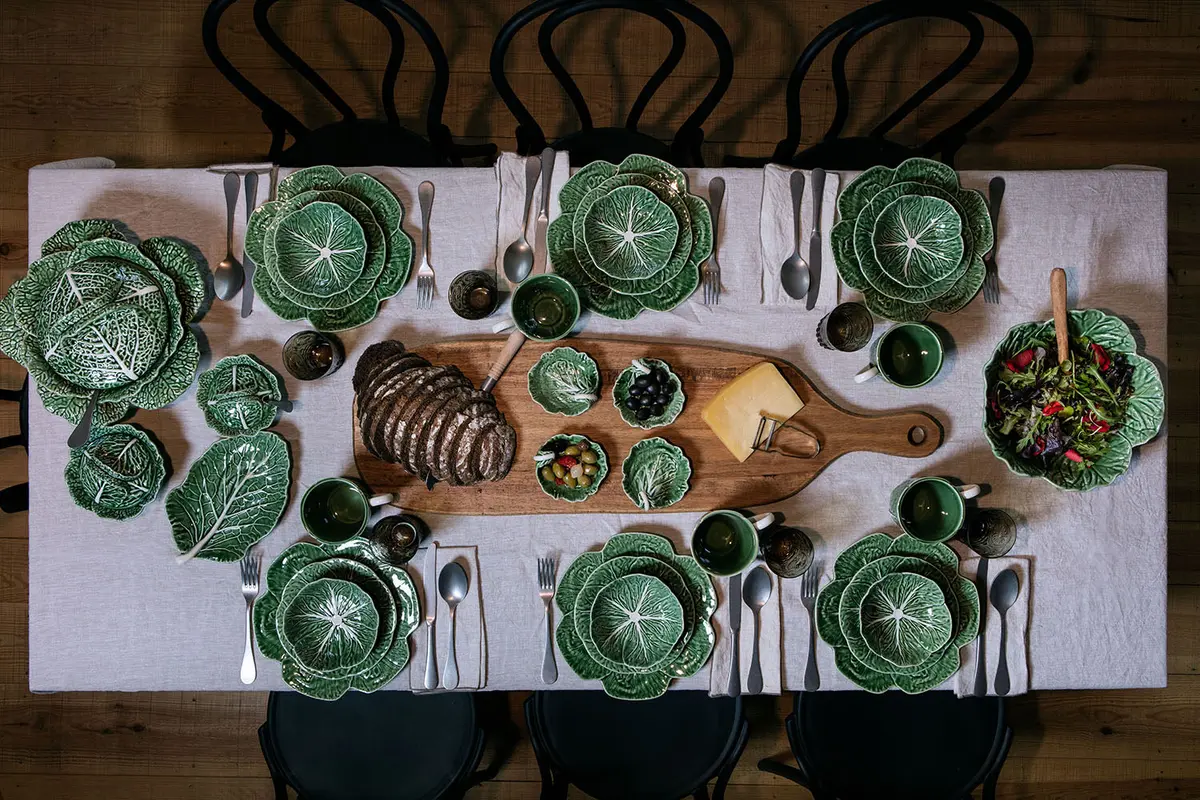
Portugal produces some of Europe’s finest ceramic and porcelain work, ranging from reactive-glaze earthenware to precision-finished luxury porcelain. The brands that appear in Michelin-starred restaurants and luxury hotels are the same brands you can buy directly in Lisbon — often at clearance prices if you know the right address. For a broader look at Portugal crafts beyond ceramics, the country’s artisan traditions span cork, leather, and textiles.
12. Cerâmicas na Linha — factory seconds by the kilogram
Cerâmicas na Linha at Rua Capelo 16 in Chiado sells pottery by the kilogram. The inventory consists of factory seconds and overruns from major manufacturers including Bordallo Pinheiro and Costa Nova. You will find the famous cabbage-shaped dishes seen in Michelin-starred restaurants, reactive-glaze plates, and serving pieces at fractions of export prices.
The “second” designation means minor glaze inconsistencies or slight shape variations that do not affect functionality. Staff provide bubble wrapping, but large sets require third-party shipping.
The Good: The pricing structure rewards volume buyers; you are accessing high-end Portuguese tableware at clearance prices.
The Bad: Selection is unpredictable — whatever factories overproduced; quality control varies slightly from first-quality merchandise.
- Location: Rua Capelo 16, Chiado
- Cost: Priced by weight; budget $22–55 (€20–50) for a useful haul
- Best for: Home cooks; anyone furnishing a dining table; buyers comfortable with minor cosmetic imperfections
- Time needed: 30–45 minutes
13. Vista Alegre — Portugal’s oldest porcelain manufacturer
Vista Alegre’s flagship store in Largo do Chiado showcases work from Portugal’s oldest porcelain manufacturer, established in 1824. The “Alma de Lisboa” collection features city imagery — trams, tiles, landmarks — in classic porcelain forms. While available internationally, buying in Lisbon often provides access to limited-edition pieces not exported to US retailers. The staff can arrange international shipping for large sets and provide documentation for customs.
The Good: You are buying from the source with full selection access; the quality rivals any European porcelain house.
The Bad: First-quality pricing reflects luxury positioning; browsing can feel formal.
- Location: Largo do Chiado 18, Chiado
- Cost: Individual pieces from $27 (€25), full sets into the hundreds
- Best for: Collectors; buyers of serious tableware; anyone looking for a lasting piece rather than a souvenir
- Time needed: 30–45 minutes
Is Portuguese cork actually worth buying, or is it all tourist kitsch?
Portugal produces roughly half of the world’s commercial cork, harvested from Quercus suber oak bark every nine years without harming the trees. The material is hydrophobic, fire-retardant, and hypoallergenic — genuinely useful properties. What makes the difference is quality of processing. Street vendors sell brittle cork postcards and floppy hats that will fall apart within months. Cork & Co in Bairro Alto uses “cork skin” — a highly processed fabric that feels like suede and holds structure.
14. Cork & Co — cork that doesn’t look like a souvenir
Their handbags, umbrellas, and furniture use architectural design language that avoids souvenir aesthetics entirely. A cork handbag performs like leather, weighs less, and repels water naturally. The store sits on a quiet street off Largo de Camões — easy to miss, worth finding.
The Good: Cork’s environmental credentials appeal to eco-conscious buyers; the modern design works in non-vacation contexts.
The Bad: Cork’s texture feels unfamiliar to people accustomed to traditional leather; prices reflect the processing complexity.
- Location: Rua das Salgadeiras 10, Bairro Alto
- Cost: Bags from $55 (€50); accessories from $22 (€20)
- Best for: Sustainability-minded shoppers; anyone who wants a Portuguese material product that looks like it belongs in a design magazine, not a gift shop
- Time needed: 20–30 minutes
Where do you find quality handmade leather shoes in Lisbon?
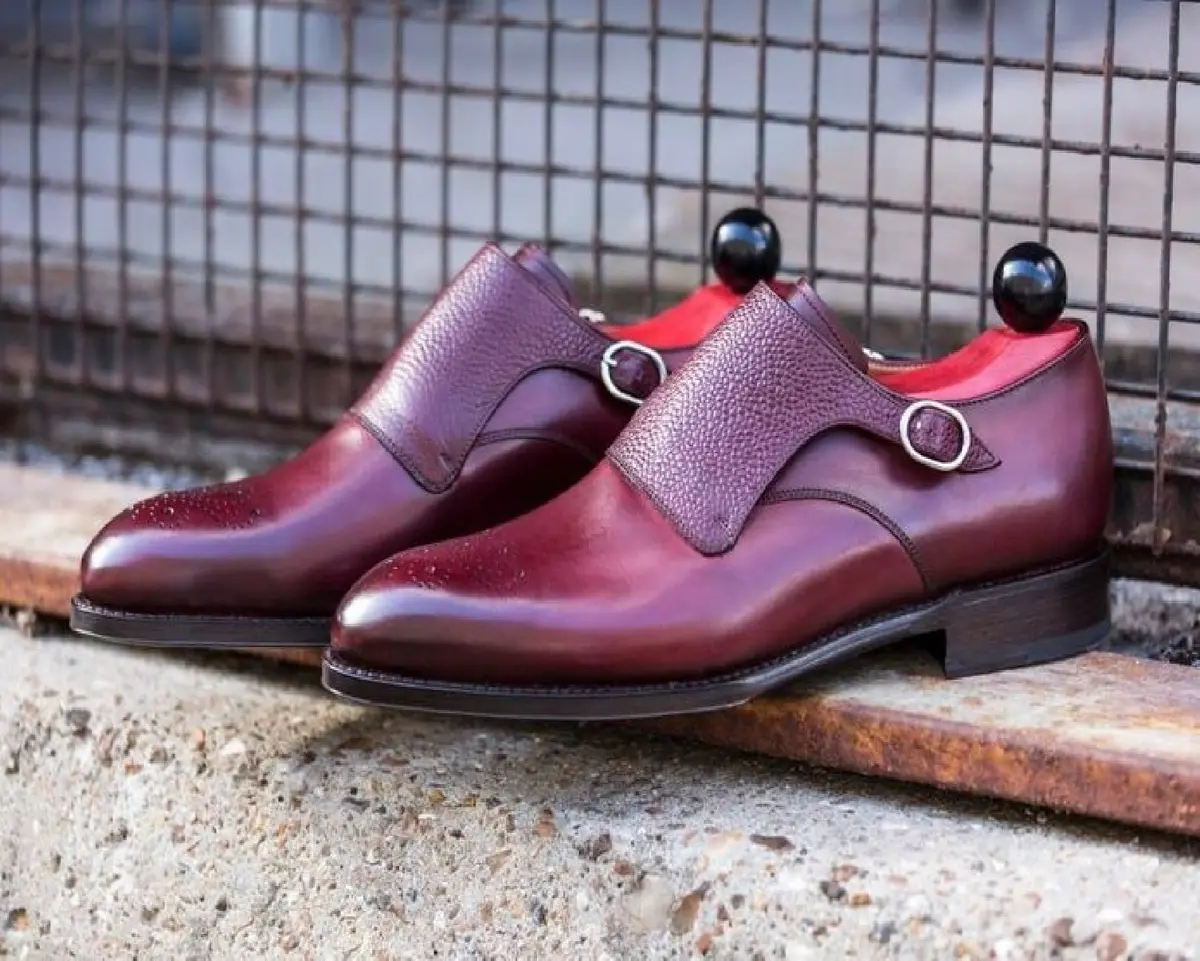
Portugal is Europe’s second-largest quality shoe producer after Italy, supplying leather from the same tanneries used by French luxury houses. The difference between buying Portuguese shoes in Lisbon and buying them abroad is roughly 40–50% on price. Your Portugal packing list should account for this — many experienced travelers arrive with minimal footwear specifically to leave room for a Lisbon purchase.
15. Sapataria do Carmo — Goodyear-welted shoes since 1904
Sapataria do Carmo in Largo do Carmo has crafted leather footwear since 1904. The shop makes Goodyear-welted shoes — a construction method that allows resoling for decades of wear. The 1950s-era interior, lined with stacked numbered shoeboxes and red velvet sofas, functions as a design statement in itself.
A pair of bespoke-quality oxfords costs approximately $215–325 (€200–300), representing 40–50% savings compared to similar quality in the US or UK. The staff discusses leather options — calf, cordovan, suede — based on your wearing patterns and climate. On my last visit, the staff phoned their sister location on Rua do Carmo to track down a specific size within minutes.
The Good: The quality-to-price ratio beats most international markets; traditional construction ensures longevity and repairability.
The Bad: Custom orders require time for production; immediate purchases are limited to floor stock.
- Location: Largo do Carmo 26, Chiado
- Cost: $215–325 (€200–300) for quality oxfords; other styles vary
- Best for: Anyone who invests in footwear; men and women who want shoes that last a decade
- Time needed: 30–45 minutes; longer for custom orders
Is Campo de Ourique worth the trip for shopping away from crowds?
Campo de Ourique is Lisbon’s upper-middle-class residential grid, roughly a 20-minute tram ride from Chiado. It has no major attractions, which is exactly why shopping here feels more local — vendors here are not calibrating their prices or behavior for tourists.
Independent boutiques specializing in children’s wear (a Portuguese strength) and interior design cluster around Rua Coelho da Rocha and Rua Ferreira Borges. Companhia do Campo offers rustic-chic interior design blending Alentejo aesthetics with contemporary lines.
Mercado de Campo de Ourique functions as a more authentic version of Time Out Market, with vendors accustomed to vacuum-sealing products like Queijo da Serra (mountain cheese) and chouriço for travel. The stall owners know which products survive international flights and package accordingly.
Shopping here reads as local and prices are not tourist-inflated. The trade-off: the neighborhood requires deliberate travel from central Lisbon, and English proficiency among vendors varies.
How should you plan your Lisbon shopping route?
The most efficient Lisbon shopping day follows the city’s topography downhill, moving from Príncipe Real through Chiado into Baixa, using gravity in your favor and following natural commercial density.
The downhill design walk
Start at Príncipe Real Garden around 10:00 AM with coffee from the kiosk. Explore Embaixada for Latitid swimwear and Organii cosmetics, then cross to ISTO and +351 for transparent pricing and Atlantic casual wear. Walk down Rua Dom Pedro V, stopping at Solar Antiques for museum-quality tiles.
Pause at São Pedro de Alcântara viewpoint — the drop into the city from here is the best free view in Lisbon — before descending Rua da Misericórdia. Stop at Claus Porto for the soap archive and A Carioca for the roasting coffee aroma. Arrive in Chiado around 2:30 PM to visit Vista Alegre and Livraria Bertrand. Walk down Rua do Carmo for the glove ritual at Luvaria Ulisses, then finish in Baixa at Conserveira de Lisboa for canned fish by 4:00 PM.
This route puts the best shops in the right order and leaves you downhill when your bags are heaviest.

The Sunday backup plan
Most independent shops in Chiado and Príncipe Real close Sundays, frustrating visitors who do not check schedules. Head to LX Factory in Alcântara instead — the Sunday market (LX Market, 10:00 AM–6:00 PM) is one of the best Portugal markets for vintage clothing, vinyl records, and independent artisans in a converted industrial complex worth visiting regardless of what you buy.
If traditional shopping is mandatory on a Sunday, major malls — Colombo and Vasco da Gama — operate until 11:00 PM. El Corte Inglés also opens Sundays and remains the best location for consolidating tax-free purchases on a single receipt to maximize VAT refunds.
The bottom line on shopping in Lisbon
Shopping in Lisbon rewards preparation over spontaneity. The city’s retail landscape combines centuries-old craftsmanship with contemporary design, offering real value on textiles, ceramics, and leather goods when you know where to look.
The key is treating purchases as cultural transactions rather than commodity exchanges. You are not just buying gloves at Luvaria Ulisses — you are participating in a fitting ritual unchanged since before your grandparents were born. Navigate the VAT refund system correctly, plan for shipping fragile items professionally, and focus on the heritage shops that protect Portuguese craftsmanship. When you approach shopping in Lisbon strategically, you access exceptional products at source pricing while supporting artisans who have refined their work across generations.
TL;DR: Start with Príncipe Real for contemporary Portuguese design, move downhill through Chiado for heritage shops and VAT-eligible luxury goods, and do your VAT paperwork at the counter — not the airport. Skip the sardine circus shops near the waterfront and head to Conserveira de Lisboa instead.
What did you discover shopping in Lisbon that changed how you think about buying things at home?