An Albania travel guide that skips the logistics is a liability. You get wild alpine hiking, UNESCO cities, and an Ionian coast along the Albanian Riviera at a fraction of Western European prices — but the main bus terminals have moved, the economy runs almost entirely on cash, and the most heavily marketed beach is overrated. Here’s how to do it right.
Do US citizens need a visa for Albania?
United States citizens do not need a visa to enter Albania for tourism. Under a bilateral arrangement, Americans can stay up to one full year without a residence permit — one of the most generous policies in Europe. Your passport needs at least three months of remaining validity, though six is the safer buffer.
Unlike nations bound by Schengen rules — which cap stays at 90 days within a 180-day window — Albania runs its own entry agreements. For US citizens, Albania’s visa requirements allow a stay of up to a full calendar year. Most travel resources mention this in a single line and move on. For digital nomads weighing long-term bases in Europe, this is the single most important fact about the destination.
To reset the one-year clock, you have to leave Albania and stay out for at least 90 days. Short trips across the border during your stay don’t extend or restart it.
Passport control at Tirana International Airport is professional and quick. Queues move fast after international arrivals, particularly in the late afternoon when most long-haul connections land. Officers now log your entry electronically rather than stamping the passport, so save your boarding pass as a record of your arrival date.
Pro Tip: Have a screenshot of your first hotel booking ready on your phone before you reach the immigration desk. Even when agents don’t ask for it, pulling it up confidently removes any friction caused by the language gap.
Is Albania safe for solo female travelers?
Albania is exceptionally safe for solo female travelers, with robbery and violent crime rates among the lowest in Europe. The culture carries traditional patriarchal values, but the Albanian code of hospitality — besa — obligates locals to protect guests unconditionally. Women consistently report feeling safer here after dark than in most Western European or North American cities.
The aggressive street harassment that solo women meet regularly in neighboring Mediterranean countries is largely absent here. Catcalling is rare. Direct eye contact and confident body language read as normal, not as an invitation.
Standard precautions still apply. Avoid buying anything illicit on the Riviera, where the social environment shifts considerably in peak season. For late-night transit between towns, unregistered taxis are frequently the only option — and using them safely comes down to one specific habit.
Pro Tip: Before getting into an informal taxi, photograph the license plate and the driver’s face, then make a visible phone call to a contact — real or performative — and state your destination and expected arrival time out loud. This sets a safety perimeter that virtually every driver immediately recognizes and respects.
The primary concern for travelers is petty theft, not violent crime. Keep your phone and wallet out of sight at busy transit areas, particularly at the Tirana North and South Terminal, where crowds and the confusion of the open lot create openings for pickpockets.
What is the best time to visit Albania?
The best time to visit Albania is the shoulder seasons: late May to early June, and late September to October. In these windows, Mediterranean heat eases, Riviera crowds thin out, and accommodation prices drop. Alpine hikers, though, must wait until mid-June — mountain passes between Theth and Valbona hold dangerous snowpack well into spring.
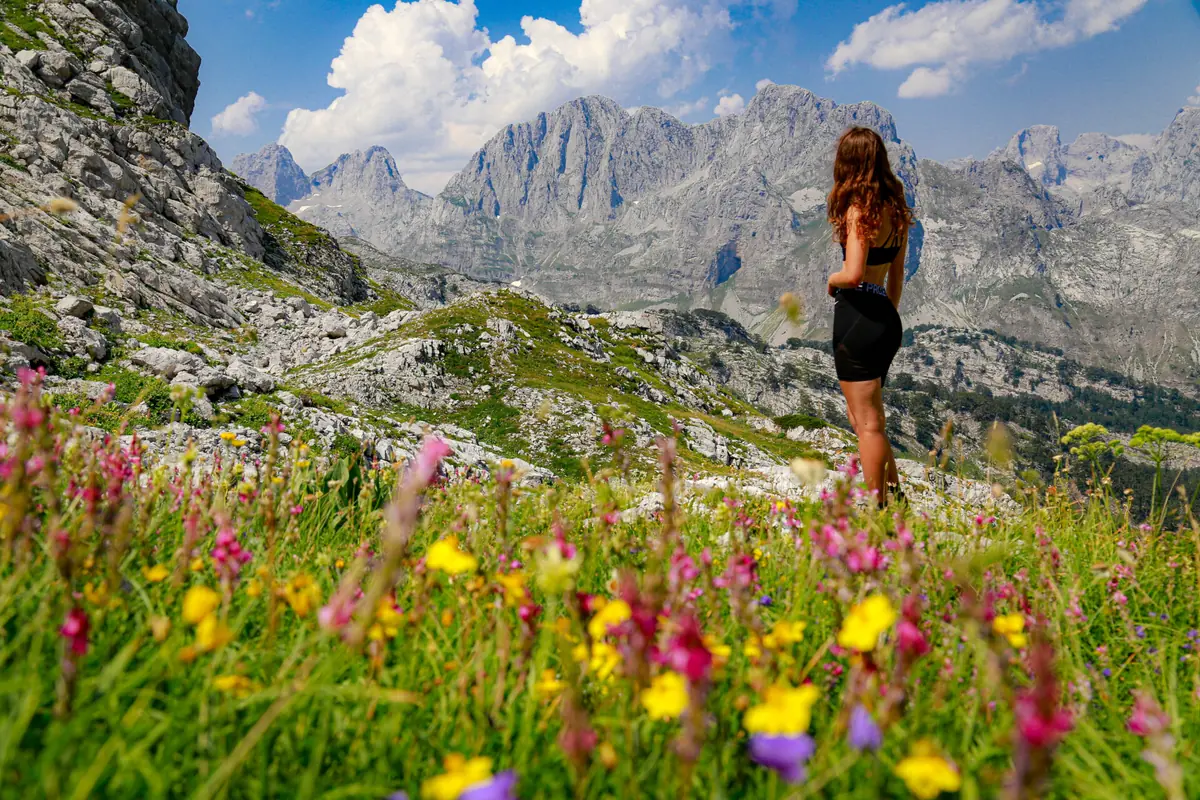
July and August push coastal temperatures past 95°F (35°C) regularly. Beaches pack out with domestic tourists and Northern European visitors, and accommodation prices climb sharply. The water is warm and the light is sharp and clear — but you pay for all of it.
The Albanian Alps snowmelt timing is the variable most Albania travel guides ignore entirely. A traveler arriving in Shkoder in early May expecting to complete the Theth-Valbona hike finds the trail either impassable or genuinely dangerous. The late May to mid-June window is the sweet spot — trails fully clear, wildflowers across the high meadows, and guesthouses freshly reopened.
Pro Tip: Many coastal bars and restaurants along the Riviera shutter completely after mid-October — boards on the windows, furniture in storage. If your trip falls after mid-October, confirm with your accommodation that surrounding restaurants will be operating before you book anything in smaller resort towns.
For a single trip covering both mountains and coast, a departure in late September is the best compromise. The Ionian Sea holds its summer warmth through October, trails stay fully open, and the coastal crowds have cleared.
How much does it cost to travel in Albania?
Albania is genuinely affordable, and a full breakdown of travel costs shows how far your money goes. Budget backpackers spend $35 to $50 a day. Mid-range travelers using private hotel rooms and sit-down restaurants average $70 to $90 daily. Luxury travel — boutique resorts, private transfers, fine dining — rarely tops $150 to $200 a day. The economy is almost entirely cash-based, so plan around that from day one.
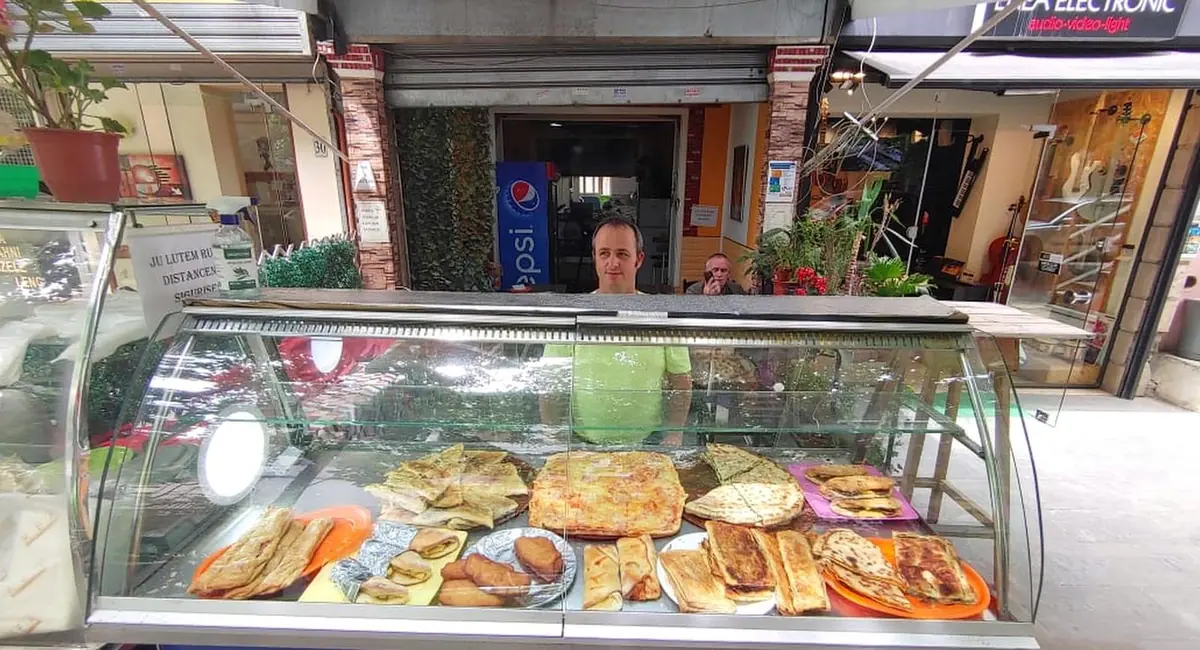
A realistic daily budget breakdown:
- Hostel bed: $10 to $20/night
- Mid-range private hotel: $30 to $60/night
- Street food (byrek, petulla): $2 to $5 per serving
- Sit-down restaurant meal: $5 to $15
- Local city bus in Tirana: 40 Albanian Lek (under $0.50)
- Intercity furgon ride: $2 to $8 depending on distance
- Airport shuttle bus to city center: 400 Albanian Lek (about $4)
The official currency is the Albanian Lek. Euros are accepted by taxis, hotels, and some restaurants, but paying in Lek at the live rate consistently saves money. Do not exchange currency at the airport — the rates are predatory and the spread is significant.
Pro Tip: Independent currency exchange kiosks across Tirana display their rates on dry-erase boards on the street. Walking two blocks from the airport-area exchange desks and comparing three independent kiosks will consistently get you within 2% of the live spot rate.
Card payments work at larger hotels and some restaurants in Tirana, but rural guesthouses, bus terminals, furgon drivers, and most coastal vendors outside the main resort zones operate on cash only. Carry enough Lek to cover two to three days of expenses at all times.
How do you get around Albania by bus?
Public transport across Albania runs on a network of private minibuses called furgons plus larger domestic coaches — there is no national railway system. You buy tickets in cash directly from the driver on boarding. The main complication: cities use multiple disconnected terminals rather than one unified station, and Tirana’s main terminals have shifted location.
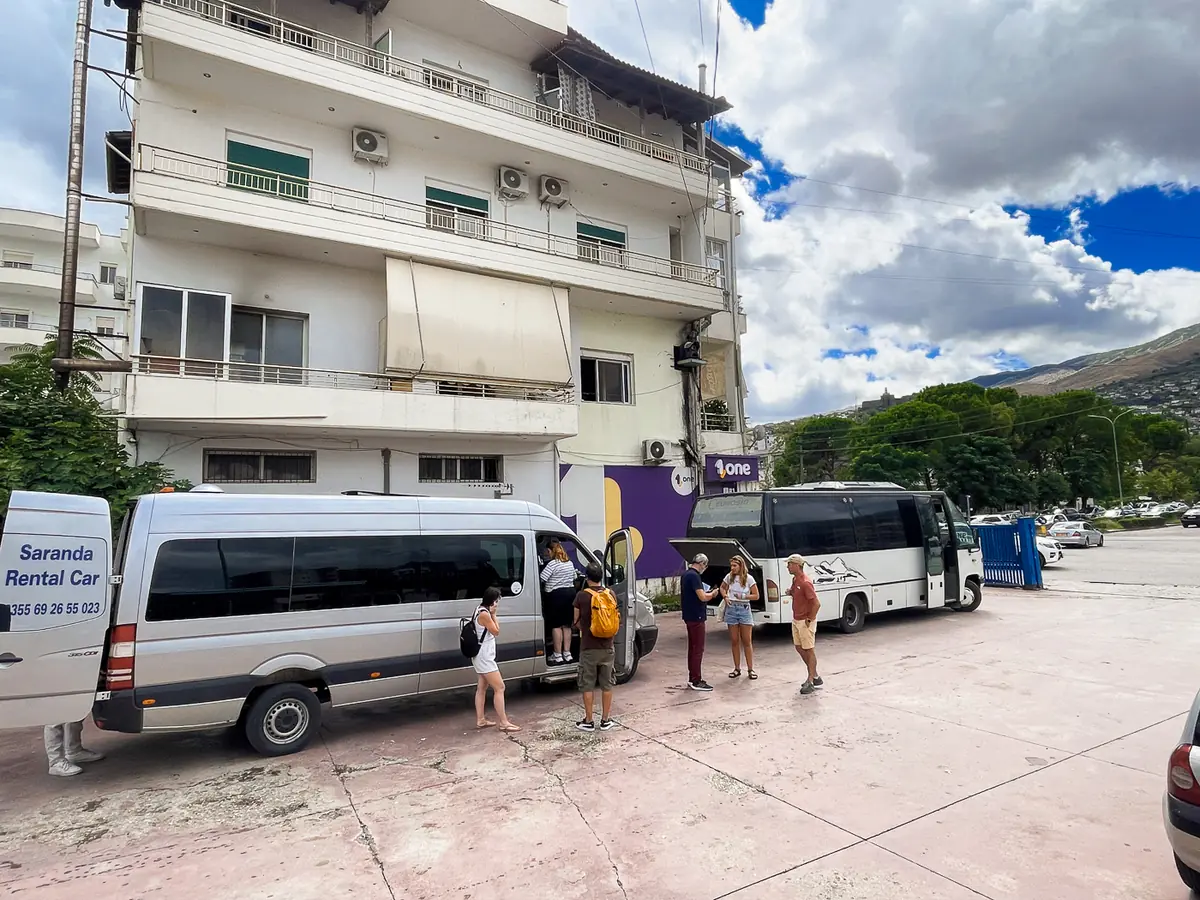
Use the correct terminal for your route:
- Tirana North and South Terminal (near Casa Italia Mega Outlet, about 4 miles / 6 km from Skanderbeg Square): departures to Shkoder, Berat, Gjirokaster, and the southern Riviera
- Tirana East Terminal (at the TEG Shopping Centre, about 4.7 miles / 7.5 km from Skanderbeg Square): international routes and southeast destinations
The airport shuttle bus runs hourly and costs exactly 400 Albanian Lek each way. City buses within Tirana cost a flat 40 Albanian Lek per trip, paid to the driver in cash.
Online booking is improving incrementally through platforms like Gjirafa Travel, but published timetables should be treated as rough estimates rather than commitments. The only reliable method for confirming a departure is to arrive at the terminal early and ask several different drivers directly.
Pro Tip: Summer mountain furgon rides are a genuine exercise in endurance. Older vehicles frequently lack working air conditioning. You’ll round unguarded alpine drop-offs with the windows fully open, breathing dust off the unpaved sections of road. Dress in removable layers, and sit on the side of the vehicle away from the cliff edge if motion sickness is a concern.
Plan for slow transit times. The 100-mile (160 km) drive from Tirana to Gjirokaster takes four to five hours on mountain roads. Build buffer time into any multi-stop itinerary.
Should you rent a car in Albania?
Renting a car in Albania is the most efficient way to reach remote beaches and explore the southern Riviera on your own schedule. But driving here demands genuine alertness: road conditions swing drastically between regions, aggressive overtaking on blind mountain curves is routine, and the Llogara Pass — one of the country’s most dramatic coastal drives — is narrow, unfenced, and unforgiving of distracted driving.
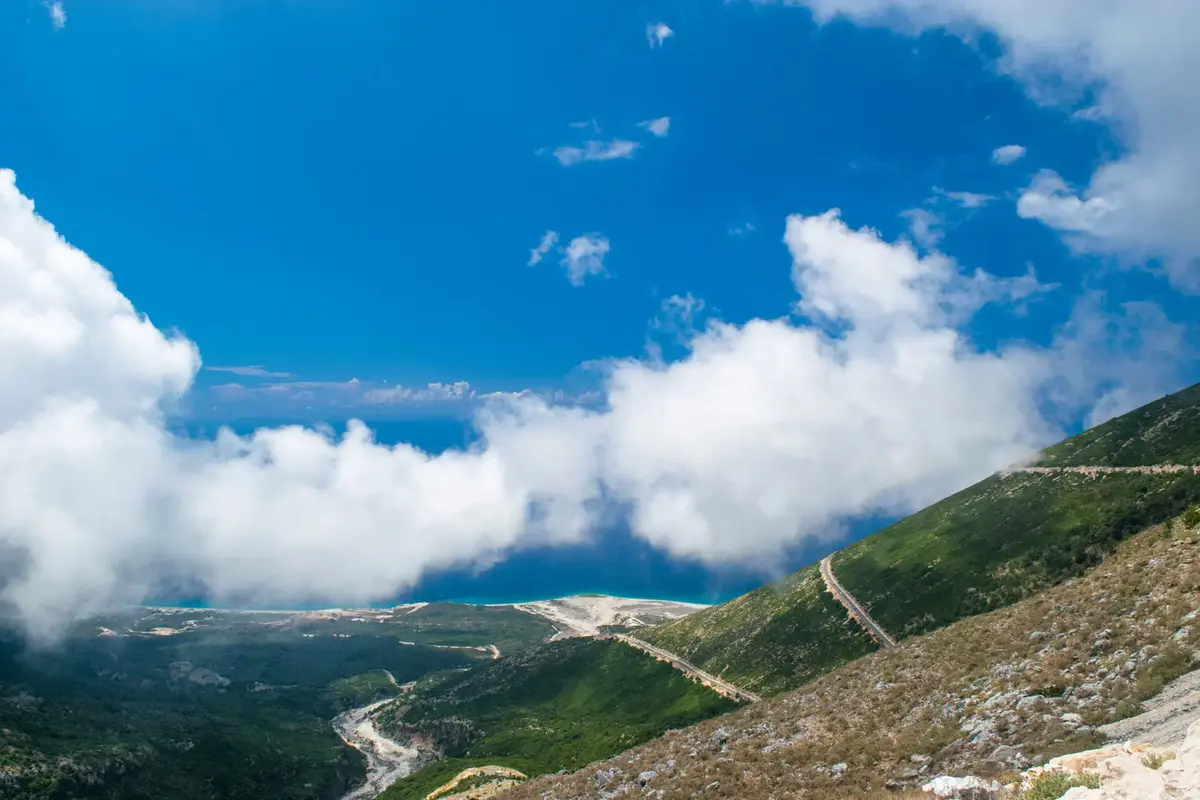
Legal and practical requirements for foreign drivers:
- International Driving Permit: mandatory alongside your US license
- Minimum rental age: 21 at most agencies
- Insurance: verify the policy explicitly covers gravel roads and unpaved tracks — you will encounter both
Highways between Tirana and Vlore are well-paved and straightforward. Rural roads are a different animal: expect livestock wandering across the asphalt, potholes hidden under dust, and stretches where lane markings simply vanish.
Pro Tip: Local drivers ignore posted speed limits openly, but traffic police run manual radar operations around blind corners on routes popular with foreign visitors. They target rental vehicles specifically, and fines are collected in cash on the spot.
The practical case for a rental car is strongest if your itinerary includes beach-hopping below the Llogara Pass. Gjipe Beach, Borsh, and Mirror Beach are difficult or effectively impossible to reach by public transit. A vehicle lets you arrive before crowds form and leave when you choose.
What’s the best Albania itinerary, mountains to coast?
An ideal eight-to-ten-day itinerary starts in the capital for historical orientation, moves north to the Accursed Mountains for alpine immersion, pivots south through the UNESCO-listed towns of the central region, and finishes on the Ionian coast. This sequence follows the country’s geography and avoids the expensive backtracking that ruins three days of a two-week trip.
A logical routing breakdown:
- Day 1 — Tirana: Skanderbeg Square, the National History Museum, and Bunk’Art 2
- Days 2 to 4 — Shkoder and the northern Alps: the Theth to Valbona hike
- Days 5 to 6 — Berat: the castle district and the town of a thousand windows
- Days 7 to 8 — Gjirokaster: the stone city, the Ottoman bazaar, and the Enver Hoxha birthplace museum
- Days 9 to 10 — The Riviera: Dhermi, Gjipe, or Borsh
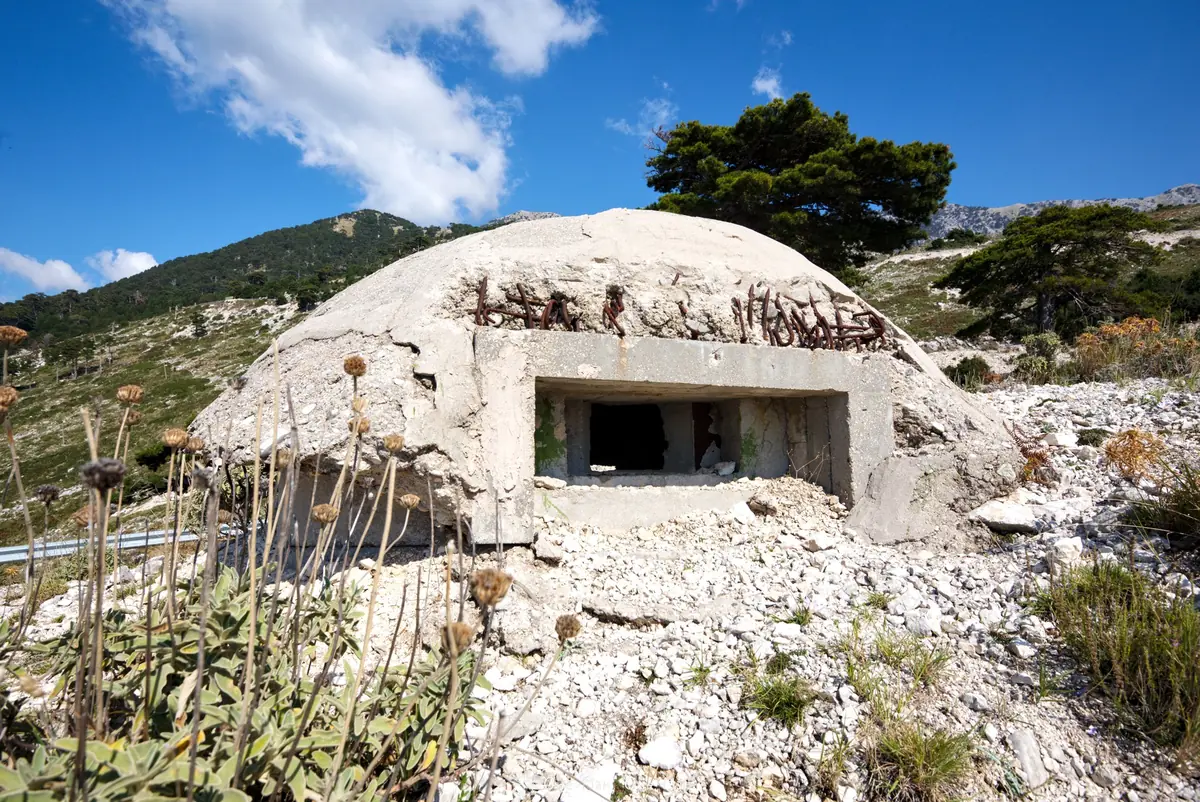
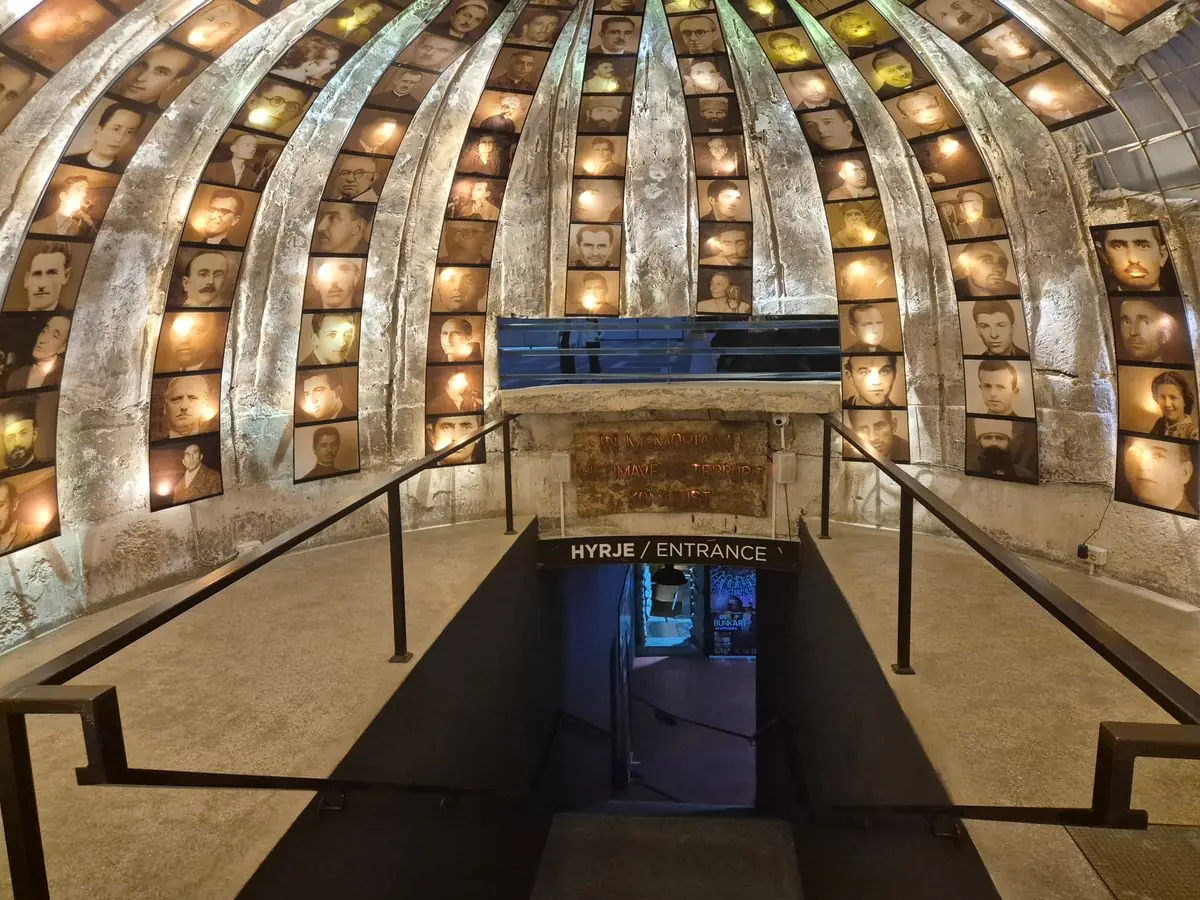
Bunk’Art 2 is the single most useful stop in Tirana for understanding the country’s history before everything else on this itinerary. Walking through the preserved nuclear bunker — built to shelter the communist government during a potential attack under Enver Hoxha’s regime — produces a specific kind of disorientation. The ceilings are low, the concrete corridors are narrow, and the Cold War paranoia is tangible in every artifact and placard. Entry runs about 500 to 900 Albanian Lek (roughly $5 to $9), and a combined ticket covering both Bunk’Art 1 and Bunk’Art 2 costs around 1,300 Lek.
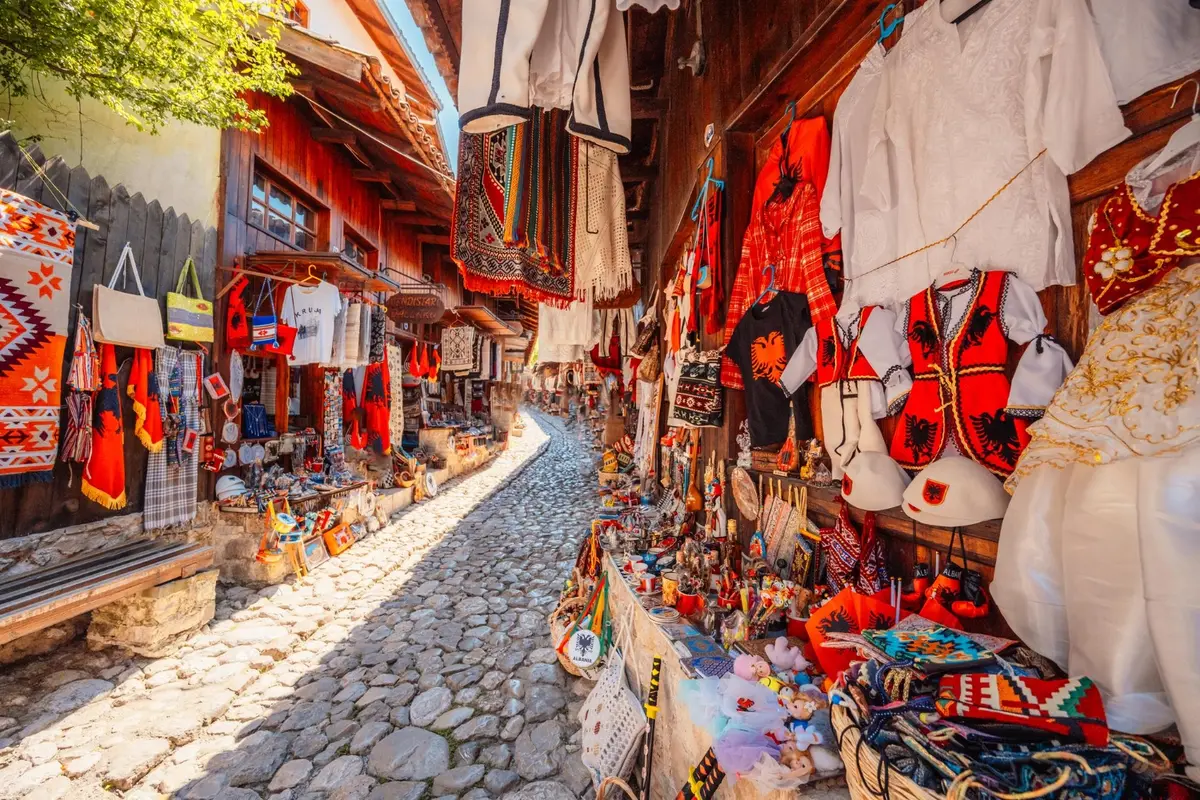
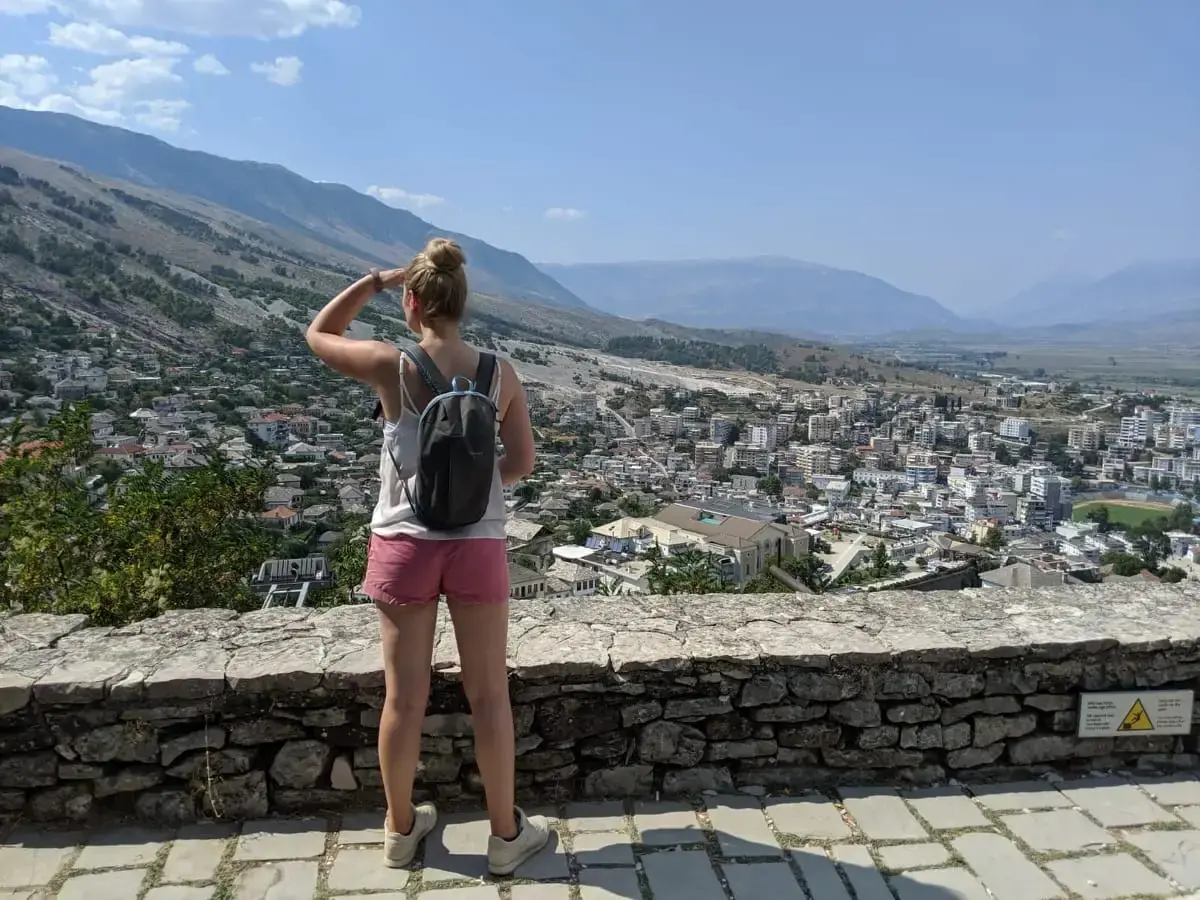
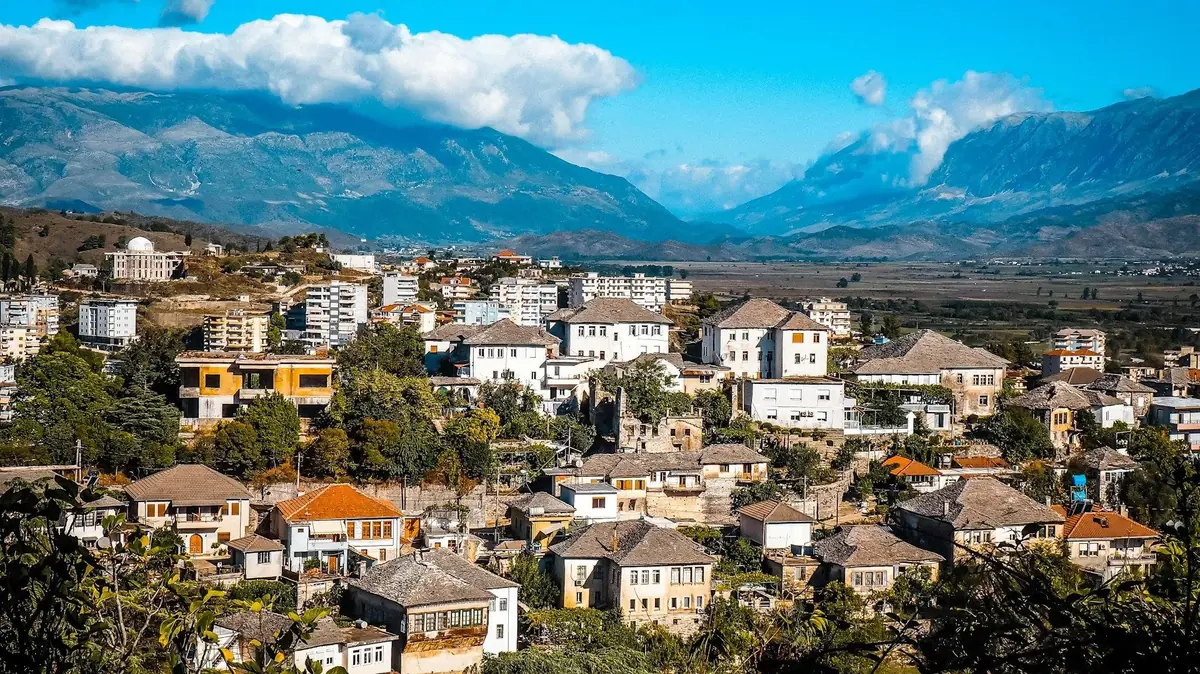
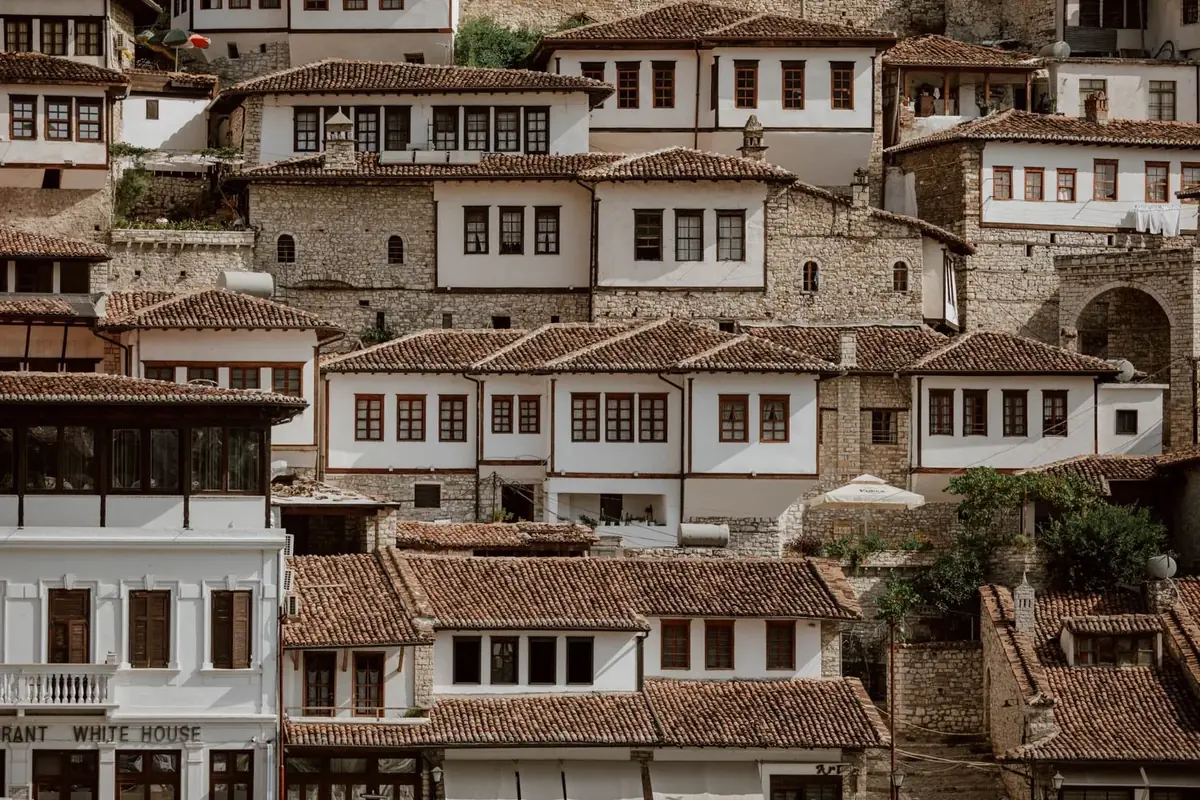
The contrast between Berat and Gjirokaster is one of the quietly striking things about this part of the Balkans. Berat is warm Ottoman tones and cascading windows stacked up a green hillside. Gjirokaster is cold grey limestone — a fortress that looks carved directly from the mountain it sits on. They sit 35 miles (56 km) apart and feel like separate centuries.
Pro Tip: Do not try to combine Berat and Gjirokaster into a single long day trip. Each deserves an overnight stay. The evening light on Berat Castle and the early morning calm in Gjirokaster’s bazaar are the exact experiences that rushed itineraries eliminate.
Which Albanian Riviera beaches are actually worth visiting?
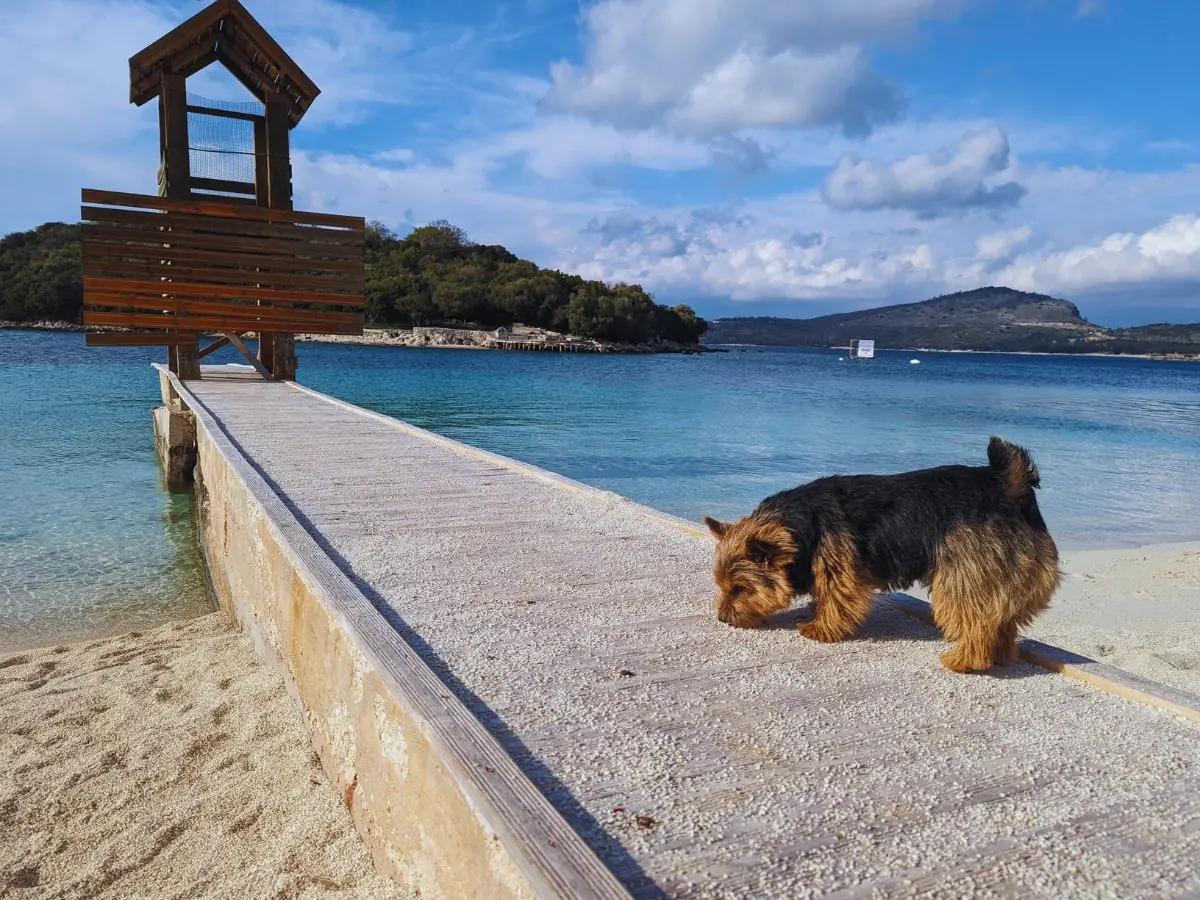
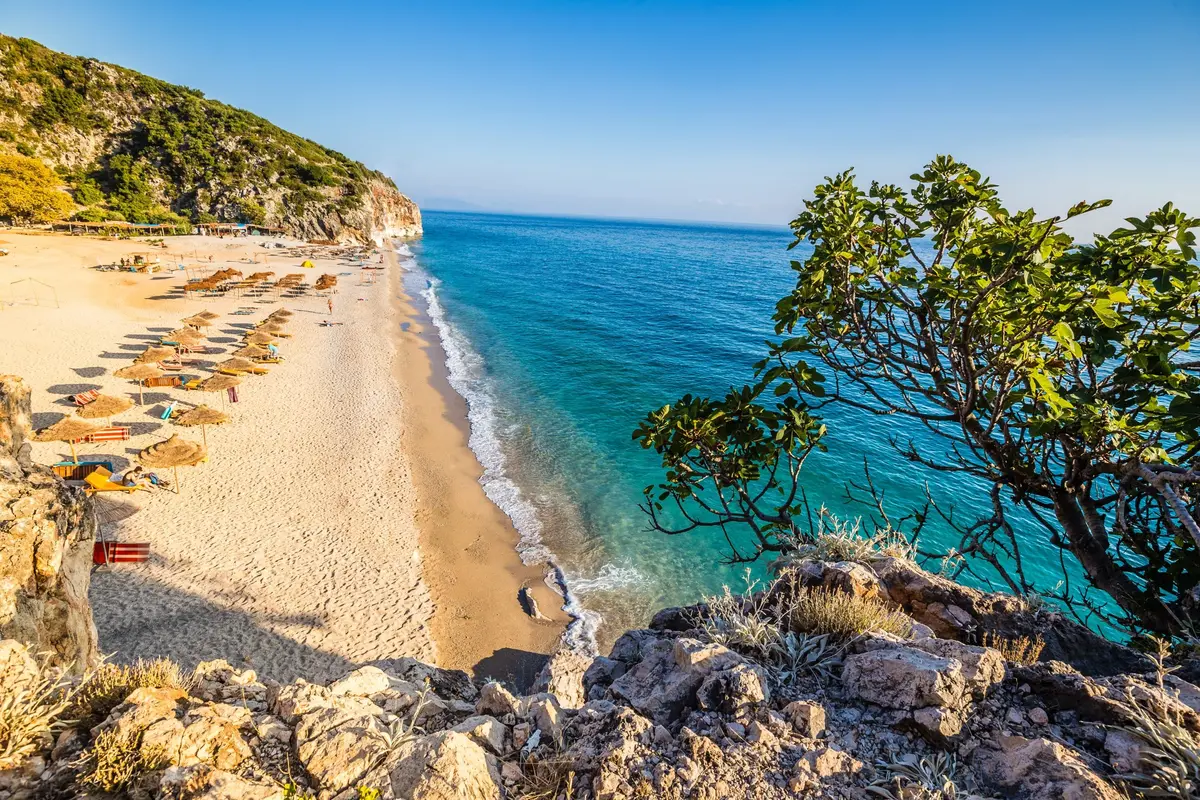
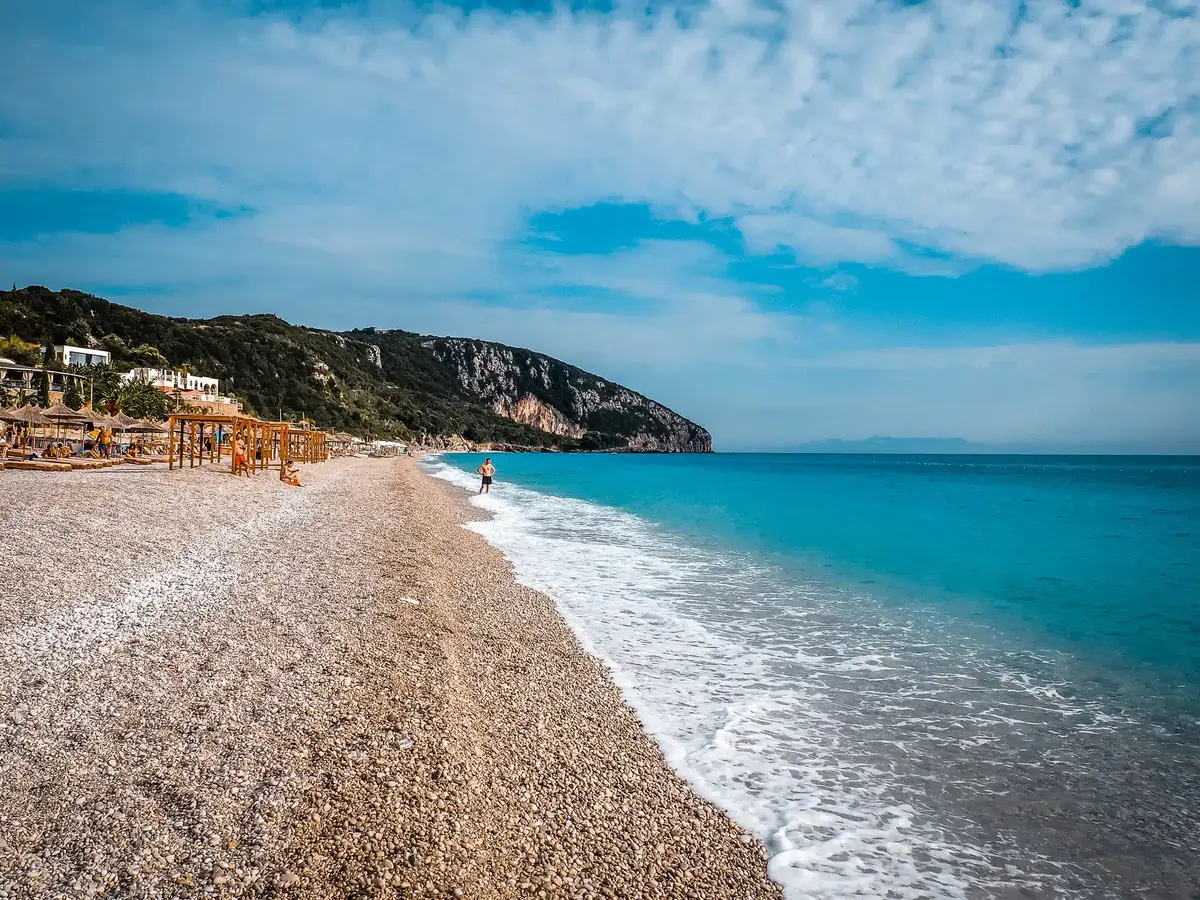
Ksamil is the most heavily marketed beach in Albania — and in peak season it is severely overcrowded and priced accordingly. For a genuinely better coastal experience, head to Gjipe Beach, Mirror Beach, or Borsh. Water clarity on the pebble beaches reaches 50 to 65 feet (15 to 20 meters), but the surface terrain makes barefoot walking genuinely painful.
A practical comparison of the main beaches:
| Beach | Surface | Access | Peak-season crowds |
|---|---|---|---|
| Ksamil | Sand (small islands) | Easy — road access | Very high |
| Dhermi | White pebble | Easy — road access | High |
| Gjipe | White pebble | Hard — 40-min canyon hike | Low |
| Borsh | Mixed pebble | Moderate — road access | Moderate |
| Mirror Beach (Pasqyra) | White pebble | Moderate — boat or trail | Low to moderate |
The Ksamil islands look extraordinary in edited drone footage. At ground level in July, you’re picking your way across a dense carpet of sunbeds at $15 to $20 a day, fighting for water access with hundreds of other people, and paying near-Western European restaurant prices for mediocre food. On my last visit the destination simply didn’t match its promotion — skip it and put that day toward Gjipe instead.
Pro Tip: The white pebbles at Dhermi are visually striking — almost luminescent in the afternoon sun — but they are excruciatingly sharp underfoot. Thick-soled water shoes are not optional. Walking barefoot from your towel to the waterline and back is the kind of thing that converts a relaxed beach afternoon into 20 minutes of involuntary swearing.
The Ionian sea clarity at the pebble beaches is the real selling point. On calm days you can see clearly to 50 feet (15 meters) — visibility that rivals the Greek islands at a fraction of the cost.
How do you hike Theth to Valbona?
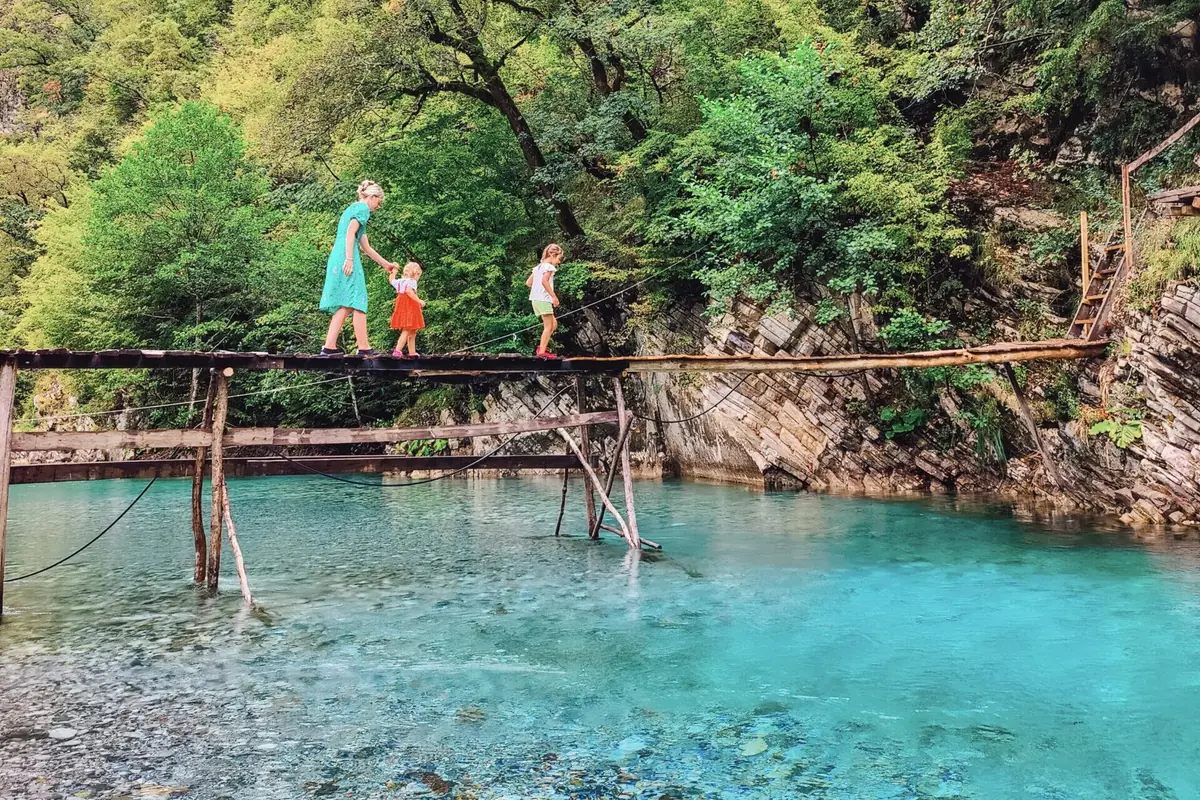
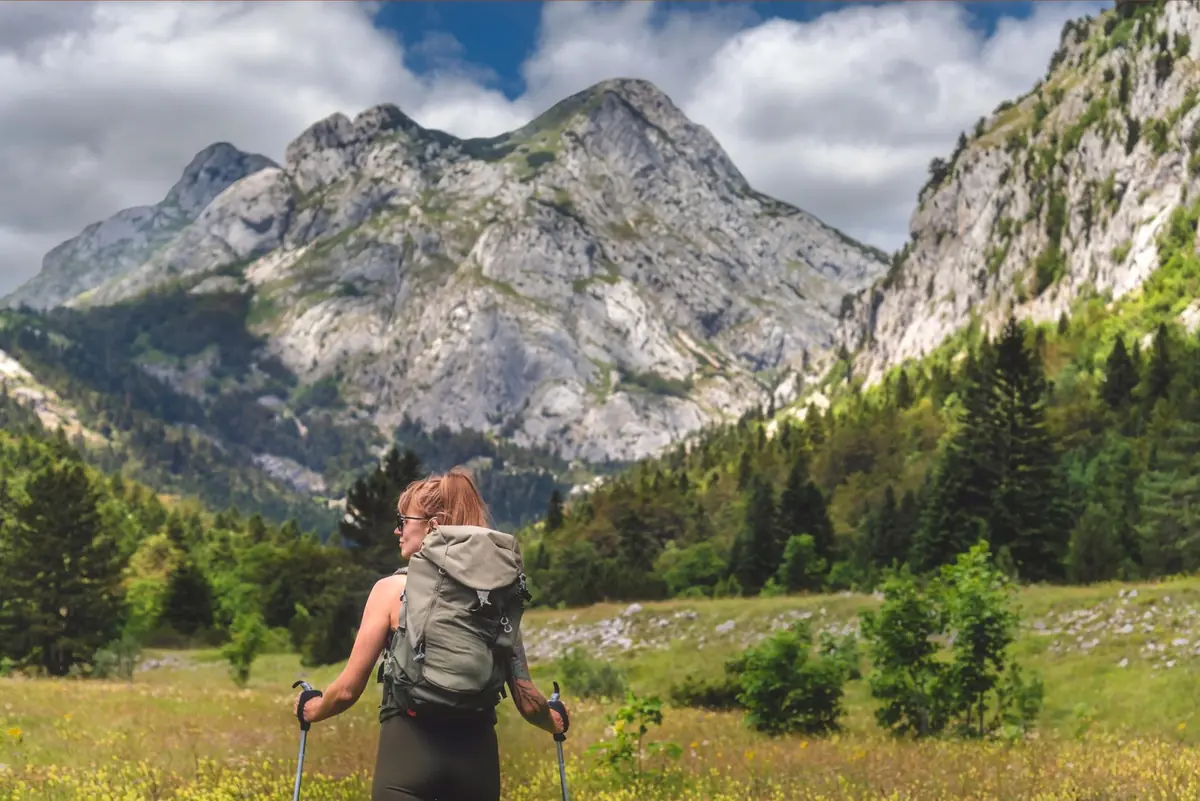
The hike from Theth to Valbona is the defining experience of northern Albania. The pass takes six to eight hours of sustained hiking to complete, covering approximately 12 miles (19 km) of steep, rocky terrain through the Accursed Mountains. The trail itself is demanding. What carries it is the cultural immersion of staying with local families in remote mountain guesthouses where dinner is enormous, homemade, and largely non-negotiable.
The practical transit loop for completing this hike:
- Start in Shkoder, the closest city with regular connections from Tirana
- Shkoder to Theth by furgon: approximately 3 hours
- Theth over the Valbona Pass to Valbona on foot: 6 to 8 hours
- Exit Valbona via the Lake Koman ferry: a 2.5-hour journey through fjord-like limestone gorges
- Return to Shkoder from the Koman ferry terminal
Luggage transfer by pack mule is widely used and costs approximately $20 to $30 per bag. A local handler carries your heavy pack over the pass while you hike with a daypack. This is the standard approach for most experienced trekkers on the route.
The high alpine silence at the Valbona Pass is one of the more specific sensory experiences in European hiking. At the summit, normal ambient noise disappears. What breaks the quiet is the rhythmic clatter of hooves — pack mules navigating precipitous rocky ledges with a composure that makes every human hiker on the trail look considerably less sure of their footing.
Pro Tip: Theth guesthouses operate on a walk-in basis during peak season, but the best ones fill by early afternoon. Arriving late after a long furgon ride sharply narrows your options. Contact guesthouses directly by phone or email wherever possible to hold a room.
Where do you find the best traditional Albanian food?
Traditional Albanian cuisine blends Mediterranean and Balkan influences around a core of organic olive oil, raw-milk cheeses, and slow-roasted meats. The most authentic experiences happen at rural agrotourism farms, where dishes like Tavë Kosi and byrek are prepared using ingredients harvested that morning. The farm-to-table movement is expanding fast, and it is reshaping the country’s culinary reputation abroad.
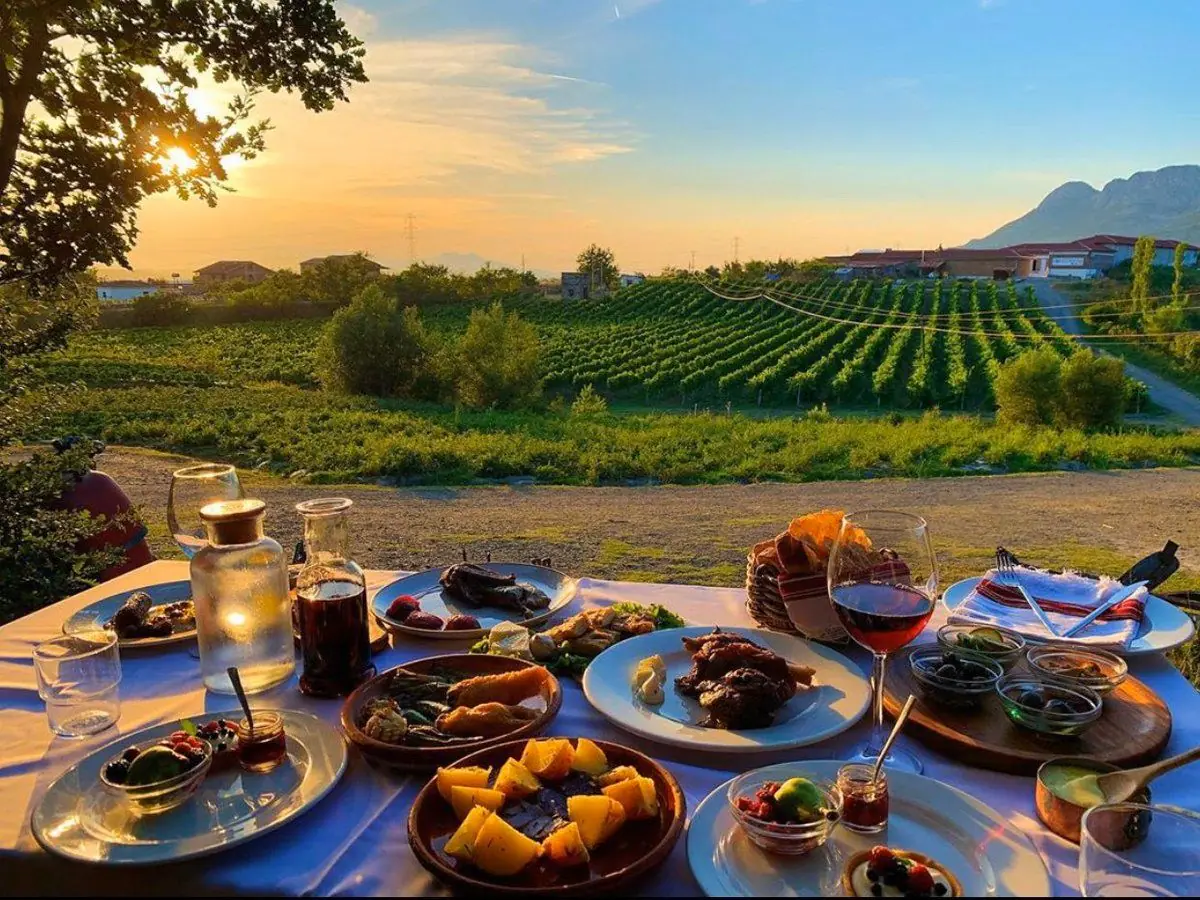
Core dishes to seek out:
- Tavë Kosi: Albania’s national dish — baked lamb and yogurt, rich, tangy, and deeply filling
- Byrek me spinaq: flaky layered pastry with spinach and white cheese, sold at street stalls from early morning
- Fërgesë: a savory baked dip of roasted peppers, tomatoes, and cottage cheese, served as both condiment and side
- Trileçe: three-milk sponge cake — the dessert most likely to permanently alter your relationship with restaurant tiramisu
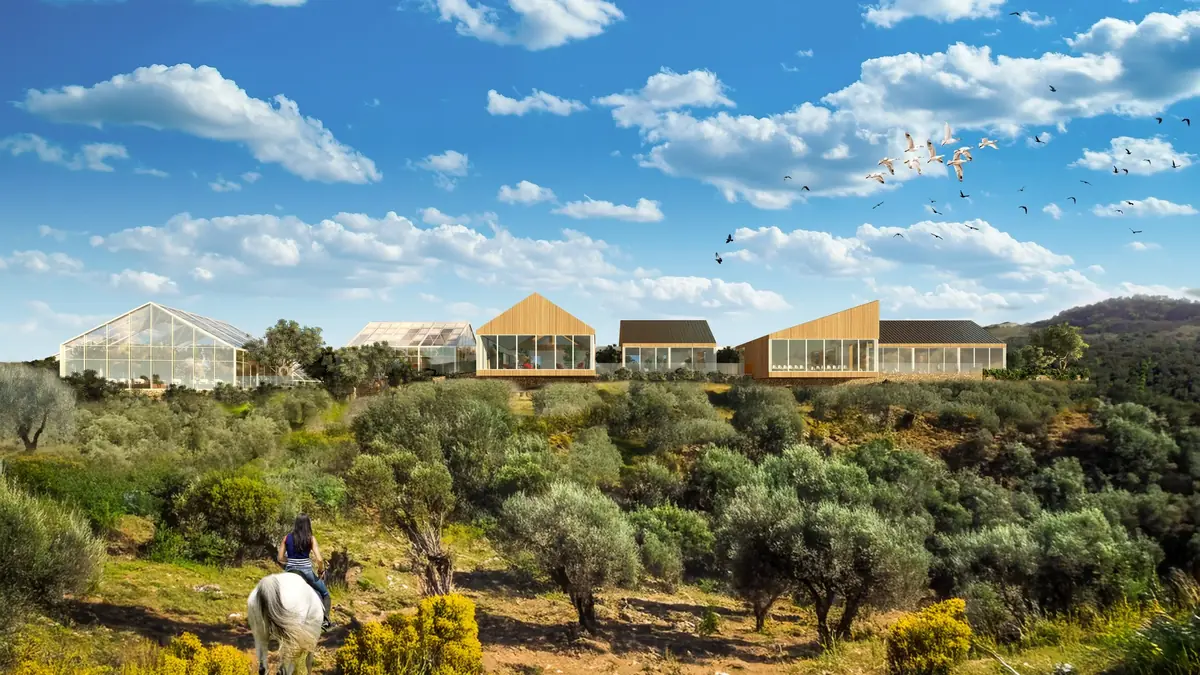
Mrizi i Zanave in Fishtë is the reference point for Albanian farm dining — the restaurant that put the country’s agrotourism sector on the international map through its alignment with the Slow Food movement. There is no written menu. You sit at a long communal table and courses arrive in an apparently endless succession, each tied to something grown or raised within a few miles.
- Location: Fishtë, Lezhë — about 37 miles (60 km) north of Tirana airport
- Cost: multi-course set meal, mid-range by Albanian standards; local wine $5 to $10 a bottle
- Best for: travelers who want a long, unhurried Slow Food lunch
- Time needed: 2 to 3 hours — arrive genuinely hungry
Pro Tip: Mrizi i Zanave without a reservation, particularly on weekends, has a high probability of turning you away at the door. Book at least a week in advance during the summer months.
Fustanella Farm operates on similar principles at a smaller, more intimate scale. Local wine from the Berat region — made from the indigenous Kallmet grape — pairs naturally with the heavier meat dishes and typically costs $5 to $10 per bottle at the source. It is considerably better than you’d expect.
What tourist scams should you avoid in Albania?
Violent crime against tourists is rare — consistent with Albania’s overall safety — but transit-related opportunism is common enough to warrant specific preparation. The most prevalent scam involves private drivers stationed near bus terminals who claim scheduled buses are canceled, then quote inflated fares for “private transfers” that balloon well beyond the agreed price on arrival.
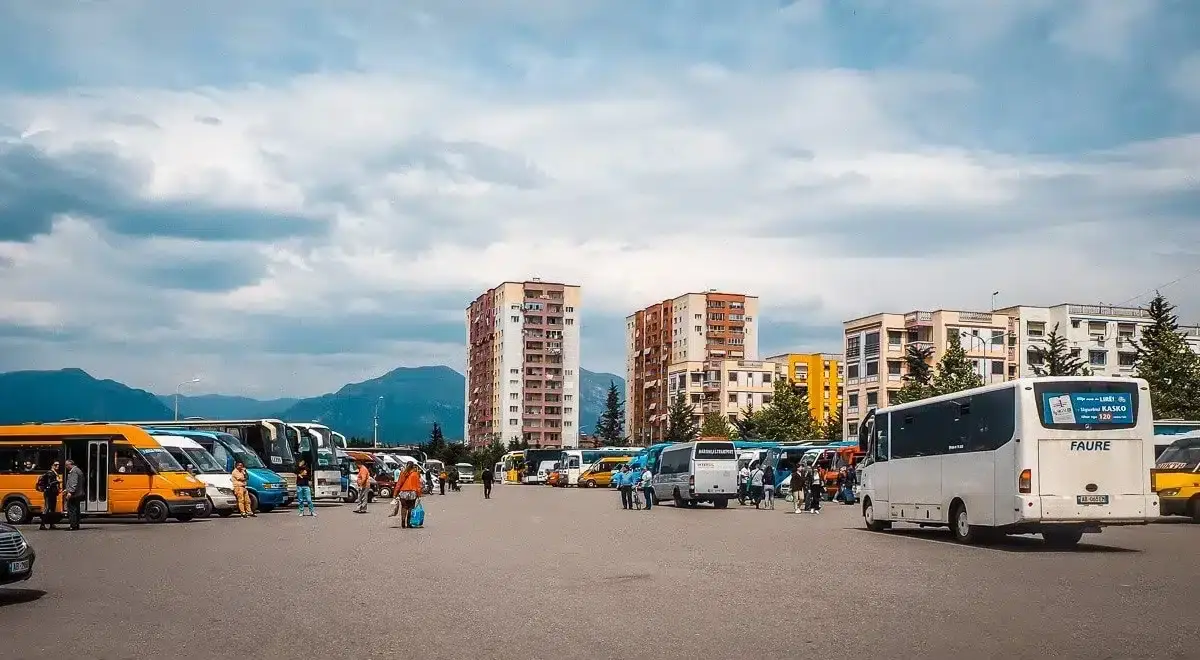
The mechanics of the main scam play out like this: a driver approaches at the terminal claiming your bus left early, the online timetable is outdated, or service is suspended for the day. He offers a private ride for a number that sounds reasonable. On arrival at your destination, the agreed price has become 10,000 to 12,000 Albanian Lek — roughly $90 to $110 for a trip that should have cost $5 to $8.
A secondary scam operates in rural restaurants without printed menus or posted prices. Tourists order standard local dishes and receive a bill calculated specifically for a foreign visitor. A meal that costs a local $8 regularly appears on a tourist’s bill at $30 to $40.
Defensive habits worth building from day one:
- Verify bus departures with multiple drivers inside the terminal, never with people who approach you outside it
- At restaurants without menus, ask the price of each dish before ordering
- Agree on all taxi and transfer fares explicitly before getting in the vehicle — a note on your phone held up for the driver to confirm is enough
Pro Tip: When aggressive “helpers” converge on you at a confusing terminal, the most effective counter is projected certainty. State confidently that a local friend is already on the way to pick you up, and walk directly toward an established storefront. This performance needs to last roughly 90 seconds before attention shifts to a more uncertain target.
Is Albania good for digital nomads?
Albania has become a legitimate option for digital nomads, driven by its low cost of living and the one-year visa-free allowance for US citizens. Urban internet is fast and reliable, the capital has several dedicated coworking spaces, and a growing cafe culture accommodates long laptop sessions without pressure. The catch is connectivity once you leave the cities.
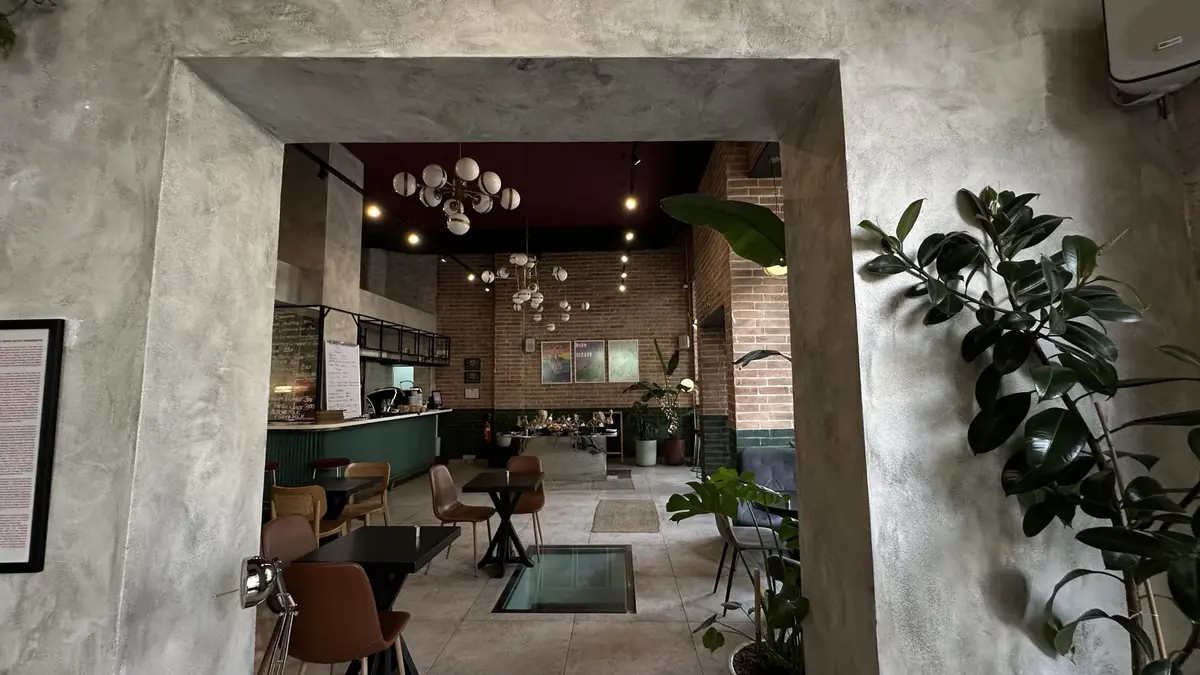
Key infrastructure data for remote workers:
- Monthly dedicated desk at a Tirana coworking space: $100 to $150
- Long-term apartment rental in Tirana: $400 to $700/month
- Urban internet speed: fast and consistent — fine for video calls and large file transfers
- Cash requirement: rural areas, coastal villages, and mountain guesthouses operate exclusively on cash
Cafes in the Blloku neighborhood — including Mon Cheri and Mulliri i Vjetër — reliably have wifi and welcome laptop workers throughout the day.
The long-term visa situation is the real operational draw. US citizens can stay a full year without any permit application, making Albania one of very few European countries where a nomad can establish a stable base without working around 90-day countdowns or visa-run logistics.
Pro Tip: The power grid in rural areas and coastal towns is unreliable. Before any critical video call from outside Tirana, make sure your laptop, phone, and a high-capacity power bank are fully charged. Power cuts during client calls are not a hypothetical risk — they are a scheduled inconvenience in smaller towns.
Connectivity outside urban centers is the practical limitation. Mountain guesthouses in Theth and Valbona typically offer basic wifi adequate for messaging but not video. Build remote-work deadlines around your itinerary location, not the other way around.
What most guides won’t tell you
Albania rewards preparation more than almost any other European destination. The infrastructure is developing faster than most travel resources can update, which means a wrong bus terminal or an outdated price reference turns a smooth day into a logistical frustration.
TL;DR: This Albania travel guide comes down to a few habits — carry cash, move at the pace of local transit, and look past the coastal zones that absorb all the marketing attention. The northern Alps offer some of Europe’s finest hiking terrain. The UNESCO cities of Berat and Gjirokaster are among the most compelling urban environments in the Balkans. The Ionian beaches are cleaner and less saturated than comparable Greek alternatives — if you target the right ones. Daily costs sit far below anything in Western Europe, and the one-year US visa allowance makes Albania the most accessible long-term base on the continent.
What’s the one piece of practical advice from this guide you’re putting to use first? Drop it in the comments.