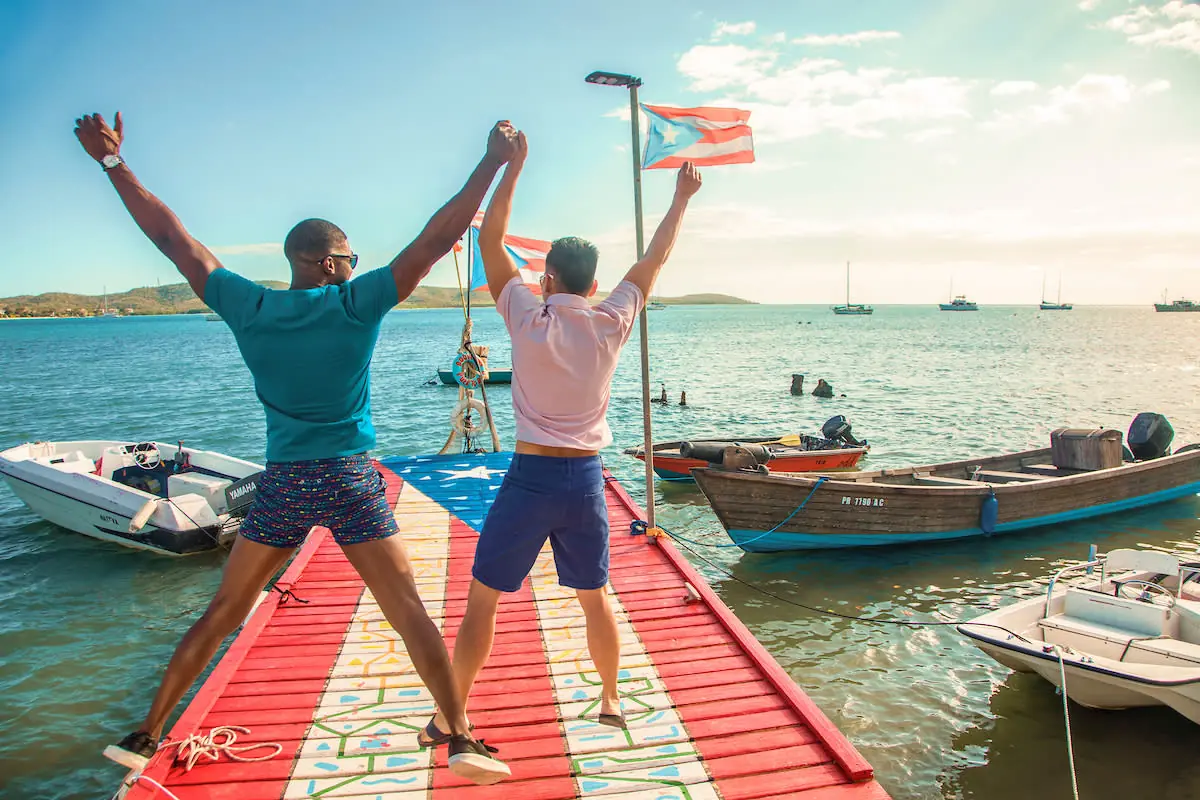
San Juan Puerto Rico travel is the rare Caribbean trip that asks almost nothing of you logistically and gives back 500 years of history, a real food scene, and beaches 15 minutes from the airport. I’ve been coming here for over a decade, and this complete Puerto Rico travel guide is what I actually tell friends before they fly down. One clarification up front: this is about Puerto Rico’s capital, not the San Juan Islands in Washington State.
When should you visit San Juan, Puerto Rico?
The best window for San Juan Puerto Rico travel is mid-January through mid-April for reliable dry weather, and late April through early June for the best price-to-weather ratio. Peak season runs December through April with temperatures between 75-85°F (24-29°C) and minimal rain. Low season runs June through November, with cheaper rooms and afternoon showers that clear in under an hour.
Peak season: December to April
Hotel rates in Condado and Old San Juan can double over Christmas week and spring break. If you’re coming in this window, book 3-4 months out. The trade-off is real weather: I’ve had a full week in February without seeing a single raincloud.
Shoulder and low season: May to November
This is where the math gets interesting. The same beachfront room that runs $450/night in March drops to around $220 in September. Afternoon rain is a pattern, not a problem — it usually hits between 2 and 4 p.m. and moves on.
Hurricane season officially runs June through November, peaking August through October. Forecasting gives days of warning, and most major hotels run whole-property backup generators.
Pro Tip: Late April and early May is the secret window. Spring break crowds are gone, hurricane season hasn’t started, and rates drop 30-40% overnight.
How do you get to San Juan without the international-trip hassle?
Luis Muñoz Marín International Airport (SJU) sits 15 minutes from Condado and Isla Verde, with nonstop flights from more than 20 U.S. cities. For U.S. citizens and permanent residents, arriving in San Juan is a domestic flight in every way that matters — no passport, no customs line on arrival, no currency exchange, no roaming charges.
Here’s what you actually skip compared to a Cancun or Punta Cana trip:
- Passport: Not required for U.S. citizens or permanent residents
- Currency: U.S. dollar, same as the mainland
- Phone service: Your domestic cell plan works without roaming fees
- Power outlets: Standard U.S. plugs, no converter
- Language: Spanish and English are both official; English is spoken in every tourist area
- Tipping: Same as the mainland, 15-20%
- Return to the U.S.: No customs or immigration, though USDA scans checked bags for plants and produce
One thing to factor in: San Juan is one of the busiest cruise ports in the world. Old San Juan’s seven-by-seven-block historic core can feel shoulder-to-shoulder between 10 a.m. and 3 p.m. when ships are in. Check the cruise schedule before you plan your fort visits.
Do you need a rental car in San Juan?
For most travelers on a 3-to-5-day trip, no — rent a car only for the day you leave the city. Old San Juan, Condado, Ocean Park, and Isla Verde are walkable inside each neighborhood, and Uber handles trips between neighborhoods for $8-15. A rental car becomes worth it only for day trips to El Yunque, Fajardo, or the east coast beaches, where rideshare coverage disappears.
Inside Old San Juan, a free city trolley loops the historic district. It’s transport, not a tour — hop on when your legs are done with the hills.
When to rent a car anyway
- Day trip to El Yunque National Forest
- Bioluminescent bay tour in Fajardo (about an hour east)
- Cueva del Indio on the north coast
- Anyone staying longer than five days and planning to see more of the island
If you rent a car in Puerto Rico, book from SJU for the widest selection and lowest base rates. Gas pumps sell by the liter, but road signs are in miles per hour — a confusing combination that trips up almost every first-time visitor. Most rental cars come with the AutoExpreso automated toll transponder pre-installed; confirm before you drive off.
The hybrid strategy that saves money and sanity
My recommendation for trips of five days or less: walk and Uber inside the city, then rent a car for just 24 hours from an in-city location (often $20-30/day cheaper than airport rentals) on the day you do El Yunque or Fajardo. Return it before dinner. You skip the parking nightmare in Old San Juan, where garages run $18-25/day and street parking is a contact sport.
Pro Tip: Do not try to drive a rental car into Old San Juan during a cruise ship day. The narrow colonial streets back up for 30-40 minutes, and the Ballajá garage fills by 10 a.m.
Where should you stay in San Juan?
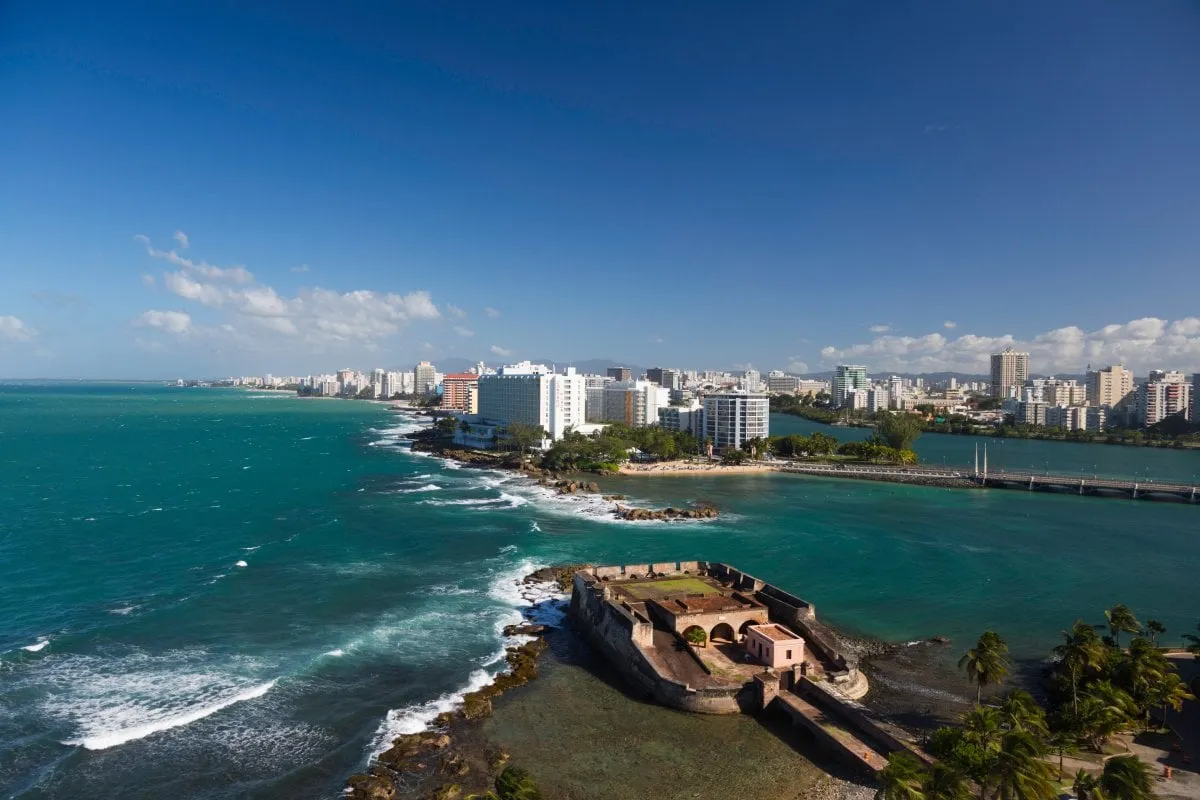
The honest short answer: stay in Old San Juan if you care about history and atmosphere, Condado if you want a beachfront resort with everything walkable, Isla Verde if the beach is the whole point, and Ocean Park if you want something quieter and more local. Santurce is for travelers with a higher tolerance for grit in exchange for the city’s best food and art scene.
Old San Juan vs. Condado: the real trade-off
This choice will define your entire trip.
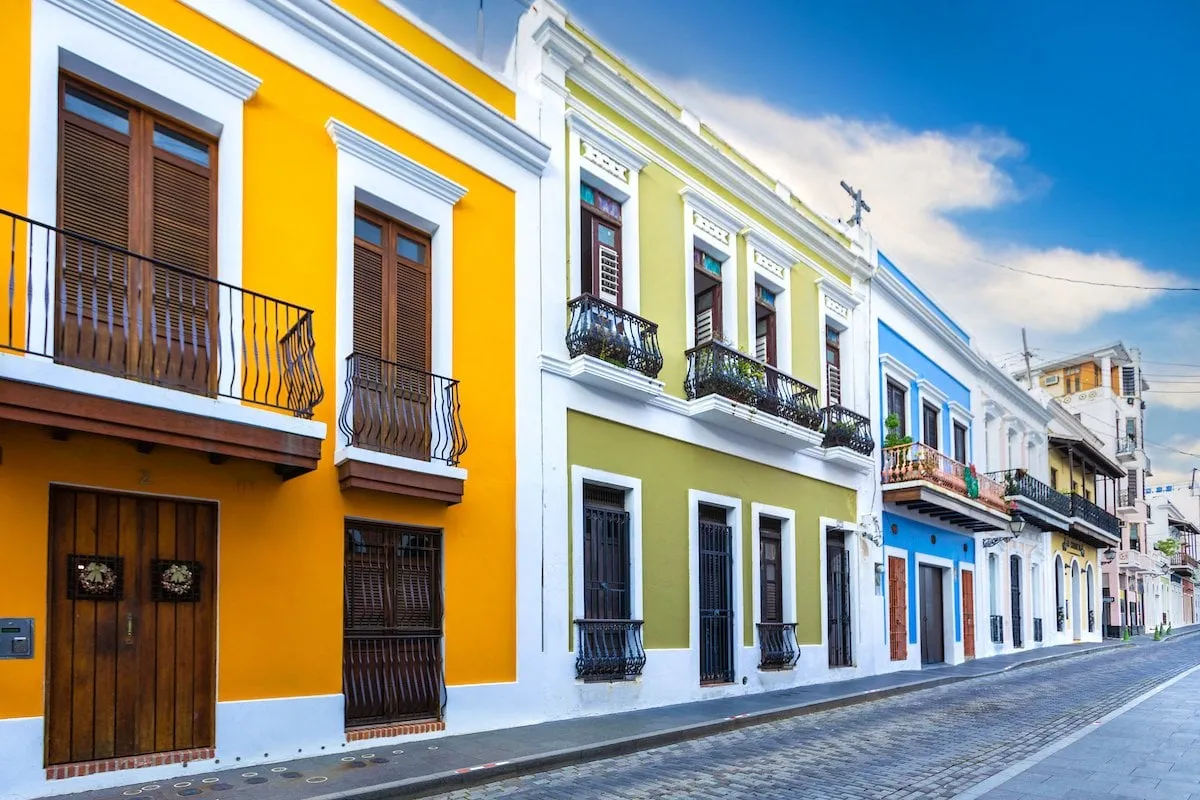
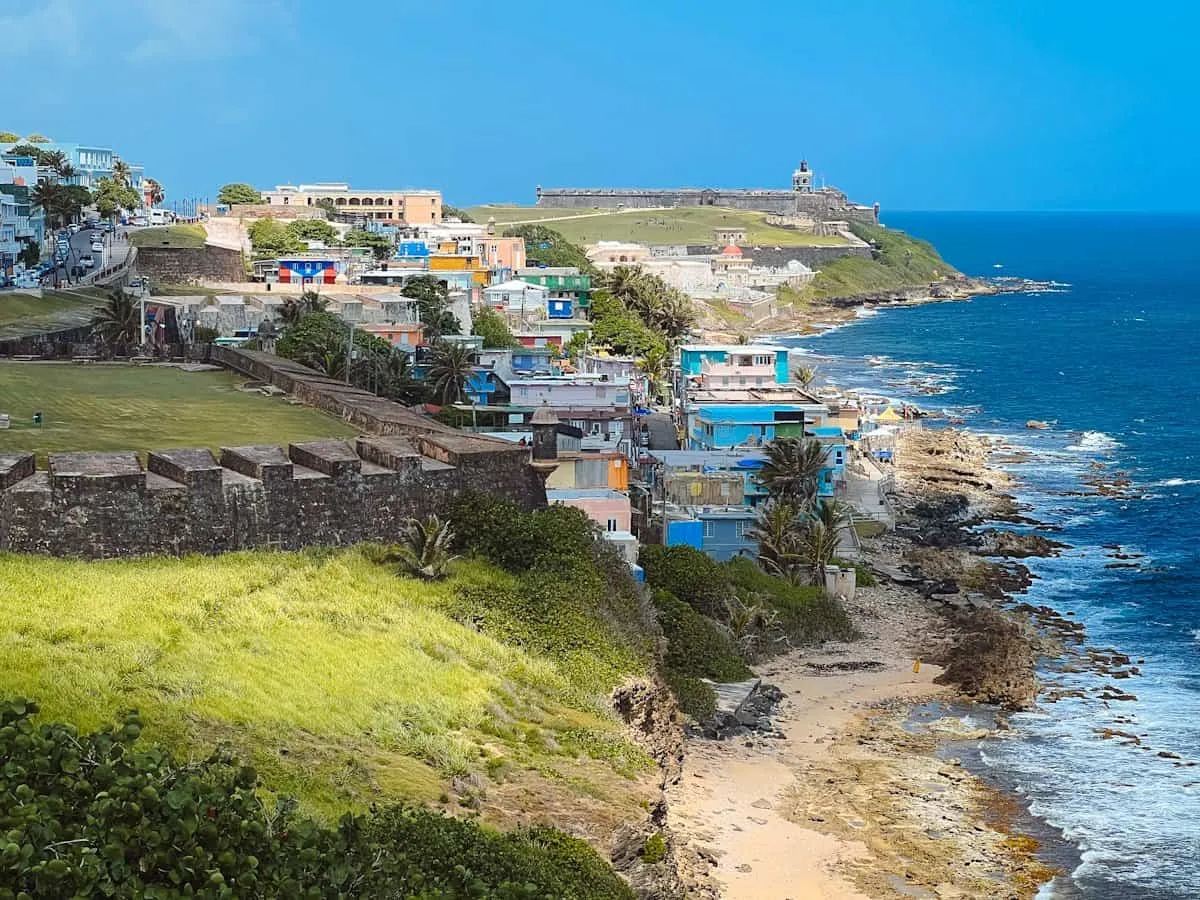
Old San Juan gives you 500 years of history outside your door. You’ll sleep inside a UNESCO World Heritage site, walk to both forts in under 15 minutes, and have the best photo walks in the Caribbean right at street level. What you don’t get: a beach. The 16th-century fortress design means there’s no sand within walking distance — you’ll Uber 10-15 minutes for a swim. Also, as one long-time visitor noted on Reddit, most restaurants close their kitchens by 10 p.m., and only the bars stay open late.
Condado is the opposite deal. High-rise beachfront resorts, direct ocean access, casinos, and a dense cluster of restaurants and rooftop bars, all walkable. It reads like a smaller, denser Miami Beach, and some travelers find it “100% touristic” and “over-commercialized” compared to the historic core. You’ll need a $10 Uber to reach Old San Juan’s cobblestones.
My contrarian take: if it’s your first San Juan trip and you’re staying 3-4 nights, split it. Two nights in Old San Juan for the history, two in Condado or Isla Verde for the beach. You’ll pay a cleaning fee twice but see twice the city.
Old San Juan: for history-first travelers
- Location: Historic core, roughly 7 by 7 blocks on the western islet
- Cost: $180-600/night depending on season
- Best for: Couples, solo travelers, photographers, anyone prioritizing atmosphere
- Closest beach: 10-minute Uber to Condado
Top stays: Hotel El Convento (a former 17th-century convent, now the most atmospheric hotel in the city), Palacio Provincial (adults-only boutique with a small rooftop pool and the best sunset view in the old city), and Decanter Hotel (solid mid-range option under $200 in shoulder season).
Condado: for the resort experience
- Location: Beachfront strip, Ashford Avenue corridor
- Cost: $280-900/night
- Best for: Families wanting full-service resorts, groups, travelers who want the beach out the door
- Walk to Old San Juan: Not practical, take a 10-minute Uber
Top stays: Condado Vanderbilt Hotel (restored 1919 landmark, genuinely luxurious), La Concha Renaissance San Juan Resort (busier, younger crowd, excellent pool scene), and AC Hotel by Marriott San Juan Condado (stylish mid-range with a rooftop bar).
Isla Verde: for a beach-first trip
- Location: 10 minutes from SJU airport, east of Condado
- Cost: $200-700/night
- Best for: Families with young kids, short trips where the beach is the main event, anyone flying in late and out early
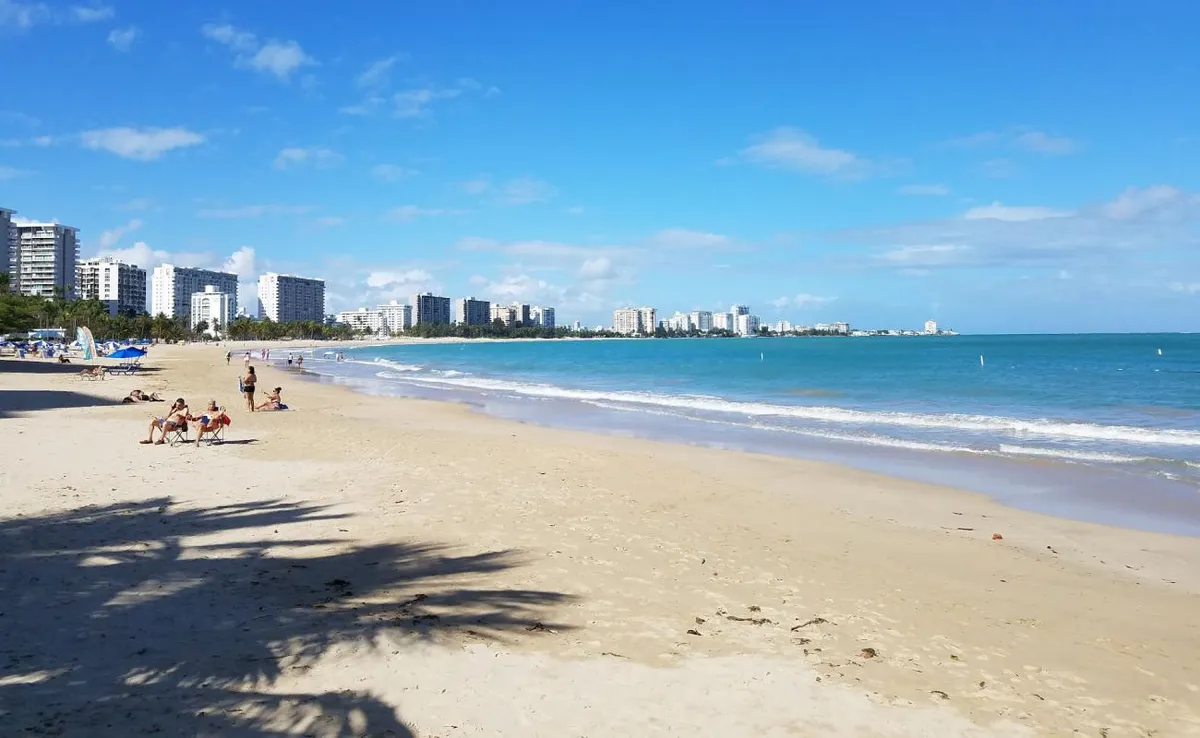
- Reality check: Isla Verde’s beach has calmer water and wider sand than Condado’s, but the area is less walkable between hotels
Top stays: Fairmont El San Juan Hotel (a legend, with the most famous lobby bar and chandelier in the Caribbean), The Royal Sonesta San Juan, and Courtyard by Marriott Isla Verde Beach Resort.
Santurce and Ocean Park: for repeat visitors and food people
- Location: Between Condado and the airport
- Cost: $120-350/night
- Best for: Younger travelers, art and food people, budget-conscious repeat visitors
- Reality check: Santurce is the city’s contemporary art hub and home to La Placita, the best weekend nightlife in San Juan. It’s also grittier than Condado. Walk the Calle Cerra murals during daylight, use Uber after dark, and stick to main streets.
Top stays: The Dreamcatcher by DW (bohemian guesthouse in Ocean Park, right near the beach), Trópica Beach Hotel, and Santurcia Hostel for backpackers.
Are hotels better than Airbnb in San Juan?
For most first-time visitors, hotels are the safer choice in San Juan — specifically because of the power grid. Puerto Rico’s electrical system is still unstable, with multi-hour outages a regular occurrence, and every major hotel runs a whole-property backup generator that keeps rooms and air conditioning on during blackouts. Most Airbnbs do not.
If you go the Airbnb route, ask the host one specific question before booking: does the entire unit run on a backup generator, not just the building’s common areas? A lot of hosts will say “yes, the building has a generator” when that only powers the hallway lights. In a tropical climate, losing AC for six hours is a vacation killer.
There’s also a local-impact angle worth knowing. Short-term rentals owned by mainland investors have pushed up housing costs for residents across the metro area. If you want your tourism dollars to reach the local community, filter for hosts verified as Puerto Rico residents.
Pro Tip: Ask your Airbnb host directly in writing: “Is the guest unit itself connected to a backup generator that powers the AC during outages?” Get the answer in the Airbnb message thread so it’s on record.
What are the best things to do in San Juan?
San Juan’s core experiences fall into four buckets: Spanish colonial history inside the walls of Old San Juan, the food and rum scene, the beaches and water activities, and day trips into the rainforest and to offshore islands. Below are the 20 that justify the plane ticket.
Historic Old San Juan
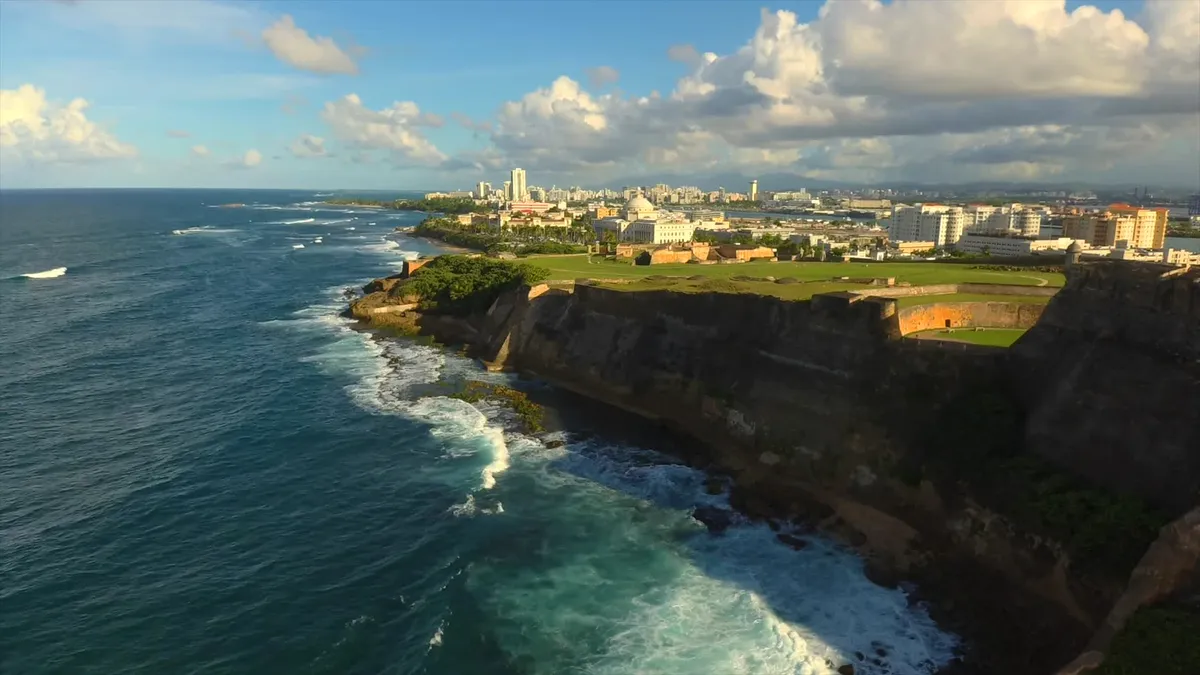
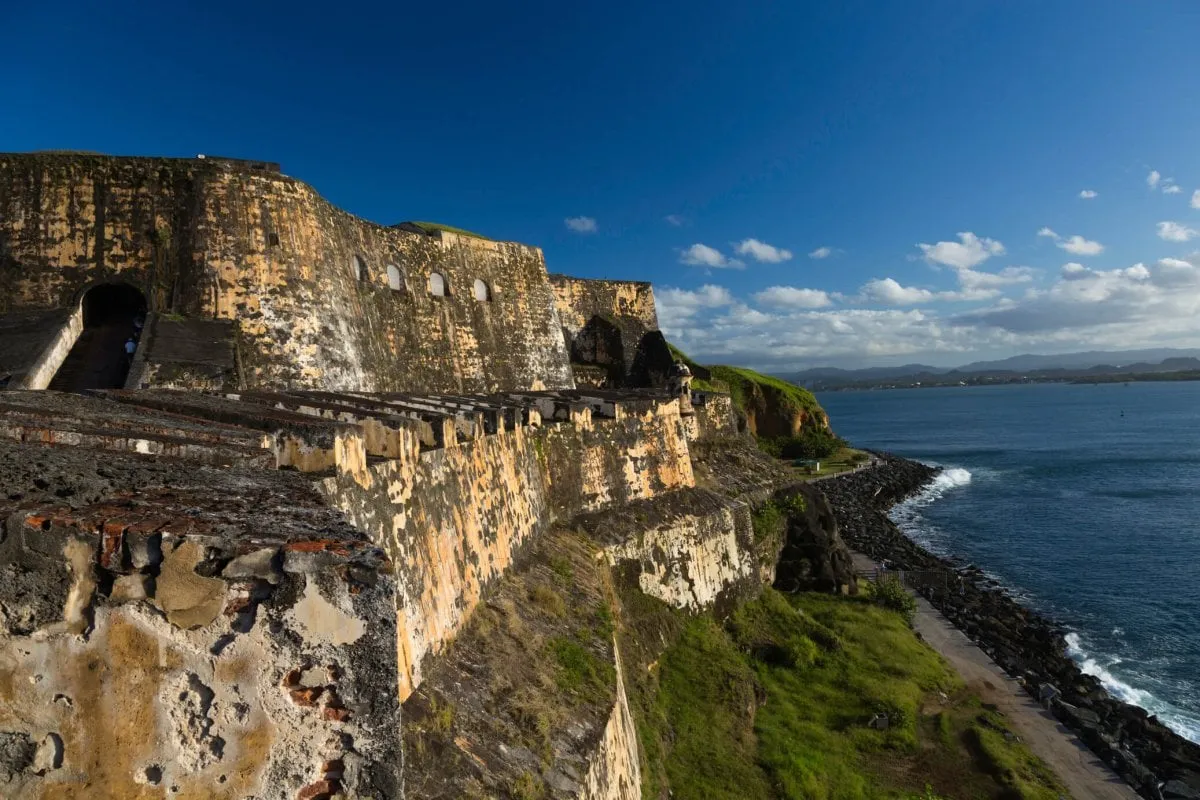
1. Castillo San Felipe del Morro and Castillo San Cristóbal. A single $10 ticket (ages 16+, under 16 free) covers both forts on the same day. El Morro is the famous one — the sprawling green esplanade is the best kite-flying spot in the Caribbean on a windy Sunday. San Cristóbal is actually bigger and has the better tunnel system. Allow 90 minutes for El Morro and 60 for San Cristóbal.
- Location: 501 Calle Norzagaray, Old San Juan
- Cost: $10 for both forts (same-day ticket)
- Best for: Anyone, first-timers especially
- Time needed: 2.5-3 hours for both
2. Wandering the blue cobblestone streets. The blue cobblestones (adoquines) were cast from furnace slag shipped as ballast from Spain. Don’t miss the massive red Puerta de San Juan, Calle Fortaleza with its rotating umbrella canopy, and the La Rogativa bronze statue above the bay. The best light is between 7 and 9 a.m., before the cruise crowds arrive.
3. Catedral de San Juan Bautista. One of the oldest cathedrals in the Americas and the resting place of Juan Ponce de León, Puerto Rico’s first governor. Free entry, 10-minute visit.
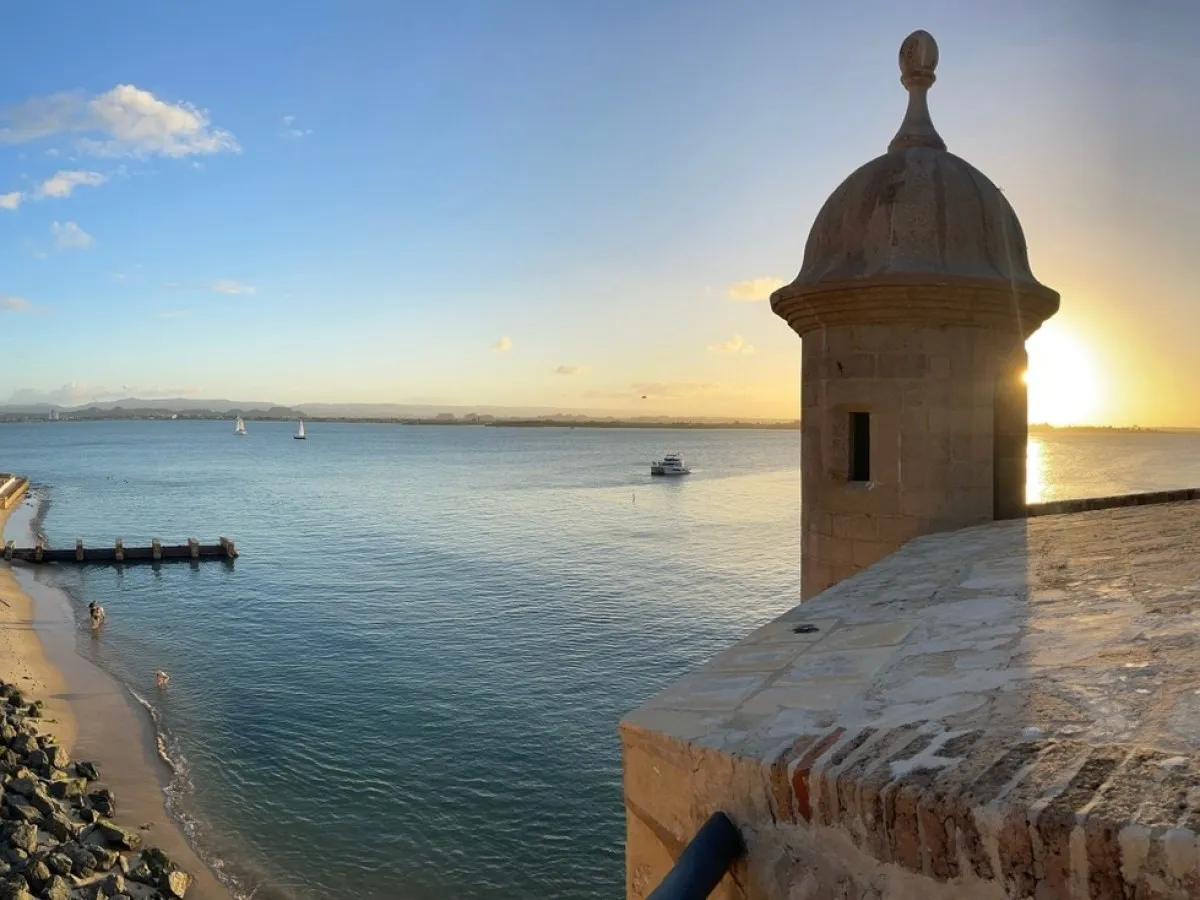
4. Paseo de la Princesa at sunset. A restored 19th-century promenade running along the city walls. End at the Raíces Fountain, which honors Taíno, African, and Spanish heritage. Go 45 minutes before sunset for the best light on the walls.
Food, drink, and rum
5. The piña colada showdown. San Juan is where the cocktail was invented, and two places claim it: the Caribe Hilton (1954) and Barrachina in Old San Juan (1963). Order one at each on the same afternoon. The Caribe Hilton’s is the better drink; Barrachina’s is the better story.
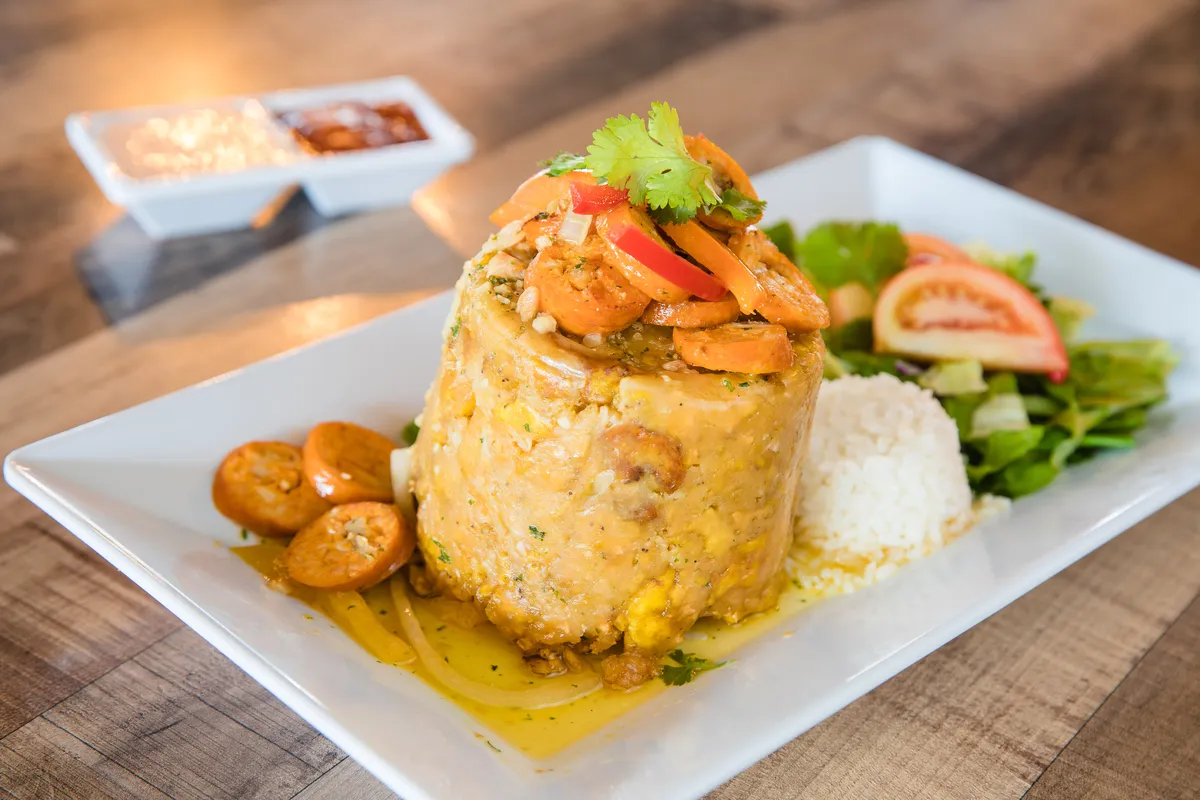
6. Mofongo, the right way. Green plantains fried, then mashed in a pilón with garlic and pork cracklings, usually stuffed with shrimp or skirt steak. For the real version and the rest of the essential Puerto Rican food to try, go to El Jibarito in Old San Juan or La Casita Blanca in Santurce — the latter looks like someone’s grandmother’s living room and serves the best criollo food in the city.
7. La Factoría. Consistently ranked among the world’s 50 best bars. It’s actually seven connected rooms behind an unmarked door on Calle San Sebastián, each with a different concept — craft cocktails in front, a hidden wine bar, a salsa room in the back where the dancing doesn’t start until 11 p.m.
8. Casa Bacardí in Cataño. The largest premium rum distillery in the world, a 10-minute ferry ride across the bay. The mixology class is better than the straight tour — you make three cocktails and leave with recipes. The $0.75 public ferry from Pier 2 is half the fun.
9. Chocobar Cortés. A chocolate-themed restaurant where cacao appears in almost everything on the menu, including savory dishes like chocolate grilled cheese. Sounds like a gimmick; isn’t.
Beaches and water
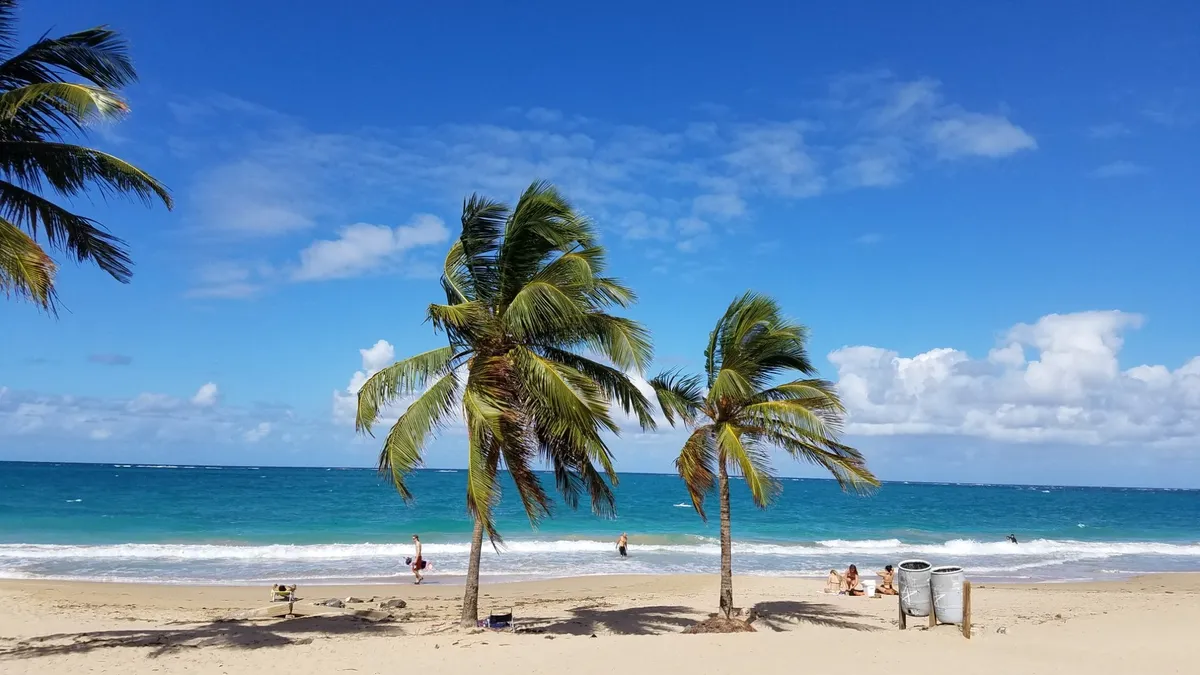
10. Pick the right beach for the day. San Juan’s urban beaches each have a personality:
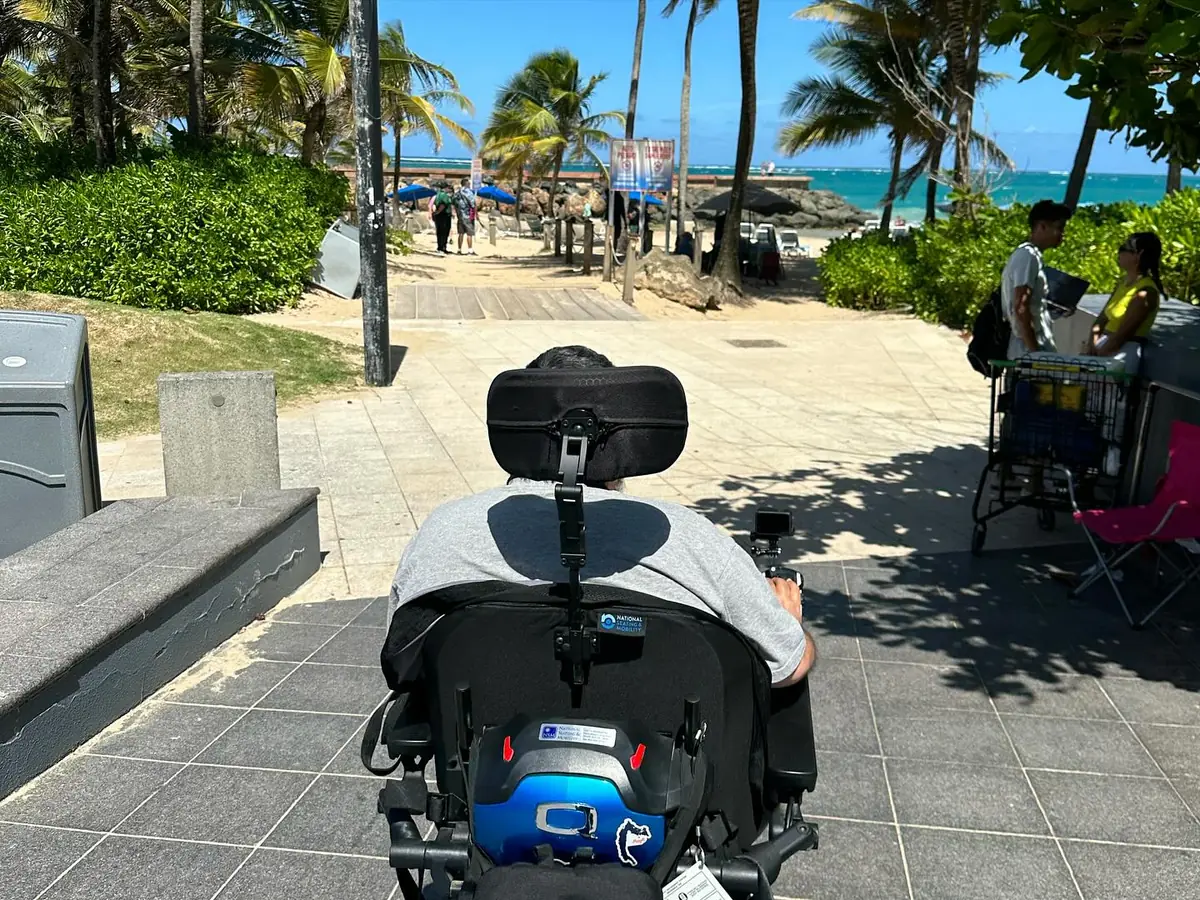
- Isla Verde: Widest sand, calmest water, best for families
- Condado: Resort scene, rougher surf, walk-up bars
- Ocean Park: Locals, kite surfers, no hotel wall of high-rises
- Balneario El Escambrón: Reef-protected, the best snorkeling inside city limits
11. Kayak the Condado Lagoon. Calm, protected water with the city skyline behind you. The clear-bottom LED night kayak tours are a real experience, not a gimmick — the lights attract fish to the boat.
12. Snorkel with sea turtles at Escambrón. Green sea turtles live in the reef just off El Escambrón’s beach. Guided tours find them more reliably than going solo, and the tour guides enforce no-touching, which matters.
Art, music, and nightlife
13. Museo de Arte de Puerto Rico. In Santurce, in a restored neoclassical building. The Puerto Rican art collection spans the 17th century to the present and is the best survey of island art anywhere.
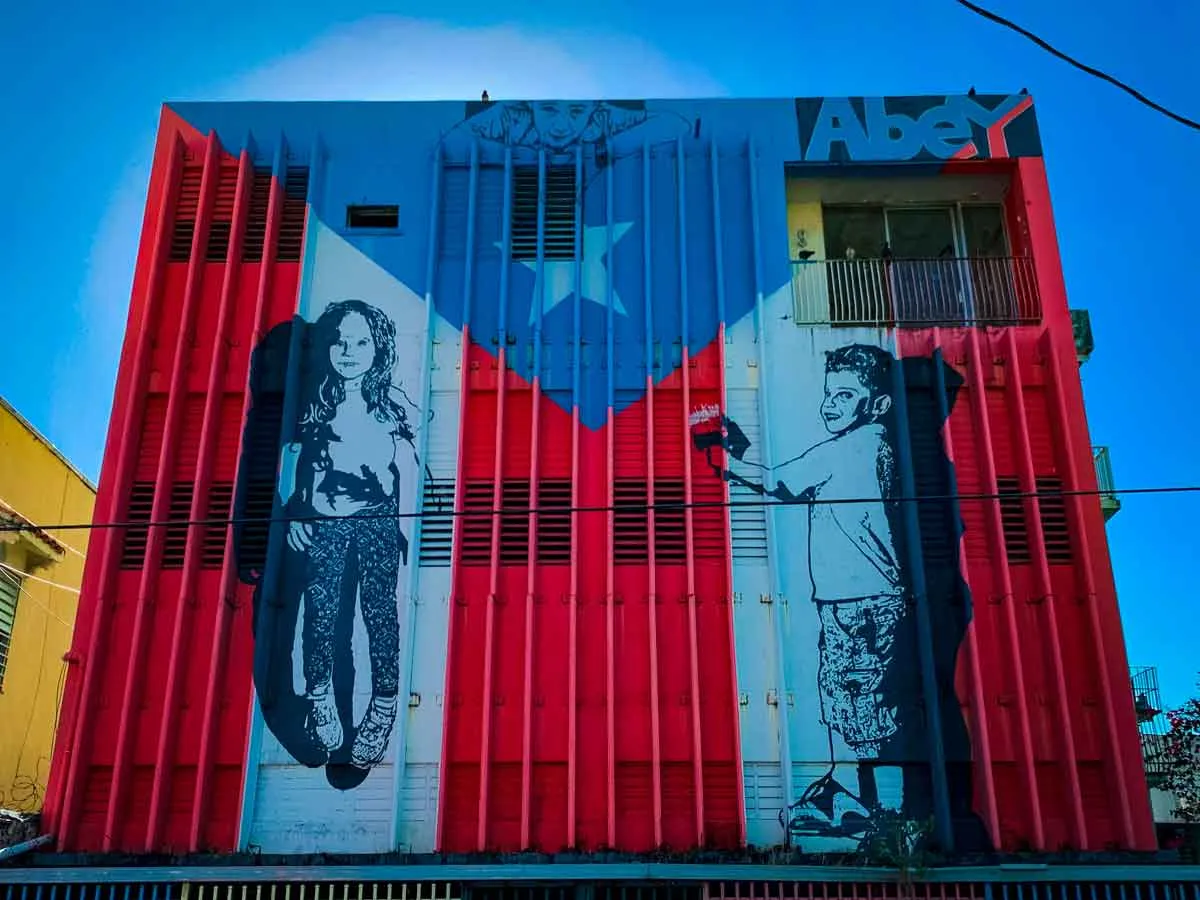
14. Calle Cerra murals. Santurce’s open-air street art gallery, home to dozens of large-scale murals by local and international artists. Self-guided walking tour, best done between 9 and 11 a.m. for light and safety.
15. La Placita de Santurce on a weekend night. By day, a farmers market. On Friday and Saturday nights, the surrounding streets close, bars spill into the plaza, live bands play salsa and merengue, and locals outnumber tourists. This is the one nightlife experience at La Placita I tell every visitor not to skip.
16. Distrito T-Mobile. A modern entertainment complex near the convention center with restaurants, an urban zipline, and the Coca-Cola Music Hall. Good for a rainy-night plan B.
Day trips worth the car rental
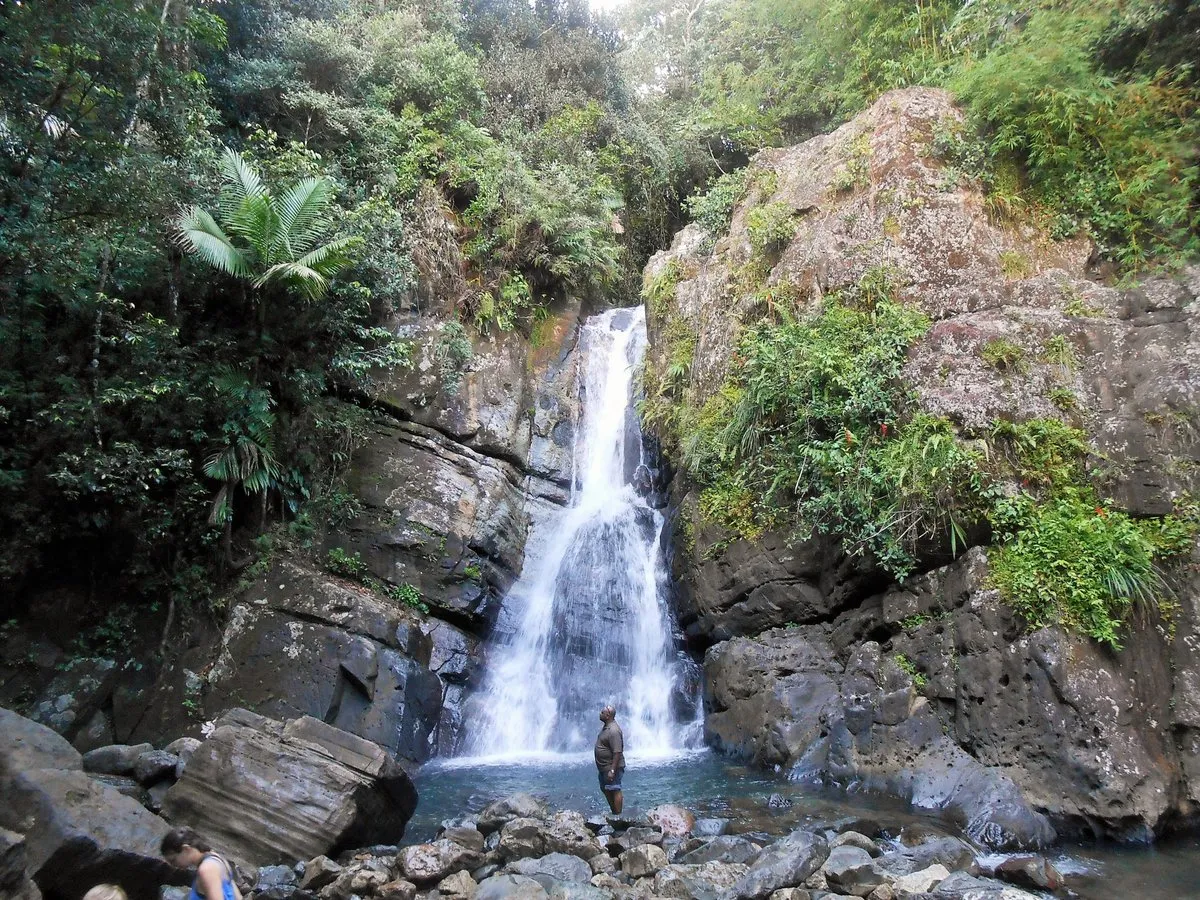
17. El Yunque National Forest. The only tropical rainforest in the U.S. National Forest System. Entry to the main recreational corridor on PR-191 is free and first-come, first-served starting at 8 a.m. — the old reservation system was suspended and never came back. The separate El Portal Visitor Center charges $8 for adults 16+. For the full El Yunque rainforest guide, arrive by 9 a.m. to beat both the tour buses and the 200-car capacity cap, which closes the gate once hit.
- Location: Río Grande, about 45 minutes east of San Juan
- Cost: Free entry to the forest; $8 for El Portal Visitor Center
- Best for: Anyone who likes rainforest hikes and waterfalls
- Time needed: Half day minimum, full day ideal
18. Bioluminescent bay tour from Fajardo. Puerto Rico has three of the world’s five glowing bays. The most accessible from San Juan is Laguna Grande in Fajardo, about an hour east. Mosquito Bay on Vieques is brighter but requires a ferry and an overnight. Book a bioluminescent bay tour on a new-moon night — moonlight kills the effect.
19. Culebra or Cayo Icacos. For the best beach day of your trip, skip the metro beaches and head offshore. Culebra’s Flamenco Beach is ranked among the world’s best; reach it via a short flight from SJU or a ferry from Ceiba. The easier option is a catamaran day trip to Cayo Icacos, an uninhabited cay off Fajardo, which includes snorkeling, lunch, and open bar for around $110-140 per person.
20. Cueva del Indio. A dramatic limestone cave on the rugged north coast with ancient Taíno petroglyphs and cliffs dropping into Atlantic surf. Less visited than the east-coast spots and a good pick for a second-time visitor.
Pro Tip: Skip the guided day trips to El Yunque if you can drive — you’ll spend half the tour waiting for other passengers. Rent a car for 24 hours, leave Condado by 7:30 a.m., and you’ll be at La Mina before the buses arrive.
How many days do you need in San Juan?
Three days is enough to see the historic core and do one major day trip. Five days is the right number if you want to include El Yunque, a bioluminescent bay, and a real beach day on Culebra or Icacos without feeling rushed. Anything longer and you should rent a car for the full trip and explore the rest of the island.
3-day itinerary: the historic core plus one big day
Day 1: Old San Juan and the first piña colada. Start at El Morro by 8:30 a.m. before the cruise ships dock. Walk the cobblestones and Paseo de la Princesa, lunch at El Jibarito, nap back at the hotel, then sunset at Barrachina for the piña colada and dinner inside the city walls.
Day 2: El Yunque and bioluminescent bay. Rent a car for 24 hours. In El Yunque by 9 a.m., hike to a waterfall, lunch at Don Pepe or the Luquillo kiosks food stalls, then continue to Fajardo for a sunset arrival and evening kayak tour on Laguna Grande. Back to San Juan by 11 p.m.
Day 3: Beach morning, Santurce evening. Isla Verde or Ocean Park for the morning, Uber to Santurce for the Calle Cerra murals around 3 p.m., then dinner and salsa at La Placita.
5-day itinerary: add the islands
Days 1-3: Follow the 3-day plan above.
Day 4: Offshore island day. A full-day catamaran to Cayo Icacos or a flight to Culebra for Flamenco Beach. Bring reef-safe sunscreen and a waterproof bag.
Day 5: Slow morning, Castillo San Cristóbal, fine-dining send-off. Sleep in, walk San Cristóbal (the one most tourists skip in favor of El Morro), shop for coffee and hot sauce at artisan shops, dinner at 1919 at the Condado Vanderbilt or Santaella in Santurce.
Is San Juan safe for tourists?
Yes, with the same street sense you’d use in any U.S. city of 300,000. For a deeper look at whether Puerto Rico is safe for travelers, the short version is that Old San Juan, Condado, Ocean Park, and Isla Verde are safe day and night for tourists walking on main streets. The areas to be careful in are La Perla (just north of the city walls, avoid after dark), parts of Santurce away from the main Calle Cerra and La Placita corridors at night, and any empty side street anywhere after 1 a.m. Petty theft is the main concern, not violent crime against tourists.
A few practical notes from experience:
- Use Uber after dark for any trip longer than four blocks
- Leave the rental car in a paid garage, not a random street spot
- Don’t leave anything visible in a parked car, ever
- Beach theft happens at Condado during the day — bring one person who stays with the bags
Before you book your San Juan trip
TL;DR: San Juan is the easiest Caribbean capital for U.S. travelers — no passport, no currency swap, no roaming fees — and the hardest to get bored in. Stay in Old San Juan for history or Condado for the beach, walk and Uber inside the metro, rent a car only for the day you go to El Yunque, and spend one weekend night at La Placita. Three to five days is the right length.
The part no guide writes down: the best thing about San Juan isn’t any single fort, beach, or restaurant. It’s that Puerto Ricans treat visitors like house guests rather than walking wallets. Say “buenos días” when you walk into a bakery, try your broken Spanish on the bartender at La Factoría, and the city opens up in a way it doesn’t for travelers who only point at menus.
What’s the one thing you wish you’d known before your first trip to San Juan? Drop it in the comments.