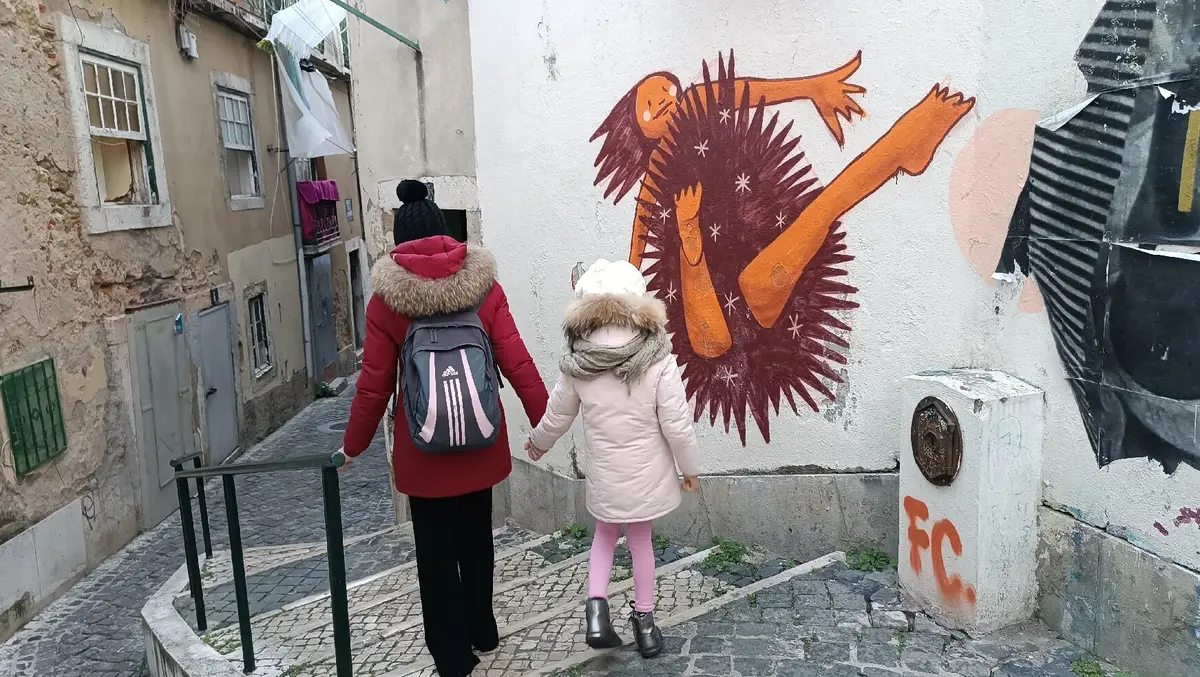
Solo travel in Portugal is forgiving — until it isn’t. Transport strikes can strand you mid-trip, restaurant bread you didn’t order lands on your bill, and Lisbon’s limestone pavement becomes a hazard the moment it rains. This guide covers the real mechanics: transport backups, the solo dining tax, where to stay, and exactly what to pack.
How do you get around Portugal without getting stranded?
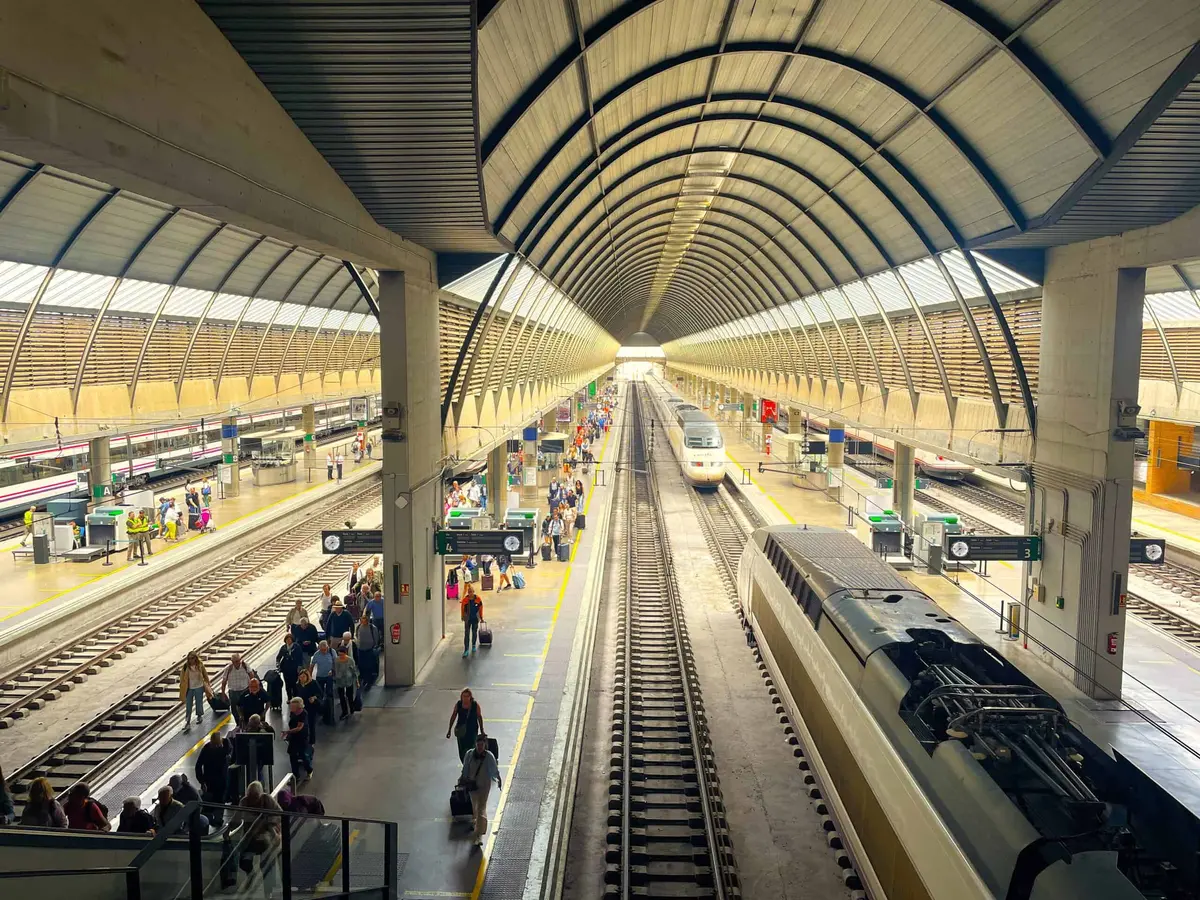
Portugal’s rail network connects the major cities efficiently when it runs. Comboios de Portugal (CP) has faced repeated labor disruptions, and the Alfa Pendular and Intercidades lines are the most affected. Courts sometimes mandate minimum services of around 25% of scheduled trains during strikes, but some disputes have resulted in zero services. Treat buses as your primary backup from day one, not an emergency plan.
The CP app and myCP portal allow free refunds or ticket exchanges up to 15 minutes before departure on disrupted services. Book through CP directly so you retain this option — third-party booking platforms require you to chase refunds through them instead. CP is legally required to give unions two weeks’ notice before a strike, which means you will almost always have enough warning to rebook if you are monitoring the CP alerts page.
Here is where buses become your best travel tool. Rede Expressos is the national operator, reaching smaller towns like Tomar and Nazaré that trains skip entirely or serve infrequently. FlixBus covers the major city routes with dynamic pricing that drops as low as €5.99 if you book early.
Pro Tip: FlixBus lets you choose your seat during booking. If Portugal’s winding coastal roads trigger motion sickness, grab a front-row seat. Rede Expressos assigns seats automatically. Book both options on strike days and cancel whichever you do not use.
How does Lisbon’s public transport actually work?
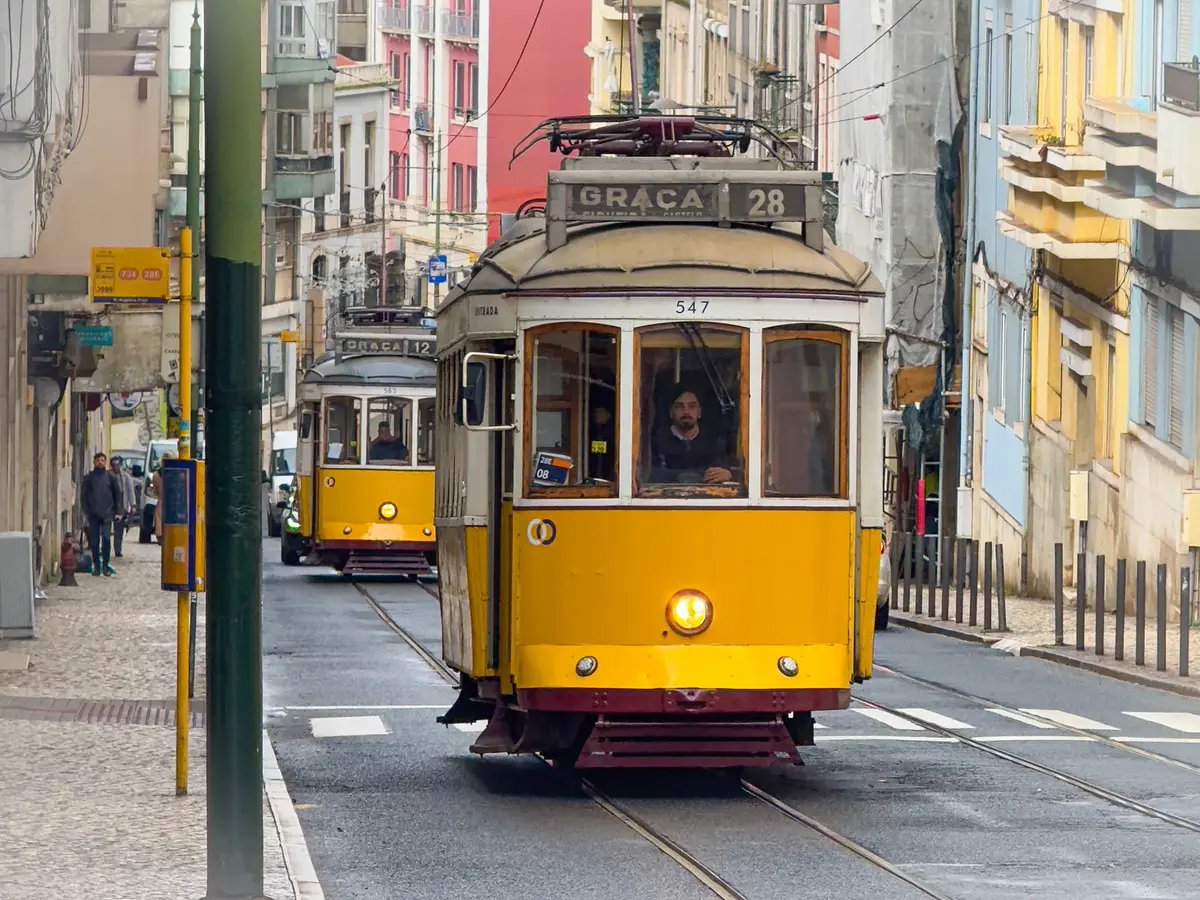
The Navegante card is the only transport card you need in Lisbon. Buy one for €0.50, load it with Zapping credit — Lisbon’s pay-as-you-go system — and tram rides drop from €3.30 on-board to €1.35 with the card. Over a week of daily sightseeing, that difference adds up to around €25.
The technical quirk that trips up most visitors: the card can only hold one type of fare at a time. If you have any Zapping credit remaining, you cannot load a 24-hour pass without clearing it first or buying a new card. Decide upfront which format you want and stick to it. For a trip of four or more days involving daily sightseeing, Zapping is the more flexible option.
Porto uses a completely different system called Andante, which operates on zones rather than flat fares. Your Lisbon card will not work there.
Pro Tip: Load €15 of Zapping credit when you arrive. It covers metro, bus, tram, funicular, and train rides to Sintra and Cascais on a single card, eliminating queues at train station machines for day trips.
Is the Lisboa Card worth it, or should you just use the Navegante?
The Lisboa Card is a tourist pass covering free entry to 50+ museums and monuments plus unlimited transport. The Navegante card is solely for transport. For solo travelers doing intensive sightseeing in three days or fewer, the Lisboa Card often pays for itself. For longer trips or anyone prioritizing flexibility over museum-hopping, Zapping on a Navegante card is cheaper.
The Lisboa Card comes in three options:
- 24-hour: €31
- 48-hour: €51
- 72-hour: €62
Run the math before you buy. If you are paying €10–15 entry for two or three sites anyway, the 48-hour card frequently comes out ahead. Our Lisbon Card review walks through the math for common sightseeing combinations to help you decide.
What does solo travel in Portugal actually cost?
Portugal is affordable by Western European standards, but solo travelers absorb 100% of accommodation costs — a reality that couples divide by two. Here is what the numbers actually look like:
- Dorm beds: €15–25 in low season, €30–40 during peak periods
- Private rooms (hostel): €60–100 per night
- Mid-range hotel: €100–150 per night
For a 10-day trip, choosing private rooms throughout instead of dorm beds will cost you €350–600 more than someone splitting a double room. That is real money.
The smarter approach is a hybrid: book dorms in expensive hubs like Lisbon (Home Lisbon Hostel and Yes! Hostel are both well-run for solo travelers) and reserve your private room budget for cheaper secondary cities like Tomar or Guimarães, where the same money gets you a comfortable private room with none of the dorm trade-offs. For a comprehensive breakdown of what solo travelers actually spend on accommodation, food, and transport, our Portugal travel cost guide covers the real numbers by category.
What is the couvert, and how do you avoid paying for food you didn’t order?
When you sit down at a Portuguese restaurant, the waiter will place bread, olives, cheese, and sometimes sardine pâté on your table before you have ordered anything. This is the couvert — and it is not free. Touch any of it and you will be charged €2–5. Solo travelers are particularly vulnerable because you are already self-conscious about being alone at a table, and refusing feels awkward.
The solution is simple: say “Não, obrigado” (no, thank you) when the waiter places it down, and it disappears without drama. Or leave it completely untouched. Either works.
A less obvious money-saver: ordering at the counter (ao balcão) in traditional cafés is cheaper than sitting at a table (na mesa). For solo travelers this is natural — you are already standing there — and it cuts costs by 10–20% while giving you something to lean on and watch.

Where should you stay in Lisbon as a solo traveler?
Príncipe Real is the best base for solo travel in Lisbon. It sits close enough to Bairro Alto nightlife to reach it in 10 minutes on foot, but the streets themselves are calm enough to walk home alone at midnight without second-guessing yourself. You will find excellent cafés, independent bookshops, the São Pedro de Alcântara garden with its map of 17th-century Lisbon, and some of the city’s best restaurant streets within three blocks in any direction.
The trade-off is higher accommodation costs than grittier neighborhoods, but the premium is worth it for the peace of mind it provides after dark.
For a full district-by-district breakdown with price ranges, our guide to where to stay in Lisbon covers every neighborhood. Two areas in particular need understanding before you book.
Bairro Alto — good for a night out, bad for sleeping
Bairro Alto is the historic nightlife center — loud, chaotic, and fun for a night out. It is a terrible place to try to sleep. The narrow streets amplify sound like a tunnel, and it can feel overwhelming to navigate alone after midnight.
Cais do Sodré — dense crowds, use caution
Cais do Sodré (Pink Street) was once a red-light district and is now the densest party zone in the city. The violent crime risk is low, but the combination of dense intoxicated crowds and aggressive street vendors near the nightclub entrances — usually pushing fake drugs, typically just oregano — can make solo navigation uncomfortable. This applies especially to solo women.
Pro Tip: Graça is an underrated alternative base with some of the best miradouros (viewpoints) in the city. Tram 28 stops at the door, it is quieter than Príncipe Real, and prices are lower. The walk from the metro at Intendente to most of Graça takes 15 minutes, not the 5 that Google Maps suggests — the hill is steeper than it looks.
What does Lisbon feel, smell and sound like in person?
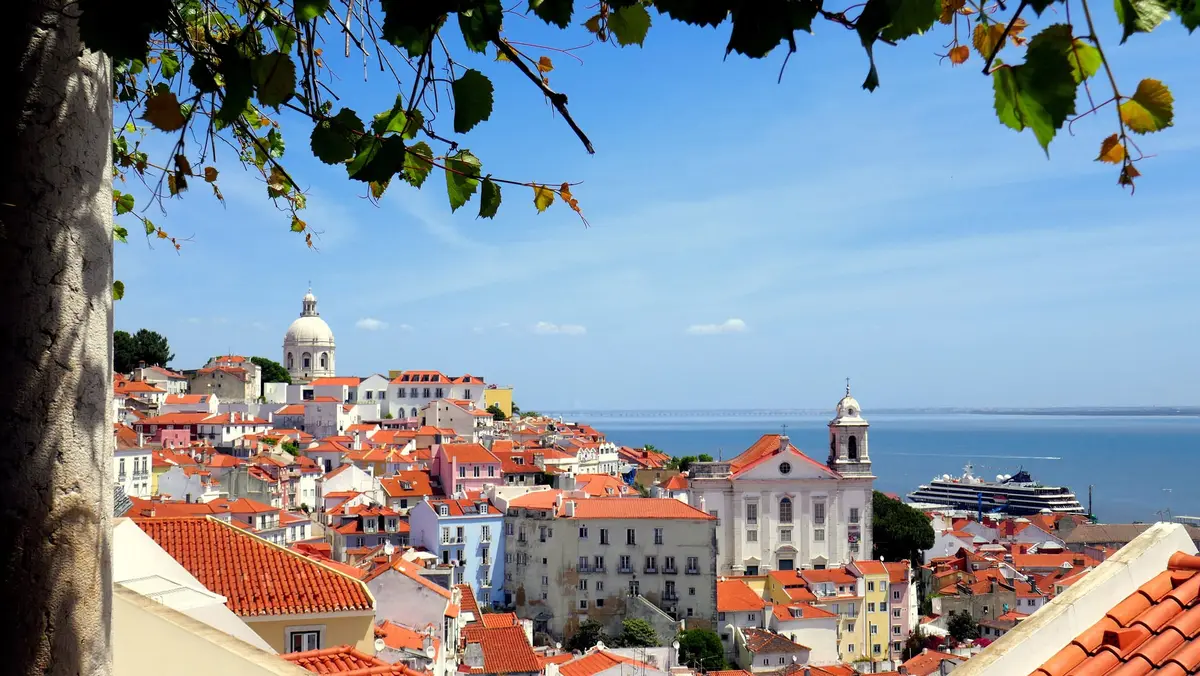
Lisbon is louder, hillier, and stranger-smelling than most travelers expect. Certain winter mornings carry an acrid smell from olive processing plants in the Alentejo. The yellow trams screech on steel rails through Alfama. The white limestone pavement turns treacherous when wet. These details matter for what you wear, where you walk, and how you navigate the city after dark.
On those winter mornings, a southwesterly wind traps acrid odors from olive processing plants in the Alentejo region, creating what locals call the “olive pong.” It is not sewage or pollution — just an agricultural byproduct — but knowing this prevents you from assuming something is wrong with the neighborhood.
The screech of the historic yellow trams braking on the steep descents through Alfama is one of the defining sounds of the city. Equal parts charming and physically startling the first time you hear it up close.
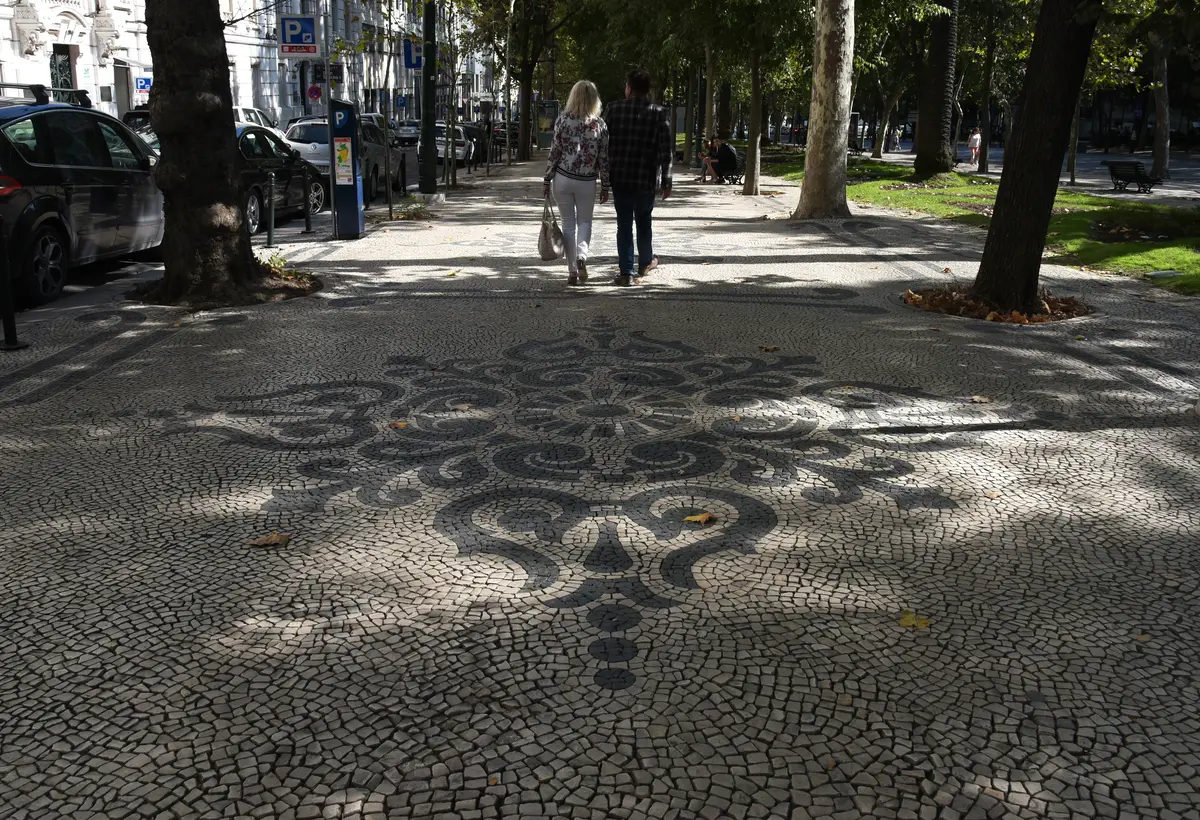
The real hazard is the pavement. Portugal’s calçada portuguesa — the decorative white-and-grey limestone paving — is beautiful and completely treacherous when wet. On Lisbon’s steep hills, polished wet stones approach ice in terms of grip. Standard foam-soled sneakers will have you sliding. Shoes with Vibram Megagrip or Salomon Contagrip outsoles grip it effectively (brands like Merrell, Salomon, and Teva all make suitable options). Leather soles and heels are dangerous here — skip them entirely if rain is possible.
How do you beat the crowds at Sintra?
Sintra is a logistical problem with a clear solution: tour buses clog the single road into town by 9:30 a.m., and the queue at Pena Palace can reach 90 minutes during peak season. A 7 a.m. start and a different palace solve both problems.
Take the train from Rossio or Oriente rather than the bus — you avoid the traffic entirely, and the journey takes 40 minutes. Then go to Quinta da Regaleira instead of Pena Palace.
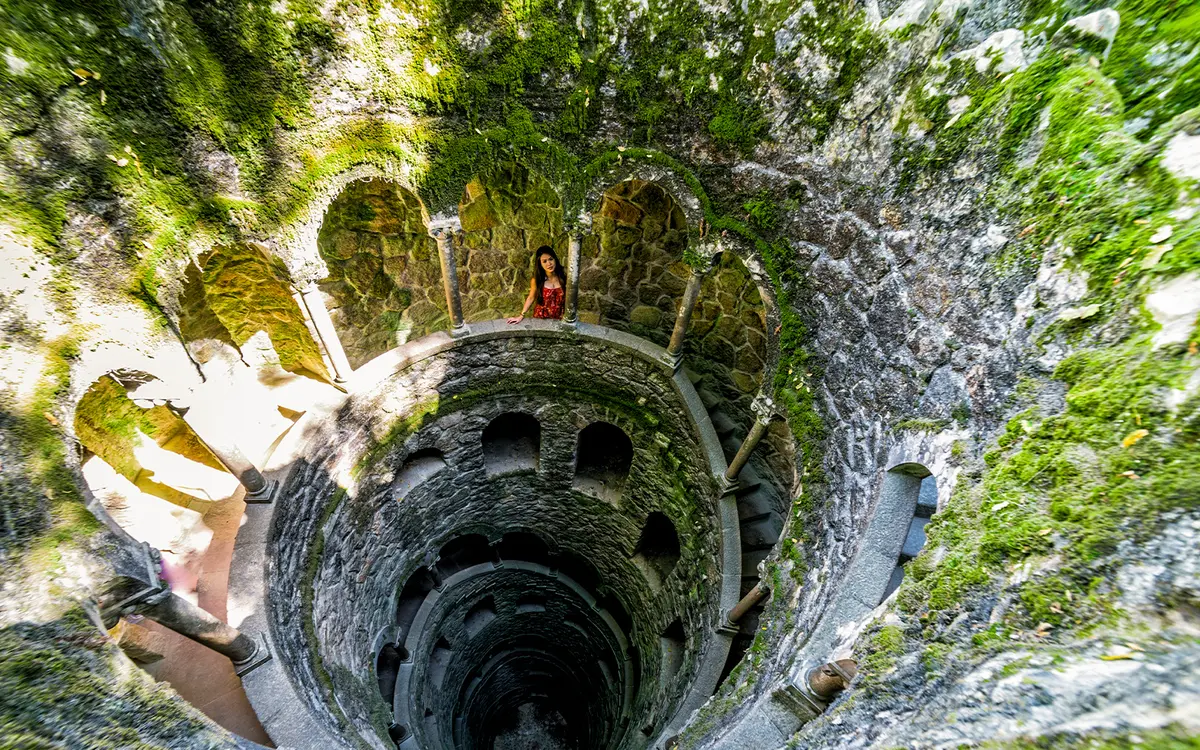
Regaleira offers something Pena cannot: the Initiation Well, an 89-foot (27-meter) spiral staircase descending into the earth through nine landings, lit from above. It was built not as a functional well but as a ceremonial space for Templar-influenced rituals. Arriving at opening time on a weekday, you can descend alone in near silence before the tour groups fill it by 10 a.m. That 20-minute window is worth the early start.
Quinta da Regaleira
- Location: Rua Barbosa du Bocage 5, Sintra
- Cost: €15 adult entry
- Best for: Solo travelers comfortable with tight spiral staircases
- Time needed: 2–3 hours for the full grounds
Pena Palace is worth seeing — the exterior is unlike anything else in Portugal. Book Pena Palace tickets in advance to lock in a timed entry slot and avoid the worst of the queue. If you want both, do Regaleira first at opening, then walk the 1.2 miles (2 km) to Pena.
Why does Tomar beat Coimbra for solo travelers?
Most guides route solo travelers through Coimbra as a stopover between Lisbon and Porto. Tomar is a better choice, and almost nobody goes there.
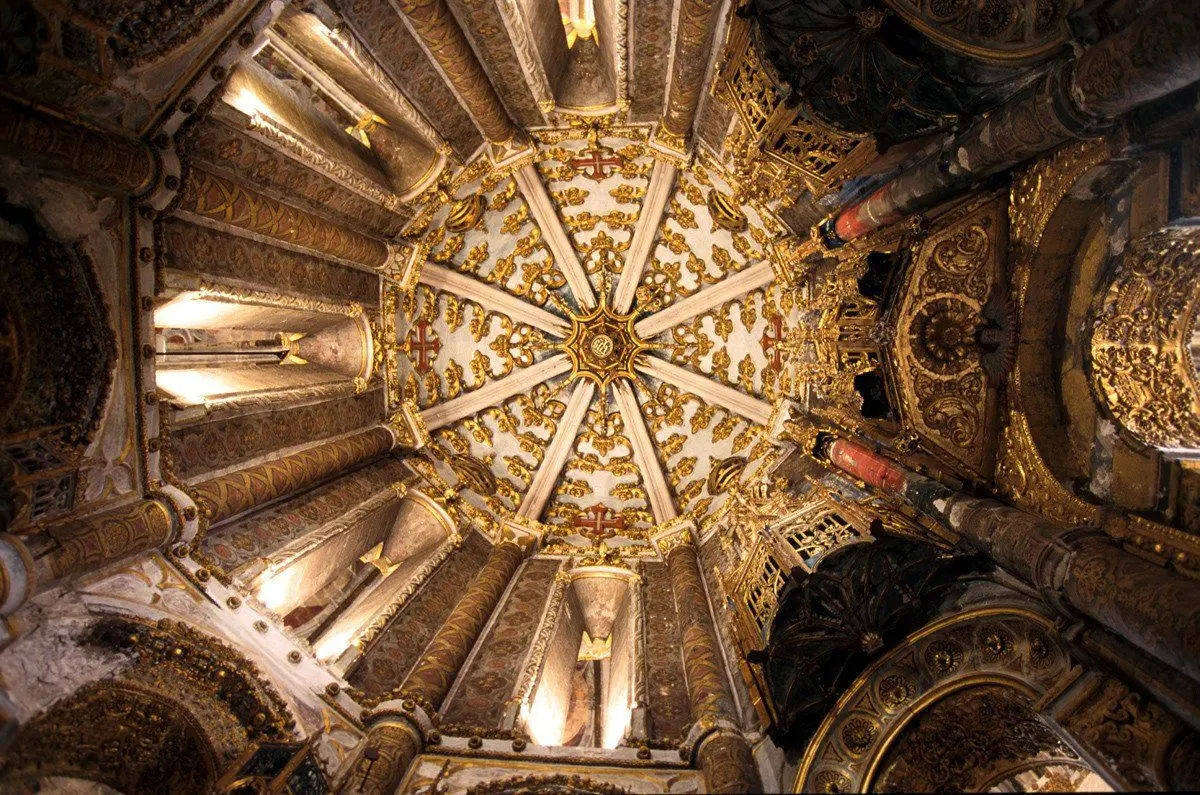
Tomar is compact, flat, and walkable — a genuine rarity in Portugal. The Convent of Christ is a UNESCO World Heritage site where you can wander through Manueline cloisters for two hours without a tour group in sight. The round Charola church at its center was built by the Knights Templar in the 12th century; it is 12-sided and lit from above, and the quiet inside it is the kind that makes you stand still. For a complete itinerary covering the Convent, the river castle, and the surrounding forest trails, our Tomar guide has the full detail.
A short train ride away, Almourol Castle sits on a river island in the Tagus, accessible only by a small ferry from the bank — one of the few castle visits in Portugal that still feels like an adventure rather than a queue.
For dining, the options here suit solo travelers better than most Portuguese towns.
Taverna Antiqua
A medieval-themed restaurant that sounds like a tourist trap but actually works. The set menu format and communal long-table arrangement mean you are not sitting alone at a table for one — you are eating with whoever happens to be at the tavern that night.
- Location: Rua Dr. Joaquim Jacinto 108, Tomar
- Cost: approx. €15–20 for a full meal
- Best for: Solo travelers who want an evening with atmosphere rather than silence
- Time needed: 2 hours
Cervejaria do Fernando
Unpretentious, local, and completely at ease with solo diners. The daily specials are chalked on a board, the portions are sized for the hungry, and nobody will look twice at a table for one.
- Location: Rua Serpa Pinto 140, Tomar
- Cost: €10–15 for a full meal
- Best for: Budget solo travelers
- Time needed: 1 hour
The downside of Tomar is that English is not as widely spoken as in Lisbon or Porto, which adds a small navigation challenge. The upside is accommodation costs 40–50% less than Lisbon for equivalent rooms, and the Mata Nacional dos Sete Montes — a 10-minute walk from the town center — offers loop walking trails in a safe, enclosed forest that are peaceful on weekday mornings.
How do you meet people in Porto?
Porto is more immediately social than Lisbon — smaller, more walkable, and built around a hostel scene that actively creates opportunities for solo travelers to connect.
Gallery Hostel on Rua Miguel Bombarda hosts “Eat & Meet” community dinners at €15 per person, with reservations required. These are not forced bonding exercises — they are regular communal dinners where solo travelers eat together at a long table, have a drink, and talk. The hostel’s location in Porto’s art district means you can walk straight from dinner into the gallery row on the same street. On my last visit, the conversation at the table lasted three hours and ended with a group walk across the Dom Luís I Bridge at midnight.
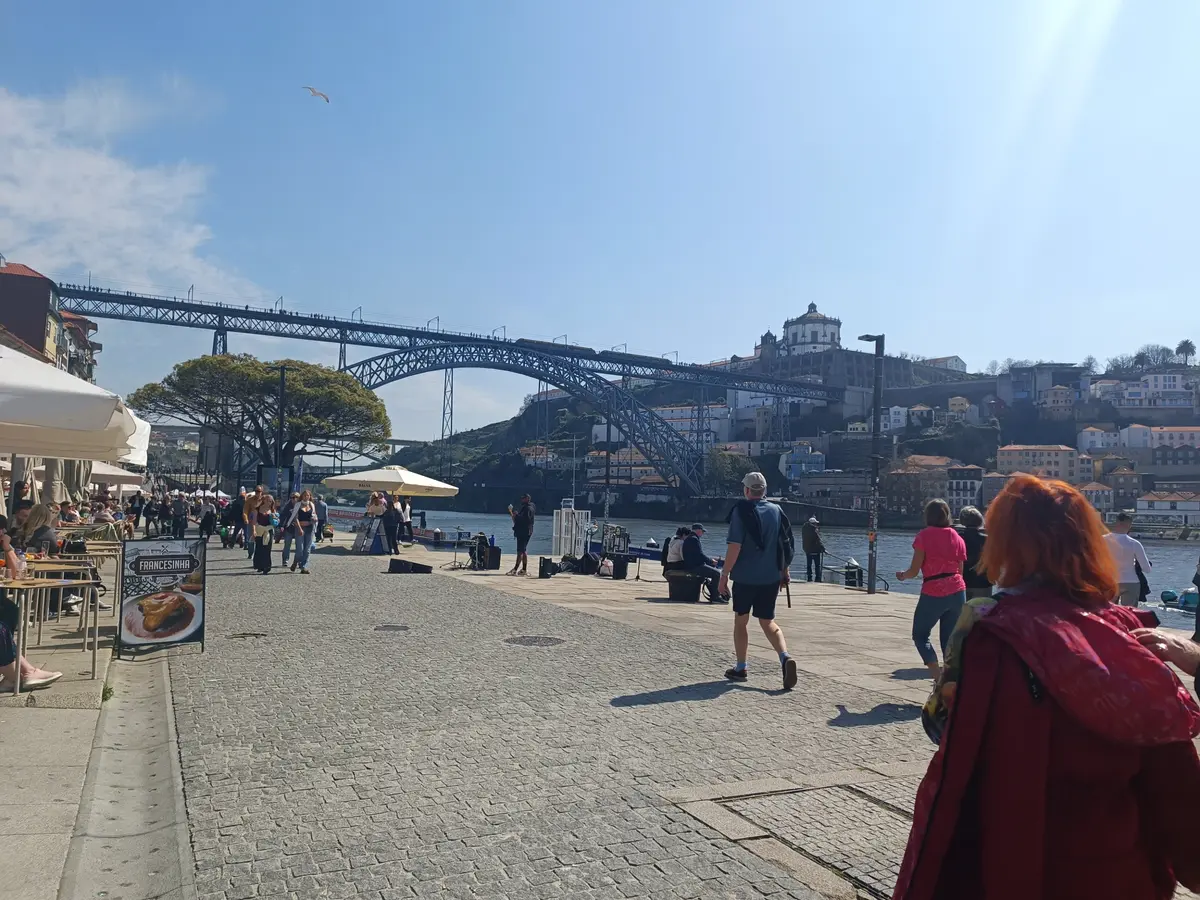
Beyond the organized social scene, Porto’s Ribeira district is the easiest hour you will spend in Portugal: flat, walkable, with the river on one side and terraced cafés on the other. The Livraria Lello bookstore on Rua das Carmelitas is worth the €10 entry (fully redeemable against a book purchase) — the interior staircase is remarkable, and midweek mornings are the only time to experience it without shoulder-to-shoulder crowds.
For Port wine, the wine cellars in Vila Nova de Gaia, across the river, offer guided tastings that are comfortable for solo visitors. You are learning and tasting, not filling time alone at a table. Taylor’s and Graham’s both offer standard tastings in the €15–20 range, and the view from their terraces across to Porto is the best free show in the city.
The challenge Porto shares with Lisbon: the hills are steep and the cobblestones equally treacherous in rain. The same footwear advice applies. Petty theft in the Ribeira district is real — keep your bag in front and your phone in a front pocket, particularly on weekends.
When should you visit the Algarve?
Most travelers think of the Algarve as a summer beach destination. Visit in winter and you find something different: the warmest region in mainland Europe during the coldest months, with dramatic coastal scenery and almost no one on the beaches. For a complete picture of the region’s geography, base towns, and seasonal trade-offs, our guide to the Algarve covers everything from the eastern Sotavento to the western Costa Vicentina.
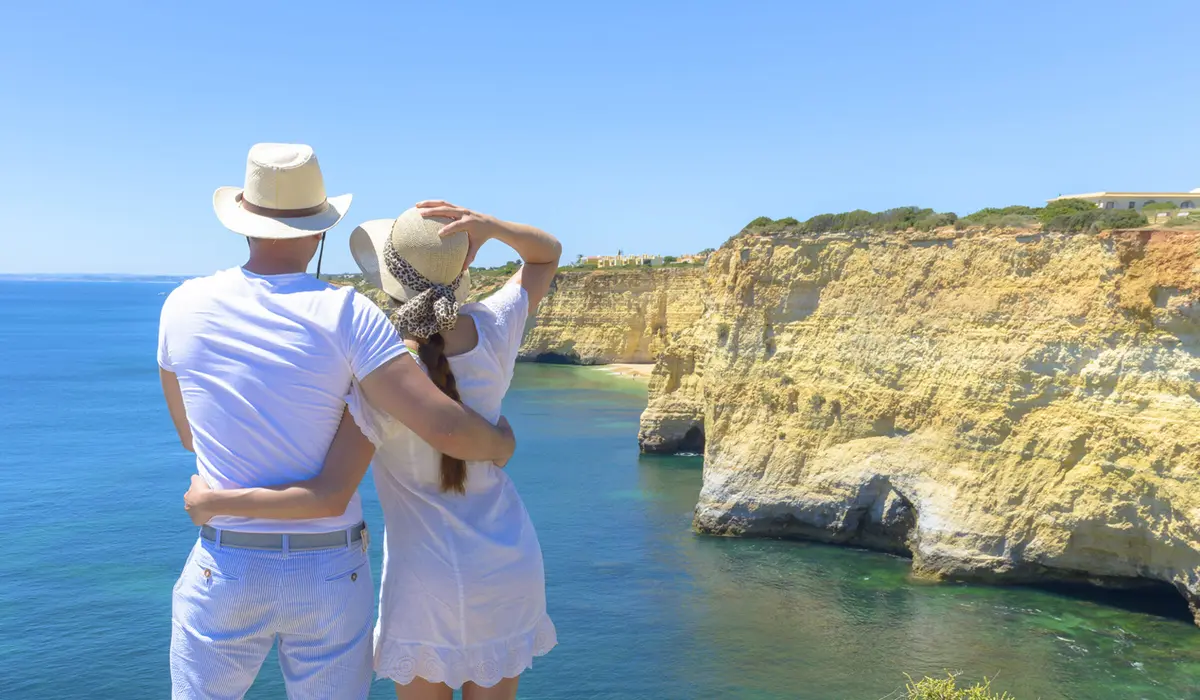
The Benagil Cave sea caves near Lagoa are among the most photographed natural formations on the Algarve coastline, accessible by kayak or small boat tour from the beach below. In summer, waiting queues for tours at Benagil beach stretch for hours, and the cave itself can feel more crowded than contemplative. In January and February, you can book a morning kayak slot the same day and paddle into the cave with four other people rather than forty.
The Rota Vicentina runs a 75-mile (120 km) marked coastal path along the southwest Alentejo and Vicentine Coast Natural Park. The southernmost section near Sagres is best explored via the Fishermen’s Trail route, navigable in half-day segments from a base in Lagos. Well-marked and well-used even in winter, it is safe for solo hiking and offers the best cliff-top walking in Portugal.
The Almond Blossom Festival in early February, concentrated around Alte and Loulé, is a specific reason to be in the region in winter — the hillsides go white before the landscape turns green, and the villages are quiet enough that you can photograph the trees without another camera in frame.
The trade-offs are real. Many beach restaurants close from November through February, the Atlantic is too cold for swimming (water temperature around 57°F / 14°C), and some days will be grey and wet. If you want beach parties and swimming, come in June. If you want dramatic coastline and solitude, winter is the Algarve at its most honest.
Is Guimarães worth a day trip from Porto?
Guimarães is where Portugal began — the first king, Afonso Henriques, was born here in 1110, and the city center has been preserved well enough that the medieval streets around Largo da Oliveira look roughly as they did 500 years ago. It is one of the safest, most relaxed walking cities in the country, and a direct train from Porto’s Campanhã station takes about an hour.
The castle and the Paço dos Duques de Bragança are the main historical draws, but the best 20 minutes you will spend in Guimarães is sitting in Largo da Oliveira with a coffee, watching the city operate as a normal Portuguese town rather than a museum exhibit.
Cor de Tangerina
A vegetarian-friendly restaurant near the castle with a garden courtyard that feels like a private garden rather than a restaurant terrace. A working lunch spot, not a tourist café.
- Location: Rua de Santa Maria 52, Guimarães
- Cost: €12–18 per person for a full meal
- Best for: Solo travelers wanting a peaceful midday break that does not feel like eating alone
- Time needed: 1–1.5 hours
- Note: Book ahead — it is consistently full at lunch
Why should you stay overnight in the Douro Valley?
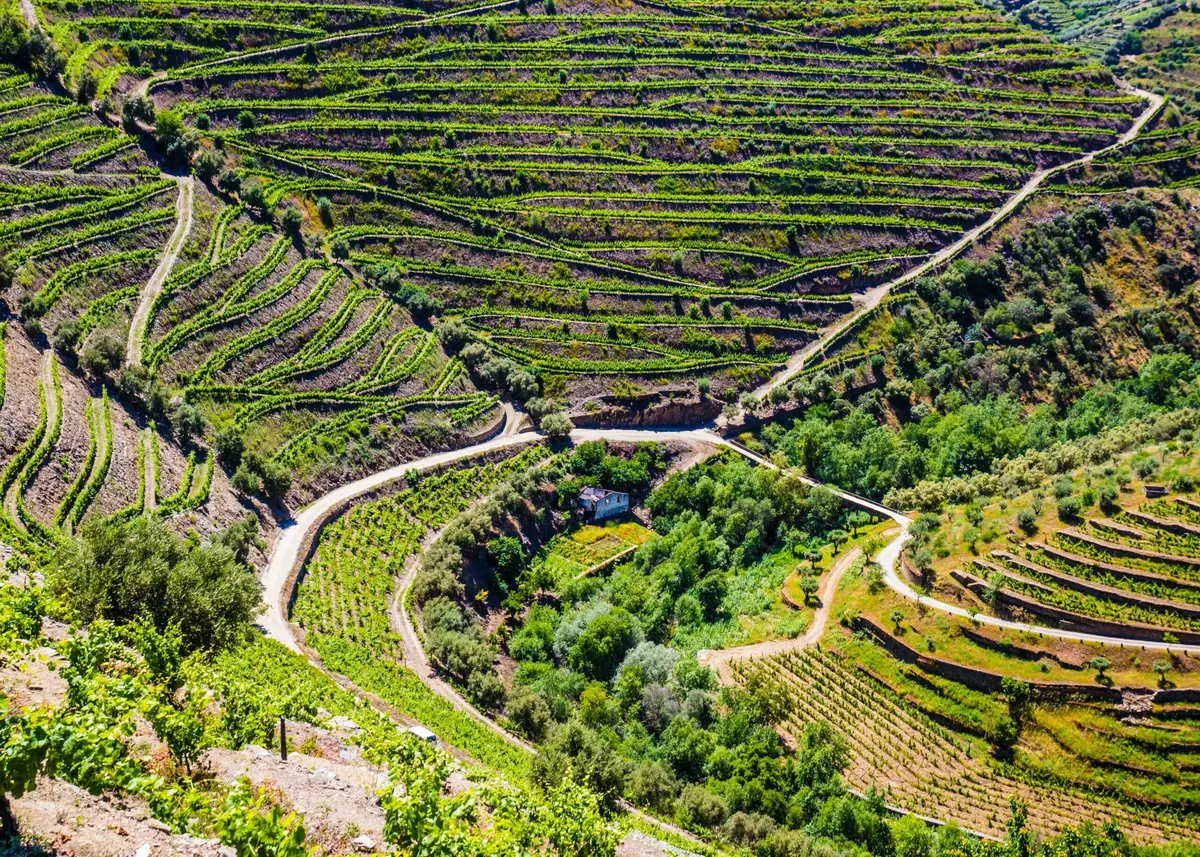
The standard approach — take the train from Porto to Pinhão, photograph the terraced vineyards, take a boat ride, take the train back — misses the point. Our Douro Valley travel guide covers the logistics, but what it cannot convey is the quality of quiet that settles over the valley after 5 p.m., when the day-trippers clear out.
Staying overnight at a quinta (wine estate) or guesthouse in Pinhão gives you access to the vineyards at sunset and sunrise, when the light is warm and the terraces are empty. The walk up to the Casal de Loivos viewpoint at dusk, looking down over the river bends and vine-covered slopes, takes about 25 minutes from Pinhão and is completely safe on a clear path.
The catch: in January and February, the vines are dormant and brown, and the valley can be wet and cold. If visiting during those months, focus on the Port wine lodges in Vila Nova de Gaia instead, where the tastings are indoors and the wine list is longer. If you visit in late September during harvest, the quintas will have workers in the vineyards until dark and the air smells of fermenting grapes — one of the few wine-country experiences that actually matches the description.
Where can you eat alone in Lisbon without feeling awkward?
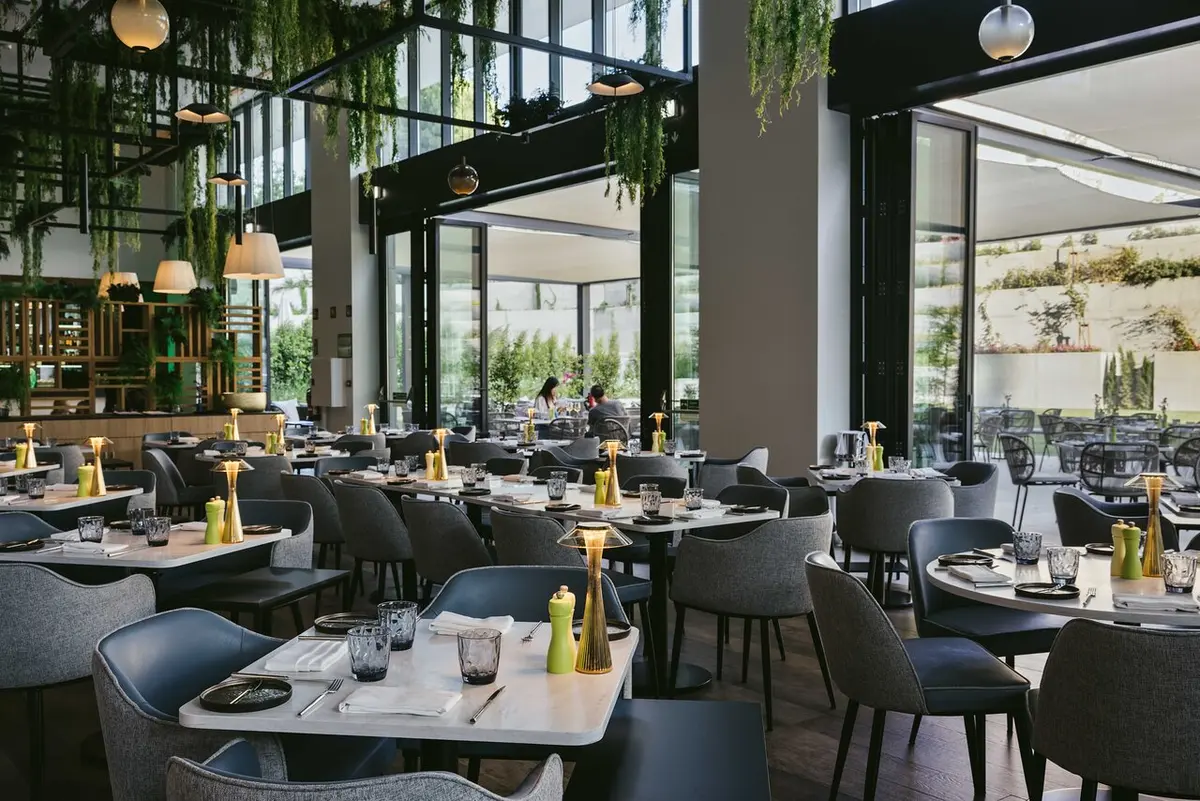
Portugal’s counter dining culture is the structural solution to food anxiety for solo travelers. The venues below are places where eating alone is normal, not tolerated.
Taberna da Rua das Flores
Cash only, no reservations, and queues form from 7 p.m. onward — meaning the door management naturally seats single diners at whatever space opens up. The daily menu is chalked on a blackboard and changes based on market availability. Scallops with miso, pork cheeks, sardines on toast. The cash-only policy is not charming, it is just the rule — bring at least €40.
- Location: Rua das Flores 103, Chiado
- Cost: €30–45 per person for a full meal with wine
- Best for: Solo travelers who want the best petiscos in Lisbon
- Time needed: 1.5–2 hours
- Note: Arrive before 6:30 p.m. or expect to wait 30–45 minutes outside
O Frade
A horseshoe counter in Belém serving Alentejo cuisine. Counter seats face the kitchen, which gives solo diners something to watch and a natural conversation starter with the chef. The carne de porco à alentejana — pork with clams — is made properly here, not in a tourist version.
- Location: Rua Vieira Portuense 56, Belém
- Cost: €15–25 per person
- Best for: Solo travelers spending the afternoon in Belém
- Time needed: 1–1.5 hours
The Kissaten
Not a restaurant — a whisky listening bar in the basement of Locke de Santa Joana hotel, near Avenida da Liberdade. Over 100 bottles of whisky, a high-end sound system, and a record collection you can request tracks from. Counter seating is standard, and sitting alone here reads as deliberate, not unfortunate. Open Wednesday through Sunday from 7 p.m.
- Location: Rua Camilo Castelo Branco 18, Santo António
- Cost: €15–25 for 2 whiskies
- Best for: Solo travelers who want a late evening with excellent whisky and no noise obligation
- Time needed: 1–2 hours
Time Out Market gets dismissed as too touristy — fairly — but the communal table layout removes the solo dining stigma. For a less crowded version with more local vendors, Campo de Ourique Market on Tuesday mornings is the same concept at half the foot traffic.
What should you pack, and when is the best time to visit Portugal?
Portugal is warmer outside than inside during winter. Many Portuguese homes, hostels, and hotels in older building stock lack central heating, relying on space heaters or nothing. You will be comfortable during the day, then cold in your accommodation at night.
For the complete gear list organized by season, our Portugal packing list covers every item worth bringing — but the core essentials are merino wool base layers, warm socks for sleeping, and a rain jacket with a hood, not an umbrella. Portugal’s coastal wind renders umbrellas useless. A 10,000 mAh power bank is useful since you will be using your phone constantly for navigation and offline translation.
The seasons break down practically:
- Spring (March–May) and Fall (September–November): The best combination of weather, manageable crowds, and reasonable prices. Temperatures in Lisbon run 60–75°F (16–24°C) in spring, 55–70°F (13–21°C) in fall.
- Summer (June–August): Intense heat in Lisbon (regularly above 90°F / 32°C), packed tourist sites, and peak accommodation prices. The Algarve at its most crowded.
- Winter (December–February): Budget traveler’s window — accommodation prices drop 30–50% — but pack properly. The Algarve in winter is the compensation.
Is Portugal safe for solo travelers?
Portugal ranks among the safest countries in Europe, and violent crime against tourists is rare enough that it is not a planning consideration for the vast majority of visitors. The threat you will actually face is petty and opportunistic. Our full rundown on Is Portugal safe breaks it down by neighborhood and situation, but what matters on the ground day-to-day comes down to pickpocket awareness and smart neighborhood choices.
Pickpocketing concentrates on Tram 28 and the Belém tourist strip in Lisbon. Solo travelers are preferred targets because we are visibly distracted — heads down at phones, bags hanging loose. Wear a cross-body bag with the clasp facing inward, keep it in front of you on crowded transport, and keep your phone in a front pocket.
Late-night safety varies by neighborhood. Cais do Sodré after midnight is dense and chaotic enough to feel uncomfortable if you are sober and alone. Príncipe Real, Graça, and most of Porto remain comfortable for solo walking at any hour. The presence of normal Portuguese life — families out late for dinner, workers finishing shifts, elderly people walking dogs — is the most reliable safety indicator.
Solo women should expect occasional verbal attention in Lisbon, particularly near nightlife areas. It rarely escalates beyond being called after. A firm response and continuing to walk is sufficient. The vendors near club entrances who approach with offers of entry vouchers or substances are running a scam — not dangerous, but persistent. Do not engage.
Portugal’s practical advantage is density. Even at 1 a.m. in residential neighborhoods, there are people around: residents returning home, bars closing, cafés finishing service. You are rarely in an isolated situation, even when you feel alone.
The bottom line
TL;DR: Solo travel in Portugal works because the country is built on a human scale — cities are walkable, the infrastructure is functional despite occasional train disruptions, and locals respond well to anyone who makes a minimal effort with Portuguese. The Portugal travel guide covers the destination overview; this guide handles the mechanics. Book buses as a backup before you need them, buy a Navegante card with Zapping credit the moment you arrive, refuse the couvert, invest in proper footwear for wet cobblestones, and stay in Príncipe Real over Bairro Alto. Do those five things and the rest of Portugal will sort itself out.
What is the one thing that surprised you most about traveling in Portugal? If you have a transport strike story or a restaurant find that did not make this guide, share it in the comments.