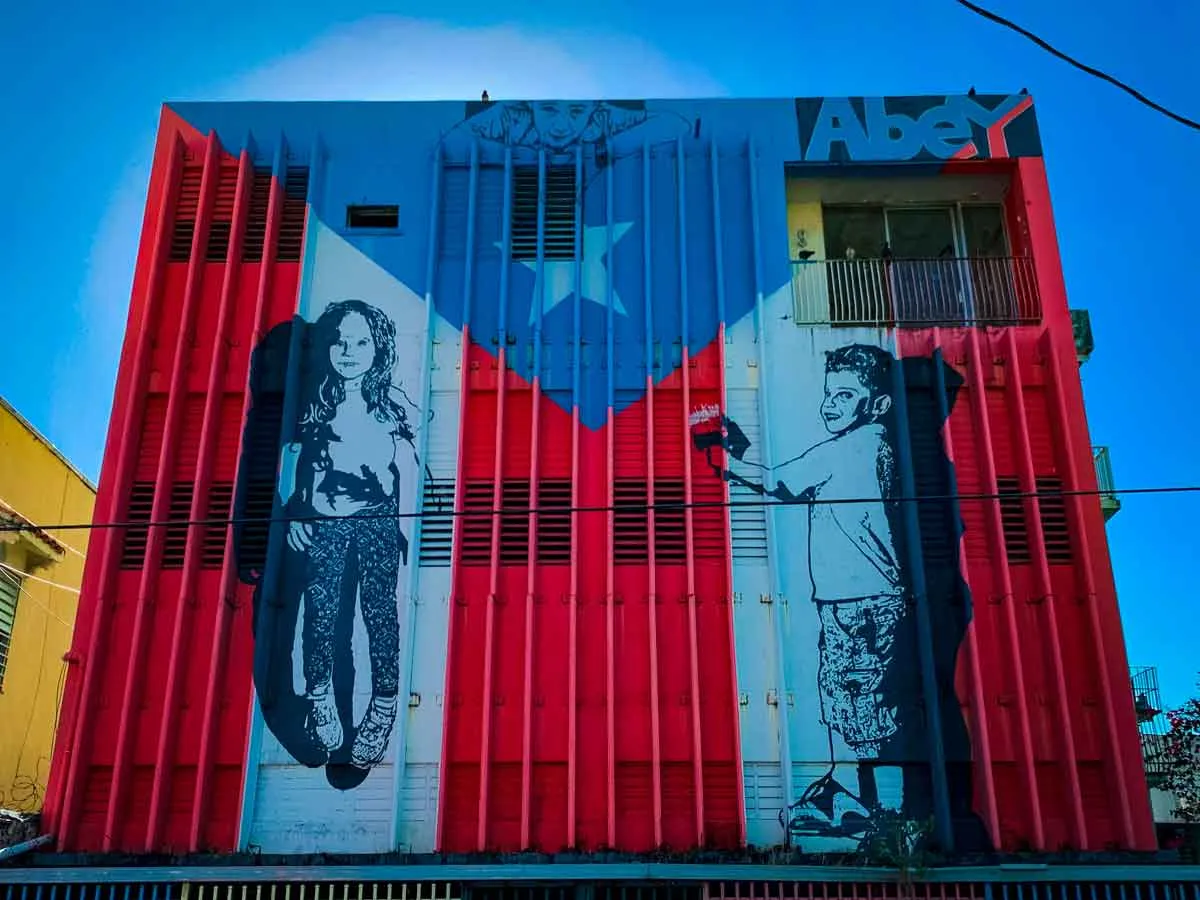
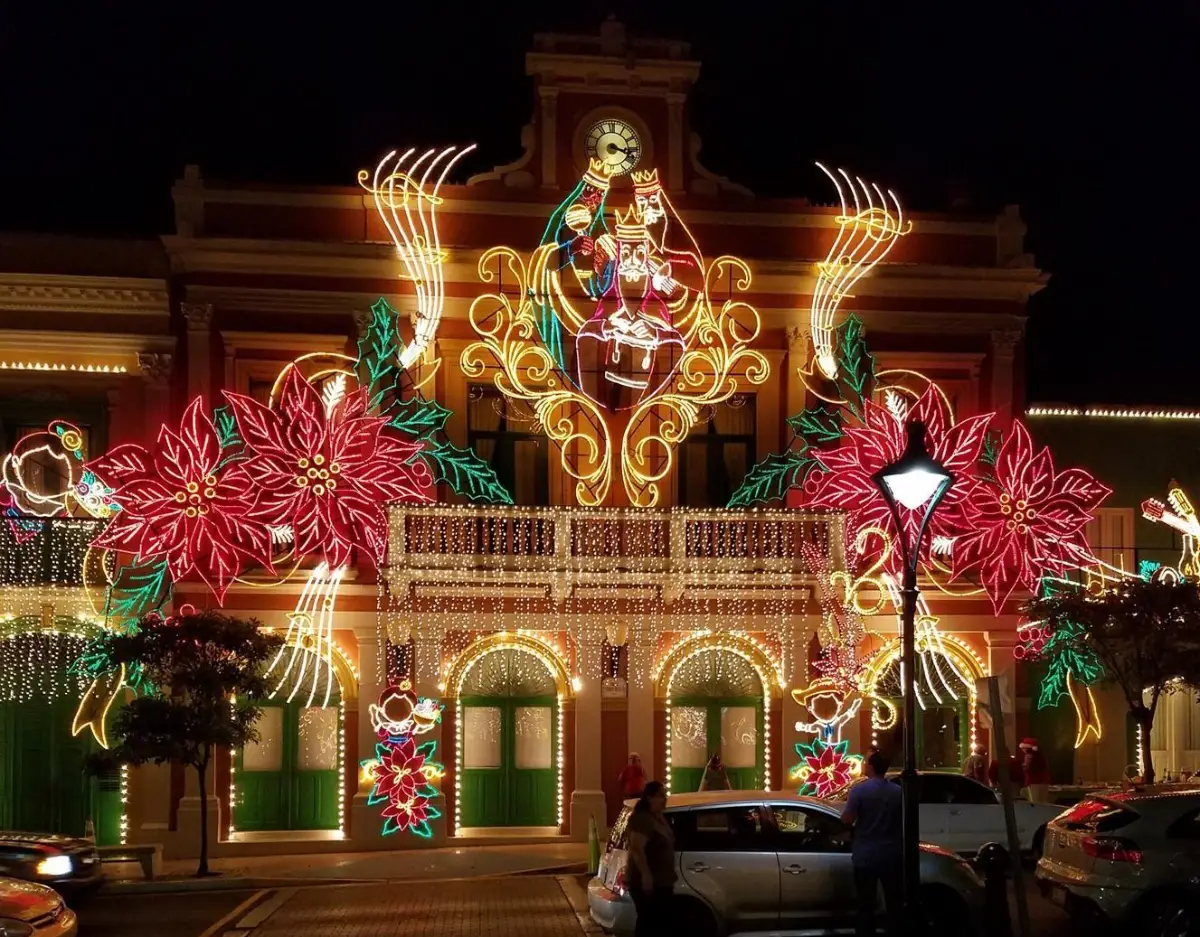
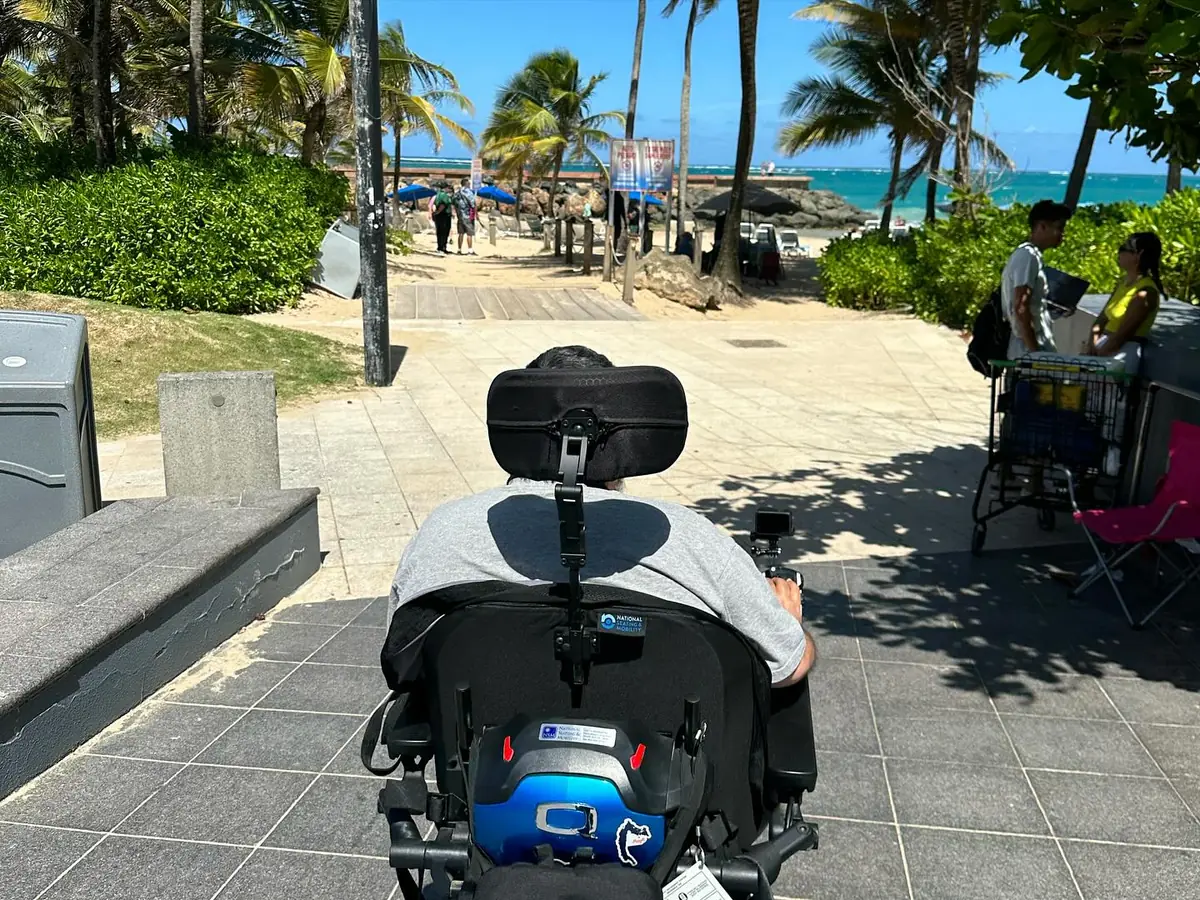
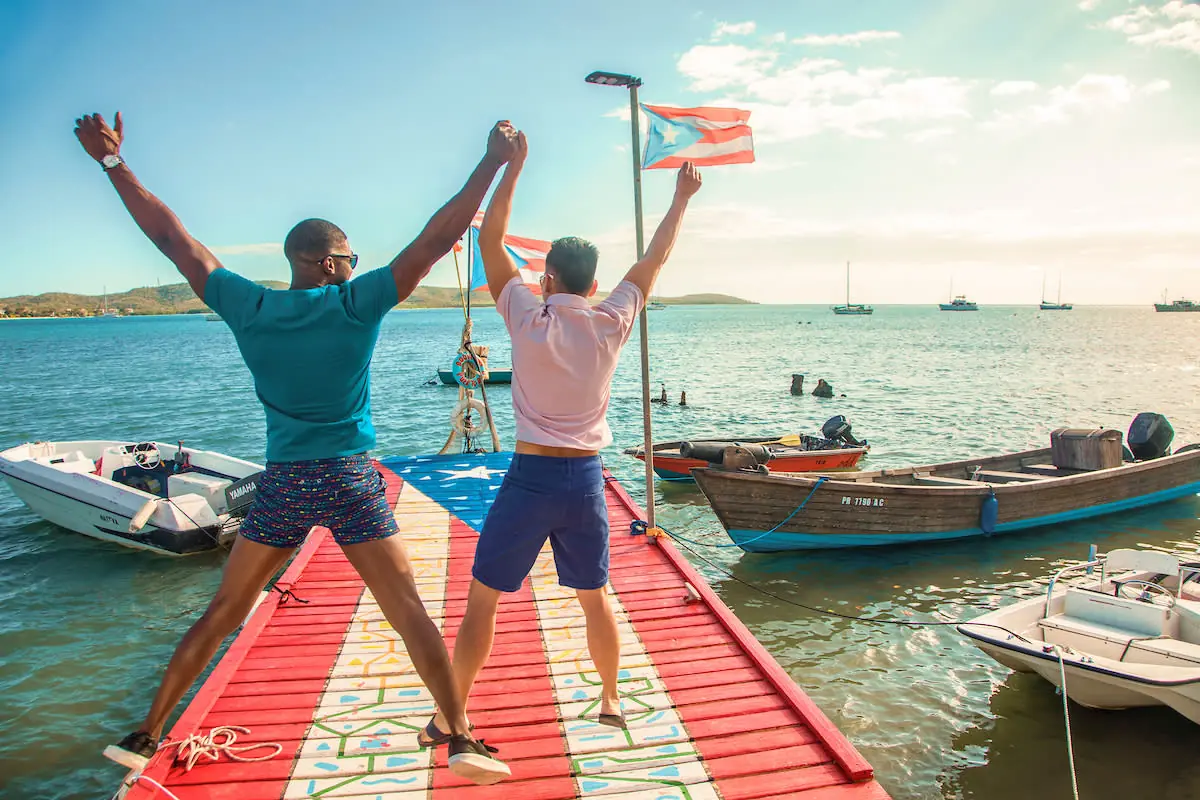
A Puerto Rico weekend trip gives you a full Caribbean island, a non-stop flight from the East Coast, and the right to skip the passport line. Three days is enough to walk 500-year-old forts in Old San Juan, kayak a glowing bay, and eat lechón straight off a mountain road. Here’s how to actually pull it off.
Why a Puerto Rico weekend trip works better than most Caribbean escapes
Puerto Rico is a US territory, so US citizens don’t need a passport, the currency is the dollar, and non-stop flights from New York City run about 4 hours. You get a foreign-feeling Caribbean destination with the logistics of a domestic trip — no customs line on arrival, no currency exchange, no international roaming charges.
That ease is paired with real reach. Non-stop flights from East Coast hubs make a Friday-evening-to-Sunday-night plan completely doable. From the West Coast, expect around 8 hours with at least one stop, which makes a long weekend tighter but still possible if you fly out Thursday night.
A few things worth knowing before you go:
- Passport (US citizens): Not required. A REAL ID-compliant driver’s license or other government photo ID is enough.
- Currency: US dollar.
- Time zone: Atlantic Standard Time year-round. Same as the East Coast in summer, 1 hour ahead of the East Coast in winter.
- Flight time from NYC: About 3 hours 45 minutes to 4 hours 15 minutes non-stop.
- Flight time from LAX: Around 8 hours, usually with one stop.
- Languages: Spanish and English. English is widely spoken in San Juan tourist zones.
- Drinking age: 18.
- Plug type and voltage: Same as the US mainland.
Pro Tip: Book a Friday morning flight, not Friday night. You lose the cost of one extra hotel night but you gain a full afternoon and evening in Old San Juan, which is the difference between a 3-day trip and a 2-day trip with travel days bolted on.
When should you visit Puerto Rico?
The sweet spot for a weekend trip is March through early June, when daytime highs sit in the low 80s°F (around 28°C), the worst rain has passed, and prices haven’t yet hit summer-vacation peak. December through February has the best weather and the highest prices. July through November is cheapest but overlaps with Atlantic hurricane season.
Here’s the seasonal breakdown:
- High season (December–February): The driest weather and the highest hotel rates. Old San Juan and Condado get crowded. Book months ahead.
- Shoulder season (March–early June): The best balance. Reliable weather, fewer crowds, lower rates. One thing to watch — many small businesses close around Easter and the days that follow, so a late-March or early-April trip can hit shuttered doors.
- Low season (July–November): Hot, humid, and the official Atlantic hurricane season. You’ll find the cheapest flights and rooms. Travel insurance is worth the small extra cost during these months.
Do you need to rent a car in Puerto Rico for a weekend?
For a 3-day trip based in San Juan, you do not need a rental car — and in Old San Juan, you actively don’t want one. Use Uber or Lyft within the metro area and book guided day-trip transport for El Yunque and the bioluminescent bay. Rent a car only if you plan to drive the Pork Highway or hit beaches outside the metro area on Day 3.
The case against a rental for a weekend in San Juan comes down to one word: parking. Old San Juan has narrow one-way streets, GPS that loses its mind among 500-year-old buildings, and street parking that’s almost always full. You’ll spend more time circling than sightseeing.
Both Uber and Lyft now operate across Puerto Rico — Lyft launched islandwide in July 2025, ending the Uber-only era. In the San Juan metro area (Old San Juan, Condado, Isla Verde, Miramar, Santurce), expect typical rides to run $5–$15. Late-night surges can push that to $20+. Taxis from the airport to Old San Juan run a fixed $21.
When a rental car earns its keep:
- You’re driving the Ruta del Lechón in Guavate. There’s no rideshare coverage out there.
- You want to chase west-coast or south-coast beaches beyond Fajardo.
- You want to do El Yunque on your own schedule instead of a 6-hour group tour.
Pro Tip: If you do rent a car, pick it up at the airport on the morning of your day trip — not on arrival. Most San Juan hotels charge $25–$45 a night to park a car you won’t use for the first 24 hours. Use Uber from SJU to your hotel, then grab the car when you actually need it.
Where should you stay in San Juan for a weekend?
For a 3-day trip, base yourself in San Juan — specifically Old San Juan, Condado, or Isla Verde. All three sit within 20 minutes of the airport, give you walkable evenings, and put you within easy reach of the Day 2 and Day 3 day trips. Anywhere outside this triangle costs you an hour each way you don’t have to spare on a weekend.
Old San Juan — best for history and walkability
The 7-block historic core is the most photogenic part of the island and the only neighborhood where you can walk straight from your hotel door to the forts, the cobblestone streets, and the best small restaurants. The trade-off: no real beach (you have to taxi 10 minutes to Escambrón), and the streets get loud Thursday through Saturday nights when the bars empty out.
Condado — best for the beach-resort feel
Modeled on Miami Beach and basically delivering the same vibe — high-rise hotels lining the sand, cocktail bars, designer stores, and a 10-minute Uber to Old San Juan. Best for travelers who want to wake up on a beach but don’t want to feel cut off from the city.
Isla Verde — best for fast airport access and a wider beach
A 5-minute drive from SJU airport, with the longest, widest stretch of sand in the metro area. The trade-off is that it feels more like a Florida resort strip than a destination — fewer restaurants worth walking to, more of a pull-the-Uber scene.
Where to stay in San Juan: hotel picks
Hotel El Convento (Old San Juan — historic)
A 350-year-old former Carmelite convent turned into one of the best small hotels in the Caribbean. The rooftop pool is the size of a plunge pool but it has a straight-line view of El Morro across the rooftops. Rooms are small by US chain standards — that’s the price of staying in a 17th-century building — but the location is unbeatable: you can walk to both forts, all the best restaurants, and the cruise port in under 10 minutes.
- Location: 100 Calle del Cristo, Old San Juan
- Cost: from about $295/night
- Best for: Couples and history-first travelers who want walkability over beach
- Time needed: 2–3 nights
Villa Herencia Hotel (Old San Juan — boutique)
A small boutique hotel pressed up against the city walls. Eight rooms, a tucked-away rooftop terrace with sunset views over the bay, and a price that undercuts El Convento by a meaningful margin. Skip if you need a gym, pool, or 24-hour front desk.
- Location: Caleta de las Monjas, Old San Juan
- Cost: from about $180/night
- Best for: Solo travelers and couples who want charm over amenities
- Time needed: 2–3 nights
La Terraza de San Juan (Old San Juan — budget)
The best budget play inside the historic district. Bare-bones but clean, walkable to Castillo San Cristóbal in under 10 minutes, and roughly half the cost of the boutique options. No frills, no pool, no included breakfast — but you wake up inside Old San Juan, which is the whole point.
- Location: Old San Juan, near Castillo San Cristóbal
- Cost: from about $130/night
- Best for: Budget travelers who want location over amenities
- Time needed: 2–3 nights
Caribe Hilton (between Old San Juan and Condado — best all-rounder)
The most consistently recommended resort for a short stay because of its location: a 5-minute drive to Old San Juan in one direction, a 5-minute walk into Condado in the other. The grounds are unusually large for a city hotel — multiple pools, a private beach cove, and direct access to Escambrón Beach next door, which has the best swimming and snorkeling in the metro area thanks to a protective reef. Also the place that historically claims to have invented the piña colada.
- Location: Calle Los Rosales, San Geronimo Grounds
- Cost: from about $400/night
- Best for: Travelers who want a full resort without giving up access to the city
- Time needed: 2–4 nights
Condado Vanderbilt (Condado — luxury)
The flagship luxury hotel in Condado. Restored Spanish Revival exterior, oceanfront rooms with floor-to-ceiling glass, and one of the better hotel restaurants on the island. Worth it if a luxury weekend is the actual point of the trip.
- Location: 1055 Ashford Avenue, Condado
- Cost: from about $550/night
- Best for: Couples splurging on a romantic weekend
- Time needed: 2–3 nights
Fairmont El San Juan Hotel (Isla Verde — beach resort)
The biggest beachfront resort in Isla Verde. Four pools, a true beachfront, multiple restaurants, a serious spa, and a 5-minute drive from the airport. Best for travelers who want plane-to-beach with the fewest possible steps in between.
- Location: 6063 Isla Verde Avenue, Carolina
- Cost: from about $450/night
- Best for: Beach-first travelers and families
- Time needed: 2–4 nights
Day 1: Old San Juan history and a deep food dive
Day 1 stays inside Old San Juan. Start at the forts when they open, walk the city through the heat of the afternoon, then build the evening around food. No transport required after the first Uber from your hotel — everything is walkable.
Morning: the two forts of Viejo San Juan
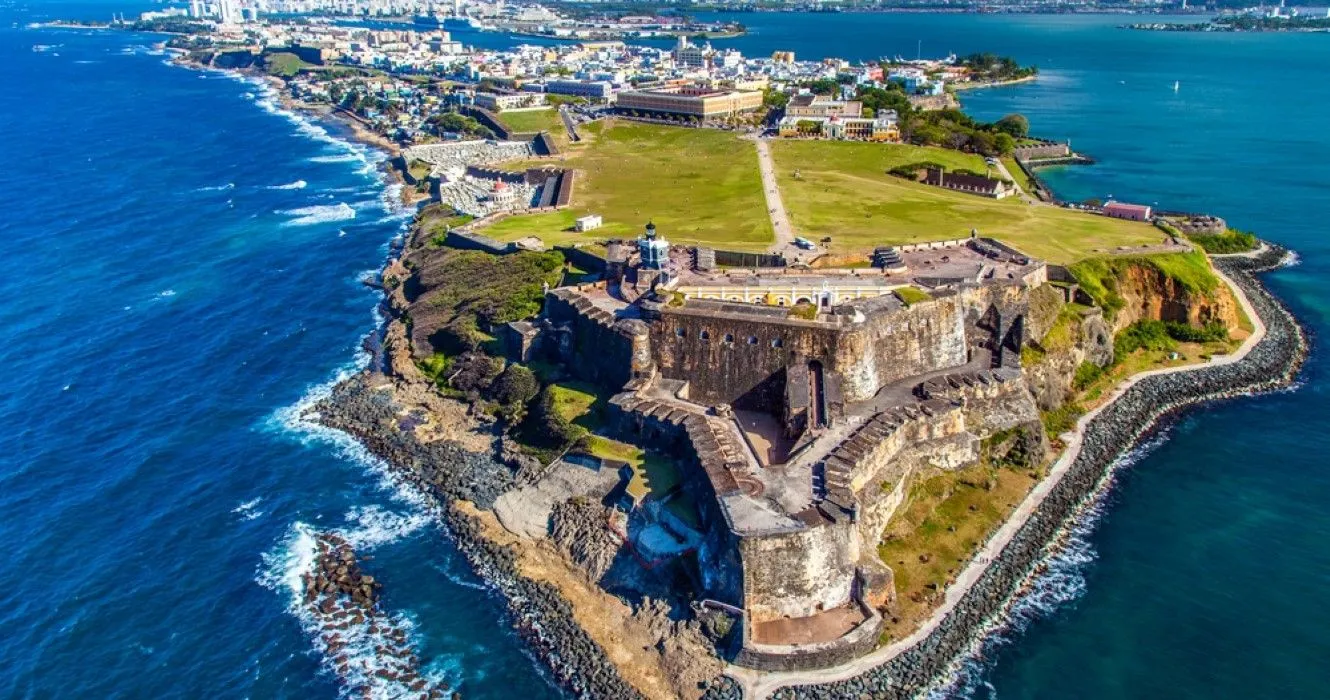
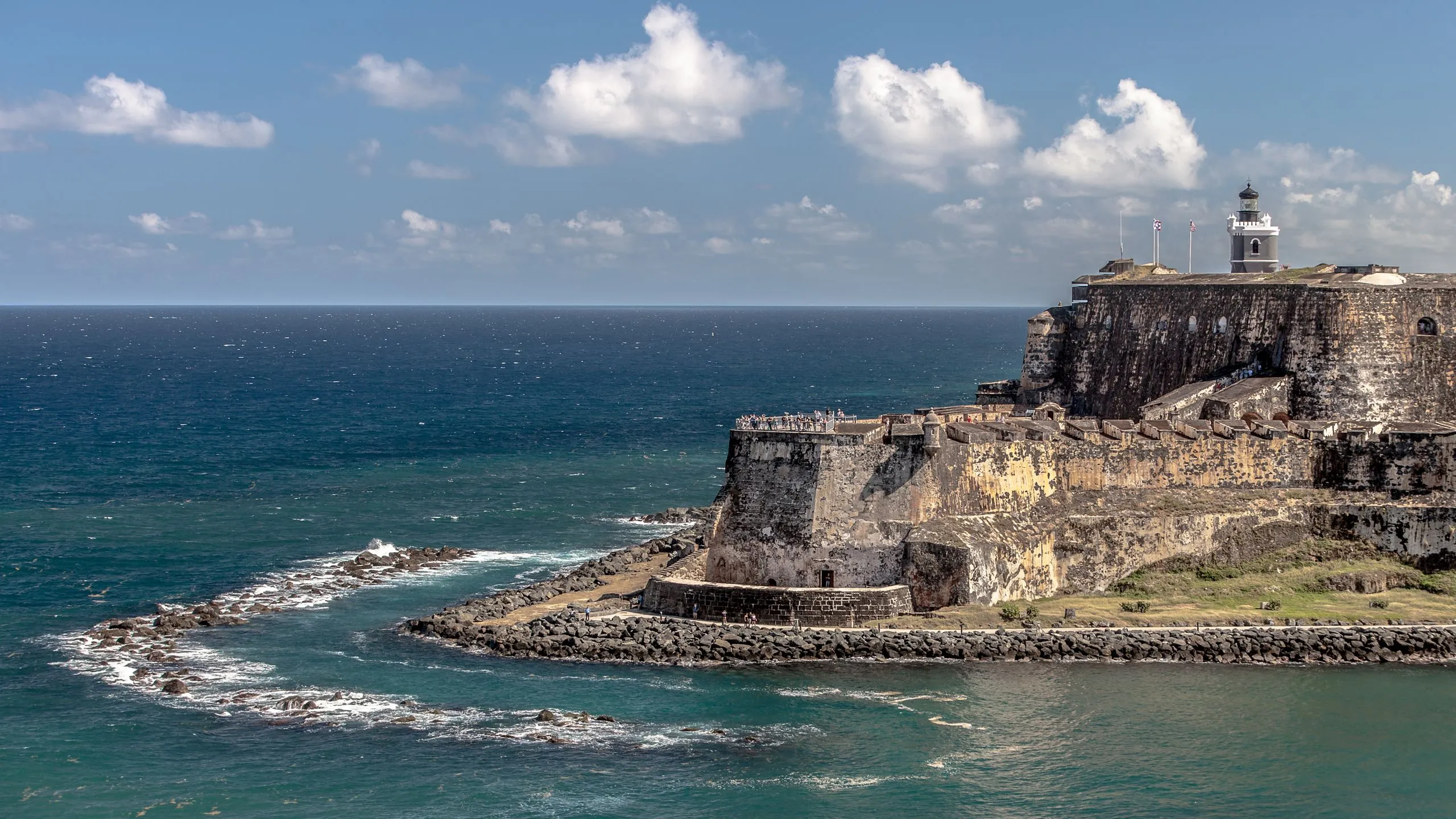
Begin at Castillo San Cristóbal, the larger and less-crowded of the two forts. It’s the largest Spanish fortification ever built in the Americas, and going here first means you beat the cruise-ship buses that show up at El Morro after 10 a.m. Plan on about an hour inside.
Then walk the half-mile along the city walls — flat, breezy, with the Atlantic on your right — to Castillo San Felipe del Morro, the photo-famous citadel built starting in 1539. Plan on another 60–90 minutes.
- Entry: $10 per person, ages 16+. Free for ages 15 and under.
- What’s included: One ticket gets you into both forts on the same day.
- Hours: 9 a.m.–5 p.m. daily, closed December 25 and a handful of federal holidays.
- Walk between forts: About 12 minutes along the city walls.
- Bring: Water, sunscreen, a hat. There’s almost no shade on either fort and the wind tricks you into not realizing you’re burning.
Pro Tip: They don’t take cash at the entrance booth. Bring a card. There’s also a small gift shop at El Morro but no real food on either fort, so eat before you go in.
Afternoon: a slow walk through Old San Juan
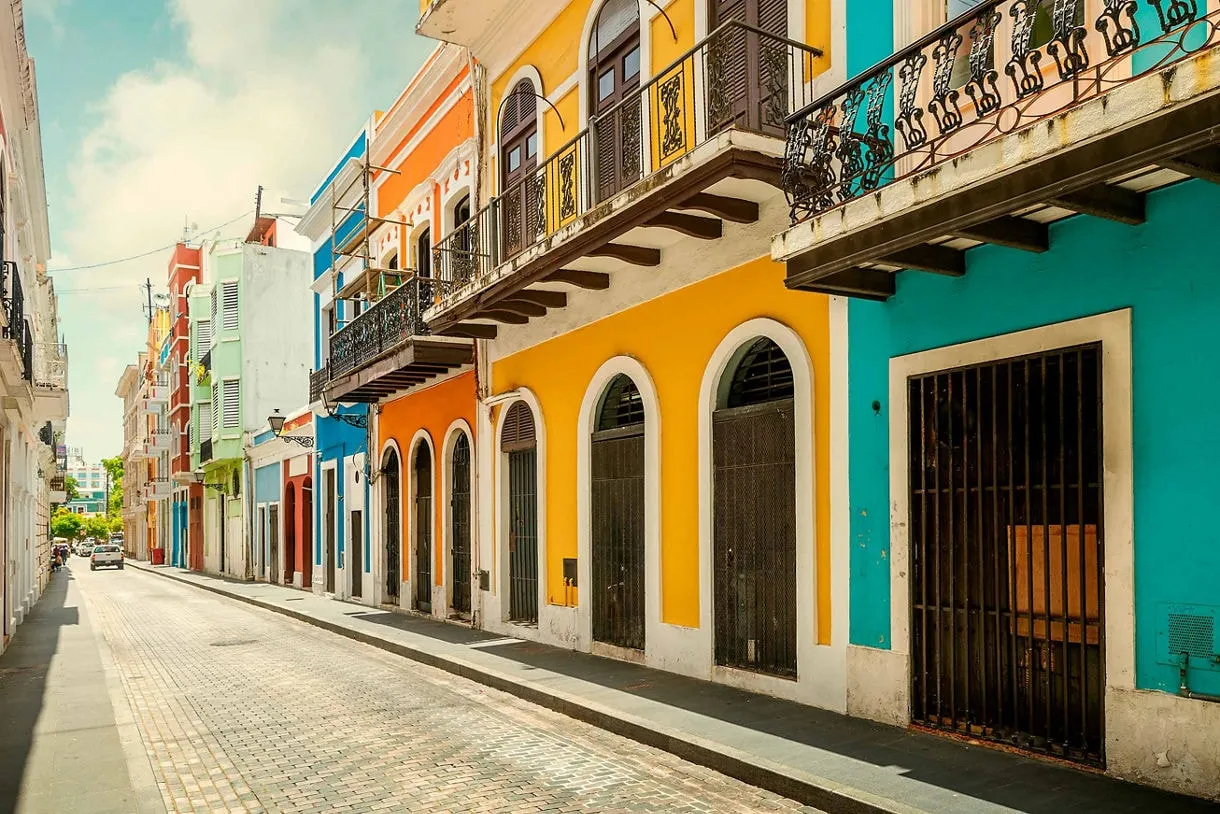
After the forts, the best way to experience Old San Juan is to put the map away and let the cobblestones lead you. The streets are blue — paved with cobalt-blue adoquines, ballast bricks brought over by Spanish ships — and the buildings come in mango, pink, and turquoise.
A few stops worth making:
- La Casa Estrecha on Calle del Tetuán — at about 5 feet wide, it’s marketed as one of the narrowest houses in the world.
- Paseo de la Princesa — a tree-lined promenade that runs along the south side of the old city wall down to a fountain at the bay. Best in the late afternoon when the sun stops being brutal.
- Señor Paleta — the gourmet popsicle shop everyone in line will tell you to try. Get the coconut or the passion fruit. Roughly $4 each.
- Plaza de Armas — the central square, good for a coffee and a sit-down at one of the cafés around the perimeter.
Evening: food, by tour or solo
For dinner you have two solid plays.
The structured option: book an Old San Juan walking food tour. Operators like Spoon Food Tours run small-group walks that pair tastings at 5–6 spots with the historical context for what you’re eating — the Taíno root vegetables, the Spanish pork, the African frying technique. Expect about 3 hours and a price in the $90–$110 range per person. Worth it if you’re new to Puerto Rican food.
The independent option: walk to Punto de Vista on Calle del Cristo for what locals will tell you is the best mofongo in the city. Order it stuffed with shrimp in garlic sauce. Then walk one block to Barrachina, one of two San Juan establishments that claim to have invented the piña colada (the other is the Caribe Hilton — the dispute is unresolved and both will pour you a good one).
Pro Tip: Skip La Factoría unless you want a 45-minute wait for an Instagram cocktail. The drinks are good, but for a 3-day trip the time is better spent at one of the smaller cocktail spots on Calle de la Fortaleza.
Day 2: El Yunque rainforest and a bioluminescent bay
Day 2 is the natural-wonder day. Morning in the only tropical rainforest in the US National Forest System, evening kayaking through water that lights up around your paddle. Both are about 45 minutes east of San Juan, in the same direction, so the day links up cleanly.
Morning to early afternoon: El Yunque National Forest
El Yunque sits about 45 minutes east of San Juan in Río Grande. The big update worth knowing: as of August 2023, the main recreational corridor on PR-191 dropped its reservation requirement and the entry fee. It’s now first-come, first-served, and free.
The catch: parking is capped at 200 cars. Once it’s full, the gate closes and re-opens 20 cars at a time as people leave. Arrive at 8 a.m. when the gate opens or expect to wait in your car.
You have two ways to do El Yunque:
- Drive yourself: Rent a car for the day. Maximum flexibility, you set the pace. Best if you want to start early and skip the group dynamic. You’ll need to pre-book or grab a one-day rental from SJU.
- Guided tour with hotel pickup: A typical group tour from San Juan runs $60–$95 per person, includes transport, an English-speaking guide, and stops at the headline sights. Best if you don’t want to deal with the parking-lot lottery.
What to actually see inside the park:
- La Coca Falls — an 85-foot waterfall right next to the road on PR-191. No hike required. The first stop almost everyone makes.
- Yokahú Tower — a 1930s-era observation tower with a circular staircase and a 360-degree view over the canopy and the Atlantic coast. About 5 minutes from La Coca Falls.
- Juan Diego Falls — a short trail (around 15 minutes one way) to a small waterfall and a swimmable pool. The most accessible swim spot in the park right now.
What’s still closed: La Mina Falls and the La Mina Trail have been closed since Hurricane Maria in 2017 with no reopening date. Don’t build your day around them.
Pro Tip: Pack a swimsuit under your hiking clothes and bring water shoes. The trail surfaces are slick — moss-covered concrete in places — and the swim spots have no changing rooms. There’s also no potable water inside the park since the system was damaged in Maria, so bring at least 1 liter per person.
Evening: a bioluminescent bay kayak tour from Fajardo
After El Yunque, the day’s second act is one of the rarest natural phenomena on earth. Puerto Rico has 3 of the world’s 5 bioluminescent bays, and Laguna Grande in Fajardo is the closest to San Juan and the only one you can reach as a half-day add-on after the rainforest.
The light comes from microscopic dinoflagellates — single-celled organisms that flash blue-green when the water around them is disturbed. Paddle through a narrow mangrove channel for 20–30 minutes in the dark, then enter the open lagoon and watch your paddle stroke trace a glowing line through the water.
- Where: Las Croabas, Fajardo
- Cost: $55–$85 per person for a group kayak tour
- Tour length: About 2 hours on the water, 4 hours total including the drive
- Transport from San Juan: Most tour operators offer hotel pickup as an add-on for around $25 per person
Pro Tip: Check the moon calendar before you book. The glow gets washed out under bright moonlight — anything from a half moon to a full moon will dim the experience. Aim for the new moon or the few days on either side. If your weekend lands on a full moon, swap this for an evening in La Placita instead and save the bay for next trip.
Day 3: choose your own adventure
The final day is built for flexibility — pick the option that matches the kind of day you want to end on. Each one delivers a different version of Puerto Rico.
Option A: a catamaran day trip to Flamenco Beach in Culebra
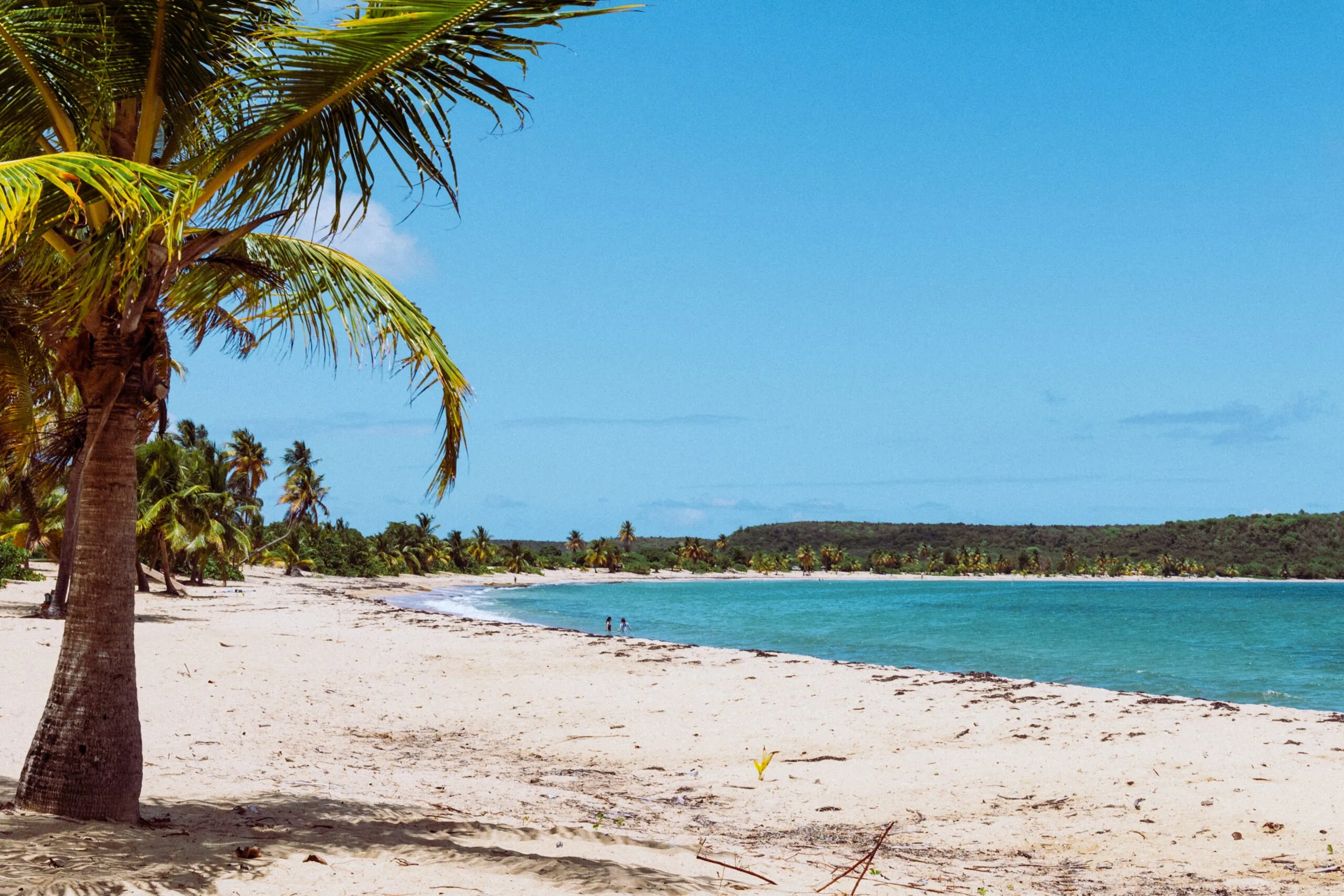
The hardest-to-reach option and the highest reward. Flamenco Beach on Culebra Island consistently ranks among the top 10 beaches in the world — half-mile crescent, white sand fine enough to squeak under your feet, water that goes from clear to turquoise to navy in three steps. It’s also the only beach on this list where you’ll see a half-rusted World War II Sherman tank parked in the sand near the shoreline.
The easiest way to get there for a single-day visit is a full-day catamaran tour out of Fajardo, which includes the boat ride, snorkeling stops, lunch on board, and an open bar. Expect $130–$180 per person. The boat ride out is open ocean — take Dramamine 30 minutes before you board, even if you don’t normally get seasick.
Option B: the Pork Highway food drive (Ruta del Lechón)
The most authentic cultural day on this list and the one most travelers skip. About 45 minutes south of San Juan in the mountain town of Guavate, a winding stretch of Route 184 is lined with lechoneras — open-air restaurants that slow-roast whole pigs over coals all day. On weekends it turns into a several-mile-long block party with live salsa and merengue spilling out of every door.
The two most-recommended stops:
- Lechonera Los Pinos — the one Anthony Bourdain put on the global map in 2006. Open daily 5 a.m.–7 p.m. Order the pernil (pork shoulder), the cuerito (crackling skin), and the octopus salad on the side. A full plate runs about $10–$15.
- El Rancho Original — a quieter alternative with picnic tables along a creek. Same pork-first menu, less of a crowd.
This requires a rental car. Rideshare doesn’t run out to Guavate.
Pro Tip: Go on a Saturday or Sunday. Weekday visits get you the food but lose the live music, dancing, and party atmosphere — and that atmosphere is the real reason to go.
Option C: a low-key day at the San Juan beaches
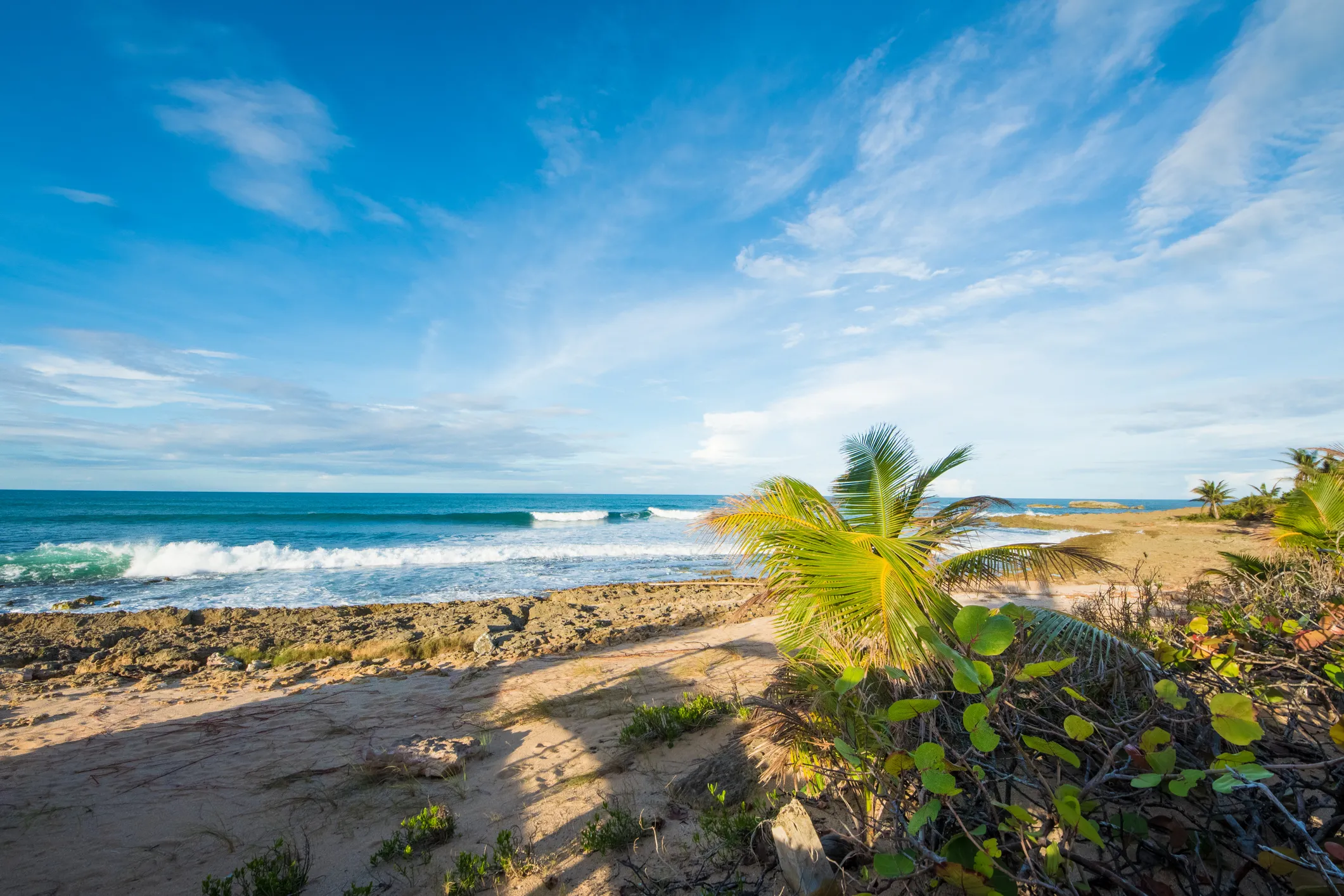
For travelers who want to end the trip relaxed, the San Juan beaches are right there. Three options:
- Isla Verde Beach — the widest sand and the most resort-feel.
- Condado Beach — the most central, with a strip of bars and cafés right behind it.
- Escambrón Beach — the local favorite. Protected by an offshore reef, which means calm water, the best snorkeling in the metro area, and lifeguards. Free entry, paid parking.
In the evening, head to La Placita de Santurce. A daytime produce market by day, the surrounding streets transform after dark into what locals describe as a giant block party, with bars opening their doors to the sidewalk and salsa dancing spilling into the street. Best Thursday through Saturday nights. Get there by 9 p.m.
What should you eat and drink in Puerto Rico?
The food is a fusion of Taíno, Spanish, and African cooking traditions, built around pork, plantains, rice, and seafood. For a 3-day trip, focus on a handful of dishes and one local rum.
The food essentials
- Mofongo — the unofficial national dish. Green plantains fried, then mashed in a wooden mortar (called a pilón) with garlic, salt, and olive oil, then formed into a dome and stuffed with pork, shrimp, chicken, or vegetables. Order it stuffed, not plain.
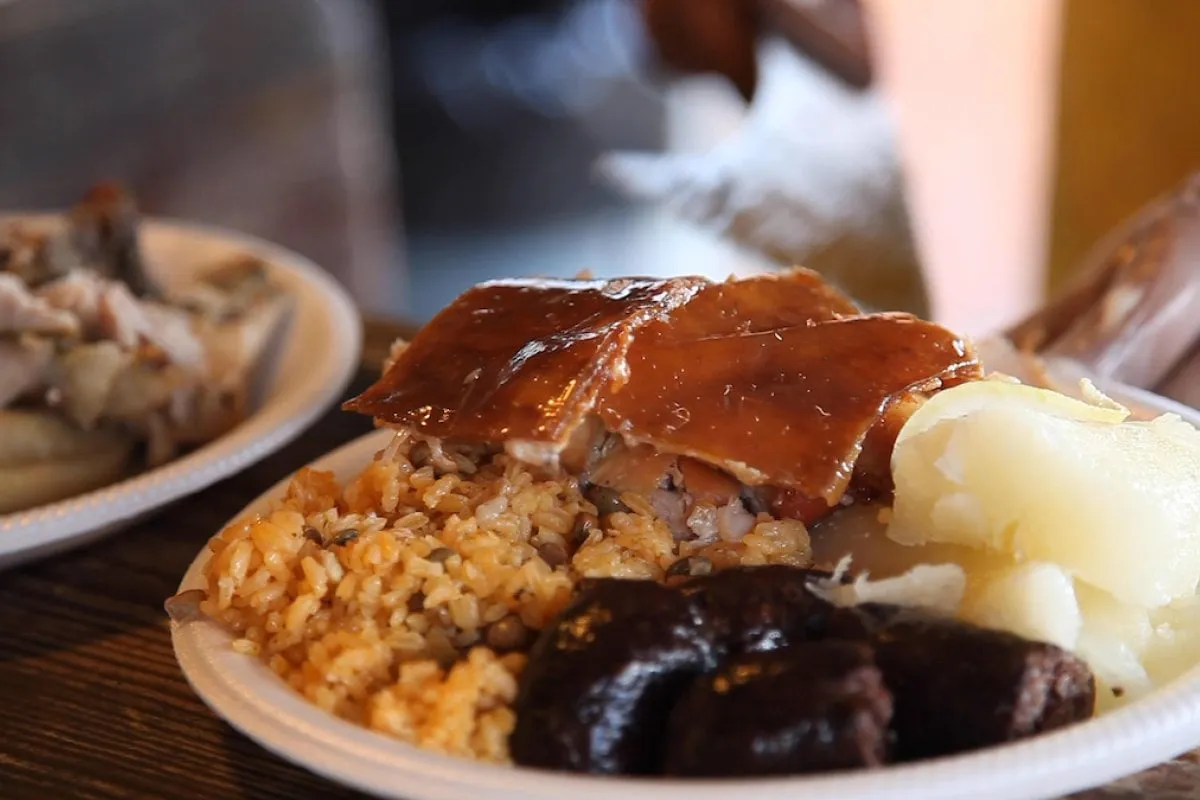
- Lechón asado — slow-roasted whole pig, basted for 6–8 hours over coals. The skin (cuerito) is the prize — order it crispy.
- Tostones — green plantains sliced thick, fried, smashed flat with a wooden press, and fried again. Crunchy outside, starchy inside, served with garlic mojo.
- Alcapurrias — fritters made from a dough of grated green banana and yautía (taro root), stuffed with seasoned ground beef or crab, and deep-fried. Best bought hot from a beach stand.
- Arroz con gandules — rice cooked with pigeon peas, sofrito, and pork. The default side dish, and the unofficial national rice.
The drinks
- Piña colada — invented in San Juan in the 1950s. Two hotels still claim to be the birthplace (Caribe Hilton and Barrachina). Rum, coconut cream, pineapple juice, blended cold.
- Medalla Light — the local lager. Light, cheap, and the default beach beer. About $3 at most bars.
- Don Q — the best-selling rum on the island, and the one locals actually drink. Bacardí is more famous internationally; Don Q is what shows up in the cocktails.
Restaurant shortlist
These are the spots worth working into the itinerary, beyond what’s already in the Day 1 and Day 3 plans.
- Santaella (Santurce) — chef José Santaella’s modern Puerto Rican menu. Strong cocktails, a tropical interior built around a courtyard. Entrées around $30–$45. Reservations essential.
- Casita Miramar (San Juan) — old-school Puerto Rican home cooking in a former family house. Worth the short Uber out of the tourist core.
- La Cueva del Mar (Condado) — fresh-seafood spot known for whole fried red snapper. Casual, no reservations, expect a wait at peak hours.
- Chocobar Cortés (Old San Juan) — a brunch spot run by the Cortés chocolate family. Locally sourced cacao folded into both sweet (chocolate French toast) and savory (mole burgers) dishes.
- Punto de Vista (Old San Juan) — the mofongo stop on Day 1.
- Mercado La Carreta (Old San Juan) — a small, busy brunch spot with a long menu of Puerto Rican breakfast plates. Get there before 11 a.m. on weekends or expect a wait.
Before you book
A weekend in Puerto Rico delivers more variety than almost anywhere else you can fly to from the East Coast in 4 hours: 500-year-old forts, a tropical rainforest, a glowing bay, world-class beaches, and a food scene built on three continents of influence — without a passport, a currency exchange, or a customs line. Three days isn’t enough to see all of it, but it’s enough to know whether you want to come back for a week.
TL;DR: Base in San Juan, skip the rental car unless you’re doing the Pork Highway, lock in El Yunque and the bioluminescent bay for Day 2 (and watch the moon calendar), and pick your Day 3 based on whether you want the perfect beach (Culebra), the food experience (Guavate), or the slow morning (Escambrón).
Have you done a Puerto Rico weekend trip — or are you planning your first one? Which Day 3 option would you pick: Culebra, Guavate, or the city beaches?