Portugal holds a U.S. State Department Level 1 advisory and ranks 7th on the Global Peace Index. Is Portugal safe for Americans? Yes — but the threat profile looks nothing like what you face at home. Think less about violent crime, more about pickpockets on Tram 28, electronic toll traps on Algarve highways, and Atlantic riptides that pull swimmers under every summer.
Is Portugal safe overall?
Portugal is one of the most secure countries in the world for American travelers, with political stability, minimal militarization, and a homicide rate below 0.9 per 100,000 — compared to roughly 6.0 in the United States. Night safety perception sits at 83%, well above the 60–70% typical in major U.S. cities. The background fears you carry at home — mass shootings, armed muggings, political violence — are effectively removed from the equation here. You will not find metal detectors at shopping centers or armed guards at tourist attractions.
The country’s surge in tourism has, however, shifted the criminal landscape in one specific direction. Pickpocketing incidents rose 12% according to the Annual Internal Security Report, with opportunistic theft concentrated in predictable tourist zones. The answer to your safety question depends almost entirely on your behavior.
A vigilant traveler in Lisbon is extremely safe. A distracted one with a phone out on Tram 28 is a prime target before the next stop.
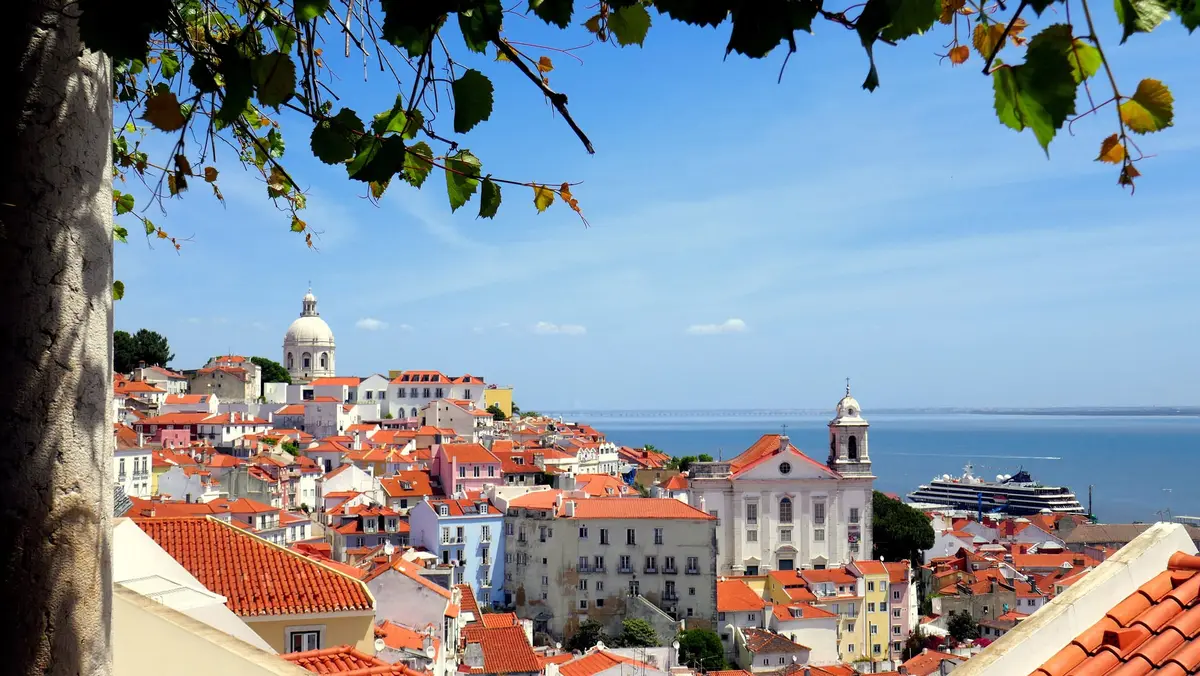
Where are the worst pickpocketing hotspots in Portugal?
The worst pickpocketing hotspots in Portugal are the crowded vintage trams and metro networks in Lisbon and Porto, where professional theft teams operate in coordinated pairs and trios. This is not random crime — it is a structured industry running in predictable tourist zones. Understanding how it operates is your best defense.
Tram 28 in Lisbon
Tram 28 appears in every guidebook as a scenic must-ride, but in practical terms it functions as a high-risk environment with a specific, repeatable methodology. The vintage carriages are narrow and perpetually overcrowded. Pickpocket teams of two or three use a “blocker” who creates a bottleneck near the door or stumbles as the tram lurches. While you collide with the blocker, an accomplice removes your wallet or phone. A third person exits at the next stop with the stolen item before you notice anything is wrong.
Teams use jackets draped over their arms or large maps to conceal hand movements. They specifically target tourists looking up at architecture or filming on their phones.
Pro Tip: Ride Tram 28 for the views, but store your phone in a front pocket and wear your bag zipped across your chest. The stretch between Alfama and Estrela is the most crowded segment — and the most active for theft teams.
The Lisbon and Porto Metro systems
The metro version is called the “Door Dash” by locals. Thieves wait on platforms or just inside carriage doors, targeting passengers near the exits who are using their phones. Just as the door-closing chime sounds, they snatch the device and jump onto the platform. The doors close. You are separated from your property and the perpetrator in the same motion.
Stand away from doors when using your phone. Keep bags zipped and held in front of your body. This removes roughly 90% of metro theft risk.
Rental car targeting
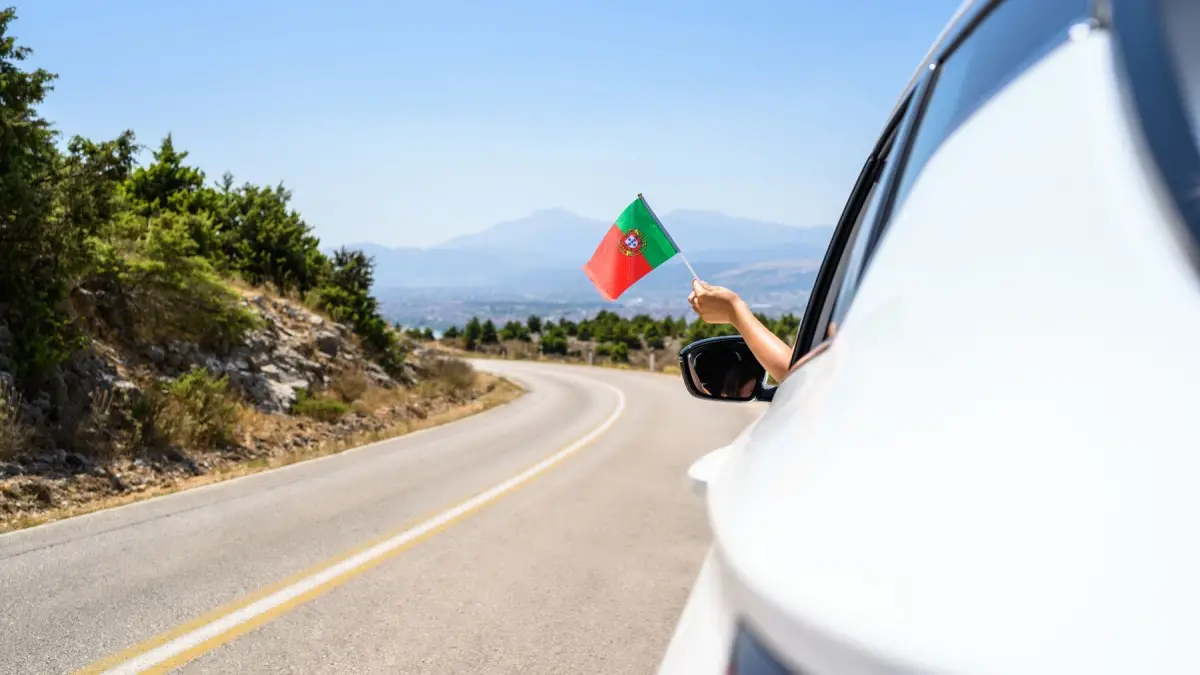
Vehicle targeting has escalated at isolated scenic viewpoints, particularly in the Algarve and along the western coast. Thieves look for rental company stickers and scan for any visible items — even a charging cable is enough reason to smash a window.
Some use electronic jamming devices to block key fobs from locking. You walk away assuming the car is secure. You return to a vehicle that has been quietly rifled through.
Always activate Via Verde via your rental agency, never leave anything visible inside the car, and park in attended lots when visiting coastal viewpoints.

Which Portuguese neighborhoods require extra safety awareness?
The neighborhoods requiring the most safety awareness are Bairro Alto and Pink Street in Lisbon, and the Aleixo and Cerco areas in Porto. Safety in Portuguese cities is micro-locational — a safe block can sit directly next to a problematic alley, and knowing the difference matters.
Safety in Lisbon neighborhoods
When choosing where to stay in Lisbon, understand that Baixa and Chiado carry moderate risk from pickpocketing, petition scams, and drug pushers. They are safe day and night, but expect a high nuisance factor while walking through. Bairro Alto and Pink Street run moderate-to-high risk due to drunken brawls, pickpocketing, and drink spiking concerns.
Pink Street is particularly dangerous after midnight. The painted surface becomes slippery when wet with spilled drinks or rain, and the density of intoxicated tourists creates ideal cover for thieves working the crowd.
Martim Moniz and Intendente — historically red-light districts, now trendy and transitional — show up repeatedly in traveler reports for poor lighting, open drug use, and large groups loitering after dark. Chelas and Olaias are residential social housing areas with no tourist value and a meaningfully higher mugging risk. Avoid them entirely.
Safety in Porto areas
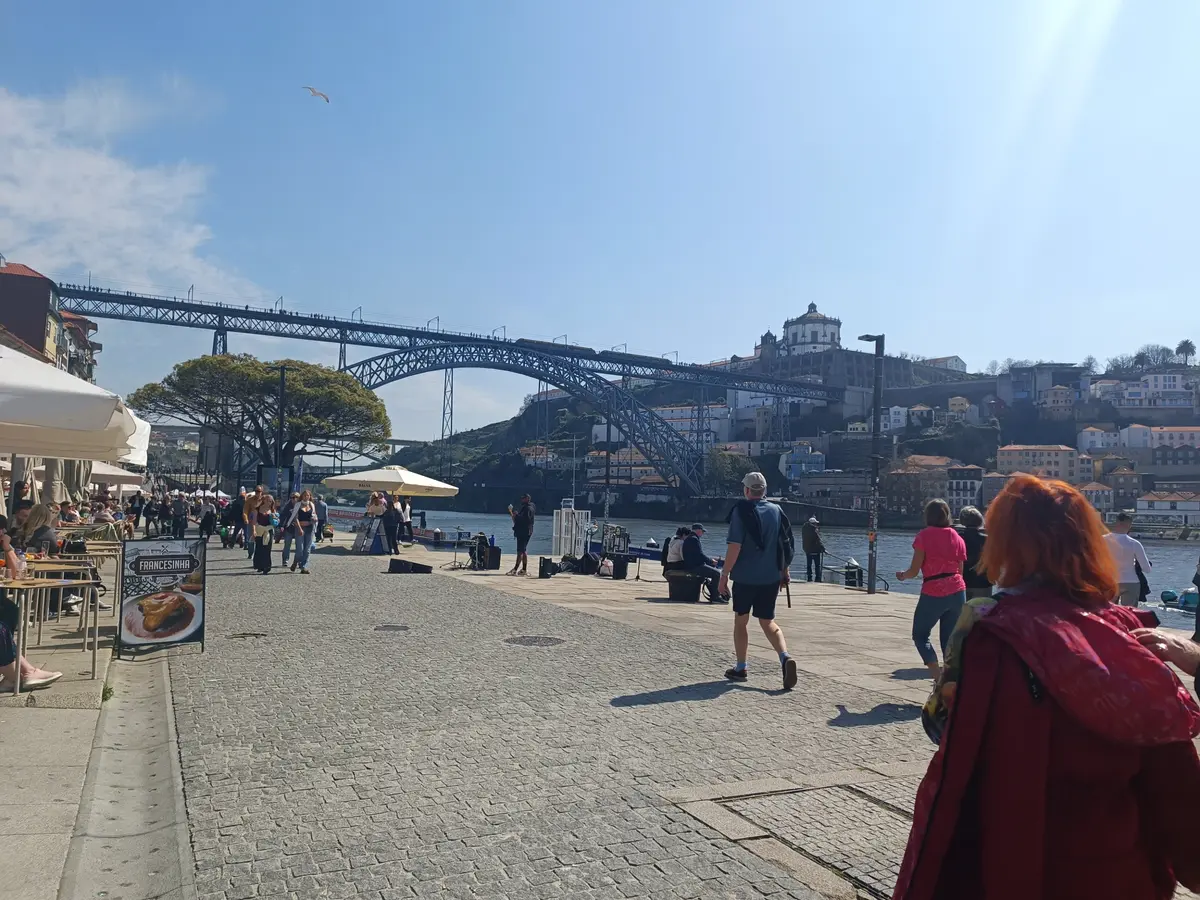
For those choosing where to stay in Porto, Ribeira carries moderate risk for bag snatching in crowds. Generally safe, but watch your belongings closely while dining riverside. The Sé Cathedral area has dark alleys that feel isolated after dark — stick to main roads.
The Dom Luís I Bridge runs a specific distraction scam: young men jump from the bridge into the Douro River for money. While crowds gather to watch, accomplices work the back of the group picking pockets. If you want to see the jump, stand with your back to a wall.
Aleixo and Cerco are social housing estates with a history of drug trafficking and can be hostile to outsiders with cameras. Avoid both.

Is Portugal safe from tourist scams?
Portugal is generally safe from tourist scams if you know the specific tactics in play. Unlike violent crime, the danger here usually comes with a smile. The scam economy in Lisbon and Porto is sophisticated and specifically targets tourist politeness rather than tourist inattention.
The drug pusher scam
In downtown Lisbon — around Rossio, Rua Augusta, and Chiado — men whisper offers of hashish, cocaine, or marijuana as you pass. They are almost never selling real drugs. The product is typically crushed bay leaves, pressed oregano, or flour bound with toothpaste.
The operation exploits a calculated legal loophole: they are not selling actual narcotics, so police cannot charge them with drug trafficking. If you buy and realize it is fake, you cannot report the crime without admitting you attempted a purchase. They can be aggressive. A firm, non-verbal refusal without slowing down is the only effective response.
The petition scam
A person — often a young woman or teenager — approaches with a clipboard, gesturing that they are deaf or mute. The clipboard shows a petition for a charity. Once you sign, you have psychologically committed to the interaction.
They then reveal a donation column with fake entries of €20 ($22) to €50 ($55) and demand money aggressively. While the clipboard is held high to block your field of vision, a child accomplice works your pockets or bag. This is a dual-threat: financial extortion with physical theft running simultaneously.
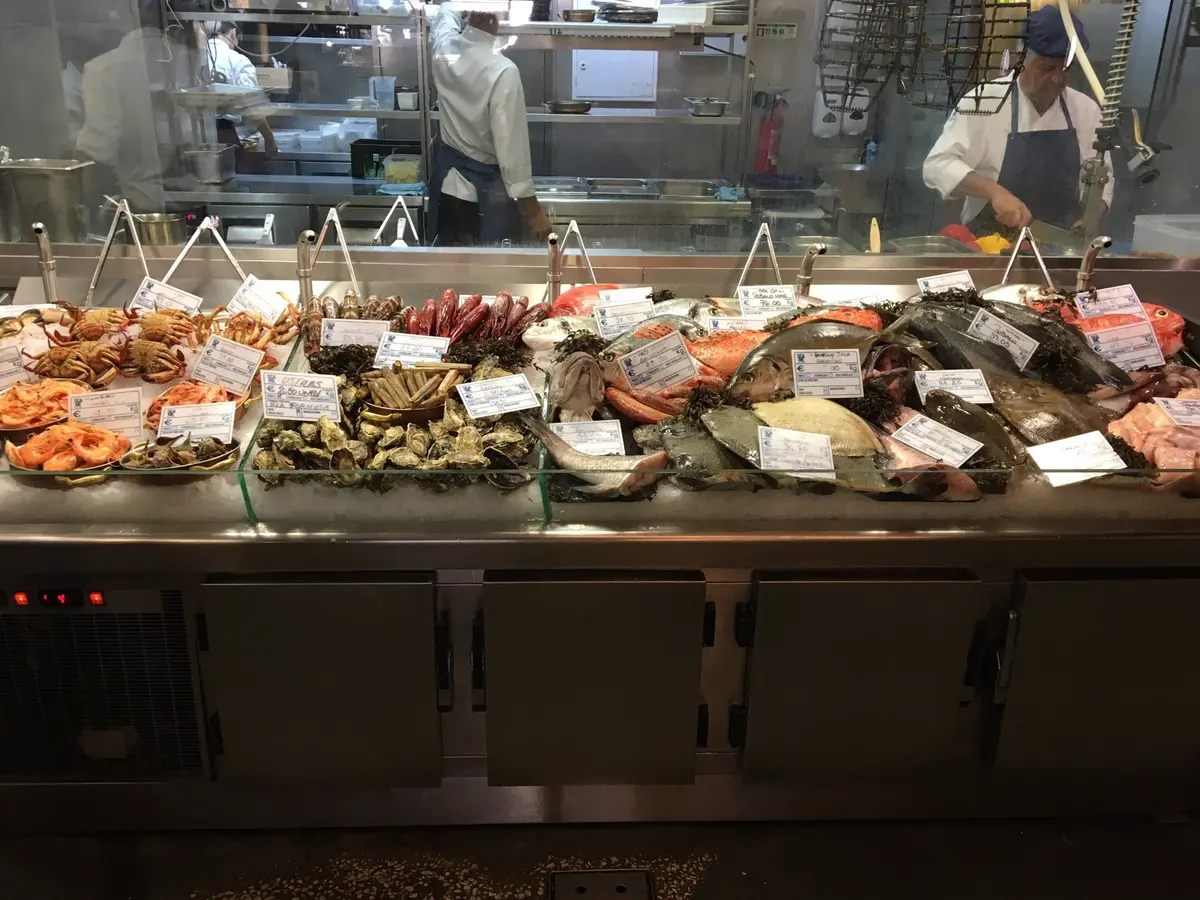
The seafood weight scam
The couvert — bread, olives, cheese, and pâté placed on your table before ordering — is not complimentary in Portugal the way bread is in American restaurants. Eat it and you pay for it.
The main sting comes when a waiter aggressively suggests “fresh fish” or a “seafood platter” without stating a price. Unlike American menus, Portuguese food culture prices fresh fish by the kilogram — about 2.2 lbs — not per individual portion. A fish weighing 3.3 lbs (1.5 kg) can produce a bill in the hundreds of euros for unsuspecting tourists.
Pro Tip: Before ordering any fish, ask for the total price of the specific piece they will cook, not the per-kilo rate. Push the couvert basket to the edge of the table if you do not want it — that is the accepted signal that you are declining.
Is it safe to drive and use public transport in Portugal?
Driving and public transport in Portugal are both highly safe, provided you understand the roundabout lane laws and electronic toll system before leaving the rental lot. Driving opens up Portugal’s rural interior and coastline, but it consistently ranks as the top source of trip stress among first-time visitors. The main confusion for American drivers involves Portugal’s roundabout lane laws — and it gets people fined.
Roundabout laws and lane discipline
Portuguese roundabout law enforces strict lane discipline that differs sharply from U.S. driving habits. You must stay in the inside (left) lane until you reach your specific exit. The outside (right) lane is reserved exclusively for the very next exit.
U.S. drivers who stay in the outer lane for comfort frequently block local drivers attempting to exit or enter. This triggers aggressive honking, tailgating, and dangerous cutting maneuvers. Police can and do fine drivers for improper roundabout lane usage on these roads.
Electronic toll traps on highways
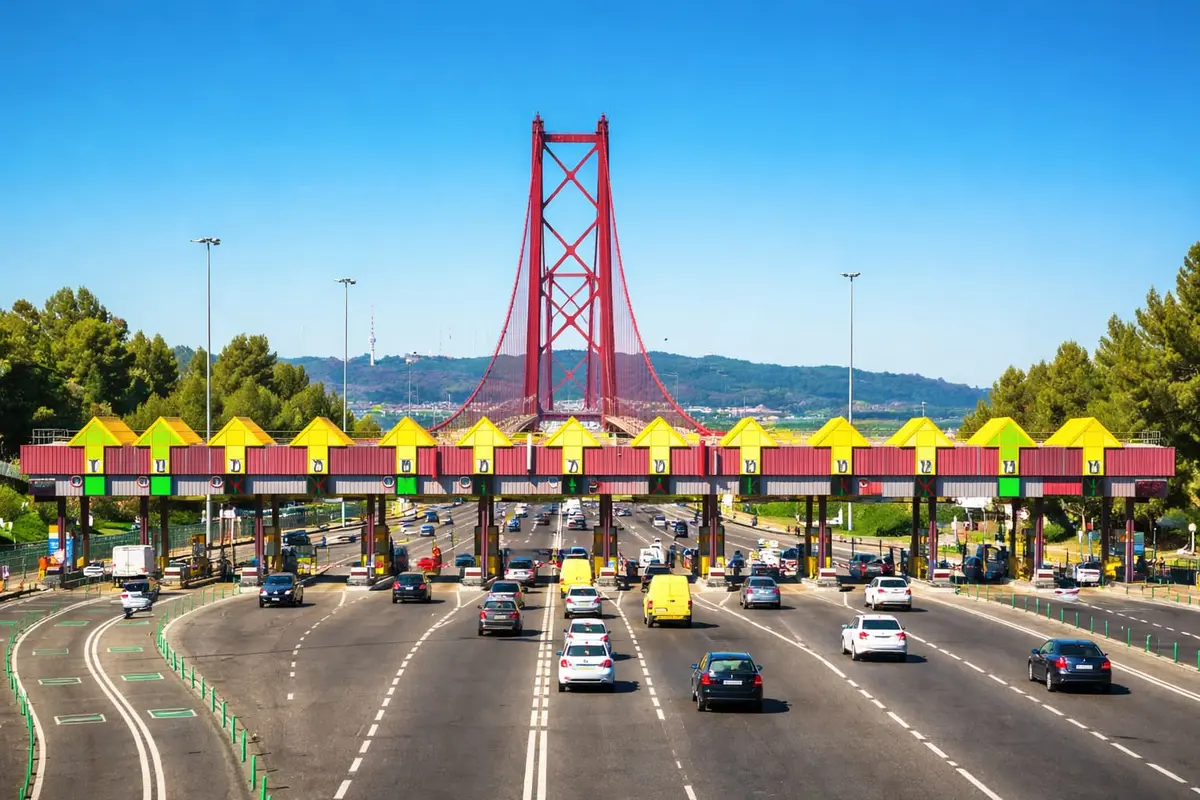
Portugal’s highway system uses complex electronic tolling, and many roads — especially the SCUT routes through the Algarve — have no physical toll booths at all. Electronic gantries scan license plates as you pass underneath.
Tourists who rent a car in Portugal without activating a transponder drive through electronic gantries completely unaware. The toll cannot be paid on the spot — it must be settled at a CTT post office within a few days, or substantial fines go directly to the rental agency and hit your credit card long after you return home.
Always pay the extra fee to activate Via Verde from your rental company before leaving the lot.
Pro Tip: If you are mid-trip and realize you forgot the transponder, you can pay outstanding tolls at any CTT post office in Portugal. Bring your rental agreement and the car’s license plate number. Staff at most locations speak basic English.
Public transport strikes
Portugal’s rail network has been disrupted by strikes affecting Comboios de Portugal and TAP Air Portugal, which can produce total rail cancellations between Lisbon and Porto. Monitor local strike alerts during your trip.
Ride-sharing apps are reliable alternatives within cities. Long-distance buses operated by FlixBus and Rede Expressos generally keep running when trains stop.
Is Portugal safe for swimming and hiking?
Swimming and hiking in Portugal are safe when you respect the Atlantic currents, unstable cliff edges, and seasonal wildfire conditions. Portugal’s landscape creates physical risks that catch tourists off guard every season — not because the country is negligent, but because its geography is genuinely demanding.
The Algarve cliffs and ocean safety
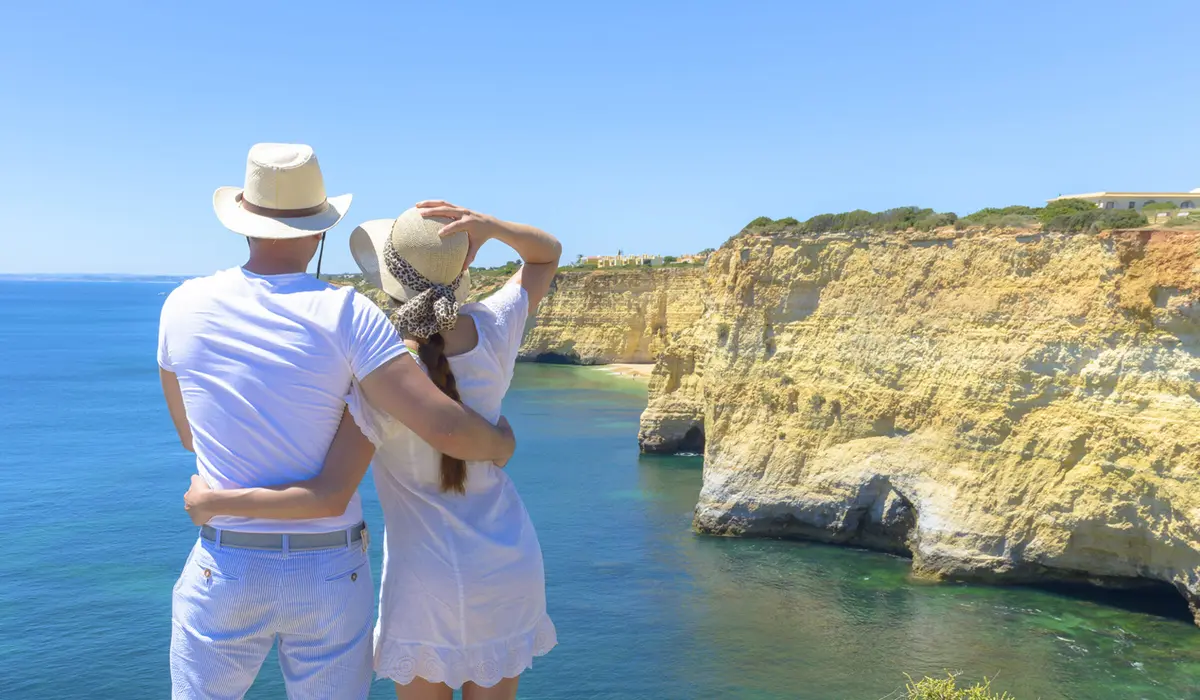
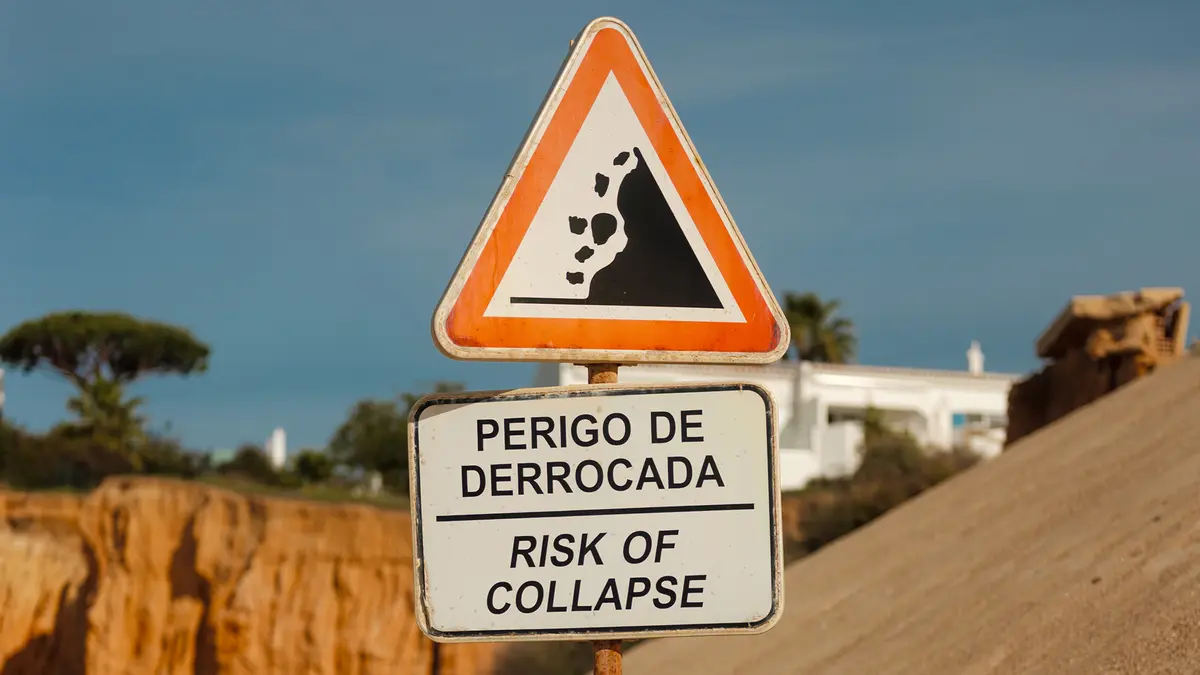
The famous southern cliffs are made of unstable limestone and sandstone that erodes without warning. Rockfalls and landslides occur suddenly. Tourists who sunbathe in cliff shade or step over safety barriers for a photo have been killed by falling debris.
Beach signs reading “Perigo de Derrocada” (Danger of Landslide) are not suggestions. Maintain distance from cliff bases and never cross barriers at the top, regardless of the photo opportunity.
The Atlantic coast is not the Mediterranean. Water temperatures run colder, waves hit heavier, and currents run significantly stronger. The west-facing Costa Vicentina is prone to powerful riptides that drown swimmers who underestimate the undertow every season.
Always check the flag system before entering the water: green means safe to swim, yellow means caution and wading only, red means stay out entirely. Blue flags indicate environmental standards — they say nothing about swimming safety.
Pro Tip: The lifeguarded beaches on the Algarve’s south coast are markedly safer than west-facing beaches around Sagres and Arrifana, where even experienced swimmers have been caught in unexpected surges. On my last visit, I watched a red flag pulled down at Meia Praia mid-morning and a family enter the water immediately — the local lifeguard had to physically stop them. If the flag is red, there is no negotiation.
Wildfire risks
From June through October, wildfires present serious risk, accelerated by eucalyptus monocultures and prolonged dry periods. Fires can shut major highways, fill cities with smoke, and force sudden evacuations of rural accommodations.
Download the Fogos.pt app for real-time fire mapping and monitor the Civil Protection Authority for emergency updates during summer months.
Is Portugal safe for solo females, LGBTQ+, and travelers of color?
Portugal is a highly welcoming destination for solo female travelers, LGBTQ+ visitors, and travelers of color, with street harassment rates significantly lower than most comparable Southern European destinations.
Solo female travelers
Street harassment and catcalling are relatively rare. Most women report feeling comfortable walking alone at night in busy areas. Standard nightlife precautions still apply in party zones like Bairro Alto and Pink Street — particularly around drink spiking.
Use Uber or Bolt late at night in Lisbon. Walking through unlit residential streets after the bars close is unnecessary when ride-share response times typically run under five minutes.
LGBTQ+ travelers
Portugal legalized same-sex marriage in 2010 and has consistently ranked among Europe’s leaders in LGBTQ+ rights. Safety levels are high, and Príncipe Real in Lisbon functions as an openly queer neighborhood where discrimination is strictly illegal.
Rural Portugal is more conservative. Public displays of affection may draw stares in traditional small villages, though violent hate crimes are exceptionally rare. Lisbon and Porto require no particular caution beyond general awareness.
Travelers of color
Major cities — Lisbon, Porto, and the Algarve coast — are genuinely multicultural, shaped by Portugal’s historical ties to Angola, Cape Verde, Brazil, and Mozambique. Overt violent racism directed at tourists is exceptionally rare.
There is a cultural distinction between how tourists perceived as wealthy Western visitors are received versus workers from African countries. Black American travelers frequently report very warm welcomes, though some note prolonged staring in remote rural areas. It tends to read as curiosity rather than hostility — but it is worth knowing before you visit.
What happens if you need emergency medical help in Portugal?
Portugal’s healthcare system ranks 12th globally by World Health Organization standards, and private emergency care is available within the hour in Lisbon and Porto. However, the public system runs with long wait times, and non-EU visitors pay out of pocket for services. Travel insurance for Portugal is essential, not optional.
Private healthcare and pharmacies
Private emergency room visits run roughly €100 ($110) to €300 ($330). Expensive by local standards, but significantly less than a U.S. emergency room bill.
The local Farmácia (pharmacy) is your first line of defense for minor issues. Portuguese pharmacists are highly trained and legally permitted to prescribe medications for ailments that would require a full doctor visit in the U.S. — including UTIs and mild infections.
Emergency contacts
Save these in your phone before departure:
- General emergency (police, ambulance, fire): 112
- Health Line 24 (non-emergency medical advice): 808 24 24 24
- Tourist Police Lisbon: +351 213 421 623 (Palácio Foz, Restauradores)
- Tourist Police Porto: +351 222 081 833 (near City Hall)
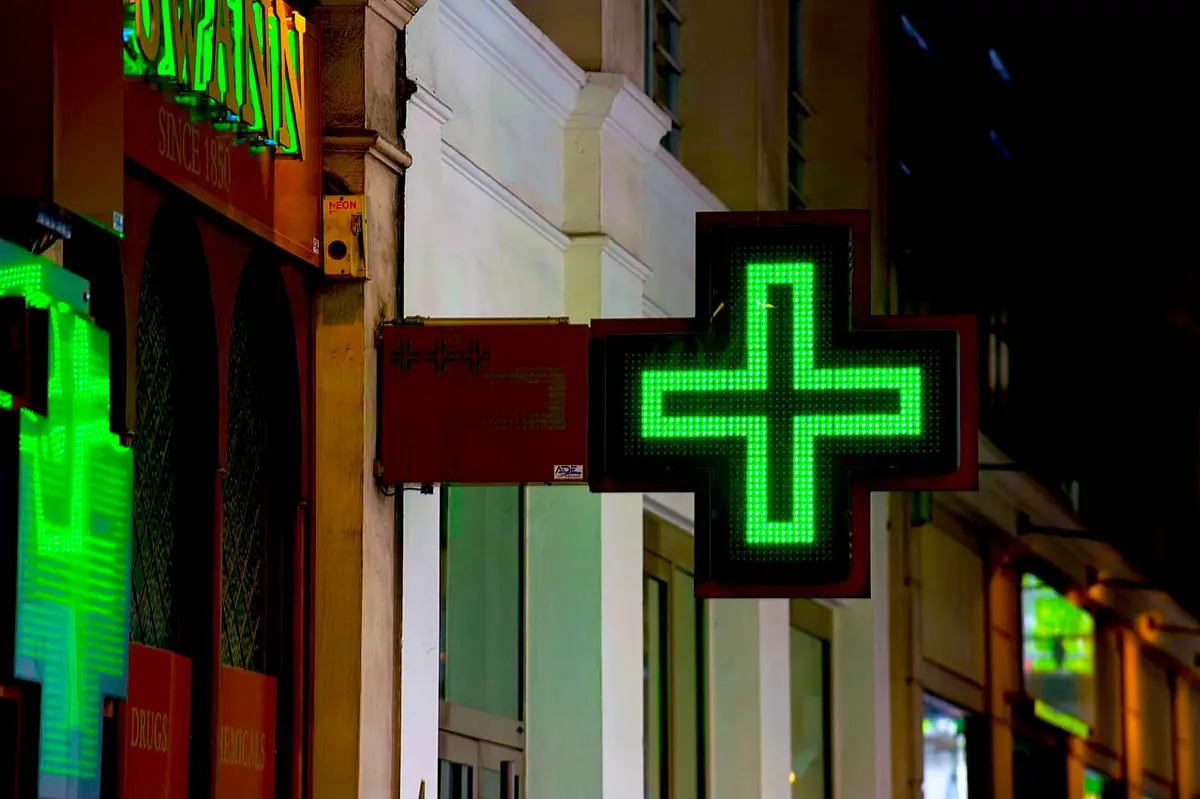
Dial 112 for any general emergency — English-speaking operators are available.
Is Portugal safe from anti-tourist social tension?
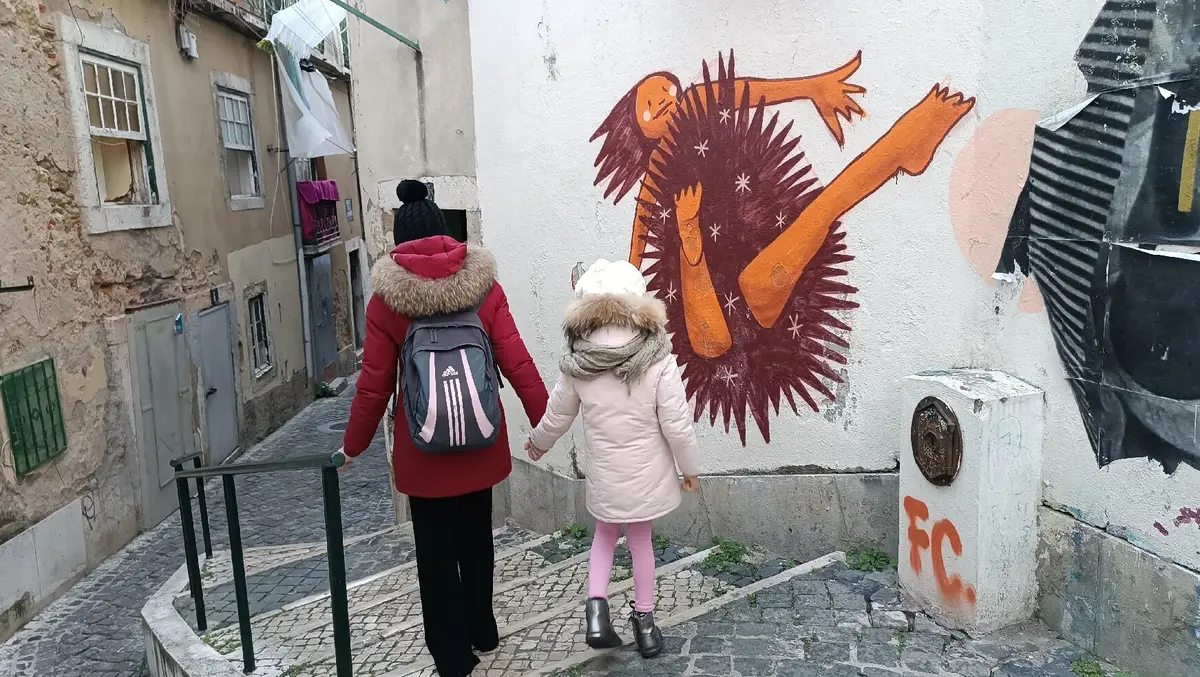
You will be physically secure, but you may encounter localized frustration over the ongoing housing crisis driven by tourism-related rent increases. The resentment is real and visible in fresh graffiti reading “Tourists Go Home,” but it almost never translates into physical confrontation.
Navigating local resentment
The friction typically surfaces as coldness or impatience with foreigners who behave arrogantly or refuse to attempt basic Portuguese phrases. The risk is social, not physical.
Support independent local businesses over tourist traps. Avoid treating residential apartment blocks as loud party venues. A small amount of cultural humility travels further in Portugal than in most European destinations — the country has been exceptionally open to foreign visitors for decades, and the current tension reflects exhaustion with volume, not hostility toward individuals.
How does the EU Entry/Exit System affect your arrival in Portugal?
The EU Entry/Exit System (EES) is now fully operational and requires most non-EU travelers — including U.S. passport holders — to submit biometric data (fingerprints and a facial photo) when entering and exiting Portugal. This system replaces traditional passport stamping.
The rollout launched across 29 Schengen countries in a phased introduction. Lisbon Airport temporarily suspended EES operations after widespread processing delays during the initial period, with wait times at affected airports rising by as much as 70%. Staffing at Lisbon border checkpoints was reinforced to reduce queues, and the system has since stabilized.
For your first EES crossing, budget extra time at arrival and departure. On return trips, facial recognition confirms your identity and moves faster. The EES also precisely enforces the 90-day maximum stay rule — overstays that might previously have slipped through passport stamping errors are now automatically flagged.
ETIAS — a separate online authorization required for visa-exempt travelers before entering the Schengen Area — is expected to launch in the months following full EES implementation. Once it goes live, U.S. citizens will need to apply online before booking travel to Portugal. Monitor the EU entry requirements for US travelers page for the confirmed ETIAS launch date.
The bottom line
TL;DR: Portugal is structurally one of the safest countries Americans can visit, with violent crime rates a fraction of what you deal with at home. The actual risks — pickpockets on Tram 28, electronic toll traps, Atlantic riptides — are entirely manageable with basic preparation. Keep your bag in front of your body, activate Via Verde before you drive, and stay out of the water when the flag is red.
What is the one safety concern that almost made you reconsider booking Portugal? Leave your question below — we read every one.