Albania souvenirs span hand-twisted filigree silver from Ottoman bazaars, brandy that punches above its weight, and concrete bunker ashtrays nobody else in Europe sells. This guide tells US travelers exactly what to bring home, what to skip, what it costs in dollars, and what clears US customs.
What is Albania famous for buying?
Albania is famous for handmade filigree silver, hand-woven qilim rugs, the white-felt qeleshe hat, raki fruit brandy and Skënderbeu konjak, çaj mali mountain tea, Bedunica wildflower honey, and Ottoman-style copper coffee sets. The communist-era bunker ashtray is the country’s most photographed novelty, and Skanderbeg and Mother Teresa figurines top the patriotic-and-religious shelf.
If you only buy one thing, make it a 200 ml bottle of Skënderbeu konjak — it costs about $4 in a Tirana supermarket and survives a transatlantic flight in a sock. The Albania travel guide covers the rest of trip planning; these seven items are the canonical Albania souvenirs every traveler should know before walking into a bazaar:
- Filigree silver jewelry — $25 to $300
- Qilim wool rugs and kilims — $15 to $400
- Qeleshe (white felt hat) — $6 to $50
- Raki and Skënderbeu konjak — $4 to $70 per bottle
- Çaj mali (mountain tea) — $2 to $15 per box
- Bedunica honey and Riviera olive oil — $7 to $30
- Bunker ashtray — $4 to $10
Pro Tip: Pay in Albanian lek, never euros. Cash in lek is worth a 5 to 15 percent discount at any non-fixed-price stall, and most artisans round generously when you have exact change.
Which traditional crafts should top your shopping list?
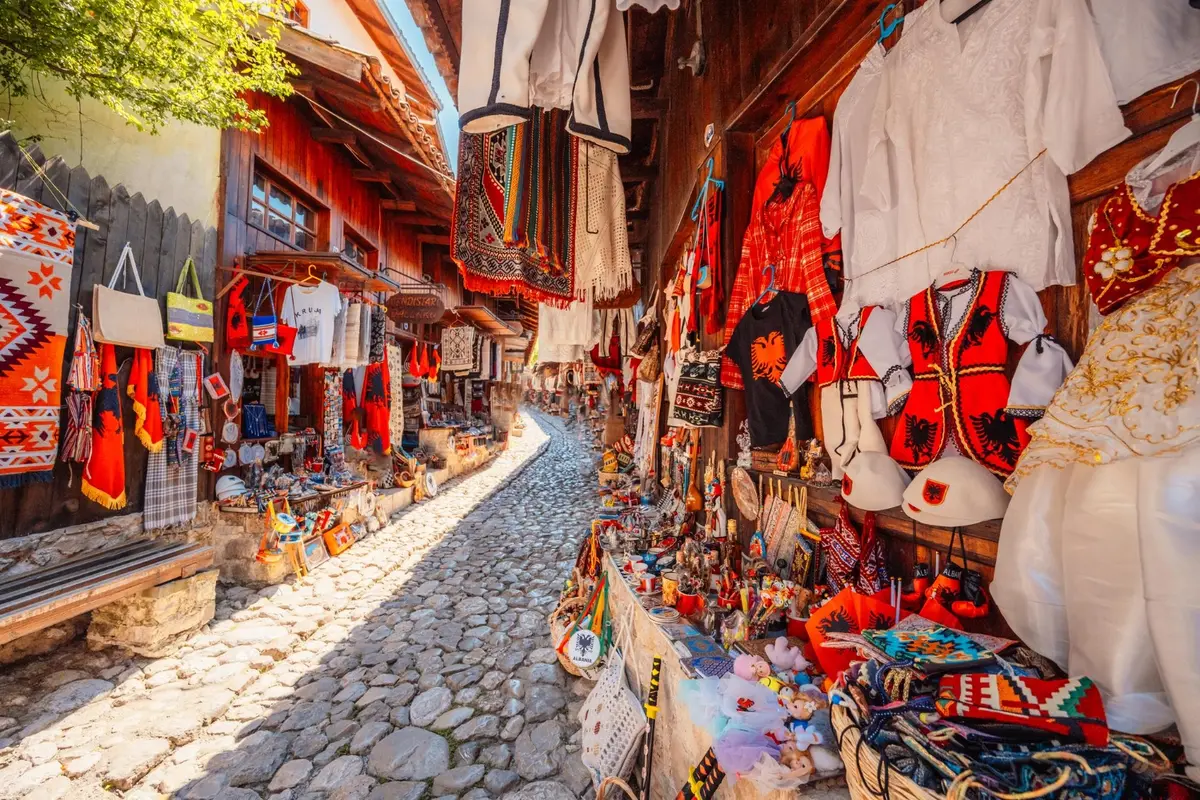
Albania’s strongest craft categories for souvenir shopping are filigree silver from Shkodër, hand-woven qilim wool rugs from Krujë, the hand-felted qeleshe hat, embroidered textiles, and copper coffee pots. All come from small workshops, appear across the country’s bazaars, and run $6 to $300 depending on material, size, and whether the piece is machine-made or hand-worked.
Filigree silver jewelry from Shkodër
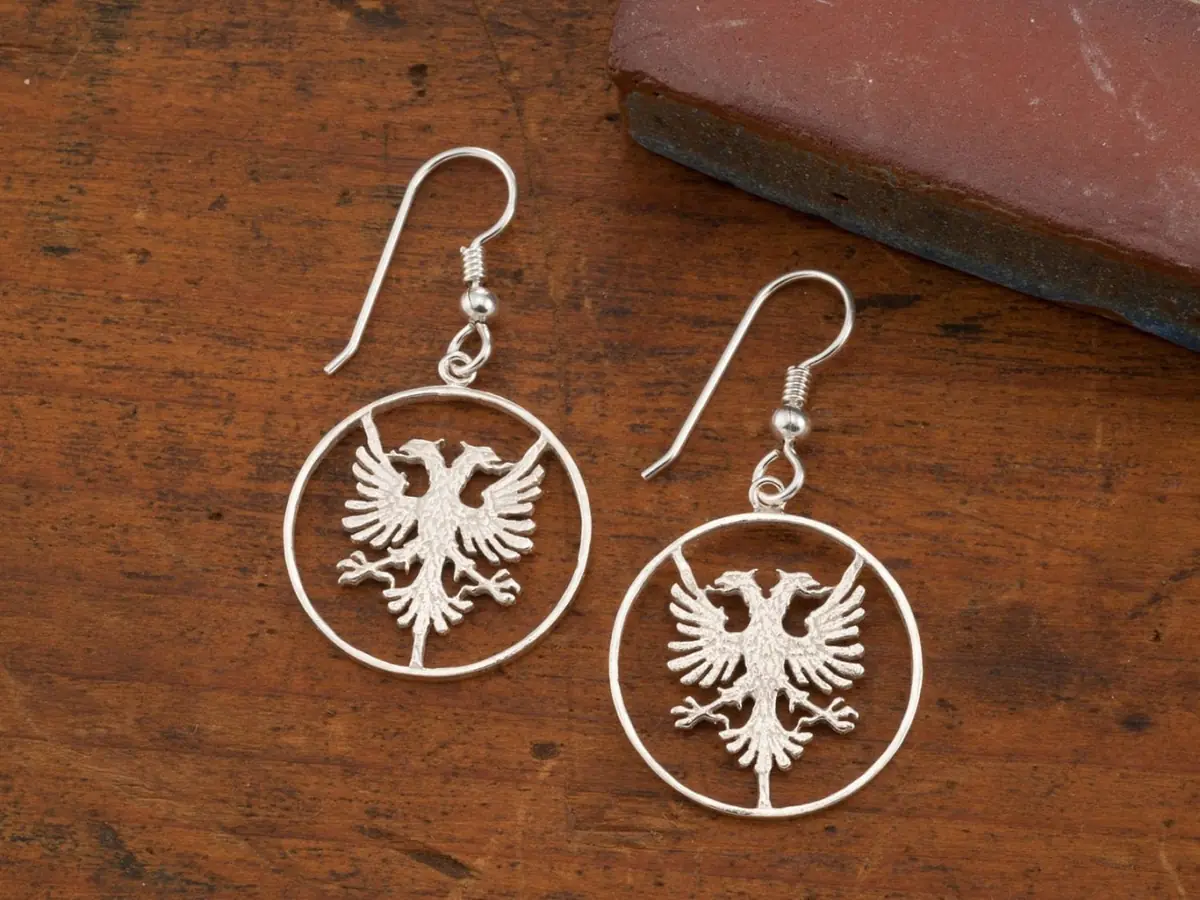
Filigree is hair-thin silver wire twisted and soldered into lace-like designs, and it is the most buy-it-once investment souvenir in Albania. The craft is centered in Shkodër, but the work is sold in every major bazaar. Expect to pay $25 to $80 for a pair of earrings, $40 to $150 for a pendant, and up to $300 for a master-made brooch.
Genuine pieces use 0.8 to 1.2 mm silver wire and carry a 925 sterling hallmark. Hold the piece up to a window — if the pattern repeats perfectly twice, it is die-stamped, not twisted. Margjelo Filigran in Shkodër runs a workshop you can visit before buying.
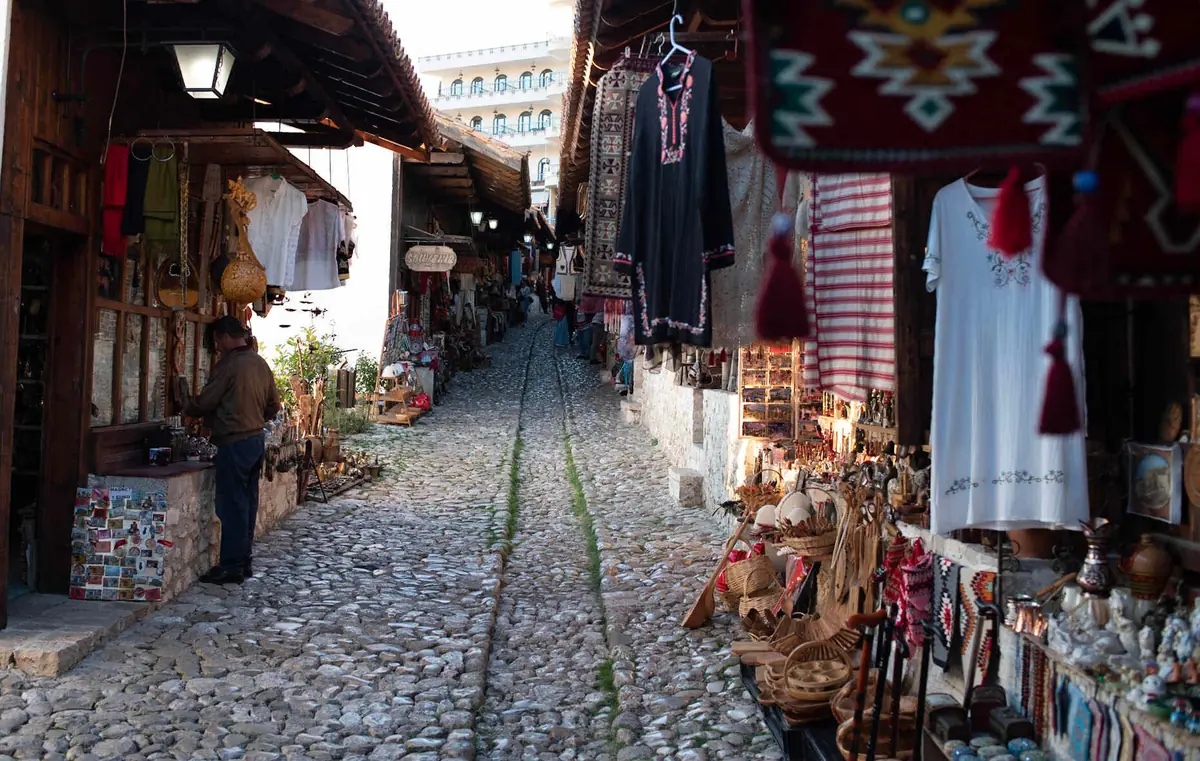
Pro Tip: In Krujë the cheapest “filigree” earrings on the outer stalls are pressed from a die, not twisted by hand. Walk uphill toward the castle gate — the genuine workshops cluster in the last 50 meters (165 feet).
Hand-woven qilim rugs from Krujë and Korçë
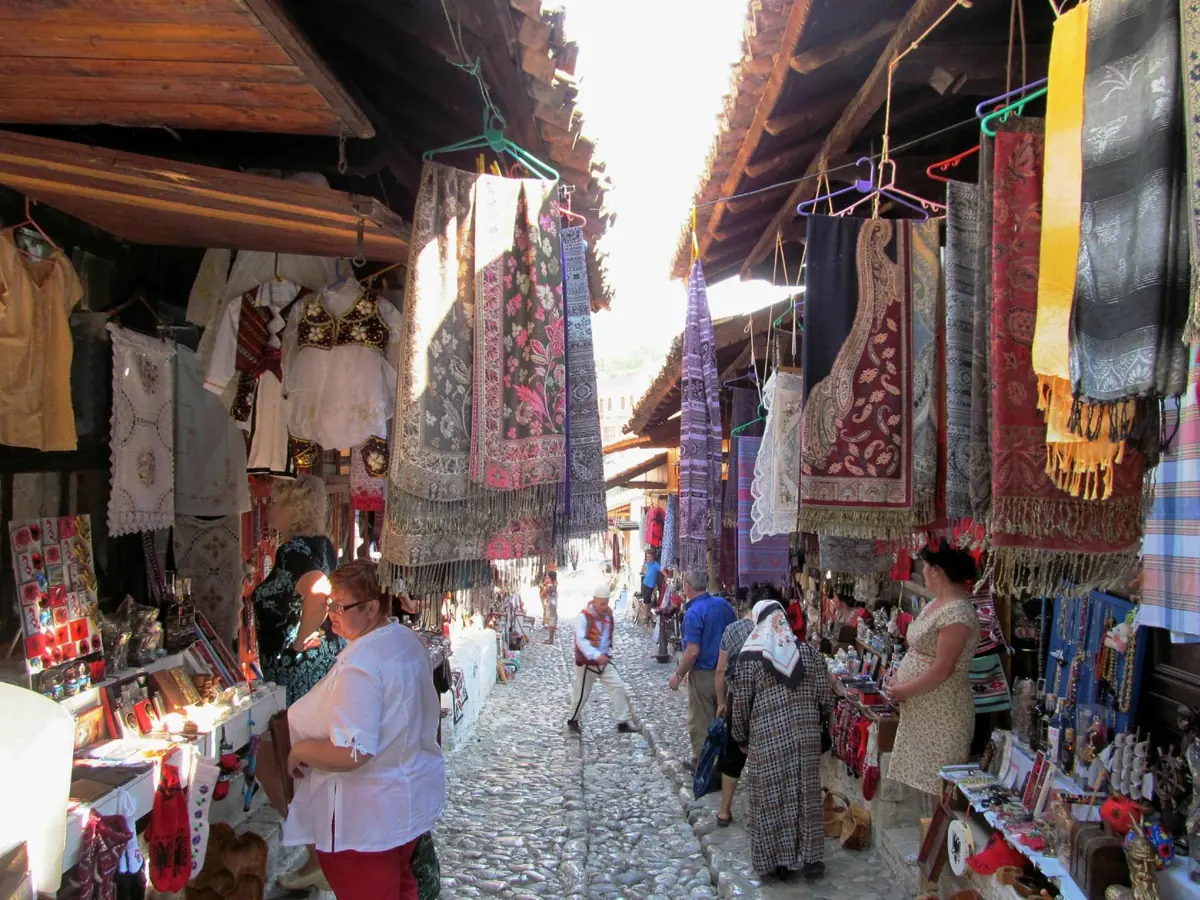
Qilim is a flat-woven wool rug with bold geometric patterns. Krujë’s qilim tradition and Korçë’s are the country’s historic centers, with Kukës producing the most prized highland weaves. A small wall hanging or runner costs $15 to $35, a midsize hand-woven cotton carpet around $32, and an authentic 3.3-by-6.6-foot (1-by-2-meter) wool qilim climbs into the $85 to $220 range after bargaining.
How to tell wool from polyester:
- Authentic wool weave is tight but slightly uneven, with visible warp threads on the reverse
- Run your palm against the pile — real wool grabs your skin lightly; polyester is glassy-smooth and warm to the touch
- Smell it — real wool has a faint lanolin scent; synthetic has none
- Ask “a është lesh?” (is it wool?) — vendors who sell both will admit which is which
Pro Tip: Machine-loomed polyester “qilim” rugs hang outside the first dozen stalls in Krujë as you enter from the parking lot. The genuine wool weavers are 660 feet (200 meters) further up the cobbled street.
The qeleshe — the white felt cap that means Albania
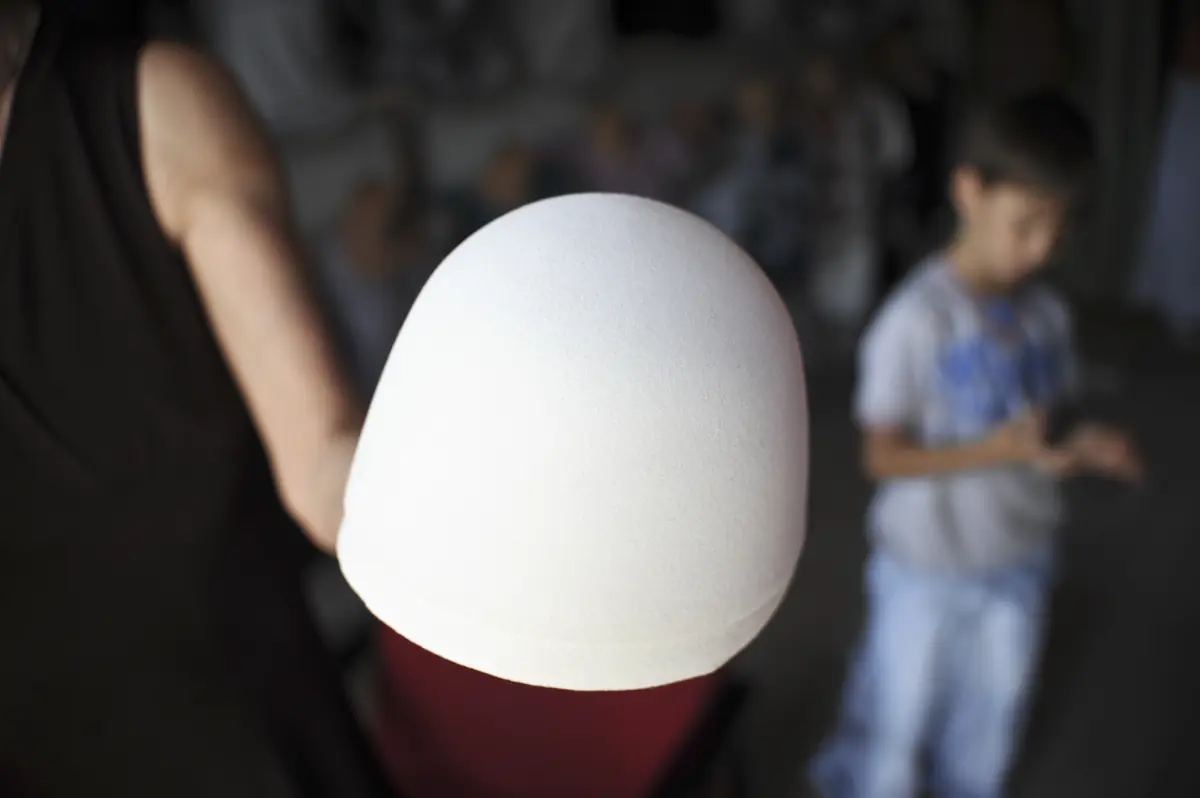
The qeleshe (also called plis) is a brimless white wool-felt cap molded from a single piece of felted sheep wool. It dates to Illyrian Iron Age graves and remains the most potent national symbol you can wear on your head. A souvenir-grade qeleshe runs $6 to $15 in Krujë; a hand-felted, region-specific version from a master maker costs $25 to $50.
Regional shapes vary:
- Northern (Shkodër, Tropoja): rounded, hemispherical
- Kukës: truncated, almost cylindrical
- Gjirokastër and Vlorë: taller, sometimes with a small crown protrusion
- Central (Tirana, Durrës): the standard medium dome
Pro Tip: The Adi Guni family workshop in Krujë sells the only fifth-generation hand-felted qeleshes on the bazaar street. Synthetic copies are scratchy and slightly shiny under direct light.
Xhubleta, çorape socks, and embroidered textiles
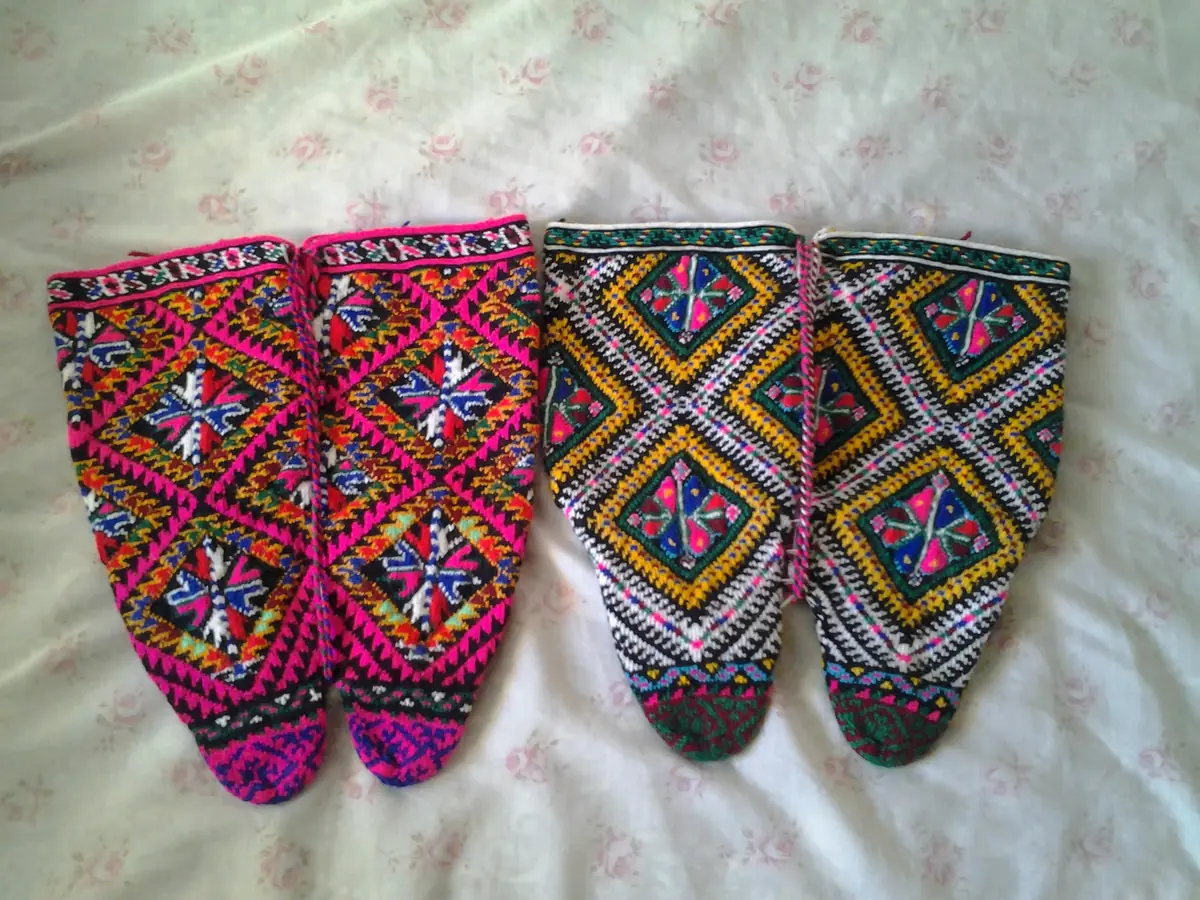
The xhubleta — a heavy bell-shaped wool skirt of the northern Albanian highlands — is now listed on UNESCO’s List of Intangible Cultural Heritage in Need of Urgent Safeguarding and is rarely sold to visitors. The accessible cousins are the textile family every traveler can take home: hand-knitted çorape wool socks at $6 to $15, embroidered table runners at $12 to $45, pillow covers at $15 to $60, and qëndisje stitched scarves.
Motifs to look for:
- Sun (Dielli) and moon (Hana) — pre-Christian symbols
- Double-headed eagle (shqiponja dykrenore) — national flag emblem
- Serpent (gjarpëri) — household protection
- Geometric “infinity” knots — northern highland tradition
Vjollca Mezini’s embroidery stand in Gjirokastër and Edua Gjirokaster’s social-business shop are the two most reliable named sources in the south.
Ceramics, copper coffee pots, and Përmet wood
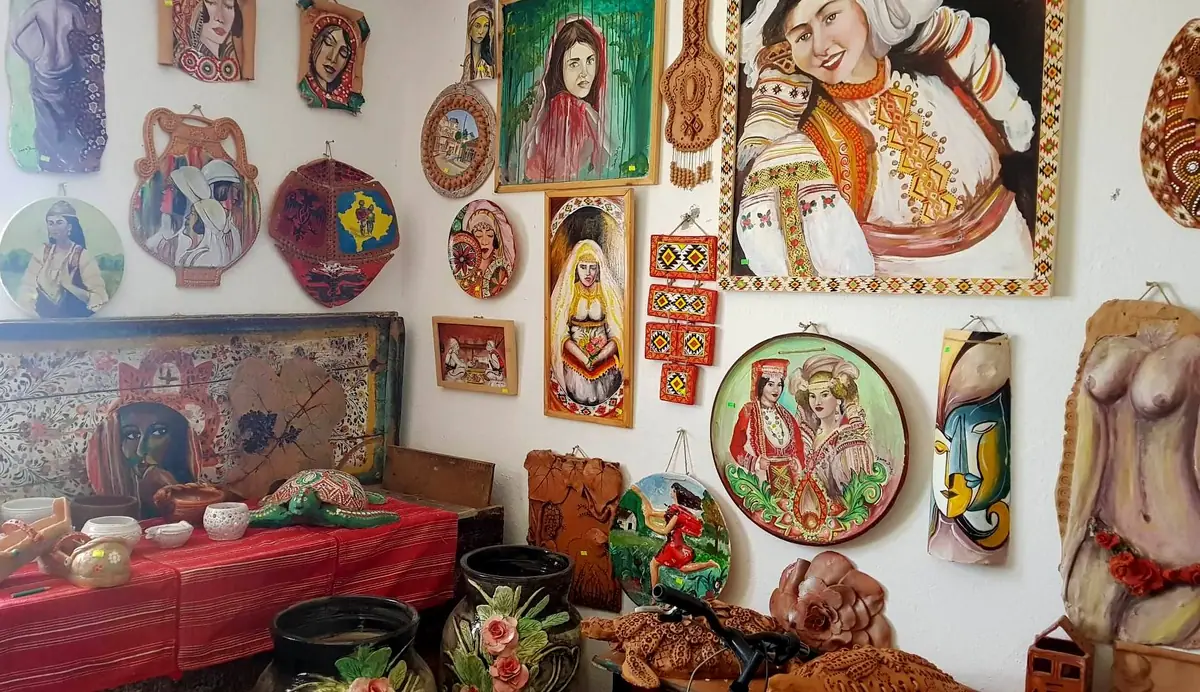
Three crafts survive in tiny workshops and reward the buyer who skips the bazaar’s outer ring. Hand-painted ceramics — plates, vases, espresso sets — cost $5 to $45, with the strongest work coming from ZadrimArt near Mrizi i Zanave agritourism. Copper xhezve coffee pots run $12 to $30 in Krujë’s brassware row. Olive-wood and Përmet-region carved wood — spoons, boards, sculpted bottle holders — start around $8.
Quality markers:
- Ceramics: irregular brush strokes (uniform patterns mean factory production); ZadrimArt signs each piece on the underside
- Copper xhezve: hand-hammered exterior with a tin-lined interior for food safety
- Olive wood: visible grain streaks; the surface should feel waxy, not lacquered
Which Albanian food and drink make the best gifts?
Edible and drinkable Albania souvenirs survive a long flight, clear US customs cleanly when declared, and tend to be the gifts that get requested again. Four categories cover most of the field: raki, Skënderbeu konjak, çaj mali, and pantry goods (olive oil, honey, dried fruit).
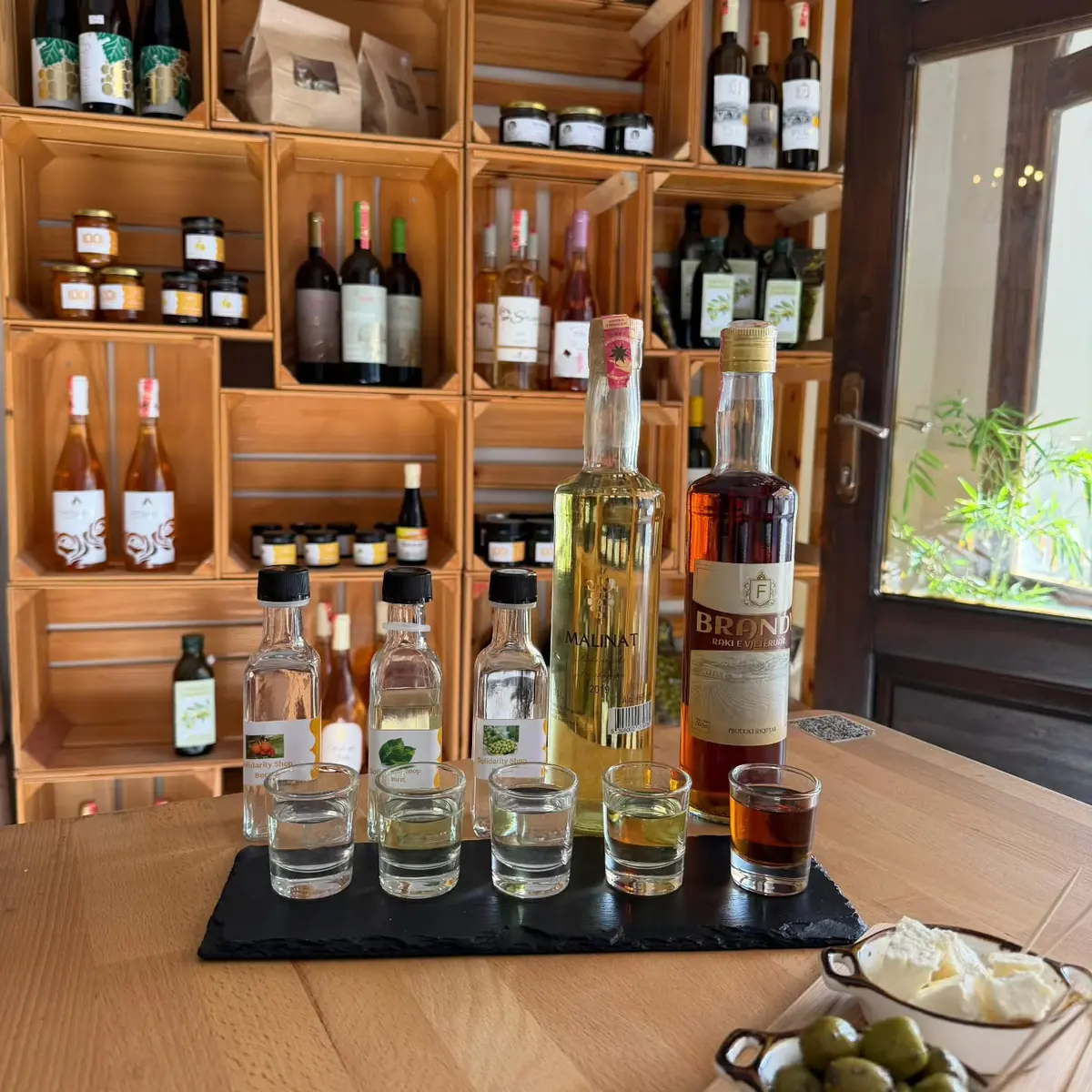
Raki — the welcome shot and the most-gifted bottle
Raki is a clear fruit brandy distilled mostly from grapes, but also plums, mulberries, and Cornelian cherries. Commercial bottles run 40 to 45 percent ABV; homemade ranges 45 to 65 percent and can spike higher on first-distillation runs. Skrapar grape raki is the consensus best commercial pick; Korçë produces the country’s strongest plum raki. Expect $4 to $12 for a 500 ml bottle and $8 to $20 for premium-aged.
US travel rules for bringing raki home:
- 1 liter duty-free per adult age 21+ under the CBP $800 personal exemption
- Additional bottles dutiable at roughly 3 percent plus federal excise — still allowed
- All bottles must travel in checked baggage (TSA bans liquids over 3.4 oz / 100 ml in carry-on)
- FAA caps unopened spirits 24 to 70 percent ABV at 5 liters per passenger
- Spirits above 70 percent ABV are banned outright — skip the strongest homemade
Pro Tip: Homemade raki from guesthouses often comes in a reused Fanta or water bottle. Wrap it in two thick wool socks inside a double Ziploc — I have flown nine 40-plus percent ABV bottles transatlantic with zero leaks.
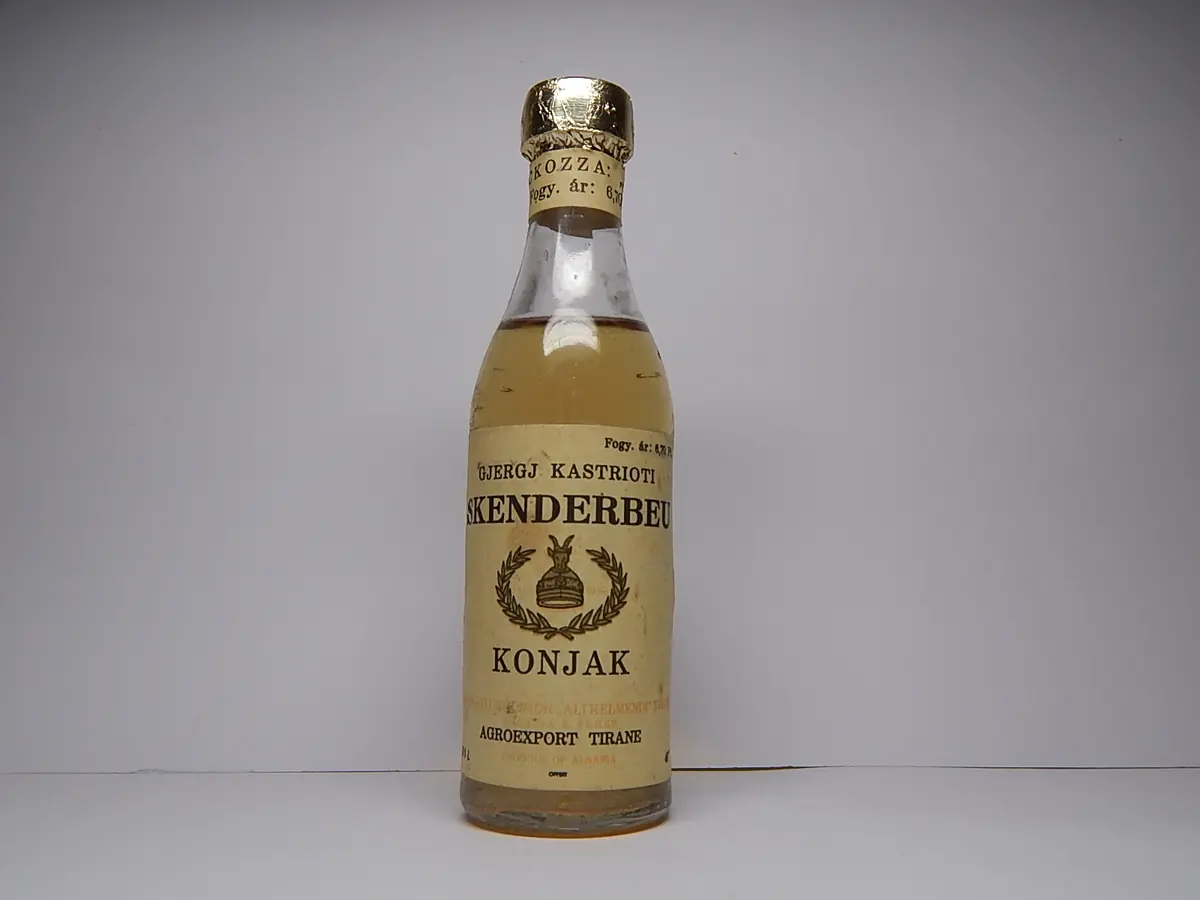
Skënderbeu konjak — the after-dinner national drink
Cognac Skënderbeu is an oak-aged grape brandy first produced on September 1, 1967 by Kantina Gjergj Kastrioti Skënderbeu in Sukth, near Durrës. The standard VS bottling is 40 percent ABV. Ingredients include aged raki, mountain-herb extracts, Tropoja black plum, lemon, sugar syrup, flower honey, distilled water, and caramel. Aging runs three years for VS, four for VSOP, and ten for XO.
Supermarket prices in Tirana:
- 200 ml gift bottle: about 300 ALL (~$4)
- 0.7 L VS standard: about 770 ALL (~$9)
- 0.7 L VSOP: about 5,800 ALL (~$70)
Pro Tip: Buy Skënderbeu konjak at any Conad, Carrefour, or Spar in central Tirana — never at Rinas airport. The duty-free markup is close to 2x the supermarket price.
Çaj mali — Albania’s mountain tea
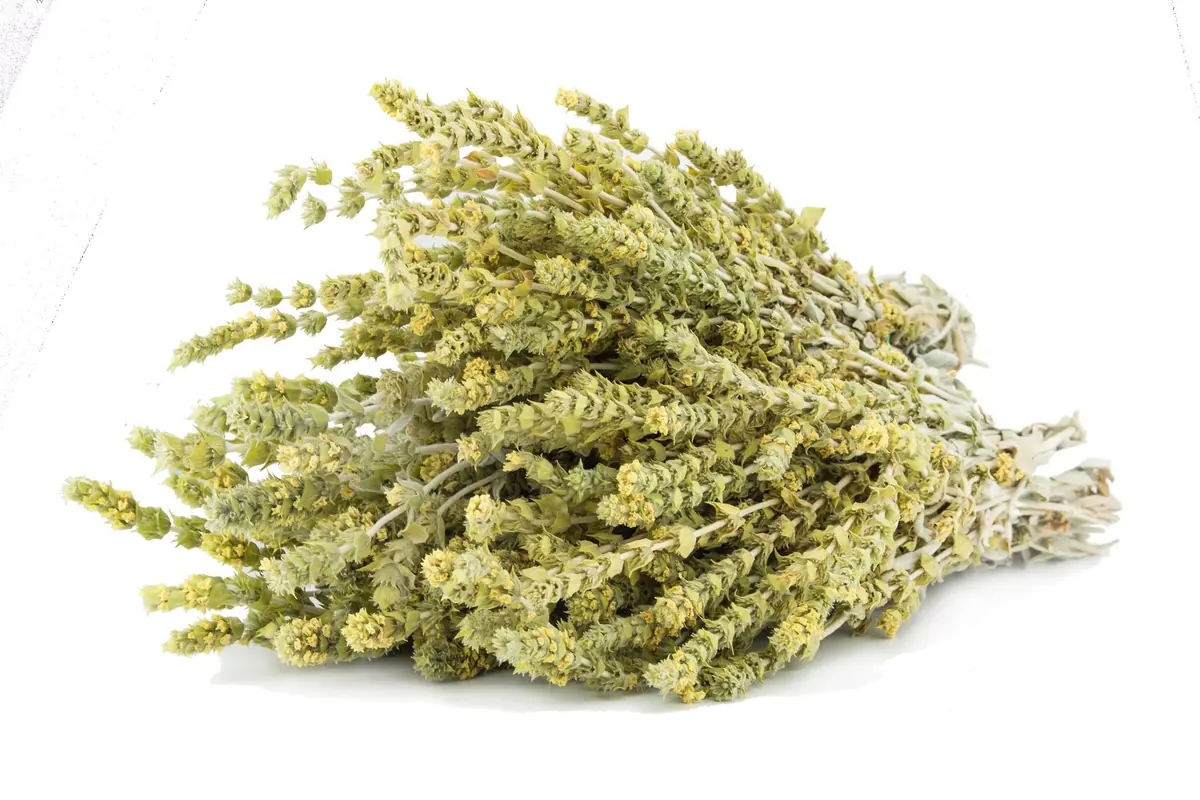
Çaj mali (mountain tea) is a wild herbal infusion made from Sideritis raeseri and Sideritis scardica — caffeine-free, antioxidant-rich, and the daily wellness ritual of Albanian mountain villages. A small commercially packaged box (BLIFF brand is the most common) runs about $2.50 for 30 to 40 g. A roadside hand-tied bunch sells for $1 to $3 per bundle of about 100 g.
Traditional brewing:
- Steep stems, leaves, and dried flowers in boiling water for 10 minutes
- Add honey rather than sugar — most Albanian households use Bedunica or chestnut
- Drink hot in winter, iced and cut with lemon in summer
- One 30 g box brews roughly 20 cups
Pro Tip: Roadside grandmothers between Përmet and Korçë sell pretty newsprint-wrapped bundles for Instagram, but commercially packaged boxes draw zero questions at CBP. Switch to BLIFF or a sealed equivalent before flying.
Olive oil, honey, and pantry goods
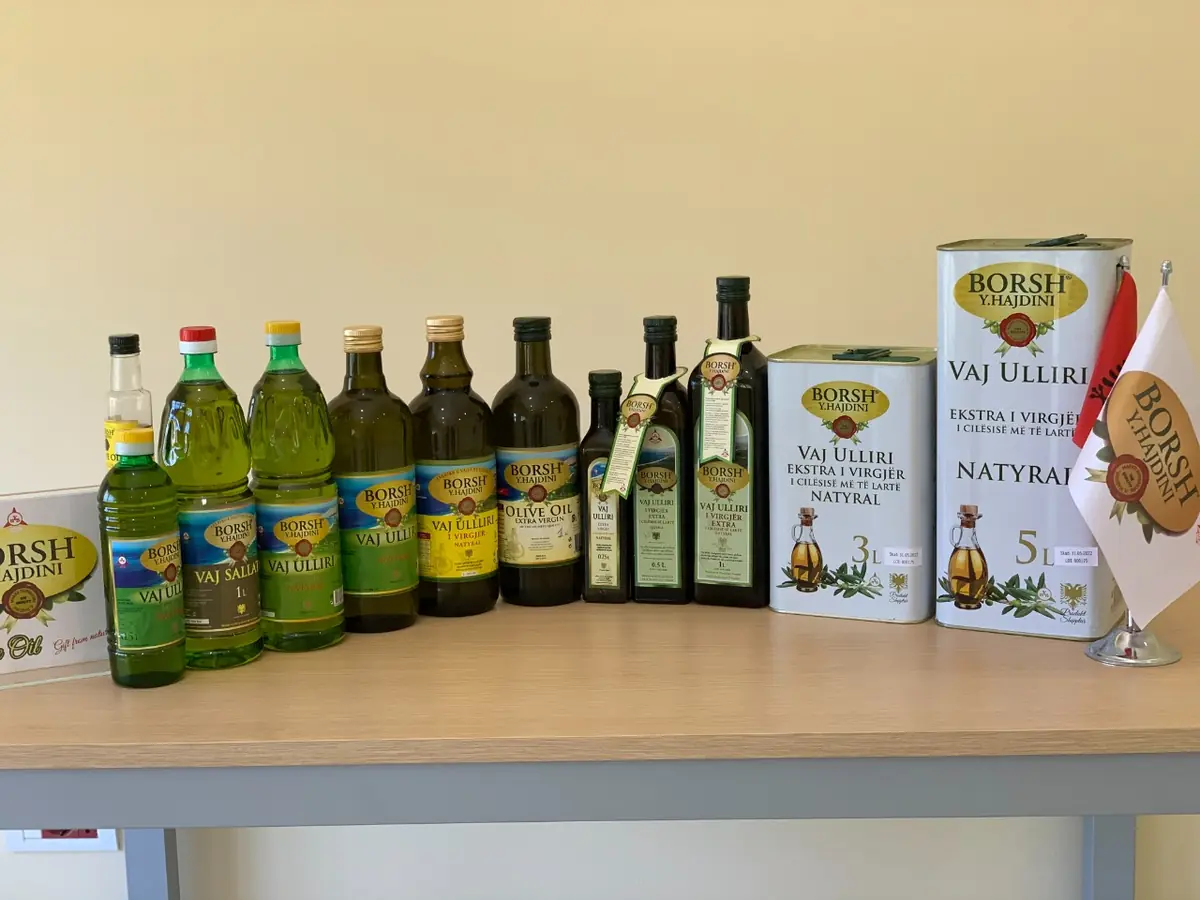
The Albanian Riviera around Himara and Borsh produces deeply herbaceous extra-virgin olive oil. A 500 ml bottle direct from a farmer costs $6 to $12; a properly labeled supermarket bottle runs $9 to $18. Bedunica wildflower honey from the south and chestnut honey from the north both run $7 to $18 for 500 g.
US customs status of common Albanian pantry items:
- Olive oil: admissible, declare on Form 6059B
- Honey (sealed): admissible
- Dried figs and shelled almonds: admissible
- Packaged spices and herbal teas: admissible
- Anything containing meat (including sausage, byrek with meat, bouillon cubes): prohibited
- Fresh fruit, vegetables, or raw dairy: prohibited
Pro Tip: Farmers south of Sarandë sell oil in reused 1.5-liter water bottles. TSA may seize an unlabeled bottle — transfer to a labeled commercial bottle before flying, or buy supermarket stock that already carries the label.
Where are the best places to buy souvenirs in Albania?
Four bazaars cover the country’s best shopping: Tirana’s Pazari i Ri, Krujë’s Old Bazaar, Gjirokastër’s Qafa e Pazarit, and Korçë’s restored Old Bazaar. Tirana is the fastest one-stop run; Krujë is the most concentrated for traditional Albania souvenirs; Gjirokastër is the south’s strongest craft hub; Korçë and Berat reward a slower pace.
Tirana — Pazari i Ri, Skanderbeg Square, and Blloku
Tirana’s shopping scene is the only place in the country where you can finish your entire souvenir list in 90 minutes. Pazari i Ri (New Bazaar), an 8-minute walk from Skanderbeg Square at Avni Rustemi Square, is the city’s main covered market — produce stalls daily 7 a.m. to 2 p.m., surrounding craft shops open later. For named-artisan work, walk five minutes to Albanian Bazaar at Albanian Night.
- Location: central Tirana, all within a 10-minute walk of Skanderbeg Square
- Cost: free to browse
- Best for: one-stop souvenir run; widest selection of labeled artisan work in one location
- Time needed: 90 minutes minimum; 2-3 hours for a relaxed browse with a supermarket stop
- Pazari i Ri: produce, food gifts, ceramics, textiles
- Albanian Bazaar (at Albanian Night): 10,000-plus items from 600-plus artisans
- Dea Souvenir Main Shop: opposite Tirana Castle on Shëtitorja Murat Toptani
- Rruga Murat Toptani: small souvenir alley behind the castle
- Komiteti Artisanal Shops: vintage textiles and antiques
Pro Tip: From the Et’hem Bey Mosque on Skanderbeg Square, the walk to Pazari i Ri is exactly eight minutes down Rruga Luigj Gurakuqi. Stop at any Conad supermarket along the way for Skënderbeu konjak before you hit the bazaar.
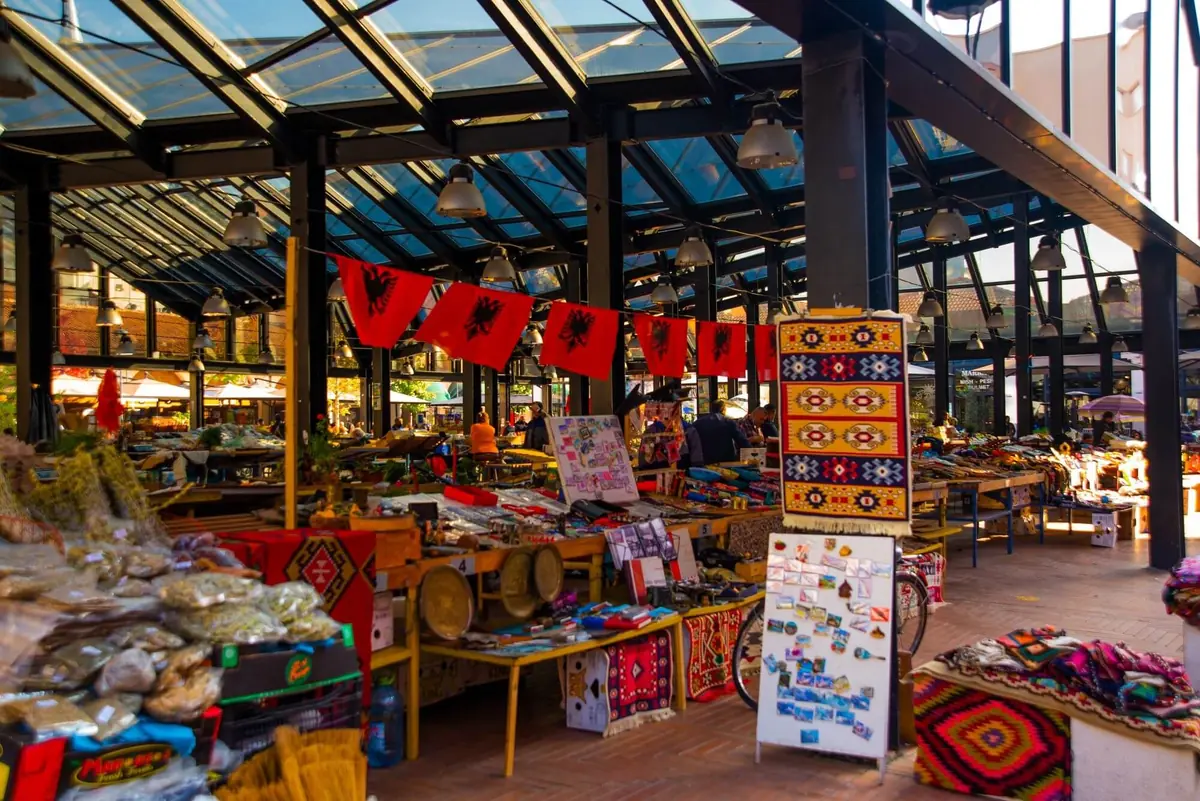
Krujë Old Bazaar — the one-hour day trip from Tirana
Krujë’s Old Bazaar (Pazari i Vjetër) is an 820-foot (250-meter) cobbled Ottoman street climbing from the lower town to Krujë Castle. It is the single best half-day souvenir trip in Albania — one street, every craft category, the castle of Skanderbeg at the top.
- Location: 20 miles (32 km) north of Tirana via SH52
- Cost: free to browse; parking about 500 ALL (~$6)
- Best for: first-time visitors; the densest concentration of filigree, qeleshe, and qilim in one street
- Time needed: 2-4 hours including the castle; add 30 minutes for lunch at KROI
- Drive time: about 1 hour from central Tirana
- Bus from Tirana: regular service from the regional bus terminal; last bus back around 4 p.m.
- Bazaar hours: roughly 9 a.m. to 6 p.m. (8 a.m. to 8 p.m. in summer); some shops close Sundays
- Lunch: Restaurant KROI further up the hill is the safe pick — avoid Bar Restorant Eli (poor reviews across multiple platforms)
Pro Tip: The big cobbles slope downhill toward a central rainwater trough. Wear non-slip soles after rain or you will skate downhill past three filigree shops you wanted to revisit.
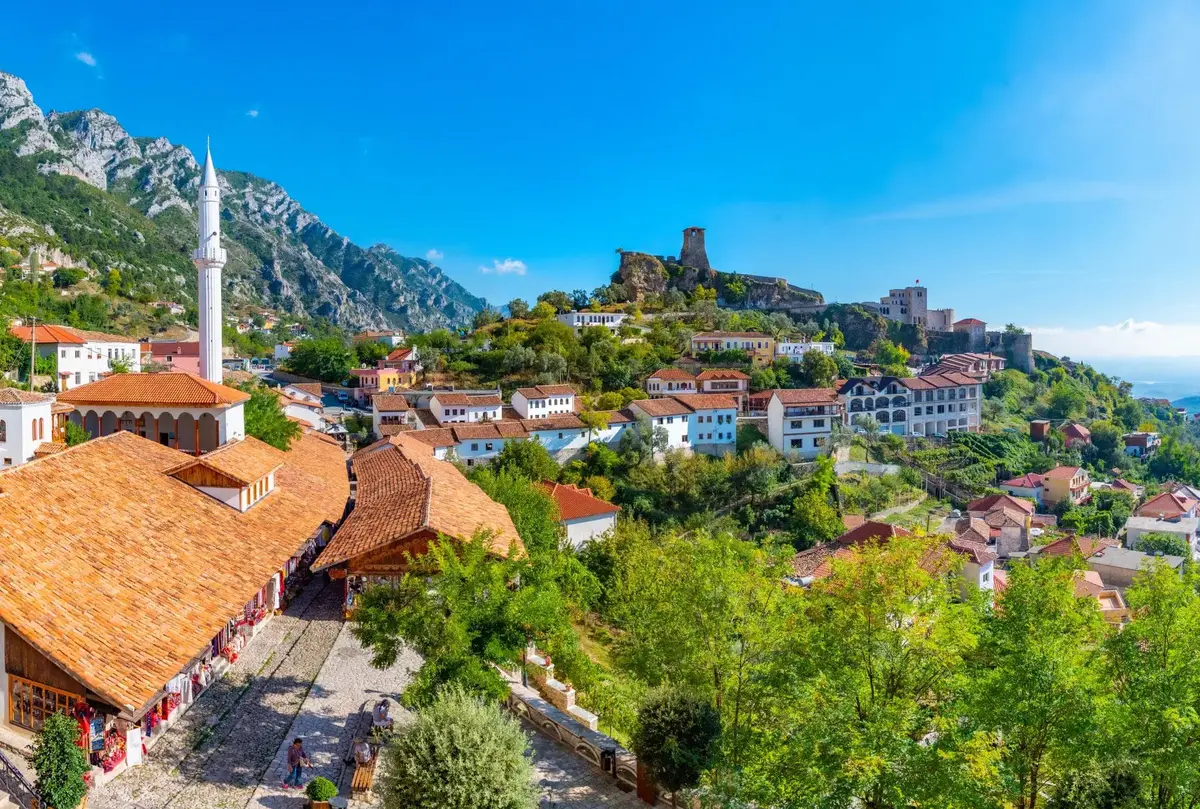
Gjirokastër — the stone city’s craft bazaar
The Old Bazaar of Gjirokastër — known locally as Qafa e Pazarit (Bazaar Pass) — sits at the foot of Gjirokastër Castle in the UNESCO World Heritage Old Town. The radial street pattern was rebuilt in 1879 after a fire. This is the strongest bazaar in southern Albania for wood carving, stone work, and embroidery.
- Location: Qafa e Pazarit, at the foot of Gjirokastër Castle, UNESCO World Heritage Old Town
- Cost: free to browse; underground parking at Çerçiz Topulli Square
- Best for: southern Albania visitors; buyers focused on embroidery, stonework, and wood carving
- Time needed: 1-3 hours for the bazaar; allow a full day to combine with the castle and Old Town walk
Named Gjirokastër artisans:
- Vjollca Mezini — embroidery
- Anastas Petridhi — wood carving
- Muhedin Makri — stone
- Edua Gjirokaster — artisan social-business shop
- Souvenir Gjirokastra — central bazaar generalist
Bring grippy soles — the cobblestones are polished, steep, and slippery when wet. Among the China-made magnets you will find real local stonework; price and texture sort the genuine from the imported.
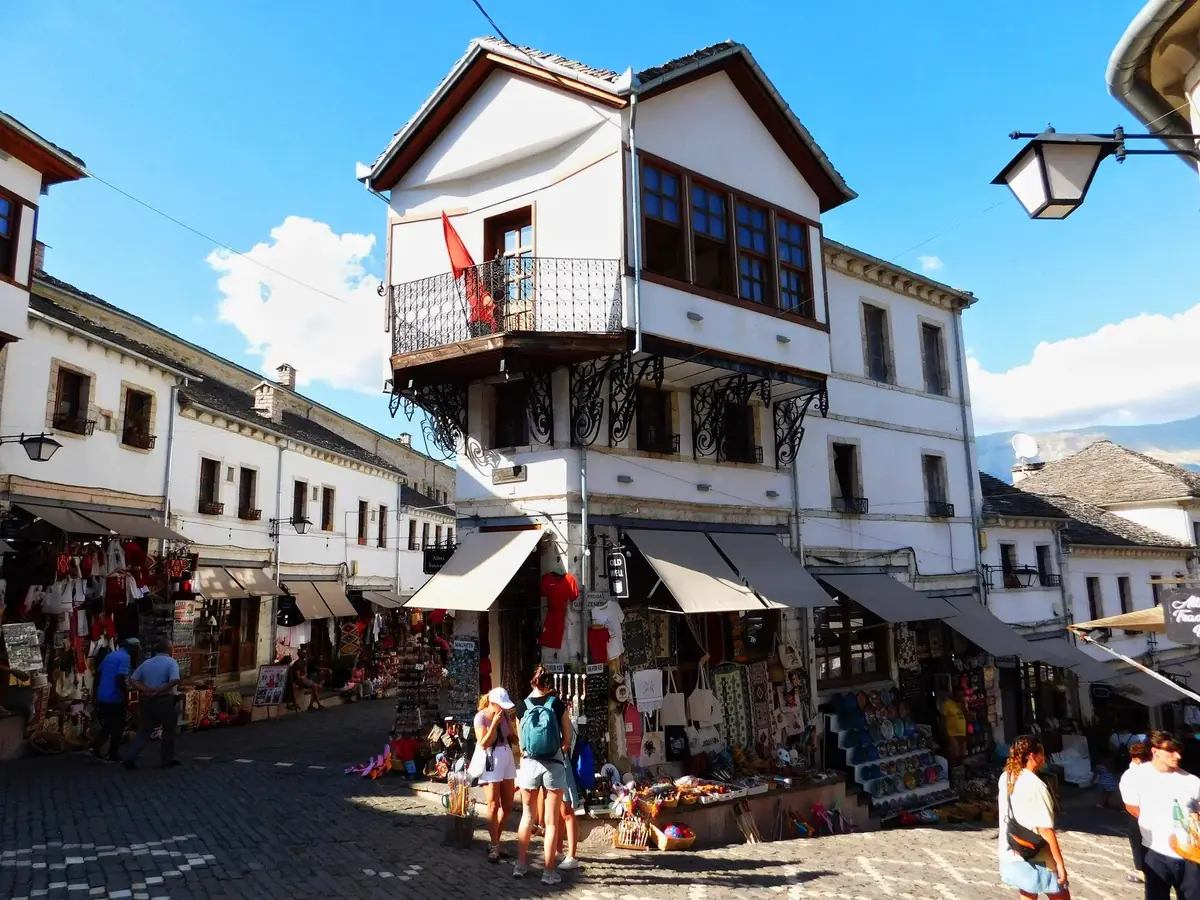
Korçë and Berat — for the unhurried collector
Korçë and Berat are detours that reward shoppers who want quiet, low-pressure browsing. Korçë’s renovated Old Bazaar (the “Bazaar of the Serenades”) contains 138 protected cultural-monument buildings and was restored for around $4.9 million in combined funding from the Albanian-American Development Foundation ($1.9M) and the Albanian government ($3M). Berat’s twin Mangalem and Gorica quarters cluster small craft shops along the Osum River.
- Cost: free to browse; Birra Korça brewery sells branded glassware on-site
- Best for: collectors with time; off-season visits; highest ratio of locally produced goods to imports
- Time needed: half day minimum per city; best as an overnight stop
Both bazaars compared to Krujë:
- Pressure: noticeably lower — vendors do not call out from doorways
- Opening prices: 10 to 15 percent below Krujë for comparable items
- Authenticity: higher ratio of locally produced goods to imports
Berat is on the UNESCO World Heritage list jointly with Gjirokastër.
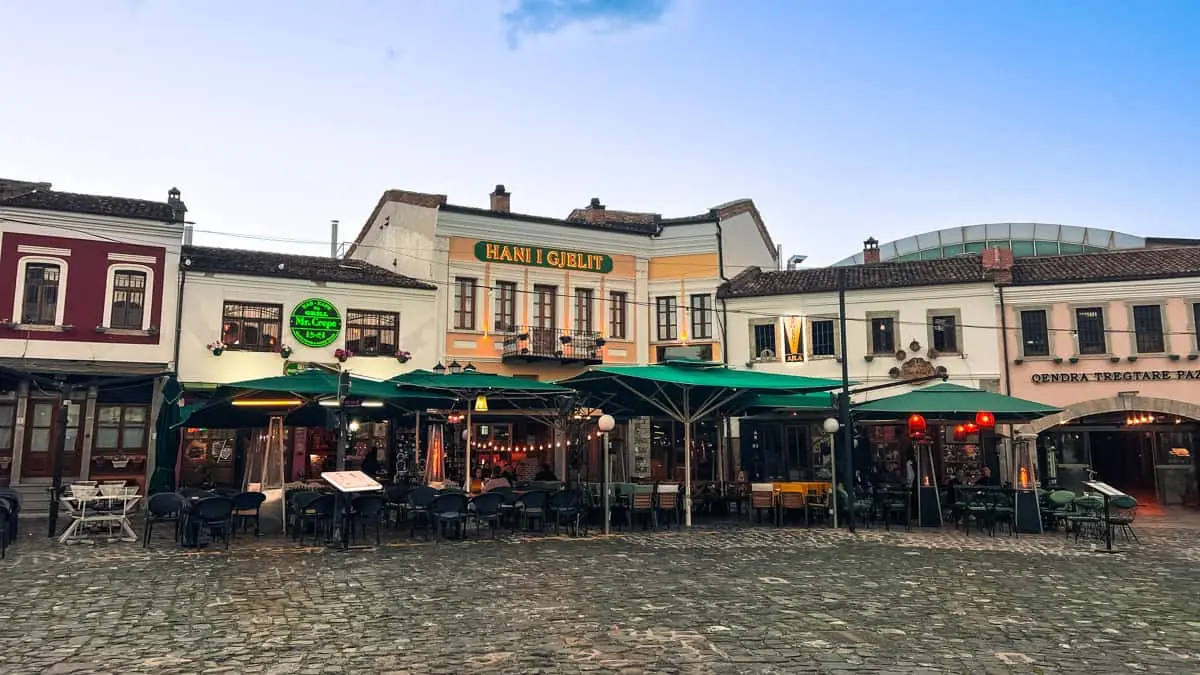
What souvenirs represent Albanian national identity?
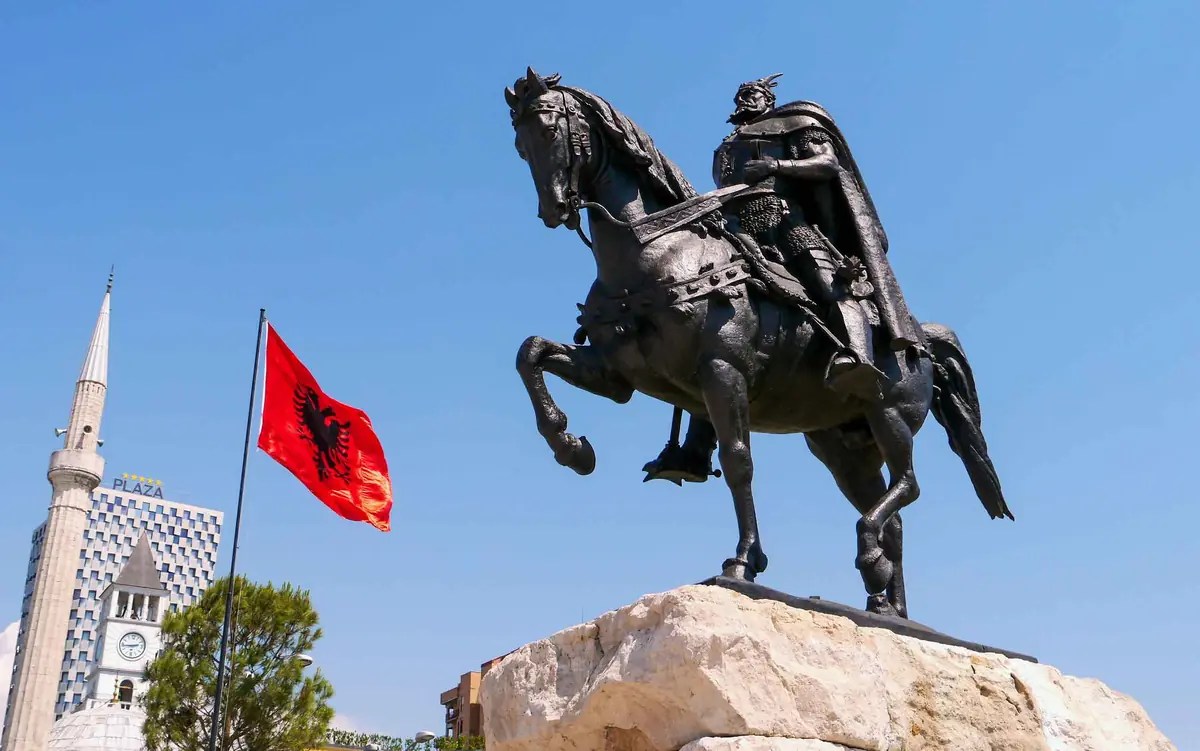
The three most identifiable national symbols in souvenir form are Skanderbeg, the double-headed eagle (shqiponja dykrenore), and Mother Teresa. They appear on bronze figurines, enameled pins, hand-painted ceramic tiles, and oil portraits. The communist-era bunker ashtray runs a close fourth — no other country makes one, which is exactly the point.
Skanderbeg, the double-headed eagle, and Mother Teresa
These are the three faces of Albanian souvenir-land. Buy them with taste-level guidance rather than at the first stall offering a printed t-shirt.
Skanderbeg merchandise:
- Small bronze or resin figurine: $8 to $25
- Wooden bottle holder with carved figure: $15 to $35
- Oil-painted portrait: $40 and up
- Visual cue: the goat-horned helmet (his battle helmet)
Double-headed eagle merchandise:
- Enameled lapel pin: $3 to $6 (the best taste-level option)
- Hand-painted ceramic tile: about $8
- Wooden wall plaque: $12 to $25
- Skip: printed flags and t-shirts (most are China-made)
Mother Teresa, beatified in 2003 and canonized in 2016, appears as small statuettes and icons running $10 to $25 in souvenir shops near Skanderbeg Square. Religious-grade pieces are sold near Catholic-heritage Shkodër.
Bunker memorabilia and communist-era antiques
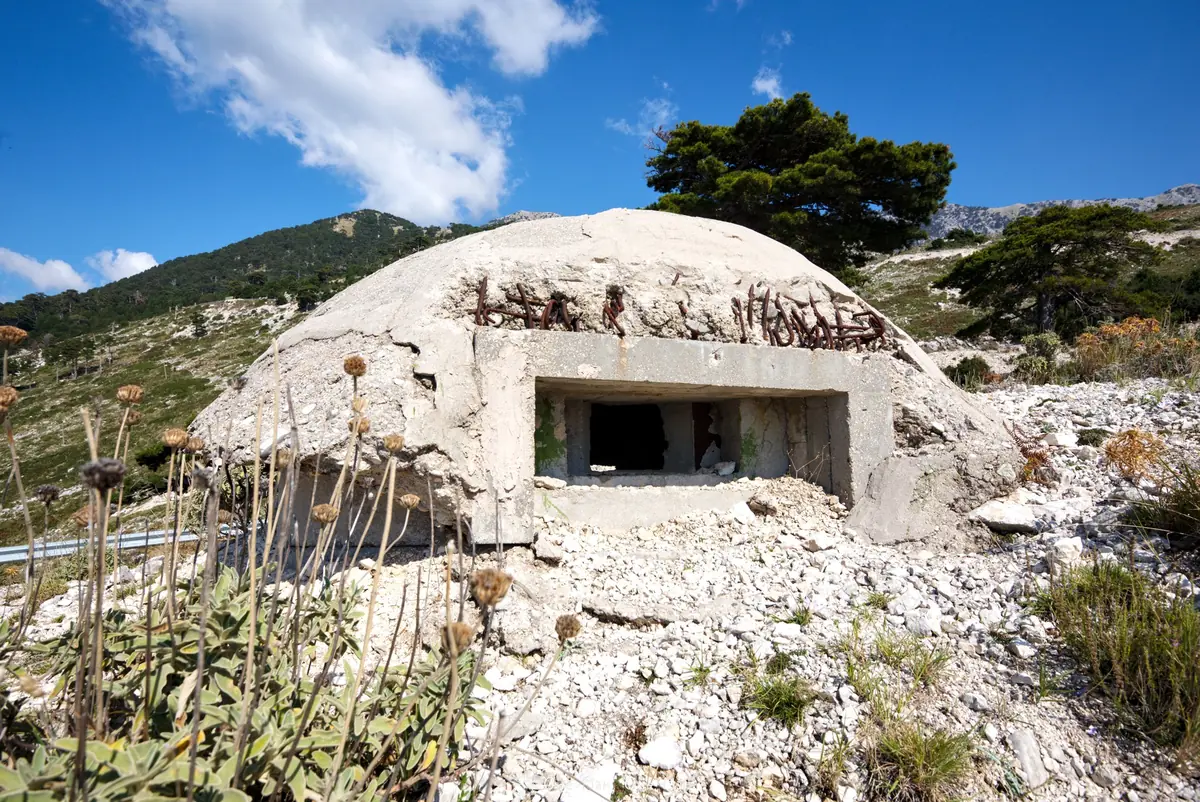
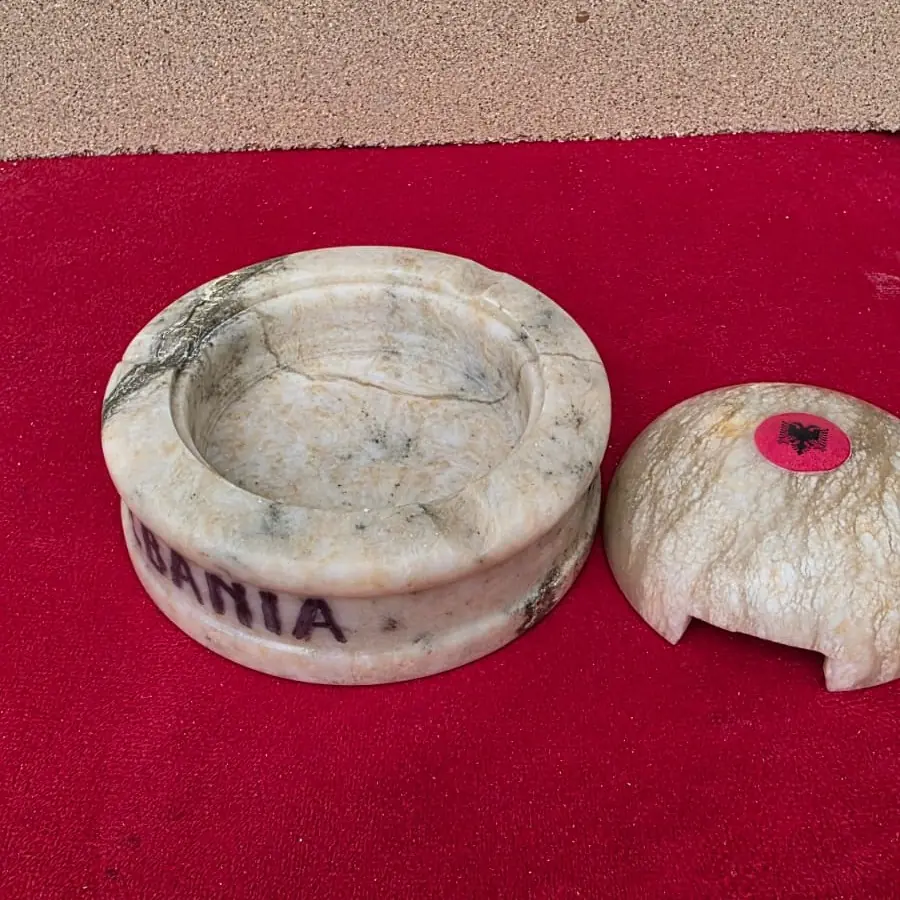
Albania’s massive Hoxha-era bunker program produced one of the world’s strangest souvenir genres. According to declassified military papers, 173,371 concrete bunkers had been constructed by 1983 — against Hoxha’s stated goal of 750,000 (“one per four Albanians”). Albania holds the world record for bunkers per capita; the often-quoted “second only to North Korea” line actually refers to tunnels, not bunkers.
Bunker-related souvenirs:
- Miniature concrete bunker ashtray: $4 to $10
- Bunker-shaped magnet: $1 to $3
- Reproduction propaganda poster: $8 to $20
- Genuine 1970s to 1980s flea-market objects (military helmets, old lek banknotes, pin-back portraits): $15 to $60
- Bunk’Art 1 and Bunk’Art 2 (Tirana museums): branded museum-quality goods
The Tirana flea market near the main bus station sells genuine antiques. Antique store owners in Gjirokastër will let you handle a 1970s Albanian military helmet for free — the heft tells you instantly whether it is real metal or a Chinese reproduction.
Çifteli and lahuta — the two-stringed soundtrack
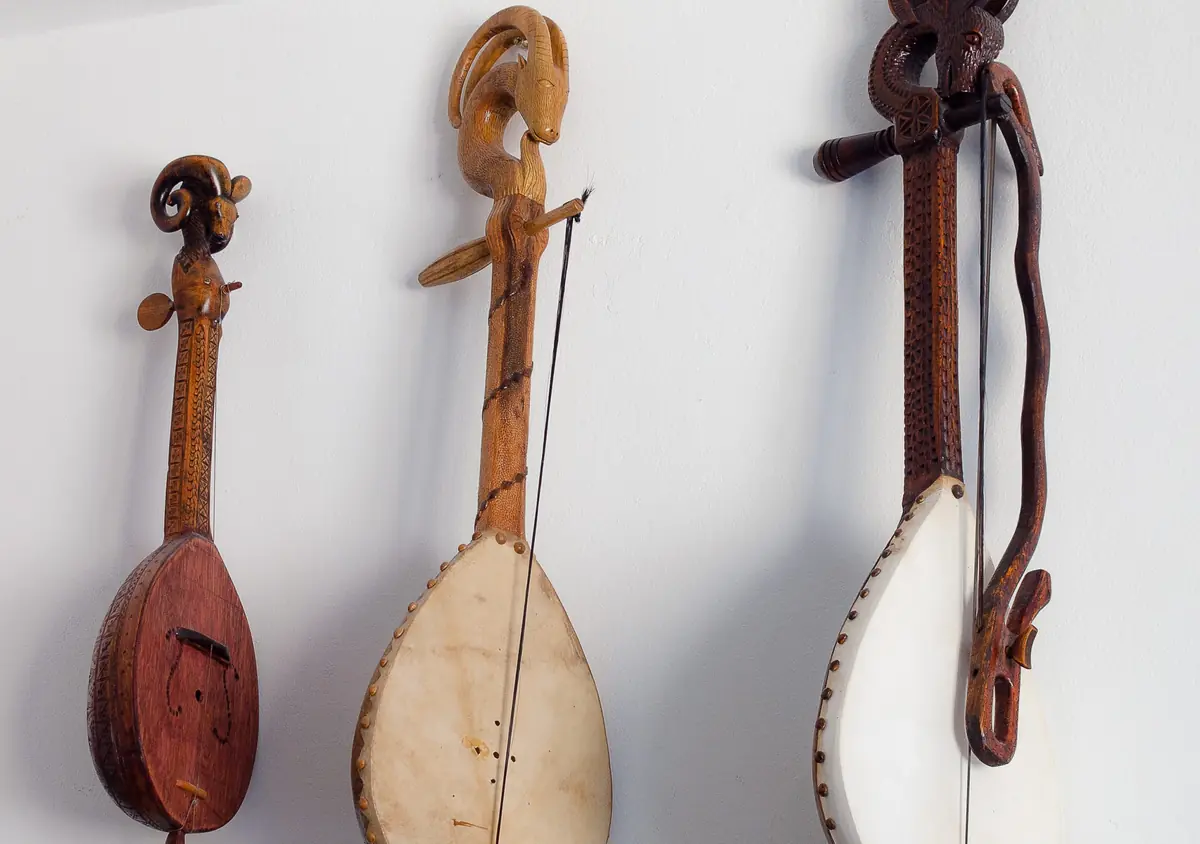
The çifteli is a long-necked two-stringed lute, the instrument of northern Albanian highland folk music. The lahuta is its single-stringed cousin used to accompany Kângë Kreshnikësh, the Albanian epic oral poetry tradition. Souvenir-grade decorative çiftelis cost $30 to $70; playable, hand-carved instruments from Shkodër luthiers run $90 to $220. Both ship better than ceramics — pad and pack in carry-on.
How to tell decorative from playable:
- Knock the resonance chamber — playable instruments sound hollow; decorative ones thud dully
- Look at the tuning pegs — playable have geared or friction pegs that turn smoothly; decorative are glued
- Best shops: Lerei and La Boheme Music in Tirana, or any Shkodër luthier on the lake-road approach
How much should you expect to pay for Albanian souvenirs?
Albania souvenir prices in USD typically run from $1 fridge magnets to $300 master-made filigree pieces — cheap even by Albania travel cost standards. Plan a budget of $50 to $120 to bring home one bottle of alcohol, one textile item, one small ceramic, one food item, and a handful of small gifts. Cash in Albanian lek gets a 5 to 15 percent better effective price than paying in euros at non-fixed-price stalls.
| Item | Budget tier (USD) | Mid tier (USD) | Premium / master-made (USD) |
|---|---|---|---|
| Qeleshe / plis hat | $6–$15 | $20–$30 | $40–$60 (hand-felted, regional) |
| Filigree earrings | $25–$45 | $50–$80 | $120–$300 |
| Qilim rug (small / 3.3×6.6 ft) | $15–$35 | $80–$130 | $180–$400+ wool |
| Hand-painted ceramic plate | $8–$15 | $20–$35 | $45–$90 |
| Skënderbeu konjak (0.7 L) | $9–$11 VS | — | $65–$75 VSOP |
| Raki (500 ml commercial) | $4–$8 | $10–$15 | $18–$30 aged |
| Çaj mali (per box / 100 g) | $2–$4 | $5–$8 | $10–$15 organic boxed |
| Bedunica honey (500 g) | $7–$10 | $12–$18 | $22–$30 single-flower |
| Bunker ashtray | $4–$8 | $10–$15 | — |
| Çifteli | $30–$70 decorative | $100–$160 | $180–$220 luthier |
After 11 days in Albania I spent $87 total on gifts for six people — one bottle of konjak, one of grape raki, three boxes of çaj mali, two pairs of filigree earrings, a small ZadrimArt plate, a qeleshe, and four bunker magnets. Everything fit in one carry-on.
Can you bring Albanian alcohol, food, and honey through US customs?
US travelers age 21+ can bring 1 liter of alcohol per person duty-free from Albania as part of the $800 personal exemption. Additional bottles are dutiable at roughly 3 percent plus federal excise but are still allowed for personal use. Olive oil, packaged honey, herbal tea, dried figs, and packaged spices — all staples of Albanian food — are admissible under APHIS rules. Most Albania souvenirs clear customs without issue when declared on CBP Form 6059B.
Quick US customs cheat sheet
Yes — these pass through CBP and APHIS when declared:
- Alcohol: 1 liter duty-free per traveler age 21+, more allowed with duty
- Olive oil (sealed, labeled)
- Honey (sealed)
- Çaj mali and other herbal teas (commercially packaged)
- Dried figs, shelled almonds, packaged spices
- Ceramics, textiles, filigree silver, copper, paintings
- Wood items free of bark and soil
No — these are confiscated at the border:
- Fresh fruit and vegetables
- Meat or anything containing meat (including bouillon cubes and meat-filled byrek)
- Raw or unpasteurized dairy
- Soil-attached plant matter
- Ivory or any wildlife product
- Antique firearms without ATF clearance
Pro Tip: I declared two bottles of Skënderbeu at JFK and the agent waved me through after a 30-second conversation. Declaration is the entire game — undeclared agricultural products draw fines up to $1,000.
How do you pack and ship Albanian souvenirs home?
Packing souvenirs follows the same logic as any solid Albania packing list: alcohol goes in checked baggage only, double-Ziplocked and wrapped in wool socks, and ceramics survive best sandwiched between layers of clothing. Rugs, textiles, and filigree travel well in carry-on. For oversized or fragile items, DHL Albania delivers to the US in 3 to 6 days from Tirana.
Pack alcohol bottles in checked baggage only, double-Ziplocked and wrapped in two thick wool socks or a padded wine sleeve. For ceramics, use the wine-sandwich method — shoes on the bottom of your suitcase, a layer of clothes, the wrapped piece in the middle, another layer of clothes on top. For oversized rugs or fragile artwork, ship via Albanian Post EMS or DHL Albania.
Shipping options from Tirana:
- Albanian Post EMS to USA: 7 to 14 days, declared value above $800 triggers US duty
- DHL Albania: 3 to 6 days, premium pricing
- FedEx Tirana: 4 to 7 days, pickup available for parcels up to 66 lbs (30 kg)
- For ceramics: insure the parcel and photograph the contents before sealing
- For rugs: roll, do not fold; ship in a cardboard tube
A 3.3-by-6.6-foot (1-by-2-meter) qilim folds to the size of a thick laptop and weighs about 3.3 lbs (1.5 kg) — it goes in checked baggage. Ceramic plates do not survive a checked-baggage gorilla without serious padding.
How does bargaining work in Albanian bazaars?
Albanian bargaining is light and friendly, not the theater of a Moroccan souk. At Krujë, Gjirokastër, and roadside stalls, a polite counter at 70 to 80 percent of the asking price typically lands a deal at 85 to 90 percent. Fixed-price malls and modern shops do not negotiate. Pay cash in lek for the best discount, and be ready to walk — the second offer usually catches you at the door.
Practical bargaining tactics:
- Greet first in Albanian: “Mirëdita” (good day) earns a small discount
- Ask in Albanian: “Sa kushton?” (how much?)
- Carry small notes (100, 200, 500 ALL) — large notes are bad for change
- ATMs charge 600 to 800 ALL per withdrawal — Albania’s currency guide covers exactly how to minimize the fee
- Old-lek verbal quoting at 10x the printed price still happens with older speakers — confirm zeros
Pro Tip: A friendly “Mirëdita, sa kushton?” followed by silence after the first price almost always drops it 15 percent before you have said another word.
What are the biggest tourist traps to avoid?
The three biggest Albania souvenir traps: machine-loomed polyester rugs sold as handmade qilim in Krujë’s outer stalls; die-stamped earrings sold as hand-twisted filigree; and printed Albanian flags labeled “made in” anywhere but Albania. Skip airport duty-free for Skënderbeu konjak — it is nearly double the supermarket price. Krujë’s gauntlet of identical magnet stalls is the lowest-yield 20 minutes of Albanian shopping.
Three traps and how to dodge them:
- Polyester “qilim”: the palm-rub test (real wool grabs; polyester is glassy)
- Die-stamped “filigree”: the hold-to-light test (mirrored patterns mean machine-stamped)
- Made-in-China flags and shirts: check the tag — buy a hand-painted ceramic eagle tile instead
- Airport duty-free konjak: buy at any Conad or Spar in central Tirana for half the price
- The first 50 meters (165 feet) of Krujë’s bazaar from the parking lot: walk past, head uphill toward the castle
I once watched the same Skanderbeg magnet sell for 100 ALL at Pazari i Ri and 400 ALL at Tirana airport. The markup runs roughly 4x by the time you reach security.
Before you book
TL;DR — Bring home one bottle of Skënderbeu konjak ($9) and one of grape raki ($6), a small box of çaj mali ($3), 500 g of Bedunica honey ($10), a pair of filigree earrings from Shkodër or Krujë ($30 to $60), a small hand-painted ZadrimArt ceramic ($15), and a qeleshe ($12). Total: about $95 in checked baggage — a budget that scales whether you’re on a 3-day Albania itinerary or a two-week road trip. Skip airport duty-free, buy konjak at a Tirana supermarket, and pay in lek wherever you can.
This is the exact list I packed on my last flight from Tirana to Vienna to Washington — nothing broke, nothing got confiscated, and four of the gifts ended up requested again for the next visit.
Have you found a Krujë artisan or a Gjirokastër embroidery shop the guidebooks miss? Drop the name and what you bought in the comments — the goal is to keep a working list of named artisans, not generic stall numbers.