Planning a Spain and Portugal itinerary turns frustrating fast: there is no direct train between Madrid and Lisbon, cross-border car rental fees can top €1,000 ($1,100), and most guides skip these friction points entirely. This one doesn’t. Here are two complete itineraries and the logistics to pull them off.
Why does getting between Spain and Portugal feel so broken?
The Iberian Peninsula has a genuine infrastructure gap that will derail your trip if you don’t plan around it. Madrid and Lisbon sit roughly 340 miles (547 km) apart with no direct rail connection between them. The two main traps — the rail gap and the cross-border car rental fee — cost travelers hundreds of dollars when they hit them by surprise.
The Madrid-Lisbon rail gap: what you’re actually dealing with
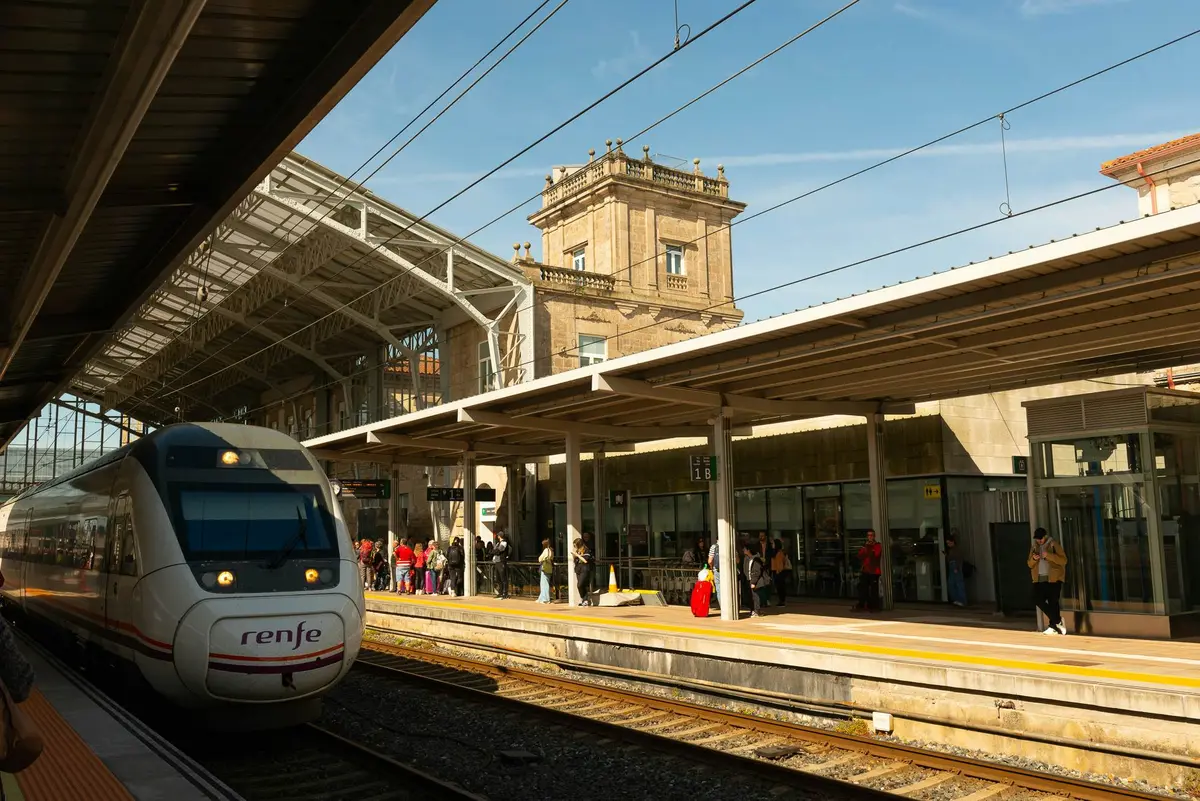
No direct train runs between Madrid and Lisbon. The overnight Trenhotel Lusitania service was suspended during the pandemic and has never resumed. A high-speed connection is under construction, with a direct ~5-hour service planned by 2030 and a full 3-hour corridor by 2034. Until then, train travel between the two capitals means a three-train sequence — Madrid to Badajoz, Badajoz to Entroncamento, Entroncamento to Lisbon — that takes over nine hours and requires two separate ticket purchases.
Most travelers are far better served by bus or, when time matters, a budget flight. Alsa and FlixBus both serve the Madrid-Lisbon route with fares starting around €10 ($11). The bus takes seven to nine hours, which is actually faster than the rail option. Flights take about 1 hour 20 minutes in the air, though airport transfers add at least two hours on each end.
The smartest structural move is to route your Spain and Portugal itinerary through southern Spain, bypassing the Madrid-Lisbon gap entirely. Seville to Faro takes roughly 2.5 hours by bus, Alsa alone runs more than 22 daily departures, and fares start around €12 ($13). This corridor is the backbone of the 14-day itinerary below — and the smoothest international crossing on the entire Iberian Peninsula.
Pro Tip: Use Plaza de Armas bus station in Seville for the Faro crossing, not Prado de San Sebastián. Plaza de Armas has the most frequent international departures and both Alsa and FlixBus depart from here. Book at least three days ahead in summer — the morning buses to Faro Airport sell out by Thursday most weeks.
How do you avoid the €1,000 cross-border rental car fee?
Renting a car in Spain and dropping it off in Portugal — or vice versa — typically triggers a one-way international fee of €600 to over €1,000 ($660 to $1,100). This is the single largest hidden cost in any Iberian road trip and almost no travel guide mentions it.
The workaround requires one extra leg. Keep both rental car segments domestic:
- Rent a car in Portugal for your Portuguese segment — pick up in Lisbon, drop off in Porto.
- Take the Celta service from Porto Campanhã station to Vigo, Spain. It runs twice daily, takes about 2.5 hours, and costs €16.75 ($18) at the regular fare, with promotional fares from €7.15 ($8) if you book ahead. Note: from April 2026 through April 2027, buses replace trains over the Vigo–Valença border section due to infrastructure works by Spain’s ADIF; the timetable and fares remain unchanged, but add 15 to 20 minutes for the road transfer.
- Pick up a new Spanish rental car in Vigo and continue your journey through Spain.
You pay two domestic rental rates instead of one cross-border rate. The extra logistics take about 15 minutes to arrange and can save €500 or more.
Where should you store luggage on a Spain-Portugal trip?
Dragging rolling suitcases over cobblestones destroys the pleasure of stopping in cities en route. Knowing exactly where to leave bags in each stopover makes the difference between a flexible itinerary and an exhausting shuffle.
- Coimbra: Lockers available directly on the platform at Coimbra-A train station — two large, six small. Coin-operated; bring change.
- Évora: No official station lockers. Use app-based services like Bounce or LuggageHero, which partner with local shops near Praça do Giraldo. The tourist office on the square can direct you to guesthouses that store bags for a small fee.
- Mérida: The train station luggage storage office is open from 8:00 AM to 8:00 PM for manual storage.
Which is the best way to travel between Madrid and Lisbon?
The right mode of transport depends on whether you’re optimizing for cost, time, or emissions. The 3-train rail option is the slowest and least practical choice — useful context mainly for the rail enthusiast who has planned around it specifically. For everyone else, the bus or a budget flight wins.
- Flights: 1 hour 20 minutes in the air; add 2+ hours for airport transfers on each end. Fares typically run €21 to €176 ($23 to $195). Carbon footprint: 1.5 to 3.0 kg CO₂.
- Buses: 7 to 9 hours, fares from €10 ($11), roughly one departure every two hours. Carbon footprint: 0.5 to 1.3 kg.
- Train (3-train combo): 9+ hours, fares from €83 ($92), only a handful of daily departures. Carbon footprint: 0.2 to 0.5 kg — but the schedule constraints make this a niche choice.
The standout route is Seville to Faro by bus: roughly 2.5 hours, fares from €12 ($13), and more than 22 daily Alsa departures plus FlixBus services on top. For connecting Andalusia to the Algarve, nothing else comes close.
What’s the best 14-day Spain and Portugal route?
The southern arc follows a logical geographical path from Andalusia into Portugal, bypassing the Madrid-Lisbon gap by using the Seville-Faro corridor as the crossing point. You move directly from Moorish Andalusia to the Atlantic coast — a cultural transition that makes geographic and experiential sense in a way that capital city-hopping does not.
Days 1-3: Seville
Seville announces itself through smell before you see anything worth photographing. In late March and April, the air in Barrio Santa Cruz and the Patio de Banderas is thick with azahar — orange blossom — a dense, sweet fragrance that makes spring in Andalusia feel unlike any other city in Spain.
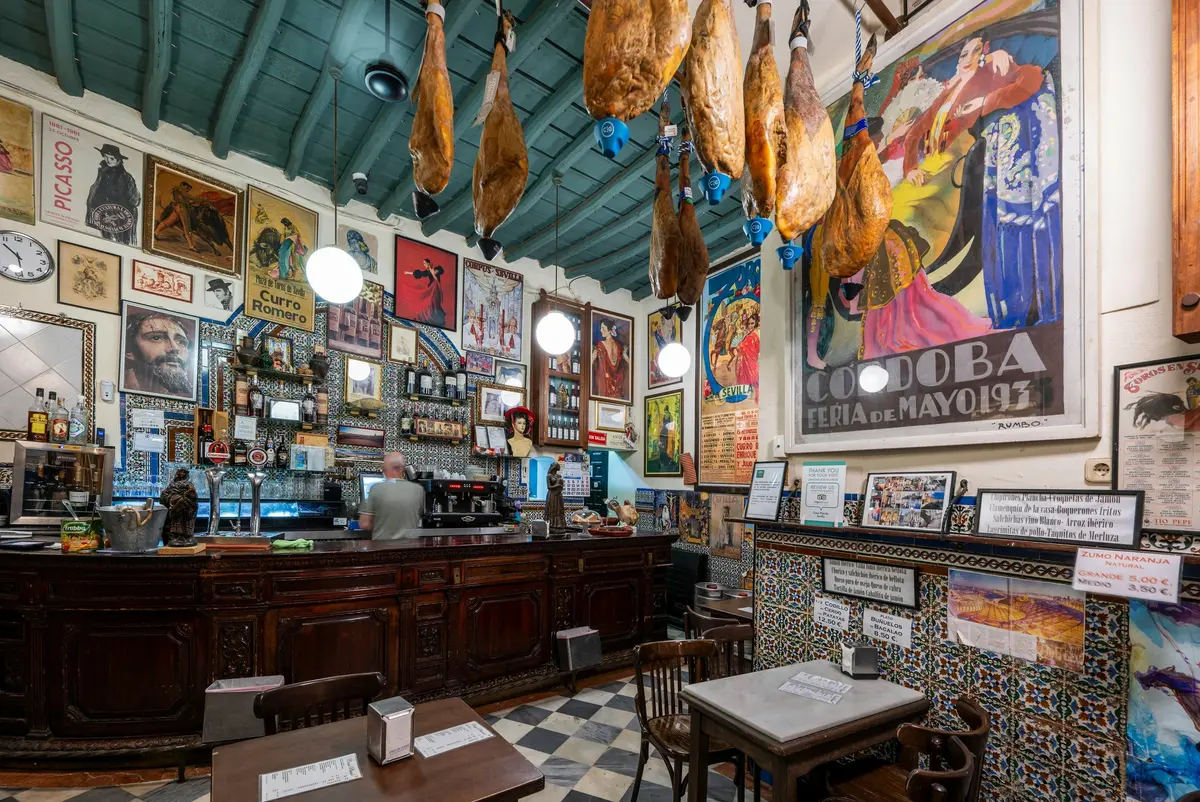
Start with the Alcázar and Cathedral, but resist the laminated-menu restaurants clustered around every tourist corner. El Rinconcillo, established in 1670, is the oldest bar in the city: order standing at the counter while the bartender chalks your bill directly on the wood. For rice dishes done properly, Arrocería Criaito serves an Arroz del Día that changes based on whatever seafood or rabbit arrived that morning — this is what locals order instead of paella, and the quality gap is not subtle. Torres y García is widely regarded as serving the best patatas bravas in the city; on a busy Saturday, you will wait 20 minutes for a table in a room the size of a large walk-in closet, and it is worth every minute.
The heat is Seville’s most honest friction point. Summer highs regularly exceed 104°F (40°C), making the city genuinely uncomfortable from mid-July through August. Spring and fall visits are far more pleasant.
- Location: Barrio Santa Cruz, city center
- Cost: Alcázar from €12 ($13); Cathedral from €12 ($13); tapas from €2 ($2) per plate at the bar
- Best for: Culture, food, and architecture; essential stop for flamenco
- Time needed: 3 days minimum
Day 4: The Seville-Faro crossing
Head to Plaza de Armas bus station — not Prado de San Sebastián — for the most frequent international departures. An Alsa or FlixBus direct to Faro Airport bypasses city traffic and drops you at the rental car pickup zone, saving 40 to 45 minutes compared to arriving at the downtown terminal if you plan to drive the Algarve.
The 2.5-hour journey is the smoothest international transfer on the entire trip. Watch the landscape shift from Andalusia’s olive groves to the rust-red cliffs of the Algarve. Book at least three days ahead in summer — the morning buses to Faro Airport sell out by mid-week.
Days 5-7: The Algarve
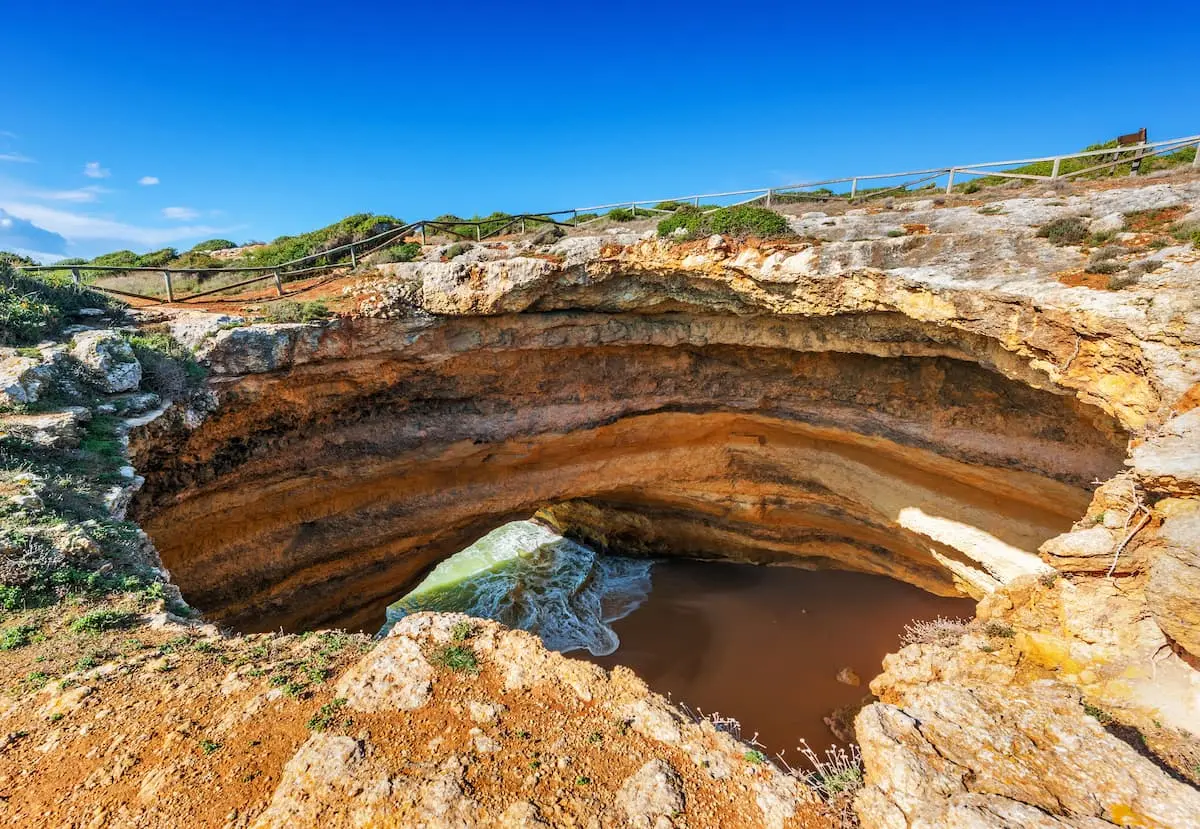
The Algarve’s reputation as a beach resort destination undersells what the coastline actually looks like. The Seven Hanging Valleys Trail is a 3.7-mile (6 km) coastal hike between Praia da Marinha and Praia de Vale Centeanes that delivers views down into Benagil Cave from the clifftop above. Most visitors see Benagil from inside via a boat tour; the aerial perspective from the trail is more dramatic and costs nothing.
For the cave itself, skip the large tour boats and book a small-boat grotto tour departing from Lagos. Only small vessels can navigate the tight interiors of the most striking sea caves along this coastline. Evenings in Lagos Old Town center on the bars along Rua Cândido dos Reis, which stay genuinely alive from 10 PM onward and don’t feel like a constructed tourist circuit the way the marina area does.
The crowds and inflated prices from June through August are real: a meal that costs €14 ($15) in April will cost €22 ($24) in July. September delivers good weather and bearable prices with far fewer people.
- Location: Southern Portugal; base yourself in Lagos or Carvoeiro
- Cost: Small-boat cave tours from €15 ($16); Seven Hanging Valleys Trail free
- Best for: Hikers, geology enthusiasts, and cave explorers — not a flat beach holiday
- Time needed: 3 days
Days 8-9: Alentejo
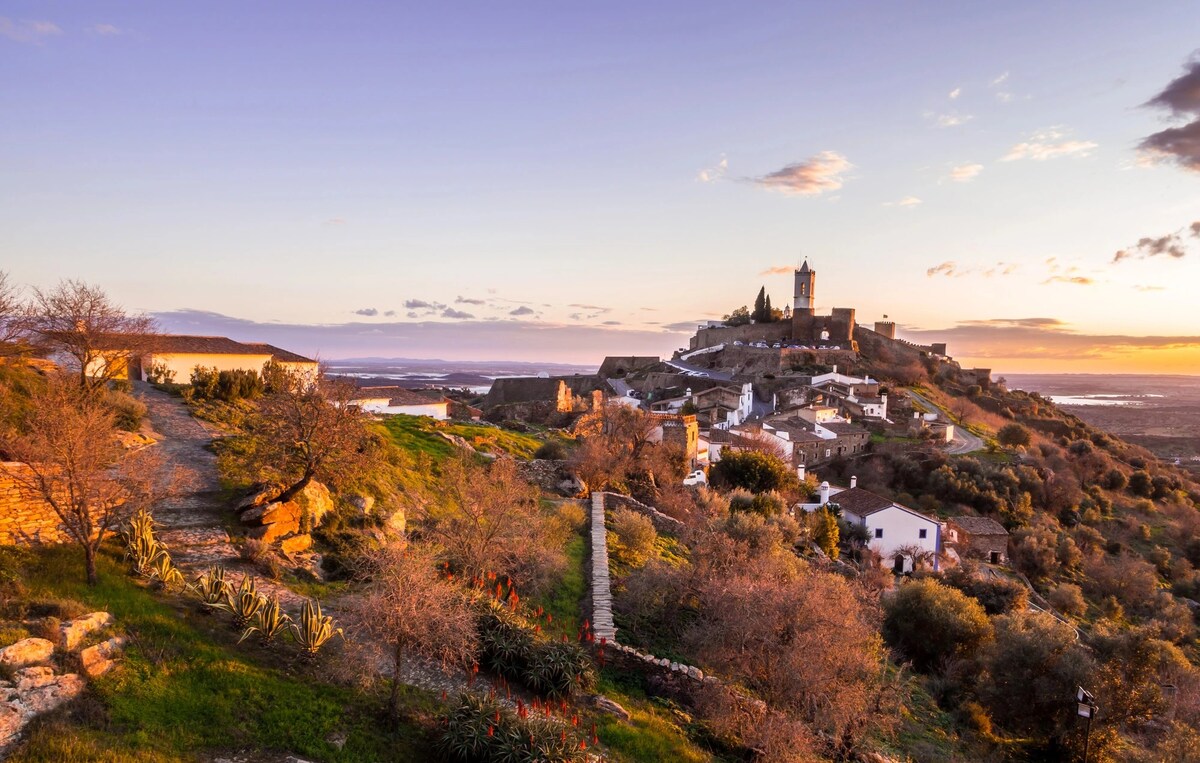
Most travelers skip Alentejo entirely, which is the main reason to go. This is the part of Portugal that has not been packaged for export: cork oak forests stretching to the horizon, medieval villages frozen in the 16th century, and a pace of life that makes you realize how fast you have been moving everywhere else.
In Évora, the Chapel of Bones — its walls lined with the skulls and femurs of over 5,000 monks — is genuinely unsettling in a way that photographs fail to convey. The inscription above the entrance translates roughly as “We bones that are here await yours.” The Roman Temple on the hill above is among the best-preserved anywhere in the world, free to walk around, and almost always empty. The 10-minute walk between the two sites passes through the old town in a way that no map needs to direct.
Monsaraz is the non-negotiable detour: a walled hilltop village with whitewashed cottages, no visible modernity, and an unobstructed view over the Alqueva reservoir — the largest artificial lake in Western Europe. Elvas, with its star-shaped fortifications among the best-preserved military architecture on the continent, is worth the 30-mile (48 km) drive from Évora.
For a taste of traditional Portuguese food at its most regional, order migas at O Alpendre in Arraiolos or Sabores de Monsaraz: breadcrumbs fried with garlic, olive oil, and pork, crispy and deeply savory, and nothing like anything you have eaten elsewhere.
Alentejo requires a car. Public transport connections are sparse and infrequent, and Monsaraz is unreachable without one.
- Location: Central-south Portugal; Évora is the main hub, 1.5 hours from Lisbon by car
- Cost: Chapel of Bones ~€4 ($4); Roman Temple free; migas dish ~€8 ($9); Alentejo wine ~€3.50 ($4)/glass
- Best for: Slow travelers, wine tourists, anyone who finds Lisbon and Porto too busy
- Time needed: 2 days minimum; 3 is better
Days 10-14: Lisbon and Sintra
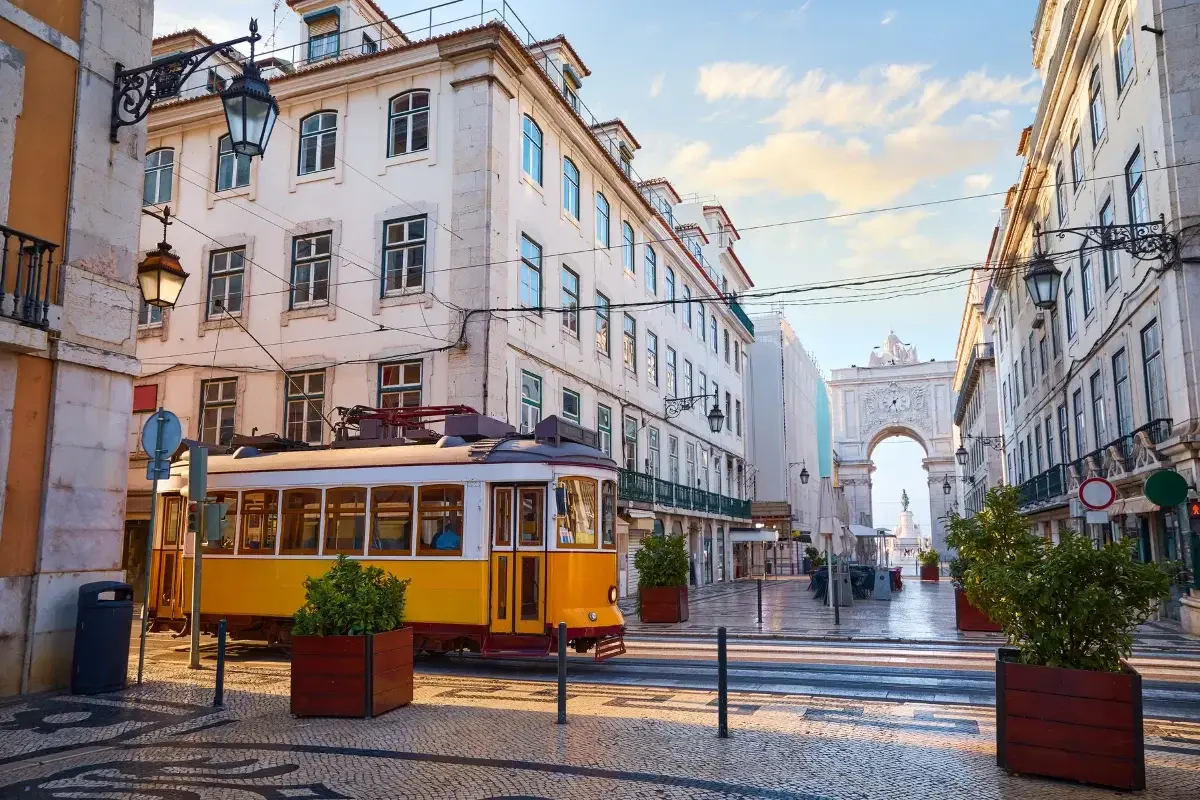
Lisbon is built on seven hills, which means two things: your legs will hurt, and your photos will be extraordinary. Skip the Santa Luzia viewpoint — it is the first stop on every tour bus route and feels like it. Miradouro do Monte Agudo has a residential, bohemian character, and Miradouro do Recolhimento near the castle is where locals sit on the wall at sunset rather than crowds holding phones.
Pro Tip: Book your Pena Palace tickets in advance and arrive by 9:15 AM. Tour buses reach the entrance gates at 10:00 AM and the difference between a 9:20 AM entry and a 10:10 AM entry is the difference between having the colored towers mostly to yourself and shuffling through a crowd that makes it impossible to stop walking. After Pena, drive 10 minutes to Palácio de Monserrate — equally dramatic, a quarter of the visitors, and almost no one knows it exists.
In Alfama, find fado in Lisbon at its most authentic — a Fado Vadio night: amateur fado sessions in tiny taverns where locals perform for each other, not for tour groups. On my last visit, I sat in a room of 20 people where a woman in her seventies sang for 12 minutes without anyone moving, breathing audibly, or looking at their phone. No polished dinner show replicates that.
The calçada portuguesa — the traditional black-and-white stone mosaic pavement — becomes dangerously slippery when wet. Wear shoes with real grip, not sneakers with smooth soles. This is the kind of friction point guidebooks leave out.
- Location: Atlantic coast, western Portugal; Alfama and Belém for sightseeing, Príncipe Real for eating
- Cost: Pena Palace from €14 ($15); Palácio de Monserrate from €8 ($9); Fado Vadio nights typically free (bar minimum spend applies)
- Best for: All traveler types; exceptional for walkers, fado fans, and palace lovers
- Time needed: 4-5 days, including a Sintra day trip
How does the 10-day capital connector work?
The 10-day capital connector covers Madrid, Porto, and Barcelona but only works if you are willing to use at least one budget flight. The most efficient routing is a flight from Madrid to Porto at the start, or from Porto to Barcelona at the end, bypassing a 9-hour bus journey between those two points.
Days 1-3: Madrid
Madrid’s Golden Triangle of Art — the Prado, Reina Sofía, and Thyssen-Bornemisza, all within a 15-minute walk of each other — deserves at least one full day, but museum fatigue sets in hard after four hours. Go deep into one rather than superficially through all three on the same afternoon.
Retiro Park at sunset is one of the better free hours in any European capital. Locals gather near the Crystal Palace for impromptu music and the light on the water turns gold around 7:30 PM in spring. From there, work south to Calle Cava Baja for a proper tapas crawl: Taberna La Concha for vermouth, then Tempranillo for a glass of wine with jamón ibérico. Dinner in Madrid doesn’t happen until 9:30 PM; restaurants sitting half-empty at 8:00 PM fill completely within 45 minutes.
Madrid is more intensely Spanish than Barcelona — less internationally famous, more uncompromisingly itself.
- Location: Geographic center of Spain; Puerta del Sol is the central reference point
- Cost: Prado Museum from €15 ($16); tapas from €2 ($2) per plate; dinner from €20 ($22) per person
- Best for: Art lovers, late-night culture, anyone who wants an unapologetically Spanish city
- Time needed: 3 days
Days 4-6: Porto
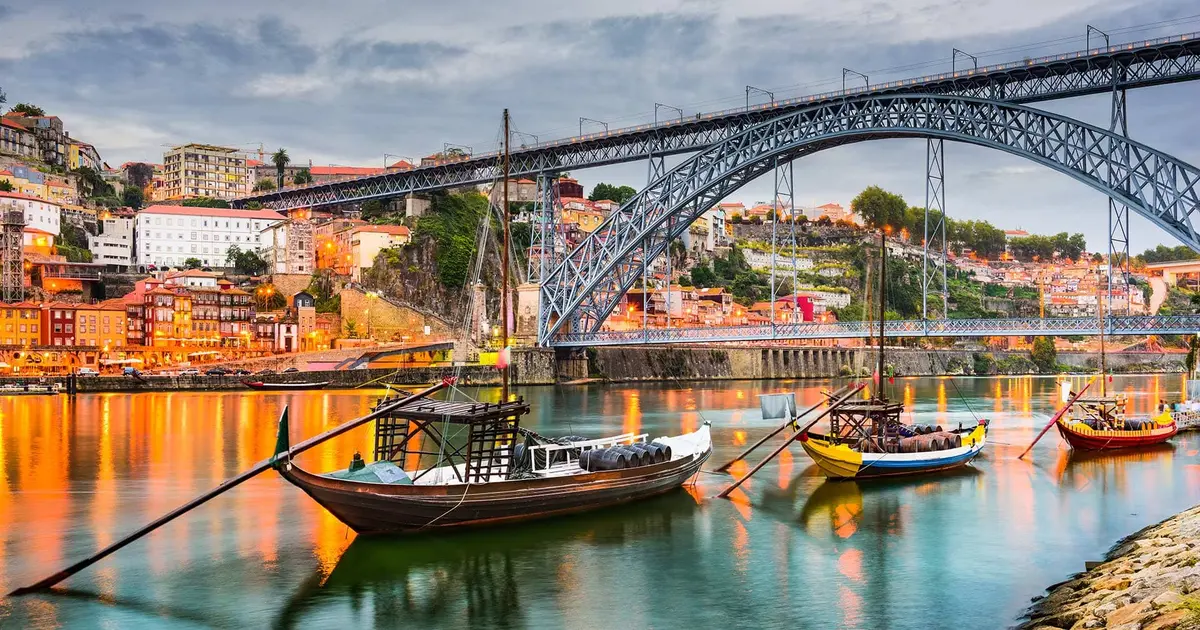
Porto‘s beauty is in its visible age. The azulejo tile facades are stained with damp, laundry hangs from wrought-iron balconies, and buildings lean into each other on steep streets that drop toward the Douro River. None of it is tidy and all of it is worth looking at.
Cross the Dom Luís I Bridge on foot to Vila Nova de Gaia. Skip the generic riverfront tasting rooms and explore the Port wine cellars in Porto properly — start with Cockburn’s, where you can watch coopers actively repairing oak barrels. The rhythmic hammer strikes and the smell of toasted wood tell you more about Port production in 10 minutes than any guided tour narration. For a serious tasting, book the Graham’s Vintage Room experience, which starts at €60 ($66) per person for a tour plus three wines — their LBV, a Vintage Port, and an aged Tawny — paired with chocolate, cheese, and a pastel de nata in a room that looks like a private library.
Back in Porto, walk through Livraria Lello before 9:00 AM, which is the only time the crowds thin enough to actually look at the books rather than photograph other people photographing the staircase. Tram 1 along the Douro riverfront costs €3.50 ($4) and takes about 20 minutes; it is slow, old, and the views over the river toward Foz are the best you will get from ground level — unless you book a Douro River cruise for a water-level perspective.
Porto is a working city wearing its history without apology. That is what separates it from Lisbon, which wears the same history with considerably more self-awareness.
- Location: Northwest Portugal; Vila Nova de Gaia across the river for Port wine lodges
- Cost: Graham’s Vintage Room from €60 ($66); Tram 1 €3.50 ($4); Livraria Lello entry ~€5 ($5)
- Best for: Wine lovers, architecture fans, weekend city-breakers who want an unpretentious atmosphere
- Time needed: 2-3 days
Days 7-10: Barcelona
Barcelona runs on contrast — Gaudí’s organic modernisme against the Gothic Quarter’s medieval alleyways, beach culture against museum culture, Catalan identity against Spanish identity. All of it coexists within a walkable grid.
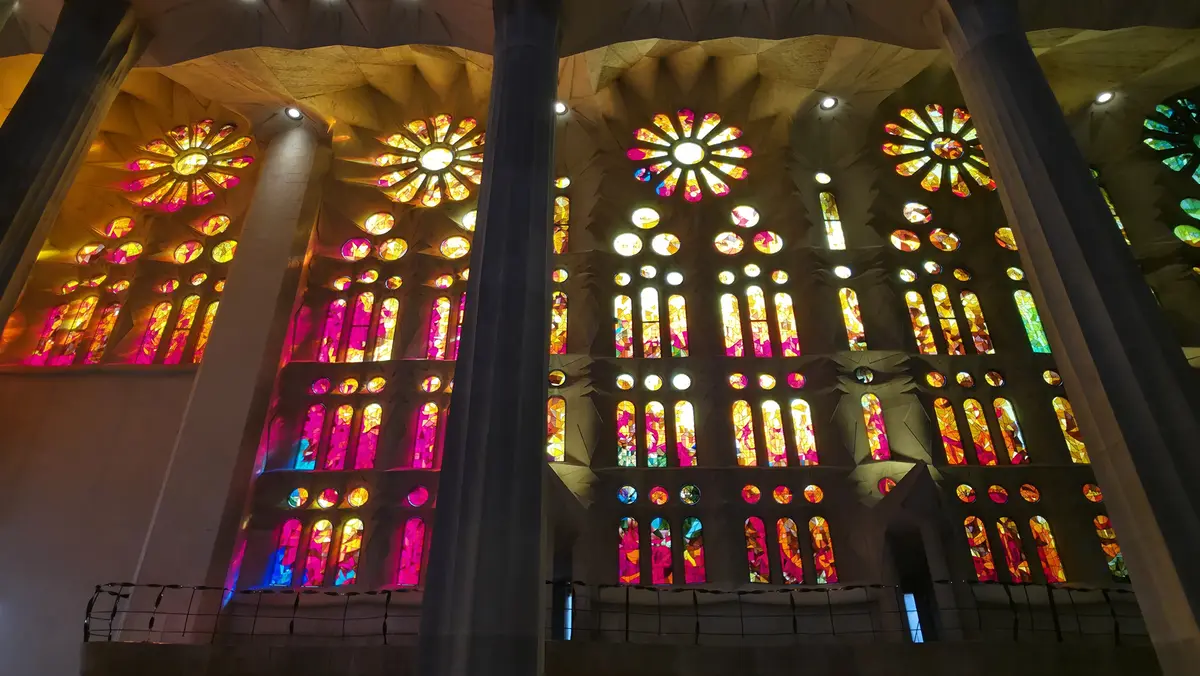
For the Sagrada Família, visit around 7:00 PM in summer. The setting sun filters through the stained-glass windows on the western facade and fills the interior with layered blues, reds, and golds in a way that no photograph reproduces accurately. Morning visitors miss this entirely. Book a timed entry for the late afternoon slot specifically — tickets sell out weeks ahead in peak season. Park Güell also requires advance timed booking; don’t assume walk-in access.
Rent a Donkey Republic bike for the flat ride along the Barceloneta beachfront to Port Olímpic. The terrain is genuinely flat, unlike most of the city, and the sea breeze makes midday heat manageable in summer. The Gothic Quarter is better on foot — get deliberately lost in the alleys rather than following a map, and allow at least three hours.
Persistent pickpocketing on La Rambla and in the Gothic Quarter is the city’s main practical irritation. Keep your phone in a front pocket and leave your passport at the hotel.
- Location: Northeast Spain; the Gothic Quarter and Eixample are the primary neighborhoods
- Cost: Sagrada Família from €26 ($29); bike rental from €2 ($2)/30 min; Gothic Quarter free to explore
- Best for: Architecture, beach, Catalan food, and Gaudí enthusiasts
- Time needed: 4 days
When is the best time for a Spain and Portugal trip?
Spring (March through May) and fall (September through October) represent the best time to visit Portugal — and the Iberian Peninsula as a whole. Daytime temperatures typically run 64°F to 77°F (18°C to 25°C), crowds are manageable, and the light in Andalusia and the Alentejo in April is something that justifies the trip on its own.
Summer works if you accept that Seville above 95°F (35°C) in August makes sustained outdoor walking genuinely unpleasant, and that Algarve beach towns roughly triple their prices from June through August. If you go in summer, plan full Seville days for early morning and retreat indoors by noon.
Winter is the least appreciated option. Southern Spain and Portugal stay mild, with daytime temperatures often reaching 59°F to 68°F (15°C to 20°C) — comfortable for sightseeing with a light jacket. The specific seasonal upside is real:
- Off Nazaré‘s coast from November onward, surfers tackle waves regularly reaching 60 to 80 feet (18 to 24 meters). The viewing platforms at Praia do Norte are free. January is statistically the peak for the largest swells and the most consistently dramatic spectacle.
- The Algarve’s hills turn white with almond blossoms in late January through early February, culminating in the Almond Blossom Festival in Alta Mora, Castro Marim — hiking, folk music, workshops, and a 42-meter almond tart built by culinary students.
- Seville’s Navigalia — a 3D video mapping show projected across water screens on the Guadalquivir River at the Muelle de la Sal — runs from mid-December into early January. Free to attend, with multiple nightly sessions, and the Triana Bridge is lit and synchronized with the soundtrack.
- Lisbon’s Wonderland fills Parque Eduardo VII with an ice rink, a ferris wheel, food stalls, and craft markets from late November through early January. Entry to the grounds is free; the ice rink and ferris wheel require paid tickets.
What should you actually eat in Spain and Portugal?
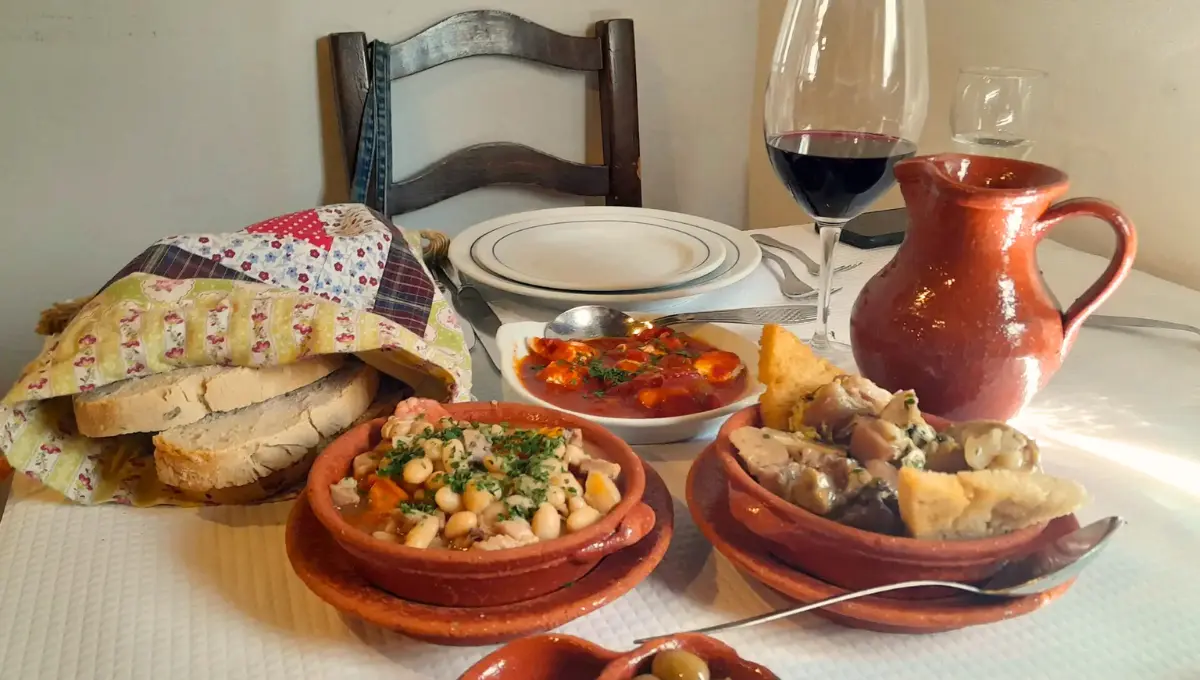
Eating well across both countries comes down to knowing what’s specific to each region, not just where to sit down. The food traditions in Alentejo, Andalusia, and Catalonia exist in completely different registers, and none of them translate well to tourist menus.
In Alentejo, order migas. Breadcrumbs fried with garlic, olive oil, and chunks of pork — crispy, deeply savory, and nothing like anything you will find outside this region. Ask for it at O Alpendre in Arraiolos or Sabores de Monsaraz, paired with a glass of Alentejo wine that will cost about €3.50 ($4) a glass and embarrass most things you pay four times as much for at home.
In November and December across Portugal, street vendors sell castanhas assadas — roasted chestnuts in paper cones for around €2 ($2), tied to the Magusto harvest celebrations. It is the kind of thing you walk past twice before buying and then spend the rest of the trip looking for again.
In Seville, ignore any restaurant displaying photos of paella on a laminated menu. At Arrocería Criaito, the Arroz del Día changes based on whatever seafood or rabbit arrived that morning; this is what Sevillanos actually order. El Rinconcillo’s counter service — standing, no fuss, bill chalked directly on the bar — is the fastest way to eat authentically in the city.
The main practical obstacle is language: the best spots frequently operate without English menus. A translation app or a willingness to point at whatever the table next to you ordered solves this in under 10 seconds.
The bottom line
TL;DR: A Spain and Portugal itinerary only works if you plan around the Iberian Disconnect — no direct Madrid-Lisbon train, cross-border rental fees that exceed €1,000 ($1,100), and a Seville-Faro bus corridor that makes the southern route far easier than the central one. Route strategically, use the Vigo workaround if driving, and eat what locals actually order rather than what tourist restaurants push.
Have you tried the Seville-Faro crossing? What transport option did you end up using — and would you do it differently next time?