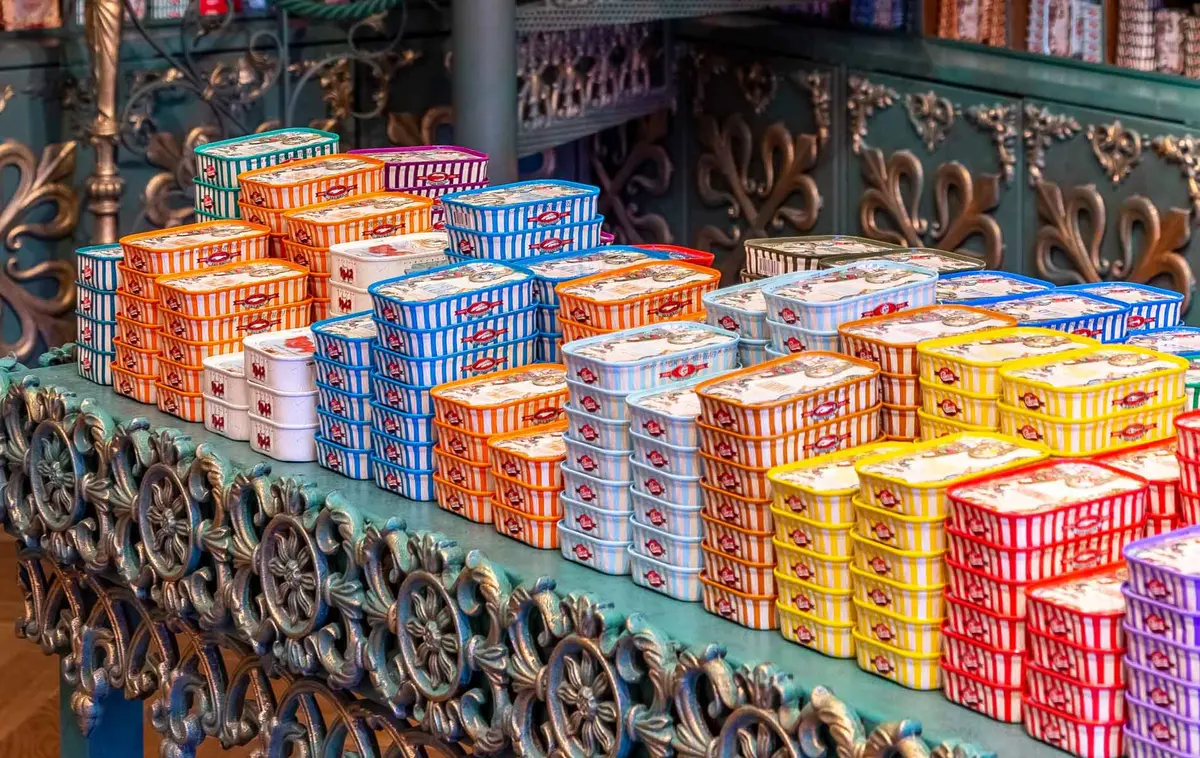
Whether you’ve just completed the Lisbon to Porto rail connection or are flying in directly, Porto rewards preparation. You have 48 hours in Portugal’s second city, and the two things most visitors underestimate are the vertical terrain and the queue density at the top attractions. This guide gives you a day-by-day tactical framework — the right neighborhoods, the correct Francesinha spot, the exact transport connections — so you move through 48 hours in Porto on your terms instead of scrambling to recover lost time.
How do you get from Porto airport into the city center?
The cheapest option is the purple Line E Metro with a Z4 Andante ticket (€2.25 / $2.45), plus a one-time €0.60 ($0.65) fee for the reusable Andante Azul card. The ride takes about 30 minutes to São Bento or Trindade stations, with trains running every 20–30 minutes. For most travelers without heavy luggage, this is the best balance of cost and convenience.
Taxis come with weekend and night surcharges that push fares to €25–30 ($27–33) from the airport. Uber and Bolt consistently run €15–20 ($16–22) with transparent pricing. If you are arriving after 10 PM or dragging a large suitcase down metro stairs sounds unappealing, splitting a rideshare makes more sense. Download the app before landing — airport Wi-Fi can be unreliable and you do not want to fumble with data plans while jet-lagged.
Pro Tip: The metro station is directly opposite the terminal and well signposted. Ticket machines accept credit cards. Buy and validate your Z4 ticket before reaching the platform — inspectors check regularly, and fines start at €50 for incorrect or unvalidated tickets.
Which Porto transit pass actually saves money for a 2-day trip?
For most 2-day visitors on a walking-heavy itinerary, paying per ride on a Z2 Andante card (€1.40 / $1.53 per trip) ends up cheaper than committing to a day pass. The Andante Tour Card (€7.50 / $8.20 for 24 hours of unlimited Metro and bus rides across all zones) only pays off if you are taking five or more trips in a single day.
Porto loves to sell you transit passes, but not all of them make financial sense for a short trip. A key limitation: the Andante system covers the Metro and most buses, but does not include the historic Tram Line 1. The Funicular dos Guindais uses its own ticketing at €4 per trip. If you are staying in the center and walking the main sightseeing route, you will likely only use the Metro twice each day — from the airport on arrival and for any longer trip to Matosinhos or Foz.
The Tram City Tour operates separately and costs €5 ($5.45) per ride or €10 ($10.90) for a 2-day pass. The Porto Card bundles museum entries with transit but its value collapses unless you are hitting four or more paid attractions.
Pro Tip: The advantage of pay-per-ride is freedom — you are not mentally forcing yourself to “get your money’s worth” by taking Metro trips you do not need. Load a handful of Z2 titles onto your Andante card at the machine on arrival and reload as needed.
Where should you stay in Porto for 48 hours?
Choosing where to sleep is not about picking the neighborhood with the best vibe — it is about choosing the right elevation. Ribeira looks great in photos with its colorful riverside houses, but every time you want to reach the city center, Metro stations, or any restaurant not on the tourist strip, you are climbing 20–30 meters (65–100 feet) of elevation. It is romantic until you are hauling bags up cobblestone alleys after a long flight.
Bolhão and Aliados offer the best trade-off: flat terrain, central Metro access, and a 10-minute walk to São Bento Station. You can roll your suitcase on actual sidewalks instead of staircases. The trade-off is no river view from your window — but you are also not waking up to tour groups assembling outside at 7 AM. Cedofeita has an artsy, local feel with independent boutiques and cafés, though it requires more walking to reach the main sights.
For a 48-hour trip, prioritize accessibility over aesthetics. You will spend most of your time out exploring — not staring out your hotel window. For a detailed comparison of neighborhoods and accommodation options, our guide to where to stay in Porto covers every tier from budget hostels to boutique hotels.
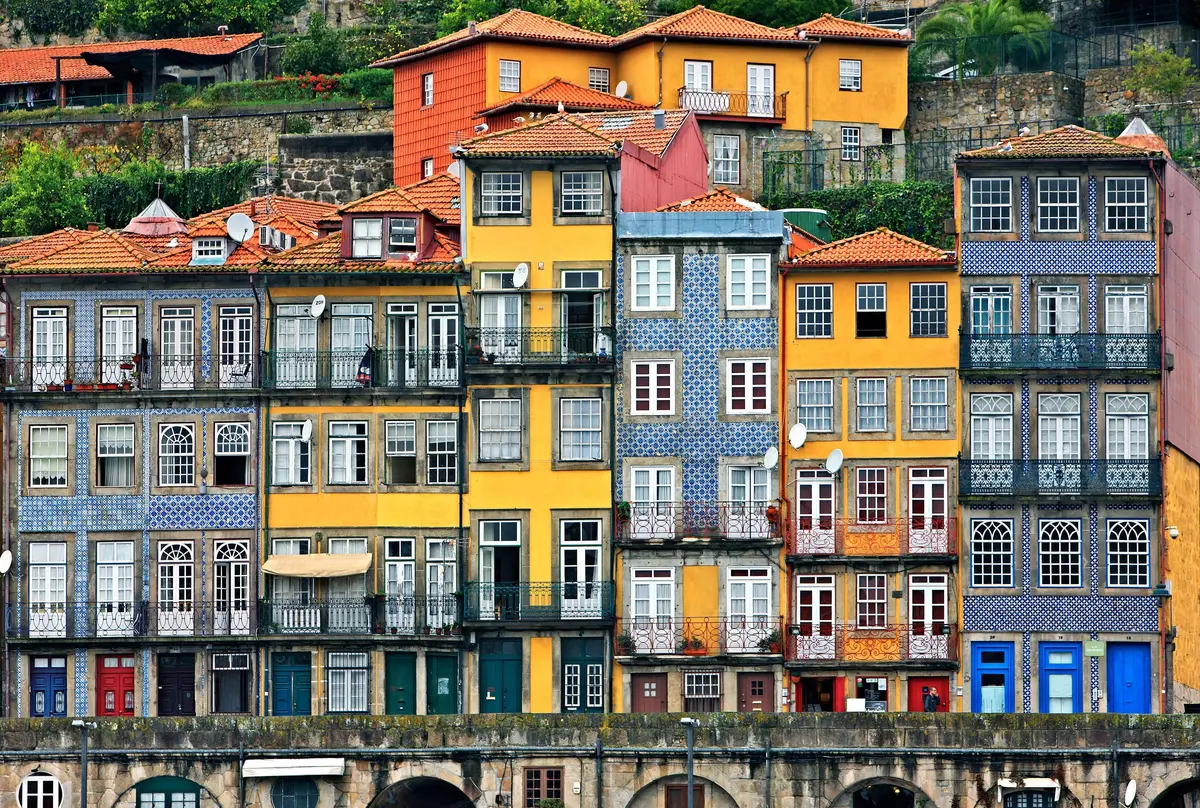
Day 1 — The Vertical City and the River
São Bento Station — 20 minutes you should not skip
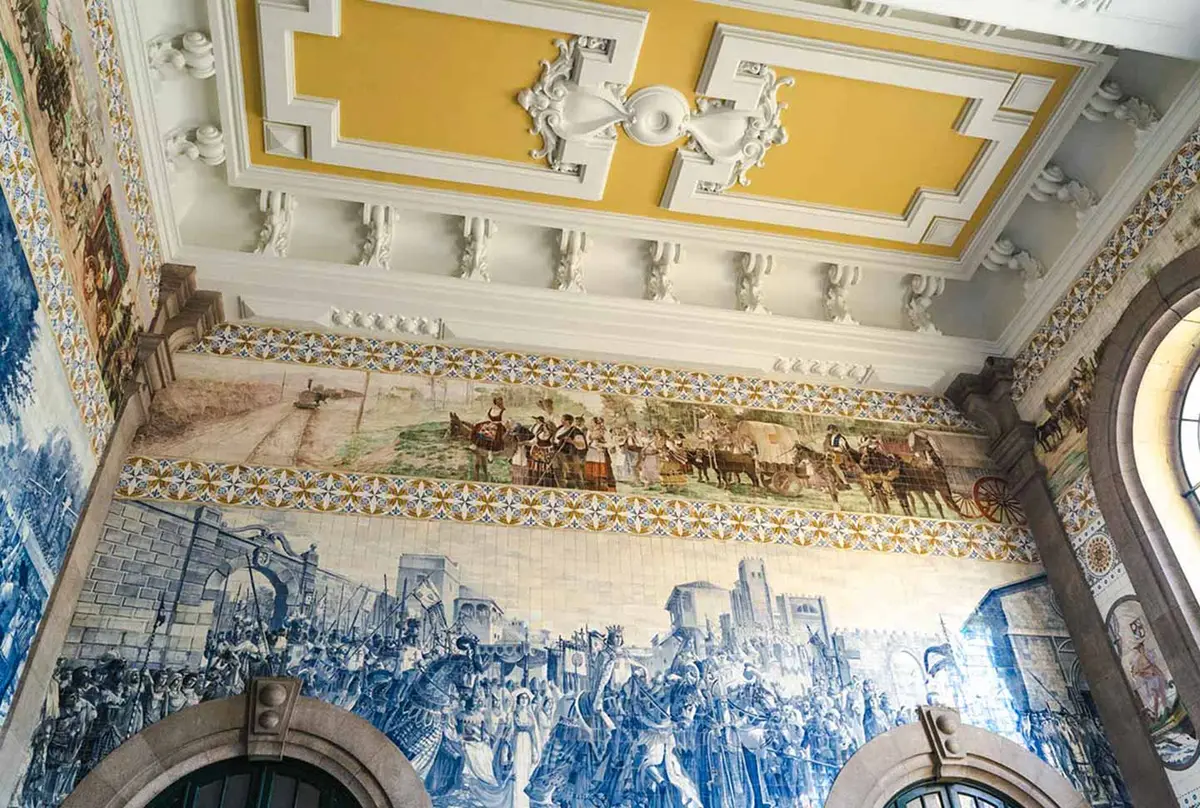
Start your Porto experience at São Bento Station, even if you are not catching a train. The vestibule holds 20,000 azulejo tiles, but most visitors make the mistake of snapping a quick photo and leaving. Spend time with the narrative. The tiles cover Portugal’s military and royal history across the walls — the north panel shows the Battle of Valdevez from 1140, the founding moment of Portuguese independence where knights chose single combat over full-scale war. Another major panel depicts King John I entering Porto in 1387 to marry Philippa of Lancaster, cementing the Anglo-Portuguese Alliance that still exists today.
Look up at the color frieze along the top of the walls — it traces the evolution of transportation from horses to steam engines, a detail most visitors miss while fighting for space near the blue-and-white panels. The station was built on the ruins of the Convent of São Bento de Avé-Maria. The light through the windows in the morning is softer and warmer, making the tiles glow differently than they do at midday. The downside of visiting early is commuters rushing to trains — position yourself to the sides rather than blocking the main flow of foot traffic. São Bento also functions as Porto’s primary intercity rail hub — for day trips north to Braga or east into wine country, train travel in Portugal connects from this same building.
- Location: Praça de Almeida Garrett, city center
- Cost: Free
- Best for: All visitors — non-negotiable stop
- Time needed: 20–30 minutes
Pro Tip: The station has no dedicated tourist entrance. Position yourself against the tiled wall on either side, not in the central corridor, and look up at the frieze first before working your way to the main panels. The ceiling detail at eye-height gets lost in most travel photos.
Which Francesinha spot is actually worth the queue?
By late morning, you need fuel. Porto’s defining dish is the Francesinha, and it sits at the heart of traditional Portuguese food culture in the north: wet-cured ham, linguiça, fresh sausage, and steak stacked between bread, smothered in melted cheese, and drowned in a thick beer-and-tomato sauce that is simultaneously spicy and savory. Not a light meal. You will need a post-Francesinha walk, preferably downhill. Locals joke about the “Francesinha coma” that hits about 30 minutes after eating. Plan for it.
Café Santiago
The purist’s choice on Rua Passos Manuel. The sauce is balanced without being aggressive, and locals rely on the consistency. No reservations, cafeteria-style seating, and famously long lines — your only strategy is timing.
- Location: Rua Passos Manuel 226, city center
- Cost: €10–14 ($11–15) per Francesinha
- Best for: First-time visitors wanting the traditional version
- Time needed: 45–60 minutes including wait
Brasão Cervejaria
A modernist take with stone walls, wood interiors, and craft beer pairings that actually complement the sauce. They also offer a vegetarian version, which is rare. Dinner requires reservations booked two weeks out — lunch is your window.
- Location: Rua do Bonjardim 93, city center
- Cost: €12–16 ($13–17) per Francesinha
- Best for: Craft beer drinkers; anyone who wants to sit down without a wait at lunch
- Time needed: 45–60 minutes
Lado B
Sitting directly across from Santiago, it markets itself as “The Best Francesinha in the World.” Solid backup if Santiago’s line is out the door, though the sauce leans slightly more aggressive and less nuanced.
- Location: Rua Passos Manuel 205, city center
- Cost: €10–14 ($11–15) per Francesinha
- Best for: Overflow option when Santiago has a 45-minute queue
- Time needed: 30–45 minutes
Pro Tip: Arriving at 11:30 AM or 4 PM at Santiago bypasses the main lunch and dinner rushes. On my last visit, the line at noon wrapped halfway down the block — but cleared entirely by 3:45 PM.

Descending the Escadas dos Guindais
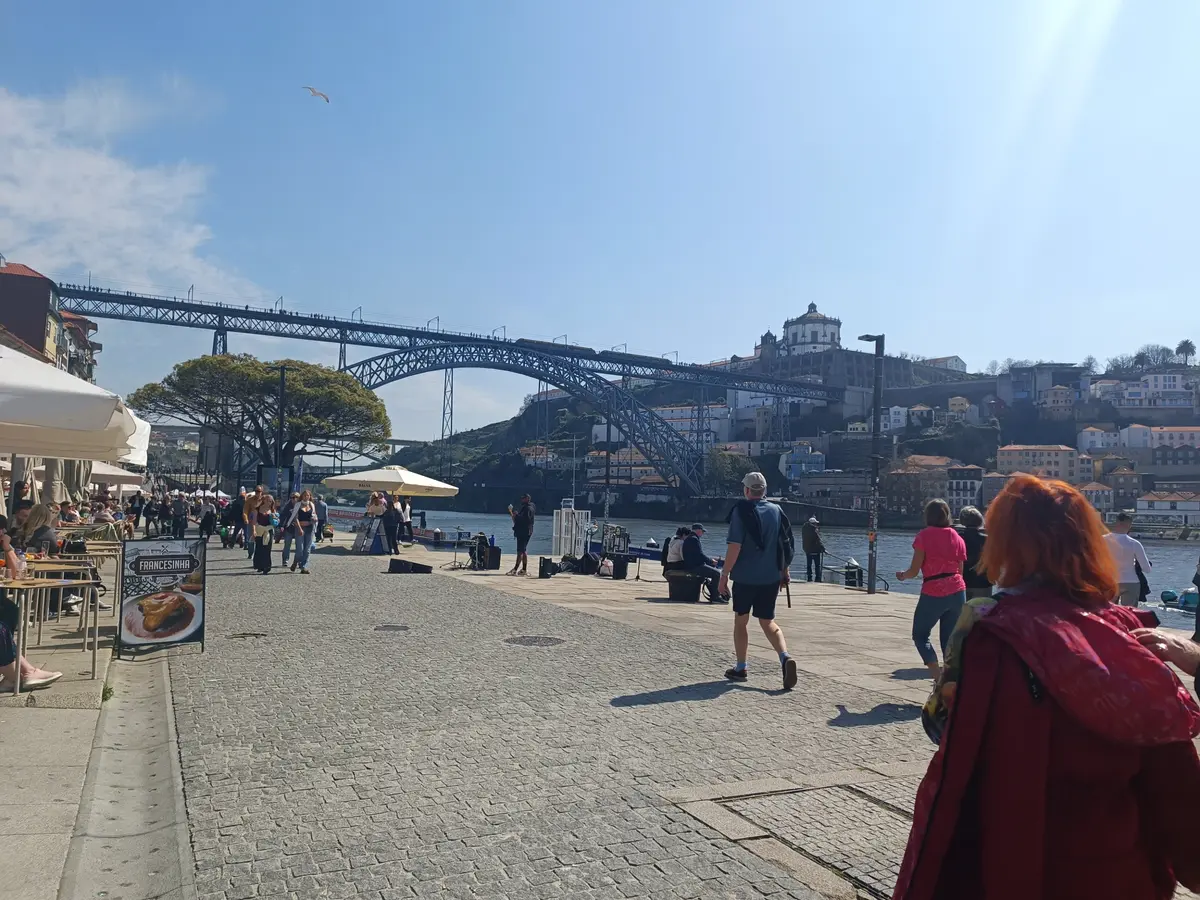
Instead of following the main tourist road down to the river, take the Escadas dos Guindais — a medieval staircase that cuts through the old city’s layers like a cross-section. These are working stairs used by locals, lined with laundry hanging from balconies and neighborhood cats in full afternoon sun on the stone walls. About halfway down you will pass the Guindalense Futebol Clube, a local sports club with a terrace that offers one of the city’s best unobstructed angles on the Dom Luís I Bridge.
Stop here for a beer or a cheap hot dog. The vibe is the opposite of the Ribeira strip below — no English menus, no one pulling you inside, no upcharge for the view. The upside of taking the Guindais route is genuine neighborhood life with a photo angle of the bridge you will not see in the guidebooks. The downside is that it is a one-way descent — you will not want to reverse it, which is where the next section becomes essential.
How do you get back uphill after Ribeira?
Once you are down in Ribeira, you face Porto’s defining topographical challenge: how do you get back up without destroying your legs? Walking back up the streets you descended requires a 45-meter (148-foot) climb, which after a Francesinha and several hours of walking sounds like punishment.
The Funicular dos Guindais is your escape route. It connects Ribeira directly to Batalha in the upper city — the ride takes under three minutes.
- Location: Av. Gustavo Eiffel (Ribeira lower station)
- Cost: €4 ($4.35) one way
- Best for: Anyone who has just spent a morning walking; essential for tired legs before the afternoon
- Time needed: Under 5 minutes including wait
Alternatively, cross the lower deck of Dom Luís I Bridge to Vila Nova de Gaia and take the Teleférico de Gaia (Cable Car) up to Jardim do Morro. This turns a logistics problem into an experience — the gondola gives you an unobstructed view of the river, the bridge, and the city stacked behind you.
- Location: Cais de Gaia (lower station), Jardim do Morro (upper station)
- Cost: €7.00 ($7.65) one way; €10.00 ($10.90) round trip
- Best for: Those wanting a panoramic view without walking uphill; afternoon use when the light is good
- Time needed: 5–10 minutes including wait
Those with an extra hour at water level can also book a Douro River cruise from the Gaia quays — a slower way to take in the bridge, the wine lodges, and the city skyline from the water.
Pro Tip: The cable car can have significant wait times on summer afternoons. If the queue stretches past the lower station entrance, the funicular on the Porto side is faster and cheaper. Do not queue for the cable car if you just want to get back up — save it for a deliberate scenic experience.
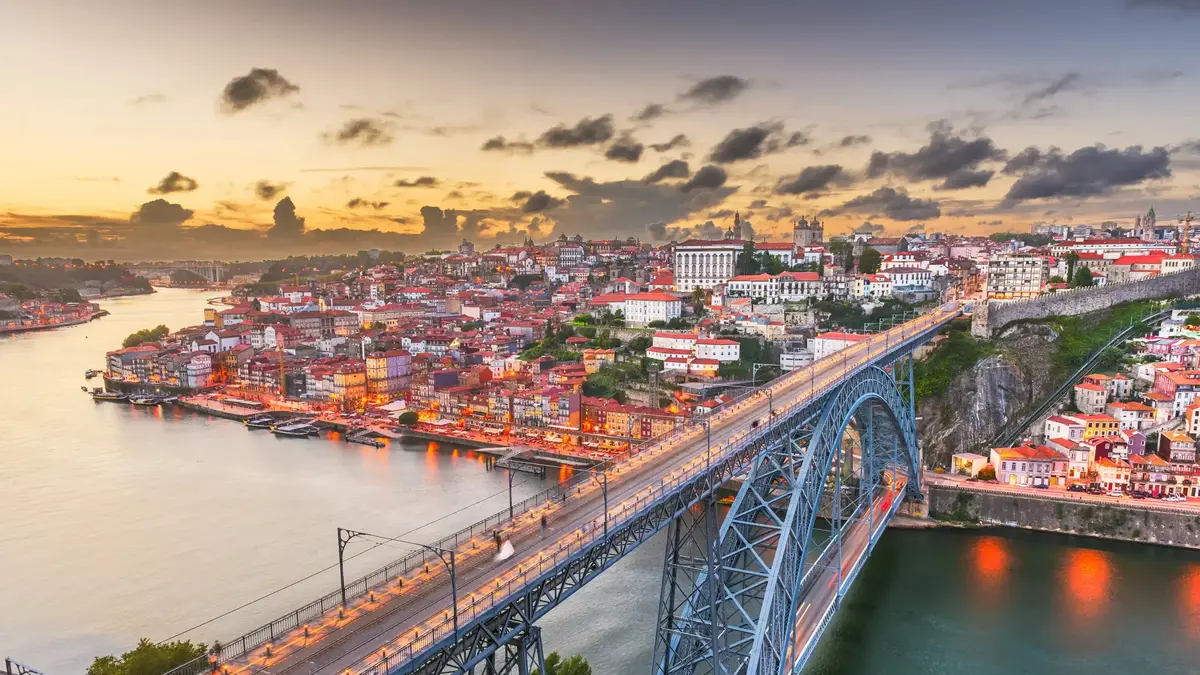
Sunset beyond Jardim do Morro
Jardim do Morro is Porto’s standard sunset spot, and for good reason — you are standing at the top of Gaia with a clear view of the entire city. The problem is that everyone else knows this, especially in summer when you will be competing for space with crowds clutching wine bottles.
For the same golden-hour light with less chaos, try Passeio das Virtudes or Miradouro da Vitória on the Porto side. Virtudes has a terraced park feel and attracts a younger local crowd with guitars and picnics — far less organized than the Gaia viewpoint.
For a completely different sunset, take a tram or rideshare to Castelo do Queijo on the Atlantic coast. Instead of watching the sun set over the city, you watch it drop into the ocean with waves crashing against the 17th-century fortress. The trade-off: you are 30 minutes from the city center, so plan dinner accordingly.
Day 2 — Culture, Wine and the Atlantic Edge
How to visit Livraria Lello without wasting two hours in line
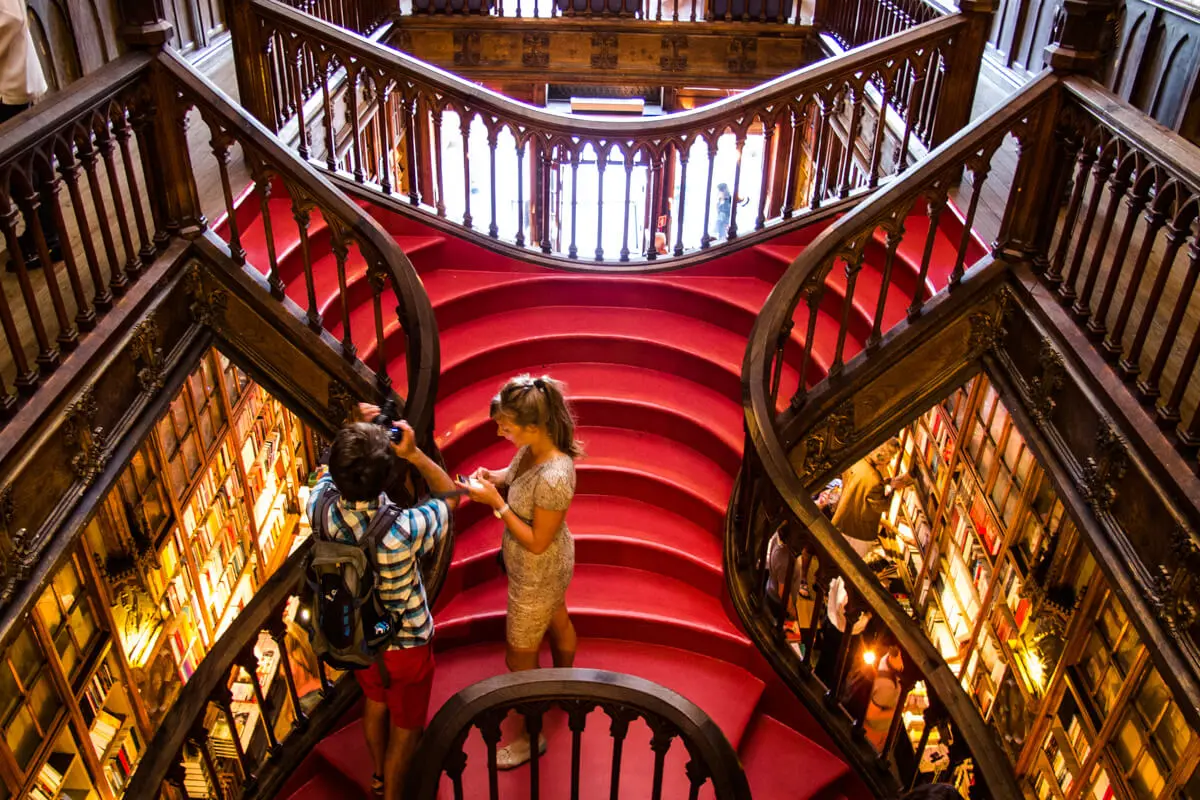
Livraria Lello bills itself as one of the world’s most beautiful bookstores, and the neo-Gothic interior — carved wood panels, stained glass ceiling, red staircase — backs up that claim without difficulty. The reality check: it receives over 4,000 visitors per day, making it feel more like a museum than a functioning bookstore.
Tickets are mandatory. The Silver entry costs €10 ($10.90), which works as a voucher fully deductible against book purchases — so if you buy anything, entry is effectively free. The store stocks small editions specifically sized to absorb these vouchers, so do not feel obligated to buy unless something genuinely interests you.
Book a timed entry slot on the official website before you arrive. The best windows for fewer crowds are the early opening and late afternoon after 5 PM — avoid the 10 AM opening rush when tour groups arrive simultaneously.
- Location: Rua das Carmelitas 144, city center (near Praça de Lisboa)
- Cost: €10 ($10.90) entry voucher, redeemable against any book purchase
- Best for: Architecture and book lovers; Harry Potter connections (though J.K. Rowling has said she never actually visited)
- Time needed: 30–45 minutes
Pro Tip: Photography is allowed, but the upstairs balcony gives you a wider view of the entire store than the famous staircase shot — and it is where most of the English-language books are shelved. Spend two minutes up there before joining the staircase queue.
Palácio da Bolsa — the Arab Room alone justifies the stop
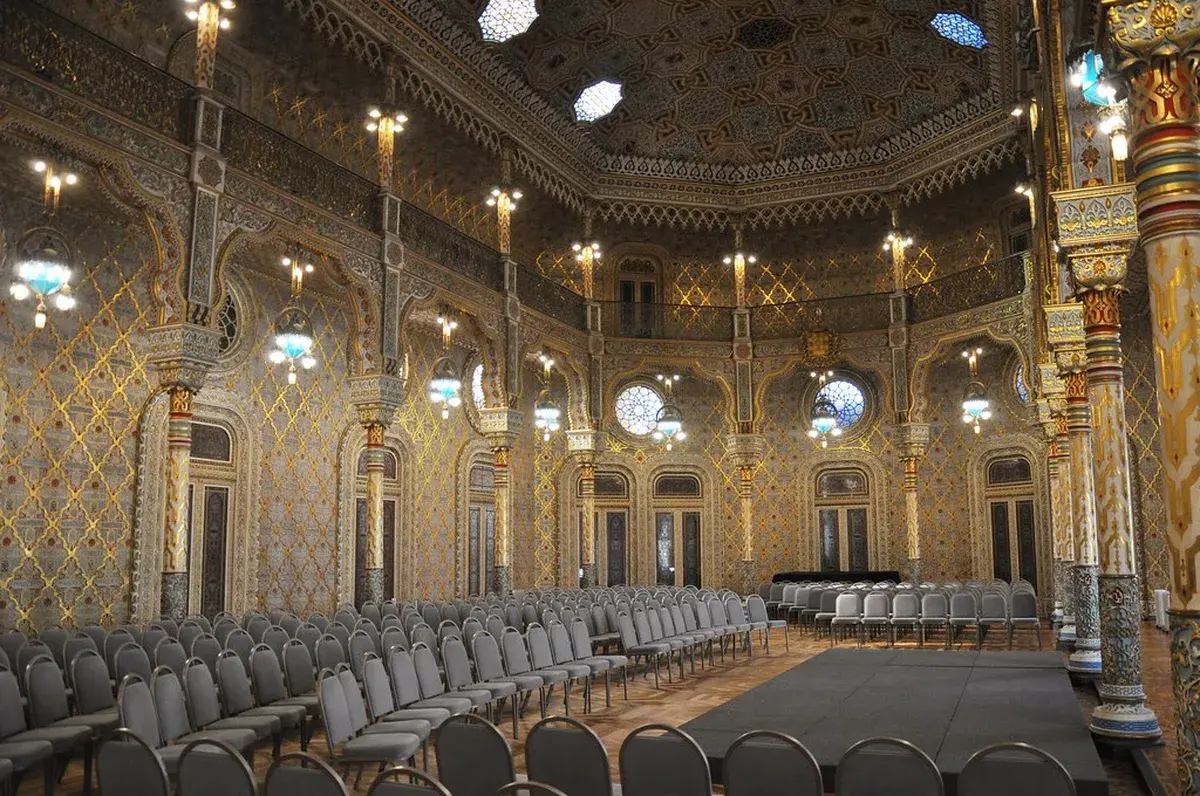
Walk from Lello to Palácio da Bolsa, the 19th-century stock exchange that served as Porto’s commercial heart. The building requires a guided tour — entry independently is not permitted — and the centerpiece is the Salão Árabe (Arab Room), a Moorish revival masterpiece drawn from the Alhambra in Granada. The walls are covered in 18 years’ worth of gold leaf and geometric patterns that shift in appearance depending on the angle of light. The effect is unlike anything else in Porto. If you want richer context for what you are seeing, background on Portugal’s history as a trading and maritime power makes the building’s ambition read differently.
Book your tour slot immediately after visiting Lello — this clusters both cultural stops in the same morning while you are already in the historic center. Tours run every 30 minutes and last about 45 minutes. They sell out by early afternoon, so booking ahead is not optional.
- Location: Rua de Ferreira Borges, city center
- Cost: €14 ($15.30) adults, guided tour mandatory
- Best for: Anyone interested in Portuguese commercial and architectural history; those who want context for Porto’s trading past
- Time needed: 45–60 minutes including wait for tour slot
Leitaria da Quinta do Paço — lighter than yesterday
After the Francesinha of Day 1, your body will appreciate a lighter stop. Head to Leitaria da Quinta do Paço, a dairy shop dating from 1920 that specializes in éclairs with Chantilly — artisanal whipped cream rather than the French custard filling you might expect. This is a distinctly Porto tradition; you will not find this style in Lisbon.
The Classic éclair is the safe bet, but the Lemon Curd version offers a bright, tangy contrast to the cream. The shop is tiny, with just a few seats, and service is fast.
- Location: Praça de Almeida Garrett 20, city center (near São Bento)
- Cost: €2–4 ($2.20–4.35) per éclair
- Best for: Post-museum sweet stop; anyone who ate too much Francesinha yesterday
- Time needed: 15 minutes
Which Port wine cellar in Gaia should you visit?
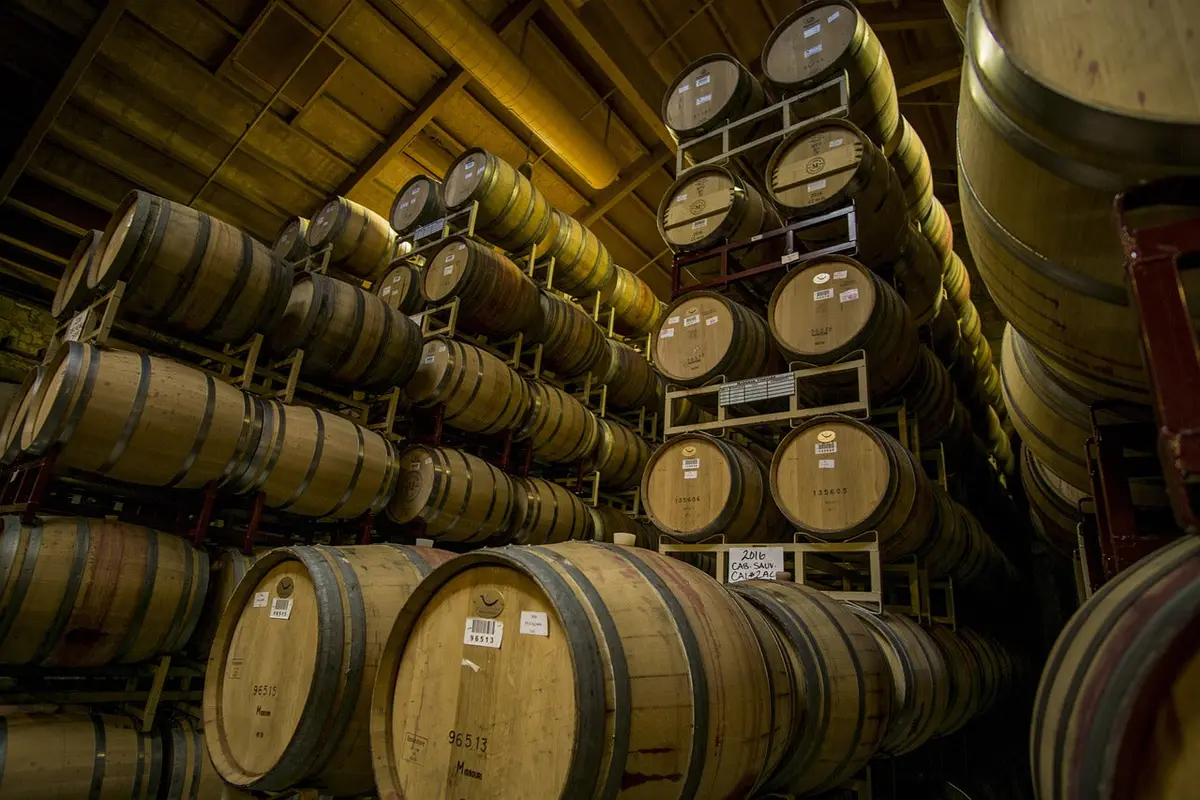
Vila Nova de Gaia’s north-facing slopes provided the humidity and temperature control that the Porto side could not match — which is why all the aging happens there, not across the bridge. The port wine cellars are not equal in quality or experience, and choosing the wrong one can waste your afternoon.
Graham’s Port Lodge
Sits on a hill with views over the river, but requires a hike or taxi to reach from the waterfront. The vintage room targets serious spenders willing to invest €50+ ($54+) in a tasting flight, and the tour goes deep into the technical side of production.
- Location: Rua do Agro 141, Vila Nova de Gaia (upper hillside)
- Cost: From €12 ($13.10) for basic tasting; €50+ ($54+) for vintage flights
- Best for: Port wine enthusiasts; those willing to travel uphill for the view and prestige
- Time needed: 60–90 minutes
Sandeman
The most theatrical option, with guides dressed in the black cape from the “Don” logo. High volume, well-executed for first-time visitors who want structure and theatrics.
- Location: Largo Miguel Bombarda 3, Vila Nova de Gaia (waterfront)
- Cost: From €13 ($14.20) for guided tour and tasting
- Best for: First-time visitors who want a polished, clear introduction to Port wine
- Time needed: 60 minutes
Cálem
Sits directly on the waterfront — the most accessible from the bridge. Offers Fado shows combined with tastings, which is a time-efficient way to cover two cultural experiences in one stop.
- Location: Av. Diogo Leite 344, Vila Nova de Gaia (waterfront)
- Cost: From €15 ($16.40) with Fado show
- Best for: Travelers on a tight itinerary who want Port wine and Fado without separate trips
- Time needed: 75–90 minutes
Poças
Family-owned and Portuguese rather than British-owned like many of the famous names. The tour feels personal rather than corporate — smaller spaces mean you smell the “Angels’ Share” (the evaporating alcohol) more intensely, and guides remember your name. The trade-off is sacrificing grand vistas and polished presentation for authenticity.
- Location: Rua Visconde das Devesas 186, Vila Nova de Gaia
- Cost: From €8 ($8.75) for tour and tasting
- Best for: Travelers who want a local, unscripted cellar experience without the tourist theater
- Time needed: 45–60 minutes
Pro Tip: Skip the cellar that is most aggressively marketed outside Dom Luís I Bridge — those with street promoters tend to be high-volume operations optimized for throughput, not depth. Walk two blocks inland and the quality of the experience improves noticeably.
Foz do Douro — the tram ride locals do not mention
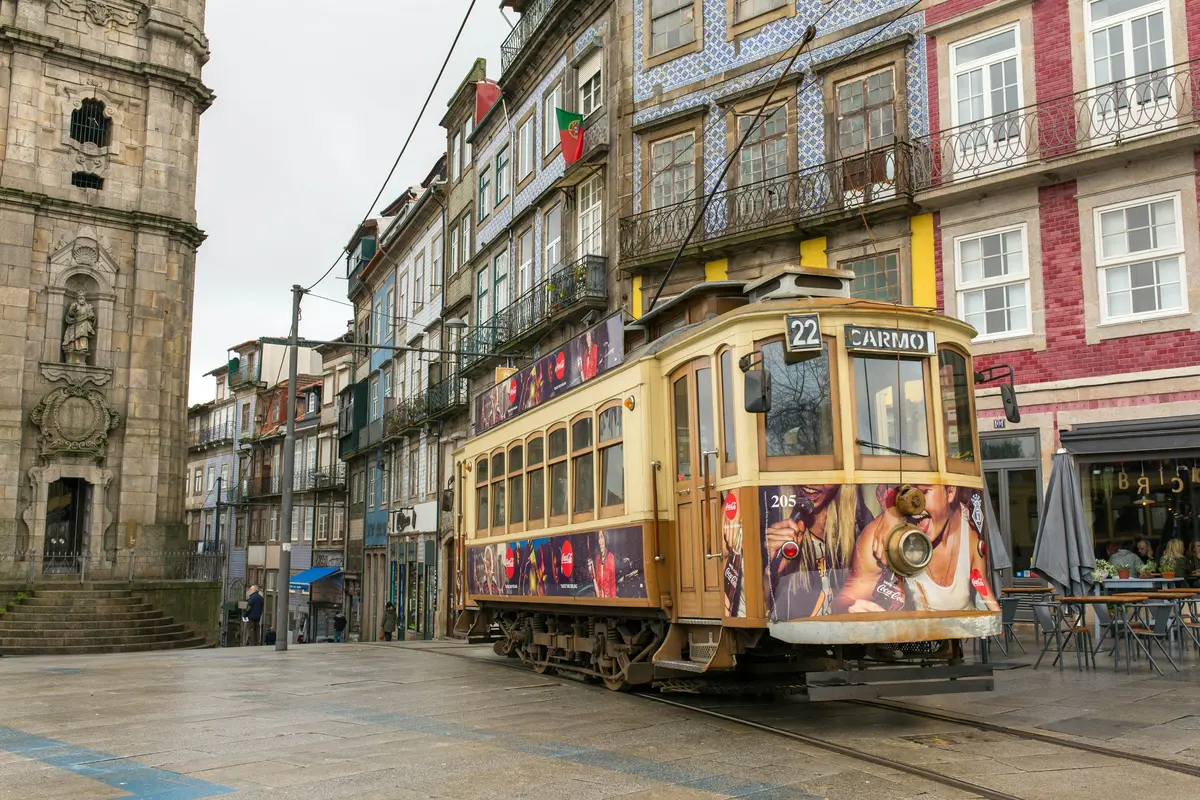
End your Porto trip by taking Tram Line 1 from Ribeira to Foz do Douro, where the Douro River meets the Atlantic Ocean. The same river, followed inland, eventually opens into the Douro Valley — a separate trip, but one that starts at São Bento Station if you have an extra day to spare. The 30-minute tram ride along the river is slow, rattling, and authentically local in a way the cable car is not. Board at Infante — the first stop — to get a window seat before the tram fills.
Once you reach Foz, walk to the Pérgola da Foz and continue to the Farolim de Felgueiras, a small red lighthouse where Atlantic waves hit close enough to spray your clothes. Protect your phone. The coast here is rough in a way the postcard of Porto does not suggest — it is worth seeing.
- Location: Av. do Brasil (tram terminus, Foz)
- Cost: €3.50 ($3.80) per tram ride one way (separate ticketing system, not Andante Metro)
- Best for: Anyone wanting to see Porto beyond the historic center; families; sunset light on the Atlantic
- Time needed: 90 minutes including the tram ride
Foz restaurants are more expensive and more tourist-facing than Porto’s residential neighborhoods — consider this a scenic walk rather than a dinner destination.
What should you do in Porto when it rains?
Porto sits on the Atlantic coast of Northern Portugal, which means rain is not a possibility — it is a schedule item. Atlantic showers tend to be brief but frequent, so build at least one indoor anchor into each half-day and keep outdoor sightseeing for the gaps between them.
The WOW (World of Wine) cultural district in Gaia features seven museums under one roof: the Pink Palace (a Rosé museum), The Chocolate Story, an immersive look at Portugal’s global lead in cork products through the Planet Cork exhibit, and others. You can spend three hours inside without stepping into rain. Individual museum tickets typically start from €15–25 ($16.40–27.30) per person, but combined multi-museum passes offer significantly better value — check the WOW website for current pass options before you arrive.
- Location: Rua do Choupelo 39, Vila Nova de Gaia
- Cost: From €15–25 ($16.40–27.30) per museum; combined passes available
- Best for: Rain days; groups with varied interests
- Time needed: 2–3 hours for 2–3 exhibits
The Bolhão Market completed a major renovation that installed a protective roof across the main hall. You can eat your way through smoked meats, cheeses, wines, and fresh seafood without getting wet. Locals actually shop here for produce and fresh fish — unlike many European markets that have shifted entirely to tourist economics — which keeps prices reasonable and the product range genuine.
For hands-on shelter, a tile painting workshop or Pastel de Nata cooking class offers both cover and cultural immersion — both book up quickly, so secure a slot before you arrive.
Porto’s Cathedral (Sé) and its Gothic cloister provide sheltered exploration with historical weight. The azulejo-lined cloister tells biblical stories across the walls, and the fortress-like structure reflects Porto’s medieval identity as a defensive city rather than a decorative one. It is not the most visually arresting cathedral in Europe, but it is dry, significant, and consistently bypassed by travelers rushing to Lello and the riverfront.
Pro Tip: If rain hits mid-afternoon on Day 1, the WOW district pairs well with a Port wine tasting — the lower waterfront walk from Dom Luís I Bridge to the WOW entrance takes under 10 minutes and is mostly flat.
The bottom line
Porto is not difficult — it is just not forgiving of improvisation. The hills will work against you if you start in the wrong neighborhood, the queues at Lello will cost you an hour if you arrive without a timed ticket, and the Francesinha will sideline you for the afternoon if you eat it at 1 PM without a plan.
Start each day high and work downhill. Use the funicular and cable car as tools, not tourist experiences. Pick your Francesinha spot before you are hungry. Your legs will thank you on Day 2.
TL;DR: Stay in Bolhão or Aliados, not Ribeira. Visit São Bento first. Book Lello tickets in advance and go at late afternoon. Choose one Port wine cellar in Gaia and go deep rather than sampling three. Use the Funicular dos Guindais to get back uphill — €4 is the best money you will spend in Porto.
If these 48 hours leave you wanting more, a 10-day Portugal itinerary shows how Porto connects to Lisbon, the Algarve, and the rest of the country.
Have a question about specific routes or neighbor