Most travelers treat Faro Portugal as a transit stop between the airport and the beach resorts, and that is exactly why you should pay attention. This gateway to the Algarve rewards those who get past the surface: authentic seafood dives, wild barrier islands, and a distinct lack of tourist theater. Here are the real logistics — from navigating roundabout lane discipline to avoiding fake drug dealers hawking bay leaves.
How bad is the immigration queue at Faro Airport?
If your flight touches down around 10:00 AM, expect a collision of holiday charters and transatlantic arrivals at passport control. Lines can stretch past an hour during this window, while flights landing at 7:00 AM or 2:00 PM typically clear in under 15 minutes. US passport holders — worth checking Portugal’s entry requirements before you fly — cannot use the e-gates that EU citizens breeze through, which compounds the wait considerably. Build at least 90 minutes between your landing time and any hard commitments.
What makes Faro different from other European airports is elastic capacity. The terminal is compact and staffing does not scale to handle multiple wide-body aircraft simultaneously. On my last visit, a 10:30 AM arrival meant 55 minutes at passport control while the EU gate cleared in under 10.
Pro Tip: If your itinerary has any flexibility, choose a flight landing before 9:00 AM or after 1:00 PM. The 90-minute buffer is especially non-negotiable if you have a same-day ferry to Ilha Deserta booked.
How do you get from Faro Airport to the city center?
Four options cover the 4 miles (7 km) from the airport to Faro Portugal’s center, and having the best apps for Portugal travel installed before you land makes navigating all of them simpler. The best choice depends on your tolerance for uncertainty and how much luggage you are hauling across cobblestones.
Uber and Bolt are the fastest and most cost-effective at roughly €7 to €12. The catch: drivers cannot pick you up at the main arrivals curb. You need to walk to the P2 parking area or the “Kiss & Fly” zone, which trips up first-timers who are frantically refreshing their app and wondering where the car went.
- Uber/Bolt: €7–€12; walk to P2 or Kiss & Fly zone; surge pricing during peak arrivals
- Taxi: €10–€15 with luggage surcharge; queues directly outside arrivals, available 24/7; night and weekend rates add 20%
- Bus Line 16 (Próximo): €2.85, paid to the driver by cash or contactless; 20 minutes; every 15 to 60 minutes depending on season
- Pre-booked transfer (e.g., Welcome Pickups): ~€25; driver holds your name sign inside arrivals; book at least 24 hours ahead
The public bus is the cheapest option but demands patience: frequency drops to every 30 to 60 minutes outside summer, and you will still need to haul luggage across cobblestones to your accommodation. For zero stress, the pre-booked transfer earns its cost on a complicated day.
Pro Tip: Download both Uber and Bolt before landing. During peak arrivals, one will have surge pricing and the other will not. Refresh both before committing.
What does driving the Algarve actually involve?
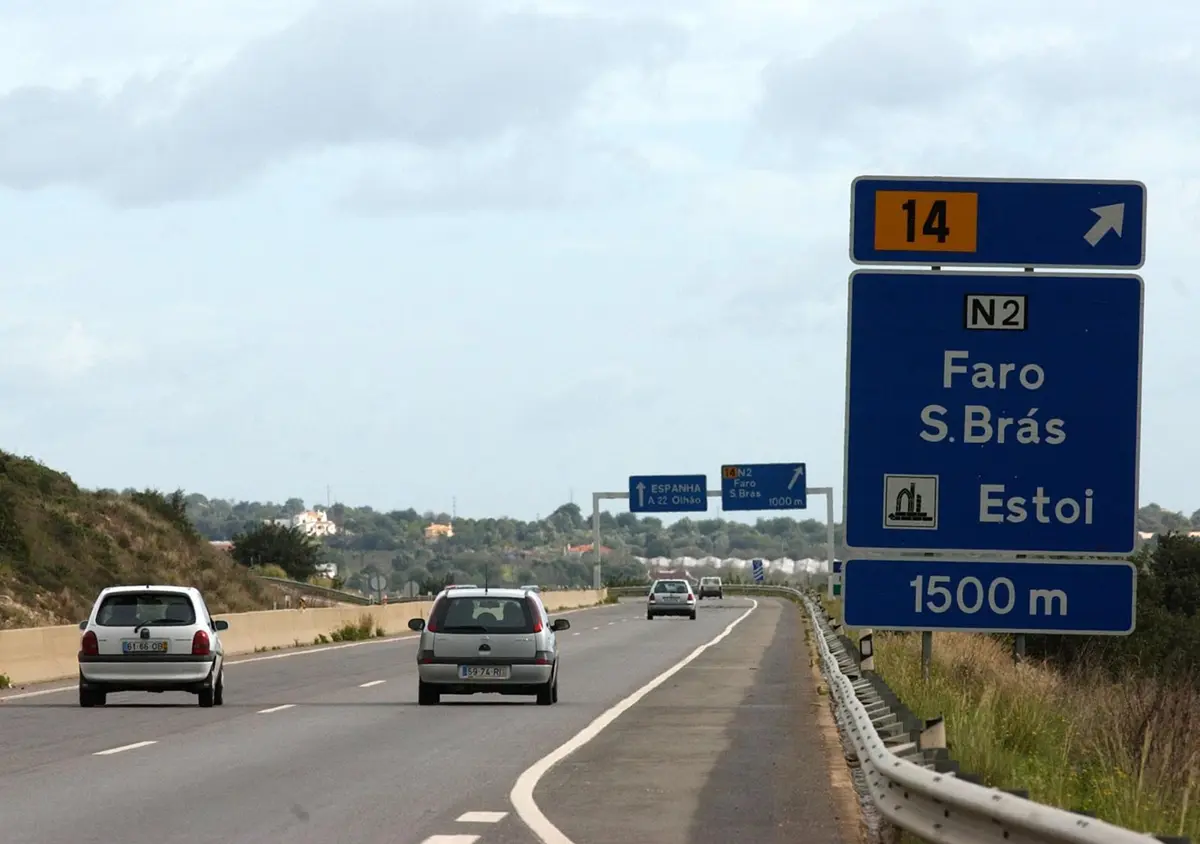
The A22 — the main motorway running the entire length of the Algarve — is completely toll-free. The overhead gantries that used to scan license plates and trigger invoices are still there, now repurposed for average-speed enforcement only. No payment, no transponder, no post-trip invoice. This makes self-drive exploration of the region far less stressful than it used to be.
Other motorways in Portugal — including the A2 north toward Lisbon — still carry tolls. If you rent a car in Portugal, all rental vehicles are fitted with a Via Verde transponder as standard. Charges for any tolled roads you use bill automatically to the card on file at the rental counter; confirm your card details when you pick up the car and that is the end of it.
How do Portuguese roundabouts actually work?
Anyone navigating the roads around Faro will find roundabout law specific about lane discipline — locals will honk aggressively if you violate it. Use the outer lane only if you are taking the immediate next exit. Going straight or turning left? Enter the inner lane before you enter the roundabout.
American GPS apps occasionally give confusing instructions here. Trust the lane markings on your approach — typically signed 100 yards (90 m) before you reach the circle — rather than the voice prompt. The most common accident involves a tourist hugging the outside lane to go straight, then clipping a local correctly exiting from the inner lane.
Where do you park in Faro’s historic center?
The historic center is largely pedestrianized, which makes finding a safe spot for a rental car a genuine challenge. Largo de São Francisco is the large free lot near the city walls where most visitors end up. Hundreds of spaces, no hourly fees — but it runs on arrumadores, unofficial parking attendants who direct you to a spot and expect €0.50 to €1.00. Pay it; consider it structural insurance against scratches.
The lot closes without warning for festivals. If that dynamic makes you uncomfortable, the Saba da Pontinha underground garage offers cover and a security presence, though its app is unreliable and multi-day rates accumulate quickly.
Is Faro Portugal safe to walk around?
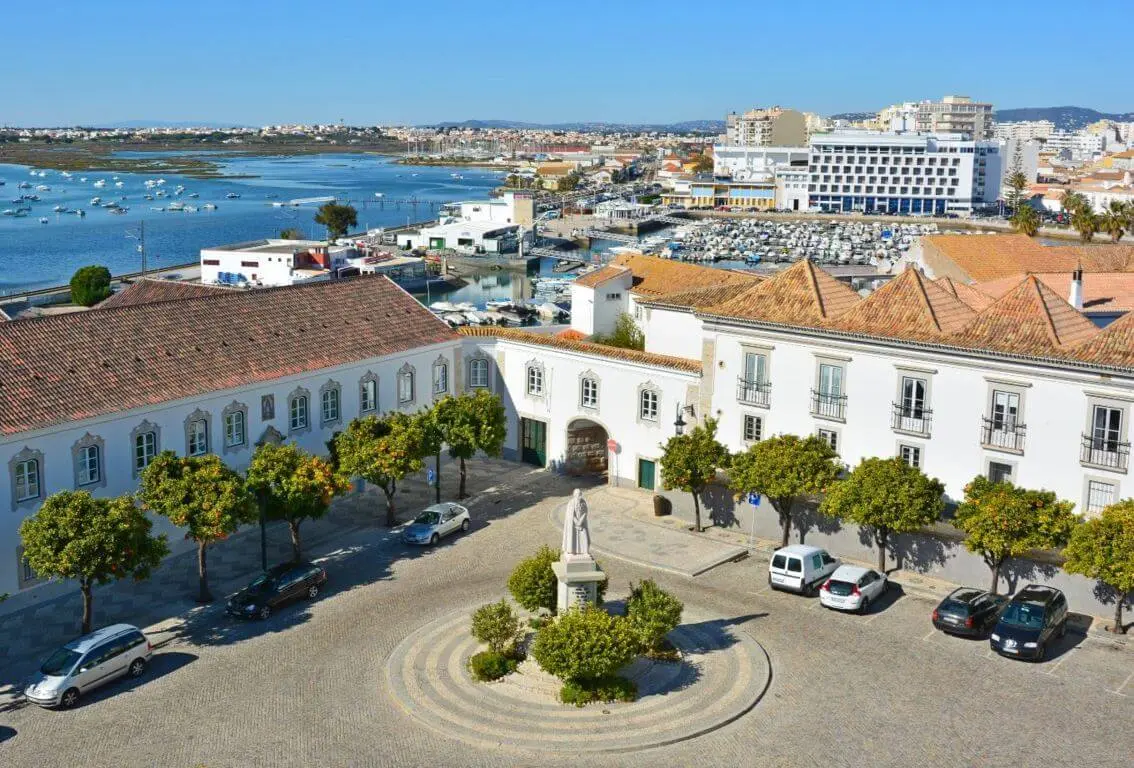
Faro’s tourist areas — the Cidade Velha, the marina, and the Baixa — are generally safe for visitors, including after dark. The primary street-level threat is social engineering, not physical crime. Violent incidents targeting tourists are rare; petty theft is the main concern, and awareness largely prevents it.
What are the fake drug dealers actually selling?
Walk through the Baixa district or near the marina and men will approach offering hashish, cocaine, or marijuana. They are not real drug dealers. They are selling crushed bay leaves, bouillon cubes, or pressed herbs. Because the substance is not actually illegal, police have limited ability to intervene.
The pitch can feel aggressive and disorienting if you are conditioned to fear drug laws in the US. Understanding the scam removes the threat entirely: these are social engineers, not people inclined to get physical. The defense is a firm “Não!” without breaking stride or making eye contact. Do not stop, do not inspect the merchandise, do not negotiate. Anyone who clearly disengages gets left alone immediately.
What rental scams target remote workers?
With the surge in remote workers choosing the Algarve, rental fraud has increased in the region. Scammers list luxury apartments at suspiciously low prices on social media and unverified listing sites, then request a deposit via bank transfer to “hold” the property. The signals are always the same: communication exclusively on WhatsApp, an owner who is “traveling” and cannot show the property, and insistence on non-reversible payment methods.
Book through Airbnb or Booking.com, where funds are held in escrow until check-in. Never wire money to a Portuguese IBAN without a physically signed lease registered with Finanças.
What should you eat in Faro Portugal?
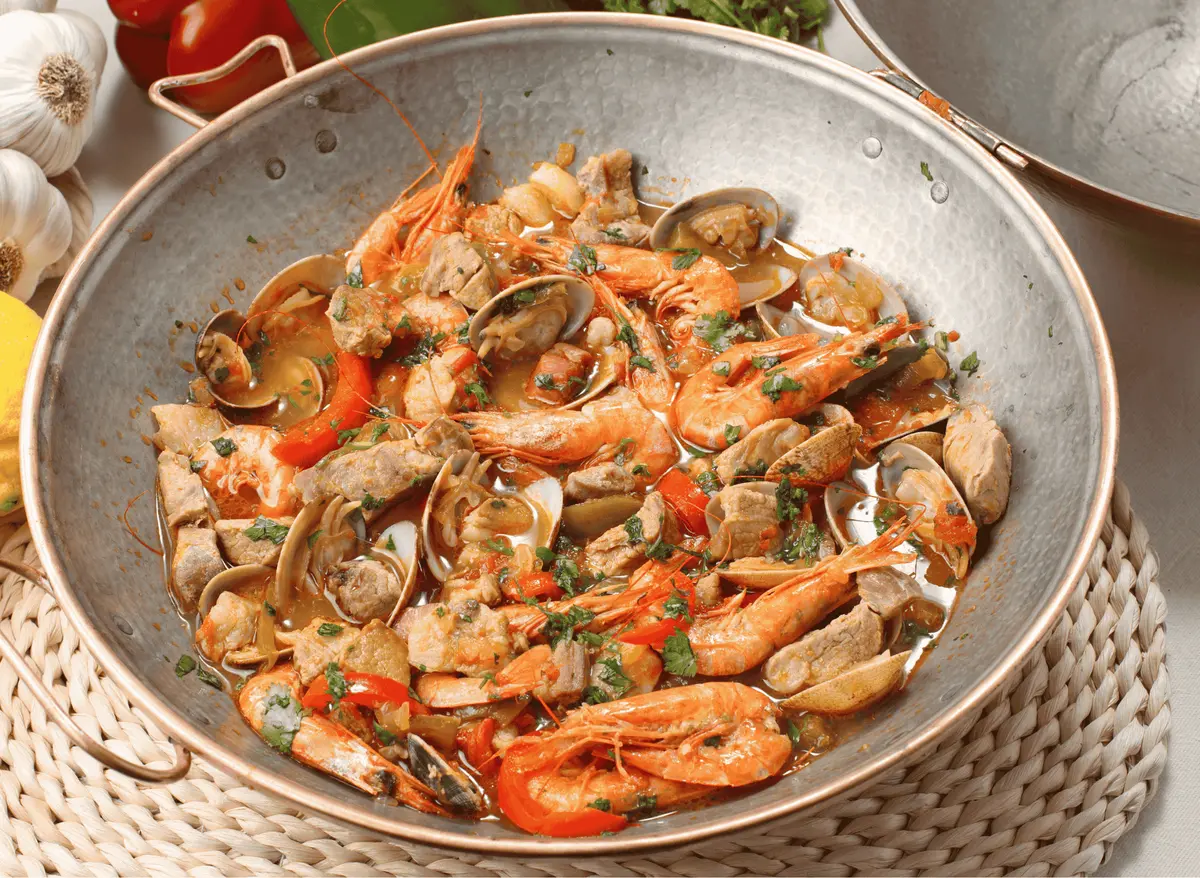
Generic guides tell you to order bacalhau or seafood rice, but the real Algarvian soul food runs deeper. The depth of Portugal’s traditional food shows up in dishes like xarém com conquilhas — a cornmeal porridge with wedge clams rooted in the region’s working-class history that tastes nothing like what you imagine before you try it. A proper cataplana de marisco takes 20 to 30 minutes to cook fresh from raw, which means any version served from a buffet has already told you what you need to know about the kitchen. Piri-piri chicken is best found where police and paramedics eat, not where tablecloths are white.
What is the couvert and do you have to pay it?
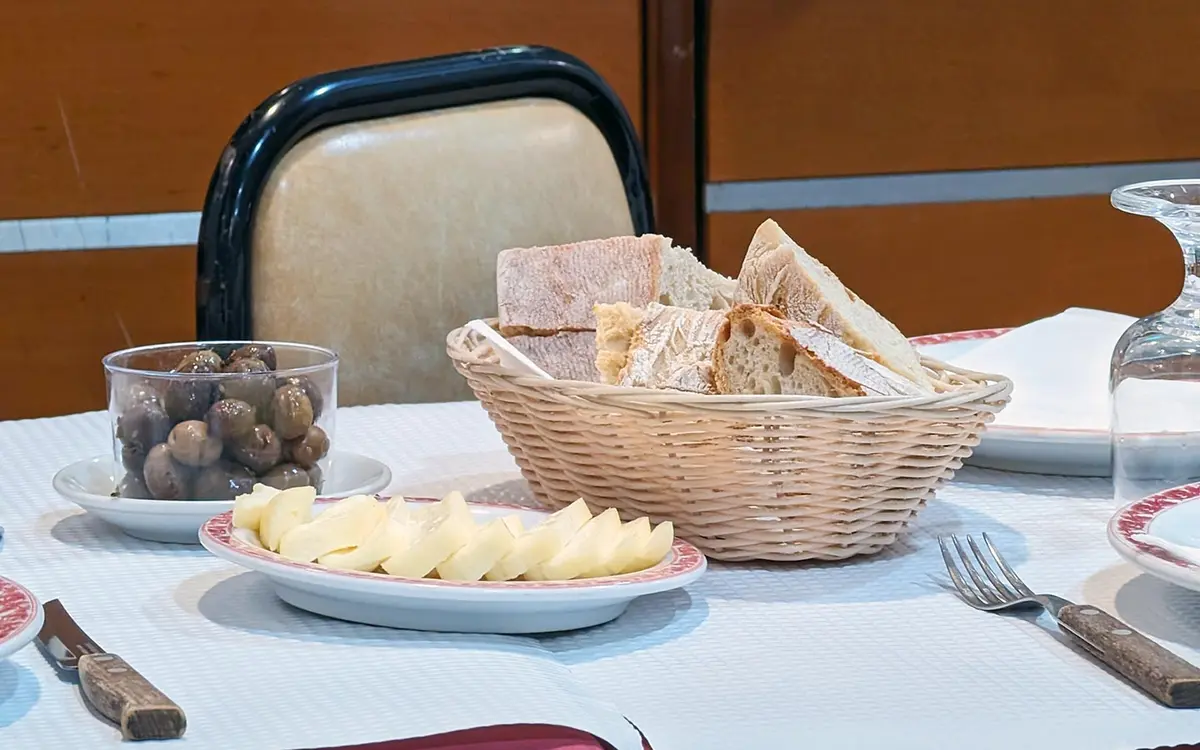
The moment you sit at any Portuguese restaurant in Faro, a waiter places bread, olives, sardine pâté, and sometimes pickled carrots on your table. This is not complimentary. The couvert runs €1.50 to €5.00 per person, and eating a single olive means you are paying for the entire spread.
Knowing a few basic Portuguese phrases for tourists will serve you at every table — saying “Não, obrigado” when the couvert arrives is entirely acceptable. If you leave it completely untouched, it should not appear on your bill. This is a cultural standard in Portugal, not a scam — many US visitors feel ambushed because nothing in American restaurant culture prepares them for it.
Where do locals actually eat in Faro?
Xarém com conquilhas is found in its most honest form at Taska or Restaurante Centenário — not on the tourist strip. Both serve it simply, at prices that reflect what the dish has always cost. If you are expecting refined plating, go elsewhere. If you want to understand what the Algarve actually ate for generations, sit down.
- Location: Taska and Restaurante Centenário, Faro city center
- Cost: €10–€18 per person
- Best for: Budget-conscious visitors eating where locals eat
For cataplana de marisco, À Do Pinto and Chefe Branco are worth seeking out. The 20 to 30 minute wait for a fresh cataplana is not inconvenience — it is the signal that the kitchen is doing it correctly.
For piri-piri chicken, Churrasqueira O’Recife is the no-frills institution where police officers and paramedics eat on a Tuesday night. Plastic chairs, charcoal smoke, and flavor that makes most tourist-strip chicken feel like a concept. No white tablecloths, no ambiance, just food.
- Location: Churrasqueira O’Recife, Faro
- Cost: Moderate; excellent value
- Best for: Solo travelers, couples, anyone who eats for the food
What are the real logistics at Tasca do Ricky and Se7e Pedras?
Tasca do Ricky only accepts reservations for the 19:00 to 19:45 time slot. Arrive after that window and you are walking in and hoping for space at four tables. Multiple visitors report that the card machine fails regularly — arrive with at least €80 to €100 in cash and skip the ATM sprint mid-meal.
- Location: Tasca do Ricky, Rua do Forno 21, Faro city center
- Cost: Mid-range
- Best for: Intimate dining; small groups; reservations essential for early slot
- Time needed: 90 minutes minimum; bring cash as backup
Se7e Pedras is the trendier option for petiscos (Portuguese tapas) and works well for groups sharing plates. Book on weekends and respect the split schedule.
- Location: Se7e Pedras, Faro
- Cost: Mid-range
- Hours: Approximately 12:00–15:00 and 19:00–23:30
- Best for: Groups, sharing plates, relaxed weekend evenings
- Time needed: 60–90 minutes
How much should you tip in Faro?
Tipping in Faro Portugal is calibrated differently from the US. For coffee or a casual lunch, rounding up to the nearest euro is enough. For a full dinner with genuinely attentive service, 5% to 10% is generous — 20% reads as someone who has never left North America.
Most card terminals in Faro do not have an add-tip line. Tell the waiter the total amount you want to pay before they run the card, or leave small coins on the table. Portuguese locals and long-term expats have started openly pushing back on the Americanization of tipping norms here, and the local service culture does not expect or price in US-style gratuities.
How do you reach the beach from Faro Portugal?
Faro Portugal has no beach within walking distance of the Old Town — a fact that genuinely surprises visitors still deciding where to stay in the Algarve who expect beachfront access from the city. Reaching the real coastline requires navigating the Ria Formosa lagoon system by ferry. The two main options are Ilha Deserta for a wild, uninhabited beach day, or the hop-on-hop-off island circuit for broader coverage of the barrier islands.
What is Ilha Deserta and how do you get there?
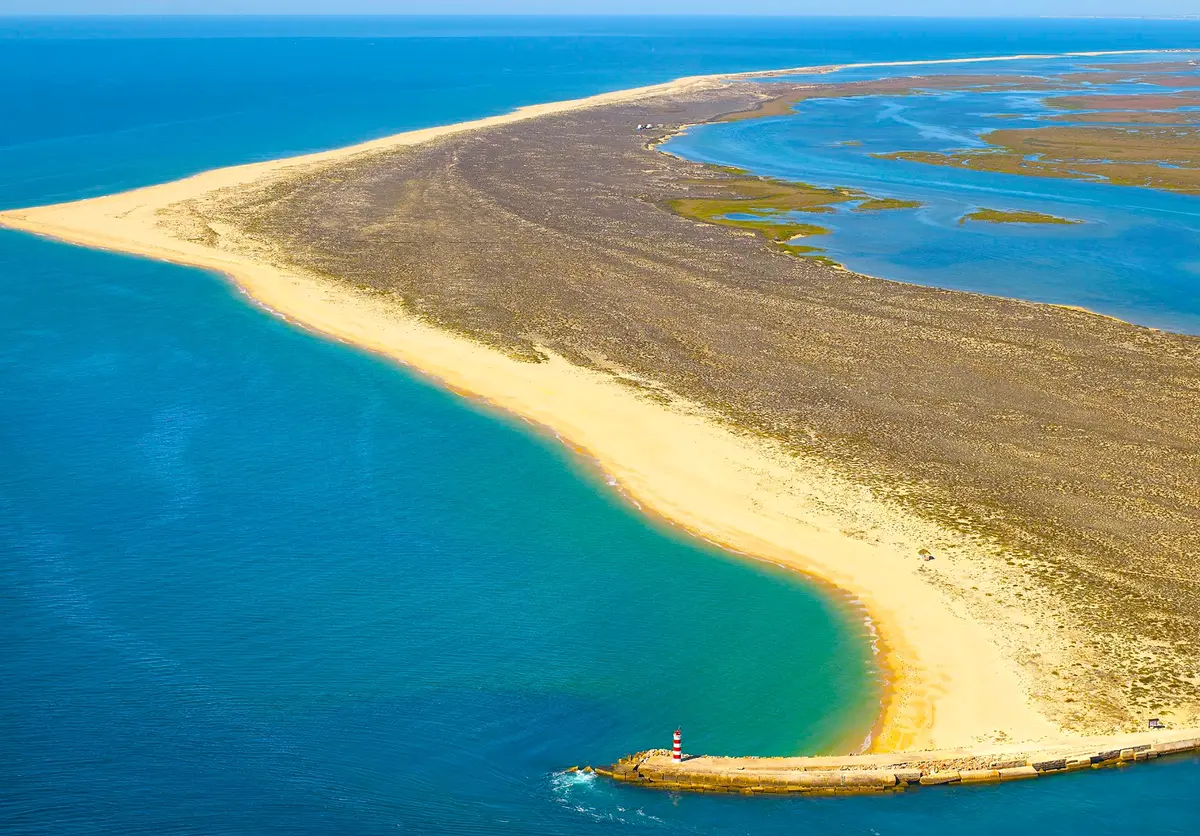
Ilha Deserta (Desert Island) is the only uninhabited barrier island in the Ria Formosa — no shops, no infrastructure, no vendors, just a long strip of sand and the southernmost point of mainland Portugal at Cabo de Santa Maria. Animaris runs the ferry service from Cais da Porta Nova near the city walls, with two boat options:
- Slow ferry: €10 return; approximately 45 minutes each way; multiple daily departures starting at 10:00 AM
- Speedboat shuttle: €20 return; 15 minutes each way; faster but same island
- Departure point: Cais da Porta Nova, near the Old Town city walls
- Key detail: Buy your return ticket before you board — no tickets are sold on the island itself
The island has one restaurant, Estaminé, which is solar-powered and serves fresh seafood at sit-down prices. Reserve before you board the boat — it is your only dining option, and there is no grocery store, café, or alternative. If you do not have a reservation, bring a full cooler.
Pro Tip: In summer, the last boat back fills up faster than you expect. Book your return for the second-to-last departure, not the final one — it gives you a genuine buffer without cutting your beach day short.
How do you use the train to explore the eastern Algarve?
The Linha do Algarve rail line removes parking headaches and toll confusion entirely for coastal exploration. Download the CP (Comboios de Portugal) app for digital tickets and real-time schedules — it is the authoritative source, not Google Maps or third-party booking sites.
Olhão is 10 minutes east of Faro for €1.60 — a gritty, working fishing capital with red-brick market halls, the smell of fresh catch before 8:00 AM, and ferry connections to Armona Island. It is the anti-Albufeira: no resort energy, just boxes of clams and fishermen comparing prices before the market opens.
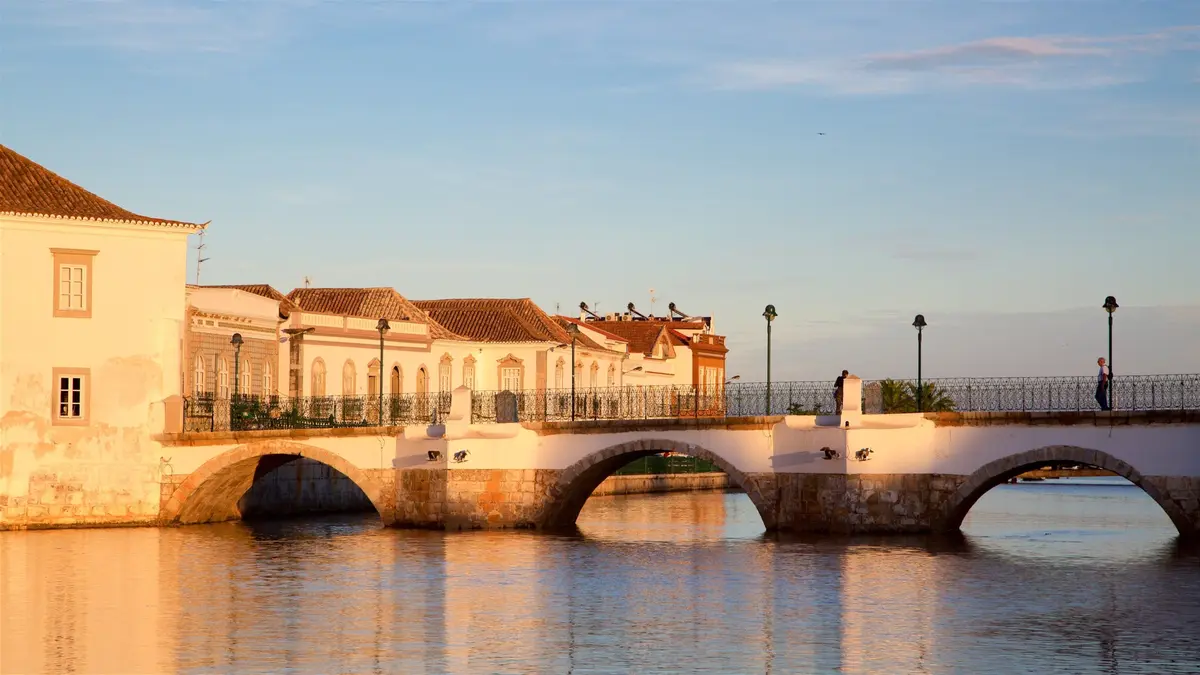
Tavira sits 35 to 40 minutes east for €3.60, with a noticeably different pace — Roman bridge, whitewashed architecture, and a town center that has avoided the package-holiday aesthetic. It is the eastern Algarve’s best day trip by a significant margin.
The limitation of the train is that some stations sit far from town centers and beach access. Budget a secondary Uber or taxi ride to complete the last mile in either direction.
What should you pack for a day out in Faro?
Before heading out each morning, run through your Portugal packing list and make sure you have these covered:
- Cash: €50 in small bills — for cash-only restaurants, parking attendants, and small cafes that have not updated their card terminals
- Apps: Uber or Bolt for rides; CP for trains; Google Maps with the Faro area downloaded offline
- Sun protection: High-SPF sunscreen; the Atlantic breeze in the Algarve makes the UV exposure feel lower than it is until you are already burned
- Footwear: Flat, grip-sole shoes; calçada pavement turns dangerous when wet or polished
- Language: Practice “Não, obrigado” before you step outside — you will need it for the Baixa
The bottom line on Faro Portugal
Faro Portugal is not trying to be Lisbon or Porto, and that is exactly its strength. It filters out visitors looking for English breakfasts and poolside loungers, rewarding those willing to learn roundabout lane discipline, eat clams in cornmeal porridge, and sit in cash-only restaurants with four tables and a broken card machine.
TL;DR: The A22 is toll-free — whether you flew in or made the drive from Lisbon, forget everything you read about Via Verde transponders for the Algarve. Take Uber or Bolt from the airport, say no to the couvert if you are not hungry, book Estaminé before you board the ferry to Ilha Deserta, and eat your piri-piri chicken where the paramedics eat.
What surprised you most about Faro — or what do you wish someone had told you before your first visit?