El Salvador runs on the US dollar — the same bills already in your wallet. Bitcoin is still legal but no longer mandatory, the colón is a museum piece, and your real worries are torn notes, ATM fees, and breaking a twenty. This guide is the operating manual US travelers actually need.
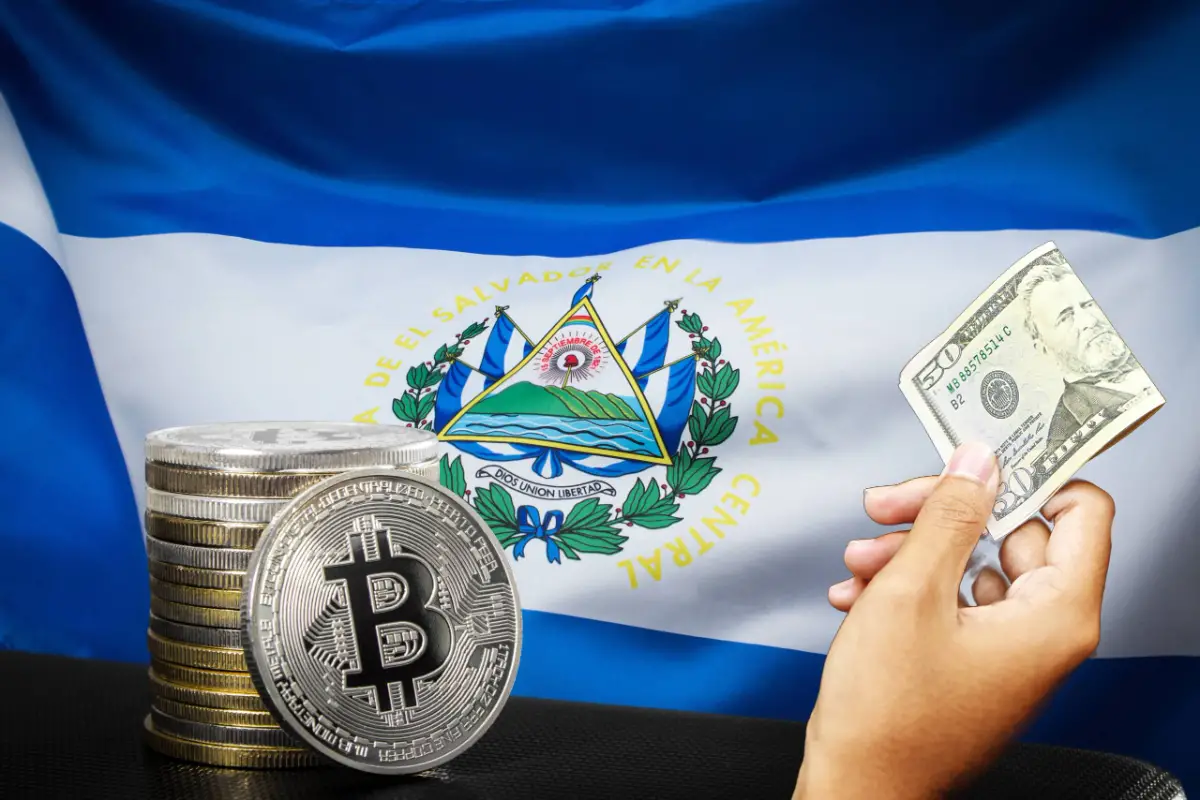
The currency of El Salvador is the United States dollar (USD), adopted as legal tender under the Monetary Integration Law. Bitcoin has been legal but voluntary since Legislative Decree No. 199 took effect, and the Salvadoran colón, while still technically legal, has not circulated in decades.
What currency does El Salvador use today
El Salvador uses the US dollar for virtually all daily transactions. Bitcoin holds legal status but acceptance is voluntary after the most recent Bitcoin Law reform. The Salvadoran colón remains nominally legal tender under the Monetary Integration Law yet has not been in everyday circulation since dollarization took effect.
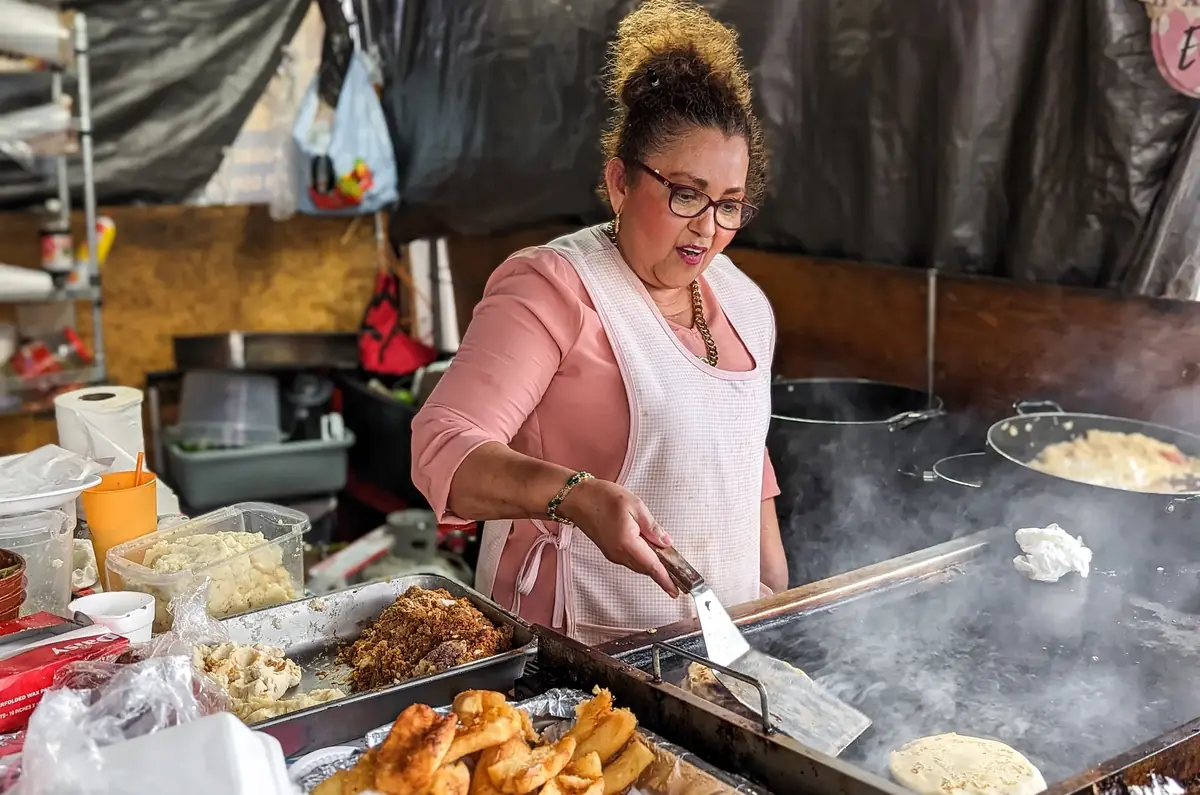
Walk into any supermarket, comedor or tuk-tuk and the answer is the same: dollars. Salvadorans price everything in USD — $0.75 for a pupusa, $1.50 for a city bus ride, $4 for a plate of pollo dorado at a roadside comedor. Salvadoran banks dispense dollars at every ATM. Hotels quote rates in dollars. Even the surf instructors in El Tunco charge in dollars.
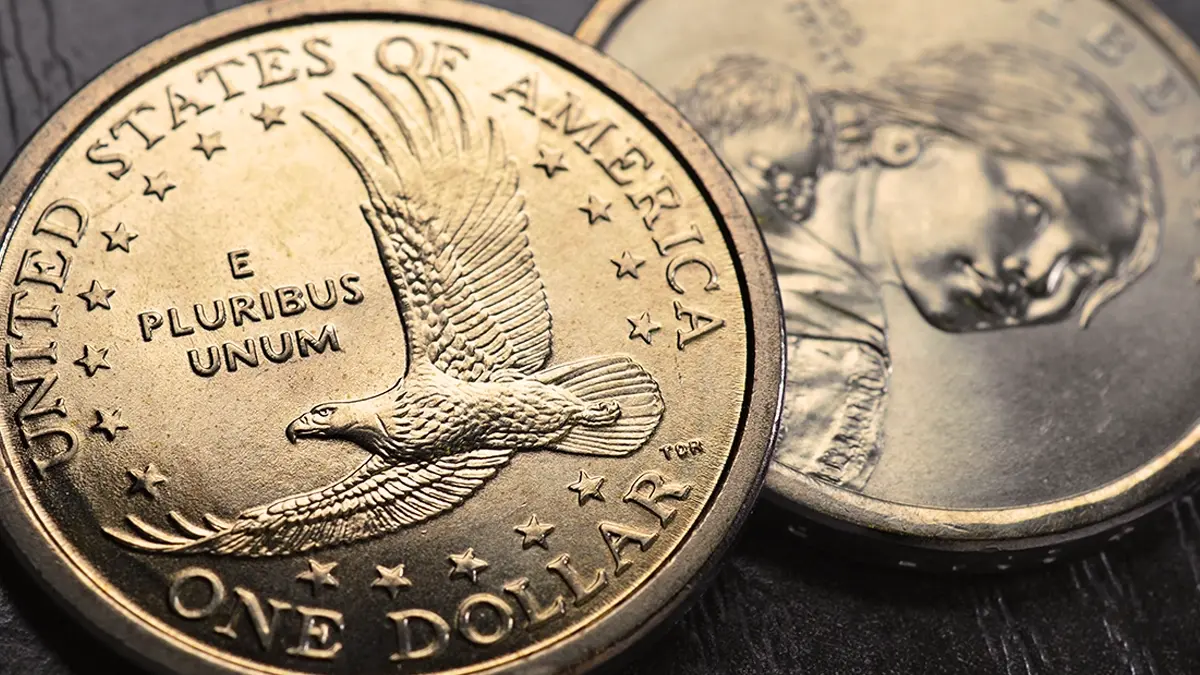
The one quirk Americans notice on day one: dollar coins are everywhere. The Sacagawea gold dollar and the Presidential dollar coins that gather dust in US drawers actually circulate here as change. Don’t toss them out at the airport when you leave — they’re worth a full dollar back home, though most US cashiers will look at you funny.
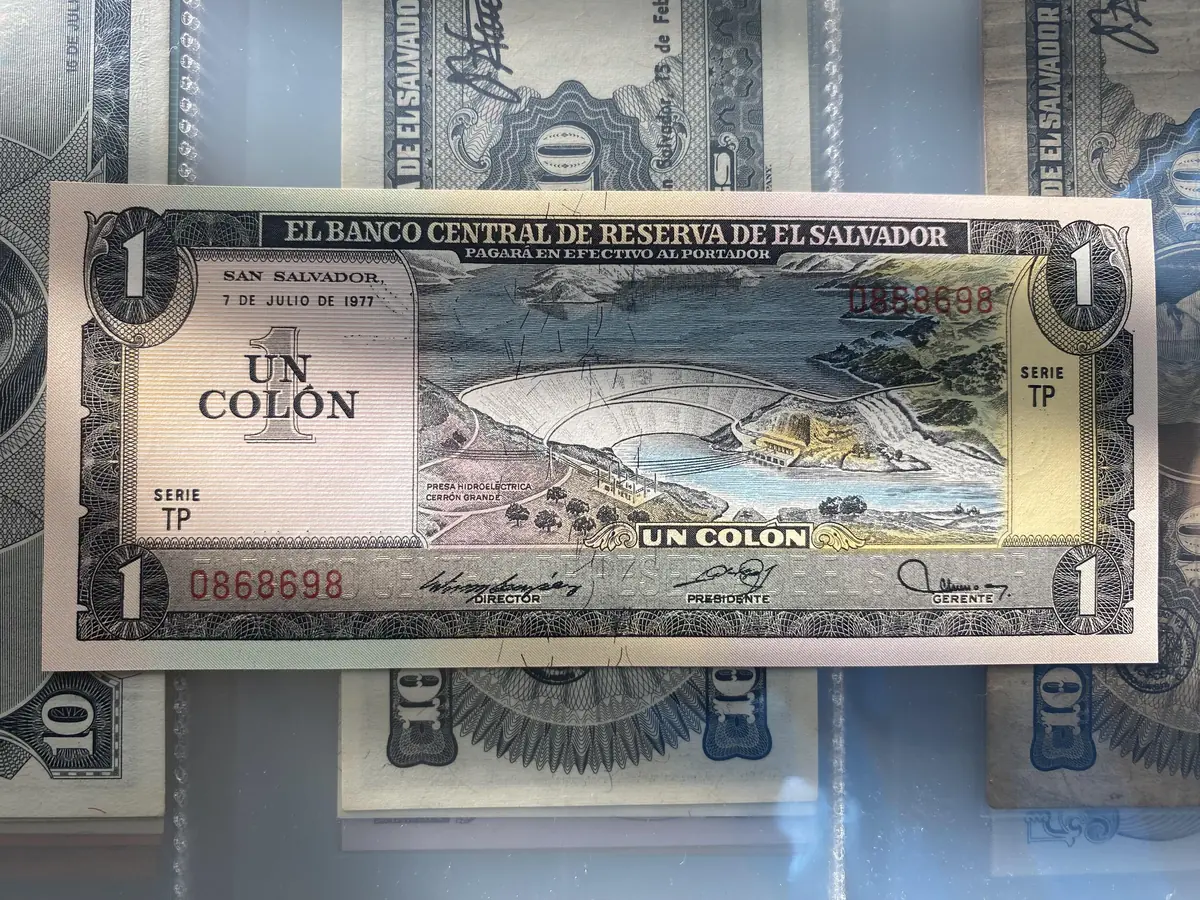
Bitcoin is a different animal. You can spend it where business owners choose to accept it, but most won’t. The Salvadoran colón you might see in a souvenir shop is a collector’s piece — pretty paper, zero buying power.
Pro Tip: When a cashier hands you four or five dollar coins as change, accept them. These spend faster than a $5 bill at street vendors and bus turnstiles.
Quick history: from the colón to the US dollar to Bitcoin
The colón circulated as El Salvador’s national currency for more than a century until the Monetary Integration Law fixed it at 8.75 per dollar and brought the US dollar into free circulation. Two decades later, the Bitcoin Law made cryptocurrency legal tender, before an IMF-tied reform stripped its mandatory status.
The full timeline matters because it explains what you’ll actually find on the ground. The colón was named after Cristóbal Colón — Christopher Columbus — and stayed in use from the late nineteenth century through dollarization under President Francisco Flores. Officially the colón is still legal tender at the fixed rate, but Banco Central de Reserva pulled it from circulation. You won’t get one in change.
The Bitcoin Law, championed by President Nayib Bukele, made El Salvador the first country in the world to grant Bitcoin legal-tender status. The government rolled out the Chivo wallet, paid Salvadorans a $30 sign-up bonus in BTC, and installed Bitcoin ATMs at a handful of locations across the country.
Then came the IMF. Under the Extended Fund Facility program — a roughly $1.4 billion arrangement that anchored a wider $3.5 billion package with the World Bank, IDB and CABEI — El Salvador agreed to soften the Bitcoin mandate. Legislative Decree No. 199 amended the Bitcoin Law (six articles modified, three repealed) and Bitcoin acceptance became voluntary instead of obligatory.
What this means for you: the policy debate is loud, but the practical answer is quiet. Pay in dollars and move on.
Is Bitcoin still legal tender in El Salvador?
Yes — but with an asterisk that matters. After Legislative Decree No. 199 reformed the Bitcoin Law, accepting Bitcoin became voluntary for private businesses, tax payments are made only in US dollars, and the state is unwinding its role in the Chivo wallet. Bitcoin is still spendable where it is welcomed, but it is no longer required anywhere.
This is the single biggest fact most other travel pages get wrong. Older blog posts and a few mainstream money-transfer sites still describe Bitcoin as mandatory legal tender that any merchant must accept. That isn’t accurate anymore.
What changed in practice:
- Businesses are no longer compelled to accept Bitcoin
- The government is contractually committed to exiting the Chivo wallet
- Taxes must be paid in US dollars only
- The colón keeps its nominal legal-tender status; Bitcoin keeps a softer version of the same
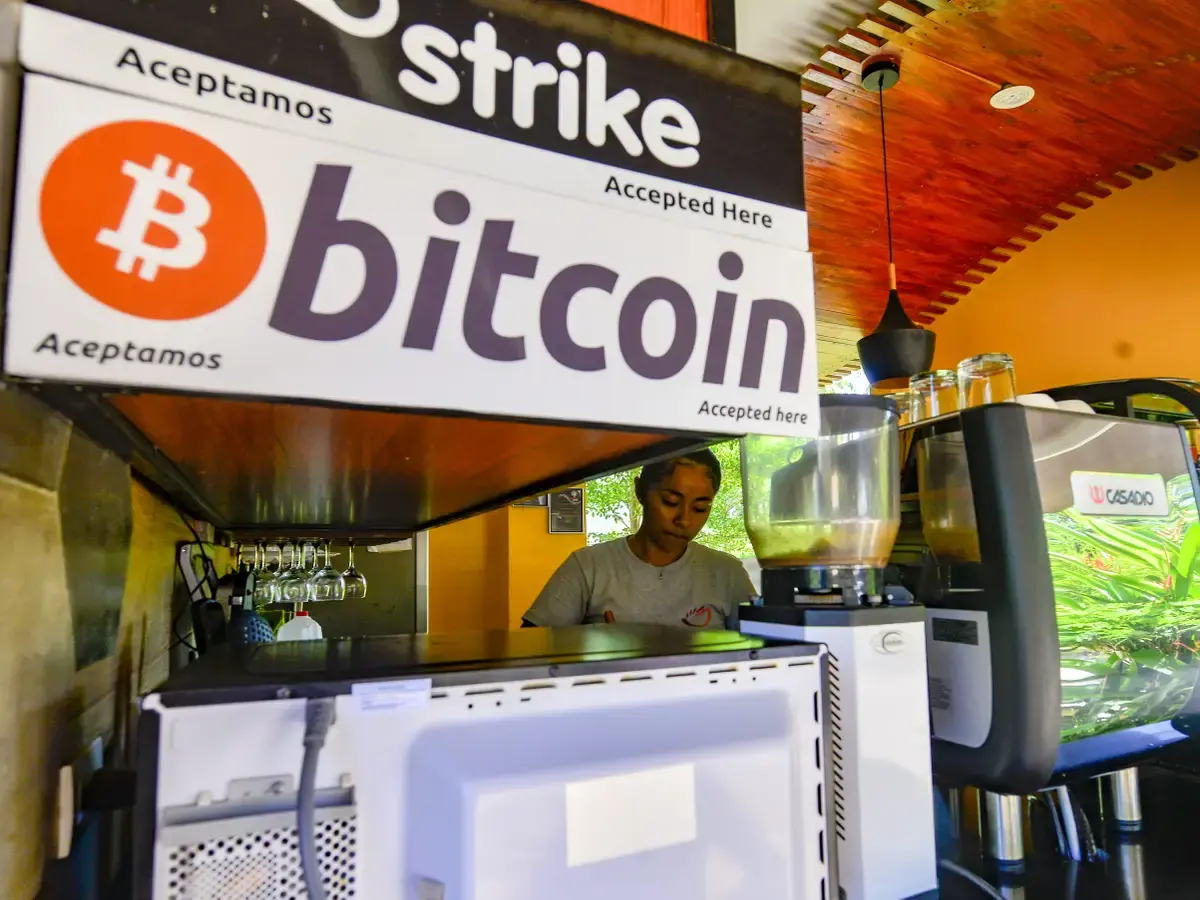
The “Aceptamos Bitcoin” stickers you’ll see on café and shop windows in El Tunco or El Zonte are now closer to branding than compliance. Some places still take BTC out of conviction. Some leave the sticker up but quietly stopped accepting. The only way to know is to ask before you order.
Is the US dollar accepted in El Salvador?
Yes. The US dollar is the everyday currency of El Salvador, used in supermarkets, taxis, hotels and street stalls, and dispensed by ATMs. American travelers do not need to exchange anything before flying. The catches are practical, not legal: small bills are preferred, and damaged or very old notes are frequently rejected by merchants.
The denomination etiquette is real and costs people money. Here’s how each bill performs in the wild:
- $1 bills and coins: accepted everywhere, never refused
- $5 bills: universally welcome
- $10 bills: no issues
- $20 bills: fine for most transactions; some street vendors struggle to break them before noon
- $50 bills: many small vendors refuse outright; mid-range restaurants take them
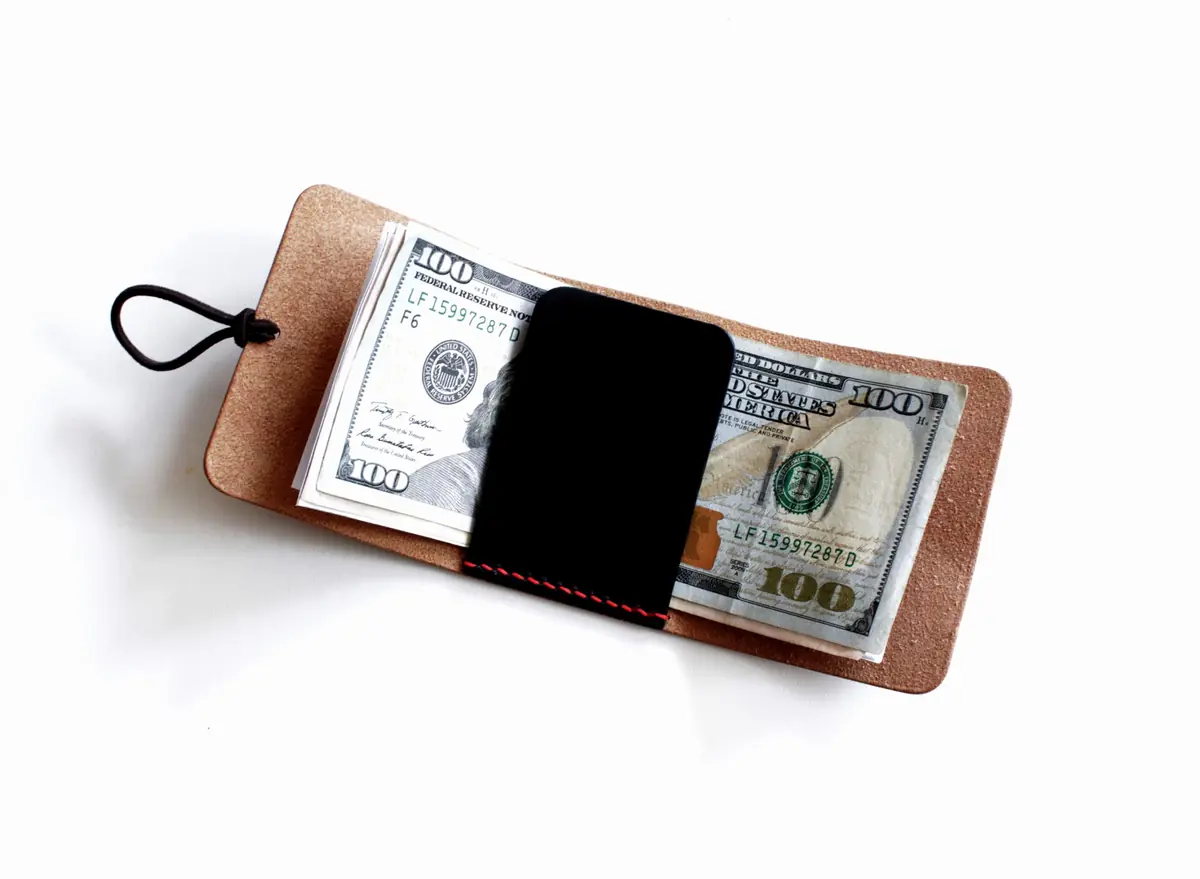
- $100 bills: routinely refused at small businesses and even some hotels; banks and supermarkets accept them
I tried to pay a $4 tuk-tuk fare with a $50 bill in Santa Ana once. The driver looked at the note, looked at me, and waved me off without a word. I walked to a corner store, bought a $1 water and broke the bill there. That’s the move.
Pro Tip: Ask your home bank for $200 in singles before you fly. They vanish faster than expected once you start tipping and paying for buses.
How much cash should I bring to El Salvador?
Plan roughly thirty to fifty dollars per day for budget travel, one hundred to one hundred fifty for mid-range, and two hundred or more for upscale. Bring two-thirds in clean small denominations — ones, fives, tens and twenties — and rely on ATMs for the rest. Avoid arriving with only fifties and hundreds; you will struggle to break them.
Realistic prices on the ground:
- Hostel dorm bed: $10–$15 per night
- Mid-range hotel: $40–$80 per night
- Beachfront boutique in El Tunco: $90–$160 per night
- Pupusa: $0.50–$1 each (you’ll want three)
- Comedor full meal: $3–$5
- Mid-range restaurant entrée: $5–$10
- Bottled water: $0.50–$1
- Local Pilsener beer at a bar: $1–$3
- Surf lesson, 2 hours: $25–$40
- City bus ride: $0.25–$0.50
- Intercity bus (San Salvador to Santa Ana, ~40 mi / 65 km): $1–$2
- Uber or inDrive ride in San Salvador: $3–$8
- Half-day guided tour: $30–$60 per person
A week of surf-trip living out of El Tunco — accommodation, food, two surf lessons, a guided waterfall hike, intercity buses — cost me a measured $342 in cash plus card spend on the hotel and one supermarket run.
Pro Tip: Carry roughly $40 in your wallet for the day and stash the rest in a hidden pocket or hotel safe. Pickpocketing is rare in tourist zones, but losing one wad of cash hurts less than losing all of it.
ATMs, withdrawal fees and which banks to use
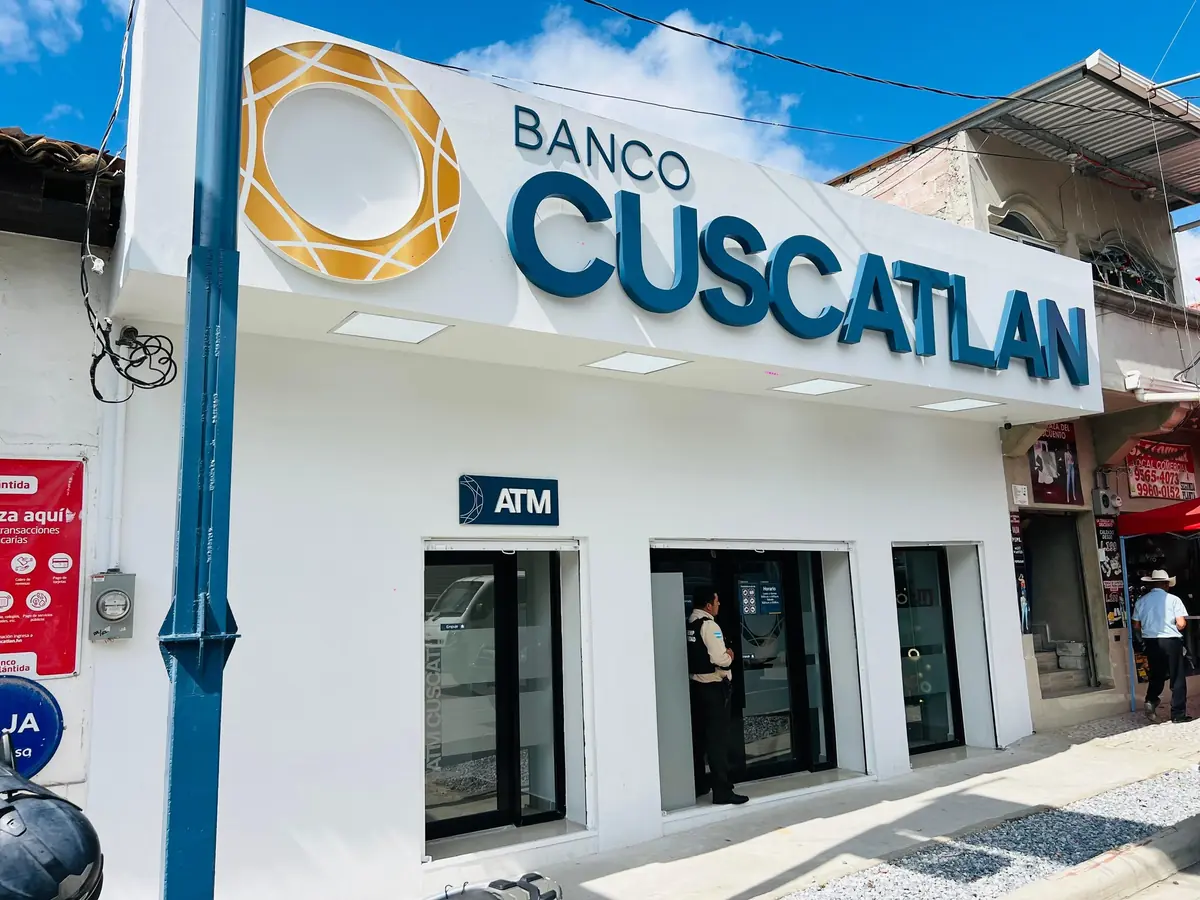
ATMs dispense US dollars and are common in San Salvador, Santa Ana, La Libertad and major malls. Foreign-card surcharges typically run from four to nearly eight dollars per withdrawal. Banco Cuscatlán charges about four dollars, Banco Agrícola about five and a half, Banco Davivienda about five and a half, and BAC Credomatic the highest at around eight.
Approximate foreign-card surcharges:
- Banco Cuscatlán: ~$4.00 per withdrawal
- Banco Agrícola: ~$5.50 per withdrawal
- Banco Davivienda: ~$5.65 per withdrawal
- BAC Credomatic: ~$7.91 per withdrawal
- Banco Hipotecario: reported fee-free for some foreign cards
Per-transaction withdrawal limits run $275–$500, most commonly $300. Daily caps typically max out at $500–$600. Pull the largest amount your daily budget allows so you only eat the surcharge once.
The BAC Credomatic machine inside Multiplaza San Salvador displayed a $7.91 surcharge before I confirmed the transaction. I cancelled, took the escalator down one floor, and used a Banco Cuscatlán machine at $4. Same withdrawal, $3.91 saved.
Two safety rules, non-negotiable:
- Use bank-branded ATMs inside supermarkets, malls or bank vestibules. Skip standalone gas-station ATMs — they cost more and have been linked to occasional card-skimming reports.
- When the screen offers to charge you in US dollars or in your “home currency,” always choose USD. The “home currency” option is dynamic currency conversion (DCC), and the exchange rate buried inside is consistently worse than what your card issuer would give you.
Pro Tip: Withdraw the maximum on your first transaction to spread the surcharge across more cash. Two $300 withdrawals at a $5 fee cost you $10; one $500 withdrawal costs you $5.
Do not bring torn or worn-out dollar bills
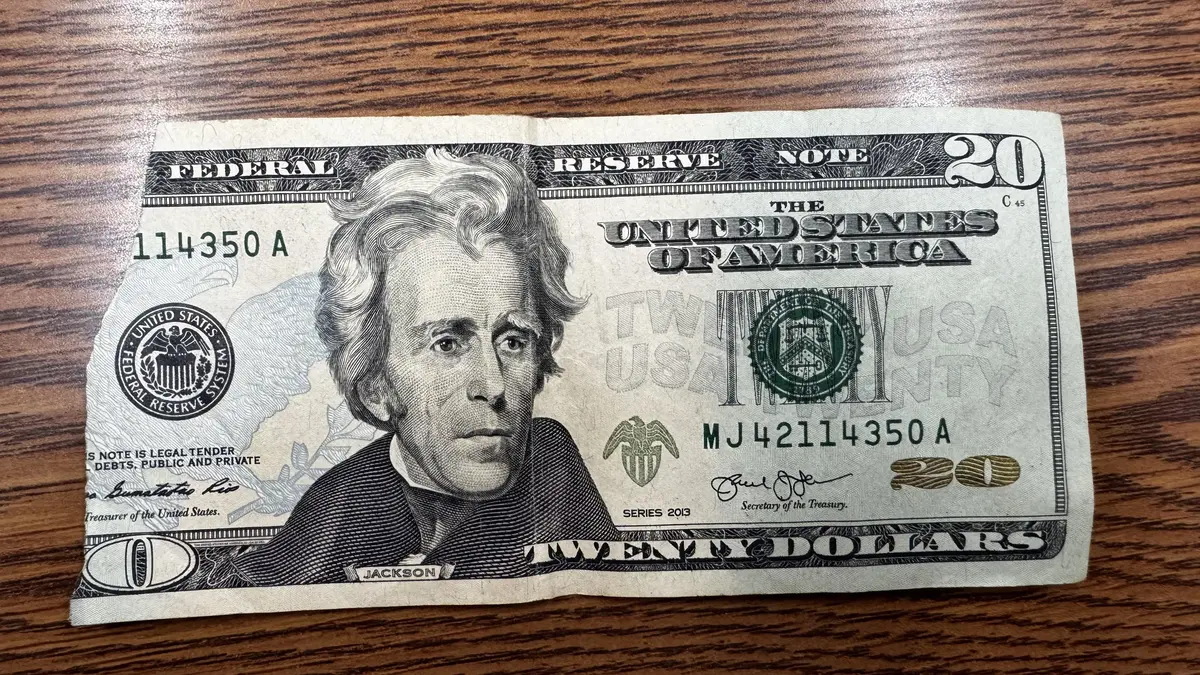
Merchants and even banks in El Salvador can be strict about the physical condition of US currency. Bills that are torn, taped, heavily wrinkled, ink-stained or from older designs — especially older one-hundred-dollar notes without the blue 3D security ribbon — are routinely refused. Sort your wallet before departure, pull out anything that looks beat, and ask your home bank for crisp newer notes.
This is the single tip nobody tells you. A bill that any US cashier would accept without a second glance can be handed back to you in San Salvador with a polite shake of the head. The reasons are practical, not arbitrary:
- Local banks won’t accept damaged notes for deposit from merchants
- Counterfeit-detection training emphasizes newer security features
- Older $100 designs lack the blue security ribbon, so cashiers were trained to be suspicious of them
A teller at a Western Union desk in Santa Ana once set aside three of my $20 bills and accepted only the two cleanest. The “damaged” ones had a small pen mark and a soft tear at one corner — invisible to me until pointed out. I spent them later at a Super Selectos supermarket without issue.
What to do before you fly:
- Visit your bank teller (not the ATM) and request small bills from recent print runs
- Inspect each bill for tears, ink, tape, missing corners or excessive wrinkling
- Set aside any questionable bill for use at supermarkets, gas stations or chain hotels — never offer it first at a small vendor
Pro Tip: Spend any questionable bills at gas stations or supermarkets first. They’re more flexible than hostels or comedors, where rejection is more likely.
Are credit cards widely accepted in El Salvador?
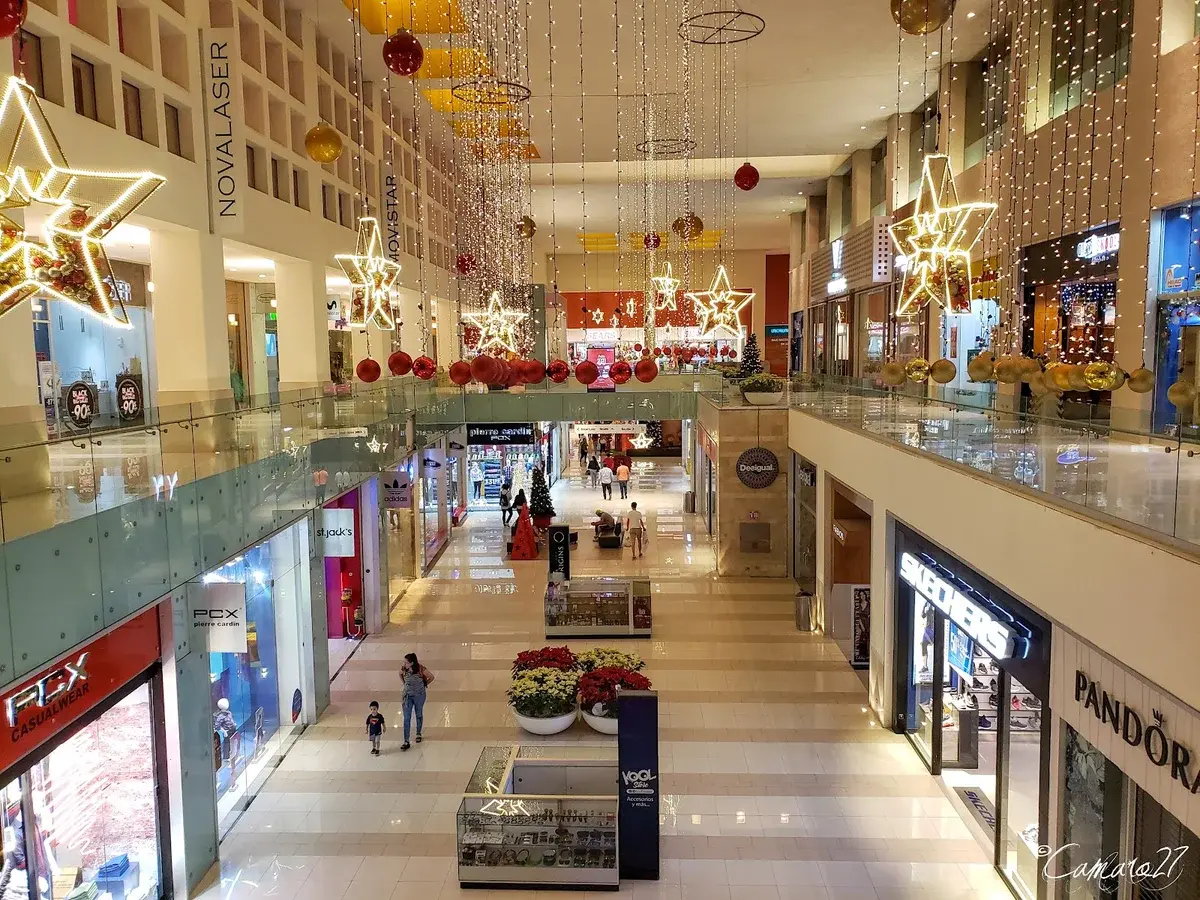
Credit cards work reliably in San Salvador hotels, supermarkets, malls, mid-range restaurants, gas stations and most chain outlets. Visa is the most widely accepted brand, followed by Mastercard, with American Express trailing. Pupuserías, street vendors, chicken buses, market stalls, tuk-tuks and most rural businesses are cash-only. Card cloning has been reported at gas stations and standalone POS terminals.
Card-friendly environments include:
- Multiplaza, Metrocentro and Galerías Escalón shopping malls
- Super Selectos and La Despensa de Don Juan supermarkets
- Mid-range and upscale hotels in San Salvador, Santa Ana and La Libertad
- Chain restaurants (Pollo Campero, Pizza Hut, Starbucks)
- Gas stations from Puma, Texaco and Uno (cash still preferred at some)
- Uber and inDrive in San Salvador (drivers often prefer cash even when card is enabled)
Cash-only territory:
- Pupuserías and comedors
- Chicken buses and tuk-tuks
- Public markets (Mercado Central, Mercado Cuartel)
- Street vendors of any kind
- Small surf-town businesses outside El Tunco and El Zonte
- Most rural taxis
Card-cloning risk concentrates around standalone POS terminals at gas stations, particularly outside major cities. Use your card at attended counters, keep it in sight when possible, and check the terminal for obvious tampering before inserting.
My Visa worked at Super Selectos in Escalón without a hitch. The same card was declined — politely, with a shake of the head — at a roadside fish shack in Costa del Sol. That’s the dividing line: brick-and-mortar businesses in cities take cards, smaller and more rural businesses don’t.
Pro Tip: Notify your card issuer that you’re traveling to El Salvador before you fly. First-use auto-blocks are common on US-issued cards in Central America.
Do I need to exchange money before going to El Salvador?
No. US travelers do not need to exchange any currency before flying to El Salvador. The country’s official currency is the US dollar. Skip airport exchange kiosks and home-bank foreign-currency orders; both add cost for zero value. Bring clean dollar bills and an ATM-friendly debit card.
Airport currency-exchange kiosks at SAL and at US gateways exist for travelers from countries that don’t use USD — Mexicans, Brits, Canadians, Germans. If your home country is the United States, you already hold the local currency. Walking up to a kiosk to “exchange” dollars for dollars is meaningless.
The currency exchange counter at SAL stared at me when I asked what they could offer in dollars — because I was already holding them. You can’t exchange US dollars for US dollars and gain anything.
The card stack worth carrying:
- A primary debit card with low or zero foreign ATM fees (Charles Schwab and Fidelity reimburse ATM fees worldwide; Capital One 360 waives foreign-transaction fees)
- A Wise or Revolut card as backup — no foreign-transaction fees and competitive ATM use
- A credit card with no foreign-transaction fee for hotels and supermarkets (most Chase Sapphire, Capital One Venture and Citi Premier cards qualify)
- $200–$400 in clean small bills as a starting float
Skip these:
- Airport kiosks (any direction, any country)
- Home-bank “foreign currency orders” for USD
- Travelex-style prepaid currency cards (extra fees, no benefit)
How much do you tip in El Salvador?
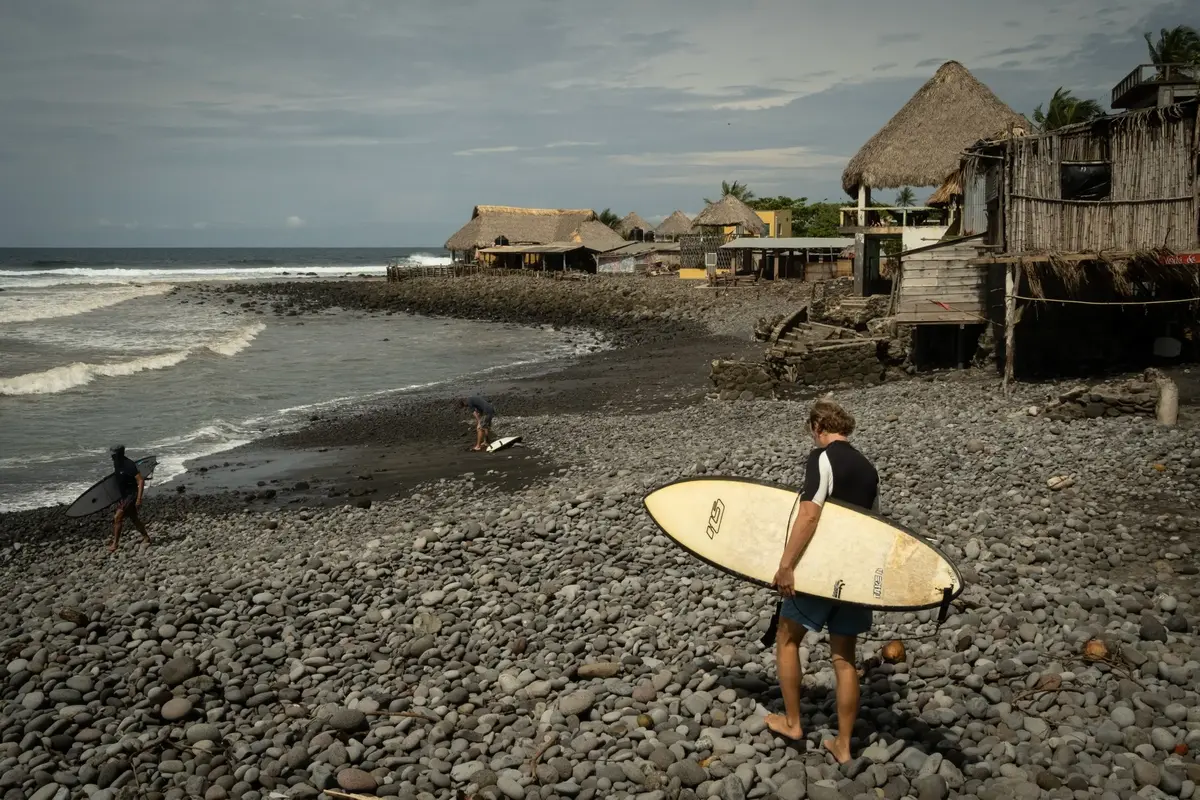
Tip about ten percent at sit-down restaurants — but read the bill first. Many add a “propina sugerida” or service charge of around ten percent automatically. Taxi drivers do not expect a tip; round up if the ride was good. Bellhops appreciate a dollar per bag; hotel housekeeping one to two dollars per night.
The propina-sugerida trap is the one tourists fall into. A 10% suggested gratuity appears already added on the printed check at most mid-range and upscale restaurants. If you don’t notice it, you might tip another 10% on top — effectively 20%. Read the bill line by line before signing.
Tipping reference for US travelers:
- Sit-down restaurants: 10% (check for pre-added propina sugerida first)
- Cafés and quick-service: not expected; rounding up is appreciated
- Tuk-tuks and city buses: no tip
- Airport and city taxis: round up; no formal tip
- Uber and inDrive: no tip required (the in-app tip option is fine)
- Hotel bellhop: $1 per bag
- Hotel housekeeping: $1–$2 per night, left on the pillow with a thank-you note in Spanish
- Surf instructor (private 2-hour lesson): $5–$10 above the lesson fee
- Half-day tour guide: $5–$10 per person
- Full-day tour guide: $10–$20 per person
- Spa or massage: 10% is plenty
Sales tax in El Salvador — IVA — is 13% and is usually included in restaurant menu prices but shown on the final receipt. Don’t confuse the IVA line with the propina line. IVA is government tax, propina is the tip.
Our $42 dinner check at a sit-down restaurant in San Benito already showed a $4.20 propina sugerida line. We added one extra dollar in cash on the table for the server and called it done.
Pro Tip: Tip in cash even if you pay the bill with a card. The propina line on the slip doesn’t always reach the server when the restaurant processes the card payment.
Using Bitcoin in El Salvador as a tourist
Bitcoin is spendable but not widespread. The strongest concentration of acceptance is the surf village of El Zonte — branded “Bitcoin Beach” — plus parts of El Tunco and a handful of chain stores in San Salvador such as Starbucks and McDonald’s. National adoption is low; independent surveys put usage in single digits.
The most credible nationwide measurement comes from the Iudop research institute at Universidad Centroamericana “José Simeón Cañas.” Iudop polling has tracked Bitcoin usage among Salvadorans falling from roughly one in four in the first year of the Bitcoin Law to under one in ten in more recent waves. The takeaway: outside El Zonte’s micro-economy, Bitcoin is a curiosity, not a payment method.
If you want to actually spend BTC in El Salvador as a tourist:
- Install Blink or Wallet of Satoshi before you fly (both are Lightning wallets, faster and cheaper than on-chain)
- Skip the Chivo wallet — government is unwinding it, KYC is friction, and merchant adoption is sliding
- Top up with sats at home before arrival (no Salvadoran ID required for Lightning wallets)
- Carry cash as primary; treat Bitcoin as the novelty layer
Reliable BTC spots based on traveler-reported acceptance:
- El Zonte — Garten, Goyo’s, Surf City Coffee, Hope House, Bitcoin Hardware Store
- El Tunco — several restaurants and surf shops; ask before ordering
- San Salvador — Starbucks and McDonald’s corporate locations; acceptance varies
- Bitcoin Beach surf camps with international clientele
I paid for a smoothie at Garten in El Zonte with the Blink wallet over Lightning. The transaction confirmed in roughly two seconds. Then I ordered a second smoothie at a shack two doors down — cash only. That’s the El Salvador Bitcoin experience compressed into ten minutes.
Pro Tip: Install a Lightning wallet like Blink before you fly. The Chivo wallet isn’t worth the setup hassle for a one-week trip and the government is contractually unwinding its role anyway.
At the airport: your first-hour money playbook
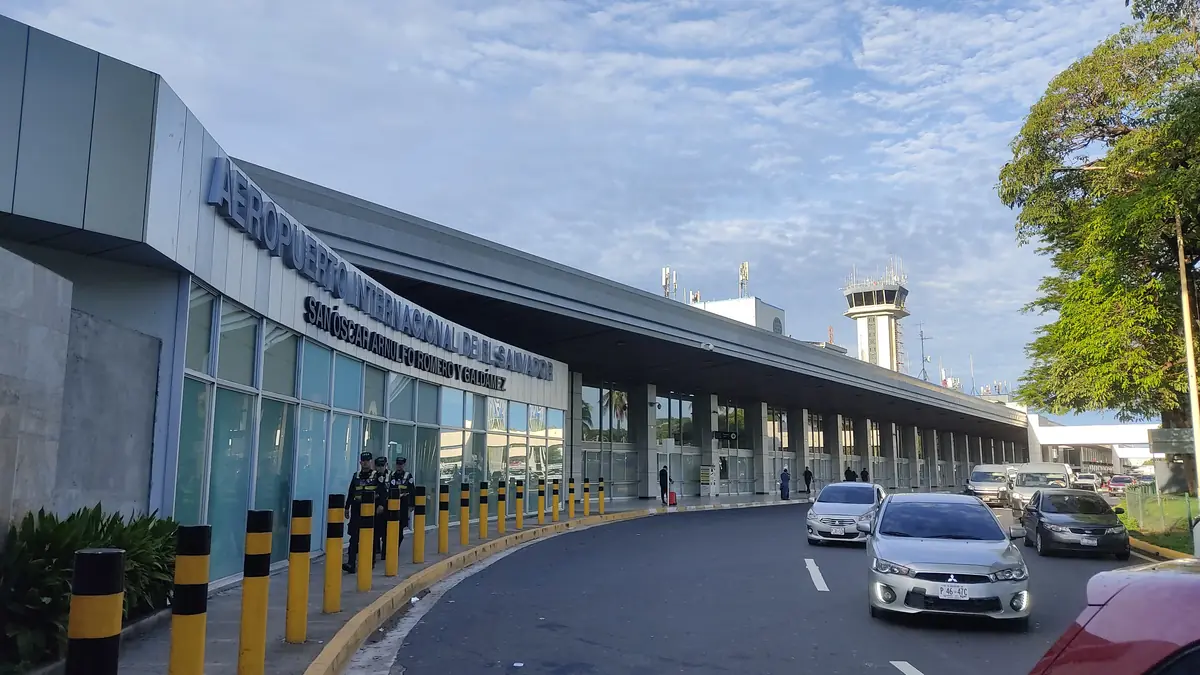
Pay the twelve-dollar tourist card at immigration if your nationality requires it. Skip the currency exchange kiosk. Walk past it to an in-terminal Banco Cuscatlán or BAC ATM if you need cash, then take an authorized fixed-fare taxi to San Salvador or the coast. Ride-hailing apps such as Uber and inDrive also work from the airport.
Monseñor Óscar Arnulfo Romero International Airport — code SAL, often called Comalapa — sits roughly 31 miles (50 km) southeast of central San Salvador. The drive into the city takes 45–60 minutes depending on traffic on the airport boulevard.
The four-step first-hour sequence:
- Pay the $12 tourist card fee at immigration if required (US passport holders are typically charged this, though the policy has shifted at times — keep $12 cash ready)
- Clear customs, walk past the currency exchange kiosk without slowing down
- If you need cash, use the in-terminal Banco Cuscatlán or BAC ATM — note BAC’s higher surcharge
- Exit to ground transport: fixed-fare official taxi, Uber, or inDrive
Fixed-fare ground transport from SAL:
- SAL to San Salvador (Escalón, Zona Rosa): $25–$35
- SAL to La Libertad / Puerto: $30–$40
- SAL to El Tunco: $40–$50
- SAL to El Zonte (~26 mi / 42 km from the capital): $50–$65
- SAL to Suchitoto: $60–$80
Ride-hailing typically runs 25–40% lower than the airport taxi rank. An inDrive run from SAL to El Tunco cost me $38; the official rank had quoted $55 for the same trip.
Pro Tip: Skip the kiosk taxis at the curb if you have data. inDrive quotes are routinely 30–40% lower than official rank prices, and drivers show up within ten minutes at SAL.
Before you fly: the El Salvador money kit
TL;DR: Bring a stack of clean small bills, expect 10% tipping (often pre-added as propina sugerida), withdraw from Banco Cuscatlán or Banco Hipotecario ATMs to minimize fees, prefer Visa for card transactions in cities, and treat Bitcoin as an optional novelty in El Zonte rather than a national payment system.
The El Salvador money kit, packed:
- $300–$400 in clean small bills (mostly ones, fives, tens, two twenties)
- One debit card with low or zero foreign ATM fees (Charles Schwab, Fidelity, Wise, Revolut)
- One credit card with no foreign-transaction fee (Visa first, Mastercard second)
- A backup card stored separately from the first two
- Optional: Blink Lightning wallet with $20 in sats for El Zonte
- Zero colones, zero airport-kiosk exchanges, zero Chivo wallet
You’ll move through your first week of El Salvador faster than 90% of tourists if you sort your wallet before takeoff and pick the right ATM on day one. What’s your biggest currency or budget worry for the trip — bringing too much cash, too little, or breaking your first $20 in a town that doesn’t seem to have any change in the drawer?