
Most US travelers researching travel vaccinations for El Salvador get stuck on the same question: which shots are mandatory, and which are just a clinic trying to upsell? This guide cuts through it — what the CDC actually recommends about vaccines for El Salvador, what the old rules got wrong, what it costs, and how soon to book.
Medical note: This guide is for planning, not diagnosis. Confirm current requirements on the CDC Travelers’ Health page for El Salvador and talk to a licensed travel-medicine clinician before you book any shots. Vaccination is an individual medical decision.
What vaccines do you need for El Salvador?
No vaccines are required to enter El Salvador for US travelers — including yellow fever, which El Salvador dropped as an entry requirement on May 24, 2024. The CDC still recommends most US travelers stay current on routine shots (MMR, Tdap, polio, flu) and add hepatitis A and typhoid before the trip. Those two travel-specific vaccines are the core of the visit.
Everything past that depends on what you’re doing and how long you’re staying. A four-day business trip to San Salvador and a three-month surf stint at El Tunco call for different shot lists, which is why the segment table further down exists.
Pro Tip: Book a pre-travel consult instead of a single walk-in shot. On my last visit, the nurse spent most of the 35-minute appointment on my itinerary — the activities and length of stay — not the needle. That conversation is where the real decisions get made.
Do you need a yellow fever vaccine for El Salvador?
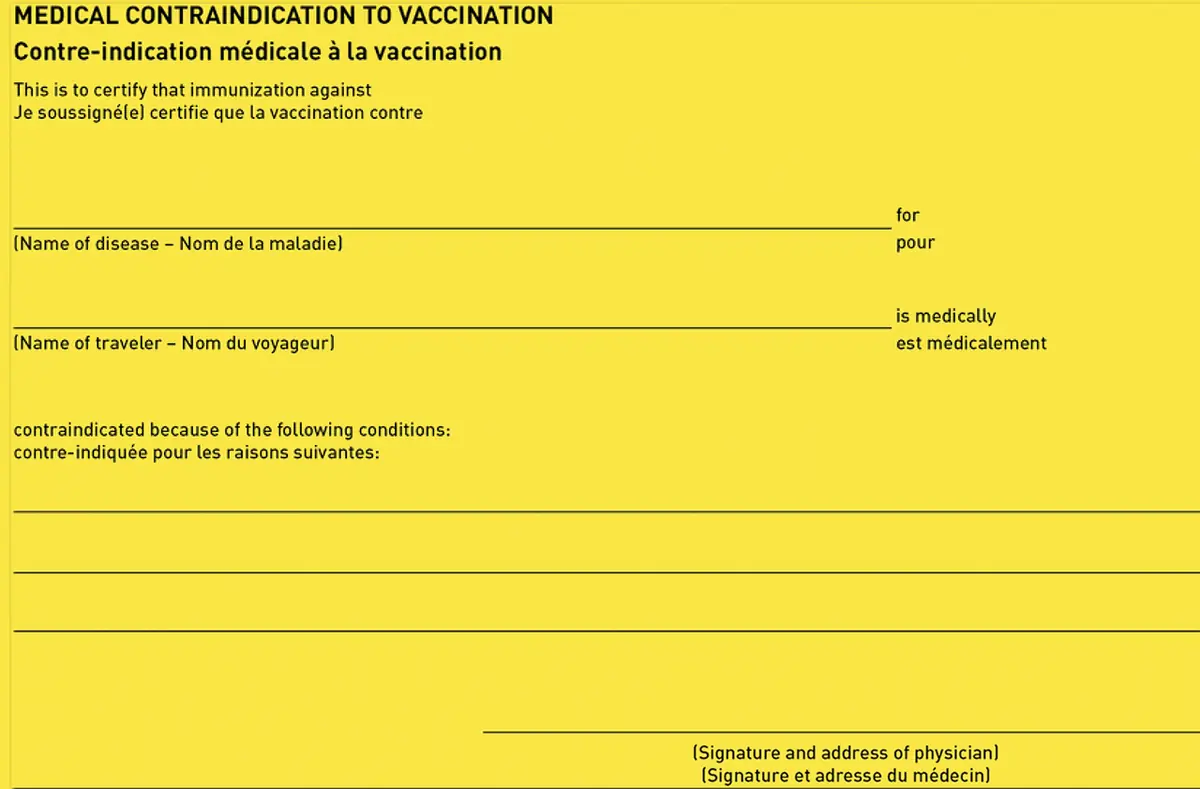
No. El Salvador’s Ministry of Health (MINSAL) eliminated the yellow fever vaccination certificate as an entry requirement on May 24, 2024. Travelers arriving from yellow-fever-risk countries — Brazil, Colombia, several African nations — no longer need to show an International Certificate of Vaccination or Prophylaxis (ICVP) at the airport. Yellow fever does not occur in El Salvador, and the CDC does not recommend the vaccine for protection there.
This is the single fact most US travel pages still get wrong. More than 90% of them — including some government and commercial sources — describe the old rule and tell readers to bring a yellow card. The current, correct source is MINSAL (salud.gob.sv/fiebre-amarilla/), corroborated by the UK’s TravelHealthPro. If a clinic insists you need it for entry, they’re working from outdated guidance.
When you might still want the yellow fever shot
The vaccine only matters if El Salvador is one leg of a bigger trip:
- Onward travel: If you continue to a yellow-fever-endemic country (a Brazil or Peru leg, for example), that destination may still require an ICVP regardless of where you flew in from.
- Validity: Under the 2016 amendment to the International Health Regulations, an ICVP is valid for the life of the recipient — so one you got years ago still counts.
- Lead time: A yellow fever shot becomes valid 10 days after administration, so a multi-country itinerary needs that buffer built in.
Why hepatitis A is the one shot nearly every traveler needs
Hepatitis A is the vaccine the CDC recommends for almost all US travelers to El Salvador, because the virus spreads through contaminated food and water — both easy to encounter in Central America. The two-dose series runs $170–$230 without insurance and is usually free with insurance under the Affordable Care Act. Protection lasts more than 15 years, and a single dose gives meaningful coverage even within two weeks of departure.
The series is two shots six months apart, but you do not need to finish both before you fly. One dose before the trip protects you; you get the booster when you’re back home for the long-term immunity.
Where to get hepatitis A in the US
You have more options than a specialty travel clinic:
- CVS MinuteClinic: Stocks hepatitis A widely; walk-ins; consult fee $25–$95. Usually the cheapest route if Hep A is all you need.
- Walgreens: Carries routine vaccines and hepatitis A; limited broader travel inventory.
- County health departments and FQHCs: Often the best price, sometimes sliding-scale.
- Passport Health: Full travel-clinic experience and yellow-fever certified, but consults run $100+.
What to do if you’re only a week out
Do not skip the appointment. One hepatitis A dose still builds useful protection inside two weeks, and injectable typhoid works on a similar short timeline. A last-minute consult is worth it.
Is the typhoid vaccine worth it for El Salvador?
For most travelers, yes. Typhoid spreads through contaminated food and water and remains a real risk in El Salvador — especially for travelers visiting relatives, eating street food, or staying outside major hotels. The CDC recommends it for most visitors. There are two formats: injectable Typhim Vi ($80–$250, protection two years) or oral Vivotif (four capsules over a week, protection five years).
One catch worth budgeting for: typhoid is frequently not covered by US insurance, even when hepatitis A is free. Plan for $100–$200 out of pocket.
Injectable vs. oral typhoid — which is right for you
The choice comes down to timeline, needles, and your immune status:
- Injectable (Typhim Vi): One shot, about two weeks before travel, good for two years. The simplest option for most people.
- Oral (Vivotif): Four capsules over seven days, finished at least one week before travel, good for five years. Needs refrigeration, and you can’t be on antibiotics during the course.
- One restriction: The oral vaccine is a live vaccine, so it’s off the table for pregnant travelers and people who are immunocompromised — they take the injectable.
Is there malaria in El Salvador?
No. The World Health Organization certified El Salvador malaria-free on February 25, 2021 — the first country in Central America to earn the status. El Salvador has reported zero indigenous malaria cases since 2017, and the CDC does not recommend antimalarial medication for travelers there. That’s a genuine money-saver: you can skip a $150 course of Malarone and the side effects that come with it.
This contradicts older guidebooks that still tell readers to take prophylaxis for rural Santa Ana, Ahuachapán, or La Unión. That advice is out of date. If a guide recommends antimalarials for El Salvador, it predates the WHO certification.
What about dengue, Zika, and chikungunya?
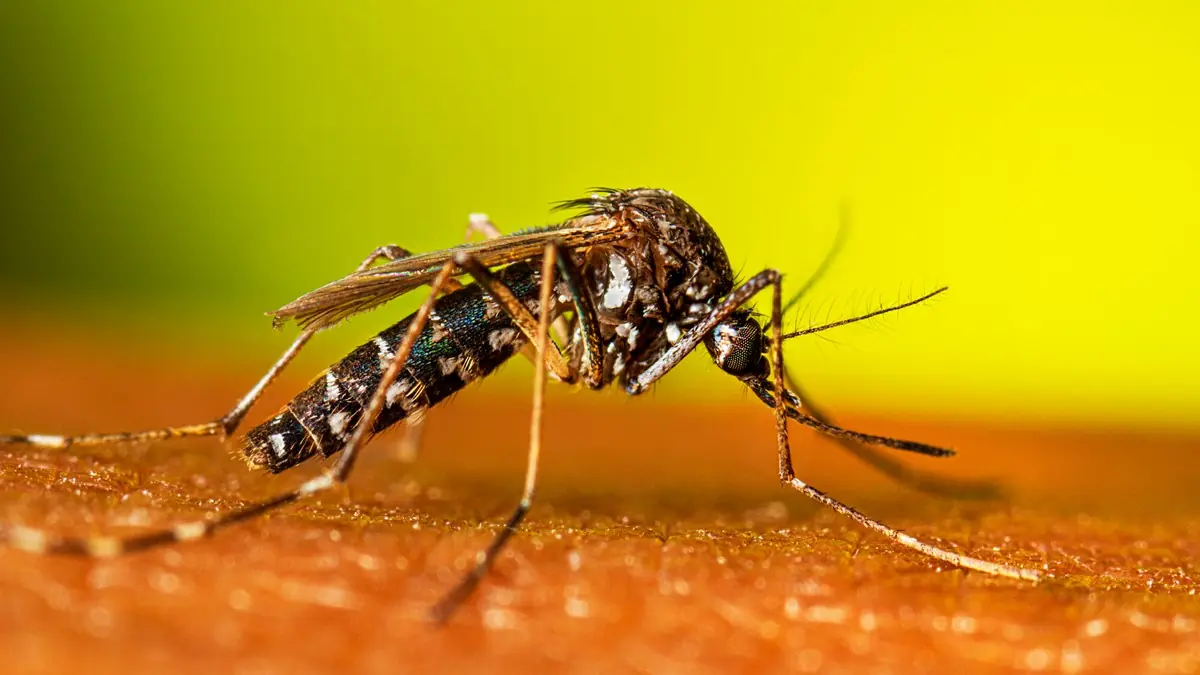
These mosquito-borne viruses — not malaria — are the real concern. El Salvador has year-round risk of dengue, chikungunya, and Zika, all spread by Aedes aegypti mosquitoes that bite during the day. Risk peaks in the May–October rainy season. El Salvador declared a national dengue Red Alert on July 2, 2024, and all four dengue serotypes circulate at once. There’s no vaccine your US doctor will give a typical traveler, so prevention is bite avoidance.
The numbers show why this matters: El Salvador reported roughly 16,000 dengue cases in one recent year, and a 2014 chikungunya outbreak topped 100,000 cases. Daytime biters mean repellent isn’t just a dusk thing.
Pregnant travelers and Zika
Zika causes sporadic transmission in El Salvador and can cause birth defects, so the CDC has historically advised pregnant travelers to reconsider non-essential trips to Central America. If you’re pregnant or planning to be, this is a conversation for your OB before booking — and note that several travel vaccines (MMR, varicella, oral typhoid) are live and contraindicated in pregnancy.
A bite-prevention checklist that actually works
Because the vaccines won’t cover you here, the gear does:
- Repellent: DEET at 20–30%, or picaridin, applied throughout the day.
- Clothing: Permethrin-treated clothes and long sleeves, especially dawn and dusk.
- Lodging: Rooms with air conditioning or intact window screens.
- Standing water: Avoid it where you can — it’s where Aedes breeds.
Which other vaccines should you consider?
Beyond hepatitis A and typhoid, a handful of vaccines are situational — they depend on your behavior and length of stay, not your destination alone.
Hepatitis B
Worth it if your trip involves any blood or bodily-fluid exposure: new sexual partners, tattoos or piercings, medical or dental procedures (including dental tourism), or a longer stay. Runs roughly $300–$400 for the series and is usually covered by insurance under the ACA. The combined Hep A + B shot, Twinrix, costs about $400–$500 for three doses.
Rabies pre-exposure
Rabies is present in El Salvador’s dog population. The pre-exposure series is aimed at travelers with heavy outdoor exposure, animal handlers, long-term visitors, expats, and children — who are more likely to be bitten and less likely to report it. It’s expensive and rarely covered: about $700–$1,300 for the two-dose series (Day 0 and Day 7). Most short-trip tourists can skip it and rely on prompt wound care if bitten.
Routine boosters worth checking
Don’t let the travel-specific shots distract you from the basics:
- MMR: The CDC has reinforced measles protection for all international travelers; make sure you’re covered.
- Tdap, polio, influenza, COVID-19: Confirm boosters are current. The CDC notes a polio booster for most adult travelers.
- Cost: These are typically $0 with insurance under the ACA.
Which vaccines match your type of trip?
The fastest way to figure out your list is to find your traveler profile. This is also where the most under-protected group hides: VFR travelers visiting family stay longer, eat in homes, and skip pre-travel clinics more than any other segment — making them statistically the most exposed.
| Traveler type | Routine | Hep A | Typhoid | Also consider |
|---|---|---|---|---|
| Short tourist (1–2 wks, city + El Tunco) | Yes | Yes | Yes | — |
| VFR (visiting family) | Yes | Yes | Yes | Hep B |
| Business (urban, hotels) | Yes | Yes | Maybe | — |
| Surfer / backpacker (longer, eating local) | Yes | Yes | Yes | Hep B, rabies |
| Family with children | Pediatric schedule | Yes | Age-appropriate | Rabies for kids |
| Pregnant traveler | Consult OB | Discuss | Injectable only | Avoid Zika areas; no live vaccines |
| Expat / long-stay (3+ months) | Yes | Yes | Yes | Rabies, Hep B |
| Medical / dental tourist | Yes | Yes | Maybe | Hep B (essential) |
How much do travel vaccines for El Salvador cost?
Without insurance, the El Salvador shortlist runs roughly $250–$480: hepatitis A at $170–$230 for the two-dose series and typhoid at $80–$250. Most insurance plans cover hepatitis A and routine vaccines fully under the ACA, but typhoid is usually out of pocket. Clinic consultation fees add $25–$100+ depending on provider. Routine boosters are typically free with insurance.
| Vaccine | Typical US cash price | Notes |
|---|---|---|
| Hepatitis A (Havrix, Vaqta) | $170–$230 (2-dose series) | Usually free with insurance (ACA) |
| Twinrix (Hep A + B combo) | ~$400–$500 (3-dose series) | $152 per dose |
| Typhoid — injectable (Typhim Vi) | $80–$250 | Often not covered; lasts 2 years |
| Typhoid — oral (Vivotif) | $35–$200 (4 capsules) | Lasts 5 years; needs refrigeration |
| Hepatitis B | ~$300–$400 (series) | Usually covered (ACA) |
| Rabies pre-exposure | ~$700–$1,300 (2-dose series) | Rarely covered |
| Routine (MMR/Tdap/polio/flu/COVID) | $0 with most insurance | ACA preventive care |
| Clinic consult fee | $25–$100+ | CVS lowest; specialty clinics higher |
The practical takeaway: if hepatitis A is the only travel-specific shot you need, a CVS MinuteClinic will cost a fraction of a full-service travel clinic. Save the specialty clinic for when you need yellow fever, rabies, or a complex multi-country consult.
How far in advance should you get your shots?
The CDC recommends booking a pre-travel consultation 4 to 6 weeks before departure. That window lets multi-dose vaccines complete and immunity build. Even travelers within two weeks of departure benefit — both hepatitis A and injectable typhoid provide useful protection inside one to two weeks, and accelerated schedules exist for some vaccines.
The week-by-week timeline
Here’s the realistic sequence for the El Salvador shortlist:
- 8 weeks out: Book the consult; ideal start for any multi-dose series.
- 4–6 weeks out: The CDC sweet spot — first hepatitis A dose, plan typhoid.
- 2 weeks out: Latest comfortable point for hepatitis A dose one and injectable typhoid.
- 1 week out: Finish oral typhoid (the four-capsule course) by now.
- Departure day: Pack your records, repellent, and any prescriptions.
If you’re already out of time
Don’t write off the appointment because the trip is close. A single hepatitis A dose and injectable typhoid both work fast enough to matter, and a clinician can flag accelerated options. Something beats nothing here.
Is the tap water safe in El Salvador?
Not reliably. Tap water is not consistently safe to drink in El Salvador outside well-managed hotels in central San Salvador. Stick to commercially bottled or filtered water, skip ice you can’t verify, peel fruit yourself, and avoid raw seafood. These same precautions prevent typhoid, hepatitis A, and travelers’ diarrhea — the CDC’s “boil it, cook it, peel it, or forget it” rule does double duty.
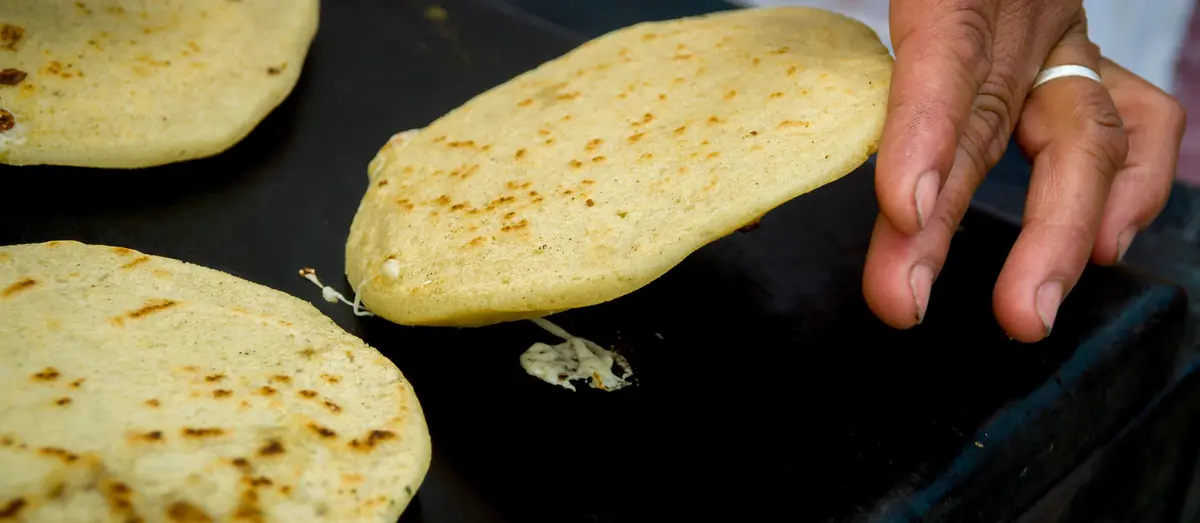
Travelers’ diarrhea is the most common travel illness anywhere, with attack rates of 30–70% over a two-week trip depending on destination and season. It’s not a reason to avoid the food — pupusas and ceviche are part of the trip — just a reason to be smart about where and how.
Pro Tip: Pack a small self-treatment kit before you leave: oral rehydration salts, loperamide for symptom control, and an antibiotic like azithromycin if your doctor prescribes one. Buying these mid-trip while sick is the last thing you want to be doing.
What other health risks should you plan for?
Vaccines are only part of staying healthy here. A few non-vaccine risks deserve a place on your radar.
Rabies and animal bites
If a dog or other animal bites or scratches you, wash the wound thoroughly with soap and water for several minutes and seek medical care immediately, even if you had the pre-exposure series. Pre-exposure shots simplify treatment — they don’t replace it.
Altitude on the volcanoes
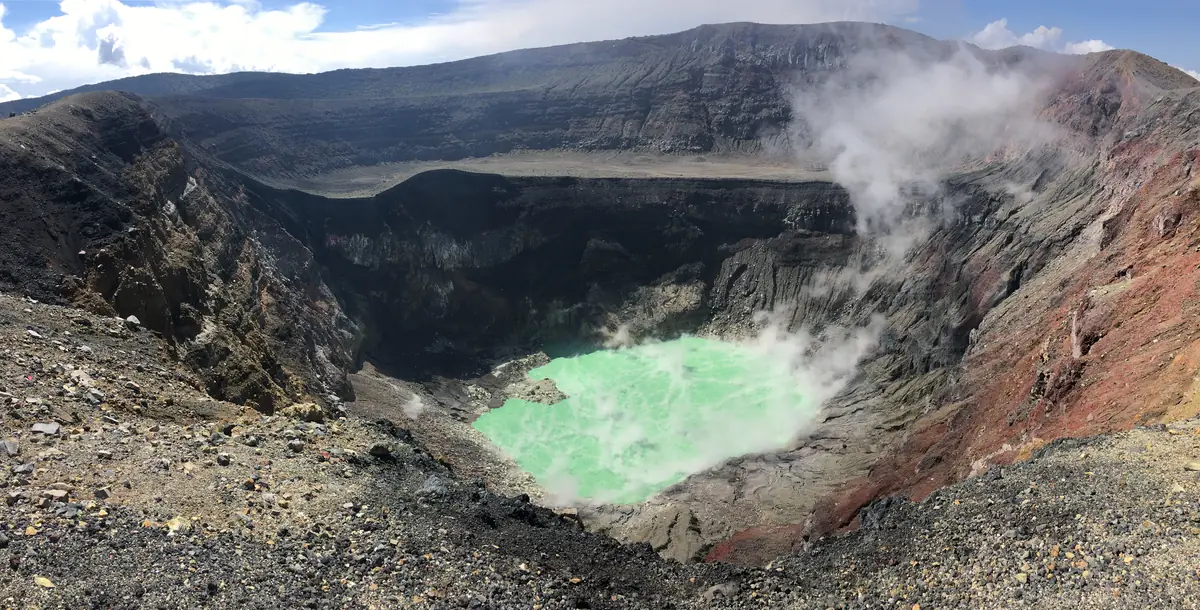
El Salvador’s high points can bring on mild altitude effects. Cerro El Pital reaches 8,957 feet (2,730 m) and the Santa Ana Volcano summit sits at 7,812 feet (2,381 m). Most travelers are fine, but ascend gradually, hydrate, and don’t push a summit if you feel unwell.
Heat, sun, and Pacific rip currents
Coastal El Salvador runs hot year-round, 90–93°F (32–34°C), while the central highlands stay milder at 66–82°F (19–28°C). Use SPF 15+ and seek shade between 10 a.m. and 4 p.m. The Pacific surf that makes El Tunco famous also produces strong rip currents — the US Embassy flags ocean conditions, so respect local warnings.
Road safety — the real number-one risk
Here’s the statistic almost no vaccine guide mentions: per the CDC, motor vehicle crashes are the leading killer of healthy US citizens traveling abroad. Crashes accounted for 26% of non-natural deaths among the more than 1,500 US citizens who died from non-natural causes overseas across a recent three-year span. No shot protects you here — a seatbelt, a vetted driver, and skipping night-time intercity drives do.
Tuberculosis on longer stays
The US State Department flags tuberculosis as a serious health concern in El Salvador. It’s not a meaningful risk for a short hotel-based trip, but long-stay travelers, expats, and those in close community settings should discuss TB awareness and screening with a clinician.
Where should you get travel vaccines in the US?
Match the provider to your shot list — not every clinic is the right place to get your vaccines for El Salvador:
CVS MinuteClinic
Best for routine vaccines, hepatitis A, and injectable typhoid. Walk-ins, lower consult fees ($25–$95), and wide availability. The right call if your list is short.
Walgreens
Stocks routine vaccines and hepatitis A reliably; travel-specific inventory is more limited. Good backup for the basics.
Passport Health
A full travel-clinic experience and yellow-fever certified, which matters if you need YF for onward travel. Consults run $100+, so it’s overkill for a Hep-A-only trip.
County health departments and academic travel clinics
Often the best pricing, and academic-hospital travel-medicine clinics handle complex cases (long stays, immunocompromised travelers, multi-country routes) well.
Your primary care doctor
Handles routine boosters but frequently doesn’t stock travel-specific vaccines like typhoid — call ahead before you count on it.
Pro Tip: Bring your full vaccination record to the consult, paper or digital. The clinician can only credit boosters you can prove, and showing up without records often means repeating shots you’ve already had.
Common questions about El Salvador travel vaccines
Quick answers to the questions US travelers ask most.
Do I need any vaccines to enter El Salvador?
No vaccines are required for entry from the United States. El Salvador eliminated its yellow fever certificate entry requirement on May 24, 2024. The CDC still strongly recommends most US travelers get hepatitis A and typhoid and stay current on routine vaccines like MMR and Tdap.
Is a yellow fever vaccine required for El Salvador?
No. El Salvador’s Ministry of Health dropped the yellow fever certificate as an entry requirement on May 24, 2024 for all travelers, including those arriving from yellow-fever-risk countries. The disease doesn’t occur there, and the CDC doesn’t recommend the vaccine for protection in El Salvador.
Should I take malaria pills for El Salvador?
No. The WHO certified El Salvador malaria-free on February 25, 2021 — the first country in Central America to do so. It has reported zero indigenous cases since 2017, and the CDC does not recommend antimalarial medication for travelers.
How far ahead should I book my shots?
The CDC recommends a pre-travel consultation 4 to 6 weeks before departure, so multi-dose vaccines can complete and immunity can build. Last-minute travelers within two weeks still benefit from a single hepatitis A dose and injectable typhoid.
What will the vaccines cost without insurance?
Without insurance, expect $170–$230 for the hepatitis A series and $80–$250 for typhoid. Most plans cover hepatitis A and routine shots fully under the ACA, but typhoid is usually out of pocket. Consults add $25–$100+.
Your pre-departure checklist
TL;DR: No vaccines are required to enter El Salvador — yellow fever was dropped as an entry requirement and the country is malaria-free. For most US travelers, hepatitis A and typhoid are the two shots that matter, ideally booked 4 to 6 weeks out. Dengue, not malaria, is the real mosquito risk, so bite prevention does the work no vaccine can.
Here’s the short version of travel vaccinations for El Salvador, then a checklist to run through before you fly:
- Pre-travel consultation booked 4–6 weeks out
- Routine vaccines verified (MMR, Tdap, polio, flu, COVID-19)
- Hepatitis A administered (at least one dose, two weeks before)
- Typhoid administered (injectable or completed oral course)
- Repellent with 20%+ DEET or picaridin, plus permethrin-treated clothes, packed
- Travel insurance with medical evacuation purchased
- STEP enrollment with the US Embassy completed
- Vaccine records copied (digital and paper)
- Prescriptions filled, including a travelers’ diarrhea self-treatment kit
Most US health plans don’t cover care overseas, and the State Department recommends medical evacuation coverage — worth it for surf trips and volcano hikes where a clinic isn’t around the corner.
What’s your El Salvador itinerary — a few days of surf at El Tunco, a volcano-and-Ruta-de-las-Flores loop, or a longer stay? Drop it in the comments and I’ll tell you which shots I’d prioritize.
Medical disclaimer: This guide is informational and not a substitute for professional medical advice. Travel vaccination is an individual medical decision. Confirm current requirements with the CDC Travelers’ Health page for El Salvador and consult a licensed travel-medicine clinician before you travel.