El Salvador tap water is the first thing most visitors ask about before their first pupusa. The short version: don’t drink it straight from the tap. But the full picture — capital versus surf town, ice, brushing teeth, and what it costs to stay hydrated safely — is more useful, and that’s what this guide covers.
Can you drink tap water in El Salvador?
No — do not drink tap water in El Salvador. Even in San Salvador, where the water supplied by ANDA (the national water utility) is chlorinated and sometimes called drinkable, travelers should stick to bottled or filtered water. More than 90% of the country’s surface water sources are contaminated, and unfamiliar microbes commonly cause traveler’s diarrhea in visitors.
I noticed the faint smell of chlorine rising off the tap the first morning I filled a glass in a San Salvador apartment. That treatment is exactly why the capital’s water is the closest thing to drinkable in the country — and also why a glass of it still gambles with a stomach that isn’t used to it. Most locals who can afford it buy bottled water without a second thought, and you should follow their lead.
Pro Tip: Keep one filled bottle in your bag at all times. Water service in El Salvador is unpredictable, and you’ll be glad to have a backup the first time the tap runs dry mid-shower.
Is tap water safe in San Salvador versus rural areas?
In San Salvador, ANDA-supplied tap water is treated and chlorinated and is the closest thing to drinkable in the country, though it still upsets many foreign stomachs. ANDA serves the metropolitan area and 149 of the country’s 262 municipalities. Outside the capital, water often comes from private wells or untreated sources and should never be drunk untreated.
The split between capital and countryside is real and worth understanding before you book a place to stay.
San Salvador and major cities
The capital, along with Santa Ana and San Miguel, gets treated water from ANDA. The Las Pavas treatment plant handles much of the supply for greater San Salvador, serving millions of people. The water is chlorinated and monitored, but service still cuts out, and pipes are old enough that what leaves the plant clean doesn’t always arrive that way. Locals treat it as wash-and-cook water, not drinking water.
Rural towns and the countryside
Once you leave the cities, the math changes entirely. Many rural homes draw from private wells, rivers, or untreated municipal sources with no chlorination at all. Here are the basics:
- Water source: Often private wells, rivers, or untreated village supply
- Treatment: Frequently none — assume it is untreated
- Verdict: Never drink it untreated; bottled, boiled, or purified only
Pro Tip: In small towns, the corner shop almost always sells bottled water and a refillable garrafón even when there’s no proper grocery store for miles. Ask at your guesthouse where the nearest tienda is the moment you arrive.
Is tap water safe in El Tunco, El Zonte, and the surf towns?
In surf towns like El Tunco, El Zonte (Bitcoin Beach), and La Libertad, tap water is not safe to drink. These small coastal towns rely on local supplies and frequently experience water outages. Buy bottled water or a 5-gallon garrafón, and confirm ice is filtered before ordering cold drinks at beach bars.
If you’re surfing here for weeks rather than passing through, this section matters more than any other. El Tunco sits about 40 minutes from San Salvador, but it runs on small-town infrastructure that has nothing to do with the capital’s treatment plants. I spent a stretch at an El Tunco hostel where the water simply stopped for hours — and when I asked at the desk, the answer was a shrug and “it’s like that for the whole street.” That’s normal here, not a malfunction.
The grocery situation shapes your water plan too. The only full grocery stores in the area are in La Libertad. The smaller villages have tiendas that mostly stock bottled water, snacks, and beer — enough to keep you hydrated, but you won’t find a 24-pack on every corner.
- El Tunco to San Salvador: about 40 minutes by car
- Full grocery stores: in La Libertad
- Other villages: small shops with bottled water and basics only
- Outages: frequent, affecting locals and visitors alike
Pro Tip: For any beach stay over a few days, order a garrafón. It’s cheaper than a wall of single-use bottles and you won’t be hauling plastic back from La Libertad every other day.
What does bottled water cost in El Salvador? (in US dollars)
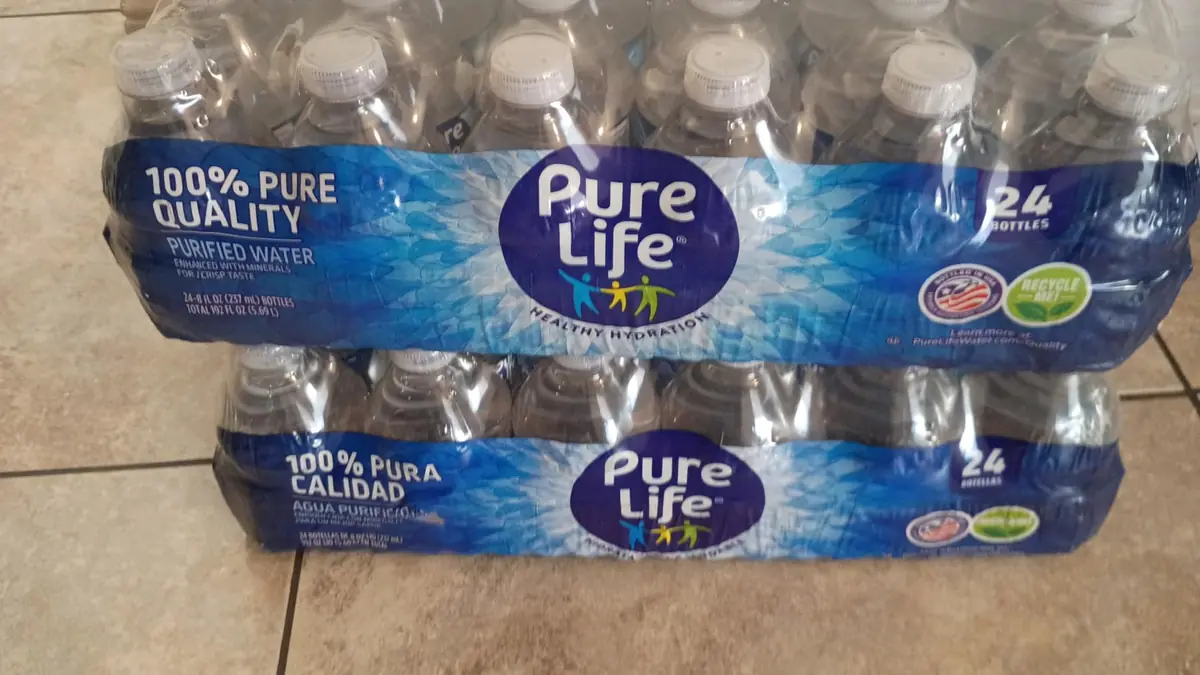
El Salvador uses the US Dollar, so bottled water prices are easy to read. A single 600ml bottle of Agua Cristal runs about $0.45, a 1.5-liter bottle about $0.75, and a 24-pack of 600ml bottles around $8.40 at supermarkets like Super Selectos. A refillable 5-gallon garrafón costs only a few dollars per refill.
Because the country runs on the dollar, there’s no currency math to do — the price on the shelf is the price you’d expect to pay back home, often less. Here’s what the common options actually cost:
- Agua Cristal 600ml: about $0.45
- Agua Cristal 1 liter: about $0.55
- Agua Cristal 1.5 liter: about $0.75
- 24-pack of 600ml bottles: about $8.40
- Empty 5-gallon garrafón jug: about $3.50
- Garrafón refill: about $2.85
You’ll find these at Super Selectos, Walmart El Salvador, and La Despensa de Don Juan, plus countless roadside tiendas. There’s a small daily pleasure in grabbing a cold 600ml bottle from a roadside stand for pocket change on the walk down to the water.
Pro Tip: A garrafón refill works out to roughly a tenth the per-gallon cost of single 600ml bottles. For any stay over a few days, it’s the obvious move on both price and plastic.
Best water filters and purifiers for El Salvador
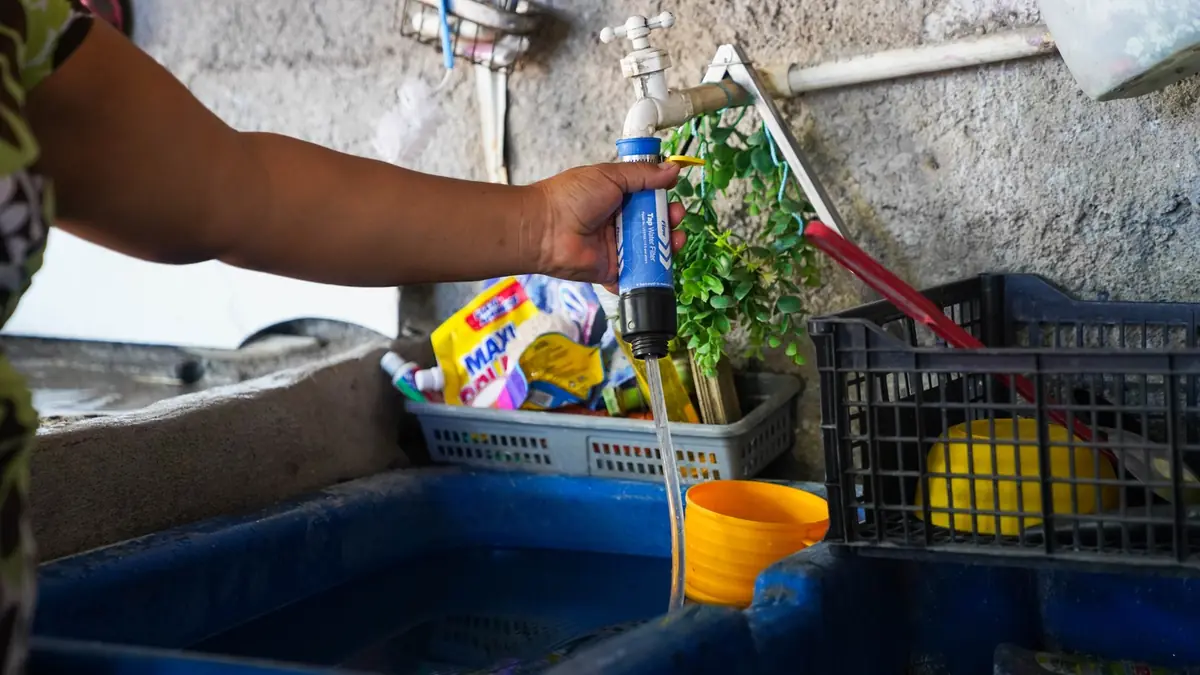
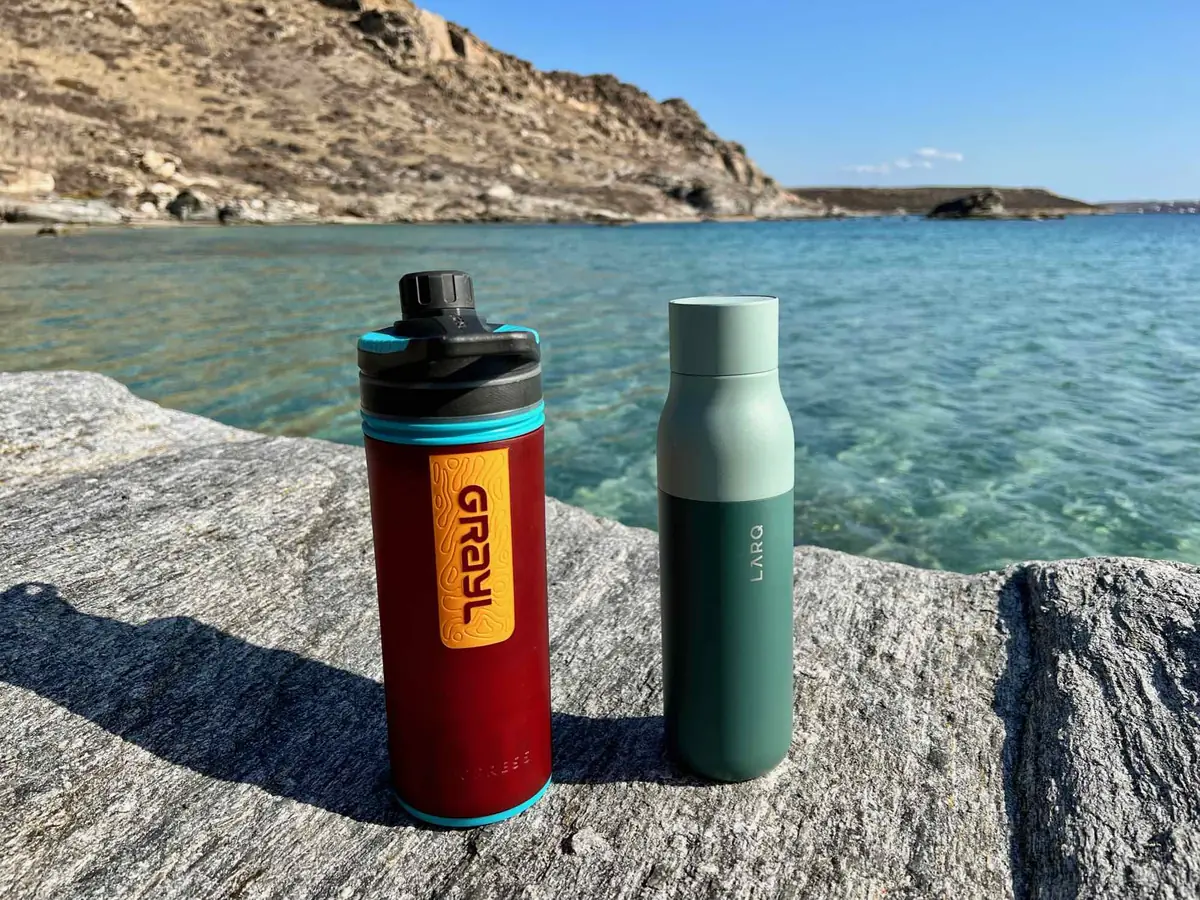
For El Salvador, choose a purifier that removes viruses — not just a basic filter. The Grayl GeoPress (around $100) purifies 24 ounces in about 8 seconds and removes 99.99% of viruses, 99.9999% of bacteria, and 99.9% of protozoan cysts. A SteriPen uses UV light; a basic LifeStraw (about $20) stops bacteria and protozoa but not viruses.
The distinction between a filter and a purifier is the one detail thin affiliate pages tend to blur, and it matters here. A filter strains out bacteria and protozoa. A purifier also handles viruses — including hepatitis A and norovirus — which is the level of protection you actually want when surface water is this compromised.
Grayl GeoPress (best all-around purifier)
This is the one I’d hand a first-time visitor. You press it down like a French press and get clear, drinkable water in seconds, even from a questionable surf-hostel tap.
- Cost: around $100 (listed near £100 / roughly $127); replacement cartridge about $29.95
- Speed: purifies 24 ounces in about 8 seconds (roughly 5 liters per minute)
- Removes: 99.99% of viruses, 99.9999% of bacteria, 99.9% of protozoa, including hepatitis A, norovirus, giardia, and cryptosporidium
- Best for: Travelers who want one reliable tool that handles everything
SteriPen (UV light)
A SteriPen zaps water with UV light to neutralize pathogens. It’s effective but slower and needs clear water and working batteries.
- Speed: about 90 seconds per liter
- Best for: Light packers who don’t mind the wait and carry spare batteries
LifeStraw and purification tablets (budget backups)
A basic LifeStraw is cheap and light but won’t stop viruses, so treat it as a backup rather than your main plan. Purification tablets are the cheapest insurance of all.
- LifeStraw: about $20, no virus removal
- Boiling: a rolling boil for 1 minute kills pathogens
- Purification tablets: the cheapest backup, slow but reliable
Pro Tip: Pack tablets even if you bring a purifier. They weigh nothing, never run out of battery, and cover you if your main device fails on a multi-day trip away from shops.
Can you brush your teeth with tap water in El Salvador?
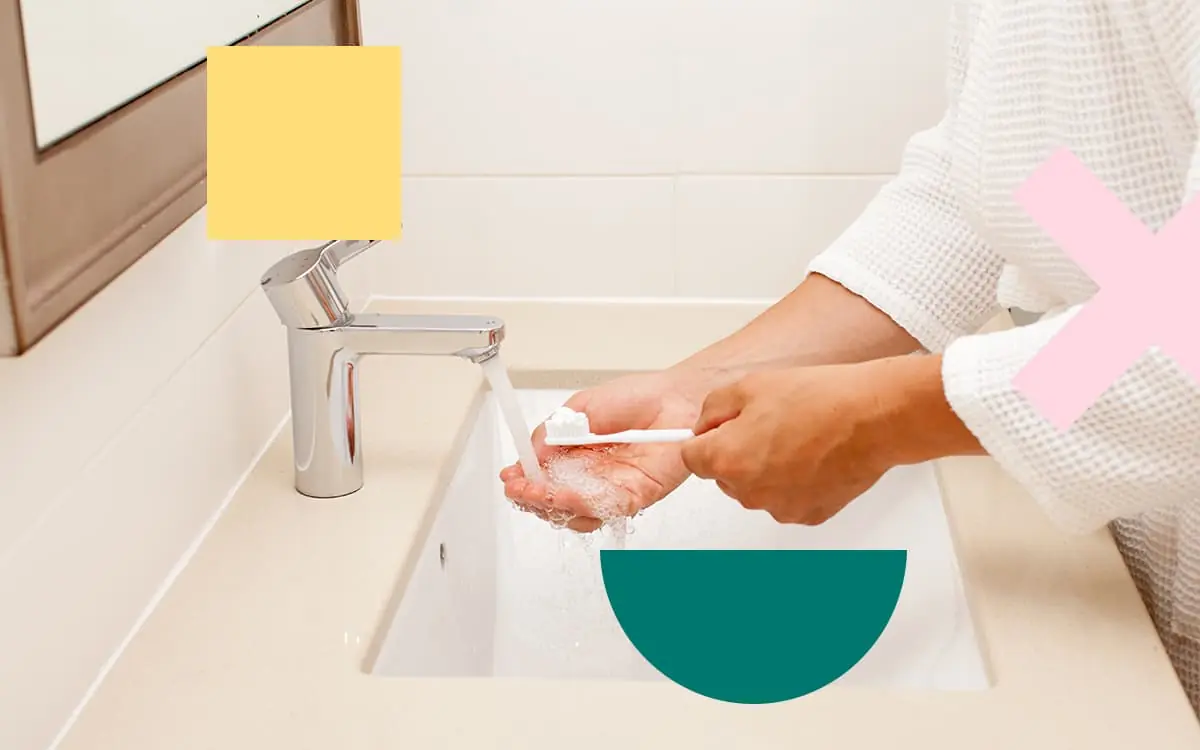
It’s safest to brush your teeth with bottled or filtered water in El Salvador, especially outside San Salvador. Even the small amount swallowed while brushing can carry enough bacteria to cause an upset stomach in visitors. Many cautious travelers keep a bottle of Agua Cristal next to the bathroom sink for exactly this.
San Salvador’s chlorinated water makes the risk lower in the capital, but the cautious choice is the same everywhere: rinse your brush from a bottle. It feels fussy on day one and becomes automatic by day three — the bottle-by-the-sink ritual is one of those small habits that quietly protects your whole trip.
Is ice safe in restaurants and bars?
Ice at established hotels, restaurants, and beach bars in El Salvador is usually made from filtered or purified water and is generally safe. Commercially produced ice often has a uniform shape or a hole through the middle. At street stalls or in rural areas, skip ice unless you can confirm it’s filtered.
There’s a simple visual tell worth learning: commercial ice tends to come in uniform cubes or hollow cylinders with a hole punched through the middle, a sign it was made in a machine from treated water. The hollow-cylinder cubes clinking in a beachside michelada at El Tunco are the ones you can trust. Cloudy, irregular chunks of unknown origin at a street stall are the ones to wave off.
- Hotels, restaurants, chains: ice usually filtered and safe
- Visual tell: uniform cubes or hollow cylinders signal commercial ice
- Street stalls and rural areas: skip ice unless confirmed filtered
What happens if you drink the tap water? Illness risks explained
The most likely consequence of drinking El Salvador tap water is traveler’s diarrhea. Studies of travelers to Latin America and Africa found that about one-half develop diarrhea during their stay, most often from E. coli. Less common but more serious risks include giardia, typhoid, and hepatitis A. Pack oral rehydration salts and hydrate at the first symptom.
The numbers put the risk in perspective. The CDC’s two-week attack rate for traveler’s diarrhea in higher-risk regions runs from 30% to 70%, and bacteria account for 80% to 90% of cases — with enterotoxigenic E. coli alone causing roughly a third. The rest splits between parasites like giardia and cryptosporidium and the more serious food- and water-borne illnesses you vaccinate against.
Your action plan is straightforward:
- Carry oral rehydration salts (ORS) and start them at the first symptom
- Pack an anti-diarrheal for travel days when you can’t be near a bathroom
- Boil water for 1 minute if you’re ever unsure of a source
- See a doctor if symptoms include high fever or blood, which point beyond ordinary traveler’s diarrhea
I keep ORS sachets and an anti-diarrheal in the daypack right next to the sunscreen — the kit you hope not to need but are grateful for if you do.
Do you need vaccines for El Salvador? (CDC guidance)
The CDC recommends most travelers to El Salvador be vaccinated against hepatitis A and typhoid, both spread through contaminated food and water. Make sure routine vaccines, including MMR, are up to date, and visit a travel clinic about a month before departure. There’s no malaria risk — the WHO certified El Salvador malaria-free on February 25, 2021.
That malaria-free certification was a first for Central America, so you can leave the antimalarials at home. Dengue, spread by mosquitoes, is still a risk with no widely available US vaccine, so pack repellent regardless.
- Hepatitis A: recommended for most travelers
- Typhoid: recommended for most travelers
- Routine vaccines (including MMR): confirm they’re current
- Timing: visit a travel clinic about four weeks before departure
- Malaria: none — certified malaria-free since February 25, 2021
- Dengue: mosquito-borne risk; no widely available US vaccine, so use repellent
The oral typhoid vaccine comes as an alternate-day pill schedule you finish in the weeks before flying out — easy to forget a dose, so set a reminder.
How locals and expats handle drinking water
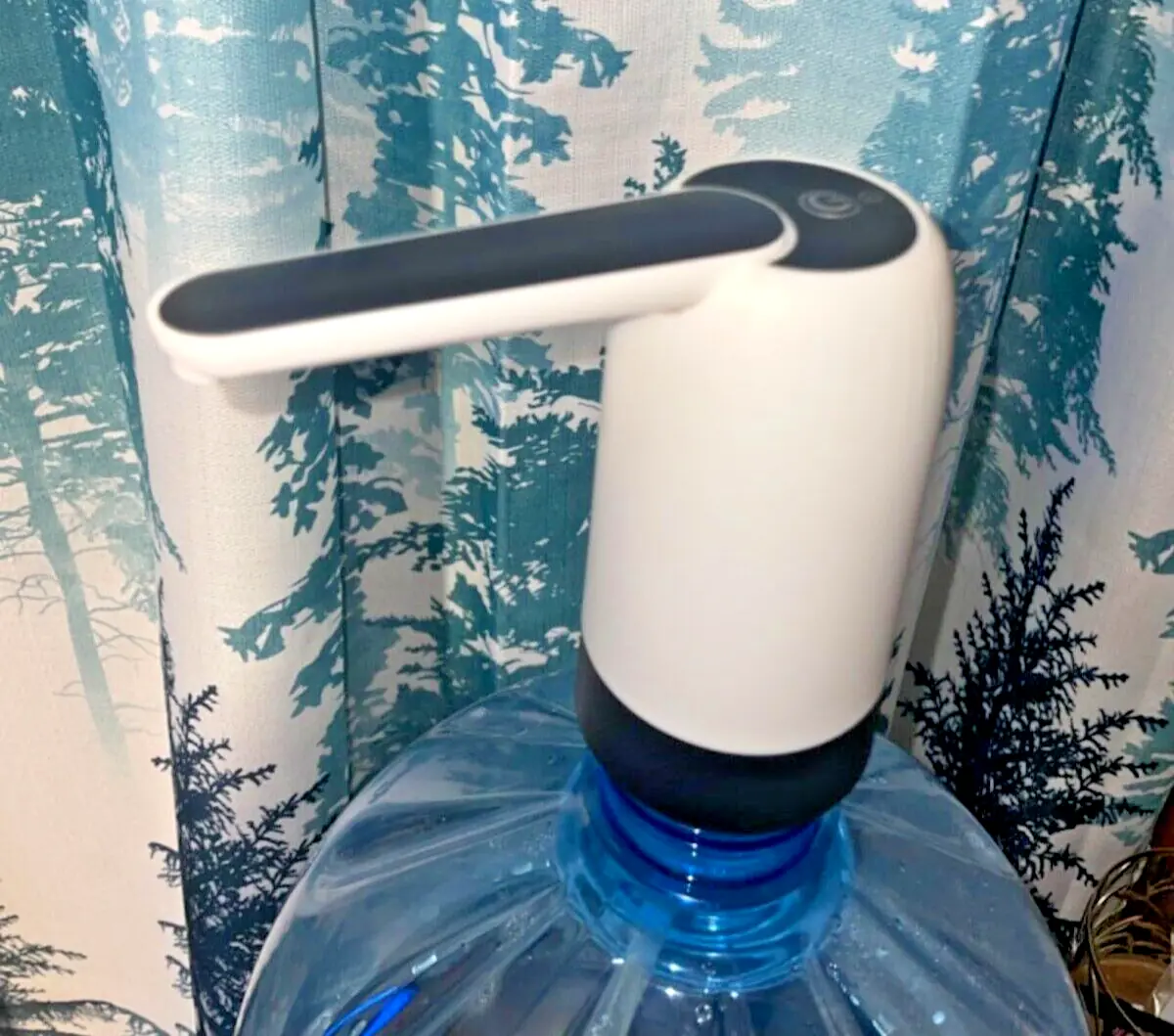
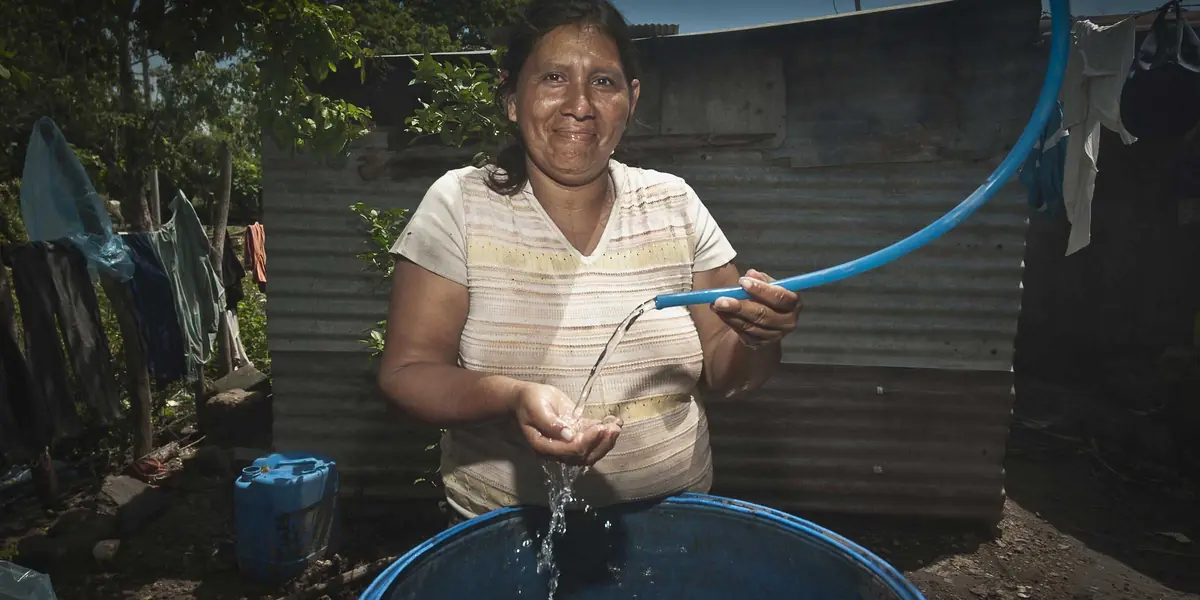
Most Salvadorans who can afford it never drink straight tap water. Households and long-stay expats rely on the 5-gallon garrafón — a refillable jug delivered or swapped at supermarkets for a few dollars — set on a simple dispenser. For digital nomads staying weeks at Bitcoin Beach or in San Salvador, a garrafón plus a filter bottle is the cheapest, lowest-plastic setup.
This is the part competitors skip entirely, and it’s the most useful information for anyone staying more than a week. The garrafón is the backbone of how the country drinks: a refill runs around $2.85, delivery is often arranged by a quick WhatsApp message, and the jug sits on a pump or tip-style dispenser on the counter. I’ve ordered a refill by text in San Salvador and had it carried up to the apartment within the hour.
- Refill cost: about $2.85 per 5-gallon jug
- Delivery: commonly arranged by WhatsApp
- Setup: jug sits on a pump or tip dispenser
- Best for: Stays of a week or more; lowest cost and least plastic
Pro Tip: Pair a garrafón for home with a filter bottle for days out. That combination covers a multi-week stay for less than the cost of one big bottled-water habit and keeps a mountain of plastic out of the bin.
The bottom line
TL;DR: Do not drink El Salvador tap water — not in San Salvador, the surf towns, or rural areas. Drink bottled Agua Cristal (about $0.45 for 600ml), refill a garrafón for longer stays, or carry a virus-removing purifier like a Grayl GeoPress. Get hepatitis A and typhoid vaccines, skip questionable ice, and brush your teeth with bottled water.
One honest reassurance to end on: don’t fear-spiral over a shower or washing your face. The real risk is swallowing water, so the habits worth policing are brushing teeth and ice — not bathing. Spend your caution where it counts and the rest of the trip takes care of itself.
What’s your go-to water setup when you travel somewhere the tap is off-limits — bottled, garrafón, or a purifier you swear by? Drop it in the comments.