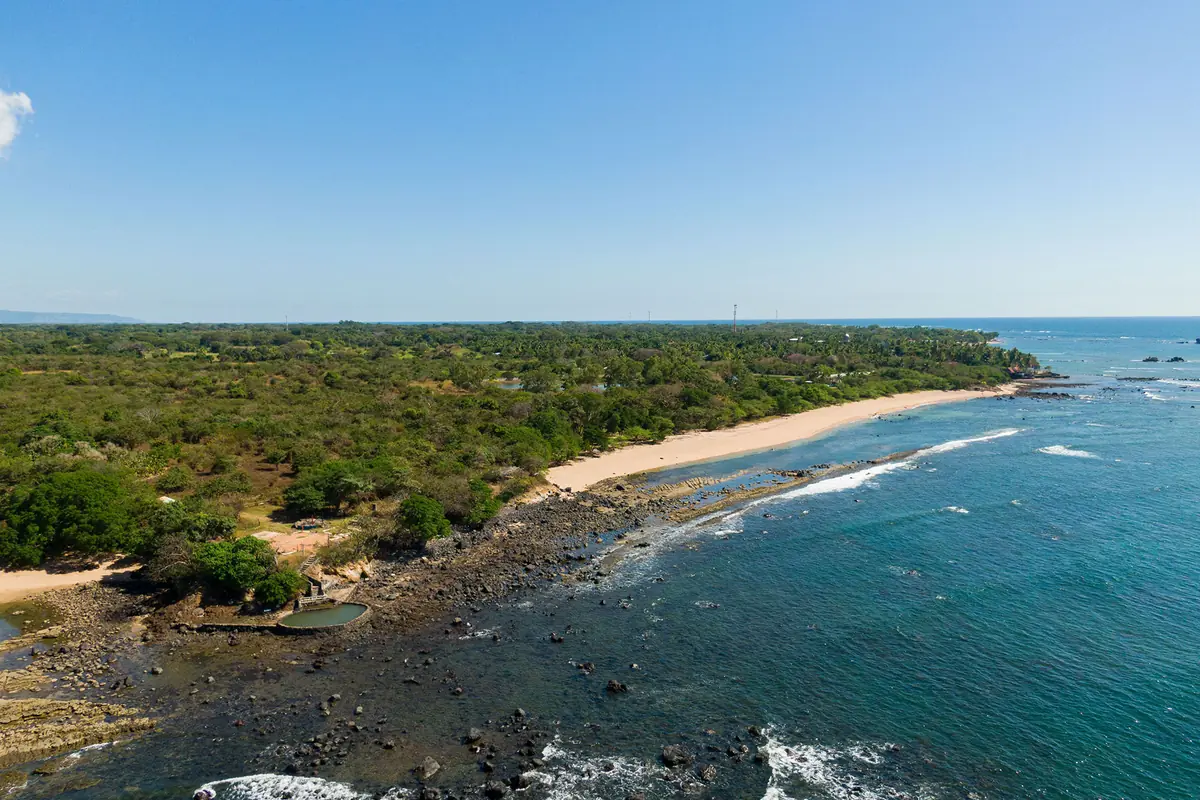
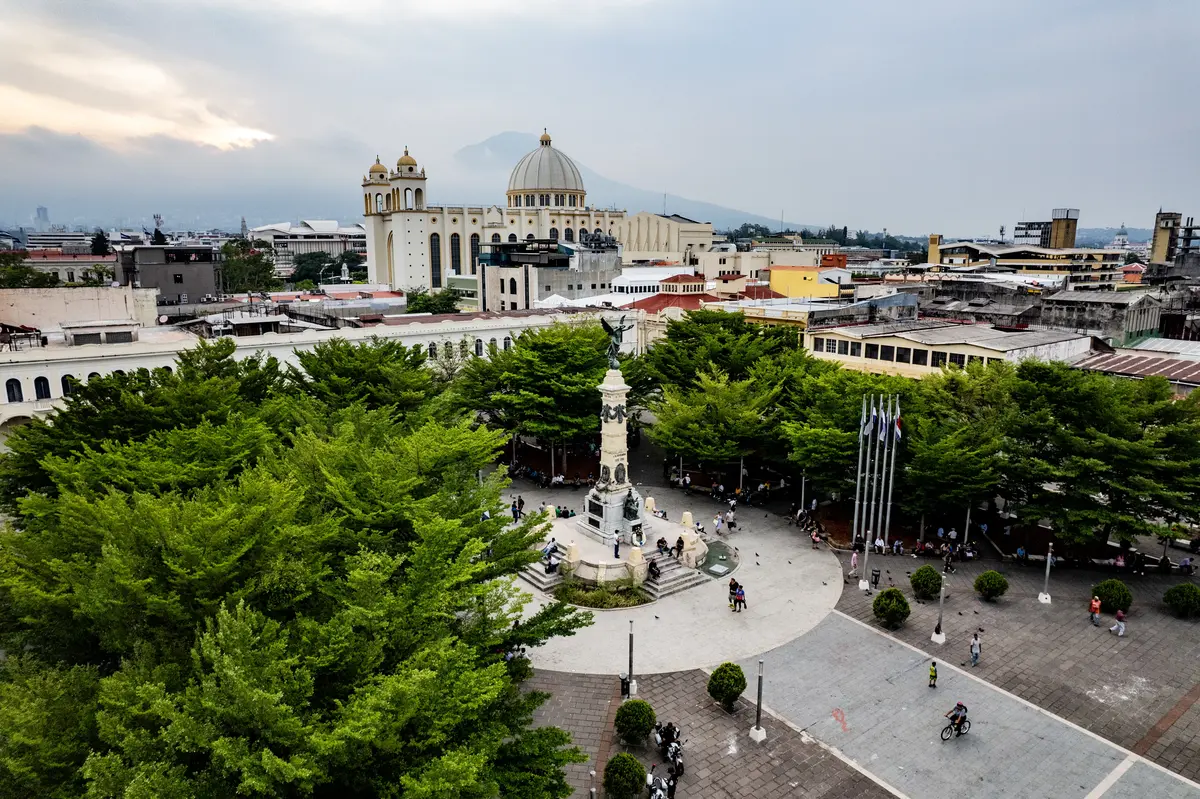
El Salvador fits Pacific surf breaks, an active volcano and a string of colonial coffee towns into a country roughly the size of New Jersey. You can see the best of it in a week without rushing. This El Salvador itinerary lays out three day-by-day routes, real drive times, and straight answers on safety and money first.
The short version: fly into SAL, rent a car or pre-book shuttles, and split the week into two nights on the coast, two near Santa Ana for the volcano and lake, and two in the coffee towns. El Salvador sits at the State Department’s lowest advisory tier, but carry small dollar bills — Bitcoin is no longer required and is rarely accepted.
Three things to sort before you go:
- Small bills: bring ones, fives and tens; vendors can’t break a $20 for a $0.50 pupusa.
- Santa Ana volcano: build the trip so you hike it on a clear morning — it runs on a tight clock (details below).
- Bitcoin: don’t count on spending it; the US dollar is the real currency.
How Safe Is El Salvador Right Now — and What a Visit Feels Like
El Salvador sits at Level 1, “Exercise Normal Precautions” — the State Department’s lowest tier, after homicides fell from among the world’s highest to roughly 1.3 per 100,000. It reads as safe but controlled: a State of Exception is still in force, police and soldiers are visible, and travelers should carry ID and stick to tourist areas.
That number is a real shift, not spin. The country that spent years labeled the “murder capital of the world” records fewer homicides per capita than most of Latin America — for comparison, Costa Rica, long the region’s safe pick, reports around 16.8 per 100,000 and sits a tier higher at Level 2. One caveat worth knowing: El Salvador’s government counts homicides differently from some international standards, so direct country-to-country rankings aren’t perfectly apples-to-apples. The direction of travel, though, is not in dispute. You can check the current wording yourself on the State Department’s El Salvador advisory.
The texture on the ground is the part guidebooks miss. Travelers who’ve been describe it as safe but not relaxed — heavily controlled, with checkpoints, armed officers at plazas and beaches, and a general sense of order that some find reassuring and others find heavy. The State of Exception, an emergency measure that suspends some legal protections, remains in place. Tens of thousands of people have been detained under it, a number of them still awaiting trial, and several foreign citizens have been caught up in it too. For a tourist sticking to beaches, volcanoes and towns, this rarely intrudes — but carry a passport copy, and don’t expect to talk your way out of a police interaction.
A few practical rules that matter more here than in most places:
- Carry ID: a passport copy at all times; the real thing in a hotel safe.
- Driving and alcohol: any amount of alcohol behind the wheel means detention. There’s no “one beer is fine” here.
- Cannabis: THC and most CBD products are illegal, including gummies and oils you might buy legally at home.
- Scams to expect: ATM card cloning, “helpers” at machines, and online romance or “authorities want money” scams. Use ATMs inside banks or malls.
- Tattoos: heavy visible tattoos can draw extra police attention given the gang crackdown; nothing to panic about, but worth knowing.
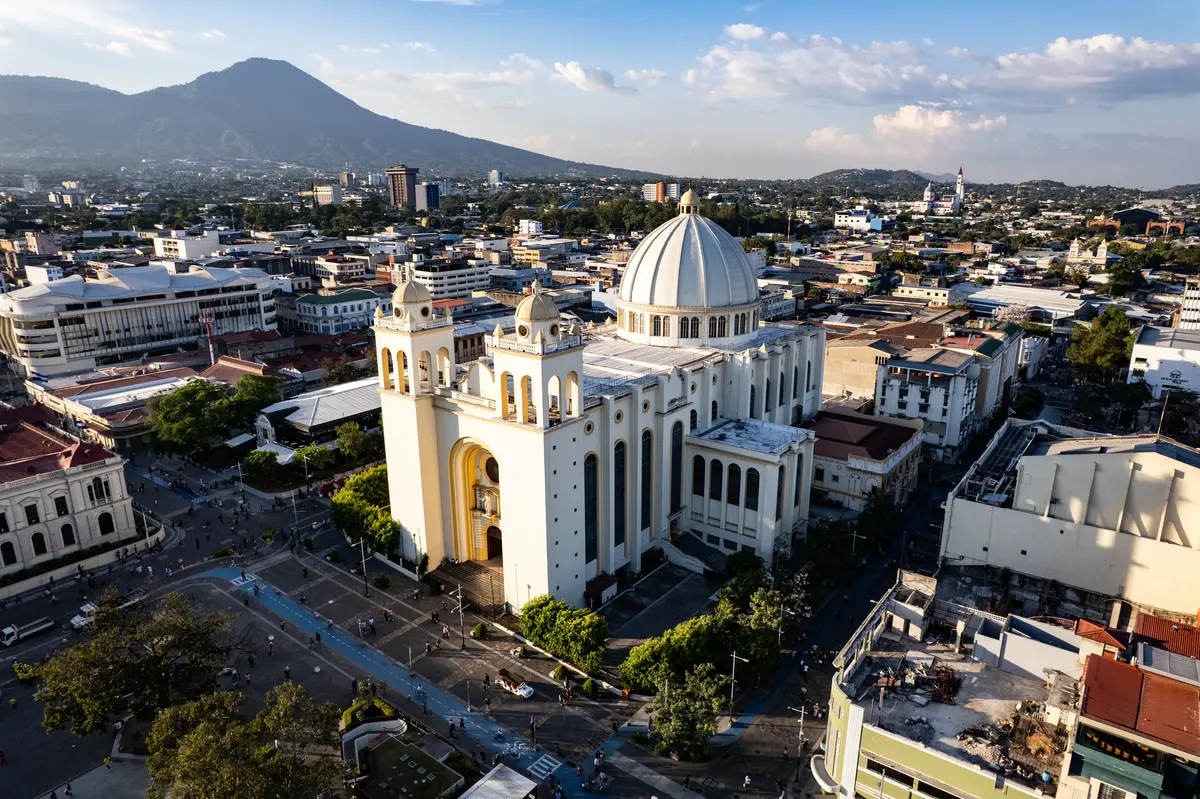
Pro Tip: San Salvador is not a walkable city, and the historic center is a daytime-only stop. Do the cathedral, the National Palace and a plaza lunch in the afternoon, then use Uber to get back — most travelers who linger overnight wish they’d pushed on to the coast or Santa Ana instead.
For vaccines, mosquito-borne illness and water advice, check the CDC’s El Salvador page before you fly. Tap water isn’t reliably safe to drink, so stick to bottled or filtered.
Solo, Female, Family and LGBTQ+ Travelers: What to Know
The safety picture shifts a little by who you are, and competitors tend to skip this. Here’s the honest read from travelers who fall into each group.
- Solo female: catcalling and machismo persist even as violent crime has dropped, and several solo women say it wouldn’t be their pick for a first solo trip in Latin America. Use Uber in cities (rides run about $3 to $8), skip intercity chicken buses, and base somewhere social like El Zonte, Zona Rosa or Suchitoto.
- Families: the marquee surf beaches have rocky entries and rough water. For calmer swimming, look at Costa del Sol, and lean on a base-and-day-trip structure so kids aren’t packing up every night.
- LGBTQ+: legally tolerant but socially conservative. The small visible scenes are in San Salvador’s Zona Rosa and San Benito, plus a queer-friendly spot or two in El Zonte. Public affection draws stares outside those pockets.
Getting Around: Shuttle vs. Chicken Bus vs. Uber vs. Rental Car
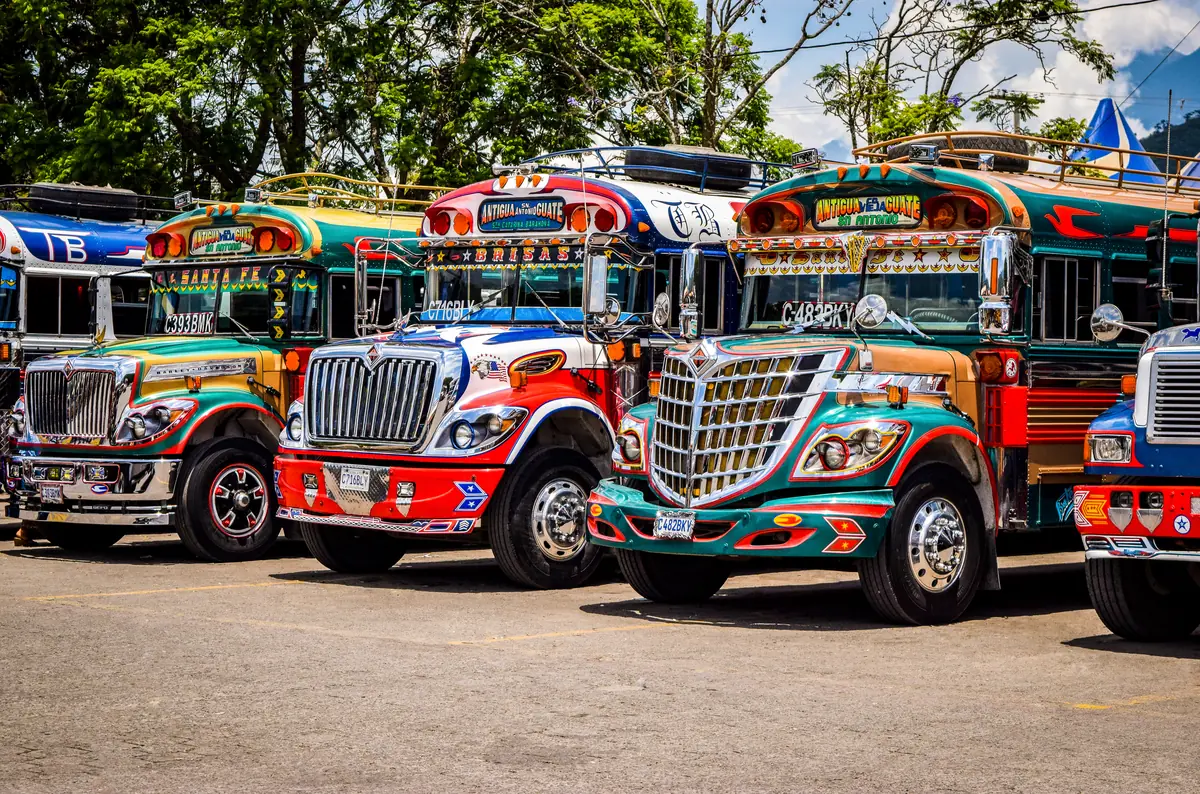
There’s no single best way to get around El Salvador. A rental car or pre-booked shuttles give the smoothest week; chicken buses are the cheapest, often under a dollar a ride, but stop around sunset; Uber is reliable and cheap inside San Salvador and Santa Ana. Expect far fewer tourist shuttles than in Guatemala.
That last point catches people off guard. Guatemala runs on a dense web of tourist shuttles; El Salvador doesn’t, so you’ll either drive, book private transfers, or piece together local buses. The old buses (repurposed US school buses, painted every color) are dirt cheap and an experience, but they’re slow, cramped, and generally shut down around dusk — plan intercity moves for daylight.
| Route | Best option | Approx. cost | Approx. time |
|---|---|---|---|
| SAL airport → El Tunco / El Zonte | Shuttle or Uber | Shuttle $15–25; Uber $25–35 | 45 min–1 hr |
| San Salvador ↔ Santa Ana | Shuttle vs. bus | Shuttle $15–25; bus ~$3 | ~1 to 1.25 hr |
| El Tunco ↔ San Salvador | Bus #102A | ~$1 | Under 1 hr |
| El Tunco ↔ El Zonte | Local bus | ~$1 | 15–20 min |
| Around San Salvador / Santa Ana | Uber | $3–8 per ride | Varies |
A few things worth knowing before you pick:
- Uber does pick up at the SAL arrivals area — one traveler reported paying about $35 to a spot near El Tunco, which lines up with the typical range.
- Chicken buses stop around sunset, so never plan to arrive somewhere new after dark by bus.
- There’s been road construction along the CA-2 coastal highway near La Libertad; a detour can add time to the airport-to-coast leg.
- A rental car makes Route C (the coffee-and-culture loop) far easier, since the Ruta de las Flores and Suchitoto aren’t well linked by tourist transport.
The 7-Day Route, Three Ways
A week is enough time to see El Salvador’s headline sights, but the right route depends on what you’re chasing. Below are three day-by-day plans: a balanced first-timer loop, a surf-forward week, and a slower culture-and-volcano circuit. All of them fly in and out of SAL and use the same core distances, so you can mix days between them.
The country’s small scale is the reason this works. No single leg below runs much more than an hour or so of driving, which is why basing yourself in one town per region and day-tripping out beats changing hotels every night.
Route A: The Mixed First-Timer Loop (Recommended)
The balanced option — surf, volcano and coffee towns without cramming. This is the one to pick if it’s your first trip.
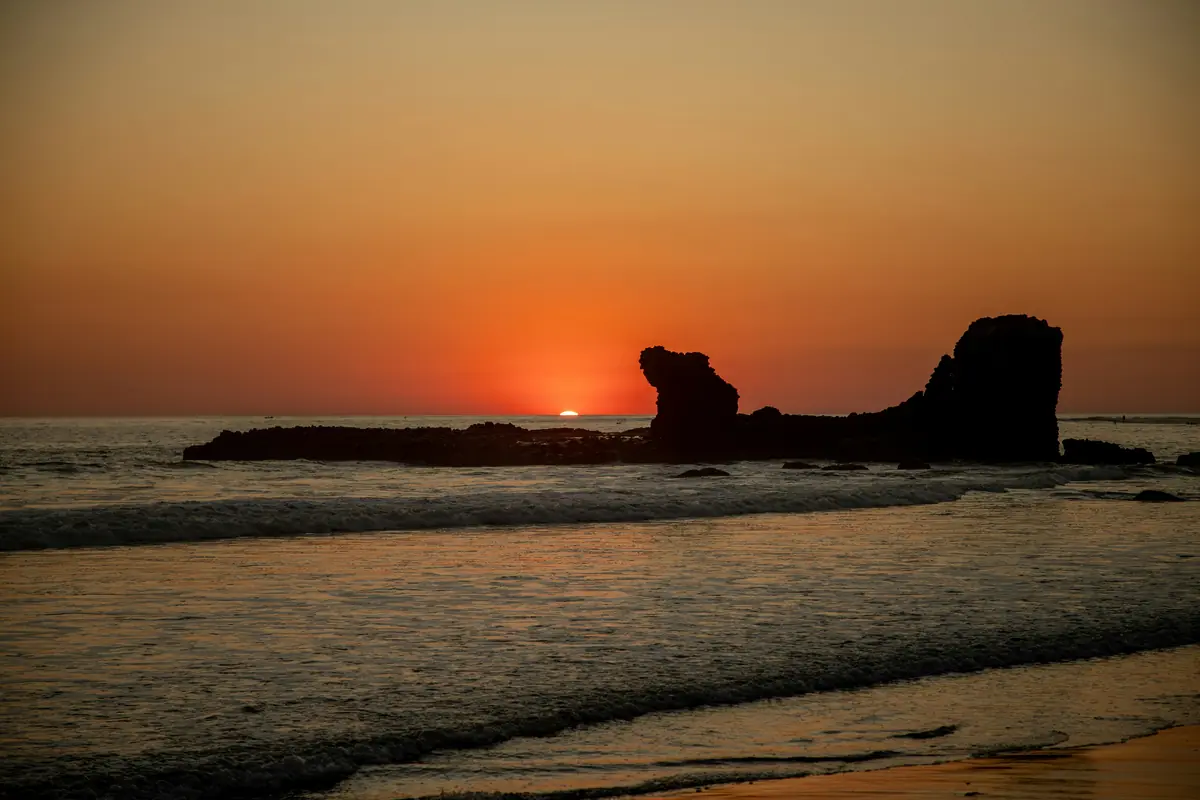
- Day 1 — Arrive at SAL, transfer straight to the coast (El Tunco or El Zonte, about 45 minutes to an hour). Sunset from the rocks, dinner in town, early night.
- Day 2 — Surf lesson or beach morning, then the Tamanique waterfalls in the hills behind the coast (a guided scramble down to swimming pools). Back to the beach for the evening.
- Day 3 — Transfer toward Santa Ana (about an hour to an hour and a quarter), with a short afternoon stop in San Salvador’s historic center on the way. Overnight in or near Santa Ana city.
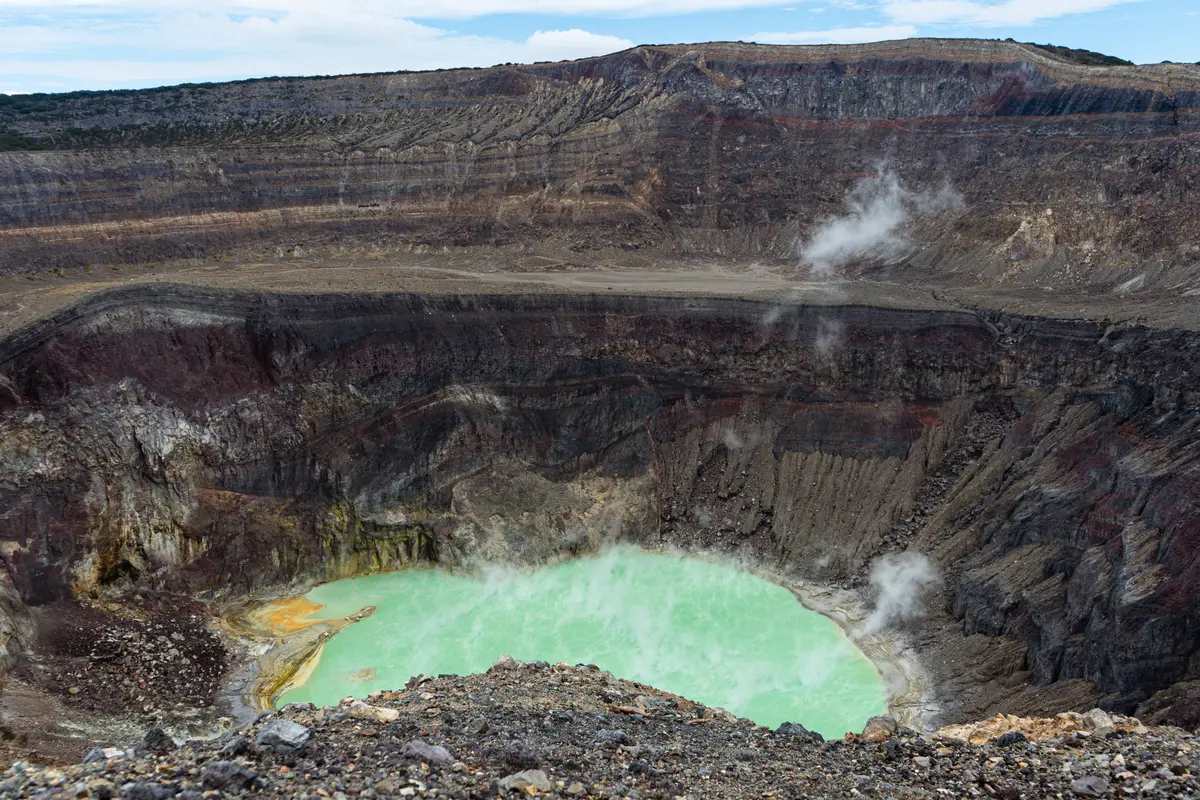
- Day 4 — Hike the Santa Ana volcano in the morning (see the timing rules below), then unwind at Lake Coatepeque, a crater lake about 30 minutes away, in the afternoon.
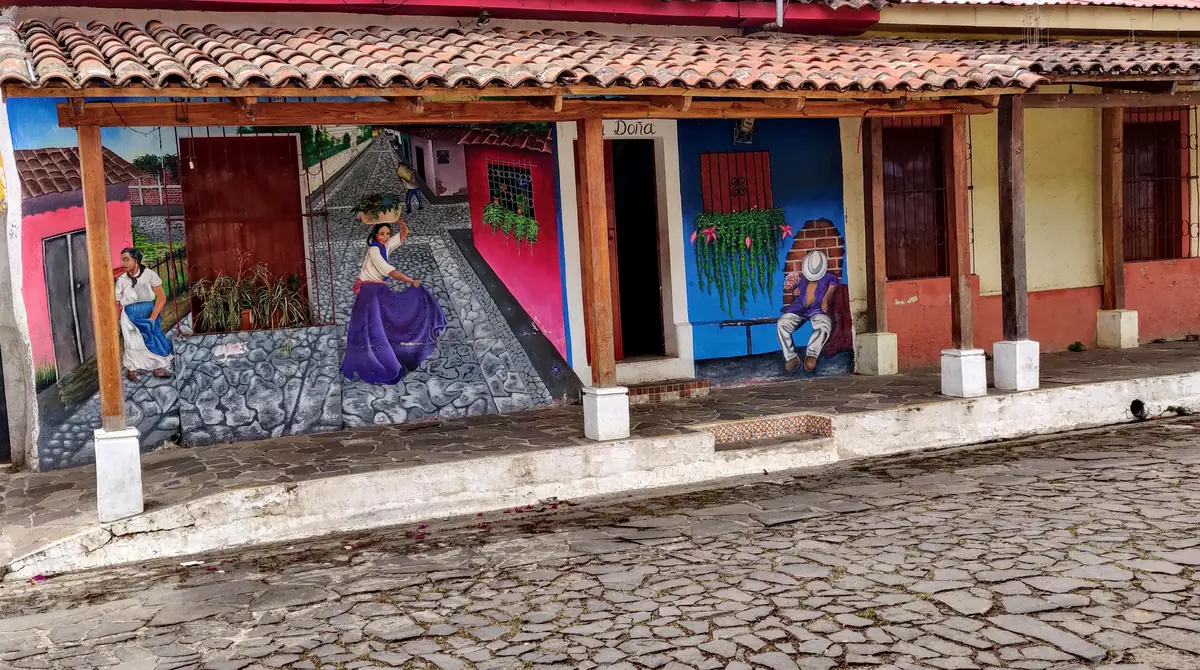
- Day 5 — Ruta de las Flores: the coffee-town road through Juayúa, Apaneca and Concepción de Ataco. If it’s a weekend, time it for the Juayúa food festival; on any day, Ataco’s murals are the highlight.
- Day 6 — Choose Suchitoto, a cobblestoned colonial town on a lake about two and a half hours east, or Joya de Cerén, a UNESCO-listed village buried by ash and nicknamed the “Pompeii of the Americas,” roughly 40 minutes from the capital.
- Day 7 — Depart. If you’re on an afternoon flight, you can squeeze a slow morning; leave your last base by mid-morning to be safe.
Route B: The Surf-Focused Week
More nights on the coast, one volcano day, and breaks matched to skill level. Match your week to the season, because the swell changes character across the year.
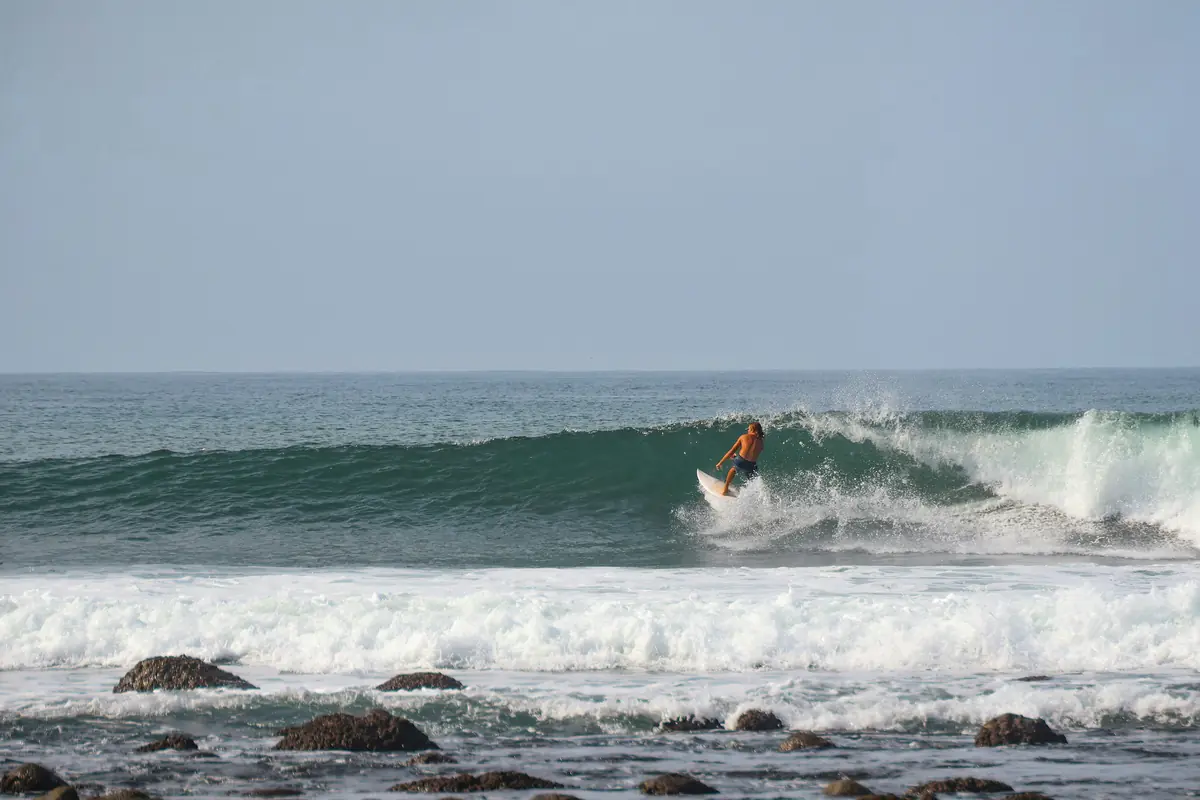
- Days 1–2 — Base at the coast. Learn or warm up at El Sunzal, a gentle, forgiving wave a short hop from El Tunco.
- Day 3 — El Zonte’s point on a smaller-swell day; it’s an intermediate-to-advanced wave, so most people learn at El Tunco or El Sunzal first.
- Day 4 — Day trip east to Las Flores or Punta Mango near El Cuco for longer, cleaner rides, or take on Punta Roca at La Libertad if you’re advanced.
- Day 5 — Break from the water: hike Santa Ana volcano and see Lake Coatepeque.
- Days 6–7 — Back to the coast for final sessions, then transfer to SAL for departure.
Season matters more than any single break here:
- Dry season (November–April): smaller, cleaner, glassy morning waves — better for beginners and improvers.
- Wet season (May–October): the biggest south swells, head-high and up, for experienced surfers; afternoon rain and greener hills come with it.
- Water temperature: roughly 78–82°F (26–28°C) year-round, so a rash guard is plenty.
Rough surf costs: board rental runs about $10 to $15 a day, and a 90-minute lesson about $35 to $40.
Route C: The Culture, Volcano and Coffee Week
Less coast, more coffee towns, ruins and colonial streets. Best done with a rental car, since the connections aren’t shuttle-friendly.
- Day 1 — Arrive at SAL, transfer to Santa Ana city (about an hour). Evening in the plaza around the neo-Gothic cathedral and theater.
- Day 2 — Santa Ana volcano hike in the morning, Lake Coatepeque in the afternoon.
- Day 3 — Cerro Verde National Park and the archaeological sites: Tazumal and San Andrés, Maya ruins within easy reach of Santa Ana.
- Day 4 — Base into the Ruta de las Flores (Juayúa or Ataco). Coffee-finca tour, murals, and the Apaneca area.
- Day 5 — Joya de Cerén, the ash-preserved farming village, then push toward Suchitoto.
- Day 6 — Suchitoto and Lake Suchitlán: indigo workshops, colonial streets, and a boat trip on the lake.
- Day 7 — Drive back to SAL (Suchitoto is roughly an hour and a half out) and fly home.
One honest note travelers raise: the Ruta de las Flores drive itself can feel underwhelming if you only stop for lunch and photos. The road earns its reputation when you add the waterfall hikes (Juayúa’s Seven Waterfalls) or a proper coffee tour — otherwise it’s a pleasant but ordinary mountain drive.
Hiking Santa Ana Volcano Without Missing It
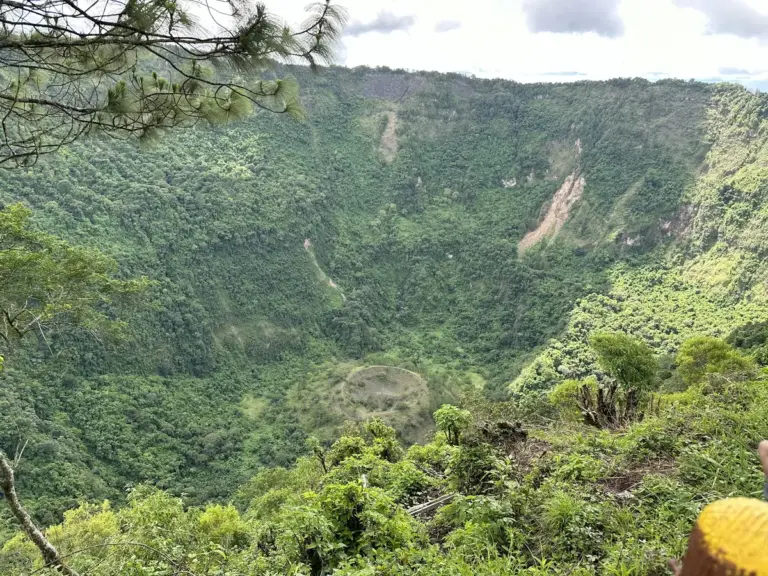
You must hike Ilamatepec (7,812 feet) with a guide, and the mountain runs on a tight clock. Groups form late morning and the summit closes to hikers in the early afternoon. By public bus, there’s realistically one morning departure that gets you up in time — go on a clear dry-season day and start early to beat the crowds and wind.
This is the single most-bungled day on an El Salvador trip, almost always because of timing. The hike itself isn’t hard — a few hours round trip on a well-trodden path inside Cerro Verde / Los Volcanes National Park — but the logistics trip people up. A guide is mandatory, groups leave together on a schedule, and a strong wind can close the final stretch to the crater rim without warning.
Here’s the timing and cost picture, from travelers who’ve done it:
- Public bus: bus #248 from Santa Ana leaves around 7:30 to 7:40 a.m. and is the only reliable morning departure that gets you to the trailhead in time. Miss it and you’re not going up that day.
- Group start: the guided groups set off late morning (accounts vary between about 9:30 and 11 a.m.), escorted by tourist police.
- Summit window: the trail gets crowded by mid-morning and the summit closes to hikers in the early afternoon, so an early start beats both the crowds and the wind.
- Getting back: the return bus leaves early afternoon; the next one isn’t until later in the afternoon and isn’t always direct.
- Fees (cash, small bills): guide roughly $1–3, park entry around $6 for foreigners and $3 for nationals, plus a couple of dollars for parking if you drive.
Pro Tip: If you’re not renting a car, the cleanest way to do Santa Ana is to overnight in Santa Ana city (or at Lake Coatepeque) the night before, catch that single morning bus, and keep the afternoon open for the lake. Trying to day-trip it from the coast rarely works with the bus schedule.
El Tunco or El Zonte: Where to Base on the Coast
El Tunco is the livelier base — more restaurants, nightlife, ATMs and surf schools, plus weekend crowds down from the capital. El Zonte, known as Bitcoin Beach, is quieter and more rustic, better for slow days, but it has no supermarket and unreliable ATMs. They sit about 15 to 20 minutes apart, so base in one and day-trip the other.
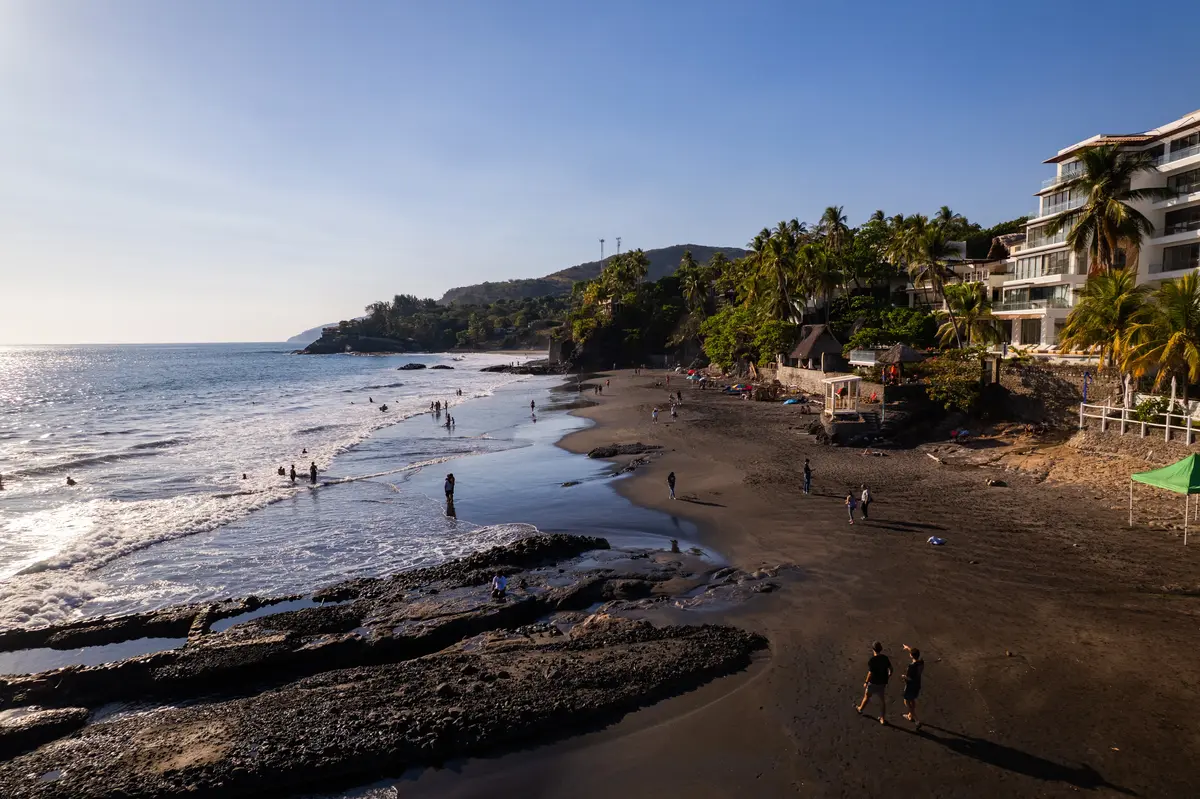
Neither is a swimming beach in the postcard sense. Both have dark volcanic sand that bakes hot underfoot, rocky entries, and surf-driven water — you come for the waves and the sunsets, not for wading. El Tunco packs its bars and taco spots into a few walkable streets and gets loud on weekends; El Zonte spreads out, sleepy and shadeless, with a slower rhythm that people either love or find boring.
The friction points worth planning around:
- El Zonte cash gap: no supermarket and a temperamental ATM. The local workaround is a cheap bus (about $0.25 to $1) over to El Tunco to pull cash and stock up.
- El Tunco crowds: weekends bring day-trippers from San Salvador, so it’s busiest Friday to Sunday.
- Bitcoin: both towns take some Bitcoin at tourist-facing spots, but the dollar is king even here (more on that next).
Money in El Salvador: Cash, Cards and the Bitcoin Reality
El Salvador runs on the US dollar, so Americans need no exchange. Bring small bills — ones, fives and tens — because vendors often can’t break a twenty. Bitcoin lost its legal-tender status as a condition of an IMF loan; acceptance is voluntary and rare, limited to a few spots in El Zonte and San Salvador. Don’t rely on it.
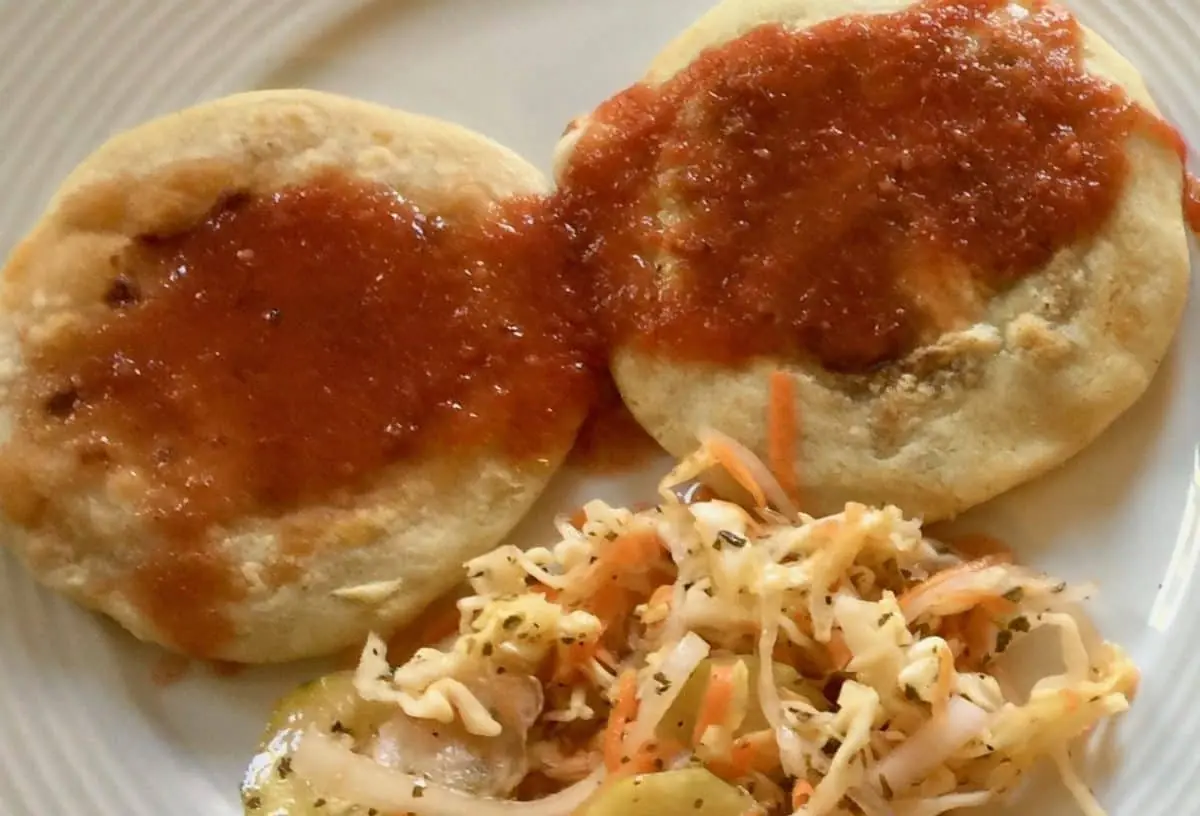
The small-bills problem is the one thing every traveler wishes they’d known sooner. Pupusa stands, market stalls, bus fares and Suchitoto craft sellers all deal in ones and coins, and a $20 will get you a shrug. Break big bills at your hotel or a supermarket early, and hoard the singles.
On the crypto question, the honest picture has changed and most older guides haven’t caught up. El Salvador repealed Bitcoin’s legal-tender status to satisfy the terms of a $1.4 billion IMF loan: businesses are no longer required to accept it, it’s no longer classified as currency, taxes can’t be paid in it, and the government-backed Chivo wallet is being wound down. A national survey found that more than 90% of Salvadorans didn’t use Bitcoin at all in the last full year measured. You’ll still spot the orange logo at a handful of El Zonte cafés and a few San Salvador businesses, but treat it as a novelty, not a payment plan.
Practical money notes:
- ATMs: fees run about $2 to $4 per withdrawal, with limits often around $200 to $300. Use machines inside banks or malls, not street-side.
- Cards: work at hotels and mid-to-upscale restaurants; useless at pupuserías, markets and small-town stalls.
- Tap water: not reliably potable, so budget a couple of dollars a day for bottled or bring a filter bottle.
When to Go: Surf Swells, Dry Season and Festivals
Dry season, from November through April, brings sunny days, clear volcano views and smaller, beginner-friendly surf — the best all-around window. Wet season, May through October, delivers the biggest south swells for experienced surfers, greener hills and lower prices, with afternoon rain. January and February are driest; March and April are hottest.
The season you pick should follow what you want out of the trip, not just the weather forecast.
| Window | Weather | Surf | Crowds / notes |
|---|---|---|---|
| Nov–Feb | Driest, sunny, clear volcano views | Smaller, cleaner, beginner-friendly | Peak crowds at Christmas; best all-round |
| Mar–Apr | Hottest, still dry | Building | Semana Santa is packed and pricier |
| May–Oct | Green, afternoon rain | Biggest south swells, head-high+ | Fewer tourists, lower prices |
If you’re building the trip around events, two are worth timing for:
- Juayúa food festival: the Feria Gastronómica runs every Saturday and Sunday, roughly 11 a.m. to 5 p.m., with stalls of grilled meats and plato-típico plates. Travelers note the stands sell fairly similar spreads, so pick by the crowd and the grill smoke.
- Bolas de Fuego: on August 31 in Nejapa, residents hurl flaming rag balls at each other in a raucous street tradition — a wild spectacle if your dates line up.
What a Week in El Salvador Costs, by Traveler Type
El Salvador is one of Central America’s cheapest countries. Backpackers get by on roughly $25 to $35 a day, mid-range travelers around $50 to $75, and comfort travelers more, depending on hotels. Pupusas run under $1.50, hostel dorms $8 to $15, and no bus ride costs more than a couple of dollars.
Real trip reports back this up: independent travelers have come in around $32 a day over a week, and another logged the equivalent of about $60 a day over eight days including transport and activities. Where you land depends mostly on beds and how much you drive versus bus.
| Category | Backpacker | Mid-range | Comfort |
|---|---|---|---|
| Bed (per night) | $8–15 dorm | $30–50 private | $120–250 hotel |
| Food (per day) | Pupusas ~$0.50–1.50 | Local meals ~$3–8 | Tourist meals ~$8–15 |
| Transport | Chicken bus <$1 | Shuttles $15–25/leg | Private transfer / rental |
| Signature activity | Santa Ana DIY ~$9–12 | Juayúa waterfalls ~$20 | Surf lesson ~$35–40 |
A couple of cost levers most guides skip:
- Flights: nonstops from Florida sometimes dip under about $250 round trip, since several US carriers fly into SAL.
- Tourist card: budget $12 on arrival, cash — a small entry fee separate from your flight.
Your One-Week El Salvador, Decided
Pick your route by what you actually want. First-timers should take Route A — it’s the balanced loop that leaves you having surfed, hiked a volcano and wandered a coffee town without a single frantic day. Surfers should run Route B and let the season pick the breaks: dry months to learn, wet months to chase the south swell. Culture travelers should drive Route C, trading beach days for ruins, indigo workshops and colonial streets.
Whatever you choose, three things aren’t negotiable. Carry a fat stack of small bills, because the country runs on ones and fives. Build your week so Santa Ana lands on a clear morning with an early start, since that single climb is the easiest good day to lose. And leave Bitcoin out of the plan — the dollar is what works.
The real pull here isn’t any one sight. It’s how much variety a country this small, this cheap and this newly reachable manages to pack into seven days — a surf coast, an active crater, and a mountain road of coffee towns, all inside a week you can actually pull off.