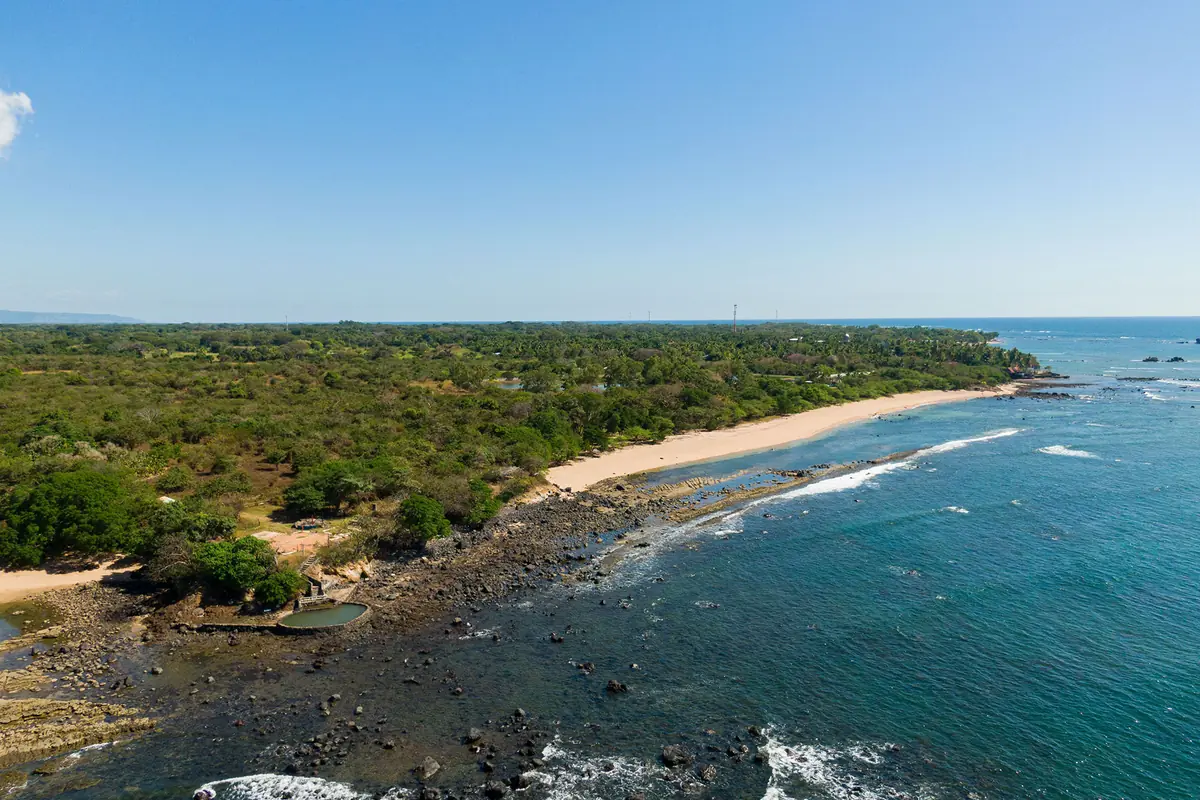
Getting around El Salvador is easier — and far safer — than its old reputation suggests. Central America’s smallest country packs beaches, volcanoes and colonial towns within a few hours of each other, linked by dollar buses, reliable Uber, cheap rentals and door-to-door shuttles. Here’s exactly how to move, what each option costs, and what to choose for your trip.
Quick answer: the best way to get around El Salvador
For most visitors, the easiest mix is Uber inside San Salvador (rides run about $3–$8), a pre-booked private transfer or rental car for the coast and volcanoes, and dollar local buses for short hops. Distances are short — nowhere on the main tourist loop sits more than about three hours from the next stop.
Here’s the shorthand most guides bury:
- Uber in the city: about $3–$8 a ride
- Private transfer (airport to El Tunco): about $30–$50
- Rental car: about $25–$50/day for a compact
- Chicken bus: $0.25–$1 a ride
- The full main loop (San Salvador, El Tunco, Santa Ana, Suchitoto): coverable in 3–4 hours of driving end to end
On my last trip, a 20-minute Uber across San Salvador came to about $5, tracked door to door on the app the whole way. That ride is the template for most of a visit here: short, cheap, and easier than you expect.
Is it safe to get around El Salvador?
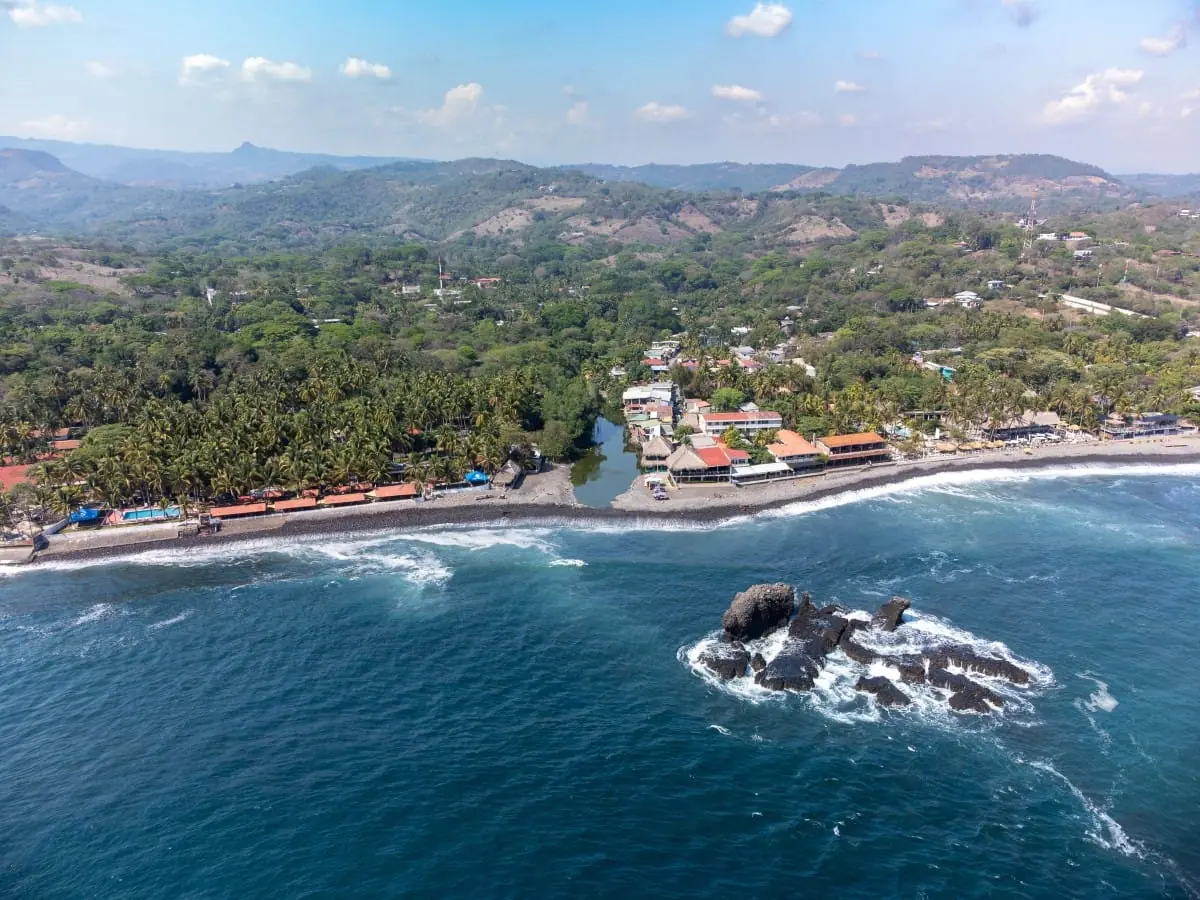
Yes. El Salvador’s homicide rate has dropped from a peak near 105 per 100,000 to under 2 by official counts — among the lowest in the Americas — and the US State Department rates it Level 1, “Exercise normal precautions,” the same tier as much of Western Europe. Daytime travel between tourist areas is routine; just avoid intercity buses after dark.
That single fact reframes every transport choice you’ll make here. The hedged “gang activity is a reality” framing in older guides is out of date, and the practical caveats are mostly about comfort and bus schedules, not danger.
A few honest qualifiers still apply:
- Travel between towns in daylight. Intercity buses thin out and stop early; this is the main reason to plan returns, not a high crime risk.
- A State of Exception is still in effect. It rarely touches tourists, but it’s why you’ll see a heavy security presence.
- Skip non-tourist districts. Areas like Soyapango and Apopa hold nothing for visitors anyway.
One detail worth knowing: US government employees are barred from riding public buses and from intercity travel at night, except for the San Salvador–airport and San Salvador–La Libertad routes. That’s a useful proxy for where extra caution makes sense.
Pro Tip: Armed guards standing outside ordinary pharmacies and supermarkets startle first-timers, but they’re routine here and not a sign that an area is dangerous.
How do local buses and chicken buses work?
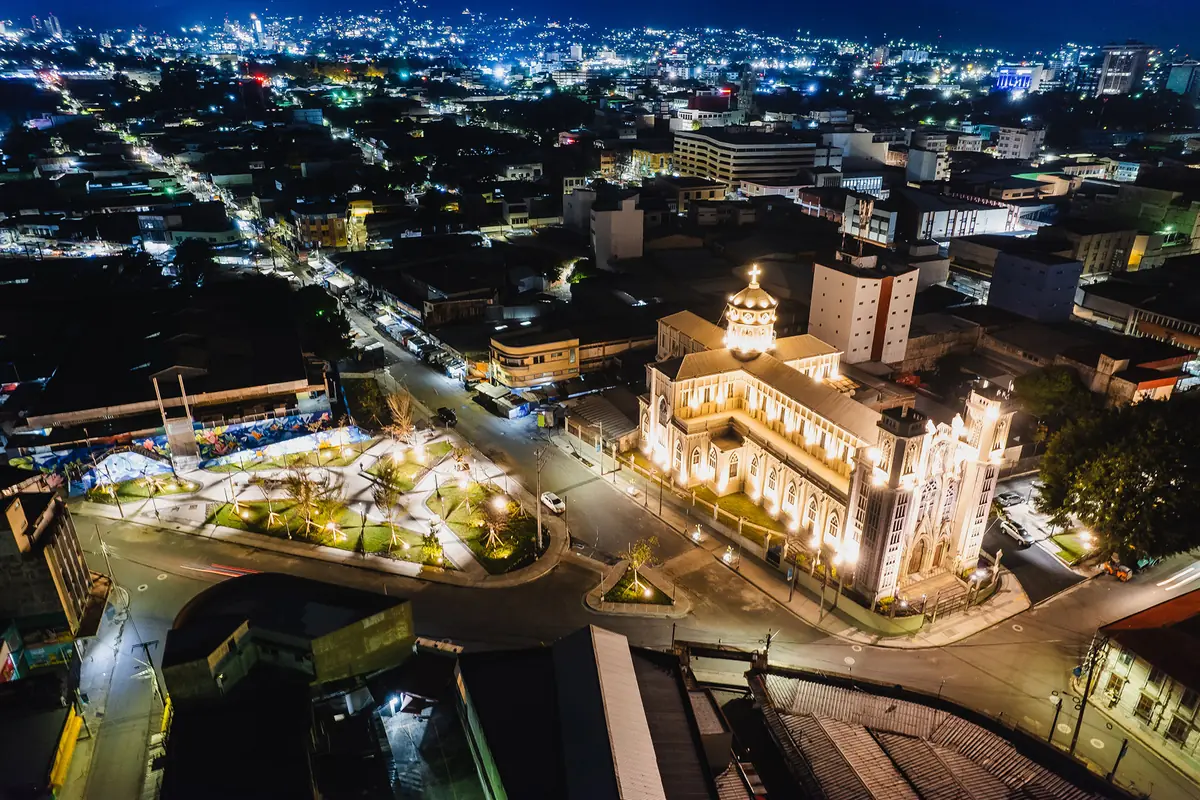
El Salvador’s “chicken buses” are repainted US school buses that run numbered routes for $0.25–$1 a ride. There are no printed timetables — they leave when full and stop anywhere you flag them down. Pay the ayudante (the conductor) in small bills once you’re aboard. Microbuses cover the same routes a little faster for slightly more.
The route number is painted on the windshield, and that number is your whole navigation system — there are no railways anywhere in the country, so buses and microbuses carry the budget load. A few routes worth memorizing: #201 to Santa Ana, #205 to Sonsonate, #248 toward the Santa Ana Volcano, and #129 to Suchitoto.
The reality on a packed route: you may stand for an hour gripping the overhead rail with your bag on your lap, because a free seat sometimes costs an extra fare. It’s cheap and it works, but it isn’t comfortable.
- Fare: $0.25–$1 (up to about $1.50 on long hauls)
- Hours: roughly 5 a.m. to 7 p.m.; almost nothing after dark
- How to pay: cash in small bills, handed to the ayudante on board
- Watch out for: pickpockets on crowded routes; weekend fares can run about 25% higher
Pro Tip: Keep a few quarters and $1 coins in a front pocket. Digging through a wallet while balancing on a moving bus marks you as a target and slows the line behind you.
Is Uber available in El Salvador, and is it safe?
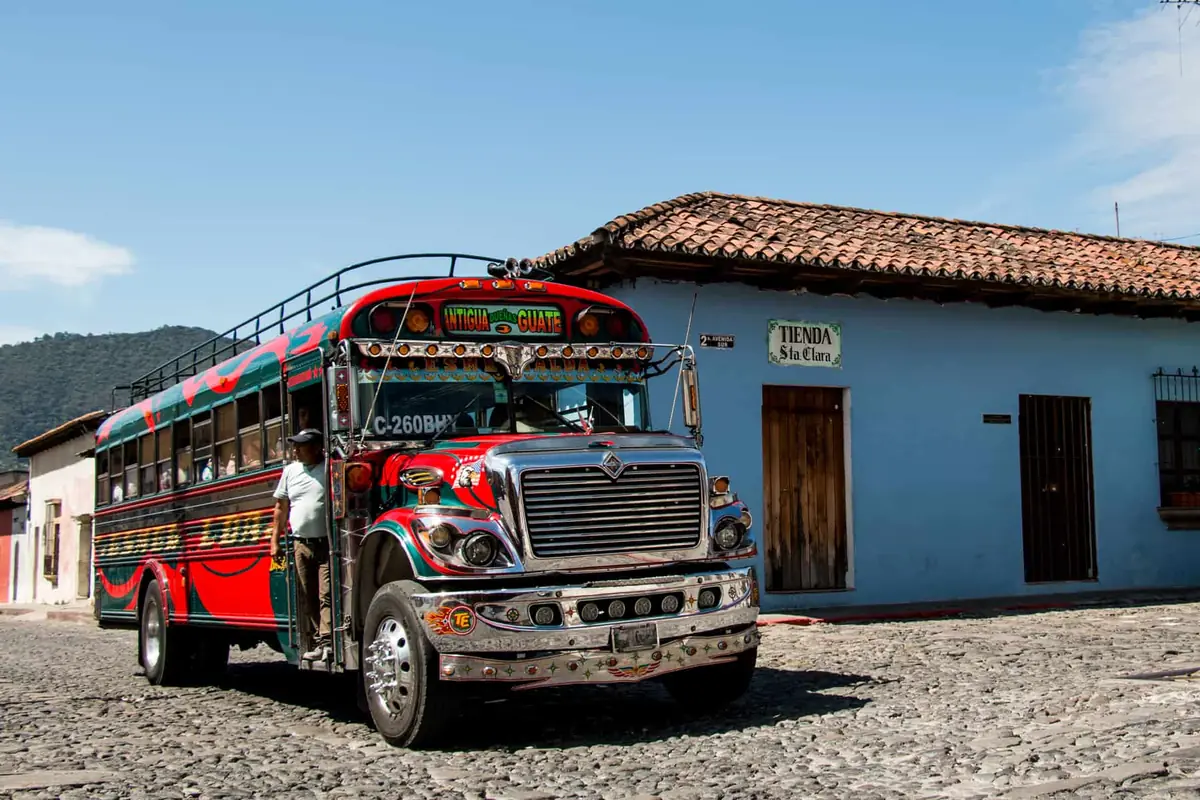
Yes — Uber works reliably in San Salvador and other cities, and it’s the safest, most transparent ride for visitors. City trips run about $3–$8 with GPS tracking and a fixed in-app price. InDriver operates too. One rule: never agree to a driver’s request to pay cash off-app — decline and rebook.
The catch with Uber is coverage, not cities. You can almost always get a car in town, but service thins fast at the coast. The trip I’d flag: a driver who messaged asking to pay in cash instead of the app, then canceled the moment I refused. Paying by card inside the app sidesteps that scam entirely.
- City ride: about $3–$8 (UberXL $5–$12)
- Airport to downtown: about $20–$25
- Where it works: San Salvador and larger towns; spotty at remote beaches
- Watch out for: surge pricing (often +40–100% at peak); off-app cash requests — always pay by card
One thing no competitor will tell you plainly: you can usually Uber to the beach but not back. At El Zonte or El Tunco, drivers are scarce for the return leg, so line up a shuttle or a hired driver for the way home before you go.
Are taxis and private drivers worth it?
Licensed taxis (look for the “A” on the license plate) are fine, but Uber is usually cheaper and safer in cities. For day trips and hard-to-reach spots, a hired private driver — about $40–$50 for a one-way coast run, or a flat daily rate — is the local favorite: no scrambling for a return ride, plus a built-in guide who knows the roads.
This is the underrated sweet spot for families and groups. A single driver for a full day, split four ways, often costs less per person than stacking separate Ubers and taxis between stops — and it solves the dead spots where ride apps don’t reach, like Joya de Cerén or the waterfalls outside Juayúa. Operators like Tunco Life and Pure Travel run vetted transfers and day rates.
This is also where the old travel advice goes stale. The “always negotiate your taxi fare” rule is half-outdated: in cities, Uber’s fixed app price beats haggling every time, and a flat-rate private driver beats a metered cab for any multi-stop day.
- Licensed taxi: marked with an “A” on the plate; agree the fare before you get in
- Private driver: about $40–$50 one-way San Salvador to El Tunco; flat daily rates available
- Best for: families, groups, multi-stop days, and spots with no return bus
- Watch out for: piratas (unlicensed cabs) — skip them entirely
Should you rent a car and is driving safe?
Renting is the best way to reach remote beaches and volcanoes on your own schedule, and the main highways are well paved. Expect about $25–$50 a day for a compact, a credit-card hold often topping $1,000, and mandatory liability coverage. Drive defensively, watch for unmarked túmulos (speed bumps), and don’t drive at night.
Rental costs, deposits and the insurance catch
The advertised daily rate is rarely the whole story. The real friction is the deposit and the deductible — read that fine print before you book the cheapest quote.
- Compact: about $25–$50/day
- SUV / 4WD: about $60–$90/day
- Deposit hold: commonly $1,000 or more; some collision-damage-waiver deductibles run up to about $3,000
- Driver rules: minimum age 21 (under-25 surcharge); your home license is valid for up to 90 days
- Fuel: roughly $3.80–$4.10 per gallon
DUI enforcement is zero-tolerance — a 0% blood-alcohol limit — so there’s no margin for “just one with dinner.”
Road conditions, túmulos and night driving
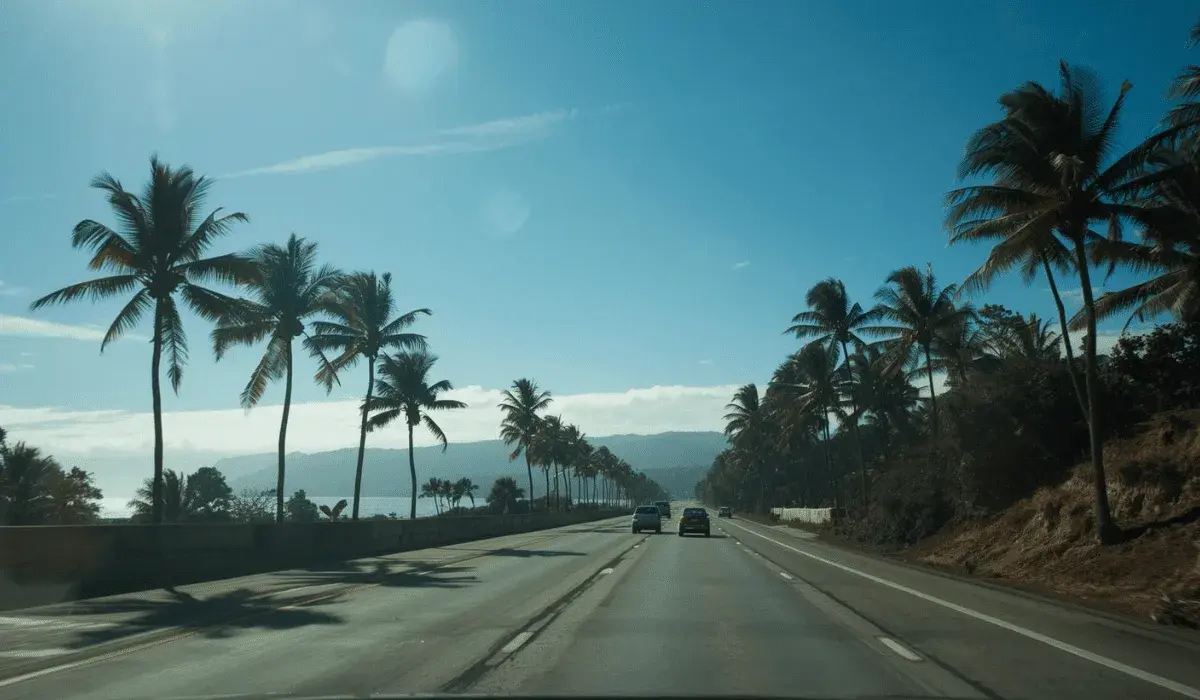
The CA-1 (Pan-American) and CA-2 (Litoral) highways are genuinely well paved. The trouble starts on rural turnoffs and inside small towns.
- San Salvador to El Tunco: about 25 miles (40 km), under an hour
- Túmulos (speed bumps) are often unmarked — slow down through every village
- Avoid night driving: unlit roads, livestock on the asphalt, and thinner help if anything goes wrong
We nearly dropped a wheel into a car-sized pothole on the coastal road just west of El Zonte, minutes after a stretch of perfect pavement. The lesson: smooth doesn’t mean safe to zone out.
Here’s a contrarian take most rental guides won’t give you: skip driving in San Salvador itself. City traffic is chaotic and parking is a security chore. Park the rental, use Uber in the capital, and save the car for the open-road days when it actually earns its keep.
Pro Tip: If you can, pick up and drop the car outside the city center. Fighting San Salvador traffic on your jet-lagged first morning is the fastest way to regret renting at all.
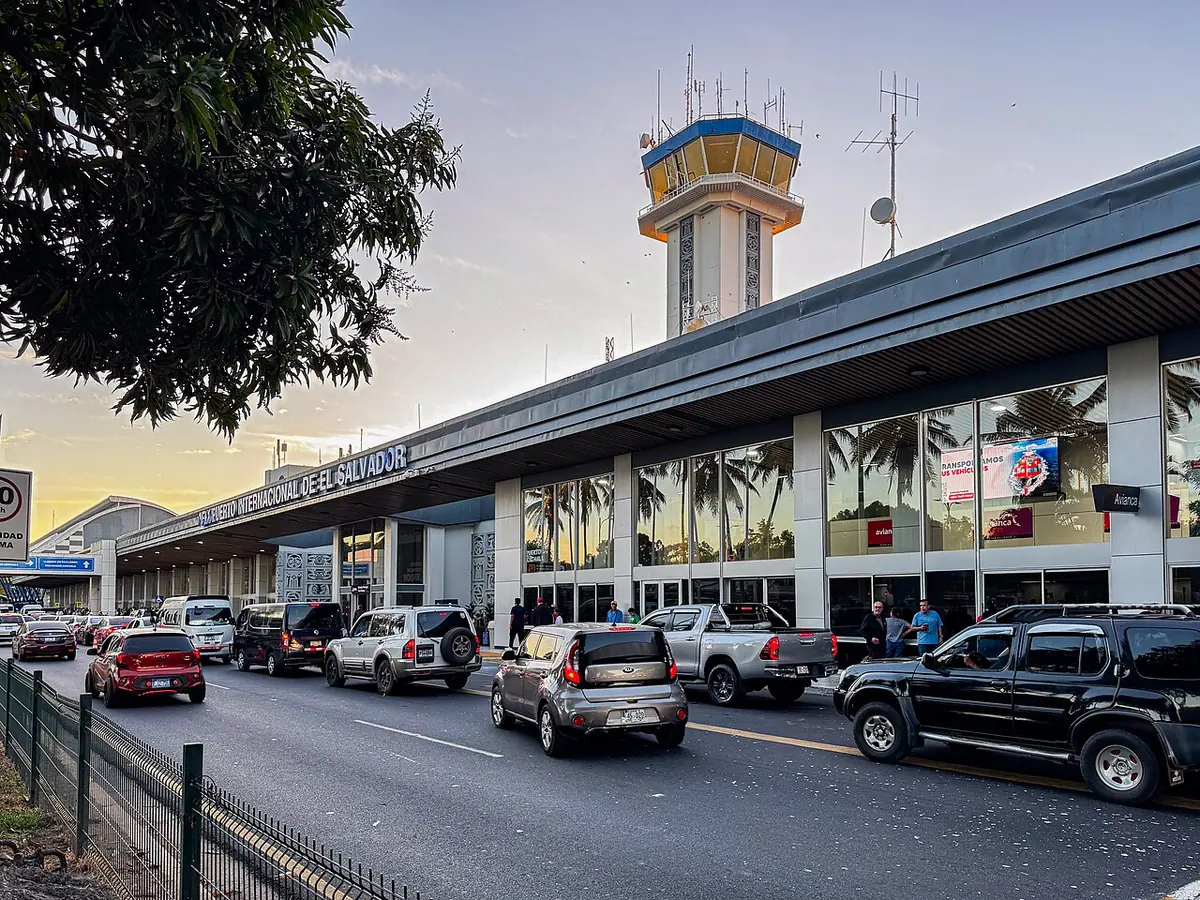
How do you get from the airport to San Salvador or El Tunco?
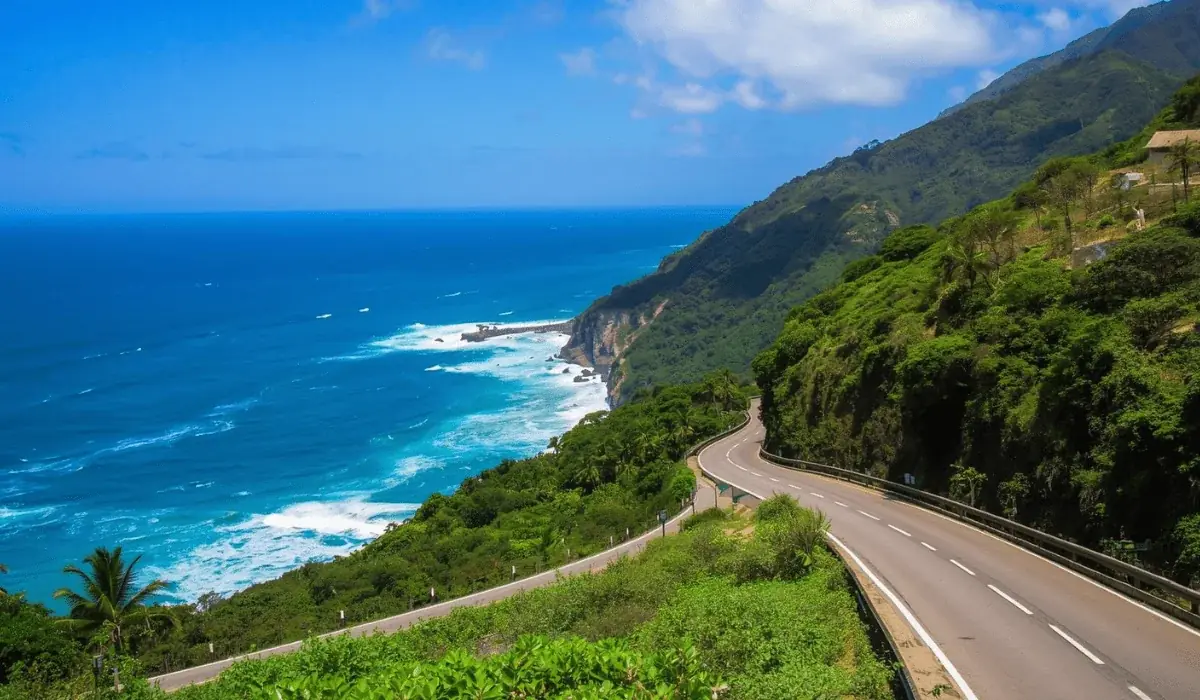
SAL airport sits about 26 miles (42 km) south of San Salvador and a similar distance from the coast. The simplest options are Uber (about $20–$25 to the city), an official Taxi Amarillo from the fixed-fare booth inside arrivals (about $30–$40), or a pre-booked private transfer (about $30–$50 to El Tunco). There is no direct public bus to El Tunco.
The drive to the capital takes about 30 minutes on a four-lane motorway; the coast at El Tunco is roughly 34–45 minutes the other way. The official Taxi Amarillo (Yellow Cab) booth is inside the arrivals hall with set fares, and Uber pickups happen out in the parking area rather than curbside. A budget Route 138 bus also runs from the airport to Terminal de Oriente for under $1 — but again, nothing goes straight to El Tunco.
Your first 24 hours, ranked by hassle:
- Fastest and easiest: a pre-booked private transfer to your hotel — about $30–$50, driver waiting at arrivals
- Cheapest door-to-door: Uber from the parking area — about $20–$25 to San Salvador
- Fixed-fare taxi: the official Taxi Amarillo booth inside arrivals — about $30–$40, 45–60 minutes with traffic
- Rock-bottom: Route 138 bus to Terminal de Oriente — under $1 (no direct bus to El Tunco)
On one arrival, the driver was holding a name sign past the customs doors and handed over a cold coconut for the ride to the coast — the kind of welcome that’s worth the extra few dollars after a long flight.
Pro Tip: Book the El Tunco transfer before you fly. Uber coverage is thin at the coast, and sorting a ride at arrivals after a red-eye costs more and takes longer than a $35 pre-book.
Travel times and costs between El Salvador’s top destinations
Distances are short: San Salvador to El Tunco is about 45 minutes, to Santa Ana about 90 minutes, and to Suchitoto roughly an hour by car. Local buses cover the same routes for $1–$2; shared shuttles run $10–$20; a private driver runs $40–$50. The table below breaks down distance, time and fare per mode.
| Route | Distance | Drive time | Local bus | Shuttle / driver |
|---|---|---|---|---|
| San Salvador → El Tunco | ~25 mi (40 km) | ~45 min | bus ~$1 | shuttle $10–$20 / driver $40–$50 |
| San Salvador → Santa Ana | ~40 mi (64 km) | ~90 min | bus #201 ~$1 | shuttle $15–$25 |
| San Salvador → Suchitoto | ~29 mi (47 km) | ~1.5 hr | bus #129 ~$1 | driver $40–$60 |
| El Tunco ↔ El Zonte | ~6 mi (10 km) | ~15 min | bus $0.50–$1 (every ~20 min) | short taxi |
| San Salvador → Ruta de las Flores | ~50 mi (80 km) | ~1 hr 45 min | bus #205 + #249 | shuttle $20–$35 |
| San Salvador → Antigua, Guatemala | cross-border | ~5–6 hr | — | shuttle $30–$50 |
The catch the maps miss: construction around La Libertad on the coastal CA-2 routinely adds 20–30 minutes that no navigation app predicts.
Pro Tip: Build a buffer into any westbound coastal drive. If a transfer driver suggests an earlier start to dodge roadwork or a landslide-related jam, take the advice — they’re reading the road, not the app.
How do you reach Santa Ana and the Ruta de las Flores?
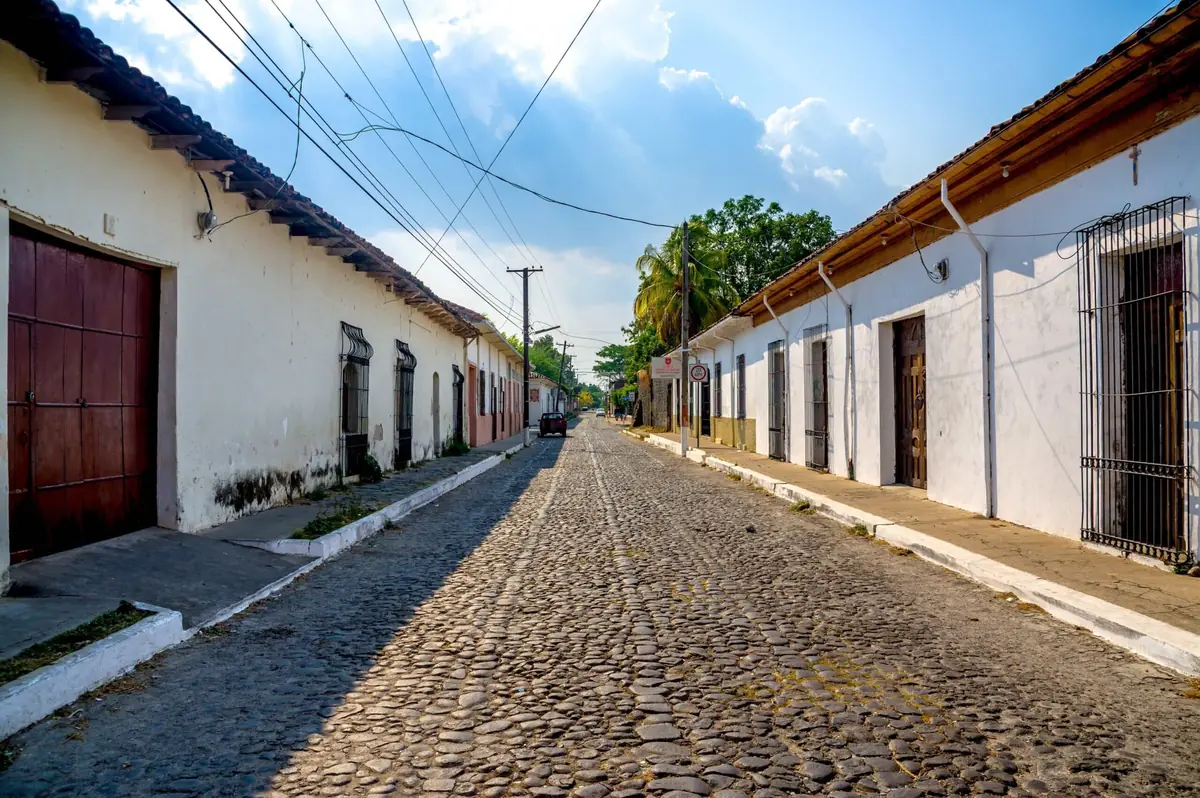
Base yourself in Santa Ana for the western highlands. From San Salvador, bus #201 reaches Santa Ana in about 90 minutes for around $1; for the Ruta de las Flores, take bus #205 to Sonsonate, then #249 along the flower towns. The Santa Ana Volcano hike uses bus #248 and a mandatory guide.
The practical routing, broken out:
- San Salvador → Santa Ana: bus #201, about 90 minutes, around $1
- Ruta de las Flores: bus #205 to Sonsonate, then #249 through Salcoatitán, Juayúa, Apaneca and Ataco
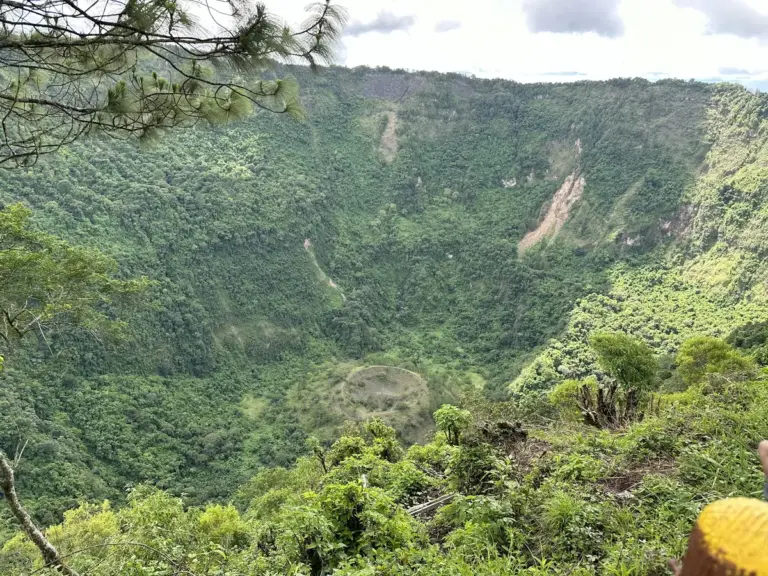
- Santa Ana Volcano (Ilamatepec): bus #248 to the trailhead; guided hike about $10, including a small landowner fee
The timing trap on the volcano: the last bus down from the trailhead pulls out around 4 p.m. sharp. Miss it and you’re flagging down a pickup to ride back in the bed. Driving the route yourself runs about 90 minutes end to end and removes the schedule pressure.
Pro Tip: Treat the volcano as a half-day with an early start. The crater clouds over by midday, and the last bus down won’t wait for stragglers.
What does it cost to get around, and how do you pay?
El Salvador runs on the US dollar, so there’s no currency exchange for Americans. Carry small bills — buses, microbuses and small vendors rarely break a $20. Cards work in cities and for rentals; cash rules in rural areas. Bitcoin is legal but optional, and you’ll almost never need it for transport.
Your fare cheat-sheet for the whole trip:
- Chicken bus: $0.25–$1 (up to about $1.50 long-haul)
- Microbus: $0.25–$0.75
- Uber (city): $3–$8
- Shared shuttle: $10–$20
- Private transfer: $30–$50
- Car rental: $25–$50/day for a compact
- Fuel: about $3.80–$4.10 per gallon
On the Bitcoin question: it’s legal tender by law but acceptance is voluntary, the state-backed wallet was wound down, and the vast majority of Salvadorans don’t use it day to day. For getting around, plain dollars and a card cover everything. What does surprise visitors is how many $1 coins circulate — you’ll get them constantly as bus and taxi change.
Pro Tip: Break your $20s before you leave the city. A bus ayudante or a roadside pupusa stand won’t have change for one, and “no hay cambio” — no change — is a real conversation-ender.
Which option is best for your travel style?
Choose by priority: chicken buses for rock-bottom budgets and local color; shared shuttles for easy, safe backpacker hops; a rental car for the freedom to reach volcanoes and remote beaches; Uber for stress-free city rides. Families and first-timers should default to private transfers; surfers do best with a coast rental or a shuttle.
| Mode | Cost | Speed | Comfort | Safety | Best for |
|---|---|---|---|---|---|
| Chicken bus | $0.25–$1 | Slowest | Low | Fair (daytime) | Backpackers, tight budgets, local color |
| Shared shuttle | $10–$20 | Medium | Good | High | Backpackers, cross-border hops |
| Rental car | $25–$50/day | Fast | High | Good (daytime) | Road-trippers, remote beaches and volcanoes |
| Uber | $3–$8 (city) | Fast | High | High | City rides, digital nomads, first-timers |
| Private driver | $40–$50/leg | Fast | High | High | Families, groups, multi-stop days |
The honest truth is that most trips don’t need a single answer. The moment a surfboard entered the equation on one trip, the shuttle won out over the bus — and that’s the pattern. Mixing modes beats committing to one.
Bottom line — getting around El Salvador
TL;DR: Getting around El Salvador is cheap, short-haul and far safer than its reputation. Use Uber in the cities, a private transfer or rental car for the coast and volcanoes, and dollar buses for budget hops — and travel between towns in daylight. For most visitors, a mix of Uber and one pre-booked transfer or rental covers the entire trip.
The country’s small size is its secret weapon: beaches, volcanoes and colonial towns all sit within a few hours of San Salvador, on roads that are mostly well paved and genuinely safe by day. Spend on convenience where it counts — the airport run, the volcano day — and ride cheap where it doesn’t.
Which leg of your El Salvador trip are you least sure about — the airport run to El Tunco, the Santa Ana Volcano buses, or whether to rent a car at all? Tell me in the comments and I’ll point you to the right call.