Uber in El Salvador works, it’s cheap, and it’s one of the easiest ways for US travelers to get around a country that has flipped from the region’s most dangerous to one of its safest. Here’s where it operates, what rides cost in dollars, and the handful of times you should book something else instead.
Does Uber work in El Salvador?
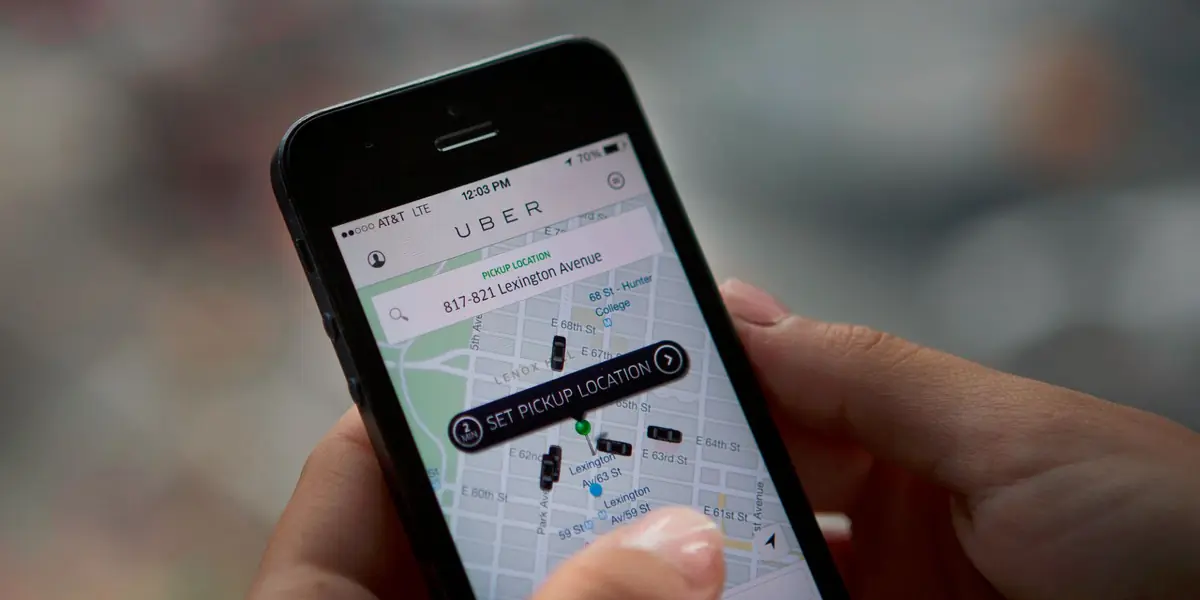
Yes. Uber runs reliably across Greater San Salvador and nearby cities, plus Santa Ana and the La Libertad coast. It works the same way it does in the US: open the app, set your destination, get matched, and pay by card. Coverage is densest in the capital and thins out in rural areas and on the coast.
Uber has operated in El Salvador for years and has become a default for visitors and locals alike. It arrived with around 1,000 driver-partners and 33,000 users and, within a few years of launch, grew several times over — to roughly 6,100 drivers and well over 200,000 riders.
The app offers the same products you’d expect: UberX for standard rides, Uber XL for groups, Uber Pet, Uber Reserve for booking up to 90 days ahead, and Uber Eats for food. Service runs around the clock, and the app works in both English and Spanish. Your main alternative is inDrive, where you name your own fare.
Pickups in the capital occasionally take a couple of extra minutes compared with a US city, and drivers sometimes struggle to find you on narrow side streets. Dropping a pin and adding a quick landmark in the chat speeds things up.
Which cities and areas does Uber cover?
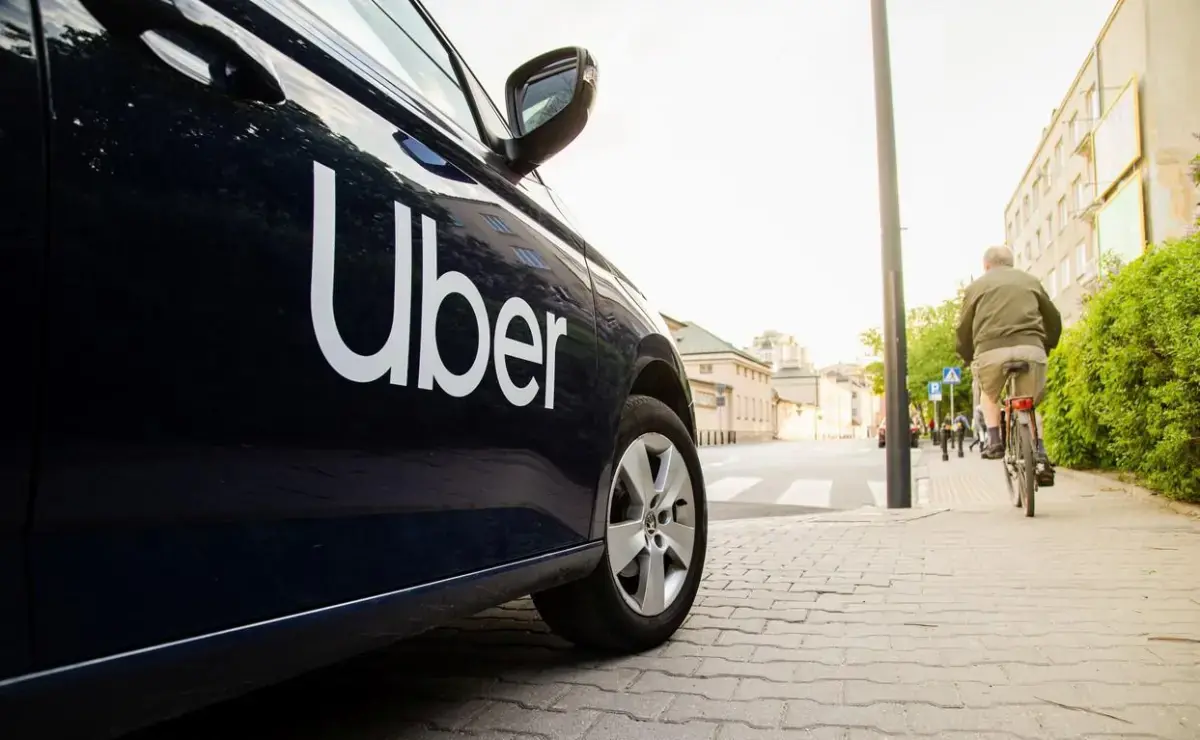
Uber covers Greater San Salvador most densely — including Santa Tecla, Antiguo Cuscatlán, Soyapango and Mejicanos — plus Santa Ana and the La Libertad coast. It reaches tourist spots like El Tunco and the Ruta de las Flores, but availability drops sharply outside cities, where you may wait a while or find no cars at all.
Here’s a rough picture of where the app is dependable and where it isn’t:
| Area | Uber reliability |
|---|---|
| San Salvador — Zona Rosa, Colonia Escalón, downtown | Strong |
| Santa Tecla, Antiguo Cuscatlán, Soyapango, Mejicanos, Apopa | Strong |
| Santa Ana | Good |
| La Libertad town | Good |
| El Tunco / El Zonte / Surf City | Patchy |
| Suchitoto, Joya de Cerén, Lake Coatepeque, Ruta de las Flores | Patchy to none |
| Rural areas | Unreliable to none |
In Colonia Escalón and Zona Rosa, a car turns up within a few minutes. Push out toward Suchitoto or Lake Coatepeque and you can get there fine, but you may be stranded for the return leg.
How much does an Uber cost in El Salvador?
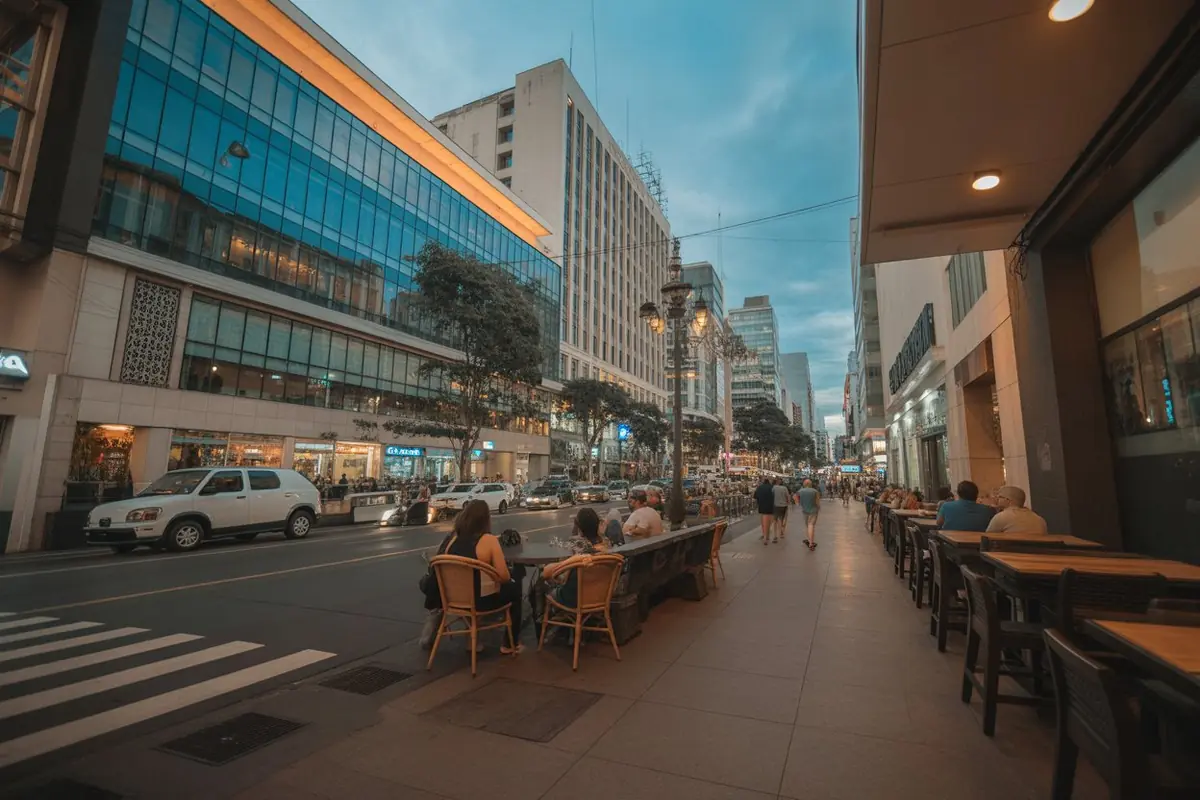
Uber is cheap in El Salvador by US standards. Short trips around San Salvador run about $3–$8, and the airport ride into the capital is roughly $16–$25. Fares are charged in US dollars, shown almost entirely upfront in the app, and can climb 40–100% during peak-hour surge.
Here’s how the most common routes break down:
| Route | Distance | Time | UberX fare |
|---|---|---|---|
| Around San Salvador | Short hops | 10–25 min | $3–$8 |
| SAL airport → San Salvador | 26 miles (42 km) | ~30 min | $16–$25 |
| SAL airport → El Tunco / La Libertad | 28 miles (45 km) | 45–50 min | $25–$35 ($35–$50 late at night) |
| Uber XL around town | — | — | $5–$12 |
You’ll sometimes see Uber quote a published average of about €29 (roughly $31–$32) for the airport. That figure is a six-month average across every destination from SAL — long coastal drop-offs and surge included — not the downtown leg, which is cheaper. Treat the in-app estimate, not the headline average, as your real number.
The base rate sits near $0.64 per mile ($0.40 per km), and the upfront estimate usually lands within a dollar or two of the final charge unless you hit surge or a toll on the airport autopista. No flat airport rate exists, so prices move with demand and traffic.
How do you get an Uber from SAL airport?
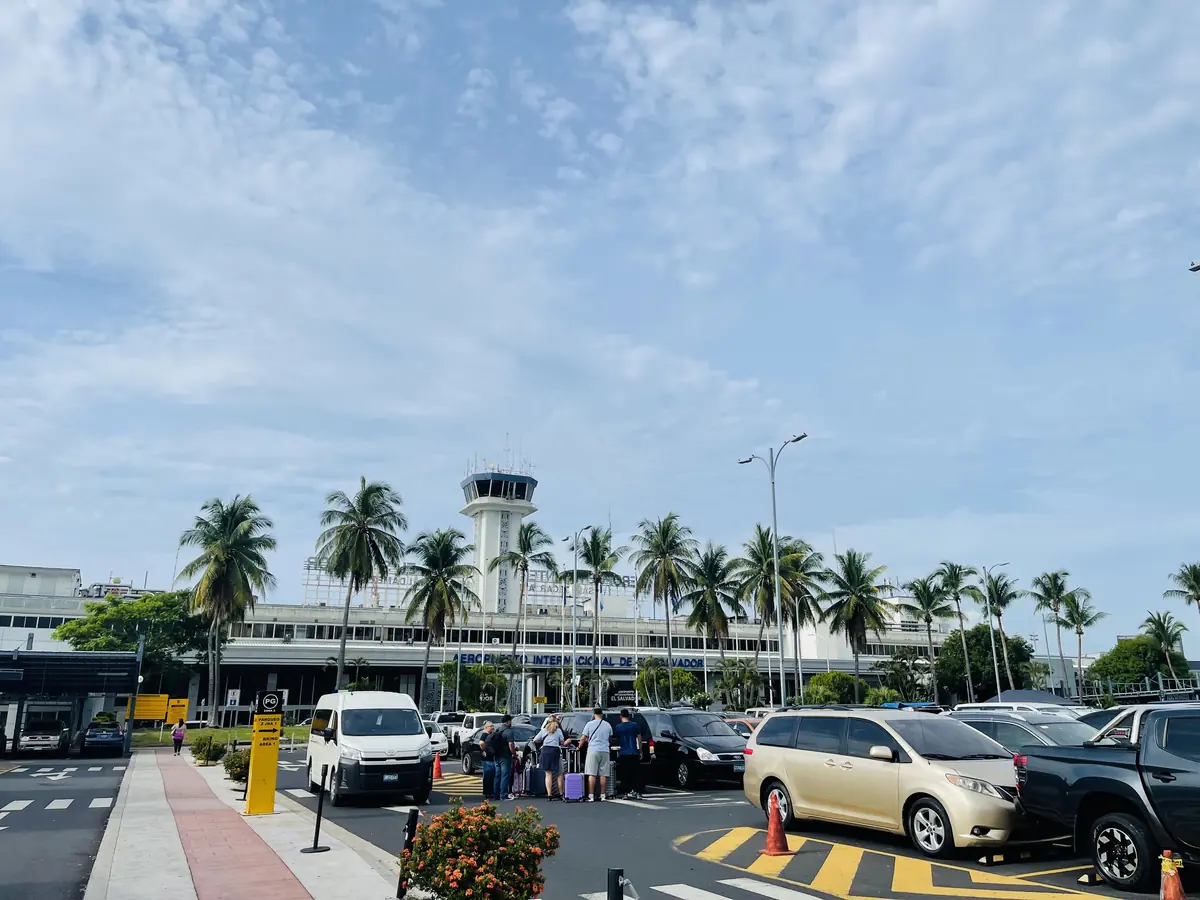
Yes, Uber picks up at SAL — Monseñor Óscar Arnulfo Romero International Airport. After you land, request the ride in the app and walk to the assigned pickup zone, not the nearest exit. Ignore anyone inside the terminal offering “Uber”; real drivers match only through the app. Expect $16–$25 to San Salvador, about 30 minutes away.
The basic sequence after you clear baggage claim:
- Request the ride in the app, then check the assigned pickup zone before you walk anywhere.
- Head to that zone — it can be a short distance from the arrivals door, not curbside.
- Confirm the plate, car color and driver name against the app before getting in.
- For a red-eye arrival or a coastal hotel, lean on Uber Reserve or a pre-booked transfer instead.
SAL sits 26 miles (42 km) southeast of San Salvador, near Comalapa, connected by a four-lane motorway that the trip covers in about 30 minutes (allow 40 in traffic). The airport is busy and getting busier — it regularly moves more than half a million passengers in a single peak month, so the rideshare zone stays active even late.
Pro Tip: For a midnight landing or a hotel out on the surf coast, skip the Uber scramble. A pre-arranged private transfer ($25–$50, with a driver holding a name board) beats hunting for a car at 1 a.m. when you don’t speak Spanish.
On a late-night arrival, cars are available but can take several minutes, and the pickup point is a short walk from the doors. Don’t panic if your driver isn’t waiting at the curb.
Is Uber safe in El Salvador?
Uber is the safest everyday way to get around El Salvador. Rides are GPS-tracked with an in-app emergency button, and the country itself has transformed — homicides have collapsed, and the US State Department rates El Salvador at Level 1, its safest travel tier. Use the app’s safety tools and skip unmarked street taxis.
The safety toolkit is the same one you’d use at home: GPS tracking on every trip, RideCheck for unexpected stops, an emergency button, and the option to share your trip with someone.
That sits inside a bigger shift. El Salvador’s homicide rate has fallen to roughly 2 per 100,000 — among the lowest in the Western Hemisphere — down from a peak of more than 6,600 murders in a single year, a drop of about 98%. El Salvador carries the US State Department’s Level 1 advisory, Exercise Normal Precautions, its safest category — a step above the Level 2 ratings the US gives countries such as France, the UK and Italy.
That turnaround came under a prolonged state of exception, a security policy that human-rights groups have criticized over mass detentions and due-process concerns. For a traveler, the practical effect is a visibly calmer country; the policy itself remains debated.
<!– IMAGE 5 – Search: San Salvador Metropolitan Cathedral plaza downtown – Alt: Metropolitan Cathedral and plaza in downtown San Salvador, El Salvador – File: san-salvador-cathedral-plaza – Caption: Downtown San Salvador’s historic core, around the Metropolitan Cathedral, is walkable by day with a visible police presence. –>
The real risk on the ground isn’t Uber — it’s “piratas,” unlicensed taxis that aren’t tracked or vetted. Stick to the app, carry your ID, and you remove most of the uncertainty.
You’ll see soldiers with rifles at intersections and along the beaches. It’s jarring at first, but locals read it as the reason they can move around freely after dark.
Can you pay for an Uber with cash or dollars?
El Salvador uses the US dollar, so every fare is already in dollars. Uber works best with a card linked in the app. Cash is sometimes possible, but some drivers will message asking to pay cash and cancel if you decline. And despite Bitcoin’s legal-tender status, you can’t pay Uber directly in Bitcoin.
El Salvador’s official currency is the US dollar, which removes the usual conversion headache. On arrival you’ll buy a $12 tourist card, valid for 90–180 days, from immigration.
Keep a card on file. On one trip, a driver messaged before pickup asking to pay cash; when I answered “through the app,” he cancelled within seconds. A linked card sidesteps that entirely.
Bitcoin is legal tender here — El Zonte is even nicknamed Bitcoin Beach — but Uber doesn’t accept it directly, and the only route is an awkward gift-card workaround. Carry a few small dollar bills anyway, for tips and the occasional cash-only driver.
Uber vs inDrive vs taxis vs private transfers
For most US travelers, Uber is the easiest pick — cashless, tracked and English-friendly in the app. inDrive is often cheaper because you name your own fare, but it leans on cash. Official taxi cooperatives fill gaps where Uber is thin, and a pre-booked private transfer is the smart move for late arrivals or remote coastal hotels.
| Option | Payment | Coverage | Best for |
|---|---|---|---|
| Uber | Card in-app | Cities and airport; patchy on the coast | The default for most visitors — cashless, tracked rides |
| inDrive | Mostly cash; you bid the fare | Similar to Uber in cities | Pushing the price down if you’ll pay cash |
| Official taxis (Acacya, Acontaxis) | Cash; negotiate first | Where Uber is scarce | A backup when no app cars appear |
| Private transfer | Pre-paid or cash | Anywhere you book it to | Late-night arrivals, remote hotels, no-Spanish ease |
inDrive markets itself as around 20% cheaper than other ride-hailing apps; in practice, travelers report savings closer to 10–40%. The catch is the model: you propose a fare and wait for a driver to accept it.
inDrive can undercut Uber by a few dollars on the same route, but on a quiet night you may sit through several lowball rejections before someone bites. Official taxis from cooperatives like Acacya can run close to double an Uber, so agree on a price before you get in. For a first-timer, inDrive’s savings rarely outweigh Uber’s simplicity — but it’s worth having the app installed for the nights when they do.
Does Uber work in El Tunco and Surf City?
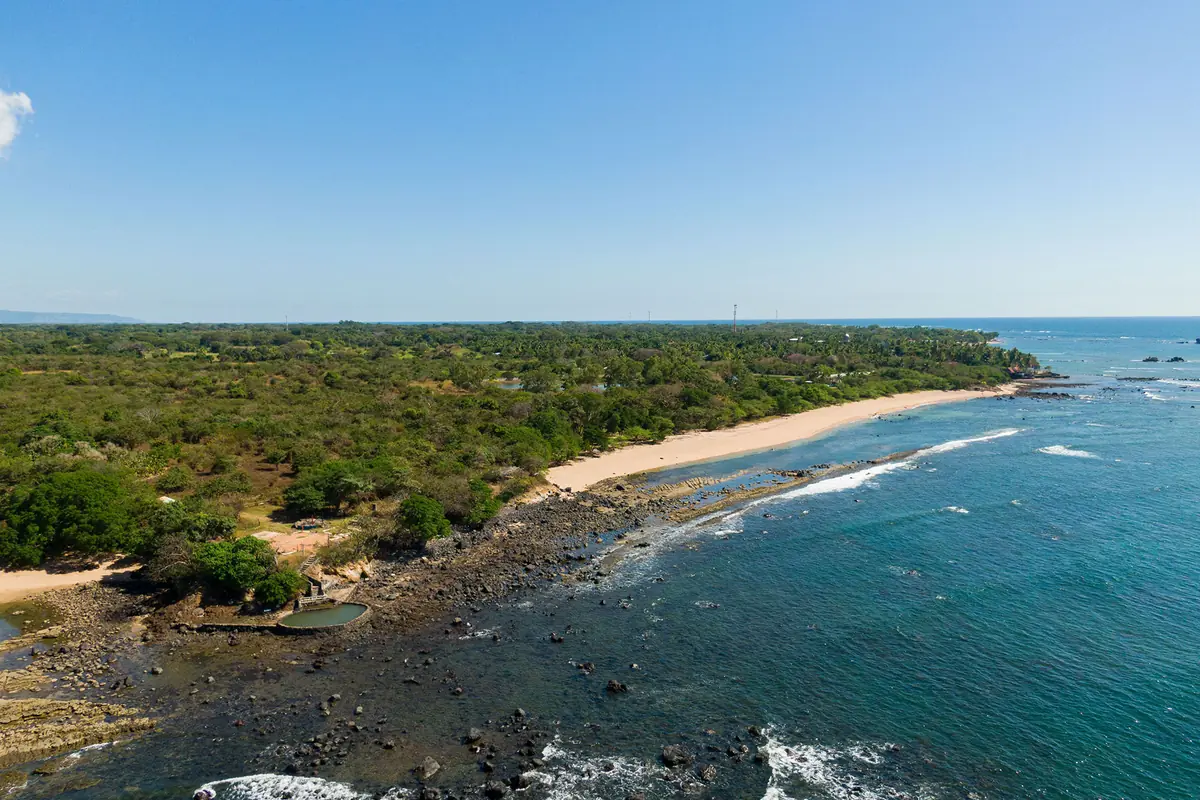
Uber reaches El Tunco, El Zonte and the Surf City coast from San Salvador and SAL airport, but it’s unreliable once you’re there. You’ll often wait for a driver who happens to be dropping someone off, and getting a ride back inland is the hard part. Many surfers pre-arrange transfers, rent a scooter, or take the $1 bus.
The numbers that matter on the coast:
- Uber from the city or airport to El Tunco: $25–$35
- Scooter rental in El Tunco: about $25 per 24 hours
- Bus between La Libertad and El Tunco: about $1
The problem isn’t getting to the coast — it’s leaving it. In El Tunco, cars only surface when one happens to be dropping off a passenger, so an Uber can take a long time to appear. I’ve watched the app spin for ages there while a perfectly good scooter sat for rent across the street.
Pro Tip: Book your ride out of El Tunco before you arrive, or rent a scooter on your first day. “I’ll just grab an Uber later” is exactly how people end up stuck at the beach after dark.
A second international airport is being built on the eastern Pacific coast near La Unión, which will eventually open up eastern surf breaks like Las Flores and Punta Mango — and, with them, more rideshare demand out east.
How to use Uber like a local
A few habits make Uber in El Salvador smoother: keep a card on file, verify the plate and driver name before you get in, learn a couple of Spanish phrases, and pre-book with Uber Reserve for airport runs and late nights. Tipping isn’t expected, though rounding up is appreciated.
The short checklist:
- Keep a card linked to avoid the cash-payment cancellation quirk.
- Match the plate, car color and driver name to the app before getting in.
- Learn a little Spanish — most drivers speak limited English.
- Use Uber Reserve to lock a price and dodge surge on airport and late-night trips.
- Download offline maps and carry a few small dollar bills for tips and toll routes.
Pro Tip: San Salvador highs run 86–91°F (30–33°C) and the coast stays around 82–86°F (28–30°C). Not every UberX has strong air conditioning, so on a hot afternoon it’s worth waiting for a slightly pricier car rather than baking in a budget one.
A simple “Buenas, ¿vamos a [destino]?” goes a long way. Several drivers warmed up instantly and started pointing out where to eat the best pupusas — the kind of local tip no app hands you.
Before you open the app
TL;DR: Uber works well in El Salvador’s cities and at SAL airport, costs about $16–$25 from the airport to San Salvador, and is the safest, simplest option for US travelers in a country that ranks among Central America’s safest. On the surf coast it gets patchy — pre-book a transfer or rent a scooter — and for cheaper local rides, keep inDrive on your phone too.
Planning an El Salvador trip — is it the airport ride, the surf-coast logistics, or the safety question that’s still nagging you? Tell me in the comments.