Playa Las Flores rewards the surfers who make the drive east and quietly frustrates the ones expecting a polished resort strip. This guide covers the wave, lodging at every budget, the real food prices, and the safety question everyone asks — with the distances and dollar figures the surf forecasts leave out.
Where Is Playa Las Flores and Why Go?
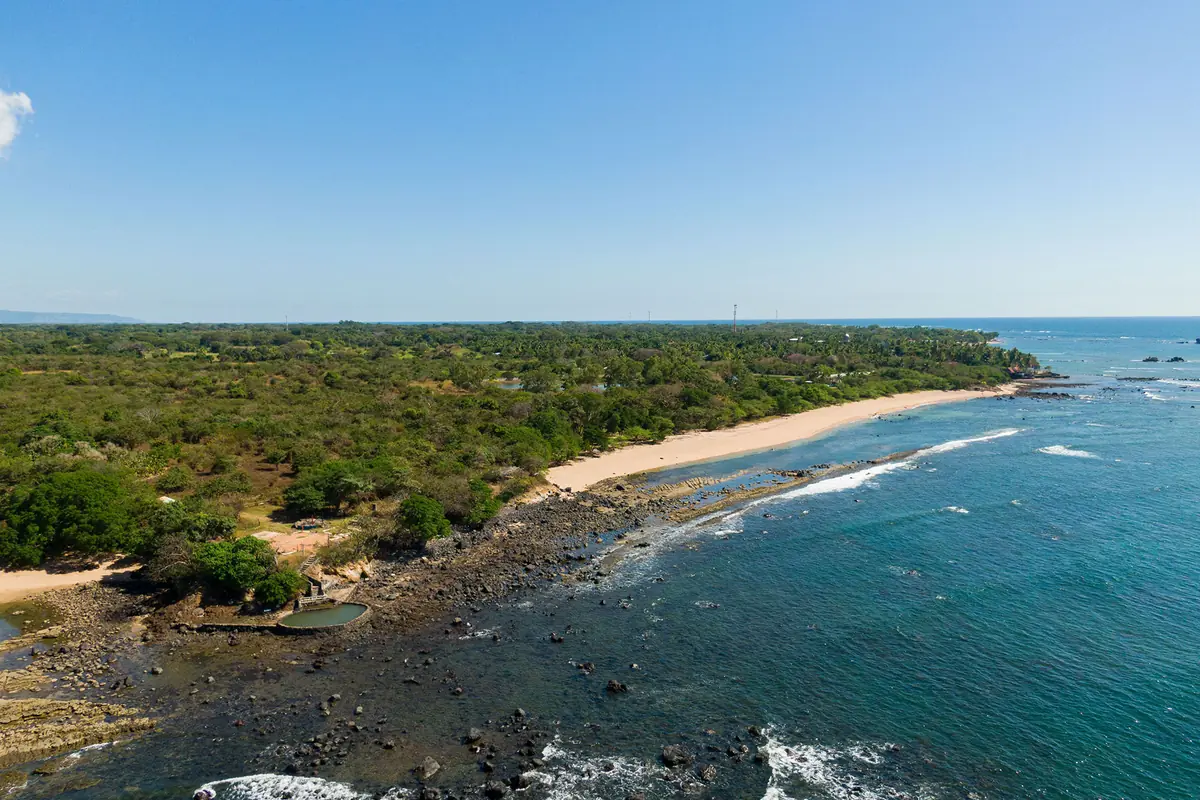
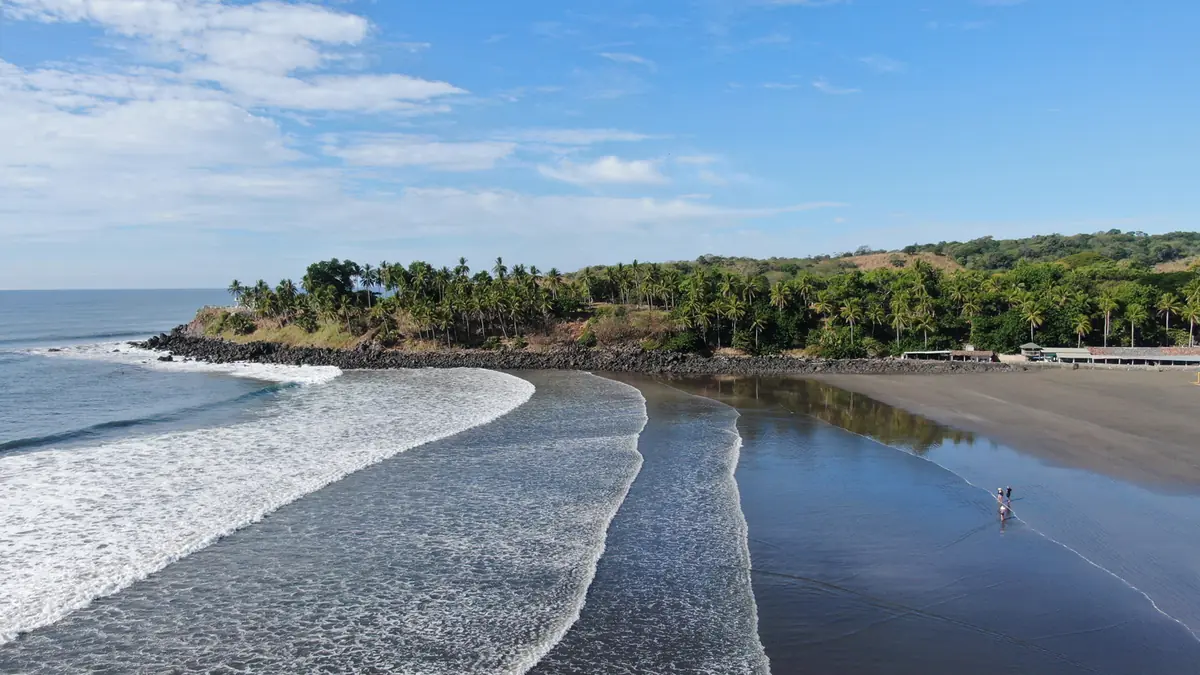
Playa Las Flores is a grey-sand surf beach in Chirilagua, San Miguel department, on El Salvador’s eastern coast, just west of the fishing town of El Cuco. It draws surfers for one of Central America’s best right-hand point breaks — and it has nothing to do with the inland Ruta de las Flores coffee route that search engines keep confusing it with.
Clear that up first, because it trips up almost everyone planning a trip. The Ruta de las Flores is a string of coffee towns in the western highlands, hours away. Playa Las Flores is a coastal point break in the east. Same two words, completely different places. If a guide starts talking about flower-lined mountain villages, it has the wrong subject.
The beach anchors the Oriente Salvaje World Surfing Reserve, the first such reserve in El Salvador and the 13th in the world. The reserve protects roughly 19 km (12 miles) of coastline holding a dozen-plus waves, with Las Flores and nearby Punta Mango as the headline breaks.
A few things to set expectations:
- Location: Chirilagua municipality, San Miguel department, eastern El Salvador
- Nearest town: El Cuco, about 3 km (1.9 miles) east
- Distance from the capital: roughly 106 miles (172 km) from San Salvador
- Sand: grey volcanic, not white — the color of the coastline here
- Setting: hotels sit on a clifftop above the sand, reached by a staircase of around 200 steps
Pro Tip: That clifftop staircase is no joke after a session. If you travel with anyone who has knee or mobility issues, ask your hotel which properties have beach-level access before you book — a few do, most don’t.
This is more working surf village than postcard. The water is good, the people are warm, and the wave is the reason to come. The town itself is rough around the edges, and that disappoints people who pictured a manicured beach resort. Go for the surf and the quiet, not the polish.
How Do You Get to Playa Las Flores From San Salvador?
From San Salvador International Airport (SAL), Playa Las Flores is a 2 to 2.5-hour drive east — about 106 miles (172 km) — along the coastal highway through San Miguel to El Cuco, then roughly 3 km (1.9 miles) west. Private transfers run about $120 to $150 one way. Chicken buses through San Miguel cost only a few dollars but eat up most of a day.
The roads on this run are some of the best in Central America, so this is a smooth highway drive, not a backroad ordeal. SAL is Avianca’s hub, with nonstop US flights landing from Houston, Miami, Los Angeles, New York (JFK), Washington (IAD), Atlanta, Orlando, San Francisco, Boston and Dallas.
A couple of details that save headaches:
- The El Delirio turnoff toward El Cuco is the landmark to watch for once you’re past San Miguel.
- Resort transfers from Las Flores typically run only between 6 a.m. and 6 p.m. — land late and you may be stuck overnighting near the airport.
- There is no ATM in El Cuco or at Las Flores, so pull out cash in San Miguel on the way through.
Private Shuttle vs Rental Car vs Chicken Bus
| Option | Cost (one way) | Time | Comfort | Board-friendly? |
|---|---|---|---|---|
| Private transfer / shuttle | ~$120–$150 | 2–2.5 hrs | High, door to door | Yes — arrange board space |
| Rental car | ~$40–$70/day plus gas | 2–2.5 hrs | High, full freedom | Yes, with roof racks or a wagon |
| Chicken bus (via San Miguel) | A few dollars total | Most of a day | Low, crowded, slow | Awkward — possible but rough with a board bag |
Pro Tip: The one place not to cut costs is the airport transfer. Even budget backpackers should pre-book that first leg — arriving after dark with boards and bags, then trying to sort local transport, is how a cheap trip turns stressful fast.
What Is the Surf Like at Las Flores, and Is It Good for Beginners?
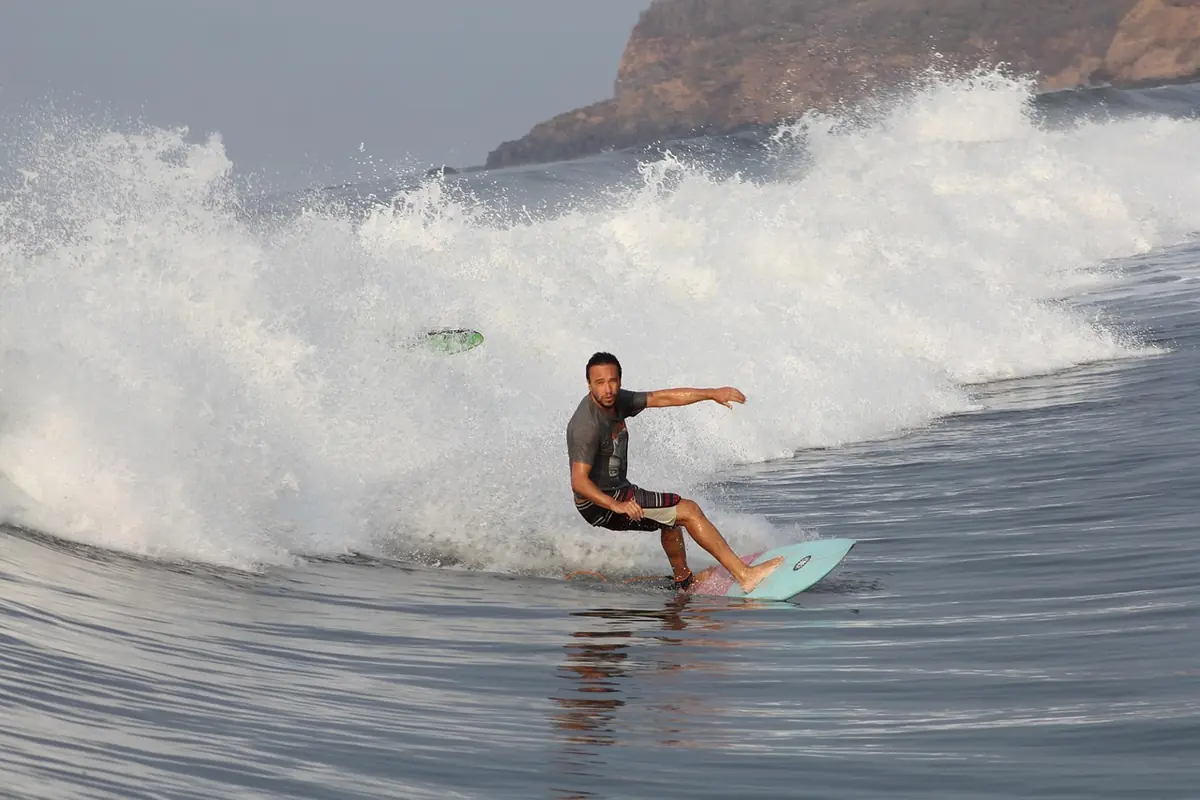
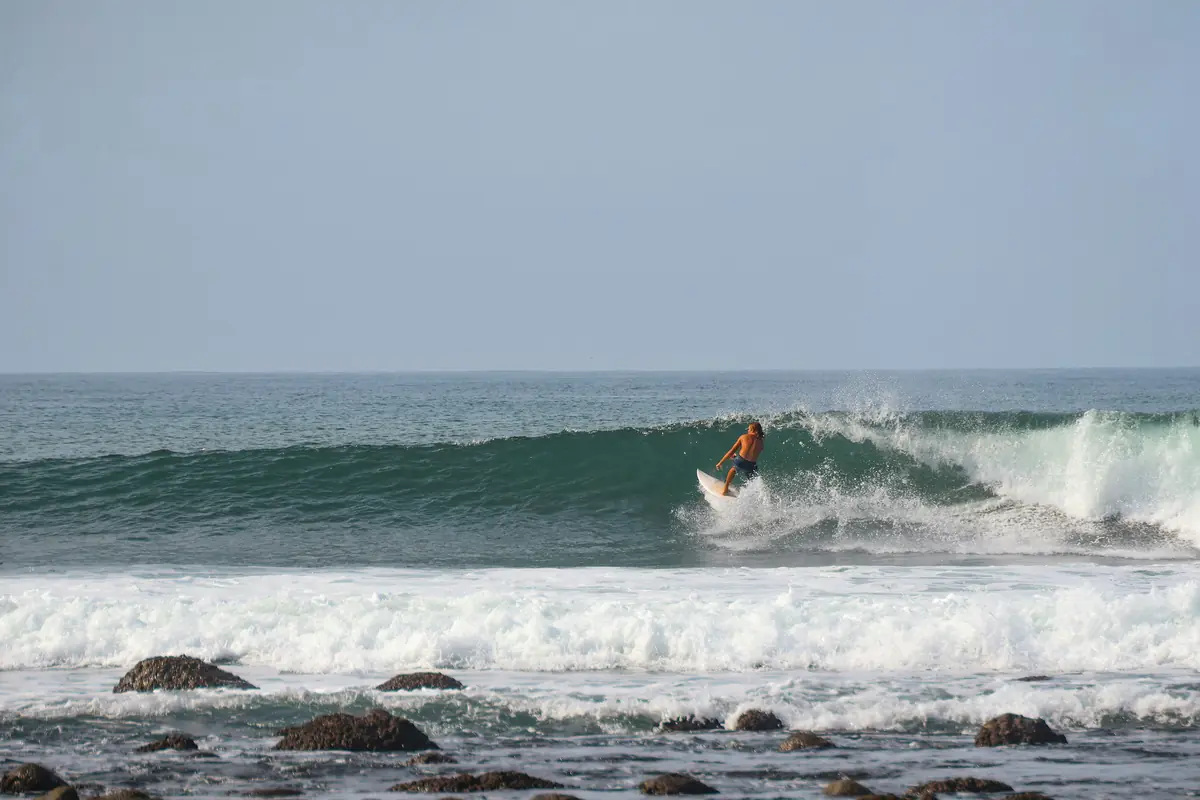
It depends entirely on the swell. Las Flores is a sand-bottom right-hand point break that wraps off a lava-rock point and runs up to 300 m (984 ft) into a cove, best on lower tides. On 3 to 5-foot swells with a higher tide, the long inside wall is forgiving enough for beginners and intermediates. On 6 to 8-foot-plus swells at low tide, it turns fast, hollow and current-heavy — for experienced surfers only.
That swell-by-swell split is the part most guides skip, and it’s why people argue about whether Las Flores suits beginners. Both camps are right, just about different days. The takeoff zone behind the rocks is the fast, tubular advanced section. The long inside wall is where learners can find their feet on a small day.
The wave works around 330 days a year, with quality surf well over 200 of them. The biggest, most consistent swells land May through September. The setup you want is a south to southwest swell meeting an offshore north wind.
A few honest notes from the water:
- On big low-tide days the paddle back out fights a strong outgoing current — your arms will feel like spaghetti, and some surfers pay for a panga (small boat) ride back up the point.
- Las Flores Surf Club caps surf passes at 20 per week to keep the lineup from getting crowded, which is a real perk if you stay there.
- Beginners who show up during a big May–September swell will have a frustrating, even unsafe, time. Book small-swell dates or warm up on the gentler El Cuco beach break first.
Pro Tip: Don’t trust the “anyone can learn here” framing some pages sell unconditionally. Las Flores can absolutely teach you to surf — on the right swell. On the wrong one it’s a workout for advanced surfers and a bad first lesson for everyone else.
Nearby Breaks: Punta Mango, La Vaca, El Toro and La Ventana
The reserve packs several waves into a short stretch of coast, so a few days here can mean a few different breaks.
- Punta Mango: a cobblestone point about 15 minutes west by boat, with rides up to 200 m (656 ft). Less tide-sensitive than Las Flores and often racier — experts-only, reached by panga.
- La Vaca (Punta Vaca), El Toro, La Ventana, Bongo: nearby breaks that spread the crowd out when the swell is up.
- Boat access is the norm for Punta Mango — arrange it through your hotel or a local captain rather than trying to paddle around.
What to Pack for the Lineup
- Booties: the low-tide exposes rock at the point, and bare feet pay for it.
- Reef-safe sunscreen: the sun here is direct and strong.
- No wetsuit: the water sits near 80°F (27°C) year-round, so boardshorts or a rash guard is all you need.
- A spare leash and fins: the nearest surf shop with real inventory is not close.
When Is the Best Time to Visit and Surf?
El Salvador’s prime surf window runs roughly March/April through October, when south Pacific swells push 6 to 12-foot (2 to 4 m) faces, peaking May through September. November through February brings smaller, cleaner waves better suited to beginners. Water stays near 80°F (27°C) all year, so you never need a wetsuit.
The seasons split cleanly by what you want out of the trip. Big-wave surfers chase the wet-season swells. Learners and families want the calmer dry-season months. One detail in the wet season’s favor: the rain mostly falls between about 1 and 5 p.m., which leaves glassy, surfable mornings and dramatic afternoon storms you can watch from a pool.
A few timing notes:
- Wet season (roughly May–October): biggest swells, warm rain in the afternoons, greener hills, fewer crowds outside holidays.
- Dry season (roughly November–April): sunniest skies, smallest and friendliest waves, best for beginners.
- Semana Santa (Holy Week) is the most crowded stretch with local vacationers — book well ahead or avoid it.
Month-by-Month Surf and Weather
| Period | Swell size | Crowd | Skill fit | Rain |
|---|---|---|---|---|
| Mar–Apr | Building, medium | Light | All levels | Mostly dry |
| May–Sep | Largest, most consistent | Moderate | Intermediate to advanced | Afternoon rain (~1–5 p.m.) |
| Oct | Tapering, still solid | Light | Intermediate | Easing rain |
| Nov–Feb | Smallest, cleanest | Lightest | Beginner-friendly | Driest |
Where to Stay Near Playa Las Flores
Lodging clusters right on the point and in nearby El Cuco, across every budget. At the top end, Las Flores Surf Club runs semi-inclusive rates around $230 to $315 per person per night (double occupancy). Mid-range options like Hotel Miraflores sit near $70 to $120 a night, with Vista Las Olas around $200-plus. Budget hostels and surf camps in El Cuco start near $15 to $50. Remember: no nearby ATM, so bring cash.
The trade-off is simple. Resorts on the point put you steps from the wave and the pool, but you pay for it. El Cuco lodging is far cheaper, with the catch that you’ll walk or bus to the break. For a non-surfing partner, the clifftop pools and sunsets are the real draw, so the splurge can be worth it if your trip leans that way.
Lodging by Traveler Type
| Property / area | Price tier | Best for | Walk to wave | Pool |
|---|---|---|---|---|
| Las Flores Surf Club | ~$230–$315 pp/night | Luxury surfers wanting it all on-site | On the point | Yes |
| Vista Las Olas | ~$200+/night | Couples, comfort seekers | Clifftop | Yes |
| Hotel Miraflores | ~$70–$120/night | Mid-range, good value | Clifftop (200-step descent) | Yes |
| El Cuco hostels / surf camps | ~$15–$50/night | Budget backpackers, solo travelers | Walk or short bus | Varies |
| La Tortuga Verde (El Cuco) | Budget–mid | Turtle lovers, laid-back stays | Beach in El Cuco | Yes |
Pro Tip: The biggest budget hack here is staying in an El Cuco hospedaje for around $15 to $25 a night and taking lessons from a local instructor for roughly $10 an hour, instead of buying a resort surf package. You lose the on-point convenience; you keep most of your money.
What Does Food and Daily Life Cost?
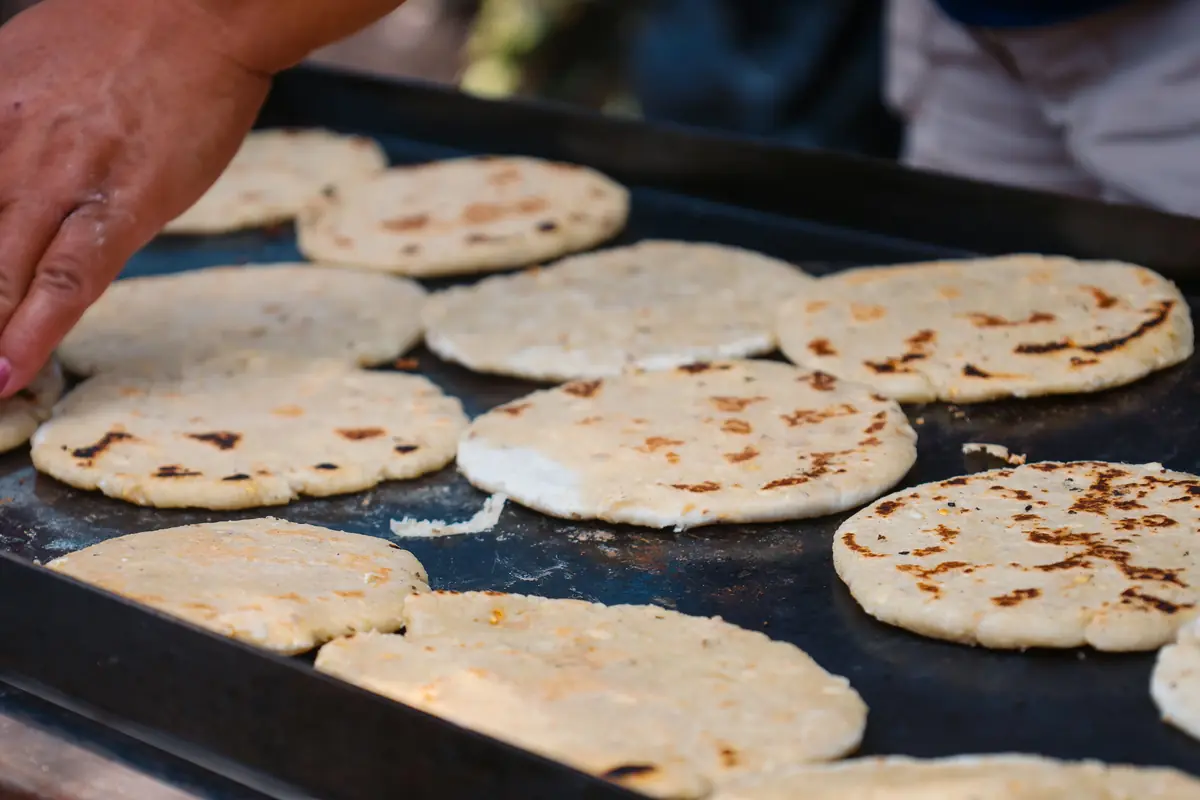
Playa Las Flores is cheap by US standards. Pupusas run about $0.50 to $1.50 each, a local beer around $1.50, a fresh-fish plate at a beachside comedor about $5, surf lessons roughly $10 to $35, and board rental about $10 to $15 a day. El Salvador uses the US dollar, so US travelers skip currency exchange entirely.
The money logistics matter more than the prices, because there’s no ATM in El Cuco or at Las Flores. Pull cash in San Miguel on the way in, and carry small bills:
- Pupusas: ~$0.50–$1.50 each (the national dish, eaten with curtido)
- Local beer: ~$1.50
- Fresh-fish plate at a comedor: ~$5
- Surf lesson: ~$10–$35
- Board rental: ~$10–$15/day
- Cash strategy: bring $1, $5 and $10 bills; making change for $50s and $100s is hard
- Bitcoin: legal tender and accepted at some businesses, but cash is still king
For the eating, two spots locals point you toward: Mama Cata grills the day’s catch right on the beach, and Adela’s near La Tortuga Verde does pupusas for around 50 cents that beat anything fancier.
Is El Salvador Safe to Visit?
Yes. The US Department of State rates El Salvador Level 1, “Exercise Normal Precautions” — its lowest advisory tier, the same level it gives Switzerland, Japan and Australia. Government figures put the homicide rate near 1.9 per 100,000, down from 53.1 a few years earlier, and tourist areas are heavily patrolled. Normal travel sense still applies.
That turnaround followed the State of Exception gang crackdown. The 1.9-per-100,000 figure comes from Salvadoran authorities and is relayed by the US Congressional Research Service, so treat it as a government-reported number rather than an independent count. For balance: human-rights groups have criticized the crackdown’s due-process record, and that criticism is part of an honest picture of how the safety gains happened.
What this means on the ground for a traveler:
- Don’t drive between cities at night — a standard precaution, not a Las Flores-specific one.
- Respect rip currents; there are no dedicated lifeguards at the beach.
- If you’re ever robbed, hand it over — don’t physically resist.
- The point and the surf zones feel calm and friendly; the bigger physical risks here are the ocean and the staircase, not crime.
This is the single biggest thing that has changed about visiting, and most older guides haven’t caught up. The country that carried a fearsome reputation now sits at the same advisory level as the safest destinations in the world.
What Else Is There to Do Beyond Surfing?
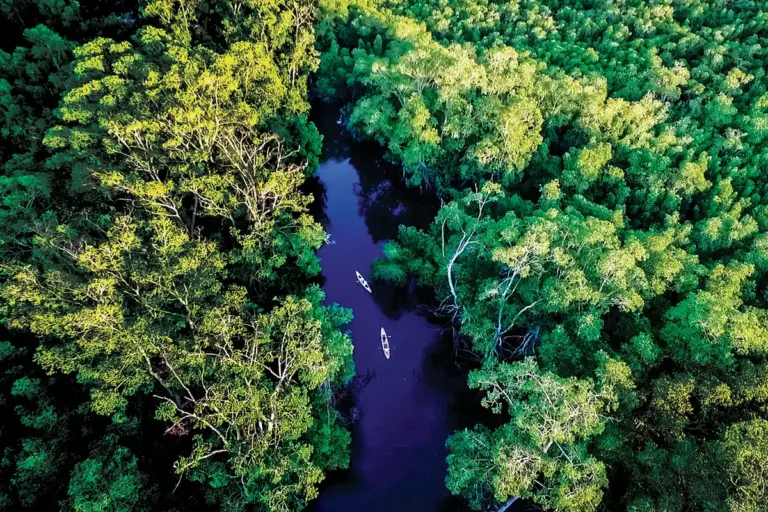
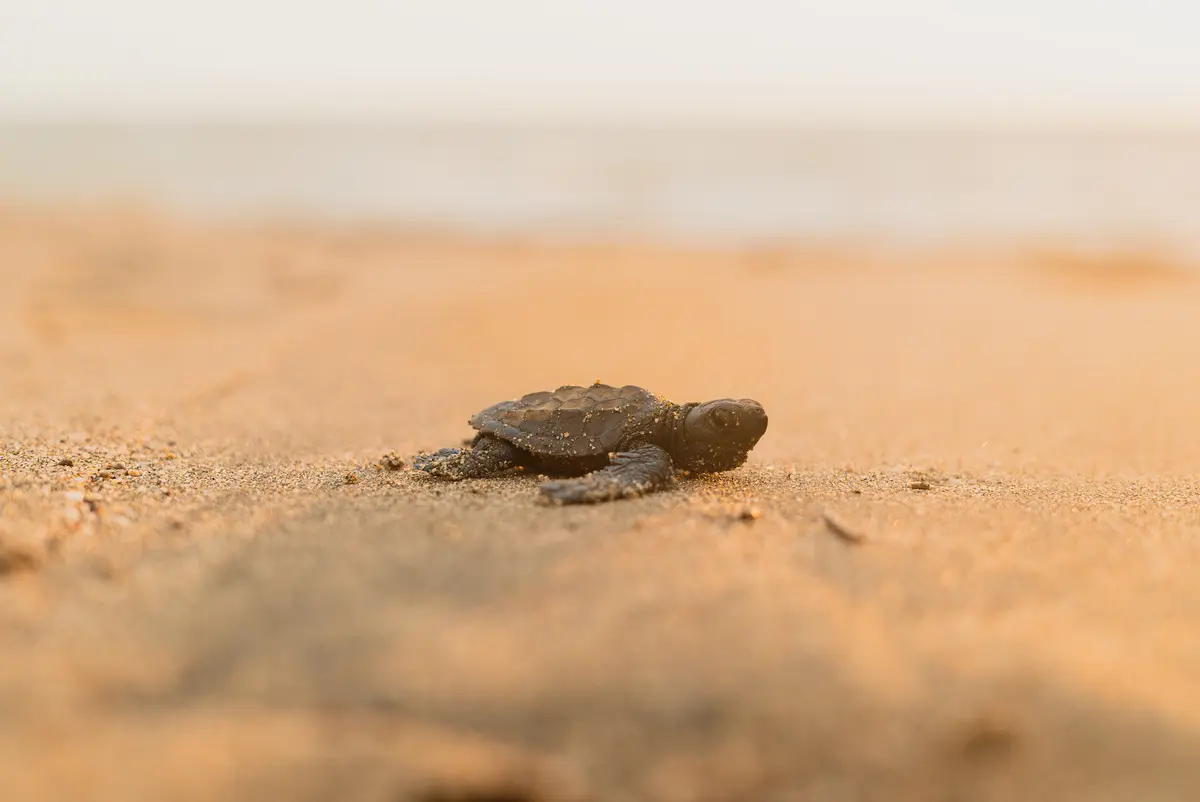
Non-surfers have a real trip here, not just a wait. You can watch the break from a clifftop infinity pool, walk the beach to El Cuco at low tide, take a boat to Punta Mango, fish or kayak the mangroves, catch a sea-turtle release at La Tortuga Verde, and day-trip to Conchagua Volcano or the city of San Miguel.
This is the section the surf-focused incumbents leave out, and it’s what makes or breaks a trip for a non-surfing partner. A few options worth the effort:
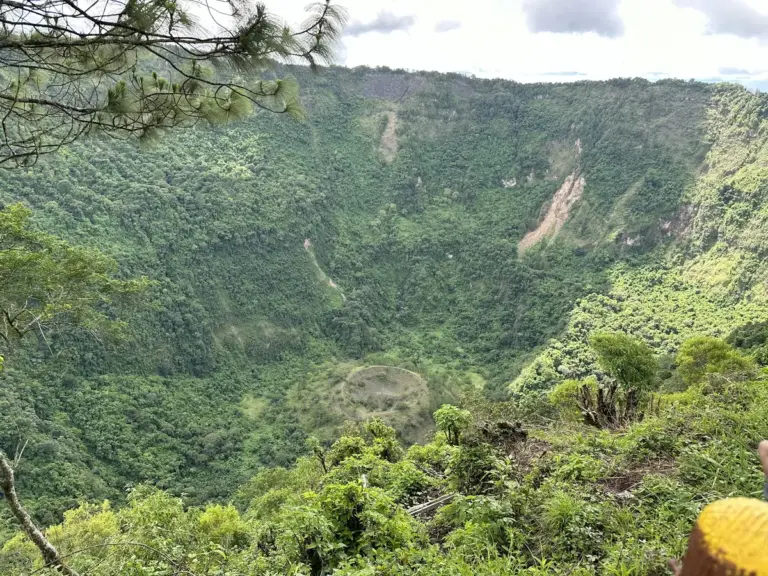
- Conchagua Volcano: a day trip with overnight camping options and a view over the Gulf of Fonseca, where three countries meet.
- La Tortuga Verde: the turtle sanctuary and lodge in El Cuco runs hatchling releases in season.
- Low-tide beach walk: the shoreline opens up between Las Flores and El Cuco when the water pulls back.
- Punta Mango boat trip: even non-surfers can ride along for the coastline and the coves.
- San Miguel: the nearest real city, good for an errand-and-market day if you want a break from the beach.
Entry Requirements for US Citizens
US citizens need no visa for stays up to 90 days. You buy a tourist card from immigration on arrival at the airport or seaport for a $12 fee, valid for 90 to 180 days. Your passport should have at least six months of validity. El Salvador is part of the CA-4 agreement with Guatemala, Honduras and Nicaragua, which affects how regional border days are counted.
The essentials in one place:
- Visa: none required for US citizens up to 90 days
- Tourist card: $12, paid on arrival
- Passport: valid for at least six months
- Regional note: CA-4 means time spent across Guatemala, Honduras, Nicaragua and El Salvador can count together toward the limit
Before You Book
Playa Las Flores is a long right point break with a split personality: a forgiving teacher on small swells and an experts-only wave on big ones, sitting beside an honest, unpolished surf village two and a half hours from the capital.
TL;DR: Go March–October for size and November–February to learn; budget $30 to $50 a day as a backpacker or $230-plus a night at the resort; bring cash because there’s no ATM; and don’t let the old reputation scare you — El Salvador now sits at the State Department’s lowest advisory level. The one rule everyone should follow is to pre-book the airport transfer and match your travel dates to your skill level.
So which version of this trip is yours — the dawn-patrol surf mission in peak season, or the calm-water learning trip with a partner by the pool? Tell me your dates and skill level and I’ll point you to the right swell window and lodging tier.