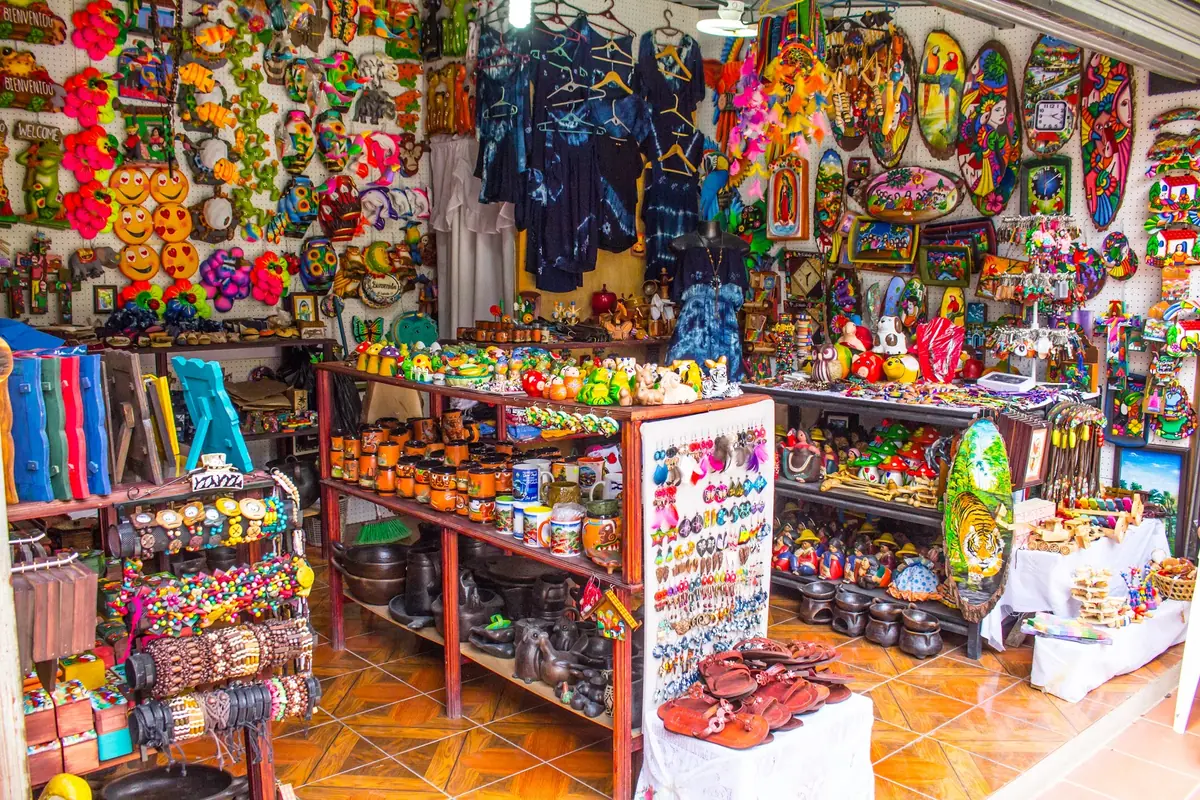
The best El Salvador souvenirs do not come from the airport. They come from seven small towns, each of which has spent generations perfecting one thing: La Palma paints naïf folk art on pine and copinol seeds; Ilobasco molds the tiny ceramic sorpresas that open to reveal a hidden scene; Guatajiagua fires ancestral black clay; San Sebastián weaves hammocks on pedal looms; Suchitoto dyes cotton with natural indigo; Nahuizalco bends wicker; and the volcanic highlands around Apaneca and Santa Ana grow some of the most sought-after coffee in Central America.
This guide is organized the way you actually shop: what the craft is, where to buy it from the people who make it, roughly what it costs, and how to get it home in one piece and through U.S. customs. Three things worth knowing up front. El Salvador uses the U.S. dollar, so there is no currency math and no exchange fees. The State Department currently rates the country Level 1, Exercise Normal Precautions, its safest tier. And Bitcoin is no longer the story it was a few years ago, which matters more than you would expect when deciding what to carry in your pocket.
The Best Souvenirs to Buy in El Salvador, at a Glance
Prices below are typical asking prices in the artisan towns themselves. They move with the size of the piece, the season, and how politely you negotiate, so treat them as a starting point rather than a quote. Expect to pay noticeably more for the same item in a San Salvador mall or at the airport.
| Souvenir | Where to buy it | Typical price | Getting it home |
|---|---|---|---|
| Naïf wood art, painted crosses, copinol-seed jewelry | La Palma, Chalatenango | $2–$40 | Easy. Pack flat |
| Ceramic sorpresas and miniatures | Ilobasco, Cabañas | $3–$25 | Carry-on. Wrap each piece |
| Black clay pottery (barro negro) | Guatajiagua, Morazán | $1.25–$25 | Carry-on only. Very fragile |
| Loom-woven hammocks, bedspreads, runners | San Sebastián, San Vicente | $10–$60 | Compresses flat. Checked bag |
| Indigo-dyed scarves, shirts, shawls | Suchitoto, Cuscatlán | $25–$80 | Roll it. Weighs nothing |
| Wicker and mimbre baskets, hats, lamps | Nahuizalco, Sonsonate | $5–$40 | Light but bulky |
| Single-origin roasted coffee | San Salvador, Santa Ana, Ruta de las Flores | $8–$15 per 8 oz | Unlimited, but declare it |
A Quick Note on Authenticity (and the Salvador, Brazil Mix-Up)
Before anything else, a correction that will save you from bad advice elsewhere on the internet. Several widely read souvenir listicles confuse El Salvador, the Central American country, with Salvador, the city in Bahia, Brazil. If you read a guide recommending that you bring home Bahian lace or a recipe for moqueca, you are reading about the wrong continent. Nothing on that list will be found in a Salvadoran market.
The second thing to know is that not everything sold in a craft market was made by hand, or made in El Salvador. Mass-produced imports fill tourist-facing stalls across Central America, and the tells are consistent: perfectly repeated brushwork, identical pieces stacked in quantity, screen-printed rather than painted detail, synthetic cord where cotton belongs, and a vendor who cannot name the town a piece came from. The fix is to buy in the artisan towns, where the person selling to you usually made it.
La Palma Folk Art and Fernando Llort’s Naïf Style
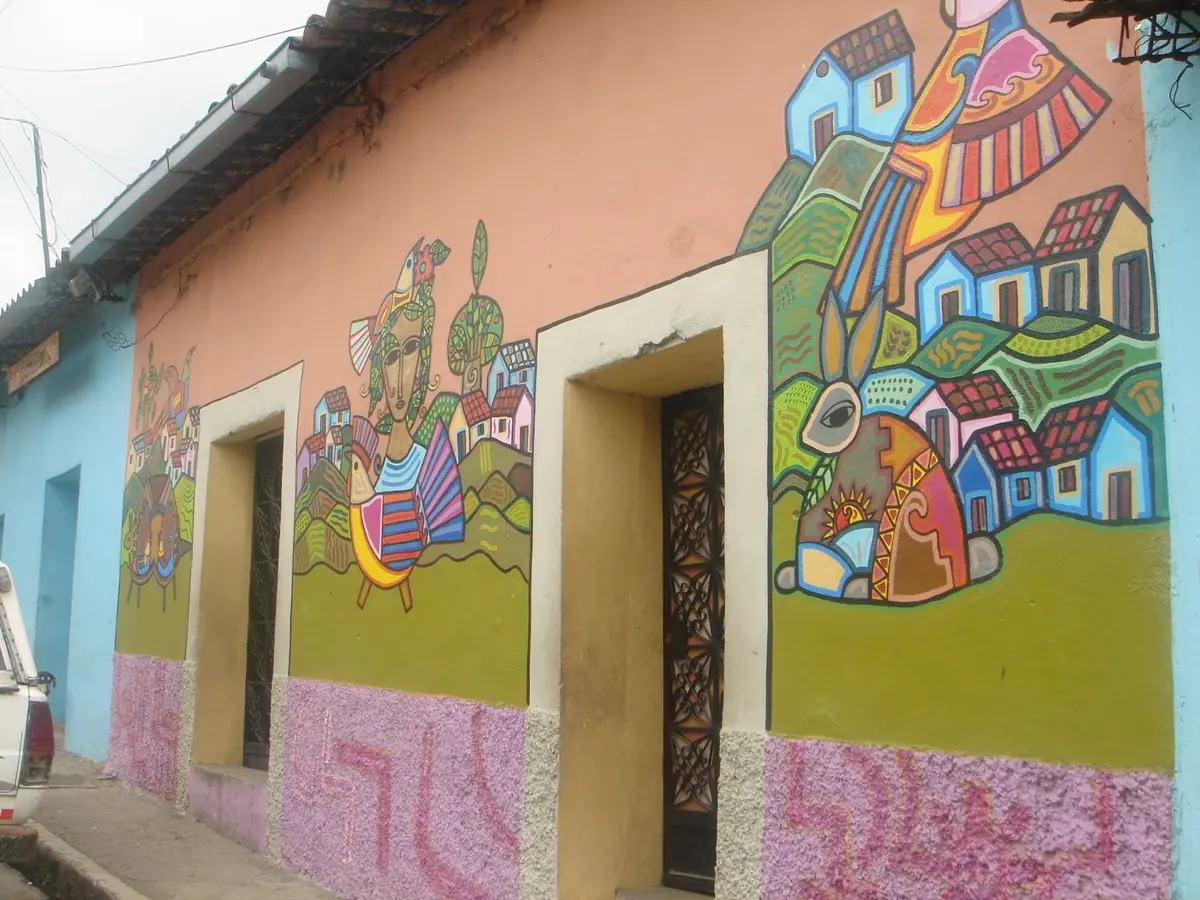
La Palma is the source of the visual style most Americans recognize as Salvadoran without knowing its name: flat, geometric, boldly colored scenes of villages, birds, flowers, and rural life, painted on pine wood, ceramic, and seeds. It exists because of one artist. In the early 1970s, the painter Fernando Llort moved to this mountain town in Chalatenango, about 50 miles north of San Salvador and a short drive from the Honduran border at El Poy. The origin story is charming and true: walking through town, Llort watched a child rubbing a copinol seed against the ground until the shell wore through to a white surface framed in brown. He saw a tiny framed painting, painted it, and founded a workshop called La Semilla de Dios, teaching the technique to local families. Llort also designed the vast tile mosaic that covered the façade of San Salvador’s Metropolitan Cathedral until its controversial removal, which set off a national argument about the place of folk art in sacred spaces.
Today the great majority of La Palma’s population works in some form of artesanía, and nearly every other building in town wears a mural.
What to buy: hand-painted crosses, small hinged boxes, Christmas ornaments, keychains, and copinol-seed pendants and necklaces. Painted seeds are the classic small gift and cost around $2 apiece, or roughly three for $5 at a workshop.
How to tell it is hand-painted: look at the outlines. Genuine palmeño work has slightly uneven lines, visible brush texture, and small variations between two pieces that are supposed to be identical. Printed reproductions are flawless and flat.
Worth doing: several workshops, including Taller Paty near the Casa de la Cultura, will let you paint your own seed or box over an hour or two. It costs a few dollars and produces the only souvenir on this list you can honestly say you made.
Ilobasco Ceramics and the Famous Sorpresas
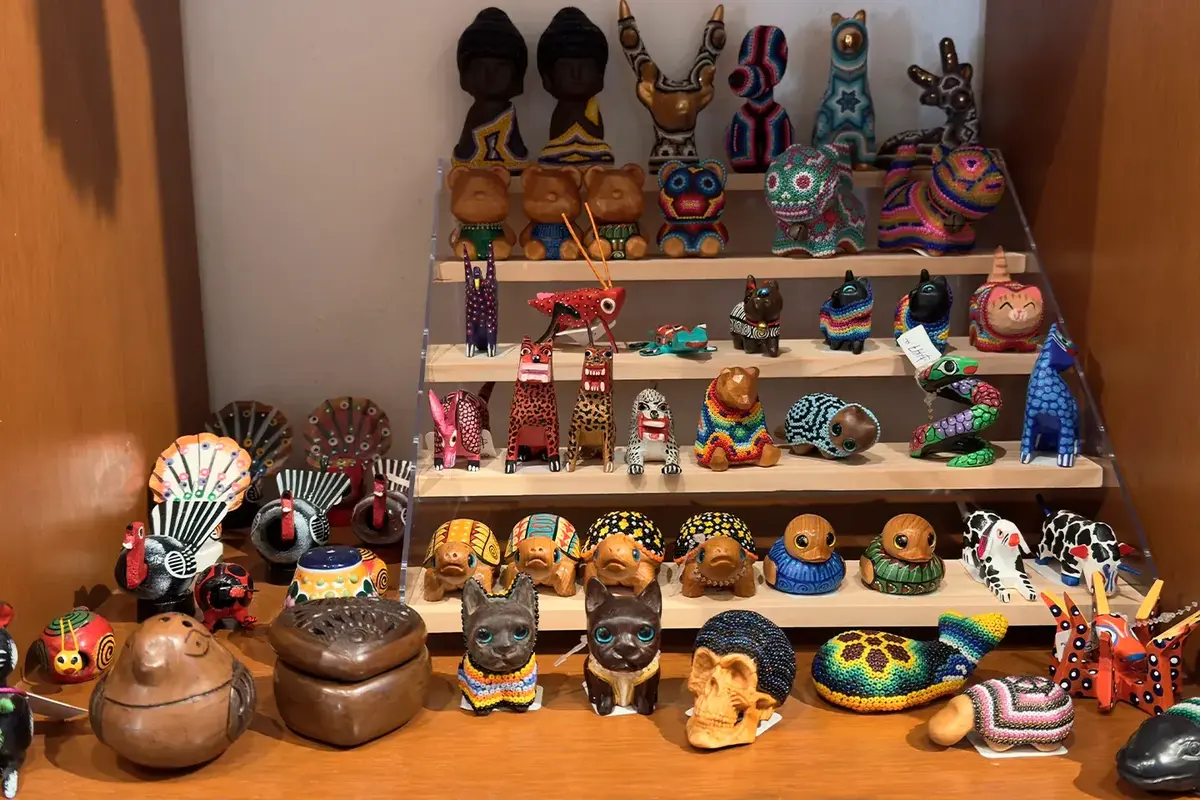
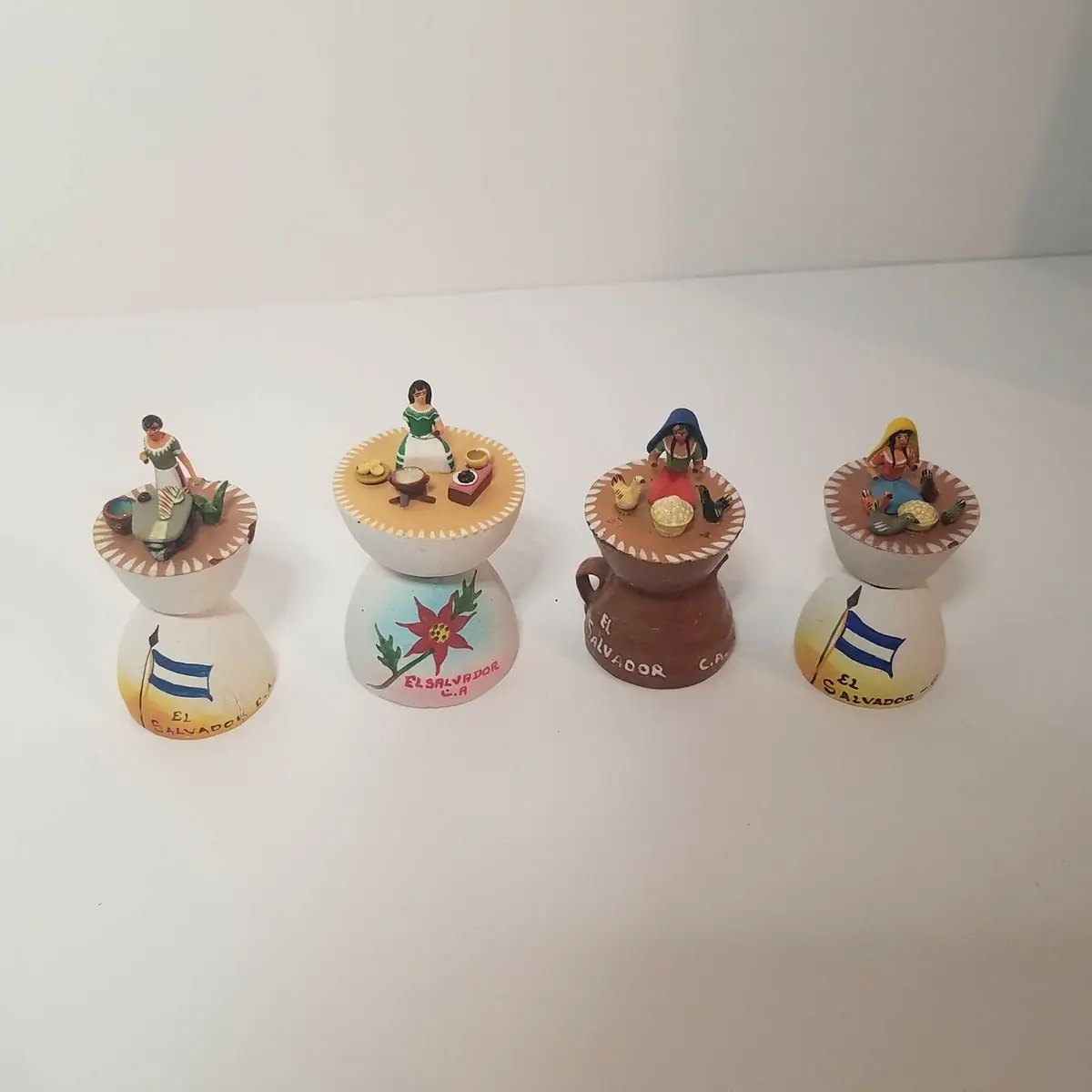
A sorpresa is a painted clay shell about the size of a walnut or an egg that lifts off to reveal a miniature scene of Salvadoran life underneath: a woman selling mangoes, a musician, a baker, a couple dancing. They are the most distinctive souvenir the country makes, they cost very little, and they pack into a carry-on with no trouble.
They come from Ilobasco, in Cabañas department, roughly 35 miles from San Salvador. The town sits on deposits of red clay and has been a pottery center for centuries, with techniques handed down through families since at least the 1700s. Alongside sorpresas, the workshops turn out human miniatures under two inches tall, nativity scenes that sell year-round, and small painted house façades. Ilobasco is also quietly known for sorpresas pícaras, mildly risqué versions kept under the counter and revealed with a grin; ask an older artisan and you will usually get a story.
What to buy: a set of three or four sorpresas showing different trades, a nativity, or a single finely detailed miniature. Prices start at a few dollars and climb with the level of detail.
Buying well: workshops are open to visitors, and the older established ones, including the Kiko school and workshop, will show you the full process from raw clay through firing to hand-painting. Some run short hands-on sessions where you shape your own piece.
Guatajiagua Black Clay (Barro Negro)
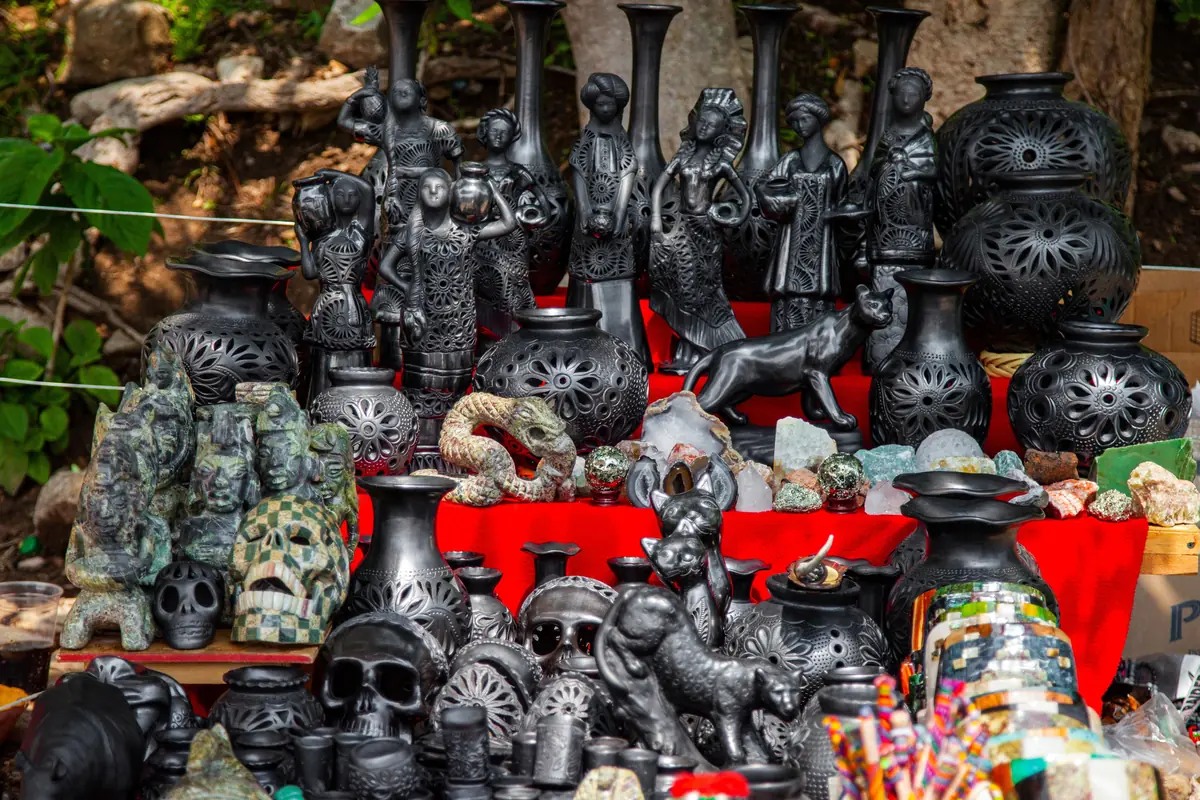
This is the piece almost no other souvenir guide mentions, and it is the one serious collectors go looking for. Guatajiagua, a Lenca town in Morazán department in the far east of the country, produces barro negro, black clay pottery made by a process found in only a couple of places in the Americas. The black is not glaze and not soot. It comes from a wash made by boiling the seeds of the nacascolo tree, which the pieces are bathed in before firing.
The work is done almost entirely by women. Local figures put the number of active artisans in the town at more than 300, roughly 99 percent of them women. They dig the clay from a nearby hillside, shape it by hand without a wheel, dry it in direct sun for a full day so it does not crack, and fire it in homemade kilns.
What to buy: comales (the flat griddles used for tortillas), small jars and pots, candle holders, and decorative pieces. Basic comales sell for as little as $1.25 to $3 depending on size, which is one of the best value-per-story ratios of anything you can buy in the country.
Two honest warnings. First, this pottery is fired at low temperatures and is genuinely fragile, more so than the Ilobasco work. It belongs in your carry-on, padded on all sides, and nowhere else. Second, Guatajiagua is a long way out. Figure on three to four hours of driving from San Salvador, which realistically means folding it into a trip to Perquín and the Morazán highlands rather than making it a day trip.
Why it is worth the detour: the craft is disappearing. Younger generations have little economic reason to learn it, and emigration has thinned the ranks. Buying directly from the women who make it is one of the few things that keeps it going.
San Sebastián Hammocks and Handwoven Textiles
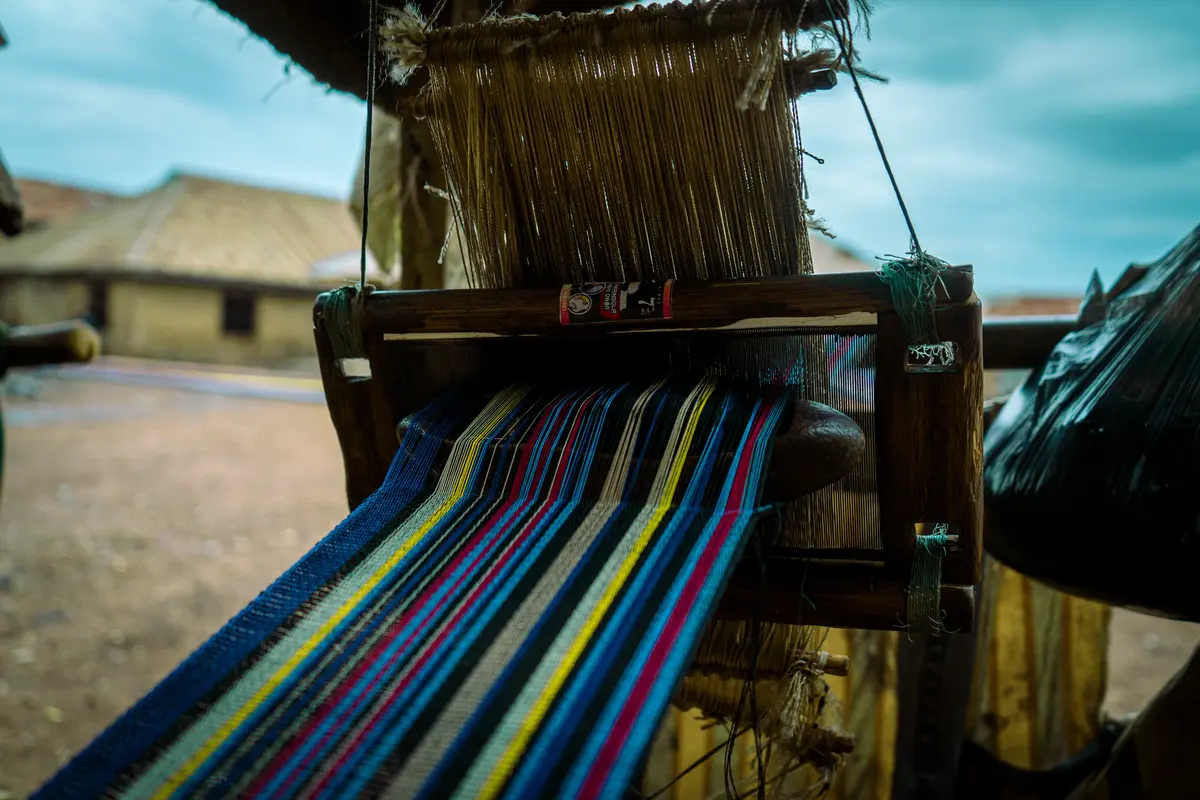
San Sebastián, in San Vicente department, calls itself the cradle of the hammock, and the claim holds up. The town weaves on telares de palanca, tall wooden pedal looms introduced in the colonial period, and the Ministry of Culture formally recognized the technique as a cultural asset in 2019. Walk the residential streets and you hear the looms before you see them, a steady wooden clacking coming out of open doorways.
What to buy: cotton hammocks first and foremost, but also bedspreads, tablecloths, table runners, curtains, and the striped cotton cloths used to keep tortillas warm.
Choose cotton over sedalina or nylon if the hammock is for actual use. Cotton breathes, holds its shape, and softens over time. Check the end gathers where the cords meet the ring, since that is where a cheap hammock fails first, and look for tight, even stitching across the body. Sizes are still quoted in varas, an old Spanish measure a bit under a yard, and run roughly three to five varas wide. Simple loom-woven hammocks have long started around $10 to $20 at the source, with larger, finer, double-width pieces climbing well beyond that.
Where to go: workshops throughout town welcome visitors, and the renovated Terminal Turística de San Sebastián, on Avenida Norte at Calle Minerva, gives you an organized look at the weaving process. Entry is $1 for Salvadoran visitors and $3 for foreign visitors, and it operates Wednesday through Sunday from 9 a.m. to 5 p.m. If your timing is flexible, the Feria de la Hamaca takes over the town in late August with live weaving demonstrations and an expo sale.
Packing note: a hammock is the most travel-friendly large souvenir in El Salvador. It compresses to about the size of a sweater and weighs a couple of pounds.
Suchitoto Indigo, El Salvador’s Blue Gold
For a few centuries, El Salvador was the largest producer of natural indigo in Latin America. The dye comes from Indigofera suffruticosa, known locally as xiquilite or jiquilite, and the country’s relationship with it goes back well over a thousand years. Synthetic dyes gutted the industry, and the civil war of 1980 to 1992 nearly finished off what remained of the knowledge. Its revival, centered on Suchitoto, is one of the better stories in Salvadoran craft, and it now supports a network of women’s cooperatives and small workshops.
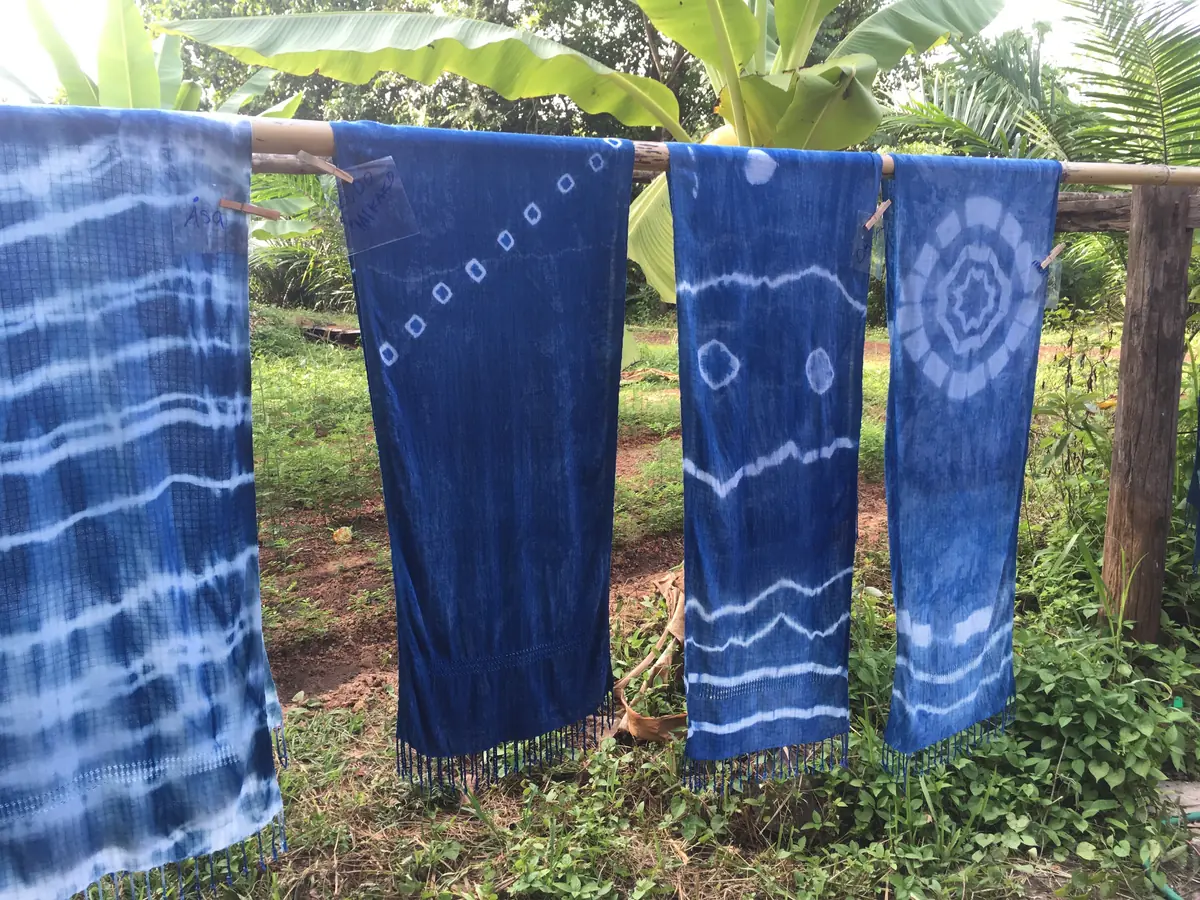
What to buy: hand-dyed cotton scarves and shawls (bufandas and chalinas), shirts, dresses, table linens, and wall hangings. The blue is deep and slightly uneven in a way that synthetic indigo never is, and it softens beautifully with washing.
Where to go: Arte Añil, run by Irma Guadrón and her family across from the Santa Lucía church, is the best-known shop and workshop combination in town, with a high-quality retail room and a dyeing studio in back. Several local women’s cooperatives also run sessions.
Do the workshop. This is the single best hands-on souvenir experience in the country. You choose a pattern, sew and tie the resist yourself, dip the fabric repeatedly, and watch it come out of the vat green before it oxidizes to blue in the air. Prices are straightforward: around $15 for a handkerchief or headband, about $25 for a full 100 percent cotton scarf, and roughly $30 for a wider shawl or a T-shirt. Allow about ninety minutes.
If you are in the country in late September, Suchitoto’s Festival del Añil brings workshops, exhibitions, and a fashion show built entirely around the dye.
Nahuizalco Wicker and Basketry
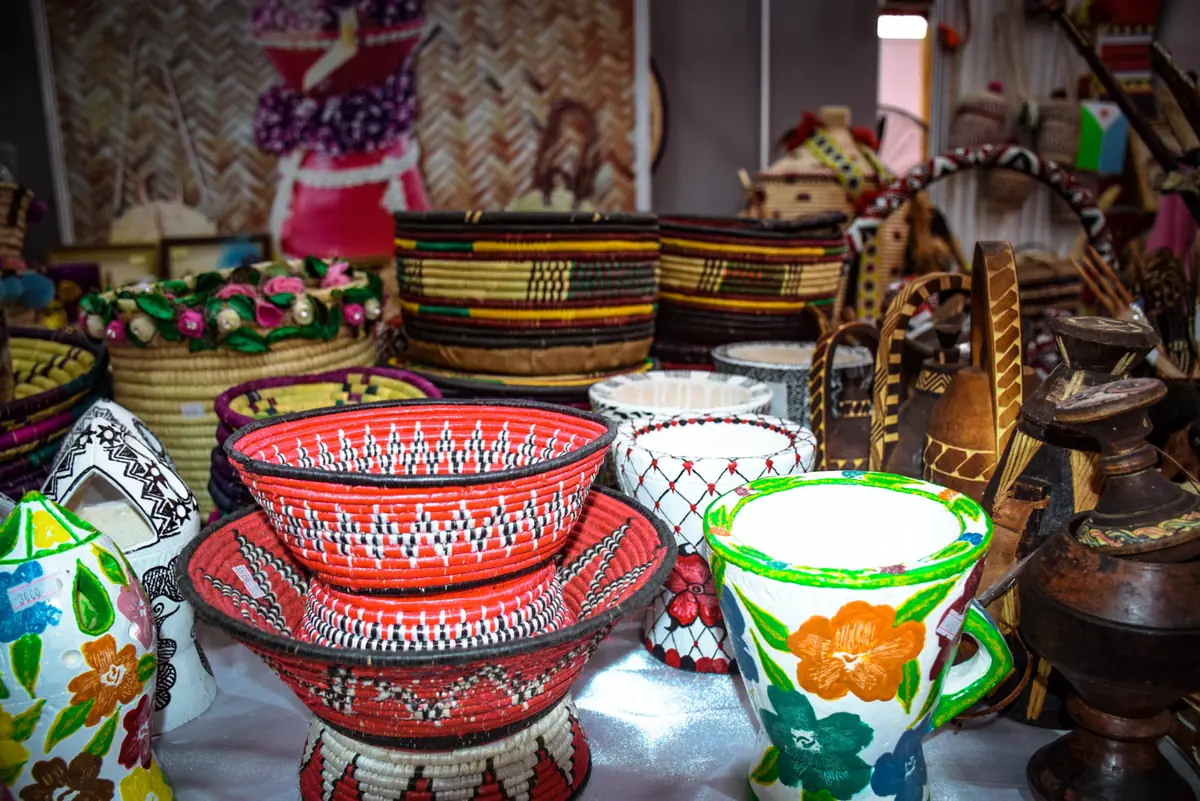
Nahuizalco sits on the Ruta de las Flores in Sonsonate department and has one of the strongest surviving Indigenous identities in El Salvador, with Nahuat still spoken by some elders. Its craft is mimbre, or wicker, along with tule and other reeds: baskets, hats, purses, lampshades, trays, and full-size furniture.
What to buy: nested baskets and market bags travel best and cost very little, woven hats are practical for the rest of your trip, and lampshades pack better than you would expect if you buy them unassembled.
Furniture is the tempting trap. It is beautifully made and absurdly cheap next to U.S. prices, and shops along the main road will arrange shipping, but read the shipping section below before you commit, because the math has changed.
Time your visit for the evening market and pair it with the weekend food festival in nearby Juayúa and the mural-covered streets of Concepción de Ataco.
Salvadoran Coffee, Starting With Pacamara
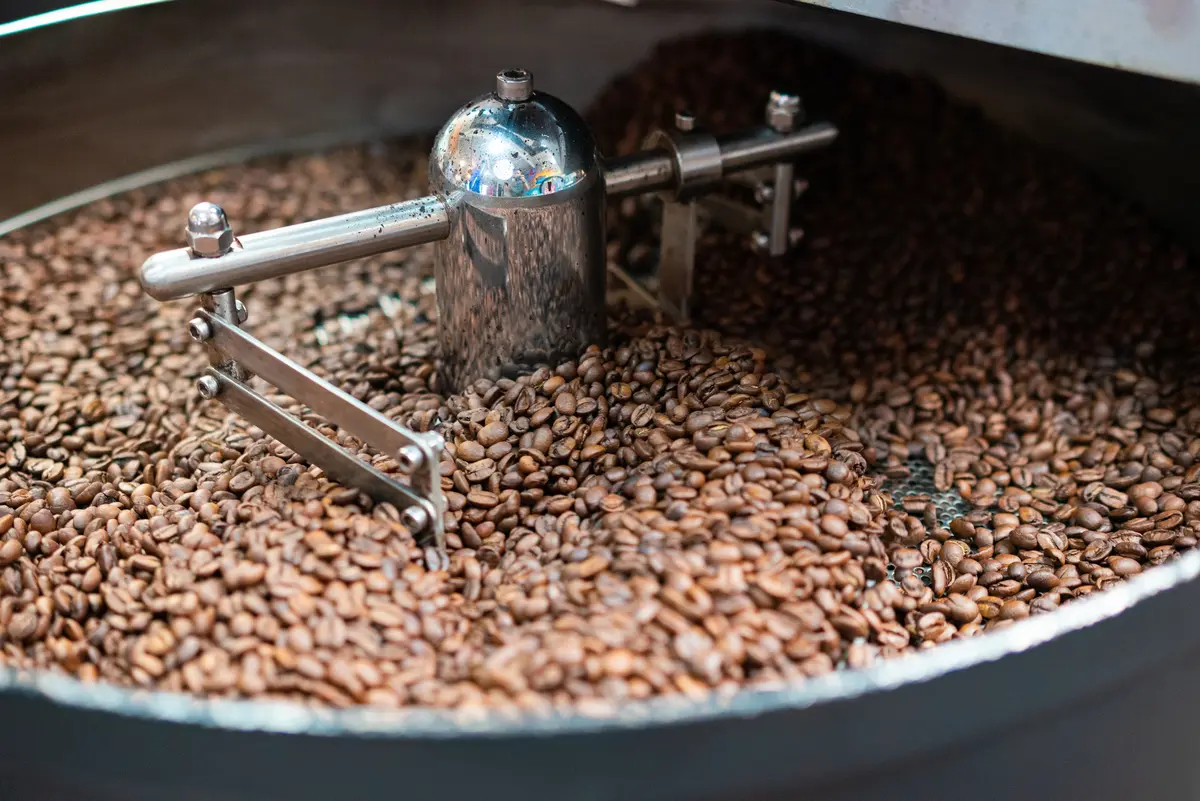
Coffee is the souvenir most likely to get requested by name once you are home, and El Salvador has an unusually good claim on your attention. Arabica grown on volcanic slopes, mostly in the Apaneca-Ilamatepec range in the west, produces a cup that is sweet, balanced, and much less aggressive than the bright African coffees that dominate American specialty menus.
Ask for Pacamara. It is El Salvador’s own variety, a cross between the Salvadoran Pacas and the oversized Maragogype developed here in the late 1950s, and it produces enormous beans and a distinctive cup with tropical fruit, stone fruit, and a syrupy body. Salvadoran Pacamara lots regularly top the country’s Cup of Excellence auction and sell internationally for serious money. Bourbon is the other variety worth seeking out.
Two phrases will get you what you want: pregunte por Pacamara, and tueste medio for a medium roast. Dark roasts are common in Salvadoran supermarkets and will flatten exactly the qualities you are paying for.
Where to buy: specialty roasters and cafés rather than souvenir shops. Viva Espresso has locations around San Salvador including Colonia San Benito, Escalón, and Merliot, and the café scene along the Ruta de las Flores and in Santa Ana sells beans roasted within a few miles of where they grew. Expect roughly $8 to $15 for an 8-ounce bag of a good single-origin lot, which is a fraction of what the same coffee costs in a U.S. specialty shop.
Buy it roasted, and buy whole bean. Roasted coffee sails through U.S. customs, whereas green beans and whole coffee cherries come with restrictions covered further down.
Edible and Drinkable Souvenirs
Beyond coffee, the pantry aisle of Salvadoran gift-buying is deeper than most travelers realize.
Chocolate and cacao. Small-batch Salvadoran chocolate makers, including Cacaoterra in San Salvador, produce bars flavored with coffee, tamarind, chili, and local fruit. Light, cheap, and they give well.
Sweets and preserves. Dulces típicos are sold loose at markets and bus terminals: dulce de coco, tamarind candy, and candied fruit. Marañón, the cashew fruit, turns up as juice and jam, and jocote or nance preserves are worth a jar. Buy anything loose in sealed packaging if it is going in a suitcase.
Loroco. This edible flower bud is a genuinely Salvadoran flavor with no real American equivalent. Jarred in brine, it survives the trip and turns a batch of home pupusas from an approximation into the real thing. Add a local chile sauce while you are at it; Salvadoran salsas are more vinegary and less smoky than Mexican ones.
Pupusa kit. Buy a clay or metal comal and a wooden tortilla press together. It is the most useful souvenir on this page and costs less than a restaurant meal at home.
Liquor. Sugarcane spirits and local rums pack well, but only in checked luggage, since TSA’s liquid rules keep anything over 3.4 ounces out of the cabin.
Surf Gear, Bitcoin Merch, and Modern Souvenirs
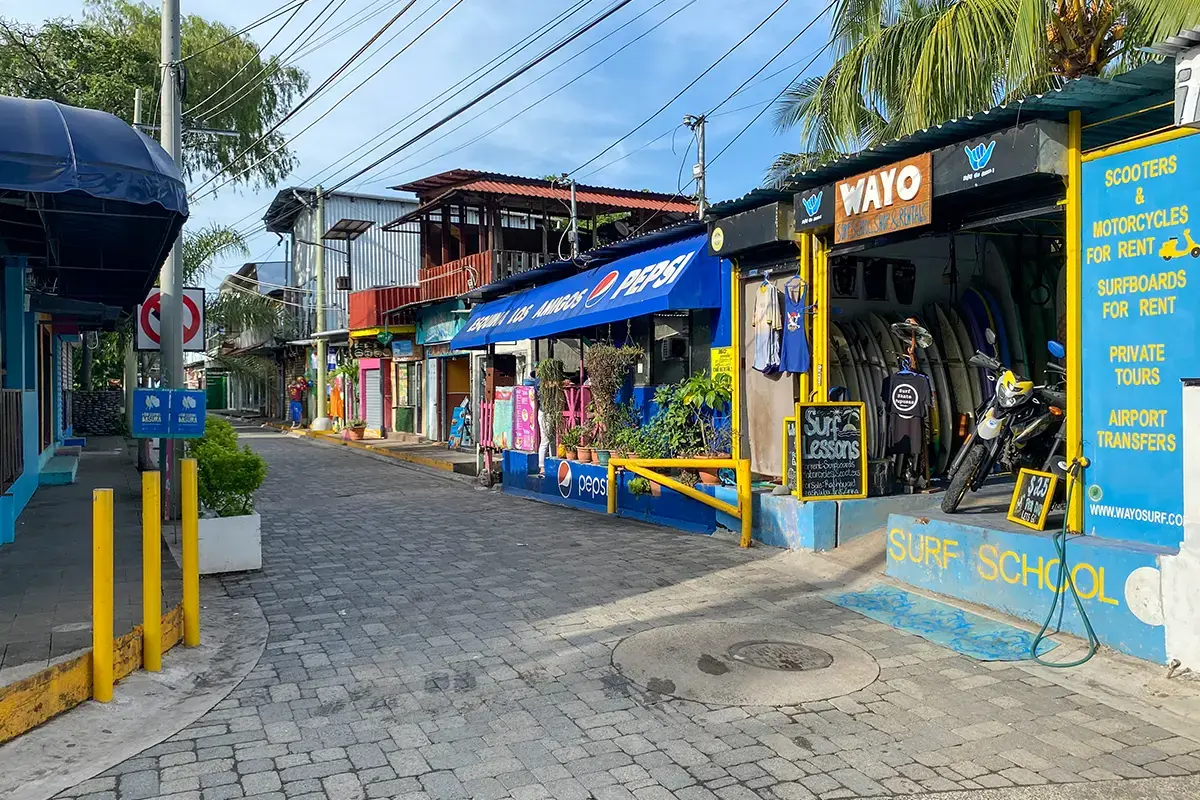
El Tunco, El Zonte, and the rest of the La Libertad coast run on surfing, and the shops there sell boards, board bags, rash guards, and locally designed tees that are genuinely better souvenirs than anything with a generic country name printed across the front.
El Zonte is also Bitcoin Beach, and this is where guidebooks published a few years ago will steer you wrong. In January 2025, El Salvador’s Legislative Assembly amended the Bitcoin Law by a 55 to 2 vote, a condition of a $1.4 billion Extended Fund Facility agreed with the IMF. Businesses are no longer required to accept Bitcoin, it can no longer be used to pay taxes, and the government wound down the state-backed Chivo wallet. Acceptance is now entirely voluntary and, in practice, rare outside a handful of coastal businesses.
None of which makes Bitcoin merch a bad souvenir. The murals, the crypto-surf culture, and the T-shirts are all still there. Just buy them as an artifact of a specific moment, not as a guide to paying for lunch. Bring dollars. You will also find keychains and shirts featuring President Nayib Bukele in most markets, which are their own kind of contemporary souvenir.
Where to Shop: Markets, Craft Towns, and the Airport
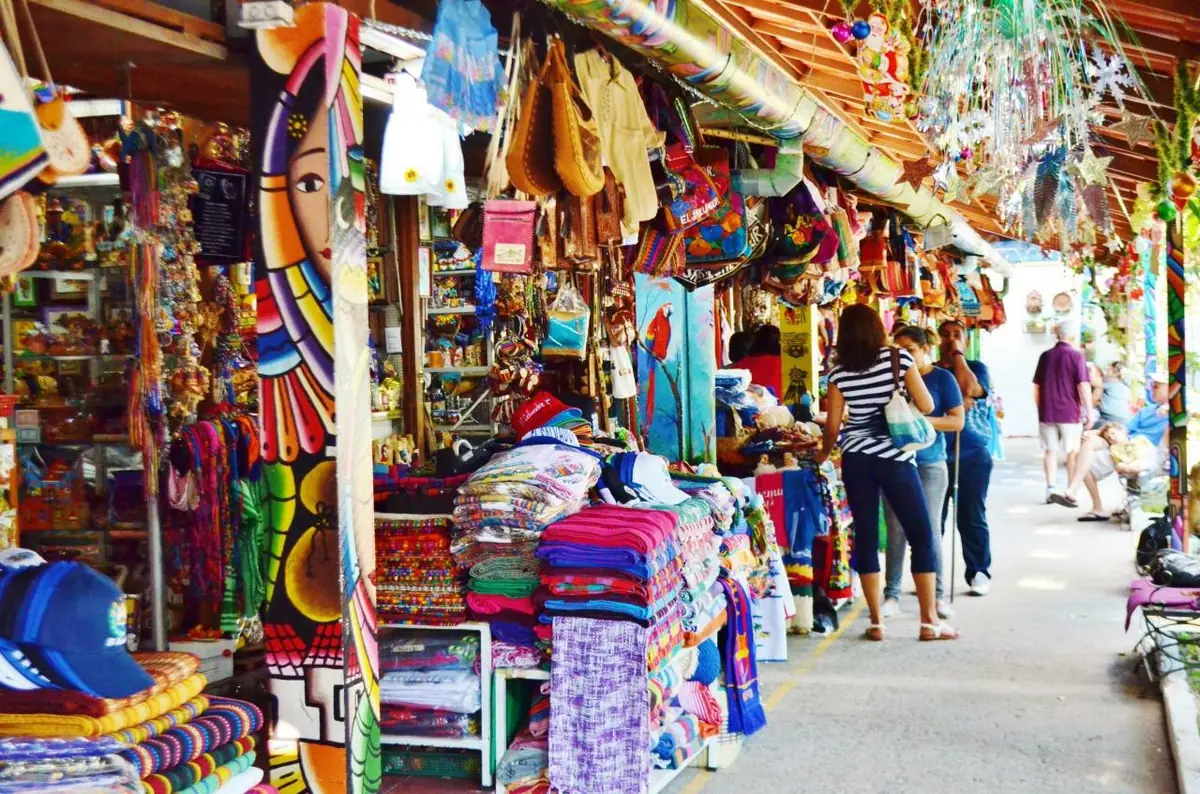
Mercado Nacional de Artesanías, San Salvador. The country’s best single handicraft market, in the San Benito district on Avenida La Revolución near the Divino Salvador del Mundo monument. More than 30 stalls gather work from all 14 departments under one roof, generally open daily from about 9 a.m. to 5 p.m. Quality is high, prices are fair by capital standards, and some vendors will negotiate. The entrance is easy to miss and free parking fills up on weekends, so arrive early. This is the right choice if you have one afternoon and want everything in one place.
Mercado Ex-Cuartel, Centro Histórico. The old barracks market downtown, with aisles of embroidery, wood carving, hammocks, and indigo. Rougher around the edges than the Mercado Nacional and better for browsing than for guaranteed quality, but cheaper. Downtown San Salvador has been substantially rehabilitated in recent years and the area now sees regular tourist traffic. Bring cash.
Mercado Central. Chaotic, loud, and aimed at locals. Great for food, sweets, and household goods like comales; not the place for fine craft.
Ruta de las Flores. The craft-and-coffee corridor west of the capital, running through Nahuizalco, Salcoatitán, Juayúa, Apaneca, and Concepción de Ataco. In Ataco, Diconte Axul is a five-room shop with looms working on site and a café attached, and one of the most enjoyable places to shop in the country.
Craft towns direct. La Palma, Ilobasco, San Sebastián, Suchitoto, Nahuizalco, and Guatajiagua, as covered above, plus Panchimalco south of the capital for Indigenous textile traditions. You will pay the least, get the widest selection, and meet the maker.
Malls. Multiplaza, La Gran Vía, and Metrocentro carry Salvadoran design brands at fixed prices, with air conditioning and card terminals. Convenient, not cheap.
The airport. Aeropuerto Internacional de El Salvador San Óscar Arnulfo Romero has craft shops and duty-free, and the consistent traveler verdict is that selection is thin and prices are marked up substantially over the towns. Treat it as a backup for coffee and chocolate if you ran out of time, not as your shopping plan.
What U.S. Travelers Need to Know
Money, cards, and cash
El Salvador has used the U.S. dollar as its official currency since 2001, so your bills and cards work without conversion. Cards are widely accepted in San Salvador restaurants, hotels, malls, and specialty cafés, but markets and artisan workshops are overwhelmingly cash. Bring a stack of ones, fives, and tens, because a vendor selling you a $3 comal will not have change for a fifty. ATMs are common in cities but can be out of service and charge steep fees, so withdraw larger amounts less often.
Bargaining without being rude
Polite negotiation is expected in markets and normal in artisan workshops for multiple items. It is not expected in malls, specialty cafés, or shops with printed price tags. A reasonable opening is 10 to 20 percent below the asking price, and the goal is a friendly landing somewhere in the middle, not a victory. Useful phrases: ¿Cuánto cuesta? (how much), ¿Me hace un descuento? (can you give me a discount), ¿Es hecho a mano? (is it handmade), and Le doy diez (I’ll give you ten).
One judgment call worth making consciously: when you are standing in front of a woman who spent two days hand-building and firing a piece of black clay pottery she is selling for three dollars, the right move is to buy two and skip the haggling.
Packing fragile ceramics
Black clay and sorpresas go in your carry-on. Not the checked bag, not with a Fragile sticker, which creates no airline liability and mostly just advertises what is inside. Wrap each piece individually in clothing or bubble wrap, nest them in the center of the bag with at least two inches of soft padding on every side, including top and bottom, and shake the bag gently before you close it. If anything rattles, repack it. Liquids over 3.4 ounces, including liquor and jarred loroco, must go in checked luggage under TSA’s rules.
Shipping souvenirs home, and why you should think twice
This is where the advice in older articles is now actively out of date. The $800 de minimis exemption, which used to let low-value packages enter the United States duty-free, was suspended for all countries at the end of August 2025, and CBP has since moved that suspension into permanent regulation. In practical terms, a box you mail to yourself from El Salvador can now arrive with a duty bill and formal entry requirements attached, where it once would have sailed through.
Your accompanied-baggage exemption is a separate rule and is unaffected. The clear takeaway: carry it with you if you possibly can.
If you must ship, your options are DHL Express and FedEx (fast, tracked, reliable, and the most expensive), or EMS through Correos de El Salvador, which is cheapest and typically takes five to fifteen days with USPS handling the final mile in the States. Bulky, light items like hammocks and wicker get priced on dimensional weight rather than actual weight, which can double a quote. For furniture, shops in Nahuizalco can arrange consolidated freight, but budget six to eight weeks and get the landed cost, including duties, in writing before you pay. Always get a live quote at the counter rather than relying on a published rate table.
U.S. customs: what you can bring back
Declare everything. That is the single most important rule, and the one that costs travelers the most when ignored. As long as you declare agricultural products on CBP Form 6059B, you face no penalty even if an inspector decides an item cannot enter. Fail to declare and you risk fines that run into the thousands.
Your personal exemption. Returning U.S. residents get an $800 duty-free exemption on goods carried with them, provided you have been outside the country at least 48 hours and have not used the exemption in the previous 30 days. Family members traveling together can pool their exemptions on a joint declaration, so a family of four has $3,200 to work with. The next $1,000 above the exemption is charged a flat 3 percent.
Coffee. Roasted coffee, whole bean or ground, may be brought in unlimited quantities through any U.S. port of entry, and must be declared. Green, unroasted beans are permitted in unlimited quantities through continental U.S. ports but are prohibited from entering or transiting Hawaii and Puerto Rico. Whole coffee cherries, the unprocessed fruit with the pulp still on, are prohibited at every U.S. port because of the fruit-fly risk. Coffee seeds and plant parts intended for planting are prohibited into Hawaii and Puerto Rico.
Alcohol. One liter per traveler aged 21 or over comes in duty-free as part of your $800 exemption. CBP allows a second liter duty-free from eligible Caribbean Basin beneficiary countries when at least one bottle is a product of the region, but confirm current terms on CBP’s Types of Exemptions page rather than assuming. Anything over your allowance is dutiable and subject to federal excise tax even if your total stays under $800, and individual states can impose their own limits.
Wood, seeds, and shells. Declare wooden items, since wood-boring pests are a live concern for CBP agricultural specialists. Seeds and plant material for planting are restricted. Avoid anything made from coral, sea turtle, or wildlife products entirely, as these fall under CITES restrictions and will be seized.
Rules change. Verify current requirements on cbp.gov and aphis.usda.gov shortly before you fly.
Safety, briefly
El Salvador currently sits at Level 1, Exercise Normal Precautions, the State Department’s safest rating, following a steep decline in gang activity and homicides. Craft markets and artisan towns are safe to visit by every practical measure, and normal urban precautions apply.
For an honest picture, two caveats belong alongside that. The State of Exception declared in March 2022 remains in force, tens of thousands of people are detained under it awaiting trial, and the State Department’s own advisory notes that U.S. citizens have been among them. Australia and Canada still advise travelers to exercise a high degree of caution. Check travel.state.gov before your trip.
A realistic budget
You do not need much. A couple of painted seeds, three sorpresas, a black clay comal, an indigo scarf, a cotton hammock, and two bags of single-origin coffee will run roughly $120 to $180 bought in the towns, and will cover most of a gift list. The most expensive way to shop in El Salvador is to leave it all until the airport.
How to Spot the Real Thing: A Buyer’s Checklist
Run through this before you hand over cash for anything sold as handmade.
- Are the lines slightly irregular? Hand-painted work varies; printed work does not.
- Can the seller name the town it came from, and the maker?
- Are two supposedly identical pieces actually identical? If yes, be suspicious.
- Is the material right? Copinol seed and pine in La Palma, red clay in Ilobasco, nacascolo-washed black clay in Guatajiagua, cotton in San Sebastián, natural indigo in Suchitoto.
- Does the indigo blue vary subtly across the fabric? Natural dye does. Synthetic dye is uniform.
- Is the hammock cotton, with tight even stitching and clean end gathers?
- Ask directly: ¿Es hecho a mano? ¿De dónde viene? A maker answers instantly and usually at length.
- Buying from the person who made it removes almost all of this uncertainty.
One Last Piece of Advice
El Salvador is small. San Salvador to La Palma is a couple of hours, Suchitoto is closer, the Ruta de las Flores is an easy day out, and San Sebastián and Ilobasco fit into a single loop east of the capital. With a rental car and three days, you can buy nearly everything on this page directly from the people who made it, for less than one afternoon at the airport would cost you, and come home with pieces that have a town and a name attached rather than a barcode.