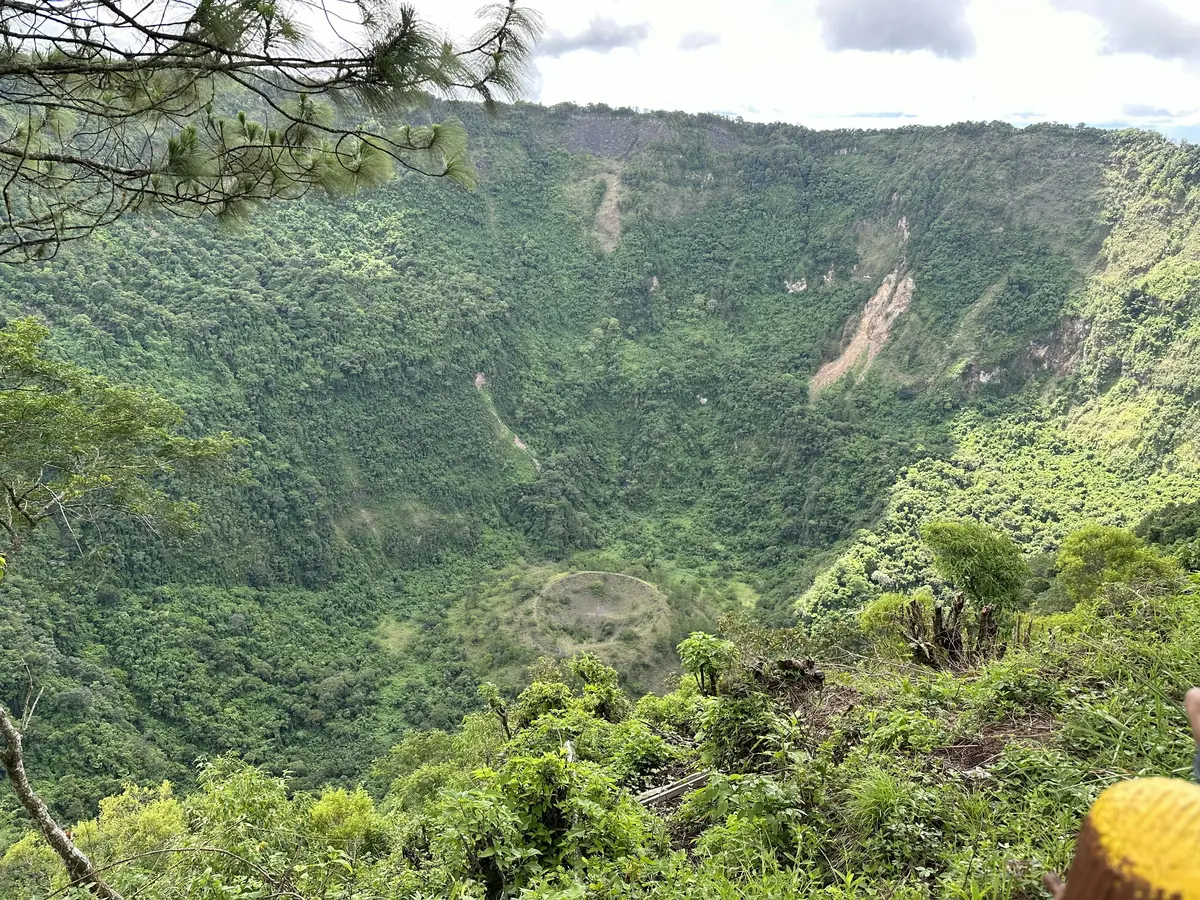
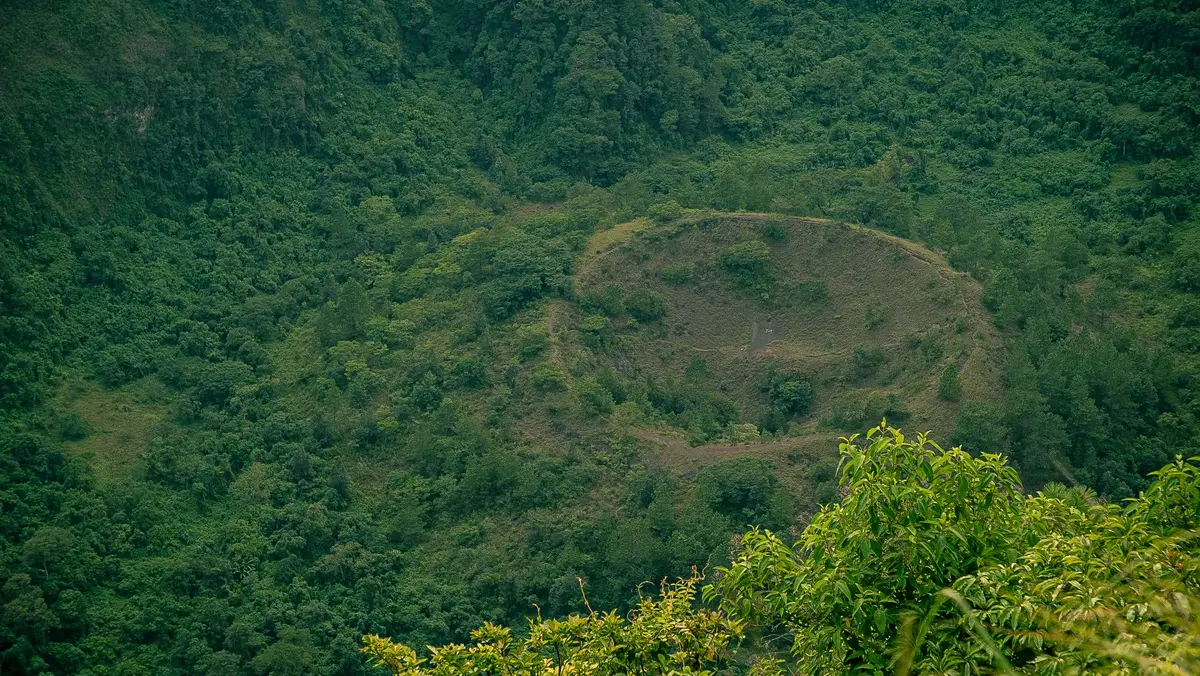
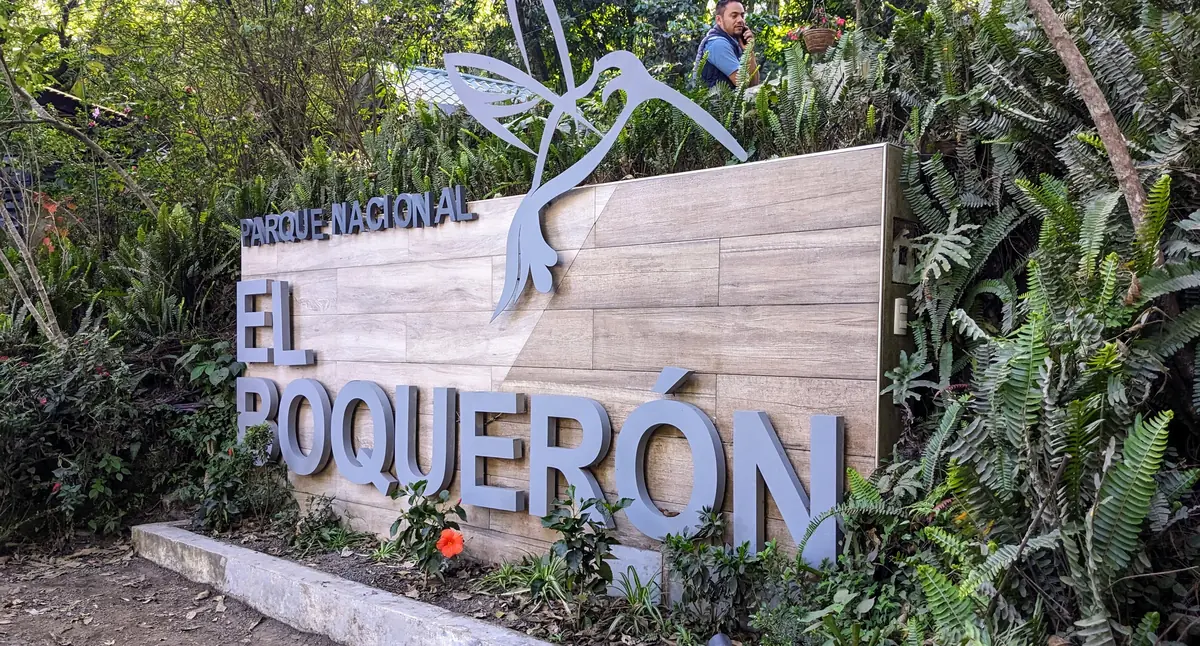
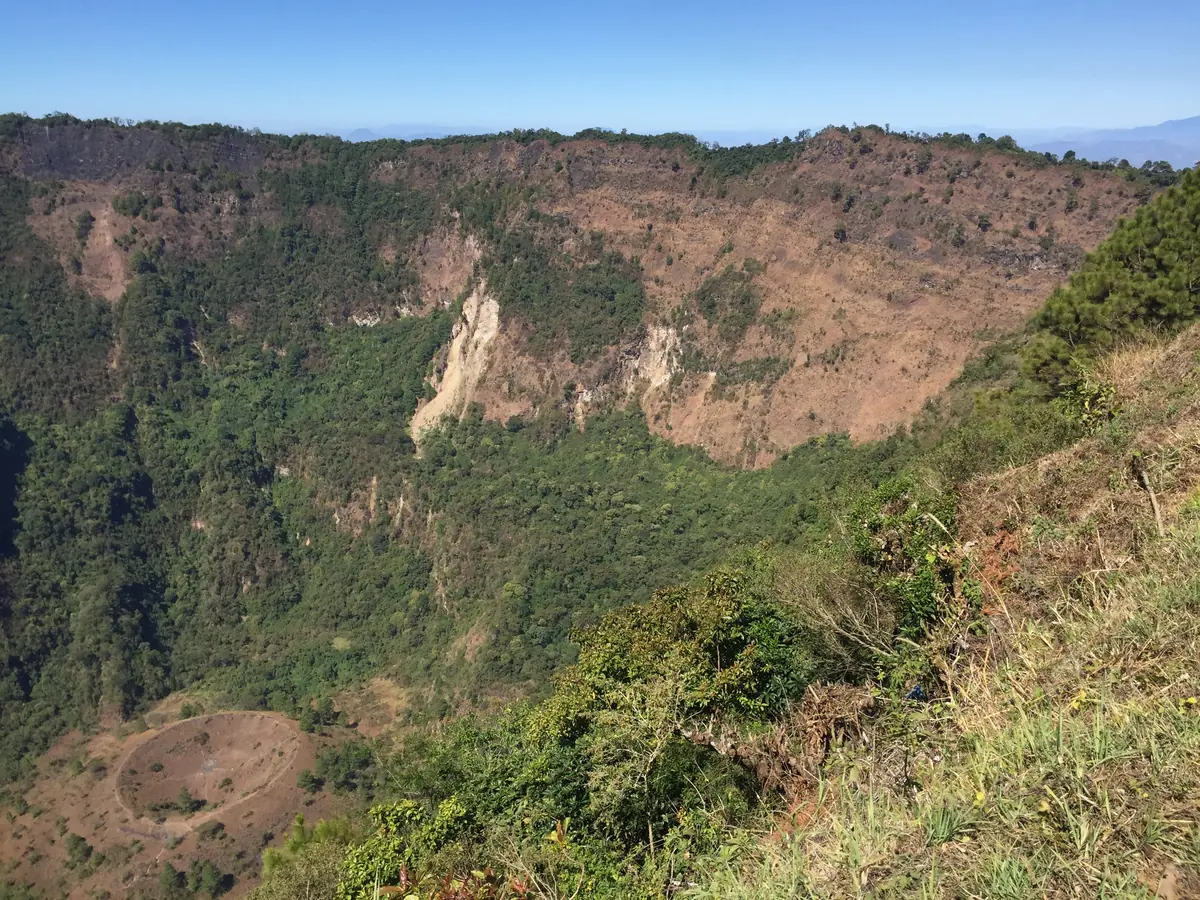
El Boquerón National Park sits on the summit of the San Salvador Volcano, known locally as Quetzaltepec, about 7 to 10 miles from downtown San Salvador. The main draw is the crater. It’s close to a mile across and roughly 1,830 feet deep, and a small cone called Boqueroncito sits on its floor, left behind by the 1917 eruption. The park is open every day from 8 a.m. to 5 p.m., and foreign visitors pay $2 to get in.
The short verdict: this is one of the easiest volcano craters to reach in Central America. It costs less than a cup of coffee back home, and you can see it in a single morning. It isn’t a big hike, though. Go in expecting a scenic half-day outing with a good café stop and you’ll leave happy.
One quick note on the name. This guide covers the park in El Salvador, which is a different place from El Boquerón canyon in Olancho, Honduras, and the beach town of Boquerón in Puerto Rico.
El Boquerón National Park at a Glance
| Detail | Information |
|---|---|
| Location | Summit of San Salvador Volcano, near Santa Tecla |
| Summit elevation | About 6,211 feet (1,893 m) |
| Crater size | About 0.9 miles (1.5 km) wide and 1,830 feet (558 m) deep |
| Inner cone | Boqueroncito, roughly 100 to 130 feet tall |
| Hours | Daily, 8 a.m. to 5 p.m., open 365 days a year with no midday closing |
| Entry fee | $1 for Salvadorans, $2 for foreigners; kids and seniors free |
| Parking | $1 for cars, $2 for vans and pickups, $3 for larger buses |
| Payment | Bring cash in small bills |
| Best time to go | Dry season (November to April), early on a weekday |
| Managed by | CORSATUR, El Salvador’s tourism corporation |
Is El Boquerón Worth Visiting?
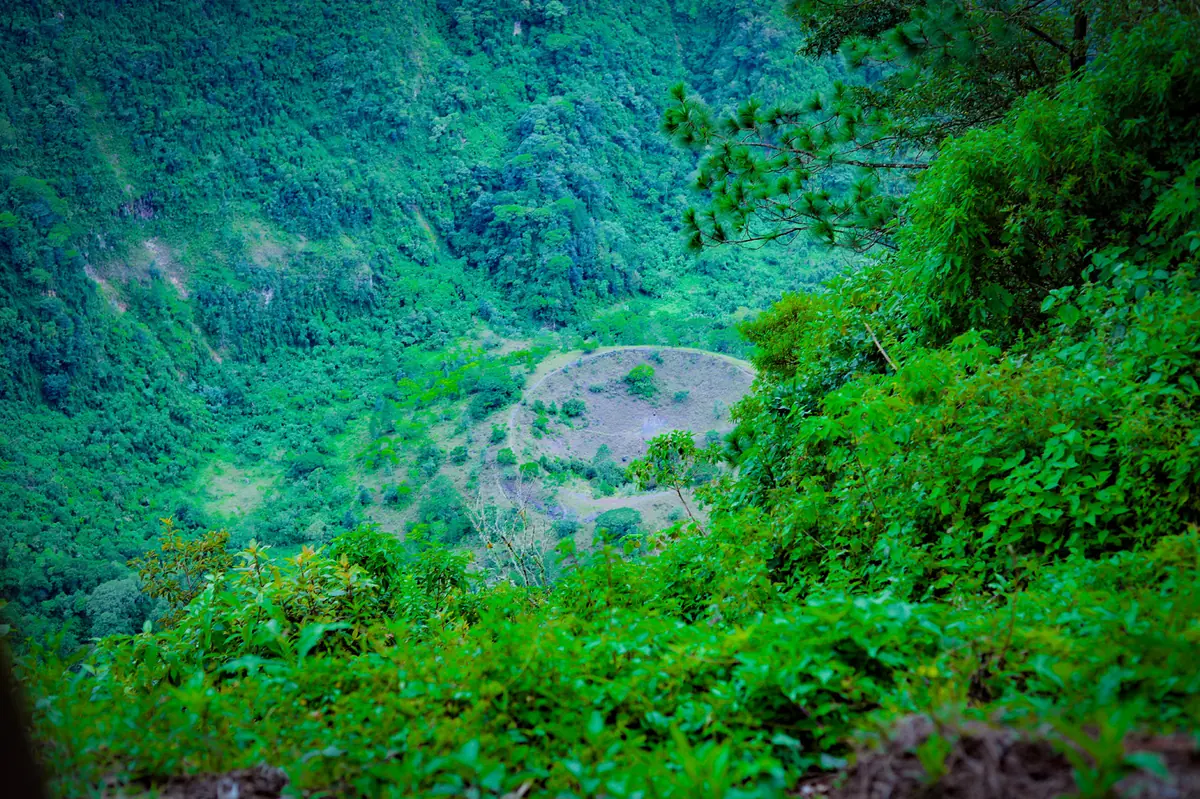
Yes, as long as you know what you’re signing up for. The standard visit is a short walk up a paved path to a series of viewpoints. Most people reach the main lookout in 20 to 25 minutes, and there are a lot of stairs along the way. Once you’re at the rim, the crater drops away below you in a huge green bowl, and on a clear day you can pick out the Boqueroncito cone at the bottom.
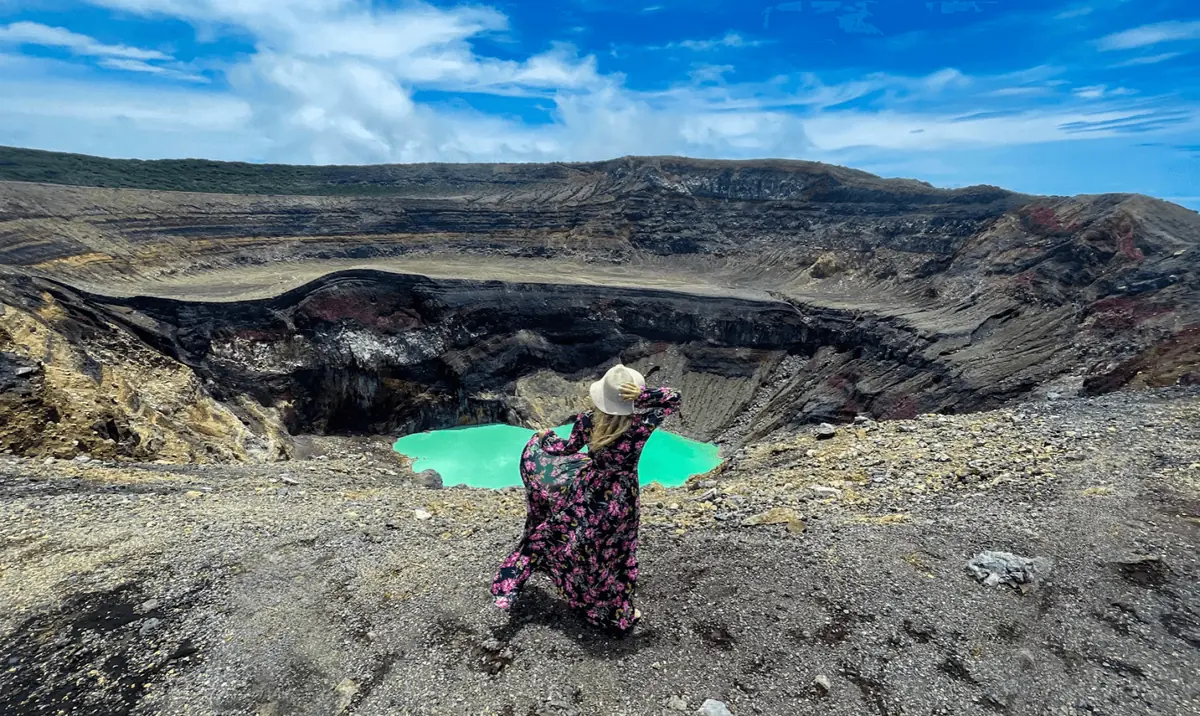
What you won’t get is a remote, rugged volcano experience. On weekends the park fills up with local families, and the crowds can be thick by late morning. Travelers who’ve done both often call El Boquerón a warm-up rather than the main event. If you want a real summit hike with a turquoise crater lake at the top, Santa Ana Volcano is the one to plan around.
That said, El Boquerón fits a lot of trips that Santa Ana doesn’t. It works well for:
- Travelers with a long layover or only a day or two in San Salvador
- Families with young kids or older relatives
- First-time volcano visitors who want big views without a tough climb
- Photographers chasing a crater shot close to the city
- Anyone who likes the idea of pairing a crater with a coffee-farm café
Here’s how it stacks up against the two other volcano parks most visitors consider:
| El Boquerón | Santa Ana (Ilamatepec) | Cerro Verde | |
|---|---|---|---|
| Distance from San Salvador | Under an hour | About 2 hours | About 2 hours |
| Effort | Easy walk to viewpoints | Moderate to strenuous summit hike | Easy forest trails |
| Main highlight | Deep crater and inner cone | Crater lake at the summit | Cloud forest and views of Izalco |
| Guide required | No | Yes, for the summit trail | Varies by trail |
| Best for | Short trips, families | Active hikers | Nature walks, pairing with Santa Ana |
How to Get to El Boquerón
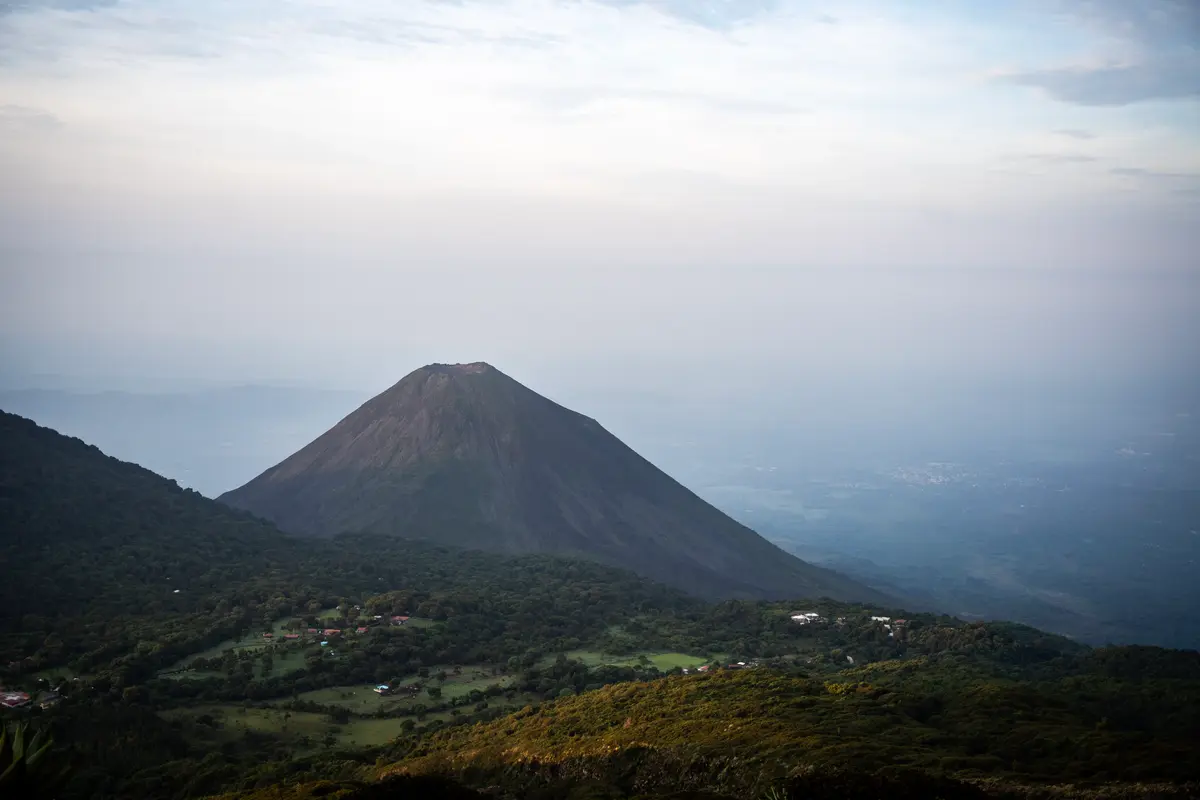
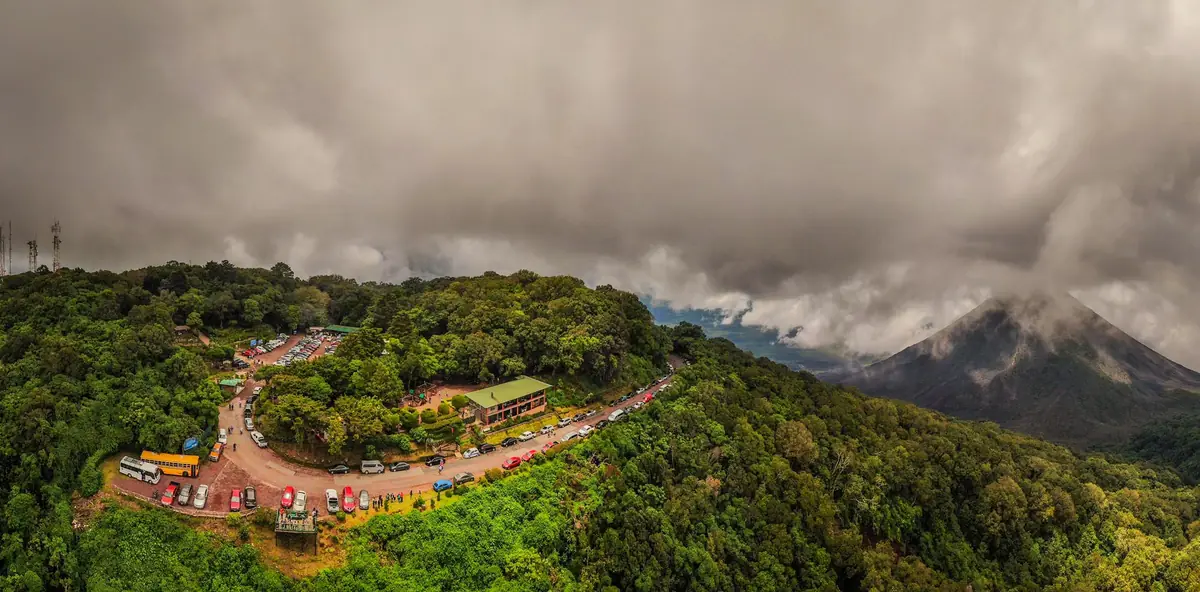
The park is at the top of a winding, well-paved road called Calle al Boquerón, above the suburb of Santa Tecla. Most visitors come from San Salvador or straight from the airport.
From the Airport (SAL)
San Salvador’s international airport, Monseñor Óscar Arnulfo Romero, is about 25 to 28 miles from the city, and the drive takes around 40 minutes in normal traffic. UberX and InDrive rides into the city typically run $16 to $25, while official airport taxis charge about $25 to $35. Uber doesn’t offer a separate taxi option at SAL, so just request a standard UberX.
If you’re on a layover, several tour operators run airport pickup trips that cover the city and the volcano, then drop you back at the terminal.
From San Salvador
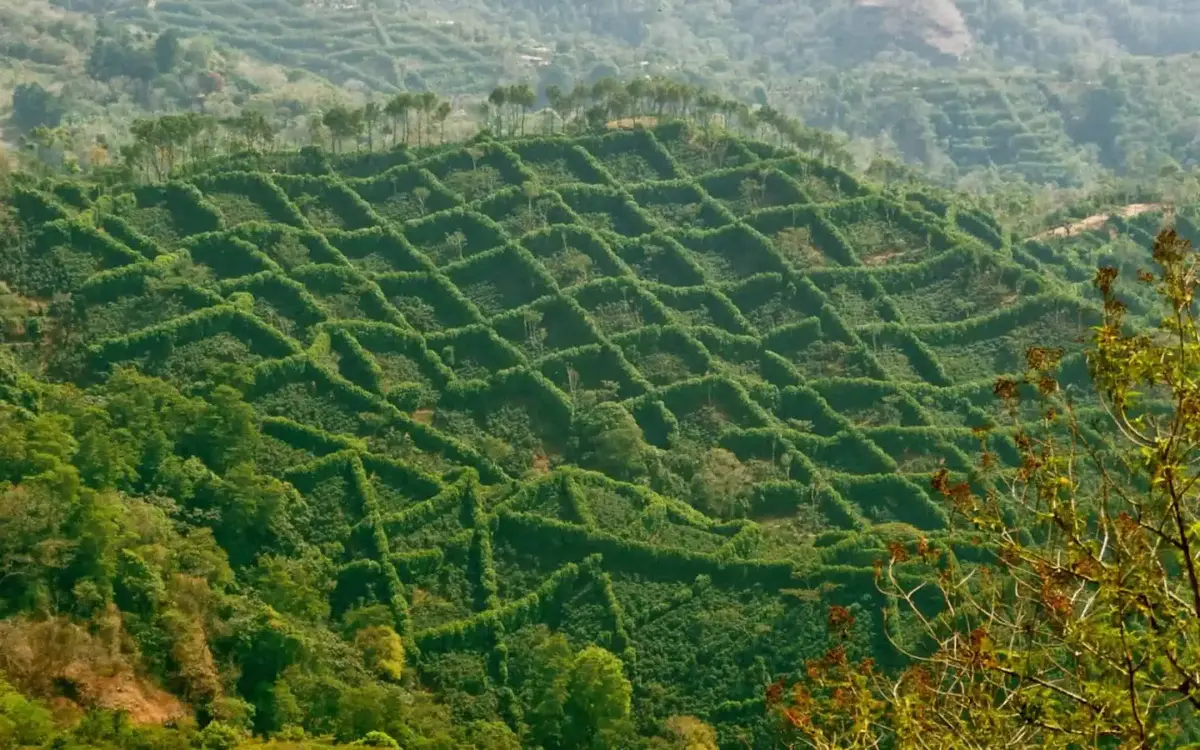
From most central neighborhoods, the drive up takes 25 to 30 minutes. The road climbs through coffee plantations and pine forest, with restaurants and viewpoints scattered along the way. Rideshare fares going up are cheap; travelers have reported paying around $5 to $6 from the San Benito area.
Getting Back Down: Plan Ahead
This is the complaint you’ll hear more than any other. Getting an Uber to the park is easy. Getting one to come pick you up at the top is not. Visitors regularly report waiting 30 to 40 minutes or longer at the entrance while drivers decline the trip.
You’ve got a few ways around it:
- Ask your driver if they’ll wait for you, and agree on a price before you get out
- Get the driver’s WhatsApp number and arrange a pickup time
- Walk down to the nearest bus stop or restaurant strip, where cars are easier to catch
- Book a tour that includes round-trip transportation
Taking the Bus
Budget travelers can take Route 101 from San Salvador to Santa Tecla, then catch a pickup truck or Route 103 up the mountain. Expect to pay about $1.50 going up and well under $1 coming down. It’s slower and less comfortable than a rideshare, and schedules can be irregular, so leave yourself plenty of time.
Drive in Daylight
Plan to go up and come down before dark. The US Embassy notes that its own staff avoid intercity travel at night, citing hilly roads, missing streetlights, and landslide risk during the rainy season. Since the park closes at 5 p.m. anyway, this is easy to work around.
Entrance Fees, Hours, and Recent Upgrades
Official Fees and Hours
According to CORSATUR, the agency that runs the park, El Boquerón is open Monday through Sunday from 8 a.m. to 5 p.m., all year, with no break at lunch. Entry costs $1 for Salvadorans and $2 for foreign visitors. Children and seniors over 60 get in free.
Parking is priced by vehicle size: $1 for a regular car, $2 for a van or pickup carrying up to 18 passengers, and $3 for larger buses. Bring small bills, since cash is the reliable way to pay.
Why You’ll See Different Numbers Online
Some travel sites and older blog posts list a $3 fee for foreigners, parking at $2 to $5, or hours of Tuesday through Sunday from 9 a.m. to 4 p.m. with Mondays closed. Those figures don’t match what CORSATUR publishes, and they appear to be outdated. We’ve gone with the official numbers here, but fees can change, especially while park improvements are underway. Check CORSATUR’s site or the El Salvador Travel page before you go, and carry a few extra dollars just in case.
What the Renovation Added
The park recently went through a major upgrade led by El Salvador’s Ministry of Tourism and CORSATUR. New features include:
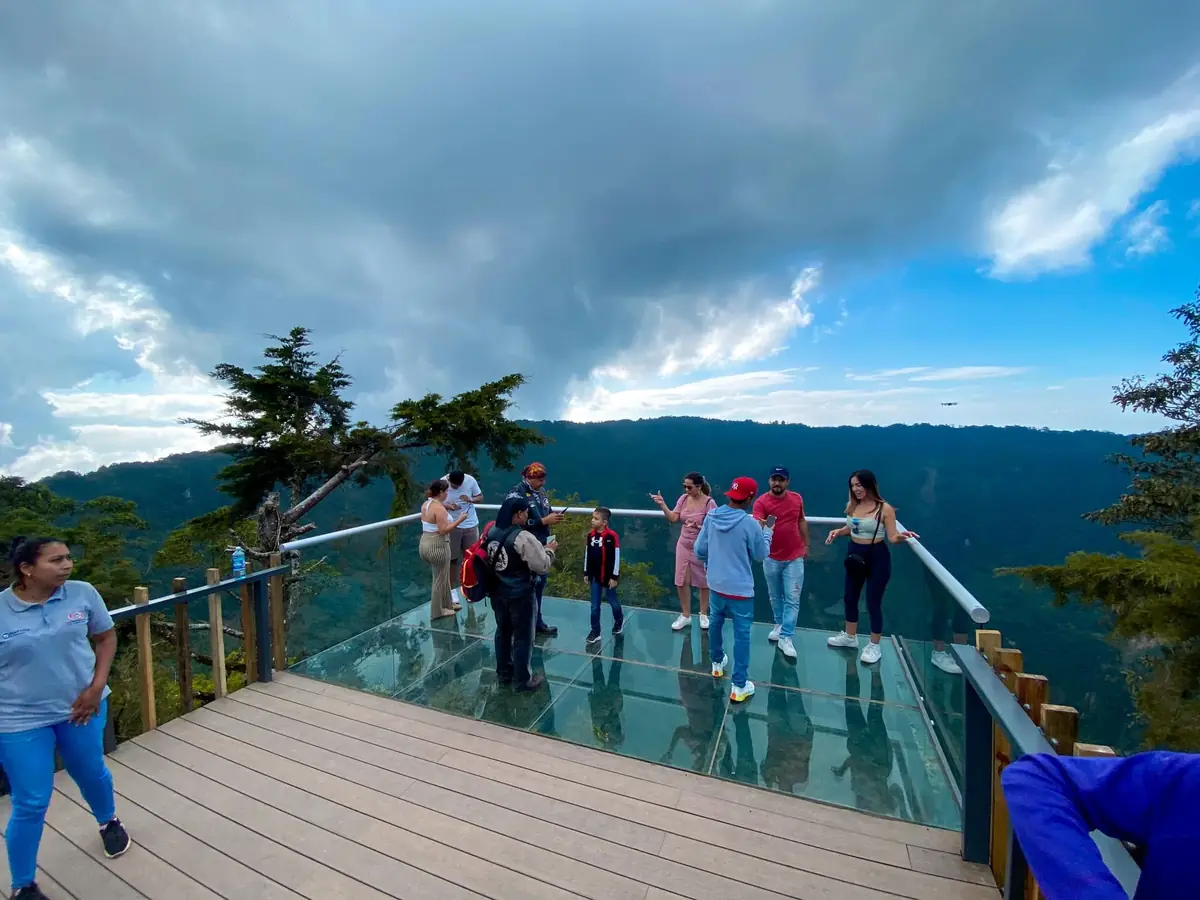
- A glass-floor viewpoint (mirador de cristal) that juts out over the crater’s edge
- A children’s playground
- A breastfeeding room
- Painted murals by local artists
- A new ticket booth and reorganized parking
- Video surveillance throughout the public areas
A camping area has also been announced, though you should confirm whether it’s open before planning an overnight stay.
What’s Coming Next
A second phase of work is funded in the national tourism budget. Plans include an interpretive center, a main welcome plaza, facilities for young children, and new administrative offices. Parts of the park may be closed off during construction, so it’s worth checking for updates close to your travel date.
The Crater and Its History
How the Crater Formed
The San Salvador Volcano is a large stratovolcano that towers over the capital. Its current summit cone, El Boquerón, built up over the last 700 to 1,000 years, and the crater you see today was blasted out by a violent explosion roughly 800 years ago. The name Boquerón translates loosely to “big mouth,” which makes sense once you’re standing at the edge.
You’ll see the crater depth listed anywhere from about 1,640 feet (500 m) in scientific sources to 1,830 feet (558 m) in park materials. Either way, it’s a long way down.
The 1917 Eruption
In early June 1917, a magnitude 6.7 earthquake struck the San Salvador area, heavily damaging the city and killing roughly 1,050 people. The volcano erupted around the same time. A lava flow poured down the northwest flank, eventually covering about 6 square miles and cutting the railroad line between Quezaltepeque and Ciudad Arce. You can still see the dark lava field from parts of the road.
Inside the crater, things got strange. At the time, the crater held a lake. According to Oregon State University’s Volcano World, the lake started boiling on June 10 and had evaporated completely by June 28. Ash and cinder eruptions kept going on the crater floor until November, and that activity built the small Boqueroncito cone that sits there today.
Is the Volcano Active?
The San Salvador Volcano hasn’t erupted since 1917 and is considered dormant. El Salvador’s environment ministry, MARN, monitors it along with the country’s other volcanoes. There’s no reason for visitors to worry, but if MARN ever issues an alert, the park would close.
Trails and Hiking at El Boquerón
Viewpoint Walk
This is what most visitors do. A paved path with plenty of stairs leads from the entrance to three main viewpoints along the crater rim. Allow 20 to 25 minutes to walk up at a relaxed pace, more if you stop for photos. It’s easy enough for kids and most older visitors, though the steps can be tiring if you’re not used to the elevation.
The Glass Viewpoint
The glass-floor platform is the newest attraction and quickly became the park’s signature photo spot. You step out onto a transparent floor with the crater edge below your feet. If you’re uneasy with heights, you can still enjoy the view from the solid railing nearby. Lines can form on weekends, so arrive early if this is high on your list.
Boqueroncito Crater Descent
This is the serious option. The trail into the crater and down to the Boqueroncito cone is about 2.8 miles round trip with roughly 1,640 feet of elevation gain on the climb back out. AllTrails rates it hard, and most people take around 2.5 hours.
Hikers who’ve done it describe loose, steep sections and warn that some stretches are genuinely dangerous, especially when wet. Keep these points in mind if you’re thinking about it:
- Start in the morning, well before afternoon clouds and storms roll in
- Wear real hiking shoes with good grip, and bring a trekking pole
- Pack more water than you think you’ll need
- Skip it during or right after heavy rain
- Leave your dog at home, since pets aren’t allowed on this trail
Check with park staff on arrival about current access, since trail rules can change.
Rim Walk
In past years, visitors could walk a long loop around the crater rim in about two hours, and the second half involved some scrambling. Since the renovation, the continuous rim walk may no longer be open. Ask at the entrance before you set out. There’s also a longer route linking El Boquerón with Cerro El Picacho, the volcano’s highest point, which is best done with a local guide.
Weather and the Best Time to Visit
At more than 6,000 feet, the park is noticeably cooler than San Salvador. Daytime temperatures usually sit between 61°F and 72°F, and it can feel chilly when the wind picks up or clouds move in. A light jacket or long-sleeve layer is a good idea any time of year.
El Salvador has two main seasons:
- Dry season (November to April): This is your best shot at a clear view into the crater. December through March tends to be the most reliable stretch.
- Rainy season (May to October): The forest turns a deep green, but paths get muddy, afternoon showers are common, and fog can settle in fast.
Timing within the day matters just as much. Clouds often build by late morning and can swallow the crater in minutes. Arrive when the gates open at 8 a.m., ideally on a weekday, and you’ll beat both the fog and the weekend crowds.
Plants and Wildlife
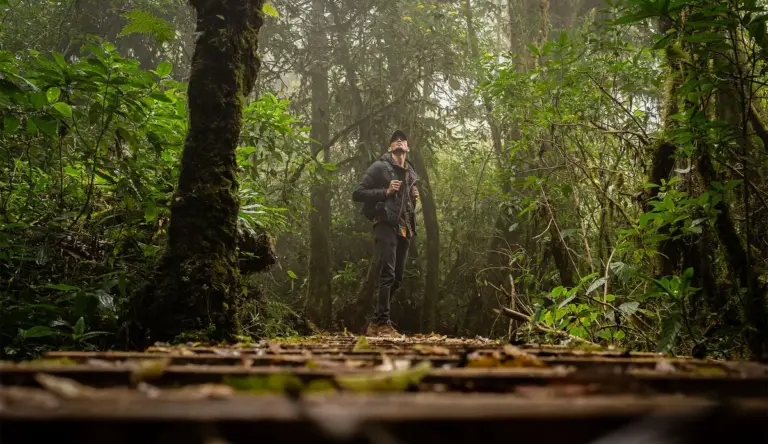
The summit’s cool, misty climate supports a pocket of cloud forest that feels very different from the city below. You’ll walk past cypress, pine, and oak trees, along with bromeliads, orchids, giant ferns, and bright clusters of hydrangeas. Calla lilies, called cartuchos locally, grow in the area, and coffee plants line the road on the way up.
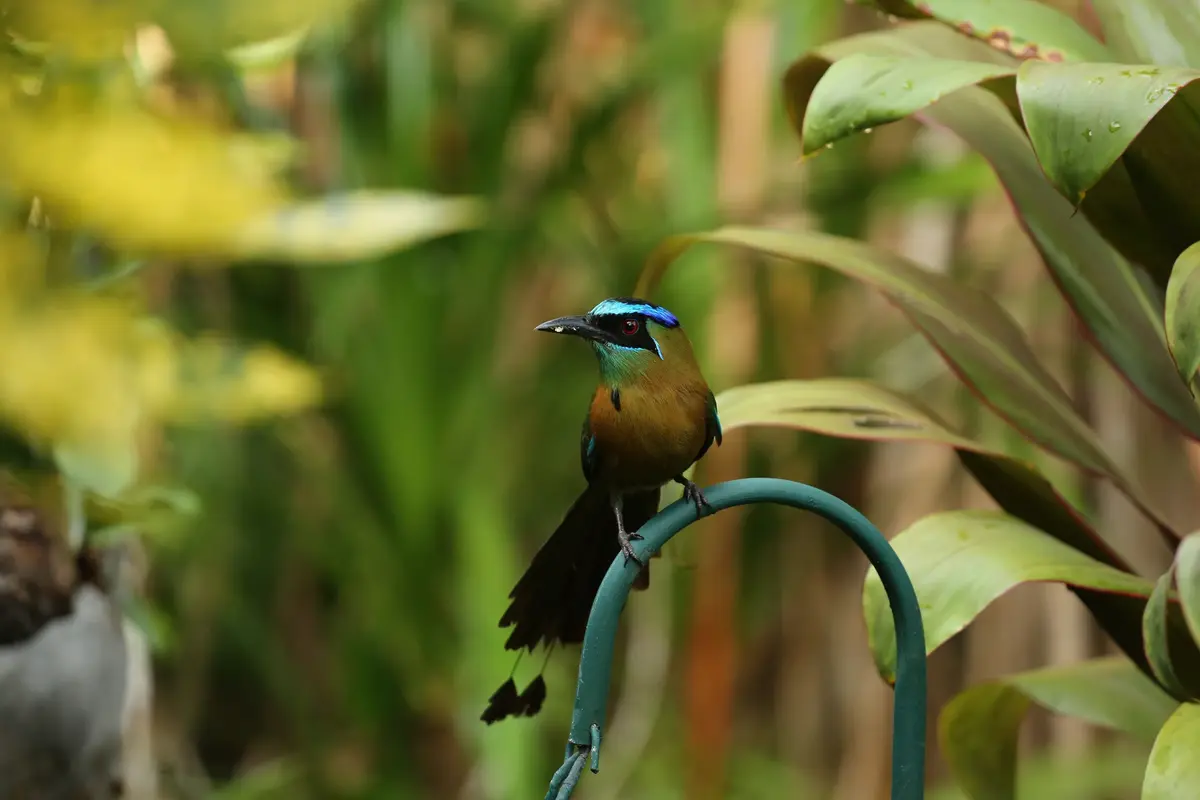
Birders have recorded more than 60 species here. Keep an eye out for the turquoise-browed motmot, El Salvador’s national bird, known locally as the torogoz. Emerald toucanets, mountain trogons, and several hummingbird species also show up, and raptors and swallow-tailed kites often ride the thermals above the crater. In winter, migrating warblers from North America pass through.
Mammals are harder to spot, but white-nosed coatis are fairly common. Armadillos, raccoons, agoutis, foxes, and white-tailed deer live in the forest as well.
Where to Eat on the Volcano Road
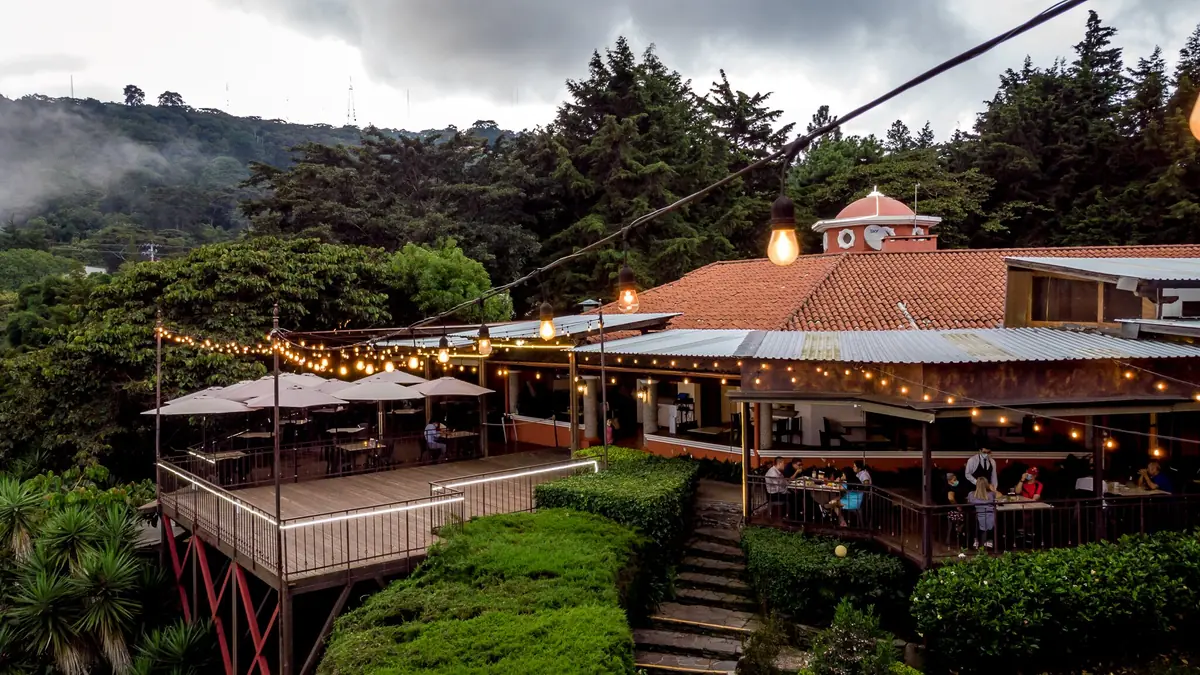
Part of what makes an El Boquerón trip so enjoyable is the drive. The road up the volcano, often called the Ruta del Volcán, is lined with restaurants and cafés, many with sweeping views over San Salvador. Locals come up here just for breakfast on weekends.
A few well-known stops:
- Café del Volcán (around KM 20): House coffee and a hearty breakfast plate named after the volcano
- Las Brumas Grill & Café (around KM 20): Serves coffee grown on-site and opens early on weekends
- La Pampa El Volcán: Steaks and seafood, with a kids’ play area and a view deck
- Café San Fernando (around KM 23.5): A quieter coffee stop closer to the top
- Plaza Volcán: A small cluster of spots including La Rustika and Jalapeños
Near the park entrance, vendors sell pupusas, fresh coffee, and snacks. Hours along the road vary, and some places only open on weekends, so check ahead if you have your heart set on a specific restaurant.
Nearby Attractions and Sample Itineraries
Because the park is so close to the capital, it’s easy to combine with other sights.
Half Day
Head up early, spend an hour or two at the viewpoints, then stop at a volcano-road café for a late breakfast or lunch. You’ll be back in the city by early afternoon.
Full Day
Pair El Boquerón with one of these:
- San Salvador’s historic center, followed by a pupusa lunch
- Santa Tecla’s Paseo El Carmen, a pedestrian street with restaurants and nightlife
- Puerta del Diablo and the lookouts at Los Planes de Renderos, south of the city
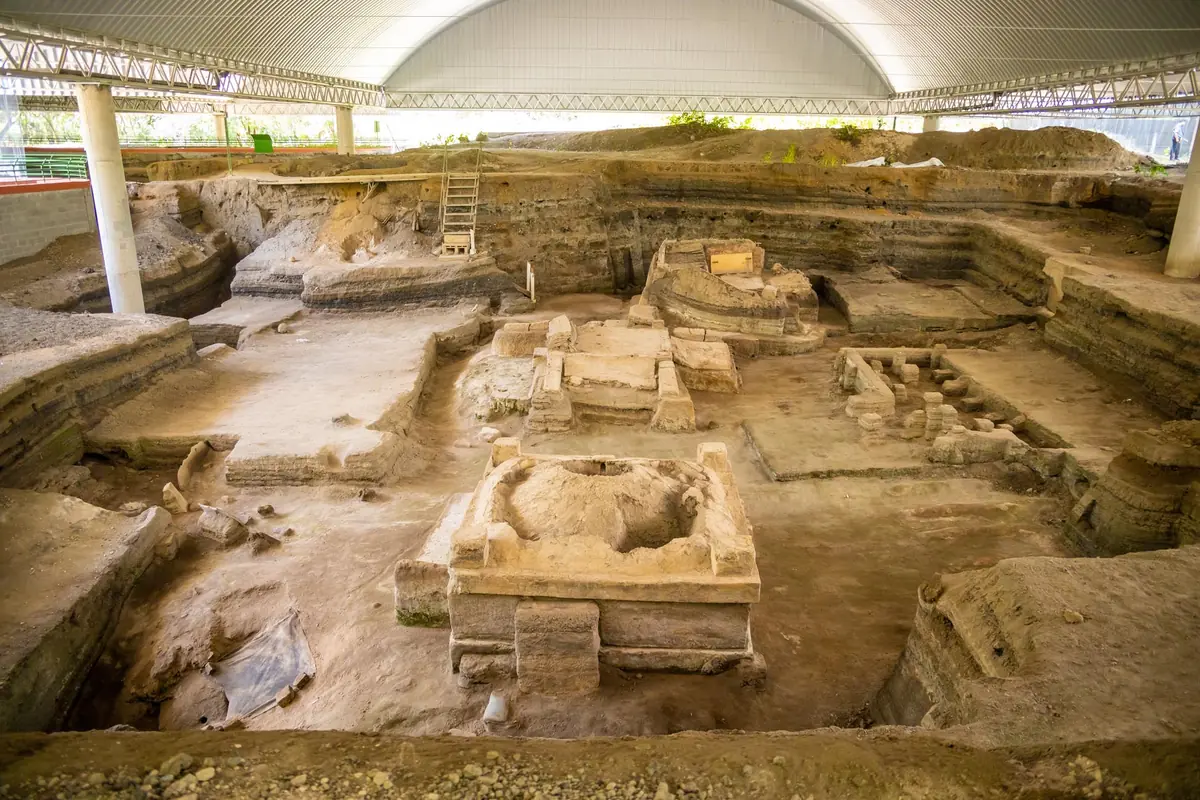
- Joya de Cerén, a UNESCO World Heritage Maya village buried by volcanic ash, plus the nearby San Andrés ruins
- Suchitoto, a colonial town about an hour and a half away
Longer Trips
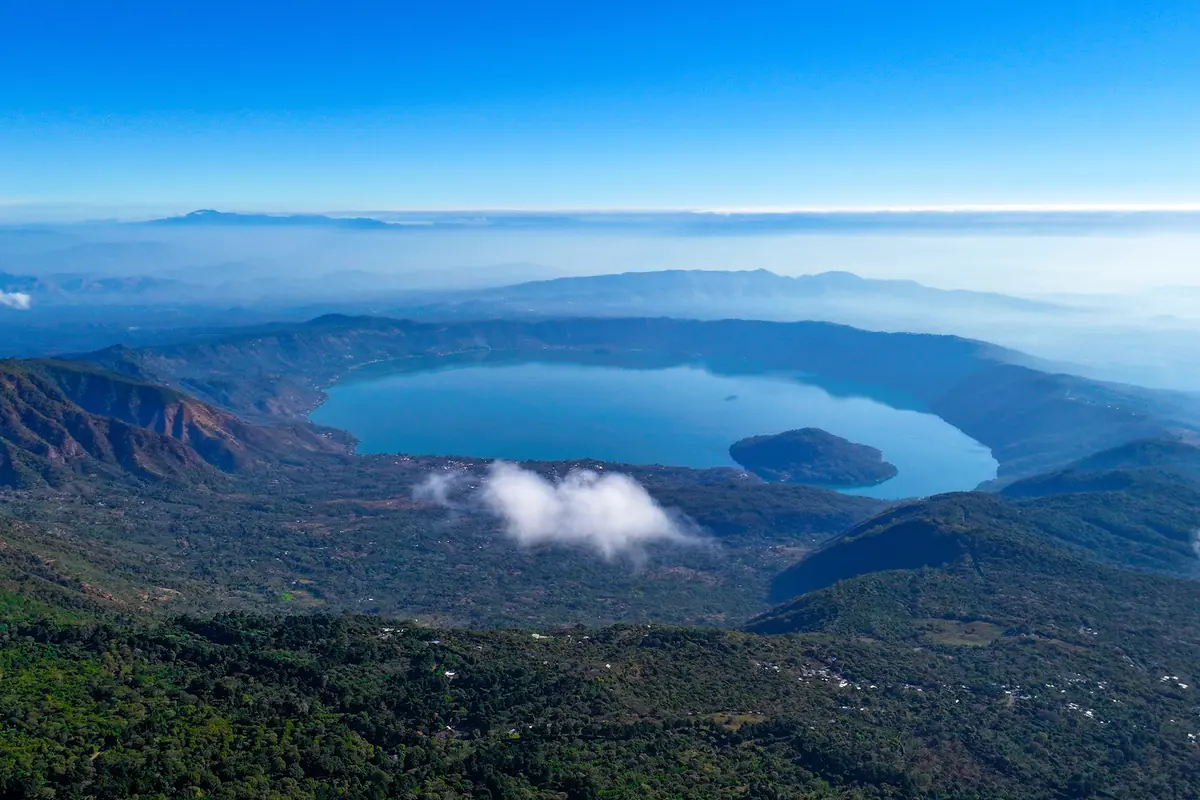
If you have more time, use El Boquerón as a warm-up before heading west to Lake Coatepeque, Cerro Verde, and the Santa Ana Volcano hike.
Guided Tours vs. Going on Your Own
Visiting on your own is simple and very cheap. Between the $2 entry fee and a rideshare or bus, you can do the whole trip for under $20, not counting food.
A guided tour makes more sense if you want someone to handle transportation, explain the geology and wildlife, or combine several stops in one day. Private tours that cover San Salvador and El Boquerón generally run about $135 to $165 per person, and some include lunch. Half-day trips and airport layover tours are also available through booking sites like Viator and GetYourGuide. Prices change often, so compare a few options.
The biggest practical perk of a tour is that it solves the ride-back-down problem completely.
Safety Tips for US Travelers
The US State Department currently rates El Salvador at Level 1: Exercise Normal Precautions, its lowest advisory level. The country moved down from Level 2 after a sharp drop in gang activity and violent crime. A national State of Exception, in place since 2022, remains in effect and gives police broad powers, so carry a copy of your passport and cooperate with any checkpoints. Advisory levels can change, so check travel.state.gov before your trip.
At the park itself, you’ll find security staff and guides on site, and the new video surveillance covers the main public areas. Traveler reviews don’t point to safety problems at El Boquerón. The usual common-sense precautions still apply:
- Don’t leave bags or valuables visible in a parked car
- Stay on marked trails, especially near the crater edge
- Keep an eye on the weather, since fog and rain can make paths slippery
- Head back down before dark
Some other governments and third-party sources have been more cautious in their advice than the US, and Canada’s advisory includes specific notes for LGBTQ+ travelers. It’s worth reading more than one source if you have particular concerns.
Facilities, Accessibility, Kids, Pets, and Drones
Facilities
The park has restrooms, paved walkways, benches, parking, food vendors, and a small interpretive area. The renovation added a breastfeeding room and playground near the entrance.
Accessibility
The entrance area has some ramps and level paved sections, but reaching the upper viewpoints involves a lot of stairs. Reports about wheelchair access and mobility aids are inconsistent, so contact the park or ask at the gate if accessibility is a concern.
Traveling With Kids
El Boquerón is one of the better family outings near San Salvador. The walk is short, the new playground gives kids a break, and children get in free. Just hold small hands near the railings.
Pets
Dogs aren’t allowed on the Boqueroncito descent. The rules for the rest of the park aren’t clearly published, so confirm the current policy with staff before bringing a pet.
Drones
Flying a drone in El Salvador requires registering yourself and your drone with the civil aviation authority (AAC). Tourists need a passport copy, and the fee is around $20. Flights are capped at 400 feet, and no-fly zones apply near airports and sensitive sites. National parks often have their own restrictions, so get permission from park staff before you launch. Commercial operators also need insurance.
Money: Cash, Dollars, and Bitcoin
El Salvador uses the US dollar, so there’s no need to exchange money. Bring plenty of small bills, since the park entrance, parking attendants, and most food vendors work in cash. Breaking a $20 at the top can be a hassle.
You may have heard that El Salvador made Bitcoin legal tender in 2021. A later legal reform made accepting it optional for businesses, and most Salvadorans never used it for everyday purchases anyway. Don’t count on paying with Bitcoin at the park.
<!– Image suggestion: “US dollar small bills cash travel Central America” –>
What to Pack and Photo Tips
What to Pack
- Small bills in US dollars
- Water, plus more if you’re hiking into the crater
- Sunscreen, sunglasses, and a hat
- A light jacket or fleece
- Insect repellent
- Closed-toe shoes with good grip; hiking shoes for the descent
- A rain jacket from May through October
Photo Tips
- Arrive at opening time for the best chance of a clear crater shot
- Bring a wide-angle lens or use your phone’s wide mode to capture the full scale of the bowl
- The glass viewpoint makes a great shot, but go on a weekday to avoid lines
- On the drive down, stop at a café terrace for late-afternoon views over San Salvador
- Watch the clouds. When fog starts moving in, take your shots right away, because the view can disappear in minutes and may not come back until the next morning.