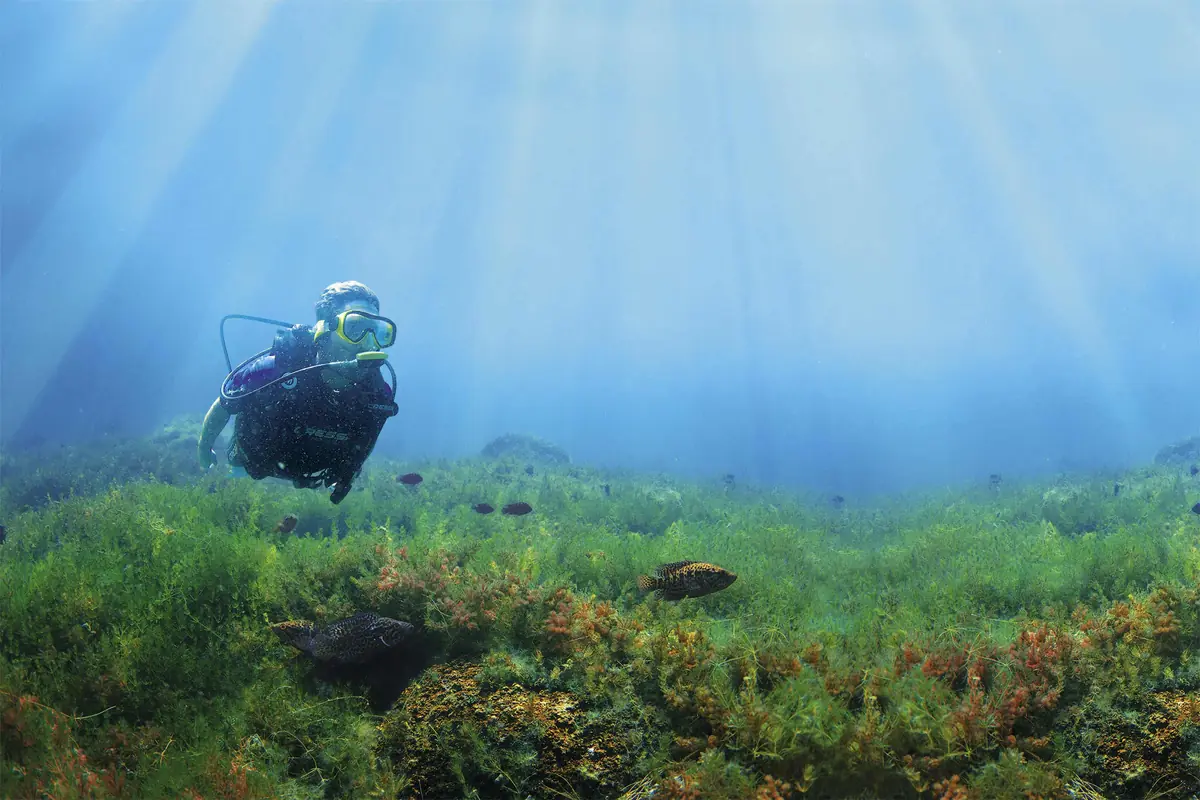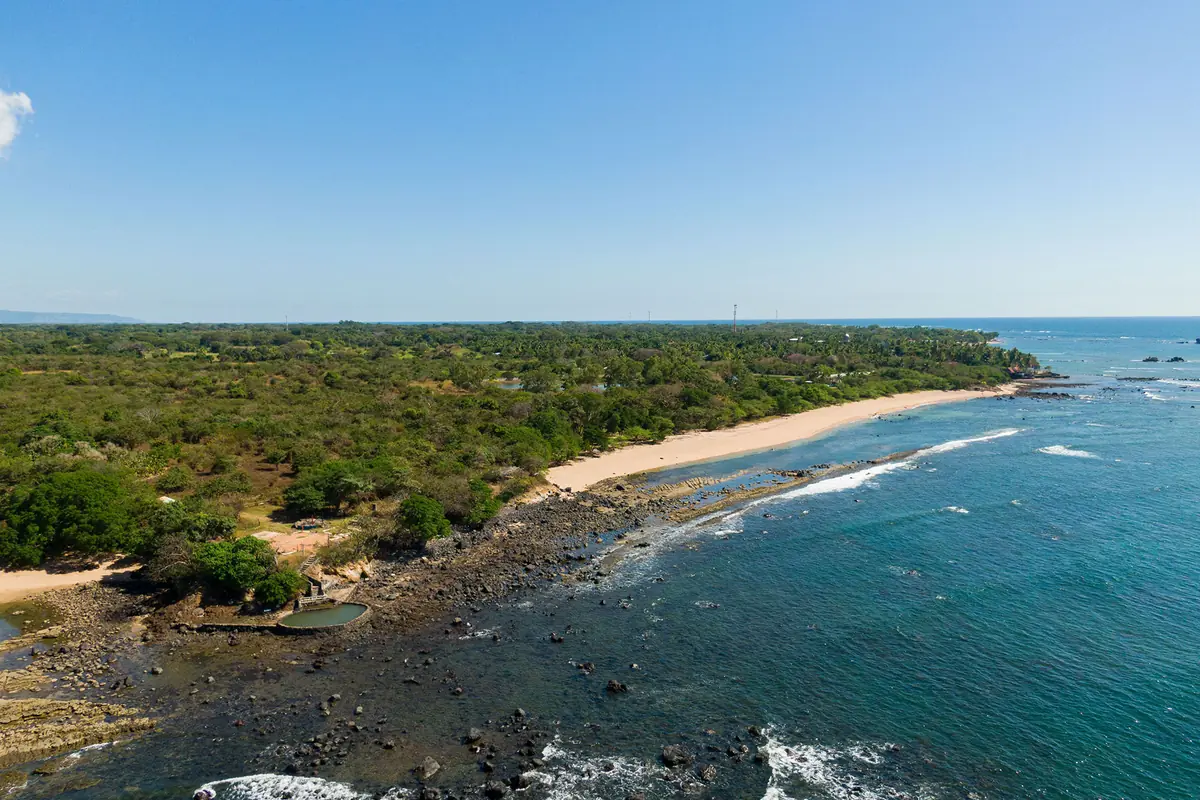
The first thing that surprises most American birders about El Salvador is how fast the country moves under you. You can be scanning mangrove channels at sunrise, eating pupusas at a highway stop by ten, and standing in mossy cloud forest at 7,000 feet before the afternoon rain rolls in. Nothing here is more than a few hours from anything else.
The second surprise is the honesty of the numbers. El Salvador is not Costa Rica, and anyone telling you otherwise is selling something. What it offers instead is a compact, affordable, low-crowd introduction to northern Central American birds — the highland specialties that are genuinely hard to see anywhere else without a much longer, more expensive trip.
This guide covers where to go, what you’ll actually see, what the parks charge, which sites require permits, how much a full trip costs, and how to combine birding with volcanoes, coffee towns, and Maya ruins.
Is birdwatching in El Salvador worth it?
Short answer: yes, if you go in with the right expectations.
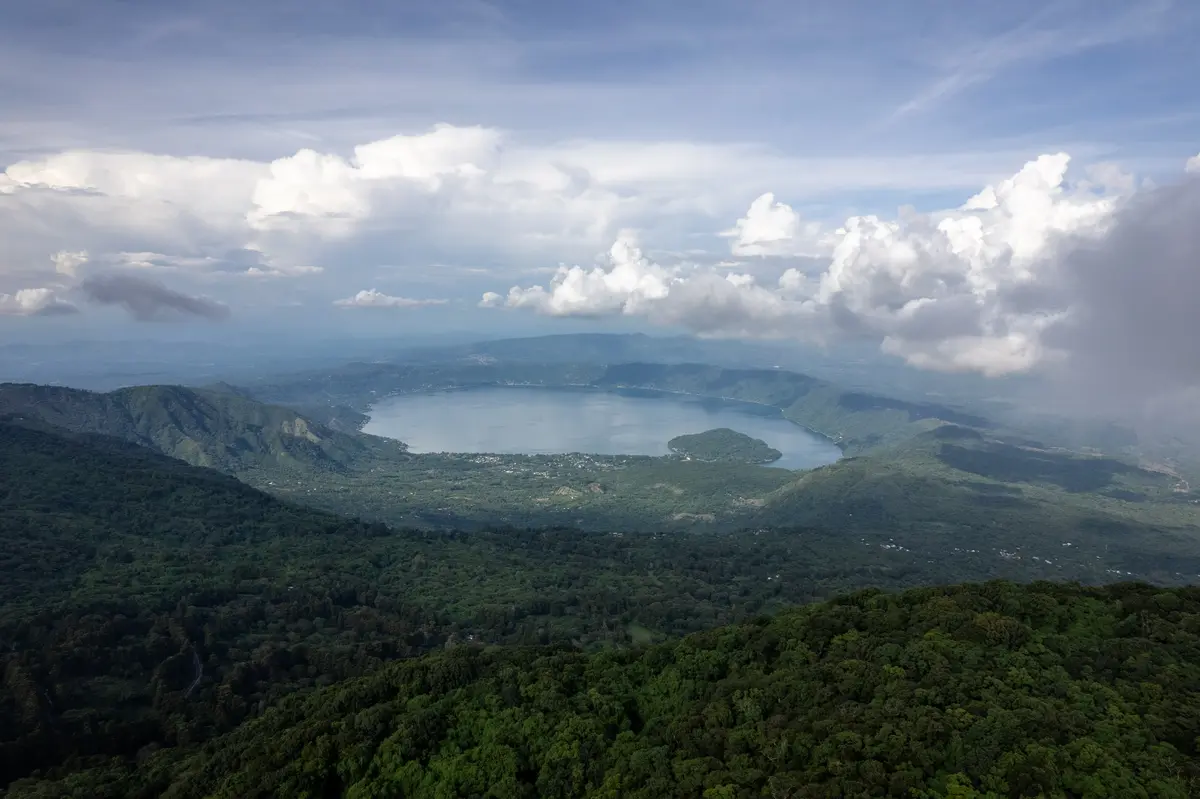
National checklists put El Salvador at just under 600 bird species, with some taxonomic databases now listing slightly more than 600. There are no true endemics. What the country does have is a share of the northern Central American highland specialties — roughly 18 regionally endemic species that it splits with Guatemala and Honduras. Fifteen of those breed in Montecristo National Park alone, more than in any other protected area in the country.
Put next to its neighbors, the case looks like this:
| Country | Approximate species total | What it costs and how long it takes |
|---|---|---|
| El Salvador | Just under 600 | Cheapest fares in the region; sites within 3 hours of the capital |
| Guatemala | 780+ | More diversity, longer drives, higher trip cost |
| Costa Rica | 900+ | The regional benchmark, and priced accordingly |
| Panama | 1,000+ | Highest diversity, longest flights, most infrastructure |
El Salvador’s pitch is not raw species count. It’s a country roughly the size of Massachusetts where dry forest, cloud forest, volcanic slopes, shade-coffee farms, freshwater lagoons, and Pacific mangroves all sit within a short drive of each other, with park fees measured in single dollars and almost no birding crowds. Fat Birder’s assessment is fair and worth repeating: for a general birding vacation, the neighboring countries offer more, but there is still excellent birding to be had here.
It works best as either a fast, cheap standalone trip of a week or so, or as an add-on to Guatemala or Honduras.
The national bird: finding the Torogoz
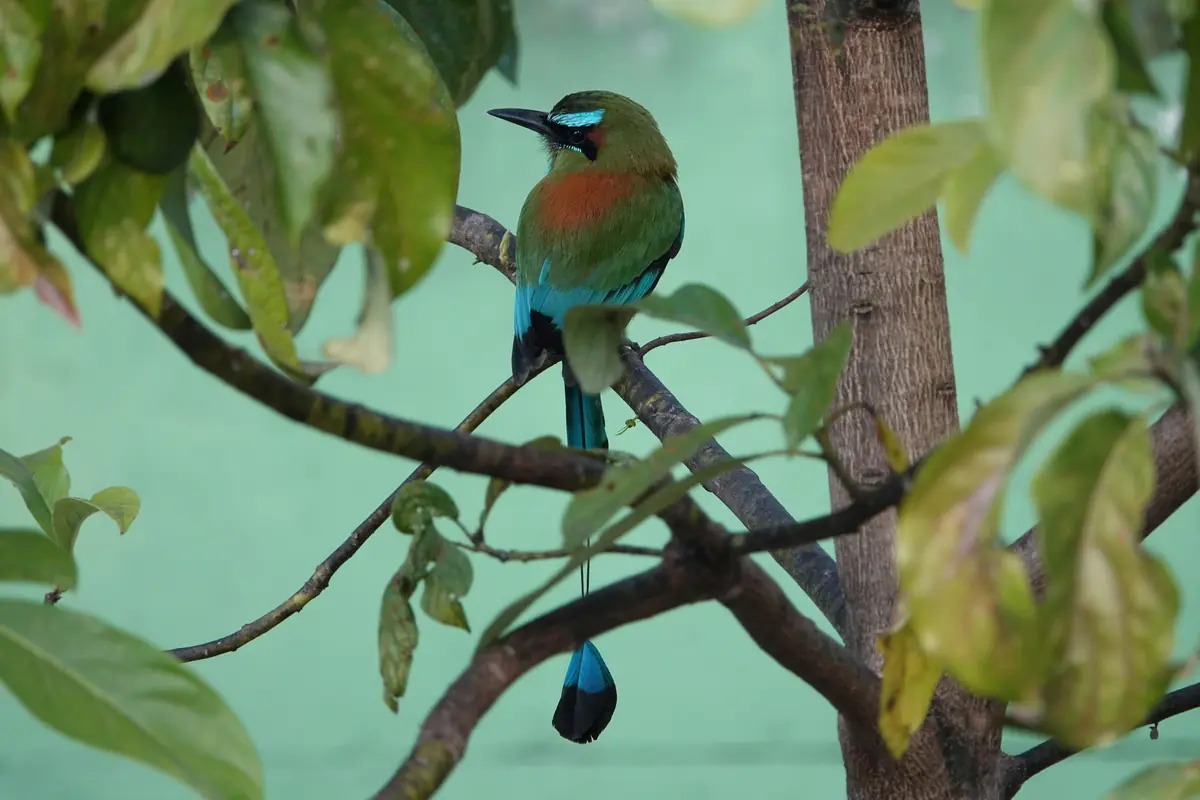
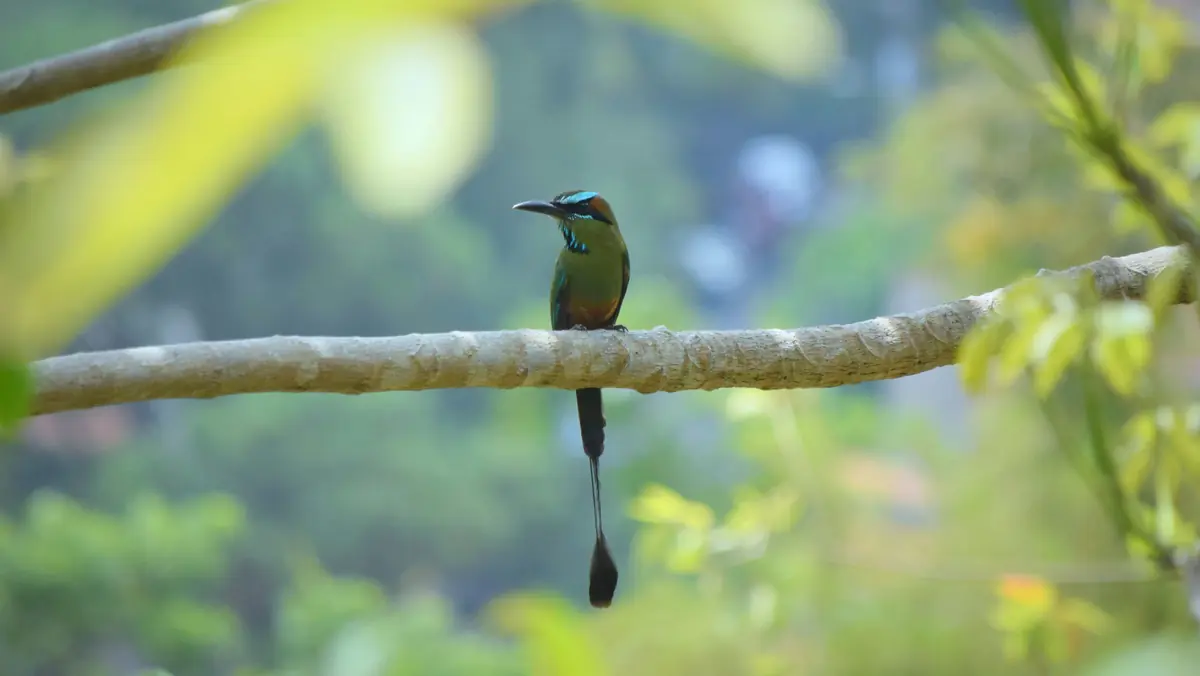
The turquoise-browed motmot (Eumomota superciliosa), known locally as the torogoz, was formally declared El Salvador’s national bird in 1999. Salvadorans associate it with freedom and with the family, and you’ll see it on murals, signs, and souvenirs everywhere.
The good news for visitors on a tight schedule: this is not a difficult bird. Parque Bicentenario, an urban park inside San Salvador with close to 190 recorded species, is one of the most reliable places in the country to see one, and the drier country toward the Guatemalan border produces them regularly. If you land in the afternoon, you can plausibly have your torogoz before dinner on day one.
When is the best time for birdwatching in El Salvador?
The dry season, roughly November through April, is prime. Trails are passable, park access is more reliable, roads are safer, and Nearctic migrants from the U.S. and Canada are in residence.
A rough calendar:
- September to October: fall migration, with raptors, warblers, and shorebirds moving through
- November to March: peak. Wintering migrants plus resident highland and dry-forest specialties, with dry, warm weather
- April to May: spring migration, and the transition into the breeding season for highland residents
- May to October: green season. Cheaper and less crowded, but expect mud, afternoon downpours, occasional washouts, and reduced access at some sites
One important seasonal note: Montecristo’s upper cloud forest has historically closed to visitors during parts of the rainy season, so a wet-season trip should not be built around it.
The best birdwatching hotspots in El Salvador
Montecristo National Park
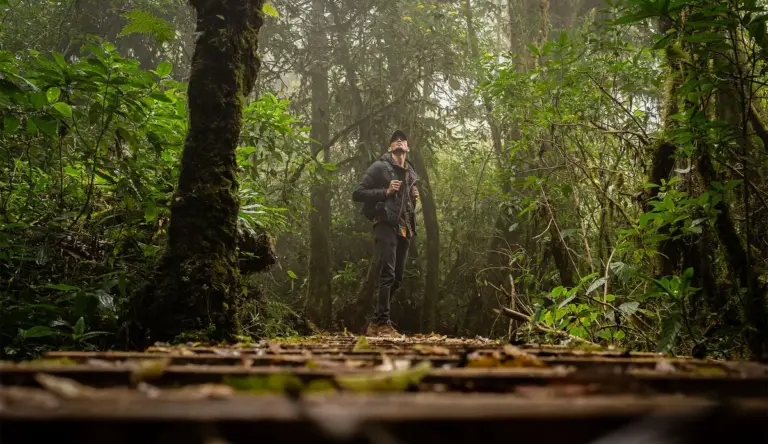
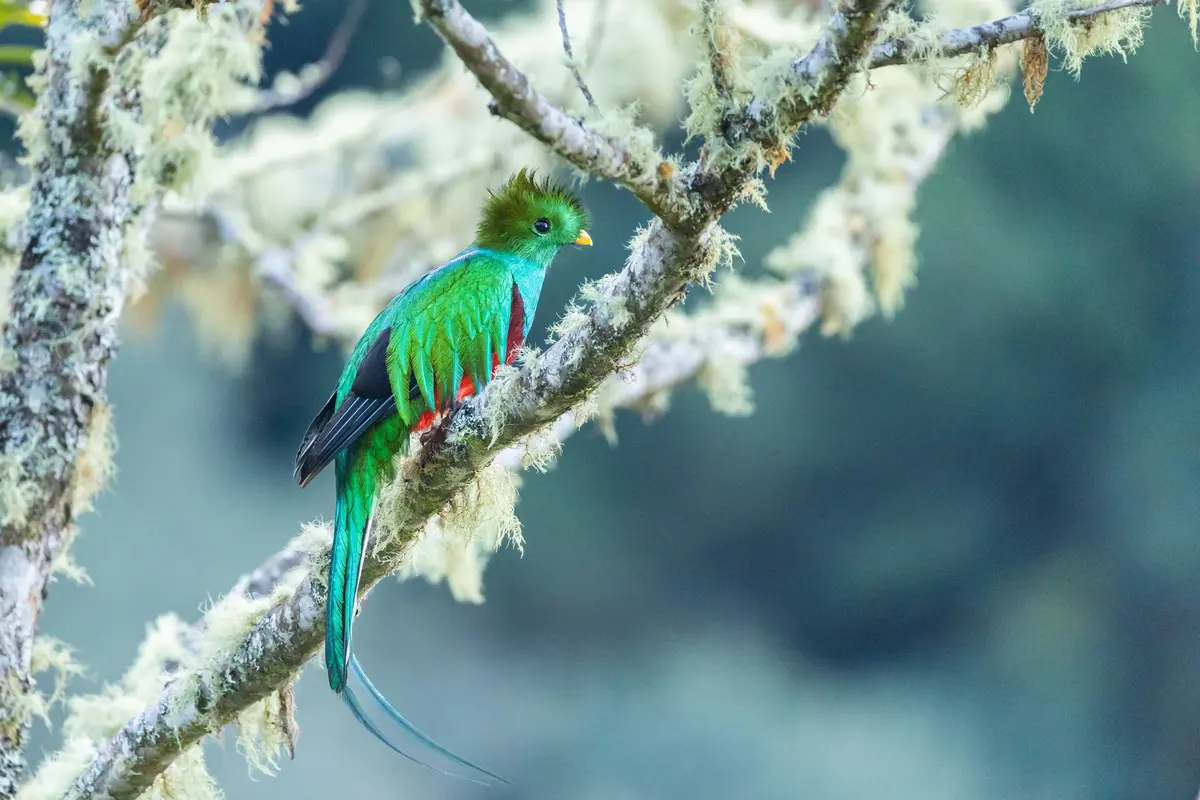
This is the crown jewel and the reason serious birders come. Montecristo sits in the far northwest above the town of Metapán, in the Trifinio tri-national reserve shared with Guatemala and Honduras, climbing to roughly 7,900 feet. Around 275 bird species have been recorded here, and about a dozen are found nowhere else in El Salvador.
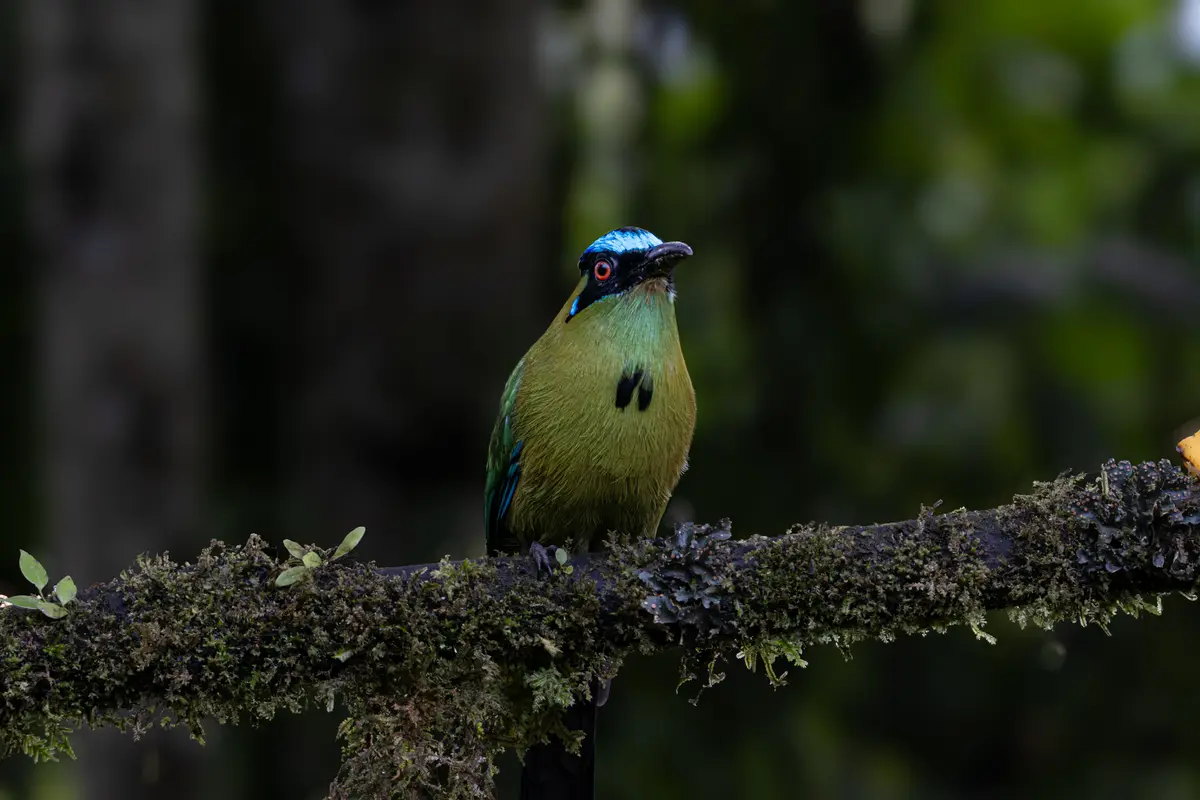
Targets: resplendent quetzal, fulvous owl, blue-throated motmot, highland guan, unicolored jay, spotted nightingale-thrush, belted flycatcher, brown-backed solitaire, and, with real luck, ocellated quail.
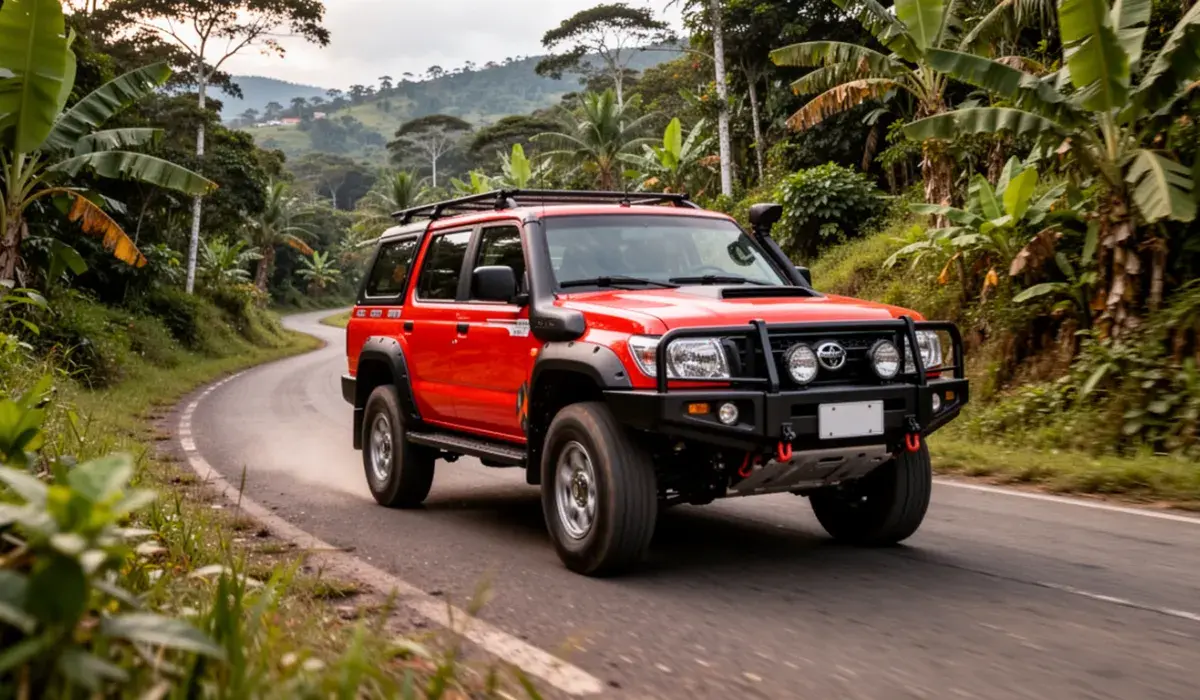
Logistics matter more here than anywhere else in the country. Access is capped and controlled, and you need written permission from the environment ministry (MARN) arranged roughly 48 hours in advance, listing every person in your group, vehicle plates, and passport details for the group leader. Without the printed authorization you will not get through the gate. A high-clearance or four-wheel-drive vehicle is strongly recommended for the climb from Metapán, which can take a couple of hours on its own.
There are rustic cabins inside the park but no restaurants; meals are typically arranged with local families and need to be requested ahead. Bring layers. Temperatures at the top can sit in the 40s and 50s Fahrenheit, and everything is damp. Sendero El Roble is the classic trail.
This is the least casual site in El Salvador and the one most likely to derail an unplanned trip.
El Imposible National Park
The country’s largest protected area, about 9,900 acres of tropical dry and mountain forest in Ahuachapán, roughly 75 miles and two to two and a half hours west of San Salvador. SalvaNatura, the country’s leading independent conservation group and the local BirdLife partner, co-administers the park and lists 286 recorded bird species, including 65 migratory species.
Targets: king vulture, black hawk-eagle, long-tailed manakin, black-crested coquette, blue seedeater, elegant and gartered trogons, and turquoise-browed motmot in the more open sections.
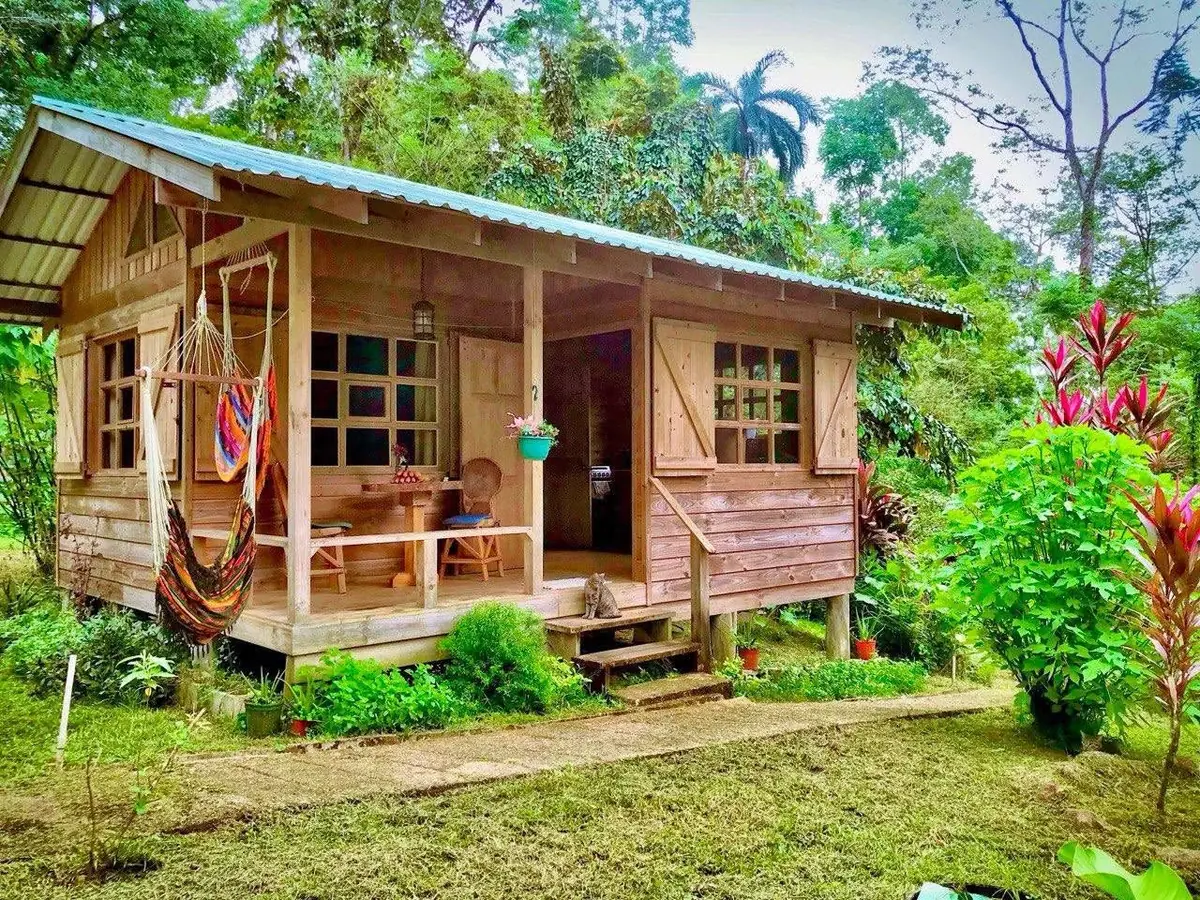
Rules to know before you go: a guide is mandatory and solo hiking is not permitted. The hiking fee is about $10 per group and goes directly to your guide, on top of a modest per-person entrance fee. There is a team of roughly 12 to 20 professionally trained community guides, and you generally don’t need to reserve one in advance — you tell the ranger when you pay. That said, arranging your entry permit through SalvaNatura ahead of time is the smoother path, especially for a birding-focused early start. Gates typically open around 7 a.m. and close mid-afternoon.
Main entrances are San Benito on the southeast side and Cerro León from the Tacuba side. Trail options run from a short interpretive loop of about half a mile to valley routes of four miles or more and a longer climb toward Cerro León. Hostal El Imposible, near the entrance, is the obvious base and can help with permits.
Cerro Verde and Los Volcanes National Park
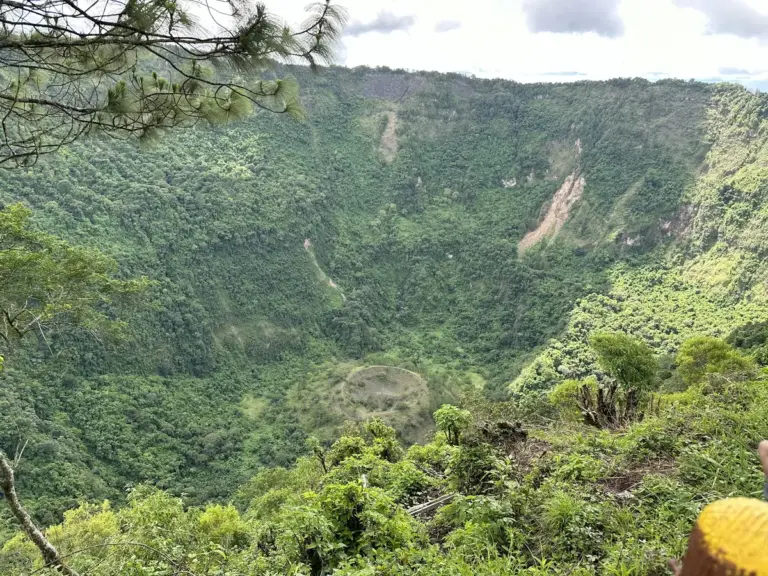
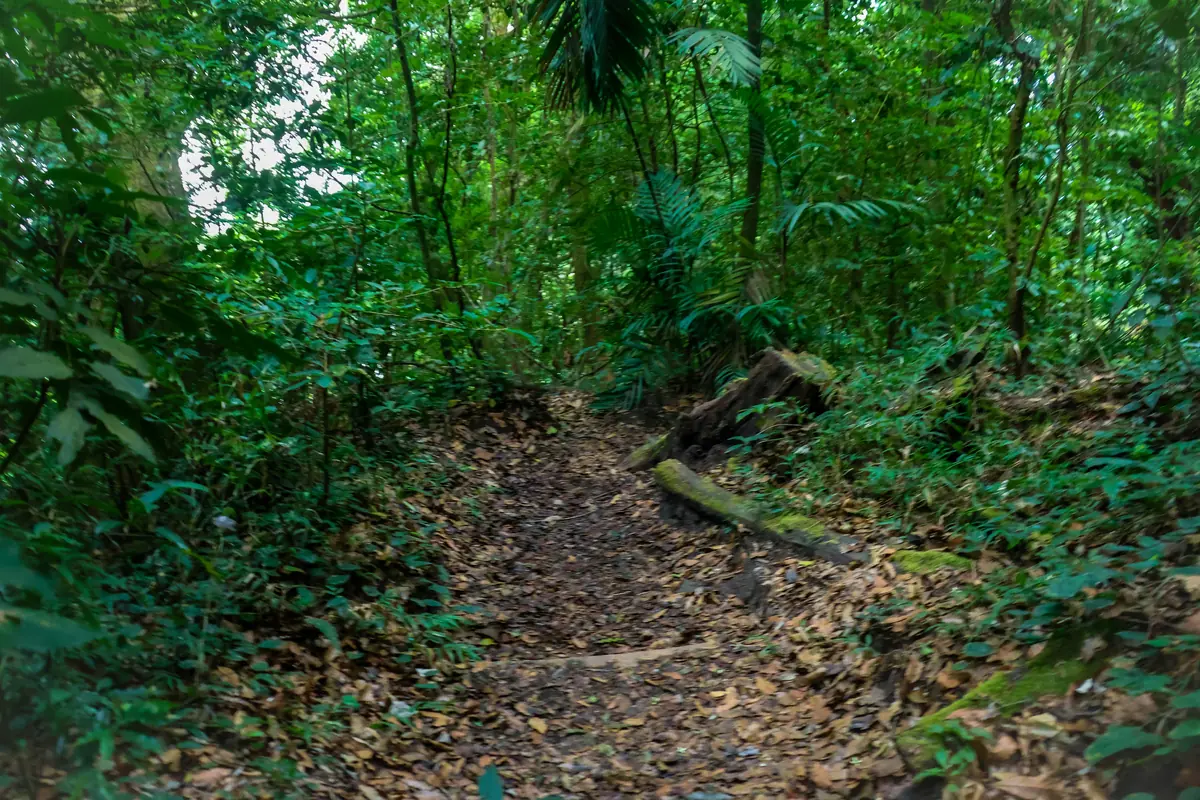
Around 200 species, and a rare case of cloud forest you can simply drive to. Foreigners can enter with a passport and no advance permission, which makes it the easiest highland birding in the country.
Targets: green-throated mountain-gem, rufous sabrewing, cinnamon-bellied flowerpiercer, rufous-browed wren, bushy-crested jay, white-faced quail-dove.
The loop trail around the old Cerro Verde crater is gentle and productive early in the morning. If you also want to climb the neighboring Santa Ana volcano, note that the ascent is done as a group with a tourist police escort on a fixed morning schedule, which does not mix well with serious birding — treat it as a separate day.
El Boquerón National Park
Only about 14 miles and 40 minutes from central San Salvador, on the rim of the San Salvador volcano at roughly 5,900 feet. Entry runs about $2 for foreign visitors, and around 170 species have been reported.
This is the best value half-day in the country: bushy-crested jay, rufous sabrewing, cinnamon-bellied flowerpiercer, and green-throated mountain-gem are all possible on a short, paved crater-rim walk. Ideal for a first morning or a last one before an evening flight.
Ecoparque El Espino
A shade-coffee and deciduous forest reserve about seven miles from downtown San Salvador, sitting between roughly 2,600 and 3,900 feet, with somewhere north of 220 recorded species and an entry fee around $3. Coffee-farm specialties like white-bellied chachalaca, bar-winged oriole, and buffy-crowned wood-partridge are the draw. Expect some uphill walking and stairs. A strong morning here can produce fifty-plus species without leaving the metro area.
Bahía de Jiquilisco
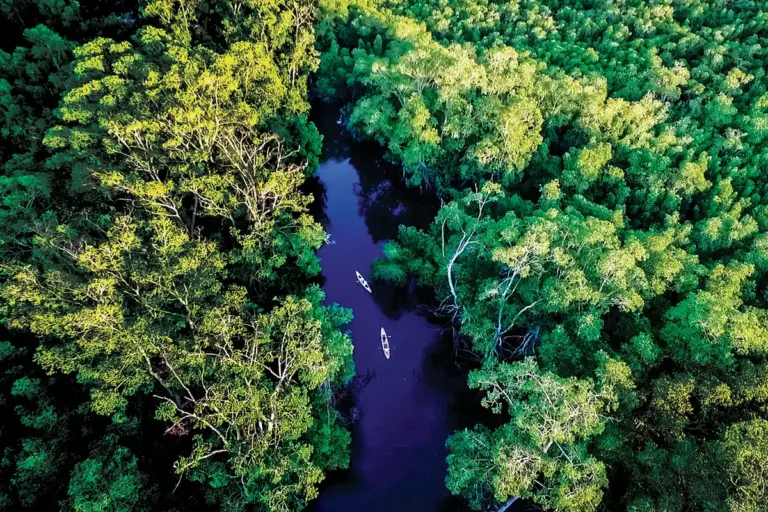
A Ramsar-designated wetland and the core of a UNESCO biosphere reserve, this is the largest mangrove estuary in El Salvador and one of the largest on Central America’s Pacific coast, covering roughly 155 square miles in Usulután. It holds the country’s greatest concentration of coastal and marine birds and hosts more than 80 migratory species on the Pacific flyway.
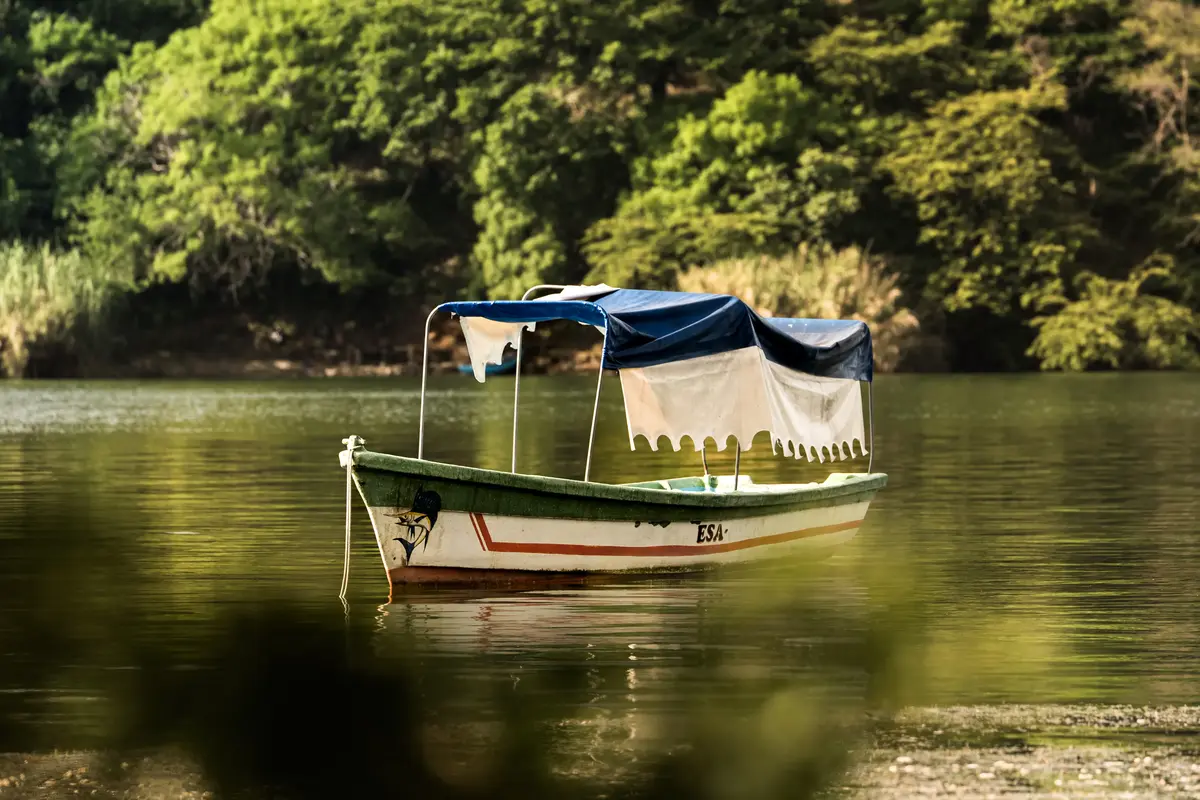
Birding is done by boat through the mangrove channels with local cooperatives. Targets include American oystercatcher, black skimmer, Wilson’s plover, least tern, magnificent frigatebird, roseate spoonbill, and a long list of herons, egrets, and kingfishers. It’s under two hours from San Salvador, with eco-lodges on the bay.
Laguna El Jocotal
Another Ramsar site, this one a freshwater lagoon near San Miguel in the east. The environment ministry cites more than 300 species for the area. Ducks, jacanas, rails, herons, and wintering waterfowl make it the best freshwater complement to the coastal mangroves.
Other sites worth building in
- Parque Walter Thilo Deininger: coastal dry forest near the surf beaches of La Libertad, easy to pair with El Tunco
- Barra de Santiago: quieter coastal wetland and mangrove system in the west
- Lake Coatepeque and Suchitoto/Lake Suchitlán: waterbirds, plus colonial-town lodging
- Ruta de las Flores and the Apaneca-Ilamatepec range: coffee highlands, with Laguna Verde a productive stop
- Cerro El Pital: the country’s high point at 8,957 feet, on the Honduran border, for pine-oak specialties including the possibility of golden-cheeked warbler in winter
Hotspot comparison at a glance
| Site | Habitat | Drive from San Salvador | Permit or guide | Typical fee | Headline birds |
|---|---|---|---|---|---|
| Montecristo | Cloud forest, 7,900 ft | 3 to 4 hours | MARN permit ~48 hrs ahead; caps apply | Low, but permit is the hurdle | Quetzal, fulvous owl, blue-throated motmot |
| El Imposible | Tropical dry forest | 2 to 2.5 hours | Guide mandatory; SalvaNatura permit advised | A few dollars plus ~$10 per group | King vulture, long-tailed manakin, black-crested coquette |
| Cerro Verde | Cloud forest, drive-up | 1.5 to 2 hours | Passport only | Modest park fee | Green-throated mountain-gem, rufous sabrewing |
| El Boquerón | Montane crater rim | 40 minutes | None | About $2 | Bushy-crested jay, flowerpiercer |
| El Espino | Shade coffee | 25 minutes | None | About $3 | Chachalaca, wood-partridge, orioles |
| Parque Bicentenario | Urban park | 20 minutes | None | Low | Turquoise-browed motmot |
| Bahía de Jiquilisco | Mangrove estuary | Under 2 hours | Boat cooperative | Boat charter | Oystercatcher, skimmer, Wilson’s plover |
| Laguna El Jocotal | Freshwater wetland | 2 hours | Local boatman | Boat charter | Waterfowl, jacanas, herons |
Do you need a guide?
For El Imposible, yes — it’s a park rule. For Montecristo, you don’t strictly need one, but the permit process, the road, and the difficulty of pulling quetzals and fulvous owls out of dense cloud forest make a guide worth every dollar. For El Boquerón, El Espino, Bicentenario, and Cerro Verde, you can bird independently without trouble.
Local guides and operators that come up consistently:
- Rodolfo Walsh, a biologist and photographer running birding-focused tours out of San Salvador, including multi-day Montecristo trips with cabin stays, hotel pickup, park fees, and loaner binoculars
- Julio Acosta, a freelance guide with excellent English who appears repeatedly in independent trip reports
- Ben Hernández of El Salvador Nature Tours, who also guides in Honduras, Guatemala, and Nicaragua
- Gringo Tours, based in Suchitoto, for the lake and central highlands
- SalvaNatura, for El Imposible permits and conservation context
- Salvadorean Tours, for city and day-trip birding with a scope provided
On the U.S. side, Kaiyote Tours runs scheduled El Salvador birding departures in the October to April window, with all-in pricing that covers domestic transfers, lodging, meals, and park fees. The very large international operators tend to treat El Salvador as an add-on rather than a standalone, which is part of why the country stays quiet.
A workable 8-day itinerary
Day 1: Arrive at SAL. Afternoon at Parque Bicentenario for the torogoz. Overnight San Salvador or Santa Tecla.
Day 2: Dawn at Ecoparque El Espino, afternoon at El Boquerón. Two habitats, two easy wins, minimal driving.
Day 3: Drive west to Ahuachapán. Afternoon birding along the Ruta de las Flores coffee corridor. Overnight Ataco or near the park.
Day 4: Full day at El Imposible with a community guide. Overnight nearby.
Day 5: Transfer to Metapán via Santa Ana. Late-afternoon birding near Lake Coatepeque.
Day 6: Montecristo, with permit in hand. Overnight in the park cabins if you can get them, otherwise Metapán.
Day 7: Cerro Verde and Los Volcanes on the way back east.
Day 8: Early transfer to Bahía de Jiquilisco for a mangrove boat morning, or a coastal morning at Deininger if your flight is early.
Add two days if you want Laguna El Jocotal, Cerro El Pital, or a proper rest day on the coast.
What does a birding trip to El Salvador cost?
Costs here are low by Central American standards, and dramatically low by North American ones. Sample budget for one person on an eight-day independent trip, excluding international airfare:
| Line item | Realistic range |
|---|---|
| Tourist card on arrival | $12 |
| Mid-range hotels, 7 nights | $280 to $560 |
| Rental car or hired driver | $250 to $700 |
| Fuel | $80 to $120 |
| Park entrance fees | $15 to $40 |
| Guides (2 to 3 guided days) | $150 to $500 |
| Boat charter at Jiquilisco or El Jocotal | $40 to $90 |
| Food and water | $150 to $300 |
| Total | Roughly $980 to $2,300 |
Backpackers doing it on local buses and hostels can run a week well under $400, though bus travel is slow and eats your morning birding hours. Guided group tours booked from the U.S. run into the low thousands plus airfare, typically with a substantial nonrefundable deposit.
Flights are the pleasant surprise. San Salvador consistently ranks among the cheapest international destinations from the United States, with round-trip fares from Houston, Los Angeles, Miami, and the New York area frequently landing in the low hundreds — and the best deals cluster in exactly the December through March window you want for birding.
Getting there and getting around
Monseñor Óscar Arnulfo Romero International Airport (SAL) is the country’s only international gateway, about 30 to 40 minutes from San Salvador. Avianca, United, Delta, and Volaris all fly direct from U.S. hubs.
U.S. citizens need a passport valid for at least six months plus a tourist card purchased on arrival for $12, good for stays up to 90 days under the CA-4 agreement shared with Guatemala, Honduras, and Nicaragua.
The currency is the U.S. dollar, official since 2001, so there is no exchange to deal with. Bitcoin was stripped of its legal-tender status and is now entirely voluntary, so ignore anything you read suggesting you need a crypto wallet to buy lunch. Do bring small bills — breaking a $50 or $100 outside the capital is genuinely difficult. ATMs are common in cities, and eSIM coverage is good.
Renting a car gives you the dawn starts that birding demands. Roads range from excellent highways to rough dirt tracks, and mountain approaches to Montecristo and Cerro León warrant high clearance. A hired driver costs more but removes the navigation and parking headaches, and local drivers know which rural turnoffs are worth taking.
Safety and health for U.S. travelers
The U.S. State Department currently lists El Salvador at Level 1, “Exercise Normal Precautions” — its safest rating, and the same tier as Japan and Switzerland. That reflects a genuine collapse in violent crime: the homicide rate fell from a peak above 100 per 100,000 residents in the mid-2010s to low single digits. Always check the current advisory before you book, since ratings change.
The fuller picture matters too. A state of exception has been in force since March 2022, granting authorities expanded arrest powers and suspending certain due-process protections; U.S. citizens have been detained under it. Australia and Canada still advise a high degree of caution. National parks themselves are well protected and calm.
Practical rules that map neatly onto birding habits anyway:
- Don’t drive between cities or departments after dark. Rural roads are unlit, steep, and prone to rainy-season landslides. U.S. government personnel are prohibited from doing it, and that’s sound guidance for visitors.
- Skip public buses for long hauls. Slow, crowded, and not built for optics and tripods.
- There is a zero-tolerance DUI law. Any measurable alcohol means detention. No exceptions.
- Hire a reputable guide or driver for remote areas. It buys local knowledge and removes most of the risk at once.
On health, El Salvador was certified malaria-free by the World Health Organization — the first country in Central America to earn that status — so no antimalarials are needed. Dengue is the real mosquito-borne concern, carried by daytime-biting Aedes mosquitoes, along with chikungunya and Zika. Use a DEET-based repellent, cover up at dawn and dusk, and treat clothing if you’re prone to bites. The CDC recommends routine vaccines plus hepatitis A and typhoid, with hepatitis B and rabies worth discussing for longer or more rural trips. Make sure your MMR is current. Drink bottled water and skip ice of uncertain origin. Altitude is mild but noticeable at Montecristo and Cerro El Pital; nobody gets altitude sickness, but you will feel the climb.
Gear, field guides, and apps
Two field guides cover this region well. Birds of Central America by Vallely and Dyer (Princeton) is the current regional standard, covering all seven countries and more than 1,200 species. The Peterson Field Guide to Birds of Northern Central America by Fagan and Komar is lighter, focused on Belize, Guatemala, El Salvador, and Honduras, and easier to carry in the field.
Download the Merlin Bird ID Central America pack before you leave, and use eBird for checklists. El Salvador remains one of the least-birded countries in Mesoamerica, which means your checklists carry real scientific value — and your name can land surprisingly high on hotspot leaderboards.
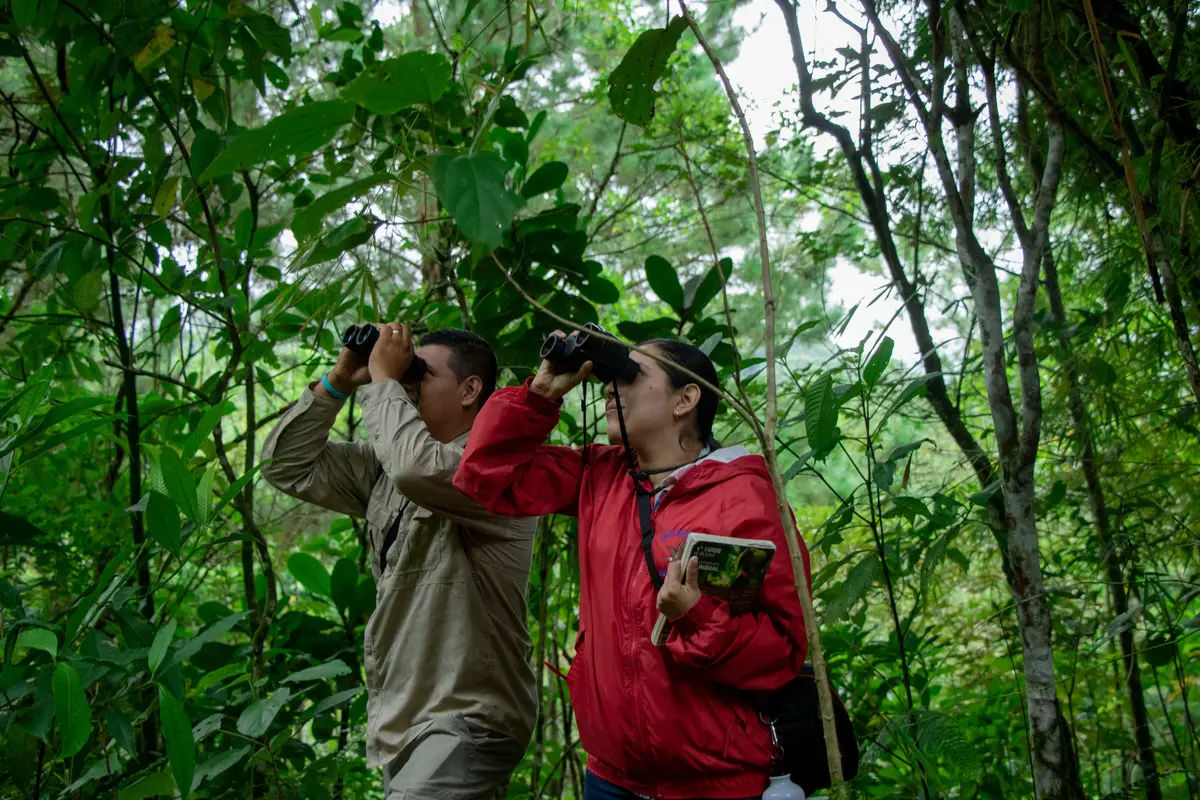
For gear: quality binoculars, a scope if you’re doing the coast or the lagoons, a genuine rain shell for the cloud forest, quick-dry layers for lowland heat, boots with grip for muddy trails, and a headlamp for pre-dawn starts and the cabins at Montecristo. A little Spanish smooths everything, though several of the top guides are fluent in English.
Common mistakes to avoid
- Showing up at Montecristo without a permit. The single most common trip-wrecker. Start that paperwork days ahead.
- Planning a rainy-season trip around the cloud forest. Upper-elevation access is often restricted from roughly May through October.
- Expecting Costa Rica–style infrastructure. There are few purpose-built lodges with feeders and canopy towers. This is field birding.
- Driving rural roads at night. Not worth it, and unnecessary — you should be asleep before your 4:30 a.m. alarm anyway.
- Trying to hike El Imposible solo. It isn’t allowed, and you’ll be turned around.
- Believing inflated marketing numbers. Some operators claim 500 species at a single park or a top-tier global density ranking. Trust the park administrators and eBird instead.
- Arriving with only large bills. Change is a daily problem outside the capital.
Pairing birding with the rest of the country
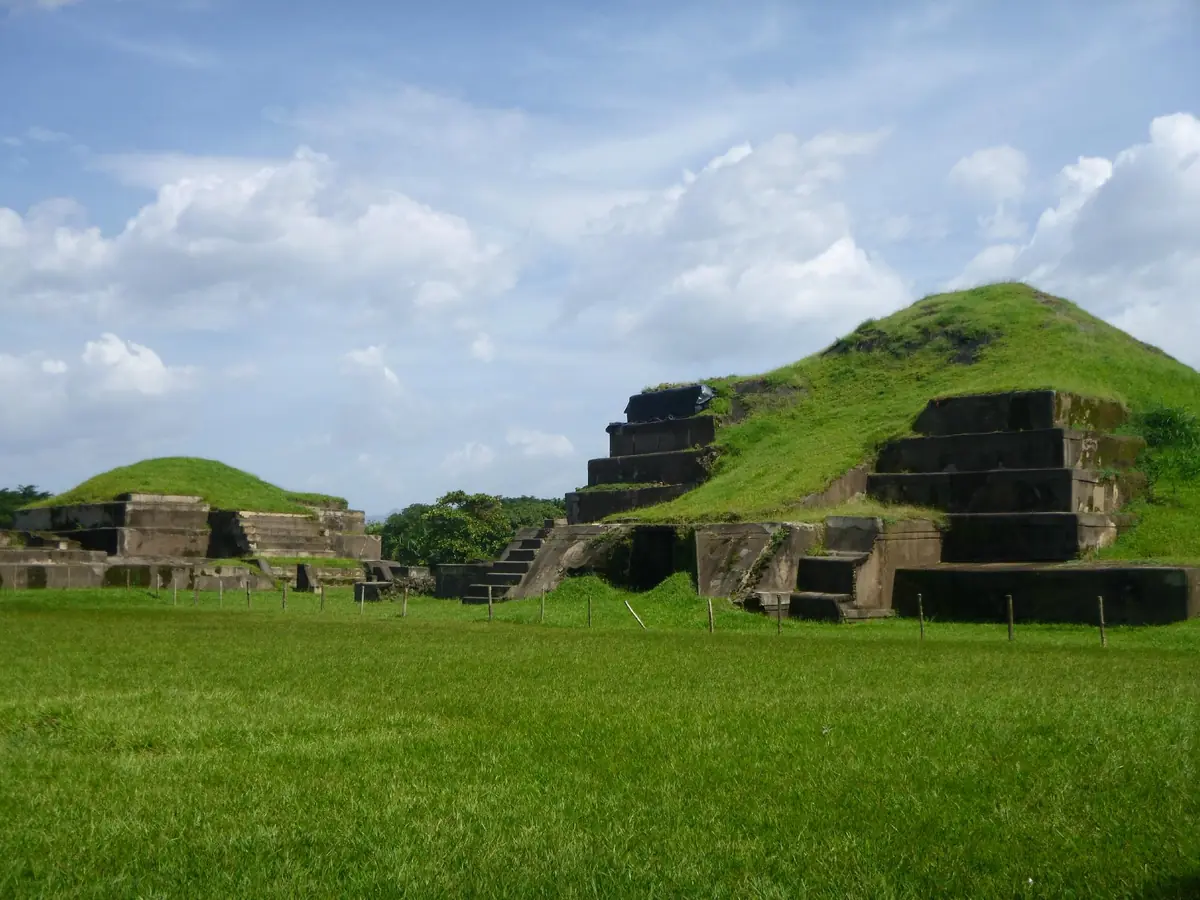
Because distances are so short, El Salvador rewards mixed itineraries better than almost anywhere in the region. Climb or drive a volcano, spend an afternoon in the coffee towns of Ataco and Juayúa, surf or just watch the sunset at El Tunco and El Zonte, walk the colonial streets of Suchitoto above Lake Suchitlán, and visit Joya de Cerén, the UNESCO-listed Maya farming village preserved under volcanic ash and often called the Pompeii of the Americas.
That combination is the honest sell for birdwatching in El Salvador. You will not out-list Panama here. But you can put together a week that stacks quetzals, motmots, mangrove shorebirds, volcano rims, and Maya archaeology into one small, cheap, uncrowded country — and still be back at your desk without having spent a fortune getting there.
Conservation, and why your visit matters
El Salvador has lost more than 95 percent of its original forest cover and carries close to 780 people per square mile, among the highest population densities in the Americas. Its protected-area system is the smallest in Central America. What remains — Montecristo’s highlands, El Imposible’s dry forest, the mangroves of Jiquilisco and Barra de Santiago — is carrying an outsized share of the country’s biodiversity.
Birding tourism is one of the few economic arguments that reaches the communities living next to those forests. The hiking fee at El Imposible goes straight to trained local guides. The boat cooperatives at Jiquilisco are community-run. The families near Metapán who cook meals for Montecristo visitors are part of the same equation. Hire the local guide, pay the park fee, tip well, and submit your eBird checklists. In a country with this little forest left, a birder with a wallet and a smartphone is a conservation asset.