If your flight to or from San Salvador connects through a US airport, you need US travel authorization before you board — even if you never intend to leave the terminal. For most Visa Waiver Program nationals, that means an approved ESTA. For Salvadoran passport holders and other travelers outside the program, it means a C-1 transit visa or a B visitor visa. There is no airside workaround, no exemption for short connections, and no way to sort it out on arrival.
The One Rule That Gets Travelers Denied Boarding
The United States does not operate an international sterile transit zone. In Panama City, Bogotá, Mexico City, Amsterdam, or Madrid, you can land from one international flight, walk to a gate, and depart on another without ever formally entering the country. In the United States, that option does not exist.
Every passenger who lands on US soil is treated as seeking admission. That means you clear immigration with US Customs and Border Protection, collect your checked bags, clear customs, hand your bags back at a recheck counter, pass through TSA screening again, and then walk to your connecting gate. The sequence applies whether your connection is nine hours or forty-five minutes.
Customs and Border Protection is explicit on this point: nationals of Visa Waiver Program countries need either an approved ESTA or a visa in order to transit the United States. Transit is not a lesser category. It is a full admission.
The practical consequence lands long before you reach the US. Airlines are required to verify travel authorization at check-in, so a missing ESTA gets caught at your departure airport in London, Madrid, Tokyo, or Santiago. You are not denied entry in Houston. You are denied boarding at home, holding a ticket you have already paid for.
Which Traveler Are You?
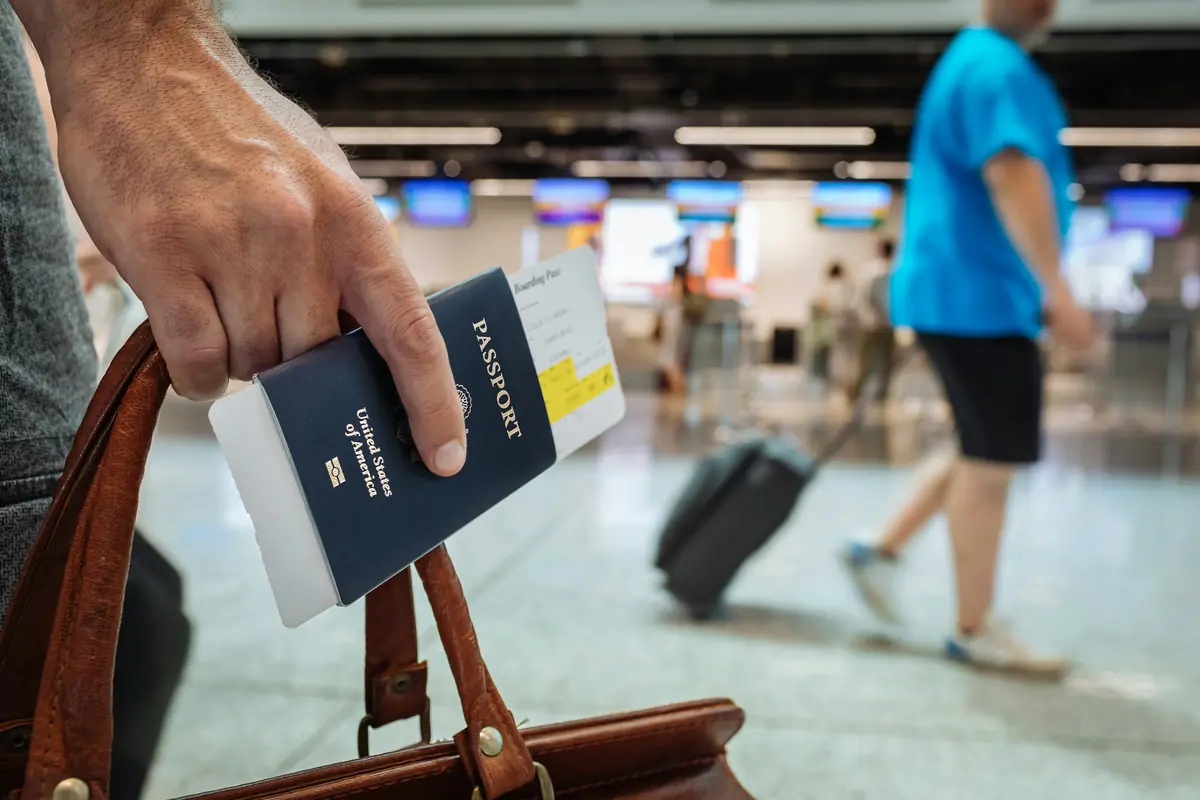
The answer to “do I need an ESTA for my El Salvador layover” depends entirely on which passport you hold. Two groups search this question, and they need opposite answers.
You hold a Visa Waiver Program passport
This covers roughly forty countries, including the United Kingdom, Ireland, Germany, France, Spain, Italy, the Netherlands, Sweden, Japan, South Korea, Taiwan, Australia, New Zealand, Israel, and Chile. Chile is the only Latin American member, which matters more than it sounds: a Chilean traveler can connect through Miami on an ESTA, while a Colombian or Peruvian traveler on the same itinerary cannot.
If your country participates, an approved ESTA covers your connection. Apply, get approved, fly. Membership does change as countries are added or suspended, so check the current list on the CBP site rather than relying on a blog roundup.
You hold a Salvadoran passport, or another non-VWP passport
El Salvador is not in the Visa Waiver Program, and Salvadoran citizens cannot apply for an ESTA at all. Any attempt to use one will fail at the application stage. If your itinerary touches a US airport, you need a C-1 transit visa or a B-1/B-2 visitor visa issued in advance by a US embassy or consulate.
This is the single most consequential fact for Salvadoran travelers booking connections through Houston, Miami, or Los Angeles to onward destinations. A confirmed ticket is not authorization. Without the visa, the airline will not board you.
You are a US citizen or lawful permanent resident
No authorization is needed to transit your own country. You still clear CBP on arrival and recheck bags like everyone else, so the connection-time math in this guide still applies to you. Your paperwork question is on the El Salvador end, covered further down.
Do You Actually Need to Transit the US at All?
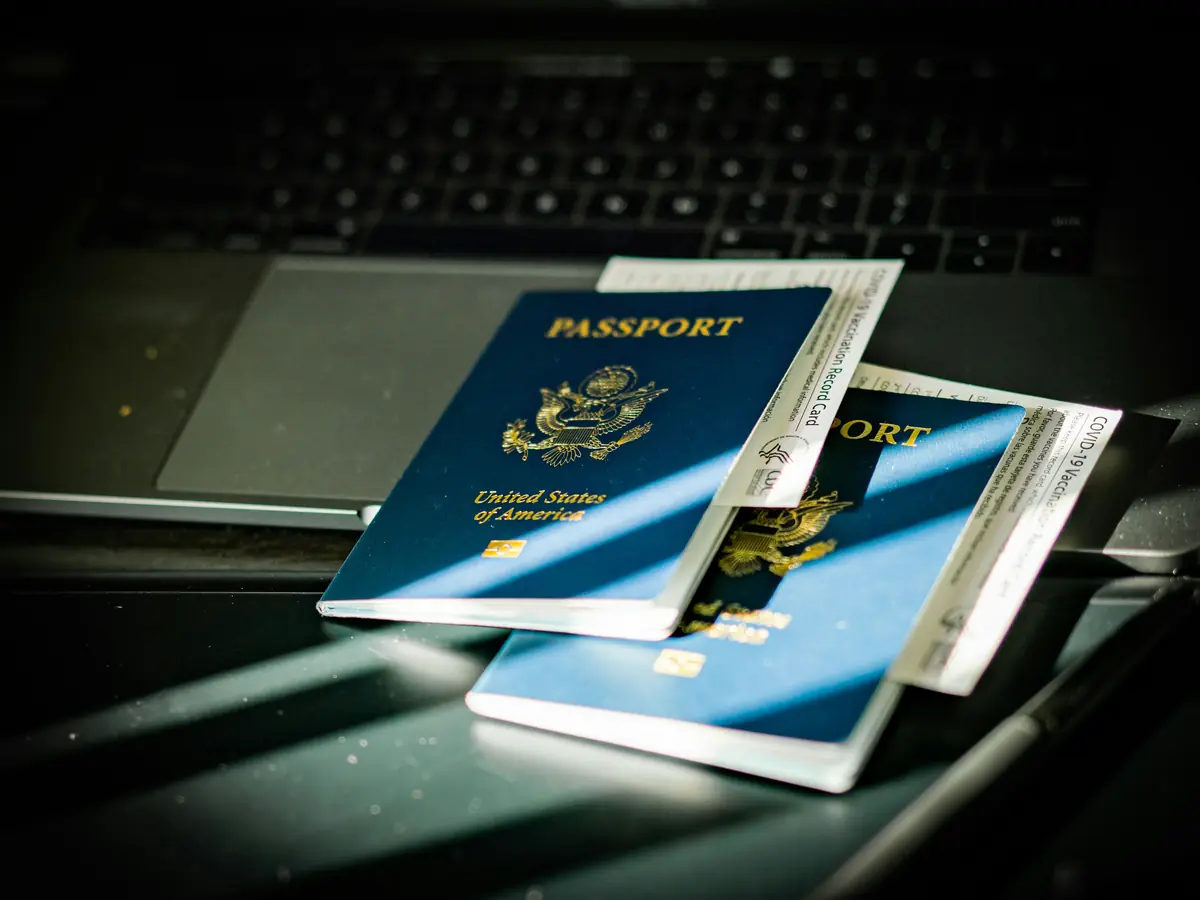
Before you spend money on an ESTA or wait months for a visa appointment, check whether your itinerary needs to touch the United States. Many El Salvador routings do not.
San Salvador’s airport connects to several hubs that impose no US requirements:
| Routing | Hub | Who it helps most |
|---|---|---|
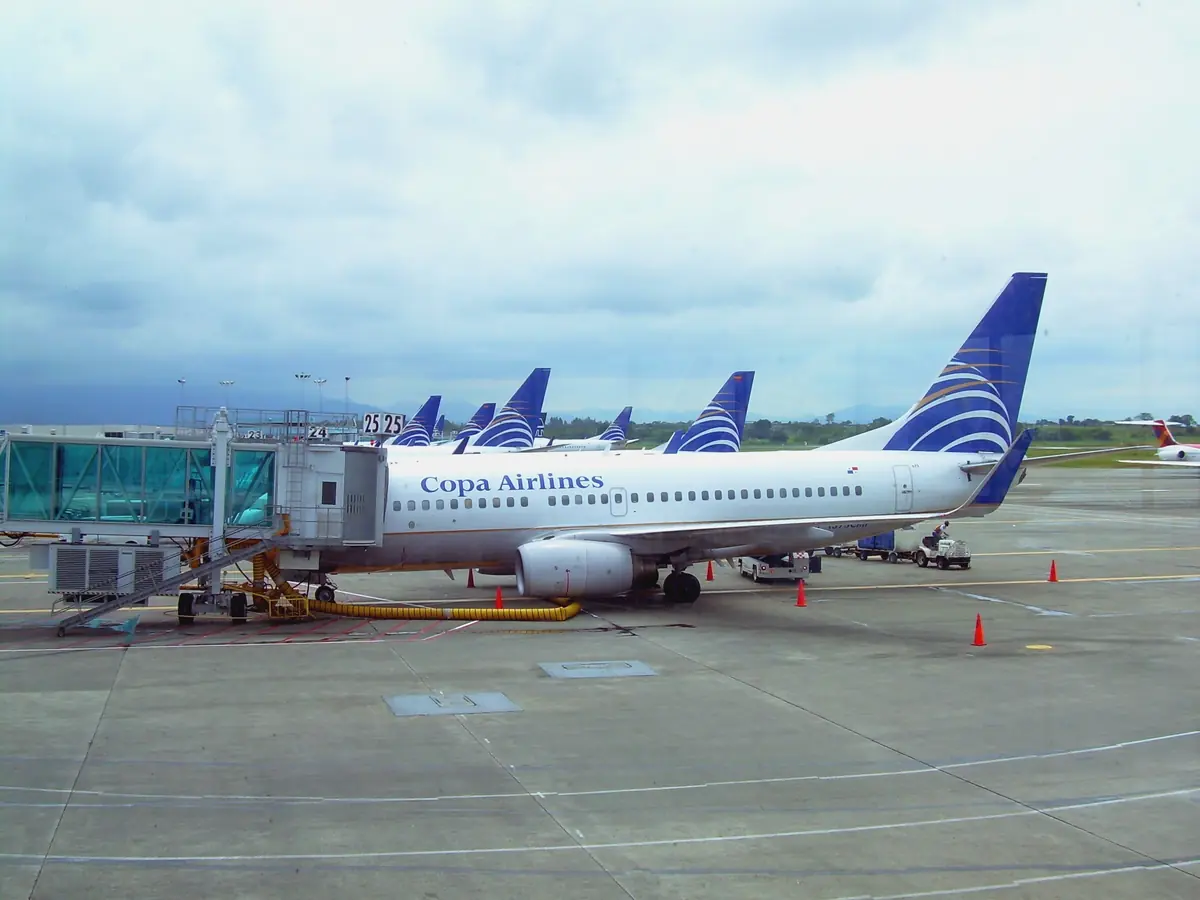
| Copa Airlines via Panama City | PTY | Travelers from across the Americas; wide North and South America network |
| Avianca via Bogotá or Medellín | BOG, MDE | Travelers from South America and Europe |
| Aeroméxico, Avianca, or Volaris via Mexico City | MEX | Travelers from North America and Europe |
| Avianca or Volaris via San José | SJO | Regional Central America connections |
| Iberia or Avianca nonstop from Madrid | MAD | European travelers, including anyone ESTA-ineligible |
| Air Transat or Avianca via Montreal or Toronto | YUL, YYZ | Canada-based travelers, seasonal service |
The Madrid nonstop deserves particular attention. A European traveler who cannot get an ESTA — because of a Cuba trip, a dual nationality issue, or a prior denial — can often reach San Salvador without ever dealing with US immigration, by positioning to Madrid first.
The tradeoff is usually a longer total journey and sometimes a higher fare. For a traveler facing a multi-month visa appointment wait, that tradeoff is not close.
ESTA Cost, Validity, and How to Apply
What it costs
The ESTA fee is currently $40.27 per person, paid at the time of application. It is built from three statutory components: a $17 travel promotion fee, a $10.27 cost-recovery fee, and a $13 authorization fee. The cost-recovery portion is indexed to inflation and adjusts at the start of each federal fiscal year, so confirm the exact figure on the official site before you pay.
There are no family rates, no group discounts, and no exemptions by age. An infant pays the same as an adult. Applications that are refused are charged only the processing portion rather than the full amount.
How long it lasts
An approved ESTA is valid for two years, or until your passport expires, whichever comes first. It allows multiple entries, each for a stay of up to ninety days. If you get a new passport, you need a new ESTA — the authorization is tied to the passport, not to you.
When to apply
Apply when you book, not when you pack. CBP no longer issues real-time approvals and advises submitting no later than seventy-two hours before departure. Most applications still clear within minutes, but some are pulled for manual review, and there is no paid expedited option to rescue a same-day traveler.
Triggers for manual review include prior visa refusals, a criminal record, a name that resembles one on a watchlist, and travel to restricted countries. None of these are rare, and none announce themselves in advance.
The US address field when you are only connecting
This trips up a large share of transit applicants. The form asks for an address in the United States, and a connecting passenger does not have one. CBP’s instruction is to enter “In Transit” in the address lines, along with your final destination — in this case, San Salvador, El Salvador. Do not invent a hotel. Do not enter the airport’s street address.
Where to apply
Apply only at esta.cbp.dhs.gov, the official CBP portal. A large number of commercial sites rank well for ESTA searches, use official-looking design, and charge two to four times the government fee for filling in the same form on your behalf. They are legal, but they provide nothing you cannot do yourself in about fifteen minutes, and they cannot make an approval faster or more likely.

When an ESTA Is Not Enough
Holding a Visa Waiver Program passport does not guarantee ESTA eligibility. Several travel-history rules override it, and they catch travelers who assume their nationality settles the question.
The Cuba rule
If you have been present in Cuba on or after January 12, 2021 — the date Cuba was designated a State Sponsor of Terrorism — you are not eligible to travel under the Visa Waiver Program and must apply for a visa instead. The purpose of your Cuba trip is irrelevant. Tourism counts.
Dual nationals of a Visa Waiver Program country and Cuba are also ineligible, regardless of whether they have ever visited. And if you already hold an approved ESTA, CBP can revoke it once your Cuba travel is identified.
This matters enormously for combined Caribbean and Central America itineraries. A traveler who spends a week in Havana and then books a Miami connection to San Salvador can find a previously valid ESTA has quietly gone dead. Narrow exceptions exist for military service and full-time government duty, and they require documentation.
Other travel-history triggers
Presence in Iran, Iraq, Syria, Sudan, Libya, Somalia, Yemen, or North Korea on or after March 1, 2011 carries the same consequence, as does dual nationality with several of those countries. Separately, entry restrictions tied to presidential proclamations affect nationals of a shifting list of countries. If any of this could apply to you, verify your status against current official guidance before you book, not after.
If your ESTA is denied or revoked
A refusal is not a ban. It means you must apply for a visa — typically B-1/B-2, or C-1 if you are strictly transiting — through the DS-160 process at a US embassy or consulate. Build in months, not weeks. Do not book non-refundable travel until the visa is in your passport.
Check your ESTA status shortly before departure even if you were approved long ago. Authorizations can be revoked between approval and travel, and the notification is easy to miss.
The C-1 Transit Visa and the B-1/B-2 Alternative
For Salvadoran citizens and everyone else outside the Visa Waiver Program, this is the section that matters.
What the C-1 covers
The C-1 is a transit visa for travelers in what the State Department calls “immediate and continuous transit” through the United States. In plain terms: a sensible, time-efficient routing to somewhere else, with a normal layover and no side trips. Maximum admission is twenty-nine days.
To qualify, you generally need a confirmed onward ticket, evidence of funds to complete the journey, and permission to enter your destination country.
When you need a B visa instead
If your layover has any purpose beyond transit — seeing a friend, a night in the city, a meeting — the C-1 is the wrong category. The State Department’s position is that a layover whose primary purpose is something other than transit requires a visitor visa.
For many travelers, applying for a B-1/B-2 in the first place is the better play. It costs the same in application fees, involves the same interview, and gives you far more flexibility across a two-year or longer validity period, rather than a single narrow transit permission.
Applying from San Salvador
Applications run through the DS-160 online form, followed by fee payment and appointment scheduling. Expect a two-step in-person process at the embassy, with document review and biometrics separate from the interview itself.
One important change: the age-based interview exemptions that used to spare young children and elderly applicants have been eliminated. Nearly all nonimmigrant visa applicants now attend an in-person interview, with a narrow set of exceptions that mostly cover diplomatic categories and certain B visa renewals where the previous visa expired recently and the applicant is an adult. Guides still describing automatic waivers for applicants under fourteen or over seventy-nine are out of date.
Appointment wait times in San Salvador fluctuate significantly. Check the State Department’s global visa wait times page for the current figure before you plan anything around it.
What it costs
The nonimmigrant visa application fee for C and B categories is $185, non-refundable whether or not the visa is issued. Beyond that, a separate visa integrity fee of $250 was created by federal law, collected at issuance rather than application. Rollout across consular posts has been uneven — some are collecting it, some are not — so confirm current requirements with the embassy before your appointment rather than assuming either way.

Connecting Through a US Airport: What to Expect
The universal sequence
At every US airport, in this order:
- Deplane and follow signs for arriving international passengers.
- Clear immigration with a CBP officer. Expect fingerprints and a photo.
- Collect your checked bags from the carousel, even if they are tagged through to San Salvador.
- Clear customs and hand your bags to the recheck counter immediately past the exit.
- Clear TSA security screening again.
- Change terminals if required, then walk to your gate.
Nothing about this is optional, and nothing about it is fast.
How much connection time to plan for
Published minimum connection times are the shortest interval an airline’s system will sell. They are not a realistic estimate of how long the process takes with a full flight and a busy inspection hall.
| US hub | Carriers serving San Salvador | Plan for at least |
|---|---|---|
| Houston (IAH) | United, Avianca, Volaris El Salvador | 3 hours |
| Miami (MIA) | American, Avianca | 3 hours |
| Dallas/Fort Worth (DFW) | American, Avianca, Frontier | 3 hours |
| Atlanta (ATL) | Delta, Frontier | 3 hours |
| Los Angeles (LAX) | United, Avianca, Volaris El Salvador | 3.5 hours |
| New York (JFK) and Newark (EWR) | Avianca, United, Volaris El Salvador | 3.5 hours |
| Washington Dulles (IAD) | United | 3 hours |
| Chicago (ORD) and Boston (BOS) | Avianca | 3 hours |
Treat these as planning minimums for a connection with checked bags, not guarantees. Immigration hall waits swing wildly by time of day and by how many wide-body arrivals land in the same window. If your itinerary allows a longer buffer at no extra cost, take it.
Baggage
A single ticket through to San Salvador means your bags are checked to the final destination, but you still reclaim and recheck them at your first US airport. A small number of hubs operate an international-to-international baggage program that can move connecting bags without the passenger collecting them. Participation varies by airport and by airline, so confirm with your carrier and plan as though you will handle the bags yourself. Immigration and re-screening happen regardless.
Mobile Passport Control and Global Entry
Mobile Passport Control is a free CBP app that lets eligible travelers submit passport details and inspection answers in advance and use a dedicated lane. Eligibility includes returning Visa Waiver Program travelers with an approved ESTA, meaning it helps on your second and later US trips rather than your first. It is available at most major US airports and costs nothing.
Global Entry costs $120 for five years and requires a background check and an interview. It is open to citizens of a limited set of partner countries in addition to US citizens and permanent residents. If you connect through the US more than once a year, it is worth the paperwork.
Use one program per arrival, not two. Mixing them creates a referral and slows you down instead of speeding you up.
If you miss the connection
You are already legally admitted to the United States, which is the one piece of good news. Your bags may already be checked through, or may be sitting at the recheck counter. On a single ticket, the airline rebooks you and generally handles accommodation when the delay is theirs. On separate tickets, neither airline owes you anything.
An overnight means you have entered the country, and you need valid authorization to be standing in that airport hotel lobby. This is one more reason a transit-only traveler should never treat the ESTA as a technicality.
Airlines and Routings Between the US and San Salvador
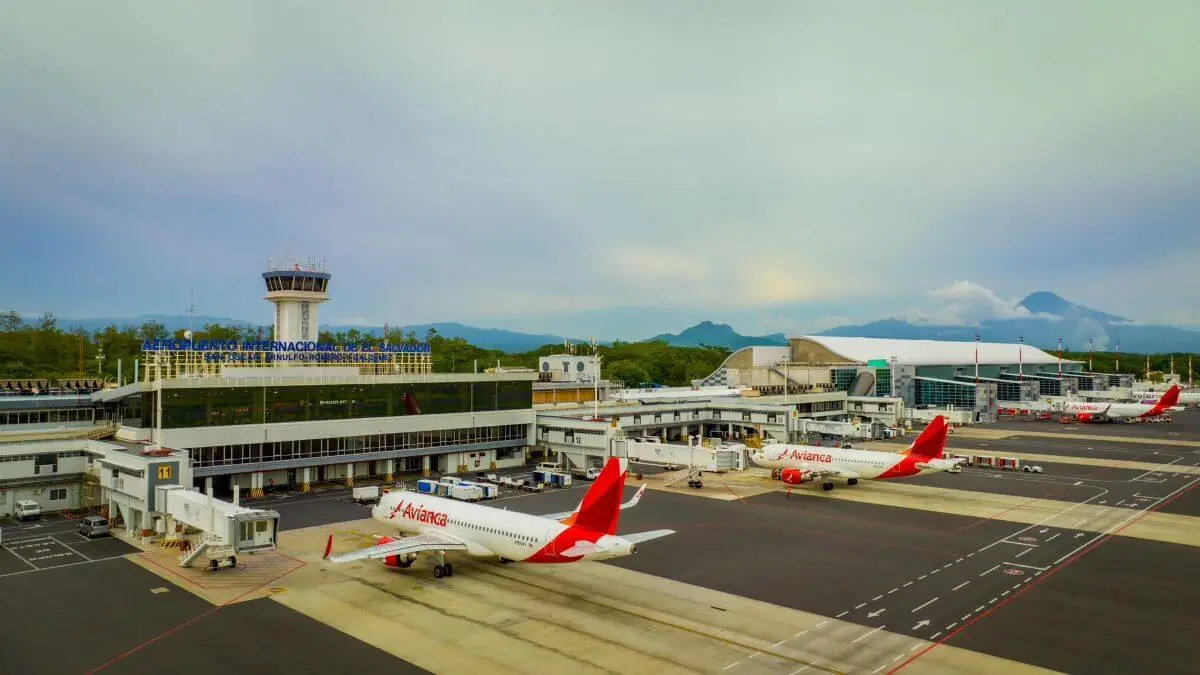
San Salvador’s El Salvador International Airport, named for Óscar Arnulfo Romero, is Avianca’s Central American hub and handles nonstop service to roughly a dozen US cities.
Avianca operates the broadest network, with nonstops to Houston, Miami, Los Angeles, New York, Dallas/Fort Worth, Chicago, Boston, and Washington, plus its own connecting bank through Bogotá. United serves Houston, Newark, Los Angeles, and Washington Dulles. American flies from Miami and Dallas/Fort Worth. Delta and Frontier serve Atlanta, with Frontier also at Dallas/Fort Worth. Volaris El Salvador, the country’s low-cost carrier, flies to Houston, Newark, and Los Angeles.
For anyone trying to avoid US airspace entirely, Copa’s Panama City service and Avianca’s Bogotá and Madrid routes are the workhorses.
One booking note that matters more than the carrier you choose: a single ticket protects you on a missed connection, and separate tickets do not. If you are stitching together a cheap Volaris fare with a separate transatlantic ticket, you own every risk in the middle, including the possibility that your first airline never checks whether you hold an ESTA and the second one does.
Long Layovers, Overnight Stops, and Leaving the Airport
Can you leave the airport during a US layover? If you hold a valid ESTA and CBP admits you, yes. An ESTA admission is a real admission, not a restricted transit status. You can eat dinner in the city, sleep in a hotel, and come back.
You will re-clear security on your return and you should treat the outing as costing you a solid two hours beyond travel time. For a connection under five hours, it is rarely worth it.
If you are traveling on a C-1 transit visa, the calculus is different. The C-1 exists for continuous transit, and using it as a sightseeing pass is inconsistent with the category. A traveler who wants to spend a day in Houston should be applying for a B visa.
Overnight connections deserve one more flag. An overnight is not a technicality that keeps you in some in-between state. You have entered the United States, and everything that follows depends on having valid authorization to be there.
Arriving in El Salvador: Entry Requirements
Once the US portion is handled, the El Salvador side is comparatively simple.
Visa-free entry and the CA-4 clock
US citizens and nationals of most of Europe, Canada, Australia, Japan, and Latin America enter without an advance visa for stays up to ninety days.
That ninety days is not per country. El Salvador, Guatemala, Honduras, and Nicaragua operate under the CA-4 Border Control Agreement, which treats the four as a single zone for the purposes of the clock. A week in Guatemala and three weeks in Honduras come out of the same ninety days as your time in El Salvador. Extensions are requested from immigration authorities in the country where you are present. The State Department also notes that expulsion from one CA-4 country means expulsion from all four.
The tourist card question
Here the sources genuinely conflict, and most guides pick one without acknowledging the other.
El Salvador’s Legislative Assembly passed reforms to the migration law eliminating the $12 Migratory Entry Card, the tourist card most guides still describe as mandatory. At the same time, the US Embassy in San Salvador and the State Department’s country information page continue to describe a one-entry tourist card obtainable on arrival for $12.
The sensible response is not to pick a side. Carry $12 in small US bills, and be unsurprised if nobody asks for it. Cash is the only accepted form of payment where the fee is still collected, and there is often no change available. If your US passport shows that you were born in El Salvador, the tourist card requirement has not applied to you in any version of this rule.
Passport, onward ticket, and funds
For US citizens, El Salvador imposes no minimum passport validity and no blank-page requirement. You do need a passport book — the passport card is not valid for air travel. Immigration officers may ask for proof of onward travel and evidence of sufficient funds, and refusal of entry for lacking them is a documented possibility rather than a theoretical one.
Airlines sometimes apply stricter validity rules than the destination country does, so a passport with under six months remaining is worth checking against your carrier’s policy.
Health documentation
A yellow fever vaccination certificate is required only if you are arriving from, or have transited for an extended period through, a country with yellow fever transmission risk. This affects travelers routing through parts of South America and sub-Saharan Africa, not those connecting through the United States.

Cost and Time Comparison
| Route to authorization | Cost | Time to obtain | Validity | Best for |
|---|---|---|---|---|
| ESTA | $40.27 | Minutes to 72 hours | 2 years, multiple entries | Visa Waiver Program nationals |
| C-1 transit visa | $185, plus a possible $250 integrity fee at issuance | Interview wait plus processing | Varies; 29-day admissions | Non-VWP travelers strictly connecting |
| B-1/B-2 visitor visa | $185, plus a possible $250 integrity fee at issuance | Interview wait plus processing | Often multi-year, multiple entries | Non-VWP travelers wanting flexibility |
| Route around the US | No US authorization needed | None | Not applicable | Anyone ineligible or facing long waits |
The comparison that most travelers get wrong is the last row. Routing through Panama City or Madrid costs nothing in paperwork and is frequently the fastest path to San Salvador for someone who has just discovered they cannot get an ESTA.
Frequently Asked Questions
Do I need an ESTA if I am only connecting and never leave the airport? Yes. The United States has no sterile transit zone, so every connecting passenger clears immigration and customs. Visa Waiver Program nationals need an approved ESTA to transit.
Can Salvadoran citizens get an ESTA? No. El Salvador does not participate in the Visa Waiver Program. Salvadoran passport holders need a C-1 transit visa or a B visitor visa to connect through a US airport.
What do I enter for the US address if I am just transiting? Enter “In Transit” in the address lines, along with your final destination.
How much does an ESTA cost? $40.27 per person, including infants. The cost-recovery component adjusts annually for inflation, so verify the current amount on the official CBP site.
How far in advance should I apply? Apply when you book. CBP advises no later than seventy-two hours before departure and no longer offers real-time approvals.
Is a two-hour layover enough in Houston or Miami? It is risky with checked bags. Plan for at least three hours on an international-to-domestic or international-to-international connection.
What happens if my ESTA is denied before a layover? You must apply for a visa at a US embassy or consulate. Without one, you will be denied boarding. Consider rerouting through Panama City, Mexico City, Bogotá, or Madrid instead.
Does travel to Cuba disqualify my ESTA? Yes, if you were present in Cuba on or after January 12, 2021. Dual nationals of a Visa Waiver Program country and Cuba are also ineligible, and existing approvals can be revoked.
Can I fly to El Salvador without transiting the United States? Yes. Copa via Panama City, Avianca via Bogotá, Aeroméxico or Volaris via Mexico City, and Iberia or Avianca nonstop from Madrid all avoid US requirements.
Can I leave the airport during a US layover on an ESTA? Yes. An ESTA admission is a full admission. You will need to re-clear security to return, so allow at least two hours beyond your travel time.
Do I need the $12 tourist card for El Salvador? Sources conflict. El Salvador’s legislature eliminated the fee, but US government pages still describe it. Carry $12 in small bills as a contingency.
How This Guide Was Verified
Every rule, fee, and date above was checked against primary sources rather than travel aggregators: the CBP Visa Waiver Program and ESTA guidance, the Federal Register notices establishing and inflation-adjusting the ESTA fee under Public Law 119-21, the State Department’s transit visa and country information pages, and the US Embassy in San Salvador. Where a government source and a credible reporting source disagreed — as they do on El Salvador’s tourist card — both positions appear above rather than a tidy but unreliable single answer.
Three areas change faster than any guide can track: Visa Waiver Program membership, US visa fees and appointment waits, and entry-restriction proclamations. Confirm each against the official source before you book, and never rely on an authorization you have not personally checked the status of.
This guide is travel information, not legal or immigration advice. The stakes here are a denied boarding pass and a forfeited fare, so verify before you fly.