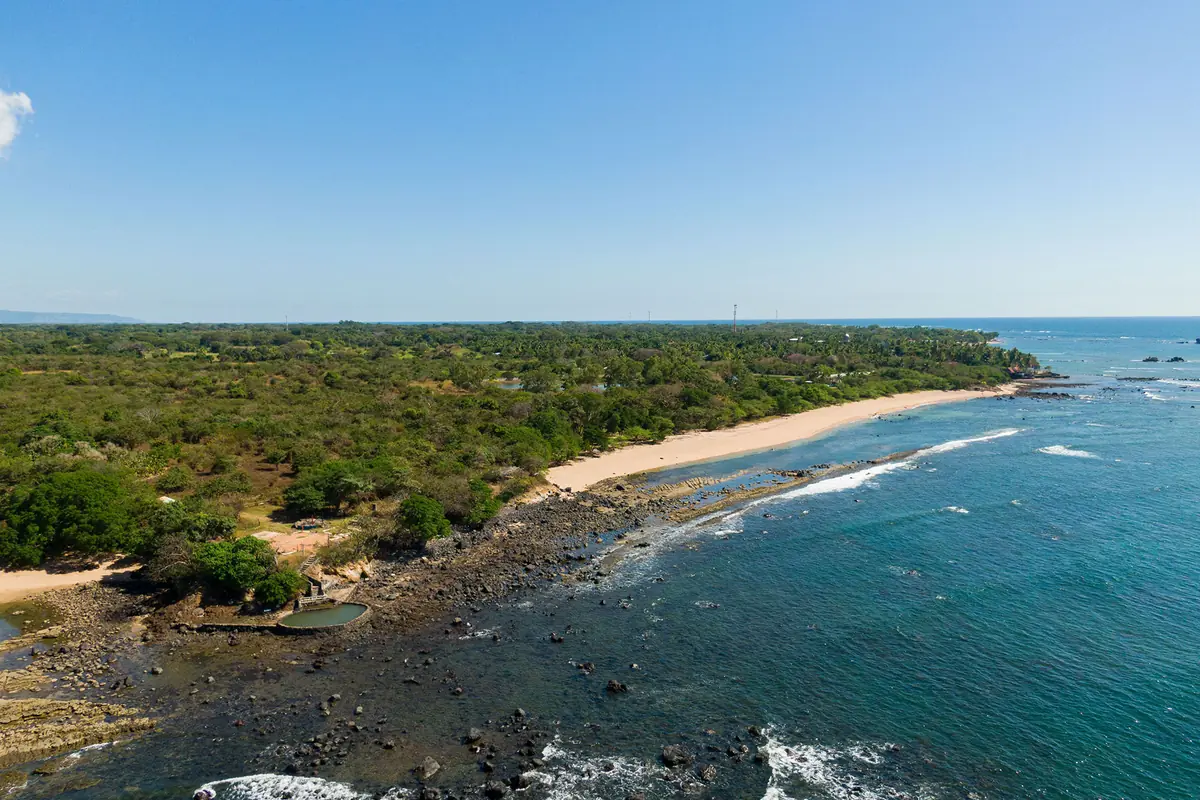
La Libertad, El Salvador is a working Pacific port town about 45 minutes southwest of San Salvador, and it anchors the stretch of coast the government markets as Surf City. It is the jumping-off point for El Tunco, El Sunzal, El Zonte, and the world-class right-hand point break at Punta Roca, and it is one of the easiest warm-water surf trips an American can take: a four-and-a-half-hour flight, no currency exchange, no visa. The short safety answer is that the U.S. State Department currently rates El Salvador Level 1, Exercise Normal Precautions, its lowest rating, and the coast feels calm and heavily policed. The longer answer, which most guides skip, is more complicated, and it starts below.
I have driven the Litoral highway more times than I can count, surfed the cobblestones at Punta Roca badly and El Sunzal slightly less badly, and eaten enough shrimp cocktails on the La Libertad malecón to have opinions about which stall to pick. This guide is what I would tell a friend who called me and asked whether the trip is worth it.
Is La Libertad, El Salvador Safe for Travelers?
Yes, for the vast majority of visitors who use normal urban common sense. The U.S. State Department lists El Salvador at Level 1, Exercise Normal Precautions, the same tier it gives Japan and lower than the Level 2 it currently assigns France, Germany, and the United Kingdom. The advisory was first lowered to Level 1 in April 2025 and has been reaffirmed since. That reflects one of the sharpest security turnarounds in the hemisphere: El Salvador’s homicide rate fell from 104 per 100,000 in 2015 to low single digits, and the country now reports one of the lowest murder rates in the Americas.
That said, advisories change. Check travel.state.gov before you book, and again before you fly.
There is a second layer that generic travel blogs gloss over. The reason the streets are quiet is a nationwide crackdown that suspends ordinary legal protections. You will feel it, and you should understand it.
What the State of Exception Means for Visitors
In March 2022, El Salvador declared a “State of Exception” in response to a spike in gang killings. It has been extended continuously ever since. Under it, authorities can detain anyone they suspect of gang involvement, and several constitutional protections are suspended, including the right to a speedy trial and prompt access to a lawyer. Tens of thousands of people are currently imprisoned awaiting trial, and the State Department notes that several U.S. citizens have been detained under it.
In practice, for a tourist, this looks like soldiers with rifles standing at intersections, ID checks on the coastal highway, and a police presence in the surf towns that is impossible to miss. El Salvador also runs a dedicated tourist police force, POLITUR, stationed across the country’s main tourist destinations. Most visitors describe the feeling as safe but enforced rather than effortless, which is a fair way to put it.
Carry a color photocopy of your passport photo page at all times, and keep the original secured at your accommodation. If you are stopped, be polite, unhurried, and cooperative.
The Laws That Trip Up Americans
Three legal realities catch visitors off guard.
Alcohol and driving. In December 2024, El Salvador began enforcing a zero-tolerance drunk-driving law. Any measurable blood alcohol level is a criminal offense carrying a prison sentence of two to five years, and police run random sobriety checkpoints. If you have had a single beer at a beachfront bar, take a ride. This is not a fine-and-a-lecture situation.
Drugs. Penalties for possession are severe, and that includes THC products and most CBD, which are illegal regardless of what your home state allows. Do not bring gummies, oils, or vape cartridges.
Tattoos. Visible tattoos are not illegal, but gang-associated imagery, numerals, and teardrops draw scrutiny at checkpoints, and there are credible traveler accounts of heavily tattooed foreigners being questioned or briefly detained. If your ink could be misread, cover it in transit and carry your passport copy.
Also worth knowing: bringing firearms, ammunition, or even spent casings into the country can result in long detention and heavy fines, and the embassy cannot intervene.
The Risks That Actually Remain
Violent crime against tourists is now rare, but opportunistic theft is not. Phone snatching happens, particularly at the pier and along the malecón after dark, and along the more crowded stretches of El Tunco at night. Do not leave a bag on the sand while you paddle out. Use ATMs inside guarded bank vestibules rather than freestanding machines.
The bigger day-to-day danger is the ocean. El Salvador’s Pacific beaches have serious rip currents and undertows, and the State Department is blunt about the risk even for strong swimmers. Lifeguard coverage varies by beach and season. Respect red and black flags, and if a beach has no flag system at all, treat that as information.
Roads are the other real hazard. Coastal driving after dark is genuinely risky: unlit stretches, potholes, pedestrians, livestock, and slow vehicles without taillights. U.S. embassy personnel are prohibited from traveling between cities at night for exactly this reason, with an explicit exception for the San Salvador-to-La Libertad route. Drive in daylight.
Where Is La Libertad? Surf City and the Litoral Highway Explained
Three different things share the name, which is why search results get muddled.
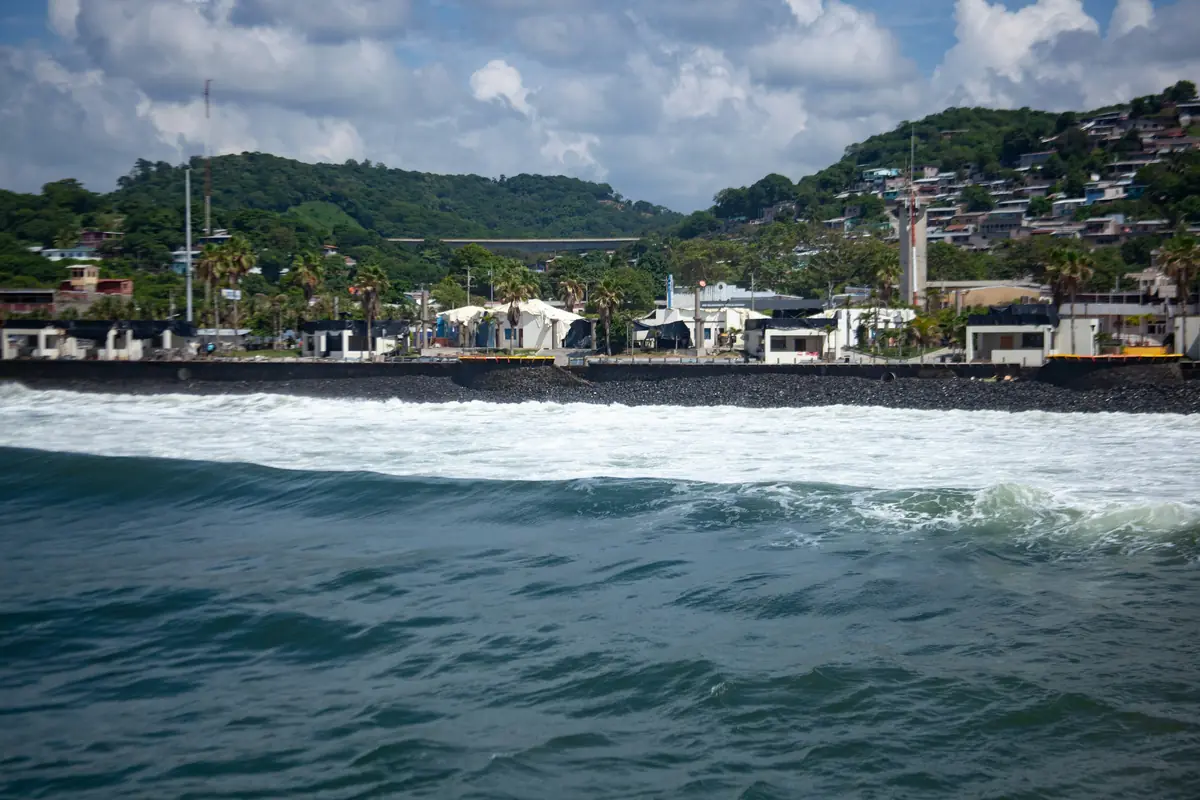
La Libertad the town, officially Puerto de La Libertad, is a fishing port with a long pier, a renovated seafront promenade, and Punta Roca out front. It is functional rather than pretty, and it is where locals actually live and work.
La Libertad the department is the surrounding state-equivalent region, which also contains the beach towns, the airport road corridor, and part of metropolitan San Salvador.
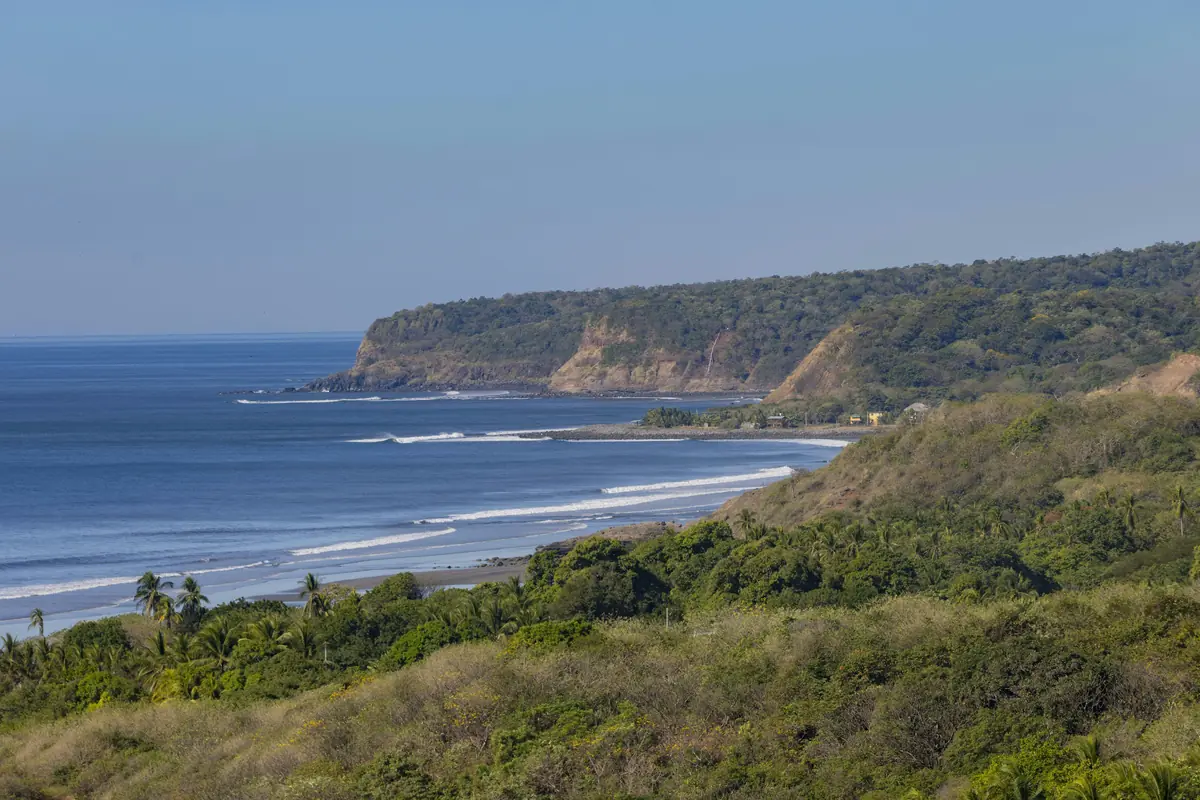
Surf City is the tourism brand covering the coastal circuit: a chain of beaches connected by the Carretera Litoral, the coastal highway that runs west from the port past El Sunzal and El Tunco toward El Zonte, Playa Mizata, and eventually the far western breaks.
Distances are short. El Tunco sits roughly 25 to 30 minutes west of the port. El Zonte is around kilometer marker 53, about 26 miles from San Salvador. The international airport is on the other side, roughly an hour and 20 minutes east of El Tunco. You can base yourself in one town and reach the entire corridor in under an hour.
The Beaches of La Libertad, Break by Break
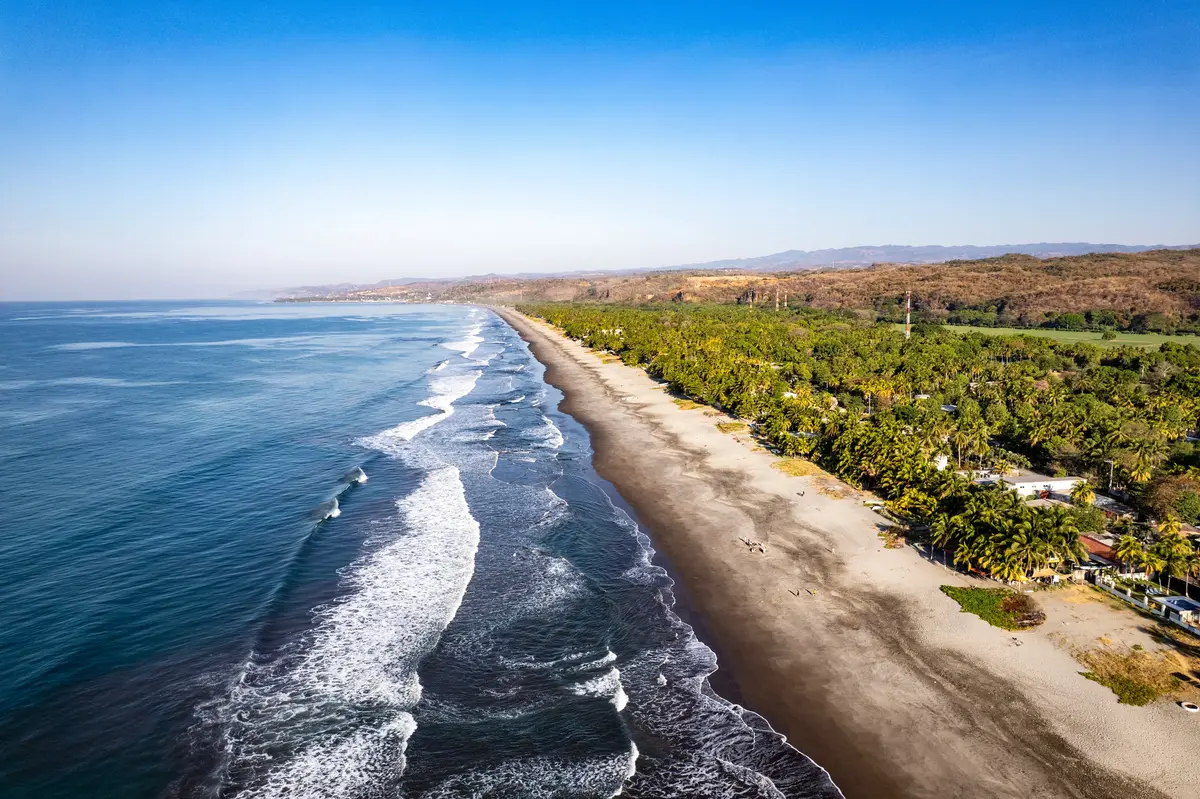
This is the section most guides get lazy about. The beaches are genuinely different from each other, and picking wrong costs you the trip.
| Beach | Vibe | Surf level | Nightlife | Best for |
|---|---|---|---|---|
| El Tunco | Backpacker hub, walkable, loud | Beginner to advanced | Strongest | First-timers, solo travelers |
| El Sunzal | Mellow, surf-focused, spread out | Beginner to intermediate | Quiet | Learning, longboarding |
| Punta Roca | Local, gritty, competitive lineup | Advanced only | Minimal | Experienced surfers |
| El Zonte | Small, bohemian, black sand | Intermediate | Low-key | Slow travel, remote work |
El Tunco
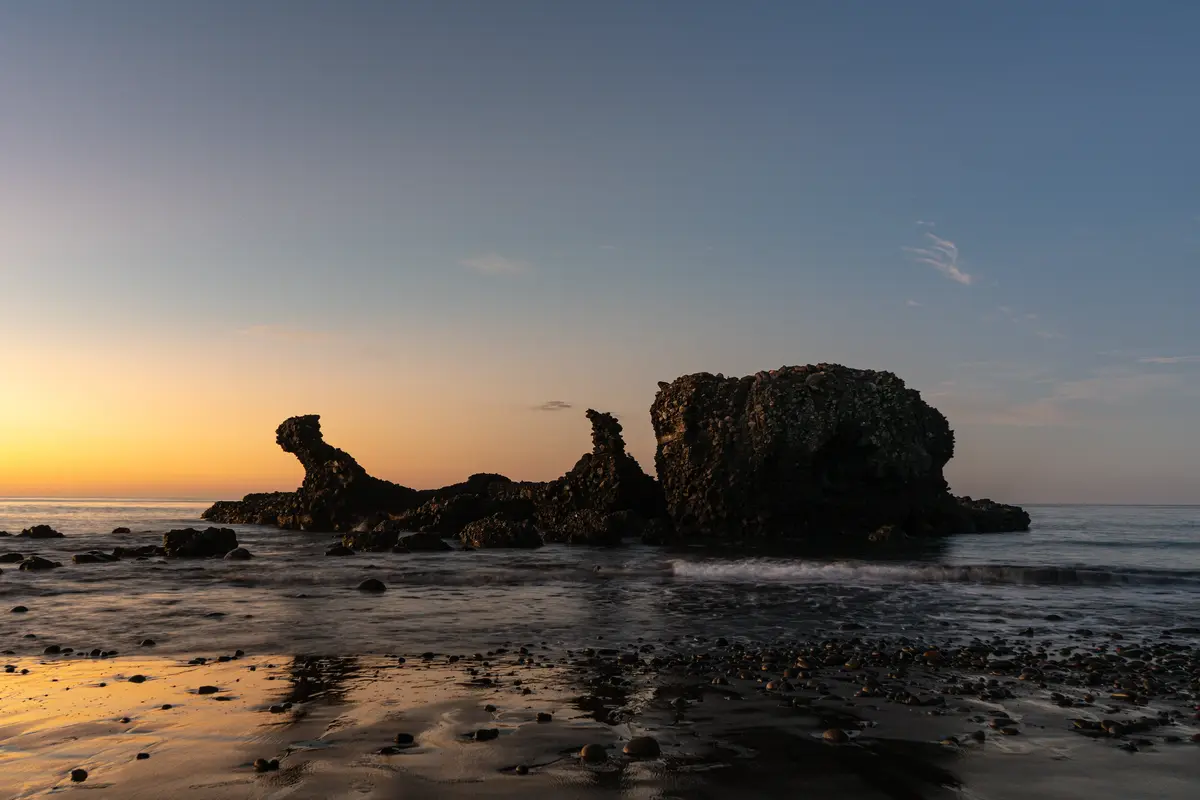
The social center of the coast, named for the pig-shaped rock offshore. It is a handful of dusty streets packed with hostels, surf schools, taco joints, and bars that get loud on weekends. The main break is La Bocana, a punchy river-mouth wave with a rock bottom that is unforgiving when it is big and one of the best waves on the coast when it lines up. Beginners should not learn here. The swimming is poor at most tides, though the pocket near the caves at the west end is manageable when the water is low.
Stay here if you are traveling alone, want to meet people, and do not mind being woken by reggaeton.
El Sunzal
A short walk or two-minute drive from El Tunco, El Sunzal is a long, sloping right-hander that breaks slowly and forgivingly, which makes it the best wave on this coast for improvers and longboarders. There is a smaller inside section, Sunzalito, that beginner lessons use. The town is quieter and more spread out, with several mid-range hotels perched on the hillside. If you want to surf twice a day and sleep well, this is the base.
Punta Roca
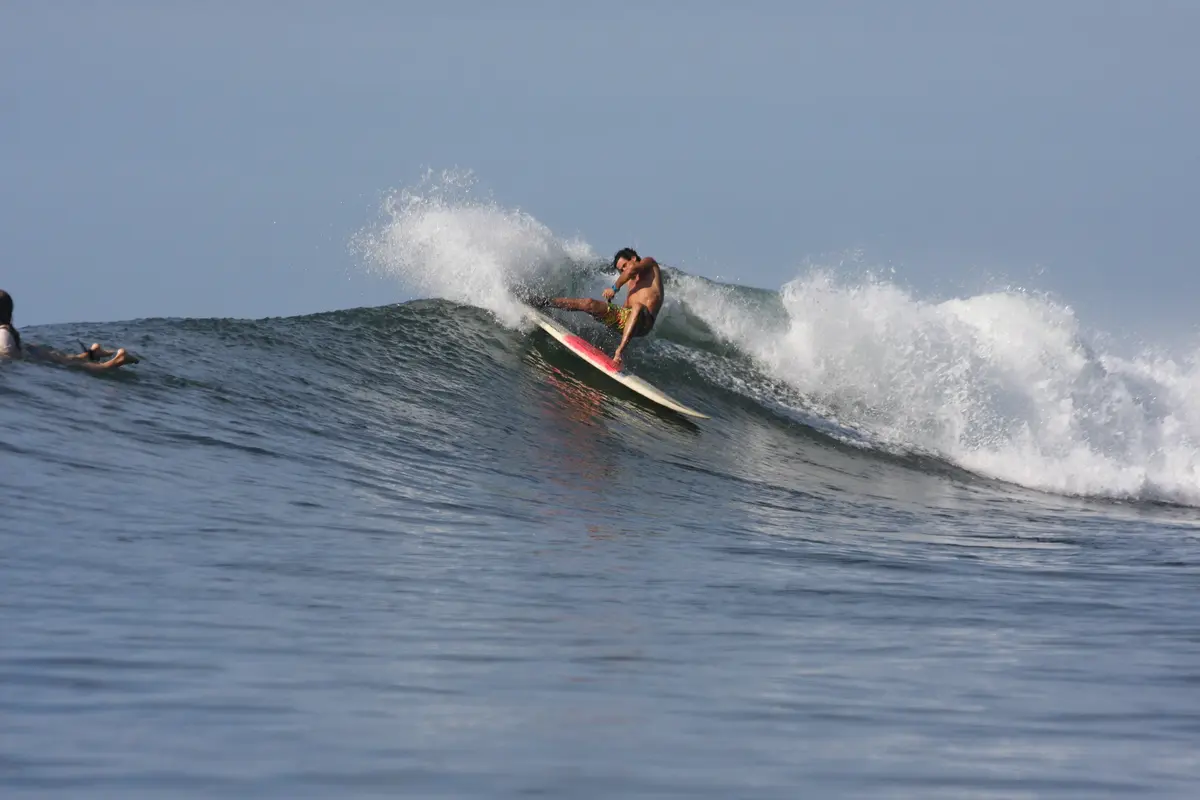
The reason serious surfers come to El Salvador. Punta Roca is a high-performance right point off the La Libertad headland, a long, fast, sectiony wave that will burn your legs out and hold real size. The entry is over cobblestones, the lineup is crowded and locally dominated, and the etiquette expectations are high. Advanced surfers only, and go early.
El Zonte
Smaller, darker sand, more bohemian, and the birthplace of what became known as Bitcoin Beach. The wave is a cobble point that works best on a decent swell, more forgiving than Punta Roca and less crowded than El Tunco. The town has grown a lot but still feels like a place where people stay for weeks instead of nights. This is where the yoga-and-smoothie-bowl side of the coast lives.
Playa San Blas and the Quieter Alternatives
Just east of the port, Playa San Blas and the neighboring stretches are where Salvadoran families go on weekends. Fewer foreigners, cheaper food, and a more local feel. Farther west, Playa Mizata and the beaches toward the Guatemalan border reward anyone with a rental car and a swell forecast.
A word on swimming everywhere along this coast: much of it is rock and cobble rather than soft sand, the shorebreak can be heavy, and rip currents are strong. Reef booties are not a bad idea, and neither is asking a local before you wade in at an unfamiliar beach.
When to Visit and How the Surf Seasons Work
There are waves in La Libertad every month of the year, which is the single best argument for the destination. What changes is size, crowd level, and rain.
March through October brings the south and southwest swells that make El Salvador famous, with the biggest, most consistent surf from June through September. This is also the wet season, but the rain pattern is friendlier than the calendar suggests: most days are sunny in the morning and get a heavy, short-lived downpour in the afternoon, roughly between one and five o’clock. Mornings are glassy and offshore. Mid-September is the wettest stretch.
November through April is the dry season. Swells are smaller and cleaner, the sky is reliably blue, and the water is easier for beginners. This is peak tourist season, so book ahead around Christmas, New Year’s, and Semana Santa, when prices jump 20 to 30 percent and the beach towns fill with Salvadoran families.
The sweet spots are late April, September, and October: real swell, thinner crowds, lower rates.
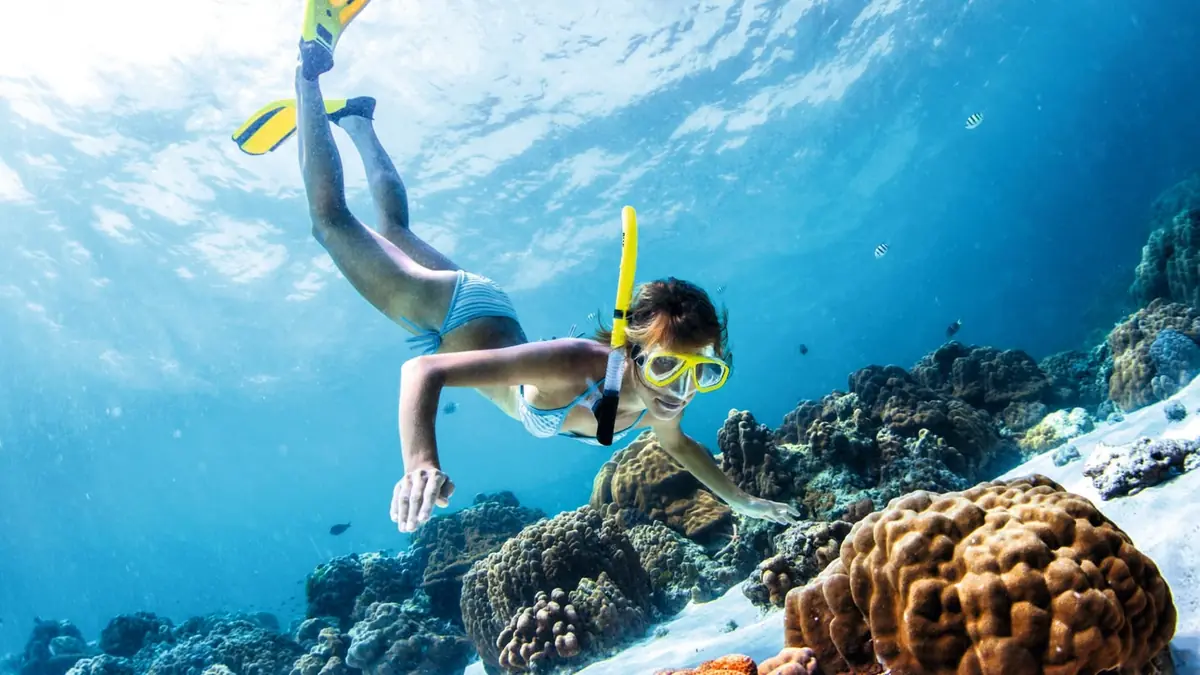
Two more useful facts. El Salvador sits outside the main Atlantic hurricane track, so the risk profile is different from the Caribbean, though tropical storms and heavy rain still occur between June and November. And the water runs roughly 79 to 84 degrees Fahrenheit year-round, so you need boardshorts and a rash guard, never a wetsuit.
The wind is more important than the season. Offshore in the morning, onshore by late morning almost every day. Surf at dawn. This is not optional advice on this coast.
How to Get to La Libertad From the United States
Flights Into San Salvador
You are flying into SAL, El Salvador International Airport, roughly 26 miles southeast of San Salvador. Its location is a gift: it sits on the same side of the country as the coast, so you never have to cross the capital to reach the beach.
Avianca operates the deepest U.S. network, with year-round service from Boston, Dallas/Fort Worth, Houston, Los Angeles, Miami, and New York JFK, plus seasonal routes from Chicago, Las Vegas, and Orlando. United flies from Newark, and American and Volaris add more options. Flight time from Houston runs about four and a half hours, and round-trip fares from Texas gateways have been seen in the low $200s in shoulder season.
Aim for a daytime arrival. The airport-to-coast drive is straightforward, but the last stretch of the Litoral has ongoing construction near La Libertad, and you do not want to be figuring that out in the dark on night one.
Airport to the Coast: Four Options
| Option | Cost to El Tunco | Time | Best for |
|---|---|---|---|
| Private transfer or taxi | $25 to $35 | About 1 hour 20 minutes | Almost everyone, especially first visits |
| Rideshare app | $25 to $40 | About 1 hour 20 minutes | Solo travelers with working data |
| Rental car | $25 to $40 per day plus insurance | About 1 hour 15 minutes | Day trips and chasing swell |
| Public buses | Under $3 total | 2.5 to 3.5 hours | Tight budgets, daylight only |
A few things worth knowing. There is no direct public bus from the airport to El Tunco; the cheap route involves transferring in San Salvador or at the La Libertad terminal, which is doable but slow with a board bag. Rideshare works reliably from the airport and around the capital, but coverage thins along the coast, so do not count on summoning a car back at midnight from El Zonte.
On rental cars, the advertised daily rate is misleading. Mandatory local liability insurance often roughly doubles the quoted price, and your credit card coverage will not substitute for it. Budget accordingly. Many of the smaller coastal rental outfits run their bookings and support entirely over WhatsApp, which feels informal but works fine.
In high season, book your shuttle before you land. Arriving at 10 p.m. and negotiating on the curb is how people end up paying triple.
Getting Around Once You Are There
Within the Surf City corridor, you rarely need a car. El Tunco and El Zonte are both walkable, and hotels arrange transfers.
Between towns, the local buses are absurdly cheap, generally 25 cents to a couple of dollars, and the 102 and 102A routes are the workhorses running the coastal corridor toward La Libertad. They are hot, crowded, and slow, and the State Department advises against public buses, so weigh that against your budget and comfort level. Pickup trucks running informal routes are common and cost about the same.
A rental car pays for itself if you plan to chase waves, visit the inland volcanoes, or travel with a family. Otherwise, shuttles and negotiated day-rate taxis are simpler.
Day Trips Worth Taking From the Coast
El Salvador is small, which is the underrated part of the pitch. You can surf at dawn and stand on a volcano rim by lunch.
Ruta de las Flores
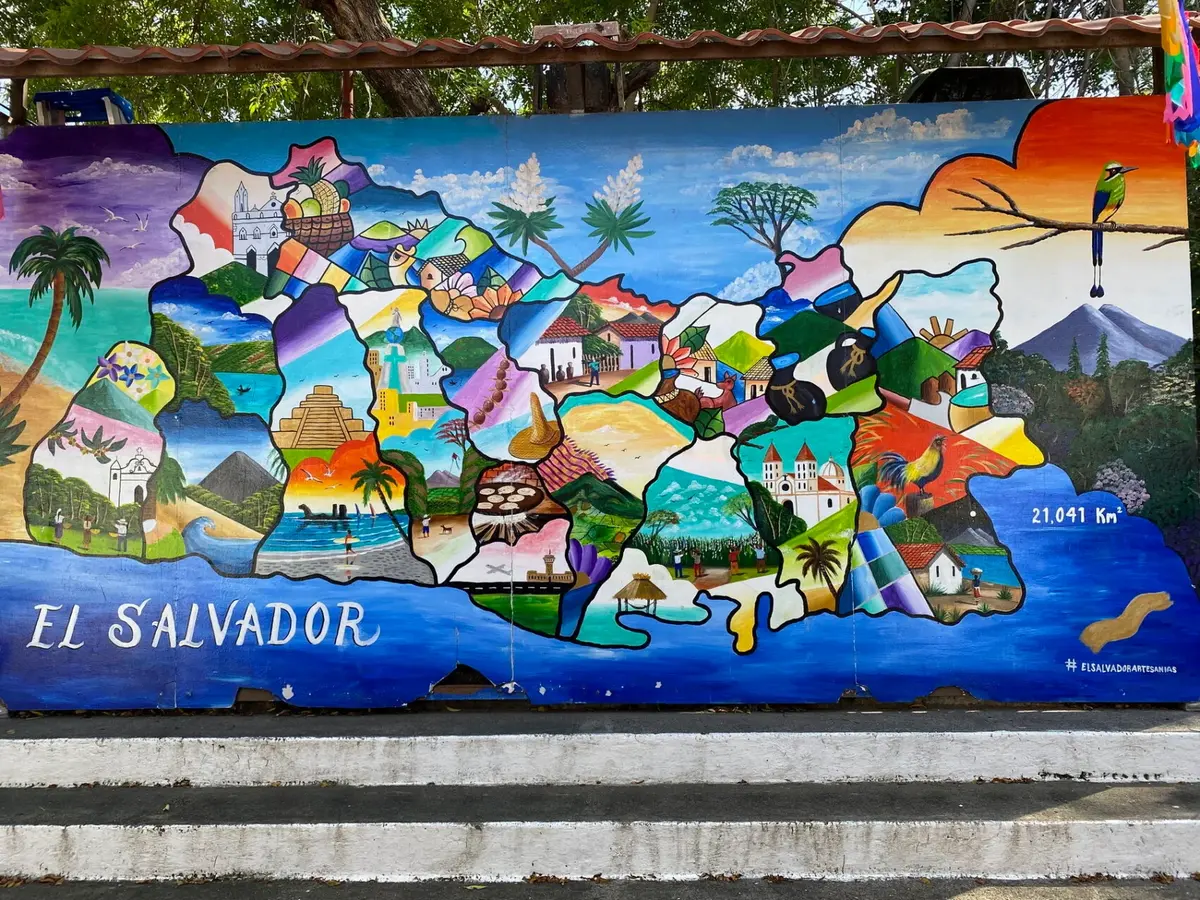
A ribbon of coffee towns in the western highlands: Juayúa with its weekend food fair, Ataco with its murals, and Apaneca with zip lines and the Café Albania rainbow slide. It is cooler up there, and the coffee is excellent. You can do it by bus via Sonsonate, or take a guided day tour from the coast for roughly $110 to $155.
Santa Ana Volcano and Lake Coatepeque
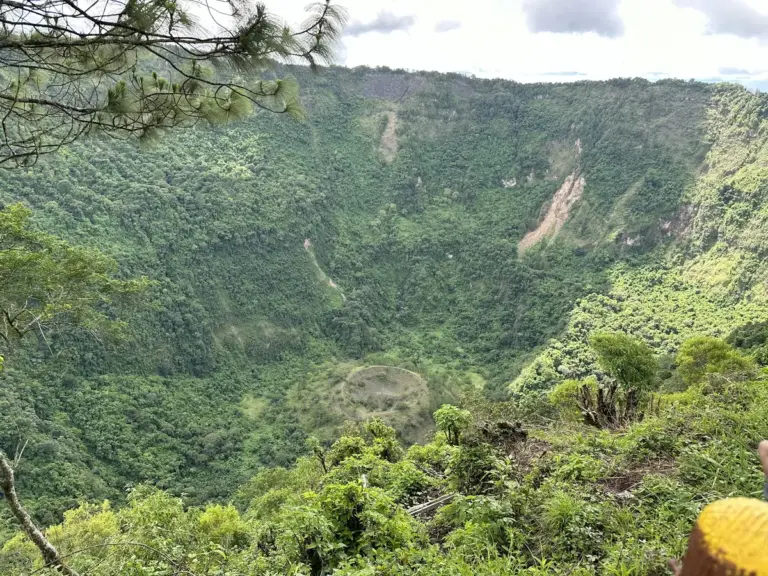
The hike up Ilamatepec ends at a crater rim above a turquoise sulfur lake, and it is the single most photogenic thing in the country. Tours generally run $93 to $155 and often pair the climb with a swim in Lake Coatepeque, a deep blue crater lake nearby. Start early; the summit clouds over by midday and access is time-restricted.
Joya de Cerén
A UNESCO World Heritage site sometimes called the Pompeii of the Americas: a Maya farming village buried and preserved by volcanic ash around 600 AD. It is modest in scale and enormous in significance, and it is close enough to the airport road to pair with an arrival or departure day.
Tamanique Waterfalls
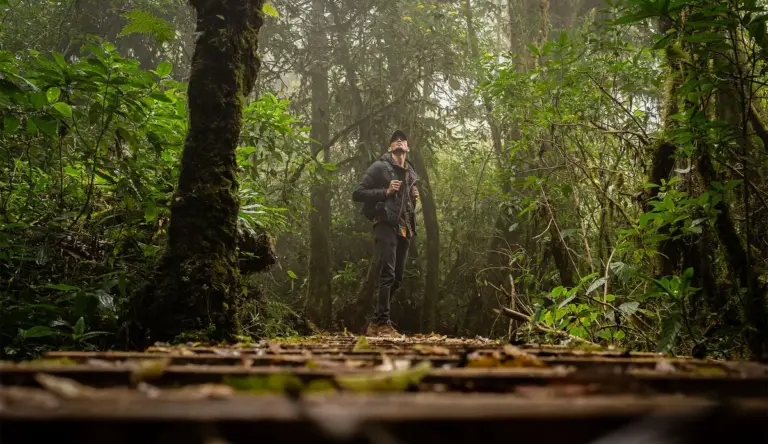
The classic half-day from El Tunco. A steep guided hike down into a jungle canyon to a series of falls and swimming holes with optional jumps. Wear shoes with grip, hire a local guide at the trailhead, and skip it after very heavy rain.
Walter Thilo Deininger National Park
A dry tropical forest reserve right between the port and El Tunco, with trails, birdlife, and almost no crowds. Underrated and cheap.
Where to Stay: Picking the Right Base
Your choice of town matters more than your choice of hotel.
El Tunco is the default for first-timers and solo travelers: everything within walking distance, easy to meet people, plenty of surf schools, and the most restaurants per square block. The trade-off is noise.
El Sunzal and the Cerromar hillside above it offer better surf access for improvers, quieter nights, and nicer mid-range hotels with pools and ocean views. You will walk or take short rides to eat.
El Zonte suits longer stays, remote workers, and anyone allergic to backpacker bars. Smaller, slower, more yoga than tequila.
La Libertad town is the cheapest and most local option, with easy access to Punta Roca and the fish market, but a thinner hostel scene and less charm. La Terraza AST Surf Hotel is a reliable option there if you want to be walking distance from the point.
Rough price bands on the coast, all in U.S. dollars: hostel dorms and simple private rooms run about $20 to $45 a night, rising in peak season; mid-range guesthouses and boutique surf hotels land around $60 to $120; oceanfront and luxury properties run $180 to $450 and up. Papaya Lodge in El Tunco is a long-running budget and social option. Rates and ownership change, so confirm before booking.
What to Eat: The Malecón, Mercado del Mar, and Pupusas
The Malecón and the Fish Market
The renovated seafront promenade at Puerto de La Libertad is the best reason to visit the town itself. The Malecón runs along the water past restaurants, food stalls, an amusement area, and the pier, where the fishing boats come in. Attached to it is the Mercado del Mar, an open seafood market where the day’s catch sits on ice in buckets: shrimp, lobster, snapper, corvina, and heaps of shellfish.
Two ways to eat here. Buy raw and have a nearby restaurant cook it, or just order from a stall. The dishes to order are coctel de conchas, a bracing cold cocktail of black clams with lime, cilantro, and onion, and ceviche made with whatever came in that morning. Go before noon, right after the market rush, when everything is freshest.
Danilo’s, on the boardwalk, has been a dependable spot for sashimi and grilled seafood at prices that would be a rounding error in a U.S. coastal town. Check that it is still operating before making a special trip; boardwalk businesses turn over.
One honest note: parts of the town beach and the area around the pier can be littered, and the water there is a working harbor, not a swimming beach. Come for the food and the atmosphere, swim elsewhere.
Pupusas and the Rest
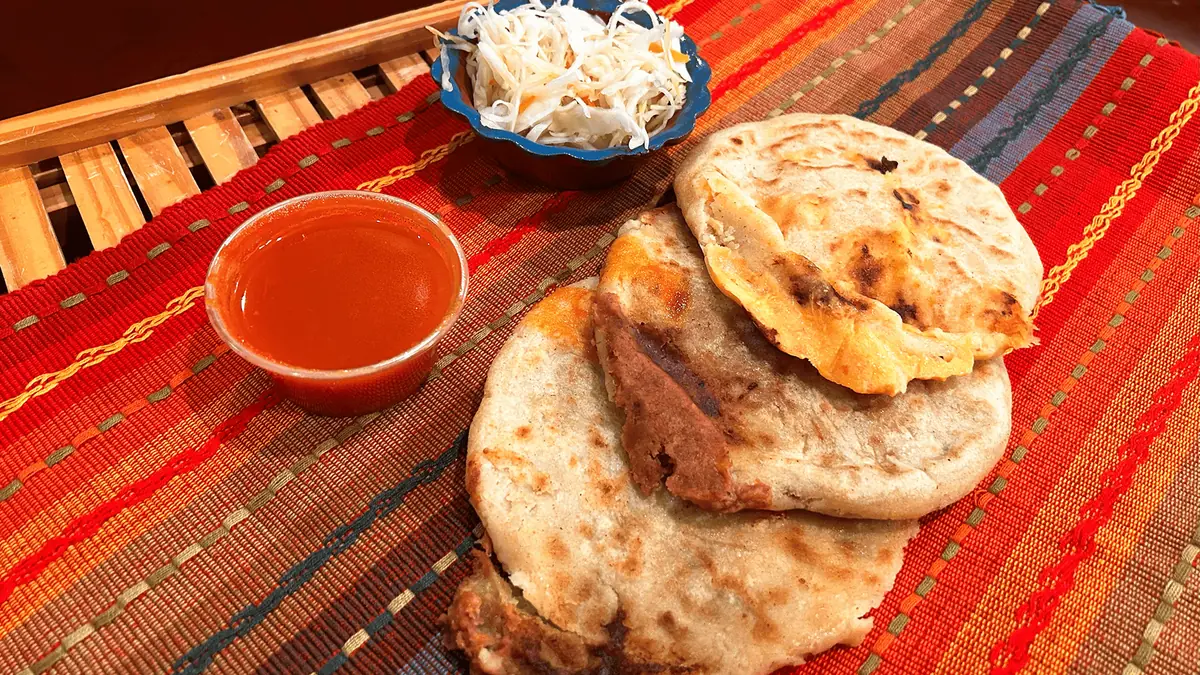
Pupusas, thick griddled corn cakes stuffed with cheese, beans, pork, or loroco flower buds, are the national dish and cost roughly $1 to $3 each depending on where you are standing. Two or three make a meal, and they come with curtido, a tangy pickled cabbage slaw, and a thin tomato sauce. The best ones come from a street stall with a comal out front and a line of locals, not from a restaurant with a laminated menu.
Beyond pupusas: yuca frita con chicharrón, tamales de elote, atol de elote, and horchata made with morro seeds, which tastes nothing like the Mexican rice version and is worth ordering at least once.
Do not drink the tap water. Bottled water is cheap and widely available; ask for drinks without ice at smaller places, and be cautious with raw vegetables at very informal stalls.
Money, Bitcoin, and What a Trip Actually Costs
El Salvador uses the U.S. dollar. There is no exchange, no conversion math, and no bad airport rate. Bring small bills, because breaking a $20 at a pupusa stand or a bus fare is a genuine hassle. Cards are accepted at hotels and larger restaurants but frequently not at stalls, markets, or buses, and some places add a fee for card use. ATMs dispense dollars, are sometimes out of order, and often charge steep withdrawal fees, so plan around them rather than relying on them daily.
Can You Still Pay With Bitcoin?
Mostly no, and this is where a lot of older articles are now wrong.
El Zonte pioneered the Bitcoin Beach experiment in 2019, when an anonymous donor funded a closed-loop local economy running on the Lightning Network. That grassroots project inspired the national Bitcoin Law of 2021, which made El Salvador the first country to give Bitcoin legal tender status.
That framework was substantially dismantled in January 2025. Under pressure from the International Monetary Fund as a condition of a $1.4 billion loan, the Legislative Assembly voted 55 to 2 to amend the law: acceptance by businesses became voluntary rather than mandatory, references to Bitcoin as “currency” were removed, taxes can no longer be paid in Bitcoin, and the state-run Chivo Wallet was wound down.
On the ground, some El Zonte businesses still happily take Lightning payments, and the local Bitcoin community persists. But treat it as a novelty, not a payment plan. Cash dollars are king, especially outside El Zonte.
What a Trip Costs
Daily budgets in U.S. dollars, excluding flights:
| Travel style | Typical daily spend | What that looks like |
|---|---|---|
| Backpacker | $30 to $50 | Hostel dorm, pupusas and street food, buses, occasional board rental |
| Mid-range | $85 to $165 | Private room or small hotel, restaurant meals, a surf lesson, shared shuttles |
| Comfort | $180 and up | Boutique or oceanfront hotel, private transfers, guided tours, seafood dinners |
Costs have been drifting up with tourism and general inflation, and peak season adds 20 to 30 percent. Surf lessons run roughly $25 to $40 for a group session, board rentals $10 to $20 a day, and a full-day guided inland tour $90 to $155. A week on the coast at mid-range comfort, flights excluded, realistically lands between $700 and $1,100 per person.
Entry Requirements and Practical Details for Americans
U.S. citizens do not need a visa for tourist stays of 90 days or less. You need a passport valid at the time of entry, and immigration may ask for proof of onward travel and where you are staying, so have a booking confirmation and a return ticket on your phone.
El Salvador belongs to the CA-4 border agreement with Guatemala, Honduras, and Nicaragua, which means your 90 days is a combined regional allowance across all four countries, not 90 days per country. If you plan a longer Central America loop, that matters.
The old $12 tourist card fee has been eliminated for visa-exempt travelers, though outdated pages and the occasional officer still reference it. Carrying $12 in small bills costs you nothing and removes the argument.
A few more practicalities:
Money declarations. Amounts over $10,000 must be declared on entry and exit.
Minors. Bring a copy of a child’s birth certificate or other proof of your relationship. Rules for minors leaving the country without both parents are strict, and Salvadoran authorities do not accept consent forms notarized at the U.S. Embassy.
Health. Standard routine vaccinations plus hepatitis A and typhoid are commonly recommended; check current CDC guidance. Medical facilities are decent in San Salvador and thin on the coast, private hospitals often require payment up front, and U.S. health insurance generally will not cover you. Buy travel insurance that includes medical evacuation. If you are surfing over rock bottoms, this is not paranoia.
Connectivity. Local SIMs are cheap and easy to buy, and eSIM plans work well if your phone supports them. Coverage along the Litoral corridor is generally solid.
Language. Spanish, with meaningful English in surf towns, hostels, and tour operations. Twenty words of Spanish will noticeably improve your trip once you leave El Tunco.
Enroll in the State Department’s STEP program before you travel so the embassy can reach you if something changes.
Working Remotely From the Coast
The pitch is obvious: dollars, U.S. time zones, cheap living, waves at dawn. El Salvador has actively courted remote workers, including a digital nomad visa pathway for longer stays.
Here is the part nobody puts in the Instagram caption. Wi-Fi in the beach towns is unreliable, including at properties charging real money, and it gets worse during storms and power flickers. Serious coworking infrastructure is concentrated in San Salvador, not on the coast. If your job depends on stable video calls, test the connection on day one and have a hotspot as backup, or split your time between the capital and the beach.
Also, beach-town living costs are closer to U.S. prices than the backpacker numbers suggest once you factor in monthly rentals with air conditioning, imported groceries, and daily restaurant meals. Budget realistically.
A Sample One-Week Itinerary
Day one. Land at SAL, prearranged shuttle to El Tunco or El Sunzal, walk to the beach, eat, sleep early.
Day two. Dawn surf lesson at El Sunzal or Sunzalito. Afternoon at the pool during the heat. Sunset at the El Tunco rocks.
Day three. Morning surf, then drive or shuttle to the port for the Malecón and Mercado del Mar. Eat clams and ceviche. Walk the pier at golden hour, keep your phone in your pocket after dark.
Day four. Full-day inland trip to Santa Ana Volcano and Lake Coatepeque. Leave before sunrise.
Day five. Move west to El Zonte, or day-trip there. Slow morning, cobble-point surf, smoothie bowls, and a quieter night.
Day six. Tamanique waterfalls in the morning, second surf in the afternoon, seafood dinner.
Day seven. Dawn session, late checkout, and either a Ruta de las Flores stop or Joya de Cerén on the way to the airport if your flight is late enough.
Advanced surfers: swap the day-four inland trip for a dawn patrol at Punta Roca and a session at whichever break the swell favors.
Who La Libertad Is Really For
La Libertad is not a polished resort destination, and anyone selling it that way is setting you up for disappointment. It is a working coastline with world-class waves, superb cheap seafood, volcanoes an hour inland, and a security situation that is dramatically better than its reputation and more complicated than the headlines.
If you want infinity pools and swim-up bars, go elsewhere. If you want warm water, uncrowded volcanoes, $2 pupusas, dollars in your pocket, and a right-hand point break that will humble you, book the flight. Verify the current travel advisory before you go, drive in daylight, respect the ocean, and you will have the kind of trip people are still surprised exists this close to home.