Braga Portugal is a 2,000-year-old Roman settlement in northern Portugal that packs UNESCO-listed baroque staircases, a cathedral older than the nation itself, and genuine Roman ruins into a 15-minute walkable city center. It sits one hour north of Porto by train, yet most American travelers never stop here. That is a mistake worth correcting before you finalize your Portugal itinerary.
Founded as Bracara Augusta by Emperor Augustus in 16 BC, the city served as Portugal’s religious capital for centuries. It predates the nation itself. The cultural depth concentrated in this compact urban core genuinely staggers first-time visitors.
Why Do Most Americans Skip Braga Portugal?
Most American travelers fly into Lisbon, work their way north to Porto, and call it a trip — checking a few highlights before heading home. Braga Portugal, sitting one hour north of Porto by train, rarely makes the final cut. That omission is costly because this city packs more historical significance per square mile than almost anywhere else on the continent.
This city has been the seat of the oldest diocese in the country for centuries — a religious and cultural powerhouse that shaped national identity long before Portugal officially existed as a nation.
Skipping it means skipping a living Roman city, the oldest cathedral in the country, and a UNESCO World Heritage sanctuary that rivals anything in Rome or Seville. Travelers who do make it this far north often wish they had also budgeted time for a Douro Valley day trip from Porto — a natural pairing that keeps everything within a one-hour rail corridor.
What Makes Braga Worth the Detour?
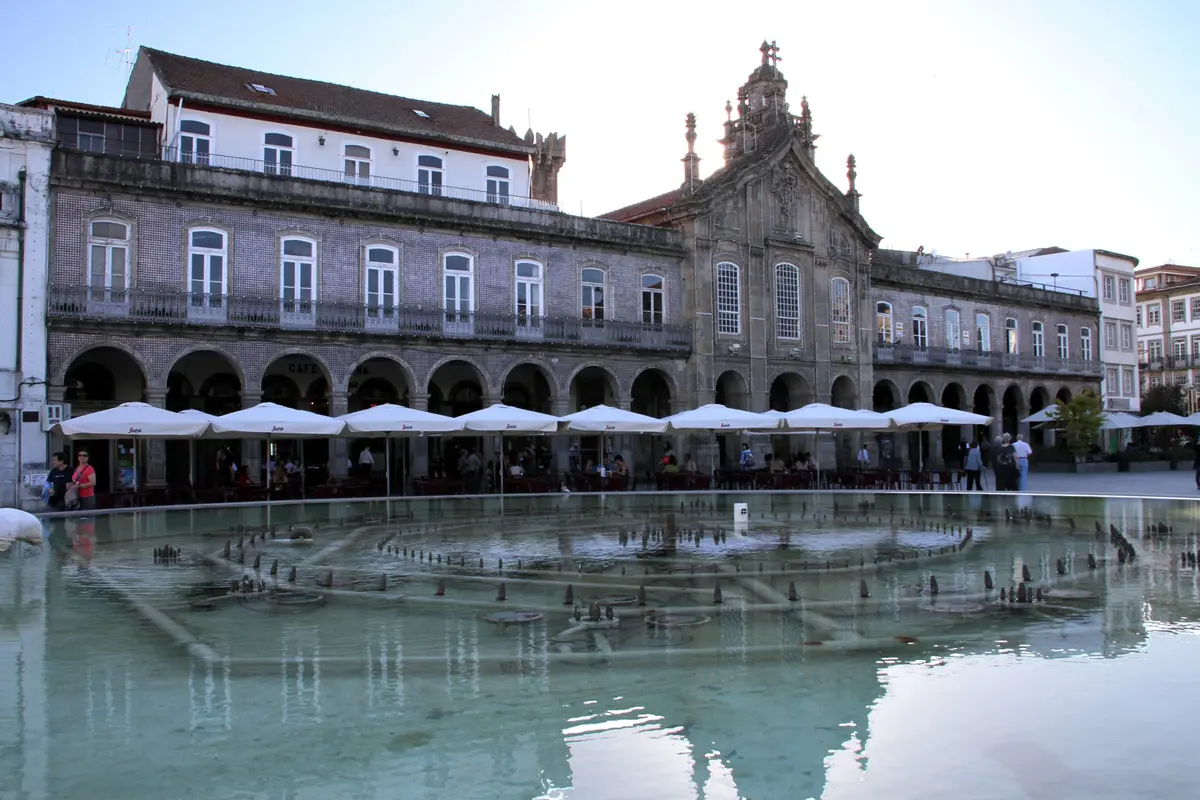
Braga Portugal achieves what most European cities fail to: grand historical significance in a genuinely manageable package. The entire historic core sits within a 15-minute walking radius from Praça da República — no complicated metro systems, no expensive taxis, no exhausting distances between sights. For the density of layered history you get, this kind of walkability is rare anywhere in northern Portugal.
The oldest cathedral in the country, Roman ruins, rococo palaces, and baroque gardens are all accessible on foot without a single taxi fare.
The city also hits the sweet spot between tourist-ready and authentically local. Yes, you will find English speakers at the major sites. But you will also stumble into family-run restaurants where grandma is still making a 200-year-old bacon fat pudding in the back kitchen — and you absolutely need to know about that dessert before you go.
Bom Jesus do Monte: Why Is This Sanctuary So Famous?
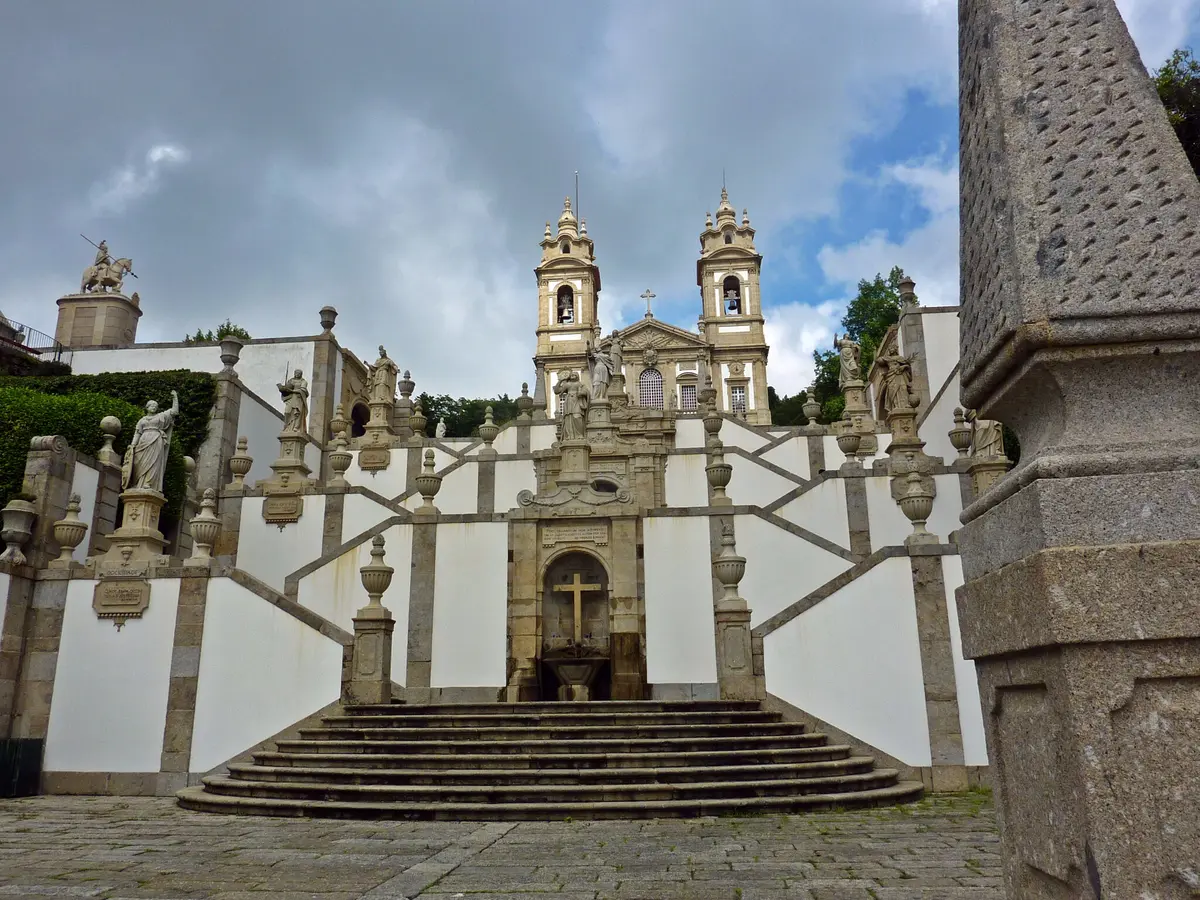
The Sanctuary of Bom Jesus do Monte is the primary reason most people visit Braga Portugal, and one look at those sweeping baroque staircases explains exactly why. It earned UNESCO World Heritage status in 2019. The sanctuary was conceived as a Sacred Mount — a physical recreation of Jerusalem inspired by the Council of Trent — covering 26 hectares (64 acres) of architectural and religious design that has no real equivalent on the Iberian Peninsula.
Some Portuguese history context sharpens the significance: Braga has functioned as the country’s spiritual center since the Roman era, making Bom Jesus not just an architectural achievement but the culmination of two thousand years of Portuguese cultural and religious tradition on this ground.
- Location: Estrada do Bom Jesus, Tenões — 4.5 miles (7 km) from the city center
- Cost: Free to enter the sanctuary and basilica; funicular €1.50 one way / €2.50 return
- Best for: First-time visitors to Braga, architecture and history travelers, pilgrimage history
- Time needed: 2–3 hours for the full experience including staircase, gardens, and basilica
Pro Tip: Arrive before 9:30 AM on weekdays. Tour buses from Porto start arriving around 10:00 AM, and the staircase goes from contemplative to crowded in about 20 minutes flat.
How Hard Is the Famous 577-Step Staircase to Climb?
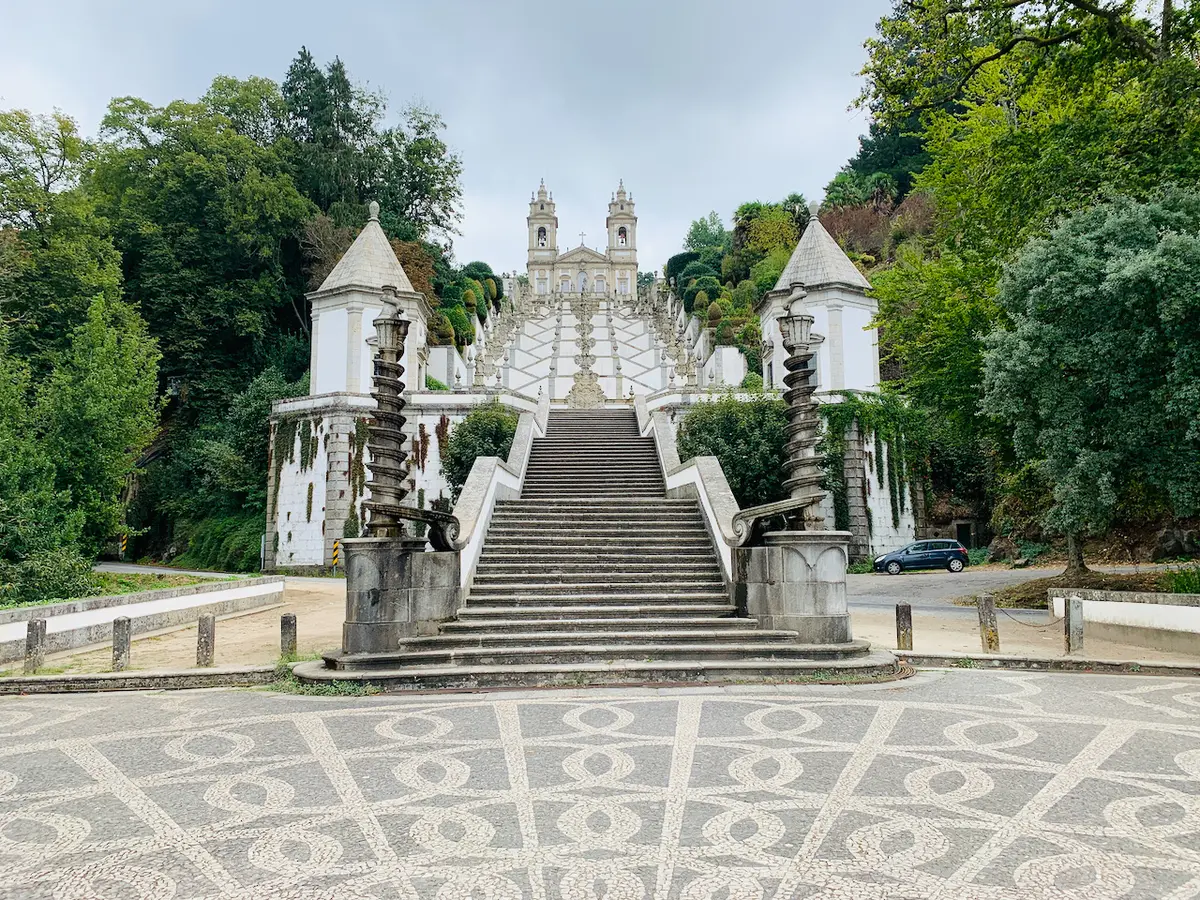
The baroque staircase climbs 381 feet (116 meters) through 577 granite steps divided into three distinct architectural stages. It is more than a workout — it is a theological journey.
You begin at the Portico, a granite archway marking your transition from everyday life into sacred space. From there, you enter the Stairway of the Five Senses.
Each landing features an ornate fountain dedicated to one of the five senses. Water flows from the eyes of the sight fountain. The allegorical figures instruct pilgrims to purify each sense before ascending further.
Here is a detail most visitors walk right past: when you stand at the bottom and look straight up, the fountains align to visually form the shape of a chalice. It is one of those small architectural secrets that rewards the traveler who pays attention.
After the senses, you climb to the Stairway of the Virtues, dedicated to Faith, Hope, and Charity. The architecture shifts here — becoming more open and airy as you approach the summit.
The climb takes most people 20 to 30 minutes at a comfortable pace. Your calves will feel it. But the panoramic views over the city at every landing make every step worth the burn.
Is the Bom Jesus Funicular Worth Riding?
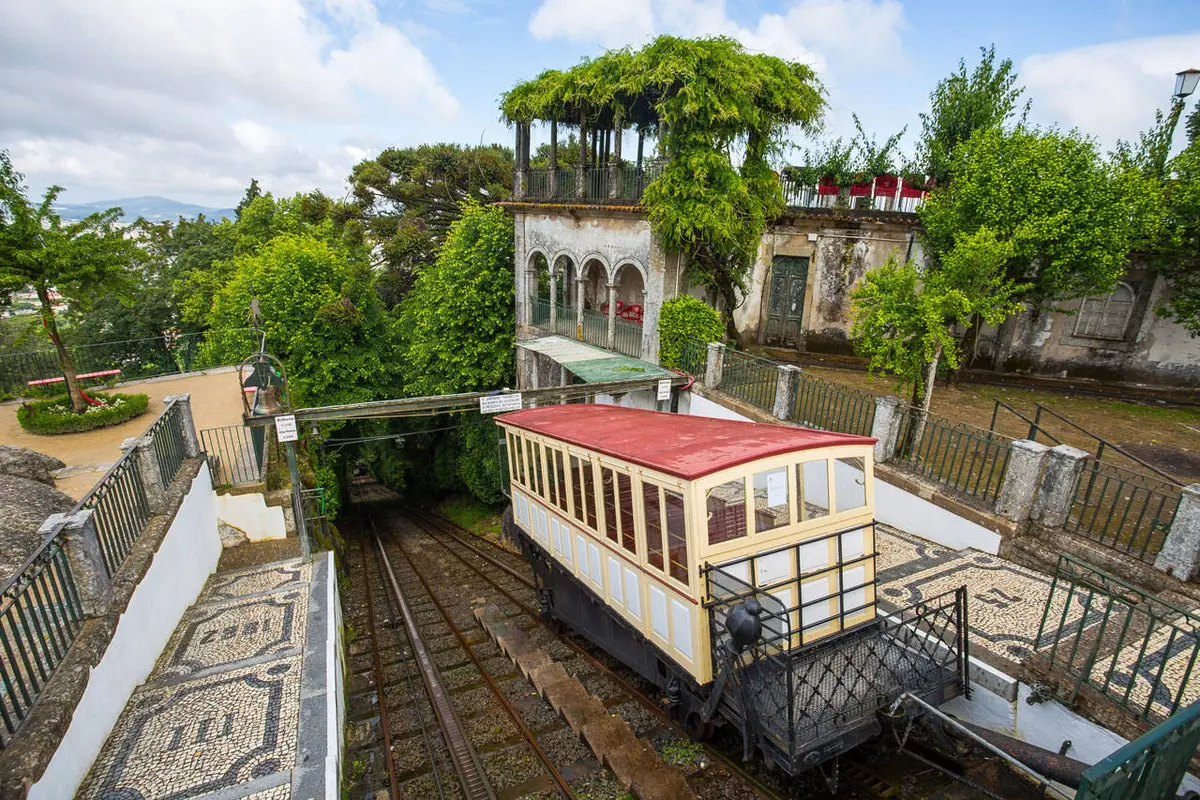
The Elevador do Bom Jesus is worth riding for its own sake — not just as a shortcut. Inaugurated in 1882, it is the oldest water-balanced funicular still operating in the world, and the ride itself is a legitimate attraction.
Here is how it operates with zero electricity. Two wooden cars run on parallel tracks connected by a steel cable. The car at the top has a large water tank beneath its floor that fills with 5,850 liters (1,546 gallons) of water drawn from mountain springs.
Gravity pulls the heavy car down, which pulls the lighter car up. That was sustainable engineering in Braga Portugal a full century before sustainability became a travel buzzword.
The ride is a multisensory experience. The wooden cabin creaks rhythmically as it moves. You can smell the old wood and the surrounding pine forest with every meter of the ascent.
The most practical strategy: climb the 577 stairs on the way up to absorb the allegorical details at each landing, then take the funicular back down to save your knees.
What Is Waiting at the Summit?
At the top, the Neoclassical Basilica dominates the plateau with its twin bell towers and elegant proportions. The interior features impressive frescoes and a high altar worth stepping inside to see.
The surrounding park gives the basilica genuine competition. This romantic-style garden contains lakes, grottoes, and gazebos, offering a cool and shaded retreat from the granite heat of the staircase climb.
Families and couples love renting the small rowboats on the lake. It is a quintessentially Portuguese experience that feels wonderfully old-fashioned. The square in front of the church delivers some of the finest panoramic views over the city you will find anywhere.
What Are the Best Sights in the Historic Center?
The compact historic core of Braga Portugal rewards slow exploration. This is where layers of civilization stack visibly on top of each other — Roman foundations supporting medieval walls, baroque facades concealing Romanesque interiors. A half-day on foot here connects more historical dots than most European cities manage across multiple neighborhoods.
Sé de Braga: The Oldest Cathedral in Portugal
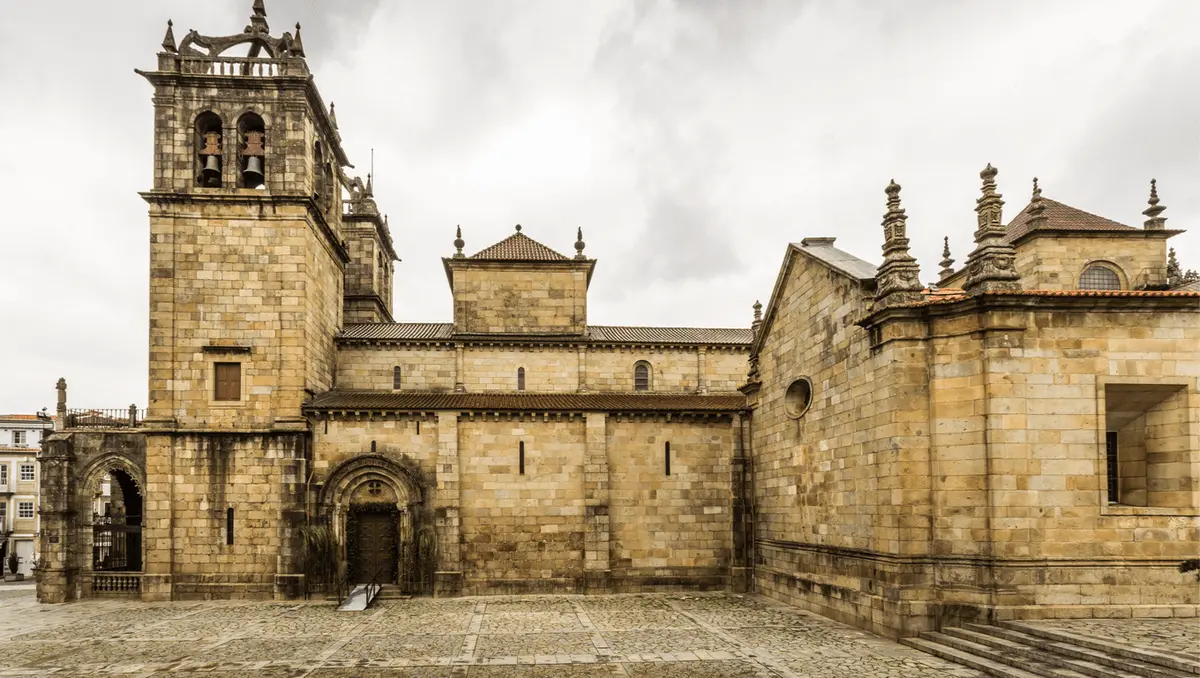
The Sé de Braga is the oldest cathedral in the country, with construction beginning in the 11th century — before Portugal even existed as an independent nation. There is a local expression about something being “older than the Braga Cathedral,” which tells you everything about its place in the cultural imagination.
Walking inside is like reading several chapters of Portugal’s history at once. It is not one unified architectural style but a beautiful collision of centuries. The western portal displays fortress-like Romanesque severity. The interior erupts in baroque gilt woodcarving. Visitors consistently cite the twin organs in the high choir as the single most impressive feature in the building — gilded wood masterpieces that photographs genuinely fail to capture.
On my last visit, I spent 20 minutes in front of those organs before realizing I had completely ignored the chapels. Budget more time than you think you need.
- Location: Rua Dom Paio Mendes, Rossio da Sé
- Cost: Nave entry free; Treasury-Museum €3; guided choir tour €2; combined ticket €4–€5; children under 12 free
- Best for: Architecture and history travelers, religious history
- Time needed: 45–60 minutes to appreciate the layers properly
Pro Tip: The nave is always free and worth stepping into even if you skip the paid routes. The scale of the gilded choir above you is visible from the ground floor at no charge.
Roman Braga: Bracara Augusta Beneath Your Feet
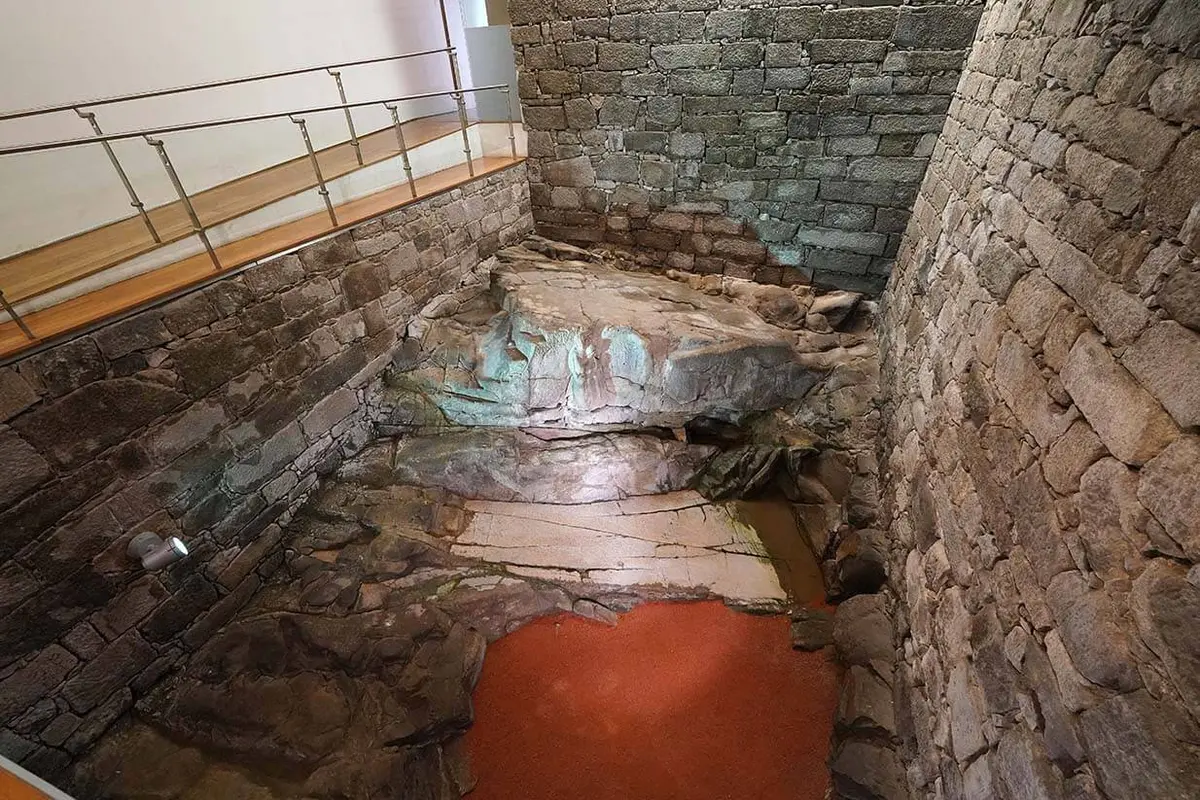
Beneath the visible city lies Bracara Augusta, the capital of the Roman province of Gallaecia. Several excavated sites bring this ancient past directly to life on the surface.
The Fonte do Ídolo is a rare survival of pre-Christian religious practice — a sanctuary dedicated to an indigenous god, with figures and inscriptions carved directly into the granite rock face. It is quietly extraordinary and almost always uncrowded.
The Roman Baths display a fully excavated heating system that communicates the scale of Roman public infrastructure in a way that floor plans never can. For full historical context, the Museu D. Diogo de Sousa houses milestones, mosaics, and everyday objects that help visualize daily life 2,000 years ago in this corner of Europe.
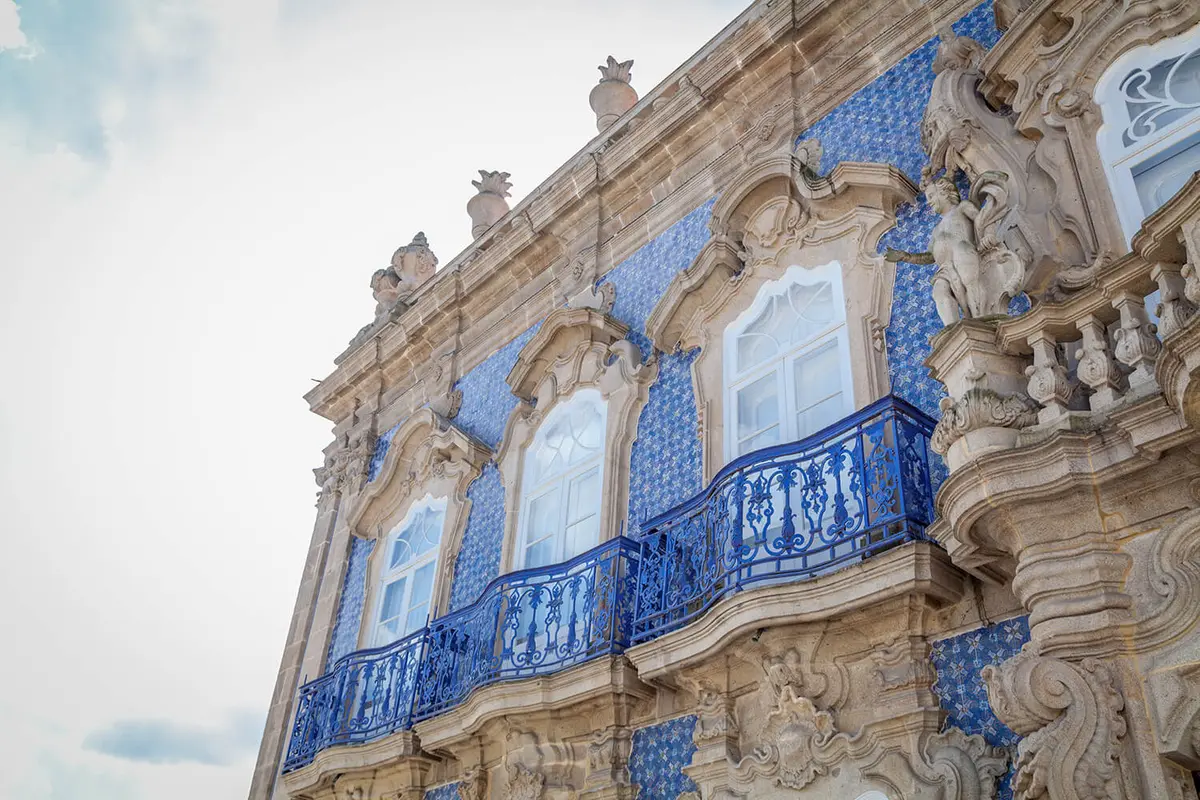
Palácio do Raio: The Blue-Tiled Rococo Facade
Often called the “House of the Mexican,” this building delivers pure rococo drama. The facade is covered in blue azulejo tiles in a distinctive ornamental style, contrasting sharply against dark granite frames.
It is one of the most photographed spots in Braga Portugal. Originally a private residence, the building later became part of a hospital complex. The exterior alone justifies a stop.
- Location: Rua do Raio, historic center
- Cost: Exterior viewing free
- Best for: Architecture photography, azulejo tile enthusiasts
- Time needed: 15–20 minutes
The Gardens: Green Escapes in the City Center
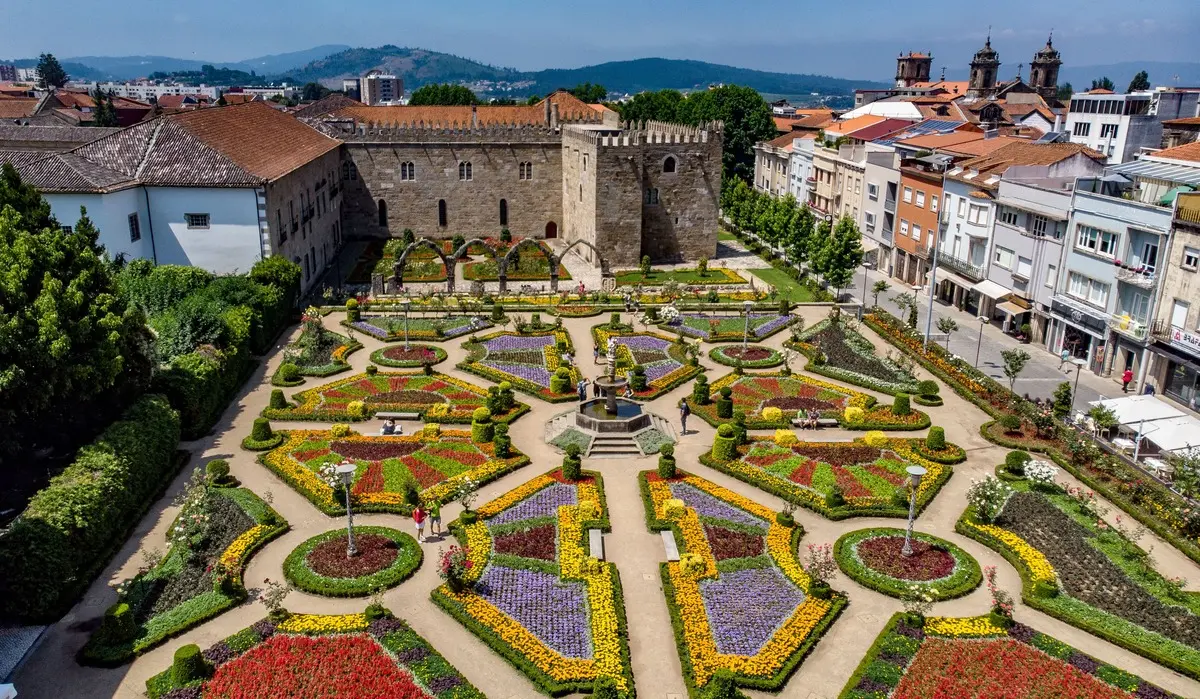
The Jardim de Santa Barbara sits behind the medieval Archbishop’s Palace and follows a formal French garden design. The flowers are replanted seasonally to maintain color displays, creating a striking foreground against the stern medieval stonework behind it.
For a genuinely local experience, seek out the Museu dos Biscaínhos gardens. The museum charges admission, but the gardens are often accessible free of charge — just ask politely at the entrance. These fountain-and-camellia gardens offer a quiet atmosphere that most guidebooks overlook entirely when covering the city.
What Should You Eat in Braga Portugal?
The cuisine here is distinct from what you will find in Lisbon or the Algarve. This is Minho cooking — heavier, richer, and deeply rooted in a nose-to-tail philosophy that wastes absolutely nothing. It represents one of the most distinctive regional expressions of traditional Portuguese food, shaped by centuries of rural self-sufficiency in the highlands north of Porto.
Pudim Abade de Priscos: The Dessert With a Secret Ingredient
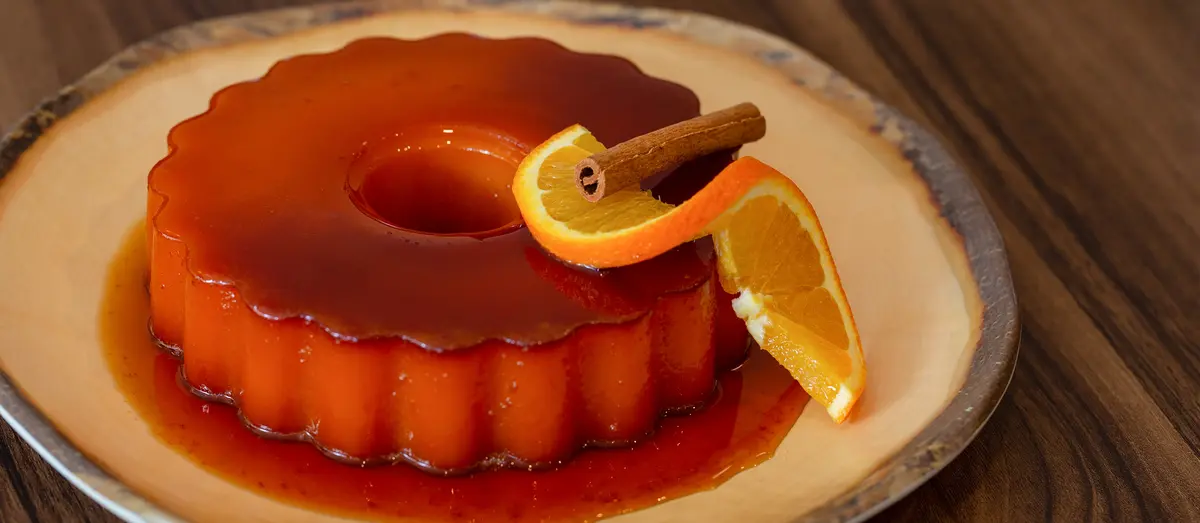
This is not just a dessert. It is a documented piece of culinary history invented by the Abbot of Priscos in the 19th century, and it stands alone in the world of confectionery for one very specific reason: the secret ingredient is bacon fat.
Fatty bacon gets boiled in sugar syrup with lemon and cinnamon. The fat is removed before the final mixing, so the finished pudding carries no meat flavor whatsoever. The lipids from the bacon create a texture silkier than any standard flan — travelers consistently describe it as melting instantly on the tongue. Intensely rich, always served in thin slices.
You can try the authentic version at Restaurante Cruz Sobral, a family-run institution operating since 1926 in Campo das Hortas. Doçaria Cruz de Pedra also maintains the recipe consistently and sells it whole for taking home.
Vinho Verde: Especially the Red Kind
The region surrounding Braga Portugal is the northern core of the country’s Vinho Verde wine zone. Most American travelers know the light, slightly sparkling white version. But the local daily staple is often Red Vinho Verde, and it will catch you completely off guard.
Prepare for a genuine shock. It is deep purple, completely opaque, and aggressively high in acid. One traveler described it memorably as grape juice with alcohol added — which is not entirely wrong.
Tradition dictates drinking it from a white porcelain bowl rather than a conventional wine glass. The high acidity cuts directly through the fat of local pork dishes. It is functionally perfect for Minho cuisine.
Bacalhau, Cabrito and Frigideiras Worth Trying
Bacalhau à Braga is fried cod served with onions and fries. The cod quality here tends to be exceptional — tender and well-seasoned, avoiding the tough texture you sometimes encounter with bacalhau prepared elsewhere in the country.
Cabrito Assado is roasted kid goat, traditionally cooked on Sundays in wood-fired ovens. It is tender, savory, and represents the full tradition of celebration cooking in this region.
Frigideiras are puff pastry pockets filled with meat, a quick lunch staple that reportedly dates back to Roman times. Locals still grab them on the go, and they are a fast, satisfying introduction to the street food culture of the city.
How Do You Get to Braga Portugal from Porto?
The train from Porto to Braga is the simplest and cheapest connection, running on urban regional lines from São Bento or Campanhã stations. A single adult ticket costs €3.60 and covers the roughly 60-to-70-minute ride. No seat reservation is required — just load the fare onto a rechargeable Siga card, which costs €0.50 extra on your first purchase at the station machines.
Once you understand the difference between train types, the logistics are straightforward:
Urbano (suburban) trains depart from either São Bento or Campanhã stations. They run every 30 to 60 minutes throughout the day, take approximately 60 to 70 minutes, and cost €3.60 per adult one way. Select Zone 8 at the machine. No reservation needed.
Alfa Pendular trains are faster — reaching Braga in about 38 minutes — but depart only from Campanhã and cost significantly more (around €16–€22 depending on class and availability). Seats must be reserved in advance. For most travelers, this is not worth the extra cost or the station transfer.
Pro Tip: If this is your first time buying a CP ticket, budget €0.50 extra for the Siga card. Keep the card for the return trip or future day trips to Guimarães and Aveiro — you just top it up at any machine.
For a full overview of moving between Portuguese cities, the guide to train travel in Portugal covers all regional connections in detail.
What Do American Visitors Need to Know Before Going?
Understanding local rhythms makes your time in Braga Portugal significantly smoother, starting with dining hours that differ quite dramatically from American norms and can catch first-time visitors completely off guard.
Restaurants close between 3:00 PM and 7:00 PM. Dinner service starts at 7:30 PM, but locals typically eat much later. Showing up hungry at 5:30 PM will leave you with very few options.
Tipping is not mandatory in Portugal. Leaving small change or 5 to 10% of the bill is considered generous. Do not feel social pressure to tip at the American rate. For a full breakdown of what to expect across restaurants, taxis, and hotels, the guide to tipping in Portugal covers every scenario in detail.
The bread and olives that arrive at your table are not free. If you eat them, they appear on your bill. You can simply ask the server to remove them — it is a completely normal request that will not cause any awkwardness.
Dress codes matter more here than in more touristic cities. As the religious capital of the country, Braga Portugal has an unusually high concentration of active churches. Shoulders and knees should be covered before entering, and men should remove hats. The same standards apply throughout the Bom Jesus do Monte sanctuary complex, where the ongoing role as an active pilgrimage site means visitors are expected to dress respectfully during the entire ascent.
The city ranks among the safest destinations in Portugal, with crime rates among the lowest of any major Portuguese city. The real physical hazard is the traditional cobblestones underfoot. These get genuinely slippery when wet, so comfortable shoes with grip are essential — especially if you are planning the Bom Jesus staircase climb.
The Bottom Line
TL;DR: Braga Portugal delivers genuine historical significance, architectural drama at grand scale, and a food culture unlike anywhere else in the country — all without inflated prices and shoulder-to-shoulder crowds. Come for the baroque stairs at Bom Jesus. Stay for the two millennia of civilization stacked beneath your feet. At least one overnight stay is worth it.
The city is compact enough to feel manageable and deep enough to justify staying. Consider pairing it with a day trip to Guimarães — just 15 miles (25 km) south and the birthplace of the Portuguese nation — for a two-city northern itinerary that few routes in Europe can match.
This is the detour that becomes the highlight of the trip. Specifically: the mechanical groan of the 19th-century funicular, the sugar-and-bacon-fat shock of the Abbot’s pudding, the strange, satisfying punch of Red Vinho Verde from a porcelain bowl. Those are the sensory details that stick.
What are you planning to pair with a Braga stop — a day in Guimarães, a Douro Valley detour, or something else entirely?