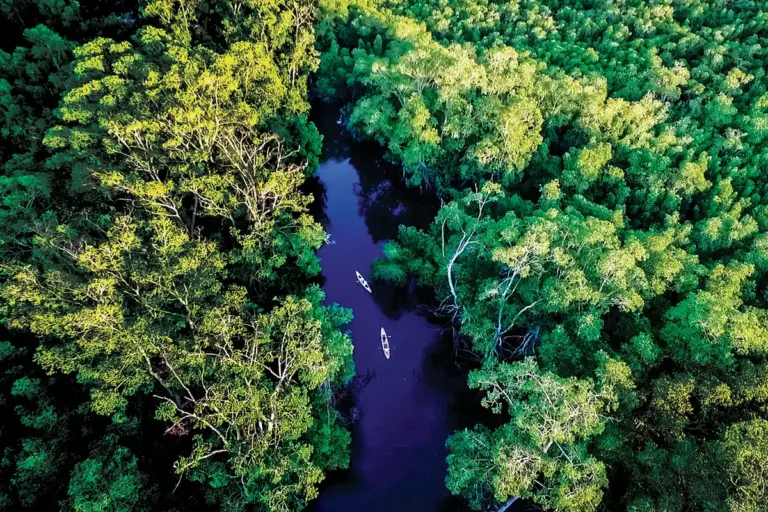
The US Embassy in San Salvador still tells American travelers to arrive with $12 in cash for a one-entry tourist card. El Salvador’s Legislative Assembly abolished that fee on April 30, 2025, by 56 votes, striking Article 328 from the immigration law and pulling the tourist-card charge out of Article 325. Entry for US citizens is free now. The embassy’s own travel-requirements page still says to bring the cash. So does iVisa. So does most of page one.
That’s the small thing every El Salvador honeymoon guide gets wrong. The large thing is what the trip actually is once you land. Couples book this country off photographs of an empty Pacific coastline. The coastline is real. It is also black volcanic sand, with rip currents the US Embassy has published a standing alert about and lifeguard coverage that thins out fast. The fear that stops people booking El Salvador is out of date. The fantasy that gets them to book is out of date too, and that’s the one that costs you a day of your honeymoon.
The Safety Question, With Both Numbers and the Asterisk
The State Department has El Salvador at Level 1, Exercise Normal Precautions — the lowest of four tiers, the same one covering most of Western Europe. That changed on April 8, 2025, and the June 25, 2026 refresh left the level where it was. Guides written before spring 2025 describe a country you should think twice about. They’re describing a country that no longer exists.
The numbers underneath: justice and public security minister Gustavo Villatoro reported 82 homicides in El Salvador in 2025, or 1.3 per 100,000 people, down from 114 and 1.9 the year before. The US rate was about 5 per 100,000 in 2024 by the FBI’s count. So the official Salvadoran figure is roughly a quarter of the American one, and far below any large US city.
Now the asterisk, because that comparison is carrying a lot of weight. InSight Crime’s homicide round-up argues the government’s count is drawn narrowly — deaths in police custody, killings by police, and bodies recovered from unmarked graves fall outside it. Socorro Jurídico Humanitario documented 473 deaths in state custody during 2024. The honest sentence is that by the government’s own count El Salvador is safer than the United States, and that the count has a documented human-rights problem attached to it. Both halves are true, and the congressional research summary carries both. A page that hands you only the first half is selling you something.
What this means for two people on a honeymoon is not gangs. The State of Exception, the emergency regime that suspended certain due-process protections and produced the mass arrests behind those numbers, is still in force, and the State Department notes that US citizens have been detained under it and held awaiting trial. The resulting advice is dull and worth taking: carry ID, don’t argue with police or soldiers, and expect to see a great many of both.
The law is also stricter than Americans assume. The blood-alcohol limit for driving has been zero since December 2024 — not low, zero. THC and CBD products are illegal here, including the gummies that are legal at home in your state. Neither of those is a footnote in a country running an emergency legal regime.
The Beach in the Brochure Is Black Sand, and You Can’t Swim in It
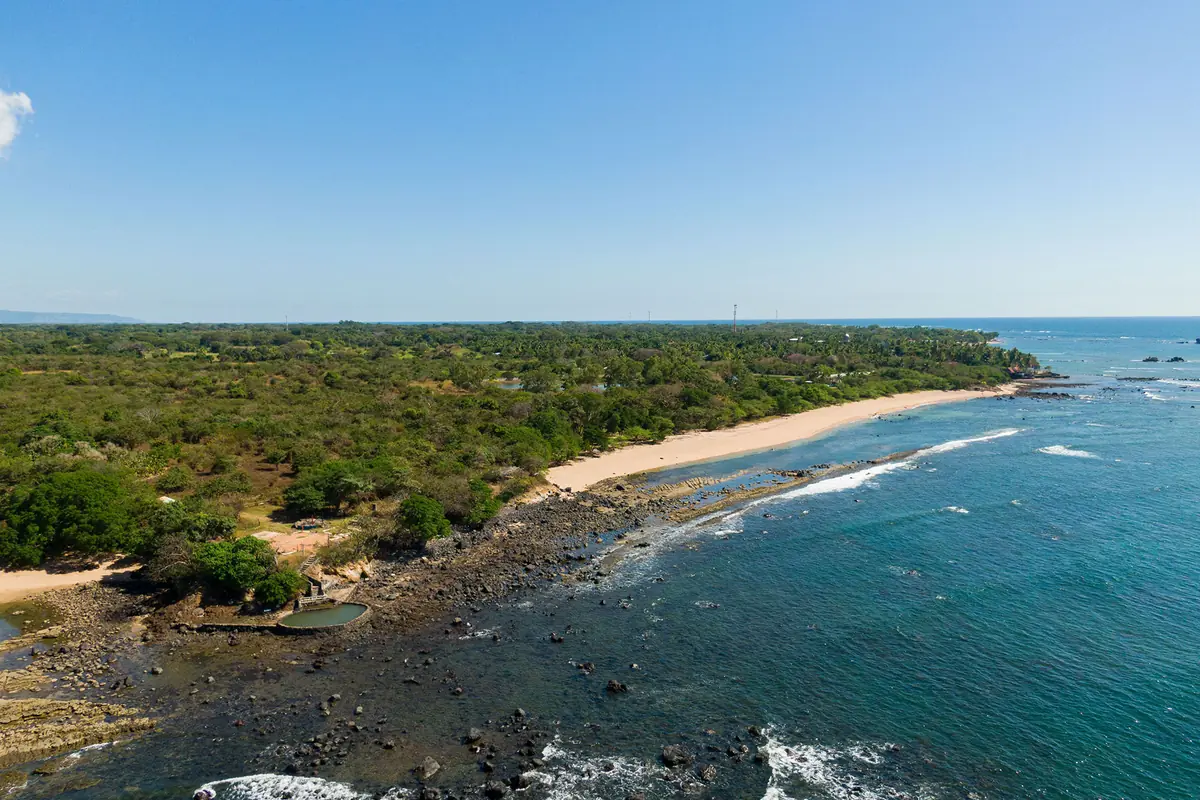
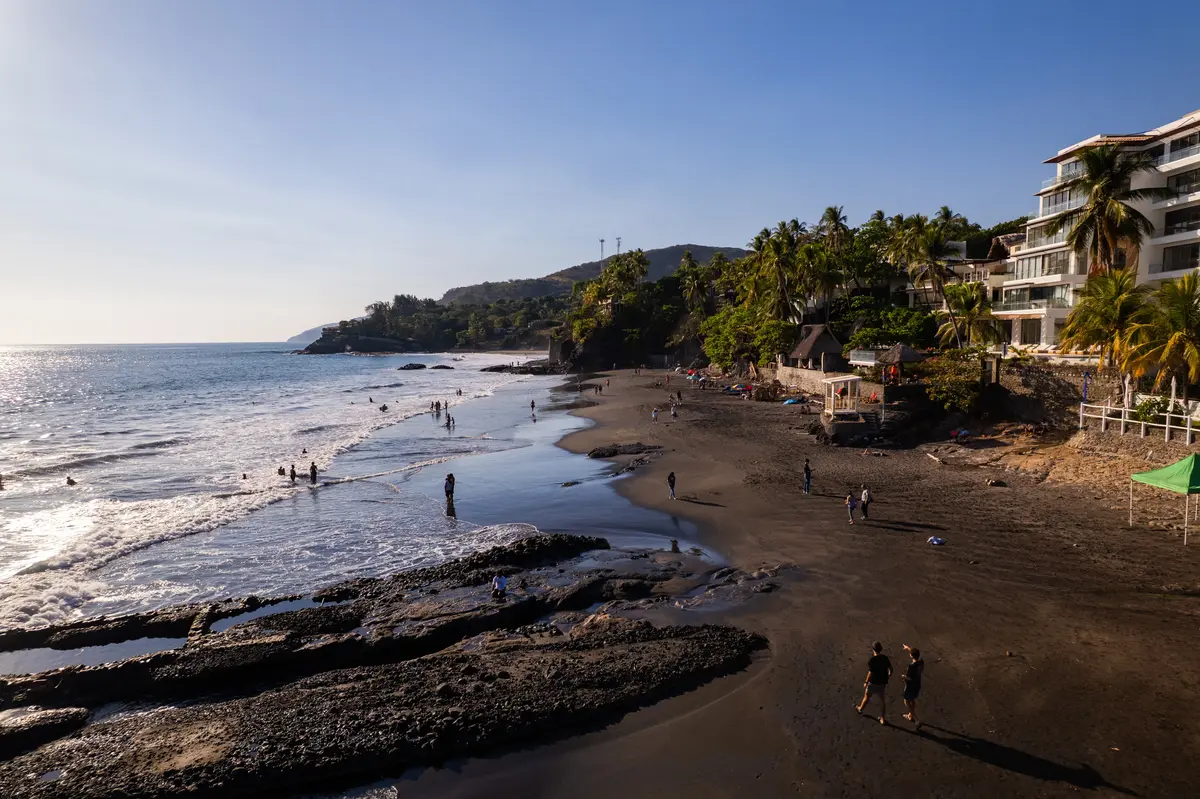
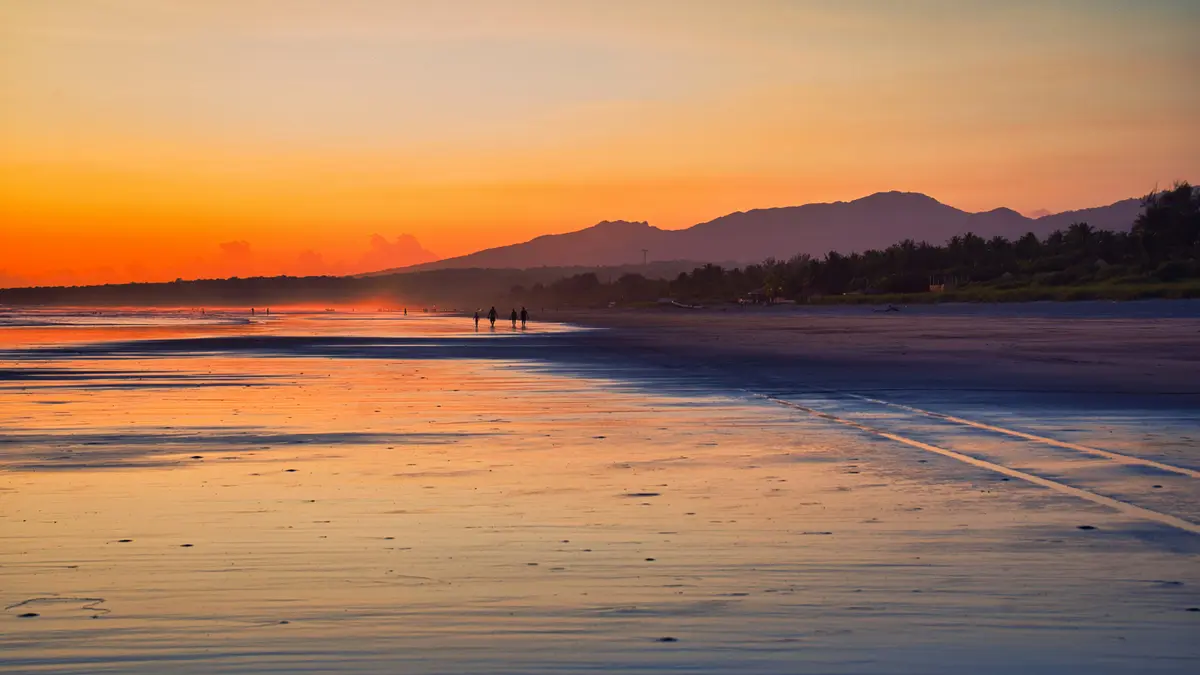
The Pacific coast is volcanic, so the sand runs dark gray to black, it holds heat, and it looks nothing at noon like it looks in the listing photos. That much is geology and nobody’s fault. The swimming is the problem.
Twelve independent traveler accounts collected for this piece flag the same two things: the beaches aren’t for swimming, and the sand isn’t what the photos implied. A Tripadvisor reviewer at El Tunco reported “almost no sand on the beach” outside extreme low tide. That’s a consistent enough signal to state flat: if you are picturing an afternoon of floating in warm water, this coast will not give it to you.
The reason is rip currents, and the embassy’s alert on them is not boilerplate. Beaches run a red and yellow flag system. Lifeguard coverage is limited, particularly on private stretches. National search-and-rescue capability and beachside medical resources are both thin, which means the flag is doing more work here than a flag does in Florida. Travelers and local analysts who track this put the country’s drowning rate at roughly 5 per 100,000.
Put that together with the geography and you get a conclusion, which is worth flagging as a conclusion rather than a sourced fact. The quietest, most romantic towns are not where the swimmable water is. El Tunco, the most accessible beach town, is a party town four nights a week. The one calm, golden-sand, genuinely swimmable beach travelers keep naming is El Cuco, three hours and change east of the airport, where the good hotel inventory runs thin. So: a beach honeymoon in El Salvador is a sunset, surf-watching and swimming-pool honeymoon. It is not a swim-in-the-sea honeymoon. That reasoning rests on around forty traveler accounts and the embassy’s own warning, not on anyone having swum every cove in the country — if there’s a calm stretch nobody writes about, this piece doesn’t know about it.
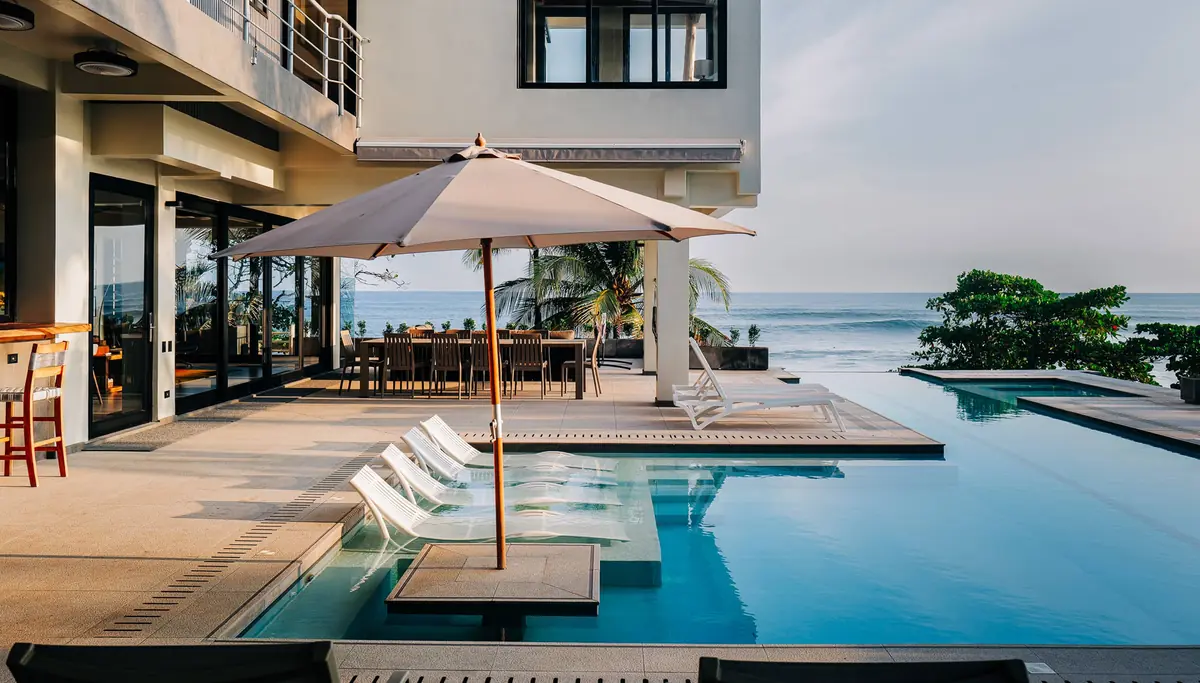
Which changes one thing about how you book. The pool stops being an amenity and becomes the reason you chose the hotel. Pick the property with the good pool and the ocean view over the one with beach access.
And to answer the question a lot of couples arrive with: there is no meaningful all-inclusive beach-resort product here. The wristband, buffet and swim-up-bar week does not exist in El Salvador, and no amount of searching will produce it.
Where the Water Is Actually Calm
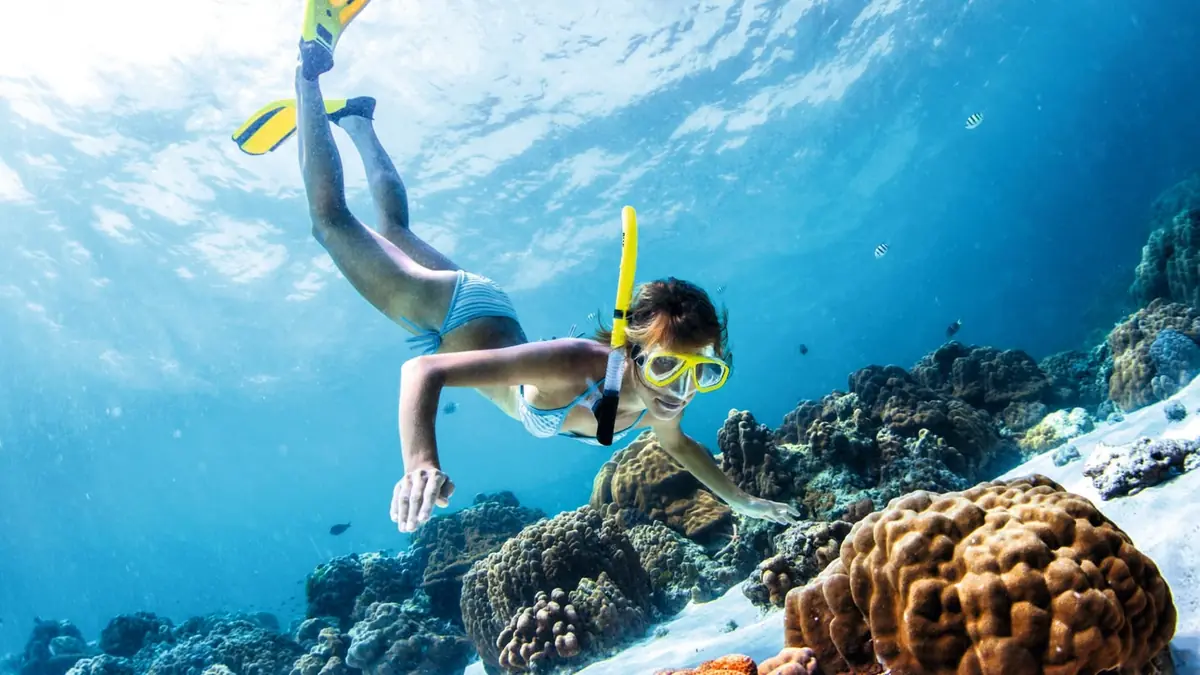
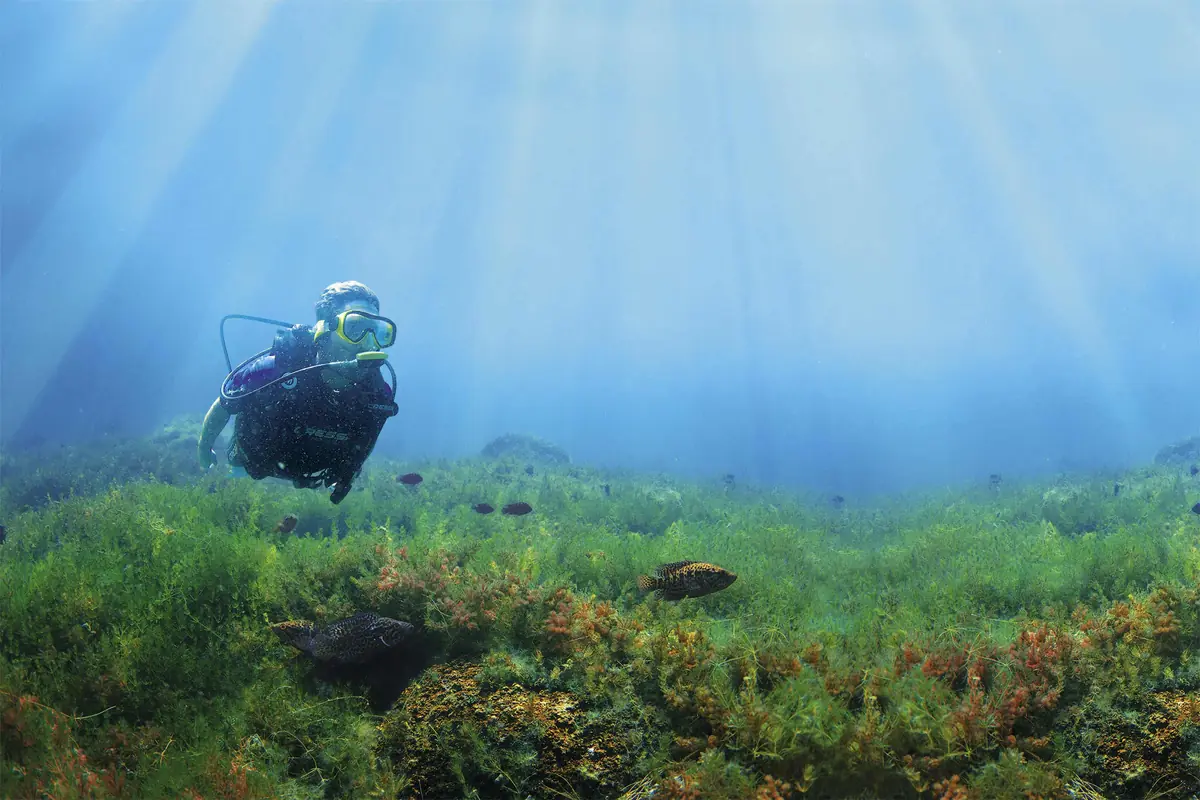
Three exceptions come up repeatedly. The cove at El Zonte is the safer swim on the accessible stretch of coast, and it’s the reason El Zonte works as a base at all. El Cuco, out east, is the one calm golden-sand beach travelers describe without caveats. Costa del Sol has pearl-sand resort strips, which is a different product from the surf towns and reads that way.
None of those is a lifeguarded American beach. Read the flags, and if there’s nobody in the water on a warm afternoon, there’s a reason.
The Insurance You Actually Need
US health insurance generally does not travel with you, and the State Department recommends both trip insurance and medical evacuation coverage for El Salvador. Private hospitals in San Salvador are good; care in rural areas and on the coast is limited.
Most couples buy travel insurance thinking about crime or a cancelled flight. On this trip the realistic emergency is a water rescue on a coast with thin search-and-rescue capacity, three hours from a good hospital. That’s the line item to check before you buy.
Pick the Town Before You Pick the Hotel
The base decides what kind of honeymoon this is, more than the property does. There are four real options and one of them is a mistake for most couples.
El Zonte, and Why Most Couples Start Here
About 42 minutes from the airport, and the closest thing to a barefoot-boutique honeymoon town in the country. Garten leans into it directly, with a spa, a honeymoon framing, and guests who single out the beds; Puro Surf and Palo Verde are the other names that recur. The cove gives you the safer swim.
Two caveats from guests, both worth pricing in. One reviewer’s stay coincided with pool construction, and the same review notes the pool area gets very hot during the day — this is a west-facing coast with black sand, and shade matters more than it looks like it should. Below the boutique tier, rooms from around $40 to $49 exist and generally face the road or lack the view that you came for.
Suchitoto, for Romance Without a Coastline
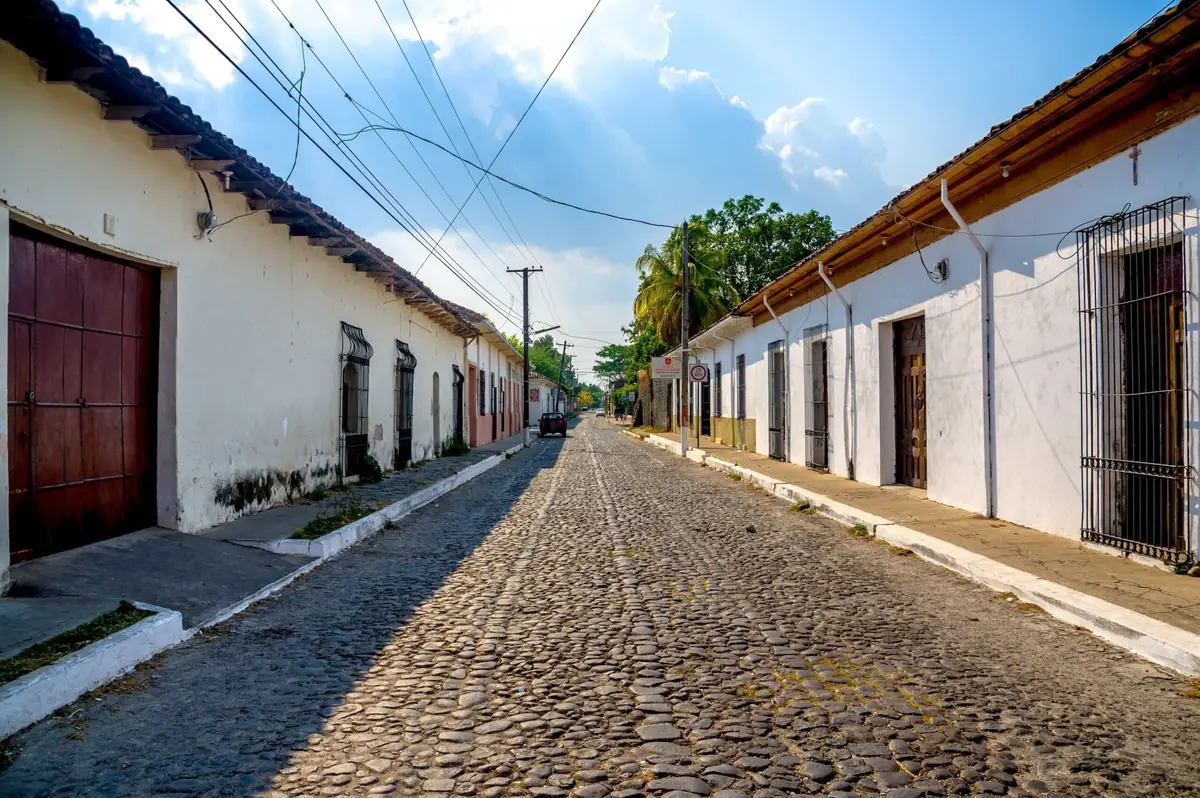
An hour and fifteen from the airport, in the hills above Lake Suchitlán. Cobblestones, restored colonial houses, an art scene, and no beach at all. Los Almendros de San Lorenzo is a restored 200-year-old mansion with a honeymoon suite and lake views, from around $99; Casa 1800 starts nearer $64; La Posada de Suchitlán is the third name couples mention. Travelers repeatedly call it the nicest small town they saw in the country.
One reviewer’s caveat is fair and useful: beyond the lake and the center, there isn’t a great deal to look at. Two nights, not five.
El Cuco and Las Flores: The Swimmable Coast, Three Hours East
Las Flores Resort and Casa Mira Mango near Punta Mango anchor the eastern end. What you get is a near-empty golden beach, real seclusion, and the swim. What you pay is the drive — three hours plus from the airport — plus much thinner luxury inventory and noticeably fewer places to eat dinner.
That trade is only worth making if getting in the ocean is the actual point of the trip. If it is, make this the base rather than a day trip; the drive is too long to do twice in a day for a swim.
El Tunco, and Why to Skip It
Ten independent traveler reports say the same thing about El Tunco: music runs until 1 a.m. on Friday and Saturday, there’s a midnight cutoff on weekdays, and properties sit next to discotecs. Guests advise bringing earplugs or noise-cancelling headphones, which is a sentence that should end the conversation for anyone on a honeymoon. Older travelers describe it as backpacker territory without much character.
It’s a good surf town. It’s the wrong honeymoon base unless one of you surfs and you both want a bar at midnight, in which case it’s cheap, close to the airport, and exactly what it says it is.
One Night in San Salvador, Coming or Going
Worth building in around a late arrival or an early flight. Zona Rosa, San Benito and Escalón are the districts, with walkable dining and tourist-police coverage; the Hyatt Centric, Sheraton Presidente and smaller places like Las Magnolias cover the range. One couple’s Tripadvisor review has them honeymooning at the Hyatt outright, which tells you the district reads fine to visitors.
What Things Cost, and How to Pay for Them
The currency is the US dollar. There’s no exchange rate to track, no conversion arithmetic, and no bad airport rate to avoid — a genuine and underrated advantage of this country over its neighbors.
Cards work at hotels and at mid-range and upscale restaurants; Amex less reliably. Carry small bills for pupuserías, markets and taxis. ATM international withdrawal fees run about $2 to $4 a pull, so take out more, less often. Tipping runs on different rules than home: restaurants often add 10% as propina, and another 5% to 10% for good service reads as generous. The American 20% default is not the local norm.
Ignore bitcoin. The 2025 reform made acceptance voluntary and you can’t pay taxes in it; the UCA’s IUDOP survey in December 2024 found 91.8% of Salvadorans hadn’t used it that year, and 76.2% had never used it at all. The legal wording is a genuine mess — the reform stripped the obligations while reportedly leaving “legal tender” in the text, and economists have called the result incoherent. None of that reaches you. Bring a card and dollars, and be wary of a stranger offering to help you with a crypto transaction, which is a known setup.
The best properties in Suchitoto and El Zonte are small, five to eleven rooms, and they sell out over Semana Santa, Christmas and New Year, and the August festivals. Most take Booking or Expedia; a few of the smallest prefer cash on arrival.
Flights Are Short. The Car Is the Complicated Part.
Fourteen US cities have nonstop service to San Salvador (SAL) as of mid-2026, with Houston running the most at 99 direct flights a week. Avianca dominates the airport with around 311 weekly departures, roughly seven times what United flies as the second-largest carrier; American, Delta, Volaris, Spirit and Frontier are also on it. Houston can be under three hours. Dallas and Miami are around three hours forty-five. LAX is under five. That’s shorter than New York to Los Angeles, and it’s the fact that makes a five-night honeymoon here work at all. Round trips commonly land somewhere between $300 and $450, though fares move constantly and anyone quoting you an exact number is quoting a screenshot.
El Salvador sits on Central Standard Time year-round with no daylight saving, so the gap from home shifts with your clocks rather than theirs: two hours behind Eastern in the US summer, one behind in winter; one hour ahead of Pacific in summer, two ahead in winter.
The country is smaller than Massachusetts, about the size of New Jersey, and crossable in three or four hours. From the airport it’s roughly 34 minutes to El Tunco (25 miles), 42 to El Zonte, an hour fifteen to Suchitoto. Add 20 to 30 minutes for the coastal roadworks near La Libertad on CA-2 — travelers report that delay routinely and no navigation app predicts it.
Whether you need an International Driving Permit is the one question here nobody answers cleanly. Some sources say a US license in English or Spanish is fine for a short tourist stay. Others, including rental guides and rental desks, insist on an IDP. Those sources contradict each other outright and the reporting for this piece could not resolve it. The cheap fix is an IDP from AAA before you fly, because you cannot obtain one once you’ve left the country.
The better call for most honeymooners is not to rent. Uber runs in San Salvador and is cheap, around $5 for a twenty-minute ride, and private drivers are easy to arrange. Against that: zero-tolerance DUI, unpredictable roadworks, and a State Department that discourages intercity driving after dark even for its own staff. That recommendation is a judgment rather than a rule, and it has a hole in it worth naming — hotel airport transfers run roughly $120 to $160 private against about $34 to drive it yourself, and travelers genuinely split on whether that’s worth paying. If you’re basing in one town and taking day tours, skip the car. If you want to move between the coast, Suchitoto and the east on your own schedule, price both before you decide.
Sort your phone before you land. An eSIM runs $1 to $15 depending on provider and data (Airalo, Saily, Nomad and Holafly all cover the country); a local Tigo or Claro SIM is $7 to $10 and requires passport registration. Coverage is solid 4G in the capital and the tourist zones, patchy on volcano routes and the far coast, and real 5G is close to nonexistent whatever the marketing says. Your chargers work as they are — 120V, the same Type A and B outlets as home, no adapter, no converter.
The Volcano, the Whales, and the Coffee Road
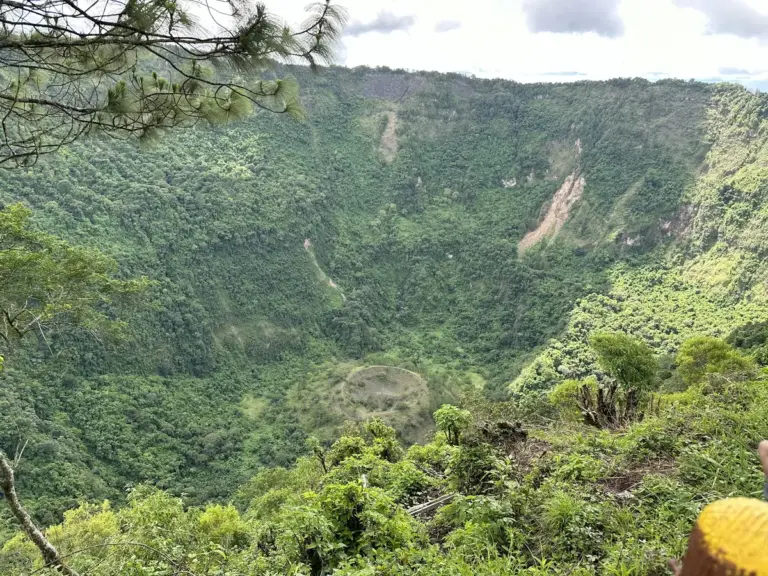
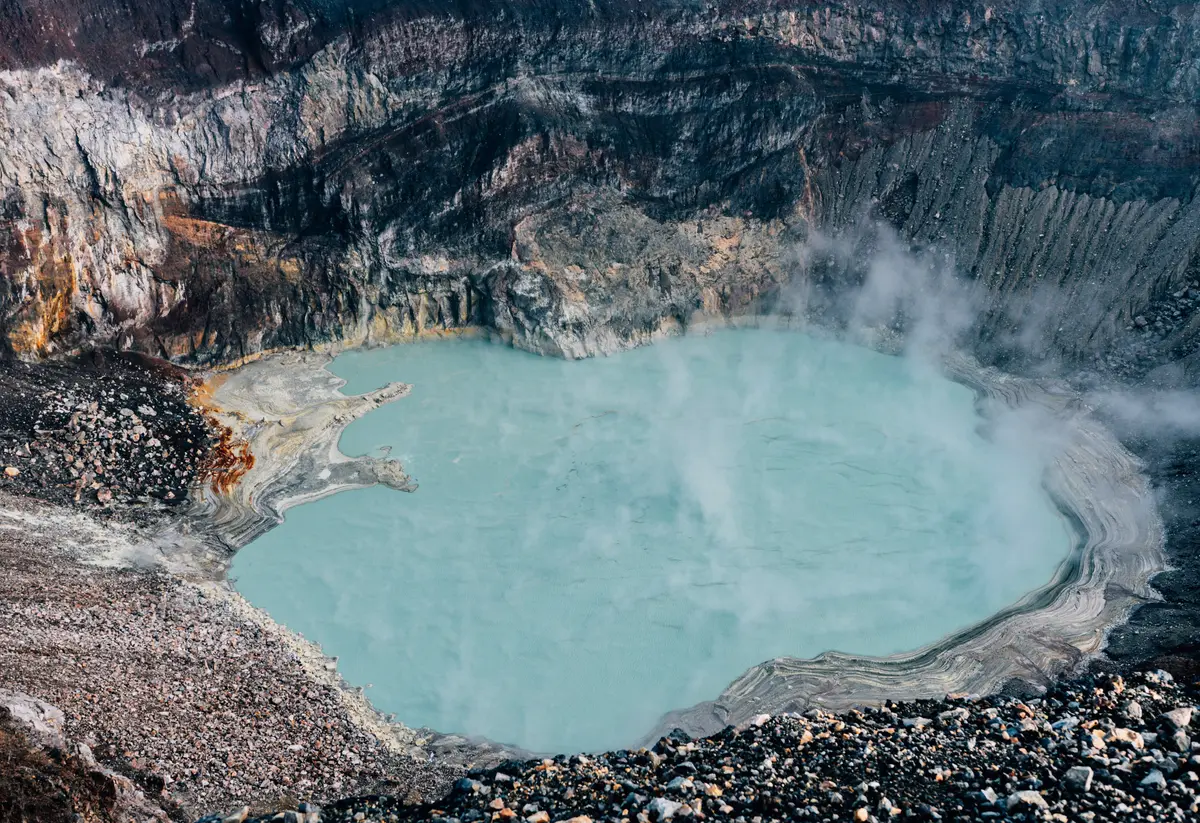
Santa Ana, or Ilamatepec, is the climb everyone does: 7,812 feet (2,381 m), with a crater lake at the top. Inside Los Volcanes/Cerro Verde National Park a guide is mandatory and you cannot walk up alone. The durable rules are that it’s a morning activity, the summit area closes in the early afternoon, and starts are cut off well before that. Reported costs vary by season and by who’s telling it — park entry around $6 for foreign visitors, a few dollars for the guide, a couple more for parking, so budget about $20 for two before you’ve paid for transport. Shared group departures need a critical mass of hikers, so a quiet weekday can mean waiting. Times and fees move; check the park’s own posting rather than a blog, this one included.
Whale watching at Los Cóbanos runs from late fall into March, with around 43 local guides authorized by the environment ministry. Sea turtle nesting and hatchling releases run roughly July into January at Los Cóbanos, El Icacal and Metalío, with ProCosta and FUNZEL involved in the conservation side. A licensed Ruta de las Flores day tour taking in a coffee farm runs about $125 per adult.
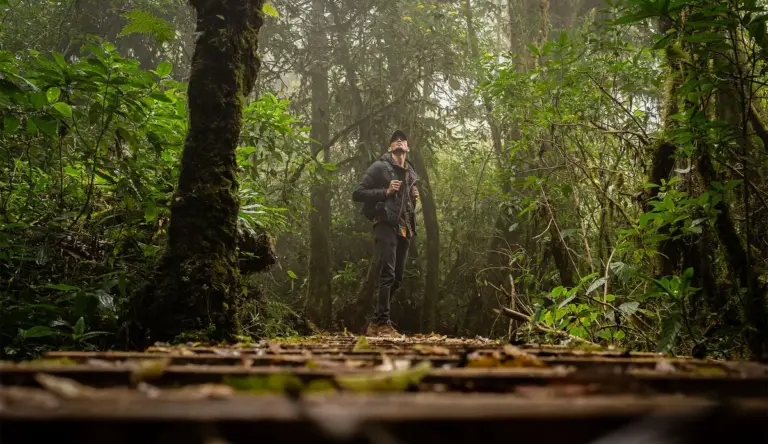
One thing nobody will tell you straight: the Montecristo cloud forest may close during the rainy season, and no source publishes the dates. If it’s on your list, call before you drive four hours.
When to Go, and Why to Book Refundable
Dry season, roughly November through April, is the straightforward answer, and it overlaps whale season neatly. Rainy season, about May through October, is less of a problem than it sounds: rain here is mostly afternoon convective storms, roughly 1 p.m. to 5 p.m., with clear mornings. Hurricanes are rare — this is the Pacific side, outside the Atlantic belt — though eastern-Pacific storms can reach the coast, mainly in September and October. The biggest swells arrive June through September, which is better for watching the surf and worse for getting in it.
If you’re traveling May to October, book refundable rates. The premium is small against the cost of a washed-out week on a trip you take once.
Dengue is present year-round, so bring DEET. El Salvador has been certified malaria-free by the WHO since February 2021, the first country in Central America to get there, so that’s one thing off the list. Tap water isn’t potable.
Five to seven nights is right. The country is small enough that a beach base, a colonial town and a volcano fit inside a week without the week becoming a car journey.
Who Should Not Book This Trip
Couples whose picture of a honeymoon is swimming in warm sea every afternoon. You want a Caribbean coastline, and this is not one. That’s not a knock on El Salvador; it’s a knock on booking it for the wrong reason.
Couples who want the all-inclusive product, for the reason above.
Light sleepers who book El Tunco anyway because it’s cheap and close to the airport.
Anyone who would find a constant, visible police and military presence unsettling. It’s everywhere, it’s the direct trade for the crime numbers, and no amount of good reporting makes it feel like nothing.
Couples who want variety in dining. In San Salvador and El Zonte you’re fine. Out east you’ll eat well and you’ll eat at the same few places.
And one honest gap rather than a reassurance: Suchitoto is cobblestone and hill, and Santa Ana is a guided hike to a crater rim at 7,812 feet rather than a viewpoint you drive to. Reporting for this piece did not turn up reliable step-free access information for the colonial center or for the parks. If mobility is a factor for either of you — or for a parent you’re bringing — that absence is itself the finding, and the property is the only place to get a real answer. Ask before you book, not after.
The Version of This Trip That Works
Fly into San Salvador, base on the coast at El Zonte for the first stretch, move inland to Suchitoto for two nights, and keep the last night near the airport so an early flight isn’t a pre-dawn drive from the coast. Swap the eastern beaches in only if getting in the water is the point, and accept the drive when you do.
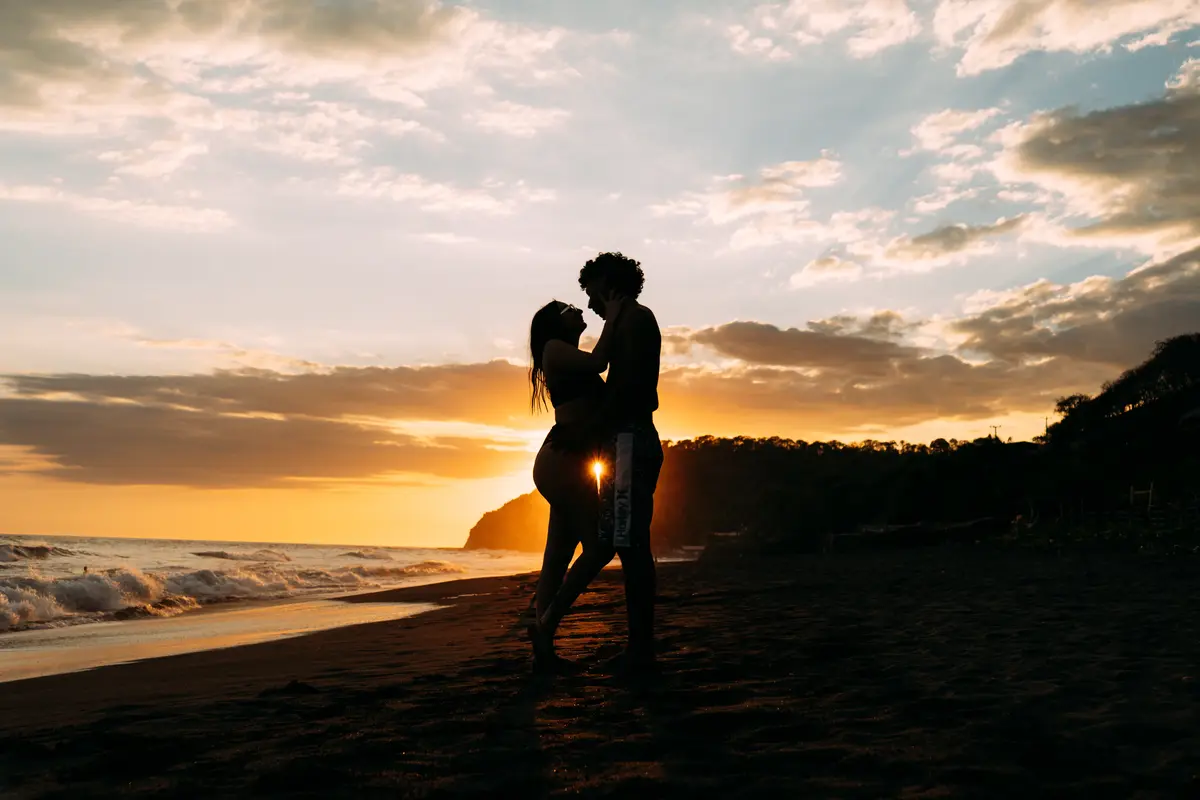
What this country is good at is a quiet honeymoon: an empty coastline, a crater lake, a colonial town where the best hotel has eleven rooms, and a sunset you don’t have to share with a resort. It’s here, and it’s inexpensive for what it is. If what you wanted was a swim-up bar, it isn’t here at all, and that’s the part the listing photos are never going to tell you before you pay the deposit.