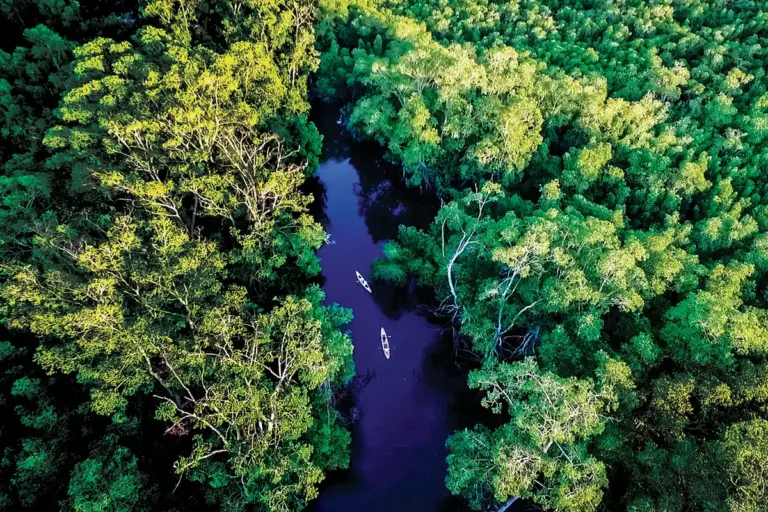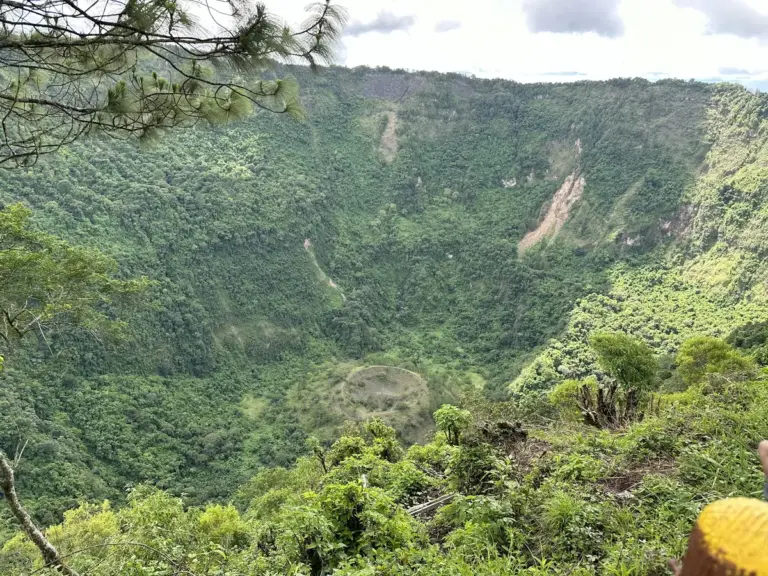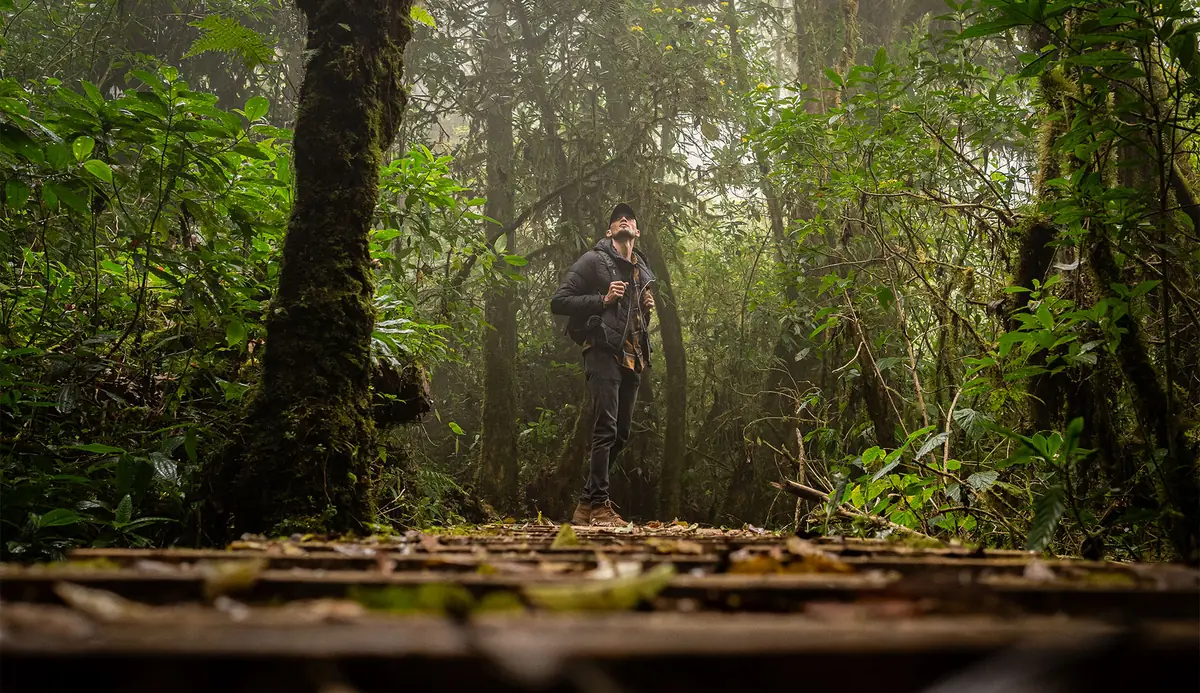
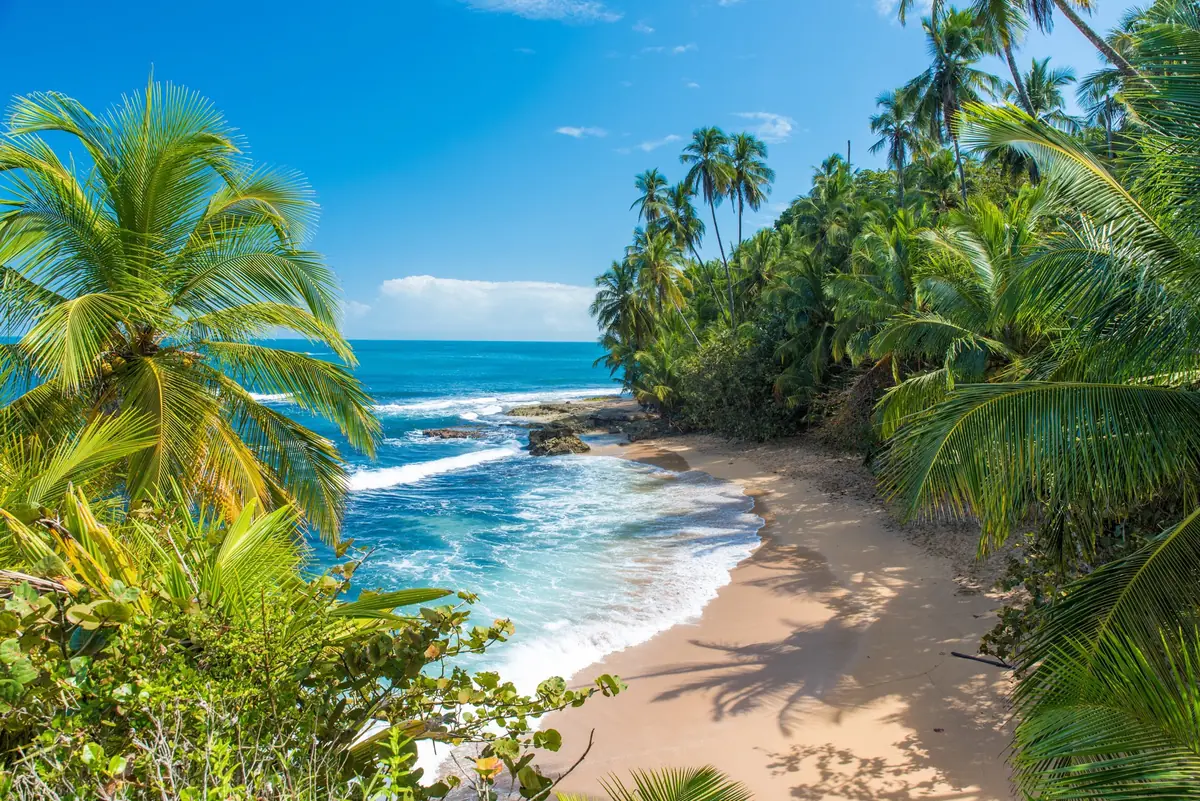
Two Central American neighbors. One is the cheapest surf-and-volcano combo in the region; the other holds roughly 6% of the planet’s species on a sliver of land. El Salvador vs Costa Rica comes down to what you’re willing to trade — biodiversity for budget, English-speaking comfort for empty point breaks. Here’s the honest, category-by-category breakdown.
The Quick Verdict
Pick Costa Rica for wildlife, family infrastructure, and a stress-free first Central America trip. Pick El Salvador if cost, surf point breaks, and uncrowded beaches matter more than sloths. El Salvador runs roughly thirty to forty percent cheaper and holds the lower homicide rate of the two by US State Department reporting.
Winner by category, in one breath:
- Cost: El Salvador
- Safety (by homicide rate): El Salvador
- Wildlife and biodiversity: Costa Rica
- Beginner surf: Costa Rica
- Advanced point-break surf: El Salvador
- Families with young kids: Costa Rica
- Backpackers and shoestring travelers: El Salvador
- First-time Central America trip: Costa Rica
- Repeat Central America visitors: El Salvador
- Volcano day hikes: tie, but El Salvador is cheaper
Pro Tip: If you’ve never set foot in Central America, book Costa Rica first. The English-language signage, the rideshare coverage, and the visa length make it the gentler runway. Save El Salvador for a second trip when you’re already comfortable with chicken buses and a little Spanish.
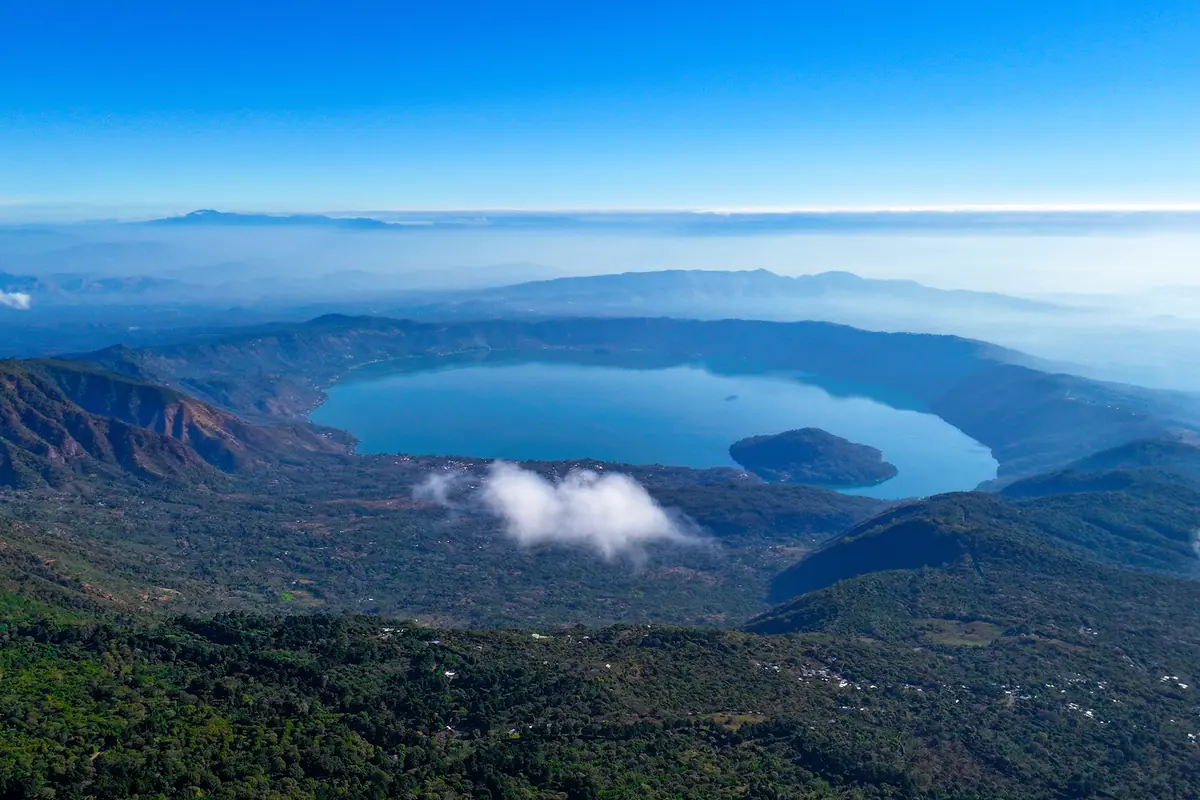
El Salvador vs Costa Rica at a Glance
This side-by-side table covers cost, safety, flights, currency, language, advisory levels, and entry rules. Screenshot it. The reasoning behind each row sits in the sections below if you want to stress-test a row before you book.
| Category | El Salvador | Costa Rica |
|---|---|---|
| Land area | 8,124 sq mi (21,041 sq km) | 19,730 sq mi (51,100 sq km) |
| Population | ~6.34 million | ~5.13 million |
| Currency | US dollar | Costa Rican colón (₡500/USD) |
| Language | Spanish (limited English outside resorts) | Spanish (heavy English in tourist zones) |
| US State Dept. advisory | Level 1 (Exercise Normal Precautions) | Level 2 (Exercise Increased Caution) |
| Homicide rate per 100,000 | 1.36 | 16.4 |
| Backpacker daily budget | $30–$50 | $45–$70 |
| Mid-range daily budget | $60–$130 | $90–$160 |
| Dry season | November–April | November–April |
| Local beer | Pilsener $1.50–$2 | Imperial $2–$3 |
| Signature surf | Right-hand point breaks | Beach breaks + Pacific variety |
| Biodiversity headline | Volcanic terrain, one cloud forest | ~6% of global species |
| Main airports | SAL (San Salvador) | SJO (San José), LIR (Liberia) |
| Visa-free stay (US citizens) | 90 days CA-4 ($12 card on arrival) | 180 days |
| Tap water | Not recommended | Safe in major hubs (AyA) |
| Time zone | UTC−6 (no DST) | UTC−6 (no DST) |
The row that matters most for first-timers is “Language.” Costa Rica’s tourism industry has trained on US English for decades. In El Salvador, outside of Surf City and a few San Salvador hotels, you’re using Spanish.
Is El Salvador Cheaper Than Costa Rica?
Yes — El Salvador costs about thirty to forty percent less than Costa Rica across hotels, food, and tours. Tico Times reporting puts average daily traveler spend at $145.75 in Costa Rica versus $30 to $50 in El Salvador. Backpackers manage $30–$50 daily in El Salvador; mid-range travelers spend $90–$160 in Costa Rica.
The daily-budget grid in USD per person:
- Backpacker (hostel dorm, street food, public bus): El Salvador $30–$50 / Costa Rica $45–$70
- Mid-range (private room, sit-down meals, mix of shuttles and rentals): El Salvador $60–$130 / Costa Rica $90–$160
- Comfort/luxury (4-star up, private transfers, guided tours): El Salvador $180+ / Costa Rica $250+
Line-item comparison from on-the-ground spending:
- Hostel dorm bed: El Salvador $10–$15 / Costa Rica $13–$32
- Local lunch plate: pupusa $0.50–$2 in El Salvador / casado $6–$9 in Costa Rica
- Beer in a beach bar: Pilsener $1.50–$2 / Imperial $2–$3
- Surf lesson, one hour: El Zonte $10–$50 / Tamarindo $50 group, $80 private (plus 13% tax)
- Public bus, San Salvador to Santa Ana: $0.90 / shared shuttle La Fortuna to Monteverde: $25–$55
- Signature day trip: Santa Ana volcano $11.80 / Arenal + hot springs combo $119–$209
- National park entry: El Salvador $1–$6 / Costa Rica $16–$18
Pro Tip: Costa Rica adds a 13% VAT on services and most restaurants tack on a 10% service charge. Quoted prices for tours and hotels are almost never the final number — budget another 13–23% on top.
The contrarian read: Costa Rica’s value gap with US domestic travel has compressed hard. A one-week mid-range Costa Rica trip with flights from a major US hub now runs $1,800–$2,500 per person — that’s competitive with a beach week in Hawaii once you add domestic Hawaii airfare. If the only reason you’re picking Costa Rica is “it’s cheap,” that calculus has changed.
Is El Salvador Safer Than Costa Rica Right Now?
By homicide rate, yes. El Salvador’s rate is 1.36 per 100,000 per the Salvadoran National Police and the US State Department lists it Level 1. Costa Rica’s rate is 16.4 per 100,000 per Costa Rican authorities and sits at Level 2. Both numbers come with caveats: El Salvador’s drop followed a controversial State of Exception.
The hard numbers and what they cover:
- El Salvador: US State Department Level 1 — Exercise Normal Precautions (the same tier as Japan or Germany)
- Costa Rica: US State Department Level 2 — Exercise Increased Caution due to crime
- El Salvador homicide rate: 1.36 per 100,000 (82 total annual homicides reported by the Salvadoran National Police)
- Costa Rica homicide rate: 16.4 per 100,000 (872 annual homicides per Costa Rican authorities cited by elsalvadorinfo.net)
- El Salvador’s State of Exception, declared March 2022, has led to more than 91,000 detentions per the Washington Office on Latin America — many without warrants or sufficient evidence
- Costa Rica’s rise in violent crime is tied largely to cocaine transit and concentrated in Limón Province on the Caribbean side
The honest read: the homicide gap is real and the assumption that “Costa Rica is automatically safer” is out of date. But the ethical context around El Salvador’s drop is loaded. The State of Exception has suspended due process protections for tens of thousands of detainees. For the tourist, that translates to a heavy uniformed presence on tourist streets and a near-total absence of gang activity in formerly red zones like Soyapango.
What actually trips up travelers in each country:
- Costa Rica: petty theft in San José, parking-lot car break-ins in beach towns, rip-current drownings (more than a dozen tourist deaths annually), opportunistic taxi scams at SJO
- El Salvador: petty theft in San Salvador after dark, taxi overcharging if you don’t speak Spanish, occasional protests around the National Palace
Pro Tip: Enroll in the State Department’s Smart Traveler Enrollment Program (STEP) for either country before you fly. Pin the US Embassy phone numbers in your phone — San Salvador +503 2501-2999, San José +506 2519-2000. POLITUR (El Salvador’s tourist police) maintains an English-language hotline at 1500.
I’ve walked El Tunco’s main strip at midnight and Tamarindo’s main strip at midnight in the same calendar month. El Tunco had POLITUR officers at three intersections and the only friction was a closing-time argument between two hostel guests. Tamarindo had two separate offers to “help” me with cocaine within 200 yards of my hotel. Make of that what you will.
How Do You Get There and What Are the Entry Requirements?
Both countries sit under four hours from Miami and under six and a half hours from Los Angeles. El Salvador funnels all arrivals through one international airport (SAL). Costa Rica uses two — SJO near San José and LIR near the Guanacaste beaches. US citizens get 180 days visa-free in Costa Rica and a $12 tourist card on arrival in El Salvador.
Flight times and typical round-trip USD pricing from five major US hubs:
- Miami (MIA) → SAL: 2 hr 45 min, $200–$471 (Avianca, American, Spirit)
- Miami (MIA) → SJO: 3 hr 5 min, $230–$520 (American, JetBlue, Frontier)
- Houston (IAH) → SAL: 3 hr 15 min, $260–$540 (United, Avianca)
- Houston (IAH) → SJO: 3 hr 50 min, $290–$580 (United, Spirit)
- JFK (NYC) → SAL: 5 hr 45 min, $340–$640 (Avianca, JetBlue)
- JFK (NYC) → SJO: 5 hr 30 min, $310–$610 (JetBlue, Delta)
- LAX → SAL: 5 hr 40 min, $290–$620 (Volaris, Avianca)
- LAX → SJO: 5 hr 50 min, $199–$561 (American, Alaska, Delta)
- Chicago (ORD) → SAL: 5 hr, $310–$600 (United, Spirit)
- Chicago (ORD) → SJO: 5 hr 15 min, $280–$580 (United, Frontier)
Entry requirements for US passport holders:
- El Salvador: 90-day stay under the CA-4 Border Control Agreement (shared with Guatemala, Honduras, Nicaragua); $12 USD cash tourist card issued on arrival; passport valid for length of stay; no advance visa
- Costa Rica: 180-day visa-free stay; proof of onward travel required (airlines do check); passport valid for length of stay; $29 USD departure tax (usually included in airline ticket)
In-country transport options:
- El Salvador: chicken buses ($0.30–$2 most routes), Uber and InDriver work in San Salvador and La Libertad, rental cars run $35–$60/day, no domestic flights worth booking
- Costa Rica: tourist shuttles like Interbus and Gray Line ($25–$60 per route), Uber works in San José but not officially in Guanacaste, rental cars run $50–$120/day, Sansa domestic flights $80–$200
Pro Tip: Costa Rica’s mandatory liability insurance (TPL) is not optional on rental cars and is not covered by your credit card. Budget $13–$20/day on top of the rental rate. The cheap headline number you saw on Kayak is usually the car without the insurance.
The CA-4 agreement is worth understanding before you book. A 90-day stamp from El Salvador counts toward the same 90-day total in Guatemala, Honduras, and Nicaragua — you can’t reset it by hopping across a land border. Costa Rica is not in CA-4, so a Costa Rica stay is independent of any prior Central America time.
When Is the Best Time to Visit?
Both share a dry season from roughly November through April. El Salvador stays drier and hotter year-round at low elevations. Costa Rica is microclimatic: Monteverde and Arenal stay cool and damp while Guanacaste stays bone dry from December through April. Surf seasonality flips for advanced point breaks.
Month-by-month conditions:
- November–April (dry season both countries): best for inland travel, volcano hikes, family trips
- May–November (green season Costa Rica / wet season El Salvador): afternoon rain, lower prices, fuller waterfalls
- March–October: peak south-swell surf season in El Salvador, Punta Roca firing
- December–March: peak dry season in Guanacaste, perfect for first-time Costa Rica trips
- Semana Santa (Holy Week): price spike of 30–60% in both countries; book months ahead or skip
Average daytime highs in dry season:
- San Salvador: 86–90°F (30–32°C)
- Tamarindo, Costa Rica: 88–93°F (31–34°C)
- San José, Costa Rica: 75–79°F (24–26°C)
- Monteverde, Costa Rica: 64–70°F (18–21°C) — pack a sweater
Hurricane exposure is low for both countries since they sit on the Pacific side of the isthmus, but indirect rainfall from Caribbean storms can hit September and October. I’ve hiked Santa Ana in March under clear skies and Arenal in October in pouring rain — the lesson being that “rainy season” in Costa Rica means several hours of clear sky most mornings followed by an afternoon downpour, not all-day rain.
Which Country Has Better Surf?
Costa Rica wins for beginners and intermediates thanks to forgiving beach breaks at Tamarindo, Nosara, and Santa Teresa. El Salvador wins for advanced surfers thanks to long, racing right-hand point breaks at Punta Roca, El Sunzal, and Punta Mango. Punta Roca joined the World Surf League Championship Tour roster via the Surf City El Salvador Pro.
Skill-level verdict and named breaks:
- Total beginner, never stood up: Costa Rica — Tamarindo or Playa Guiones in Nosara
- Improving (turning, picking lines): Costa Rica — Santa Teresa, Pavones for goofy-footers
- Advanced (taking off on overhead point waves): El Salvador — El Sunzal for cruisier rights, Punta Roca for the heavy stuff
- Expert/charging: El Salvador — Punta Mango or K59 on a clean south swell
What you’ll pay for board time:
- Surf lesson Tamarindo: $50 group, $65 semi-private, $80 private (plus 13% tax)
- Surf lesson El Zonte/El Tunco: $10–$50 per hour
- Board rental: $15–$25/day in either country
- Week-long surf camp packages: $392–$1,294 (Native’s Way in Costa Rica, Puro Surf or Palo Verde in El Salvador)
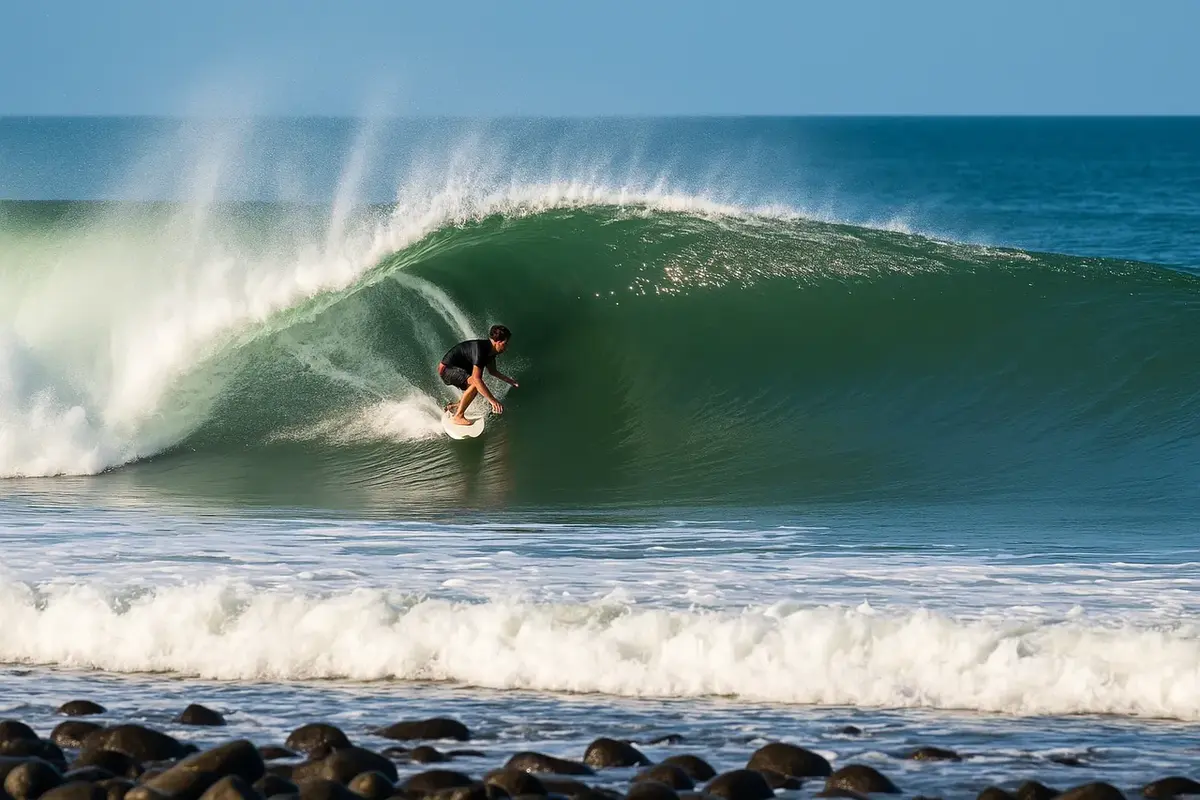
The honest take: I’m an intermediate and El Sunzal humbled me on my first paddle out. The takeoff is on a point with rocks at the inside, and the locals will sit deep. If you’re not confidently riding overhead waves with a clean bottom turn, Costa Rica’s beach breaks are where you actually progress. The wave count in Tamarindo on a chest-high day is roughly four times what you’ll get in the El Sunzal lineup.
Where Do You Actually See Wildlife?
Costa Rica wins this category by a wide margin. The country protects 25–28% of its land and houses roughly 6% of global biodiversity on 0.03% of Earth’s surface per Visit Costa Rica (ICT, the official tourism board). El Salvador has volcanic terrain and one good cloud forest at El Imposible, but no sloths and no Corcovado equivalent.
What you’ll see and where:
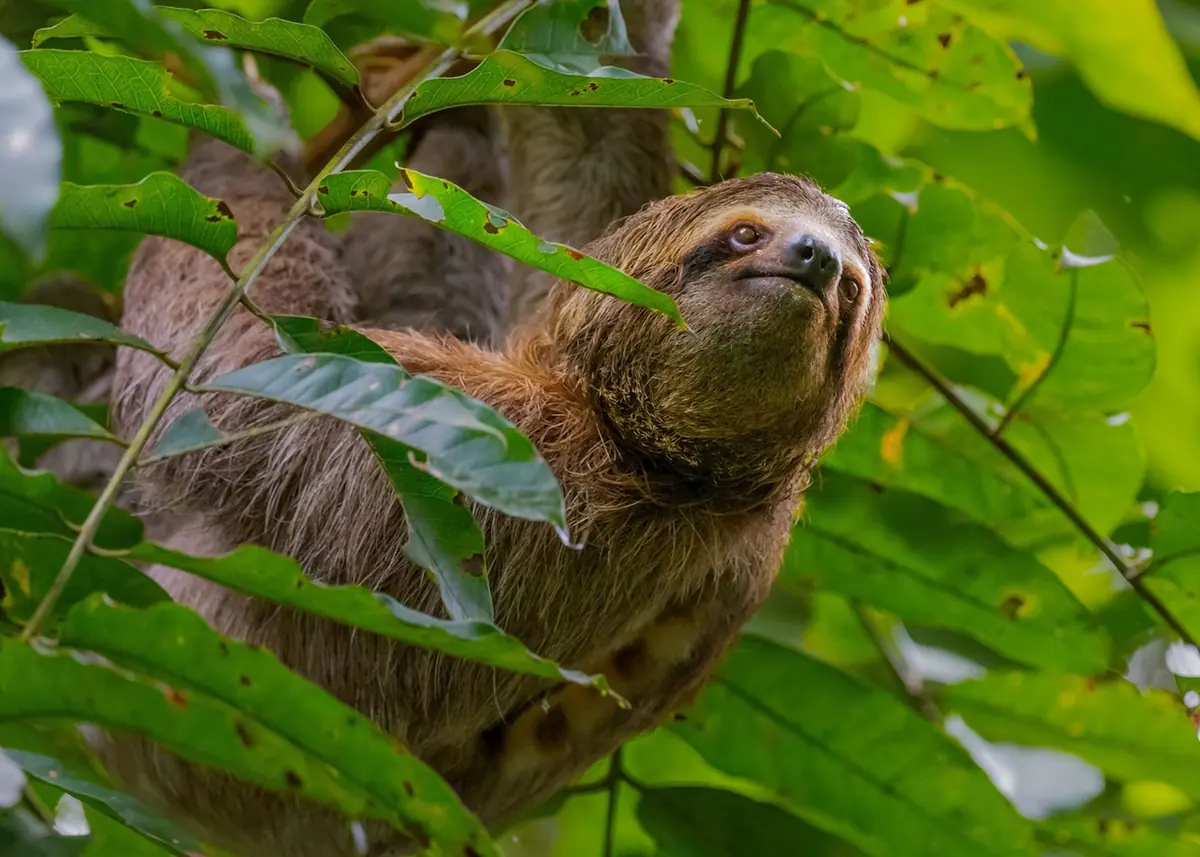
- Three-toed sloths: Manuel Antonio National Park, Cahuita, Puerto Viejo (Costa Rica only)
- Scarlet macaws: Carara National Park, Corcovado, Osa Peninsula
- Resplendent quetzal: Monteverde and Los Quetzales National Park (December–April best)
- Leatherback and green turtle nesting: Tortuguero (July–October)
- White-faced capuchin monkeys: Manuel Antonio, Corcovado, Cahuita
- Howler monkeys: most lowland forest in Costa Rica; also at Walter Thilo Deininger in El Salvador
- Resident iguanas, agoutis, coatis: both countries
Costa Rica’s park system (SINAC) covers roughly 30 national parks. Park entrance fees run $16–$18 for foreigners at most marquee parks. The El Salvador equivalents — Cerro Verde, El Imposible, Walter Thilo Deininger — charge $1–$6 and protect mostly volcanic and cloud-forest terrain. Joya de Cerén, the UNESCO-listed pre-Columbian village often called the “Pompeii of the Americas,” is in El Salvador and has no Costa Rican equivalent.
Pro Tip: Manuel Antonio’s wildlife density is highest on the first walk in after the 7 a.m. opening and lowest after 11 a.m. when groups arrive. Hire a guide with a spotting scope at the gate — about $20 per person — and you’ll see four times as much.
I counted twelve sloth sightings in a single Manuel Antonio morning. In El Salvador, my best wildlife moment was iguanas sunning themselves on the Santa Ana ascent. That’s the gap, in one sentence.
Volcanoes, Hot Springs, and Headline Day Trips
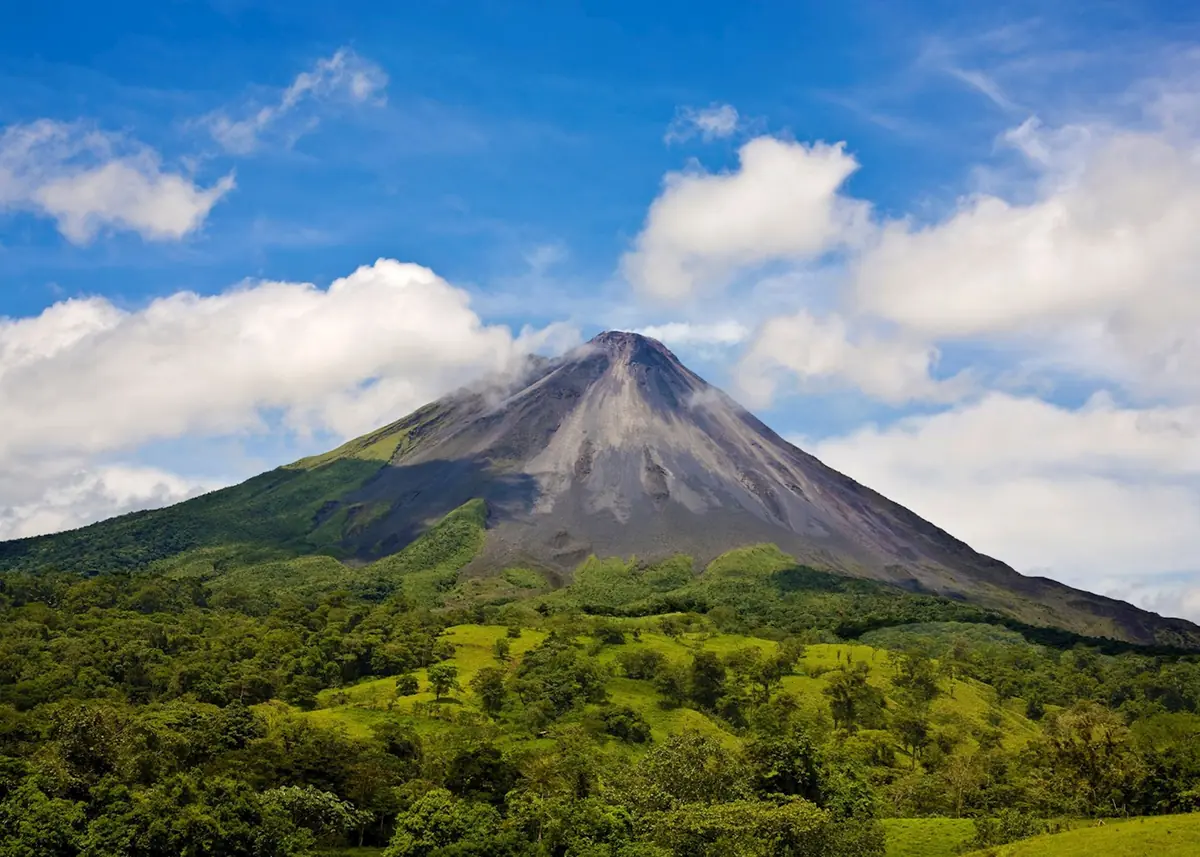
El Salvador’s headline day trip is the Santa Ana volcano hike — $11.80 total per foreigner using public buses, including entry, guide, and the park fee. Costa Rica’s headline day trip is Arenal volcano plus a hot springs combo — $119 to $209 per person depending on which thermal resort you pick.
The El Salvador signature: Santa Ana volcano (Ilamatepec):
- Summit elevation: 7,811 ft (2,381 m)
- Total cost from Santa Ana city: $11.80 ($6 entry + $3 national park + $1 guide tip + $1.80 bus round trip)
- Mandatory armed guide and tourist police escort departs at 11 a.m. sharp from the trailhead
- Hike time: 4–5 hours round trip, moderate difficulty
- Payoff: a sulfur-tinged, turquoise crater lake that bubbles audibly when the wind drops
The Costa Rica signature: Arenal volcano + thermal resort combo:
- Volcano elevation: 5,358 ft (1,633 m)
- Combo cost: $119–$209 per person
- Thermal resort options: Tabacón ($90 day pass, premium), Eco Termales ($44, reservation required), Baldi ($59, biggest)
- La Fortuna Waterfall add-on: $18 entry
- Hanging bridges add-on: $26 entry
Other notable day trips:
- Cerro Verde National Park (El Salvador): three volcanoes in one park
- Lake Coatepeque (El Salvador): crater lake with lakeside restaurants, $25 boat tour
- Ruta de las Flores (El Salvador): Ataco, Juayúa, Apaneca coffee-town circuit, $20 in transport
- Poás Volcano (Costa Rica): drive-up crater, $15 entry, weather-dependent
- Rincón de la Vieja (Costa Rica): mud pots and waterfalls, $16 entry
Pro Tip: The Santa Ana hike fills its 11 a.m. slot to capacity by 9:30 most dry-season mornings. Catch the 7:30 a.m. chicken bus #248 from La Vencedora terminal in Santa Ana city, alight at El Tibet, and you’ll have time to register. The 4 p.m. return is the only bus back — miss it and you’re hitchhiking.
Pupusas vs Gallo Pinto: A Food and Culture Primer
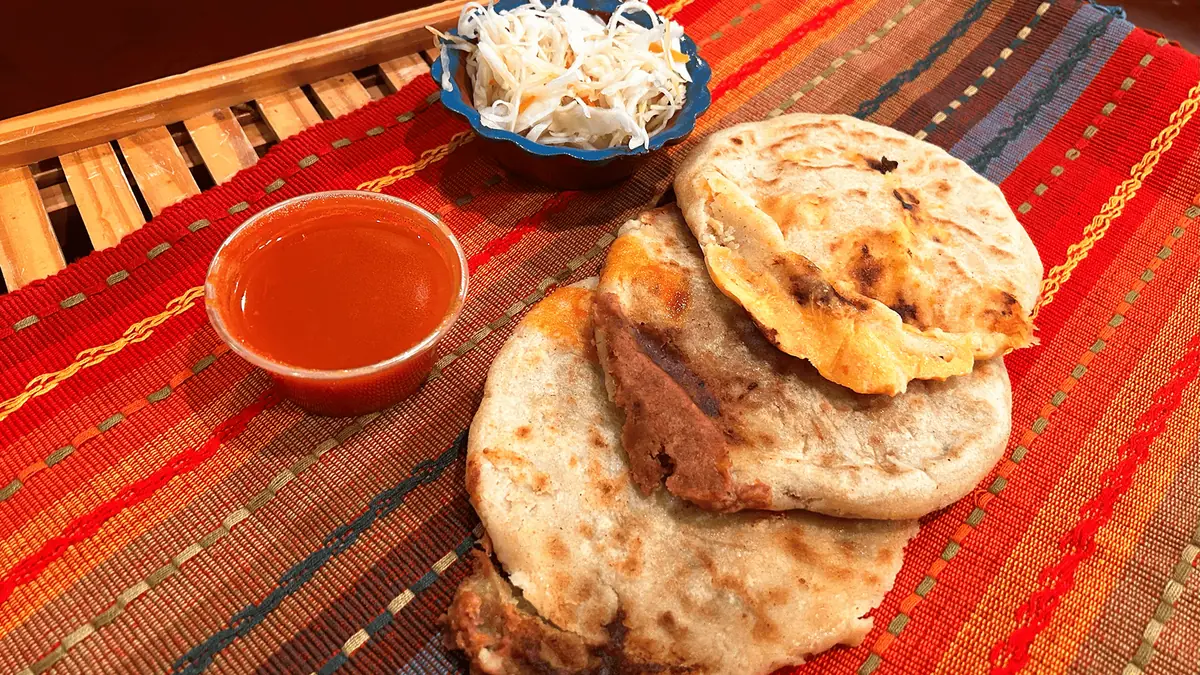
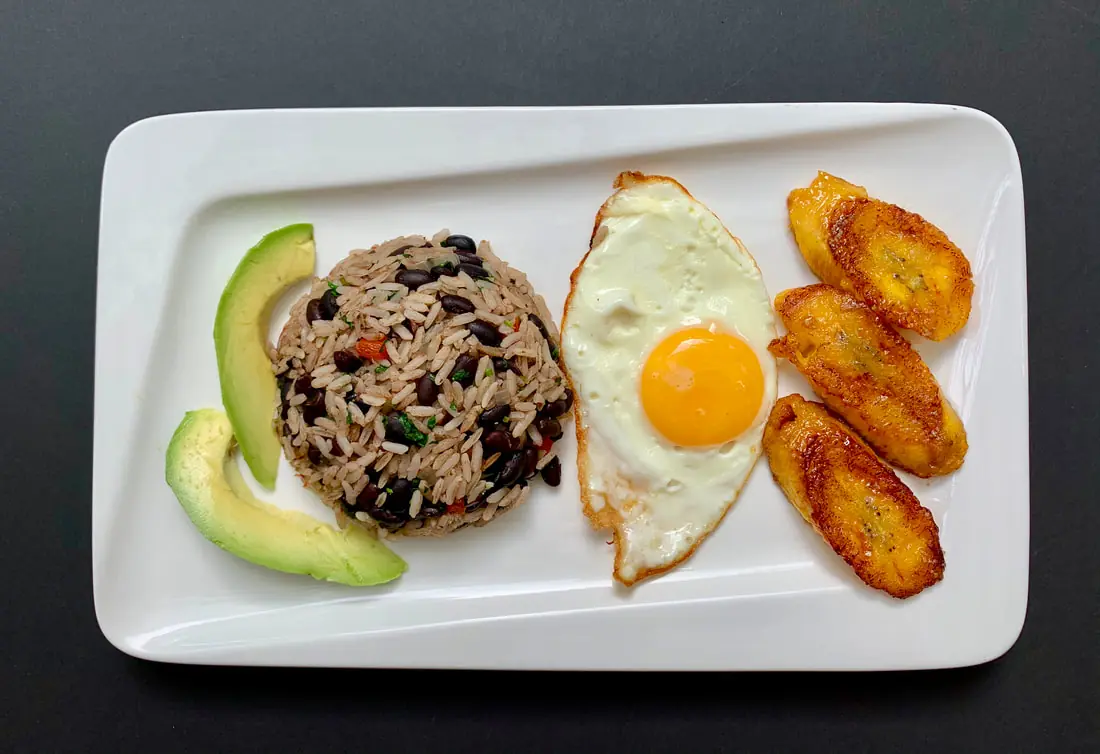
El Salvador’s national dish is the pupusa: a thick masa cake stuffed with cheese, beans, or chicharrón and served with curtido. Costa Rica’s are gallo pinto for breakfast and casado for lunch. Both cuisines lean on rice, beans, and tropical fruit; neither runs spicy by default.
Eat-these-first lists:
El Salvador:
- Pupusa de queso con loroco — $0.75–$2 at a pupusería
- Yuca frita with curtido and salsa roja — $3–$5
- Mariscada (Pacific seafood stew) at El Sunzal — $12–$18
- Horchata de morro (a thicker, nuttier horchata than Mexican) — $1–$2
- Ruta de las Flores coffee: try the small farms in Ataco and Apaneca
Costa Rica:
- Gallo pinto with eggs and plantain — $4–$8 at a soda
- Casado (rice, beans, salad, meat, plantain) at any soda — $6–$9
- Chifrijo (rice, beans, chicharrón, pico de gallo) — $5–$8 in a bar
- Ceviche de pescado on the Pacific coast — $6–$12
- Imperial beer with a sunset — $2–$3
Cultural beats that matter for the traveler:
- Pura Vida is both a greeting and a worldview in Costa Rica. Use it freely; it functions as “hello,” “thanks,” “goodbye,” and “no worries”
- Tipping in Costa Rica: the 10% service charge is built in at restaurants; round up taxi fares; $5–$10/day for guides
- Tipping in El Salvador: 10% in sit-down restaurants if service isn’t included; round up everywhere else
- El Salvador’s coffee culture clusters in the Ruta de las Flores; Costa Rica’s coffee story runs through the Central Valley around Atenas and Naranjo
Which Country Fits Your Travel Style?
Surfers split by skill — beginners pick Costa Rica’s Tamarindo and Nosara, advanced surfers pick El Salvador’s Punta Roca. Wildlife seekers: Costa Rica (Manuel Antonio, Corcovado). Families: Costa Rica (La Fortuna, Manuel Antonio). Digital nomads: a tie — El Zonte for crypto-curious, Santa Teresa or Nosara for established scenes. Retirees: Costa Rica.
Surfers
- Beginner/intermediate winner: Costa Rica. Book Tamarindo or Nosara
- Advanced winner: El Salvador. Book El Tunco or Las Flores (Playa El Cuco)
- Daily budget at a surf camp: $60–$180 in El Salvador, $90–$280 in Costa Rica
Wildlife and Eco-Tourism Seekers
- Winner: Costa Rica, decisively. Manuel Antonio for accessible wildlife, Corcovado for the deep-jungle hit
- Daily budget mid-range: $100–$160
Families with Kids
- Winner: Costa Rica. La Fortuna for the volcano-and-hot-springs combo, Manuel Antonio for the rainforest-and-beach combo
- Why: more English speakers, more all-inclusive options, more pediatric-friendly water, easier rental-car infrastructure
- Daily budget mid-range, family of four: $250–$450
Budget Travelers and Backpackers
- Winner: El Salvador. El Tunco hostels run $10–$15/dorm; chicken buses cost cents
- Honorable mention for Costa Rica: Puerto Viejo and Santa Teresa stay affordable by Costa Rican standards
- Daily budget: $30–$50 El Salvador / $45–$70 Costa Rica
Luxury Seekers
- Winner: Costa Rica. The Four Seasons Papagayo, Nayara Tented Camp, and the Andaz Peninsula Papagayo are tier-one resort properties without a true El Salvador equivalent
- El Salvador’s best comfort plays: Puro Surf and Palo Verde Hotel on the Surf City corridor; not five-star
- Daily budget at the top end: $250+ El Salvador / $500+ Costa Rica
Digital Nomads
- Tie. El Zonte (Bitcoin Beach) draws the crypto-and-surf nomad crowd. Santa Teresa and Nosara draw the established yoga-and-coworking crowd
- Wi-Fi: comparable, 50–150 Mbps in nomad hubs in both countries
- Visa runway: Costa Rica’s 180 days vs El Salvador’s 90; both have nomad visas worth a separate look
- Daily budget all-in: $1,500–$3,000/month El Salvador / $2,000–$4,000/month Costa Rica
Solo Female Travelers
- Both work. Costa Rica’s English-language hostel scene and rideshare coverage in San José make orientation faster
- El Salvador’s tourist corridor (El Tunco, Santa Ana, Suchitoto, Ruta de las Flores) feels secure thanks to heavy POLITUR presence; outside it, Spanish is required
- Petty theft is the main concern in both countries; violent crime against tourists is rare
Retirees Considering Long Stays
- Winner: Costa Rica. Established expat infrastructure in Atenas, Escazú, and Playas del Coco; respected public healthcare (Caja) and accessible private hospitals
- Residency pathways: Costa Rica’s pensionado visa needs $1,000/month proven income; El Salvador’s residency rules are evolving
- Healthcare quality: Costa Rica ranks among the top in Latin America per WHO data; El Salvador has private hospitals in San Salvador but less continuity
First-Time Central America Visitors
- Winner: Costa Rica. The training wheels are bolted on. English, rideshares, all-inclusive options, 180-day visa, fewer language barriers
- Save El Salvador for trip two when you’re already comfortable with Central America logistics
What Does One Week in Each Country Look Like?
A one-week Costa Rica route runs SJO → La Fortuna (3 nights) → Monteverde (2 nights) → Manuel Antonio (2 nights). A one-week El Salvador route runs SAL → Suchitoto (1 night) → Santa Ana and the Ruta de las Flores (2 nights) → El Tunco (3 nights) → San Salvador (1 night).
Costa Rica — one week, classic loop
- Day 1: Fly into SJO. Pick up rental car or board Interbus shuttle to La Fortuna (3 hr drive)
- Days 2–3: Arenal hike, hot springs (Tabacón or Eco Termales), La Fortuna Waterfall, hanging bridges
- Day 4: Transfer to Monteverde (3.5 hr — partly on dirt roads that destroy schedules)
- Day 5: Monteverde Cloud Forest reserve walk, Selvatura hanging bridges, night tour
- Day 6: Transfer to Manuel Antonio (4 hr drive)
- Day 7: Manuel Antonio National Park guided walk; beach afternoon; fly out of SJO next morning
El Salvador — one week, surf and culture loop
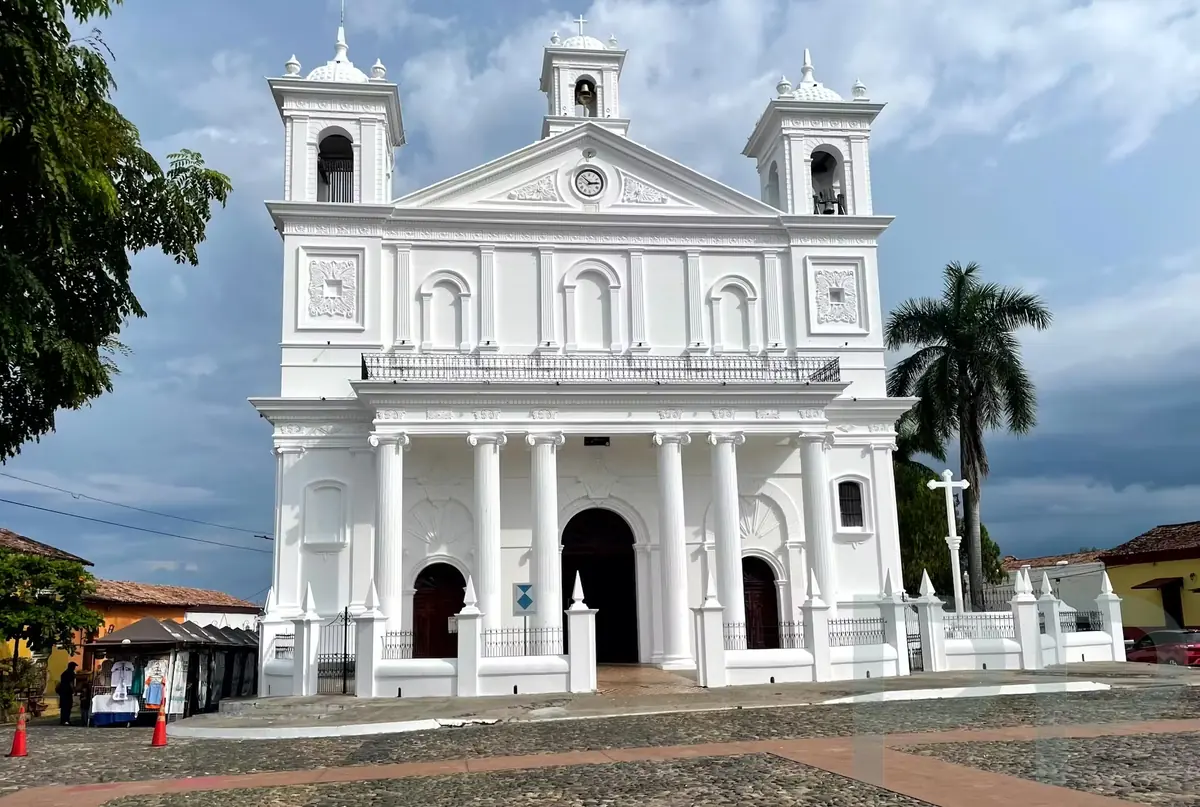
- Day 1: Fly into SAL. Drive 45 min north to Suchitoto for a colonial-town night
- Day 2: Transfer to Santa Ana (1.5 hr). Lake Coatepeque afternoon
- Day 3: Santa Ana volcano sunrise-zone hike, Ruta de las Flores in the afternoon
- Day 4: Transfer to El Tunco / La Libertad (1.5 hr from Santa Ana). Surf lesson at El Zonte
- Days 5–6: Surf El Sunzal, Punta Roca, day trip to El Cuco or Playa Mizata for empty waves
- Day 7: Return to San Salvador. Joya de Cerén UNESCO site, evening in the Zona Rosa
- Day 8: Fly out of SAL
Pro Tip: The Monteverde leg is the schedule-killer on the Costa Rica route. The two main approach roads are unpaved and the 35 mi (56 km) from La Fortuna takes 3.5 hours even in dry weather. Build in a buffer or skip Monteverde and add a beach night.
So Which One Should You Book?
Book Costa Rica if you want wildlife, family-friendly logistics, English speakers everywhere, and you accept a higher daily spend. Book El Salvador if you want lower prices, fewer crowds, championship-tour point breaks, and you accept that wildlife and resort polish are thinner. First Central America trip? Costa Rica. Repeat visitor? El Salvador.
TL;DR — the decision in three sentences:
- For wildlife, families, and first-timers, book Costa Rica and budget $90–$160/day
- For surfing point breaks, budget travel, and a less crowded experience, book El Salvador and budget $30–$130/day
- If you’ve already done Costa Rica, El Salvador is the natural next trip — and the safer of the two by homicide rate, with the ethical asterisks understood
The two countries are not interchangeable. They’re complementary. The smart play, if you can swing it, is to do Costa Rica first and El Salvador second — and to skip both if you actually wanted Panama or Belize, which are different conversations.
So which one are you booking — and what’s the deciding factor for you, surf or sloths?
Frequently Asked Questions
Is El Salvador cheaper than Costa Rica?
Yes — El Salvador costs about thirty to forty percent less across hotels, meals, and tours per Tico Times reporting. Backpackers manage $30 to $50 per day in El Salvador versus $45 to $70 in Costa Rica. Mid-range travelers spend $60 to $130 in El Salvador and $90 to $160 in Costa Rica.
Is El Salvador safer than Costa Rica?
By homicide rate, yes. El Salvador’s homicide rate is 1.36 per 100,000 per the Salvadoran National Police and the US State Department lists it Level 1. Costa Rica’s rate is 16.4 per 100,000 per Costa Rican authorities and sits at Level 2. Petty theft is common in both countries’ urban centers.
Which is better for surfing, Costa Rica or El Salvador?
Beginners and intermediates pick Costa Rica — Tamarindo, Nosara, and Santa Teresa have forgiving beach breaks and the densest lesson infrastructure. Advanced surfers pick El Salvador — Punta Roca, El Sunzal, and Punta Mango deliver long, racing right-hand point breaks with smaller crowds.
Do US citizens need a visa for either country?
No advance visa is required. Costa Rica grants up to 180 days visa-free and you must show proof of onward travel. El Salvador issues a 90-day tourist card on arrival for a $12 USD cash fee. Passports should remain valid for the duration of the stay.
When is the best time to visit?
Both share a dry season from roughly November through April. Costa Rica’s Guanacaste coast and Arenal stay driest December through April. El Salvador’s surf season peaks March through October on south swells, but dry-season weather (November through April) makes inland travel and Santa Ana volcano hikes most reliable.