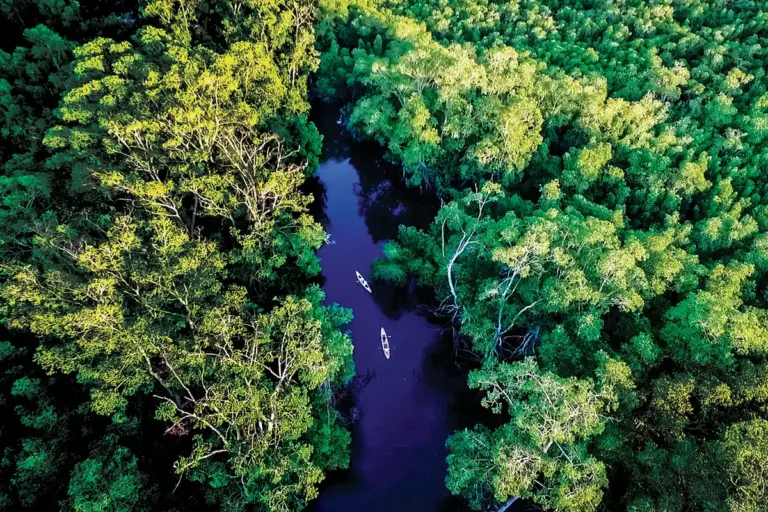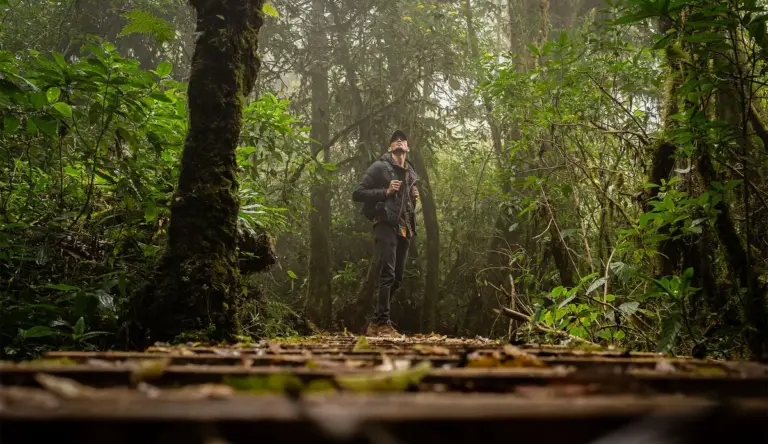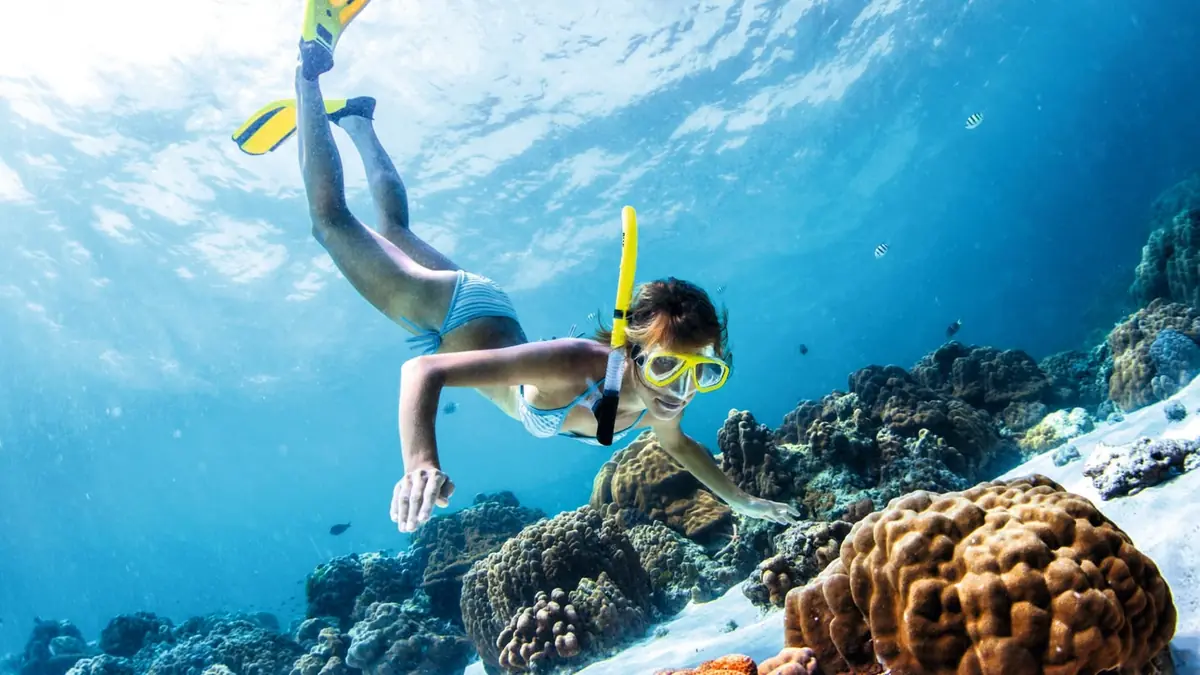
Glamping El Salvador means waking to a turquoise crater lake, a right-hand point break, or coffee-scented mountain mist — in a country the US rates as safe as it gets. The dollar is already in your pocket, and the airport sits under an hour from the coast. It’s Central America’s easiest luxury-camping escape.
Is glamping in El Salvador worth it, and where should you go?
Yes — glamping in El Salvador is worth it and unusually easy. For surf and nightlife, base near El Tunco or El Zonte (Bitcoin Beach). For volcano-and-lake drama, choose Tres Volcanes inside Los Volcanes National Park. For cool coffee-country calm, pick the Ruta de las Flores. Nightly rates run roughly $112 to $400, and the airport is about 35 minutes from the coast.
Three settings, one small country — that’s the pitch. You can surf in the morning, hike a volcano the next day, and sip coffee in the mountains by the weekend, all without a domestic flight. Here’s the quick map:
- Beach: El Zonte and El Tunco on the Surf City coast
- Volcano and lake: Tres Volcanes and Lake Coatepeque in the Santa Ana highlands
- Mountain: the coffee towns of the Ruta de las Flores
Is El Salvador safe for glamping and travel?
Yes. The US State Department rates El Salvador at Level 1 — “Exercise Normal Precautions” — its safest tier and the only Level 1 rating in Central America. The homicide rate has fallen from one of the world’s highest to roughly 1.9 per 100,000. Tourist zones like El Tunco, El Zonte and Santa Ana are patrolled and welcoming.
The turnaround here is hard to overstate. Homicides have dropped from more than 6,600 a year at the country’s worst to barely over 100 — a rate near 1.9 per 100,000, down from over 50 not long before. El Salvador draws around 3.9 million visitors a year, nearly 40% of them — about 1.3 million — from the US.
That doesn’t mean you switch off. Petty theft still happens, so use official taxis or hotel shuttles, keep valuables out of sight on the beach, and drink bottled water. On the Santa Ana trail and along the coast, the tourism-police and military presence is visible but low-key — there to reassure, not to hover.
Pro Tip: Solo travelers, including solo women, increasingly base in El Zonte and Santa Ana without trouble. Stick to the main tourist hubs after dark and the mood reads relaxed rather than tense.
What does glamping in El Salvador cost?
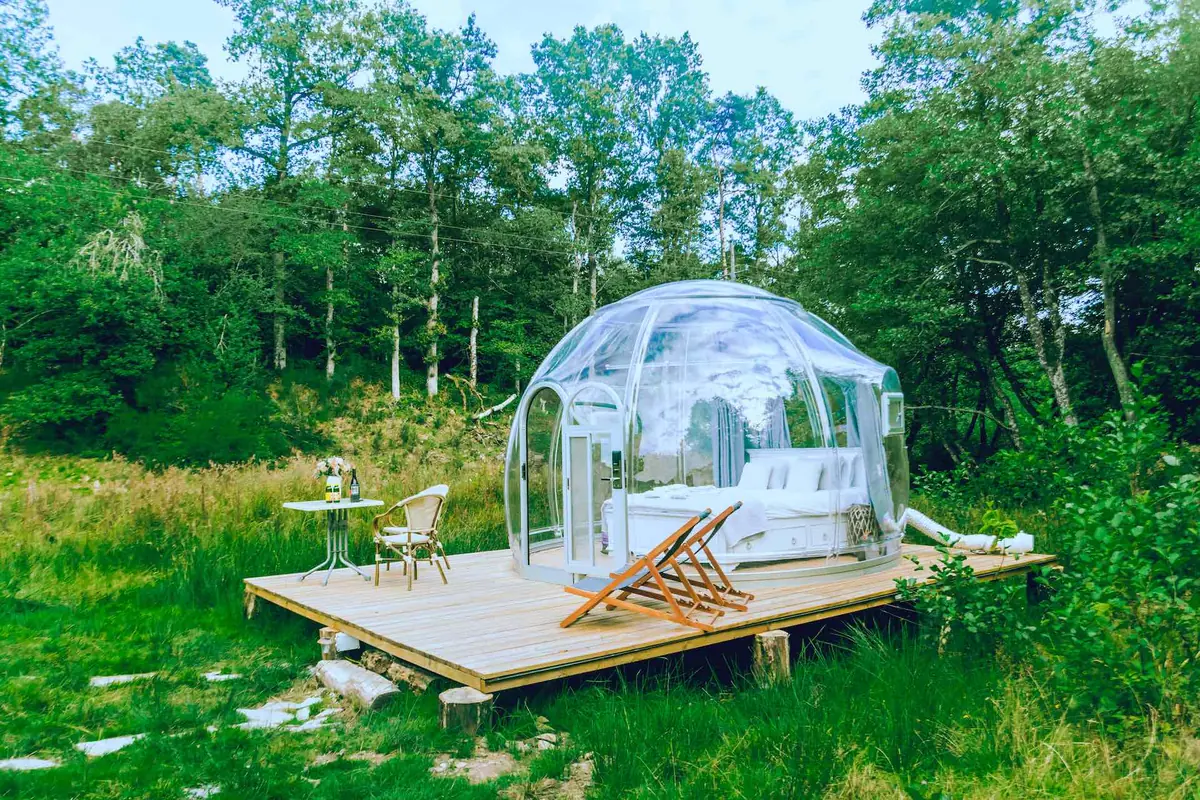
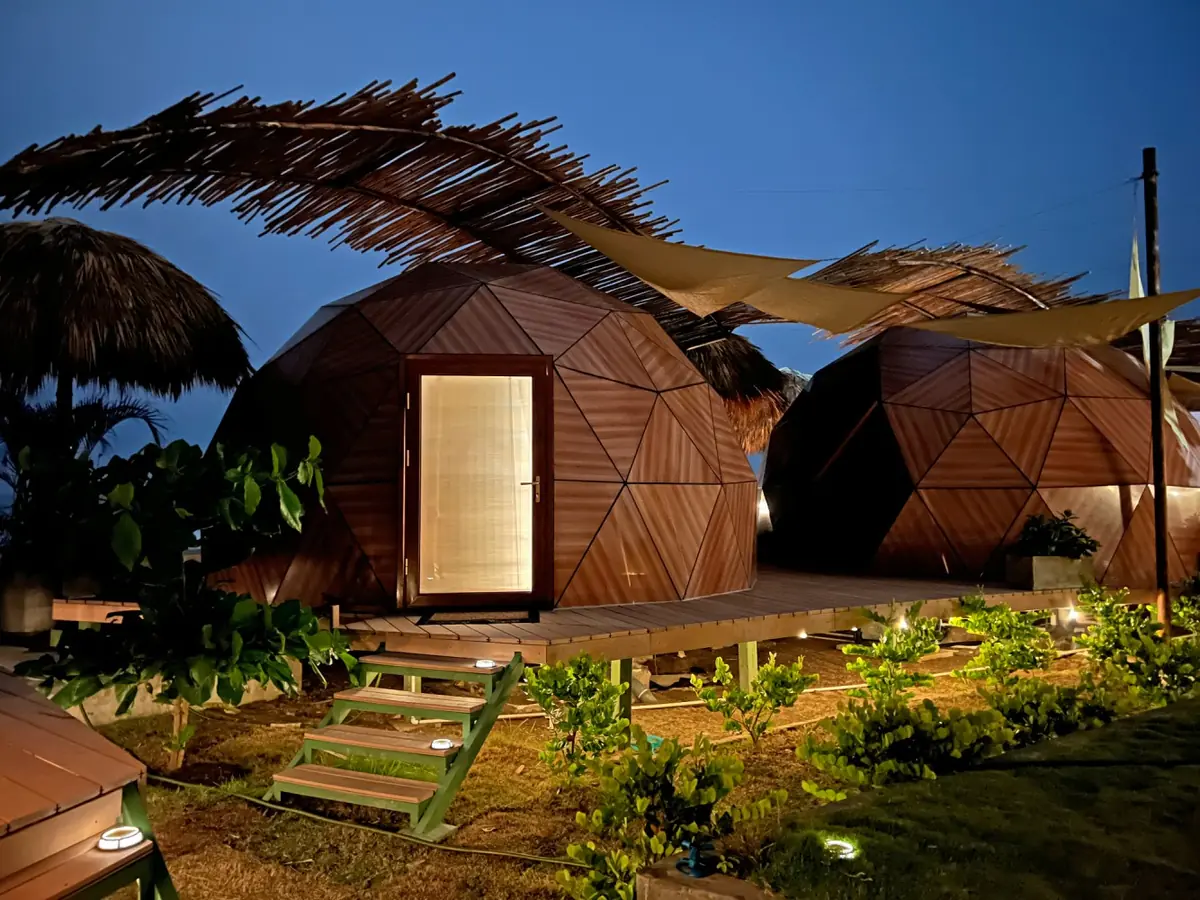
Expect to pay in US dollars — El Salvador’s official currency, so there’s no exchange math. Beachfront glamping domes start around $112 to $125 a night at Almare Zonte. Boutique eco-stays like Palo Verde run about $165 to $263. Mountain domes such as Kafen sit near $159, and luxury volcano-view glamping can reach roughly $400.
Prices climb with the view and the privacy. A beachfront dome facing the break costs less than a luxury volcano-view tent, and day passes let you sample a property like Tres Volcanes without paying to sleep there. Here’s the ladder:
- Beachfront glamping domes (Almare Zonte): ~$112–125/night
- Boutique eco-stays (Palo Verde): ~$165–263/night
- Mountain domes (Kafen): ~$159/night (about $188 with taxes and fees)
- Luxury volcano-view glamping: up to ~$400/night for two
- Day passes: Tres Volcanes sells “Full Experience” and “Picnic” passes for a no-overnight taste
Breakfast is often included — worth confirming when you book, since it changes the real per-night math.
Where’s the best beach glamping near El Tunco and Bitcoin Beach?
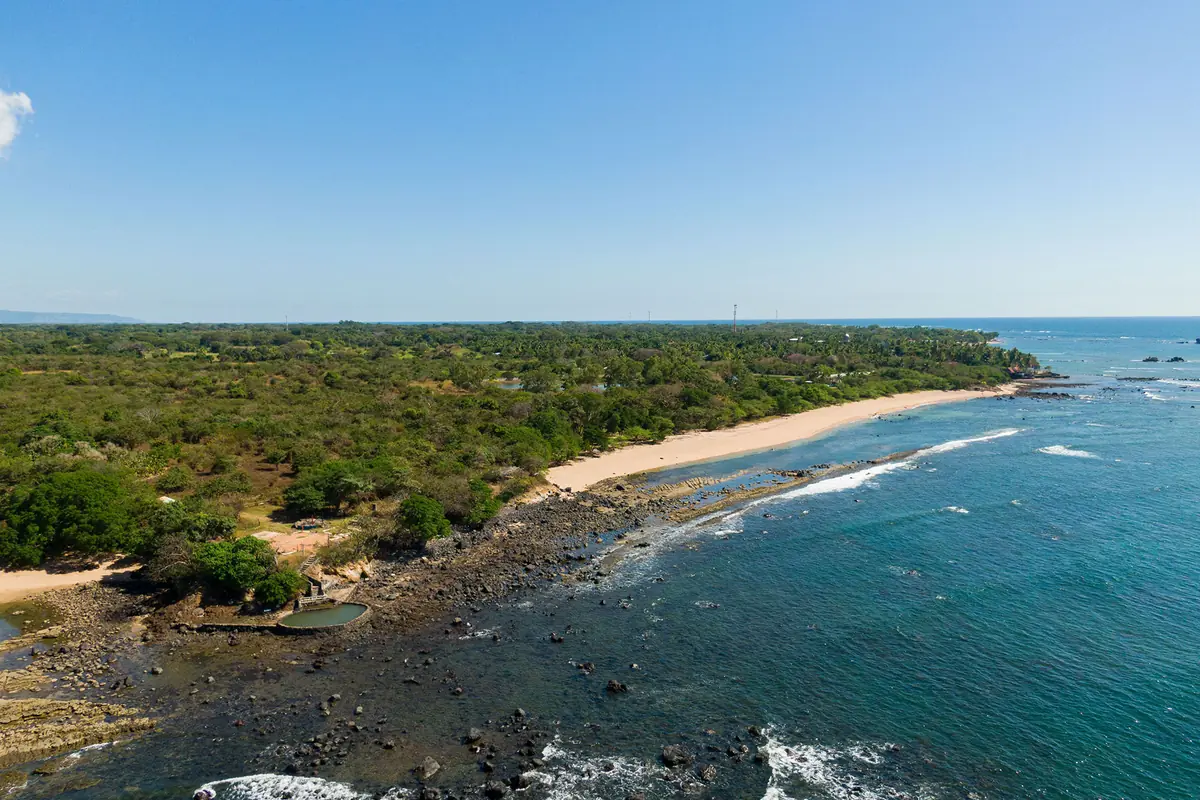
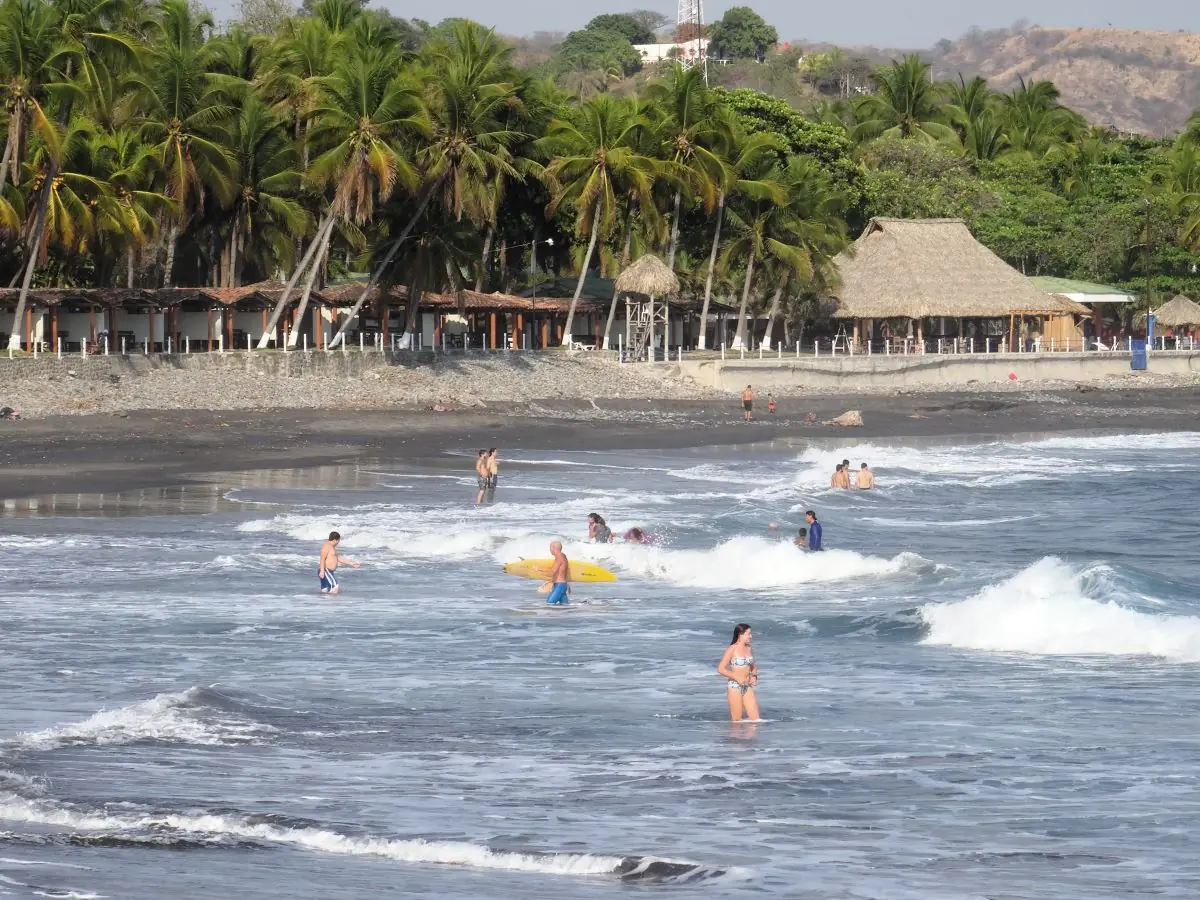
El Salvador’s Pacific coast — branded “Surf City” — is the heart of beach glamping. El Zonte (Bitcoin Beach) is the quiet, nomad-friendly choice; El Tunco is the livelier one 15 minutes away. Almare Zonte puts glamping domes right on the sand facing the break, while Palo Verde delivers boutique eco-luxury steps from a right-hand point.
Here’s the call I’d make: skip the late-night noise of El Tunco for sleeping and base in El Zonte instead. The two towns sit 15 minutes apart by car or a $1–2 coastal van, so you can stay in the calm one and walk into the loud one whenever you want the bars. The black sand along this coast is studded with sticks and stones rather than powder — first-timers deflate for about a day, then the sunsets win them over.
1. Almare Zonte — beachfront domes facing the break
The domes sit right on the sand at El Zonte, close enough that you can track the sets from bed before you’ve had coffee. Mornings are surfers and pelicans, and the water stays warm year-round, so there’s no wetsuit debate. The trade-off is exposure — beachfront means you hear the waves all night, which is either the point or a problem depending on how you sleep.
- Location: El Zonte (Bitcoin Beach), La Libertad coast
- Cost: from ~$112–125/night
- Best for: Surfers and digital nomads who want to wake up facing the water
- Time needed: 2–4 nights
2. Palo Verde — boutique eco-luxury by the point
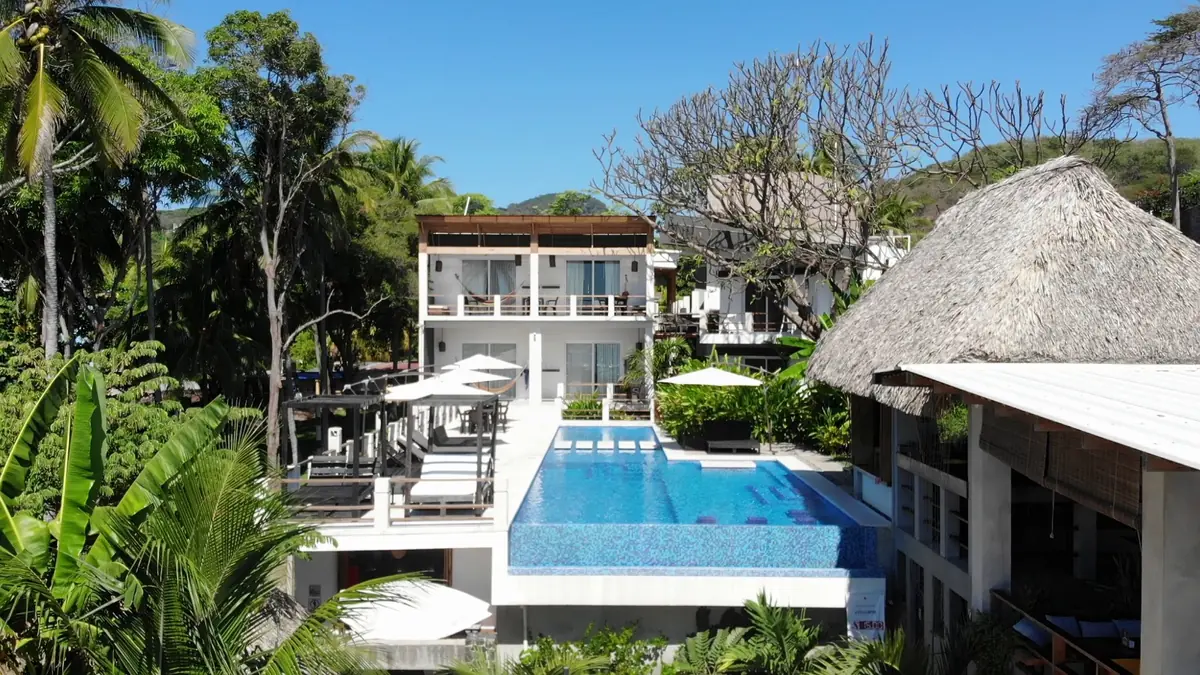
Palo Verde leans into sustainability hard: an infinity pool over the rocks, the Olor de Mar restaurant turning out ceviche, and surf lessons arranged through Surfero’s with instructor Alex Novoa. The cliff behind the property catches the sunrise, and there’s a right-hand point break a short walk away. It’s polished without being stiff.
Pro Tip: At Palo Verde you have to ask reception to switch on the hot water before you shower, and towels are capped at one per person — both deliberate sustainability moves, not oversights. Refillable L’Occitane amenities sit in the bathroom instead of single-use bottles.
- Location: El Zonte, steps from the point break
- Cost: ~$165–263/night
- Best for: Couples wanting boutique eco-luxury
- Time needed: 2–3 nights
Where can you glamp with volcano and lake views?
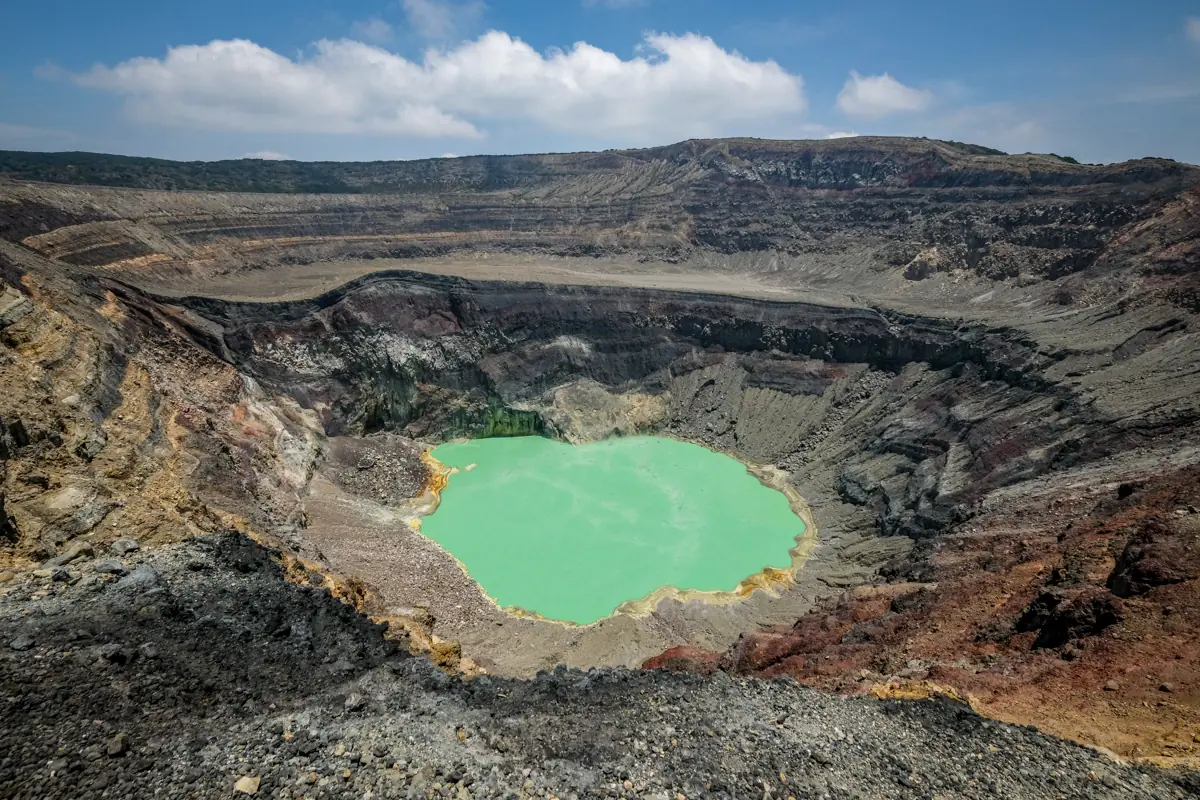
For the postcard shot, Tres Volcanes by Glamping El Salvador sits inside Los Volcanes National Park, with tented decks framing Izalco, Santa Ana and Cerro Verde. It’s the launchpad for the Santa Ana Volcano hike to a glowing turquoise crater lake. Nearby Lake Coatepeque adds lakefront stays like Cardedeu, set in a volcanic caldera.
3. Tres Volcanes — true tented glamping inside the park
The tents sit on raised wooden decks, ten of them, each looking straight at the cones of Izalco, Santa Ana and Cerro Verde. There’s no faking this view from a hotel balcony — you’re inside Los Volcanes National Park, and the air at elevation actually cools off after dark. Solar panels heat the shower water, so a hot rinse depends on the sun cooperating that day.
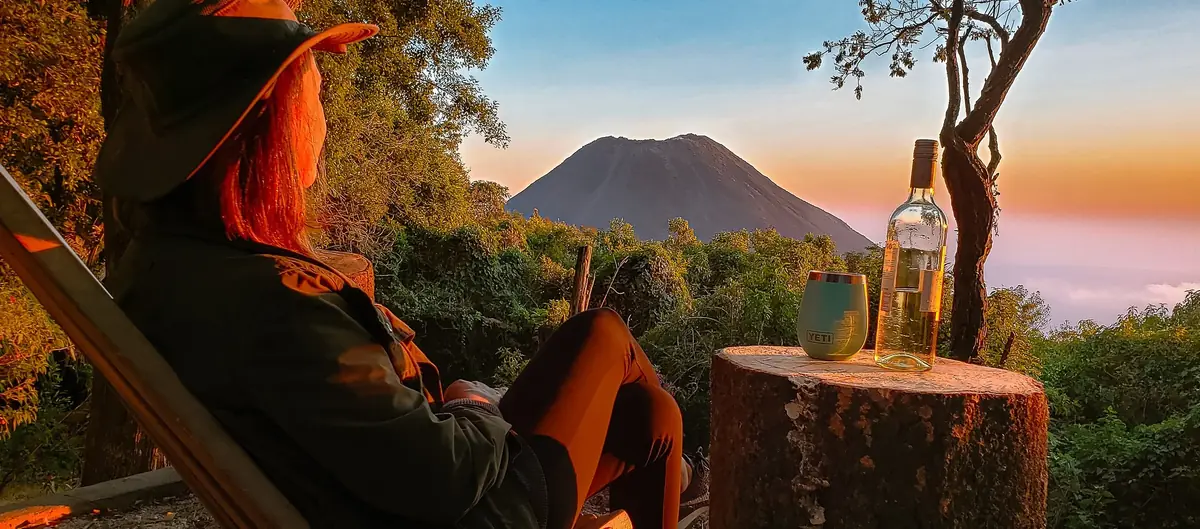
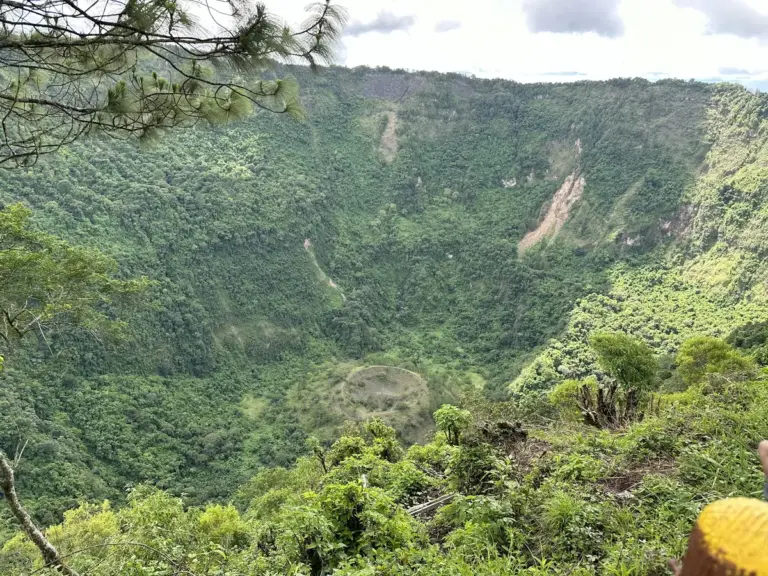
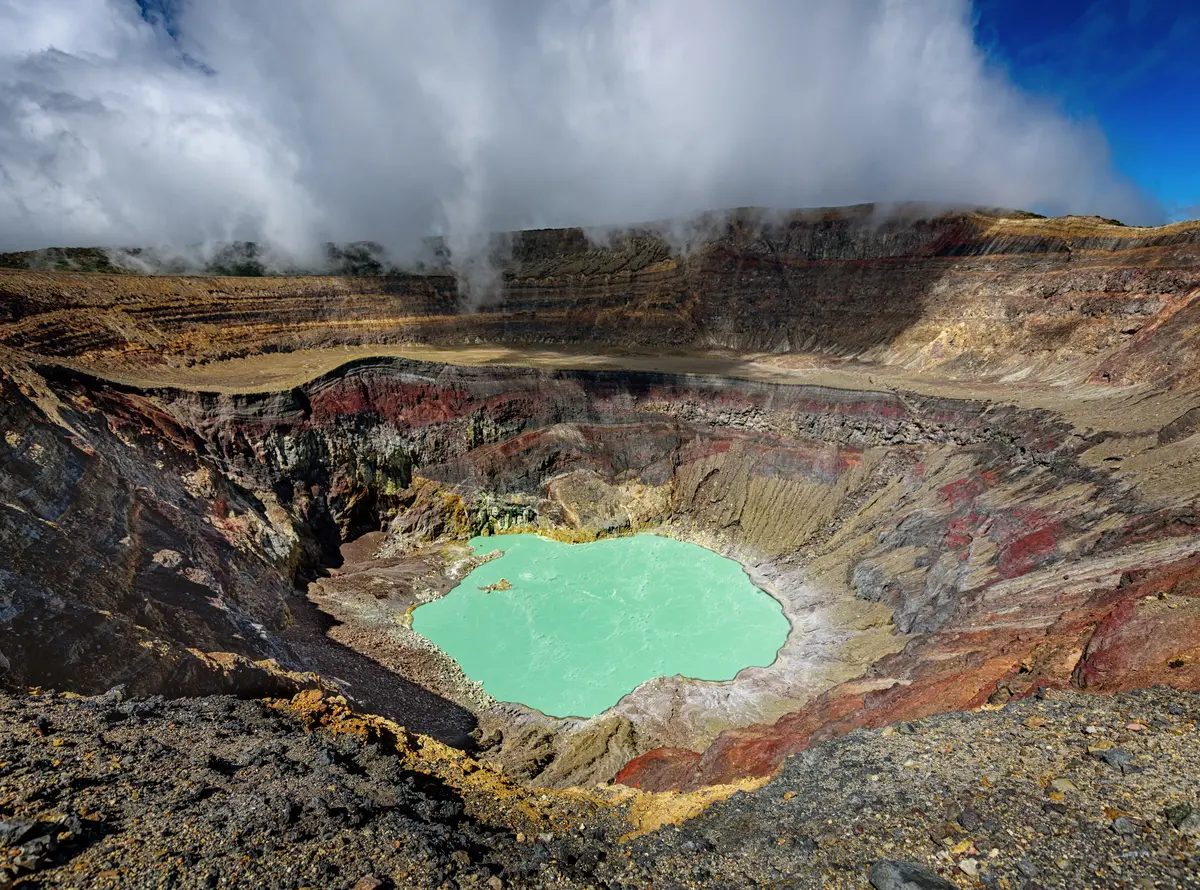
This is the launchpad for the Santa Ana Volcano hike, the reason most people come. The trail is a 4.4-mile (7 km) out-and-back climbing about 1,519 feet over roughly 3 to 3.5 hours, ending at a crater rim where a sulfur-green lake sits in the caldera. At the windy summit — 7,812 feet (2,381 m), the highest point in the country — the wind bites and the sulfur catches in your throat, and somehow there’s a vendor up there selling zapote popsicles.
Pro Tip: A certified guide is mandatory, and fees run about $9 total for foreigners ($6 park entry plus $3 for the guide). Start early — group hikes usually leave mid-morning, and afternoon clouds swallow the crater view fast.
- Location: Los Volcanes National Park, near Cerro Verde, Santa Ana
- Cost: tented stays with day-pass options; volcano-view glamping up to ~$400/night for two
- Best for: Hikers and families who want the marquee volcano experience
- Time needed: 1–2 nights, plus a half-day for the Santa Ana hike
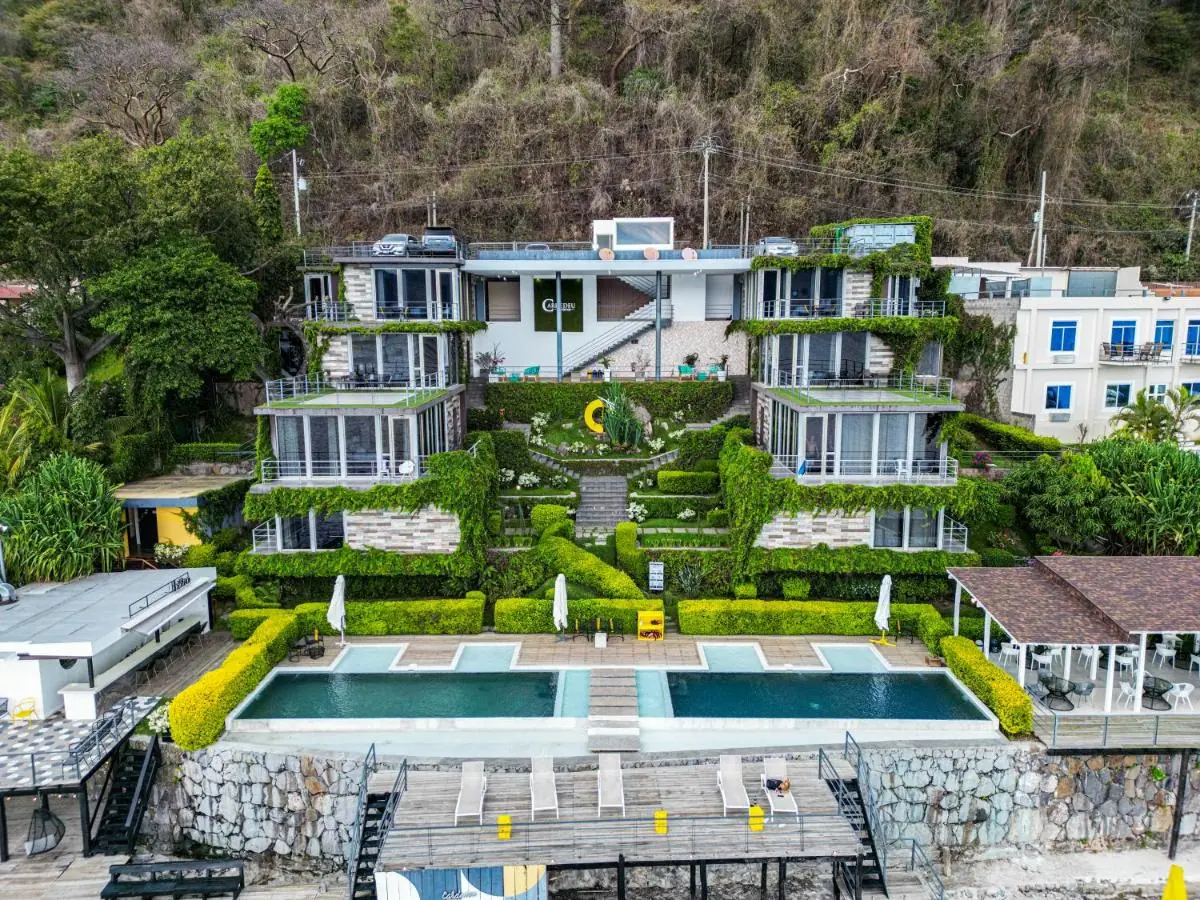
4. Cardedeu — lakefront calm on a volcanic caldera
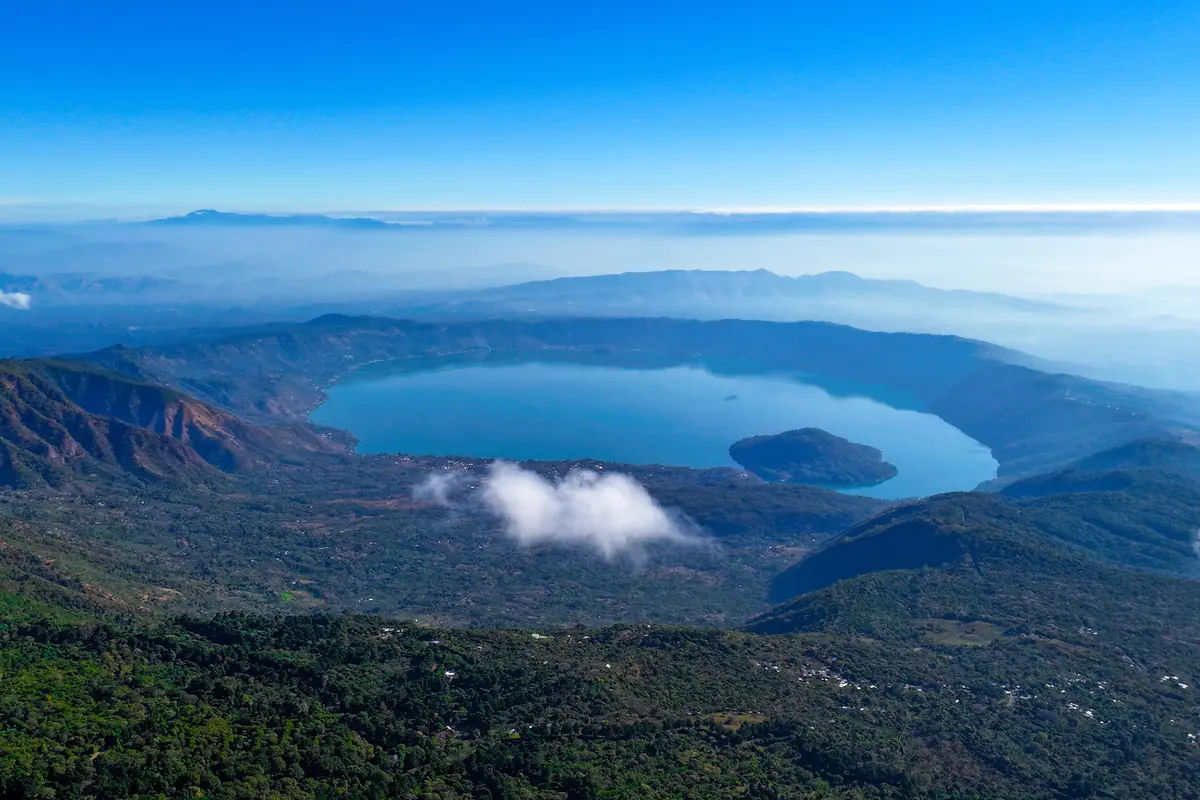
Lake Coatepeque fills a collapsed volcanic caldera, and the water shifts from deep blue to teal depending on the light and the season. Cardedeu sits right on the shore with terraced gardens dropping to a swimming dock, and the kitchen leans into garden-grown produce. It’s quieter than the coast and an easy add-on to the Santa Ana hike.
- Location: Lake Coatepeque (Lago de Coatepeque), Santa Ana
- Cost: ~$125–197/night
- Best for: Couples and families wanting a lakefront base
- Time needed: 1–2 nights
Where’s the best mountain glamping on the Ruta de las Flores?
The Ruta de las Flores threads colonial coffee towns — Juayúa, Ataco and Apaneca — through highlands where nights actually turn cool. Kafen Hotel Glamping near Juayúa offers domes with mountain views, coffee tours and on-site dining, while cabins around Los Naranjos frame the Izalco and Santa Ana volcanoes from your window.
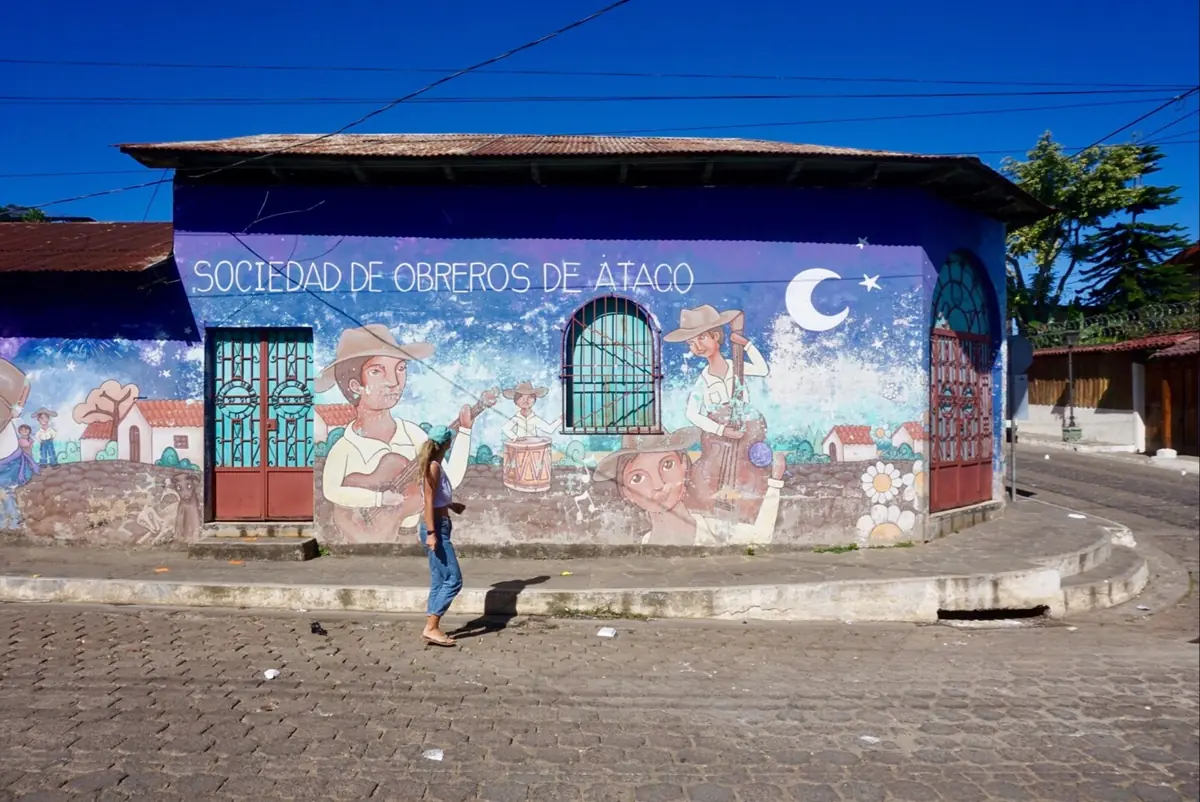
Juayúa runs a weekend food festival where the garlic-and-cheese pupusas alone justify the drive. Ataco’s streets are painted end to end with murals, and Apaneca adds ziplining and the hedge maze at Café Albania. Coffee blossoms whiten the fincas around May, and the seven-waterfalls hike out of Juayúa gets slick with moss at the tail end of the rains.
Pack a layer: while the coast holds in the high 80s°F, mountain nights here slide into the 50s°F (about 12–15°C).
5. Kafen Hotel Glamping — coffee-country domes near Juayúa
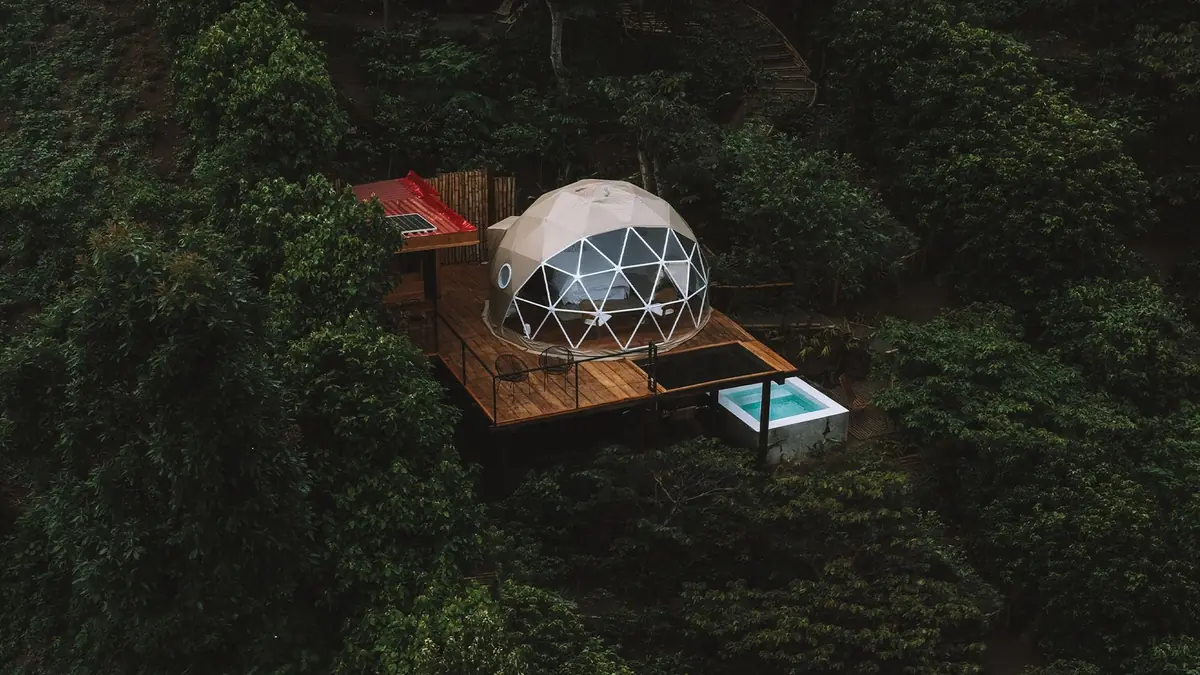
The domes face out over coffee hills near Juayúa, with on-site dining built around a local menu and a sauna for the cool evenings. A couples package pairs a massage with the sauna, which makes more sense up here than on the sweaty coast. Coffee tours run from the property into the surrounding fincas.
- Location: Near Juayúa, Ruta de las Flores
- Cost: ~$159/night (about $188 with taxes and fees)
- Best for: Couples after cool, quiet coffee country
- Time needed: 1–2 nights
How far is glamping from San Salvador airport?
Monseñor Óscar Arnulfo Romero International Airport (SAL) sits closer to the coast than to the capital. The drive to El Tunco or El Zonte is about 25 miles (40 km) and 35 to 45 minutes. Lake Coatepeque and the Ruta de las Flores are around 1.5 to 2 hours; El Imposible National Park is closer to 2.5 to 3 hours.
The happy surprise is that SAL is built on the coastal side, so the beach is the short hop, not the capital. Most travelers grab a private transfer or rent a car, and the CA-2 coastal highway is straightforward apart from the occasional construction detour near La Libertad.
- SAL → El Tunco / El Zonte: ~25 miles (40 km), 35–45 minutes
- Private transfer or taxi: ~$25–35; door-to-door shuttles cost more
- Bus 102A: the cheapest option
- Lake Coatepeque / Ruta de las Flores: ~1.5–2 hours
- El Imposible National Park: ~2.5–3 hours
- Getting around: a rental car is easiest along the CA-2 coastal highway; Uber operates in and around San Salvador
Pro Tip: Some coastal shuttle drivers meet you at SAL arrivals with a fresh-cracked coconut. It reads like a gimmick until you’ve just stepped off a red-eye into the heat.
When is the best time to go glamping in El Salvador?
The dry season — November to April — is the best all-round time: clear skies, sharp volcano views and calm beach days. The green season, May to October, brings lush scenery, lower prices and the biggest surf, plus daily afternoon storms. November is the sweet spot — green hillsides, dry skies and thinner crowds.
- Dry season (November–April): clear skies, sharp volcano views, calm beaches; peak around December and Semana Santa
- Green season (May–October): lush scenery, lowest prices (cheapest September–October), biggest surf, daily afternoon storms
- Surf: best March–October, with south swells reaching ~10 ft; a brief mid-July dry spell locals call the “veranillo”
- Wildlife: turtle nesting May–September; whale sightings February–March
- Temperatures: coast highs 85–92°F (29–33°C); mountain nights drop into the 50s°F (about 12–15°C)
Time your visit to the activity, not just the weather. Hikers want the dry-season clarity over the Santa Ana crater; surfers want the green-season swells; budget travelers want the September–October price floor.
Can you pay with Bitcoin, and do you need cash?
You never need Bitcoin — the US dollar is El Salvador’s official currency, so US travelers carry no exchange-rate math. Cards work at most glamping properties, but bring small-denomination dollars for pupusa stands, park fees and rural towns on the Ruta de las Flores. Bitcoin is accepted in pockets of El Zonte, but it’s optional, not required.
The headlines got this one wrong. El Salvador briefly made Bitcoin legal tender, then amended the law under an IMF agreement to repeal the requirement that businesses accept it — and only about 8% of Salvadorans ever transacted in it anyway. The dollar runs everything.
- Pupusas: about $0.50 each at roadside stands
- Santa Ana Volcano fees: ~$9 total for foreigners ($6 park entry + $3 guide)
- Restrooms: around $0.25 in rural towns
- ATMs: limited in El Zonte — withdraw in San Salvador first
- Cards: accepted at most glamping properties
Paying for a $0.50 pupusa in dollars while the Satoshi Nakamoto statue watches the El Zonte plaza is about as much Bitcoin as most visitors ever touch.
Beach vs volcano vs mountain — which glamping suits you?
Choose by what you want to wake up to. Beach glamping (El Zonte, El Tunco) suits surfers, couples and digital nomads who want warm water and nightlife. Volcano-and-lake glamping (Tres Volcanes, Lake Coatepeque) suits hikers and families after drama and day passes. Mountain glamping on the Ruta de las Flores suits couples craving cool, quiet coffee country.
| Region | Anchor property | USD/night | Drive from SAL | Best for | Signature activity |
|---|---|---|---|---|---|
| Beach (El Zonte / El Tunco) | Almare Zonte, Palo Verde | $112–263 | 35–45 min | Surfers, couples, nomads | Surf the point breaks |
| Volcano & lake (Santa Ana) | Tres Volcanes, Cardedeu | $125–400 | 1.5–2 hrs | Hikers, families | Santa Ana crater hike |
| Mountain (Ruta de las Flores) | Kafen Hotel Glamping | ~$159 | 1.5–2 hrs | Couples, calm-seekers | Coffee tours and waterfalls |
The same-day temperature swing tells the story: you can be sweating on the coast at lunch and reaching for a jacket in Apaneca by dinner.
The bottom line on glamping El Salvador
TL;DR: Glamping El Salvador is safe, dollar-simple and under an hour from the airport. Surfers and nomads should base at El Zonte or El Tunco (from about $112 a night); adventurers should book the volcano tents at Tres Volcanes; couples should head for the cool Ruta de las Flores. Visit November to April for the clearest skies.
You’re not choosing between a beach trip and a mountain trip here — the country is small enough to do both in a week, with a volcano hike wedged in the middle. The dollar removes the friction, the airport sits on the coastal side, and the safety question that scared travelers off for years has a hard answer now.
So: surf break, crater lake, or coffee mist — which one are you booking first?