Choosing between hostels in El Tunco is harder than the two-street town suggests: beds sell out weeks ahead, weekend bar noise is real, and half the listings tagged “El Tunco” actually sit on beaches you can’t walk to. This guide sorts the social, walkable picks from the mislabeled outliers — by price, vibe, and real walking distance.
Most El Tunco hostels charge $12-18 for a dorm bed and $15-25 for a basic private, with weekend rates higher. For a social, walkable base, book Dos Palmas or Karma Muse in town; Papaya Lodge is the classic party pick. Book at least two to three weeks ahead — supply is tiny, and the strip is so short you can scout every hostel on foot in 15 minutes.
How much do hostels in El Tunco cost?
Expect $12-18 per night for a dorm bed and roughly $15-25 for a basic private at most El Tunco hostels, climbing on Friday and Saturday nights and in peak dry season. Hostelworld lists El Tunco beds from about $10. The “$4 dorm” figure floating around aggregator sites is outdated and unreliable — ignore it.
That cheap-dorm myth costs people money in a sneakier way: chasing the absolute lowest rate usually lands you in a hostel kilometers from the walkable strip (more on that below). Here’s what the live “from” rates actually look like across town:
- Sunset Surf Villa: dorm from $9.50 (but it’s outside town)
- The Salty Dogs: dorm from $12, private from $12.50
- Dos Palmas: dorm from $15
- The Duck Dive: dorm/private from $15
- Vibes Wellness House: dorm from $18, private from $22.50
- Sunzal Surf Garden: dorm-only, from $25
Hotel-style private rooms are a different category. Papaya Lodge, for example, runs roughly $65-104 a night on the major booking sites — closer to a small hotel than a hostel bunk.
Pro Tip: A 13% occupancy tax is often tacked onto room rates, and cash US dollars are widely preferred over cards. On my last visit I watched a walk-in haggle a weekday dorm, then pay nearly double for the same bed on Saturday — weekday booking is the cheapest hack in town.
Where to stay: El Tunco proper vs. the beaches that just say “El Tunco”
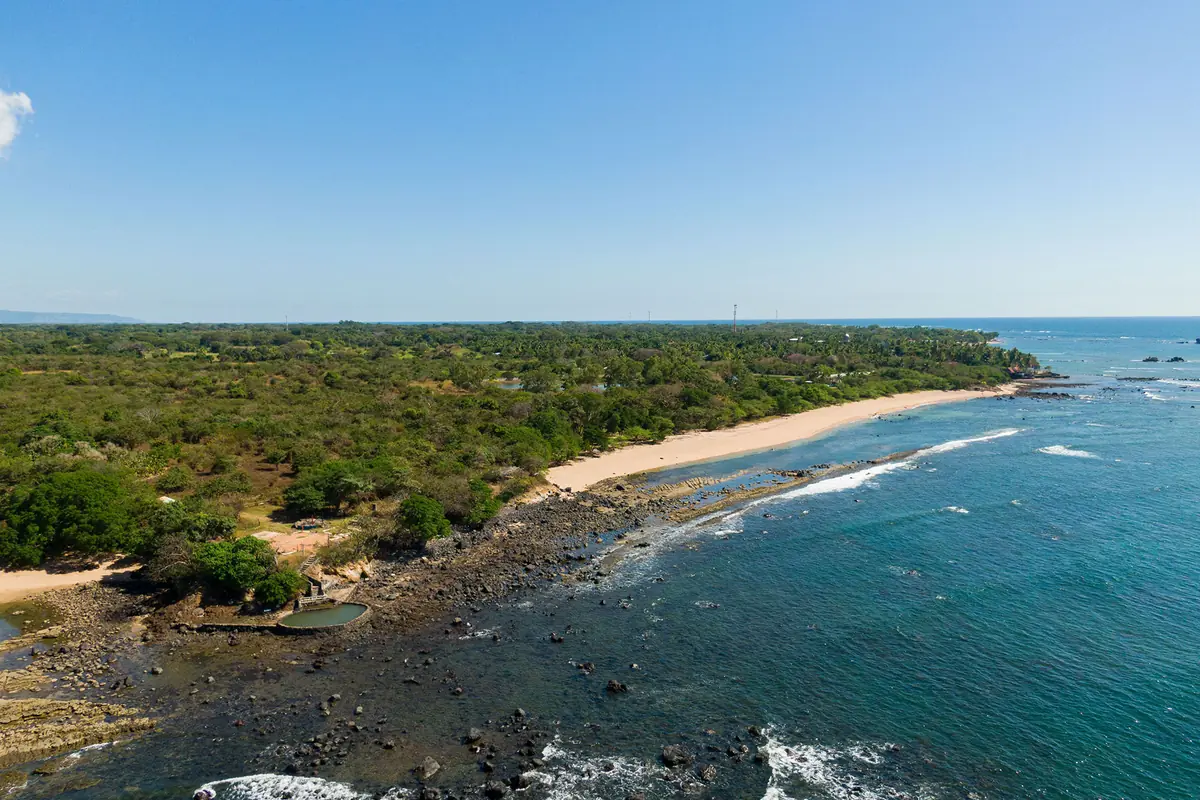
El Tunco town is tiny and fully walkable, but many hostels advertised as “El Tunco” actually sit in El Sunzal, Playa San Blas, or Conchalío — up to 2.5 miles (4 km) away and not walkable to the strip. Dos Palmas’ own listing warns that many properties listed as El Tunco are really a 15-minute walk or a 10-minute drive out. Check the distance before you book.
The root cause is administrative: the whole stretch falls under the Tamanique District, so booking sites label far-flung beaches “El Tunco” even when they’re a separate cove. That’s how a $9.50 dorm can look like a steal until you’re paying for a rideshare to dinner every night.
Here’s how the named hostels actually sit relative to the town center:
- In town (walkable): Dos Palmas (0.1 mi / 0.16 km), Vibes Wellness House (0.11 mi / 0.18 km), Hostal Paulino (0.24 mi / 0.38 km)
- Short walk: Papaya Lodge (about 3 minutes to the beach), The Duck Dive (roughly 7-12 minutes)
- Needs a ride: Sunset Surf Villa near San Blas (about 1.5 mi / 2.5 km), The Salty Dogs in Conchalío (about 2.4 mi / 3.9 km)
Pro Tip: I booked a place “in El Tunco” my first trip and ended up taking a rideshare to dinner every night — lesson learned. If a listing doesn’t state its distance from the strip, message the host and ask before you pay.
The best hostels in El Tunco by traveler type
The right El Tunco hostel depends on your priority. For social-but-walkable, pick Dos Palmas or Karma Muse. For nonstop party, Papaya Lodge or The Duck Dive. For wellness and a gym, Vibes Wellness House. For a women’s-only dorm, Karma Muse. For a quiet budget private, Hostal Paulino. The table below stacks them on price, vibe, and walking distance.
| Hostel | Dorm from | Private from | Vibe | Distance from center | Score |
|---|---|---|---|---|---|
| Dos Palmas | $15 | $12 | Social, pod dorms + pool | 0.1 mi (0.16 km) | ~8.9 |
| Karma Muse | ~$17.80 | — | Social, not party; women’s dorm | River/beachfront | ~8.5 |
| Papaya Lodge | — | ~$65 | Central party classic + pool | ~3 min walk | ~9.5 |
| The Duck Dive | $15 | $15 | Party/surf | 7-12 min walk | ~8.4 |
| Vibes Wellness House | $18 | $22.50 | Gym + wellness | 0.11 mi (0.18 km) | ~9.1 |
| Hostal Paulino | $15 | $15 | Quiet budget privates, AC | 0.24 mi (0.38 km) | ~9.6 |
| Sunset Surf Villa | $9.50 | — | Surf, yoga, coworking | ~1.5 mi (2.5 km) | ~9.0 |
| The Salty Dogs | $12 | $12.50 | Stylish, social | ~2.4 mi (3.9 km) | ~9.7 |
Scores are review-site averages and shift over time; treat them as a rough read, not gospel. The three picks below are the ones I’d actually book first, depending on what you’re after.
Dos Palmas — best social pick you can walk home from
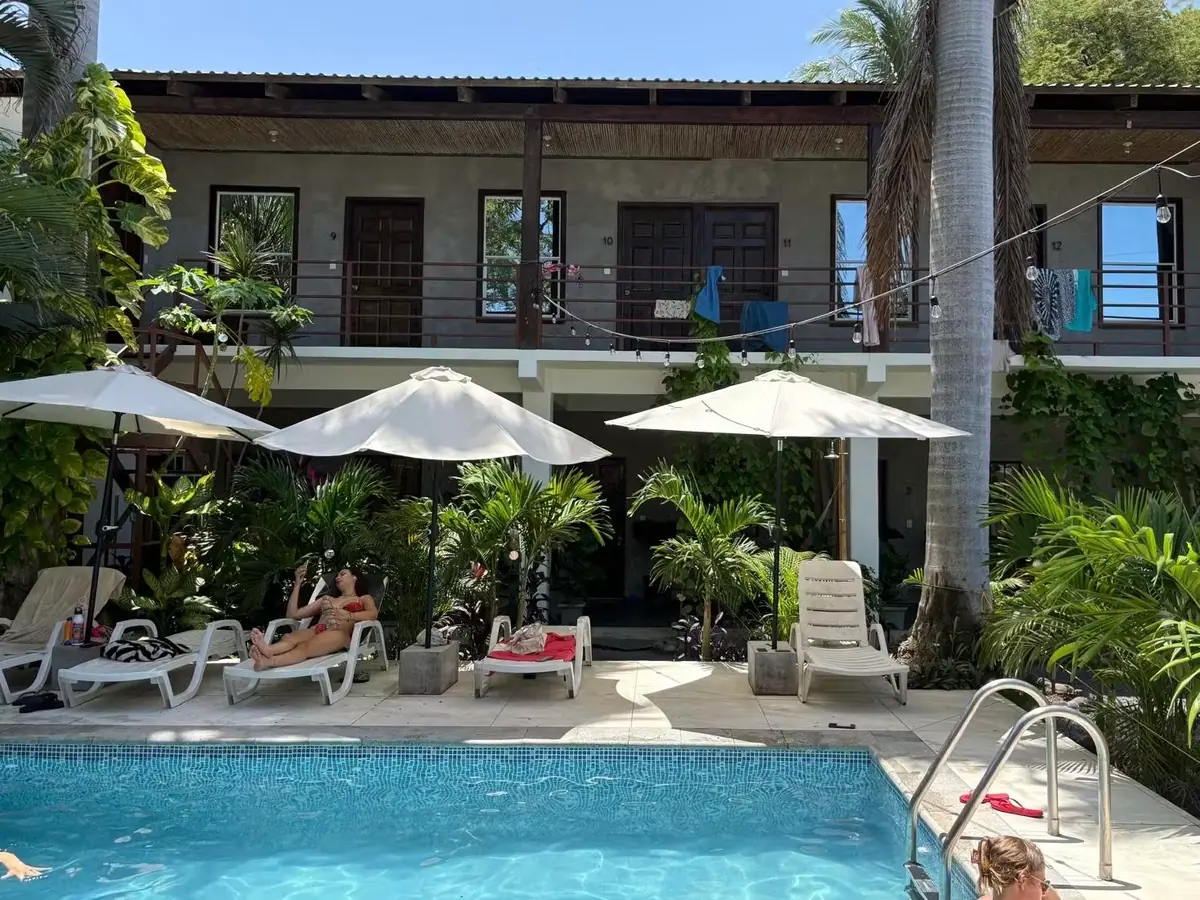
Dos Palmas sits right by the La Bocana rivermouth, and the pod dorms are newer than most on the strip — privacy curtains, reading lights, the works. The pool fills up by mid-afternoon and the common area turns into the pre-game before everyone drifts toward the bars. It’s social without being a full meat-grinder party hostel.
The catch: being this central means you hear the strip. Light sleepers should grab a bunk away from the street side.
- Location: By the La Bocana rivermouth, El Tunco town center (0.1 mi / 0.16 km from center)
- Cost: dorm from $15
- Best for: First-timers who want social energy and a walk-home location
- Time needed: 2-4 nights
Karma Muse — best for women travelers and afternoon work
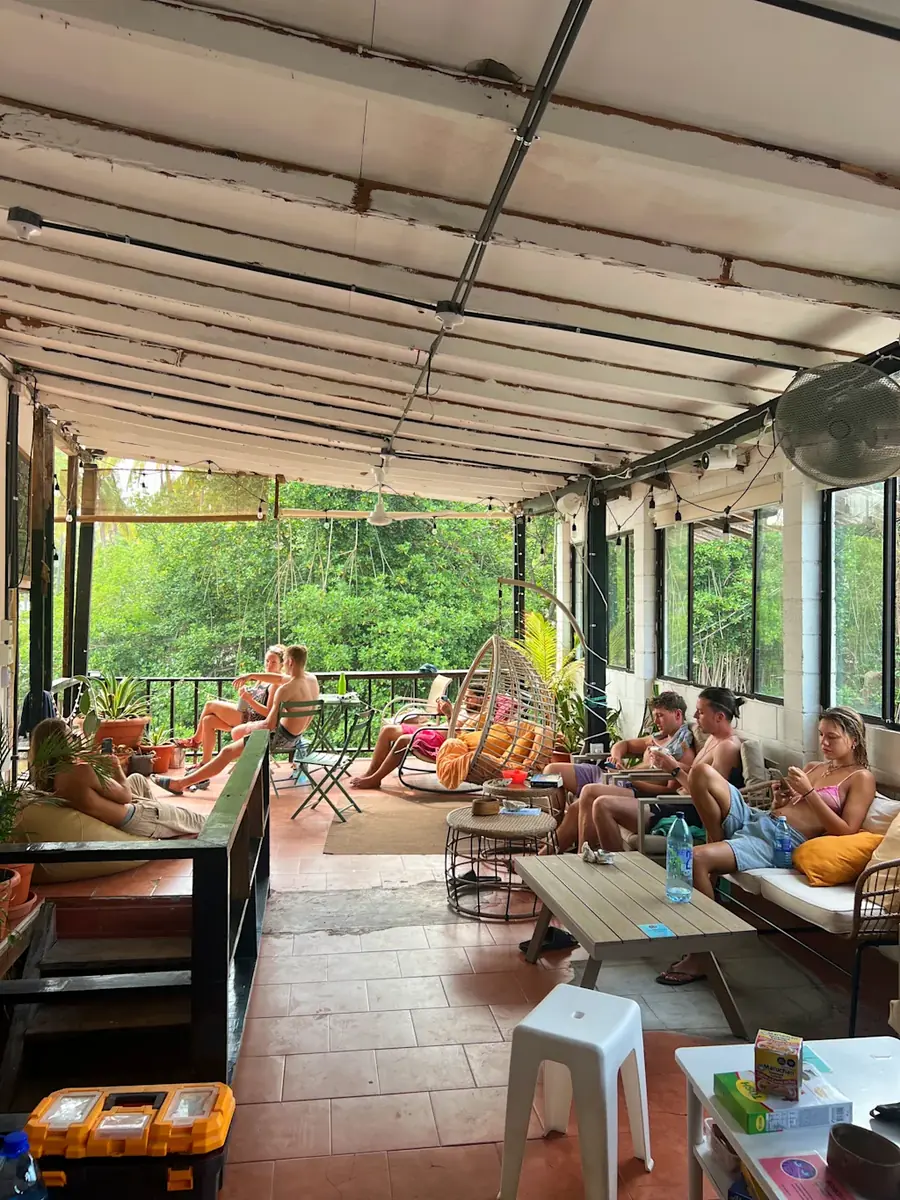
Karma Muse leans social rather than party, with a river-and-beach-facing balcony lined with hammocks. It’s the rare El Tunco hostel with a women’s-only dorm, which makes it a frequent pick for solo female travelers who want company without the full party-hostel scene.
I worked from those balcony hammocks every afternoon — they face straight into the Sunzal sunset, and the WiFi held up well enough for email and calls (don’t count on flawless video, though).
- Location: River and beachfront, El Tunco
- Cost: from about $17.80
- Best for: Solo female travelers, remote workers, social-not-party types
- Time needed: 3-4 nights
Papaya Lodge — the party default, with one honest warning
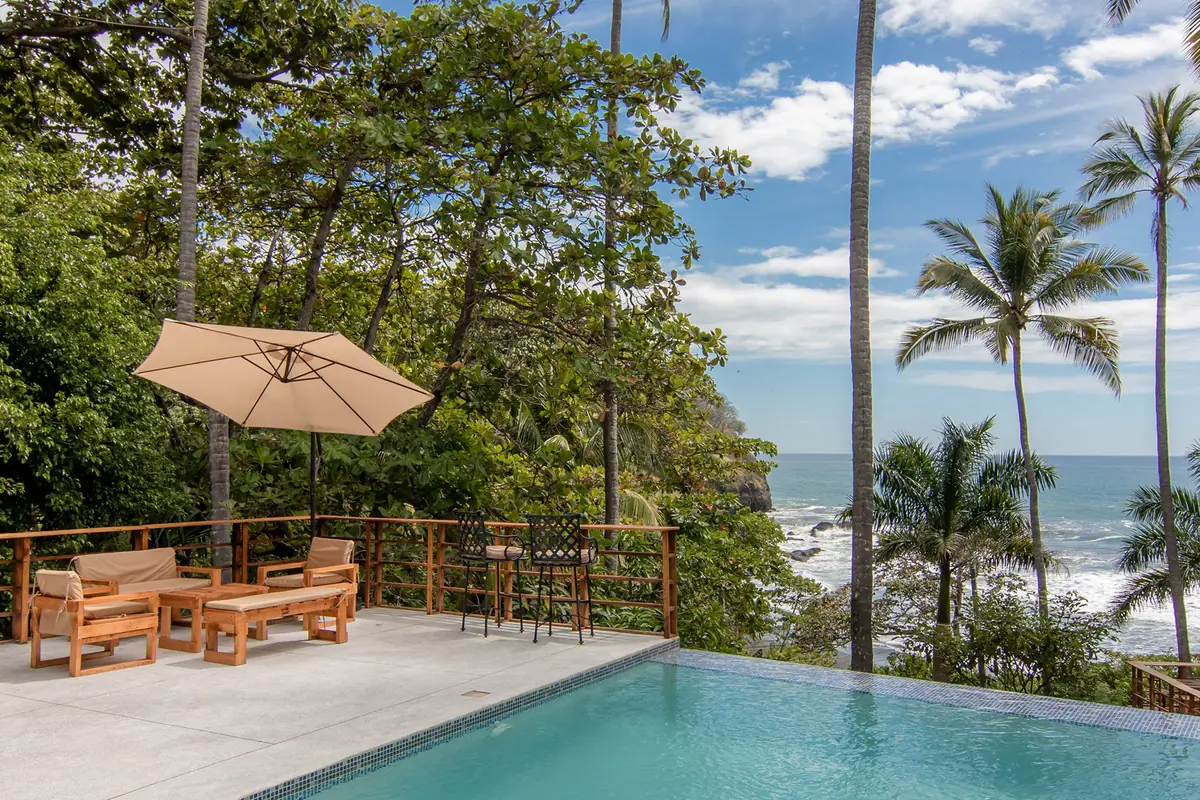
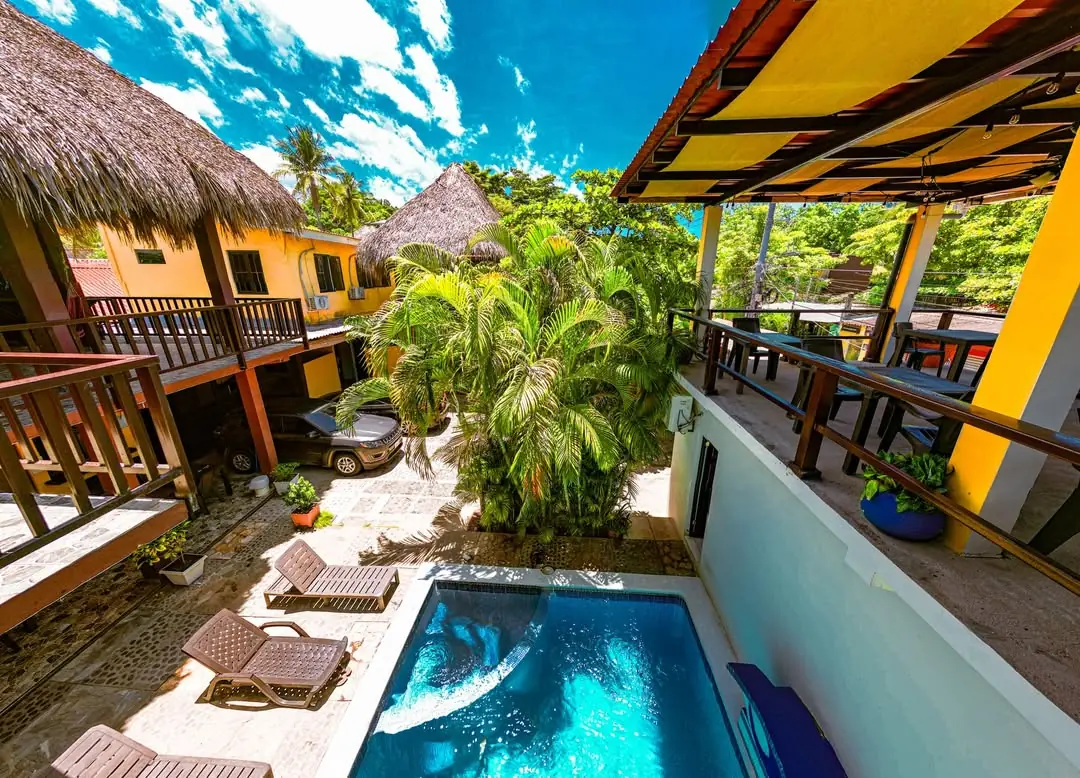
Papaya Lodge is the name everyone knows: central, lively, free breakfast, a pool, and a steady stream of backpackers. It’s a fine pick if you came to El Tunco for the social scene and don’t plan to sleep much. The privates here are hotel-priced, not hostel-priced.
Here’s the part guides skip: Papaya draws frequent complaints about bar noise and aggressive board-rental damage charges. Light sleepers and surfers may sleep better at Dos Palmas or in a quiet private at Hostal Paulino — and you’ll still be a two-minute walk from the same bars.
- Location: Central El Tunco, about a 3-minute walk to the beach
- Cost: privates from about $65
- Best for: Party-focused backpackers who prioritize scene over sleep
- Time needed: 2-3 nights
Getting to El Tunco from San Salvador airport (SAL)
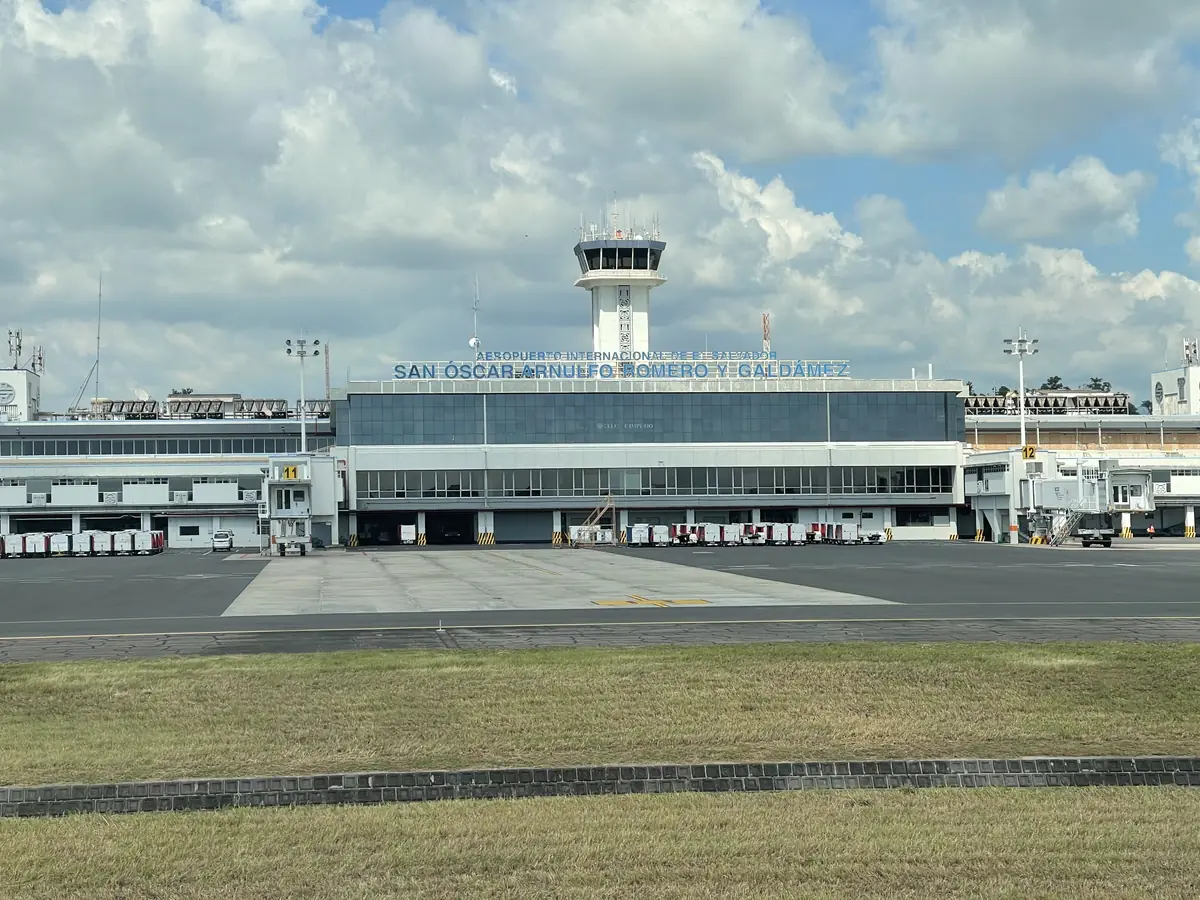
El Tunco is about 25 miles (40 km) from San Salvador’s Monseñor Óscar Arnulfo Romero International Airport (SAL) — most travelers report a drive of 35 to 45 minutes. The easiest option is a pre-arranged private shuttle for $30-40. An airport rideshare runs around $26 but can be unreliable to flag down. The budget route is chicken bus 102A for under $2.
The one number that trips people up is the bus route. Pay attention to the letter:
- Private shuttle: $30-40, often with surfboard racks; many hostels arrange pickup
- Rideshare (Uber): around $26, but availability at arrivals is hit-or-miss
- Chicken bus 102A: about $1.50 — note that plain 102 only reaches La Libertad, not El Tunco
- Route 187: serves Tamanique if you’re headed for the waterfalls
Pro Tip: My shuttle driver handed me a fresh coconut at arrivals after a red-eye — a nice Salvadoran welcome. If you land late or tired, the shuttle is worth the premium over hunting for a rideshare outside the terminal.
Is El Tunco safe, and is it good for solo female travelers?
El Tunco is widely considered the safest place in El Salvador. The US State Department places the country in its Level 1 tier, “Exercise Normal Precautions” — its safest rating — citing a sharp drop in gang activity, violent crime, and murders. The strip is well-lit and busy at night, there’s a visible police presence, and solo travelers, women included, generally feel comfortable.
A few specifics worth knowing. The government’s State of Exception remains in place, which means more police and military on the ground than you might expect — most travelers find it reassuring rather than tense. The advisory level has shifted upward over the years, so it’s worth a quick check on travel.state.gov before you fly.
On the ground:
- Karma Muse offers a women’s-only dorm if you want one
- There’s a police station in town and the nearest hospital is about 10 minutes away in La Libertad
- Petty theft still happens in crowds — keep valuables close at the bars
- Skip the dark, empty beach late at night; stick to the lit strip
Pro Tip: Walking back to my hostel at midnight on a Saturday, the strip was as busy as a daytime market. The crowd itself is part of why it feels safe — don’t wander off it.
Surfing, sunsets, and day trips near your hostel
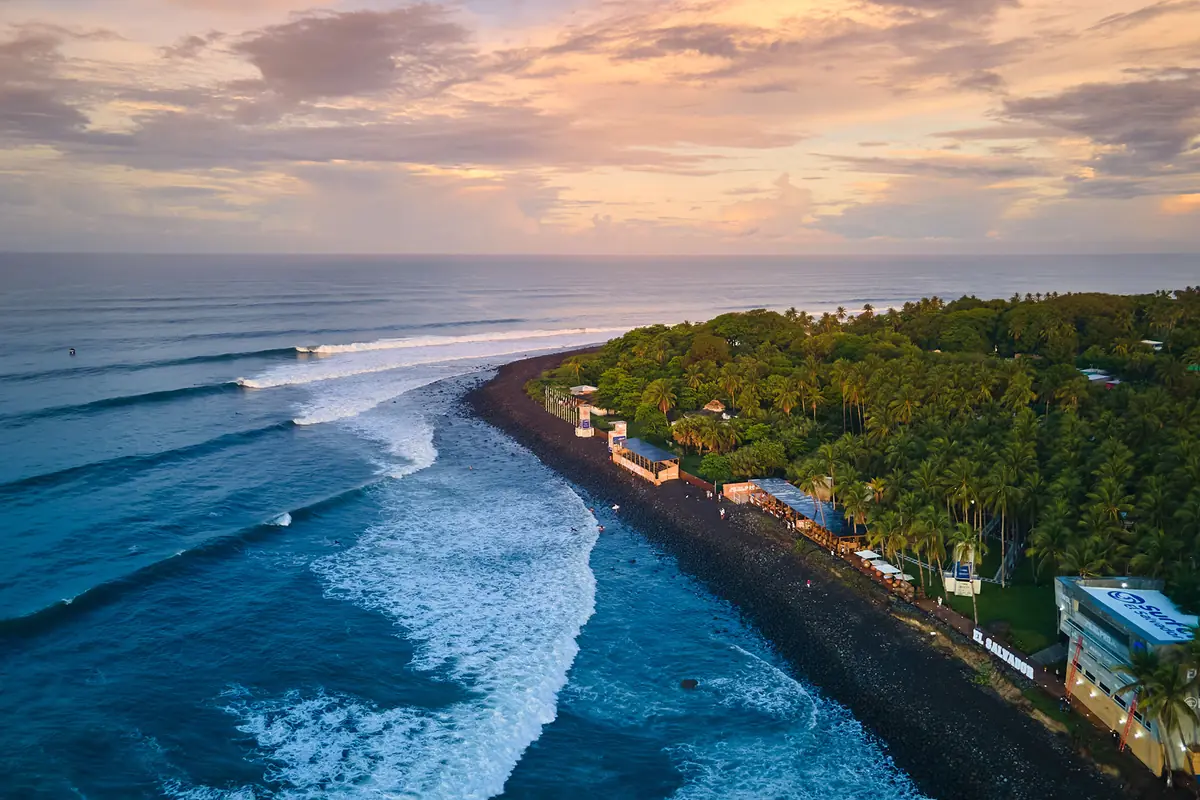
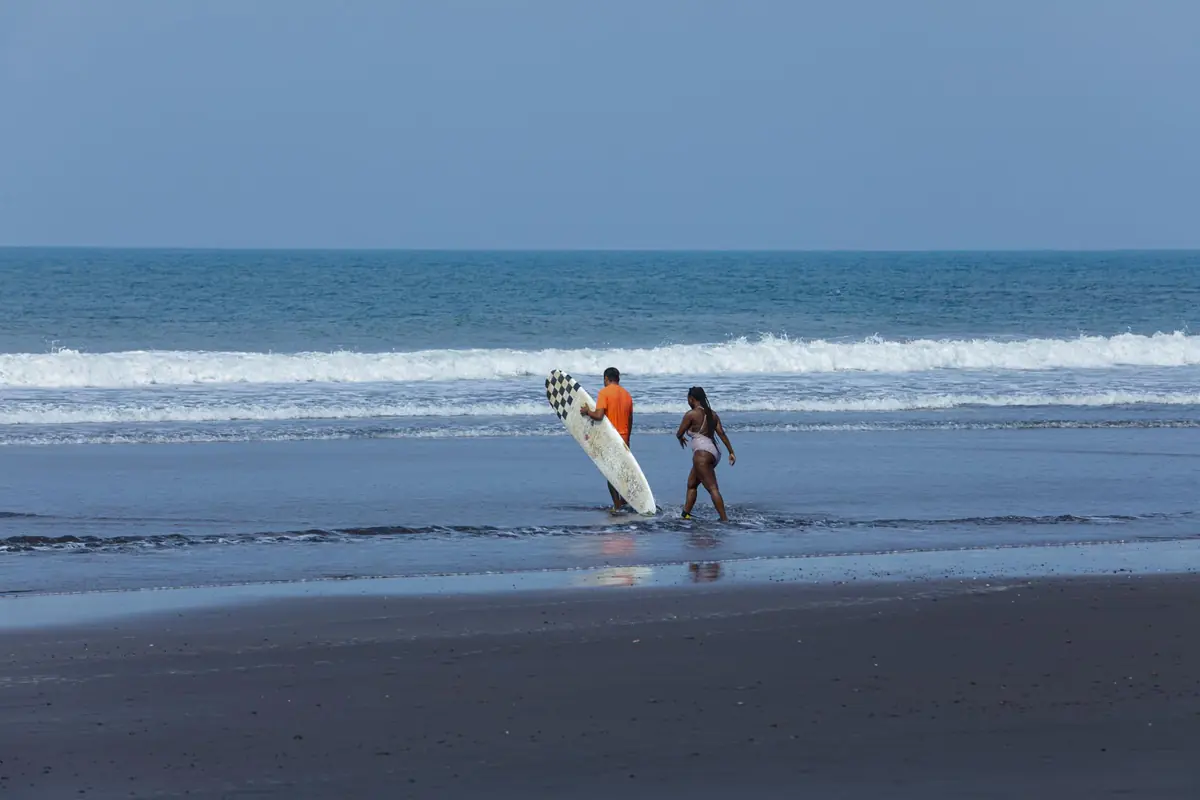
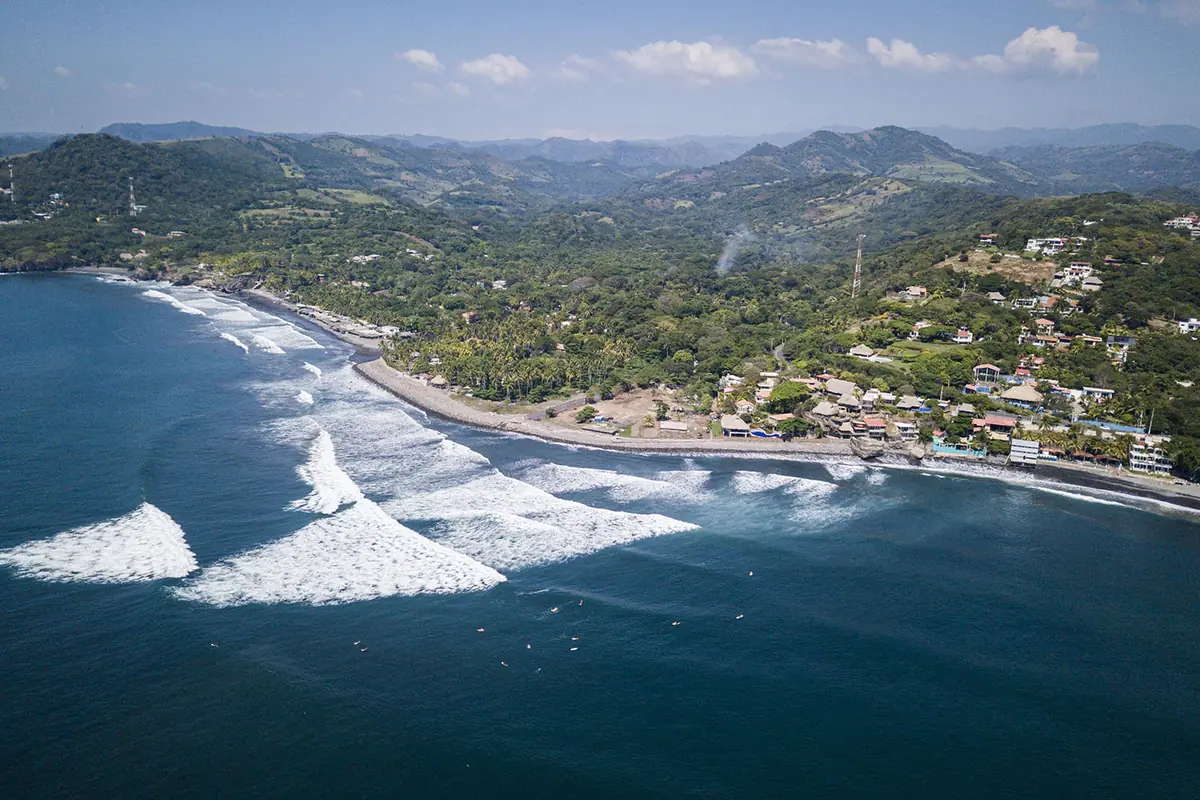
El Tunco is built for surfing: beginners learn at the sandy-bottomed Sunzalito break, Sunzal’s long right-hander suits improvers, and La Bocana’s punchy left is for experts. Group lessons run about $25 and board rentals $10-25 a day. Don’t miss the nightly sunset at La Roca and a half-day hike to the Tamanique Waterfalls.
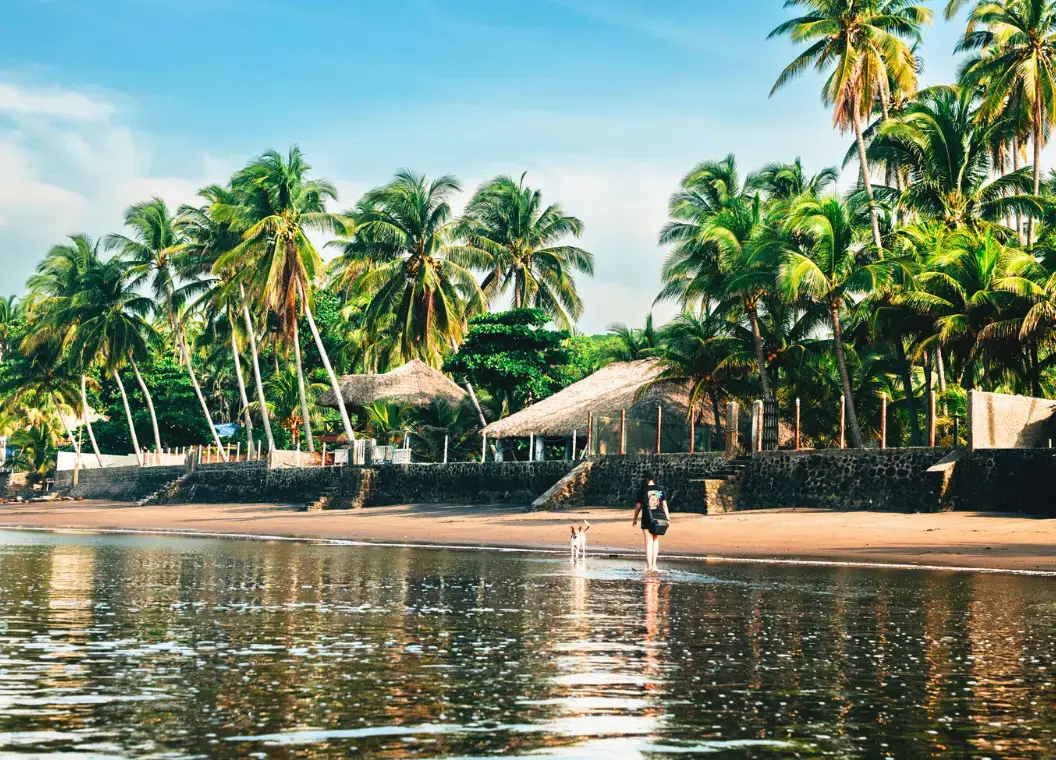
The water is warm enough that wetsuits are pointless — it hovers around 82°F (28°C) all year. One thing nobody warns you about: the beach is rocky black sand, not soft white, so water shoes make getting into the surf a lot less painful.
Costs for the main activities:
- Group surf lesson: about $25 (Dos Palmas runs them); private 90-minute with Wayo Surf around $60
- Board rental: $10-25 per day, with better multi-day rates
- Scooter rental: about $25 per 24 hours
- Tamanique Waterfalls: guided hike $8-25 per person, or an organized tour from about $35
- Pupusas: roughly $1 each (50 cents at some local stands)
After a dawn session at Sunzal, I ate three chicharrón pupusas at Esquina Los Amigos for under four dollars — the cheapest great meal on the coast and a better breakfast than any hostel’s free toast.
For the waterfalls, the Tamanique hike is a half-day trip and the easiest way to break up beach time without leaving the area.
When to visit, and what nobody warns you about
The dry season (November to April) brings sunny days and mellow, beginner-friendly waves. The wet season (May to October) means bigger swells for advanced surfers and afternoon rain. Air temperatures sit around 84-90°F (29-32°C). Be warned: El Tunco’s beach is rocky black sand, the strip bars get loud on weekends, and power and water outages happen.
A quick seasonal read:
- Dry season (Nov-Apr): smaller, friendlier waves; book early, this is peak
- Wet season (May-Oct): peak swell of 4-7 feet; surf competitions land around June
- Wettest month: September, with heavy rain
- Water temperature: about 82°F (28°C) year-round
The downsides are real and rarely stated. The black-sand beach photographs darker than you expect. Weekend nights are genuinely loud. And the occasional power or water cut is part of small-coastal-town life here.
Pro Tip: Bring earplugs. The bass from a second-floor bar rattled my dorm window until 1 a.m. on a Saturday — a private room away from the strip is worth it if you sleep light.
How many days should you spend in El Tunco?
Two to four nights is the sweet spot. Two nights covers the surf, sunset, and a pupusa crawl; three to four lets you add a Tamanique Waterfalls hike and a day trip to quieter El Zonte. Surf-focused travelers happily stay a week or more — I planned three nights and stayed eight.
El Tunco vs El Zonte: which should you base in?
Base in El Tunco for energy, nightlife, surf schools, and walkable hostels. Choose El Zonte (“Bitcoin Beach”) for a quieter, sandier, community-focused vibe about 15 minutes west. They’re an easy day trip apart, so many travelers split their stay — El Tunco first for the buzz, El Zonte to decompress.
The two towns feel a decade apart. El Zonte’s dirt-and-brick lanes run slower and sandier than El Tunco’s bar-lined strip, and both deliver the same enormous Pacific sunsets.
Can you pay with Bitcoin, and do you need cash?
El Salvador’s official currency is the US dollar, so Americans need no exchange — just bring small bills, since change for $50s and $100s is scarce. Bitcoin is still legal tender and accepted at some El Tunco businesses, but using it is entirely voluntary. Cash dollars work everywhere, and town ATMs can run dry at peak times.
A bit more context for the money question:
- Lawmakers reformed the Bitcoin Law to make acceptance voluntary as part of an IMF loan agreement; a national university survey found roughly 92% of Salvadorans don’t use Bitcoin
- Cards are accepted only at larger venues; most pupusa stands and small hostels are cash-only
- Pull dollars at the airport before you head to the coast
Pro Tip: Two ATMs in town were both empty on a Sunday when I needed cash. Don’t arrive relying on them — withdraw your USD at SAL before the drive out.
The bottom line
Book a walkable, in-town hostel — Dos Palmas or Karma Muse for social energy, Papaya Lodge for party, Hostal Paulino for a quiet private. Budget $12-18 for a dorm, arrive via a $30-40 shuttle from SAL, bring small-bill cash, and reserve two to three weeks out. El Tunco is safe, surf-ready, and best over three or four nights.
TL;DR: Real El Tunco dorms run $12-18, not $4. Pay the small premium to stay in the walkable town instead of a mislabeled beach kilometers away, book ahead, and bring earplugs and cash. Three trips later, I still book in town and still pack earplugs.
What’s your priority for El Tunco — the surf, the party, or a quiet base to work from? Tell me in the comments and I’ll point you to the right hostel.