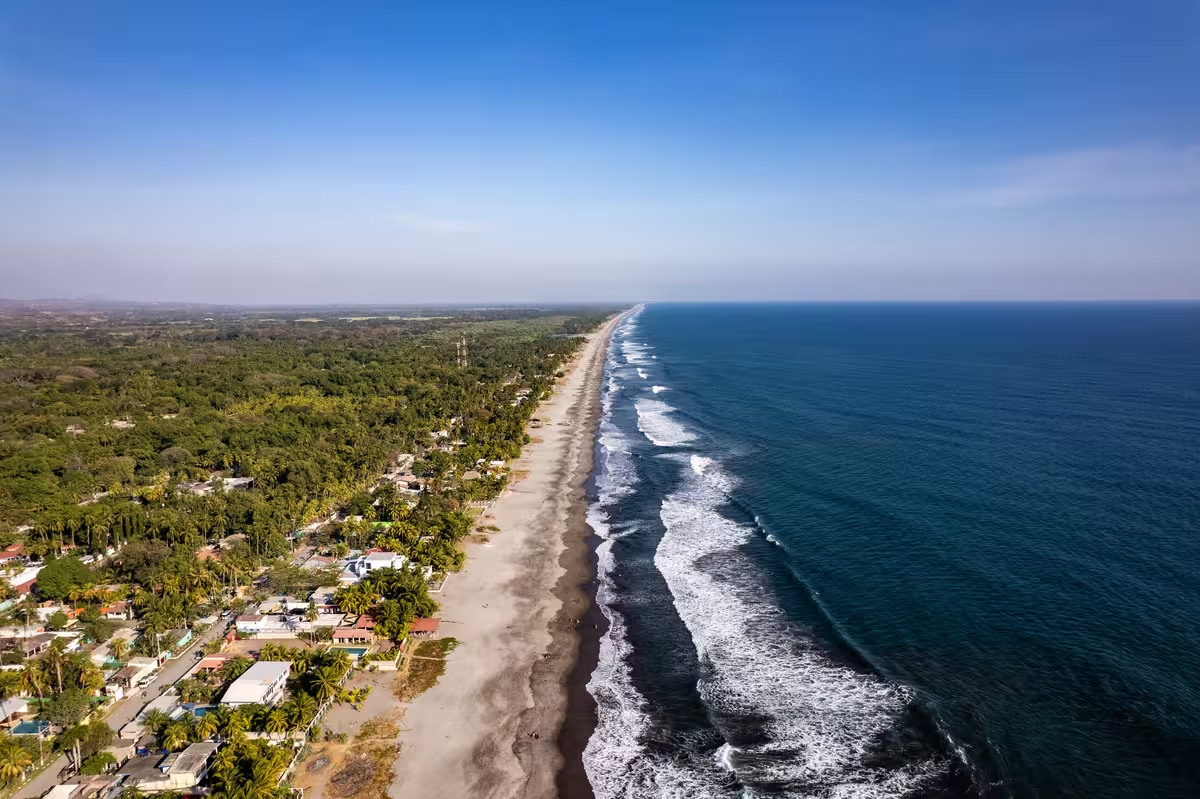
Playa El Cuco rewards travelers who want El Salvador’s coast without the crowds — endless dark sand, a peeling right-hand wave at neighboring Las Flores, dollar pupusas, and sunsets locals swear beat El Tunco’s. This guide covers getting there, where to stay, surf, safety, and money.
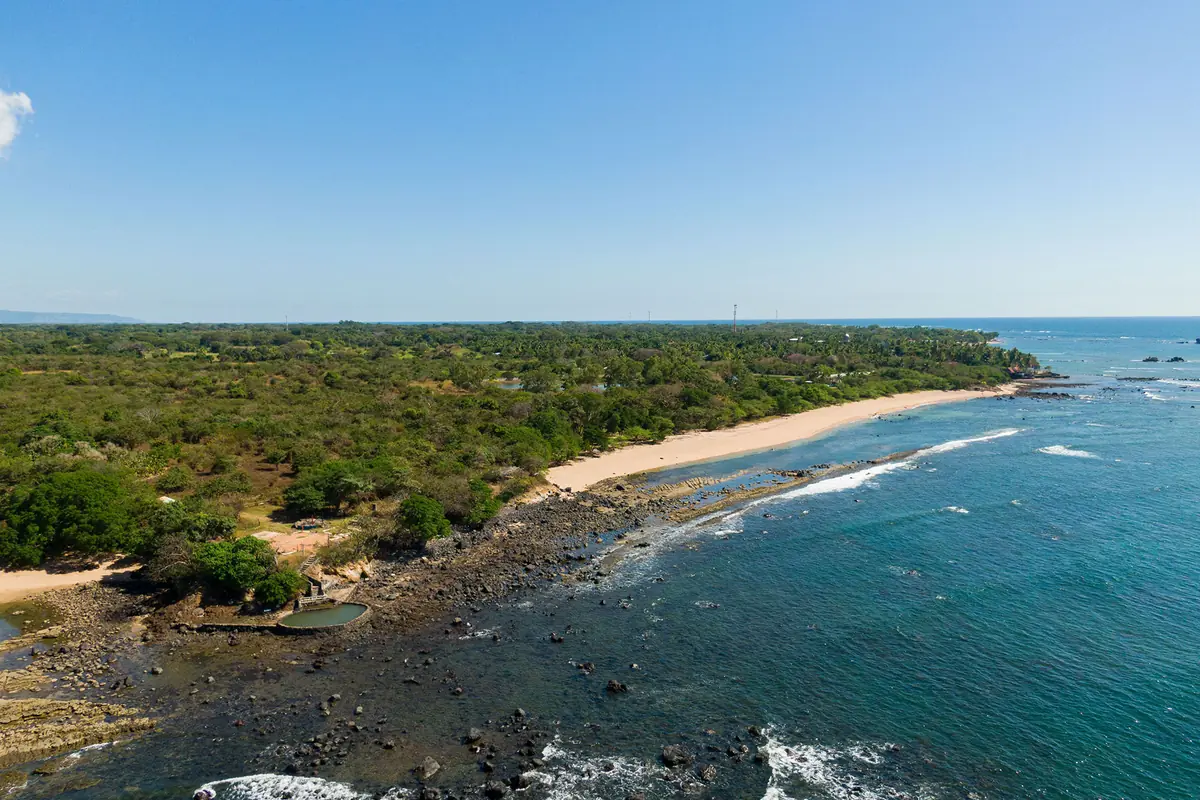
The last stretch in is a rocky dirt road off the highway, and the arrival genuinely feels like reaching the end of the map. The town itself is three quiet streets around a central park that faces the ocean. That’s the whole appeal: this is El Salvador’s eastern coast — the “Oriente Salvaje,” or Wild East — and it moves at a fishing-village pace.
Quick answer: is Playa El Cuco worth visiting?
Yes — Playa El Cuco is worth your time if you want uncrowded black-sand beaches, warm calm water for swimming, and easy access to the Las Flores and Punta Mango surf breaks. It best suits surfers, couples, and relaxation seekers. Nightlife chasers and luxury-resort travelers will be happier in El Tunco or La Libertad.
What you trade for the quiet is convenience. There’s no ATM in town, half the restaurants may be closed on any given day, and the drive from the capital takes longer than you’d expect. If you’re the type who wants a packed itinerary and a lively bar scene every night, this isn’t your beach. If you want to slow down, it delivers.
Pro Tip: Come midweek. Weekends and Salvadoran holidays pull day-trippers from San Miguel, and the long empty beach you came for fills up fast around the main access points.
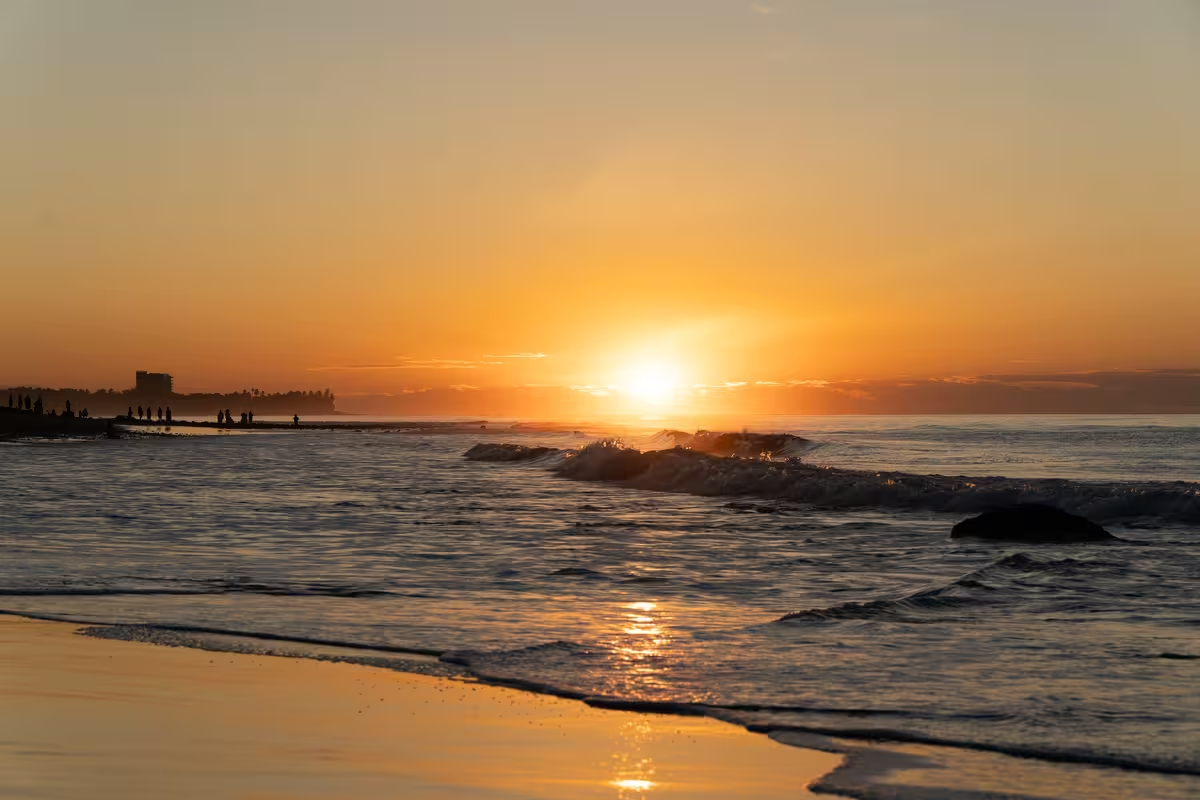
How to get to El Cuco from San Salvador
Playa El Cuco sits about 106 miles (170 km) from San Salvador and roughly 87 miles (140 km) from the airport — a 2 to 2.5-hour drive on the Litoral and CA-2 highways. A private shuttle is fastest, a rental car most flexible, and public buses cheapest at around $5, though slow and requiring a transfer in San Miguel.
Here are the realistic options, ranked by hassle:
- Private shuttle: fastest and easiest, with door-to-door service from the airport; expect pricing from roughly $135 for one or two people, scaling up for groups.
- Rental car: most flexible if you want to chase surf breaks and side trips; the Litoral highway is in good shape, the final dirt road less so.
- Bus from San Miguel: take an “especial” air-conditioned bus from San Salvador to San Miguel (around $4-5), then route 320 toward El Cuco. Route 320 runs roughly every 30 minutes, takes about 90 minutes, and costs $1-2.
- El Tunco to El Cuco shuttle: if you’re coming from the western beaches, tourist shuttles run for around $20.
- In-town taxi: a flat $5 finishes the trip from the town center to most beachfront lodges.
The catch that trips people up: buses leave “when full,” and there’s no direct bus to most beachfront hotels. You arrive in town and still need that $5 taxi to reach the sand.
Flights from the US to San Salvador (SAL)
US travelers fly into Monseñor Óscar Arnulfo Romero International Airport (SAL). Avianca, United, and Volaris run nonstops from cities including Los Angeles, Miami, Houston, New York (JFK), Washington (IAD), and San Francisco. Miami to San Salvador is the shortest hop at about 2 hours 40 minutes, and round-trip fares often land near $355-450.
A few practical notes for the air leg:
- Tourist card: most US visitors pay around $12 on arrival; your passport should be valid for at least six months.
- Late arrivals: many flights land after dark, but transfer drivers wait with name signs around the clock, so a night arrival isn’t a problem if you’ve pre-booked.
When is the best time to visit El Cuco?
The dry season (November through April) brings sunny skies, calmer beginner-friendly waves, and the most comfortable beach weather, though it gets hot. The wet season (May through October) delivers El Salvador’s biggest, cleanest swells for experienced surfers, with rain usually arriving in short afternoon bursts. Late March into April balances both.
A few numbers to plan around:
- Water temperature: around 80°F (27°C) year-round — no wetsuit, just trunks and a rash guard.
- Hottest stretch: April highs can reach near 102°F (39°C).
- Crowds: Semana Santa (Easter week) and the late-December holidays pack the beaches; outside those, you’ll have room.
Mornings are glassy and calm; by midday the black sand soaks up the heat and gets hot enough that you’ll want sandals just to reach the water.
Surfing El Cuco: Las Flores, Punta Mango and beginner breaks
El Cuco anchors El Salvador’s Wild East surf zone. Playa Las Flores — a sand-bottom right-hand point break about five minutes west — offers rides up to 984 ft (300 m) and works for everyone from beginners to advanced surfers. Punta Mango, a powerful right cobblestone point reached by a 15 to 20-minute boat trip, is for experienced surfers only.
Las Flores is the headline wave, and the reason most surfers come east. It runs consistently — locals and surf guides put it at roughly 330 days a year, about 90% of the calendar — with the bigger swells landing May through September. At low tide it turns hollow and mechanical; at high tide it softens and the rides stretch long. Surfers who’ve traveled compare it to South Africa’s Jeffreys Bay and Australia’s Bells Beach, which tells you the shape and length on a good day.
Punta Mango is the step up: boat-access only, a machine-like right over cobblestone, best on a 4 to 7-ft southwest swell. If you’re not confident in solid surf, watch from the boat. Beyond the two marquee spots, El Cuco and Miraflores beach breaks are soft and forgiving for learners, while La Vaca, El Toro, El Bongo, and Toro de Oro give intermediates more to explore.
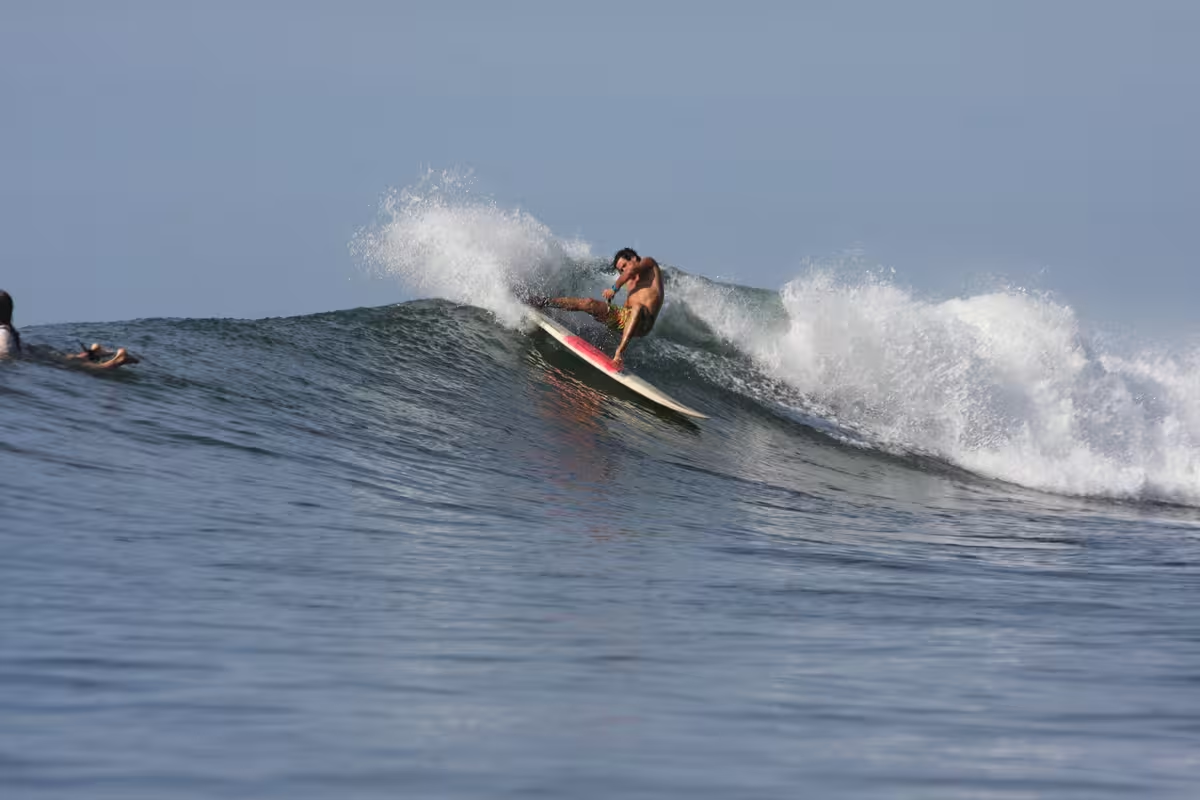
Here’s the break-by-break breakdown by skill level:
| Break | Skill level | Wave type | Access | Best swell / tide |
|---|---|---|---|---|
| Las Flores | Beginner to advanced | Right-hand sand-bottom point | Walk or short drive (~5 min west) | Works most of the year; mellow at high tide, hollow at low |
| Punta Mango | Advanced only | Powerful right cobblestone point | Boat only (15-20 min) | 4-7 ft SW swell |
| El Cuco / Miraflores beach break | Beginner | Soft beach break | Walk | Most days; gentle |
| La Vaca / El Toro / Toro de Oro | Intermediate to advanced | Point and reef | Varies | Bigger swells |
Pro Tip: At several spots below the Las Flores hotels, you can walk down the cliff stairs with your board under your arm and paddle straight out — no boat, no long walk.
To match your trip to the conditions:
| Season | Swell | Crowds | Rain | Best for |
|---|---|---|---|---|
| November-April (dry) | Smaller, cleaner mornings | Low except holidays | Minimal | Beginners, sun seekers |
| May-September (wet) | Biggest, cleanest swells | Low to moderate | Afternoon bursts | Experienced surfers |
| March-April | Building swell, hottest weather | Rising | Minimal | All-rounders |
Where to stay in El Cuco: hotels, surf camps and hostels
El Cuco’s lodging splits into surf resorts near Las Flores, a well-known turtle-sanctuary hostel, and simple beachfront hotels. Las Flores Resort is the upscale surf option; Azul Surf Club is a mid-range surf-and-family base; La Tortuga Verde is the budget and backpacker favorite with dorms; and Hotel Miraflores sits right over the Las Flores point.
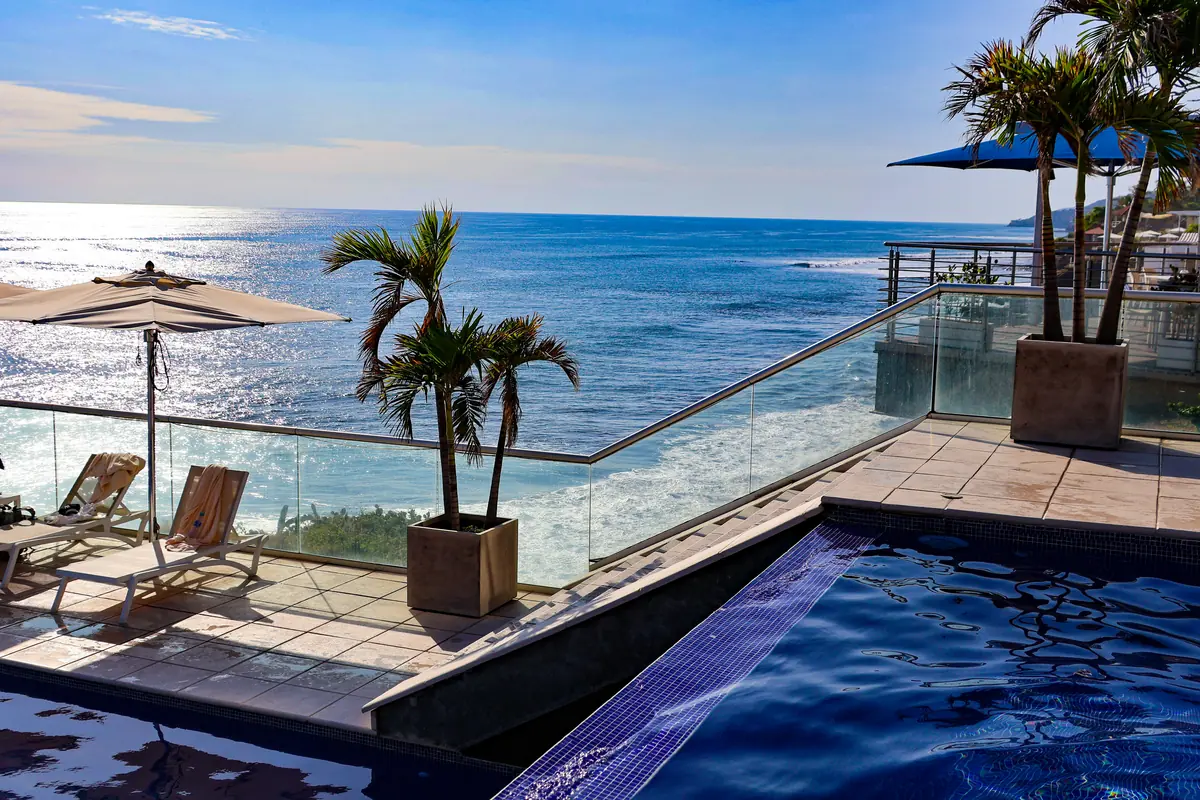
Las Flores Resort — the upscale surf base
Set on a roomy beachfront property with ocean-view suites, a surf school, and a spa, this is the polished end of the El Cuco scale. You’re staying for direct access to the point and the comfort that comes with it.
- Location: Above Playa Las Flores, ~5 minutes west of El Cuco town
- Cost: Upscale; ocean-view suites at the top of the local range
- Best for: Surfers who want comfort and an in-house surf school
- Standout: Stairs straight down to the wave
Azul Surf Club — the mid-range all-rounder
A 3-star spot with around 20 rooms, free breakfast, and a surf school that starts beginners on bigger, more stable boards (6’2″ and up). It works for couples and families who want surf access without resort prices.
- Location: Near the Las Flores break
- Cost: Mid-range
- Best for: Beginners, couples, and families
- Standout: Beginner-friendly surf instruction
La Tortuga Verde — the budget and backpacker pick
The backpacker institution: dorms, private rooms, larger houses for groups, three on-site restaurants, hundreds of coconut palms, and a working sea-turtle sanctuary on the property.
- Location: Beachfront, east side
- Cost: Dorms around $10; privates roughly $18-70; houses about $200-225
- Best for: Budget travelers, solo backpackers, and turtle-release fans
- Standout: On-site turtle hatchery
Hotel Miraflores — over the point
A small six-room hotel with a pool, perched right over the Las Flores point. If you want to roll out of bed and check the surf, this is the address.
- Location: Directly above the Las Flores point
- Cost: Mid-range
- Best for: Surfers who want the wave at their doorstep
- Standout: Front-row view of the break
Other options worth a look include Sambo Mambo Beach Hotel, Vista Las Olas Surf Resort, Tropiclub Playa El Cuco, Paradise Surf Hotel, and Hotel Los Mangos out toward Punta Mango.
Pro Tip: Several places have no hot water, and many run a “tab” system that adds about 10% at checkout. Ask both questions before you assume — it saves a surprise at the desk.
What to eat in El Cuco: pupusas, ceviche and beach palapas
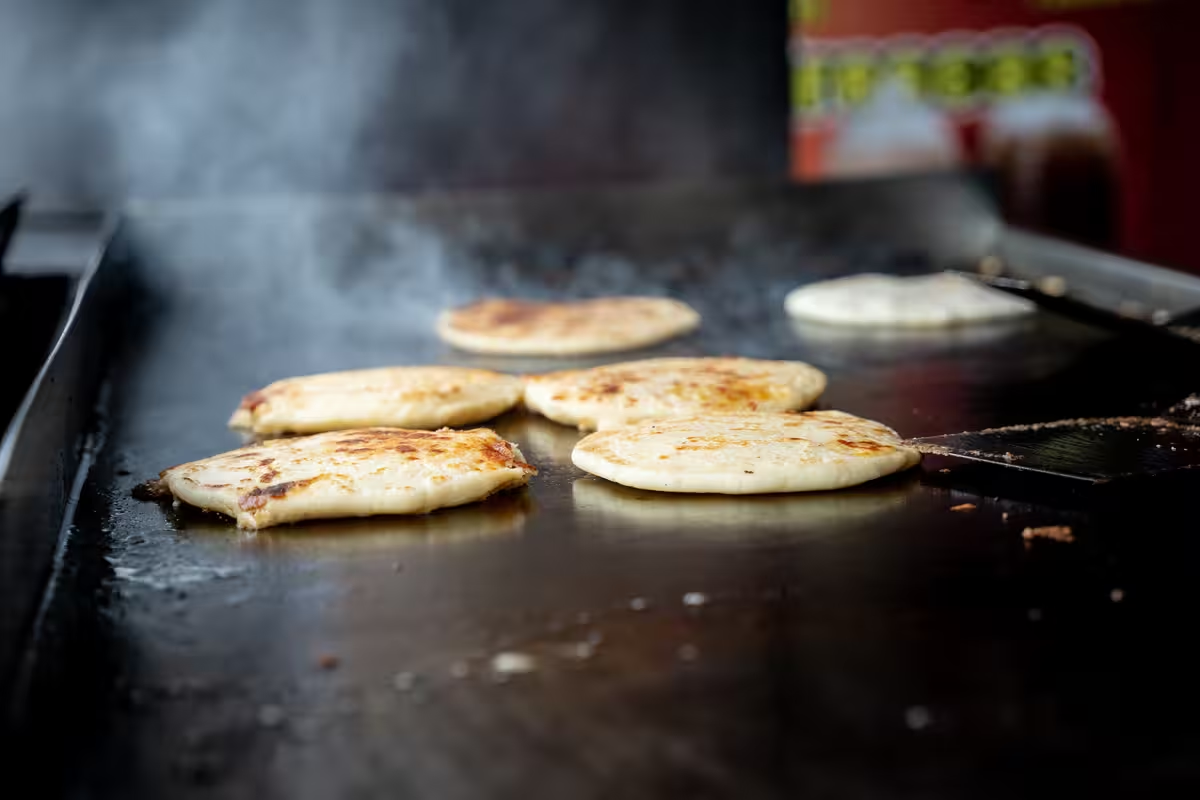
El Cuco’s food is fresh seafood and Salvadoran staples at low prices. Beachfront palapas serve grilled fish, shrimp ceviche, and cold beer; pupusas run about $0.50-1; tacos around $1; and a big fish plate with rice, beans, and salad costs roughly $5. The boats land the catch a few lots down from the restaurants.
A few named spots locals and repeat visitors point you to:
- Pupusería Noa Noa: open 24 hours, the reliable late-night and early-morning pupusa stop.
- Adela’s Pupusas: pupusas around $0.50, about as cheap and good as it gets.
- Taqueria Nuevo Sason: tacos around $1.
- Churrascos el Bombón: steak sandwiches in the $5 range.
- Restaurante Tanchito: ceviche and fish plates.
For local flavor, order a mariscada (a rich seafood stew) at least once, and try conchas negras — black clams pulled from the mangroves, a regional specialty that won’t be on menus back home.
Pro Tip: Half the palapas are shut on any given day because owners rotate who opens. Don’t trust a closed sign as a sign of bad food — just wander the beach until you spot smoke coming off a grill.
Things to do in El Cuco beyond surfing
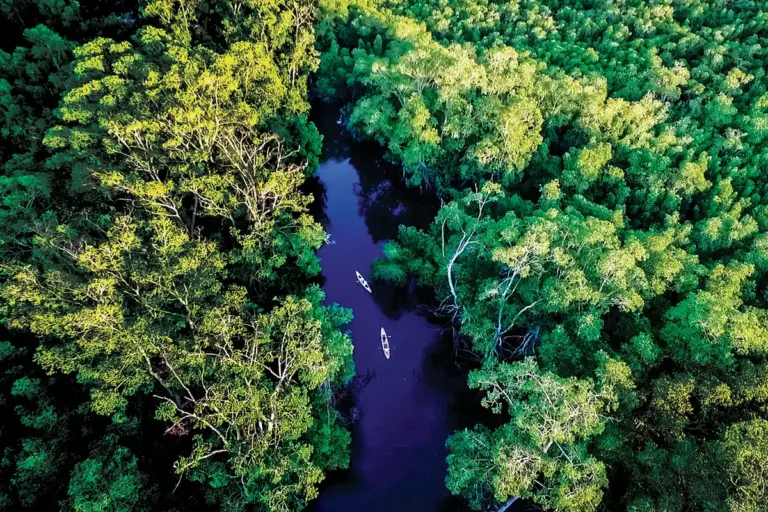
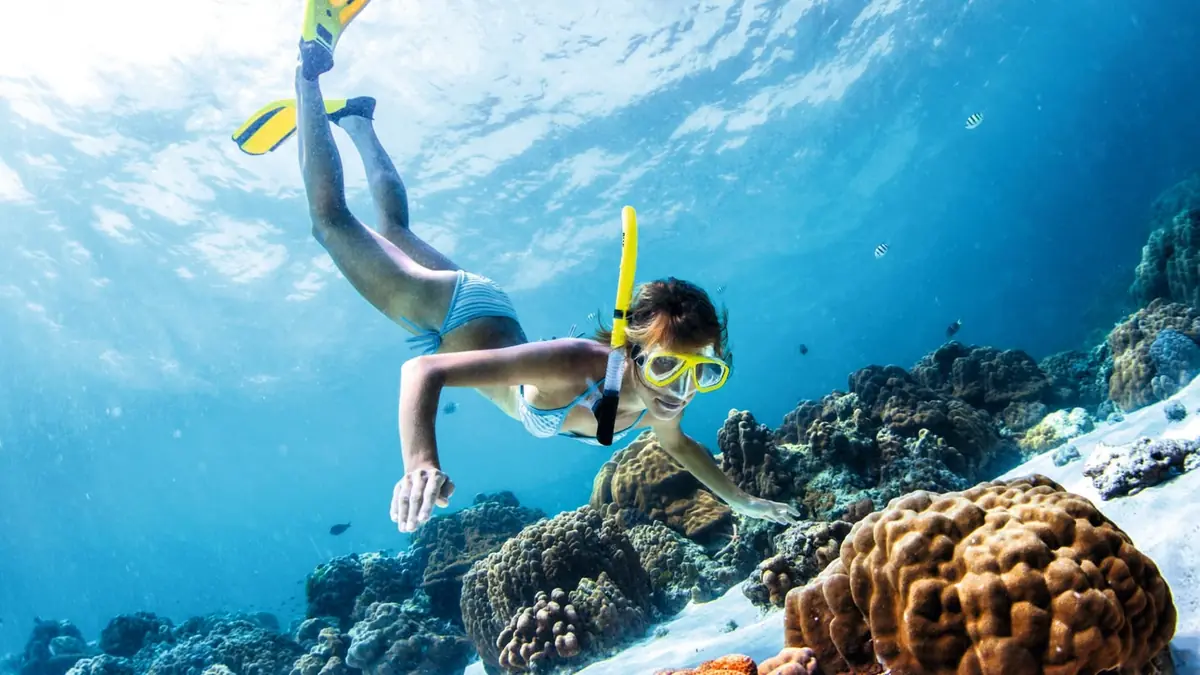
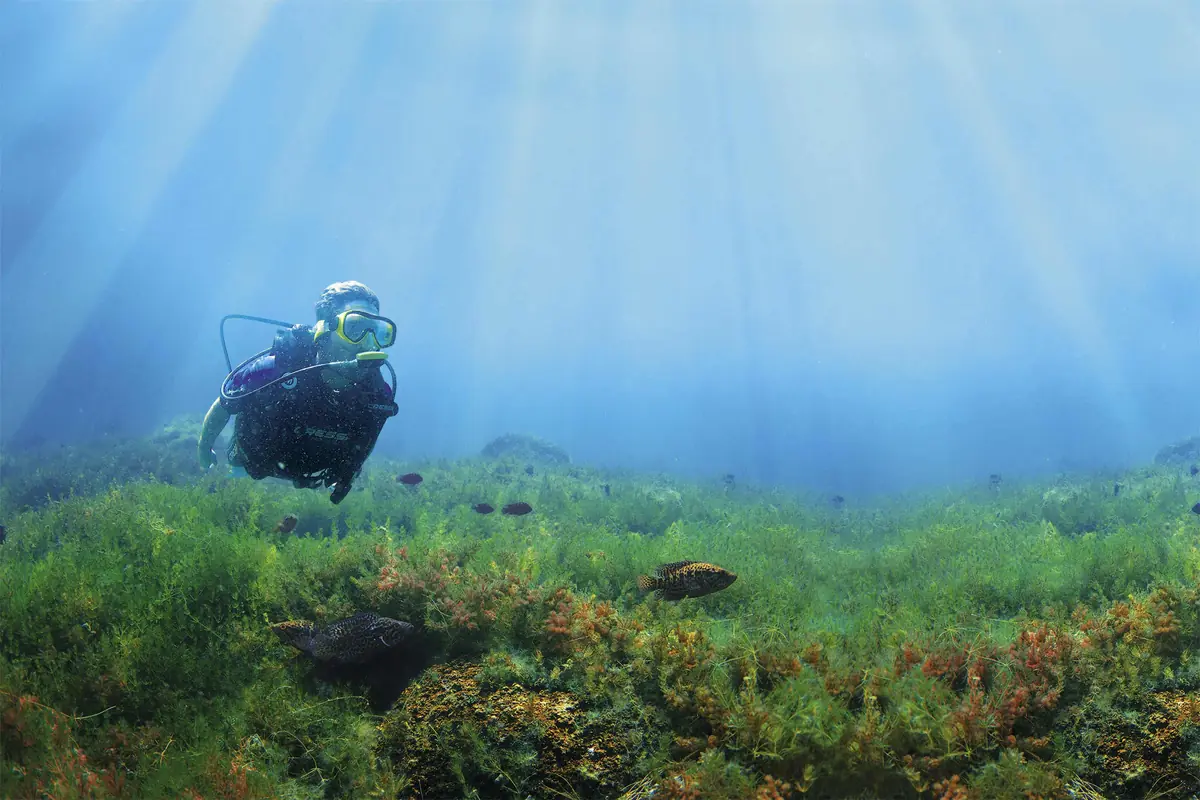
Beyond surfing, El Cuco offers calm swimming on its gently sloping beach, mangrove and bay boat tours, sea-turtle releases in nesting season, and day trips to quieter beaches like El Esterón and El Icacal. The Conchagua Volcano sunrise camp and a Gulf of Fonseca boat tour are the standout regional add-ons.
The beach itself is the main event. It runs so long and empty that you can walk a full hour and pass only fishermen hauling in nets. Other ways to fill a non-surf day:
- Swimming and beach soccer or volleyball on the gently sloping main beach
- Mangrove and bay boat tours from local fishermen
- Stand-up paddleboarding at calmer El Esterón or Intipucá
- Beach-hopping to El Esterón, El Icacal, La Ventana, and Las Tunas
- A trip to San Miguel city (about 48 minutes away), under the Chaparrastique Volcano
Sea turtle nesting and releases near El Cuco
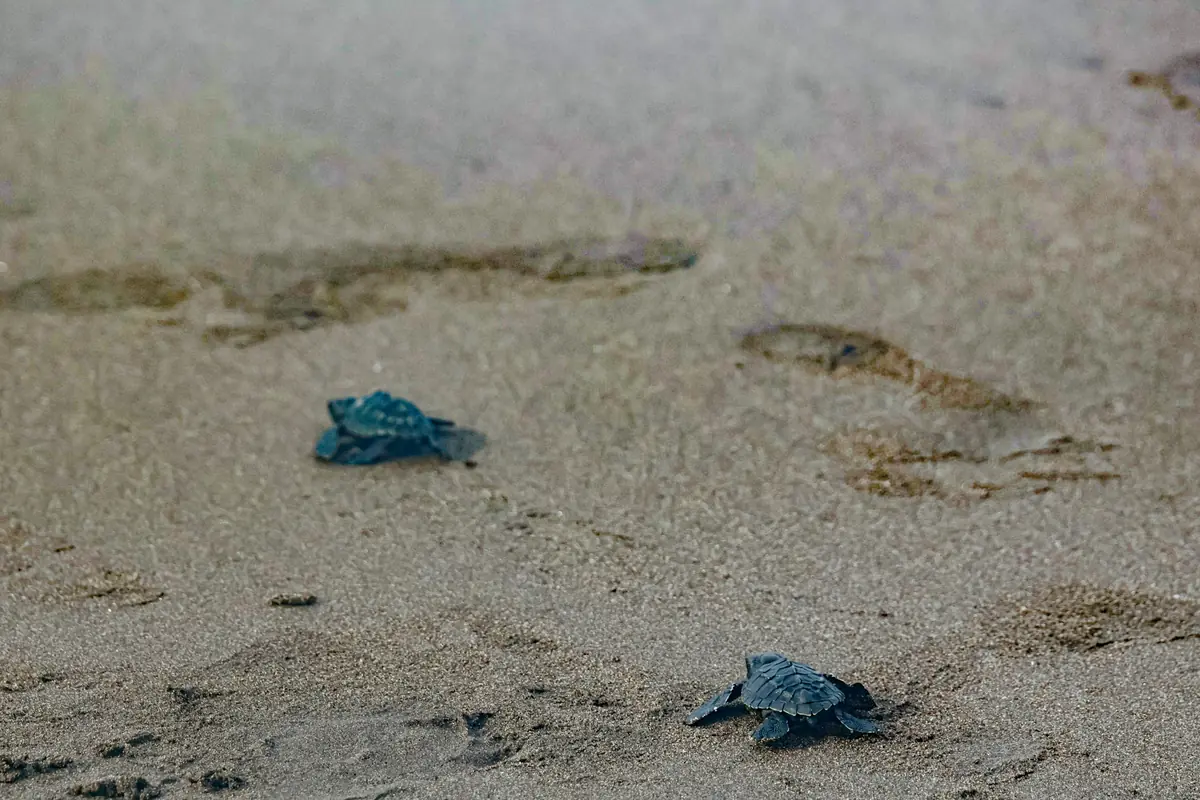
El Cuco’s beaches are an important sea-turtle nesting site, with nesting running roughly August through December. La Tortuga Verde operates a well-known hatchery that buys eggs from would-be poachers, incubates them, and releases the hatchlings — reportedly thousands each year. Choose programs that minimize handling and skip bright lights and flash photography.
El Salvador hosts four sea-turtle species: leatherback and hawksbill (both critically endangered), green (endangered), and olive ridley (vulnerable). Eggs hatch in roughly 45 to 65 days, and the best releases happen after dark. Done right, it’s one of the more meaningful things you can do on this coast — releases often take place at dusk near the hotel, with families quietly cheering the hatchlings toward the waves.
Conchagua Volcano and the Gulf of Fonseca
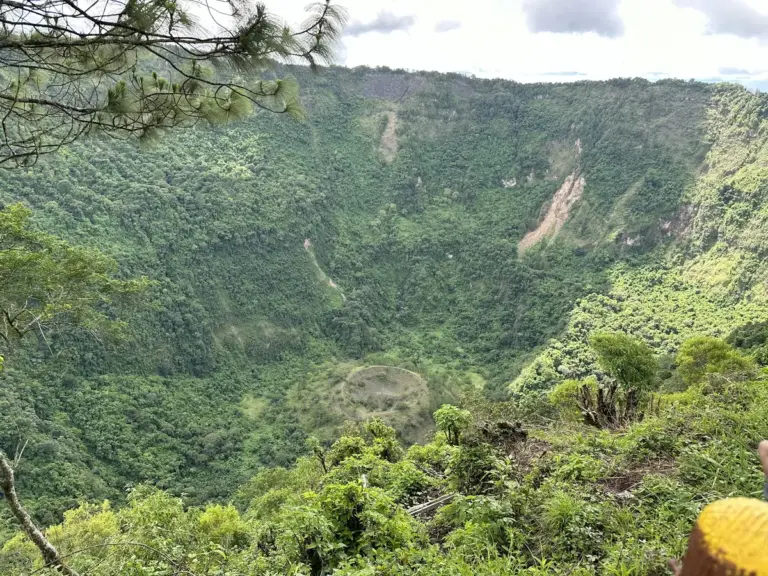
About a 3.5-hour drive toward La Unión, Conchagua Volcano offers El Salvador’s most celebrated sunrise from the Mirador Espíritu de la Montaña, looking out over the Gulf of Fonseca, where El Salvador, Honduras, and Nicaragua meet. Most visitors camp overnight on the summit platform, and a 4×4 handles the final climb.
The logistics, since this one takes planning:
- Summit elevation: about 4,019 ft (1,225 m), with views of the gulf’s islands and the mountains of three countries
- Final climb: roughly 45 minutes by 4×4 up from La Unión
- Where to sleep: a camping platform at the top; bring a warm layer, because the summit gets cold
- On the water: boat tours from La Unión port reach the Gulf islands of Meanguera, Zacatillo, and Conchaguita
Pro Tip: Front-row tent spots overlooking the gulf go to whoever arrives first in the afternoon. Get up there early to claim the view, not just a flat patch of ground.
Is El Cuco safe for US travelers?
Yes — El Cuco is generally safe for US travelers. The US State Department places El Salvador at its lowest advisory level, Exercise Normal Precautions, following a sharp drop in violent crime as gang activity declined. Petty theft is the main concern. Keep valuables low-key, skip intercity public buses after dark, and use trusted shuttles or guides.
On the ground, the town feels sleepy and friendly. The bigger physical risk here isn’t crime — it’s the water. There are no lifeguards on the beach, and the currents at the points are strong. Respect them, especially if you’re swimming rather than surfing.
A short safety checklist:
- Don’t flash expensive gear, cameras, or jewelry
- Avoid intercity public buses at night; book a shuttle instead
- Treat the surf and currents as unguarded — because they are
Money in El Cuco: USD, Bitcoin and the no-ATM reality
El Salvador uses the US dollar, so Americans need no currency exchange. Bitcoin is legal, but acceptance is voluntary rather than required. Most importantly, El Cuco town has no ATM and is largely cash-only — withdraw enough US dollars in San Miguel before you arrive, and bring small, clean bills.
This is the single logistical mistake that strands travelers. The nearest ATMs are in San Miguel, Chirilagua, or Intipucá, not in town. Card machines at lodges are rare, often “down,” and sometimes carry a surcharge. A few rules that keep you out of trouble:
- Pull out more cash than you think you’ll need before reaching the coast
- Carry small bills — change for large notes can be hard to find
- Don’t count on tapping a card for anything; assume cash, hope for card
El Cuco vs. El Tunco: which El Salvador beach is right for you?
Choose El Tunco for nightlife, easy 45-minute airport access, and a social surf scene. Choose El Cuco for calm, uncrowded black-sand beaches, relaxation, and the Las Flores point break. El Tunco is busier and more developed; El Cuco is quieter, harder to reach, and built for slowing down rather than going out.
The honest version: most surfers don’t pick one. They go teetotal midweek in El Cuco to surf, then save the partying for an El Tunco weekend. If your trip is short and you want maximum convenience, El Tunco’s proximity to the airport wins. If you’ve got the days and want the empty beach, the extra two hours east pays off.
- El Tunco: about 45 minutes from the airport, livelier, more bars and shops, La Libertad surf (Punta Roca)
- El Cuco: about 2 to 2.5 hours from the airport, calmer, fewer crowds, Las Flores and Punta Mango surf
A common myth to skip — El Imposible is not near El Cuco
Many guides wrongly list El Imposible National Park as a day trip “near El Cuco.” It isn’t. El Imposible sits in the Ahuachapán department in the far west of El Salvador, roughly 75 miles (120 km) from the capital and on the opposite side of the country. For nature near El Cuco, choose Conchagua Volcano, the Gulf of Fonseca, or the local mangroves instead.
This error gets copied from page to page, and it can wreck an itinerary if you plan a morning hike that’s actually a cross-country drive away. When you ask locals what’s worth the drive, they point you east toward the gulf — not west.
TL;DR — the bottom line on Playa El Cuco
Playa El Cuco is El Salvador’s tranquil eastern beach escape: black volcanic sand, calm swimming, top surf at Las Flores and Punta Mango, and cheap fresh seafood. It’s safe under the current “normal precautions” guidance, best reached by private shuttle in 2 to 2.5 hours, and cash-only — bring US dollars. Come to slow down, not to party.
The reward for the extra effort is simple: a beach so long and quiet that the loudest sound most of the day is the surf. If that’s what you’re after, point yourself east.
What would make or break El Cuco for you — the surf, the silence, or the seafood? Tell me in the comments, and I’ll help you plan the route.