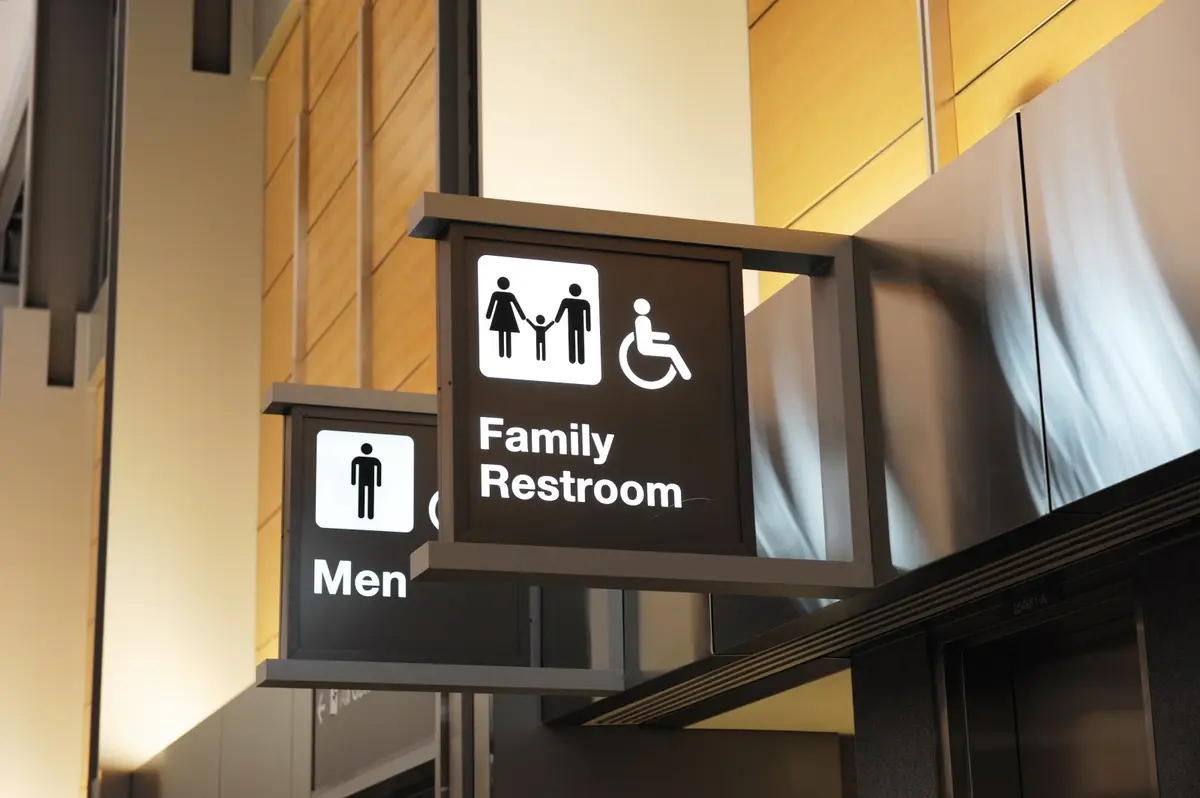
Public restrooms in Portugal operate on rules that catch most American travelers off guard within the first few hours of arrival. The country runs on a privatized system built around café culture, coin-operated turnstiles, and unwritten social contracts that no tourist brochure bothers to explain. Know the system before you land and it becomes second nature. Ignore it and you will spend your afternoon frustrated outside a locked door.
How do public restrooms in Portugal actually work?
Public restrooms in Portugal run on a hybrid privatized system where cafés and restaurants serve as the primary infrastructure, supplemented by paid facilities at transit hubs and a seasonal coastal network. Free municipal restrooms in city centers are genuinely scarce. Most paid public facilities charge between €0.50 and €1.00 ($0.55–$1.10). This is not a tourist tax — it is how the system works for everyone, residents and visitors alike.
Why the café contract is the real infrastructure
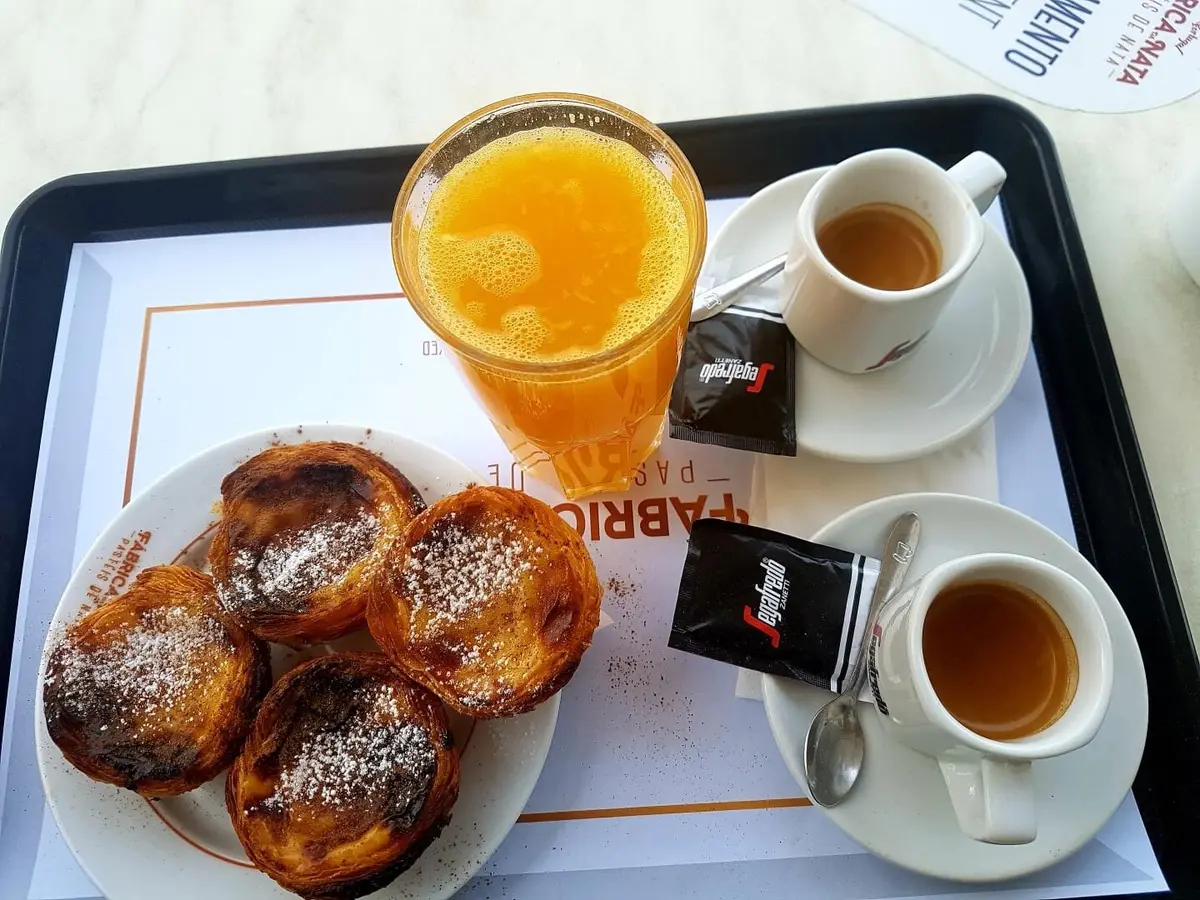
The single most useful thing you can understand about public restrooms in Portugal is what locals have quietly accepted for generations: the hospitality sector runs the show. When you purchase an espresso, a pastry, or a bottle of water at any café, you have bought your restroom access.
A café espresso costs roughly the same as a paid public toilet. The difference is you get a beverage and a moment off your feet in return. I have never once regretted paying for a coffee I did not want when the alternative was a 15-minute search for an open facility in Alfama.
Pro Tip: Order at the counter, pay immediately, then ask for the restroom. Asking before ordering — or walking straight to the back without a word — will get you a firm shake of the head in most smaller establishments. The sequence matters.
How does the code-and-receipt system work?
In high-traffic tourist zones like Lisbon‘s Baixa district or Porto’s Ribeira, many café restrooms are locked. The key sits behind the counter, or a code prints directly on your receipt after purchase. This filters non-paying foot traffic without requiring staff to confront anyone directly.
Even after purchasing, asking is non-negotiable. Walking toward the back without acknowledgment reads as rude in smaller, family-run establishments — particularly outside the major cities. A brief “Onde fica a casa de banho?” with a glance toward the back is all you need.
How do you ask for a restroom in Portuguese?
The correct term is “casa de banho” — literally “house of bath” — and it is the polite, universally understood phrase across all of Portugal. Use it when asking staff where the restroom is located — it is one of the basic Portuguese phrases every traveler should know before landing. The Brazilian Portuguese term “banheiro” will identify you immediately as someone whose Portuguese comes from Netflix, which can subtly affect how quickly staff respond in a busy café.
The phrases that mark you as informed
- “Onde fica a casa de banho?” — Where is the restroom?
- “Papel higiénico” — toilet paper, if you need to request it from an attendant
- “WC” (pronounced “vay-se”) — the standard visual marker on signs and building facades
How to read the signs
Look for “WC” on discreet plaques set into building facades or on small wayfinding signs at street corners. If you are scanning for the words “Restroom” or “Toilet” in English, you will walk directly past available facilities. Gender markers appear as “Homens” or “Cavalheiros” for men and “Senhoras” for women.
What does it cost to use a public restroom in Portugal?
The standard fee at train stations, bus terminals, and municipal markets is €0.50 ($0.55). Some locations charge €0.20 or up to €1.00, but fifty cents is the number to target. Automated turnstiles at major transit hubs like Sete Rios bus terminal or Cais do Sodré station — located steps from Time Out Market Lisbon — rarely provide change for bills. Arriving with a €10 note means the turnstile ignores you entirely.
Stock your coin purse before leaving the hotel every morning. The €0.50 coin is the most important piece of travel gear in Portugal.
Pro Tip: Ask your hotel reception for a handful of €0.50 and €0.20 coins on your first morning. Every front desk keeps them for exactly this purpose and hands them over without blinking.
What to know about tipping restroom attendants
Larger facilities in shopping districts and some transit stations use an attendant system. Look for a small dish or plate at the entrance — that is the universal tipping signal. A tip of €0.20 to €0.50 ($0.22–$0.55) is appropriate — consistent with tipping in Portugal norms across service industries. Walking past the dish without acknowledging it will earn you vocal disapproval. Sometimes usage is technically free but a tip is socially expected for the cleaning and maintenance being done in real time.
Where can you find free restrooms in Portugal?
Free restroom infrastructure exists throughout Portugal, but it requires knowing which categories of building to target. Shopping malls are the most reliable resource: Colombo, NorteShopping, and Amoreiras in Lisbon all operate free, well-staffed, and consistently clean facilities. El Corte Inglés on Avenida António Augusto de Aguiar provides the same standard. Museums and cultural sites offer free facilities within their ticketed areas, and high-traffic department stores in city centers follow the same pattern.
If keeping a lid on Portugal travel costs matters to you, plan your daily itinerary around anchor stops at these locations rather than relying on paid public facilities or the café contract for every visit.
Pro Tip: Armazéns do Chiado mall, in the heart of Lisbon’s busiest shopping district, has free restrooms on the top floor. Most visitors browsing Chiado never think to go up. The line at the nearest paid public toilet on Rua do Carmo wraps around the corner by 11 a.m. while the mall’s facilities sit empty.
What should you expect from the hardware?
American travelers consistently encounter two hardware surprises in Portuguese restrooms: missing toilet seats and a bin placed next to the toilet instead of inside the tank area. Both are features of the infrastructure, not oversights, and both have practical explanations.
The missing seat phenomenon
Stalls in public parks, beaches, and some transit facilities frequently offer only the porcelain rim with no seat attached. Seats get vandalized and broken quickly in high-traffic locations, and bare porcelain is faster to sanitize than plastic hardware in narrow stalls. Pack a small supply of disposable toilet seat covers or travel-sized disinfectant wipes — this belongs on every Portugal packing list, not buried in an afterthought.
The bin protocol: do not ignore this sign
Portugal’s aging pipe infrastructure — especially in historic districts like Alfama and Ribeira, and throughout rural areas — uses narrow pipes not designed for modern multi-ply toilet paper volume. Watch for signs reading “Não deite papel na sanita” (do not throw paper in the toilet). When you see this sign, a small pedal bin sits beside the toilet. Used paper goes in the bin, not down the drain.
Ignoring this causes an immediate clog. The rule of thumb: if there is a sign and a bin, use the bin — every time.
How do you navigate restrooms in Lisbon?
Lisbon presents a specific logistical challenge because most Lisbon Metro stations do not have public restrooms at the platform level. Facilities exist only at major intermodal hubs — Cais do Sodré and Oriente — located in the main concourse outside the paid fare zone, and both charge entry fees. Depending on the metro stop as your relief plan is a reliable way to find yourself in trouble.
Build surface-level stops — a café, a mall, a museum — into your Lisbon itinerary at regular intervals rather than assuming the metro system will cover you.
Strategic stops in Belém, Alfama, and Baixa
Belém generates long queues at the few public toilets near Jerónimos Monastery by mid-morning on any day the weather is reasonable. The fix: use the free, clean restrooms inside the Centro Cultural de Belém, directly across the street from the monastery. Most visitors walk past the Cultural Center’s entrance without realizing its facilities are open to the public at no charge.
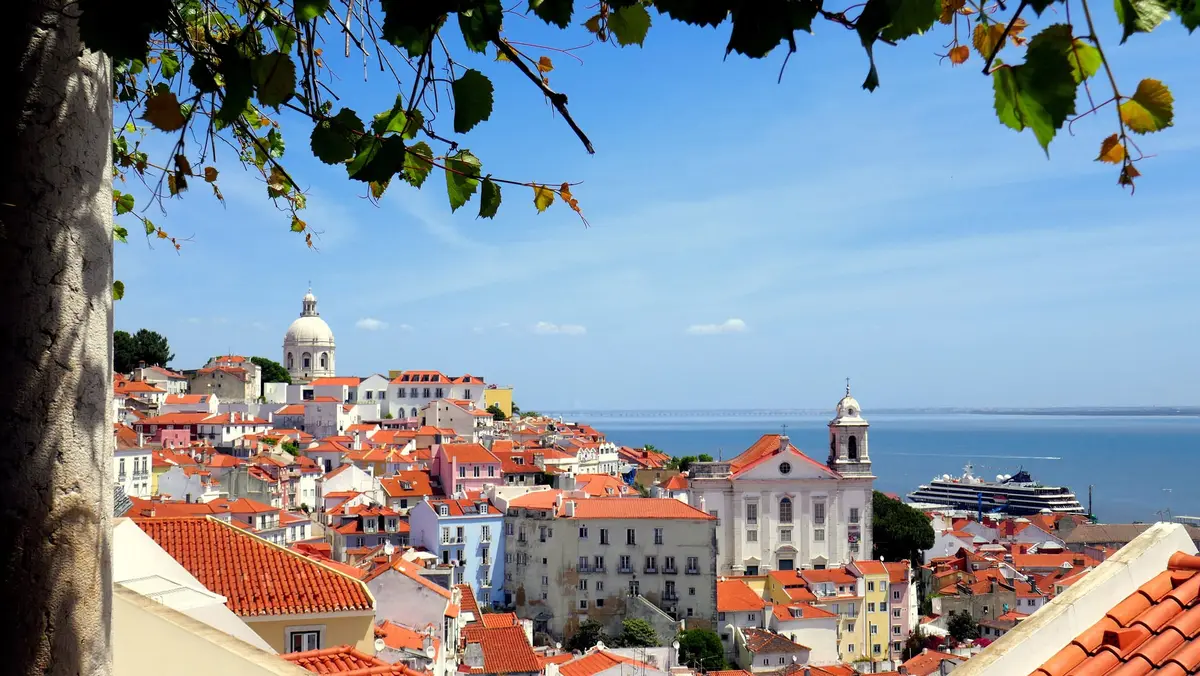
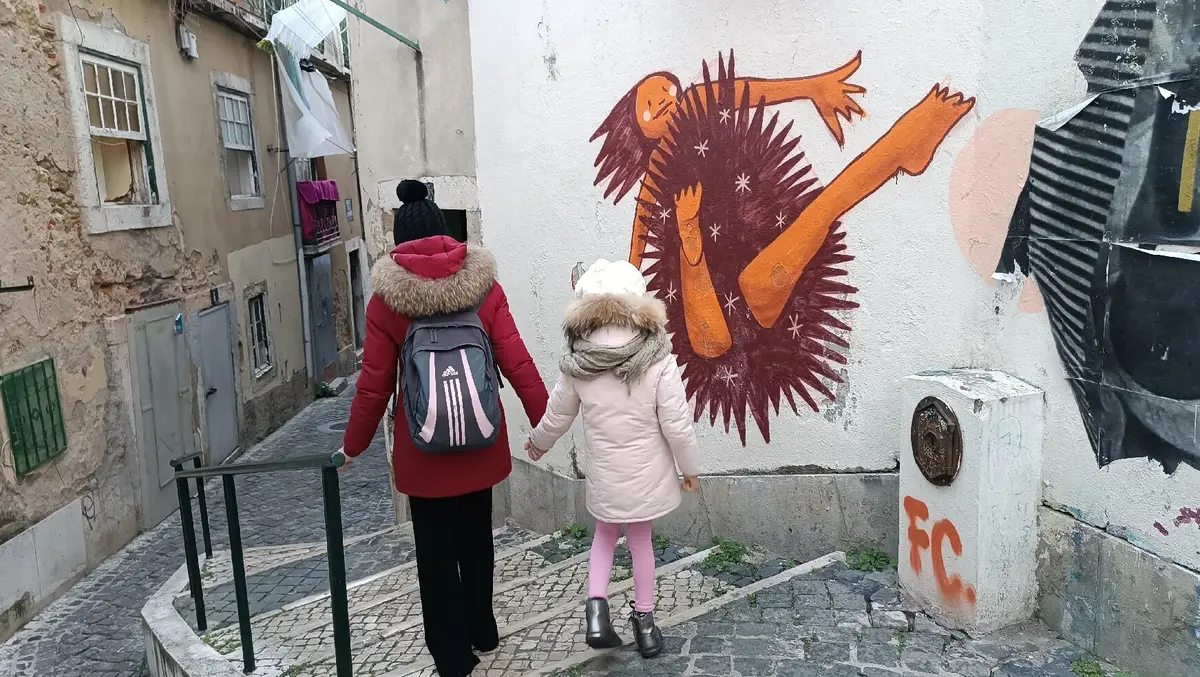
In Alfama, the winding street layout hides almost no public facilities. The café contract and museum restrooms are your only realistic options here. In Baixa and Chiado, Armazéns do Chiado mall provides free facilities on the upper floor — considerably less crowded than anything street-level in that neighborhood.
The Renova restroom at Praça do Comércio
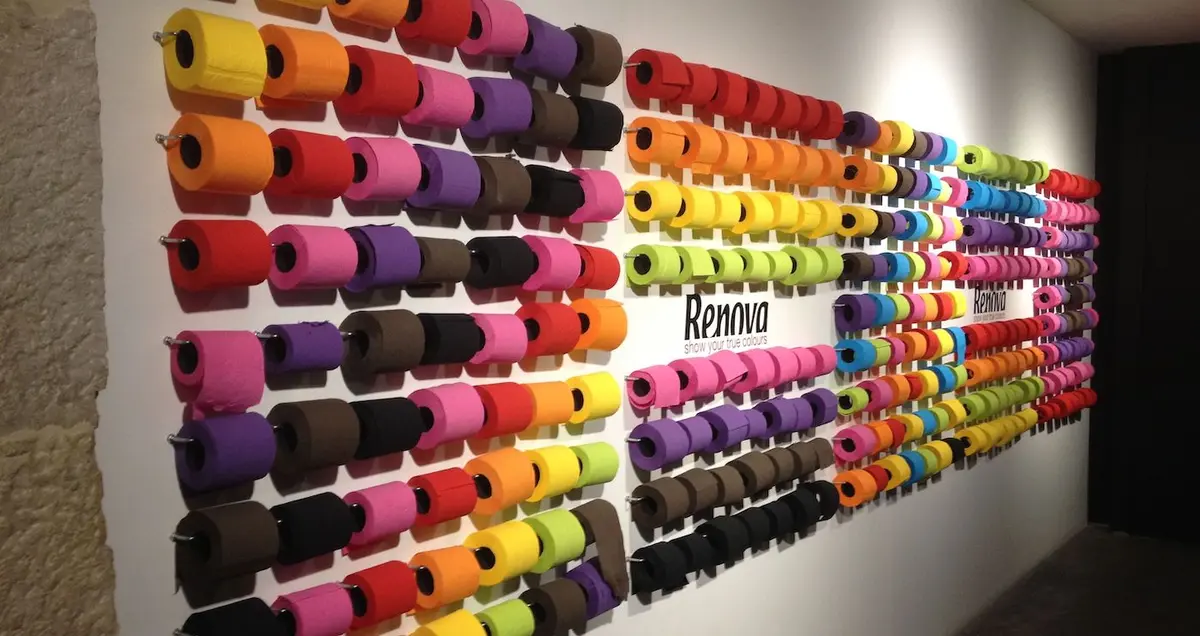
Located just off the square, this boutique facility is run by Renova, Portugal’s leading paper goods company. It features art installations and a wall of colored toilet rolls from which you select one to keep. Entry costs €4 ($4.40). Reviews divide sharply: half find it a genuinely clean, entertaining novelty worth the price; the other half find it overpriced for what amounts to colored lighting and a souvenir toilet roll.
Position this as a paid novelty attraction, not a functional stop when you are in a hurry.
What about Porto and the Algarve?
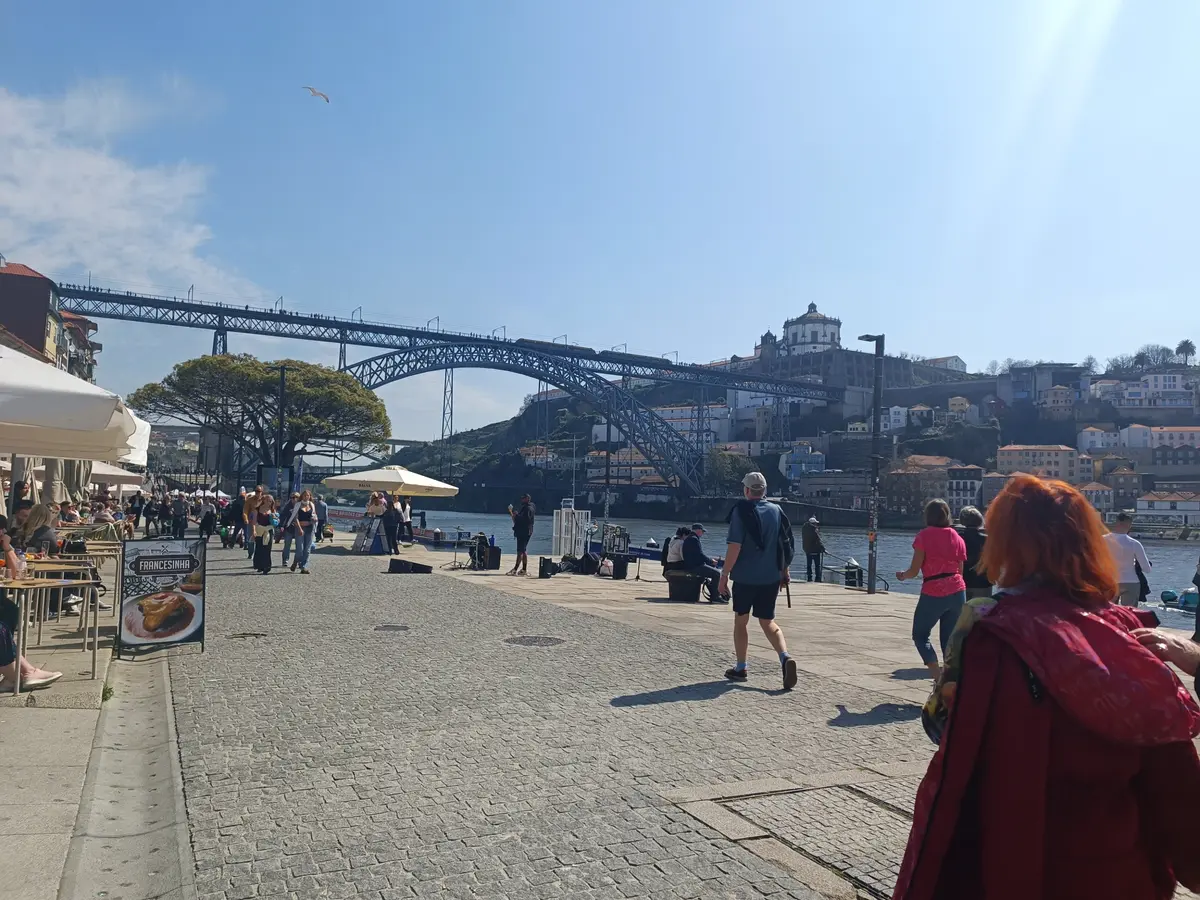
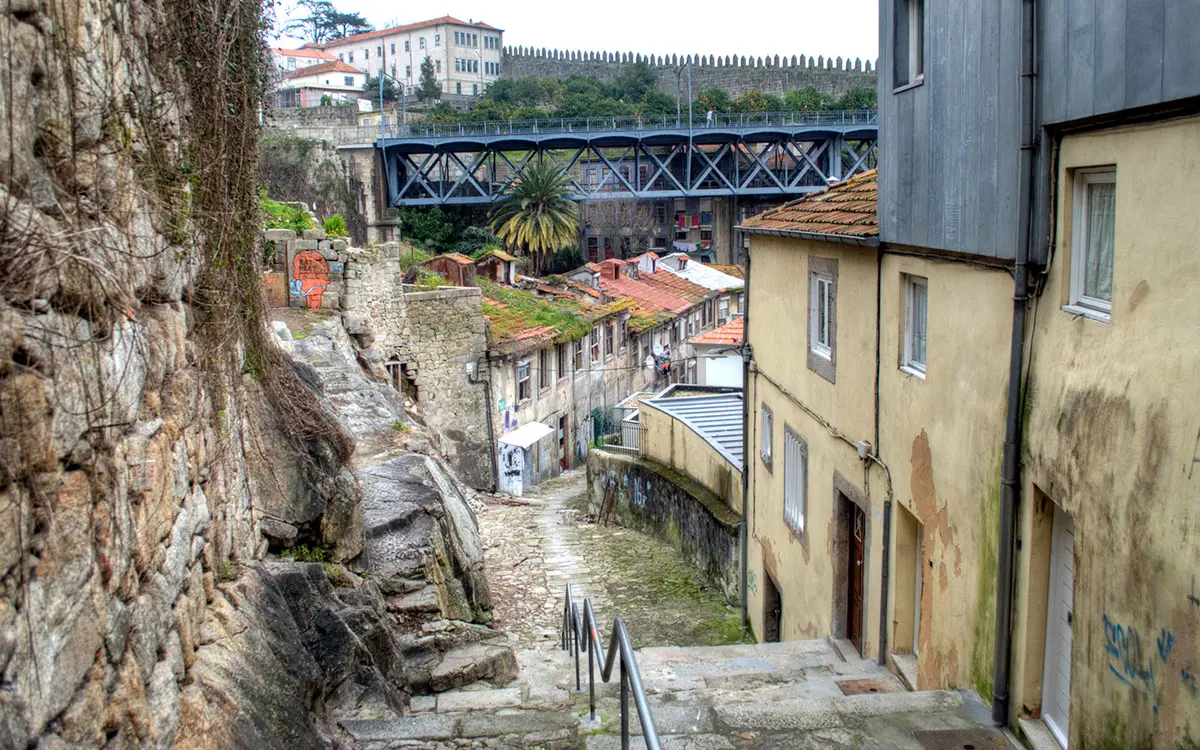
Porto‘s restroom challenge is its dramatic topography. The elevation change between the Douro riverfront and the city center can put the nearest facility 200 feet (60 m) of vertical climb away. Ribeira has public toilets tucked into the arches of the lower riverbank walls, but they are easy to miss — look for small WC plaques set into the stone at ground level rather than standard signage.
McDonald’s on Avenida dos Aliados functions as a primary fallback hub for many travelers and enforces the code-on-receipt system without exception.
Algarve off-season: when the infrastructure disappears
The Algarve coastal infrastructure runs on seasonal tourism flows. From November through March, beach concessionaires close entirely, and public restroom access disappears with them. Even some nominally open public toilets get restricted by concessionaires operating with reduced revenue during the off-season.
For campervan travelers and anyone visiting the coast in winter, the Park4Night app is essential for locating municipal dump stations and open WCs along the Algarve.
Are accessible restrooms easy to find in Portugal?
Accessible restroom coverage in Portugal is improving but genuinely uneven, and accessible travel in Lisbon requires a separate strategy that goes well beyond restrooms. The most important thing US travelers need to know: the UK Radar Key does not work here. Portugal uses the Euro Key system, and adoption is not universal. Obtaining a Euro Key as a visitor once you are in Portugal is bureaucratically complicated — order one online from a European provider before your trip departs.
Historic city centers present physical barriers regardless of key access. Cobblestones, steep inclines, and narrow doorways are standard in Alfama, Ribeira, and central Porto. Modern shopping malls provide the most reliably accessible facilities across the country.
Traveling with kids
Baby changing facilities are almost exclusively located in women’s restrooms or dedicated family rooms. Solo traveling fathers will regularly find no sanitary changing space available in standard facilities. Major shopping centers are the consistent exception — most offer dedicated gender-neutral family rooms with full changing infrastructure. Build at least one mall stop into your daily plan if you are traveling Portugal with kids.
What should you pack for restrooms in Portugal?
The right kit eliminates restroom anxiety entirely. Pack these before you leave:
- Coin purse: Load with €0.50 and €0.20 coins every morning before leaving the hotel
- Travel tissues: Free public facilities run out of paper — sometimes before 10 a.m.
- Hand sanitizer: Compensates for empty soap dispensers in lower-traffic locations
- Disinfectant wipes: Essential for the missing seat situation in parks and beaches
- Euro Key: Order before departure if you rely on accessible facilities
- Flush app: One of the most practical Portugal travel apps available offline — locates restrooms with fee indicators and user-reported cleanliness ratings; check Google Maps filters to exclude permanently closed locations
The bottom line
Public restrooms in Portugal work — they just work differently than anything you are used to at home. The café contract is the real infrastructure: a small purchase earns access, a beverage, and a seat. The coin economy is real: stock €0.50 coins every morning and carry them all day. Two words unlock every door: “casa de banho.”
TL;DR: The café system costs the same as paid public toilets and returns a drink. Carry €0.50 coins at all times. Do not count on Lisbon Metro stations — most have no facilities at all. Use malls in Belém, Chiado, and anywhere else you need guaranteed, clean access without a purchase. Read the bin signs in historic areas and follow them.
What restroom situation in Lisbon or Porto caught you completely off guard? Leave your strategy in the comments — the more specific, the more useful.