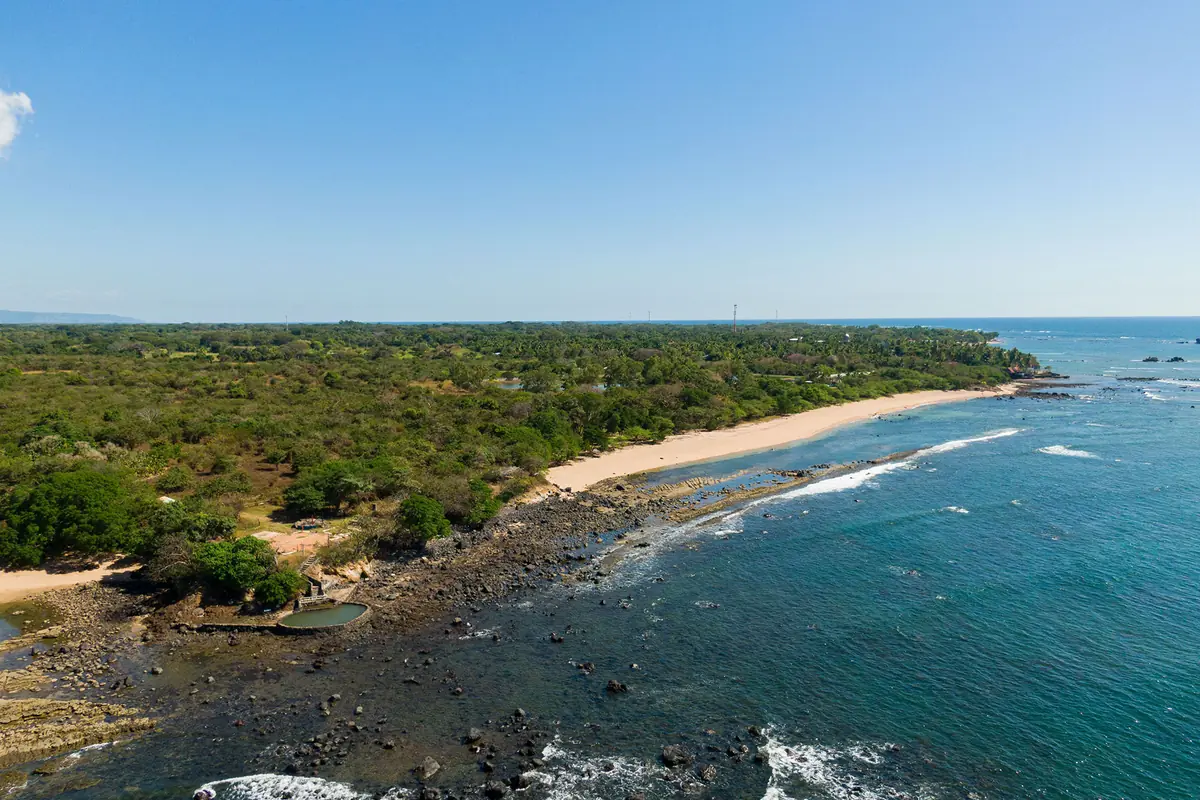
The Ruta de las Flores packs five colonial coffee towns, a guided waterfall scramble, and a weekend food festival into a 22-mile (36 km) stretch of El Salvador’s western highlands. Most guides leave the costs and logistics vague. This one doesn’t — here’s the route town by town, with prices, bus numbers, and the honest trade-offs.
What Is the Ruta de las Flores? (5, 6, or 7 Towns Explained)
The Ruta de las Flores connects five colonial towns across the Apaneca-Ilamatepec mountains of western El Salvador: Nahuizalco, Salcoatitán, Juayúa, Apaneca, and Concepción de Ataco. Some guides count six or seven by adding the gateway cities of Sonsonate and Ahuachapán. Both are right — but the five core towns hold the murals, markets, and waterfalls.
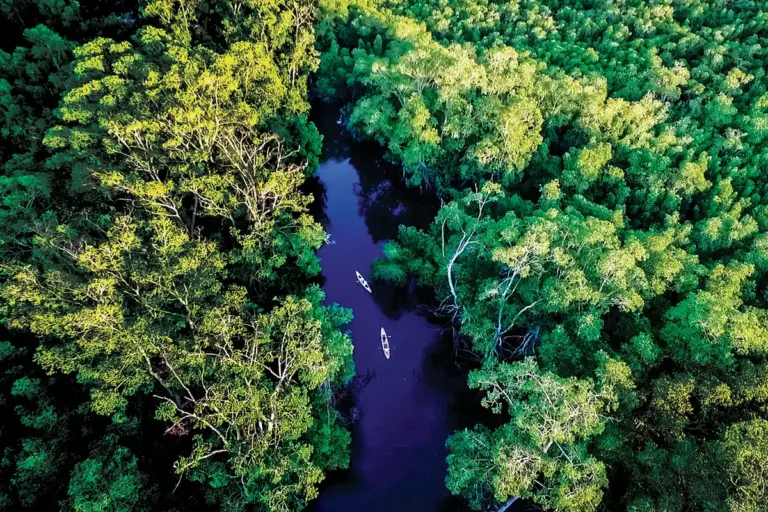
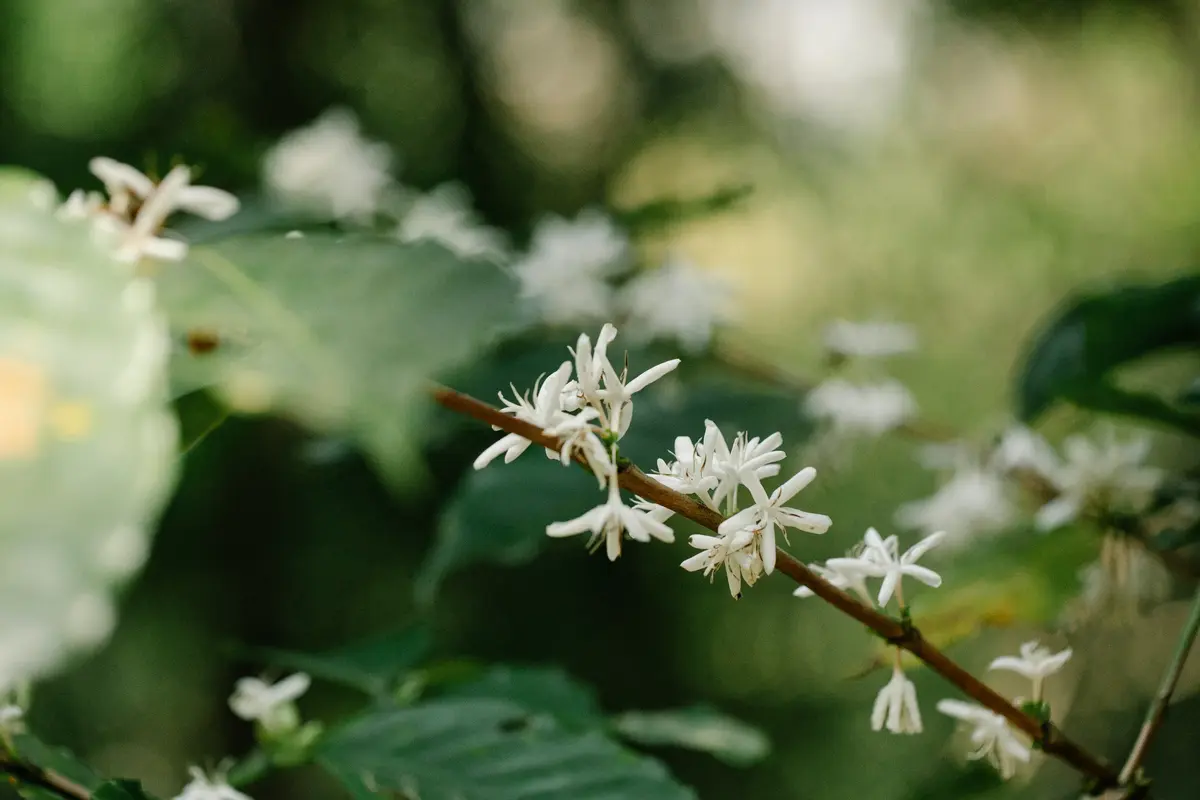
The route runs 22 miles (36 km) along Highway CA-8, climbing through the Apaneca-Ilamatepec mountain range and biosphere reserve. The name (Flower Route) comes from the wildflowers — including white coffee blossoms — that open along the hillsides between November and February.
Sonsonate bookends the southern end and Ahuachapán the northern end, which is why town counts vary. When a tour operator says five and another source says six, neither is wrong; they’re just deciding whether to include the gateway cities. For trip-planning purposes, the five core towns are what you’ll actually spend your days in.
Here’s the honest part most write-ups skip: the flowers are the weakest reason to come. The bloom is short, it shifts year to year, and on an off-season visit you’ll see green coffee rows rather than fields of color. The coffee, food, and waterfalls carry the trip.
Pro Tip: Drive or bus the route south to north (Nahuizalco first, Ataco last). It saves the most colorful town and the best dinners for the end, when you’ll want to slow down.
Is the Ruta de las Flores Safe?
Yes — the Ruta de las Flores is one of the safest regions in El Salvador. The country holds a Level 1 travel advisory (“Exercise Normal Precautions”), the U.S. State Department’s safest tier. Gang activity and violent crime have dropped sharply, the towns are relaxed and walkable, and the main caution is hiring a certified guide for the Seven Waterfalls hike.
The towns themselves are small and easygoing. Locals treat the chicken buses as ordinary daily transport, and the plazas stay social into the evening. Standard travel sense applies: don’t flash valuables, keep an eye on your bag in crowds, and use a rideshare or arranged ride for longer distances after dark.
This stretch has become a common return trip for Salvadoran-American travelers coming back after many years away, and for first-timers who’d written the country off. On my last visit I walked the plazas in both Ataco and Juayúa after dark without a second thought — the bigger hazard was a slick cobblestone, not crime.
Pro Tip: The Seven Waterfalls hike legally requires a certified local guide, and it’s worth every dollar. They handle the ropes, read the water level, and turn the group around when the rock gets too slick to descend.
How Do You Get There From San Salvador?
From San Salvador, the Ruta de las Flores is about 1.5 to 2 hours by car via Highway CA-8. By public bus, take #205 to Sonsonate, then catch the #249 that runs the length of the route for under $1 per leg. From Santa Ana, the direct #238 reaches Juayúa. Day tours and shuttles are widely available too.
| Option | Cost | Time from San Salvador | Best for |
|---|---|---|---|
| Chicken bus | under $1 per leg | slowest (one transfer) | shoestring budgets, slow travel |
| Rental car | varies | 1.5–2 hours | freedom, off-route coffee fincas |
| Shuttle / tour | from ~$10 drop-off; tours vary | 1.5–2 hours | no planning, one-day visits |
By Chicken Bus
The cheapest route runs through Sonsonate, the southern gateway. From the capital you take one long bus, transfer, then ride the local that threads all five towns.
- From San Salvador: #205 to Sonsonate (around $2, 2–2.5 hours), then #249 along the route (under $1 per leg)
- From Santa Ana: direct #238 to Juayúa
- From the coast: #287 toward Sonsonate, then connect to #249
- Last northbound #249: roughly 6 p.m. (from Ataco around 6:10 p.m.)
The last bus catches people out constantly. The #249 picks up by the Scotiabank on the edge of Juayúa, and the final northbound run from Ataco leaves around 6:10 p.m. Miss it and you’re paying for a private ride or an unplanned night in the wrong town.
Pro Tip: Confirm the last bus time twice — once when you arrive and once mid-afternoon. Schedules drift, and the driver’s answer beats any printed timetable.

By Rental Car
A car is the most flexible way to do the route, and CA-8 is paved the entire way. You only need clearance for the dirt access roads to off-route coffee fincas and waterfall trailheads.
- Route surface: paved CA-8 the whole way
- 4×4: only for off-route coffee fincas and waterfall access roads
- Drive from San Salvador: 1.5–2 hours
- Parking: easy near the town plazas
By Shuttle or Tour
Tourist shuttles connect from Santa Ana, El Tunco on the coast, and San Salvador, and full-day tours bundle two or three towns with a coffee farm.
- Shuttle drop-off in Juayúa: often around $10 extra over a standard coast shuttle
- Day tours: typically hit 2–3 towns plus a coffee tour
- Best for: travelers short on time who want zero logistics
Pro Tip: Download an offline map before you arrive. Local drivers and guides routinely warn that live navigation apps misjudge the back roads and the off-route trailheads.
The Five Towns, One by One
The five towns run south to north along CA-8: Nahuizalco (palm crafts and a candlelit night market), Salcoatitán (the small, quiet one with a centuries-old ceiba), Juayúa (the best base, home of the weekend food festival), Apaneca (the highest, with crater lakes and Café Albania), and Concepción de Ataco (the most colorful, mural-covered, and best for coffee).
Nahuizalco — Crafts and a Candlelit Market
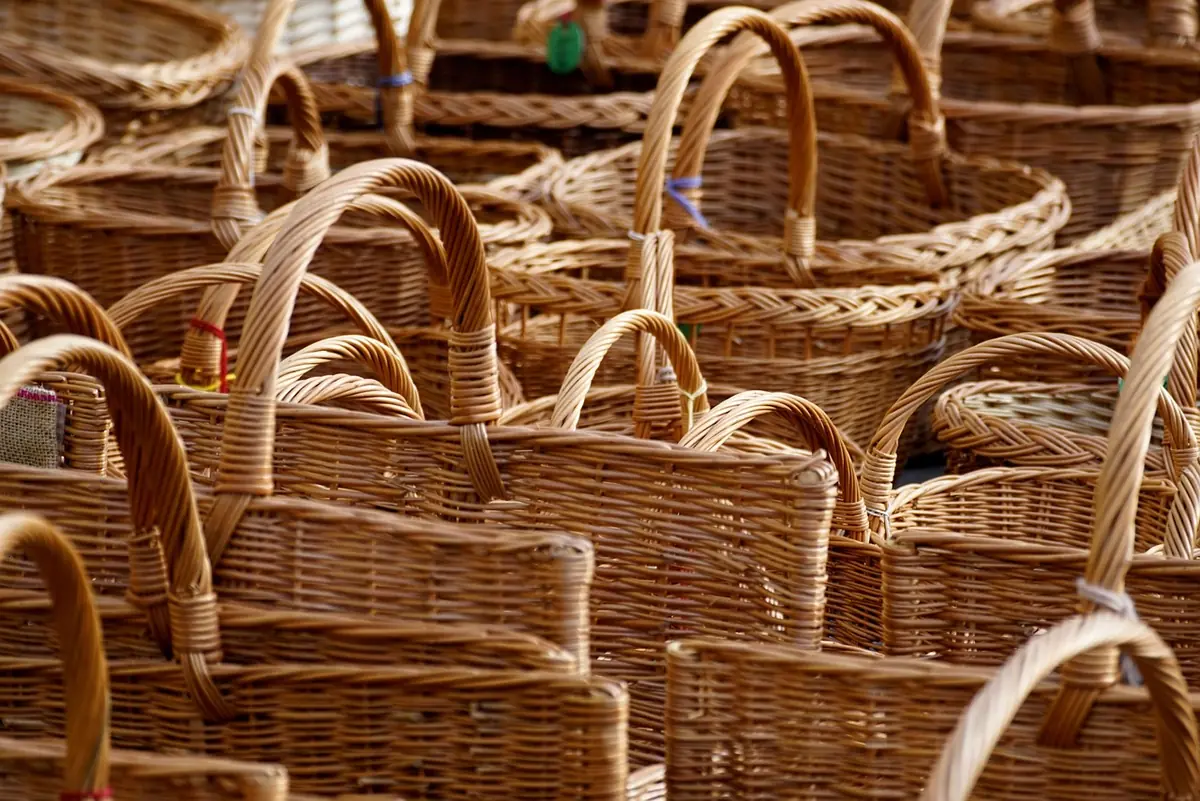
Nahuizalco is the craft town, where workshops weave wicker and tule palm into baskets and furniture. Its standout is the night market, lit by candles and oil lamps until around 10 p.m. — a genuinely different sensory scene from the daytime towns, and one most day-trippers never see because they’ve already moved on.
- Distance: about 6 miles (9 km) from Sonsonate; roughly 46 miles (74 km) from San Salvador
- Known for: wicker and tule-palm crafts, Náhuat/Pipil heritage
- See: the Nahuat Pipil Community Museum and the 17th-century San Juan Bautista church
- Time needed: 1–2 hours, or stay into the evening for the candlelit market
Salcoatitán — Small, Quiet, and Often Skipped
Salcoatitán is the smallest and quietest stop, and many tours blow past it. The draw is a ceiba tree roughly 350 years old shading the central plaza, plus a colonial church and a low-key Sunday food fair. Fifteen minutes here is enough to feel why the slower travelers stop.
- Known for: a ceiba tree around 350 years old, a quiet colonial plaza
- See: the church and mosaic murals
- When: the Sunday food fair brings it to life
- Time needed: 30–45 minutes
Juayúa — Your Best Base
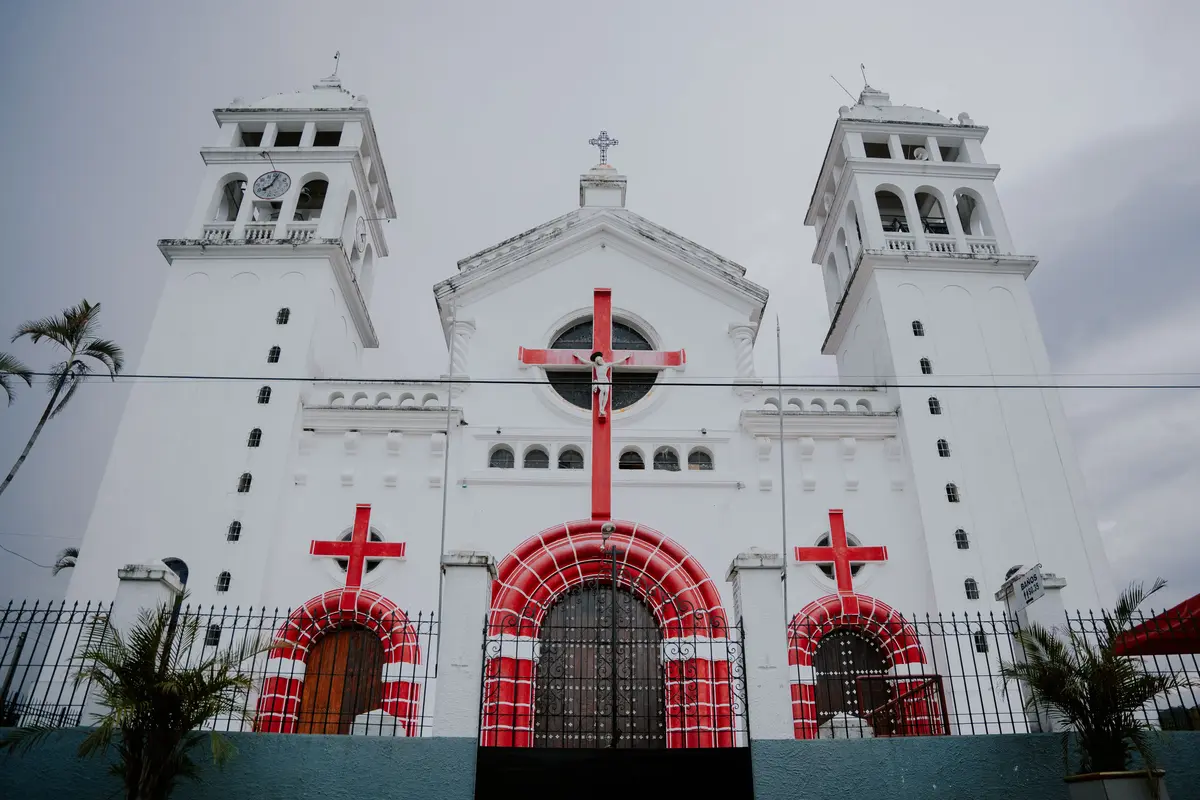
Juayúa is the practical heart of the route and the smartest place to sleep. It has the most lodging, the weekend food festival, and the trailhead for the Seven Waterfalls. The name means roughly “River of Purple Orchids” in Náhuat, and the white church on the plaza shelters a revered Cristo Negro (Black Christ).
- Known for: the weekend food festival and the Seven Waterfalls trailhead
- See: Iglesia Santa Lucía and its Cristo Negro
- Best for: your home base — central, walkable, most accommodation
- Time needed: base here for 1–2 nights
Apaneca — Crater Lakes and Café Albania
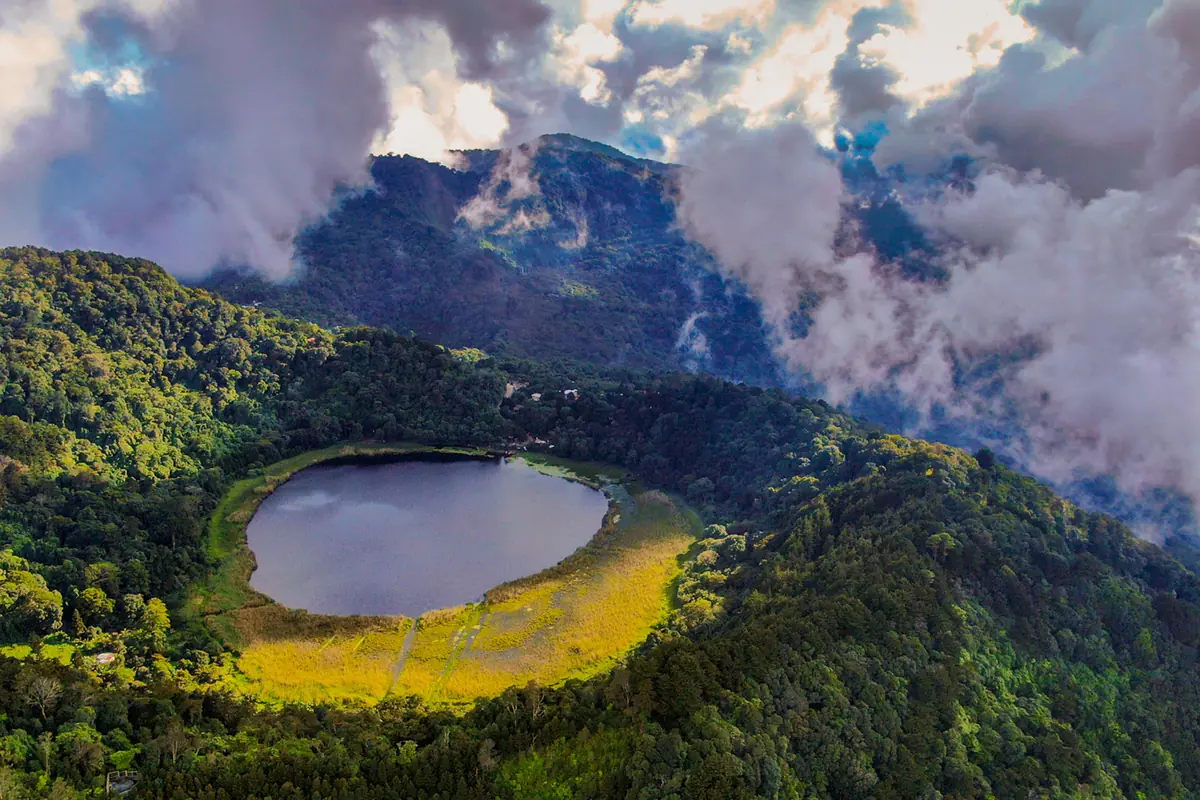
Apaneca is the highest town on the route, sitting at about 4,820 feet (1,470 m), so it runs cooler than the rest. It’s the adventure stop: two crater lakes, a canopy zipline, the largest hedge maze in Central America, and Café Albania with its rainbow slide and bike zipline.
- Elevation: about 4,820 feet (1,470 m), the highest town on the route
- Known for: Café Albania, crater lakes, ziplining
- See: Laguna Verde, Laguna de las Ninfas, and Central America’s largest hedge maze
- Time needed: 2–4 hours
Concepción de Ataco — Murals, Coffee, and Color
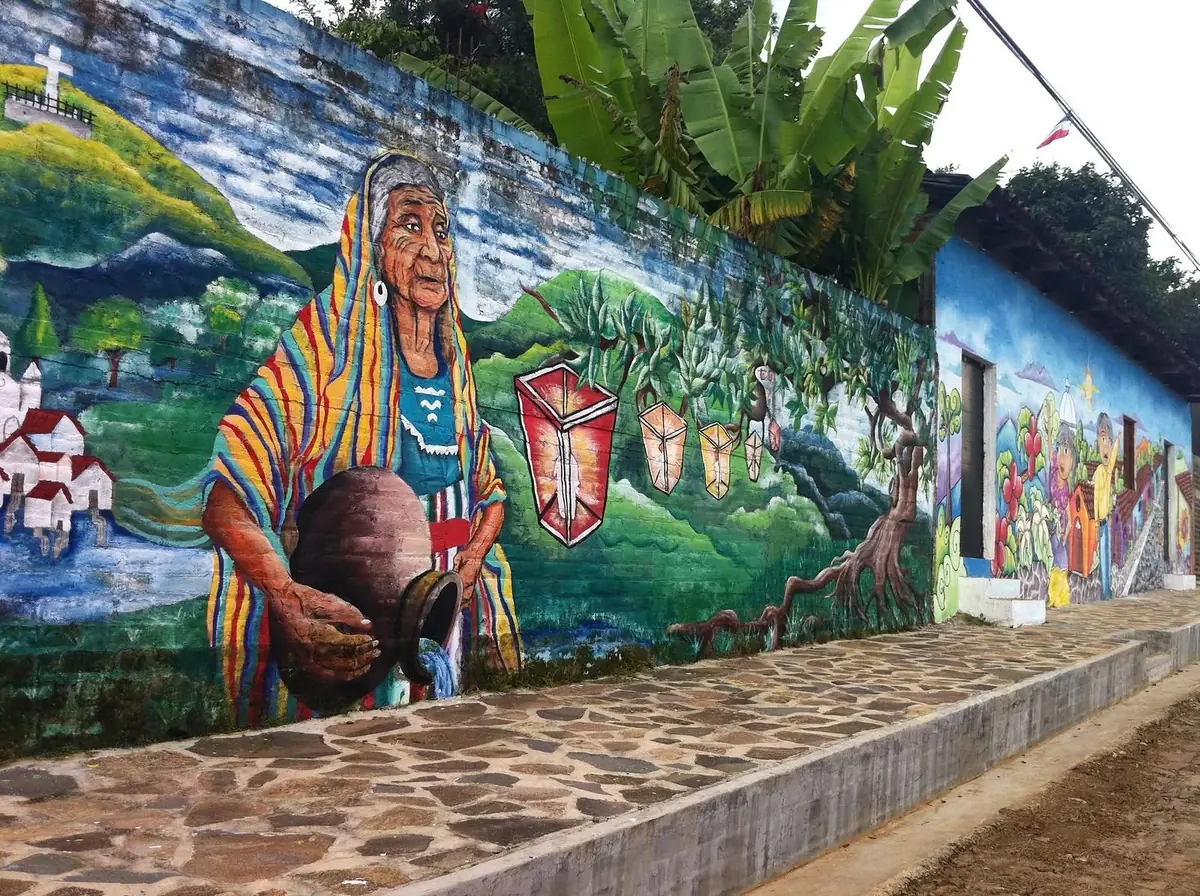
Ataco is the most colorful town and the one most people remember. Its walls are covered in murals — a tradition that started with one artist’s blue cats and grew into open-air galleries across the center — and it has the strongest restaurant and coffee scene on the route. A short, steep climb leads to the Mirador de la Cruz del Cielito Lindo over the coffee slopes.
- Elevation: about 4,100 feet (1,250 m)
- Known for: street murals, coffee, the best food on the route
- See: the Mirador de la Cruz del Cielito Lindo and El Carmen Estate
- Best for: a second base if you value dinners and murals over central access
- Time needed: half a day to a full day
A word on where to base yourself: don’t pick Ataco if you’re carless. It sits at the northern end, and without a car you’ll burn the trip riding buses back and forth to the waterfalls and the festival. Juayúa is central and the smarter hub. Base in Ataco only if you’re driving and care more about the food and murals than easy bus access.
Best Things to Do on the Flower Route
The top experiences: hike the Seven Waterfalls to Los Chorros de la Calera (guided, around $20–25), tour a century-old coffee farm like El Carmen Estate (from about $7), ride the rainbow slide and bike zipline at Café Albania ($10 entry plus per-ride tokens), soak in the Termales de Santa Teresa hot springs, and walk Ataco’s murals and artisan shops.
The Seven Waterfalls Hike
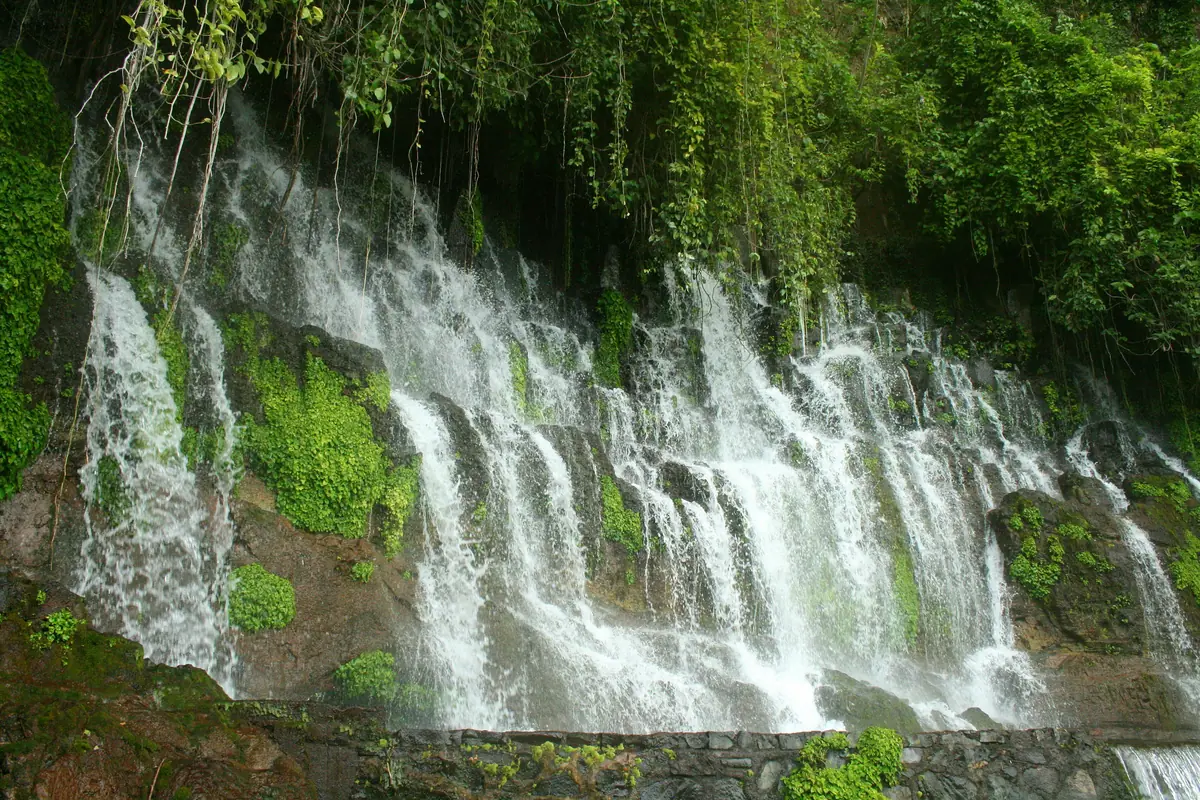
This is the signature adventure, and it earns the hype. The loop drops through coffee fields to Los Chorros de la Calera, where you wade, scramble over slick rock, and rope-climb the last stretch to a swimming pool below the falls. Cold spray needles your shins and the roar drowns out conversation right before you reach the water.
- Distance: about 4.3 miles (6.9 km) loop
- Time: 3–4 hours
- Elevation gain: roughly 882 feet (269 m)
- Cost: $20–25 per person, certified guide required
- The big drop: a rappel of about 130 feet (40 m)
Pro Tip: Wear water shoes or grippy sandals, not sneakers. You’ll be ankle-deep on wet rock for much of the descent, and dry trail shoes turn the rope sections into a slip risk.
Coffee Tours
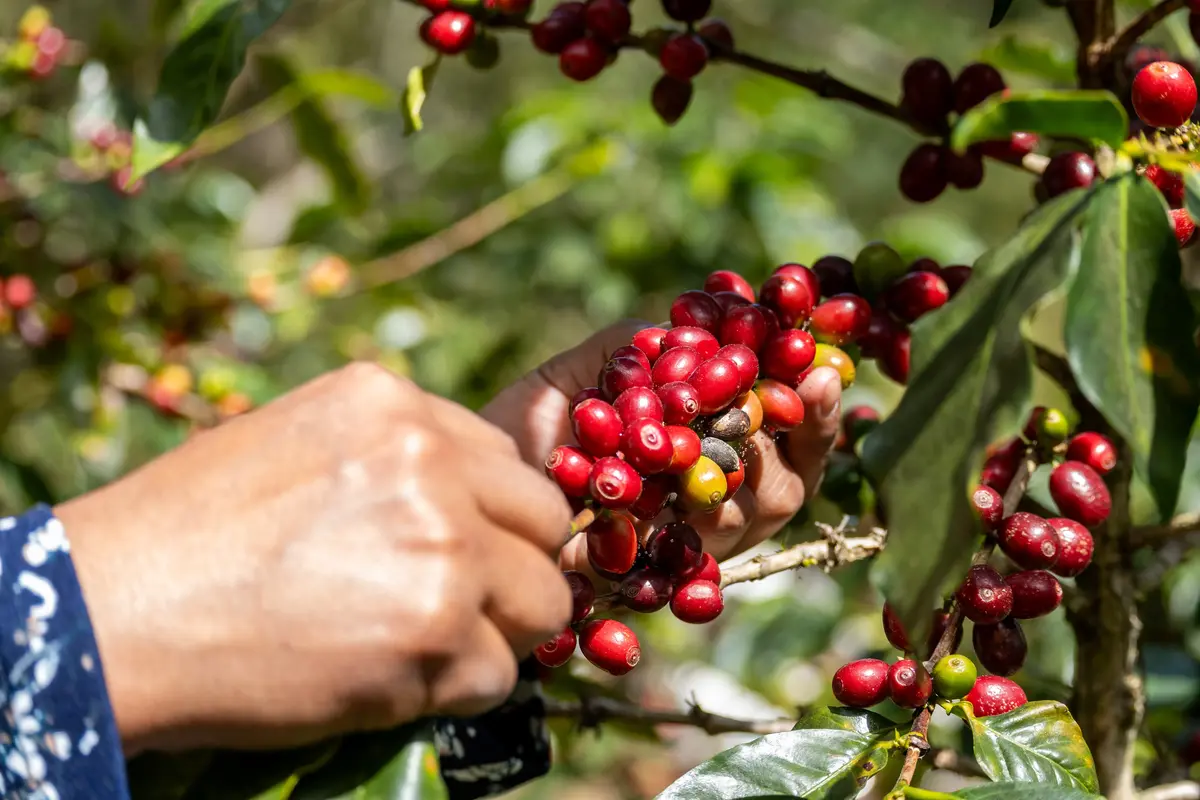
The route runs through working fincas, and a farm tour is the best way to understand why these hills exist. El Carmen Estate in Ataco — a family operation running for close to a century — offers two options, and the season matters: the mill only runs during harvest.
- Basic tour: around $7, about 1.25 hours
- Full tour: around $28, about 3 hours, includes lunch and a pound of coffee
- Where: El Carmen Estate, at kilometer 97 on the Ahuachapán–Sonsonate highway
- Best months: November to March, when the mill is actually processing
Café Albania
Café Albania is the family-and-photo stop in Apaneca — a rainbow slide, a bike zipline strung over a gorge, a swing, and a maze. Entry gets credited toward the rides, but the à la carte tokens stack up fast.
- Entry: $10 (credited toward ride tokens)
- Per ride: $1–13
- All activities: around $55
- Best for: families and anyone chasing the rainbow-slide photo
Honest take: it’s worth it if you’ve got kids or you want the shot, and easy to skip if you don’t. The à la carte pricing means a full set runs about $55, which is steep for a few minutes of rides.
Hot Springs and a Hot Waterfall
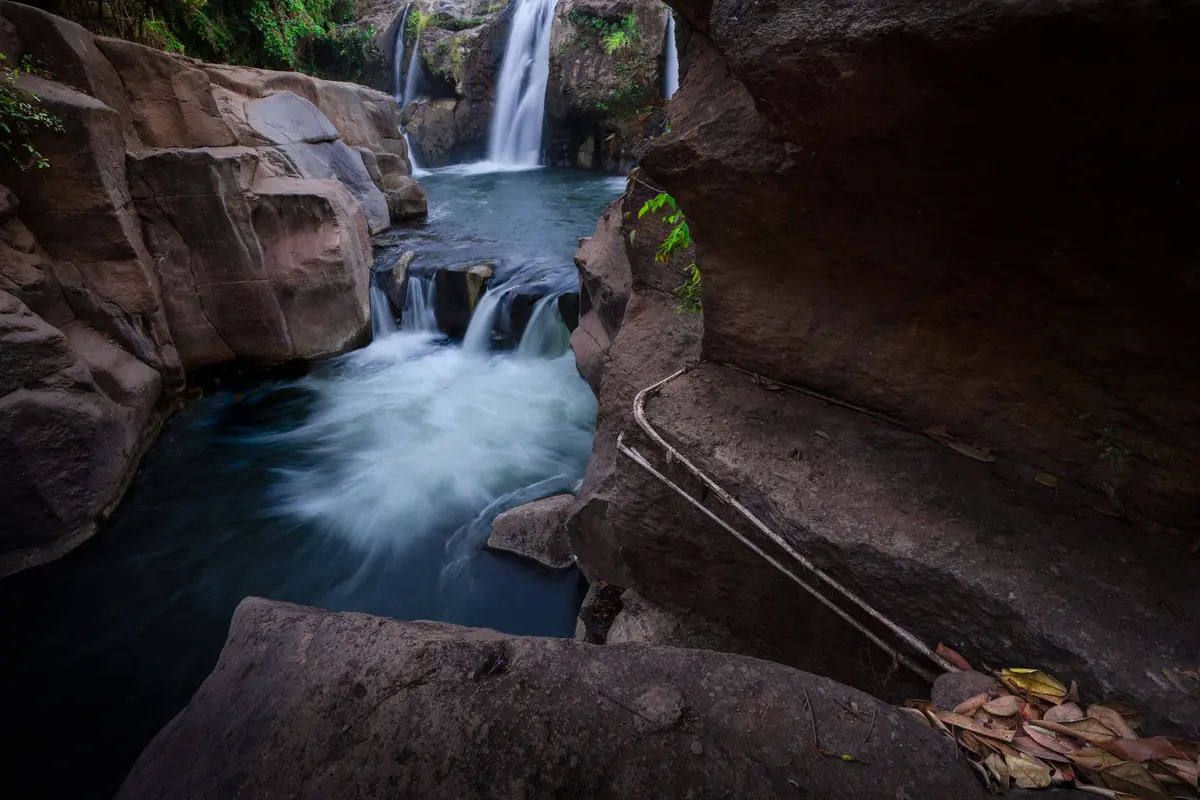
After the waterfall hike, the heated soaks around the route are the reward. There are developed spring pools and, more unusually, a naturally hot waterfall.
- Termales de Santa Teresa / Alicante: developed hot-spring pools
- Salto de Malacatiupan: a naturally heated waterfall around 97°F (36°C), free to enter
- Best for: a slow afternoon for tired legs
Murals and Miradors
Ataco’s murals are the obvious draw, but every town has a short climb to a viewpoint over the coffee-covered Apaneca-Ilamatepec hills. The Mirador de la Cruz del Cielito Lindo above Ataco is the easiest to reach and the most rewarding for the effort.
Laguna Verde
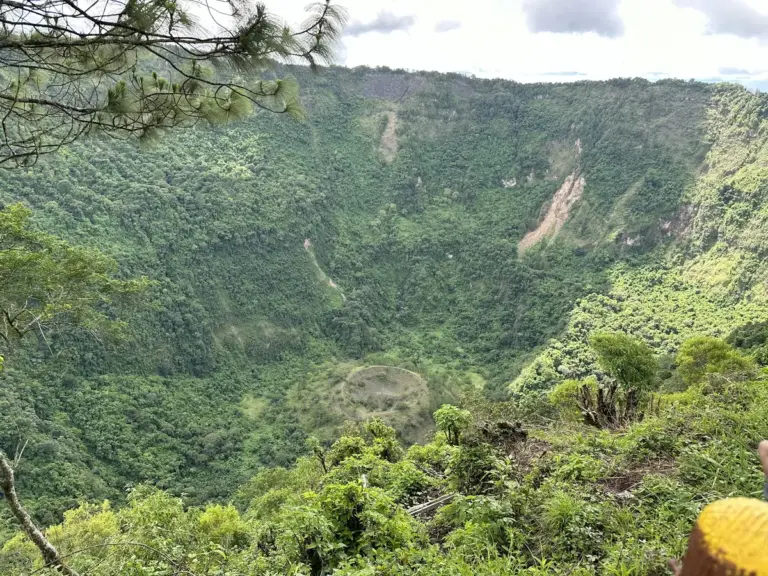
Laguna Verde is a green crater lake in the hills above Apaneca, good for a short hike, a swim, or camping with a view. It’s the quieter alternative to the in-town attractions and a fair trade for the climb up.
What’s the Juayúa Food Festival, and When Is It?
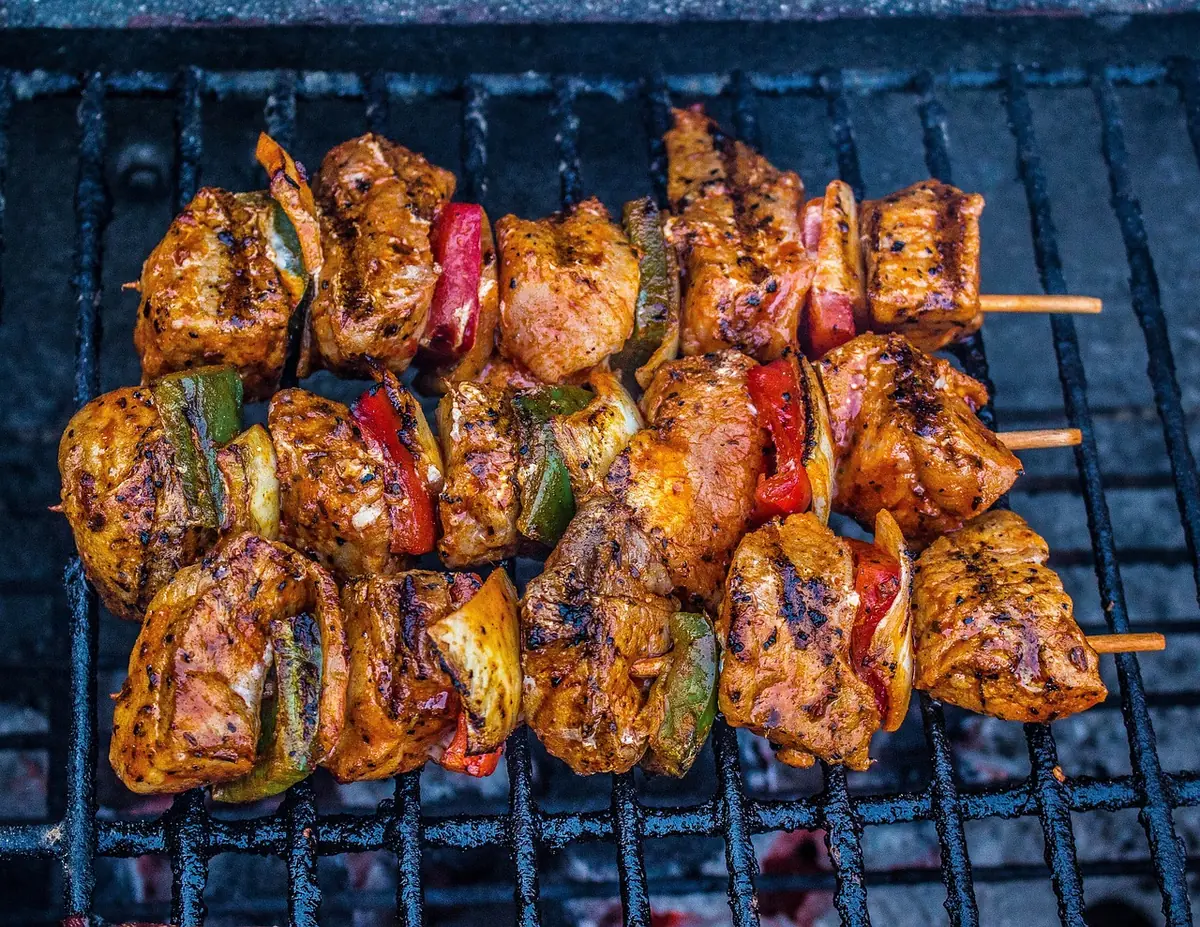
Juayúa’s Feria Gastronómica runs every Saturday and Sunday, roughly 11 a.m. to 5 p.m., in and around Parque Central. Vendors grill meats and seafood — plus exotic options like rabbit, snake, and armadillo — alongside pupusas, yuca con chicharrón, and tamales. Plates usually cost $3–9. It’s the single best reason to plan a weekend visit.
The festival runs year-round, with live music and longer hours during the January Cristo Negro celebration. The food is the point, but manage your expectations on variety.
Here’s the caveat nobody prints: nearly every stall sells the same plato típico. Don’t come expecting a tasting-menu range — pick your stall by the grill smoke and the pile of prawns, not the menu, because they’re all serving roughly the same thing. Go for the atmosphere and the grilled seafood, not for novelty.
- When: every Saturday and Sunday, about 11 a.m.–5 p.m.
- Where: Parque Central, Juayúa
- Plates: $3–9 (four grilled prawns with sides around $7; pupusas about $0.60 each)
- Pay: cash only
Pro Tip: Eat early. By mid-afternoon the best grills start selling out and the crowd peaks, so the prawns and the seating both go fast around lunchtime.
When Is the Best Time to Visit?
The best time to visit the Ruta de las Flores is the dry season, November to April. For the wildflowers, including white coffee blossoms, the prime window is November to February, though the bloom is short and shifts year to year. The highlands stay cool — pack a light layer. Weekends bring the food festivals to life.
The rainy season (May to October) brings muddy hikes and the occasional washout, which matters most for the Seven Waterfalls. If you want to see a coffee mill actually working, line your trip up with the harvest.
I’ll be honest: I once planned a trip around the bloom and still mostly missed it. It’s that unpredictable, which is exactly why I’d treat the flowers as a bonus and build the trip around the food, coffee, and waterfalls instead.
- Dry season: November–April (best overall)
- Flower bloom: November–February (short and unreliable)
- Coffee harvest: November–March (best for working coffee mills)
- Rainy season: May–October (muddy hikes, possible washouts)
- Nights: can drop near 50°F (10°C) in the highlands
How Many Days Do You Need, and Where to Stay?
Plan two to three days to enjoy the Ruta de las Flores without rushing; one day works only as a tour-style highlight reel. Most travelers base in Juayúa (central, best for the food festival and waterfalls) or Ataco (most colorful, best restaurants). A four-night, three-day stay lets you hit every town, the hike, and the hot springs.
The base-town decision comes down to how you’re getting around. Juayúa is central and the obvious pick if you’re on buses; Ataco is the better food-and-atmosphere choice if you have a car. Either way, lodging is cheap by US standards.
- One day: rushed; tour-style highlights only
- Two to three days: the sweet spot for most travelers
- Four nights: enough to cover everything without a forced march
- Hostels: from around $25 per night
- Boutique hotels: from around $60 per night
- El Carmen Estate rooms: from around $65 per night with breakfast
What It Costs: Money, Currency, and Cash
El Salvador uses the U.S. dollar, so American travelers need no currency exchange. Bitcoin is legal but optional and rarely used along the route — bring cash, since many town vendors and the entire food festival are cash-only. Budget roughly $40–70 a day for food, transport, and activities, less if you stick to buses and pupusas.
Bitcoin briefly had a higher profile as legal tender, but acceptance is voluntary and you’ll almost never need it here. There are ATMs in Juayúa, but pull cash before you head out for the day — the smaller towns and the festival run on bills and coins.
| Item | Cost | Notes |
|---|---|---|
| Chicken bus (per leg) | under $1 | the #249 along the route |
| Bus #205 (San Salvador–Sonsonate) | around $2 | 2–2.5 hours |
| Seven Waterfalls guided hike | $20–25 | per person, guide required |
| Coffee tour (basic) | around $7 | about 1.25 hours |
| Coffee tour (full, with lunch) | around $28 | about 3 hours, includes 1 lb coffee |
| Café Albania entry | $10 | credited toward rides |
| Food-festival plate | $3–9 | cash only |
| Hostel (per night) | from around $25 | |
| Boutique hotel (per night) | from around $60 | |
| Tourist entry card (on arrival) | around $12 | one-time, paid on arrival |
Prices are approximate and worth confirming before you go — tour and ride-token costs in particular tend to creep upward.
Pro Tip: Carry small bills. Vendors at the festival and the town markets rarely break a $20, and the chicken-bus fare collector won’t either.
A 3-Day Itinerary for the Ruta de las Flores
Three days is enough to do the Ruta de las Flores justice: settle into Juayúa on day one, hike the Seven Waterfalls and hit the food festival on day two, and spend day three on Apaneca’s crater lakes and Ataco’s murals and coffee. Time it so day two lands on a weekend.
Day 1: Settle Into Juayúa
Arrive, drop your bag, and ease into the route. Juayúa’s plaza is the right place to land — central, walkable, and close to everything you’ll do over the next two days.
- Morning: bus or drive from San Salvador (1.5–2 hours)
- Afternoon: settle in, walk the plaza, see Iglesia Santa Lucía and the Cristo Negro
- Evening: pupusas on the plaza (around $0.60 each)
Day 2: Waterfalls and the Food Festival
Front-load the hike while you’re fresh, then spend the afternoon eating. This is the day to make sure you’re in town on a Saturday or Sunday.
- Morning: Seven Waterfalls guided hike ($20–25, 3–4 hours)
- Afternoon: the Feria Gastronómica around Parque Central (plates $3–9)
- Late afternoon: a coffee tour or a slow rest for tired legs
Day 3: Apaneca’s Lakes and Ataco’s Murals
Work north on the last day, hitting the highest town first and finishing in the most colorful one. End with the murals and a coffee tour, then a hot-spring soak if your legs need it.
- Morning: Apaneca — Café Albania or a hike to Laguna Verde
- Midday: move on to Ataco and grab lunch
- Afternoon: Ataco’s murals, the Mirador, and an El Carmen coffee tour, then the hot springs
If your dates are fixed, build the whole plan backward from the weekend so day two catches the food festival — it’s the one thing you can’t reschedule on the ground.
Before You Book
The Ruta de las Flores rewards a little planning. Get the timing and the base town right and it’s one of the easiest, most rewarding trips in Central America.
TL;DR: Build the trip around a weekend so you catch Juayúa’s food festival, base in Juayúa if you’re relying on buses, and bring cash — it’s a dollar economy and mostly cash-only. Book a certified guide for the Seven Waterfalls, and treat the flowers as a bonus, not the main event.
Are you planning this around the weekend food festival or the coffee harvest? Drop your dates below and tell me whether you’re driving or busing it — I’ll point you to the smarter base town for your trip.