Getting from Porto to the Douro Valley is not just a transfer — it shapes your entire day. Train, car, river cruise, or guided tour: each option changes what you see, what you taste, and how much you pay. Here is how to choose correctly.
How do you get from Porto to Douro Valley?
The Douro Valley is not a single destination — it is a wine region stretching nearly 100 miles (160 km) inland from Porto. The four realistic ways to make this trip are the regional train, renting a car, booking a guided tour, or taking a full-day river cruise. The right choice depends on your budget, your flexibility, and whether you want to drink wine at the wheel (you cannot). Train travelers pay €12.20 one way and get genuine riverside scenery with zero parking stress, but they are locked into fixed schedules. Drivers have total freedom to stop at any viewpoint or quinta, but driving in Portugal comes with a strict 0.05% blood alcohol limit that puts wine tasting out of reach. River cruises offer passive relaxation at €60–90 per person, though 6 to 8 hours of upstream sailing turns monotonous faster than the brochures admit. Guided tours solve the wine-and-driving problem for around €100–110 per person for a small group day trip.
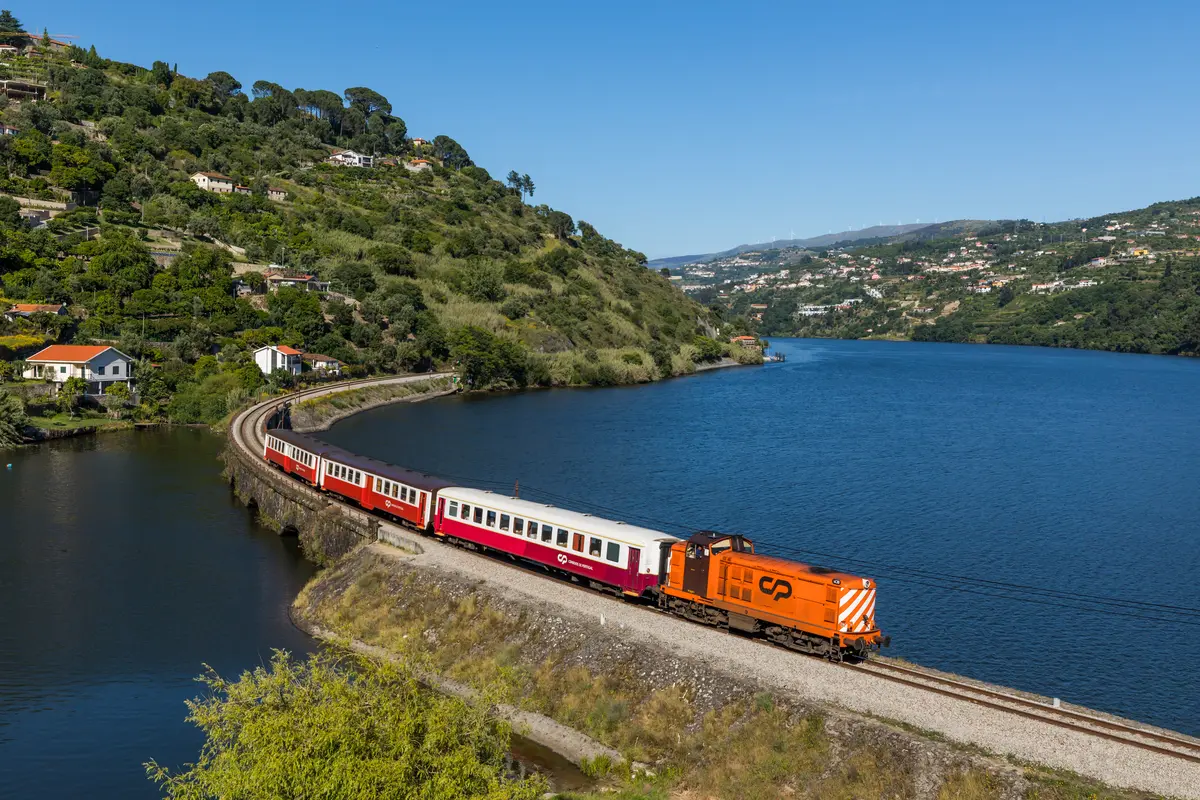
Is the train from Porto to Douro Valley worth it?
For budget travelers going solo, yes — the Linha do Douro railway is one of the most dramatic routes for train travel in Portugal, and it is remarkably affordable compared to similar scenic routes in Switzerland or Norway. The full journey from Porto to Pinhão runs about 2.5 hours on direct services. Trains on the Douro Line run several times daily in each direction, with the first morning departure from São Bento around 9:20 AM and direct services to Pocinho (the end of the line) departing twice a day. A 10% discount applies if you buy a return ticket. Tickets have unlimited availability and do not sell out — you can purchase them at the station on the day.
- Train price: €12.20 one way, Porto to Pinhão
- Return discount: 10% off when buying round trip (roughly €22 total)
- Journey time: approximately 2.5 hours direct to Pinhão
- Where to board: São Bento (historic center) or Campanhã (eastern Porto)
- Best seat: right side of the carriage leaving Porto, left side from Ferradosa onward
The São Bento departure is the one to take. The main hall is covered in 20,000 hand-painted azulejo tiles depicting Portuguese history — arrive 20 minutes early and walk through slowly. Every São Bento train stops at Campanhã about 10 minutes later, so if you are staying east of the city center, just board there.
Pro Tip: Bring your own food and water. There is no catering on the train, no power outlets, and no Wi-Fi. Mobile reception drops out for long stretches of the valley. Download your reading material in advance, and pack snacks before you leave São Bento — there are traditional cafes directly across the street.
The reality of rail disruptions
The Douro Line undergoes periodic modernization works, during which CP runs replacement buses between Caíde and Régua instead of trains. When this happens, you disembark, transfer your luggage to a coach, and continue by road — adding 30 to 45 minutes to your trip and eliminating the scenic advantage of that entire section. The buses do not accept bicycles, scooters, or wheelchairs, and group tickets are not valid. Always check the current timetable on the CP website at www.cp.pt before your trip, as replacement bus periods can span several months. If infrastructure works are active when you are traveling, the train loses much of its appeal against renting a car.
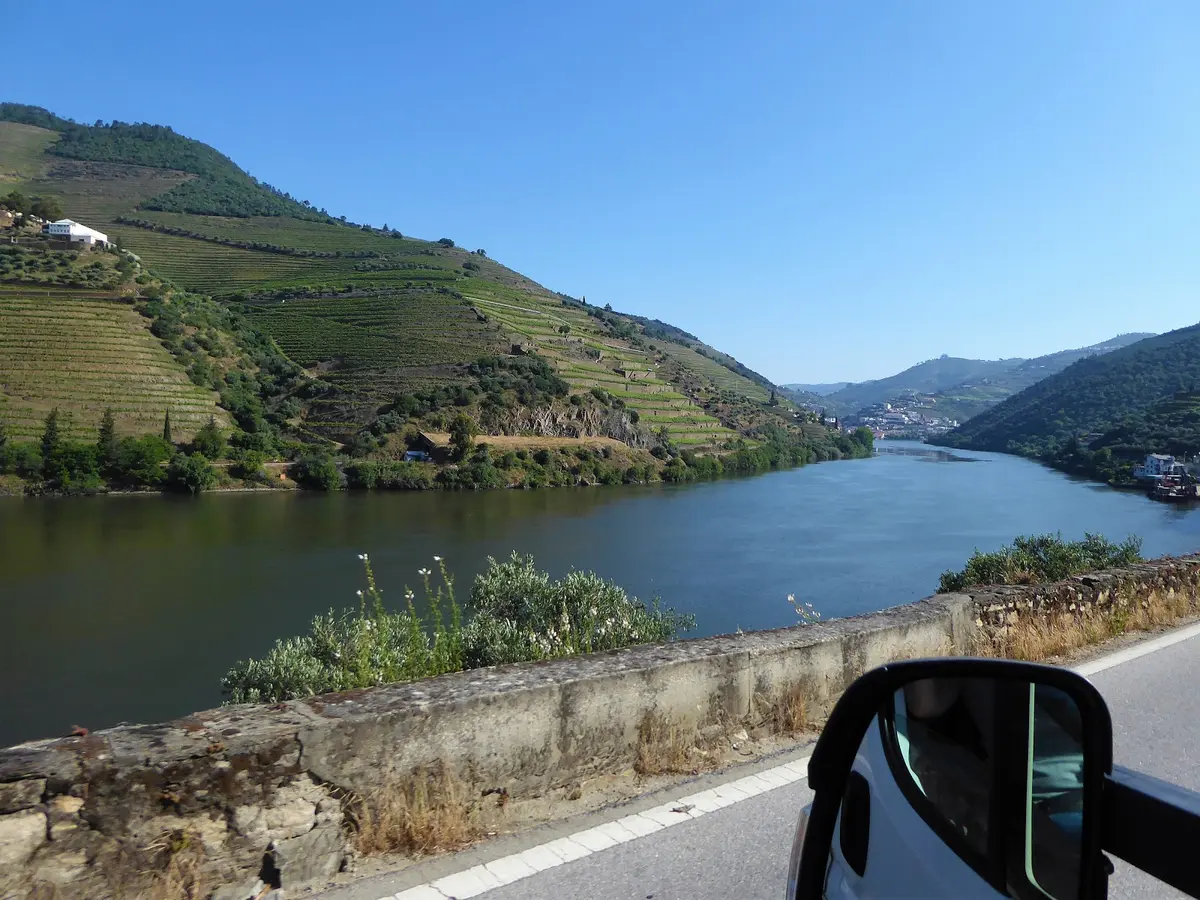
Is the N222 really the best driving route into the Douro Valley?
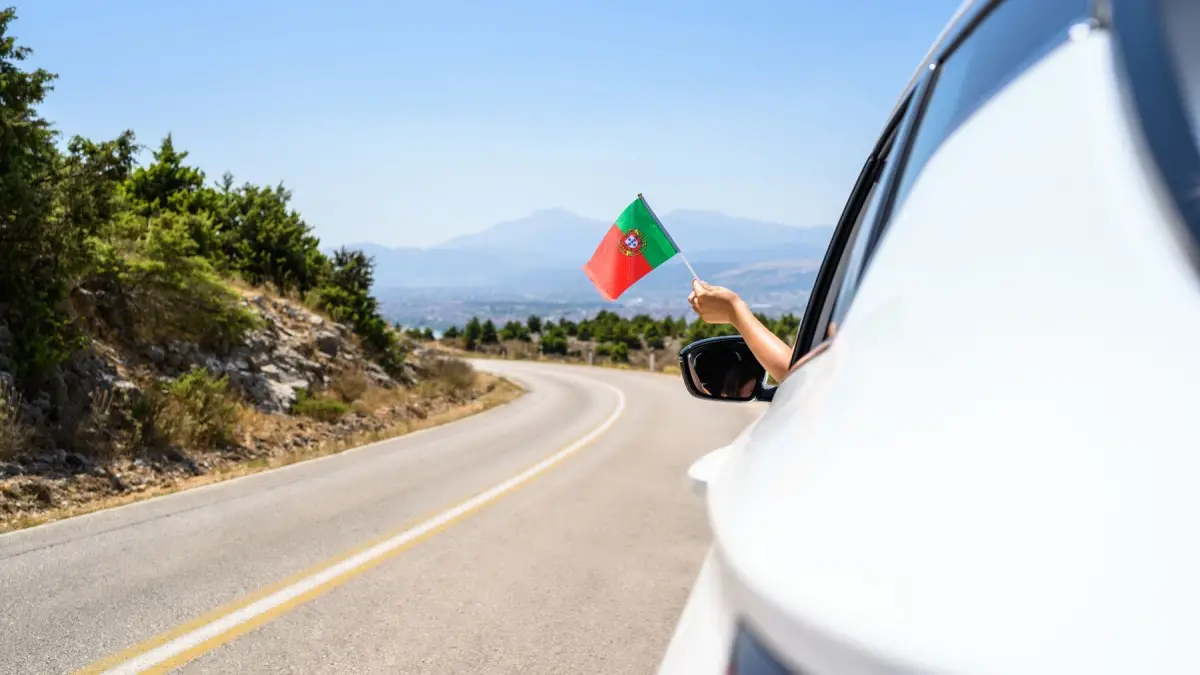
Yes, for the stretch between Peso da Régua and Pinhão — a 17-mile (27 km) run on the south bank at river level with terraced vineyards rising on the right. The hype is mostly justified. But most drivers who take the N222 never find out there is a road above it that delivers better photographs and almost no traffic, for the cost of 30 extra minutes and nerves of steel on a single-lane mountain road.
- Porto to Pinhão via A4 motorway: approximately 80 miles (130 km), about 2 hours without stops
- Via scenic N222 from Régua onward: add at least 1 hour for viewpoint stops
- Motorway tolls: €7–10 depending on starting point
- Fuel (compact car): €15–20 round trip
- Portugal BAC limit: 0.05% — stricter than most expect when driving in Portugal, and one generous pour puts most people over the limit
N222 Passport — the gamification that actually works
Most visitors skip this, and they should not. For around €3 at tourism offices in Régua, Resende, or Vila Nova de Gaia, you can pick up the N222 Passport — a booklet with spaces for stamps you collect at cafes, museums, and town halls in each municipality along the route. It transforms a scenic drive into a reason to stop in villages you would otherwise pass through at speed. It is one of the better-designed tourism incentives in Portugal.
The panoramic route above the N222
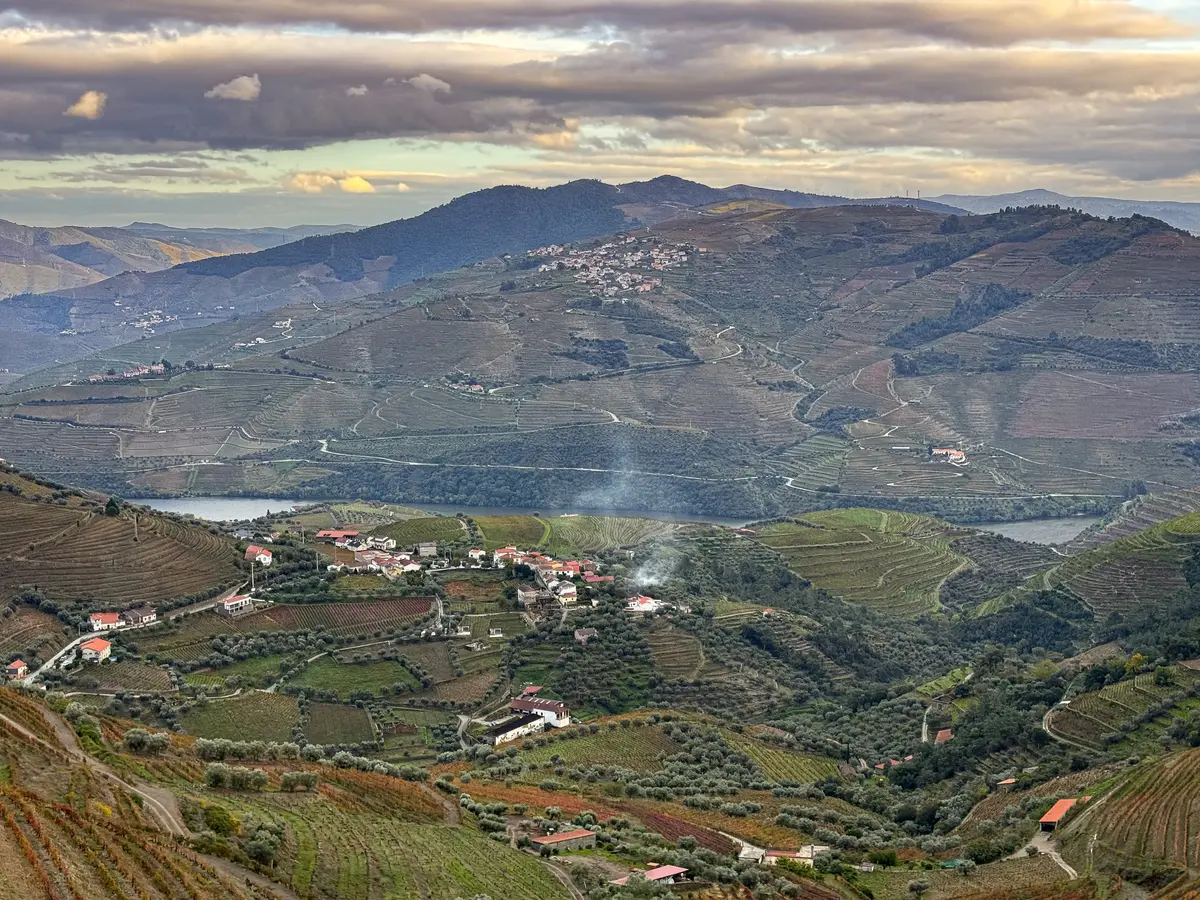
While everyone else crawls along the river looking up at terraced vineyards, the route from Sabrosa to Pinhão — the high-altitude “panoramic way” — lets you look down on them from 11 designated viewpoints. The miradouro at Casal de Loivos delivers the aerial, postcard perspective that the N222 simply cannot offer. You are looking down on the geometric precision of the terraces from above, not craning your neck from river level.
The trade-off: this road is narrow, twisting, and unforgiving if you are not comfortable with hill starts or passing oncoming traffic on a single-lane surface. There is no shade at the viewpoints, no facilities, and nothing to do except photograph and absorb. The N222 is wider and easier, but the panoramic route is where the better photos come from.
Pro Tip: Leave Porto before 9 AM if you plan to stop at Casal de Loivos on a weekend. The viewpoint parking area holds about eight cars. By 11 AM in peak season, the overflow of vehicles turns it from a quiet observation point into a traffic shuffle. Arriving before crowds also gets you morning light, which is better for photography anyway.
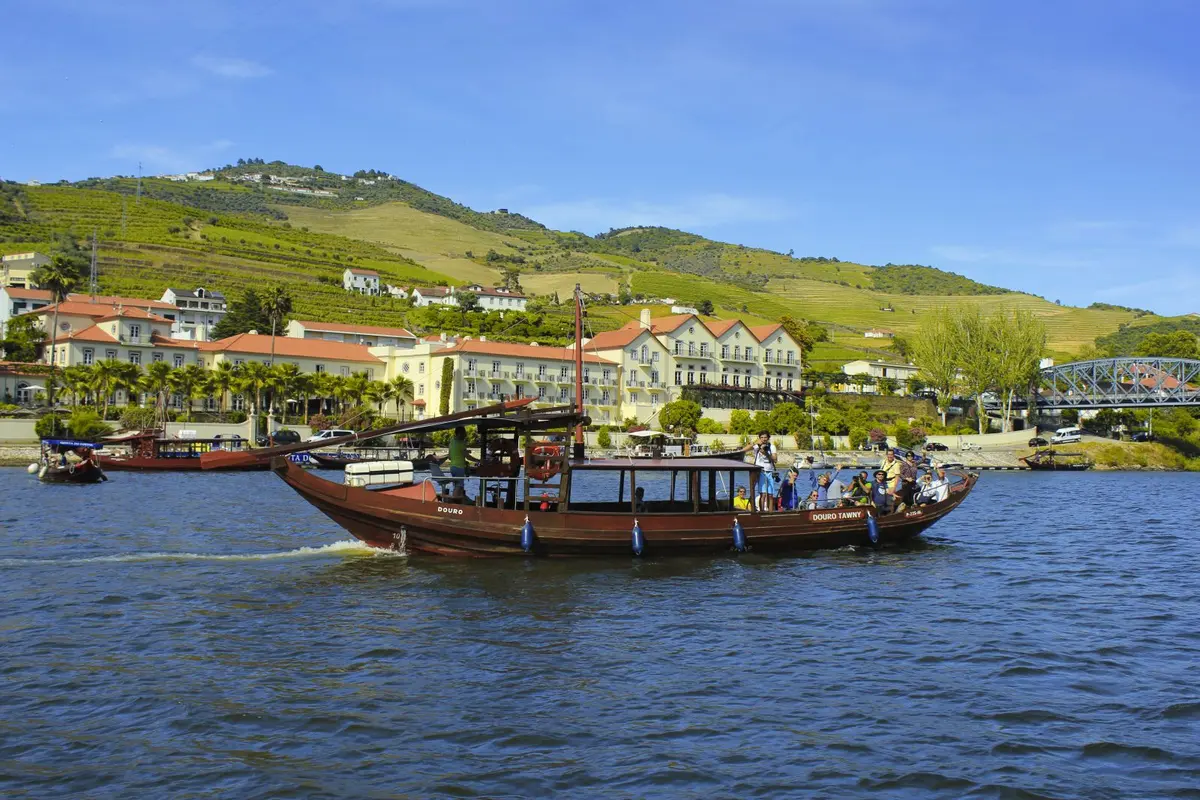
Are river cruises from Porto worth the price?
For most travelers doing a day trip from Porto, no — the full-day upstream cruise is the most expensive and least efficient way to experience the Douro Valley. Full-day cruises involve 6 to 8 hours of upstream sailing, with the return by train or bus, creating a 10 to 12-hour day. The scenery is strong for the first hour or two. By hour five, even enthusiastic photographers are watching the clock.
Douro River cruises from Porto typically involve 6 to 8 hours of upstream sailing to reach Régua or Pinhão. The Douro Valley landscape is terraced vineyards from one end to the other, and repetition sets in faster than you would expect from the brochure photos.
- Full-day cruise price: €60–90 per person
- What you get: passive transport, often a buffet lunch on board
- What you miss: time actually at a winery or walking the villages
- Boat size: typically 50–100 passengers on large tour vessels
The traditional wooden rabelos you see in photographs are mostly decorative, moored along the waterfront in Vila Nova de Gaia. The actual cruise boats are modern tour vessels.
The smarter alternative for most travelers is to take the train or drive to Pinhão, then book a short local boat tour from the waterfront. Magnífico Douro and similar operators run 1-hour cruises from Pinhão’s harbor for around €12.50 per person, and 2-hour trips for around €25. You get the experience of sailing the Douro on a rabelo-style boat without the half-day of upstream monotony. Use the time you save to visit a quinta or have a proper lunch.
Pro Tip: Skip the full-day cruise from Porto and buy a 1-hour rabelo ride at the Pinhão waterfront instead. Walk there from the train station in five minutes. The Douro from the water at Pinhão level — with the terraces rising on both sides — looks identical to what you see from the larger cruise boats, at a fraction of the price and a quarter of the time.
How do guided tours from Porto to the Douro Valley compare to going solo?
Guided day tours solve the fundamental Porto-to-Douro-Valley problem: you want authentic Portuguese wine experiences, and someone needs to drive. For a group tour, expect to pay around €100–110 per person, which typically covers hotel pickup in Porto, transportation, guided visits to two quintas, wine tastings, lunch at a regional restaurant, and a short boat trip on the Douro. Private tours for small groups start around €200 per person and offer tailored winery selection and better-informed guides who know the producers personally.
- Group tour cost: €100–110 per person (includes transport, tastings, lunch, and cruise)
- Private tour cost: from €200 per person for small groups
- Tour length: 9 to 10 hours
- Best for: couples or groups who want tastings without logistics stress
The main downside of group tours is that the winery selection is often driven by commercial partnerships rather than quality. The two quintas on most itineraries are not necessarily the best — they are the ones that have organized group-ready facilities and give the tour company favorable rates. If wine quality matters more than convenience, a private tour with a knowledgeable independent guide is worth the extra cost.
On my last visit to the valley, a group tour I joined made three stops that could have been two, spent 45 minutes at a quinta gift shop that added nothing, and rushed through the one lunch worth lingering over. A private guide the next day showed me a family producer in the Baixo Corgo wine region that was not on any list I had found — better wine, half the price per tasting, and a table of local bread and smoked meats that appeared without being asked for.
Why does Douro Valley wine taste different from everything else?
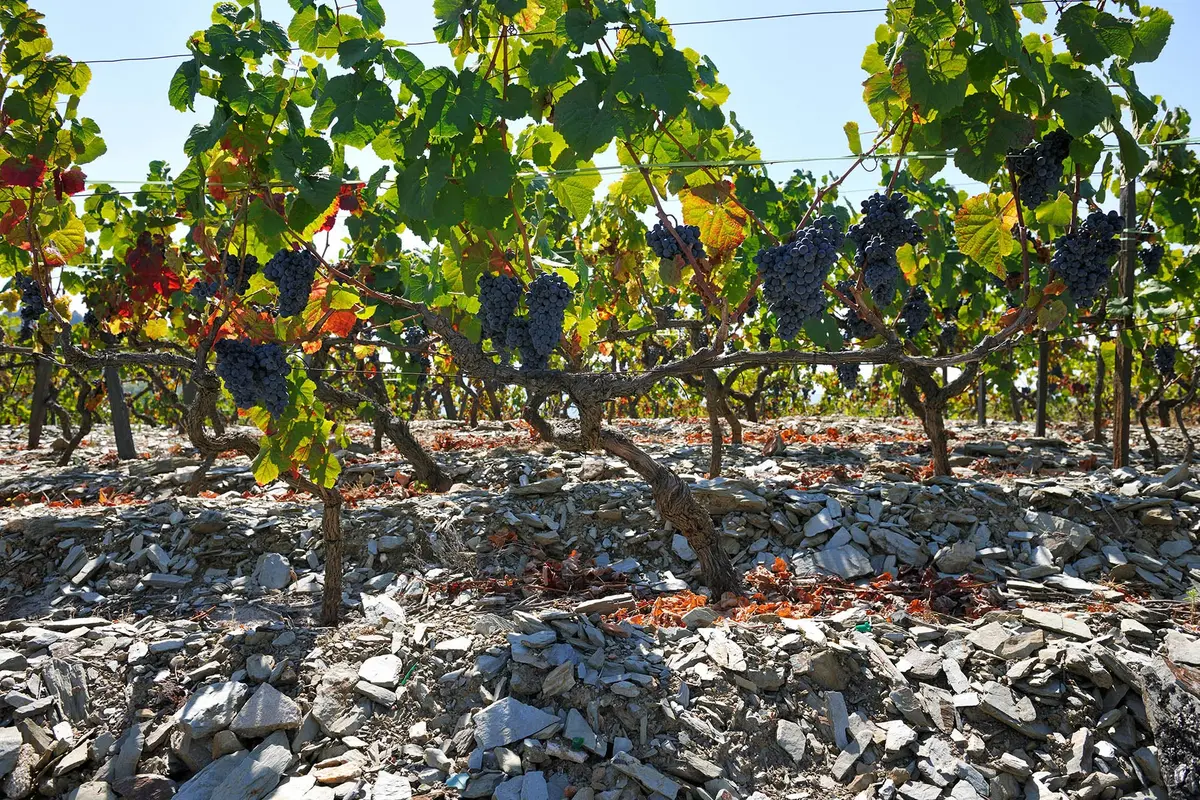
The Douro sits on schist — a metamorphic rock that fractures vertically and allows grapevine roots to push 23–26 feet (7–8 m) deep to find water. This forces extreme stress on the vine, concentrating flavor. The rock also absorbs heat during the day and radiates it back at night — the oven effect — creating conditions that ripen thick-skinned varieties like Touriga Nacional to Port wine sugar levels. No other wine region combines these two variables in quite the same way.
You do not need to understand geology to enjoy the valley, but knowing what is under the vines transforms the experience from pleasant tourism to genuine curiosity.
Schist is fundamentally different from the granite you find in northern Portugal‘s Minho region. Those vertical fractures allow grapevine roots to mine through solid rock during summers when temperatures regularly hit 104°F (40°C) and rainfall disappears for months at a time. The vines are not growing in soil — they are working for their water.
When the sun sets over the terraces, the stone radiates stored warmth back up into the canopy for hours. This extended heat helps thick-skinned grapes like Touriga Franca reach the sugar levels required for Port production. The geometry of those terraces you are looking at is not just aesthetic — it is centuries of adaptation to a rock type that makes almost everything else impossible and Port wine specifically inevitable.
Where are the best quintas to visit in the Douro Valley?
The Douro has over 200 quintas. The right choice depends on how you arrive and what you want from the experience: Quinta do Bomfim suits train travelers arriving in Pinhão; Quinta do Tedo is the pick for photographers and sunset views; Quinta do Vallado for architecture lovers; Quinta da Portela for genuine family hospitality at honest prices; Quinta do Noval for serious Port collectors with advance bookings only.
1. Quinta do Bomfim — historic access near Pinhão station
Located a 10-minute walk from Pinhão train station, Bomfim is owned by the Symington family, who also control Graham’s, Dow’s, and Warre’s Port houses. The estate dates to 1896. The restaurant, Bomfim 1896, is now under chef Pedro Lencastre Monteiro — previously at The Yeatman and Cozinha das Flores — who has shifted the focus toward authentic northern Portuguese cooking centered on wood-fire ovens. The menu reads like traditional Portuguese cooking made with serious technique: hearty soups, roasted goat, wood-grilled meats. The wine list runs to around 300 labels.
- Location: Pinhão, 10-minute walk from the train station
- Cost: wine tastings from €15; restaurant average around €45 per person before wine
- Best for: train travelers, those who want serious wine credentials in a relaxed setting
- Time needed: 2 to 3 hours including restaurant lunch
- The Good: unbeatable location for non-drivers, exceptional wine selection, beautiful river views from the restaurant terrace.
- The Bad: can feel slightly corporate compared to family estates; the restaurant fills up fast for lunch, and walk-in tables are not guaranteed even mid-week.
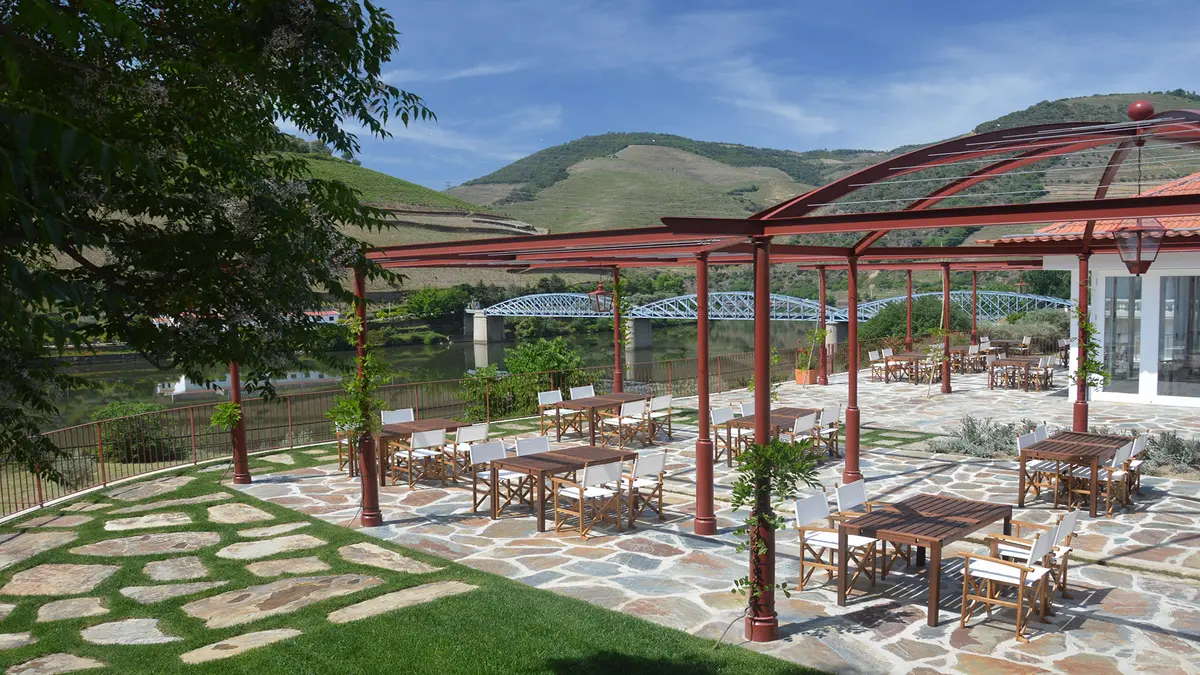
2. Quinta do Tedo — the confluence viewpoint
Situated at the point where the Tedo River meets the Douro, this estate sits on a natural peninsula that creates a curve in the waterway. The resulting view — photographed obsessively at sunset — is why this quinta is on every photographer’s list. Quinta do Tedo is family-owned and organically certified.
- Location: near Folgosa, between Régua and Pinhão — requires a car or taxi
- Cost: tastings around €30–35 per person
- Best for: photographers, couples, travelers interested in organic production
- Time needed: 2 hours
- The Good: the sunset light on the terraces from this position is unlike anywhere else in the valley. Tours are intimate — groups are small. The olive oil tasting is a good palate reset between wines.
- The Bad: the access road is steep and narrow enough that passing another vehicle requires one of you to reverse. Not walkable from anywhere. Tastings are pricier than the family estates.
3. Quinta do Vallado — schist architecture near Régua
Established in 1716, Vallado is one of the oldest estates in the valley, though it is better known now for its contemporary winery building — a structure made from local schist designed to integrate visually with the terraced landscape while offering a striking contrast of old stone and modern geometry.
- Location: near Régua, easier road access than many estates
- Cost: tastings from €20; restaurant lunch €35–50 per person
- Best for: architecture enthusiasts, those focused on dry wines rather than Port
- Time needed: 2 to 3 hours
- The Good: exceptional dry wines, beautiful modern facilities, restaurant with excellent views, more accessible from Régua than the estates closer to Pinhão.
- The Bad: if you specifically came for Port and traditional quinta atmosphere, this is not the place. The focus on unfortified wines can feel like a diversion from what the valley is actually famous for.
4. Quinta da Portela — authentic family hospitality
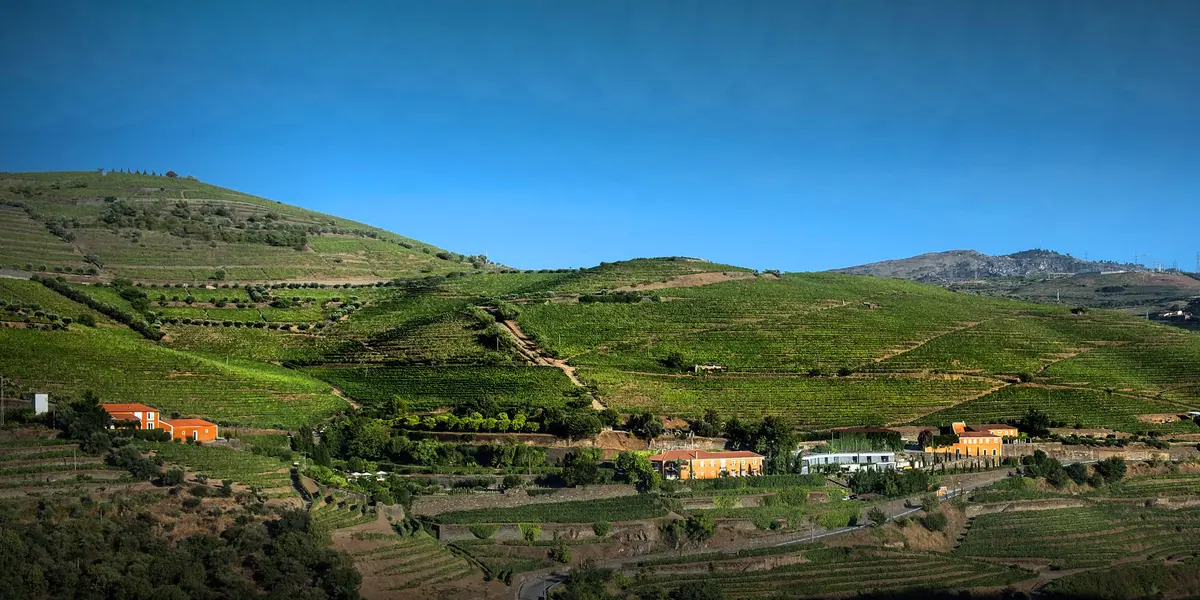
For travelers tired of the increasingly polished, group-ready estates, Quinta da Portela in the Baixo Corgo wine region offers something the larger operations cannot manufacture: a family-owned experience that has not been designed for mass tourism. Tastings here are famously generous and usually include bôla, a meat-filled pastry that is essentially a regional tradition in edible form.
- Location: Baixo Corgo region, further from Pinhão than the central estates
- Cost: tastings around €25 per person, including food
- Best for: budget-conscious travelers who want authentic Portuguese hospitality over slick facilities
- Time needed: 1.5 to 2 hours
- The Good: excellent value, small groups (often 4 to 8 people), the food pairings are filling, and the family will sit and talk wine with you rather than moving you through a script.
- The Bad: basic facilities, rougher around the edges than most estates, and the location means more driving.
5. Quinta do Noval — for serious wine enthusiasts
Noval is one of the legendary Port houses, famous for “Nacional” — a tiny plot of ungrafted vines that produces some of the most sought-after Port in the world. They have historically operated as a private estate but now accept pre-booked tours for serious wine travelers.
- Location: Pinhão area
- Cost: expensive tastings; advance booking required
- Best for: Port collectors, wine professionals, travelers who know exactly what they are coming for
- Time needed: 2 hours minimum
- The Good: access to exceptional wines, serious wine education, genuine prestige.
- The Bad: not beginner-friendly. The atmosphere is formal and the experience is not tailored to casual visitors. If you do not already know why Nacional is significant, you will not fully appreciate what you are tasting.
Where should you eat in the Douro Valley?
The best meal in the valley depends on your budget. DOC in Folgosa is the Michelin-starred choice with a riverside terrace and tasting menus around €90 per person. Veladouro in Pinhão is the best value for grilled meats at €12–18. For local charcuterie between tastings, Cardanho dos Presuntos fills the gap efficiently and cheaply.
The splurge: fine dining on the river
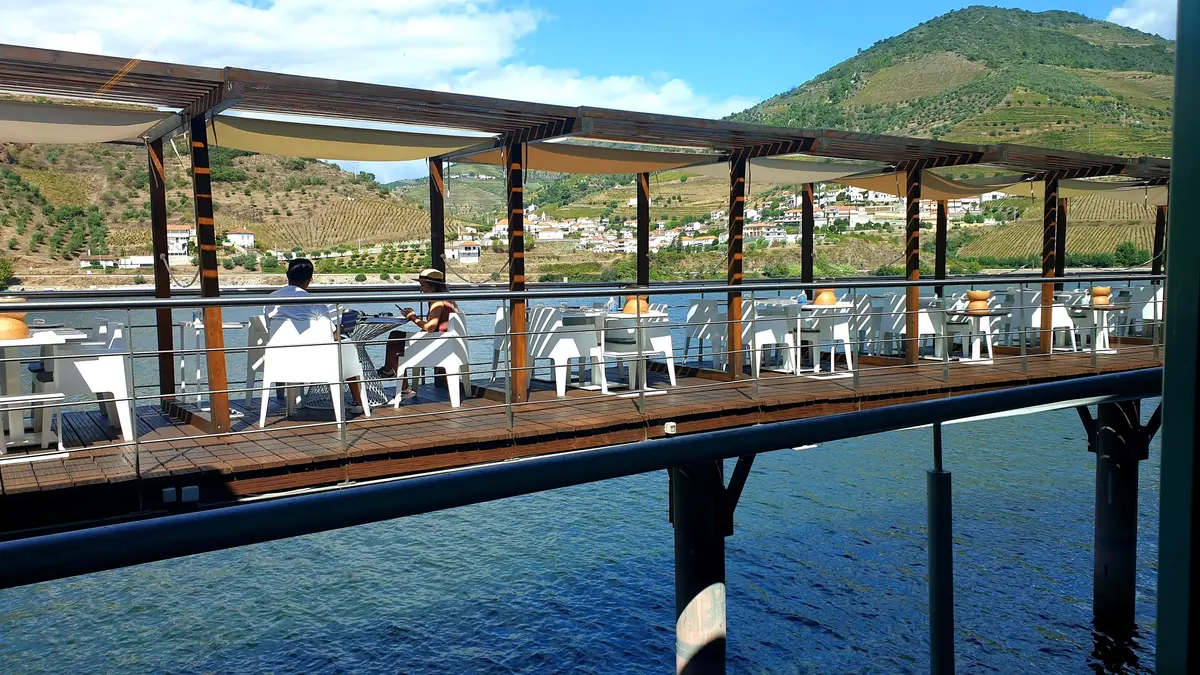
DOC restaurant in Folgosa holds a Michelin star and sits on a deck cantilevered over the Douro River. Chef Rui Paula’s cooking is rooted in Trás-os-Montes traditions — a style of Portuguese food that is intense, regional, and specific to the northeast in a way that other Douro restaurants only approximate. The terrace tables at sunset are the booking to make, and reservations fill weeks out in high season. A tasting menu runs around €90 per person before wine.
Cozinha da Clara at Quinta de la Rosa in Pinhão is a step down in formality from DOC but not in views. The riverside terrace is as good as anything in the valley, and the atmosphere is warmer. Lunch only, unless you are staying at the hotel. Prices run €45–60 per person.
The save: local spots worth knowing
Veladouro sits on the Pinhão waterfront with grilled meats and fish at honest prices — mains run €12–18. The must-order is Secretos de Porco Preto, cuts from the Iberian black pig that are tender, fatty, and grilled over proper heat. It is a Douro staple that is underrepresented on most visitor itineraries.
Cais da Foz is across the footbridge from the main Pinhão waterfront. Grilled sardines, pork chops, simple salads: €8–12 for mains. The wine comes in tumblers. The clientele is mostly local workers on a lunch break. It is not atmospheric in the way DOC is atmospheric, but it is exactly the kind of place that disappears as destinations get more popular — worth knowing while it still exists.
Cardanho dos Presuntos functions as a tapas stop: smoked chorizo, regional cheese, olives, crusty bread. It is not a full meal, but it is an efficient way to taste local charcuterie between tastings without committing to a restaurant sit-down.
Pro Tip: Book DOC at least three weeks in advance for summer visits, and specify a terrace table when you reserve. The interior is good, but the whole point of the restaurant is the view of the river from the deck. Arriving without a reservation and hoping for a walk-in table in peak season almost never works.
Is the Douro Valley worth visiting in winter?
Winter — November through March — is the opposite of harvest season, and for certain travelers it is the better choice. Hotel rates drop 40 to 50% compared to September peaks. Morning fog rolls through the valley in layers before burning off around 10 AM, creating conditions for photographs that summer cannot replicate. The light is different: lower, colder, more dramatic.
- Hotel savings: 40–50% below harvest-season rates
- Quinta availability: most major estates are open; smaller family estates may close in January
- River cruises: frequently cancelled due to high water levels or dam releases from upstream operations
The trade-offs are real. Cold rain is possible at any time during winter in Portugal, and snow below 2,625 feet (800 m) elevation is rare but not impossible. The Douro is a working river with hydroelectric operations that take precedence over tourism during high-water periods. Day-trip cruises cancel regularly in January and February. Some smaller quintas close entirely for the family’s own holiday.
The contrarian case for winter: if you are primarily interested in wine rather than harvest festivals or boat rides, the quintas are quieter, the tasting rooms have more time for you, and the conversations in a wood-paneled cellar with a glass of 20-year-old Tawny while fog moves through the valley outside are the kind of travel moments that harvest-season brochures cannot stage.
What makes Pinhão train station worth stopping for?
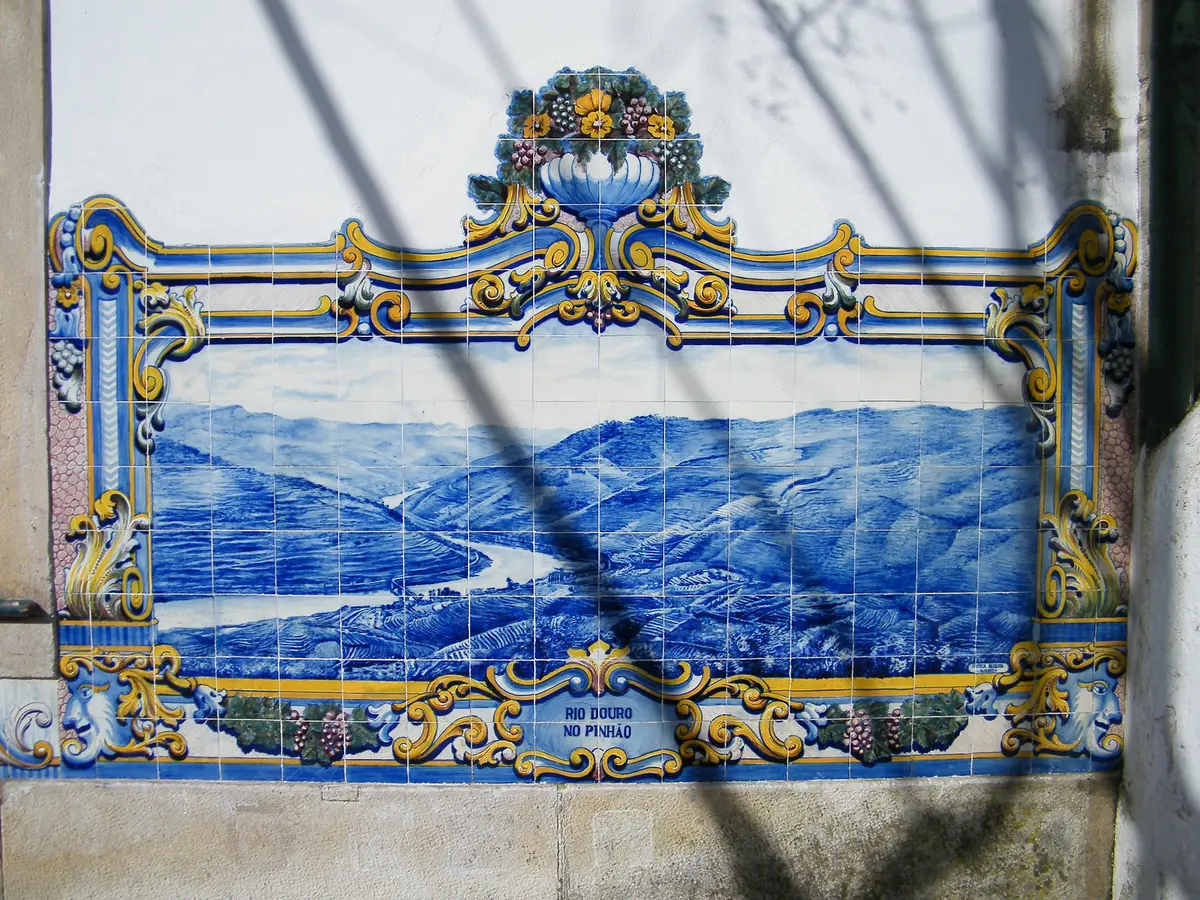
Even if you arrive by car, park and walk onto the Pinhão train platform. The station is covered with 24 tile panels containing 3,024 hand-painted azulejos installed in the late 1930s — a sequential narrative of the Port wine cycle told in blue and white tile — and it costs nothing to see it.
These are not decorative patterns. The harvest panels show women carrying wicker baskets (cestos) of grapes down near-vertical terraces. Each basket held around 110 to 132 lbs (50 to 60 kg) of fruit, and the women made multiple trips daily during harvest. The transport panels show loaded barcos rabelos sailing downriver to Vila Nova de Gaia, where the wine was aged before export.
The platform is accessible even if you are not boarding a train. Walk through the station building and spend 15 to 20 minutes reading the panels in sequence from left to right. The detail is better than photographs suggest — get close enough to read the faces.
Before you book
There is no single best way to get from Porto to the Douro Valley, because the right answer changes depending on what you actually want from the day.
Take the train if you are on a tight budget, traveling alone, and you want genuine scenery without parking stress. Rent a car in Portugal if you want to visit multiple quintas, you are a photographer, or you want to stop at viewpoints that do not exist on any tour itinerary. Book a guided tour if wine tasting is the point and you do not want to think about driving or logistics. Skip the full-day river cruise from Porto and take a short boat ride from Pinhão instead — you get the same view for a fraction of the cost and time.
TL;DR: The train is the best value option at €12.20 each way. Drivers get the most flexibility but cannot drink. Group tours at around €100–110 per person solve the wine-and-driving problem. Short boat rides from Pinhão waterfront (€12.50–25) beat full-day cruises from Porto on every metric except effort.
What method are you planning to use — and is there a specific wine region or quinta you are trying to reach?