Travel insurance for El Salvador used to be a crime-anxiety purchase. Not anymore. The country went from “murder capital” headlines to the U.S. State Department’s only Level 1 nation in Central America. The real risks here are medical bills, road accidents, and trip disruption. Here’s the coverage, the costs, and which providers to trust.
No — travel insurance is not required to enter El Salvador. US citizens need only a valid passport, proof of onward travel, and a $12 tourist card. But it is strongly recommended: US health insurance (including Medicare) rarely covers you abroad, and an emergency air-ambulance evacuation back to the US can cost $20,000–$200,000.
Do you need travel insurance for El Salvador?
Travel insurance is not a legal entry requirement for El Salvador, and immigration officials will not ask to see a policy. US tourists need a passport valid for at least six months, proof of onward or return travel, and a $12 tourist card bought on arrival. Insurance is optional but strongly advised for medical and evacuation costs.
Here’s exactly what you do need at the border:
- No visa: US, Canadian, EU and UK tourists get up to 90 days visa-free.
- Tourist card: a $12 Tarjeta de Turista bought on arrival, valid for 90 days.
- Passport: valid for at least six months, with one blank page.
- Onward travel: proof of a return or onward ticket.
- CA-4 limit: the 90 days are shared across El Salvador, Guatemala, Honduras and Nicaragua under the CA-4 Border Control Agreement.
- Cash: you can enter or leave with up to $15,000; anything above that must be declared.
On arrival at Monseñor Óscar Arnulfo Romero International Airport (SAL), in San Luis Talpa, the tourist-card desk takes the $12 in cash before you reach immigration — and no one asks whether you bought a policy. So insurance is a financial decision, not a paperwork one.
Pro Tip: Bring a clean $20 or exact small bills for the tourist-card counter. Agents are often short on change, and the desk sits before the immigration line, so you can’t break a bill afterward.
Is El Salvador safe to visit?
Yes — El Salvador is one of the safest countries in the Americas. The US State Department rates it Level 1, “Exercise Normal Precautions” — the only Central American nation at that level, and rated safer than France or the United Kingdom. Its homicide rate has fallen roughly 98%, from a regional high to about 1.9 per 100,000.
The numbers behind that change are the story most guides still get wrong:
- Homicide rate: 106.3 per 100,000 at its peak, down to 1.9 per 100,000 (114 killings) at the low point, with a later year closing at around 82 homicides (about 1.3 per 100,000).
- US officials have publicly acknowledged that gang activity, violent crime, and murders have dropped sharply.
- Tourism reflects the shift: El Salvador draws close to 3.9 million visitors a year, roughly 40% of them American.
One honest caveat: the security gains came under a State of Exception (Régimen de Excepción) that suspends some civil liberties, and a small number of foreigners have been detained under it. Carry your passport, keep your paperwork in order, and you’re unlikely to encounter it.
The risks that should actually shape your insurance decision are different ones: petty theft, road accidents (the leading cause of death for otherwise healthy US travelers abroad), strong Pacific currents, and dengue. A policy protects against these, not gang crime.
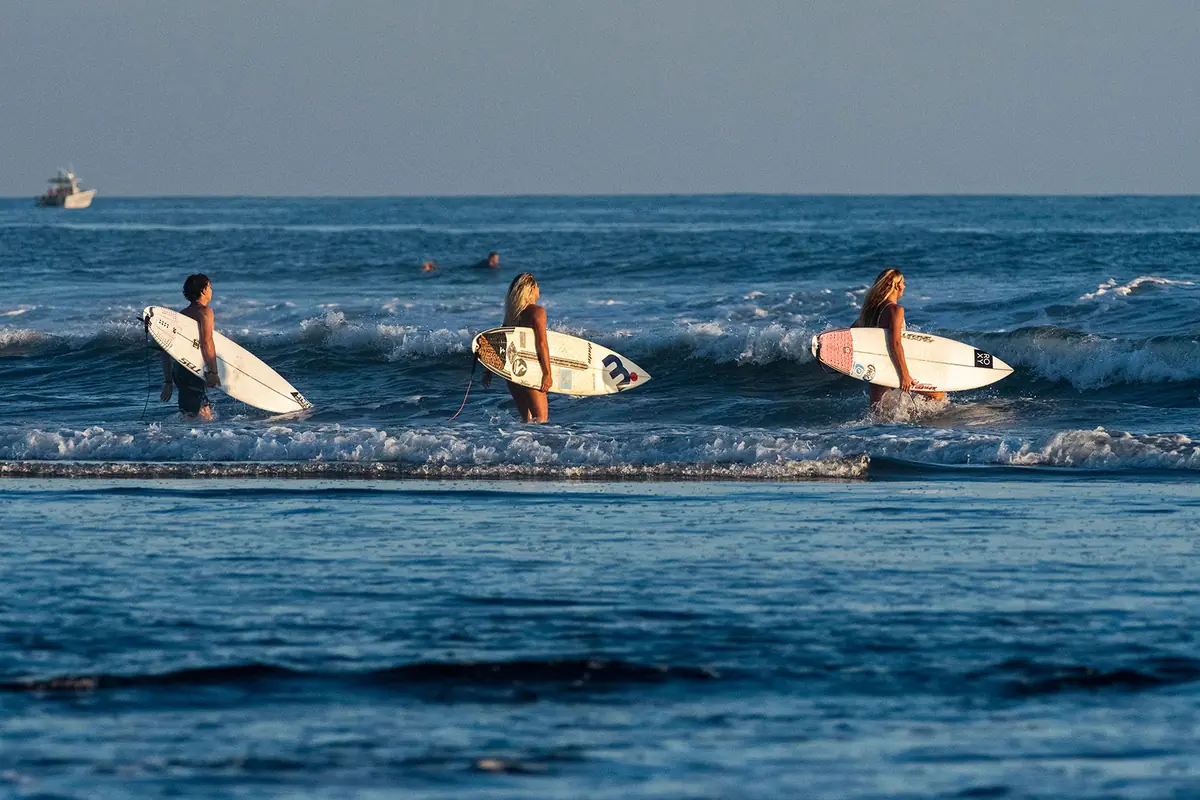
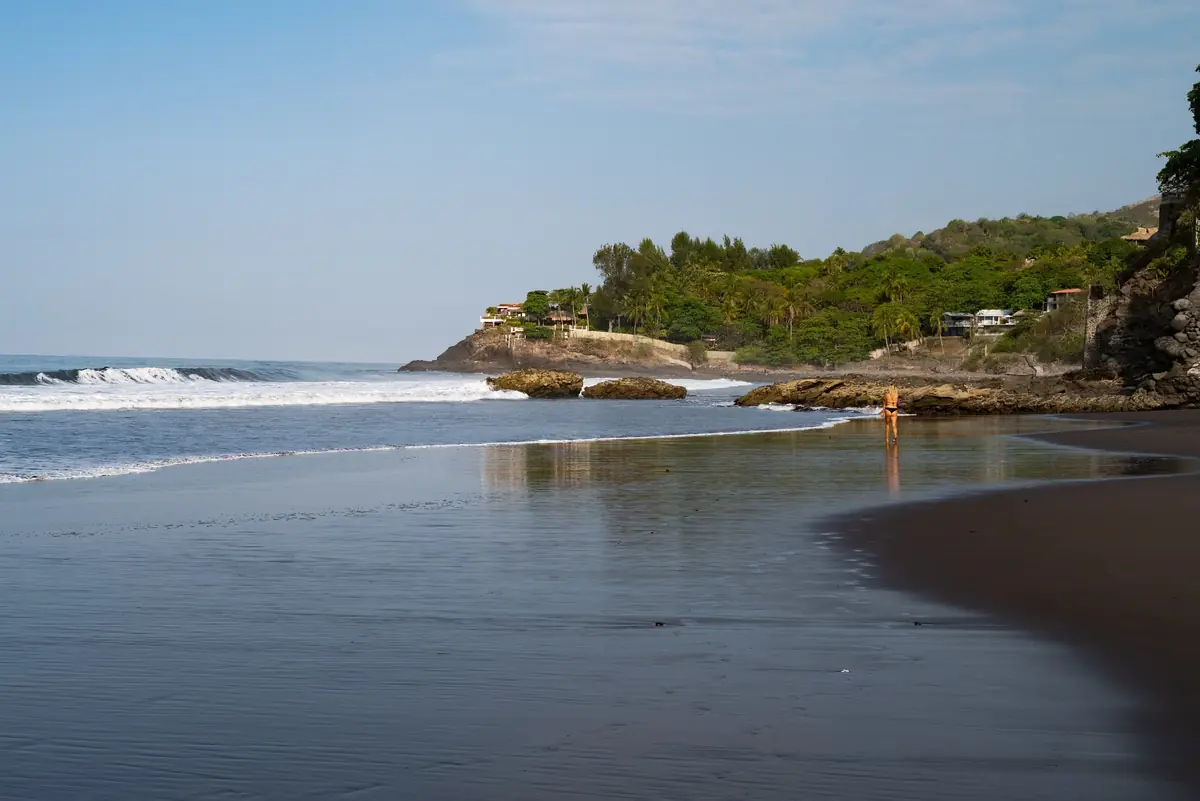
Pro Tip: Walking El Tunco’s main street after dark feels like any small beach town. The genuine danger is the water — rip currents at La Libertad and El Sunzal are strong, so swim where lifeguards fly flags.
Does my US health insurance cover me in El Salvador?
Almost certainly not. Most US health plans — including employer plans, Medicare, and Medicaid — provide little or no coverage outside the United States, and many “international” riders cap out around $50,000. Salvadoran private hospitals often require cash or credit-card payment upfront, even in emergencies. A dedicated travel-medical policy fills this gap with primary coverage and 24/7 assistance.
A few specifics worth knowing before you travel:
- Medicare, which covers roughly 65 million Americans, effectively offers no overseas coverage.
- Outside the top private hospitals, most medical staff speak only Spanish.
- Salvadoran doctors rarely bill foreign insurers directly — you pay, then claim reimbursement.
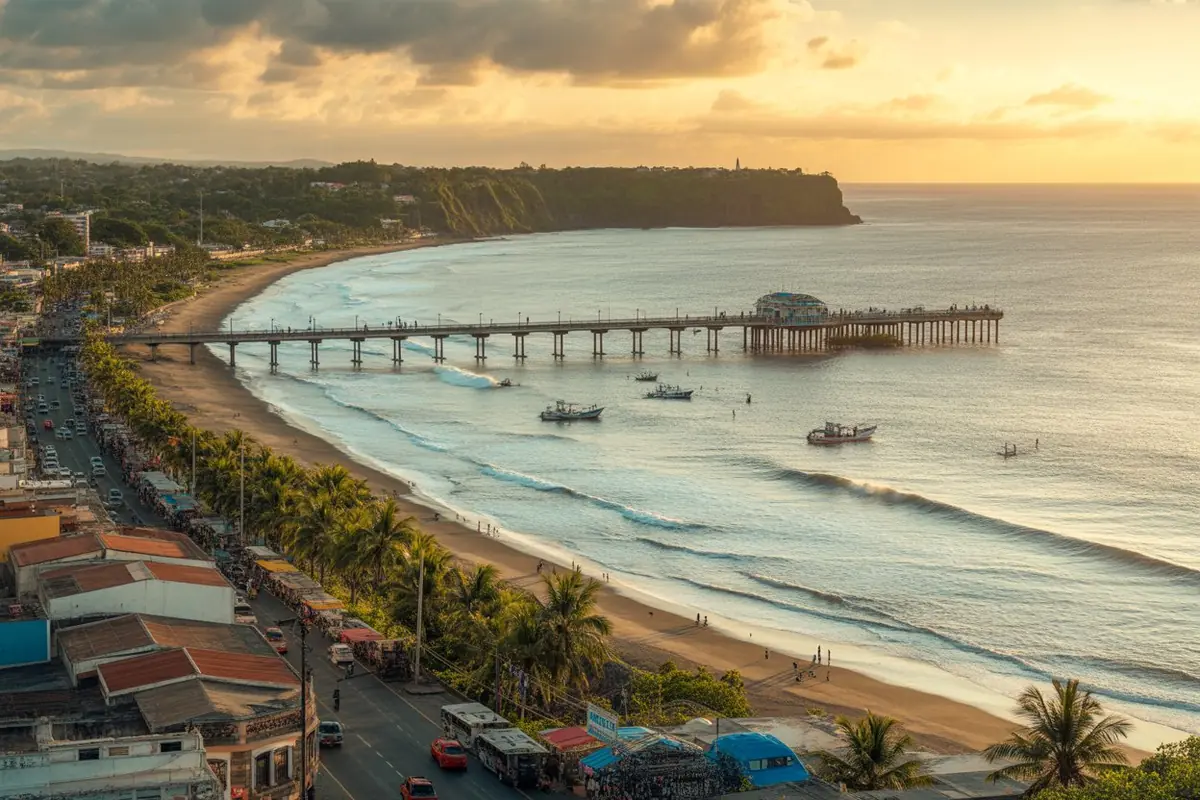
At a private hospital in San Salvador’s Colonia Escalón, admissions may ask for a credit-card swipe or a deposit before treatment begins. That moment is the entire argument for primary coverage and a 24/7 assistance line that can guarantee payment on your behalf.
Pro Tip: Travel with a credit card that has real headroom on the limit. A hospital deposit in El Salvador can land before anyone discusses your insurance.
What should travel insurance for El Salvador cover?
For El Salvador, prioritize emergency medical coverage of at least $100,000 and medical evacuation of $250,000–$500,000, because facilities outside San Salvador are basic and evacuation is costly. Add trip cancellation and interruption to protect prepaid costs, baggage and theft cover, an adventure-sports rider if you’ll surf or hike volcanoes, and 24/7 emergency assistance.
Use this as your “what to look for” checklist when comparing plans:
- Emergency medical: at least $100,000 (Squaremouth recommends a $50,000 minimum for international trips and $100,000 for remote destinations).
- Medical evacuation and repatriation: $250,000–$500,000.
- Trip cancellation and interruption: for prepaid, non-refundable costs, on covered reasons.
- Baggage and personal effects: including an electronics sub-limit.
- Adventure-sports rider: if you’ll surf or hike volcanoes (see the surf section below).
- 24/7 emergency assistance: a hotline that can coordinate and guarantee payment.
- Pre-existing-condition waiver: usually requires buying within about 14 days of your first trip deposit.
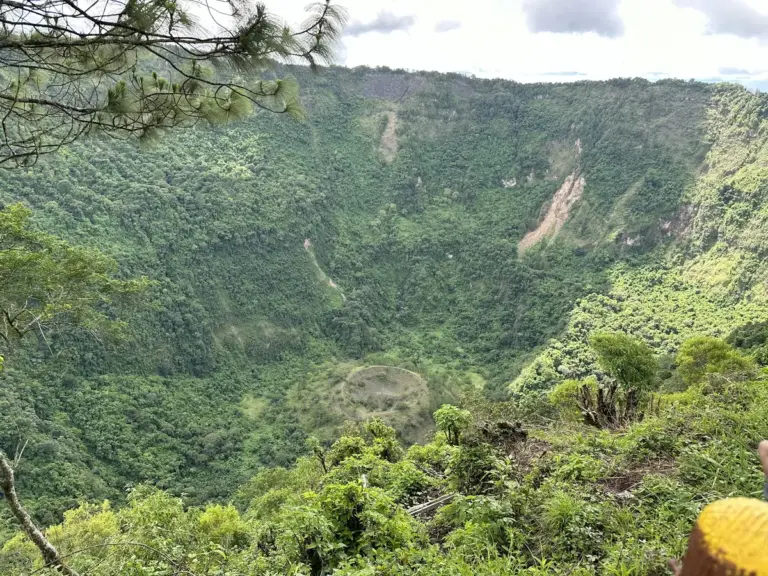
The reason the evacuation number is so high comes down to geography. On the Santa Ana volcano hike, the trailhead at Cerro Verde is over an hour by road from the nearest major hospital — exactly the slow-rescue scenario evacuation cover exists for.
Does travel insurance cover surfing and volcano hiking in El Salvador?
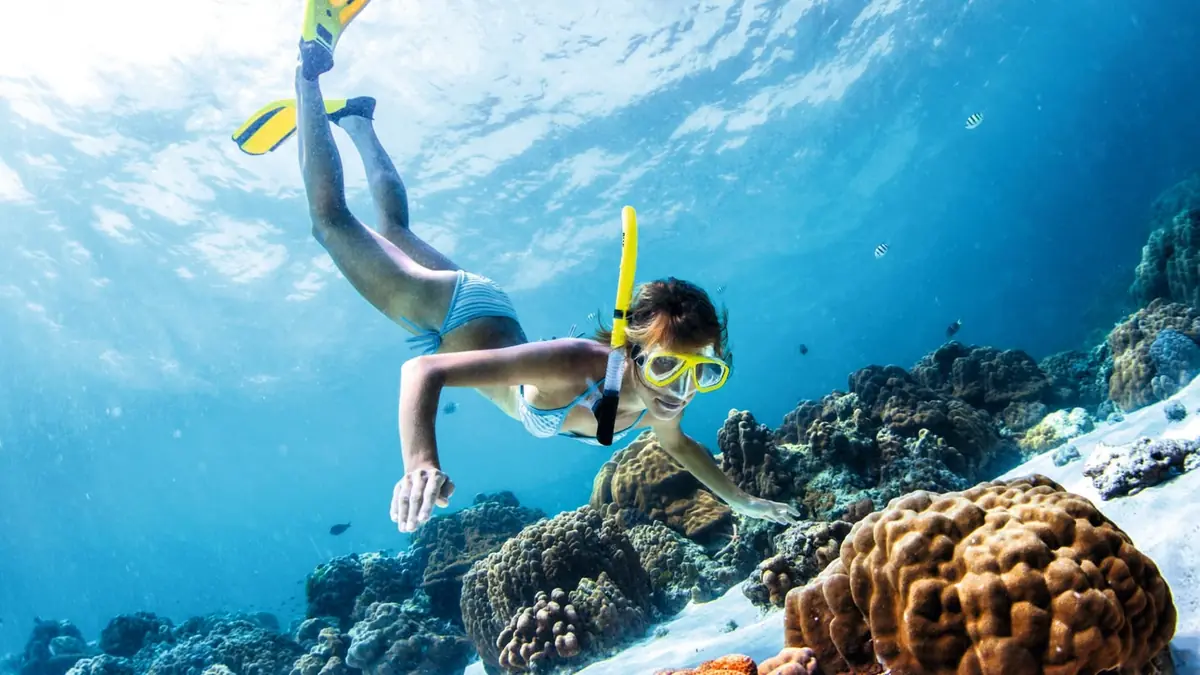
Sometimes — but check the policy. Recreational surfing, snorkeling, and most hiking are covered as standard by World Nomads and by Faye’s base plan, while SafetyWing’s Essential plan needs its adventure-sports add-on. Higher-risk activities (scuba past depth limits, paragliding, professional or competition surfing) usually require an explicit rider or are excluded.
How the major providers handle the activities Americans actually book here:
- World Nomads: covers 250+ activities including surfing across all tiers.
- Faye: the base plan includes non-extreme activities like surfing, hiking and snorkeling; an extreme-sports add-on covers the rest.
- SafetyWing (Nomad Insurance Essential): covers leisure surfing, but the adventure-sports add-on (about $10–$12 per four weeks) extends to scuba and similar.
- What’s excluded: competition or professional surfing under contract.
- Board damage or theft: falls under your baggage limit, so keep the purchase receipt and file a police report for any claim.
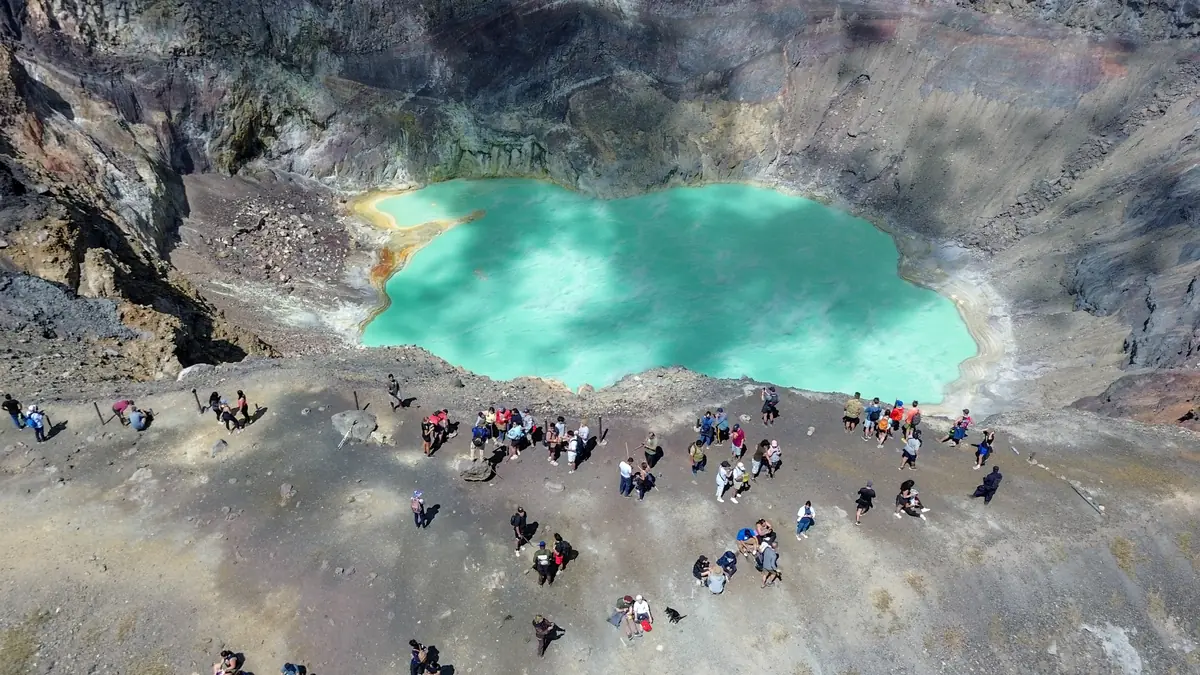
For the volcano side: the Santa Ana (Ilamatepec) summit hike counts as standard hiking under most plans, but confirm there’s no altitude or “technical climbing” exclusion. Ziplining and ATV tours, common add-ons around Ruta de las Flores, are where you genuinely need the adventure rider.
Pro Tip: Photograph your board and keep the shop receipt before you fly. Reef breaks at El Tunco and El Sunzal mean dings are routine, and baggage claims need proof of value.
How much does travel insurance for El Salvador cost?
Expect to pay roughly 4%–10% of your prepaid trip cost for a full-coverage plan — about 6% on average. Per Squaremouth data, a 4–7 day international policy averages $157, while a medical-only plan can run as little as about $5 a day. A budget surfer can be covered from a few dollars per day.
| Trip length | Full-coverage (avg.) | Medical-only |
|---|---|---|
| 4–7 days | $157 | about $5/day |
| ~2 weeks | $306 | about $5/day |
| All trip lengths (overall avg.) | $461 (~$30/day) | $86 (~$5/day) |
A few cost notes that shift the math by traveler type:
- SafetyWing Nomad Insurance Essential runs $56.28–$62.72 per four weeks for ages 18–39, and climbs with age.
- World Nomads typically costs two to three times as much as SafetyWing for a similar window (roughly $100–$150 per four weeks).
- Travelers 70 and older generally pay at least 51% more than younger age bands.
For a one-week, $1,500 surf trip, a solid full-coverage plan often lands around $80–$120 — less than a single night in a Surf City boutique hotel.
Here’s where I’d push back on a common upsell. Skip a standalone “Cancel For Any Reason” add-on unless you have large non-refundable bookings: CFAR adds roughly 40%–54% to the premium and reimburses only about 75% of your costs. On a cheap, flexible surf trip with refundable reservations, that money is better spent buying a higher evacuation limit.
Best travel insurance providers for El Salvador
For most US short-trip visitors, Faye and World Nomads lead: Faye offers $250,000 medical and $500,000 evacuation with app-based claims, while World Nomads covers 250+ activities for adventurers. Long-stay digital nomads should pick SafetyWing’s subscription model from about $56 per four weeks. Compare quotes through Squaremouth or InsureMyTrip before buying.
| Provider | Best for | Emergency medical | Medical evacuation | Adventure activities | Pricing model |
|---|---|---|---|---|---|
| Faye | App-first single trips | $250,000 | $500,000 | Surf/hike in base; extreme add-on | ~4%–8% of trip cost |
| World Nomads | Adventurers, backpackers | up to $125,000 (Standard) | Included | 250+ activities standard | ~2–3× SafetyWing |
| SafetyWing | Long-stay digital nomads | Essential plan, $250 deductible | Included | Add-on for scuba/extreme | $56.28–$62.72 / 4 weeks (18–39) |
| Allianz Travel | Brand reliability, annual plans | Standard limits | Included | Standard | Single-trip or annual |
| Travelex | Families | Standard limits | Included | Standard | Kids covered free on some plans |
| Squaremouth / InsureMyTrip | Comparing 20+ plans | Marketplace | Marketplace | Filter by activity | Varies by plan |
A note on the last row: Squaremouth and InsureMyTrip are comparison marketplaces, not underwriters. They let you line up 20-plus plans and sort by medical and evacuation limits rather than price alone.
In practice, the split is clean. Nomads parked at El Zonte for a season overwhelmingly run SafetyWing on auto-renew, while week-long surf-trippers flying in from the US tend to grab Faye or World Nomads.
Pro Tip: On Squaremouth or InsureMyTrip, sort by evacuation limit first, then price. The cheapest plan that meets a $250,000 evacuation floor is usually the smart buy here.
Health risks and vaccines for El Salvador
No vaccines are required to enter El Salvador (unless you’re arriving from a yellow-fever country). The CDC recommends being up to date on routine vaccines plus hepatitis A and typhoid, which spread through food and water. Dengue is a year-round mosquito risk with no preventive drug, so pack repellent — and carry insurance that covers tropical-illness treatment.
What the CDC and on-the-ground reality point to:
- Routine vaccines: MMR, Tdap, polio, flu, COVID-19 and chickenpox, kept current.
- Recommended: hepatitis A and typhoid (both food- and water-borne).
- Longer or rural stays: consider hepatitis B and rabies.
- Dengue: a year-round mosquito risk, with thousands of cases reported; chikungunya is present, and pregnant travelers are advised to avoid Zika exposure.
- Malaria: El Salvador is WHO-certified malaria-free, so no antimalarial pill is needed.
- Yellow fever: a certificate is required only if you arrive from a risk country.
- Water: tap water is not safe to drink; stick to bottled.
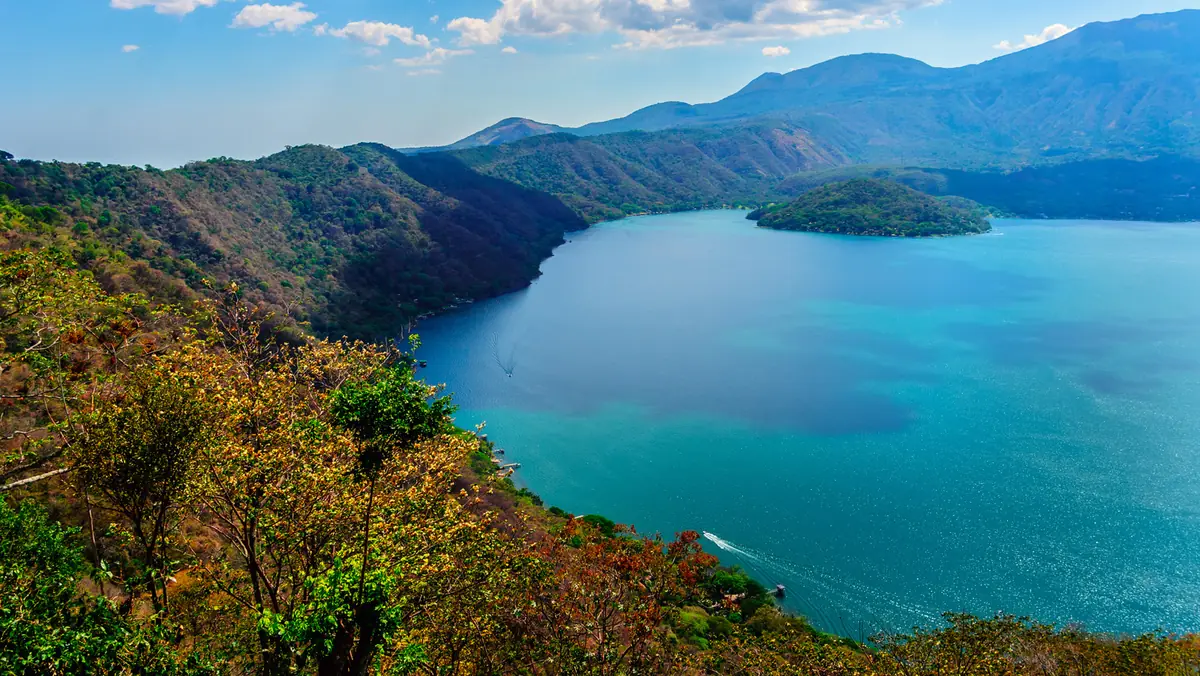
The mosquito that carries dengue, Aedes, bites during the day — and it’s most noticeable around the lakes and the towns along Ruta de las Flores. A repellent with 20%+ DEET does more for you here than any pill.
Pro Tip: Pack a 20%+ DEET repellent and use it in daylight, not just at dusk. Dengue mosquitoes are daytime biters, which catches a lot of travelers off guard.
Why medical evacuation coverage matters most here
Medical care is good at top private hospitals in San Salvador like Hospital de Diagnóstico, but facilities thin out fast in tourist and rural areas, and first responders can’t reach remote trailheads or beaches quickly. If you need an air-ambulance flight to the US, IMG data puts the average at $50,820 — which is why $250,000–$500,000 evacuation cover is the priority.
The cost figures are the part competitors leave vague:
- Air-ambulance evacuation runs $20,000–$200,000, per the US State Department.
- The average emergency medical flight back to the US is about $50,820, rising to roughly $186,200 from remote regions, per IMG.
- From elsewhere in Mexico and Central America, evacuations typically run $25,000–$60,000.
Hospital de Diagnóstico (with Escalón and Colonia Médica campuses) is the leading private network and the designated facility for visiting US dignitaries. The State Department itself strongly recommends supplemental insurance to cover medical evacuation here.
The Escalón campus feels like a modern US hospital. But it’s in the capital, and a wipeout injury at Punta Mango on the east coast is hours of winding road away. That gap between where you get hurt and where you get treated is the whole case for a high evacuation limit.
Do you need bitcoin or special currency cover in El Salvador?
No. Although El Salvador once made bitcoin legal tender, its Legislative Assembly later removed bitcoin’s mandatory status under an IMF loan condition, making acceptance voluntary. The US dollar is the everyday currency and what your insurance pays out in. Carry small-denomination dollars; surveys found most Salvadorans never used bitcoin anyway.
The currency picture in plain terms:
- A 55–2 legislative vote stripped bitcoin’s mandatory legal-tender status, under a $1.4 billion IMF loan condition.
- Businesses are no longer required to accept bitcoin, and you can’t pay taxes in it.
- Around 92% of Salvadorans didn’t use bitcoin in the prior year.
- The US dollar has been official currency since 2001; many shops won’t break a $50 or $100 bill.
At El Zonte, the original “Bitcoin Beach,” a few cafés still take bitcoin for novelty. Everywhere else, it’s dollars — and small ones. None of this affects your insurance, which quotes and pays in USD.
How to choose and buy the right plan
Match the plan to the trip: solo surfers and backpackers want a cheap plan with a surf-friendly activity list; families want high evacuation limits plus trip cancellation for prepaid costs; volcano hikers need an adventure rider; digital nomads staying months should pick SafetyWing’s subscription over per-trip cover. Buy within 14 days of your first deposit to unlock pre-existing-condition waivers.
A quick decision guide by traveler type:
- Solo surfer or backpacker: a low-cost plan with surfing on the standard activity list — World Nomads or Faye.
- Family: high evacuation limits plus trip cancellation for prepaid bookings — Travelex or Allianz Travel.
- Volcano hiker or adventure traveler: any plan, plus an adventure-sports rider for ziplining and ATVs.
- Digital nomad: SafetyWing’s monthly subscription beats buying single-trip plans on repeat.
- No prepaid, non-refundable costs: a medical-only plan is enough, and far cheaper.
Two final, against-the-grain points. First, long-stay travelers shouldn’t buy per-trip insurance at all — a nomad at El Zonte is better off on SafetyWing’s roughly $56 per four weeks than re-buying full-coverage plans every month. Second, the still-repeated “it’s the murder capital” warning is years out of date; the genuine risks here are road accidents, ocean currents, and dengue, so buy the policy that covers those, not the one that promises to protect you from gangs.
Pro Tip: Booking a non-refundable beachfront villa in La Libertad for a group? That’s the trip where trip-cancellation cover earns its keep — buy it within 14 days of the deposit.
The bottom line before you book
TL;DR: Travel insurance is not required to enter El Salvador, but it’s a smart buy: the country is Level 1 safe, so the real risks are medical emergencies, road accidents, and trip disruption rather than crime. Prioritize at least $100,000 emergency medical and $250,000–$500,000 medical evacuation, since an air-ambulance flight to the US averages around $50,000. Expect to pay roughly 4%–10% of your trip cost.
Which kind of El Salvador trip are you planning — a surf week at El Tunco, a volcano-and-coffee circuit through Ruta de las Flores, or a long stay at El Zonte? Drop your dates and rough budget in the comments and I’ll tell you which plan fits.