Where to stay in Lisbon is a decision most travelers get wrong — not because they pick a bad neighborhood, but because they underestimate the hills. This guide ranks every major district by topography first, then by atmosphere, logistics, and who each one actually suits — read it alongside our Lisbon travel guide for full destination context.
Why your Lisbon neighborhood choice can ruin your trip
The neighborhood you pick in Lisbon determines whether you roll your luggage straight to your hotel door or haul it up 80-foot staircases over hand-laid cobblestones that get glass-slick when it rains. That is not an exaggeration. I watched a couple with a stroller spend 25 minutes trying to navigate two blocks in Alfama with the help of three strangers. Logistics here are not a footnote — they are the story.
Pro Tip: Google Maps walking times in Lisbon are consistently optimistic. A route flagged as 7 minutes on flat terrain in another city often takes 14 minutes here once you factor in the gradient. Build buffer time into every transit plan.
How does Lisbon’s terrain actually break down?
Lisbon’s seven hills create three distinct movement zones that every traveler needs to understand before booking. Your daily life in the city — getting to breakfast, returning from dinner at midnight — depends entirely on which zone your hotel sits in.
The flat zones are Baixa and Avenida da Liberdade. Both sit in the valley between the hills and offer more than 20 blocks of level walking — a genuine game-changer for families, anyone planning accessible travel in Lisbon, or anyone moving with luggage more than once.
The plateaus are Príncipe Real and Campo de Ourique. Once you reach the top, the streets flatten out entirely. Getting there from downtown, however, means a serious climb or a taxi.
The slopes are Alfama, Chiado, and Bairro Alto. Steep gradients define daily movement. Hotel entrances often sit on sharp inclines, elevators are uncommon in older buildings, and accessible routes are rare.
What do Lisbon’s short-term rental rules mean for your booking?
Lisbon operates under a municipal containment zone system that limits new short-term rental licenses in high-density central parishes. Six central parishes — including Santa Maria Maior and Misericórdia — are in absolute containment, meaning new licenses are blocked until AL ratios drop. The rules continue to evolve as the city adjusts thresholds, so the most important step is verifying that any rental listing carries a valid RNAL registration number.
Unregistered properties risk sudden cancellation if inspectors visit during your stay. Beyond the rental market, factor in the Portugal travel costs that catch most first-timers off guard, starting with the mandatory city tax: Lisbon charges €4 ($4.40) per person per night for up to seven consecutive nights, for a maximum of €28 ($31) per person. Children under 13 are exempt. For a family of four adults staying a week, that is an extra €112 ($125) collected at check-in and not included in your prepaid rate.
Pro Tip: Always ask the property to confirm their RNAL number before booking a private rental. If they hesitate or say it is “pending,” book somewhere else. Established hotels are not subject to these registration requirements.

1. Baixa — the flat grid that makes everything easier
Is Baixa the best neighborhood to base yourself in Lisbon?
For travelers who want maximum mobility with zero topographical friction, yes. Baixa sits in the valley between the hills and was rebuilt on a rigid grid after the 1755 earthquake. The metro, the ferry terminals, the train stations for Sintra and Porto — everything is reachable on flat ground. You will not win on atmosphere, but you will win on execution.
Rossio Railway Station and the Baixa-Chiado metro station (connecting the Blue and Green lines) sit right at the center. Rolling luggage from the taxi drop to the hotel takes two minutes. That matters enormously on arrival day after a transatlantic flight.
The honest trade-off: Baixa is a tourist grid. The streets smell like cheap pizza after 8 p.m. International retail chains and souvenir shops dominate the commercial strips. Street noise starts early and does not quit until late. If you want to feel like a local, this neighborhood will let you down. If you want to execute a trip efficiently, it will not.
Top hotels in Baixa
Art Legacy Hotel Baixa-Chiado
This boutique property fields perfect review scores despite sitting directly in the city’s highest-traffic zone, which tells you everything about how seriously it takes acoustics. The soundproofing is industrial-grade — a quiet room at 11 p.m. despite Rua Augusta directly below. Service is sharp and unhurried.
- Location: Rua do Crucifixo, Baixa
- Cost: from $220/night
- Best for: Couples, solo travelers, anyone prioritizing boutique quality over square footage
- Time needed: N/A (hotel base)
Hotel da Baixa
The classic Pombaline facade hides a modern interior that is fully elevator-accessible with a ground-level entrance — the kind of detail that only registers when you are arriving with two checked bags at midnight.
- Location: Rua da Vitória, Baixa
- Cost: from $160/night
- Best for: Families, travelers with mobility concerns
- Time needed: N/A (hotel base)
Hotel Santa Justa
Steps from the Santa Justa Lift, it offers some of the most generous standard room dimensions in the district — a meaningful differentiator when the city’s boutique hotels are mostly working with 19th-century floor plans.
- Location: Rua de Santa Justa, Baixa
- Cost: from $140/night
- Best for: Travelers who spend their days out and want real space to return to
- Time needed: N/A (hotel base)
AlmaLusa Baixa & Chiado
Occupies a renovated 18th-century building on Praça do Município. The location gives you flat access without dropping you into the pedestrian crush of Rua Augusta — it is quieter and more residential-feeling than most Baixa addresses.
- Location: Praça do Município, Baixa
- Cost: from $200/night
- Best for: Design-conscious travelers who want Baixa convenience without the tourist strip
- Time needed: N/A (hotel base)
2. Chiado — is the atmosphere worth the climb?
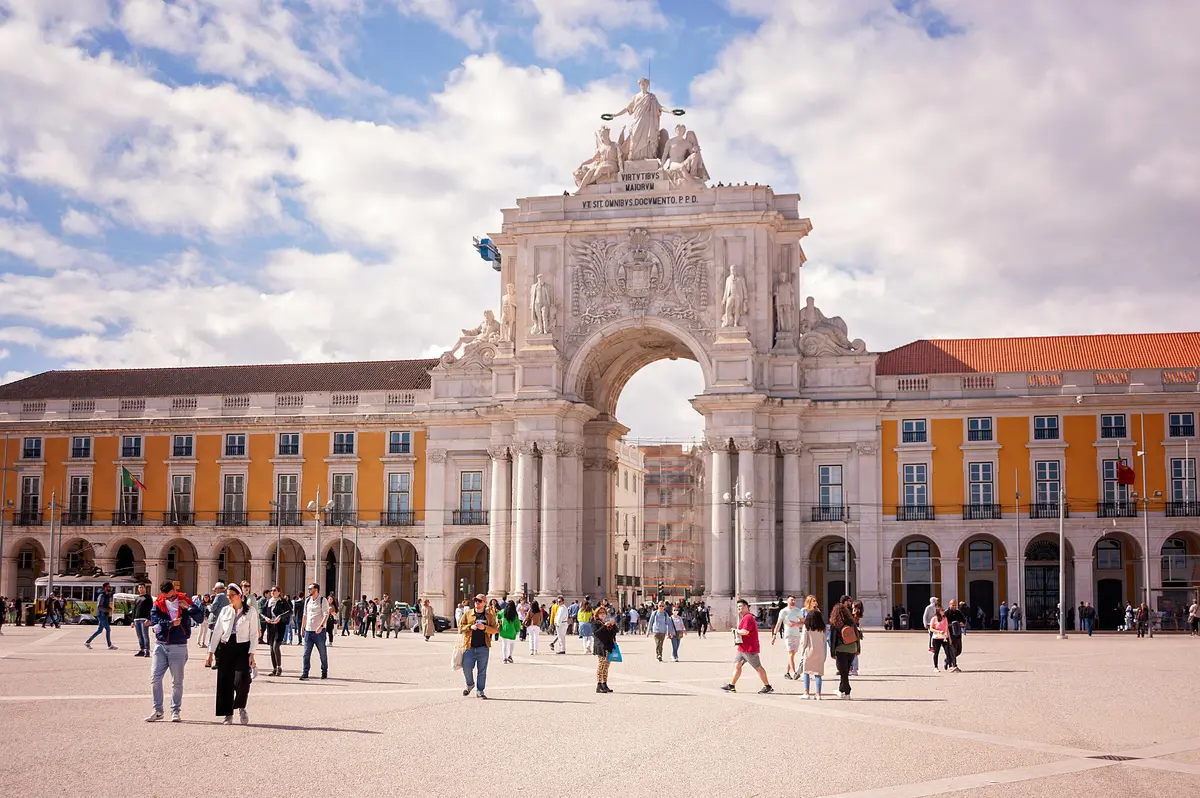
Chiado is where you want to be if you are working with three days in Lisbon and every hour counts. The historic theaters, the literary cafes with marble countertops worn smooth by a century of elbows, the luxury shopping on Rua Garrett — all of it is within 10 minutes on foot. It connects directly to Bairro Alto’s bar scene while maintaining an aesthetic standard that Bairro Alto never bothers with.
The climb is real. Walking from Baixa to Chiado via Rua do Carmo gains roughly 130 feet (40 meters) of elevation in under a quarter mile. The escalators inside the Baixa-Chiado metro station help, but only for part of the route. Once you are up, the neighborhood’s main commercial streets flatten out enough to be manageable. Room rates rank among the city’s highest, and restaurants here price to the neighborhood.
Contrarian take: skip Chiado’s famous Pastéis de Belém satellite at the top of Rua Garrett. The line runs 45 minutes and the custard tarts are identical to what you will eat at any decent bakery in Alfama for a third of the wait.
Top hotels in Chiado
Lisboa Pessoa Hotel
Named for Fernando Pessoa, it delivers a specific sense of place that most hotels only gesture at. The Mensagem rooftop restaurant has a straight-line view of the castle and the river — not an approximation, the actual unobstructed sightline. Book the rooftop for dinner on your first night to orient yourself spatially before exploring on foot.
- Location: Rua Paiva de Andrada, Chiado
- Cost: from $280/night
- Best for: Culturally engaged travelers, couples on shorter trips
- Time needed: N/A (hotel base)
The Ivens, Autograph Collection
A former 19th-century warehouse-turned-hotel, the Ivens builds its identity around the Portuguese explorers Ivens and Capelo. The interiors lean into that concept — think tropical prints, macaws rendered in tile, and a lobby that references the maps and specimens the explorers brought back from Africa. The Italian restaurant Rocco draws non-guests for dinner. Marriott Bonvoy redemptions work here, and the brand enforces single-mattress King beds.
- Location: Rua Capelo, Chiado
- Cost: from $350/night
- Best for: Marriott loyalists, couples, anyone who wants design without sacrificing brand reliability
- Time needed: N/A (hotel base)
Corpo Santo Lisbon Historical Hotel
Sits in Cais do Sodré a short walk from Chiado, built on and around a preserved section of the 14th-century Fernandine Wall visible from the lower-level living room. The spa, free minibar, and complimentary daily walking tour make the rate feel less aggressive than it initially looks. The hotel faces the Tagus-adjacent streets rather than a busy commercial strip.
- Location: Largo do Corpo Santo, Cais do Sodré
- Cost: from $400/night
- Best for: History-focused travelers, splurge stays, couples celebrating something specific
- Time needed: N/A (hotel base)
3. Alfama — romantic atmosphere, brutal logistics
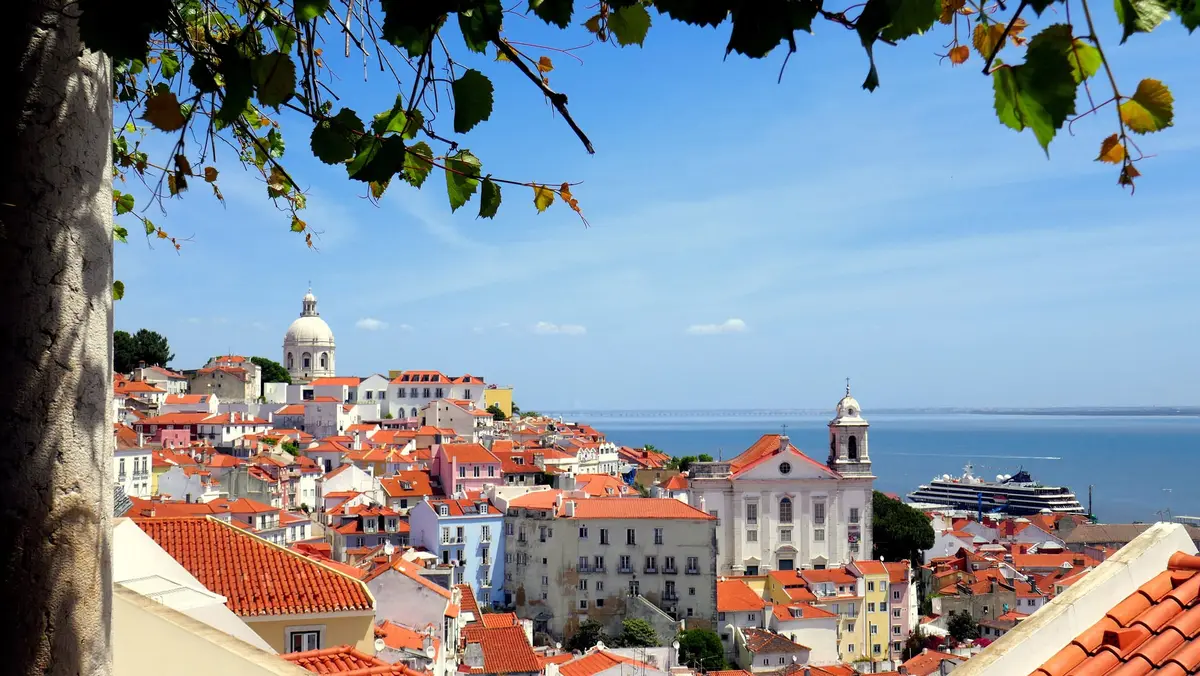
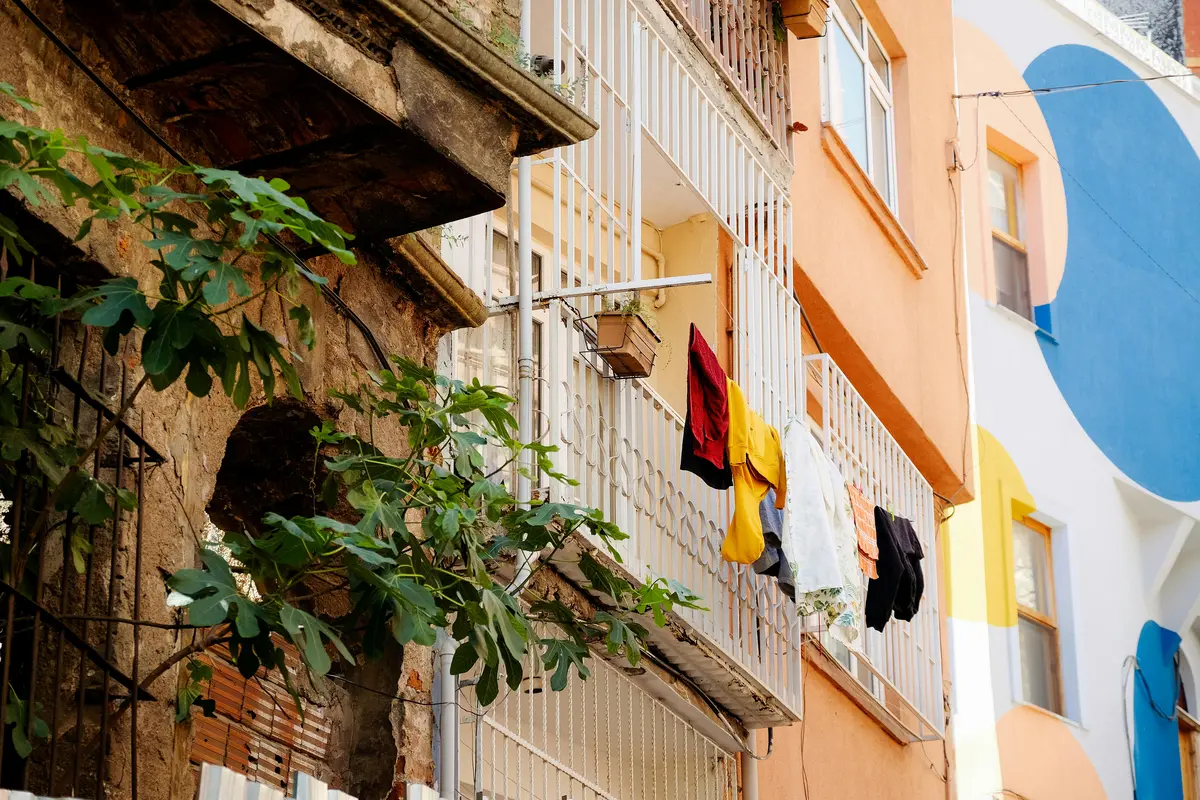
Alfama is Lisbon’s oldest district and the only neighborhood that survived the 1755 earthquake intact, which means its streets follow medieval goat paths, not any grid. The laundry hangs between buildings. Grilled sardines smoke in doorways from tiny grills that double as storefronts. At dusk, a fado singer practicing three alleys over reaches you clearly through walls that are a foot thick.
Staying here is a purely emotional decision, and I respect it. But the logistics are genuinely punishing. Most streets are too narrow for cars. Taxis and rideshares drop at the district perimeter — typically Largo das Portas do Sol — and you cover the remaining distance on foot, hauling luggage over rough stone sets that have been uneven since the 16th century. Accessible travel is essentially not available here.
Top hotels in Alfama
Memmo Alfama
Down a narrow alley that you will doubt twice before arriving, the hotel opens onto a terrace with a red-tiled infinity pool overlooking the Tagus. The pool deck view is one of the best in the city — not the highest, but the angle is right. Rooms are compact for the price but the terrace compensates.
- Location: Travessa das Merceeiras, Alfama
- Cost: from $300/night
- Best for: Couples, photographers, travelers who are mobile and luggage-light
- Time needed: N/A (hotel base)
Santiago de Alfama
A restored 15th-century palace near São Jorge Castle. The valet parking is not a luxury add-on here — it is a logistical necessity, since guests cannot reach the entrance by car any other way. The combination of palace architecture, uncompromising room quality, and parking access makes this the only Alfama hotel that works reasonably well for guests arriving from the airport with full bags.
- Location: Rua de Santiago, Alfama
- Cost: from $450/night
- Best for: Travelers who want the Alfama experience without improvising their arrival
- Time needed: N/A (hotel base)
4. Bairro Alto — is it actually a good place to sleep?
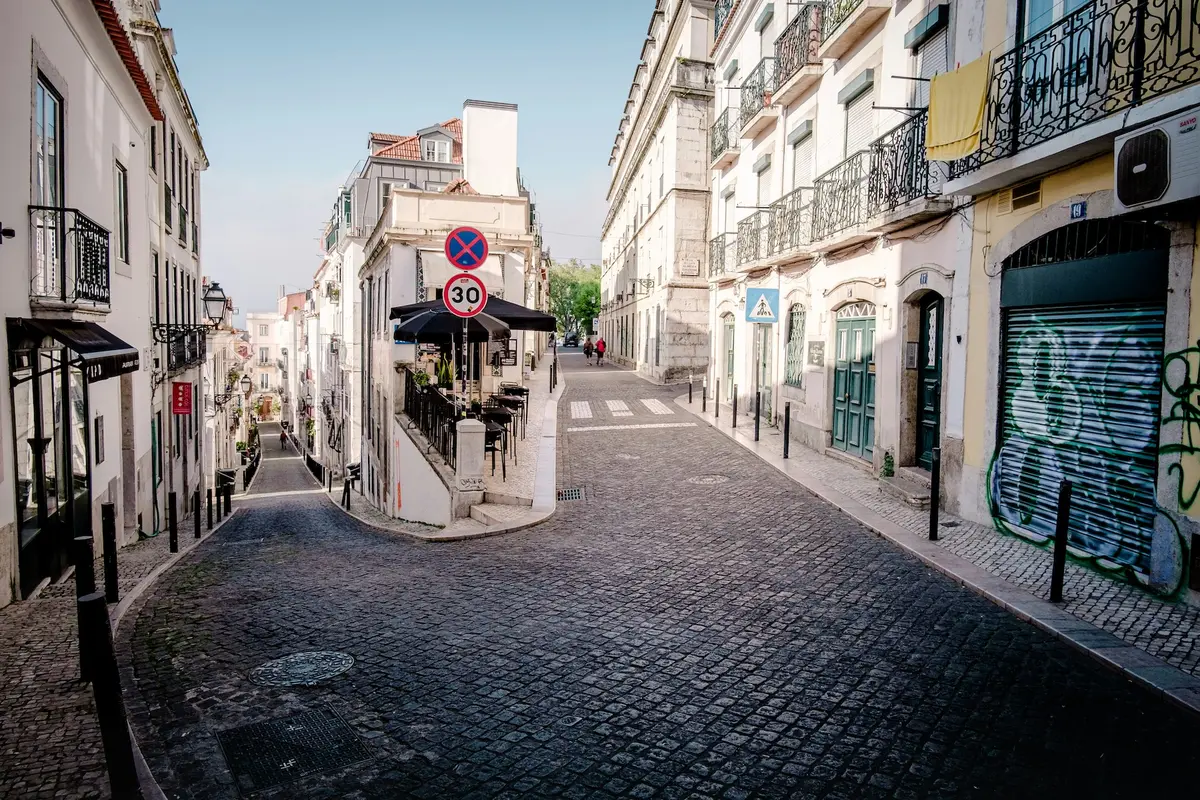
No, unless you are staying on the outermost edges or inside a property with serious acoustic engineering. Bairro Alto operates as a quiet residential neighborhood from about 9 a.m. to 10 p.m. and then transforms into the city’s primary open-air bar district. Bars fill to capacity and patrons spill onto the narrow streets with beers and cocktails. The noise level by midnight sounds like a stadium, and it runs that way until 3 or 4 a.m. on weekends.
That said, the neighborhood is structurally central, home to some of Lisbon’s best restaurants — including easy access to Time Out Market in nearby Cais do Sodré — and genuinely well-connected. If you keep late hours yourself, drink well, and sleep through ambient noise, it functions. For everyone else, it is a neighborhood to eat and drink in, not sleep in.
Top hotels in Bairro Alto
Bairro Alto Hotel
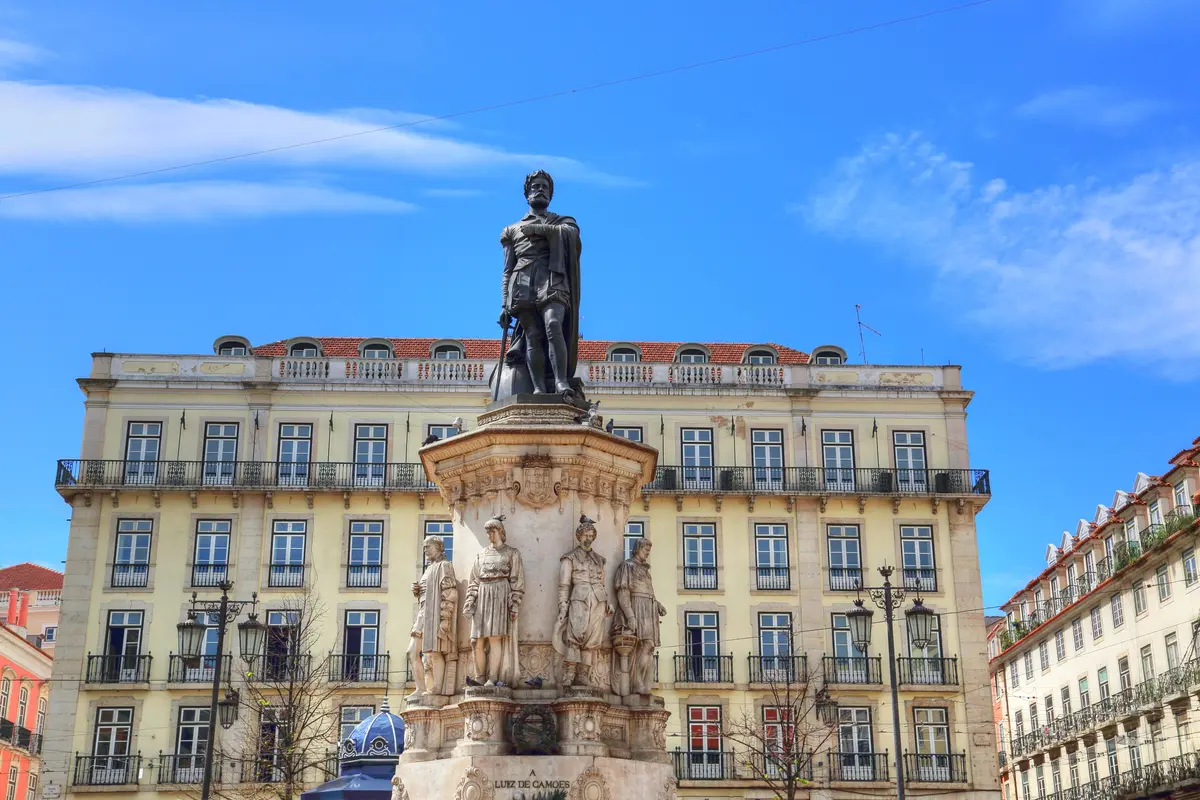
The neighborhood’s prestige property sits on Praça Luís de Camões and delivers something very few Bairro Alto addresses can: genuine acoustic isolation. The soundproofing engineering is audible the moment you close the room door. The five-star service standard is consistent. It is expensive relative to comparable properties in quieter neighborhoods, and that premium goes almost entirely toward not hearing what is happening outside.
- Location: Praça Luís de Camões, Bairro Alto
- Cost: from $500/night
- Best for: High-end travelers, couples, anyone who wants to be central and still sleep
- Time needed: N/A (hotel base)
The Lumiares Hotel & Spa
At the top of the Glória Funicular, the Lumiares offers apartment-style suites with kitchenettes — a meaningful advantage for families or longer stays where cooking one or two meals per day cuts the budget noticeably. The suites are genuinely large by Lisbon standards. Position at the top of the funicular line means the noisiest Bairro Alto streets are a few blocks away.
- Location: Rua do Século, Bairro Alto
- Cost: from $250/night
- Best for: Families, longer stays, travelers who want more space per dollar
- Time needed: N/A (hotel base)
5. Avenida da Liberdade — does the luxury actually hold up?
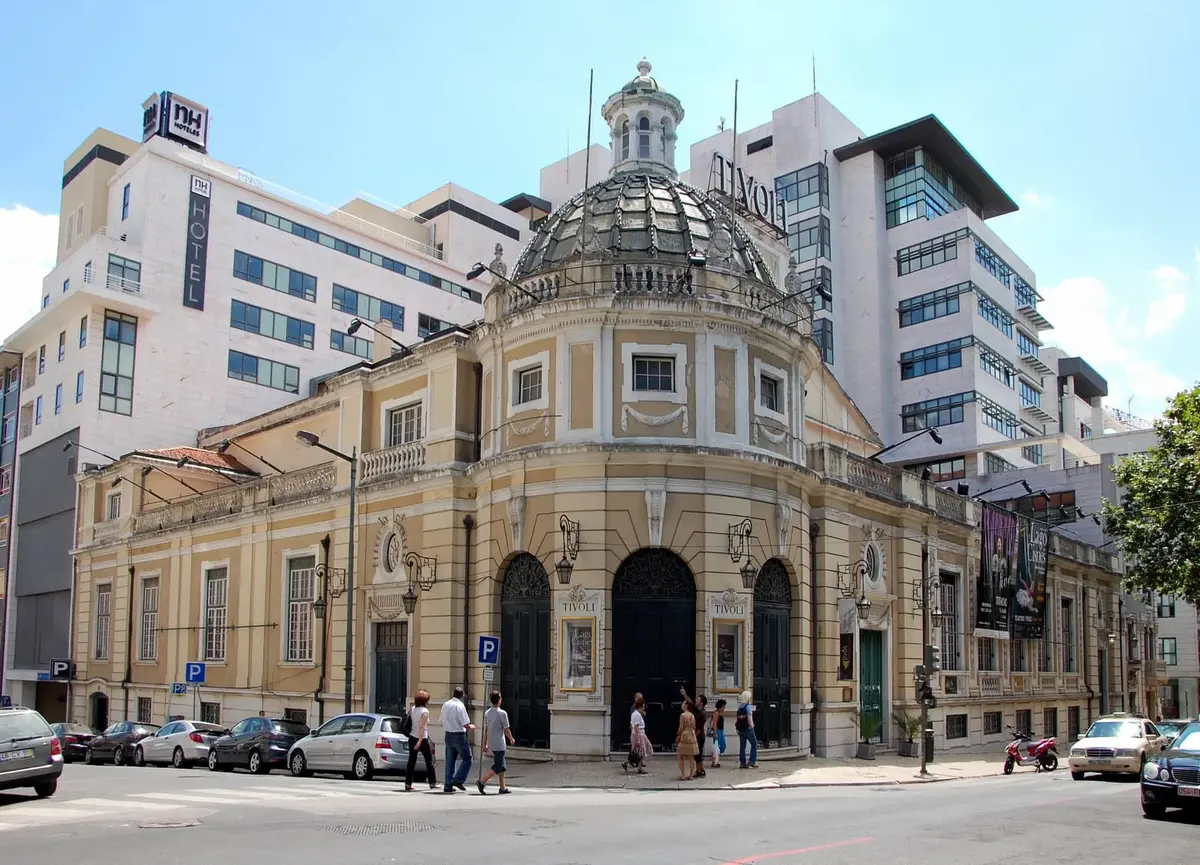
Yes, consistently. Avenida da Liberdade was modeled after the Champs-Élysées and shares its fundamental advantages: wide, flat sidewalks, unrestricted car access, international luxury retail at street level, and hotels that understand their guests’ expectations. The boulevard runs about a mile north from the Baixa valley, and the five-star hotel density here is the highest in Lisbon.
The honest assessment: this area lacks the medieval textures that make Lisbon feel specific. You are in a handsome, polished avenue that could belong to several European capitals. The tradeoff is that taxis arrive without drama, luggage moves without incident, and the hotel air conditioning was engineered for the job rather than retrofitted into a 19th-century apartment. For travelers who have been burned by a boutique property’s quirks — weak AC, elevator that fits one bag, shower pressure that disappoints — this is the safe choice.
Top hotels on Avenida da Liberdade
Tivoli Avenida Liberdade
A Lisbon institution with a circular outdoor pool that fills by 11 a.m. in July. The Sky Bar on the upper floors delivers a legitimately panoramic view — you can orient yourself to the entire city layout in a single glance. The property runs at scale, which means service speed is high and individual attention is lower than at smaller properties.
- Location: Avenida da Liberdade 185, Avenida da Liberdade
- Cost: from $350/night
- Best for: First-time visitors, business travelers, anyone who wants a reliable institutional property
- Time needed: N/A (hotel base)
Valverde Hotel — Relais & Châteaux
The opposite of the Tivoli in every way. Small, deeply private, with the feel of someone’s well-appointed townhouse — the kind where the art is specific and the courtyard pool is intentionally invisible from the street. The service ratio here is the best on the avenue. Do not stay here if you want to blend into a busy hotel lobby.
- Location: Avenida da Liberdade 164, Avenida da Liberdade
- Cost: from $450/night
- Best for: Couples, repeat Lisbon visitors who want intimacy over scale
- Time needed: N/A (hotel base)
Sofitel Lisbon Liberdade
The Sofitel delivers what the brand reliably delivers: strong central air conditioning, premium bedding, and a breakfast that is always ready when you are. Not a design statement or a local experience — a consistently excellent execution of international five-star standards.
- Location: Avenida da Liberdade 127, Avenida da Liberdade
- Cost: from $300/night
- Best for: Business travelers, Accor loyalists, anyone who values operational reliability
- Time needed: N/A (hotel base)
6. Príncipe Real — is it worth the extra effort to reach?
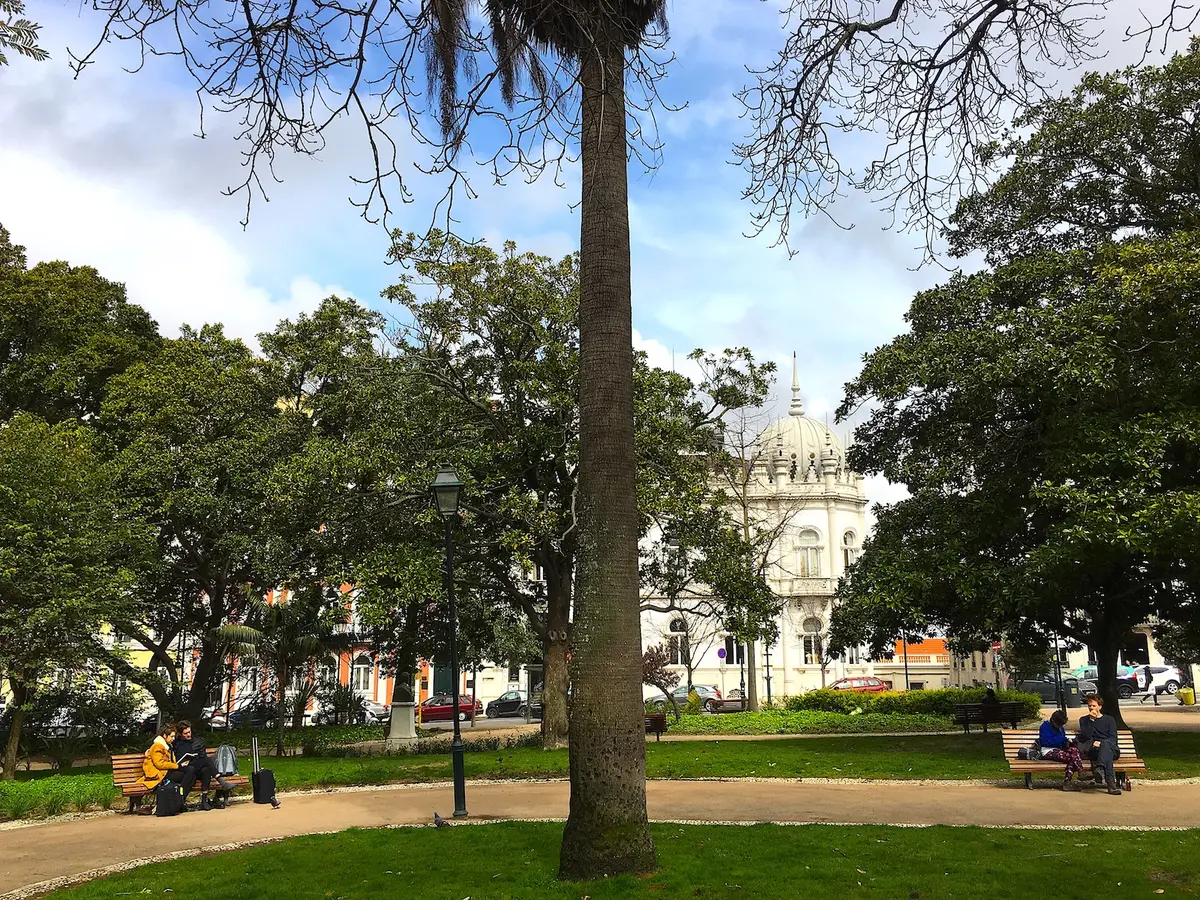
For repeat visitors, almost certainly. Príncipe Real sits north of Bairro Alto on a plateau that flattens completely once you reach the top. The neighborhood centers on a park with a cedar tree wide enough to provide shade for 40 people, surrounded by independent concept stores, high-end antique dealers, and restaurants that seat 30 covers and take reservations two weeks out.
The residents here are Lisbon’s expat creative class — designers, architects, gallerists who want proximity to the center without actually living in it. First-timers often find the area feels too quiet after Alfama or Chiado. That is exactly the point.
Getting up from Baixa requires a steep 15-minute climb or a paid car ride. You will save $15 to $20 per day on rideshare from Príncipe Real compared to Alfama, since the elevated position means fewer uphill rides back to your hotel — but factor in the cost of getting there in the first place.
Top hotels in Príncipe Real
Memmo Príncipe Real
Quiet, off the main pedestrian strip, with a pool deck that faces west toward the hills and the river. The view is unobstructed and the terrace population stays manageable — partly because the hotel does not advertise it aggressively. On my last visit, the pool area was empty at 6 p.m. on a Tuesday, which felt almost impossible given its quality.
- Location: Rua Dom Pedro V, Príncipe Real
- Cost: from $280/night
- Best for: Repeat Lisbon visitors, couples who want a quiet upscale stay
- Time needed: N/A (hotel base)
Faria Palace
Large serviced apartments in a converted palace, with full kitchens, separate bedrooms, and the kind of square footage that only exists in older buildings. The practical advantage for families of four or groups traveling together is significant: a two-bedroom apartment here costs less per person per night than two separate hotel rooms elsewhere, and you can feed children breakfast without leaving the building.
- Location: Rua de Dom Pedro V, Príncipe Real
- Cost: from $300/night
- Best for: Families, groups, long-stay travelers who want to cook
- Time needed: N/A (hotel base)
Practical questions every US traveler asks before booking
Are King beds in Lisbon actually King beds?
Not always. In the US, a King bed is a single 76-inch-wide mattress. In Portugal, many hotels advertise a “King” or “Double” that is two 38-inch twin mattresses joined on a shared frame, with separate duvets and a seam down the middle. American chain hotels and branded luxury properties (Marriott, Accor, Starwood) consistently enforce single-mattress Kings. For independent boutique hotels, email the front desk before booking and ask directly: “Is the King bed one single mattress or two twins joined together?” Any hesitation in the response means it is two twins.
Does Lisbon have reliable air conditioning?
Lisbon summers can push past 95°F (35°C) during heatwaves, and the heat in rooms without proper cooling is not subtle — older buildings retain heat through the night and rooms can sit at 86°F (30°C) before sunrise. Many historic guesthouses and budget properties rely on portable units that cool one corner of the room. When booking any property converted from residential stock, filter specifically for air conditioning on the booking platform, then read recent reviews to confirm it is a real central system. The words “air conditioning available” in a listing can mean a portable unit from 2009.
How do I get from Lisbon Airport to my hotel?
Lisbon Airport — officially Humberto Delgado — sits inside the city, so the average ride to central Lisbon takes 20 to 30 minutes depending on traffic, with fares typically between $12 and $25. The metro is cheaper (around $1.80) but requires navigating stairs with luggage, changing lines, and potentially a significant walk from the nearest station to your hotel. For most travelers arriving with bags, the rideshare is the right call.
If you are staying near Avenida da Liberdade or Baixa, the metro is a reasonable option if you are traveling light. If you are staying in Alfama or Chiado, take the rideshare — the last stretch to your hotel will still require carrying bags on foot regardless.
When is the best time to visit Lisbon?
Spring (March to May) and autumn (September and October) offer the most favorable conditions for exploring the city on foot — our guide to the best time to visit Portugal covers the full seasonal picture. Temperatures run between 60°F and 75°F (16°C to 24°C), crowds are manageable, and accommodation rates drop sharply compared to July and August.
Summer is hot, expensive, and shoulder-to-shoulder in every neighborhood on this list. AC is mandatory, prices peak, and the tourist-to-resident ratio in Alfama and Chiado shifts to the point where the neighborhoods lose what made them interesting in the first place.
Winter delivers the lowest rates in the city — sometimes 40% below summer pricing — and genuinely quiet streets. Rain is frequent from November through February, which turns those cobblestones into a genuine hazard. Pack shoes with real grip.

The bottom line
TL;DR: Choose Baixa or Avenida da Liberdade if mobility, flat terrain, and logistics reliability matter most. Choose Chiado if you have three days and want to spend them well. Choose Alfama only if you are traveling light, mobile, and after atmosphere over everything else. Bairro Alto works for night owls willing to pay for serious soundproofing. Príncipe Real rewards travelers who have already done the standard trip and want to experience the city the way its residents do.
Book directly with established hotels wherever possible — the AL registration rules and the city’s active short-term rental enforcement make private rentals in central neighborhoods a higher-risk category than they were a few years ago. The city tax of €4 ($4.40) per person per night is collected separately at check-in and is not included in any prepaid rate, so adjust your budget accordingly.
Which neighborhood surprised you the most — or let you down? Drop your experience in the comments.