Albania travel cost stays lower than almost anywhere else in Europe — but the gap is closing. The southern Riviera commercialized fast, ATM fees blindside first-timers, and a local pricing quirk can drain your wallet before you notice. This breakdown is one piece of our larger Albania travel guide, and it gives you exact numbers by traveler type before you book.
What is the average daily Albania travel cost?
The average daily Albania travel cost depends almost entirely on your accommodation standard and how you move between cities. Budget travelers using furgons and eating at local tavernas spend $35 to $50 per day. Mid-range travelers in private guesthouses average $60 to $100. Luxury travelers renting vehicles and visiting premium beach clubs should budget $160 or more daily.
| Category | Budget | Mid-Range | Luxury |
|---|---|---|---|
| Accommodation | $10–$15 | $45–$65 | $160+ |
| Food | $8–$12 | $18–$25 | $40–$70 |
| Transport | $3–$8 | $10–$20 | $30–$50 |
| Activities | $0–$5 | $10–$20 | $30–$60 |
| Daily Total | $35–$50 | $90–$110 | $220+ |
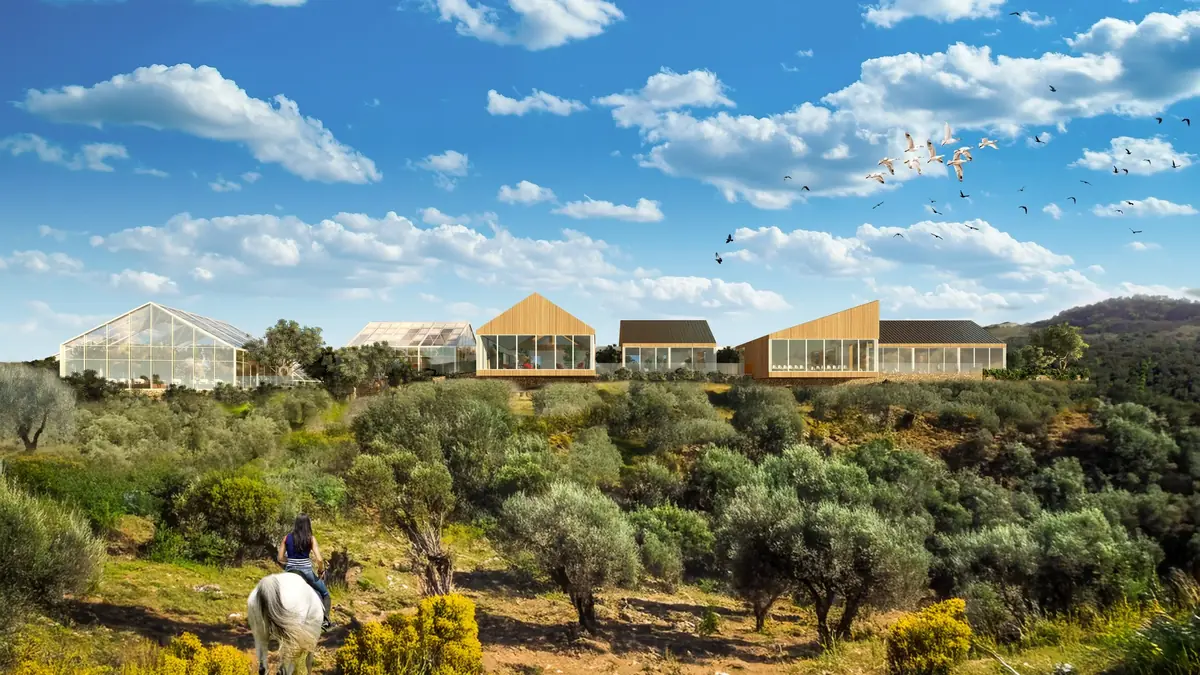
One thing the table doesn’t capture: “luxury” here means a boutique family-run hotel with hand-tiled floors and a terrace overlooking a bay — not a sterile international resort chain. That distinction matters for calibrating expectations.
Prices drop noticeably outside of peak summer months, which makes the shoulder season the best time to visit Albania for value. The divide between cheap mountain villages and inflated coastal towns is wider than most guides acknowledge. A macchiato at a café in the Accursed Mountains costs around 60 Lek ($0.73). The same order at a beach club in Ksamil runs 250 Lek ($3). That gap tells you everything about how regional the economics are.
How much do hotels and hostels cost in Albania?
Accommodation costs vary dramatically by location and season. Hostel dorms in Tirana and Shkoder range from $10 to $15 per night (825–1,240 ALL). A mid-range double room in a traditional guesthouse costs between $45 and $65, while luxury coastal resorts top $160 per night in July and August.
Tirana — where you stay shapes your budget
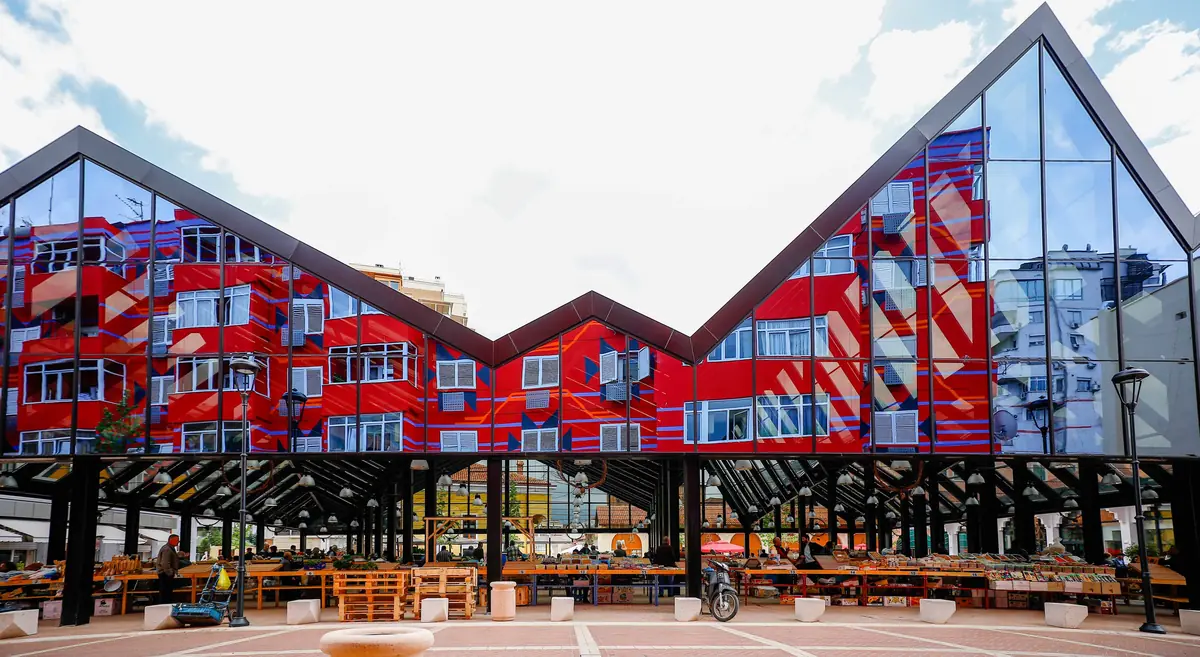
Tirana’s neighborhoods price out very differently, and knowing where to stay in Tirana shapes your nightly rate more than any star rating. The Blloku district has the polished cafés and rooftop bars — rooms here run 15 to 20 percent higher than the rest of the city. Pazari I Ri and the 21 Dhjetori neighborhood offer noticeably cheaper guesthouses within a 20-minute walk of Skanderbeg Square.
Albanian Alps and mountain villages
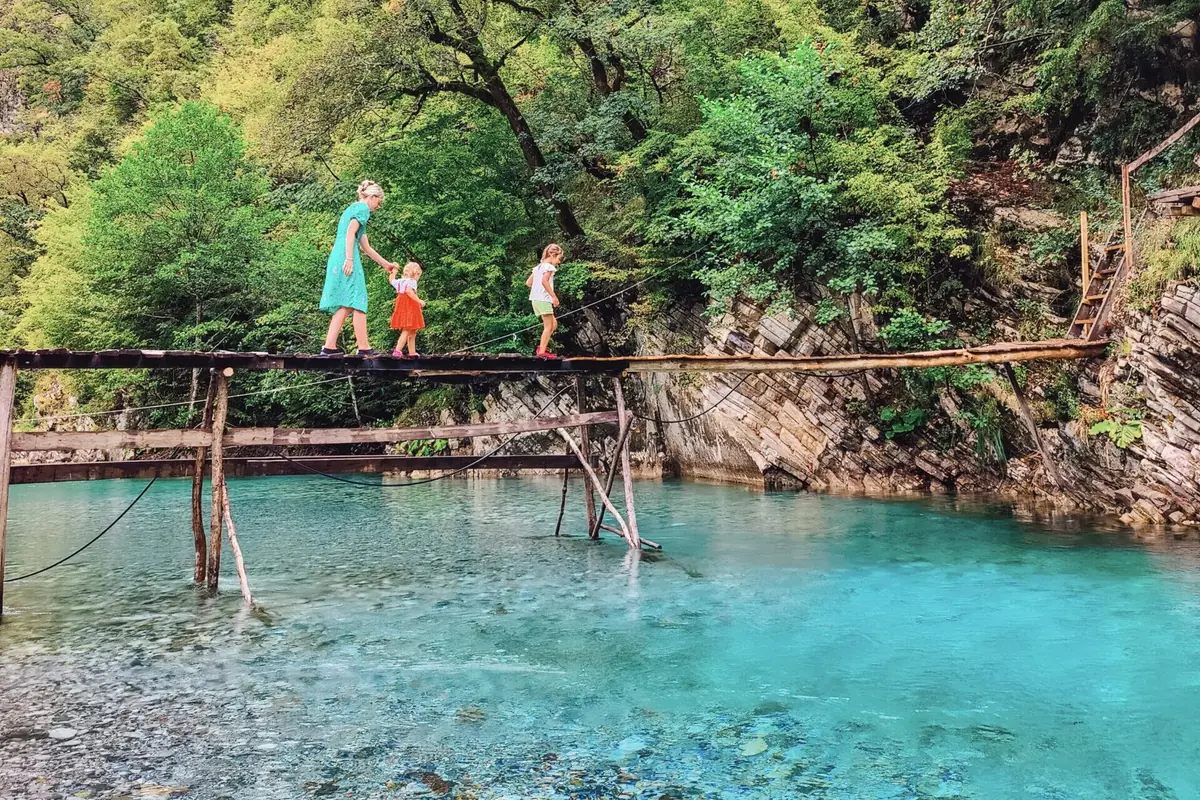
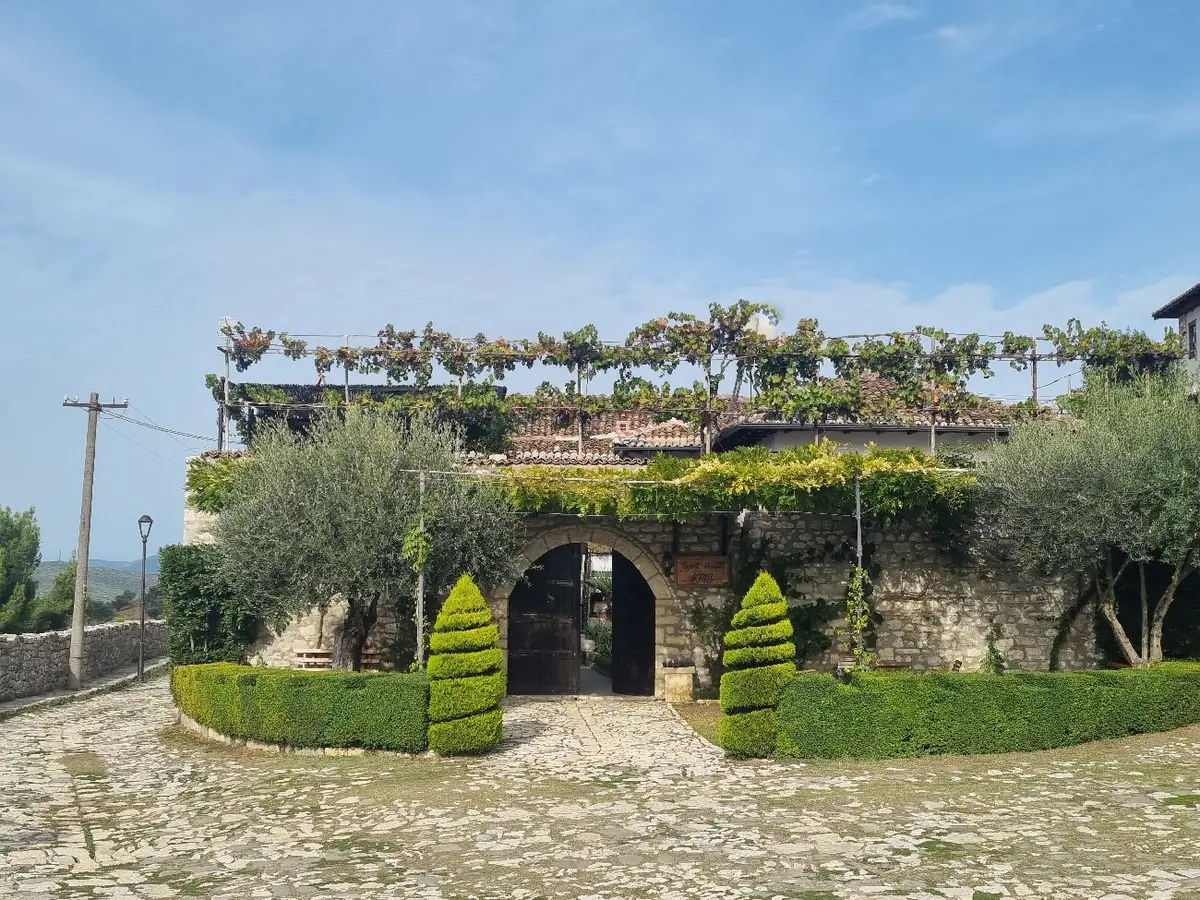
Homestays in Theth and Valbona sit at the lower end of the entire accommodation spectrum — expect to pay $20 to $35 per night including dinner and breakfast. The catch is that many hosts speak minimal English and operate entirely on cash. Book through a local operator or the village guesthouses’ Facebook pages, not major online travel portals.
The cash-at-arrival reality
Even if you successfully book a guesthouse online with a credit card through a major portal, the owner will frequently — and legally — demand physical cash on arrival. This is not a scam. It is how a significant portion of the independent accommodation sector operates. Arriving without Lek or Euros means renegotiating your booking at the door.
Pro Tip: Smaller guesthouses outside the capital almost never have card terminals. Budget accommodations in Gjirokaster, Berat, and the northern villages run on cash exclusively. Withdraw before you leave Tirana.
Are food and drinks expensive in local restaurants?
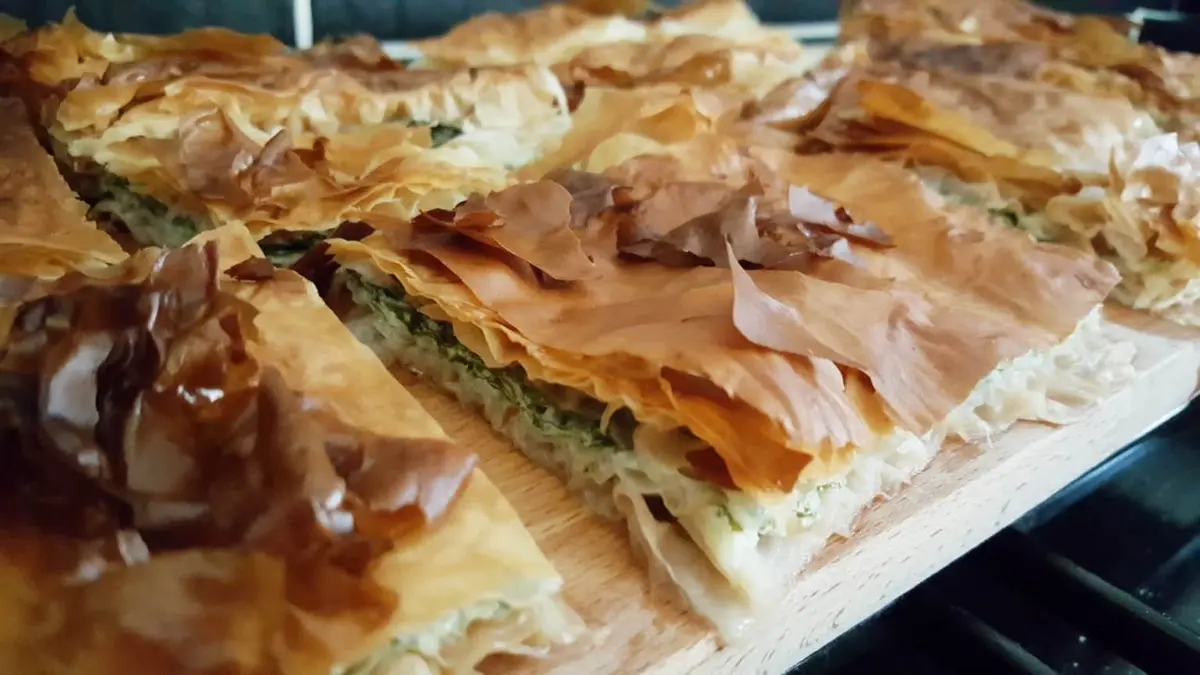
Dining out is the most affordable part of the trip — as long as you eat where locals eat. A byrek from a neighborhood bakery costs $0.35 to $1.20. A full lunch at a local taverna runs $6 to $9. A fresh seafood dinner with a carafe of house wine on the Saranda coast rarely exceeds $25 per person.
Street food and local dishes
The staples are cheap and filling, and traditional Albanian food rewards anyone who orders like a local. Byrek — a flaky pastry stuffed with spinach, cheese, or meat — is the definitive budget breakfast at 30 to 100 ALL ($0.35–$1.20). Tavë Kosi, a baked lamb and yogurt dish, runs $4.50 to $9 at a traditional restaurant. Fërgesë, a pepper and cottage cheese stew, is similar. A Qofte (grilled meatball) plate with bread is $3 to $5 at any neighborhood bufe.
Drinks
A pint of Korça or Tirana beer at a standard bar costs 150 to 250 ALL ($1.80–$3). Wine from local producers averages $5 to $8 a bottle in a restaurant. A small glass of homemade Rakija — the throat-clearing spirit found everywhere from mountain guesthouses to harbor-front tavernas — is frequently offered on the house if you’ve been a friendly guest. This is genuine hospitality, not a sales tactic.
Where the food budget goes wrong
The trap is beachside tourist menus. A Sufllaqe (Albanian döner) costs 150 ALL ($1.80) at a Tirana street window. The exact same item, rebranded as a “wrap” at a beach club in Ksamil, costs 600 ALL ($7.30). The food is worse. Avoid anything with a QR code menu and a view of the Ionian.
What is the cheapest way to navigate Albania?
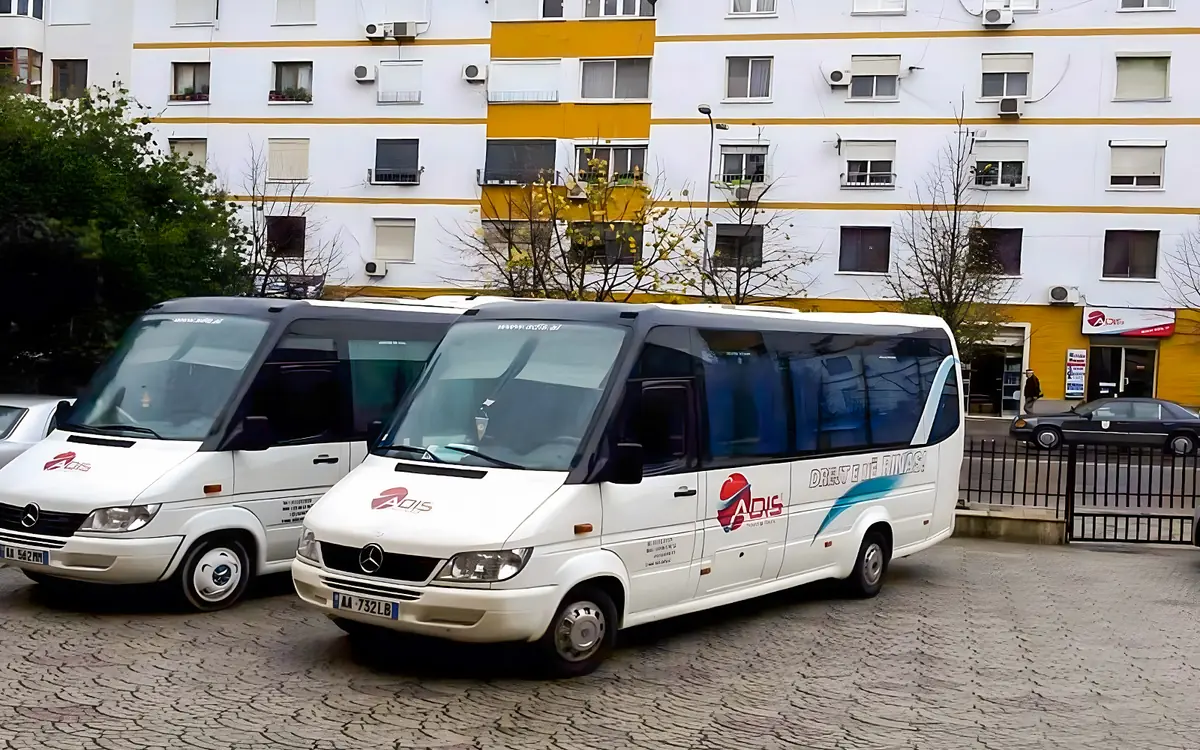
The cheapest way to get around is the informal furgon network — privately operated minibuses that connect every city, town, and mountain village in the country. Intercity tickets cost between $3.60 and $11 depending on distance. Budget car rentals offer more freedom and average $29 to $41 per day, though the driving conditions add a real cost in stress.
Navigating the furgon system from Tirana
The single most confusing logistical hurdle for first-time visitors is finding the right terminal. Furgons to northern cities — Shkoder, Theth, Koman Lake — depart from the Regional Bus Terminal North and South, known locally as Kthesa e Kamzës. It is not in the city center. You take local bus line 2 or a rideshare to reach it from Skanderbeg Square.
Key fares from Tirana:
- Tirana to Shkoder: 300 ALL ($3.60), approximately 2 hours
- Tirana to Saranda: 1,200–1,500 ALL ($14.50–$18), approximately 5 to 6 hours
- Tirana to Theth: 500–700 ALL ($6–$8.50), approximately 3 to 4 hours
- Airport bus to city center: 400 ALL or €4 ($4.85), approximately 25 minutes
One rule to understand before boarding: furgons do not leave on a printed schedule. They leave when the vehicle is full. On my last trip north, I sat in a stationary van for 40 minutes in July heat before a final passenger took the last seat and the driver turned the ignition. Factor this into any connection you’re planning.
A second quirk: intercity furgons frequently don’t enter the city center at the destination end. They drop passengers at a roundabout or highway junction outside of town. Travelers heading into Lushnje from the south, for example, may find themselves flagging down a passing vehicle from a roadside junction two miles (3 km) from their guesthouse.
Car rental considerations
Renting a car in Albania through DiscoverCars or similar aggregators averages €25 to €35 ($29–$41) per day for a compact. The real expense is the driving itself: roads in the north are narrow, frequently unpaved, and shared with livestock. The road to Theth from Shkoder involves 9 miles (15 km) of gravel switchbacks where a standard hatchback will struggle. Budget for a crossover or small SUV if you’re heading into the mountains.
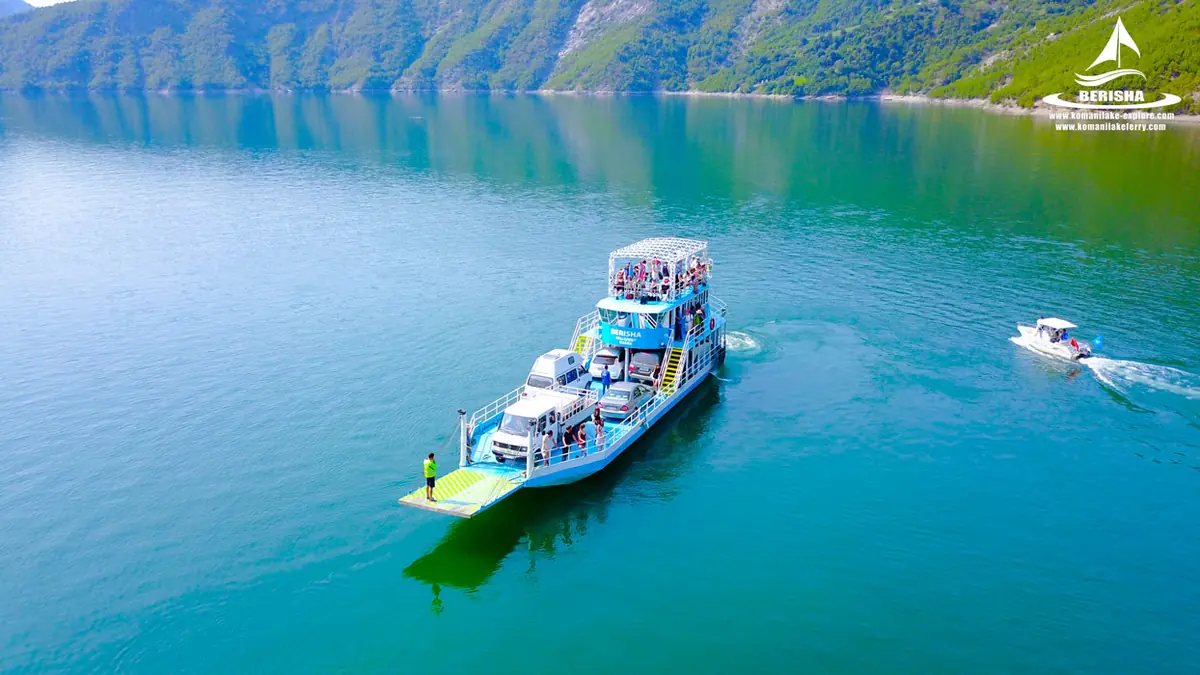
Pro Tip: The Komani Lake Ferry operated by Berisha is a working vehicle ferry, not a sightseeing cruise — it carries cars, supplies and passengers through a flooded river gorge. The passenger fare is €8 to €10 (around $10 to $12) each way, and the roughly 3-hour crossing through vertical canyon walls is one of the genuinely dramatic journeys in the Balkans.
How much should a family of four budget for Albania?
A family of four should plan on $160 to $270 per day when traveling Albania with kids, excluding international flights. Based on documented aggregate data, a three-week family trip using mid-range apartment rentals, a rental SUV, and a mix of dining out and self-catering costs roughly $7,600 total — with the single biggest line item being the vehicle.
The breakdown for a three-week trip with four people:
- Flights and car rental combined: approximately $3,200
- Accommodation (apartments with kitchens): approximately $2,270
- Food (mix of self-catering and restaurants): approximately $1,560
- Excursions and entry fees: approximately $570
The apartment kitchen strategy
Booking a residential apartment with a full kitchen rather than a hotel room cuts daily food costs for a family by 40 to 60 percent. Supermarket staples are cheap: a liter of local olive oil runs $3 to $5, a kilo (2.2 lb) of fresh tomatoes is under $1, and a rotisserie chicken from a neighborhood grill costs $5 to $7. Even two restaurant meals a day, substituted for one at-home dinner, dramatically shifts the weekly total.
Beach costs multiply with family size
The sunbed economics in commercialized beach areas are brutal when you multiply by four. At a standard beach club in Ksamil, two sunbeds and an umbrella run $22 to $27 per day. To cover a family of four, that’s $44 to $54 daily — before food or drinks. A cheap personal beach umbrella, purchased at a Tirana supermarket for $8 to $12, used at Himare or Borsh where free sand still exists, saves hundreds over a week.
What is the old lek versus new lek confusion?
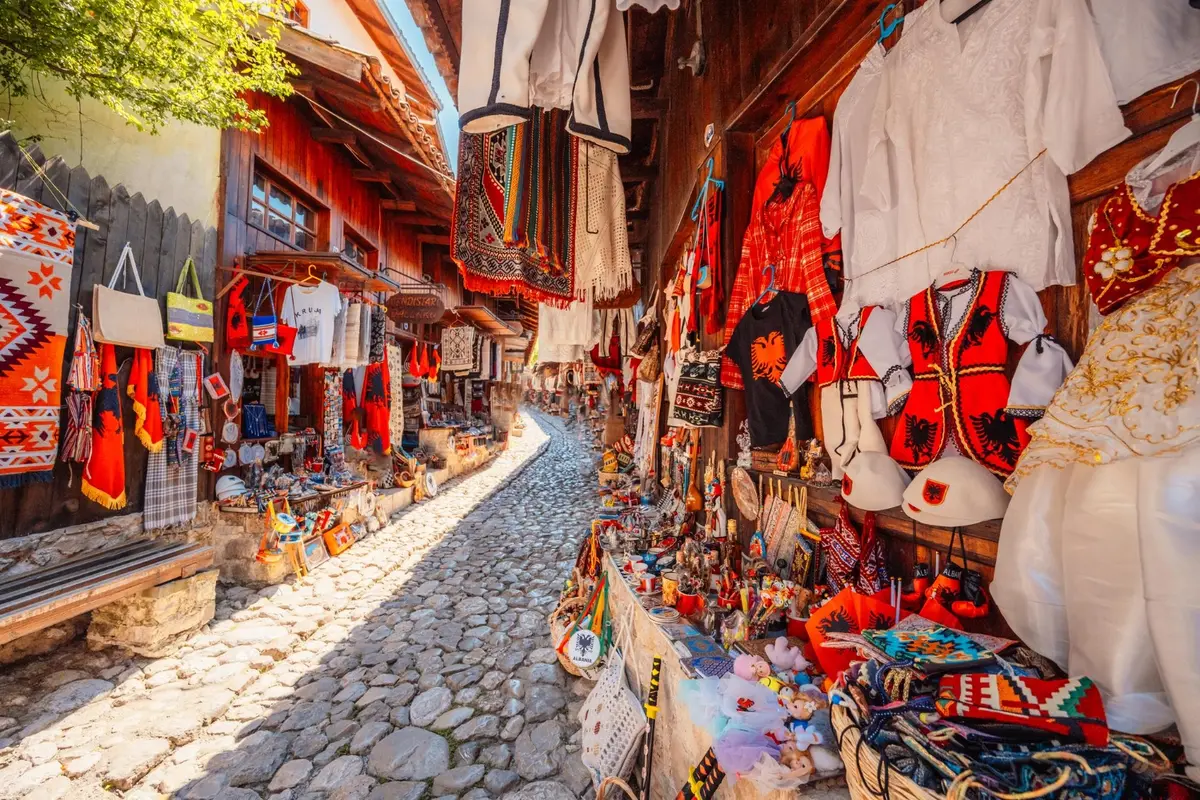
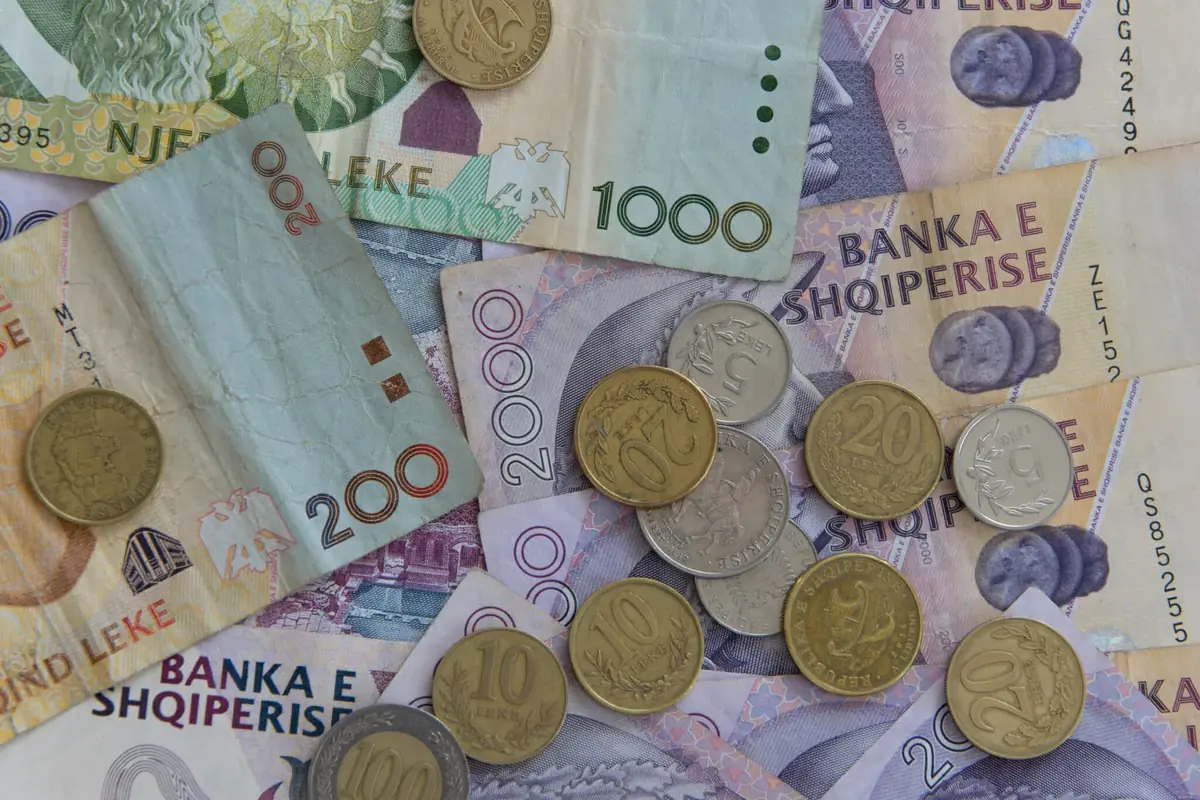
Albania redenominated its currency in 1965 at ten to one, dropping a zero. Written prices switched to new lek; spoken prices often didn’t. Older vendors and market sellers still quote in “old lek,” so a verbal price that sounds ten times too high usually is. Divide the spoken number by ten to get your real cost.
The most common financial trap in Albania is one that no currency exchange rate prepares you for. If a vendor quotes you a price verbally that sounds wildly high for the item in your hand, you have almost certainly encountered Old Lek pricing. A water bottle that costs 50 New Lek becomes “500” in casual spoken exchange. Divide by ten. That is your actual price.
The confusion traces back to a 1965 currency redenomination that replaced Old Albanian Lek at a 10:1 ratio with the new currency. The physical money changed; the verbal shorthand never did. A generation passed it down, and it stuck. Written prices on menus and receipts are always in New Lek. Spoken prices, particularly in markets, older neighborhoods, and informal transactions, often aren’t.
The 100 Lek coin — the one featuring Queen Teuta on the reverse — is a useful mental anchor. It’s worth roughly $1.21 USD. If someone quotes you 1,000 for a bottle of water, they mean 100 Lek, not 1,000.
If a spoken price sounds absurd, ask clearly: “Lekë të reja apo të vjetra?” — New Lek or old Lek? Most vendors will immediately clarify without offense. The ones who don’t clarify deserve your skepticism.
Are ATMs free for international tourists in Albania?
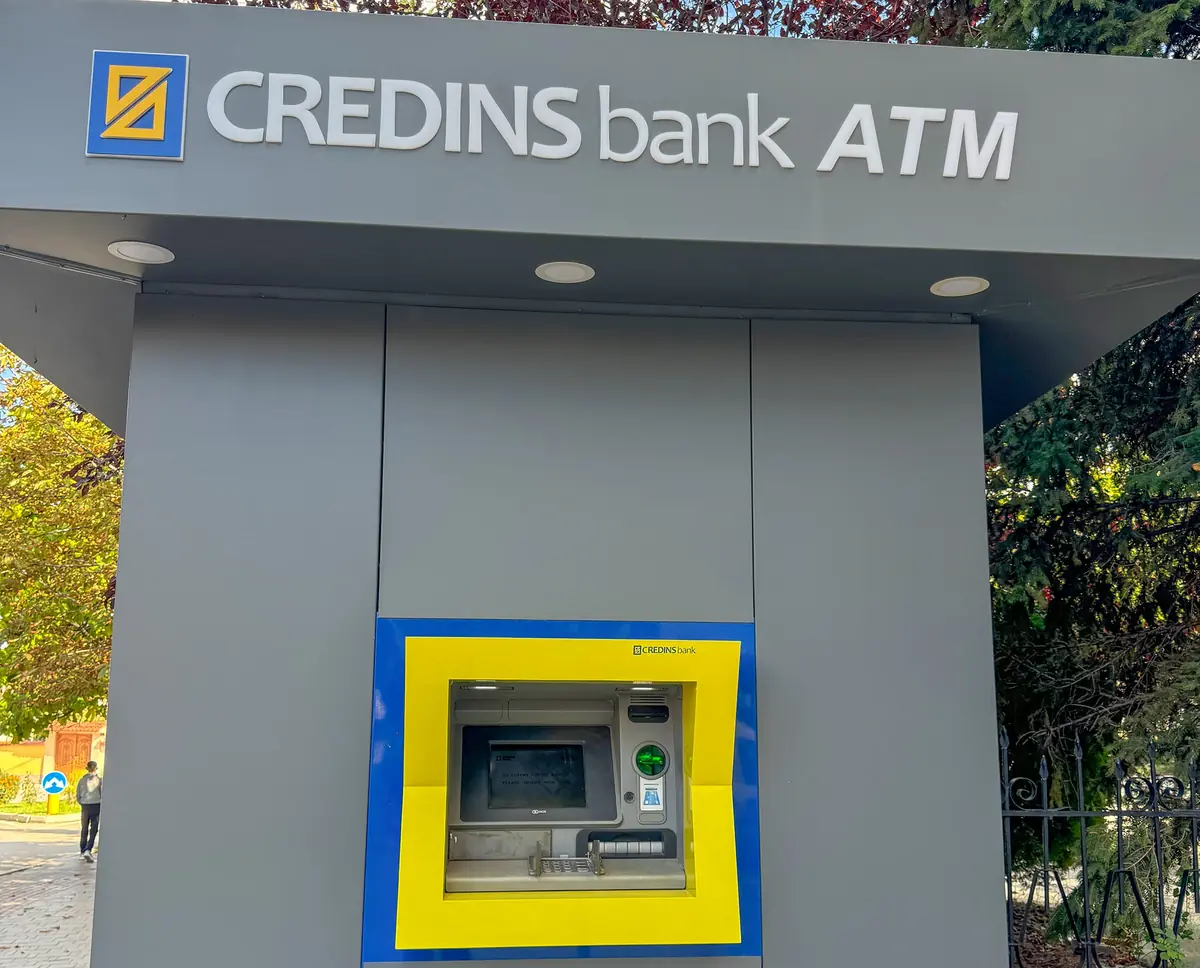
Fee-free ATMs for international cards essentially don’t exist in Albania, and the currency and ATM fees here catch most first-timers off guard. Every major bank operator charges a fixed local fee per withdrawal, regardless of whether your home bank also charges. Travelers should bring Euros or US Dollars in cash and exchange them at licensed currency offices (kembim valutor) in Tirana or Saranda for the most competitive rates.
ATM fees by bank
| Bank | Fee per Withdrawal (ALL) | Fee per Withdrawal (USD) |
|---|---|---|
| Credins Bank | 600 ALL | ~$7.30 |
| ABI Bank | 500 ALL | ~$6 |
| OTP Bank | 700 ALL | ~$8.50 |
| Tirana Bank | 700 ALL | ~$8.50 |
| Banka Kombetare Tregtare | 600 ALL | ~$7.30 |
Even zero-fee travel cards like Revolut and Wise do not escape these charges — the fee is levied by the local operator, not your home bank, so it bypasses any domestic waiver. Withdrawing $200 at a time rather than $50 limits how often you pay the toll. Most machines cap a single withdrawal around 50,000 ALL.
The second hazard at ATMs is dynamic currency conversion. Many machines present a screen offering to charge your card in your home currency (USD or EUR) rather than Albanian Lek. The exchange rate offered is typically 5 to 8 percent worse than the interbank rate. Always select “charge in local currency” and decline the conversion. The machine may phrase the screen to make declining feel like the riskier choice. It isn’t.
Pro Tip: ABI Bank and Union Bank tend to charge the lowest flat fees, and some branches of Banka Kombetare Tregtare run cheaper in secondary cities. Ask locals at your guesthouse which ATM they recommend before withdrawing — the answer is usually specific to that street.
Which popular tourist destinations are overpriced?
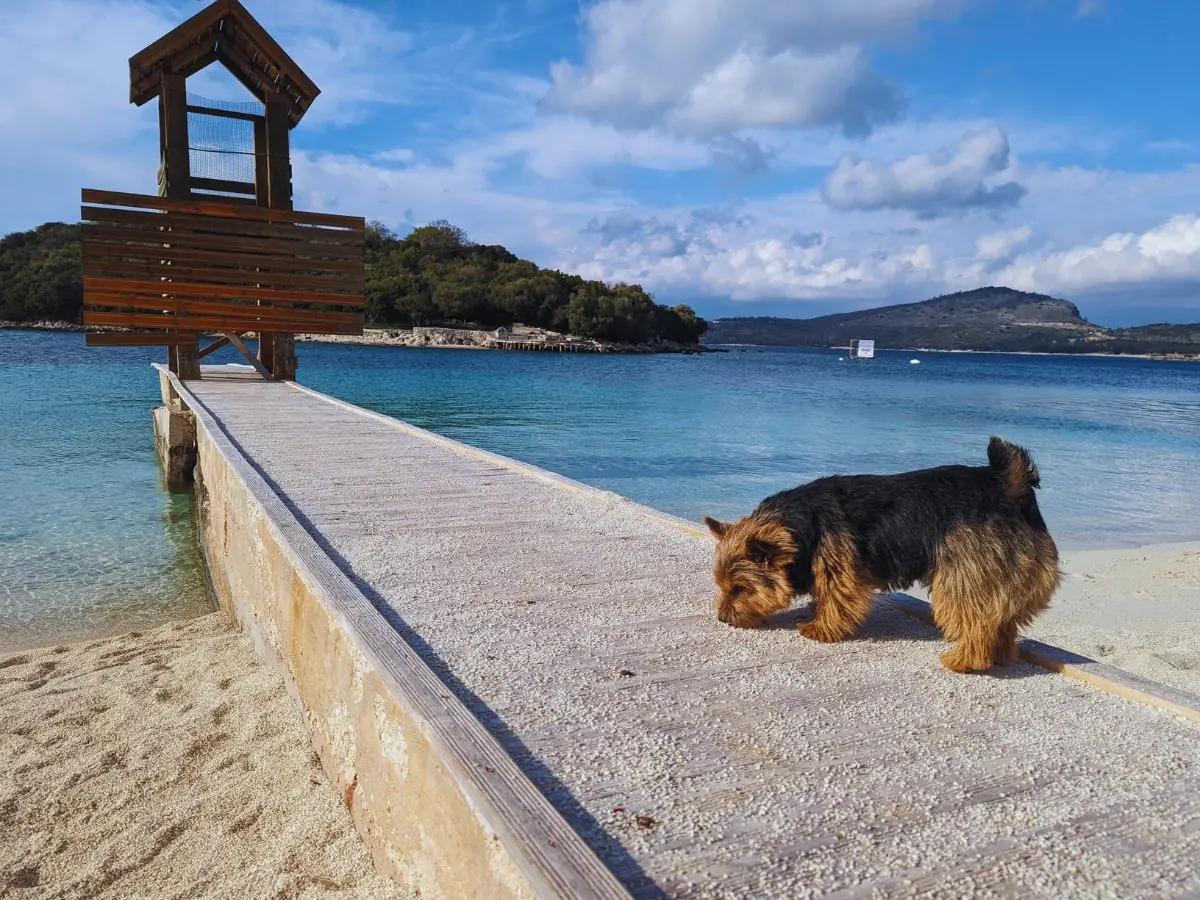
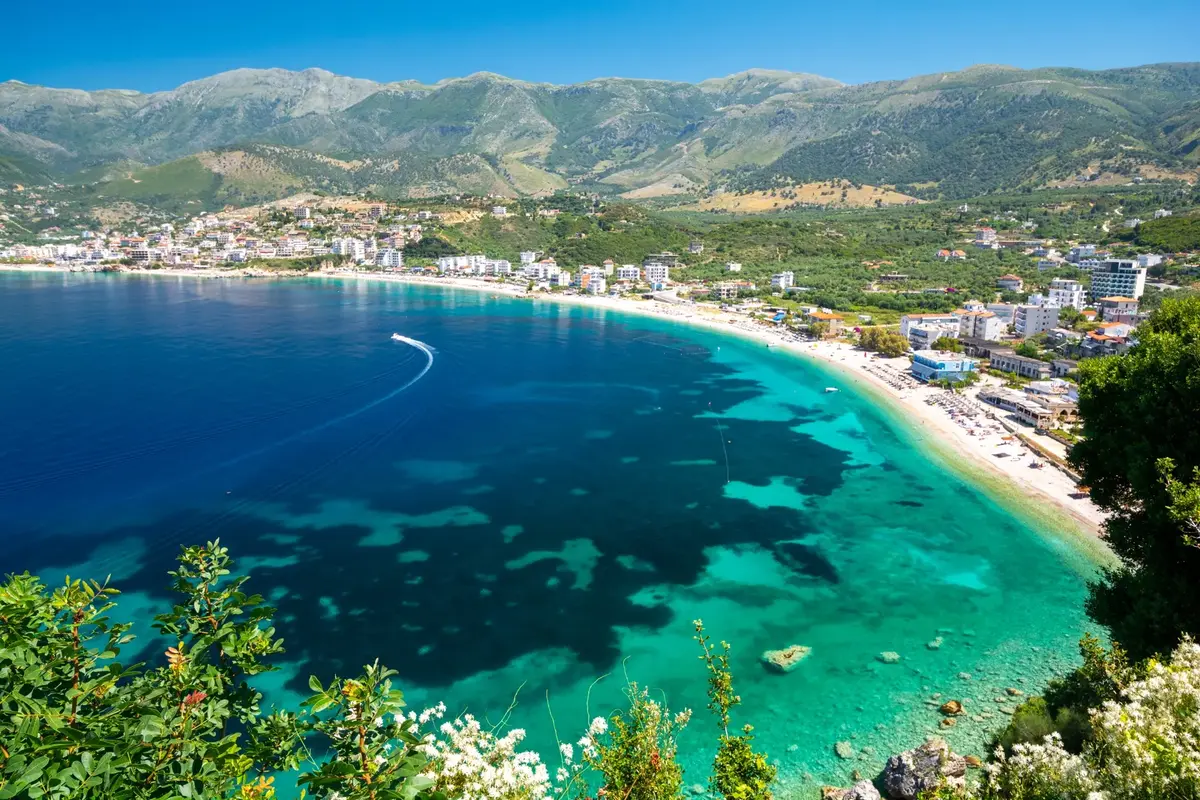
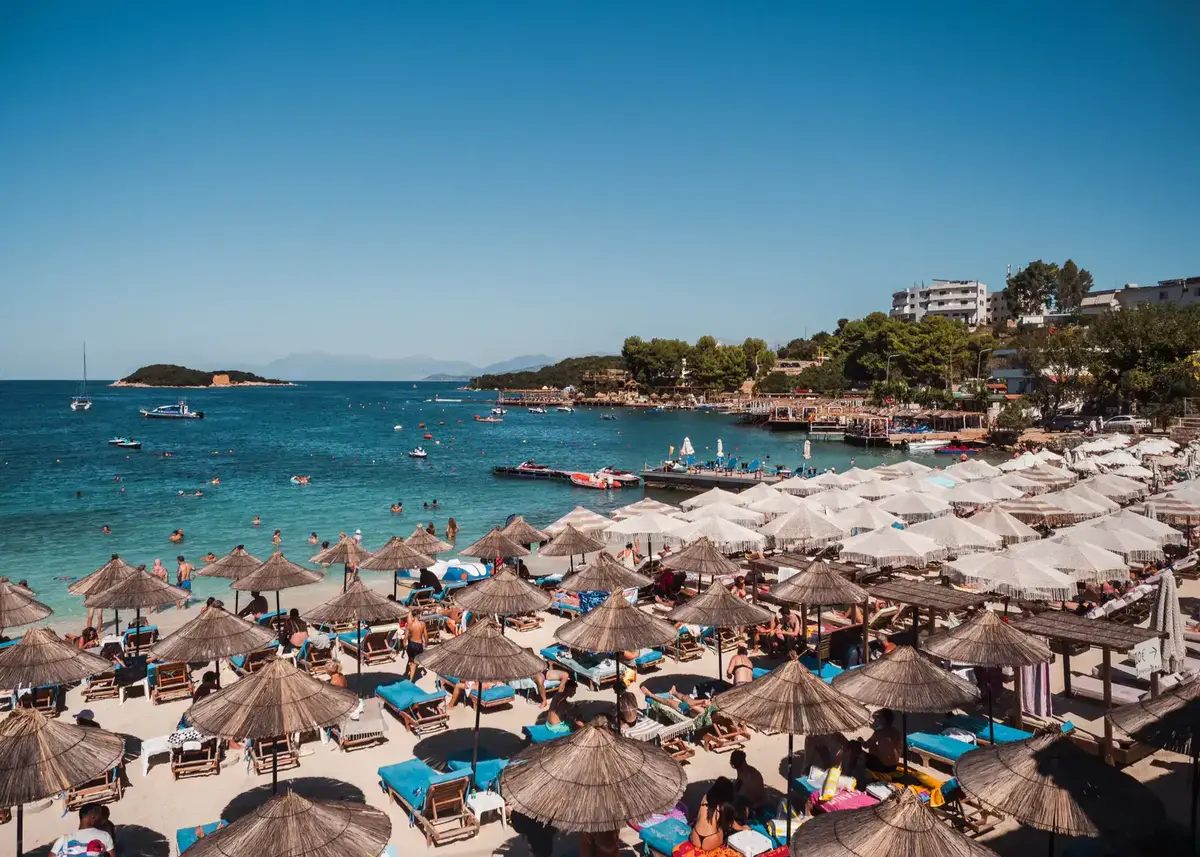
Ksamil has become, during peak summer months, one of the worst value destinations on the Albanian Riviera. Visitors arrive expecting the turquoise lagoons photographed in every travel reel and find instead wall-to-wall commercial beach clubs, construction noise, and sunbed operators who charge $22 to $75 for two chairs and an umbrella — before a single drink is ordered.
What happened to Ksamil
The core problem is a sunbed monopoly. Operators have claimed virtually every strip of sand. On my visit in late July, finding a patch of public beach where you could lay a towel without paying a club fee required a 20-minute walk along the shore and genuine determination. The public beach is small, crowded, and positioned between two competing clubs whose speakers overlap.
The nearby ruins at Butrint — a legitimate UNESCO World Heritage site and one of the most significant ancient cities in the Balkans — cost 1,000 ALL (around $12) for foreign visitors and are entirely worth it. Ksamil as a beach destination, during peak season, is not.
Better alternatives on the Riviera
- Himare: a working town with a mix of free public beach and lower-priced clubs ($11–$18 for two sunbeds)
- Borsh: a broad, partially undeveloped beach backed by olive groves, with some free sections intact
- Qeparo: quieter, accessible by car, with far less commercial infrastructure
- The Llogara Pass: a mountain drive above the Riviera with free viewpoints and zero beach club dynamics
The coast north of Saranda is more varied and less saturated. Saranda’s main municipal beach is genuinely free, though it fills early and sits directly in the city. The surrounding coves are private.
Pro Tip: The best-value stop on the Albanian Riviera is the Blue Eye (Syri i Kaltër), a natural spring near Saranda where the water holds at 50°F (10°C) regardless of air temperature. Entry costs 50 ALL ($0.60) per person, plus 100–200 ALL for parking. Swimming is now officially banned to protect the spring, so treat it as a viewing stop — but the color is extraordinary.
The bottom line
Albania remains one of the strongest value propositions in Europe, but it rewards travelers who do their homework. By relying on furgons, eating byrek at neighborhood bakeries instead of beachside tourist menus, understanding Old Lek verbal pricing, and choosing Himare over Ksamil in July, you can experience a genuinely varied country — mountains, ancient cities, and coast — on a fraction of what Greece or Croatia would cost, a gap any Albania versus Greece breakdown makes obvious.
TL;DR: Most travelers spend $45 to $100 per day depending on comfort level. Physical cash is non-negotiable — card terminals remain scarce outside cities, and ATMs charge $6 to $8.50 per withdrawal. Keep small denomination Lek on hand at all times for bus fares, public toilets, and market transactions where exact change is expected. The country’s low Albania travel cost is real; it just requires a bit more local knowledge to access than the headline numbers suggest.
Have you already priced out your Albania trip — and did the coastal costs catch you off guard?