Conchagua Volcano sits in El Salvador’s far southeastern corner, a long haul from the surf towns most travelers stick to. The reward for the drive: a summit campsite where one sunrise reveals three countries across the Gulf of Fonseca. Come for a night, not a day trip — the view that matters happens before 6 a.m.
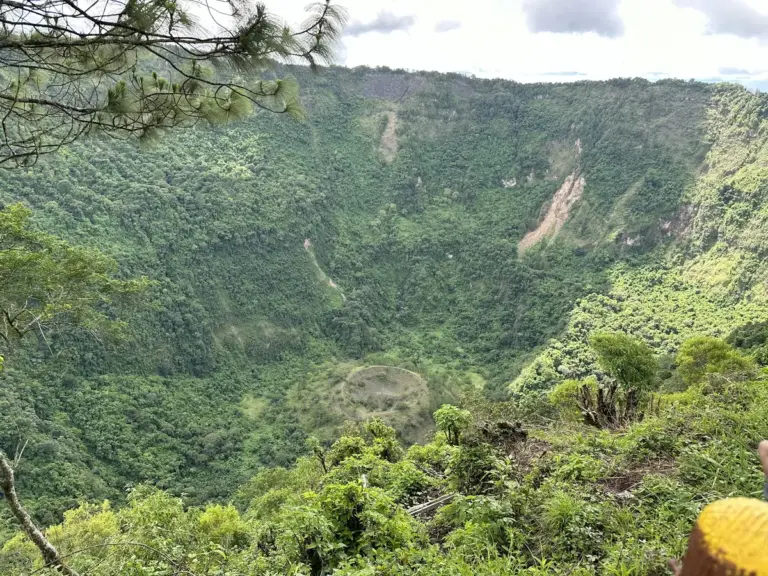
Conchagua is a dormant stratovolcano rising 4,078 feet (1,243 m) above the Gulf of Fonseca in southeastern El Salvador. Its draw is sunrise: from the summit campsite at Mirador Espíritu de la Montaña, the view stretches across El Salvador, Honduras, and Nicaragua. You reach it by 4×4 from La Unión, roughly 119 miles (192 km) from San Salvador.
Why Conchagua Volcano Is Worth the Trip East
Most visitors to El Salvador never make it this far east. The country’s headline hikes — Santa Ana’s crater lake, the cloud forest at El Imposible — sit a few hours from the capital, and the eastern departments get skipped. Conchagua is the argument for going anyway.
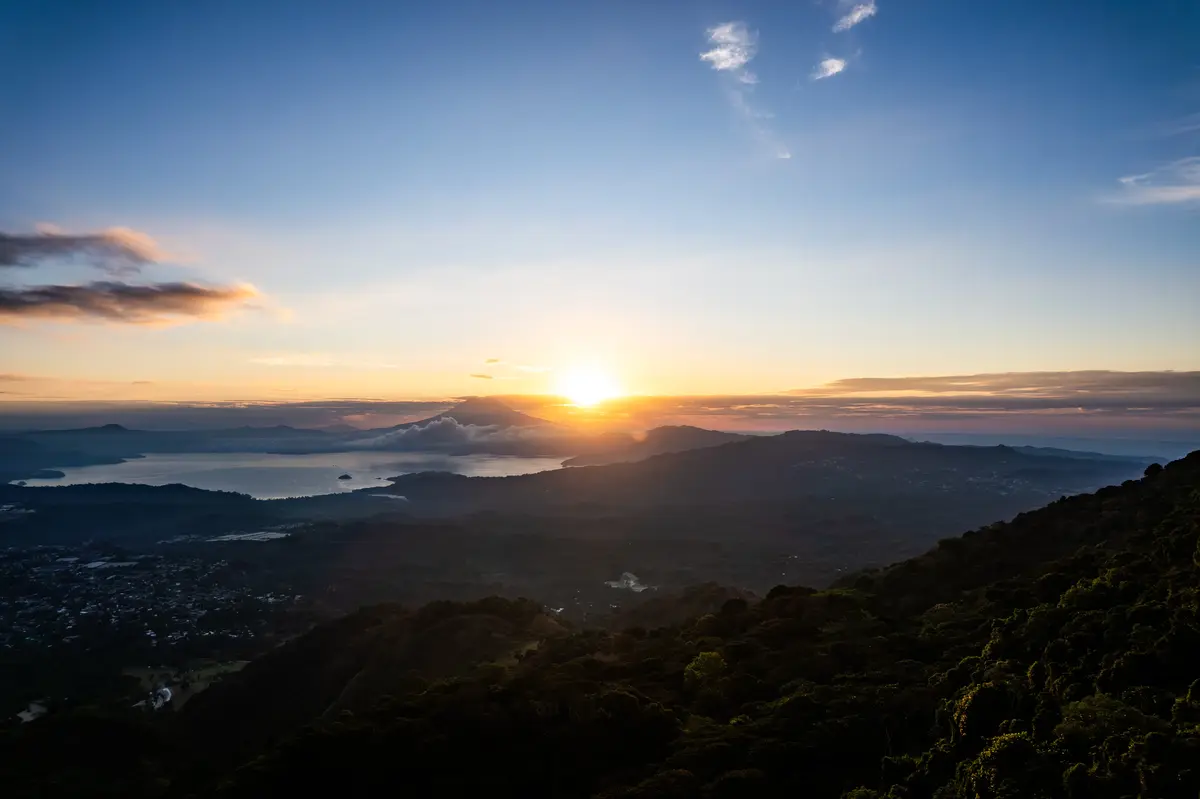
The volcano rises as a twin-coned silhouette over La Unión, the port city at its foot. There’s no polished visitor center, no paved summit road, no crater lake to photograph. What it has is the view east at first light, when the Gulf of Fonseca turns silver and the coastlines of three countries separate out of the haze. Locals call it the Guardian of the Gulf, and after one sunrise the name makes sense.
This is not a stop you tack onto an afternoon. It works as an overnight, and people who treat it as a quick photo run tend to leave disappointed.
How Do You Get to Conchagua Volcano?
From San Salvador, drive about 119 miles (192 km) southeast on the Carretera Litoral (CA-2) to La Unión. Most guides put this at 3 to 3.5 hours, though with stops and slow trucks it can stretch toward 4.5. From La Unión, a 4×4 pickup climbs the rough access road to the Mirador in roughly 45 minutes to an hour. Most people book a tour or arrange the CODECA shuttle.
The volcano sits about 106 miles (171 km) from Monseñor Óscar Arnulfo Romero International Airport (SAL), so flying into San Salvador and driving east is the standard approach. The final leg runs past the El Faro access gate near the hamlet of Amapalita, where the pavement ends and the dirt begins. Reservations and the shuttle both run through CODECA, the community association that manages the campsite (WhatsApp +503 7484 9950).
Transport Options Compared
| Option | Time | Cost (USD) | Best for |
|---|---|---|---|
| Self-drive 4×4 | 3–4.5 hr from San Salvador, then 45–60 min ascent | Rental + gas | Independent travelers fine on rough roads |
| CODECA shuttle from La Unión | ~45–60 min ascent | ~$10 round trip | Those who bus to La Unión, then ride up |
| Group tour (San Salvador / El Tunco) | Full day plus overnight | ~$65–125 | First-timers who want it all handled |
| Public bus + shuttle | Half a day to La Unión | A few dollars + $10 | Budget backpackers with time to spare |
Do You Need a 4×4?
For the final stretch, yes — plan on a 4×4 or a high-clearance pickup. The access road past the lower area turns rocky, rutted, and steep, and in places it’s narrow enough that only one vehicle passes at a time. A regular sedan can reach the lower parking, where you leave it and ride the shuttle the rest of the way up.
One honest caveat: some travelers report a high-clearance SUV made it without a true 4×4. Either way, the road is genuinely rough — don’t attempt it in a low car, and skip it entirely after heavy rain, when the dirt turns slick.
Camping at Mirador Espíritu de la Montaña
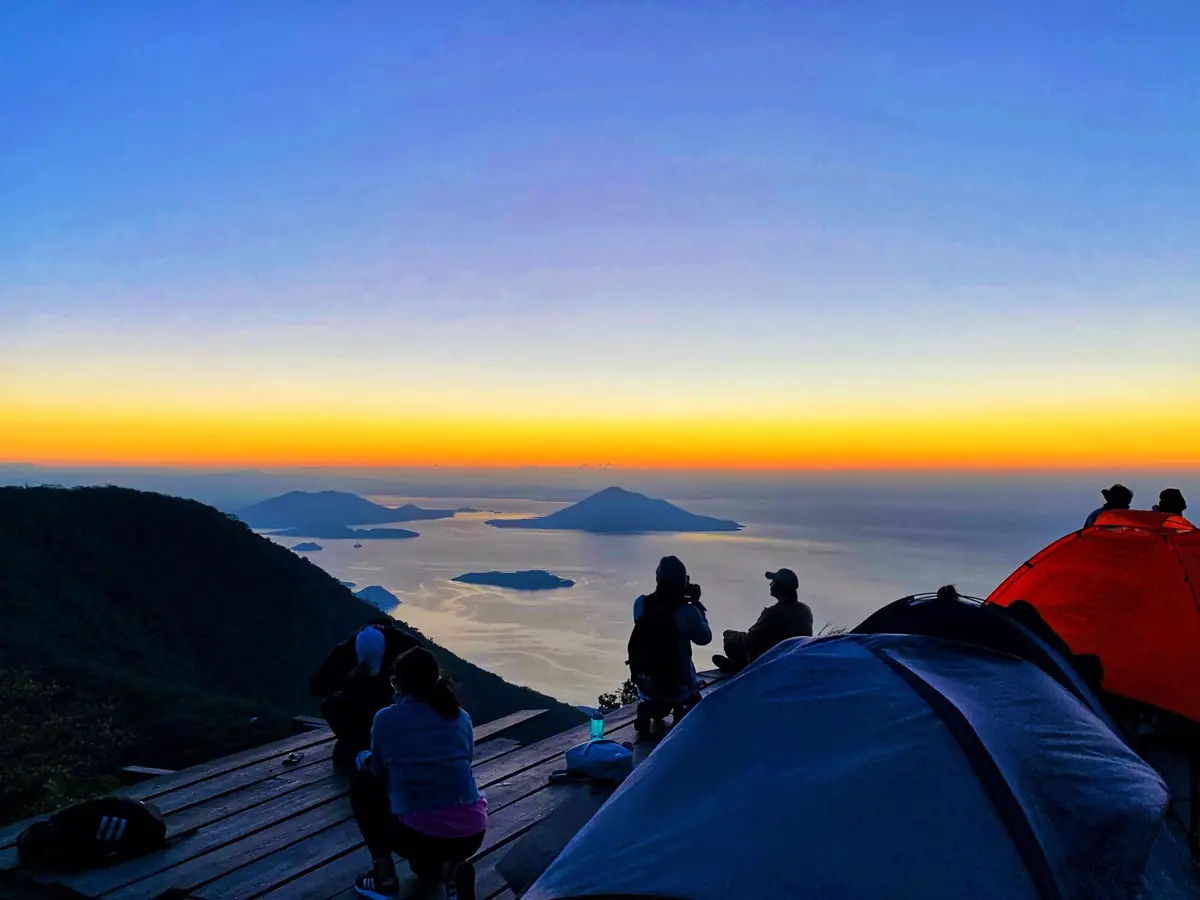
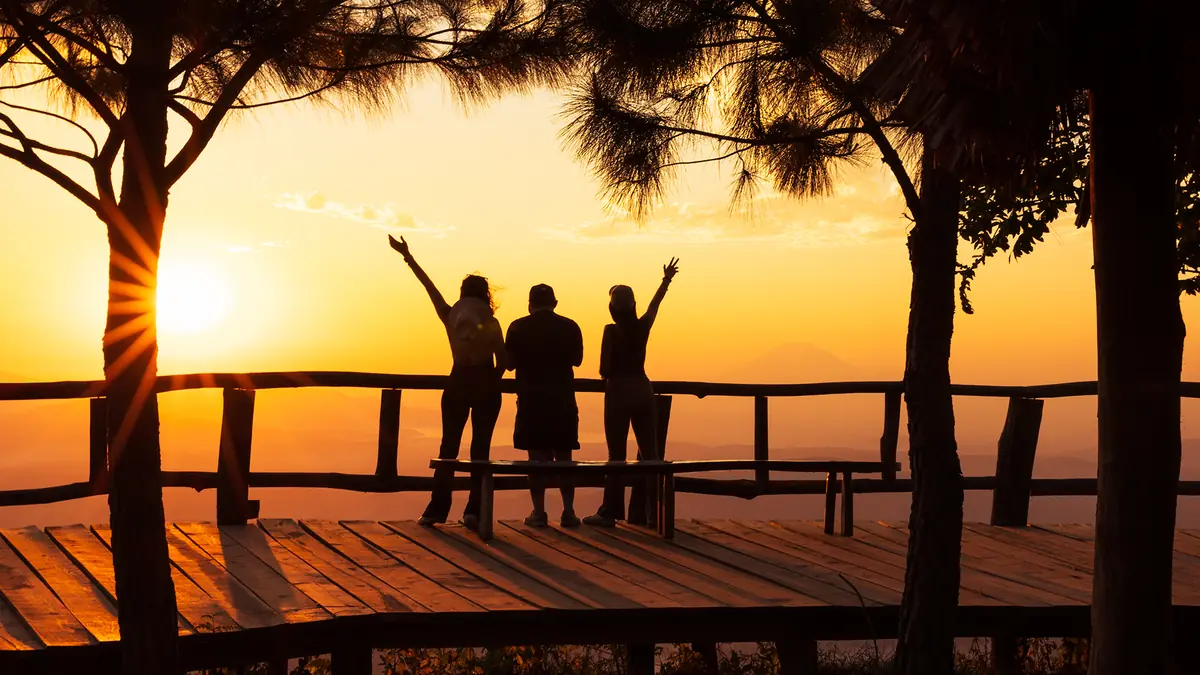
The campsite near the summit is the whole point. You sleep on a raised wooden platform or pitch a tent among the pines, a few minutes’ walk from the east-facing viewpoint where the sunrise unfolds. Reserve ahead through CODECA, especially for weekends, when spots fill.
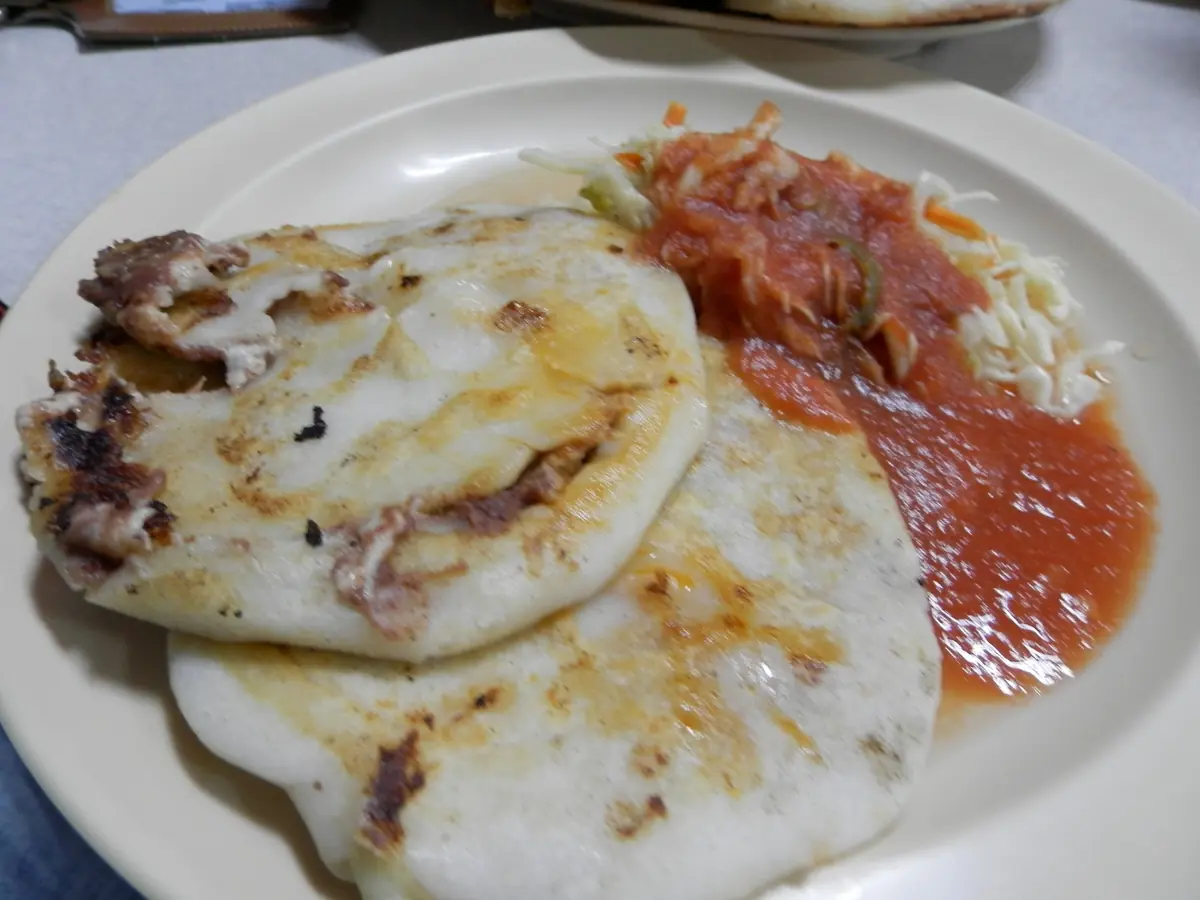
It’s basic, and that’s part of the deal. A small shop sells water and snacks, a simple kitchen turns out pupusas and típicos, and there are toilets — though for a real shower you’re waiting until you’re back down in La Unión. Rain tends to roll in after dark in the wetter months; the wooden decking keeps you drier than bare ground, which is worth remembering when you choose a spot.
- Location: Mirador Espíritu de la Montaña, near the Conchagua summit above La Unión
- Reservations: CODECA via WhatsApp (+503 7484 9950)
- Sleeping: wooden platform or pitch in the pine forest
- On site: small shop, simple restaurant (pupusas, típicos), basic toilets
- Best for: overnight campers chasing the sunrise — not day-trippers
Pro Tip: Everything on the mountain is cash, in US dollars — there’s no card reader at the gate, the shop, or the kitchen. Bring small bills, since change for a $20 is hard to come by up there.
Fees and What’s Included
The fees are small and itemized rather than bundled, which trips up first-timers expecting one ticket. Budget for an entrance fee, a per-person camping charge, and the shuttle if you’re not driving yourself.
| Fee | Approx. cost (USD) |
|---|---|
| Protected area (per vehicle) | $5 |
| Mirador entry (per person) | $5 |
| Camping (per person) | $2 |
| Shuttle from La Unión (round trip) | $10 |
| Tent rental (2-person) | $10 |
| Tent rental (3-person) | $15 |
| Sleeping bag rental | $5 |
These are approximate — confirm at booking, since the smaller fees and gear-rental rates change. Several operators package the lot. Dolphins Tour (also written Delfines Tour) in La Unión runs an all-in independent camping deal for around $40 per person that folds in the shuttle, entrances, and a spot to camp (+503 2604-0014).
The Conchagua Sunrise and the Three-Country View
The sunrise is the reason to camp. Facing east over the Gulf of Fonseca, a clear morning lays out El Salvador in the foreground, Honduras across the water (the dark hump of Isla El Tigre), and Nicaragua’s Cosigüina volcano on the far horizon. Sunrise falls around 5:25 to 5:40 a.m. — in nearby La Unión and San Miguel it can break as early as 5:24 — so be up before it.
Here’s the honest part: the three-country view is real, but it isn’t guaranteed. Haze and low cloud routinely swallow the more distant coastlines, and on a soft morning you may get a gorgeous gulf and only a rumor of Nicaragua. Dry-season mornings give you the best odds. Closer in, the Salvadoran islands — Meanguera, Conchagüita, Zacatillo — sit clearly in the gulf no matter the haze.
Don’t sleep through the night sky, either. Before the moon is up, the stars over the summit are excellent, and the Milky Way is often visible with the naked eye. Set your alarm earlier than feels reasonable; the sky starts shifting color well before the sun clears the horizon.
Is Conchagua a Real Hike?
Not really — and that’s worth knowing before you go. There’s no dedicated summit trail. The “hike” is the El Tigre Que Vuela access road, the same rough track the trucks use. From the lower area it’s about 1.5 hours on foot to the first main viewpoint, and 2 to 2.5 hours from the lower campsite up to the highest one.
So come for the camping and the view, not the climb. The grade is moderate and the surface is road, not technical trail, which makes it manageable for families and casual walkers who don’t mind a steady uphill. Most people ride up by truck and walk only short stretches near the top. If you arrive expecting a marked peak-bagging route, you’ll be confused — there isn’t one.
When Should You Go, and What’s the Weather Like at the Summit?
Go in the dry season, November through April, when skies are clearest and the three-country view actually shows up. The rainy season (May to October) brings afternoon storms and haze that bury the distant coastlines. Down at the coast it runs hot — roughly 74 to 92°F (23 to 33°C) — but the summit is a different story after dark.
At around 4,100 feet (1,250 m), the night air drops and the exposed platform catches wind, so a beach layer won’t cut it once the sun is down. December nights are the coolest. The wind, more than the temperature, is what people underestimate — it’s the difference between a pleasant evening and a cold one.
What to Pack for a Night on the Summit
- Warm layer: a fleece or light jacket — summit nights are cool and windy
- Rain jacket: mountain weather shifts fast, even outside the rainy months
- Headlamp: there’s no lighting on the road or platform after dark
- Water and snacks: the shop is basic and may be closed when you arrive
- Sun protection: a hat and sunscreen, since the morning sun comes in hard once it’s up
- Insect repellent: for the pines at dusk
- Small US dollar bills: every fee and the kitchen are cash only
- Tent and sleeping bag: bring your own, or rent on site
Is Conchagua Volcano Safe to Visit?
Yes. El Salvador holds the US State Department’s Level 1 advisory — “Exercise Normal Precautions” — the lowest of four tiers and the only country in Central America to hold it. Violent crime has dropped sharply, and the national homicide rate sits near 1.3 per 100,000 residents, well below regional neighbors. At Conchagua, the real hazards are the rough road, summit wind, and petty theft.
One thing US readers should understand: El Salvador’s State of Exception remains in effect, an emergency framework that allows detention without the usual protections. US citizens and other foreigners have been detained under it and held while awaiting trial. The practical takeaway is simple — carry your passport or a copy, don’t get drawn into anything questionable, and use reputable transport. Advisory levels can change, so check travel.state.gov before you book.
Pro Tip: El Salvador has a zero-tolerance drink-driving law — any measurable alcohol can mean detention. If you’re self-driving the long road east, keep it dry.
Costs: Tours Versus Doing It Yourself
Doing it independently is cheapest. Stack the entrance and camping fees with a shuttle and you’re at roughly $17 to $40 per person, plus whatever gear you bring or rent. A guided group tour from San Salvador or El Tunco runs about $65, and a private or small-group trip with hotel pickup and gear can reach $125. What you’re really buying with a tour is the logistics — someone else handling the drive, the reservation, and the 4×4.
| Approach | Per person (USD) | What’s included |
|---|---|---|
| DIY independent | ~$17–40 | Entrances, camping, shuttle; bring or rent gear |
| Dolphins Tour package | ~$40 | Round-trip shuttle, entrances, camping spot |
| Group tour (e.g. Club de Mochileros) | ~$65 | Transport from the capital, guide, camping |
| Private / small-group (e.g. Tunco Life) | up to ~$125 | Hotel pickup, guide, gear, sometimes a beach day |
If you go DIY, the work is arranging the CODECA shuttle and sorting a tent. If you book a tour, the trade is money for simplicity, and two-day versions often bolt on a beach stop — Playa Las Flores near San Miguel is a common one. Neither choice is wrong; it comes down to whether you’d rather save the cash or skip the planning.
Where Conchagua Fits in Your El Salvador Trip
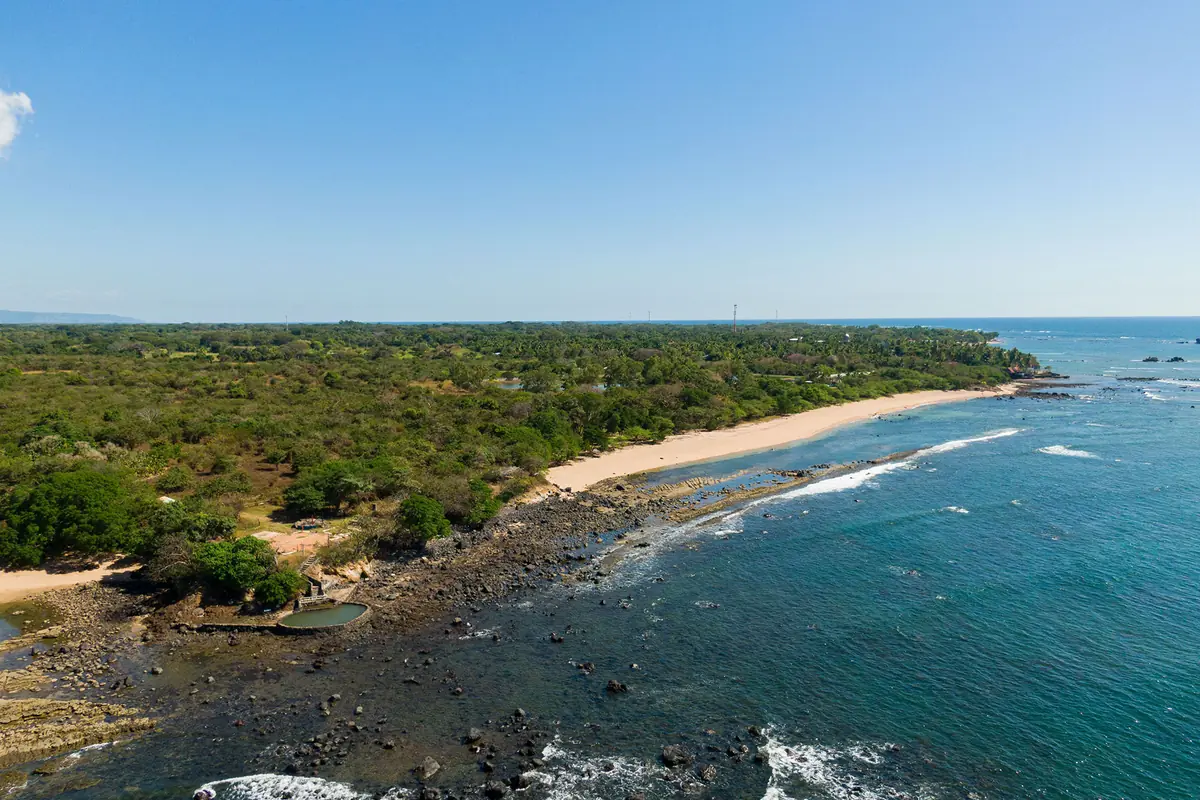
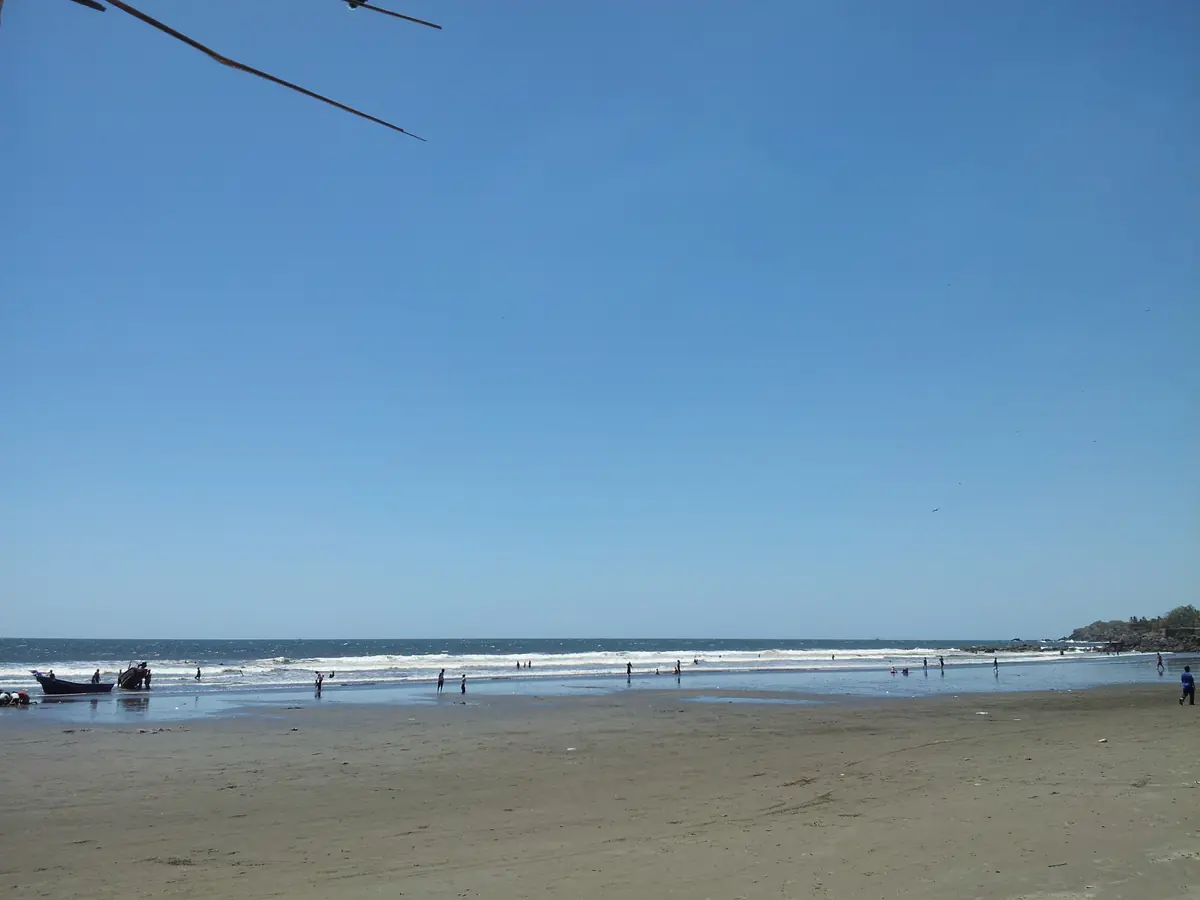
Conchagua works best as the anchor of an eastern loop rather than a stand-alone trip. La Unión sits at its base, with boats crossing the Gulf of Fonseca to the island of Meanguera and, for the ambitious, onward toward the Nicaraguan side. The beaches at El Cuco and the surf at Playa Las Flores are about an hour away, and San Miguel breaks up the drive back west.
There’s history layered under the view. This is Lenca country, and the mountain carries the legend of Comizahual, the “Jaguar Princess,” along with the Espíritu de la Montaña that gives the campsite its name. Chiltota orioles flit through the pines up top.
You may also hear about Bitcoin City — the crypto metropolis once promised at the foot of a Conchagua volcano, meant to draw power from geothermal energy. It was never built; there’s no construction at the site. El Salvador has since pulled back its Bitcoin push, so the cryptocurrency is voluntary rather than required, the US dollar runs everything, and on the mountain only cash works.
Frequently Asked Questions
How Tall Is Conchagua Volcano?
Conchagua Volcano rises about 4,078 feet (1,243 m) above sea level in southeastern El Salvador. It’s a dormant stratovolcano with two main peaks — Cerro del Ocotal at 4,019 feet (1,225 m) and Cerro de la Bandera at 3,717 feet (1,133 m). There are no confirmed historical eruptions; older reports are considered erroneous, though steam-venting activity persists on both summits.
How Do You Get to Conchagua Volcano?
From San Salvador, drive about 119 miles (192 km) southeast on the Carretera Litoral (CA-2) to La Unión — most guides cite 3 to 3.5 hours, though some report up to 4.5 with stops. From La Unión, a 4×4 pickup climbs the rough access road to the Mirador Espíritu de la Montaña in roughly 45 minutes to an hour. Most visitors book a tour or arrange the CODECA shuttle (WhatsApp +503 7484 9950).
Can You Camp on Conchagua Volcano?
Yes. The main campsite is at the Mirador Espíritu de la Montaña near the summit, where you pitch a tent on a wooden platform or in the pine forest. Reserve ahead through the CODECA operators. Expect a small camping fee (about $2 per person) plus entrance fees (around $5 for the protected area and $5 for the Mirador), with basic toilets and a simple on-site shop.
Is Conchagua Volcano Safe to Visit?
Yes. El Salvador holds the US State Department’s Level 1 advisory (“Exercise Normal Precautions”) after a sharp drop in violent crime — the homicide rate has fallen to roughly 1.3 per 100,000 residents. The main practical risks at Conchagua are the rough access road, summit wind and weather, and petty theft. Carry your ID, since El Salvador’s State of Exception remains in effect, and use reputable transport.
Can You Really See Three Countries From Conchagua?
On a clear day, yes — the summit looks east over the Gulf of Fonseca toward Honduras (Isla El Tigre) and Nicaragua (Cosigüina volcano), plus Salvadoran islands like Meanguera and Conchagüita. Haze or cloud can hide the more distant countries, so dry-season mornings (November to April) offer the best chance. Sunrise falls around 5:25 to 5:40 a.m., so be on the platform early.
Before You Book
TL;DR: Conchagua is a one-night trip, not a day hike. Camp at the Mirador Espíritu de la Montaña for the sunrise over the Gulf of Fonseca, go in the dry season (November to April) for clear views, and arrange a 4×4 or tour from La Unión — budget roughly $40 to $125 depending on how much comfort you want.
The long drive east filters out the crowds, which is exactly why the payoff lands. Skip it as a day trip and you’ve spent eight hours in the car for a viewpoint; camp the night and you’ve earned a sunrise few people in El Salvador ever bother to chase.
Are you planning to camp the night or test your luck on a day trip — and is the three-country view the draw for you, or the stargazing? Tell me in the comments.