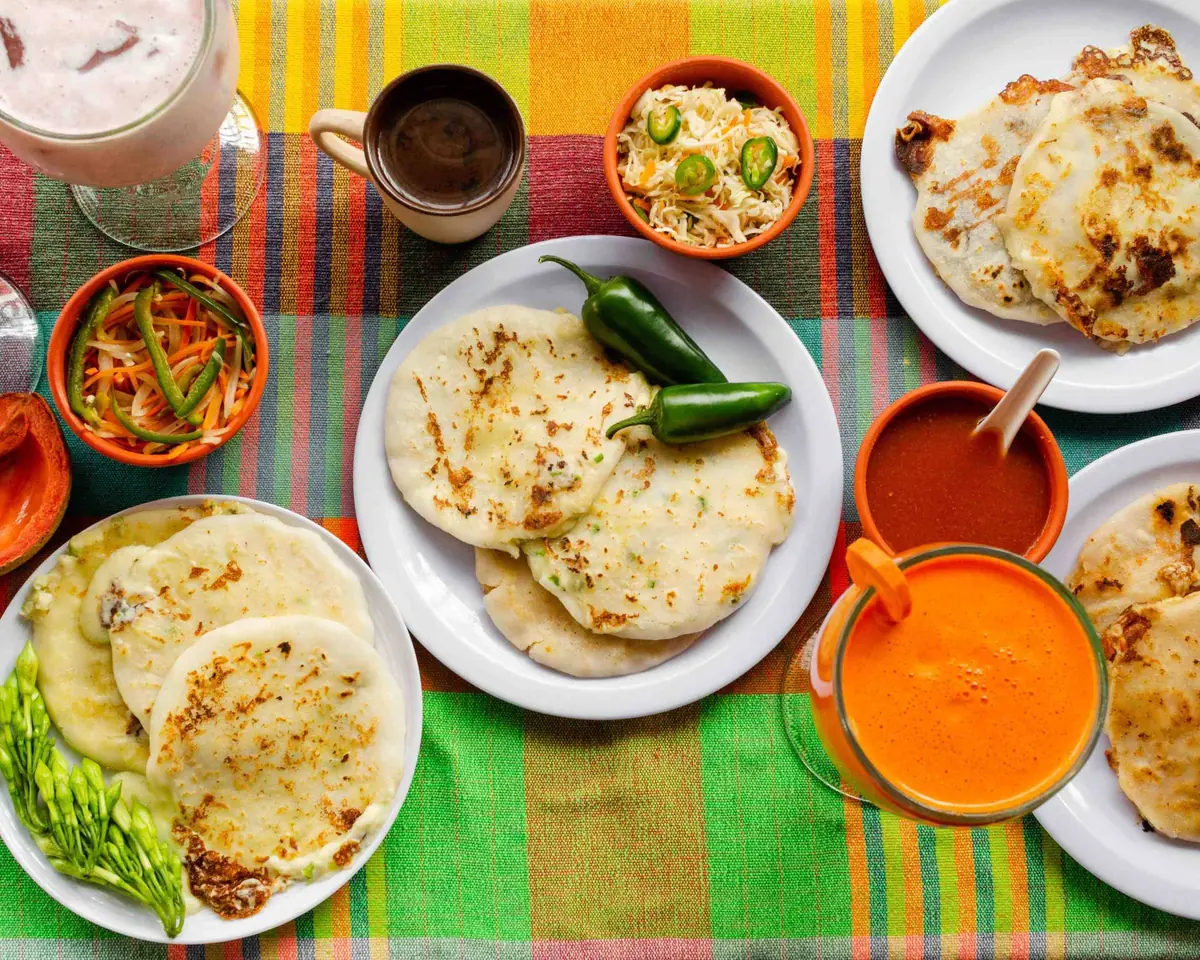
The pupusas in Olocuilta, El Salvador, are why travelers bail on a layover and grab an Uber. This is the town that invented the rice-flour pupusa, minutes from the international airport — not one of the U.S. restaurants that borrowed the name. Here’s what to order, what you’ll pay, and whether the detour is worth it.
Is Olocuilta Worth Leaving the Airport For?
For a layover, yes. Olocuilta sits about 11 miles (18 km) from San Salvador’s airport — roughly a 19-minute drive — and its rice-flour pupusas are the cheapest, most authentic cultural bite near the terminal. As a standalone stop, keep expectations low: the draw is the food, not sights. Families can add the free eco-park nearby.
One blogger who made the run put it plainly: there’s little in town beyond a dozen or so pupuserías. That’s the honest read. For a short layover, though, nothing near the airport beats it for value or flavor per dollar, and the round trip fits inside a two-hour window with time to eat.
Pro Tip: If you’ve got a half-day and kids in tow, pair the pupusa run with Parque Ecológico de Olocuilta (details at the end). It turns a food stop into an afternoon.
What Makes Olocuilta’s Rice-Flour Pupusas Different?
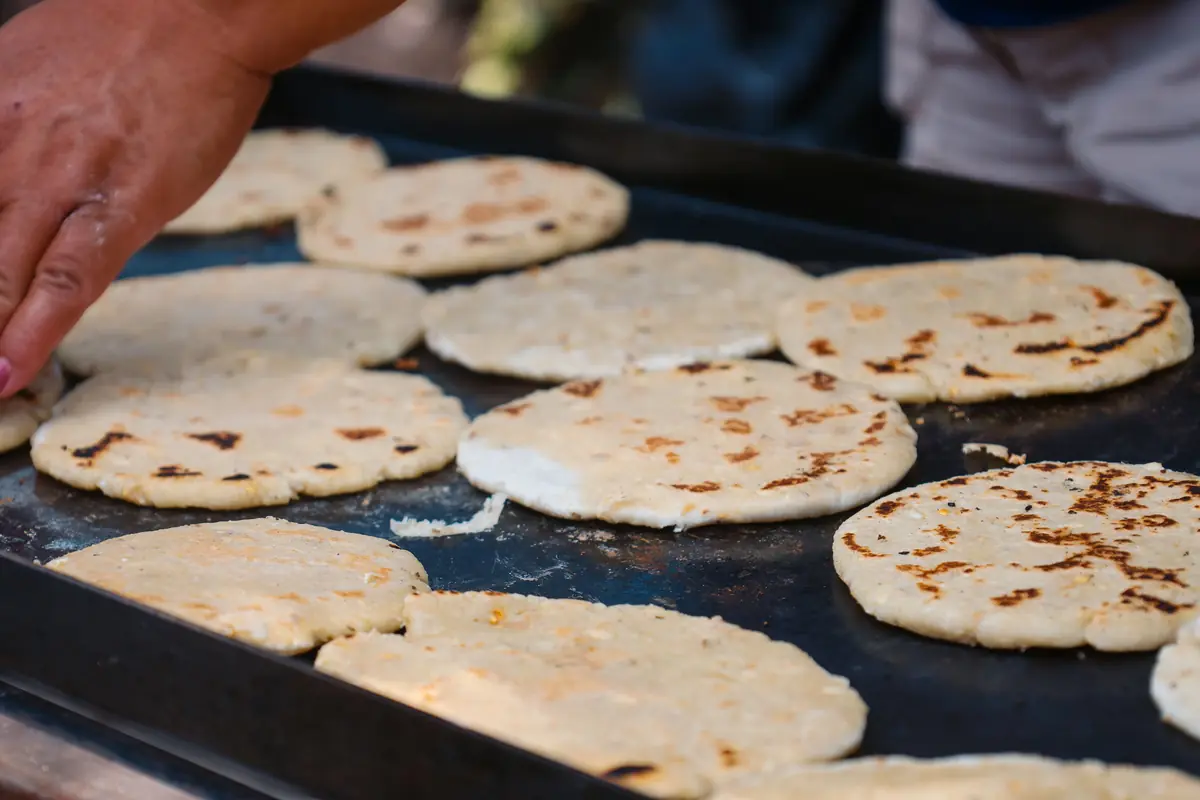
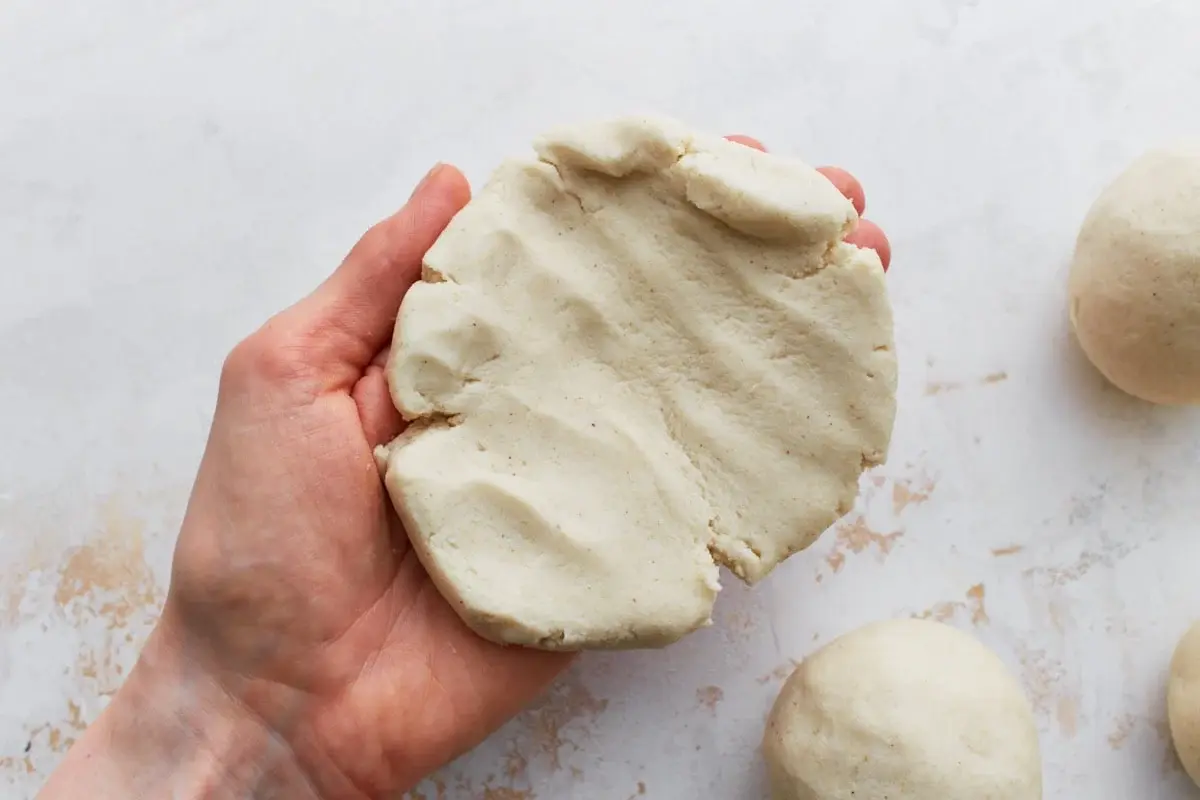
Olocuilta is the birthplace of the pupusa de arroz — a pupusa made with rice flour instead of corn masa. Families here switched to rice during a corn shortage generations ago, and the version stuck. Rice masa fries up crispier and browns more, with a plainer, cleaner taste that lets the filling lead.
Rice masa is used only for pupusas; it doesn’t do double duty like corn masa. The recipe earned El Salvador’s first Geographic Indication, a legal mark tying the “Pupusa de Arroz de Olocuilta” name to this specific town.
There’s a bit of folklore worth knowing at the comal: when a pupusa puffs up like a balloon as it cooks, the pupuseras say it means good luck, or that a hungry guest is on the way. Watch for it.
Common fillings you’ll see on the board:
- Revuelta: cheese, refried beans, and chicharrón (the all-in-one classic)
- Queso: just cheese, usually quesillo
- Loroco con queso: an edible flower bud with cheese, herbal and local
- Ayote: squash, mild and slightly sweet
- Chipilín or jalapeño con queso: greens or heat, both cheese-backed
Pro Tip: Order at least one de arroz to taste why the town is famous, then a corn one on the side. The texture difference is the whole point.
How to Get to Olocuilta From the Airport
Olocuilta is about 11 miles (18 km) from San Salvador’s airport — roughly 19 minutes by car. The pupusa stands sit at kilometer 24 of the Autopista a Comalapa, the highway that runs right past the terminal. Take an Uber for a layover, a bus if you’re counting pennies, or a rental car if you’re continuing to the coast.
Drive times to know:
- From the airport (SAL): about 11 miles (18 km), roughly 19 minutes
- From San Salvador city: about 13-14 miles (21-23 km), roughly 22-26 minutes
- Highway marker: kilometer 24, Autopista a Comalapa (the number your driver needs)
Your three ways in:
- Rideshare: The simplest option straight from the airport. Tell the driver “los pupusódromos, km 24” so there’s no confusion with the town center.
- Bus: From San Salvador’s Terminal del Sur toward Zacatecoluca or Comalapa. Cheap, but slow and awkward with luggage.
- Rental car: Worth it only if you’re driving on to the beaches or across the country.
Pro Tip: Return rides from the stands can be thin at odd hours. Ask your driver to wait, or agree on a round trip before you get out — otherwise you may be standing on the shoulder waiting for a car.
The Four Pupusódromos, Compared
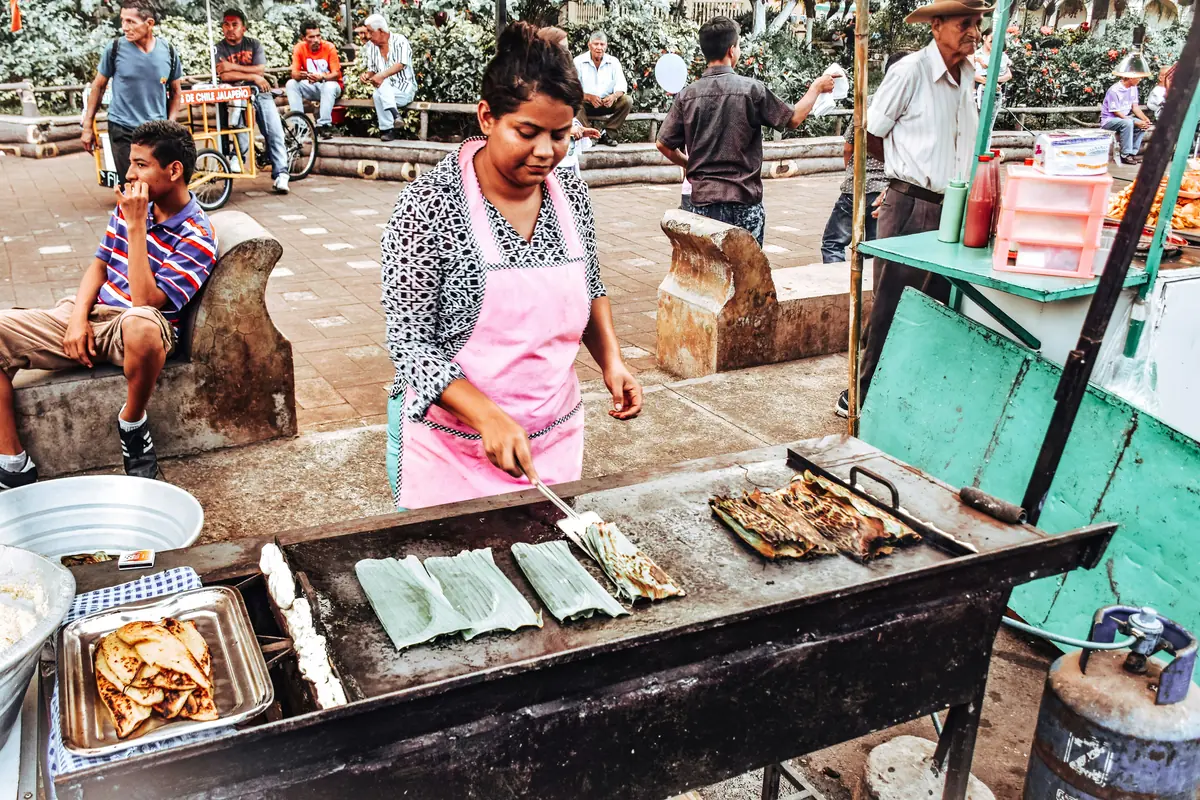
The pupusas cluster in open-air food courts locals call pupusódromos — rows of stands, women hand-patting dough over hot comales, jars of curtido on every table. Four anchor the scene, and they are not interchangeable.
| Pupusódromo | Vibe | Known for | Good for |
|---|---|---|---|
| El Triángulo | Oldest, wood fire, no frills | Clay-comal, smoky crust | Purists chasing the original |
| El Manguito | On the highway, largest | Barbarita 2, exotic fillings, AC options | First-timers and layovers |
| Buena Vista | Arriving from the airport/beach side | Convenient approach from SAL | A quick in-and-out |
| La Esquina | Casual, snacky | Mini pupusas, about 5 for $1 | Kids, samplers, light eaters |
Which Stand Should You Order From?
Inside the pupusódromos, a few stands stand out from the crowd. If I had one hour, I’d point the car at El Manguito and Pupusería Barbarita 2. If I wanted the oldest-school version over comfort, I’d go to El Triángulo. Here’s how they differ.
Pupusería Barbarita 2 (El Manguito)
An air-conditioned dining room, which is a real rarity out on the highway. The house signature is the “Levanta Muerto” — a seafood-and-chorizo pupusa whose name translates to “wake the dead.” Travelers rate it the town’s top stand.
It’s the cleanest, most newcomer-friendly entry point, with certified food handling. The exotic pupusas cost more than the locals pay for a classic, but they’re the fun order if you’re here to try something you can’t get at home.
- Location: El Manguito pupusódromo, Autopista a Comalapa (km 24)
- Cost: around $0.80 for classics, about $1.25 for specialties, up to $3 for exotic “loca” pupusas
- Best for: First-timers and layover visitors who want a table and AC
- Time needed: 45-60 minutes, more with a wait at peak lunch
El Triángulo — The Original
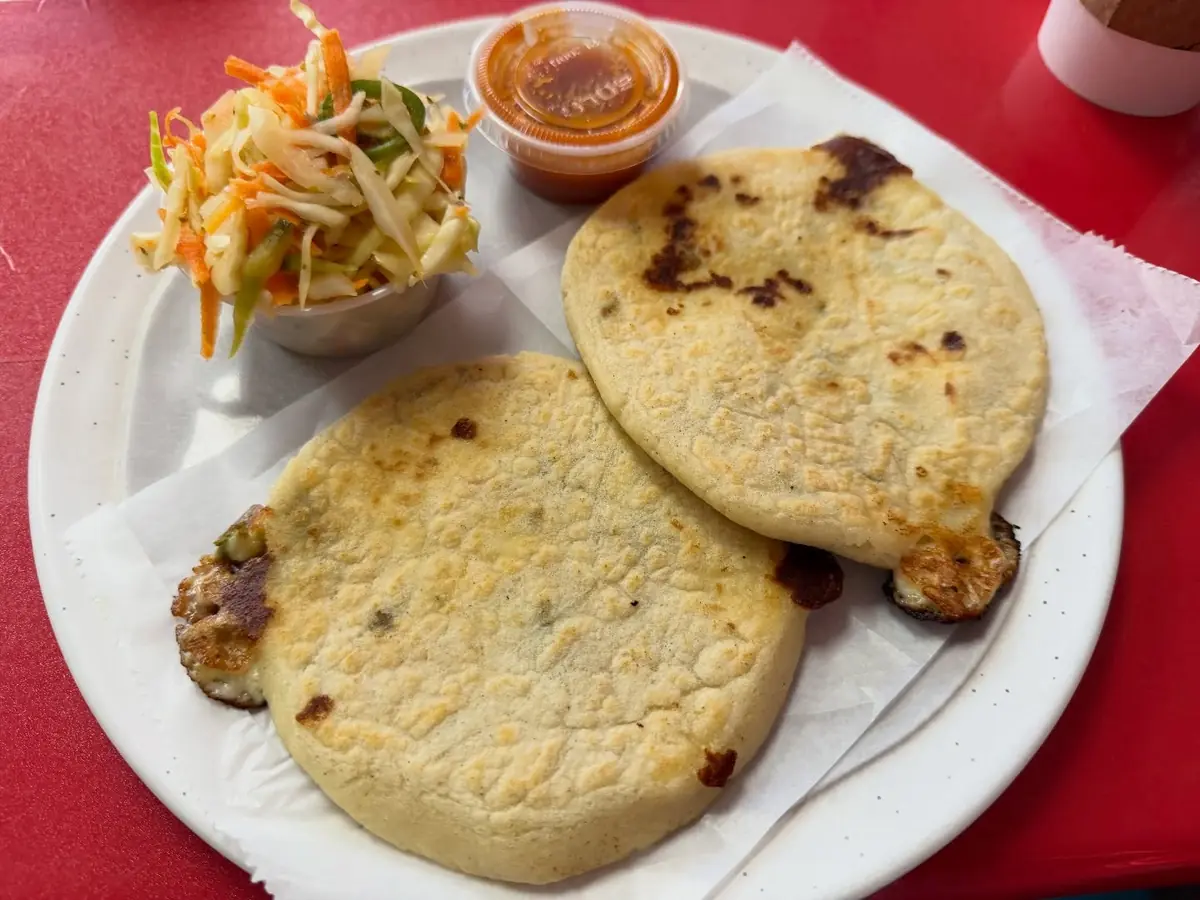
The oldest of the four, cooking over a wood fire on a clay comal (comal de barro). You get a smokier crust, a leaner cook with less fat, and zero polish. This is the “authenticity versus convenience” question served on one plate.
Less shiny than the highway stands, more character. If the story of Olocuilta’s pupusa matters to you, this is where it started.
- Location: El Triángulo pupusódromo, Olocuilta
- Cost: roughly $0.60-$1.25 per pupusa
- Cooking method: Wood fire, clay comal
- Best for: Travelers who choose the original over air conditioning
Pupusería Autopista
Decades on the highway, with a loyal following for its “pupusa ranchera.” Fast, reliable, roadside-classic.
A solid default if Barbarita has a line out the door and you want to eat now.
- Location: Autopista a Comalapa (km 24)
- Cost: roughly $0.80-$1.25 per pupusa
- Best for: A quick, no-fuss plate
What Pupusas Cost and How to Order Them
Expect about $0.80 for a classic pupusa (revuelta or frijol con queso), around $1.25 for specialties like loroco or ayote, and up to $3 for a loaded “loca” or exotic one. Mini pupusas run roughly 5 for $1. Two or three pupusas make a filling meal for one person.
| Pupusa | Approximate price (USD) |
|---|---|
| Classic (revuelta, frijol con queso) | ~$0.80 |
| Specialty (loroco, ayote, solo queso) | ~$1.25 |
| Exotic / “loca” (seafood, chorizo) | up to ~$3 |
| Mini pupusas | ~5 for $1 |
Prices shift by stand and by filling, so treat these as a guide rather than a fixed menu.
How to order if it’s your first time:
- You’ll be asked “¿de arroz o de maíz?” — rice or corn. Say “de arroz” for the local specialty.
- Start with 2-3 per person. They’re heavier than they look.
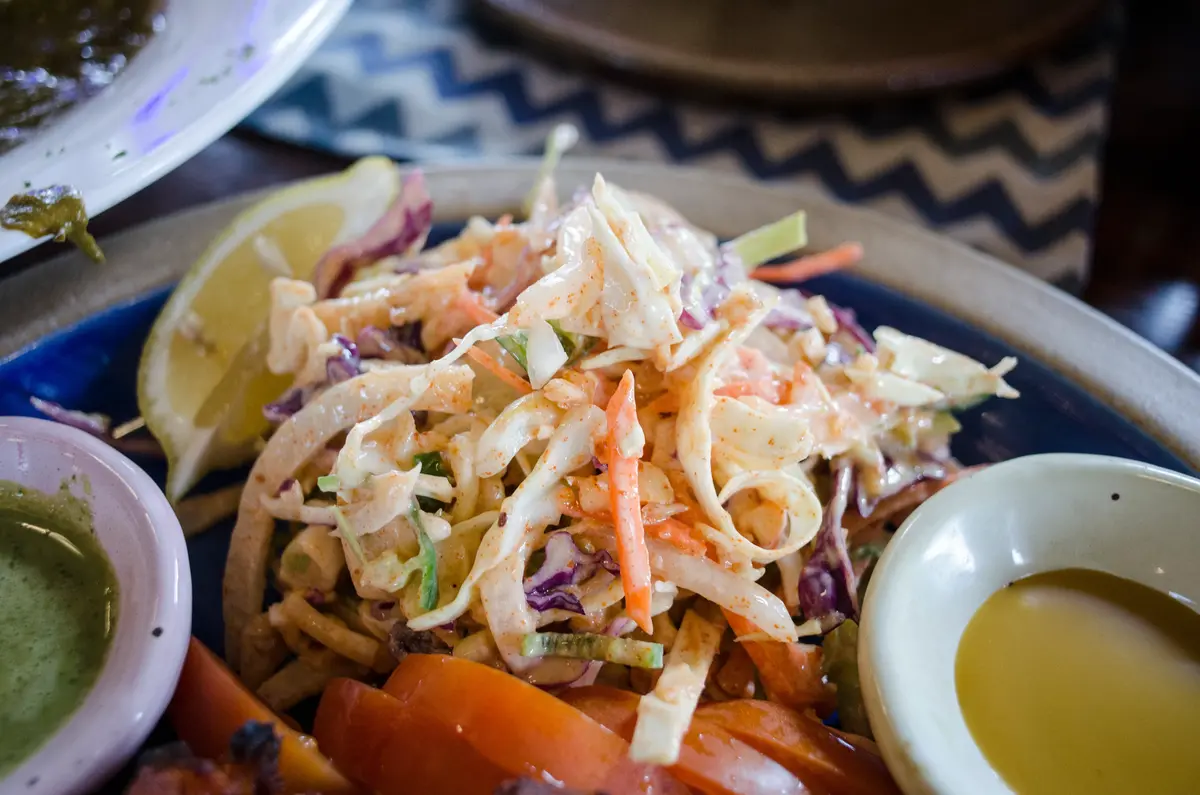
- Curtido (fermented cabbage-and-carrot slaw) and salsa roja are self-serve and free. Spoon them right on top.
- Eat with your hands, and give it a minute — the cheese comes out molten.
Drinks worth ordering:
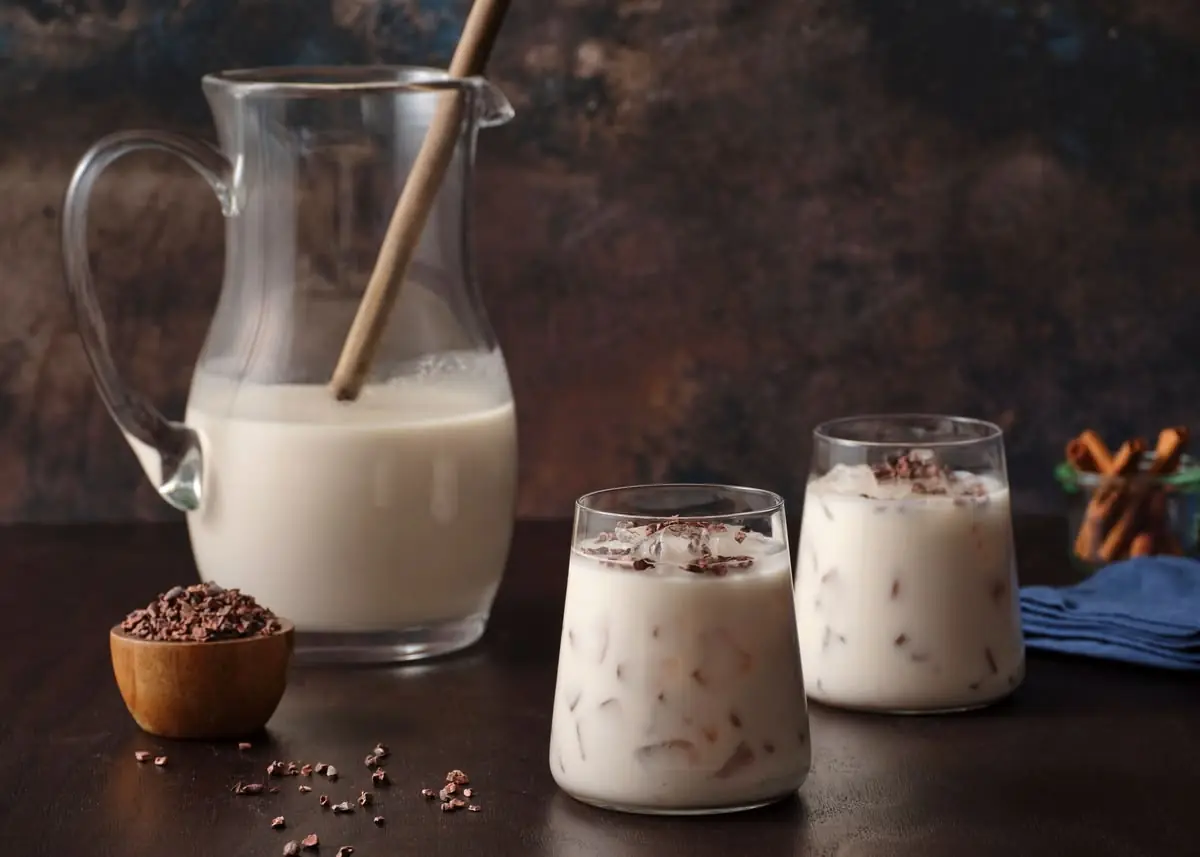
- Horchata de morro: seed-based, nutty, the regional pour
- Fresco de tamarindo or jamaica: tart and cold, good against the heat
A few Spanish phrases that carry the whole transaction:
- “Dos de queso, por favor” — two cheese pupusas, please
- “¿De arroz o de maíz?” — rice or corn (they’ll ask you this)
- “¿Cuánto es?” — how much is it
- “Para llevar” — to go
Cash, Bitcoin, and Staying Comfortable
Bring cash. Small bills.
Bitcoin is legal tender in El Salvador, but roadside pupusa stands rarely accept it reliably, and card readers are scarce out here. Vendors want small USD cash and often can’t break a $20. Pull singles and fives before you go, or hit an ATM at the airport.
On hygiene, reviews are genuinely mixed. Some stands run improvised setups with cooking near the restrooms; others are clean and food-handler certified, Barbarita 2 among them. The simple rule cuts through it: pick the busiest stand with the fastest turnover, where pupusas leave the comal in seconds and nothing sits.
On timing, mornings and mid-afternoon dodge the lunch crush. Some stands run 24 hours, which is exactly why travelers with late-night or dawn flights can still get a hot pupusa.
On safety, El Salvador’s security situation has changed sharply, and the airport corridor is routine for travelers. Use rideshare, keep valuables out of sight, and a quick run gives you nothing to worry about.
National Pupusa Day and the Giant-Pupusa Record
Most guides still say Olocuilta holds the world record for the largest pupusa. It doesn’t anymore.
El Salvador celebrates National Pupusa Day on the second Sunday of November, set by national law — November was chosen because it lands at the peak of the corn harvest. Olocuilta throws its Festival de la Pupusa around that weekend, with music, a giant festival pupusa, and every filling you can name.
Here’s the record story, corrected. Olocuilta set the Guinness World Record with a 4.5-meter (14 ft 9 in) rice-flour pupusa made by about 30 cooks. The town later cooked a 5.5-meter version at its festival, but Guinness never certified it. The official title now belongs to a Salvadoran-American team in Washington, D.C., who built a 6.15-meter (20 ft 2 in) pupusa — larger than anything Olocuilta has fielded. Worth knowing before you repeat the old claim at the stand.
What to Pair With Your Pupusa Run
If you’ve got more than a layover, stack Olocuilta with something close by:
- Parque Ecológico de Olocuilta: free entry, open daily 7 a.m.-5 p.m., pools from about $1 — an easy family add-on right in town.
- Pacific beaches: Costa del Sol and the surf town of El Tunco are a straightforward drive toward the coast.
- San Salvador’s Centro Histórico: the restored downtown and cathedral, roughly 30 minutes away.
The Honest Verdict
TL;DR: For a layover at San Salvador’s airport, Olocuilta is the best-value cultural bite you can pull off in under an hour round trip. Go to El Manguito or El Triángulo, order pupusas de arroz, bring small cash, and skip the exotic ones unless you’re curious. As a standalone destination, it’s a food stop, not a full sightseeing day.
Which would you pick on a tight layover — the AC and seafood pupusas at Barbarita 2, or the wood-fire originals at El Triángulo? Tell me in the comments.
Common Questions About Olocuilta Pupusas
How Far Is Olocuilta From the Airport?
About 11 miles (18 km), or roughly 19 minutes by car from San Salvador’s airport. The pupusódromos sit at kilometer 24 of the Autopista a Comalapa.
Are Olocuilta’s Pupuserías Open 24 Hours?
Some are. Several stands run around the clock, which is why late-night and dawn travelers can still get fresh pupusas. Individual hours vary, with some opening closer to 6 a.m.
What Are Pupusas de Arroz?
Pupusas made with rice flour instead of corn masa. They originated in Olocuilta during a corn shortage, and they cook up crispier and browner than the corn version, with a milder, cleaner taste.
How Much Do Pupusas Cost in Olocuilta?
Around $0.80 for classics, about $1.25 for specialties, and up to $3 for exotic “loca” pupusas. Mini pupusas go about 5 for $1. Prices vary by stand and filling.
When Is National Pupusa Day?
The second Sunday of November each year, set by Salvadoran law. Olocuilta’s pupusa festival takes place around the same weekend.
What Is a Revuelta Pupusa?
The classic all-in-one: a pupusa filled with cheese, refried beans, and chicharrón (seasoned ground pork). It’s the safest first order for newcomers.