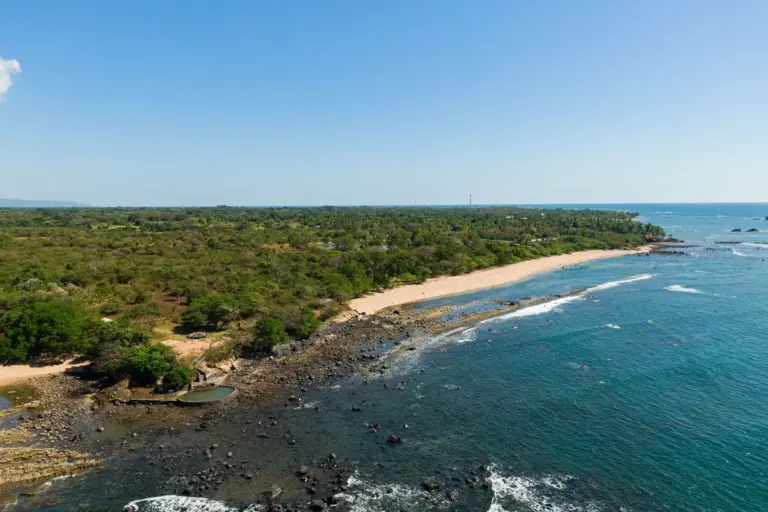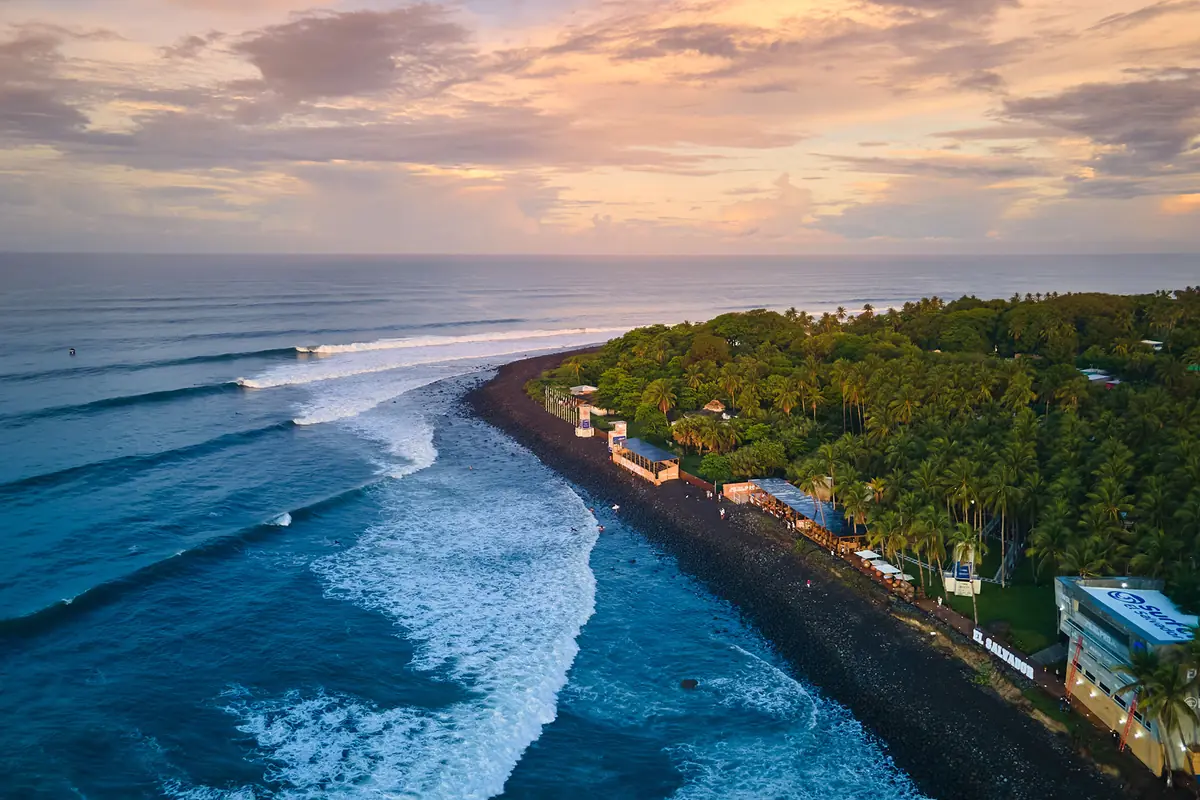
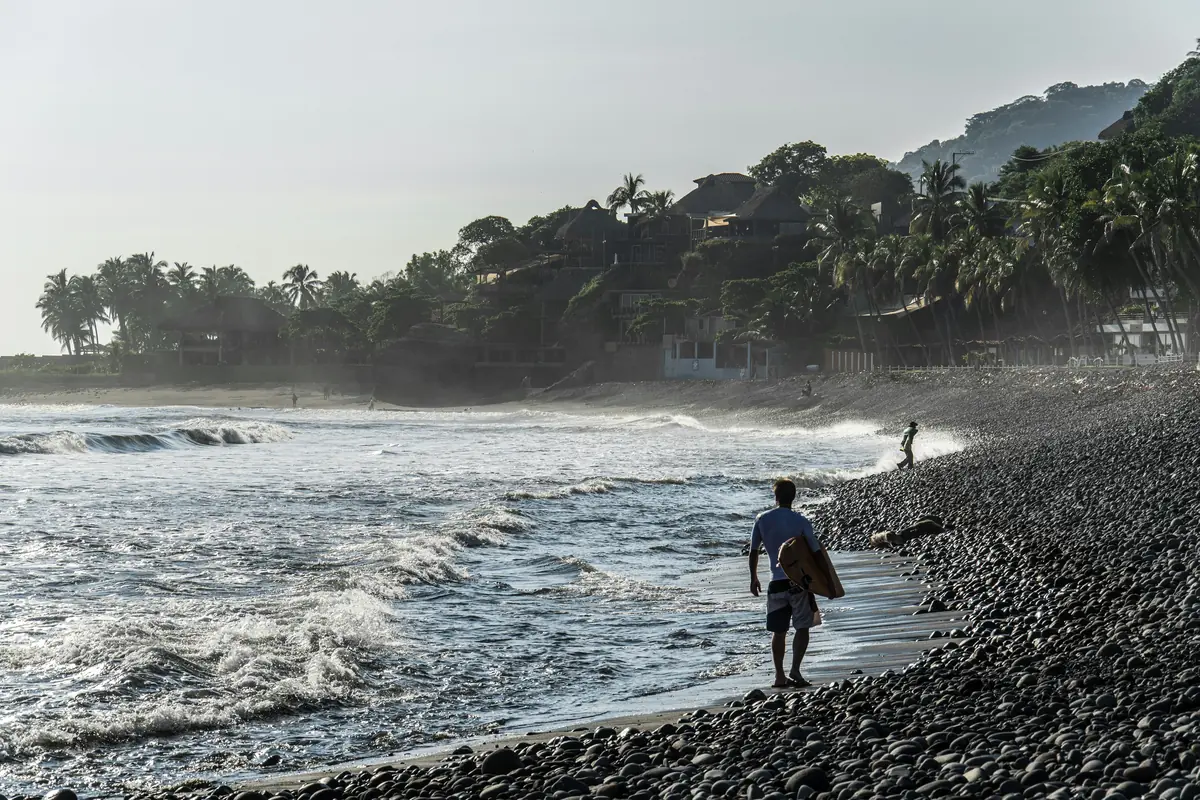
Here’s the short version of an El Salvador layover: if your connection through San Salvador (SAL) runs under about five hours, stay airside and eat pupusas. Five hours or more, and leaving is worth it — El Salvador sits at the safest US travel-advisory tier, and both a surf beach and a volcano crater are under an hour from the terminal.
Should You Leave the Airport? Match the Plan to Your Hours
Leaving the airport means clearing immigration and customs, so budget 45 to 90 minutes of round-trip processing on top of the drive. Under four hours, stay airside. Four to six hours, do Olocuilta pupusas, the El Boquerón crater, or a quick city loop. Six to eight hours, add the beach. Overnight, book the airport hotel.
The math is the part most guides skip. A “six-hour” layover is not six hours on the ground. Frequent flyers on airport forums put the full exit-and-return through immigration and customs at around 90 minutes, and the drive to San Salvador or the coast eats 30 to 55 minutes each way. Subtract both and a six-hour window leaves you roughly two usable hours. That’s enough for pupusas and one sight — not a city tour.
| Layover length | Best move | Where to go | Watch out for |
|---|---|---|---|
| Under 4 hours | Stay airside | Lounge, pupusas at the gate | Random secondary security checks eat time |
| 4–6 hours | One quick trip | Olocuilta pupusas or El Boquerón crater | ~90 min lost to the immigration round-trip |
| 6–8 hours | Beach, or city + volcano | El Tunco, or San Salvador + El Boquerón | Hard to catch an Uber back from the coast |
| Overnight | Sleep near SAL | Airport hotel with shuttle | Shuttle stops running around 11 p.m. |
The honest read: under about five hours, a dash into the city usually isn’t worth what you lose at the border. Olocuilta or the lounge beats a rushed, clock-watching loop.
How Safe Is El Salvador for a Layover?
Yes, with normal precautions. The US State Department rates El Salvador Level 1, Exercise Normal Precautions — its safest tier, and the only Central American country at that level. Homicides have dropped sharply under the country’s ongoing State of Exception. The routes between the airport, San Salvador, and La Libertad are considered safe at any hour.
That reassurance comes with an honest caveat, and it’s a real one. The same State Department page that lists Level 1 also flags the State of Exception — an emergency legal framework, in place for years, that suspends some due-process protections. A number of US citizens have been detained under it and held without trial. The practical read for a layover: you are very unlikely to run into trouble on a normal airport-to-city-to-beach loop, but this is not the place to argue with police or push your luck.
Travelers consistently report the same thing on the ground — a visible presence of soldiers and police in tourist zones that reads as reassuring rather than alarming. Two rules are worth knowing before you drive or drink anything:
- Zero-tolerance DUI: any level of alcohol behind the wheel means detention. On a tour or in a rideshare you’re fine — just don’t rent a car and drive after a beach beer.
- THC is illegal, and most CBD products count too. Leave the gummies out of your day trip.
Carry your passport, use official taxis or Uber rather than unmarked cabs, and you’ve covered the basics.
Do US Citizens Need a Visa or Tourist Card?
US citizens need only a valid passport for a stay of up to 90 days — no advance visa. El Salvador scrapped the old $12 tourist card fee in a migration-law reform, so entry is free. Some official pages, including a US Embassy one, still list the $12 charge, so keep a few singles handy just in case a specific desk hasn’t caught up.
A few details that matter for a connecting passenger:
- Stay airside and you never formally enter El Salvador — no card, no immigration line, nothing to pay.
- The 90-day clock is shared across the CA-4 zone (Guatemala, Honduras, Nicaragua), which almost never matters on a layover.
- Travelers used to pay $10 to $12 in cash at a customs desk. That fee is the single most out-of-date “fact” still floating around older guides and AI answers.
Because a couple of government pages still haven’t updated, confirm the current requirement on the State Department’s El Salvador page before you fly, and keep $12 in small bills accessible until you’ve cleared. You almost certainly won’t need it.
How Do You Get From SAL Airport to the City or Beach?
An official Taxi Amarillo from the fixed-fare booth inside arrivals runs about $30 to $40 to San Salvador. Uber is cheaper — roughly $20 to $25 — but picks you up in the parking area rather than curbside. Here’s the full menu:
| Destination | Official taxi | Uber | Bus | Drive time |
|---|---|---|---|---|
| San Salvador city | $30–40 | $20–25 | Route 138, under $1 | 30–45 min |
| El Tunco / Surf City | $35–45 | $25–35 | No direct bus | 35–53 min |
| Olocuilta | $15–20 | $10–15 | Local bus, under $1 | ~19 min |
| El Boquerón | $40–50 | $30–40 | No practical bus | 45–60 min |
| Costa del Sol | $35–45 | $25–35 | No direct bus | ~40 min |
Fares move around, so confirm before you get in — treat these as ranges, not fixed prices.
Pro Tip: Uber is easy to get from the airport but hard to catch on the way back from the coast. Cars mostly appear when they’ve just dropped someone off, so pre-book a return ride or arrange a driver before you head to El Tunco.
One more thing from travelers who’ve done it: touts crowd the arrivals door offering rides. Walk past them to the official taxi booth inside.
What Actually Happens When You Exit (Customs and Bags)
On a same-airline international connection, your checked bag is generally through-tagged to your final destination, so you won’t see it in San Salvador. Stay airside and you skip immigration and customs completely. Exit, and the sequence is: passport control for a stamp, then a customs button you press — green means walk through, red means a quick bag scan, and which one you get is random. You rejoin your flight through regular security afterward.
Nervous about a tight connection? SAL is a compact, single-terminal airport, and travelers routinely make connections as short as 40 to 57 minutes when they stay airside. English at immigration can be hit or miss, so have your onward boarding pass and hotel or tour details ready to show.
What Can You Do Near the Airport on a Short Layover?
With four to six hours, skip the ambitious city tour and pick one high-payoff stop close to the airport. These three fit the window.
Eat Rice-Flour Pupusas in Olocuilta
Olocuilta is a pupusa town, and the specialty is the rice-flour version — thicker and a little crispier than the corn ones you’ll find elsewhere. The roadside pupusería strip runs 24 hours, so it works no matter when your flight lands. Order one jalapeño-and-cheese, load it with curtido, and you’ve eaten better than anything in the terminal for under a dollar.
Two solo travelers on a travel forum described taking the public bus out here and finding it completely relaxed — a better use of time than sitting at the gate.
- Location: Olocuilta, along the airport highway (~10.6 road miles / ~19-minute drive from SAL)
- Cost: about $0.60 per pupusa
- Best for: Any layover length, including late-night arrivals
- Time needed: 45–60 minutes with the round trip

See the El Boquerón Crater
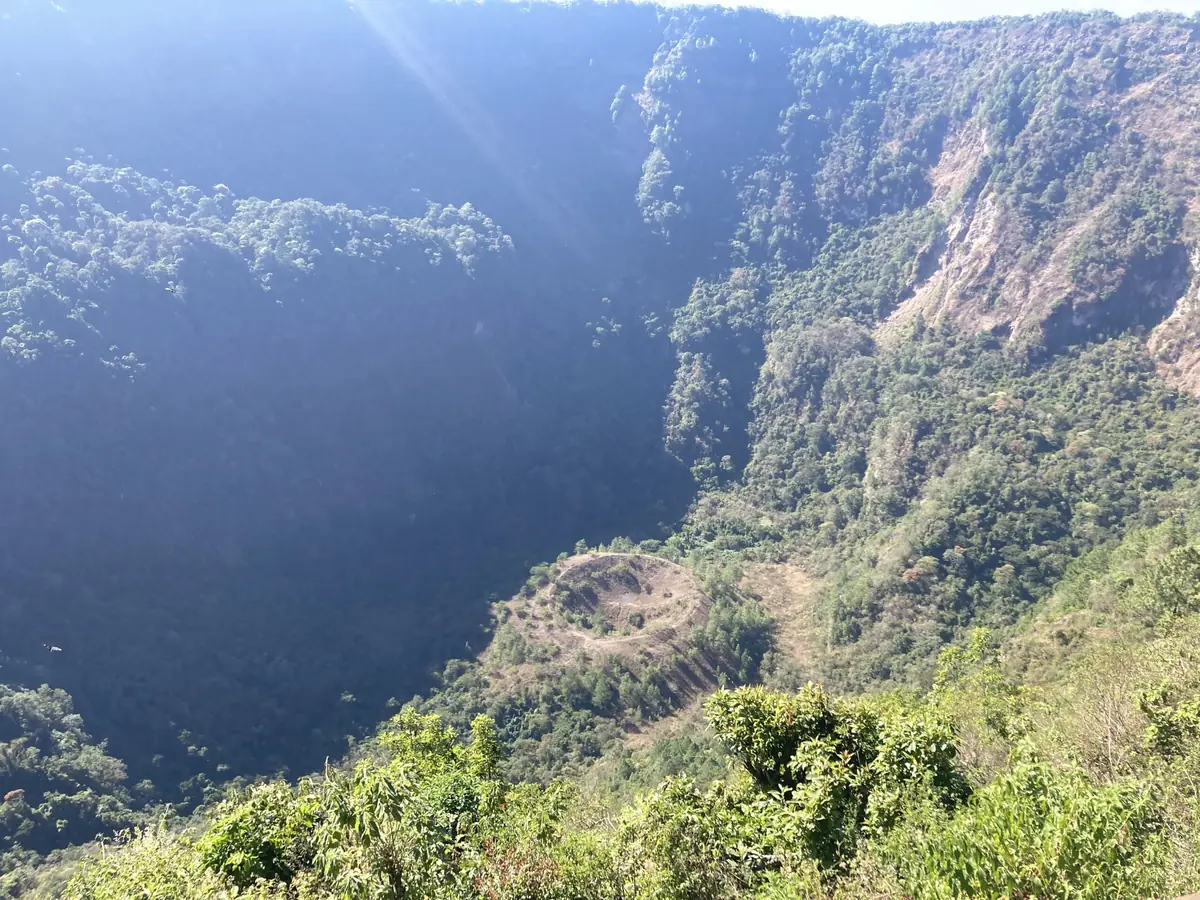
El Boquerón is the summit crater of the San Salvador Volcano, and the payoff-to-effort ratio is hard to beat. From the park entrance, a walk of under 10 minutes brings you to the rim, where a glass-floored deck looks straight down into a crater more than a quarter-mile across. The volcano is dormant — no lava, no drama, just the view. Reviewers keep flagging the same numbers: around $2 per person to enter and about $1 an hour for parking.
The catch is getting down. Uber is scarce up here, so the same book-your-ride-back rule applies — don’t get dropped off without a plan to leave.
- Location: El Boquerón National Park, San Salvador Volcano summit (~6,210 ft / 1,892 m)
- Entry: about $2 per person, plus ~$1/hour parking (verify on arrival)
- Best for: 5-plus-hour layovers with a pre-arranged driver
- Crater walk: under 10 minutes each way
A Quick Loop Through the Historic Center
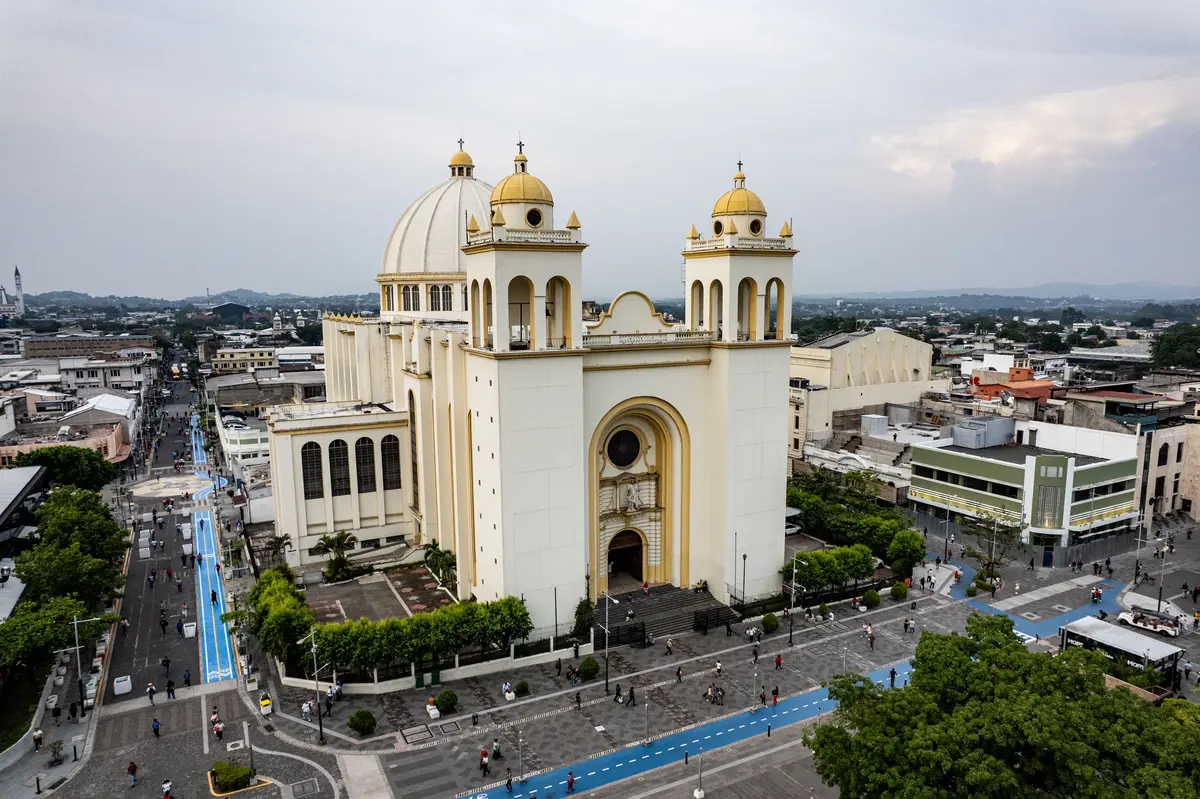
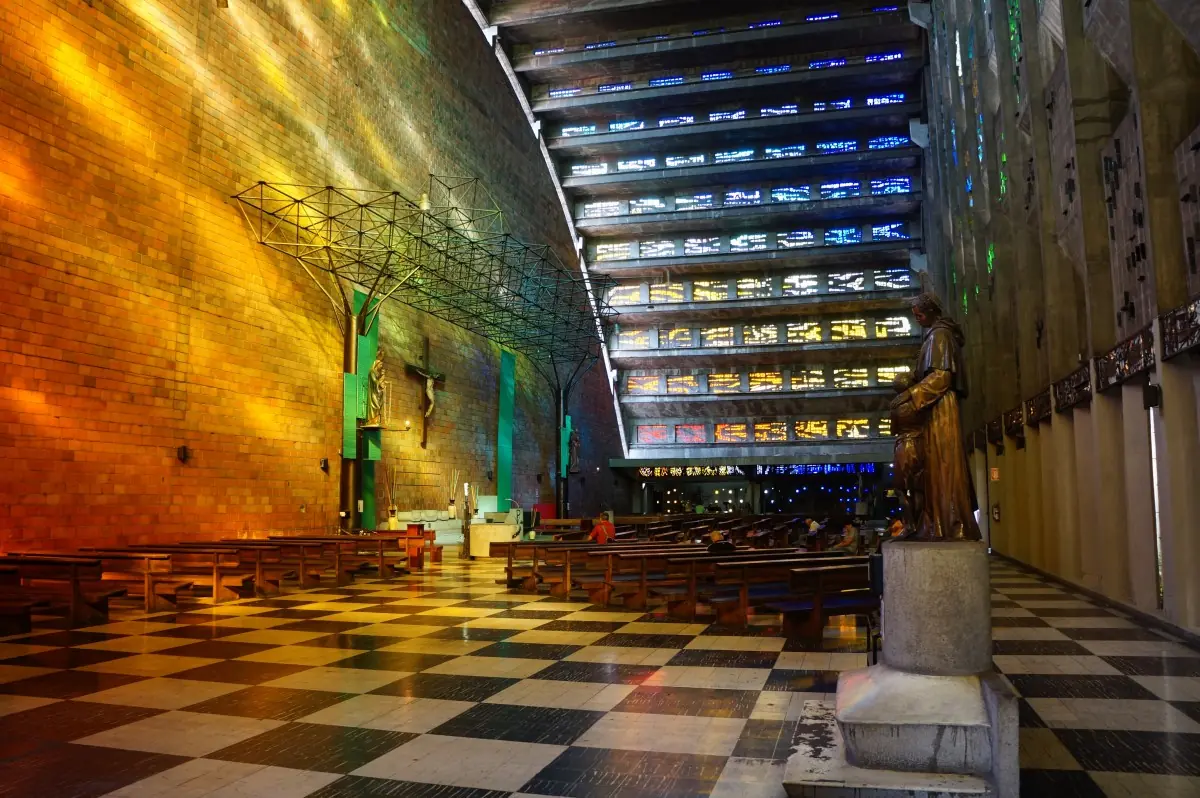
San Salvador’s historic core is compact enough to see in an hour with a driver, and the standout is not the cathedral — it’s the church beside it. El Rosario looks like a plain concrete hangar from the street, then the interior turns out to be a wall of colored light, with stained glass throwing red, blue, and gold across the whole nave. The Catedral Metropolitana, the National Palace, and Plaza Libertad are all within a short walk.
This one only works if you’ve got a driver or a tour managing your clock. Piecing it together solo eats the time you don’t have.
- Location: Centro Histórico, San Salvador
- Cost: Free to enter the churches; driver or tour recommended
- Best for: Culture-first travelers with 6-plus hours
- Time needed: 60–90 minutes with transport
Beach or Volcano? Planning a 6-to-8-Hour Layover
With six to eight hours, you’ve got a real choice to make, and it comes down to what you want out of the day.
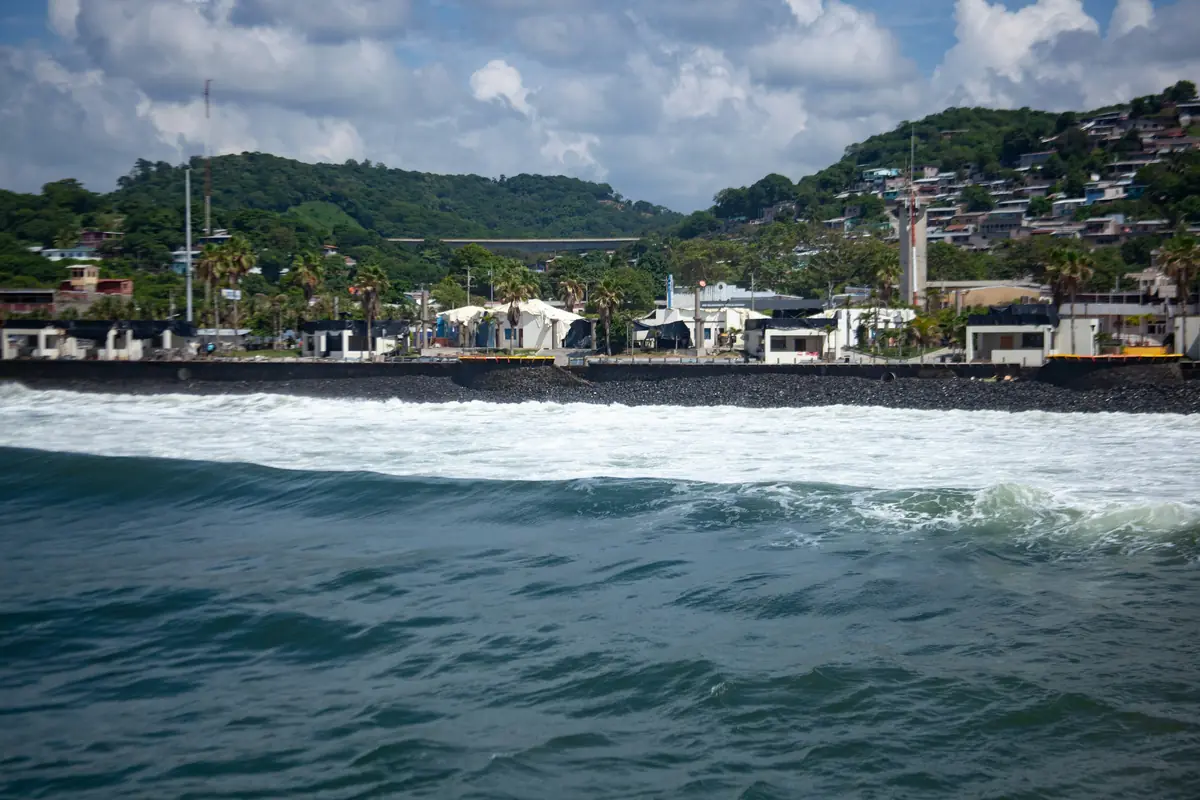
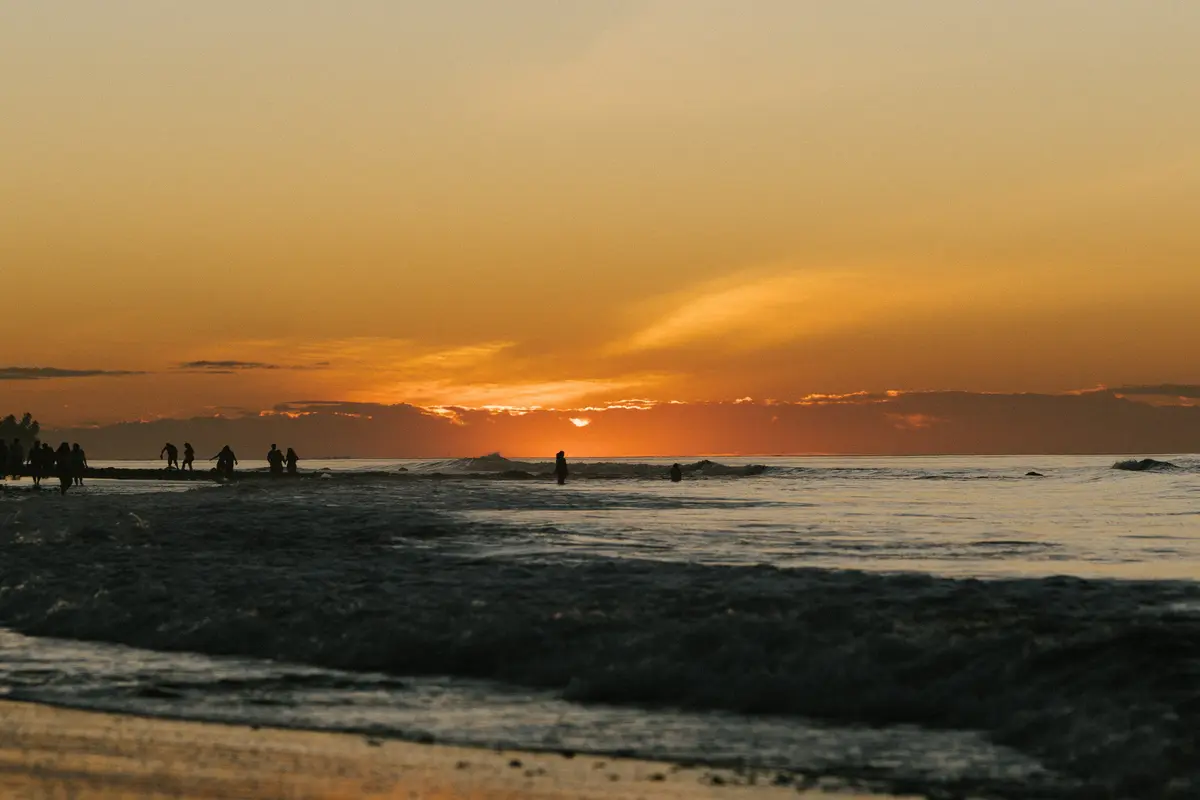
El Tunco and the Surf City coast are 35 to 53 minutes from the airport — dark-sand beaches, surf schools, beach bars, and more pupusas. Coastal temperatures sit around 77 to 90°F (25 to 32°C) most of the year. One honest warning: this is a surf coast, not a swim coast. The water is rough with a strong pull and rocky sand, so a family expecting a calm swim will be happier at Costa del Sol or El Pimental, about 40 minutes out, where the water settles down. El Tunco also sees the occasional water or power outage, so keep the plan loose.
The other lane is the classic guided loop: San Salvador’s historic center paired with the El Boquerón crater. It’s more structured, easier to time for your flight, and better if you’d rather see the country than lie on a beach.
Either way, six hours is the floor. It’s enough — but not leisurely. You’re watching the clock the whole way back.
Should You Book a Layover Tour or Do It Yourself?
A layover tour buys you one thing that matters here: someone whose job is getting you back to the gate on time. Operators like Salvadorean Tours, EC Tours, and Eco Tours Petate run trips built around connections, meet you at arrivals, and adapt the route to how many hours you have. City tours start around $39 per person.
The case for doing it yourself is cost and flexibility. An Uber to Olocuilta plus a pupusa run costs a fraction of a guided tour and needs no booking. The case for the tour is peace of mind on a tight window — and not having to solve the Uber-back-from-the-coast problem yourself.
One claim to ignore: some operators still advertise that they’ll save you the “airport tax and visa fee.” That entry fee was abolished, so the pitch is out of date. Don’t let it steer your decision. And if you do book, reconfirm the day before — one solo traveler wrote about a tour that simply forgot her, leaving her stranded at arrivals. Have a backup plan either way.
What Are the Airport’s Lounges, Wifi, and Sleeping Options?
If you’re staying put, SAL is workable but not fancy.
- Lounges: The Avianca Sala VIP / Plaza Premium near Gate 8 takes walk-ins for around $28 and has a dim recliner room that’s the real draw for early or late connections. The Aeroconnections VIP lounge near Gate 19 runs 24 hours, with another at Gate 13.
- Wifi: Free, though some travelers report it’s time-limited or spotty past security. Download what you need before you land.
- Food: A few cafés landside and airside; options thin out overnight.
- Sleeping: Overnight sleepers are kept to the Main Hall, which security patrols through the night. Seating is limited and it gets cool, so bring a layer.
Pro Tip: On a long evening connection, the Avianca lounge’s quiet recliner room earns the ~$28 more than the food does. It’s the one spot at SAL where you can actually rest.
Where Can You Sleep Near SAL on an Overnight Layover?
For an overnight, the practical choice is the Quality Hotel Real Aeropuerto in San Luis Talpa, about 2.2 miles (3.5 km) from the terminal — a five-minute drive. It has a pool, a free breakfast that includes pupusas, and a free airport shuttle that runs roughly every 30 minutes.
Here’s the catch, and it’s the one that trips people up: that free shuttle stops around 11 p.m. Land later and it isn’t running, so you’ll pay about $5 for a taxi despite booking the shuttle hotel. Guests also mention the occasional broken elevator and a missed wake-up call, so set your own alarm. Budget alternatives like Hotel Rancho Argueta and Mi Tierra Aeropuerto sit nearby.
- Location: San Luis Talpa, ~2.2 mi (3.5 km) from SAL — about 5 minutes
- Cost: mid-range; check current rates
- Shuttle: free, ~every 30 min, roughly 5 a.m. to 11 p.m. (taxi ~$5 outside those hours)
- Best for: Overnight connections landing before 11 p.m.
How Does Money Work — Dollars, Bitcoin, and Small Bills?
El Salvador uses the US dollar as its official currency, so US travelers need no exchange and no math. Bitcoin acceptance is voluntary — a law change dropped the requirement that businesses take it — and in practice nearly everyone deals in dollars. Bring small bills: pupuserías, buses, and small vendors often can’t break a $20 or $50.
A couple of practical notes:
- ATMs dispense US dollars but can charge high fees and are sometimes out of order. Pull cash before you count on it.
- Cards are fine at hotels, malls, and lounges. Keep cash for street food, buses, and the pupusa stand.
- The old headlines about Bitcoin being mandatory are out of date. You will not be asked to pay in crypto, and you never need it.
Your Layover, Decided
So, the call on your El Salvador layover: under about five hours, stay airside, grab pupusas, and don’t sweat the immigration round-trip. Five hours or more, leave — it’s safe at the top US advisory tier, entry is free, and everything runs on the dollar you already carry. With six-plus hours, pick one lane: the surf coast at El Tunco, or the city paired with the El Boquerón crater. And whatever you choose, sort out your ride back before you go. The one thing that reliably goes wrong here is getting stuck on the coast with no way to return in time for your flight.