Solo female travel in El Salvador has gone from unthinkable to ordinary. The country now sits in the US State Department’s lowest advisory tier, and its murder rate has fallen below Canada’s. Statistically safe is not the same as always comfortable, though. Here’s the sourced reality, plus how to move, sleep and spend alone.
Is El Salvador Safe for Solo Female Travelers, Really?
El Salvador is safe for solo women who take normal precautions. It carries the US State Department’s Level 1 rating, and violent crime has collapsed under the government’s state of exception. The honest caveat: you are unlikely to become a crime victim, but heavy military presence, visible poverty and street catcalling mean you won’t always feel relaxed.
The numbers behind that verdict are the part most guides still get wrong. Many are running on a Level 3 warning that no longer applies.
- Advisory level: Level 1, “Exercise Normal Precautions” — the lowest of four tiers (US State Department)
- Homicide rate: roughly 1.3 per 100,000 people, down from 106 per 100,000 at the peak of the gang era
- For comparison: Canada sits around 1.9 per 100,000
- Tourist police: POLITUR officers are posted across 19 destinations, including the surf towns and colonial centers
- Residual risk: petty theft — phone snatching, bag slashing, opportunistic pickpocketing
That transformation came with a hard edge. The state of exception has suspended some due-process protections, and about 91,000 suspected gang members have been arrested, with roughly 8,000 later released. In practice, that means soldiers with rifles at bus terminals and beach entrances, ID checks, and real scrutiny of visible tattoos. None of it is aimed at you, but it changes the texture of a walk to the corner store.
Travelers keep drawing the same line, and it’s worth repeating: safe and comfortable are different words. Solo women consistently report feeling statistically fine but not always at ease in San Salvador after dark — cities read as edgier than the coast, and the coast reads as small and watched-over.
Pro Tip: Carry a photocopy of your passport and keep the original in your accommodation safe. ID checks happen, and you don’t want to hand over your actual passport at a roadside stop.
The Machismo Reality, and How to Handle It
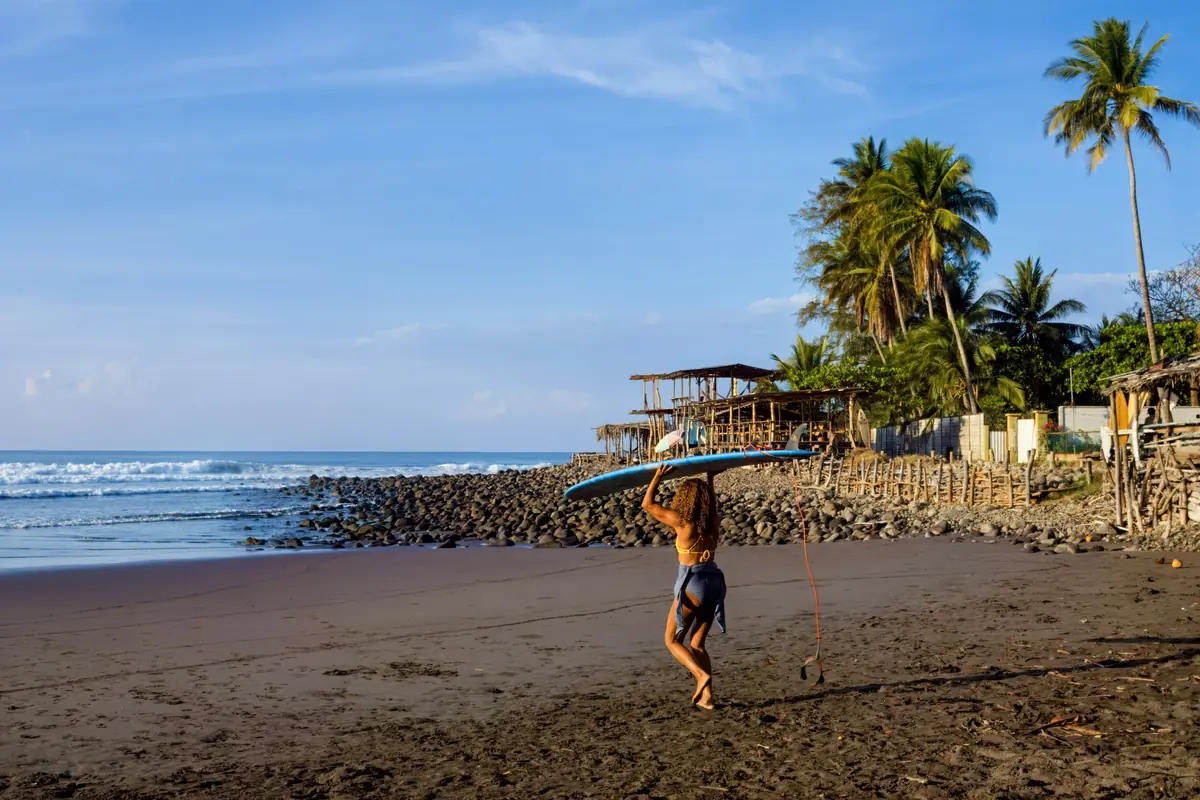
Catcalling is common. Travelers describe it as constant in cities, lighter in the beach towns, and almost always verbal rather than threatening — annoying, not dangerous. Nobody who has spent time here pretends it doesn’t happen, and the women who deal with it best treat it as background noise rather than a confrontation.
The tactics that travelers report working:
- Walk with purpose: no phone in hand, no map-checking on a street corner
- Sunglasses: they end eye contact before it starts
- No engagement: not a smile, not a nod, not a “no thanks” — any response invites a follow-up
- Dress: shoulders and knees covered in cities, markets and coffee towns; a bikini is fine on the beach and nowhere else
- Ring: a plain band on the left hand shortens conversations in a country where a boyfriend or husband is still treated as a valid reason to leave you alone
When to Go, and What the Seasons Actually Feel Like
Two seasons, and they serve completely different trips.
- Dry season: November to April. Peak crowds, clean small surf, the best window for a first-time surfer. January and February are the sweet spot.
- Rainy season: May to October. Mornings are usually clear; storms arrive in the afternoon and pass. The biggest swells of the year land here, and hotel rates run about 25 to 40 percent lower.
- The underrated month: November — the rain has mostly stopped, the hills are still green, and high-season pricing hasn’t fully kicked in.
Temperatures barely move across the year. The coast runs to around 90°F (32°C) by mid-afternoon, and the ocean holds near 80°F (27°C) no matter when you show up. The highlands are the surprise: nights in Santa Ana and the coffee towns can drop into the 50s°F (roughly 12-15°C) between December and February, which catches out people who packed only for a beach trip.
Do You Need a Visa or Tourist Card for El Salvador?
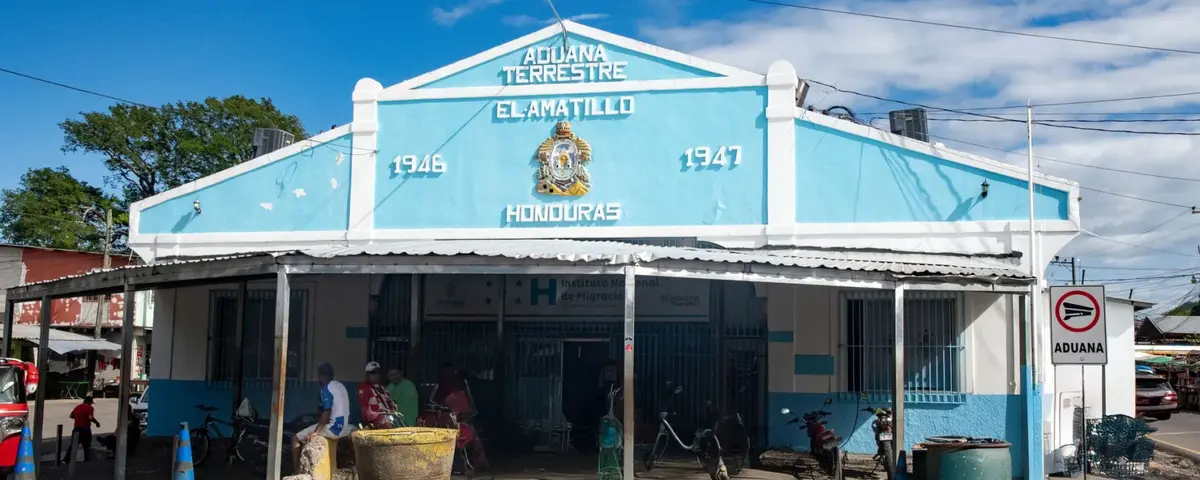
US citizens need no visa for stays up to 90 days. The old $12 tourist-card fee was eliminated by a reform to El Salvador’s migration law, though some US government pages still list it — carry $12 in small bills anyway. Bring a passport, proof of onward travel and proof of funds.
This is the single biggest freshness failure in the guides currently ranking for this trip. Most still tell you to budget for a tourist card that El Salvador’s legislature has scrapped, after officials argued the charge worked against the country’s push to attract visitors and investment. Verify before you fly — this is exactly the kind of rule that shifts, and the authoritative sources are the US Embassy in San Salvador and the Salvadoran immigration directorate, DGME.
What to have ready at immigration:
- Passport: valid at least six months beyond entry
- Onward travel: a booked flight or bus ticket out
- Proof of funds: rarely requested, occasionally checked
- Cash: $12 in small bills, in case the officer in front of you hasn’t got the memo
- Yellow fever certificate: only if you’re arriving from a country where the disease is present
One rule that trips up backpackers: your 90 days are not El Salvador’s alone. Under the CA-4 agreement, that clock is shared across El Salvador, Guatemala, Honduras and Nicaragua, so a month in Guatemala eats a month of your allowance. A one-time 90-day extension is possible through DGME if you apply from inside the country.
How Do You Get Around El Salvador Alone?
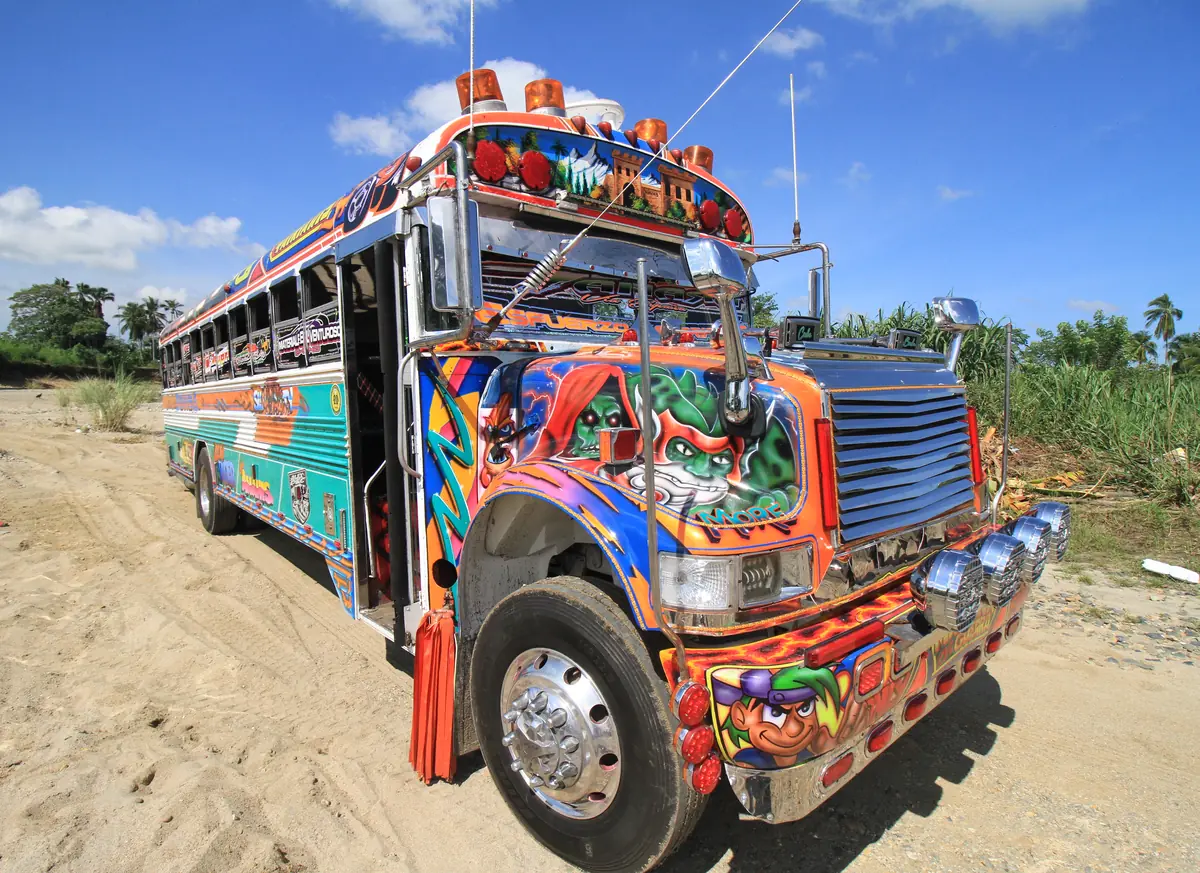
Uber works in San Salvador and along the coast, and it’s the low-stress default for a solo traveler: expect roughly $25-35 from the airport to El Tunco. Chicken buses cost under $1 an hour but they stop running near sunset, get packed to the doors and break down. Reputable tourist shuttles fill the gap at $10-25 per person.
The airport itself sits about 27 miles (44 km) southeast of the capital, which is farther than people expect and closer to the beach towns than to the city.
- Route 138 microbus: around $0.60-0.70 to San Salvador
- Uber from the airport: about $25-35 to El Tunco, more to the capital’s northern neighborhoods
- Hostel pickup: most beach hostels arrange a trusted driver — worth booking if you land after dark
- Chicken bus: under $1 for a one-hour hop, no reservations, cash only
Travelers who take route 138 describe it as crowded to the point where people ride hanging out of the doorway; one wore his backpack on his front for the whole ride. That’s the trade-off in miniature — you save $25 and spend it in stress. The chicken-bus network is genuinely cheap and genuinely safe in daylight, and solo female bloggers say they never felt threatened on one. They also say the buses are cramped, uncomfortable and prone to mechanical failure, and that transfers are confusing (the Sonsonate change between the coast and the Ruta de las Flores defeats a lot of people).
Here’s the rule that matters more than any fare: intercity movement happens in daylight. Buses thin out and then vanish in the early evening, and getting stranded at a rural transfer point at 6 p.m. is the actual risk on this trip — not crime, but logistics.
The Santa Ana Volcano Bus Problem, Solved
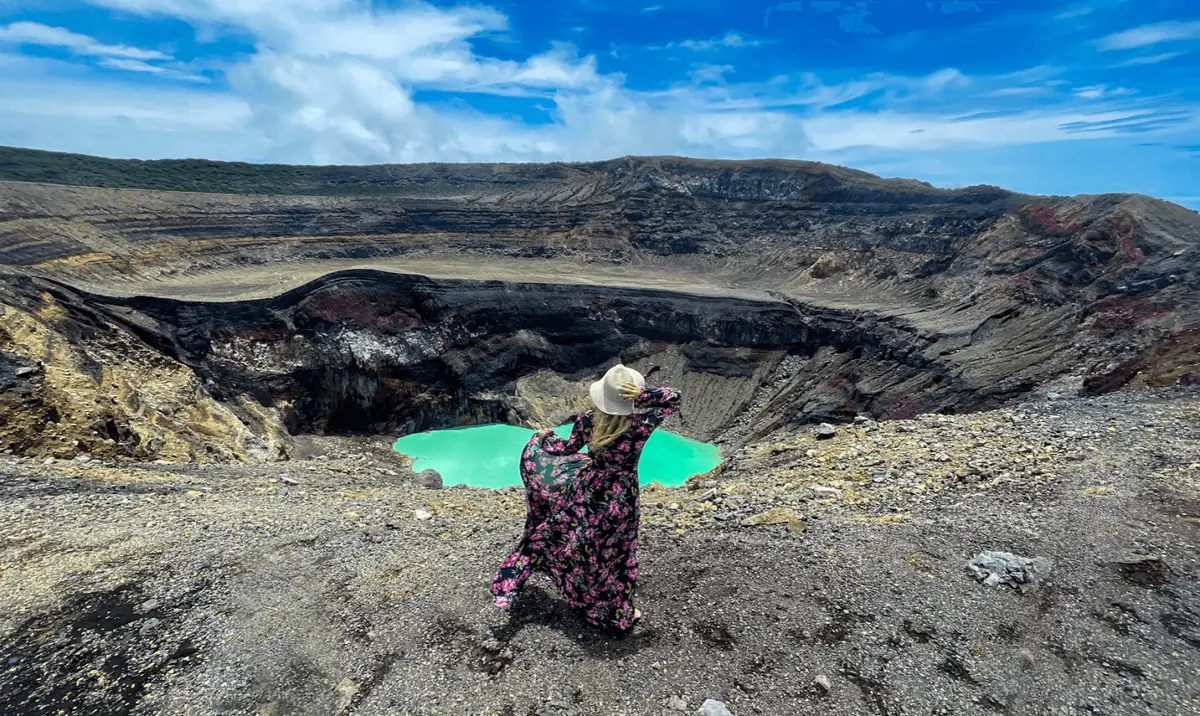
The most-botched piece of information about El Salvador is how you actually get up Ilamatepec. There is one reliable public bus, it leaves early, and if you miss it your day is over.
- Bus 248: departs La Vencedora terminal in Santa Ana around 7:30 a.m., roughly 2 hours, about $0.90 each way
- Guided hike: the group leaves the staging area around 11 a.m., and a guide is mandatory
- Return buses: roughly 1:20-1:30 p.m. and around 4 p.m.
- Fees on site: about $3 park entry, $3-4 guide, plus around $1 to the landowner (and about $3 parking if you drive)
- Summit: 7,812 ft (2,381 m), with a crater lake the color of antifreeze
- Time needed: 3-4 hours round trip on foot, all-day commitment door to door
- No direct bus: there’s no service from San Salvador or El Tunco — take a tour or sleep in Santa Ana the night before
Miss the 7:30 bus and you miss the 11 a.m. group, and there is no second group. Hikers flag this constantly, and it’s the reason so many people end up paying for a tour they didn’t plan on. One traveler split a hostel-arranged driver with another guest for around $21, excluding the park fees — a solid fallback if you oversleep, and often the better call anyway if you want to add Lake Coatepeque on the way back.
Pro Tip: Schedules drift. Ask your hostel to confirm the 248’s departure time the night before, and treat any bus timetable you read online — including this one — as a starting point rather than a promise.
Where to Base Yourself: El Tunco, El Zonte or Santa Ana
You don’t need to see the whole country. Pick a base that matches your temperament, day-trip from it, and move once.
| Base | Feels like | Surf | Solo-woman comfort | Best for |
|---|---|---|---|---|
| El Tunco | Party, bars, backpackers | Rock-bottom breaks, more schools | Tiny and walkable, busy after dark | Meeting people fast |
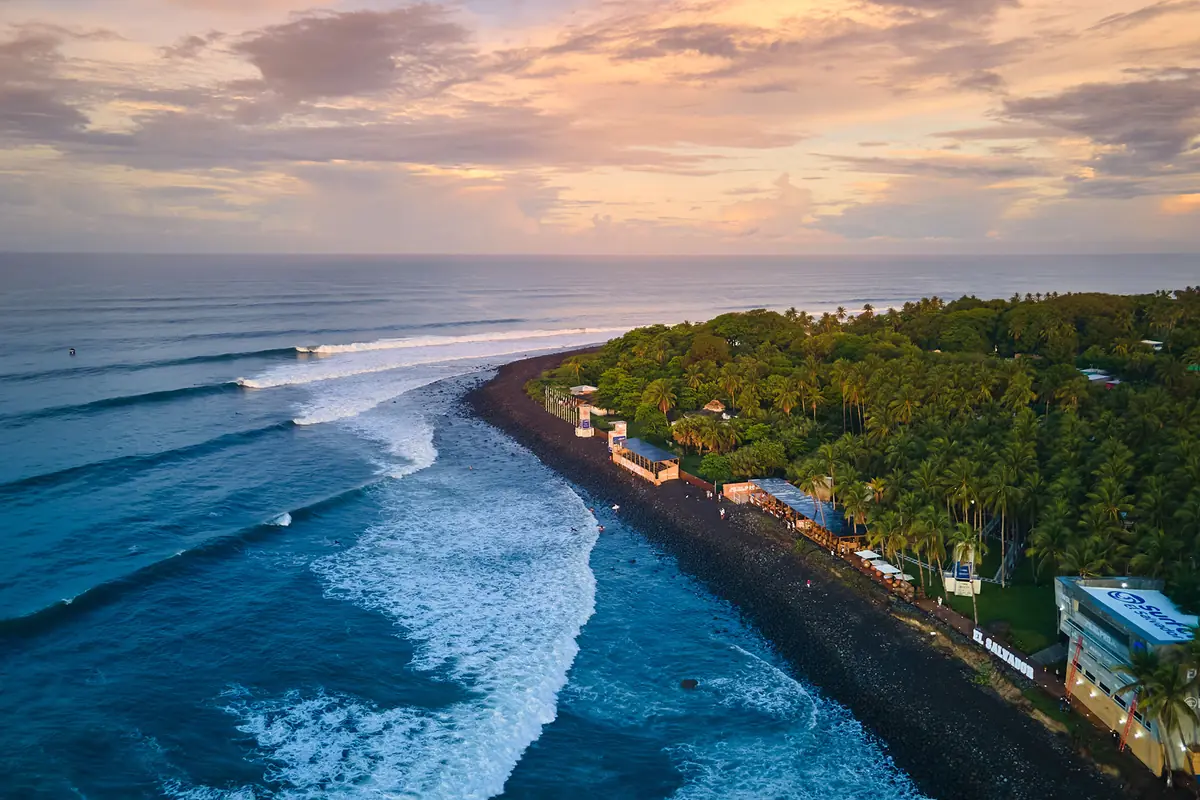
| El Zonte | Quiet, slow, remote-work | Beginner-friendlier sand and cobble | Comfortable in daylight; unlit roads and a river crossing at night | Nomads, calm, longer stays |
| Santa Ana | Colonial city, real streets | None | Fine by day, cautious after dark | Volcano, Coatepeque, Ruta de las Flores |
| Suchitoto | Cobblestones, lake, silence | None | Calmest option in the country | Older solo travelers, culture over nightlife |
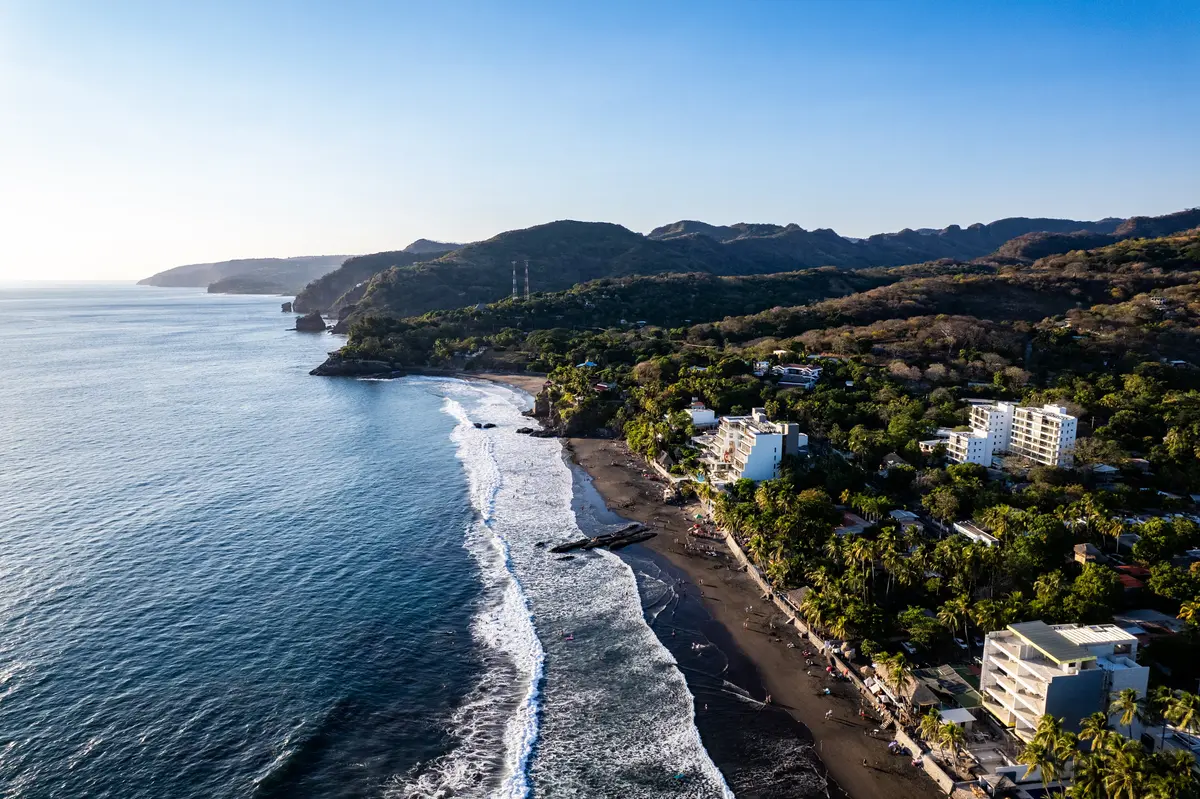
El Tunco and El Zonte sit about 15 minutes apart, so choosing one doesn’t lock you out of the other. Travelers consistently describe El Zonte as comfortable and walkable in daylight and note that its unlit stretches and river crossing change the calculation after dark. One solo blogger felt safest walking at night in El Tunco for the least glamorous of reasons: the town is so small there’s nowhere to be alone.
If you need a night in the capital — for a flight, for the museums — stay in Escalón, Santa Elena or San Benito. These are the neighborhoods where solo women report being comfortable walking to dinner.
Hostels Solo Women Recommend (and the Friction to Expect)
Named picks, with the honest catch attached to each cluster.
El Tunco: Papaya’s Lodge and La Sombra are the social, central options — you will meet people within an hour and you will hear the bars until late.
- Location: central El Tunco, walking distance to the point break
- Cost: dorms about $8-15; private rooms roughly $15-23
- Best for: first-timers who want company immediately
- Time needed: 2-3 nights is plenty unless you’re learning to surf
El Zonte: Esencia Nativa sits inside the surf community; Palo Verde and Puro Surf sit at the more comfortable end.
- Location: strung along one road above the beach
- Cost: dorms from about $8; privates climb quickly at the surf-lodge end
- Best for: remote workers, quiet mornings, longer stays
- Time needed: 3-5 nights — this is a place people fail to leave
Santa Ana and Juayúa: Coffee Garden, Casa Verde and Casa Coco (Santa Ana); Que Ondas and Samay (Juayúa) put you within reach of the volcano and the coffee towns.
- Location: colonial centers, walkable by day
- Cost: dorms from about $8; privates in the $15-23 range
- Best for: volcano hikers and Ruta de las Flores day-trippers
- Time needed: 2 nights in Santa Ana, 1-2 in Juayúa
The friction is real and worth naming. Reviewers of one El Zonte property describe arriving to a near-empty hostel that felt unsettling, with reception and the kitchen locked overnight — one woman climbed through a window to get water. Another traveler reports being pressured on arrival, after a 12-hour journey, to pay around $52 for a room she had booked online at about $26. Those are individual reports rather than the norm, but they point at three rules that cost you nothing.
- Get the rate in writing: a booking confirmation with the price on it, saved offline
- Check the room is not empty: a hostel with no guests is not a bargain
- Confirm lockers exist: many dorms don’t have them, and “we have a safe at reception” is not the same thing
Pro Tip: If you’re a light sleeper, pay the $7-10 premium for a private room in El Tunco. Dorm walls do nothing against a beach bar at 1 a.m., and you’ll want to be functional for a 7:30 a.m. bus.
What’s Worth Your Time Alone (and What to Skip)
Everything here is doable solo. What varies is how much friction each option carries.
Santa Ana Volcano is the one to prioritize if you only do one thing. The guided-group requirement that annoys independent hikers is a gift to solo travelers: you get a group, a guide and a fixed schedule without booking a tour.
Surf lessons are the other easy yes, and the pricing has a pattern worth knowing.
- Cost: about $15-35 per hour including board rental
- Where it’s cheaper: El Tunco, roughly $15-20 per hour
- Where it costs more: El Zonte, often around $30 per hour
- Board rental alone: about $10 a day
- Best for: absolute beginners, who should choose El Zonte’s sand and cobble over El Tunco’s rock
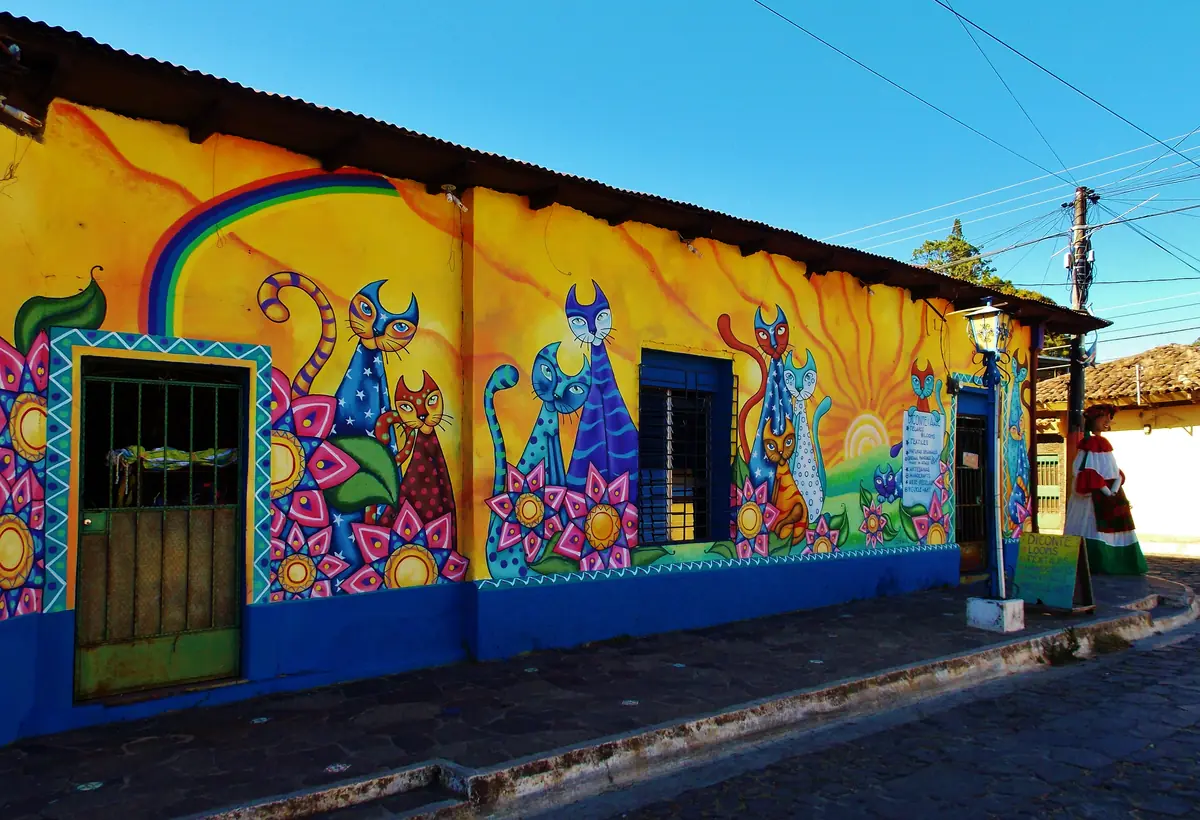
The Ruta de las Flores is the country’s easiest cultural day. Juayúa’s weekend food festival runs roughly 11 a.m. to 4 p.m., the Seven Waterfalls hike leaves from the same town, and Ataco’s murals are the most photographed streets in the highlands.
- Location: Juayúa, Apaneca, Ataco, Salcoatitán, Nahuizalco
- Cost: buses under $1 between towns; the food festival is pay-as-you-eat
- Best for: solo travelers who want daytime company without a tour group
- Time needed: a full day from Santa Ana, two if you sleep in Juayúa
Suchitoto is the pick for anyone who wants the trip to be calm. It’s about an hour from the capital, the streets are cobbled, and boat trips run on Lake Suchitlán. Joya de Cerén, the UNESCO-listed farming village buried by ash, is the closest thing the country has to Pompeii and takes about an hour to see properly — go for the detail (the preserved kitchen, the sleeping mats), not the scale.
If you land in Santa Ana with an afternoon spare, take the free walking tour through GuruWalk. It’s the fastest way to get a local read on which streets to avoid after dark, which is information you cannot get from a blog.
Money, Bitcoin, and What Things Actually Cost
El Salvador has used the US dollar since 2001, which removes the single most annoying part of Latin America travel: there is no exchange rate, no conversion math, no currency to dump at the airport. Bitcoin is also legal tender through the Chivo Wallet, and you can ignore it completely — nobody will insist.
- Cash: essential. Carry $1s, $5s and $10s; pupuserías, buses and markets rarely break a $20
- Cards: fine in mid-range and upscale restaurants and hotels, useless elsewhere
- ATM fees: roughly $2-4 per withdrawal, so take out more, less often
- Dorm beds: from about $8
- Private rooms: roughly $15-23 at hostel level
- Volcano day: about $7-8 in fees, plus about $2 in bus fares
- Surf lesson: $15-35 per hour with a board
The scam to know about is Bitcoin-specific and preys on tourists fumbling with an unfamiliar app. A stranger offers to help you set up or “fix” your Chivo Wallet, takes the phone, and moves your funds. The rule is blunt: never hand your phone to someone who offers unsolicited help with it.
What to Pack for Heat, Mosquitoes and Modest Streets
The packing list here is dictated by three things — conservative street norms, a real mosquito-borne disease risk, and a cash economy.
- Clothing: light layers that cover shoulders and knees for cities, markets and coffee towns; swimwear stays at the beach
- Jacket: a light one for highland nights between December and February
- Footwear: reef shoes if you plan to surf El Tunco, where the break is over rock
- Repellent: strong DEET or picaridin — dengue and chikungunya are present, and the risk rises in the May-to-October rains (CDC Traveler’s Health)
- Water: bottled or filtered only, including in good hotels and for brushing teeth
- Documents: passport copy for daily carry, original in the safe
- Cash: small bills from day one, before you find the first ATM
Would I Send My Own Sister Here Alone?
Yes — with three conditions attached, and no hedging beyond them.
Solo female travel in El Salvador works because the crime risk that made the country notorious has genuinely collapsed, and what’s left is manageable: petty theft, catcalling, and a transport network that quits at dusk. Base yourself in El Zonte if you want calm or El Tunco if you want company, move between cities in daylight only, and take Uber or a reputable shuttle instead of the last bus of the day. That’s the whole rulebook.
The honest caveat is who this trip is not for. If this is your first solo trip anywhere in Latin America and the idea of a soldier with a rifle outside a bus terminal is going to ruin your week, Guatemala’s denser traveler network and better shuttle system make a gentler first step. El Salvador rewards a traveler who has done this once before.
Your First 48 Hours
- Before you land: sort mobile data (an eSIM, or a local SIM at arrivals) so you can call an Uber before you leave the terminal
- Airport to coast: Uber to El Tunco for $25-35, or a hostel-arranged pickup if you land after dark. Skip route 138 on day one, with luggage and no bearings
- First night: book a private room, not a dorm — jet lag plus a beach bar is a bad combination
- Day two: walk the town in daylight, note which stretches have no streetlights, and ask three people at your hostel what they’d do differently. That conversation is worth more than any packing list
- Day three: book the 7:30 a.m. bus or a shared driver, and go up the volcano