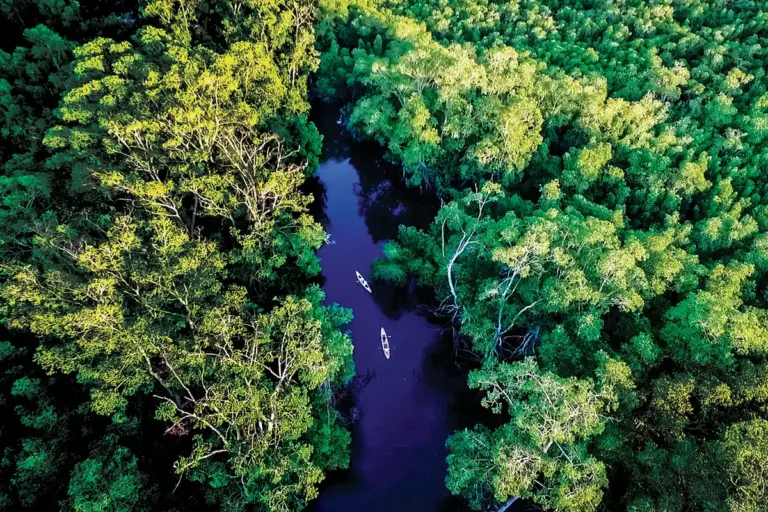
El Salvador is not a dive destination the way Cozumel or Roatán are dive destinations. No barrier reef, no hundred-foot visibility, no wall of parrotfish waiting under the boat.
What it has instead: an active volcanic caldera you can descend into, hot mineral vents on the floor of a freshwater lake, a submerged Christ statue sitting at around 100 feet, and a rocky Pacific reef with three nineteenth-century shipwrecks scattered across it. Eight to twelve dives in total, if you work at it.
That combination makes El Salvador a strong add-on. It makes a poor main event. This guide covers the sites, the seasons, what it actually costs, flights from the US, entry rules for American passports, and one safety issue that nobody selling you a dive package is going to lead with.
Is El Salvador worth diving? The honest verdict
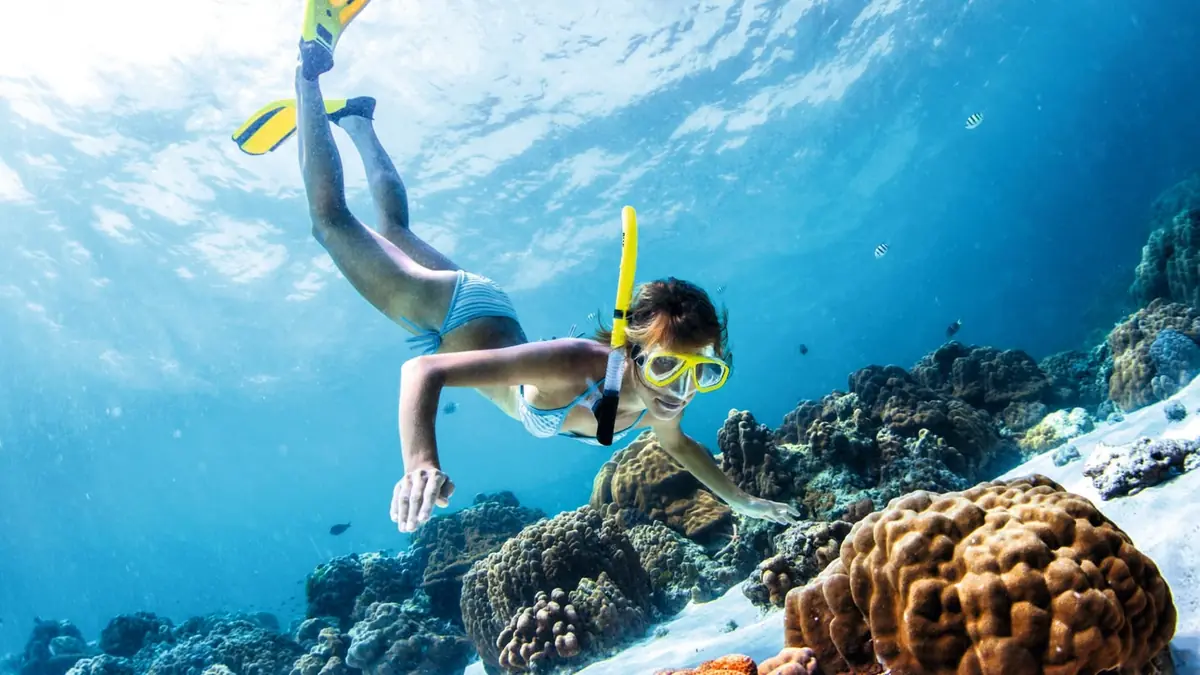
Yes, if you collect unusual dives and want a volcanic crater lake plus Pacific wrecks that almost no one in your dive club has logged. No, if you are choosing a destination on visibility and coral. Frommer’s assessed Los Cóbanos as having “poor visibility and no reefs” next to Caribbean water, and that judgment holds up.
Who this trip actually suits
Divers who want the story more than the photograph. Logbook completists working through Central America. Anyone already flying down for surf, volcano hikes, or coffee towns who wants two or three days underwater built into the itinerary. Budget divers looking for a cheap Open Water certification in warm water. Freshwater and altitude specialists, since Ilopango is one of very few places where you can dive a caldera that is still geothermally active.
Who should book somewhere else
If your mental image involves turquoise water and staghorn coral, fly to Belize or Roatán instead. Enjoy the trip you actually wanted. Skip El Salvador as a primary destination if you need seven straight days of two-tank mornings, because the site inventory runs out. Technical divers should look elsewhere too: a ScubaBoard search for in-country tec facilities turned up nothing. And if whale sharks are the goal, Utila is a two-hour flight away and delivers them far more reliably.
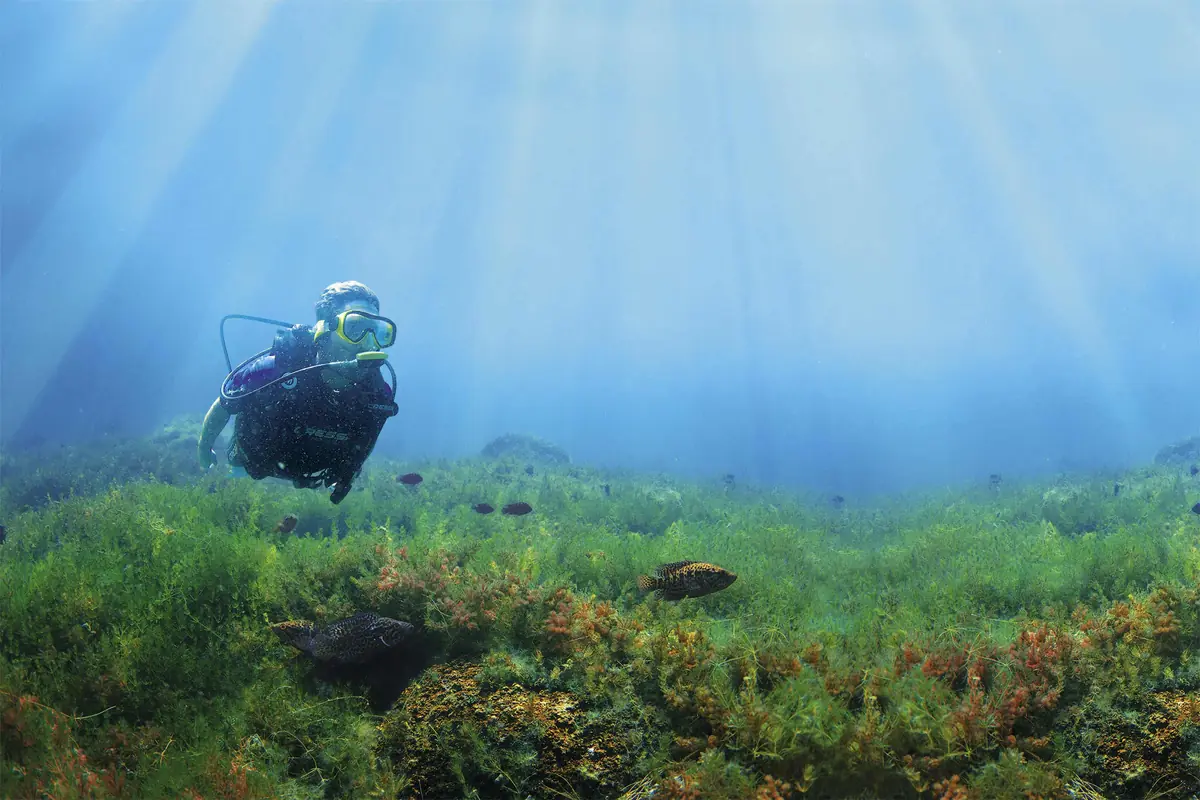
One diver reviewing Ilopango on Tripadvisor put the conditions at roughly 65 feet of visibility but called it a “murky and mysterious” kind of clarity, with walls dropping away steeply into darkness and the statues emerging without warning. That is a fair preview. Eerie is the right word. Eerie is also the product.
Where you can dive in El Salvador
Three areas carry essentially all of the country’s diving: Lake Ilopango, an active volcanic caldera 10 miles east of the capital; Los Cóbanos, the only significant rocky reef on Central America’s Pacific coast; and Lake Coatepeque, a quieter, higher crater lake near Santa Ana. A handful of coastal sites get mentioned in blogs but function as exploratory or snorkeling spots.
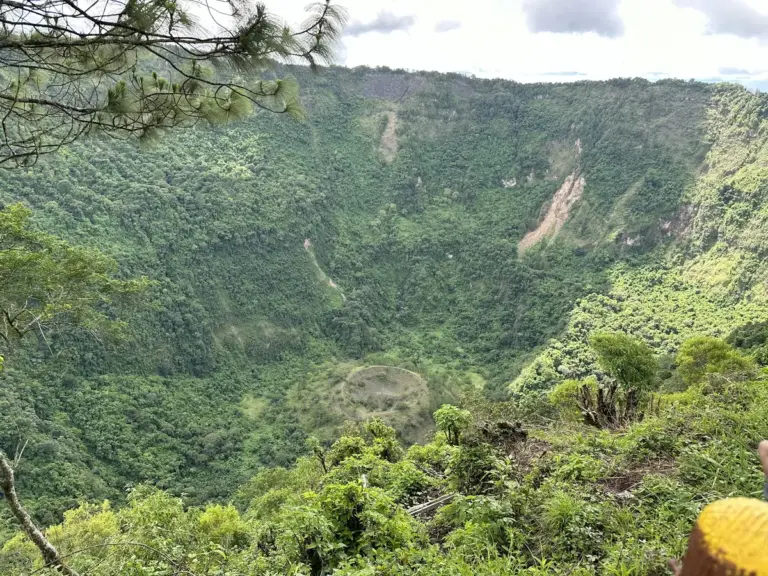
Lake Ilopango: diving inside an active volcano
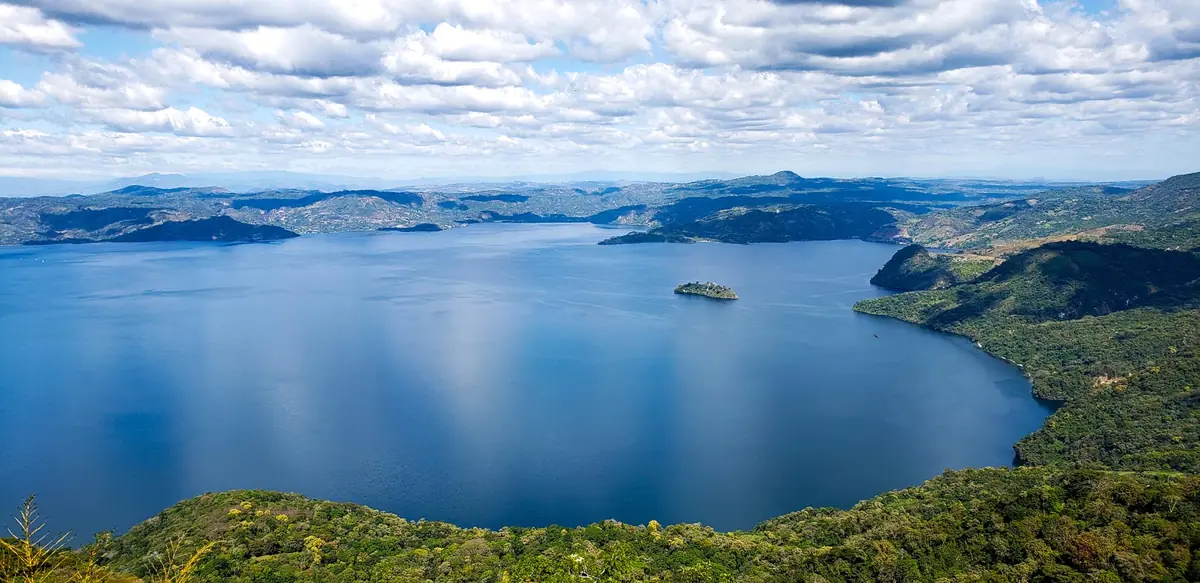
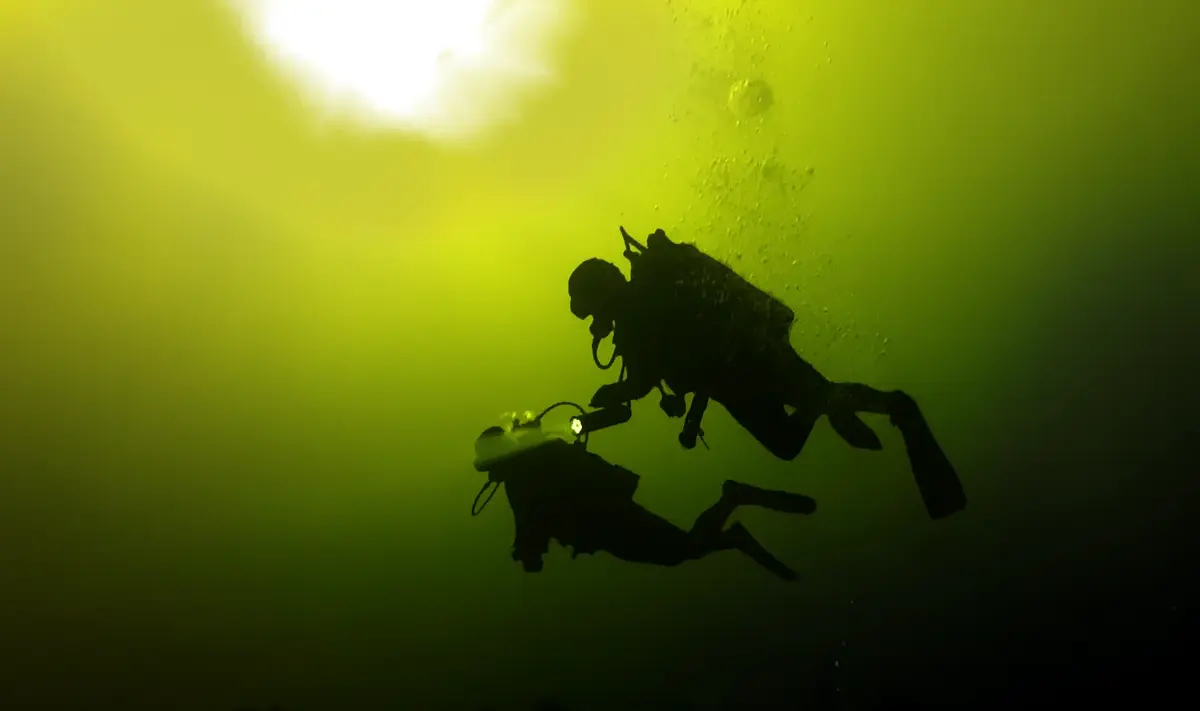
The caldera formed in an eruption dated to around AD 563, one of the largest in the region’s recorded geological history. The lake covers roughly 28 square miles, drops to about 770 feet at its deepest, and sits somewhere near 1,450 to 1,540 feet above sea level depending on the season. Operators run it year-round. That matters, because the ocean season is short.
The signature sites
Los Fumaroles is the reason to come. Geothermal vents seep through the lake floor with sulfur deposits around them at roughly 80 feet, and the water coming out is warm enough that you can hold a bare hand near a vent and feel the temperature climb. Divers describe the bottom there as steaming.
The statues are the other draw. Three Virgin Mary figures sit at around 60 feet (placed there by local divers), and a Christ the Redeemer statue rests at roughly 100 feet near Islas Quemadas. There is also a site locals call the Black Hole, and Cerros Quemados, where a stretch of pale sediment at 90 to 100 feet reads like an underwater beach. Several of the wall dives pass submerged trees, still standing, which divers who have done them describe as genuinely unsettling in low light.
What lives down there
This is a freshwater lake, so calibrate accordingly. Convict cichlids are everywhere. Striped black and white, and territorial about it. Beyond them: freshwater crabs, snails, freshwater sponges growing on rock, and pillow lava formations from the caldera’s volcanic history. No reef fish, no coral, nothing colorful. The interest here is geological, not biological.
Why altitude changes your dive plan
Ilopango sits high enough to qualify as altitude diving, and this trips up visiting divers more often than it should. Ambient pressure at the surface is lower than at sea level, so your body offgasses differently and standard sea-level tables no longer apply. Set your computer to its altitude mode before you get in. Do it on land. If you dive tables, convert to the appropriate theoretical depth.
Two practical consequences. First, plan a longer surface interval than you would in Cozumel, particularly on a second dive. Second, watch your flight timing on the way home, since you are already starting from elevation. Beginners can do a guided introductory dive with no certification at all, but certified divers running repetitive profiles need to plan this properly. Any operator worth booking will raise it before you do.
Los Cóbanos: the Pacific’s rocky reef and its shipwrecks
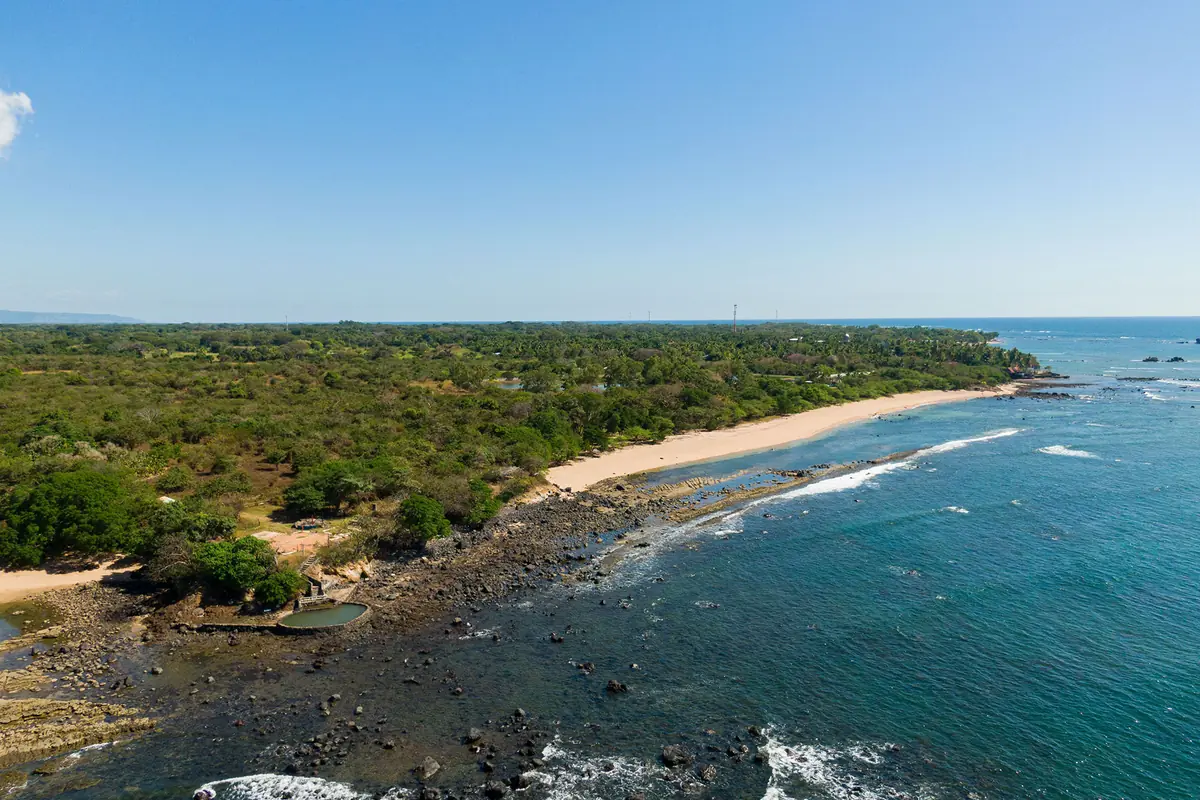
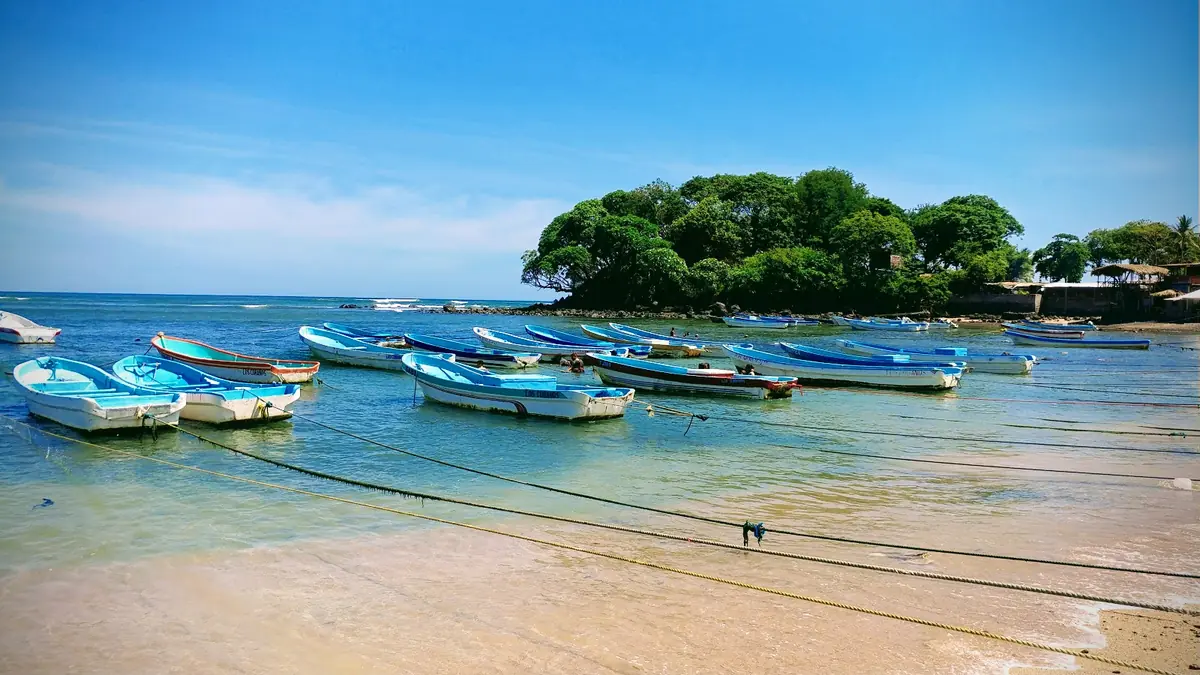
Los Cóbanos protects the only substantial rocky reef system on the Pacific side of Central America, designated a protected natural area covering about 102 square miles since 2007. It sits near Acajutla in Sonsonate department, roughly 90 minutes from San Salvador by car. Water runs about 79 to 82°F. Parts of the reef sit shallow enough to reach from the beach; you do not always need a boat.
The wrecks
Three wrecks anchor the diving here. The SS Douglas and SS Cheribon are both accessible to any certified diver. The SS Arce lies deeper, around 100 feet, and operators treat it as an advanced dive.
The Douglas is the interesting one historically. A nineteenth-century steamer, it has been the subject of Salvadoran public archaeology work aimed at documenting and protecting the site, which is unusual for a wreck in this part of the Pacific. One local operator advertises taking divers to see its six-foot anchors, still recognizable on the bottom.
Marine life on the reef
Better than the lake, though not Caribbean-abundant. Barracuda and green moray eels are common. Parrotfish and angelfish work the rocks. Olive ridley and green turtles pass through, with dolphins and rays showing up occasionally. Stone triggerfish and spotted boxfish are regulars. The reef-building coral here is Porites lobata, which forms mounded colonies rather than the branching structures divers associate with the Caribbean.
The visibility and current reality
Reviewers consistently describe visibility as intermediate rather than good, and several mention very strong current. On some days divers report the underwater scenery as fairly sparse. This is Pacific coastal diving with river runoff and surge in the mix, so treat any advertised clarity figure as an optimistic ceiling rather than an average. Go in the dry season. Your odds improve substantially.
Lake Coatepeque: the quieter crater lake
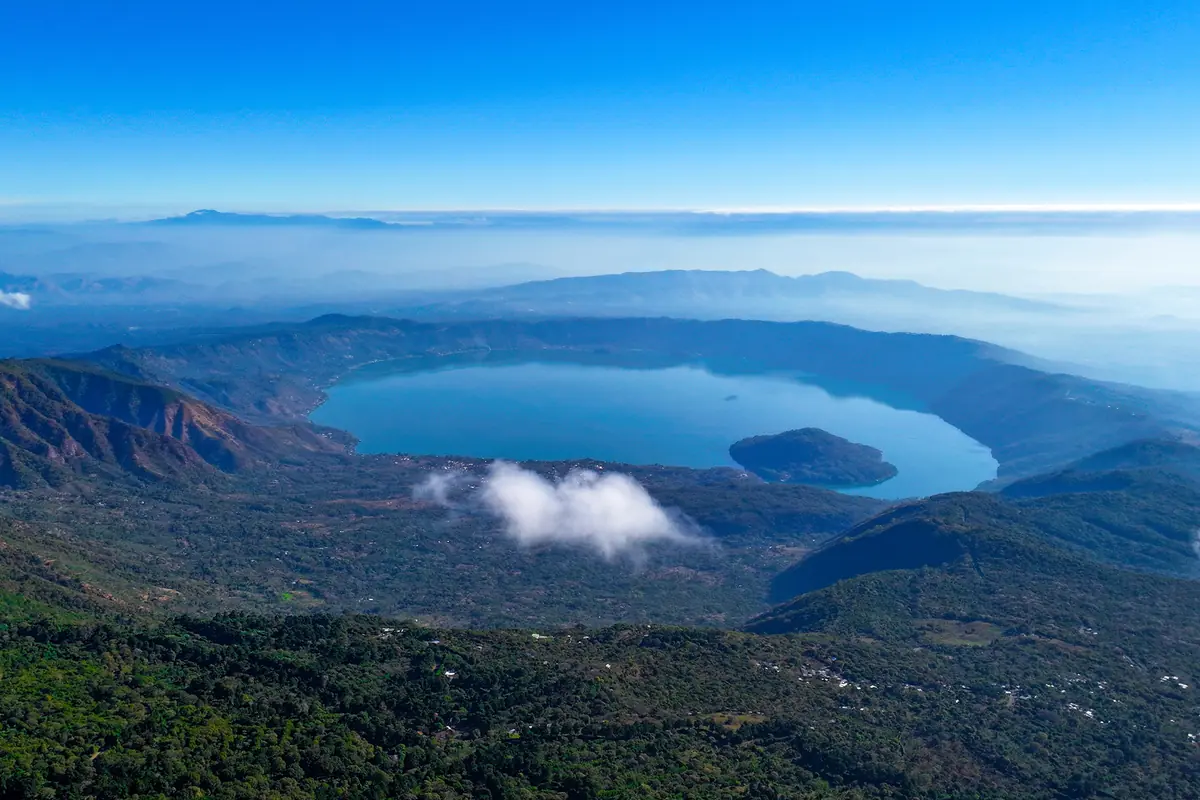
Coatepeque is smaller, higher, and dived far less. About 10 square miles of surface, a maximum depth near 377 feet, and a surface elevation around 2,445 feet, which is meaningfully higher than Ilopango and makes altitude planning more consequential, not less. It sits near Santa Ana, close to the Cerro Verde volcanoes, and Water Quest operates a dive center on the lake.
Most visiting divers skip it entirely. Their loss, arguably. If you have already done Ilopango and want a second lake day in a prettier setting, it earns the time.
The spots you will read about but probably will not dive
Punta Roca and Punta Remedios, Barra de Santiago, the coastline around El Tunco and El Zonte, a wreck off San Blas, the Gulf of Fonseca (where 21 cetacean species have been documented), Isla Meanguera, and Bahía de Jiquilisco, which is significant hawksbill turtle nesting habitat. These appear in destination roundups as dive sites. In practice most are exploratory, snorkel-oriented, or dependent on a specific guide being available that week. Do not build an itinerary around them.
Best time to dive El Salvador
The ocean season is genuinely seasonal here, and ignoring that is the single most common planning mistake. Los Cóbanos dives well from November through April, occasionally into May. The lakes run year-round, with the clearest water in the dry months as algae die back. June through September is rainy season, and September in particular is a write-off for ocean diving.
| Period | Months | Los Cóbanos (ocean) | Lakes (Ilopango, Coatepeque) |
|---|---|---|---|
| Dry season | November to April | Best conditions: calmest seas, clearest water, most reliable boat days | Best visibility of the year |
| Shoulder | May and October | Mixed; trips cancel on short notice | Divable, clarity beginning to drop |
| Rainy season | June to September | Generally not recommended | Divable, but the surface layer turns soupy |
Water temperature
| Location | Surface range | Suit recommendation |
|---|---|---|
| Lake Ilopango | 79 to 86°F | 3mm full suit; the water below the thermocline is noticeably colder |
| Lake Coatepeque | 79 to 86°F | 3mm full suit |
| Los Cóbanos | 77 to 86°F | 3mm full suit, or a shorty in peak dry season |
What visibility really looks like
In the lakes during rainy season, the top layer can drop to 3 to 6 feet of visibility, and it stays that way until you punch through the thermocline at roughly 40 feet. Below that it opens up. This surprises divers who judge the day from the boat and assume the dive is ruined. It often is not.
Ocean visibility at Los Cóbanos swings more widely. Rain and swell drive it. One ScubaBoard contributor summarized September on the Pacific coast as “pretty much rain every day,” which tells you what you need to know about booking then.
Wildlife calendar: whales, turtles, and realistic expectations
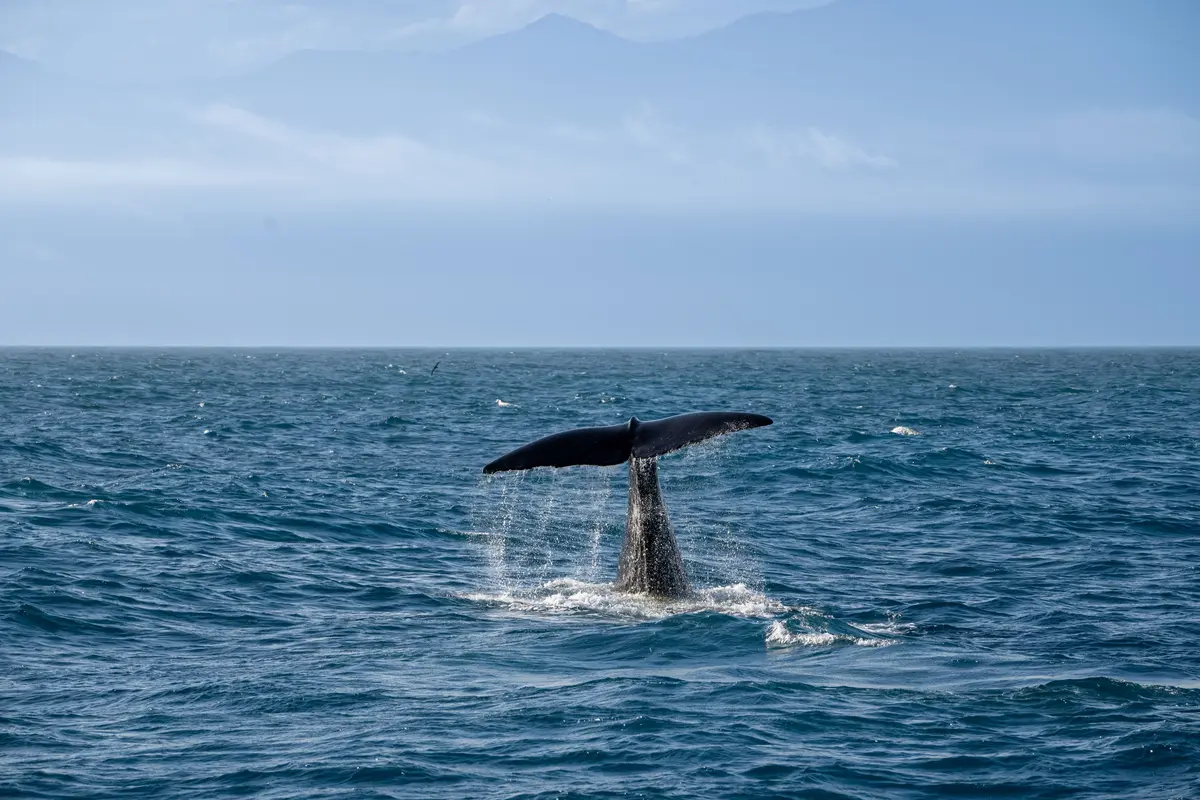
Humpback whales pass Los Cóbanos roughly November through March, peaking in January and February, and Salvadoran environment ministry MARN authorizes local guides for whale-watching trips. The Central American humpback population is small and classified as endangered, which is part of why the activity is regulated. Blue whales are a rare January possibility rather than an expectation.
Important distinction: whales are watched from boats here, not dived with. No operator is putting you in the water with a humpback, and any listing implying otherwise deserves scrutiny.
Sarah Otterstrom of the conservation group Paso Pacífico has identified Los Cóbanos as the focal point of the country’s whale tourism, which matches where the licensed operators cluster.
Turtles are the safer bet. Olive ridley and green turtles turn up on reef dives through much of the year, and hawksbill nesting at Bahía de Jiquilisco is supported by conservation work from organizations including ProCosta and FUNZEL. Whale sharks, though, are not an El Salvador animal in any dependable sense. If that is on your list, Utila in Honduras is the regional address for it.
Dive operators in El Salvador
The operator pool is small, which cuts both ways: fewer choices, but the established shops know these sites intimately because there are only so many of them. Verify current operating status by WhatsApp before you pay anything. Every single time. At least one tour listing circulating on aggregator sites turned out to belong to a guide no longer running trips.
| Operator | Base | What to know |
|---|---|---|
| El Salvador Divers (Mick O’Connor) | San Salvador | The country’s oldest PADI center, running more than 20 years. Ilopango year-round plus Los Cóbanos in season. Keeps groups small, around four divers per guide |
| Pacific Paradise Divers | San Salvador | PADI affiliated. Ilopango plus Pacific trips roughly December through March |
| Water Quest | Lake Coatepeque | PADI 5-star IDC center, the main option for Coatepeque |
| Acquarius Diving SV (Romeo Esquivel) | Coastal | Books via WhatsApp; runs exploratory ocean dives |
| Oceanica Escuela de Buceo | San Salvador | Courses and local dives |
| La Libertad Diving | La Libertad | Coastal diving near the Surf City stretch |
Two caveats worth internalizing. Technical diving support is effectively absent nationwide. And the State Department has noted that tourism in El Salvador is not well regulated, with safety inspections for adventure activities occurring rarely, which puts the burden of vetting on you. Ask about insurance, oxygen on the boat, guide certification level, and group size before booking. A shop that answers those four questions cleanly is a shop worth diving with.
Certification and course costs
El Salvador is an inexpensive place to certify, and Ilopango’s altitude gives instructors a useful teaching environment for divers who will eventually dive at elevation elsewhere. Prices below come from operator and aggregator listings (which move), and should be treated as a starting point rather than a quote.
| Course or service | Typical listed price |
|---|---|
| PADI Open Water certification | around $415 |
| Advanced Open Water | from around $300 |
| Rescue Diver | around $400 |
| Discover Scuba (no certification needed) | around $85 per person |
| Two-tank fun dive, Lake Ilopango | from around $65 |
| Full equipment rental | around $12 per day |
Confirm pricing at booking. Operator rates in small markets move without notice, and published listings go stale quickly.
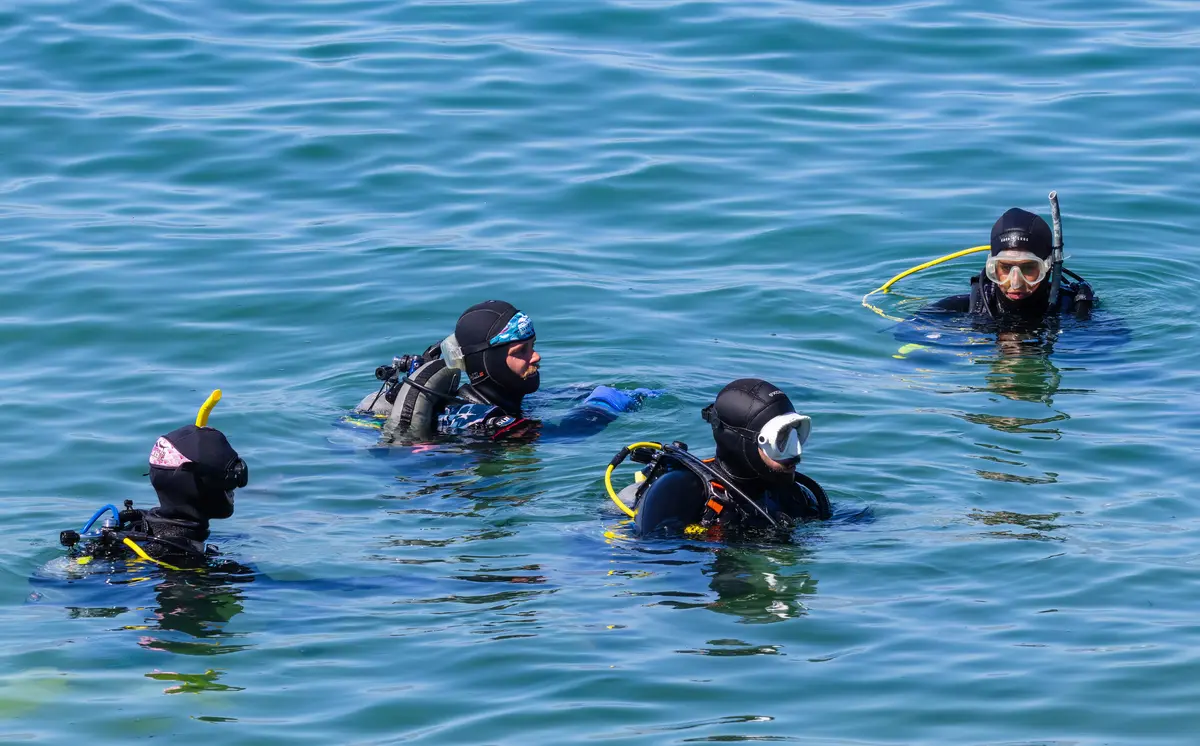
What a dive trip to El Salvador actually costs
Budget a four to five day trip with two dive days built in, since that reflects the realistic site inventory. Diving here costs less per tank than Belize but delivers far fewer tanks, so the total is low mostly because the volume is low.
| Line item | Estimated range |
|---|---|
| Round-trip airfare from a US hub | $320 to $600 |
| Tourist card (carry cash regardless, see below) | $0 to $12 |
| Lodging, 4 nights (hostel through mid-range hotel) | $100 to $400 |
| Two dive days, two tanks each | $130 to $220 |
| Equipment rental, two days | around $24 |
| Rental car for 4 days, or private shuttles | $140 to $260 |
| Food and drink | $80 to $200 |
| Approximate total | $800 to $1,700 |
Getting there and getting around from the US
San Salvador’s Monseñor Óscar Arnulfo Romero International Airport (SAL) has solid direct service from the States. United flies from Houston, Newark, Los Angeles, and Washington Dulles. American connects from Dallas and Miami. Avianca, Volaris, and Delta also serve the airport. Flying time from Dulles runs about four and a half hours, and Dulles and Houston are the busiest US routes into the country.
The airport sits roughly 28 miles south of San Salvador. That puts it closer to the coast than to the capital, which is worth knowing when you choose a base.
Driving times from San Salvador:
| Destination | Approximate drive |
|---|---|
| Lake Ilopango | 30 to 45 minutes |
| Lake Coatepeque | about 1 hour |
| Los Cóbanos | about 1.5 hours |
A rental car gives you the most flexibility. The roads between these points are in reasonable shape. Uber operates in San Salvador and works well for shorter hops (cheaply, too). Most dive operators will arrange pickup, which is often the simplest option for a two-day trip. The State Department advises against public buses, so route around them.
Entry requirements for US citizens
US citizens need a valid passport and do not need a visa for tourist stays of up to 90 days. El Salvador participates in the CA-4 agreement with Guatemala, Honduras, and Nicaragua, so time spent in any of those countries counts toward the same 90-day regional allowance.
There is one live inconsistency to plan around. Multiple current sources report that El Salvador eliminated its $12 tourist card fee for visa-exempt travelers in May 2025, while US government pages have continued to describe the fee as still in effect. Carry $12 in cash. If nobody asks for it, you have lost nothing.
The US dollar is legal tender, so skip the currency exchange. There is nothing to convert. Bitcoin acceptance became optional for merchants after the country reversed its legal tender law in 2025, so do not count on paying that way.
Is El Salvador safe? What the numbers actually show
The US State Department moved El Salvador to Level 1, Exercise Normal Precautions, on April 8, 2025, citing a decline in gang activity over the preceding three years and a corresponding drop in violent crime and homicide. Level 1 is the same tier assigned to Japan. It is also the tier covering much of Western Europe.
The homicide figures behind that shift are dramatic. According to Representative María Elvira Salazar and the Congressional El Salvador Caucus, the rate fell from a high of 104 per 100,000 residents in 2015 to 2.4 per 100,000 in 2024. The 2015 peak is corroborated by contemporaneous Associated Press reporting citing National Police totals of 6,657 homicides that year.
Context matters for making your own decision. The security improvement has come under a prolonged state of exception, and human rights organizations have raised substantive due process concerns about mass arrests conducted under it. Those two facts coexist. Travelers report feeling notably safe, and the crime statistics support that, while the mechanism producing the change remains contested domestically.
The water is the bigger risk
For divers and surfers, the ocean is a more realistic hazard than crime. Pacific rip currents along this coast are strong and have killed swimmers, and the US Embassy has issued alerts about drowning deaths. Combine that with limited regulatory oversight of adventure tourism and the practical takeaway is straightforward: choose your operator carefully, and do not enter the water off an unfamiliar beach without local advice.
Dive safety: recompression, DAN, and evacuation
Read this section before you book. No operational recompression chamber is known or reported in El Salvador, and local dive guides advise diving conservatively for exactly that reason. This claim comes from dive-guide and operator sources rather than a verified medical registry, and DAN does not publish chamber locations publicly, so it is possible that a military or private facility exists without being listed. Plan as though there is none. That is the only responsible assumption available.
The nearest DAN-affiliated chambers serving divers are in Honduras, at Roatán and Utila, and in Belize at San Pedro. Each one is reached by air; none is a drive. Guatemala City has hyperbaric capability accessible overland, though its status as a dive-specific facility is not something I could verify.
If something goes wrong, the sequence is: stabilize the diver, administer 100% oxygen, get to the nearest emergency medical services or hospital, and contact the DAN Emergency Hotline at +1-919-684-9111. DAN’s TravelAssist benefit covers up to $100,000 per person under a family membership for emergency evacuation or medically necessary repatriation, according to DAN’s membership benefits documentation.
Four practical adjustments for diving here:
Buy DAN dive accident coverage with evacuation before you travel. This is the single highest-value $100 you will spend on the trip.
Dive shallower than your certification allows and extend your surface intervals well past the minimum.
Use nitrox where an operator offers it, on air-equivalent profiles.
Respect the altitude tables at both lakes, and build extra time between your last dive and your flight home.
None of this is meant to talk you out of diving El Salvador. It is meant to make the risk calculus explicit, because the marketing pages will not do it for you.
How El Salvador compares to Belize, Roatán, Costa Rica, and Mexico
If El Salvador is competing head-to-head with these destinations for a dedicated dive week, it loses. As a complement to one of them, or as part of a broader trip, it holds its own. Cost figures below are directional ranges drawn from secondary sources rather than authoritative pricing.
| Destination | Reef and visibility | Relative dive cost | US flight access | Best for |
|---|---|---|---|---|
| El Salvador | Rocky reef and freshwater lakes; low to moderate visibility | Low per dive, very few dives available | Direct to SAL from five-plus hubs | Volcanic lake diving, wrecks, add-on trips |
| Roatán, Honduras | Mesoamerican reef; high visibility | Lowest overall packages | Direct from Houston, Miami, Dallas | Best-value Caribbean diving; Utila nearby for whale sharks |
| Belize | Barrier reef, atolls, Blue Hole; high visibility | Highest of this group | Direct from several hubs | Reef diving, English-speaking, iconic sites |
| Costa Rica | Variable and often low near shore; Cocos is world-class but expedition-only | Mid to high | Extensive | Big animals offshore, biodiversity, not reef scenery |
| Riviera Maya, Mexico | High visibility reef plus cenotes | Mid | The most flight options | Cenote diving, variety, easiest logistics |
The clean summary: El Salvador gives you dives you cannot get anywhere else, in water you would never choose on its own merits. Both halves of that sentence are true.
Build the trip around something besides diving
This is the framing that makes El Salvador work. The country is compact enough that you can dive Ilopango in the morning and be somewhere completely different by evening.
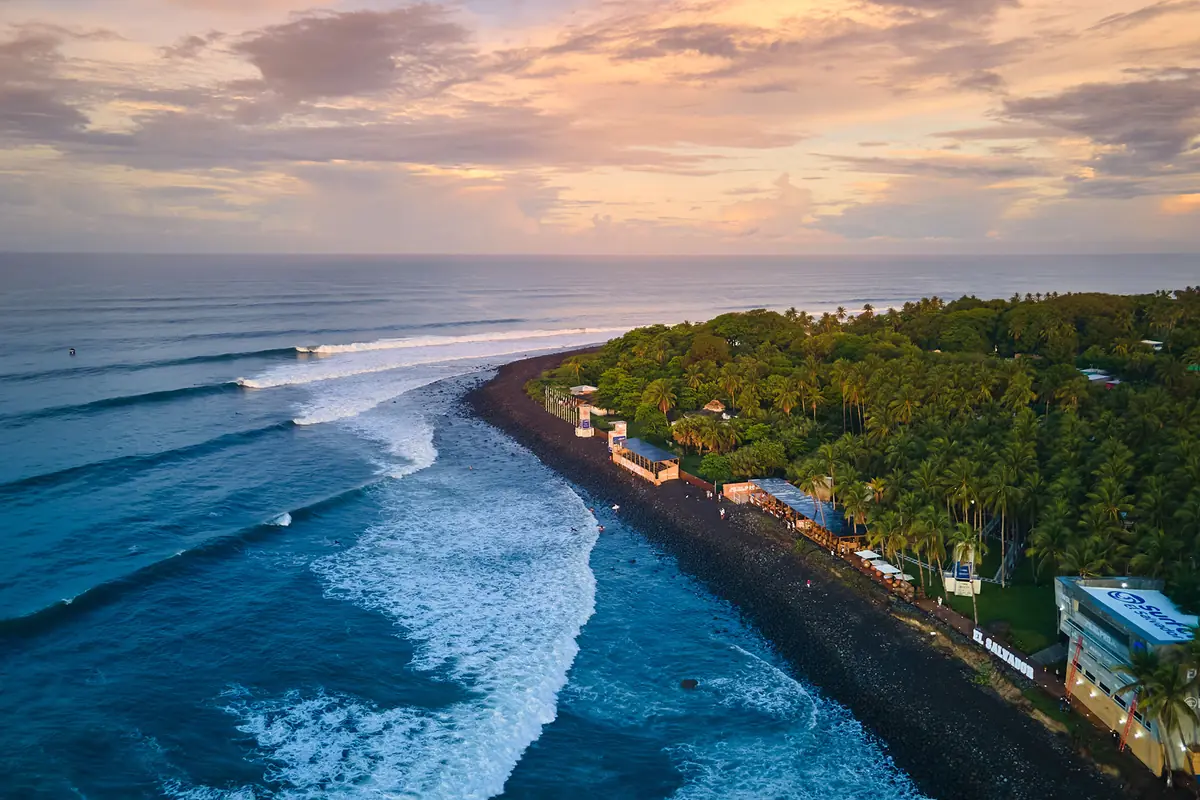
The surf coast, marketed as Surf City, runs through El Tunco, El Sunzal, Punta Roca, and El Zonte. Punta Roca is a serious right-hand point break with international standing. El Zonte became known as Bitcoin Beach and retains an unusual expat and digital-nomad scene.
Inland, Santa Ana volcano and Cerro Verde offer day hikes with a crater lake view that pairs naturally with a Coatepeque dive day. The Ruta de las Flores threads together coffee towns including Juayúa, Ataco, and Apaneca, with weekend food fairs and a lot of murals. Suchitoto, a colonial town north of the capital, is the quietest stop of the group and the one most visitors wish they had given an extra night.
Two dive days, two surf days, one volcano, one coffee town. That is the itinerary this country is built for.
How this guide was put together
Site details, depths, and marine life descriptions here draw on operator documentation from El Salvador Divers and its founder Mick O’Connor, whose shop has run these sites for over two decades, alongside firsthand diver accounts published on Tripadvisor and ScubaBoard. Conservation and wildlife information references Paso Pacífico and Salvadoran environment ministry MARN.
Safety and entry information comes from US State Department advisories, US Embassy notices, and Divers Alert Network guidance. Homicide statistics are cited to the Congressional El Salvador Caucus and corroborated against Associated Press reporting. The Frommer’s condition assessment is quoted because it remains the most candid published evaluation of Los Cóbanos, and disagreeing with it would require ignoring what divers there consistently report.
Prices, operator status, and the tourist card fee are the most volatile elements of this guide. Confirm all three directly before you travel.