Los Cóbanos holds the only coral reef formation on the Pacific coast between Mexico and Costa Rica. That fact does a lot of work in El Salvador’s tourism copy, and it happens to be true. What almost no travel page tells you is the rest of it. When marine ecologists from the University of Bremen and Universidad Francisco Gavidia surveyed the reef and published in the journal PeerJ, they recorded benthic algae covering as much as 98 percent of the bottom, and live hard coral covering between zero and 4 percent. Their conclusion: Los Cóbanos has shifted away from being a coral reef toward an algae-dominated one.
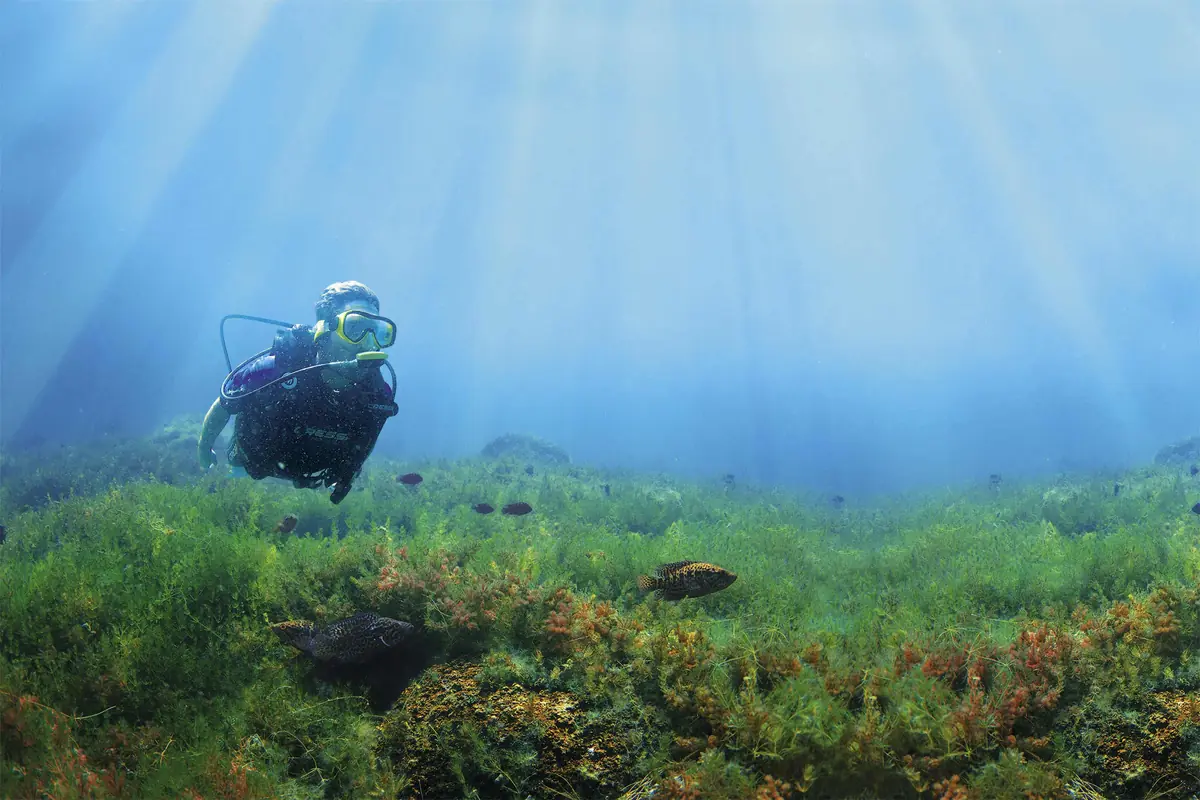
So this is not Cozumel. It is also not the underwater parking lot that number might suggest. There are bumphead parrotfish, green morays, sea turtles, and a shallow rock shelf you can reach by walking off the sand. The reef sits inside a Ramsar-listed wetland complex, and on a calm February morning you can float over it without another snorkeler in sight.
Here is what you will actually see, when the water has a real chance of being clear, what the tours cost, and who should book somewhere else instead.
The short version
- Best spot: Los Cóbanos, on the Sonsonate coast roughly 75 miles west of the San Salvador airport, with shore entry from Playa El Amor and Playa La Privada.
- Best months: December through April, when river runoff and swell are both at their lowest.
- Water temperature: about 82°F in January, climbing to roughly 86°F in June, based on NOAA satellite readings for nearby Acajutla. Nobody needs a wetsuit here.
- Visibility: inconsistent, and rarely anything like the Caribbean. Time your swim for a calm morning near low tide.
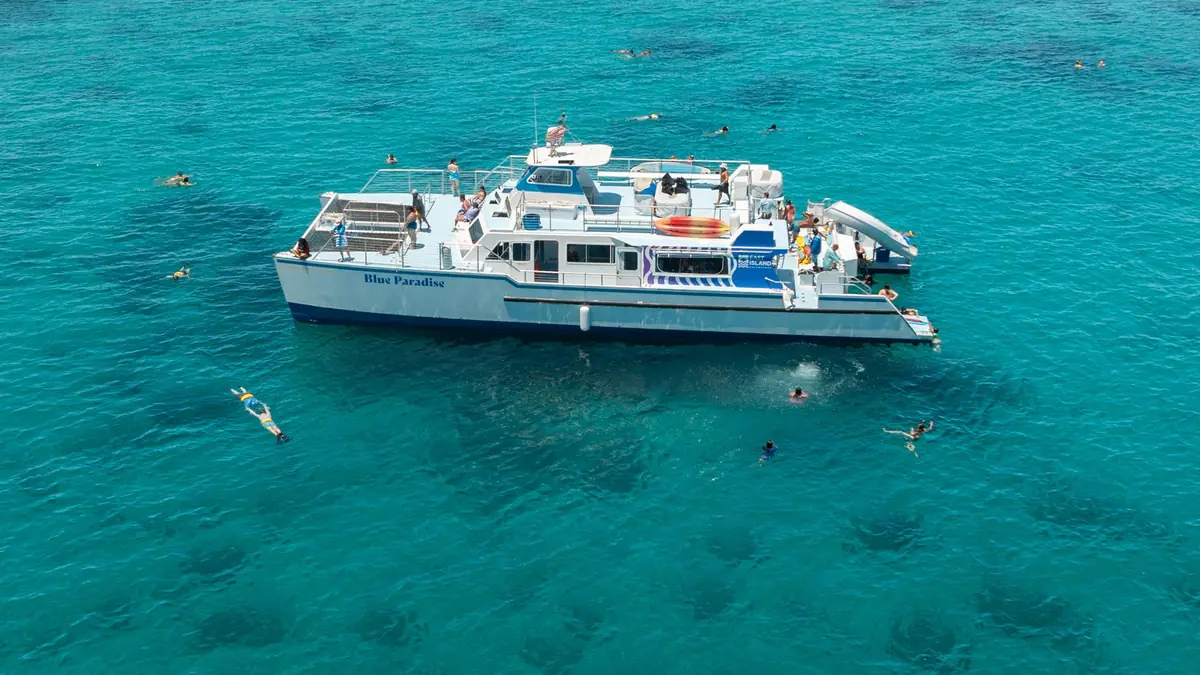
- Typical cost: travelers report paying around $37 for a three-hour community snorkel tour; private boat trips start near $75.
- Safety: El Salvador currently sits at Level 1, “Exercise Normal Precautions,” the lowest of the four State Department tiers. Advisory levels change, so check travel.state.gov before you book.
- Verdict: a genuinely good half day. Not a trip you should build around snorkeling.
The reef claim that almost every guide repeats
Search around and you will hit the same line over and over: Los Cóbanos is the largest coral reef in the Central American Pacific, some 157 kilometers of it. The figure shows up in tourism brochures, in blogs that copy tourism brochures, and in AI-assembled travel pages that copy the blogs.
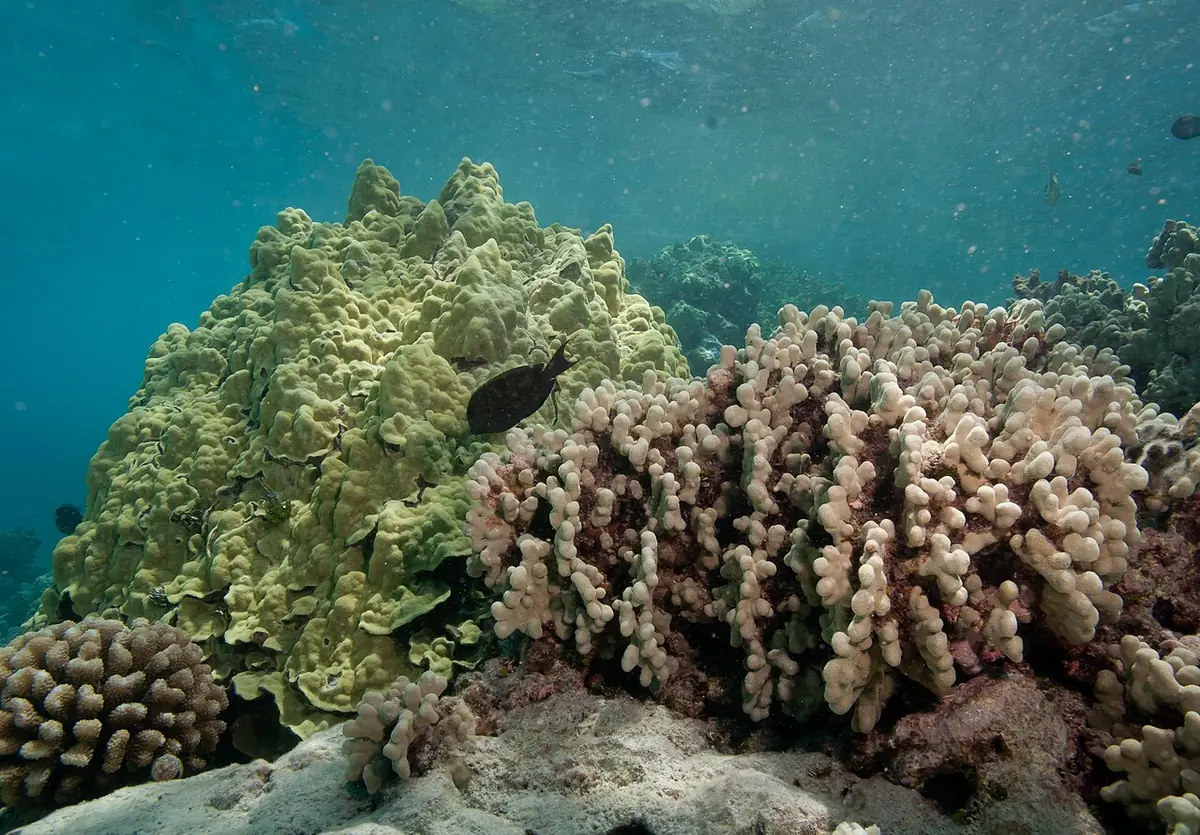
Peer-reviewed fieldwork paints a smaller picture. Elías Ilosvay and colleagues describe the hard coral population as confined to a narrow band between roughly 0 and 15 meters deep, running about 7,000 meters along the coastline between Punta Remedios and Acajutla. Call it four and a half miles, not ninety-eight. Live cover of Porites lobata, the only reef-building coral the team found alive during its surveys, measured about 2 percent.
Ramsar, the international wetlands convention, phrases things more carefully. Its listing for Complejo Los Cóbanos (Site 2419, covering 21,312 hectares, roughly 97 percent of it marine) credits the complex with the only coral reef formation between Mexico and Costa Rica. That is a claim about rarity, and it holds up fine. Rarity and size are different things.
Why any of this matters to you: the reef here is volcanic rock with coral growing on it in patches, heavily colonized by turf algae, sponges, and a surprising amount of fish. Show up expecting a rocky reef with good fish life and you will enjoy yourself. Show up expecting the Mesoamerican Barrier Reef and you will be irritated inside of ten minutes.
Is snorkeling in El Salvador worth it?
For some travelers, absolutely.
Book it if you are already on the coast for surf and want a low-key day off the board. Book it if you like places where the parking lot has four cars in it. Book it if you are traveling with kids who need calm, shallow water and a beach they can walk out from. Book it if you would rather hand $37 to a village cooperative than $150 to a cruise-port operator.
Skip it if snorkeling is the reason for the trip. Skip it if you have already snorkeled Roatán, Bonaire, or the Yucatán and expect similar clarity, because you will not get it. Skip it if you cannot be flexible about dates, since a rainy-season swell can turn the whole thing into a wash and no operator can promise otherwise. Even on organized dry-season trips, reviewers have reported poor visibility and strong current on the day they went.
One more honest note. Frommer’s is unusually blunt about the Pacific side of El Salvador, describing poor visibility here compared with Caribbean water. The guidebook overstates the case slightly (there is a reef, and it does have coral), but the visibility point is directionally right and worth taking seriously.
Where to snorkel in El Salvador
Los Cóbanos: Playa El Amor and Playa La Privada
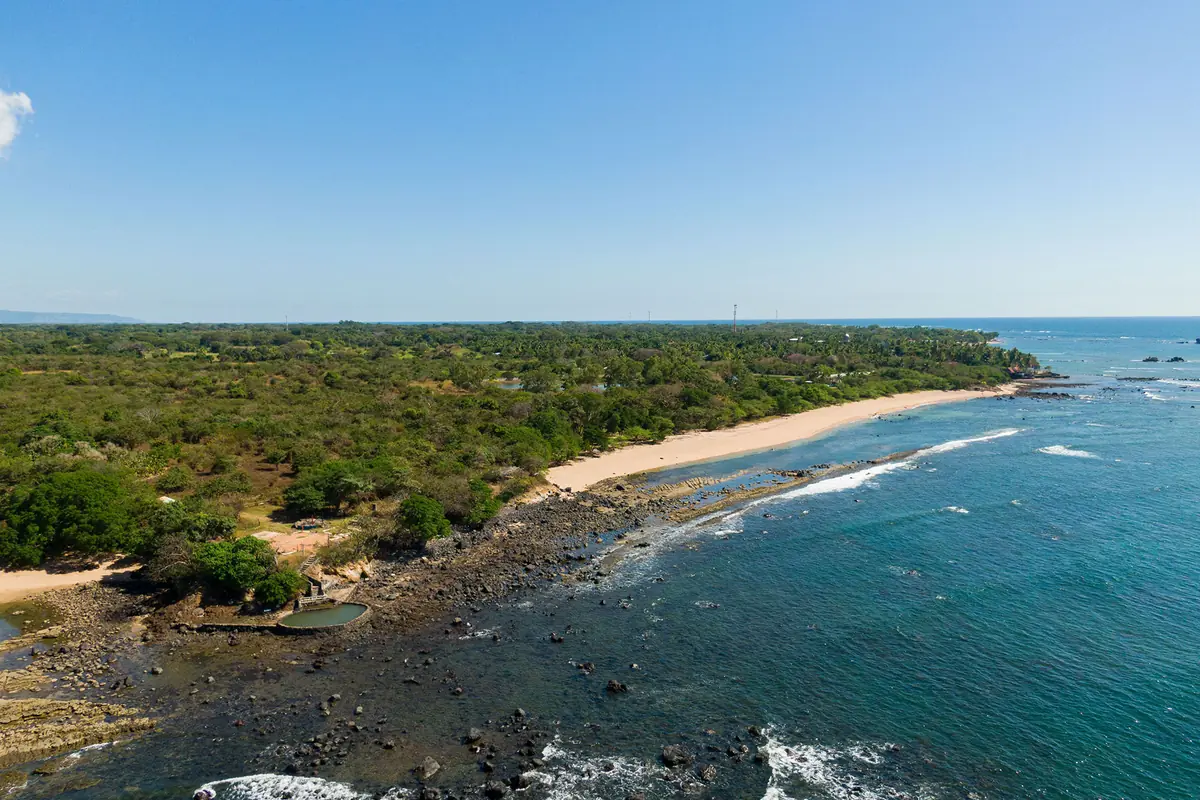
This is the reason to come. Two brown-sand beaches, El Amor and La Privada, sit directly above the reef shelf, and the rock starts close enough to shore that you can wade in and start swimming. As one Tripadvisor poster put it, the reef is right there.
Go near low tide. The shelf is shallow, the bottom mixes coral rubble with volcanic rock, and sea urchins are common, so water shoes are not optional. Bring your own mask if you have one, since rental gear at the smaller operations can be tired. Fins help less than you would think in water this shallow; some people skip them entirely to avoid kicking the bottom.
The seabed drops to only about 50 feet across much of the protected area, which is why the site works for drift dives but also why the water stirs up quickly when there is any swell running.
The Golfo de Fonseca islands
Out east in La Unión department, boats run to a cluster of volcanic islands: Meanguera (the biggest at about 9 square miles), Meanguerita, Conchagüita, Zacatillo, and Isla Martín Pérez. Snorkeling here happens over rocky patches rather than coral, and conditions swing wildly.
Getting there is the real story. Lanchas leave from La Unión, roughly 132 miles from San Salvador, and the crossing to Meanguera takes an hour and a half to two hours. One Tripadvisor party reported paying $75 for two people, with the length of the trip negotiable depending on group size. Infrastructure is thin, so pack your own food and water. A few basic hotels operate on Meanguera if you want to stay over.
Treat this as a scenery-and-culture day with some swimming attached, not as a snorkeling destination in its own right.
Lake Ilopango: freshwater, and mostly for divers
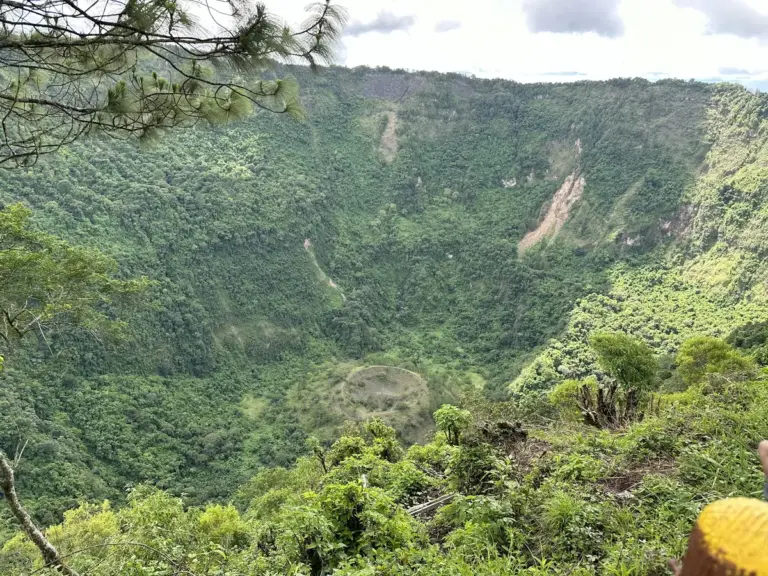
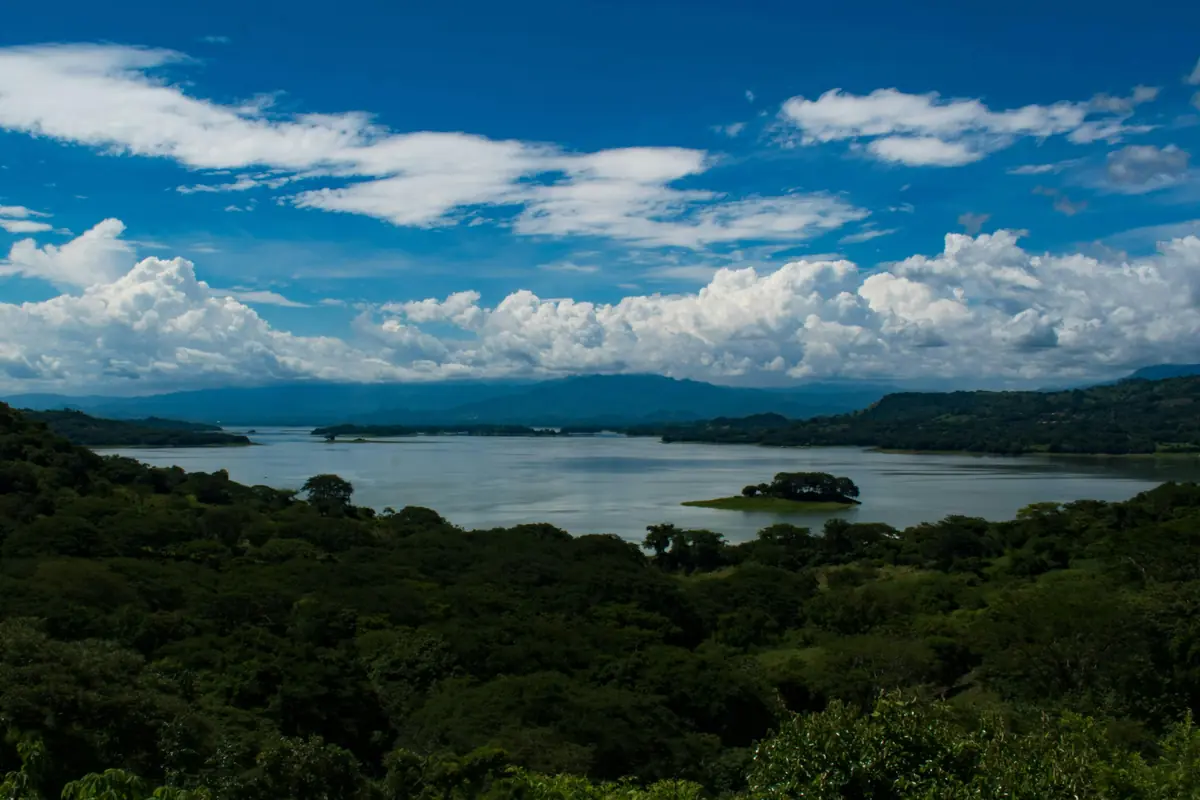
Ilopango is a flooded volcanic caldera about 10 miles east of San Salvador, roughly 28 square miles across, with a maximum depth somewhere around 770 to 815 feet. It sits at about 1,440 feet of elevation, which means altitude-diving procedures apply.
What is down there is genuinely strange: sulfur-crusted hot vents known as Los Fumaroles, pillow lava, a submerged Christ statue at around 100 feet, three virgin statues near 60 feet, and the Islas Quemadas, islands pushed up by the eruption of 1879 and 1880. Fish life is freshwater and modest, mostly convict cichlids, crabs, and snails.
Visibility typically runs 16 to 50 feet and improves once you drop below the thermocline around 40 feet, but algae blooms in the rainy season can cut it to 3 or 6 feet. Almost everything interesting sits deeper than snorkeling range. There is no dive school on the lake itself, so arrangements have to be made in advance from San Salvador.
El Tunco, El Zonte, and the rest of Surf City
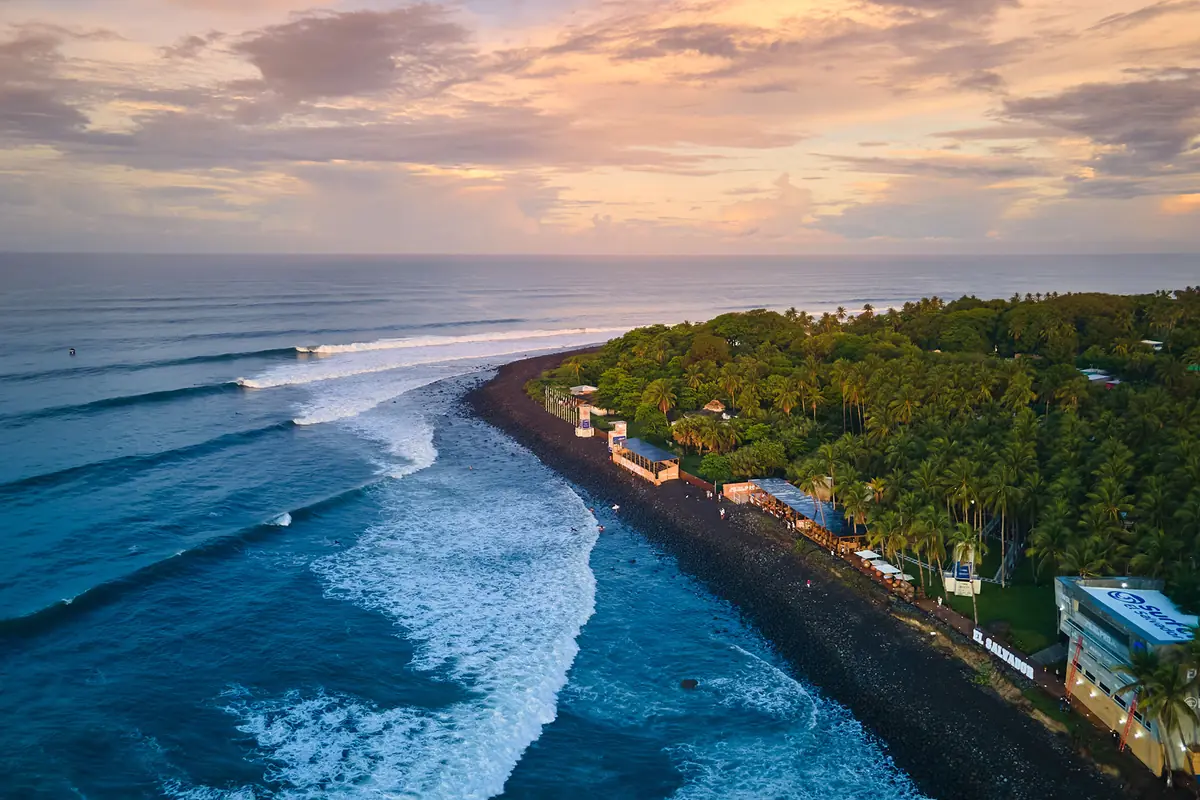
Listicles keep putting these on snorkeling roundups. They should not. El Tunco, El Zonte, Playa San Diego, El Cuco, and Las Flores are surf beaches with dark volcanic sand, consistent swell, and rip currents. Las Flores in particular is an advanced-to-expert break, and campers there are advised to notify POLITUR, the tourist police.
You can have a wonderful time at all of them. Just not with a mask on.
Barra de Santiago and Bahía de Jiquilisco
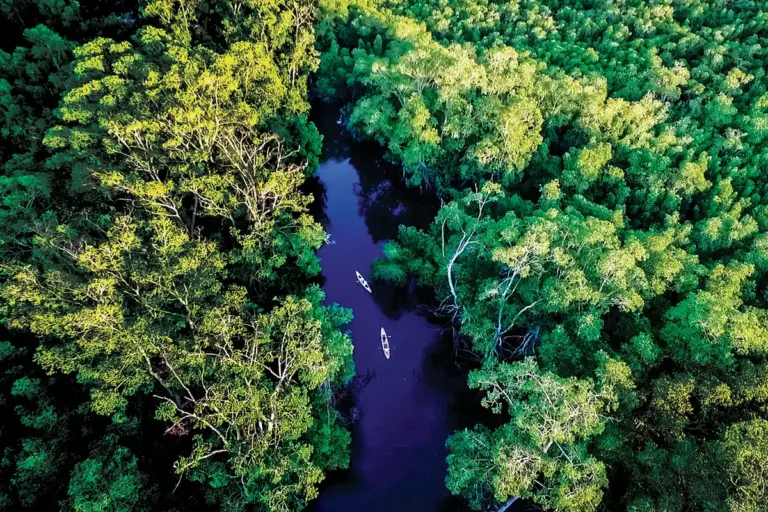
Both are outstanding for mangrove paddling and turtle nesting, and both are estuarine, meaning the water carries silt and visibility is measured in inches. Kayak them, take the boat tour, watch hatchlings if your timing lines up. Leave the snorkel gear in the car.
| Spot | What it is | How you get in | Best months | What to realistically expect |
|---|---|---|---|---|
| Los Cóbanos | Rocky reef with coral patches | Walk in from the beach, or by boat | Dec to Apr | Good fish life, moderate and inconsistent visibility |
| Golfo de Fonseca | Rocky islands | Boat from La Unión, 1.5 to 2 hrs | Dec to Apr | Variable water, big scenery, long travel day |
| Lake Ilopango | Freshwater caldera | Boat, arranged in advance | Dec to Apr | Scuba site; little to see within snorkel depth |
| Surf beaches | Sand and swell | Not recommended | n/a | Waves and rip currents, no reef |
| Mangrove reserves | Estuary | Kayak or boat | Year-round | Wildlife, near-zero underwater visibility |
What you will actually see underwater
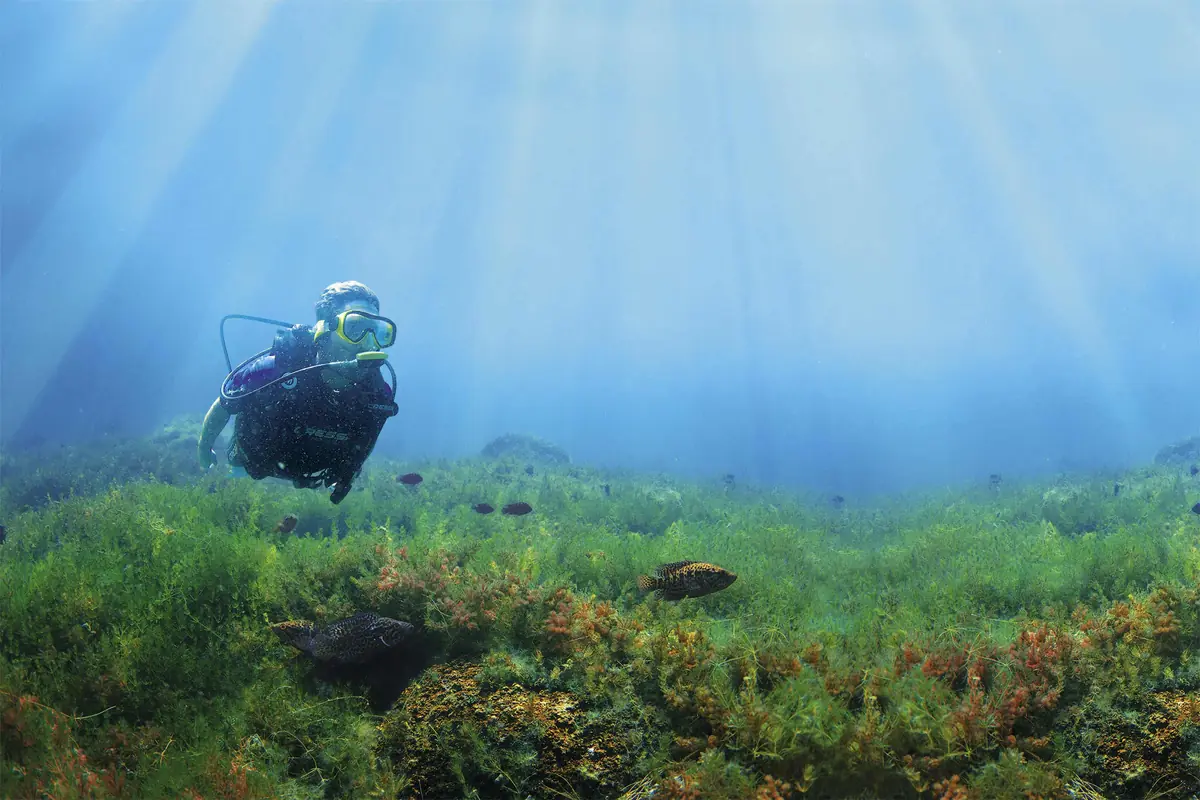
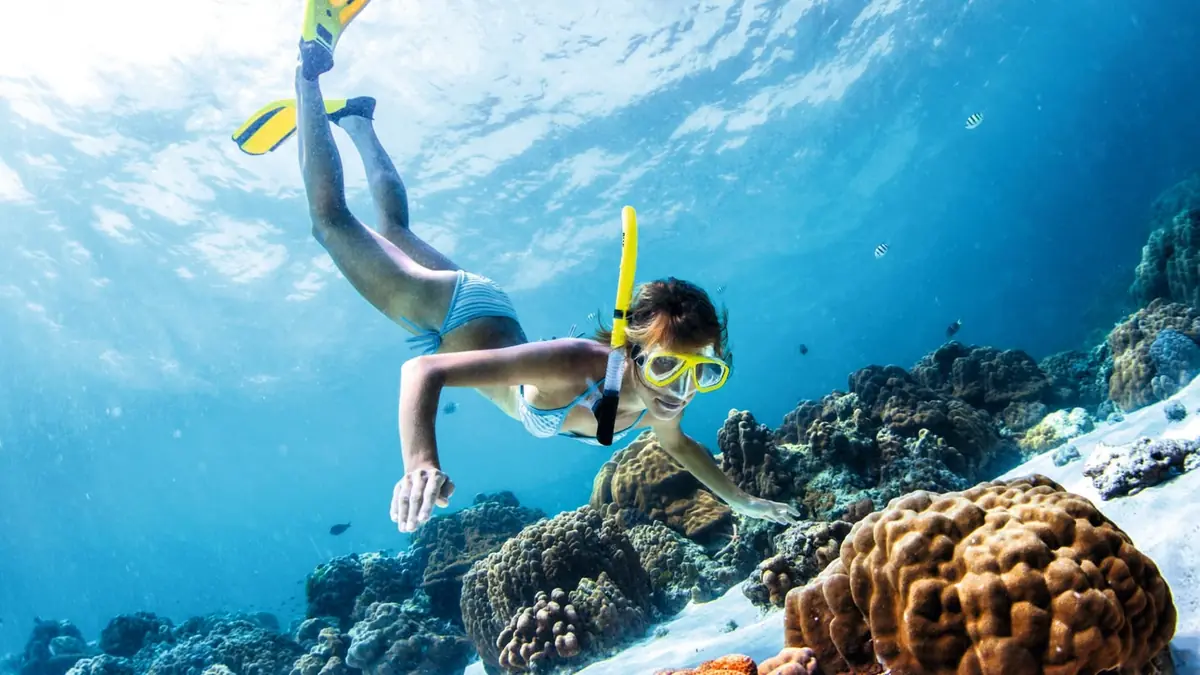
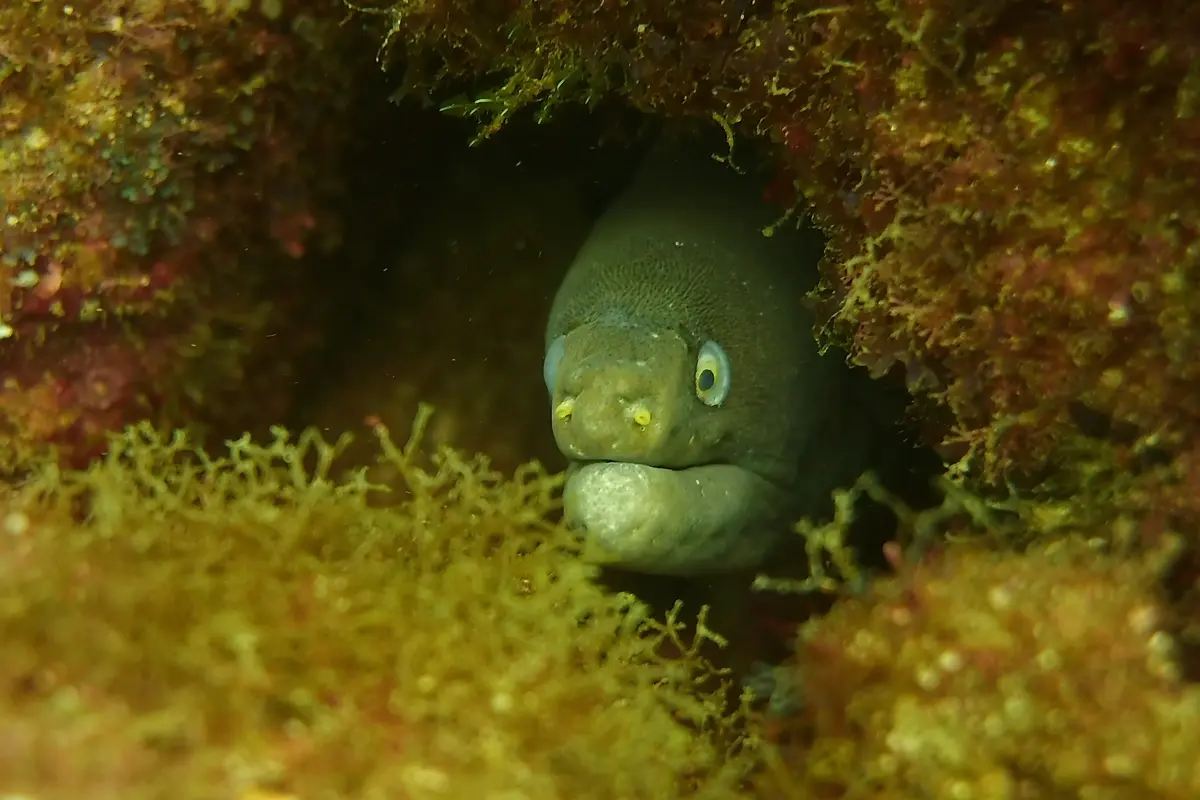
Fish carry this reef, not coral. Regulars include bumphead parrotfish (Scarus perrico), Pacific creolefish (Paranthias colonus), Moorish idols (Zanclus cornutus), stone triggerfish, spotted boxfish, angelfish, and green moray eels tucked into the rock. Starfish, sea urchins, and sea snails cover the shallows. Three turtle species use these waters: olive ridley, green, and hawksbill.
Rays and dolphins turn up occasionally. Humpbacks pass offshore during the dry season, but that is a boat trip with a licensed captain and no guarantees attached.
The shipwrecks belong to divers, not snorkelers. The SS Douglas and SS Cheribon are within reach of certified divers, while the SS Arce sits near 100 feet and is an advanced dive only. If a tour listing mentions wrecks, read carefully before you assume they are on your itinerary.
On the conservation side, the picture is sobering and worth knowing before you get in the water. Porites lobata at Los Cóbanos has bleached repeatedly, with events documented from 2006 onward, and restoration work followed the global bleaching event of 2023. El Niño cycles drive thermal stress across the whole Eastern Tropical Pacific, and this reef sits inside what biogeographers call the Pacific Central American Faunal Gap, a naturally coral-poor stretch of coast running from Guatemala down to northwestern Nicaragua. The reef was never lush. It is now under pressure on top of that.
When to go, and what the water feels like
The dry season, roughly November through April, gives you the calmest water and the least river runoff. Rainy season, May through October, brings sediment, plankton blooms, and swell, all of which drop visibility. Some operators quote the window as November through May, and at least one dive outfit argues for May through November for ocean diving generally, so confirm with whoever you book for the specific week you want.
Water temperature barely moves. NOAA satellite data for Acajutla puts the coldest monthly average near 82°F in January and the warmest around 86°F in June.
| Period | Months | Typical sea surface temp | Conditions |
|---|---|---|---|
| Peak dry | Dec to Mar | 82 to 84°F | Calmest water, lowest rainfall, best odds of a clear morning |
| Late dry | Apr | 84 to 85°F | Still good, hottest air temperatures of the year |
| Shoulder | May and Nov | 85 to 86°F | Coin flip; check the forecast and swell |
| Rainy | Jun to Oct | 85 to 86°F | Runoff and plankton; September is the wettest month |
Tide matters as much as season at Los Cóbanos. Low tide exposes more of the shelf and shortens the swim to the good rock, and a morning entry usually beats the afternoon wind.
Tours, guides, and what they cost
Prices in El Salvador are quoted in U.S. dollars, and small bills matter, since breaking a $50 or $100 is genuinely hard outside of San Salvador. Bitcoin acceptance became voluntary under the February 2025 reform of the Bitcoin Law, tied to the country’s IMF loan agreement, though a handful of tourism operators still take it by choice.
| Operator | What you get | Reported price | Notes |
|---|---|---|---|
| Los Cóbanos Tours | Three-hour Marine Life snorkel tour | Around $37 | Local cooperative; travelers report meeting at Los Cóbanos Village Lodge |
| Salvadorean Tours | Roughly 2.5-hour snorkeling eco-tour | Varies | Community CSR project starting at Playa El Amor and Playa La Privada |
| los-cobanos.com (guide Victor) | Private boat trips, whale watching | From $75 | Government-licensed captain, own boat, cash or Bitcoin |
| El Salvador Divers | Los Cóbanos wreck dives, Lake Ilopango | Varies | Owner Mick O’Connor is a PADI Master Scuba Diver Trainer |
| Lake Ilopango operators | Two-tank fun dive | From about $65 | Arrange in advance; no dive school on the lake |
Tip around 10 percent. English-speaking guides exist but are not universal, so ask when you book rather than at the beach. If your own mask fits well, bring it; on a reef this shallow, a leaky rental costs you more than the rental saved.
Getting to Los Cóbanos
Fly into San Salvador (SAL), officially Monseñor Óscar Arnulfo Romero International Airport. From there, the reef is about 75 miles west, and the CA-2 coastal highway (the Litoral, marketed as Surf City) handles most of the driving.
| How you go | Time from SAL | Rough cost | Worth knowing |
|---|---|---|---|
| Private shuttle | 1 hr 50 min to 2 hrs | $120 to $190 | Simplest option, and the one most hotels arrange |
| Rental car | About 2 hrs | Varies plus gas | Gives you tide flexibility; avoid intercity driving after dark |
| Public bus | About 3 hrs | Around $3 | Cheap and slow; U.S. government staff are barred from using buses |
| Organized day tour | Varies | Bundled | Usually includes gear and guide, less schedule control |
If you are basing yourself in El Tunco or El Zonte instead, that stretch of coast sits only about 21 miles from the airport, a 30 to 50 minute drive, and day trips west to the reef are straightforward.
Safety and entry for American travelers
The security picture
The turnaround here is real and dramatic. National Police figures put the homicide rate at 104 per 100,000 in 2015. By 2024 the country closed the year with 114 homicides total, and the government cited a rate near 1.9 per 100,000. Different sources give slightly different numbers depending on the year and counting method, so treat them as directional evidence rather than precise statistics.
The State Department currently rates El Salvador Level 1, “Exercise Normal Precautions,” its lowest tier. Two caveats sit alongside that. The State of Exception, in place since March 2022, suspends several ordinary criminal-procedure protections, and foreign citizens have been detained under it. U.S. government employees are also still prohibited from traveling between cities at night, largely for road-condition reasons. A zero-tolerance DUI law took effect in December 2024, meaning any measurable alcohol results in detention.
Water safety, and the recompression chamber problem
Rip currents, not crime, are the realistic hazard on this coast. Lifeguard coverage is patchy, though POLITUR maintains a presence at the main tourist beaches.
Divers need to read this part twice. El Salvador has no dive recompression chamber. A medical hyperbaric clinic operates in the country (BIOMED O2 Center), but it is not confirmed as a resource for dive emergencies. The nearest chambers documented for treating decompression sickness are across the isthmus on the Caribbean side: Roatán’s Cornerstone chamber at Anthony’s Key, plus facilities in La Ceiba, Utila, and Belize. That is a long way from Acajutla. Dive conservatively, stay well inside your limits, and carry DAN insurance. For snorkelers this is a non-issue, which is one quiet argument for leaving the tanks alone here.
Entry, money, and staying connected
U.S. citizens do not need a visa. There is, however, a live conflict on the tourist card that no other guide seems willing to flag.
El Salvador’s Legislative Assembly voted to eliminate the $12 Migratory Entry Card fee as part of a broader migration-law reform. Migration director Ricardo Cucalón argued the fee ran counter to the country’s openness goals. Yet the U.S. Embassy’s own travel requirements page still describes a one-entry tourist card obtainable at the port of entry for $12, and some front-line officers apply the old rule out of habit. Carry $12 in small bills. It is cheap insurance against an argument at the immigration booth, and you may well never spend it.
A few more practicalities. Your passport does not technically need six months of validity for El Salvador, but carrying that buffer is standard advice for the region. The CA-4 agreement caps you at 90 days combined across El Salvador, Guatemala, Honduras, and Nicaragua, and officers may ask for proof of onward travel. The U.S. dollar is the everyday currency, and ATMs are reliable in cities. Install an eSIM before you fly, because the customs hall at SAL is a cell dead zone; Tigo, Claro, and Movistar SIMs are sold at the airport once you clear. No vaccines are required, though the CDC suggests hepatitis A and typhoid for most travelers.
Where to stay near the reef
| Budget level | Where | Why it works |
|---|---|---|
| Backpacker | Hostels in Los Cóbanos village | Walking distance to the shore-entry beaches, cheapest access to cooperative tours |
| Mid-range | Los Cóbanos Village Lodge | Doubles as a meeting point for local snorkel tours |
| All-inclusive | Royal Decameron Salinitas | Resort setup at Salinitas, minutes up the coast from the reef |
| Surf base | El Tunco and El Zonte | Hostels through boutique; better nightlife and food, 45 min to an hour from the reef |
Staying in the village puts you in the water at 7 a.m. without arranging anything, which is exactly when this reef looks its best. Staying in El Tunco gives you a better dinner. Pick your priority.
How El Salvador compares to the region
| Destination | Coral and reef health | Typical visibility | Shore snorkeling | Crowds | Cost |
|---|---|---|---|---|---|
| Los Cóbanos, El Salvador | Algae-dominated, about 2% live coral | Moderate, inconsistent | Yes, from two beaches | Very low | Low |
| Roatán, Honduras | Healthy fringing reef | Often 60 ft plus | Excellent | Moderate | Moderate |
| Belize | Barrier reef, cayes and atolls | Consistently high | Boat-dependent | Moderate to high | Higher |
| Cozumel, Mexico | Famous drift reefs | High | Limited | High | Moderate to high |
| Costa Rica (Pacific) | Rocky reefs, some coral | Variable, plankton-rich | Some | Moderate | Higher |
The comparison is not flattering on water clarity, and pretending otherwise would waste your money. What El Salvador wins on is different: rarity, emptiness, price, and the fact that a world-class surf coast is 40 minutes away. Roatán has better reef than Los Cóbanos will ever have. Roatán does not have Punta Roca.
Snorkeling here without wrecking the reef
Given 2 percent live coral cover and repeated bleaching, the margin for careless visitors is thin.
Wear a rash guard instead of slathering on sunscreen, and if you do use sunscreen, choose a mineral, reef-safe formula and apply it well before you get in. Never stand on, kick, or hold the coral, which at this site means being deliberate about buoyancy in water that is genuinely shallow enough to touch. Give urchins a wide berth for your own sake. Book through the village cooperatives rather than a distant reseller, since the fishing communities around Punta Remedios are the ones with a direct stake in the reef surviving. And take your trash out with you, including anything you find that somebody else left.
Kids do well at Los Cóbanos in calm conditions, better than at almost any other stretch of this coastline. Keep them near the sand, put them in water shoes and a flotation vest, and use the buddy system in both directions, since parents get distracted by fish too.
Los Cóbanos rewards travelers who arrive with accurate expectations and punishes the ones who read the brochure. Half a day, ideally on a calm dry-season morning near low tide, from a beach you can walk to, guided by someone from the village who charges under $40. That is the trip. It is a good one.
Build a two-week vacation around it and you will spend the flight home wondering what went wrong.
Planning the rest of the coast? Our El Salvador surf guide covers the Surf City breaks from La Libertad to Las Flores, and our Los Cóbanos travel guide goes deeper on the village itself, including where to eat and how to time the tides.