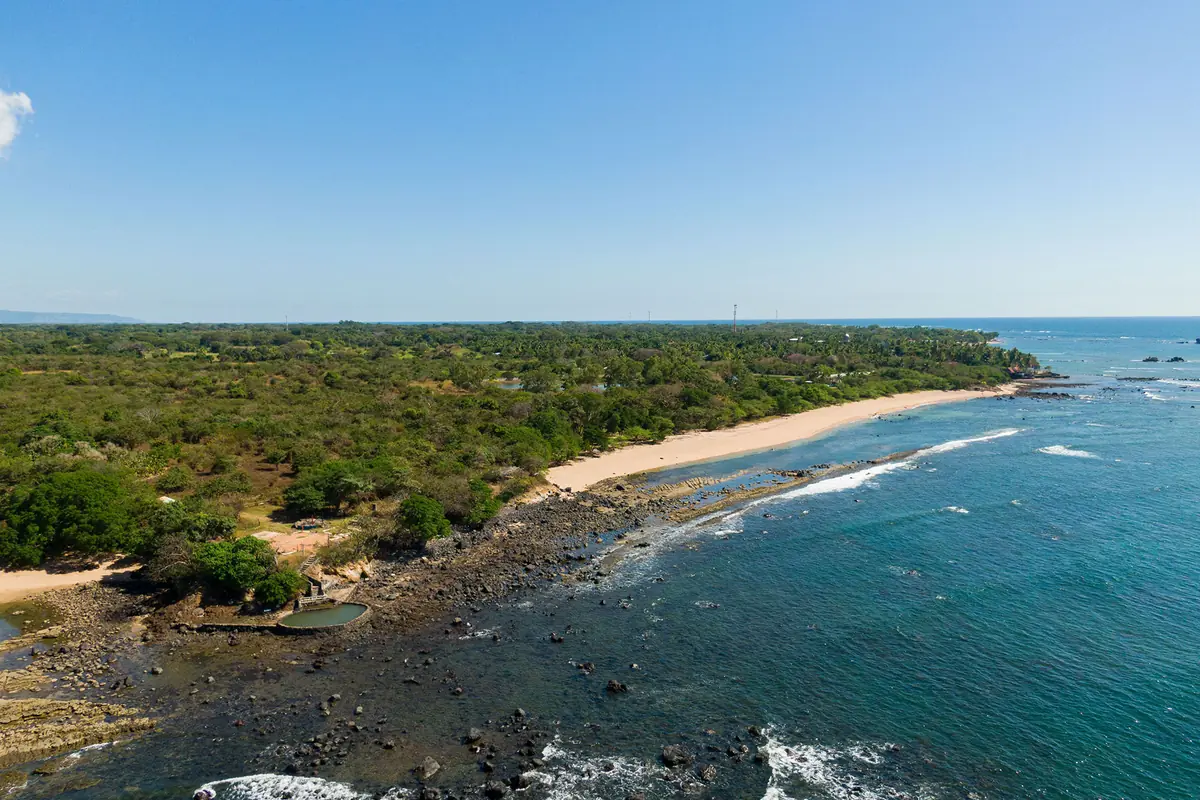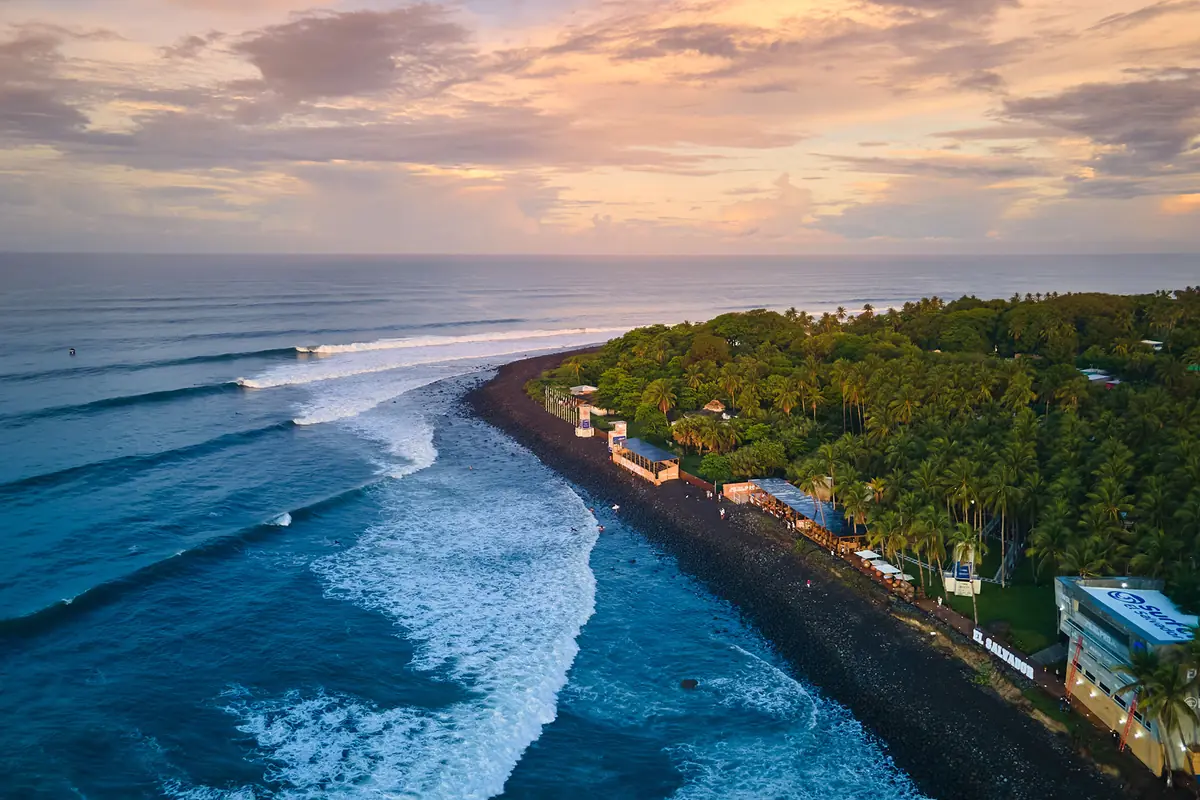
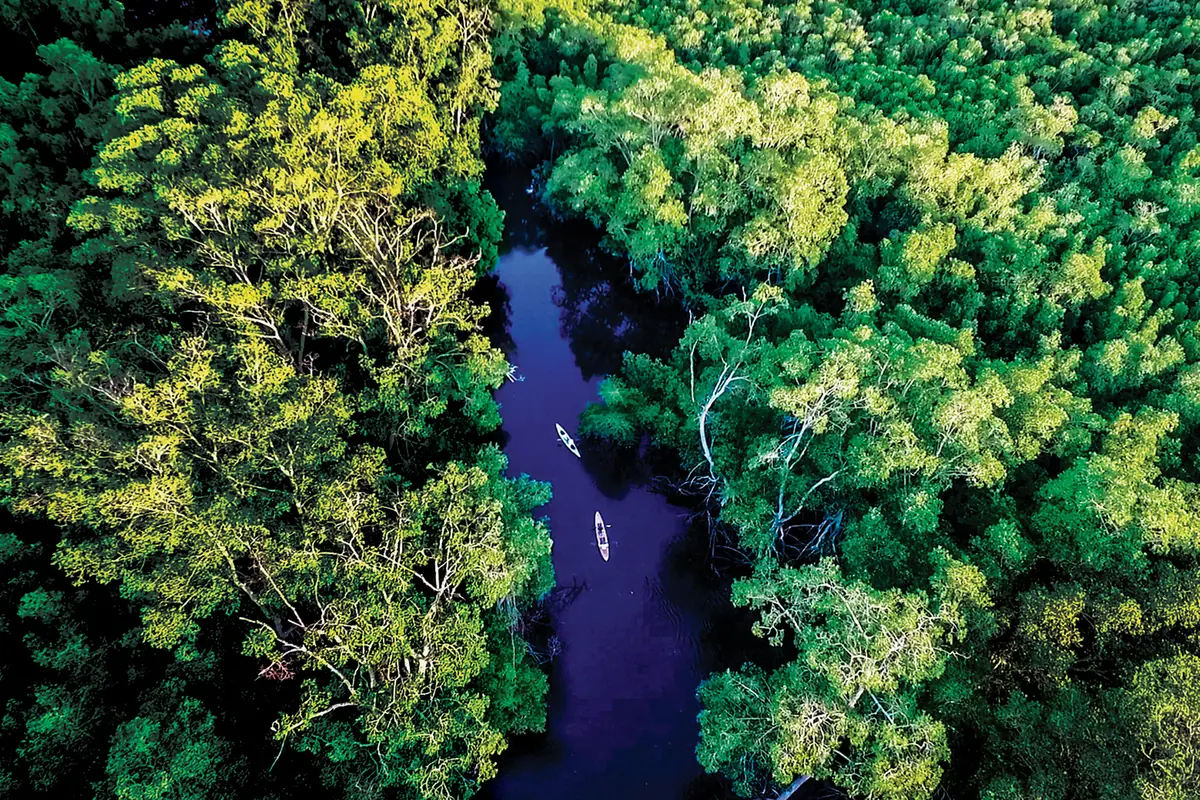
Jiquilisco Bay (Bahía de Jiquilisco) is a huge estuary of mangrove forest, winding channels, and low sandy islands on El Salvador’s southeastern Pacific coast. It sits about 70 miles from San Salvador in the department of Usulután. It holds the country’s largest expanse of brackish-water and saltwater forest, and it is home to most of El Salvador’s coastal waterbirds. It is also one of the last strongholds of the critically endangered eastern Pacific hawksbill sea turtle.
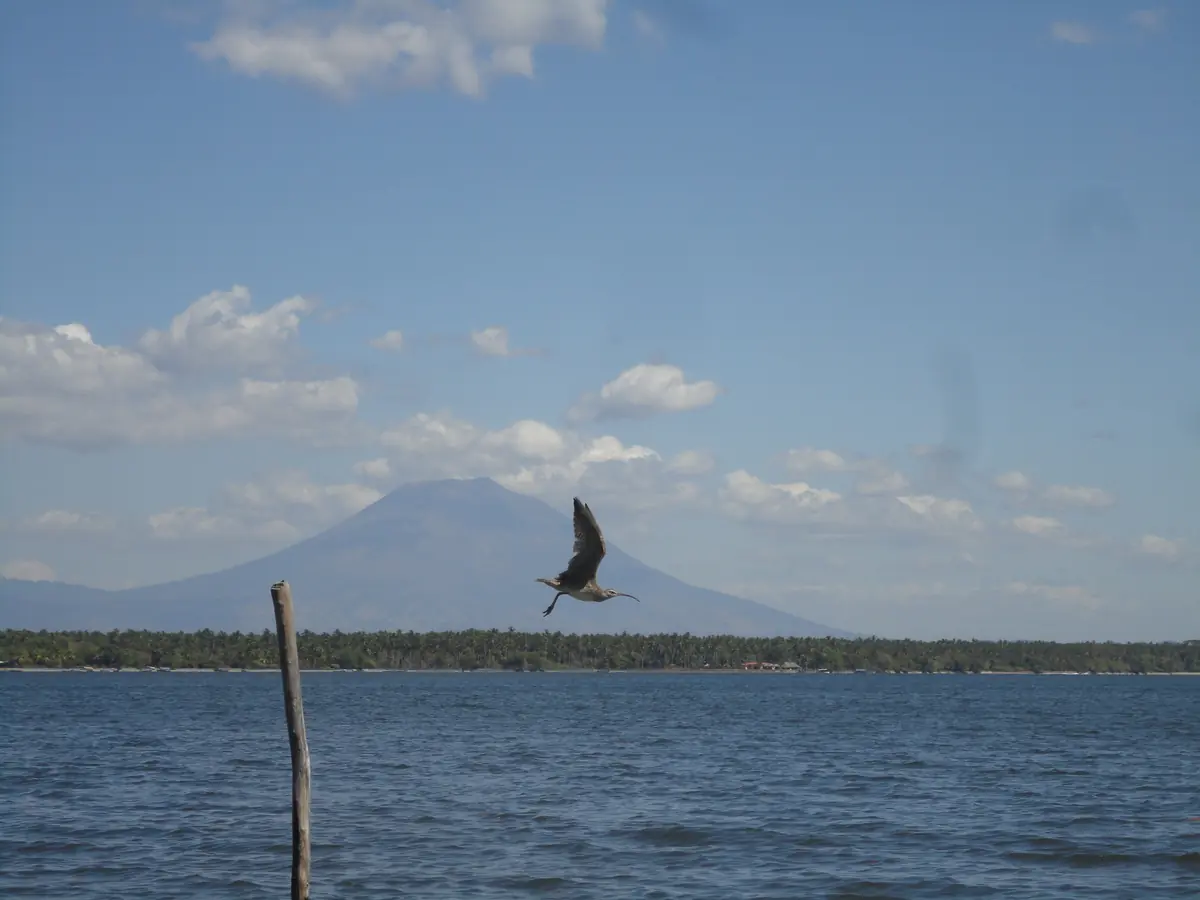
Most people see the bay on a day trip. They spend the morning on the water by boat or kayak, meet a troop of spider monkeys, then linger over a seafood lunch with volcanoes on the horizon. Stay a night and the place slows down even more. The water goes glassy before sunrise, fishing boats head out one by one, and later in the year, conservation teams release hawksbill hatchlings from beach hatcheries.
This guide covers the practical side for US travelers, from the rough final stretch of road to the main lodge to current entry rules and real tour prices. It also explains how to see the turtle program without getting in its way.
Jiquilisco Bay at a Glance
- Location: Usulután department, southeastern El Salvador, roughly 70 miles by road from San Salvador
- Wetland status: designated a Ramsar Wetland of International Importance in October 2005, covering 63,500 hectares (about 157,000 acres)
- Biosphere status: part of the Xiriualtique-Jiquilisco UNESCO Biosphere Reserve, designated in 2007, with a reported area of about 1,000 square kilometers (roughly 385 square miles)
- Gateways: Puerto El Triunfo, Puerto Parada, and Puerto Barillas
- Main activities: mangrove boat tours, kayaking, birding, island beaches, turtle conservation visits, and a spider monkey sanctuary
- Best weather: November through April
- Hawksbill nesting: April through October
- Currency: US dollar
You’ll see both sizes quoted online, and both are right. The Ramsar site covers the wetland complex itself, while the biosphere reserve draws a wider boundary that takes in surrounding farmland, coastline, and ocean. Xiriualtique, the name used for the reserve, comes from the Indigenous Potón Lenca language and is commonly translated as “bay of the stars.”
The bay suits birders, paddlers, families, and anyone who prefers wildlife to nightlife. If you want surf breaks and beach bars, base yourself in El Tunco or farther east near El Cuco and treat the bay as a side trip.
Where Is Jiquilisco Bay and How Do You Get There?
Jiquilisco Bay lies on the Pacific coast of Usulután, east of the mouth of the Lempa River. From San Salvador, plan on about 2 to 2.5 hours via the Carretera del Litoral (CA-2), the coastal highway that runs the length of the country. If you’re flying into Monseñor Óscar Arnulfo Romero International Airport (SAL), you have it easier, since the airport sits along the same coastal corridor. Puerto Barillas is roughly 53 miles and about 1 hour 40 minutes from the terminal, with no need to drive through the capital.
Driving a Rental Car
A rental car lets you set your own schedule. Head east on CA-2 past Zacatecoluca and cross the Lempa River bridge. Puerto Barillas Marina & Lodge sits at Km 108.5 of the coastal highway, on Hacienda La Carrera, while Puerto El Triunfo, the busiest public dock, is reached by a paved road running south from the highway.
The last stretch to Puerto Barillas is the part to plan around. The lodge is about six miles off the main road, down a dirt track that runs through working farms. Guests regularly warn that a sedan or compact car won’t make it and that you need a 4×4, and the lodge can send someone to meet you at the highway and guide you in if you call ahead.
Two rules from the State Department apply directly to this drive. It advises against driving at night and on unpaved roads, pointing to poor visibility, slow vehicles without taillights, and flooding and landslides during the rainy season, so time your arrival for daylight. El Salvador also has zero tolerance for drinking and driving: any blood alcohol level is a criminal offense punishable by 2 to 5 years in prison, and police run random sobriety checks. Your US driver’s license is valid for up to 30 days.
Booking a Tour With Hotel Pickup
For most first-time visitors, an organized day tour is the simplest option. Operators collect guests in San Salvador and along the La Libertad coast, usually between about 5:30 and 7:30 a.m. One local company lists pickups at 7 a.m. from the El Tunco and El Zonte area and 7:30 a.m. from San Salvador, with drop-off around 5 p.m. A typical product is a 9-hour kayak day run by El Salvador Positive Tours that includes a bilingual guide, lunch, and access to the lodge’s pool.
Read the fine print before you pay. Some listings exclude the service charge, and a few treat the cacao or turtle stops as add-ons.
Taking the Bus
Budget travelers can take Route 302 from San Salvador to the town of Jiquilisco for about $4. The ride runs around 2.5 hours with stops, and you’ll still need a taxi or mototaxi to reach a dock. The State Department recommends that visitors avoid public transportation, especially buses, and it prohibits US government employees from riding them. For most travelers, the few dollars saved aren’t worth it.
Is Jiquilisco Bay Safe to Visit?
The US State Department rates El Salvador Level 1, “Exercise normal precautions,” the lowest of its four advisory levels. The country was upgraded from Level 2 in April 2025, with the advisory citing a three-year decline in gang activity that brought down violent crime and murders.
Level 1 is not a blank check. The advisory notes that the State of Exception declared in March 2022 is still in place, that it suspends some constitutional protections, and that several US citizens have been detained under it. Carry your passport or a clear copy, stay courteous at police checkpoints, and keep your paperwork in order.
Remote nature trips bring their own risks, and the advisory is blunt about them. It describes El Salvador’s tourism industry as poorly regulated, with rare safety inspections and staff who may not be trained. It warns that first responders can’t reach remote areas, that injured travelers will probably need to get to a major city for proper care, and it encourages medical evacuation insurance. Jiquilisco Bay fits that profile, so a few habits go a long way:
- Ask for life jackets on every boat and actually wear them, especially if you’re traveling with kids.
- Don’t swim in the channels unless your guide says it’s safe, because crocodiles live in parts of the estuary.
- Take the sun seriously. Open water offers almost no shade, and the heat builds fast by late morning.
- Use insect repellent with at least 30% DEET. Dengue circulates in El Salvador, as it does throughout Central America, and mangroves are prime mosquito habitat.
- On beaches facing the open Pacific, watch for riptides, obey red and black warning flags, and stay out of the water when in doubt.
Save these numbers: 911 for police and 132 for an ambulance. The tourist police force, POLITUR, assists visitors at 19 tourist destinations.
Best Time to Visit Jiquilisco Bay
The dry season, November through April, brings the calmest water, the clearest skies, and the easiest conditions on dirt roads. The rainy season runs from May through October, when the mangroves turn a deep green, visitor numbers drop, and hawksbills come ashore to nest. Rain usually arrives as afternoon and evening storms rather than all-day soakers, so mornings on the water stay workable. Hurricane season lasts from June through November.
| Season | Months | What to Expect |
|---|---|---|
| Dry season | November to April | Sunny days, calm water, migratory birds, easier roads |
| Rainy season | May to October | Afternoon storms, lush scenery, hawksbill nesting, fewer visitors |
| Hatchling releases | Roughly June to December | Best odds of seeing baby hawksbills head to sea |
Expect heat year-round, with daytime highs usually in the upper 80s to low 90s°F and steady humidity. The water averages around 80°F.
Sea Turtle Season
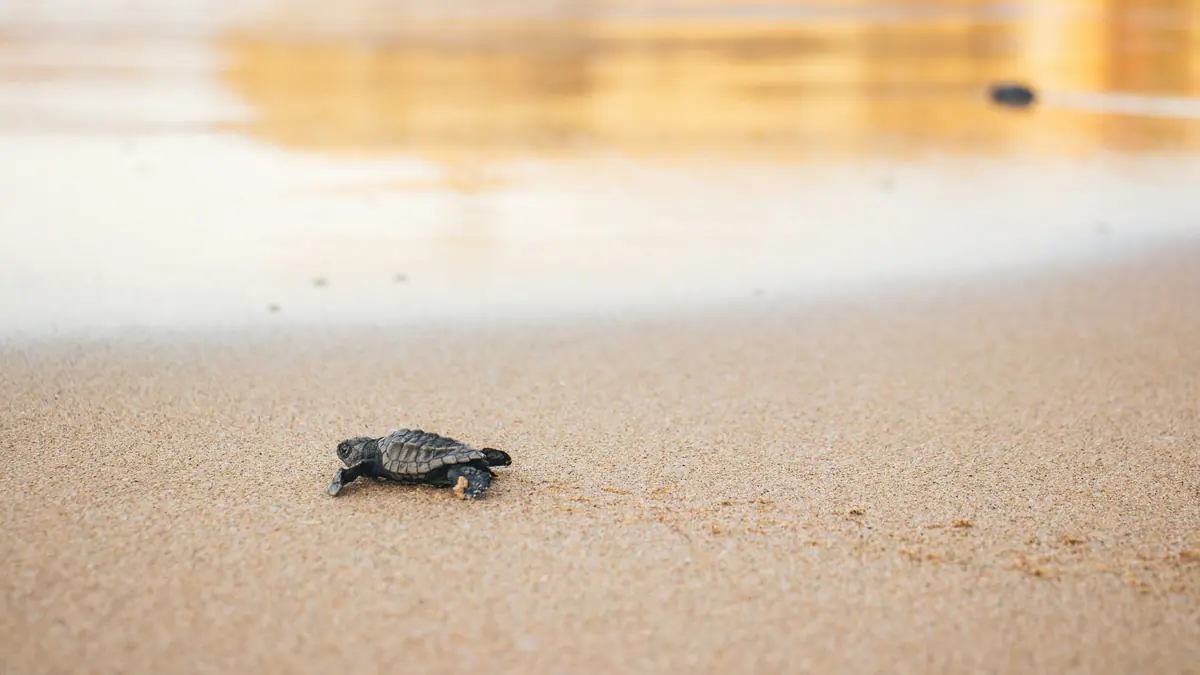
Hawksbill nesting in El Salvador runs from April through the end of October, and community egg collectors patrol the nesting beaches every night of the season. Eggs take an average of 60 days to hatch, which puts most hatchling releases between June and December. In one standout season, the conservation team recorded two to five nesting females a night starting in April, and nine on a single night in July.
Birding Season
Resident waterbirds stay all year, but diversity peaks from roughly October through March, when migratory shorebirds arrive from North America. The Ramsar listing also identifies the bay as a nesting site for black skimmers, least terns, Wilson’s plovers, and American oystercatchers.
Top Things to Do in Jiquilisco Bay
Take a Boat Tour Through the Mangroves
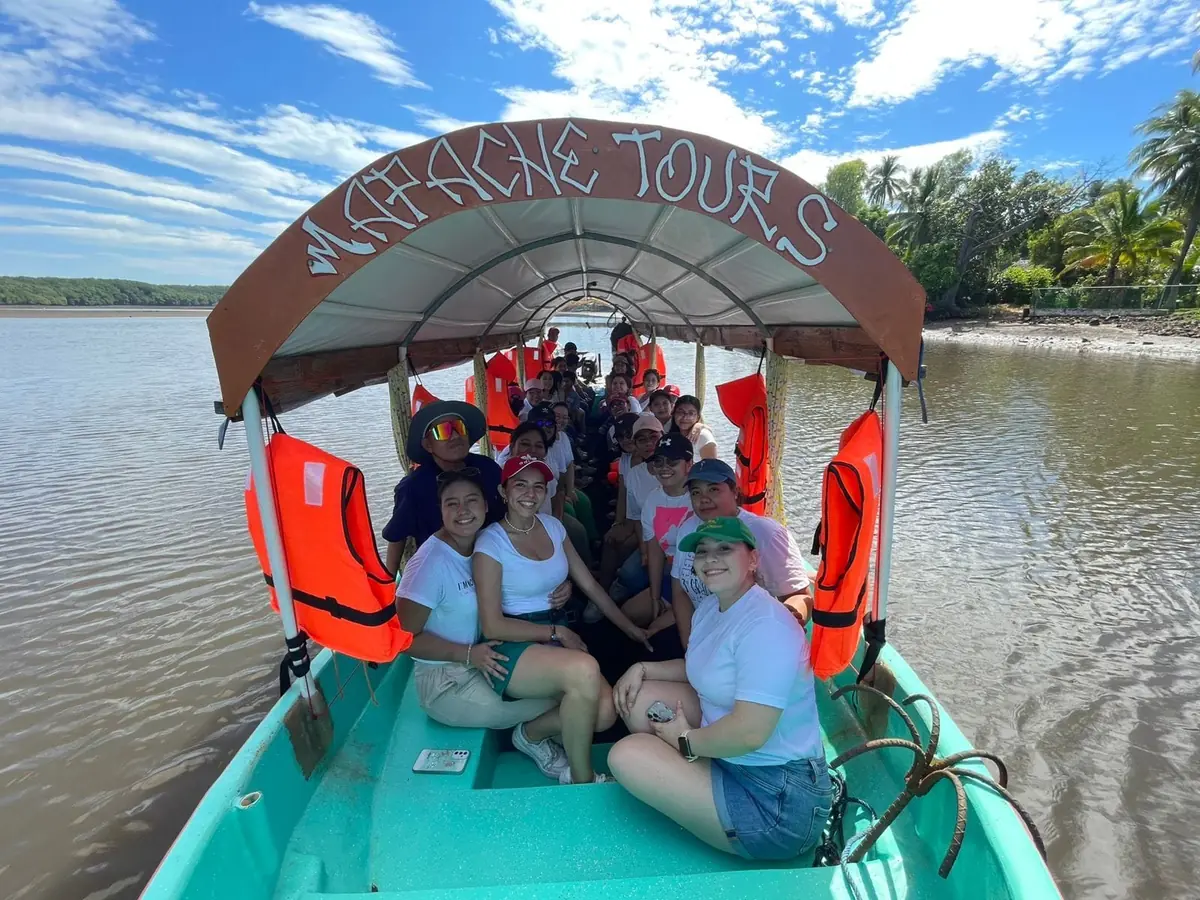
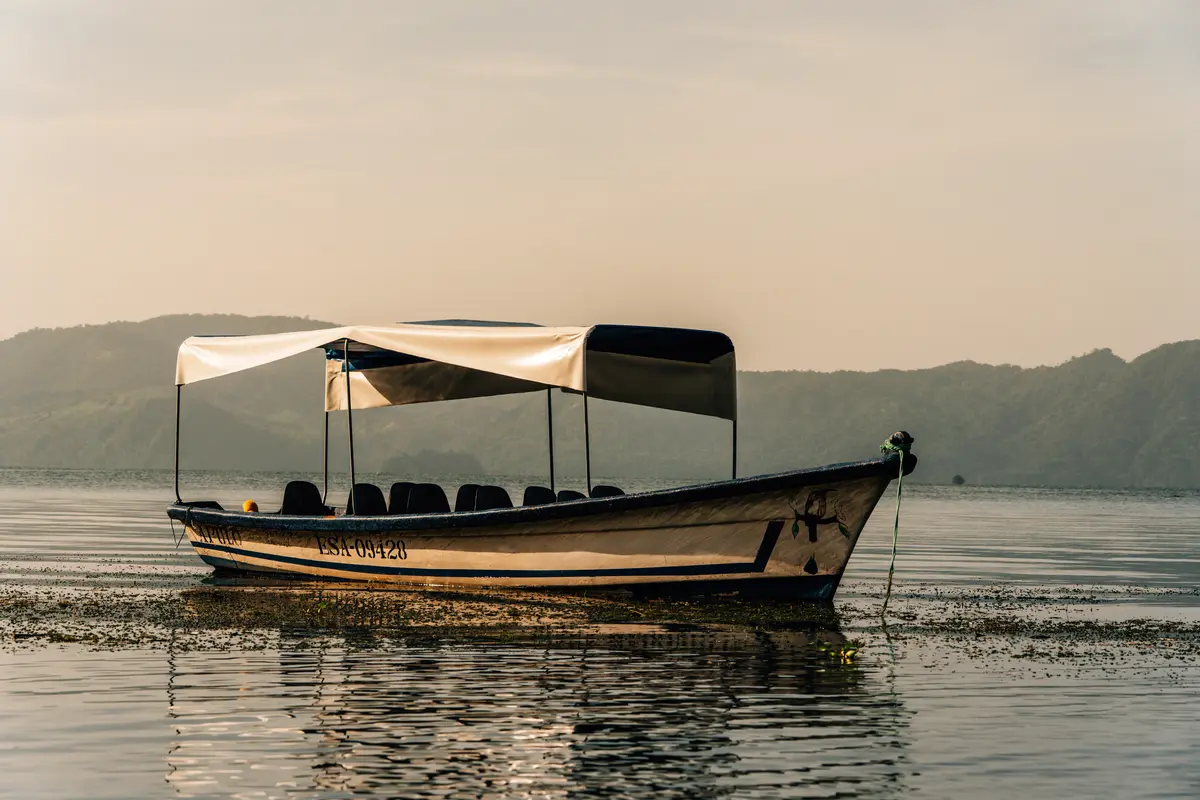
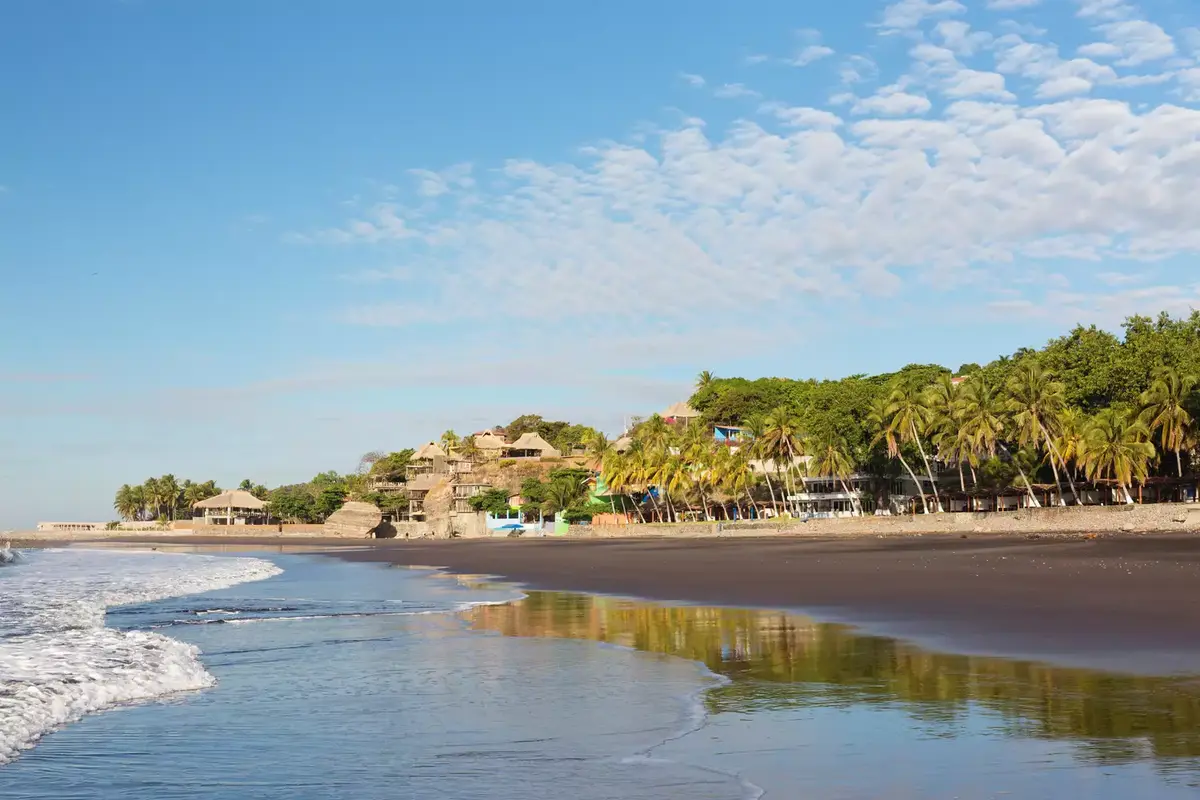
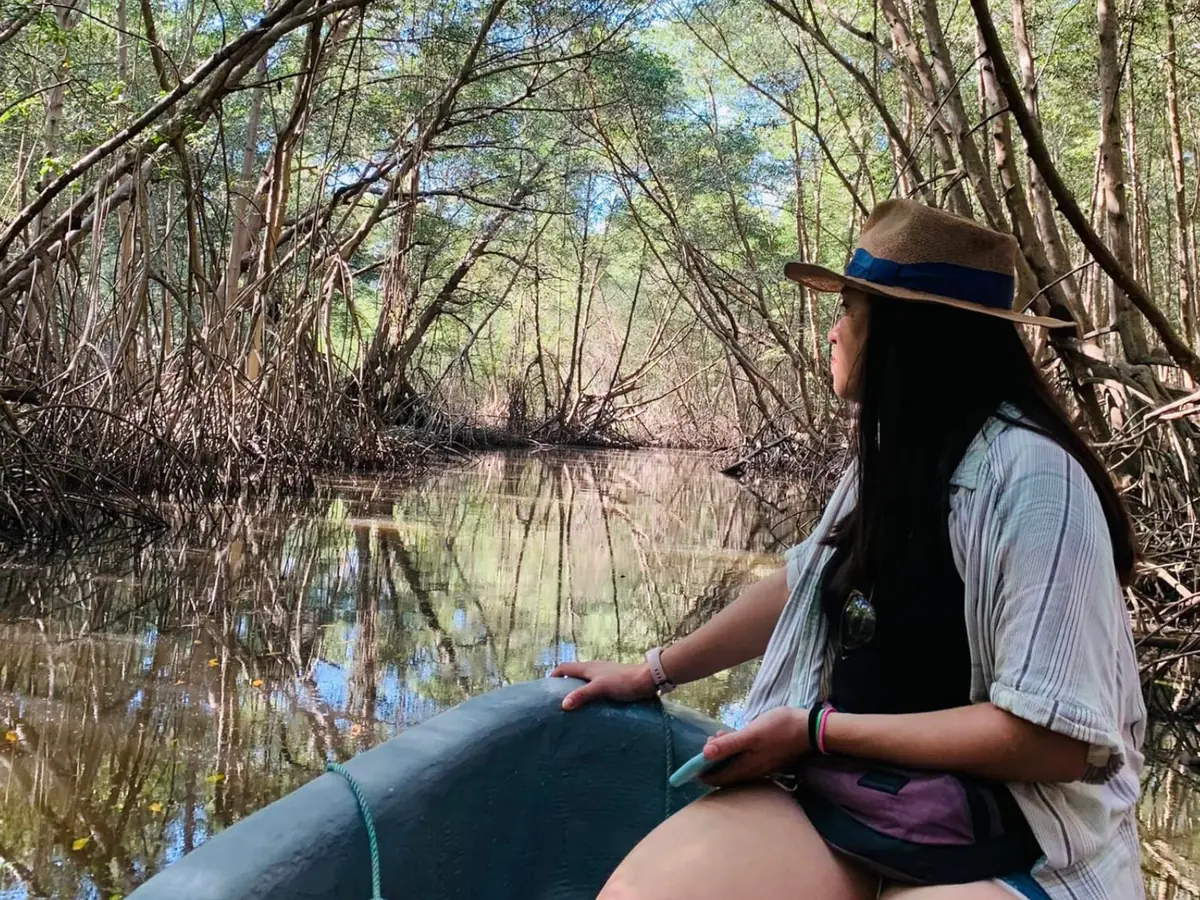
A panga ride through the channels is the signature experience here. Boats thread between walls of tangled mangrove roots, pass fishing villages and shellfish flats, and reach the outer islands in roughly 30 minutes each way. One guest described a 5 a.m. sunrise run that followed the river toward the Pacific, passed fishing villages, and landed on black volcanic-sand beaches with a view back to a range of volcanoes. Go early, when the light is soft and the birds are busy feeding. Low tide helps too, since it exposes mudflats where herons and ibis hunt in the open.
Paddle the Channels by Kayak
The sheltered, flat channels are easy enough for beginners and older kids. A kayak can slip into narrow side channels that motorboats skip, and the quiet gets you closer to kingfishers and herons. Go with a guide, or at least get clear directions and a tide window before you launch. The channels look alike, and a falling tide can leave you stuck on a mudbank. Puerto Barillas offers kayak rentals.
Go Birding
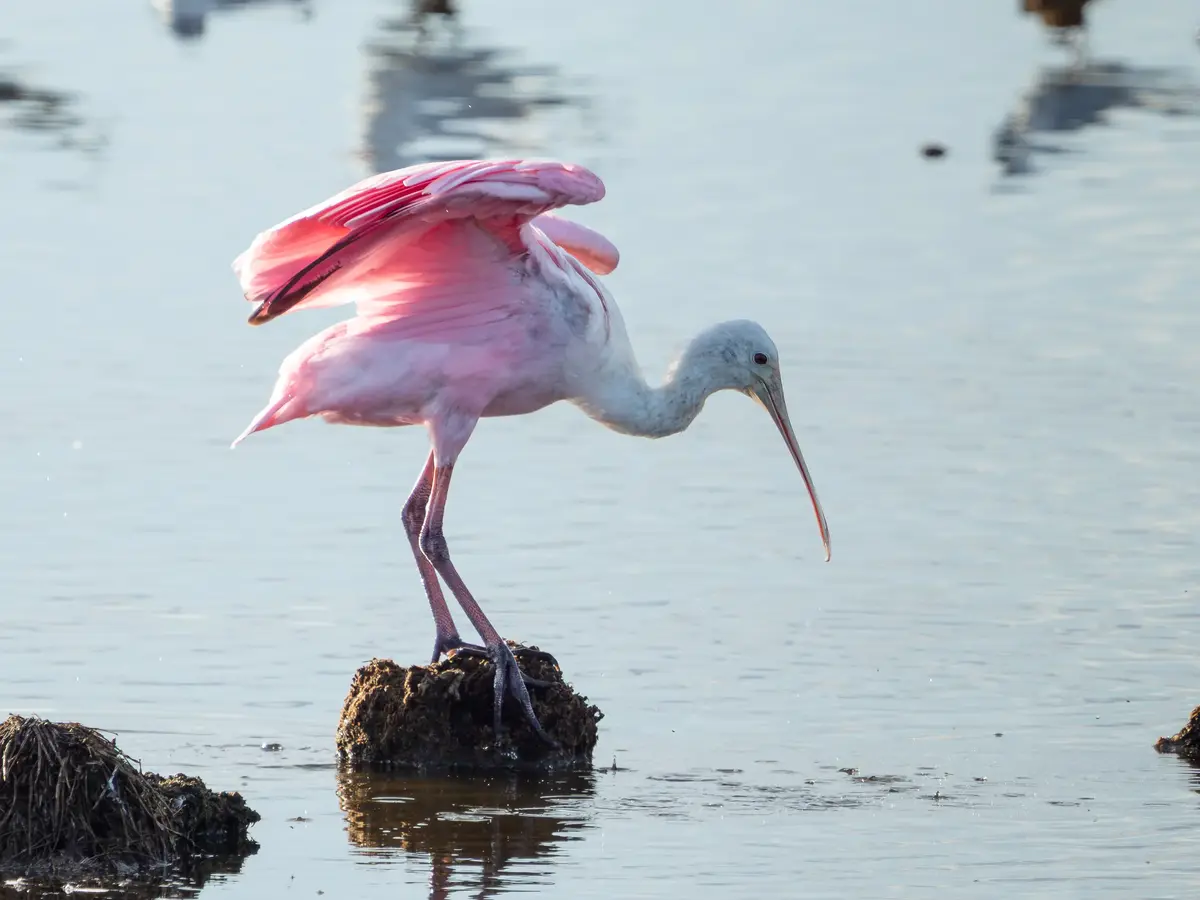
Serious birders could fill several days here. Look for roseate spoonbills, boat-billed herons, bare-throated tiger herons, white ibis, black-necked stilts, and green kingfishers, with magnificent frigatebirds riding the wind overhead and peregrine falcons passing through in winter. Tour operators often advertise more than 300 species for the area, which reflects years of records. A focused morning with a good local guide might turn up a few dozen. Bring binoculars and ask your guide to time the outing around the tide.
Visit the Spider Monkey Sanctuary
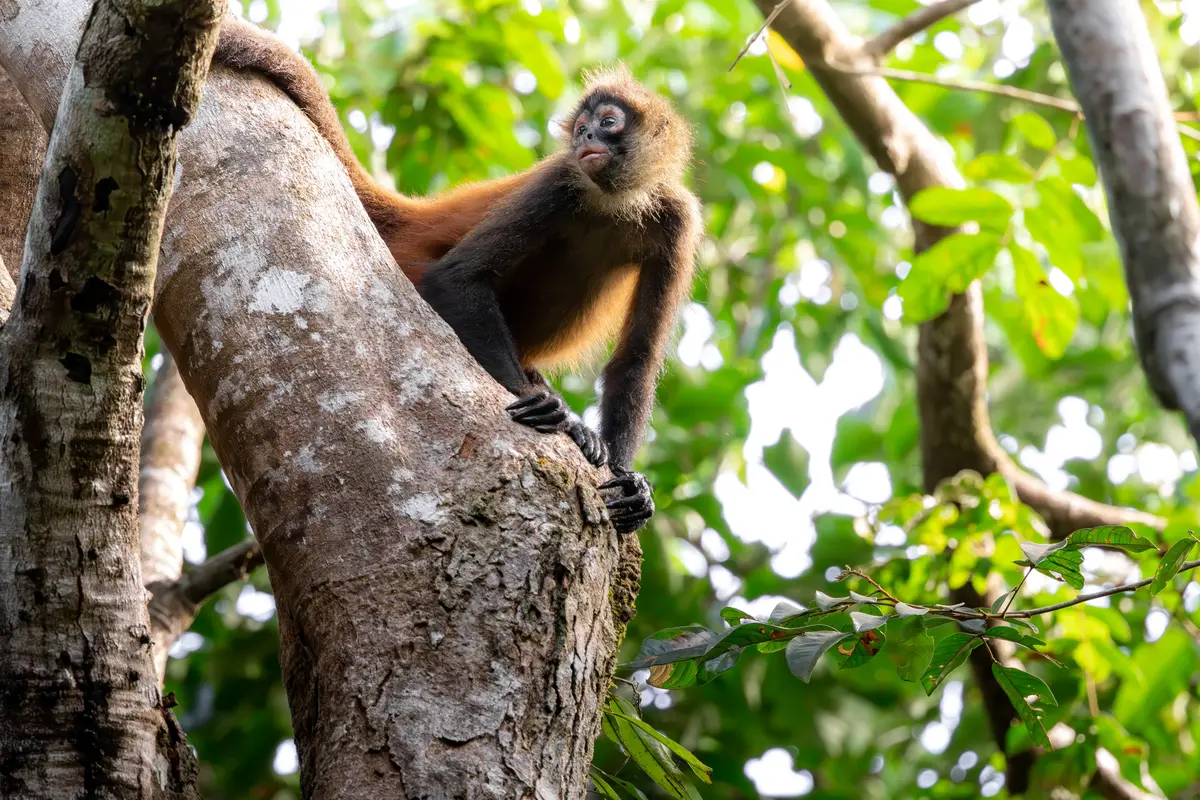
Puerto Barillas protects a troop of free-roaming Geoffroy’s spider monkeys, an endangered species, in the forest on its property. Visitors follow a short forest trail, and when their names are called, the monkeys come down from the trees to interact. They are curious and quick, so remove sunglasses, hats, and scarves before the visit, because the monkeys like to play and may run off with your things. Let the caretakers decide on any feeding, keep your voice low, and give mothers with babies extra space. Visits generally happen between about 8 a.m. and 3 p.m., but confirm with the lodge.
Hop Between Islands and Sandbars
The bay holds more than 20 islands. Isla San Sebastián is home to the fishing village of La Pirraya and ProCosta’s turtle base. Isla Espíritu Santo is a quieter island known for its coconut groves. The community of Isla de Méndez sits out on the San Juan del Gozo peninsula, the long spit of land that separates the bay from the open Pacific. Some trips stop at natural pools on a sandbar island, which are perfect for a warm soak. Swim on the calm bay side and follow your captain’s advice about the ocean side, where currents are far stronger.
Tour a Cacao Farm or Go Fishing
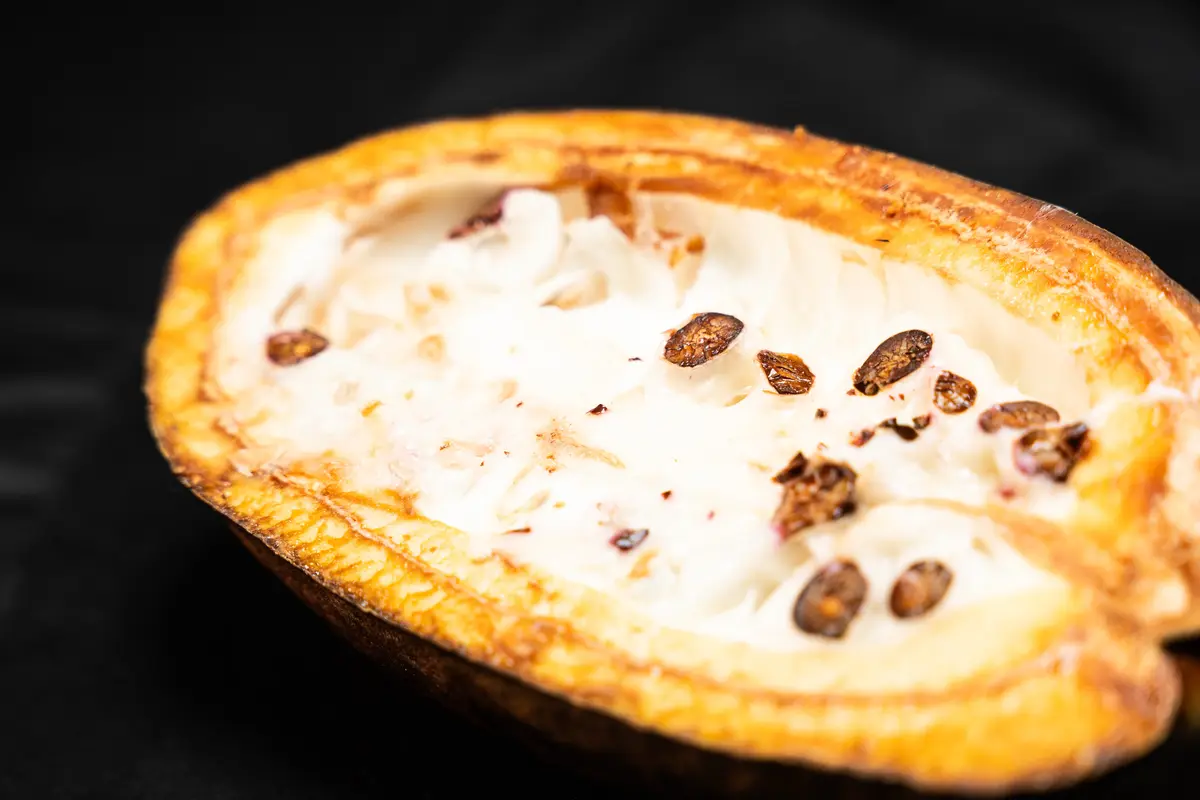
Near Puerto Barillas, a one-hour tour visits San José Real de La Carrera, billed as Central America’s largest cacao plantation, where you can taste the cacao bean in its natural state. The fruit’s sweet white pulp tastes nothing like a chocolate bar, which is half the fun. Artisanal fishing is the bay’s economic backbone, and many local captains will take visitors out with hand lines or light tackle for a few hours.
The Hawksbill Comeback: Sea Turtle Conservation in Jiquilisco Bay
For years, scientists considered the hawksbill all but gone from the eastern Pacific. That changed in 2007, when fishing communities in El Salvador told the scientific community about remaining hawksbill nesting grounds along the coast and inside Jiquilisco Bay. At the time, nearly every nest in the country was collected for sale on a market that was still legal, and fewer than 700 nesting females remained.
The Salvadoran nonprofit ProCosta decided to work with the egg collectors rather than criminalize them, turning them into protectors while building hatcheries, monitoring beaches, and pushing for legal reform. Turtle egg consumption was banned by 2009, and by 2011 communities were protecting more than 95% of nests in the bay. ProCosta, previously known as ICAPO El Salvador, has led hawksbill research and recovery in Jiquilisco Bay since 2008.
The results show up clearly in the data, much of it published by Wild Earth Allies, ProCosta’s longtime conservation partner:
- El Salvador hosts roughly 45% of all hawksbill nesting activity in the eastern Pacific.
- In 2018, a then-record 295 nests were protected and 27,855 hatchlings were released.
- A later record season saw more than 600 nests protected and over 40,000 hatchlings released, and Wild Earth Allies reports that nesting hit record highs in 2024.
- Over the life of the program, more than 5,000 nests have been protected and over 400,000 hatchlings released.
ProCosta operates five community-run hatcheries, where managers guard the eggs 24 hours a day. The team also monitors turtles at feeding areas inside the estuary, tracking adult females that rest and forage there before returning to nesting beaches, and each year it treats a few dozen turtles injured by boat strikes, fishing gear, or swallowed plastic. Hawksbills are usually associated with coral reefs, which makes their use of this mangrove estuary especially notable. Ani Henríquez, ProCosta’s executive director, has worked with the organization since 2012.
How to See the Turtle Work Responsibly
Jiquilisco Bay doesn’t have a ticketed nightly turtle-watching program like the one at Tortuguero in Costa Rica. Access comes through a handful of routes. ProCosta launched an ecotourism program to create income for local families and helped a women’s group in the bay establish and run an ecotourism lodge, and its project base is in La Pirraya village on Isla San Sebastián. Lodges and tour operators are another route. One Puerto Barillas guest joined a hatchling release and then watched biologists capture an adult turtle to demonstrate their research methods, and some operators sell these in-water research outings as a separate tour.
Whichever way you go, follow the conservation team’s lead. Use only red light at night, skip flash photography, and never touch or pick up hatchlings. Stay behind the line your guide sets and keep your distance from any nesting female. If the hatchery has a donation box, use it, since those funds pay the community members who patrol the beaches.
Hawksbill vs. Olive Ridley Releases
Many “sea turtle release” tours sold around El Tunco and the La Libertad coast involve olive ridleys, a more common species that runs on a different calendar, roughly August through February. They’re a fine experience, but they aren’t the hawksbill program. If seeing a critically endangered hawksbill matters to you, plan it for Jiquilisco Bay. The bay’s surrounding beaches also host nesting green, olive ridley, and leatherback turtles.
Where to Stay Near Jiquilisco Bay
Puerto Barillas Marina & Lodge
Most US visitors stay here. The lodge has 6 apartments and 4 treehouses, with check-in at 3 p.m. and checkout at noon, though guests can use the grounds from 7:30 a.m. The lodge suggests staying at least two nights. On-site amenities include a restaurant with views of the bay, an outdoor pool surrounded by gardens, and a convenience store, plus a private marina popular with sailboat cruisers.
The apartments sleep up to eight, with a bedroom on each floor plus sleeper sofas, and each has a kitchen with a stove and refrigerator. The treehouses hold up to three guests and are reached by a spiral staircase, which makes them a poor fit for anyone with limited mobility. Treehouse rooms have typically listed for around $85 to $100 a night on booking sites, while apartments cost more, especially on weekends and in high season. Check current rates directly.
Set your expectations for a remote nature lodge. Wi-Fi only reaches the office and pool area, with none in the rooms, and guests describe the rooms as basic but covering what they need. Tap water in El Salvador is generally unsafe to drink, so stock up on bottled water and snacks in Usulután or San Salvador before the dirt road.
Community Lodges on the Islands
Simple guesthouses around La Pirraya and Isla San Sebastián, including the women-run lodge that ProCosta helped establish, put you right in a fishing village. Expect basic rooms, home-cooked meals, and limited English. Book ahead through ProCosta or a local operator, and a little Spanish will go a long way.
Bases With More Amenities
Usulután city, about 15 miles inland, has hotels, supermarkets, pharmacies, and ATMs. Costa del Sol, farther west on the La Paz coast, offers beach resorts for travelers who want a pool-and-sand base. To the east, the coastline around El Cuco combines surf beaches with easy access to the bay.
What to Eat Around Jiquilisco Bay
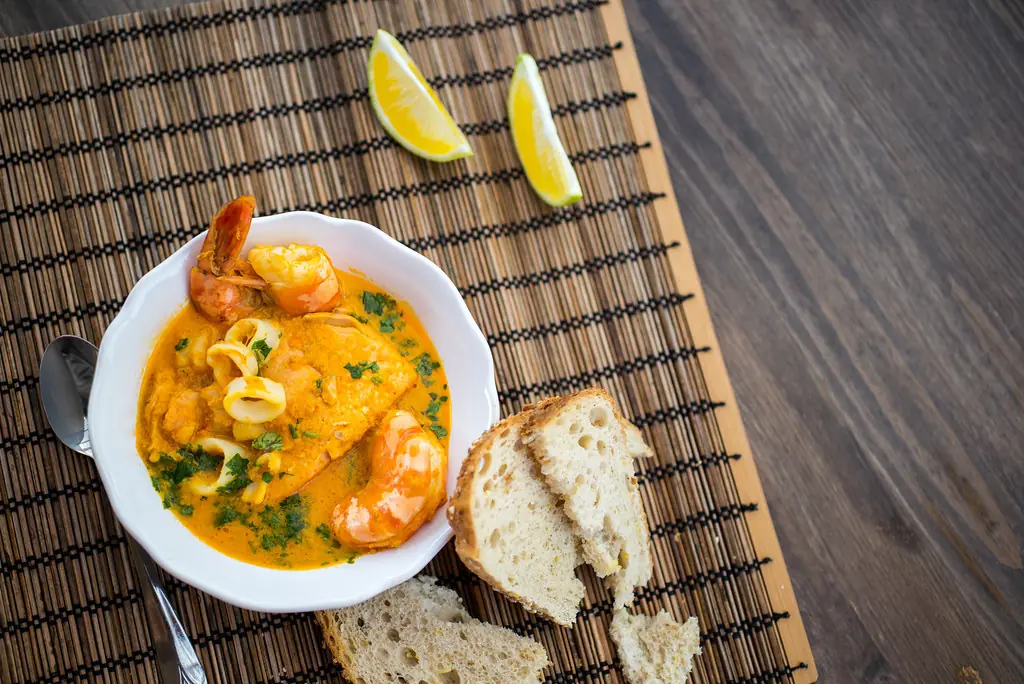
Seafood rules here, and it comes straight off the boats. Order a mariscada, a rich, creamy soup packed with shrimp, fish, crab, and shellfish, or a pescado frito, a whole fried fish served with rice, salad, tortillas, and lime. The local specialty is curiles, small dark cockles that grow in the mangrove mud and are gathered by hand at low tide. They’re often served raw as a cóctel with lime, onion, tomato, cilantro, and a splash of salsa inglesa (Worcestershire sauce). If raw shellfish doesn’t agree with you, stick to cooked dishes.
You’ll find the best meals at waterfront comedores in Puerto El Triunfo, at simple island restaurants on La Pirraya, and at the Puerto Barillas restaurant. Grab a coco frío, a chilled green coconut hacked open with a machete, at almost any dock. Many restaurants add a 10% propina (tip) to the bill, so check before you add more.
How Much Does a Trip to Jiquilisco Bay Cost?
| Expense | Typical Cost |
|---|---|
| Guided day tour with transport and lunch | About $120 to $170 per person |
| Community-run tour with a local family | About $25 to $40 per person |
| Treehouse room at Puerto Barillas | About $85 to $100 per night |
| Bus from San Salvador to Jiquilisco town | About $4 each way |
| Parking at a public dock | About $1 |
| Entry fee for US citizens | None |
Prices move with the season and group size, and many independent boat operators quote on request instead of posting rates online. Boats hired on the spot are usually priced per boat rather than per person, so traveling with a group brings the cost down. For a day tour, a realistic total runs about $175 to $185 per person once you add a $10 to $20 tip for your guide and a few drinks. For two nights at the lodge, budget roughly $170 to $200 for the room, $30 to $50 per person per day for meals, and extra for boat, monkey, and cacao tours.
Bring cash. The US dollar is El Salvador’s official currency, but some businesses don’t take credit cards or add a fee for them, and ATMs are often out of order and can charge high fees. Carry small bills ($1, $5, $10, and $20), since change for a $50 or $100 can be hard to find at the docks. As for bitcoin, a January 2025 reform made accepting it entirely voluntary for businesses and ended its use for paying taxes, so don’t count on paying in crypto.
Entry Requirements for US Citizens
US citizens don’t need a visa for stays of 90 days or less, and the passport must be valid at the time of entry. Bring your passport book, since the passport card isn’t valid for international flights. Some airlines prefer more remaining validity, so having six months left is a safe habit, and officials may ask for proof of onward travel.
Older guides mention a $12 tourist card bought on arrival. El Salvador’s Legislative Assembly voted to remove the Tarjeta Migratoria de Ingreso, the $12 entry card charged to visitors from countries including the United States, Mexico, and Canada. A few US government pages still describe the old fee, so keep a few dollars handy just in case.
El Salvador belongs to the CA-4 Border Control Agreement with Guatemala, Honduras, and Nicaragua, which gives US citizens up to 90 days total across all four countries, with a one-time extension available from local immigration authorities. A few other rules catch travelers off guard. Items containing THC, including most CBD products, are illegal, as are guns, ammunition, and even spent shell casings. The entry and exit limit for currency is $10,000.
Traveling Responsibly in the Biosphere Reserve
Tourism here puts money directly into the hands of the families who protect the bay. Community tours in villages such as Isla de Méndez, Salinas del Potrero, Las Pavas, and La Pirraya often include a shellfish-gathering demonstration, a traditional fishing outing, and a home-cooked lunch, usually for about $25 to $40 per person. Hiring local guides and eating at family-run comedores spreads the benefit further.
On the water, ask your captain to slow down near roosting birds and nesting beaches, and never feed wild animals outside the sanctuary. Mangroves catch floating trash like a net, so pack out every piece of plastic you bring in. Mineral sunscreen is kinder to the water than chemical formulas. Finally, skip anything made from carey, or turtle shell. Hawksbill products are illegal to bring into the United States under the Endangered Species Act and international trade rules, and buying them fuels the poaching this bay has worked so hard to stop.
What to Pack for Jiquilisco Bay
- Binoculars, ideally waterproof
- Insect repellent with at least 30% DEET
- Mineral sunscreen, a wide-brim hat, and polarized sunglasses with a strap
- Water shoes for muddy landings and sandbars
- Lightweight long sleeves and quick-dry pants for sun and bugs
- A rain jacket or poncho from May through October
- A dry bag for your phone and camera on boats
- Cash in small bills
- A refillable bottle plus extra bottled water
- A headlamp with a red-light setting for turtle activities
- Any prescription medications in their original packaging, along with your doctor’s prescription
- A copy of your passport kept separate from the original
Sample Itineraries
One-Day Trip From San Salvador or El Tunco
Leave early and reach the bay by mid-morning. Get on the water right away while it’s still cool, whether that’s a panga tour or a guided kayak paddle. Walk to the spider monkey sanctuary late in the morning, then settle in for a long seafood lunch and a swim in the pool. Head back by mid-afternoon so you’re off the rural roads before dark. With a tour, all of this is handled for you.
Two Nights at Puerto Barillas
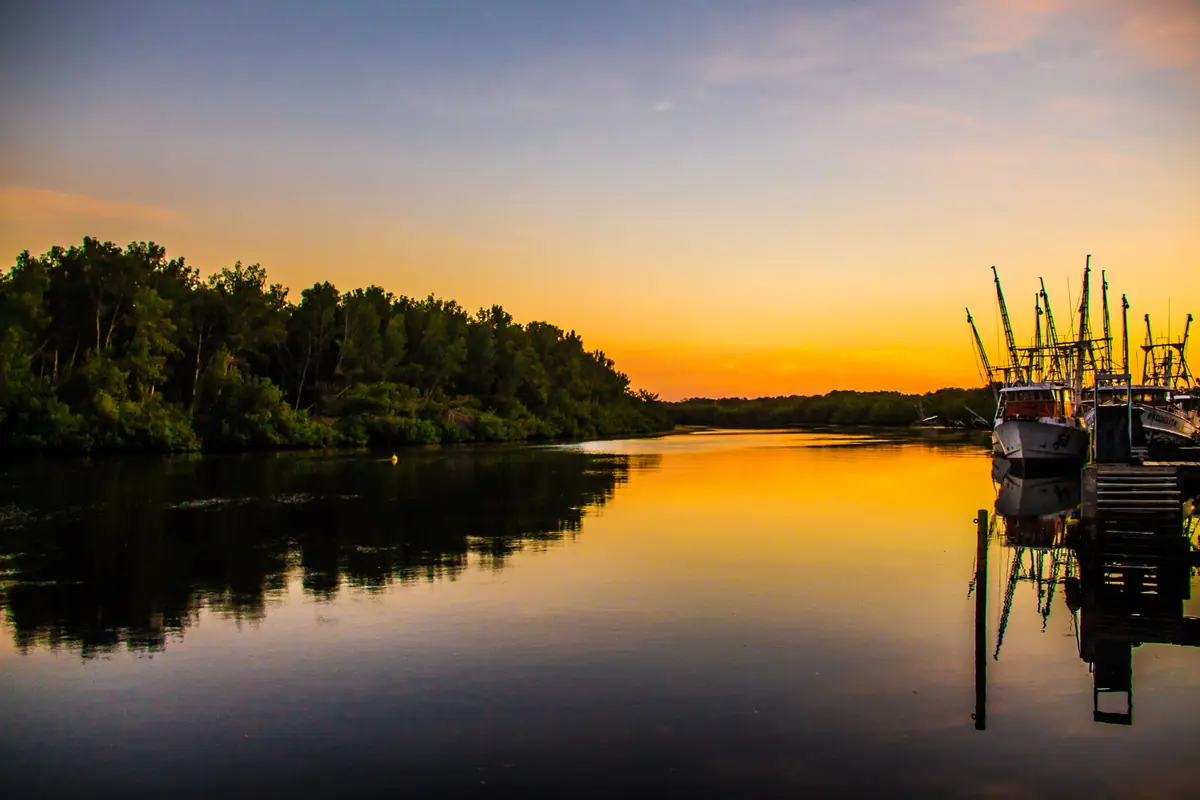
On day one, arrive by mid-afternoon in daylight, check in, visit the monkeys, and watch the sunset from the dock. Day two starts before dawn with a panga ride out to the islands and sandbar pools, followed by a mariscada lunch on La Pirraya and the cacao tour in the afternoon. Between June and December, ask about joining a hatchling release around dusk. On day three, take an early kayak paddle before the noon checkout.
Adding the Eastern Coast
From the bay, continue east to El Cuco and Playa Las Flores for surfing and quiet beaches, then on to La Unión and the islands of the Gulf of Fonseca. Put together, the three stops make a relaxed week in eastern El Salvador, one of the least visited parts of the country. Keep your driving to daylight hours, carry cash, and leave a little room in the schedule for an extra morning on the water.