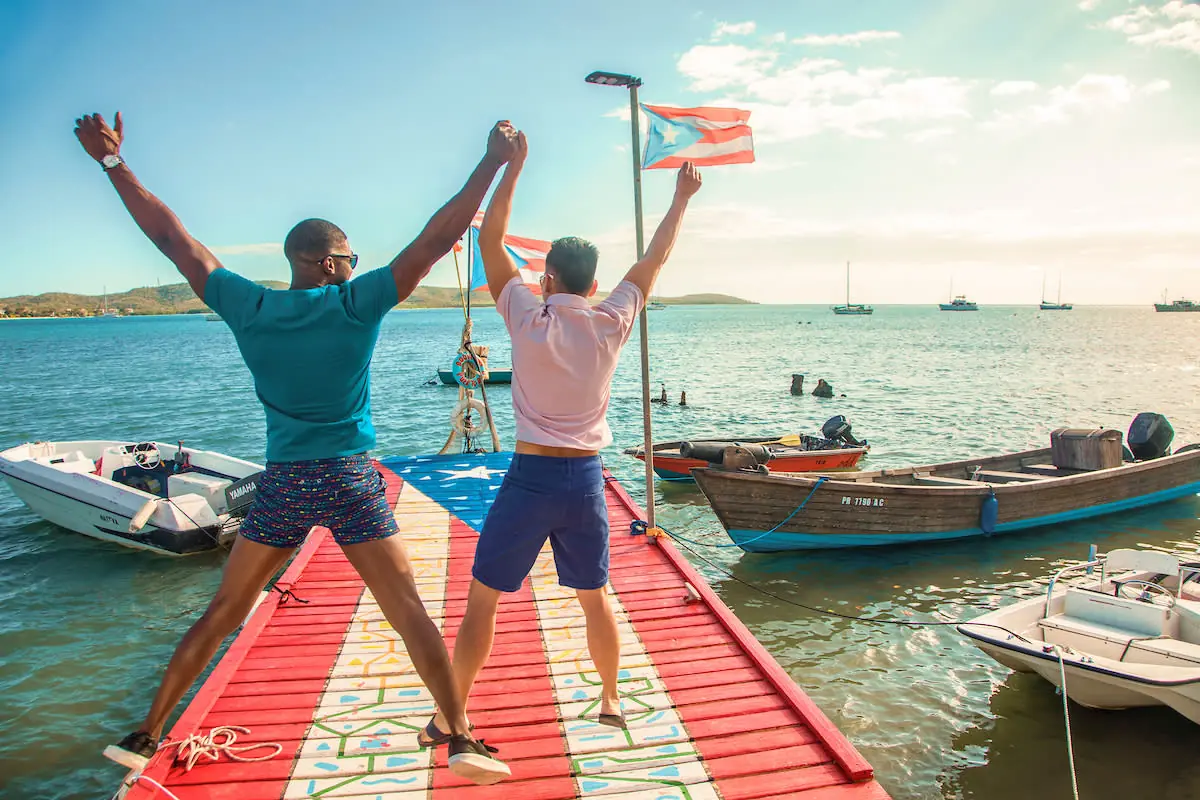
To understand Puerto Rico, listen before you look. Stand on a cobblestone corner in Old San Juan at sundown and you’ll catch the brass of a salsa band from a courtyard, bomba drums from a plaza two blocks over, and reggaetón thudding out of a passing car window. Puerto Rico music isn’t background — it’s one of the most compelling reasons to plan a trip to the island. This guide covers the genres, the legends and the exact venues where I’ve heard them played best.
What are the main genres of Puerto Rico music?
Puerto Rico music is built on four major genres: bomba and plena (Afro-Boricua percussion traditions), salsa (forged by Puerto Ricans in 1960s New York), and reggaetón (born in San Juan housing projects in the 1990s). Traditional música jíbara, played on the ten-string cuatro, is the folk music of the mountain interior. All four still share stages on the island today, and each is woven deep into Puerto Rican culture.
The three roots behind the sound
Three cultures fused to create this sound: the indigenous Taíno, the colonial Spanish, and enslaved West Africans. Each left a specific instrument behind, and the full history of the island explains why all three voices survived.
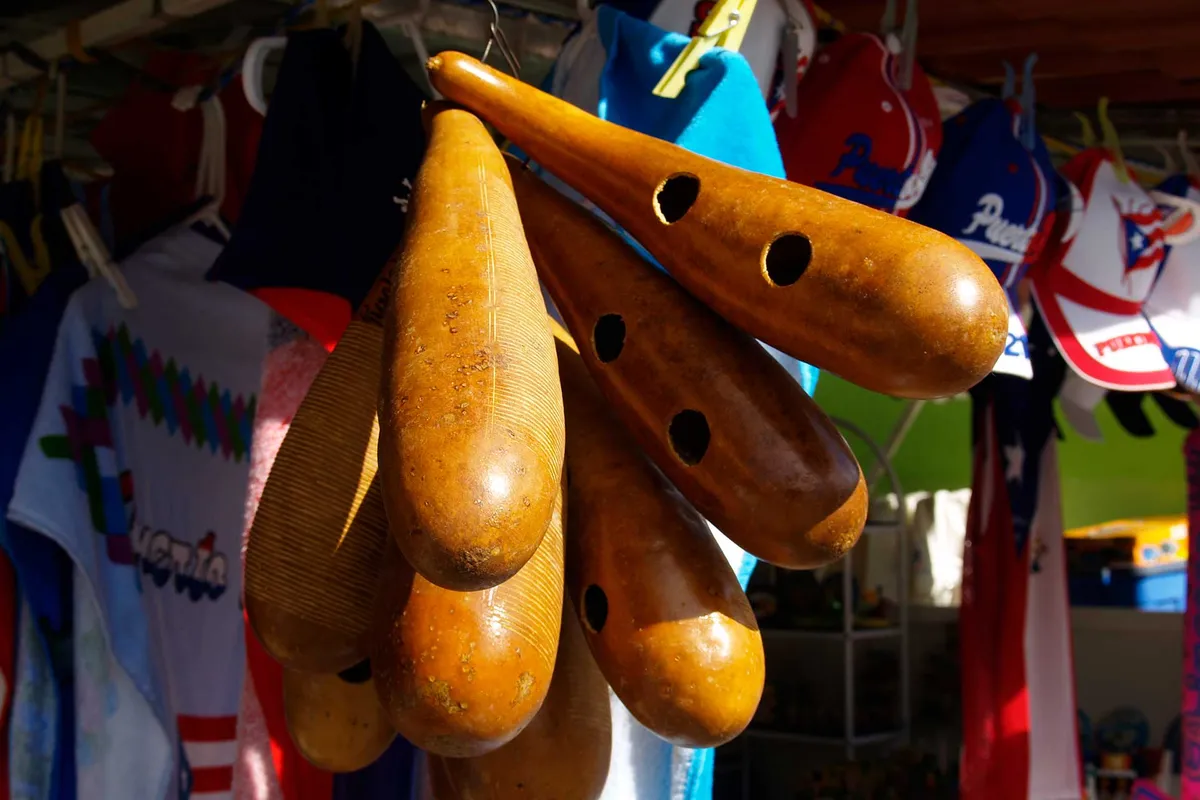
- Taíno: The güiro (a notched, hollowed gourd scraped with a stick) and maracas. Both give folk music its dry, scraping pulse.
- Spanish: The guitar — reworked by local luthiers into the cuatro, a ten-string instrument arranged in five pairs. It’s the national instrument of Puerto Rico and the lead voice of música jíbara.
- West African: The barriles de bomba (drums originally built from salt-cured rum barrels topped with goatskin) and the panderos (three hand-held frame drums) of plena. These are the heartbeat of almost everything that came after.
Pro Tip: If you want a crash course in under an hour, head to the Museo de Nuestra Raíz Africana on Plaza San José in Old San Juan. Entry is about $3 and the instrument room alone is worth the walk.
Bomba and plena: the drums of resistance
Bomba and plena are the twin Afro-Boricua pillars. They’re usually talked about together, but they do different jobs — one is a spiritual conversation, the other is literally the news.
Bomba — the dancer leads the drummer
Bomba came out of 17th-century sugar plantations on the coast, where enslaved West Africans used it to communicate across languages. It became a vehicle for grief, defiance, celebration — and sometimes the signal for revolt.
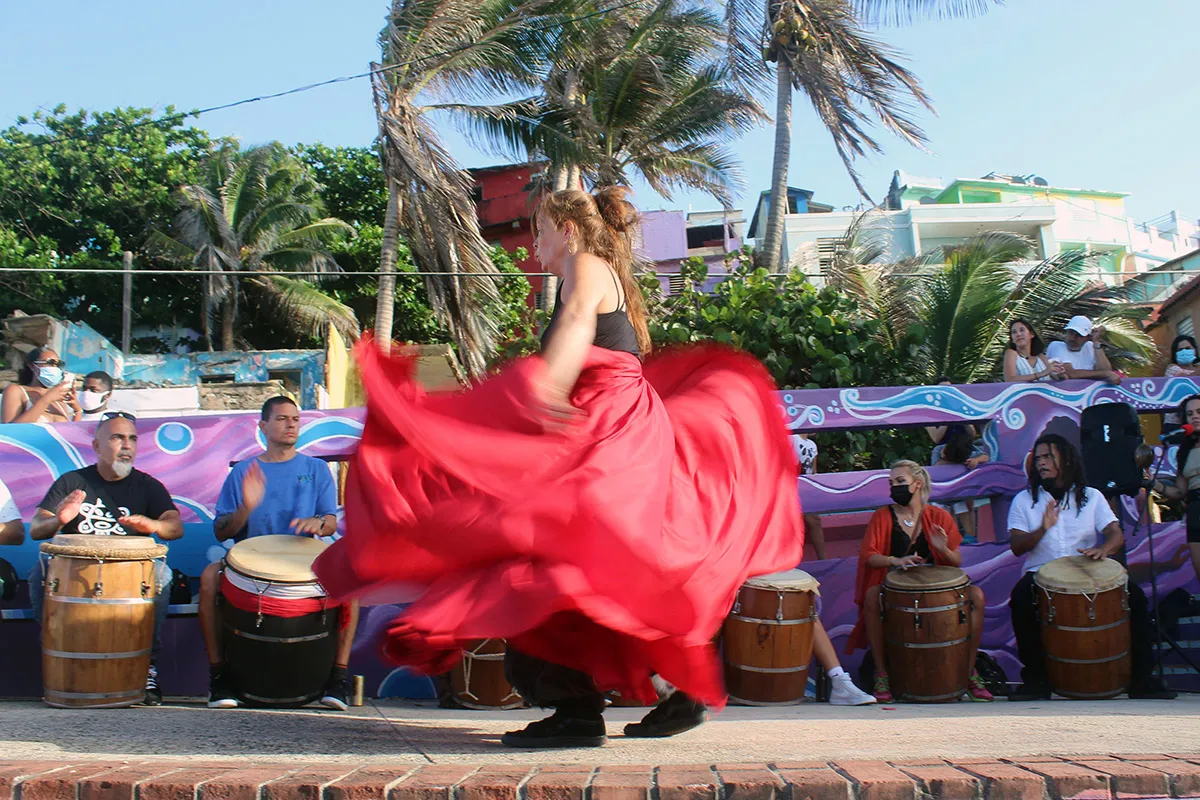
The thing that makes bomba different from any other drum music in the Caribbean is the reversal: the dancer leads the drummer. The lead dancer’s sharp gestures — called piquetes — challenge the high-pitched primo drummer to match them in real time. The buleador drum holds the low end, and the cuá (two sticks on the side of a barrel) keeps the pulse. There are more than 16 distinct bomba rhythms, each with its own tempo and attitude, and this back-and-forth is the foundation of traditional Puerto Rican dance.
Plena — the sung newspaper
Plena developed in early 20th-century Ponce. Where bomba is spiritual, plena is journalism. Its lyrics carry neighborhood gossip, political satire and news of the day — which earned it the nickname “el periódico cantado,” the sung newspaper.
Plena runs on one basic, infectious rhythm played on three panderetas (handheld frame drums):
- Seguidor: Large, holds the base rhythm
- Segundo: Medium, plays counterpoint
- Requinto: Small and high-pitched, improvises over the top
A cuatro, guitar and güiro usually fill out the group.
The keepers of the tradition
Two families are the reason bomba survived: the Cepedas of Santurce (led for decades by patriarch Don Rafael Cepeda) and the Ayalas of Loíza. In the mid-20th century, bandleader Rafael Cortijo and singer Ismael Rivera brought bomba and plena to international audiences, and that fusion became the runway for salsa.
The contrarian take: most travel guides will tell you to see bomba at a cultural center show. Skip those — they’re staged and the energy dies in a theater. The real thing happens on a street corner in Santurce on a Monday night, with drums, rum and people who’ve been dancing since they were five.
Where can you see live bomba and plena in San Juan?
The best place to experience bomba and plena is La Terraza de Bonanza in Santurce on Monday nights — an open-air chinchorro (local dive) where the party spills into the street and the drumming goes until the early hours. For hands-on learning, Salsa Tours PR runs a sunset bomba class on the beach with live drummers, and Across Caribe offers percussion workshops for beginners.
La Terraza de Bonanza (Monday nights)
- Location: Calle Cerra, Santurce, San Juan
- Cost: Free entry; beers around $3, fritters $2–$5
- Best for: Travelers who want zero tourist filter and can stand for 3 hours
- Time needed: Plan for 9 p.m. to midnight
The crowd is 90% local. Arrive by 9 p.m. if you want any chance of finding a place against the wall. By 10, you’ll be shoulder to shoulder with people who grew up on these rhythms.
Salsa Tours PR — Bomba beach class
- Location: Ocean Park Beach, San Juan
- Cost: Around $65 per person
- Best for: Beginners, couples, travelers who want the dance and the history in one session
- Time needed: About 2 hours
They provide the traditional wide skirt, which isn’t a costume — the skirt’s movement is how you “talk” to the drummer. Go at sunset; the light on the beach is the whole point.
Pro Tip: Wear something you can sweat through. The session is outdoors, the drumming is physical, and there’s no air conditioning on sand.
Salsa: the global beat with a Boricua heart
No sound is more tied to Puerto Rico’s modern identity than salsa — even though it wasn’t born on the island.
Why salsa was actually born in New York
Salsa came out of 1960s New York, in the barrios where Puerto Rican and Cuban immigrants mixed. The skeleton is Cuban (son montuno, mambo, guaracha), but Puerto Rican musicians added the percussive fire of bomba and plena, and jazz musicians added the horn arrangements. The word “salsa” (sauce) was a marketing label that stuck, and Fania Records — with the Fania All-Stars house band — made it a global product. The 1974 Fania concert in Zaire put it on the map.
What salsa actually sounds like
- Percussion: Congas, bongos, and the metallic crack of the timbales
- Harmony: A piano montuno (the repeating two-handed figure)
- Melody: A horn section of trumpets and trombones, playing in tight stabs
Two eras split the genre. The 1970s were Salsa Dura — hard, fast, built for serious dancers. The 1980s brought Salsa Romántica: slower, sweeter, lyrics about love instead of the street. Purists prefer Dura. The clubs in Santurce still play both.
The legends you need to know
- Héctor Lavoe — “El Cantante de los Cantantes.” Raw, emotive, the voice of the diaspora.
- Ismael Rivera (“Maelo”) — widely considered the greatest sonero (improvising singer) ever.
- El Gran Combo de Puerto Rico — known as “La Universidad de la Salsa,” still touring after more than 60 years.
- Willie Colón — trombonist, bandleader, the spine of Lavoe’s best records.
- Frankie Ruiz, Marc Anthony, Gilberto Santa Rosa, Víctor Manuelle, La India — the Salsa Nueva generation that carried the torch.
Where should you go for live salsa in San Juan?
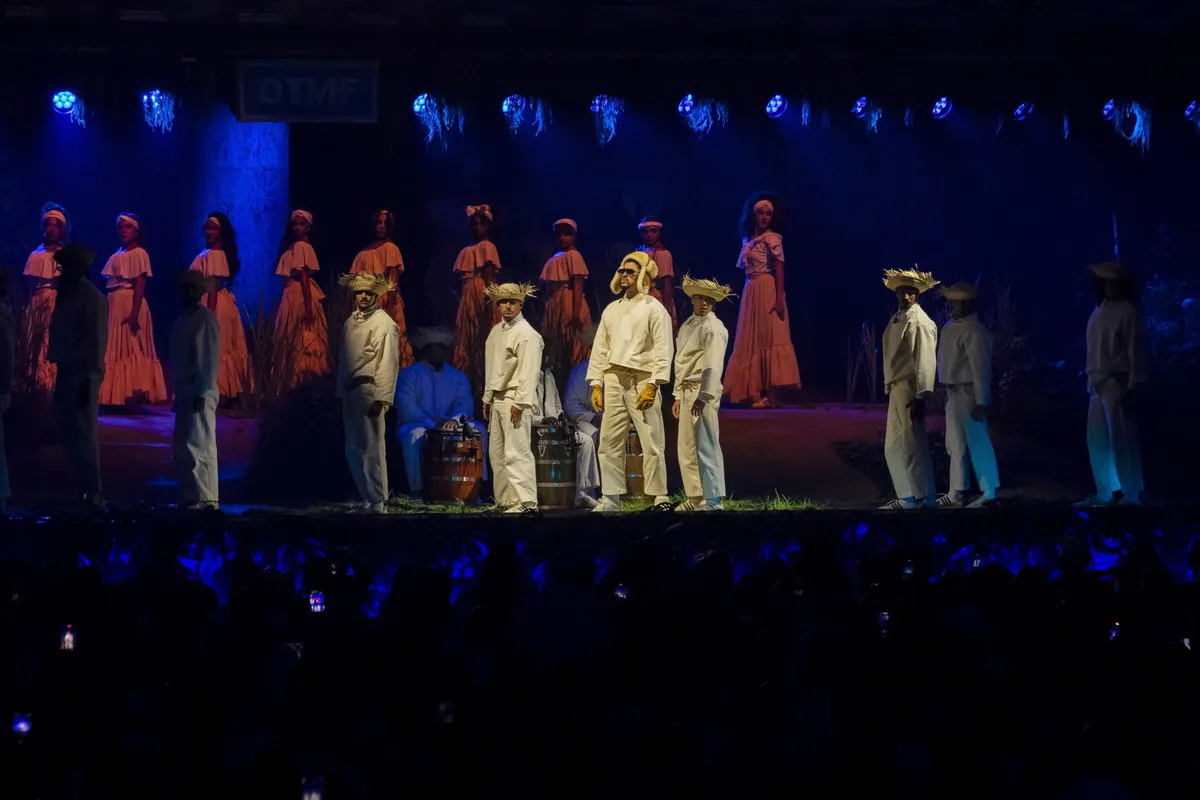
For live salsa in San Juan, the essential two stops are La Factoría in Old San Juan (a multi-room bar with a hidden back room built for salsa) and Taberna Los Vázquez in La Placita, Santurce (where the dancing spills into the street). La Factoría is more polished; Los Vázquez is rawer and has the better dancers — and our full breakdown of where to dance salsa in Puerto Rico covers the rest of the island.
La Factoría — Old San Juan
- Location: Calle San Sebastián 148, Old San Juan
- Cost: Cocktails $12–$16; no cover
- Best for: Travelers who want world-class cocktails and a dance floor in one venue
- Time needed: 2–4 hours
La Factoría is a connected chain of rooms, each a different bar with a different vibe. The front is a craft cocktail bar (consistently ranked among the world’s 50 best). Walk past it, through the unmarked door in the back, and you’ll find a wooden dance floor where DJs and live bands run the classics — Lavoe, Colón, Cortijo. That back room is the reason to come.
Taberna Los Vázquez — Santurce
- Location: La Placita de Santurce
- Cost: Beers $3–$5; cocktails around $10
- Best for: Travelers who came to actually dance, not watch
- Time needed: Minimum 2 hours
This is a neighborhood bar, not a venue. The floor is small, the sound system is loud, and the people around you are serious dancers. On my last visit on a Saturday, every table was full by 9:15 and we ended up dancing in the doorway.
Pro Tip: Take a beginner salsa lesson earlier the same day. Santurce Salsa Club runs drop-in classes for under $25. The difference between watching and participating at Los Vázquez is two hours of instruction.
Reggaetón and Latin trap: from underground to world domination
Reggaetón is Puerto Rico’s biggest musical export since salsa, and it’s the genre putting the island on the global pop map today.
From Panama to San Juan marquesinas
Reggaetón’s earliest roots are in late-1980s Panama, where artists rapped in Spanish over Jamaican dancehall beats. The sound traveled to Puerto Rico, and in the early 1990s — in the marquesinas (carports) and public-housing projects of San Juan — a new version called simply “underground” took shape.
Producers like DJ Playero and DJ Nelson built tracks on secondhand gear. Early artists — Vico C, Ivy Queen, a teenage Daddy Yankee — sold mixtapes out of car trunks and passed them hand to hand. Authorities tried to suppress it in the mid-1990s, confiscating tapes and banning hip-hop clothing in schools. It didn’t work.
The sound: dembow and street lyrics
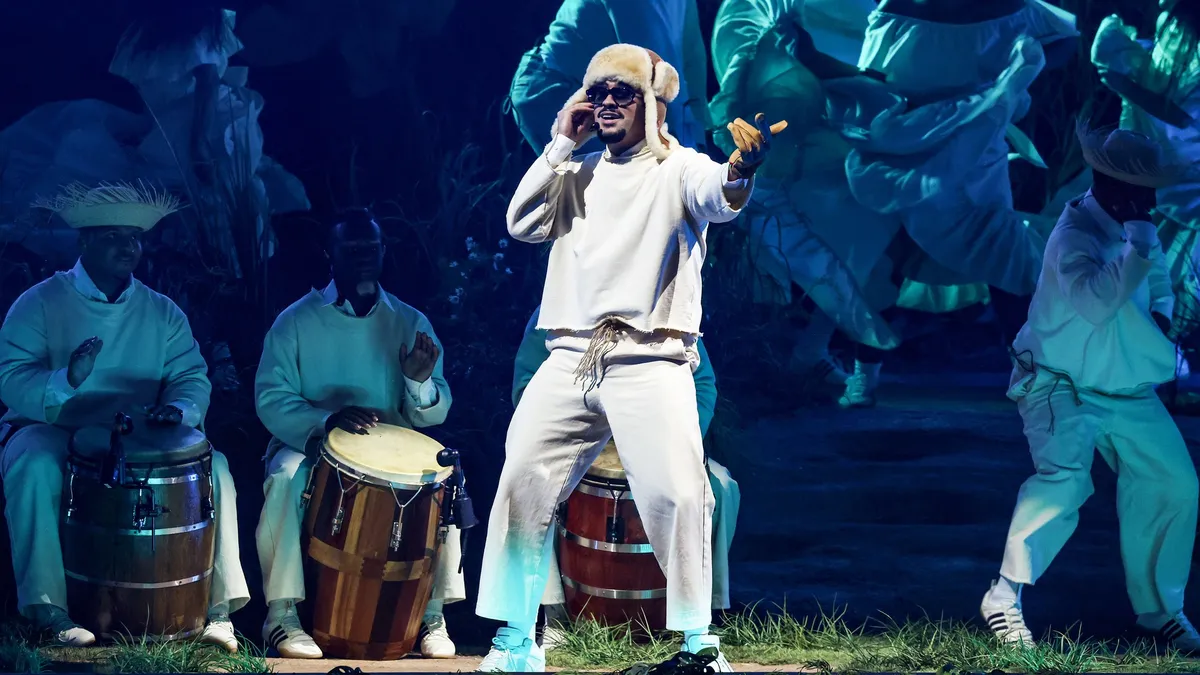
Reggaetón runs on one beat: the dembow, a “boom-ch-boom-chk” pattern that’s physically impossible to sit through. The early lyrics were explicit and local — poverty, violence, love, neighborhood politics. By 2004, Daddy Yankee’s “Gasolina” had cracked the global charts open, and the genre has not stopped growing since. Latin trap, its moodier bass-heavy cousin, emerged in the next wave.
The new global royalty
Puerto Rico consistently produces a disproportionate share of the world’s biggest Latin pop stars — Bad Bunny, Rauw Alejandro, Myke Towers, Jhayco, Ozuna, Anuel AA. The island has become what one San Juan promoter calls “the Silicon Valley of music in Spanish.”
The clearest proof: Bad Bunny’s 31-show residency “No Me Quiero Ir de Aquí” at the Coliseo de Puerto Rico, which ran for ten weekends from July to September. The first nine shows were reserved for Puerto Rico residents only — 125,000 tickets. The rest sold out to international fans almost instantly. Economic-impact estimates range from a conservative $176 million (University of Puerto Rico study) to over $200 million from Discover Puerto Rico, with some analyses going higher. Beyond the money: collaborations on the residency sent Los Pleneros de la Cresta from tens of thousands to over 12 million monthly Spotify listeners, and salsa, bomba and plena musicians on the island reported an average 65% income bump.
That’s the real story — a global reggaetón star is actively funneling audiences back to the older genres that built him.
Your guide to San Juan’s music venues
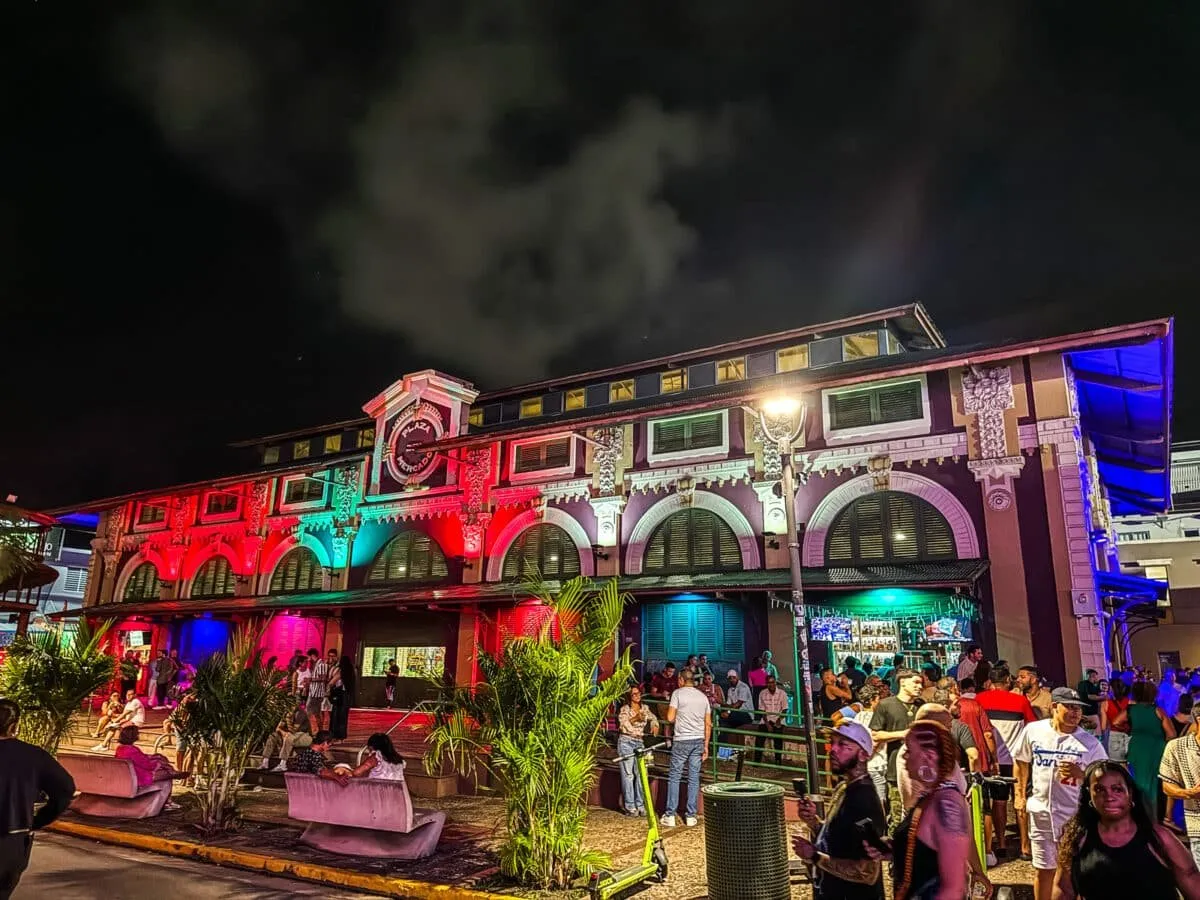
San Juan’s venues split cleanly between big stages for global stars and local haunts where the traditions actually live. If it’s your first visit, pair this list with our broader San Juan travel guide to sort out neighborhoods and logistics.
The big stages
- Coliseo de Puerto Rico José Miguel Agrelot (“El Choli”) — The island’s premier arena, in Hato Rey, with roughly 18,500 seats. This is where Bad Bunny did his residency; it’s also hosted Paul McCartney, Metallica and Karol G.
- Coca-Cola Music Hall — A newer 5,000-capacity venue in the Distrito T-Mobile complex. Mix of international acts and local stars.
- Centro de Bellas Artes Luis A. Ferré — Santurce. Home of the Puerto Rico Symphony Orchestra and the Casals Festival.
The local haunts worth planning a night around
Old San Juan
- La Factoría — The salsa back room (see above)
- La Vergüenza Puertorrican Chinchorro — A dive bar on the edge of the old city that turns into an outdoor dance party on Sundays, with bomba, plena and salsa bands playing right on the street
Santurce (the creative core) — This is where San Juan’s music actually lives. It all spins around La Placita de Santurce, a daytime market that becomes a massive open-air block party after dark.
- La Terraza de Bonanza — Monday-night bomba and plena
- Taberna Los Vázquez — Serious salsa
- La Respuesta — Graffiti-covered industrial space for indie, hip-hop and experimental acts
- Club 77 — Legendary dive for local rock, punk and hip-hop
Río Piedras (the university side)
- El Boricua — A bohemian bar near the University of Puerto Rico, open since the 1970s. Jazz nights, salsa jams, plena, acoustic sets. Good for discovering artists before they leave for El Choli. (Bad Bunny made a surprise pop-up performance here during his residency pre-sale.)
Pro Tip: Skip the Condado and Isla Verde hotel bars. They book salsa cover bands for tourists and the energy is half of what you’ll find ten minutes away in Santurce. The $15 rideshare is the best music investment of your trip.
Should you take a dance class before you go out?
Yes — a single beginner’s lesson before a night out in Santurce will change the experience from watching to participating. Studios like Santurce Salsa Club and Your Style Academy run drop-in salsa classes for under $25. For bomba, Salsa Tours PR offers a beach class with live drummers (around $65), and Across Caribe runs percussion workshops for travelers who want to learn the rhythms from the drummer’s side.
Real talk: locals can tell within two steps whether you’ve ever taken a class. They’ll still dance with you if you’re game, but a two-hour lesson the afternoon of is the difference between an awkward shuffle and actually hearing the clave.
Which Puerto Rico music festivals are worth timing your trip around?
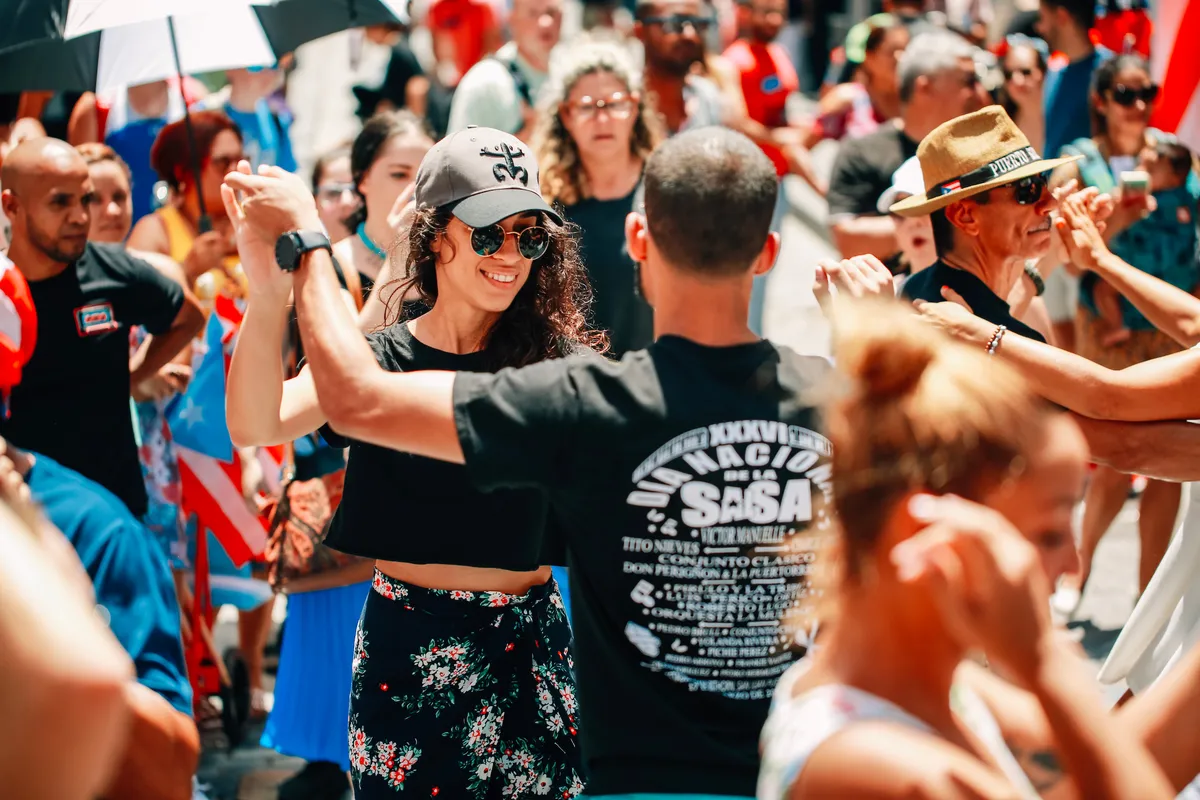
The six music festivals in Puerto Rico below span traditional folk, salsa, classical and street party. All are free or low-cost to attend. Plan flights and hotels at least two months ahead for the San Sebastián and Ponce events — both double local hotel rates.
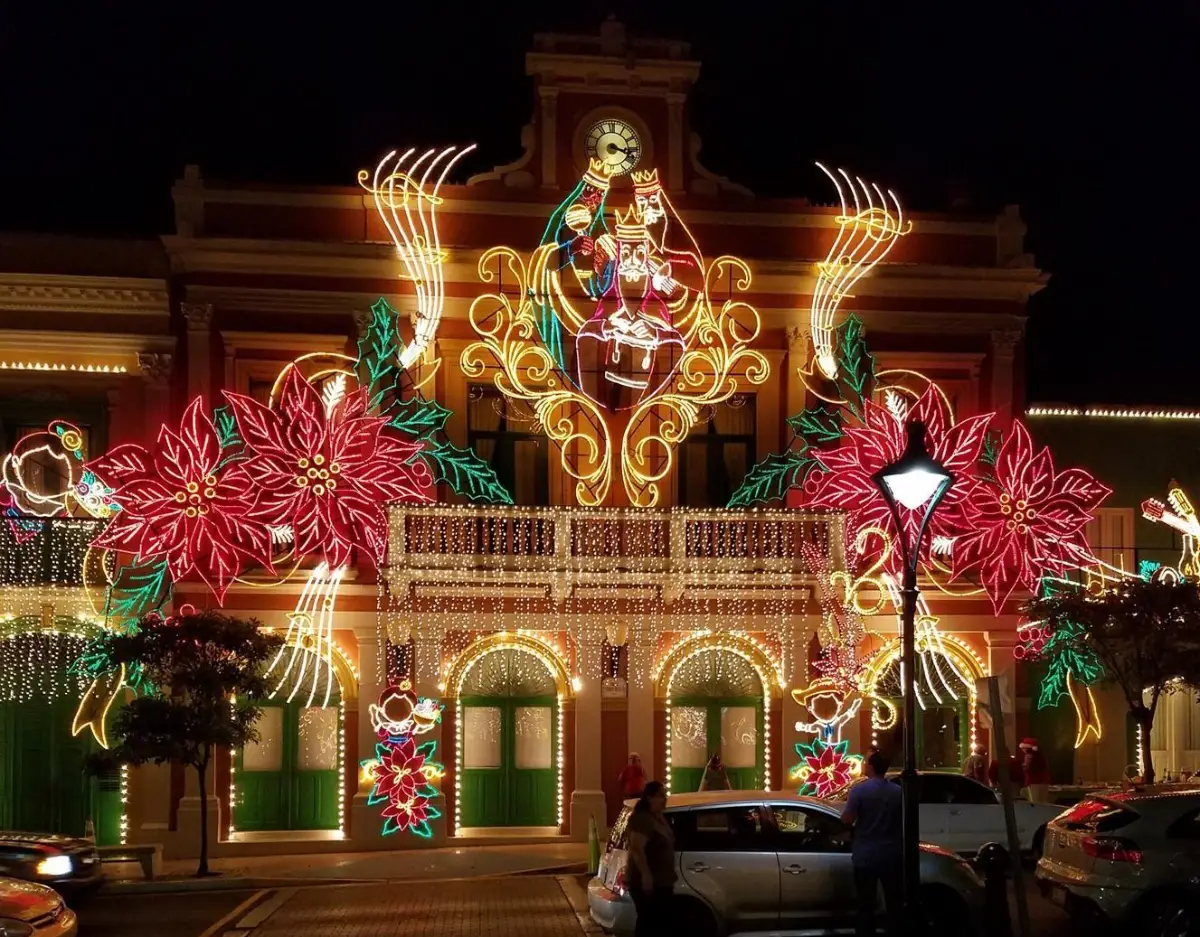
- Fiesta de los Reyes Magos (January 6) — Juana Díaz and Isabela. Three Kings’ Day with parades and live folk, bomba and plena. The last gasp of Puerto Rico’s long holiday season.
- Fiestas de la Calle San Sebastián (third weekend of January) — Old San Juan. Four-day street party with cabezudo parades (giant papier-mâché heads), artisan markets and multiple stages running plena, bomba, salsa and reggaetón. The biggest street event on the island.
- Carnaval Ponceño (week before Ash Wednesday) — Ponce. One of the oldest carnivals in the Americas. Famous for the horned vejigante masks and Afro-Caribbean percussion.
- Día Nacional de la Zalsa (October) — San Juan. The world’s largest single-day salsa festival. Held at Estadio Hiram Bithorn, produced by radio station Z93.
- Casals Festival (May–June) — San Juan. Prestigious classical festival founded by cellist Pablo Casals, at Centro de Bellas Artes.
- La Campechada (rotating dates and cities) — A traveling arts festival celebrating Puerto Rican creativity with heavy focus on traditional music and dance.
The essential Puerto Rico music artists to know
Knowing a few names before you land makes the DJs and live sets hit differently. Here are the ones worth loading onto a playlist.
Founders and legends
- Rafael Cepeda — Patriarch of the Cepeda family; the reason bomba survived
- Manuel “Canario” Jiménez — The most famous plena bandleader of the golden era
- Héctor Lavoe — The most tragic and beloved voice in salsa
- Ismael Rivera (“Maelo”) — The greatest sonero ever, by most accounts
- El Gran Combo de Puerto Rico — The institution, over 60 years running
- Rafael Hernández — The great composer of romantic boleros
- José Feliciano — Virtuoso guitarist, one of the first Latin artists to cross into the English-language market
Global chart-toppers
- Reggaetón kings and queens: Daddy Yankee (“King of Reggaetón”), Ivy Queen (“The Queen”), Don Omar, Wisin & Yandel
- The new generation: Bad Bunny, Rauw Alejandro, Ozuna, Myke Towers, Jhayco, Anuel AA
- Pop crossover: Ricky Martin (“Livin’ la Vida Loca” set off the 1999 Latin Pop wave), Luis Fonsi (“Despacito”), Chayanne
Take the heartbeat home
TL;DR
Puerto Rico music is best experienced in Santurce, not on a hotel rooftop. Hit La Terraza de Bonanza on a Monday for bomba and plena, Taberna Los Vázquez on a weekend for serious salsa, La Factoría’s back room in Old San Juan when you want cocktails with your clave, and El Choli for whoever is headlining during your trip. Take a beginner lesson before the first night out — it’s the cheapest upgrade to your week.
The real souvenir isn’t a playlist. It’s the drum pattern that stays in your feet for a week after you fly home, and the understanding that on this island, music is a conversation and a form of survival.
What’s the one venue or genre you’d make time for first — the Monday bomba circle, the Santurce salsa spill, or an arena night at El Choli? Drop it in the comments.