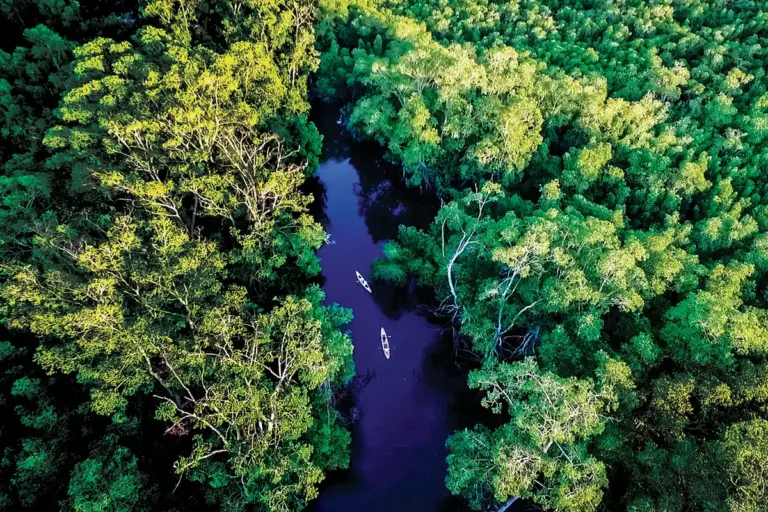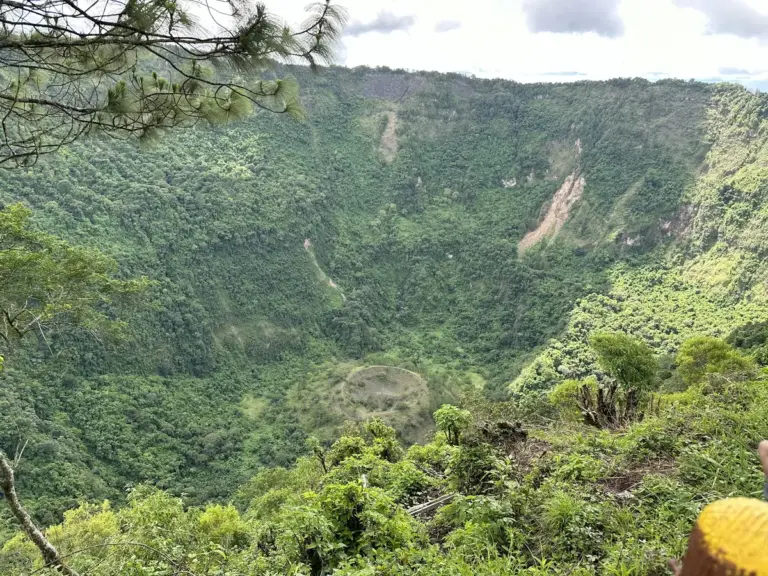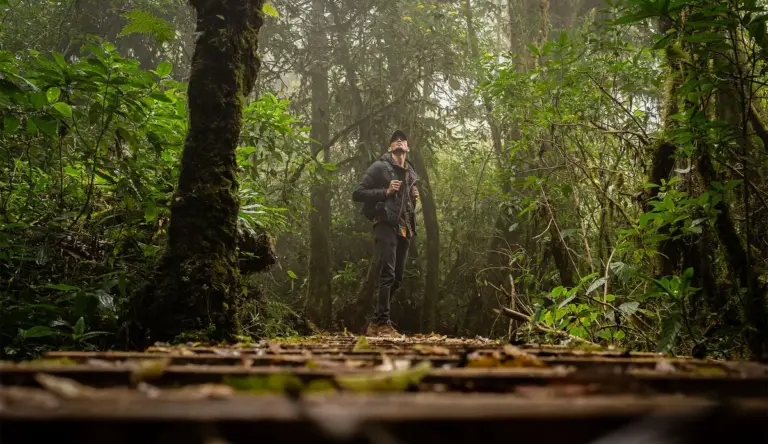
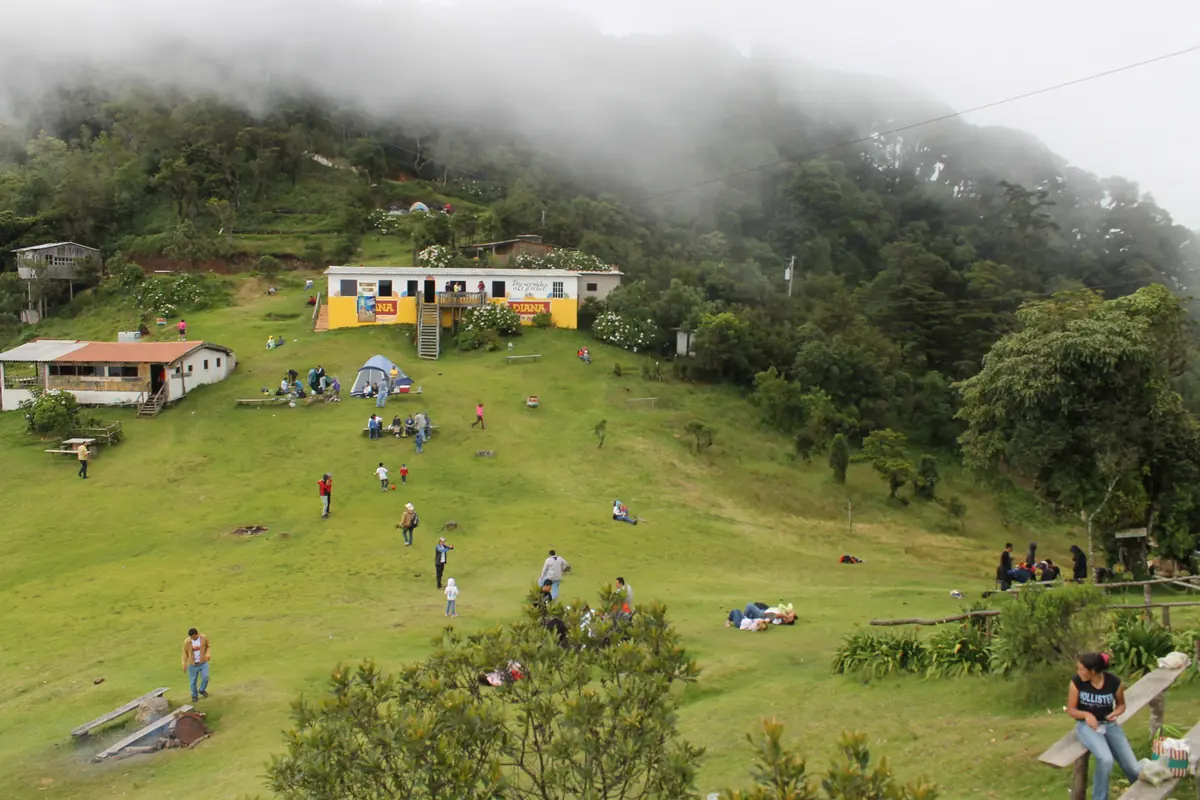
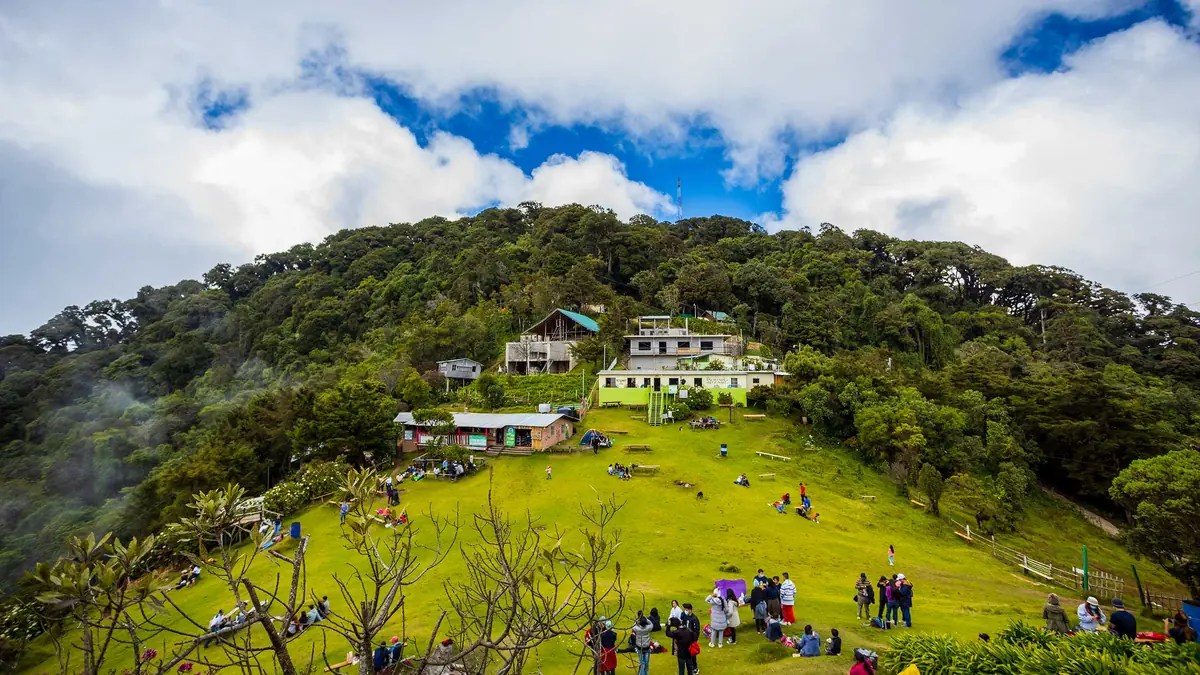
The best things to do in El Pital start with a surprise: this is the coldest place in El Salvador, an 8,957-foot (2,730 m) cloud forest where frost forms on clear mornings. It’s the country’s highest point, home to a two-summit hike, a split-rock bridge crossing, and fireplace cabins in a land most people picture as tropical.
Not to be confused with the El Pital ruins in Veracruz, Mexico, or the town of Pital in Colombia — this guide covers Cerro El Pital in Chalatenango, El Salvador.
The Best Things to Do at Cerro El Pital
Most people come for one of two reasons: to stand on the highest ground in the country, or to feel cold air in a place that isn’t supposed to have any. You can do both in a single day. Here’s what actually earns your time on the mountain — and one thing that tends to let people down.
Hike to El Mojón, the Country’s Highest Point
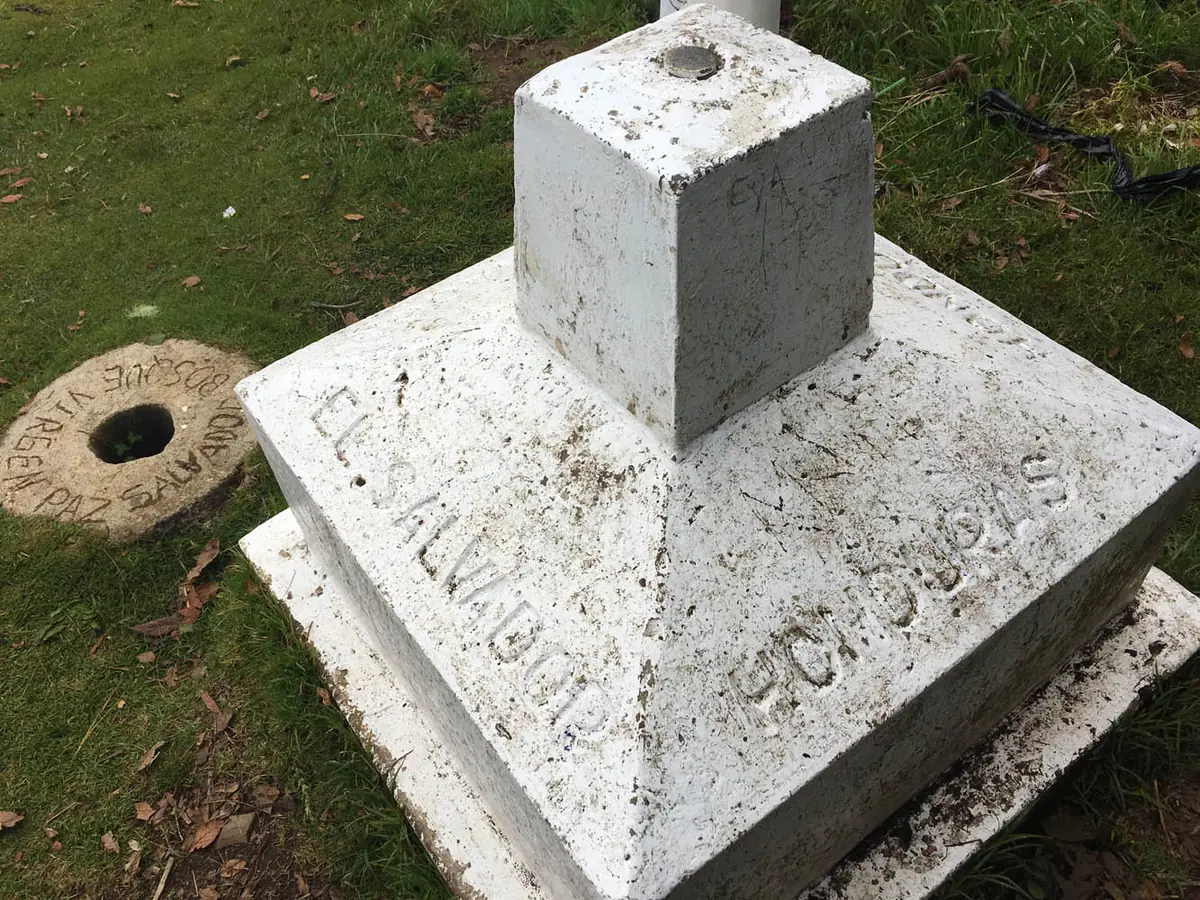
El Mojón is a white concrete marker at El Salvador’s true summit, and it doubles as the boundary stone between El Salvador and Honduras — stand next to it and you’re technically in two countries. Here’s what the postcards leave out: a dirt road climbs to within about 150 feet of the marker, so the “summit hike” can be a five-minute walk from a parked car.
Hikers expecting wilderness often come away flat. The high point sits beside a fenced telecom tower, and trip reports repeatedly mention barking guard dogs — German shepherds and Rottweilers — behind the fence, plus a border gate that may or may not be open. The reward is the cold air and the view down into Honduras, not the marker itself.
- Elevation: 8,957 feet (2,730 m)
- Climb from the upper road: roughly 150 feet
- Access: drivable to near the top by 4×4
- Best for: highpointers and anyone wanting an easy win
Cross the Bridges to Piedra Rajada
Piedra Rajada is a tall rock split clean down the middle, reached by a short trail and a pair of log-and-cable bridges strung over a drop of roughly 50 feet. This is the part of the trip people remember. Travelers describe the bridges as shaky and rickety — not for the fainthearted — and some turn back before crossing.
The full loop that links the summit area and Piedra Rajada is the standard hike here, and it’s short. AllTrails clocks it as a moderate route.
- Distance: 2.2 miles (3.5 km) loop
- Elevation gain: 718 feet (219 m)
- Time: 1.5 to 2 hours
- Difficulty: moderate, mostly for the bridges
Take in the Miradors and the View Above the Clouds
The miradors are the photographers’ draw. On a clear dry-season morning, the cloud layer settles below the peak, and you look out over a sea of white with ridgelines poking through. It’s the single image that sells El Pital, and it’s real — but it depends on weather and timing.
Mornings are your best shot before the clouds rise to your level and swallow the view. By midday in the rainy season, you may be standing inside the cloud rather than above it.
Watch for Quetzals in the Cloud Forest
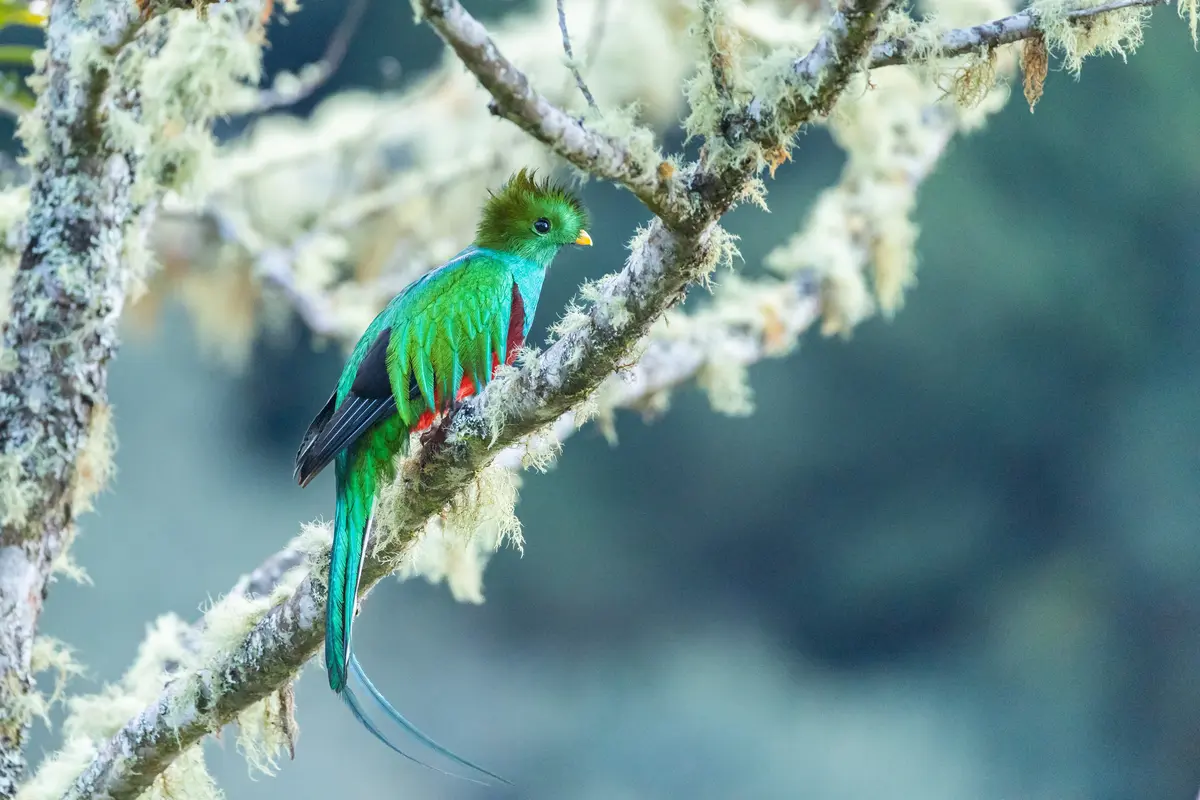
The forest itself is the quiet highlight: pine, oak, and cypress draped in moss, with orchids and a resident bird population. One tourism site claims more than 300 bird species live here; whatever the real count, the prize sighting is the resplendent quetzal, which takes patience and luck to spot.
Pro Tip: Walk the forest slowly in the first hour after sunrise, when birds are most active and the crowds haven’t arrived. Bring binoculars — the canopy is high and the quetzals don’t pose.
Camp Out for the Cold and the Stars
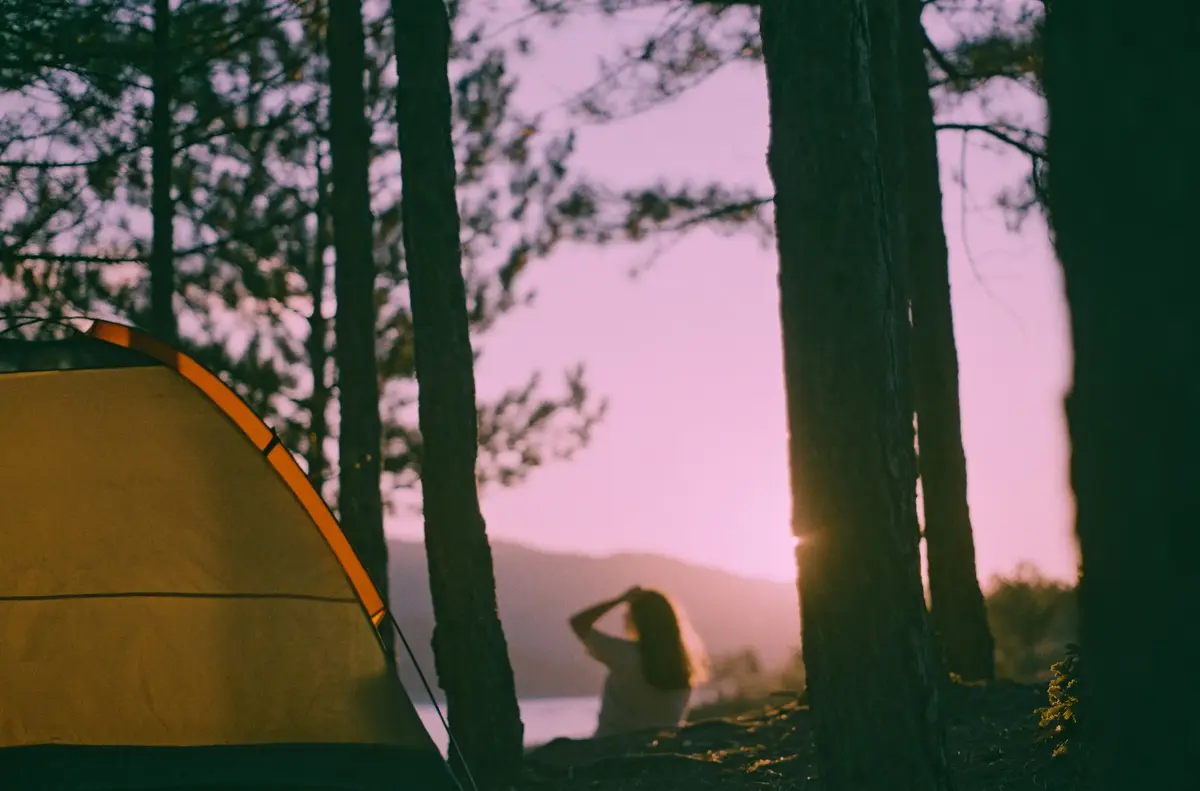
Camping is half the point for a lot of visitors — the novelty of pitching a tent somewhere genuinely cold in a tropical country, then waking to frost on the rainfly. On clear nights, far from city light, the star field is the kind you don’t get near San Salvador.
Be ready for the temperature. This is the coldest spot in the country, and clear winter nights drop near freezing. Reports of weekend crowds are consistent: hundreds of tents, cars filling the access road, and music running late. Midweek, you may have the place nearly to yourself.
How to Get to El Pital From San Salvador (and Whether You Need a 4×4)
Cerro El Pital sits about 60 miles (90 km) north of San Salvador — a three-to-four-hour drive up the Troncal del Norte (CA-4) through La Palma and San Ignacio. A 4×4 or high-clearance vehicle handles the final unpaved miles best; in dry weather, a sturdy car can reach the lower lodges. Buses and guided tours both work.
From San Ignacio, the road turns to dirt and climbs hard: about 8 miles (12.9 km) unpaved at an average grade near 13 percent, gaining over 5,000 feet. The 4×4 question is where sources disagree, and the honest answer is in between.
- Dry season: a standard car in good condition with solid brakes can reach the lower lodges; a 4×4 is better for the last stretch.
- Rainy season (roughly May to October): a 4×4 or high-clearance vehicle is strongly recommended for the dirt road.
- No 4×4 at all: shared pickups run from Rio Chiquito for around $25 per vehicle, and some lodges arrange transport.
Your three ways up, compared:
- Rental car: most flexible, lets you stop in La Palma; you’ll want high clearance for the top. Cost: fuel plus rental.
- Bus: cheapest by far. Take route 119 from San Salvador to San Ignacio (around $1.50–2), then a 509 toward Las Pilas, getting off near Rio Chiquito (around $1.50). You’ll still need a pickup or a walk for the final climb.
- Guided day tour: zero logistics, but the priciest option. Private full-day tours from the capital run roughly $175–265 per adult depending on group size.
Pro Tip: Fill the tank in San Ignacio before the climb. There’s no fuel on the mountain, and the steep dirt grade burns more than the distance suggests.
How Cold Does El Pital Get, and When Should You Go?
El Pital is the coldest place in El Salvador, averaging around 50°F (10°C). From November through February it can drop to 21°F (−6°C), with frost on clear nights and rare hail that has turned the peak white; the rest of the year runs 41°F to 63°F (5–17°C). The dry season, November through April, brings the clearest skies.
For most travelers, the dry season is the call: firmer roads, cold but sunny mornings, and the best odds of that above-the-clouds view. The rainy season turns the dirt road slick and often parks you inside the cloud with no view at all — though the forest is greener and quieter.
What to pack, regardless of month:
- Warm layers: a fleece or down mid-layer plus a hat and gloves for nights
- Rain shell: useful even in the dry season at this elevation
- Sturdy shoes with grip for the log bridges and dirt trail
- Warm sleepwear if you’re camping or in an unheated cabin
Pro Tip: Pack like you’re heading somewhere cold even in the dry season. People show up in shorts expecting tropical weather and end up shivering by 6 p.m. A fleece is the difference between enjoying the chill and enduring it.
Where Can You Stay and Camp at El Pital?
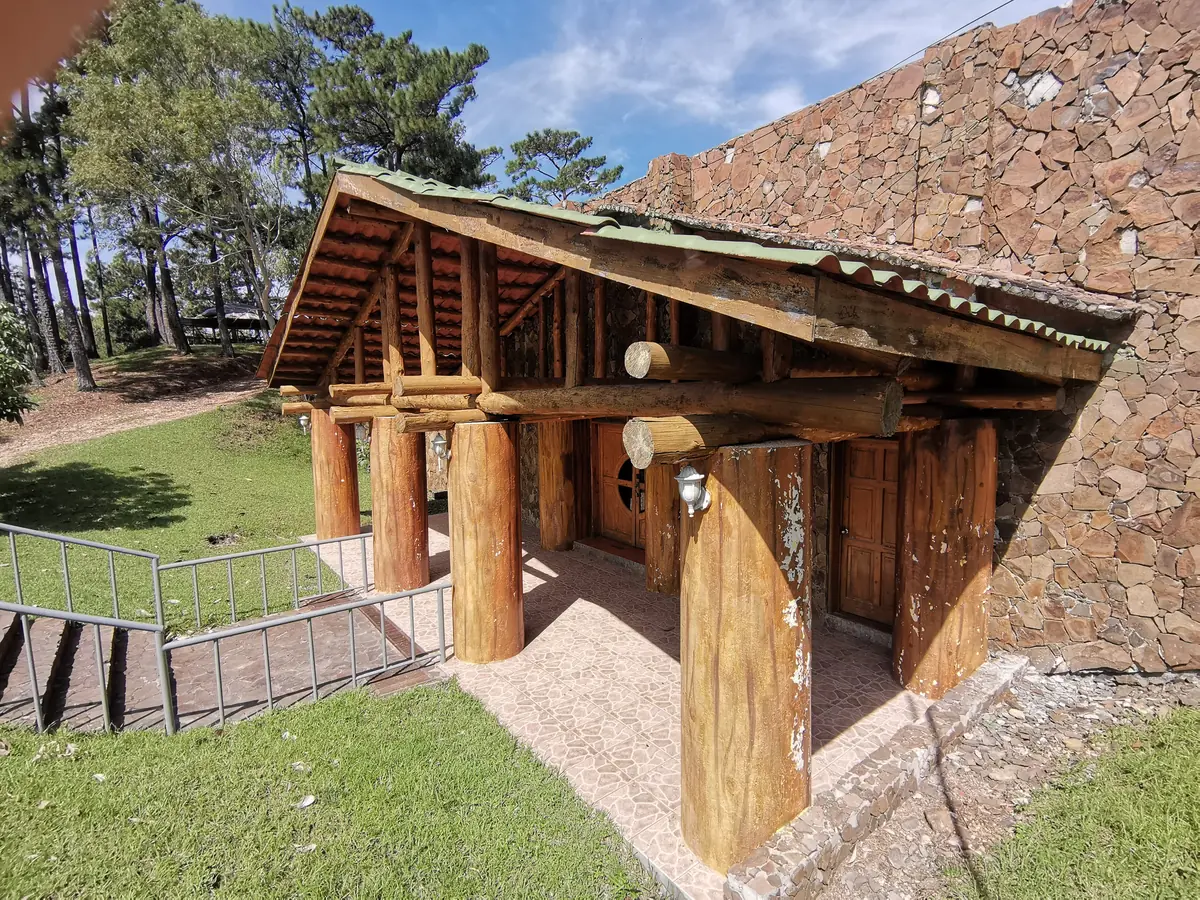
You have three tiers: pitch a tent for a few dollars, take a simple campground cabin from around $35 a night for two, or book a lodge cabin with a fireplace and hot water for $60 to $225. Quality varies a lot, so the fireplace is the detail worth confirming before you book — it’s the line between a warm night and a cold one.
That cabin-quality gap is the most consistent theme in reviews. The fireplace cabins get glowing notes; the bare, unheated ones draw complaints about wind slipping through wall gaps and damp bedding. Ask directly about heating and blankets.
El Pital Highland Mountain Hotel
A higher-end option built for the cold, with fireplace cabins and hot water. It sits a bit lower than the summit, where days are milder and nights still dip to around 41°F (5°C).
- Location: above San Ignacio, on the approach to the peak
- Cost: lodge pricing, on the higher end for the area
- Best for: couples and families who want warmth and comfort
- Confirm: working fireplace and hot water in your specific cabin
El Pital Ecolodge
A first-person traveler account puts an individual cabin around $60 a night, with the lodge’s published rates spanning roughly $75 to $225 depending on the cabin. Run by an owner-host, it leans rustic and personal.
- Location: on the mountain near the cloud forest
- Cost: from around $60, up to about $225 for larger cabins
- Best for: travelers who want a hosted, nature-first stay
- Confirm: heating, since rustic cabins run cold at night
Cabañas El Pital and the Campground
The budget end. Camping costs about $5 per person, and simple campground cabins start near $35 a night for two, scaling up to roughly $120–125 for groups of ten to twelve.
- Location: at the main campground area near the summit access
- Cost: camping around $5; cabins from about $35/night
- Best for: budget travelers, groups, and campers
- Note: weekends get crowded and loud; weekdays are calm
Hotel Entre Pinos in San Ignacio
If the mountain cabins are full or you’d rather not sleep at altitude, this San Ignacio hotel is a comfortable base down the hill, with horseback riding offered for about $6 an hour.
- Location: San Ignacio, off the CA-4
- Cost: around $75 a night
- Best for: travelers who want a warmer, lower base and day-trip up
- Note: adds a drive to the peak each morning
Some lodges also run a canopy zip-line for an extra fee — a fun add-on, but not the reason to come.
What Does a Trip to El Pital Cost?
A day trip can cost almost nothing: park entry runs about $2–3 per person, parking around $3, and camping roughly $5. Cabins start near $35 a night for two and climb past $200 at the nicer lodges. El Salvador uses the US dollar, and most mountain vendors take cash only, so bring small bills.
Approximate costs (verify before travel, since prices shift with season and inflation):
| Item | Approximate cost (USD) |
|---|---|
| Park entry | $2–3 per person |
| Parking | ~$3 |
| Camping | ~$5 per person |
| Campground cabin (sleeps 2) | from ~$35/night |
| Lodge cabin | ~$60–225/night |
| Shared 4×4 from Rio Chiquito | ~$25/vehicle |
| Bus (San Salvador → San Ignacio) | ~$1.50–2 |
| Bus (San Ignacio → Rio Chiquito) | ~$1.50 |
| Private day tour from San Salvador | ~$175–265/adult |
| Tourist card (US visitors, on arrival) | ~$12 |
Pro Tip: Pull cash in San Ignacio before you start the climb. Park staff, cabin owners, and the strawberry stands all run on cash, and there’s nowhere to withdraw once the road turns to dirt.
Beyond the Summit: La Palma, Miramundo, and Strawberry Farms
The drive up runs straight through some of the best of northern Chalatenango, so don’t treat the peak as the whole trip. La Palma is a small town painted in the bright, childlike folk-art style of Fernando Llort — murals and craft shops fill the center, and it carries real history as the site of a wartime peace dialogue. It’s worth an hour on the way up or down.
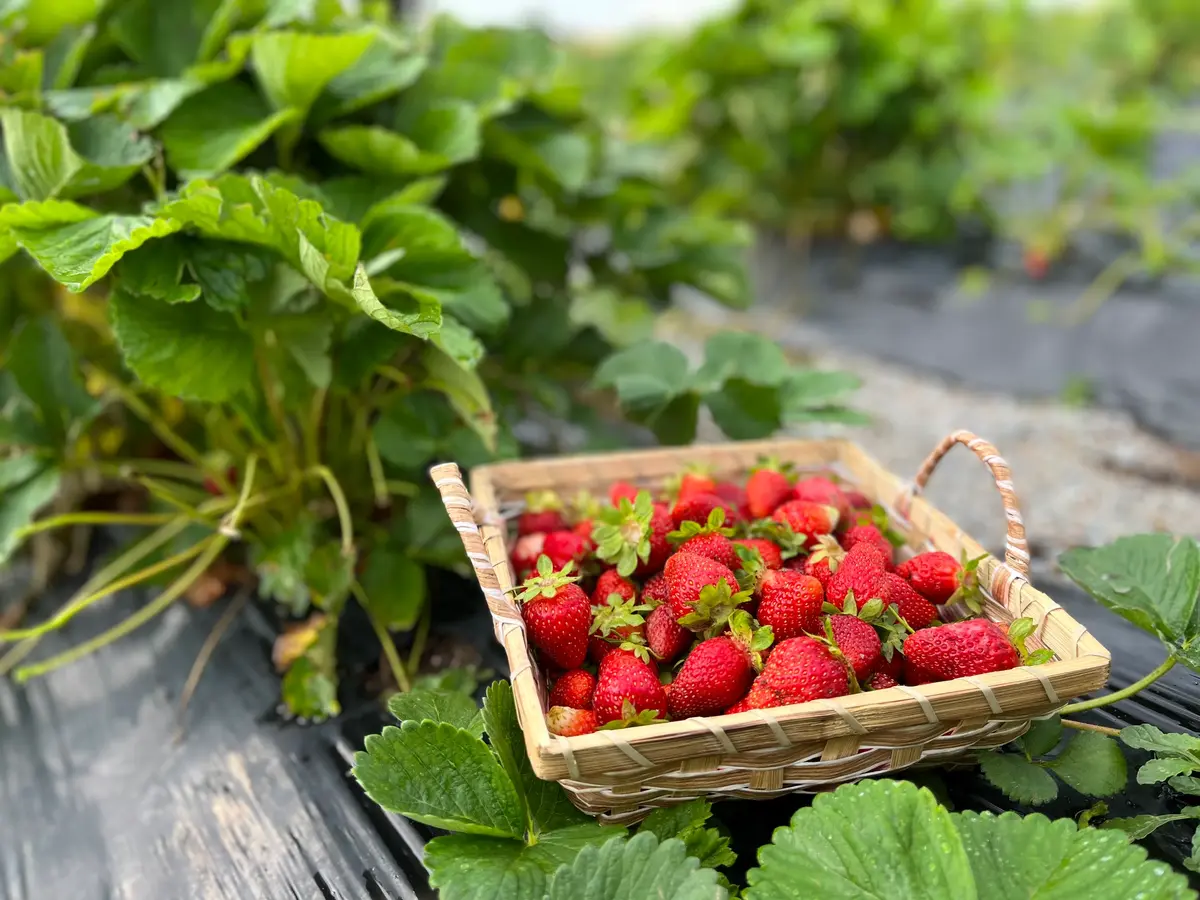
Higher up sits Miramundo, a cold cloud-forest hamlet, and this is strawberry country. Casa de las Fresas is a strawberry farm and restaurant where the standout is strawberry pupusas — a genuinely odd, genuinely good local twist. Entry is around $1, with overnight packages from about $49 per person, and it sits roughly 65 miles (105 km) — about three hours — from San Salvador, with a 4×4 recommended for the approach.
Other stops worth weaving in:
- Las Pilas: vegetable and strawberry farms at around 7,900 feet (2,400 m)
- Peñón de Cayaguanca: a rock outcrop with long views over the region
- Río Sumpul: a river valley that marks part of the Honduras border
What US Travelers Should Know Before Visiting El Pital
El Salvador is one of the easiest countries for US travelers to navigate. It uses the US dollar, so there’s no currency to exchange. Most visitors buy a one-entry tourist card on arrival for about $12, valid 90 days under the regional CA-4 agreement. Bring small bills, since mountain vendors are cash-only, and check the current State Department advisory before you go.
A few more specifics that competitors tend to skip:
- Currency: the US dollar is official, so your cards and cash work as-is, but rural vendors prefer cash.
- Entry: US citizens present a valid passport and the tourist card bought at the port of entry; the CA-4 rule caps combined time across El Salvador, Guatemala, Honduras, and Nicaragua at 90 days.
- Safety: the country’s advisory level has been low in recent assessments, but it has shifted — confirm the current level on the official State Department page before booking.
- Altitude: at nearly 9,000 feet, you may feel mild shortness of breath if you’ve come straight from the coast; take the first hike slow.
Common Questions About Visiting El Pital
How Long Is the Cerro El Pital Hike?
The standard loop linking the summit area and Piedra Rajada covers about 2.2 miles (3.5 km) with 718 feet (219 m) of elevation gain, and takes roughly 1.5 to 2 hours at a moderate pace. Because a dirt road climbs to near the top, you can shorten it dramatically by driving up and walking only the final stretch.
Does It Ever Snow at El Pital?
True snow is essentially unheard of, but El Pital gets cold enough for frost on clear winter nights, when temperatures can fall to 21°F (−6°C). Hail has blanketed the peak white on rare occasions, which fuels the “snow in El Salvador” stories. Expect frost and bitter wind in season rather than actual snowfall.
Can You Visit El Pital as a Day Trip From San Salvador?
Yes, a day trip is doable, but it’s a long one — three to four hours each way, so you’d spend six to eight hours driving for a few hours on the mountain. To enjoy the cloud forest, the bridges, and a cold night by a fireplace, one or two nights is the better play. Day trips suit travelers short on time.
Is It Safe to Visit El Pital?
The mountain area itself is a low-key rural destination popular with Salvadoran families and hikers. The country’s travel advisory level has been low in recent assessments, though it has changed, so verify the current State Department guidance before your trip. The bigger practical risks are the cold and the steep dirt road, not crime.
Before You Make the Drive
TL;DR: El Pital is less about the summit — a fenced radio tower with guard dogs — and more about the cold cloud forest, the bridges to Piedra Rajada, and a fireplace cabin in a country that’s supposed to be hot. Go midweek, bring layers and cash, and give it at least one night.
If you only have a few hours up top, point yourself at Piedra Rajada and the miradors rather than lingering at the marker. The high point is a photo and a border straddle; the forest and the cold are the real reason to come.
Would you make the climb for the summit bragging rights, or skip the marker and stay for the strawberries, the stars, and a fire? Tell me how you’d plan your day.