Puerto Rico’s sailing scene looks perfect on Instagram, then turns expensive fast if you book the wrong boat. This guide to catamaran tours in Puerto Rico cuts the marketing gloss and gives you the exact transit costs, age cutoffs, seasickness risk by route, and hull differences before you hand over a deposit.
Which catamaran tour in Puerto Rico matches your travel style?
The short answer: Cayo Icacos is for casual beach days, Culebra is for serious snorkeling, and Rincón on the west coast is for sunsets and whale season. The corridor you pick decides your transit time, nausea risk, crowd size, and food quality far more than the operator brand on the brochure.
| Destination Corridor | Ideal Traveler | Transit & Seasickness Risk | Minimum Age / Vibe | Typical Food |
|---|---|---|---|---|
| Cayo Icacos (east coast) | Families, casual sunbathers, bachelorette parties | 20–30 min smooth sail. Very low risk (sheltered reef waters) | Ages 4+ (varies). High-energy floating beach club | Deli meats, pasta salad, unlimited rum punch |
| Culebra (east coast) | Serious snorkelers, wildlife enthusiasts, strong swimmers | 50–55 min open-ocean crossing. High nausea risk in winter swells | Older kids and teens. Adventure-focused | Boxed lunches, deli spreads |
| Rincón (west coast) | Surfers, whale watchers, travelers escaping crowds | Smooth coastal cruising. Low to moderate risk | Highly family-friendly. Intimate, small-group | Homemade snacks, local cocktails, sunset appetizers |
How do you get to the marina for a Puerto Rico catamaran tour?
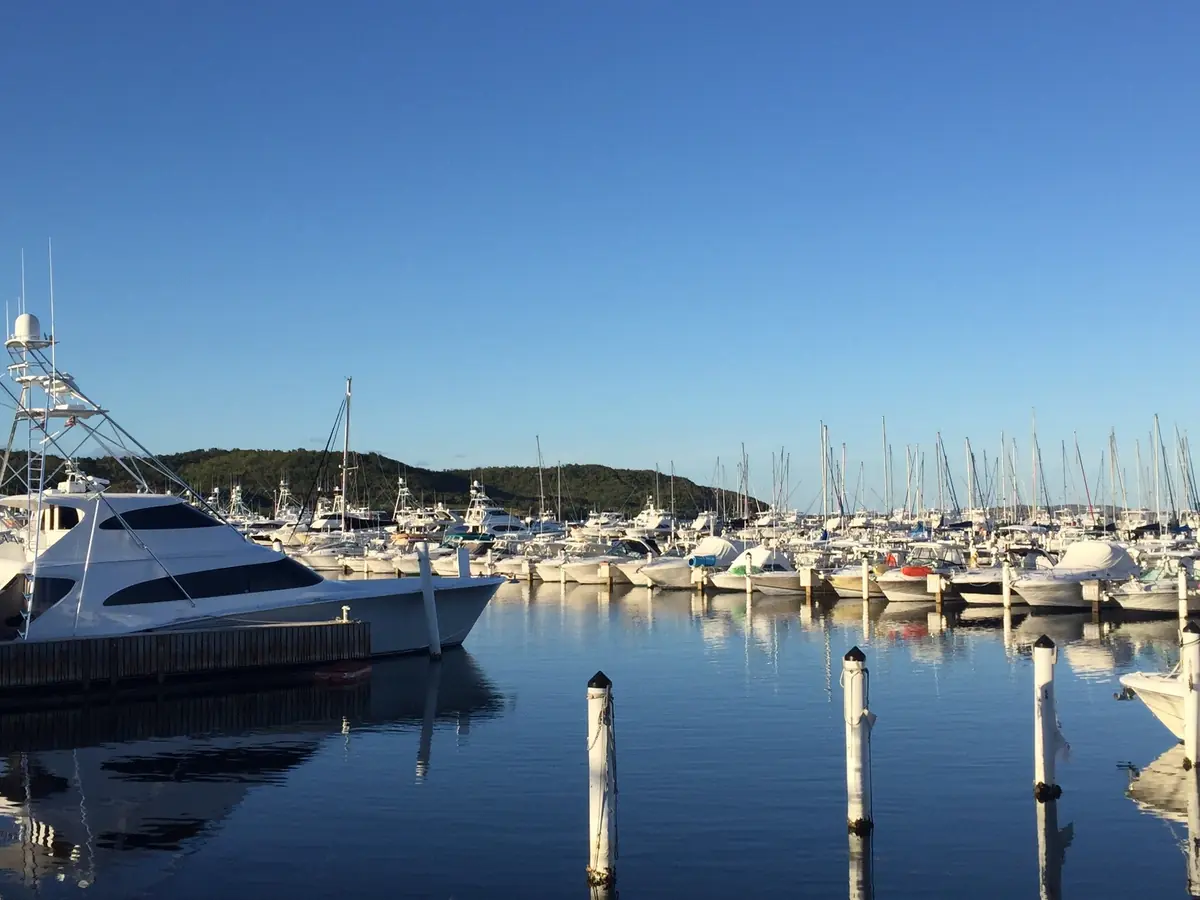
Most east-coast catamaran tours in Puerto Rico depart from Villa Marina Yacht Harbor or Puerto Del Rey Marina in Fajardo, about 30 to 40 miles (48 to 64 km) east of San Juan — roughly a 75-minute drive from Condado hotels in light traffic. The stressful part of your sailing day happens on land, not at sea.
A standard taxi from San Juan runs approximately $80 each way. Pre-booked private shuttles like Go Puerto Rico Shuttle typically range from $60 to $107 per person depending on group size. These are far more reliable for the return trip — on-demand rideshares are notoriously hard to find in Fajardo once the tour ends.
Once you reach the dock, brace for two line items that almost never appear in the booking price.
- DRNA environmental fee: $3 to $25 per person depending on destination, collected in cash only at the marina
- Crew gratuity: 15% to 20% of the charter fee, US standard, never included up front
- Parking (if self-driving): around $10 at Puerto Del Rey
Pro Tip: Carry at least $40 in small bills per person before you leave your hotel. Arriving at the marina without cash is the single most common source of day-of stress for first-time bookers.
How bad is the seasickness on the Fajardo to Culebra crossing?
The open-ocean crossing from Fajardo to Culebra on a power catamaran takes 50 to 55 minutes and can feel like a kinetic rollercoaster in winter months, with swells of 5 to 7 feet (1.5 to 2 meters). The sheltered run to Cayo Icacos is a different experience entirely: 20 to 30 minutes of flat water behind the Cordillera Reef barrier.
On the Culebra route, twin fiberglass hulls slam rhythmically against whitecaps from roughly December through March. Reddit sailing threads consistently cite this exact passage as a top source of passenger nausea. Once the boat passes the Cordillera Reef on the Icacos route, the chop disappears almost entirely.
Pro Tip: If you are Culebra-bound and prone to nausea, apply a scopolamine patch at least 4 hours before boarding and sit in the shaded mid-ship section. P6 acupressure Sea-Bands are a useful backup for under $15 at most pharmacies. Never sit on the bow if you already feel queasy.
One detail worth knowing — when the Culebra passage is deemed too rough, operators frequently reroute to Icacos without much advance notice. It is an open secret in the local sailing community, and refunds are rarely on the table.
What are the age restrictions on shared catamaran charters?
Most shared catamaran tours in Puerto Rico enforce a minimum age of 4 to 5 years old, citing US Coast Guard liability rules. Operators like SS Tobias will deny boarding at the dock regardless of your circumstances. Night-time bioluminescent bay excursions are an even harder no for small children — pitch-dark, silent paddling, and genuinely disorienting.
If you are traveling with children under 5, a private charter is your only reliable option — and worth factoring into any broader Puerto Rico family travel plan. Larger private vessels have flexibility on infant life jackets and seating that shared boats legally cannot match. Confirm any minimum age policy in writing before paying a deposit.
Pro Tip: Ask the operator the exact Coast Guard minimum age for the specific vessel. A vague answer is a red flag. A reputable operator gives you a number immediately.
Culebra vs. Cayo Icacos: which cay should you pick?
Pick Cayo Icacos if you want a floating beach-club day with flat water and unlimited rum punch. Pick Culebra if underwater life is the entire point of your trip. The snorkeling at Icacos is mediocre at best — the reef is thin compared to other snorkeling sites in Puerto Rico, and booking Icacos specifically to snorkel is booking the wrong trip.
Cayo Icacos — the decompression island
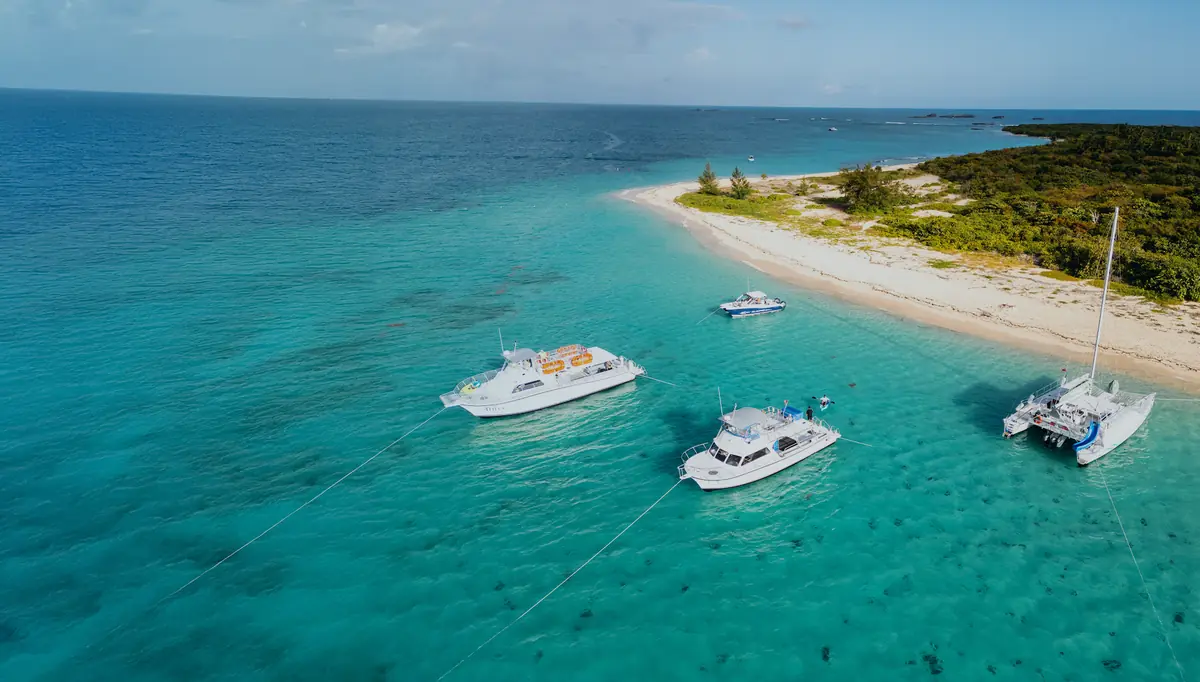
The catamaran drops anchor roughly 30 feet (9 meters) from shore. You swim in while the crew provides dry bags for phones and wallets. The beach is powdery and nearly empty on weekdays. It is the correct choice for anyone who wants a lounge chair and a drink with no snorkeling pressure.
Culebra — the real marine biodiversity
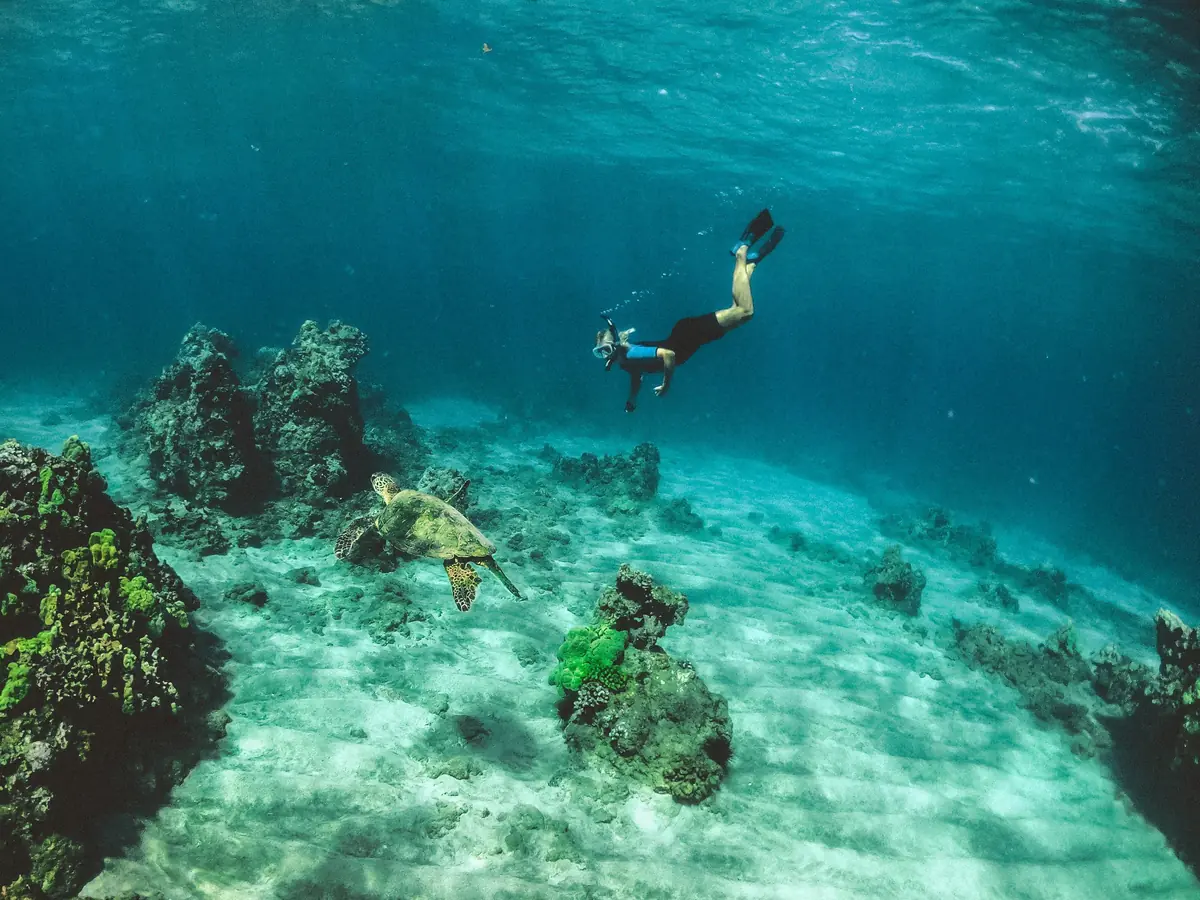
The sea grass beds near Tamarindo Grande and Culebrita host genuine marine biodiversity: giant brain coral formations, slow-swaying purple sea fans, and reliable green sea turtle sightings along the reef edge. The probability of seeing turtles on a calm day is high enough that most operators now advertise it as a near-guarantee.
Pro Tip: From January through March, water around Icacos carries a sharp chill despite air temperatures in the mid-80s°F (around 29°C). The Caribbean retains winter cold longer than the ambient temperature suggests — pack a thin rashguard even on warm days.
Why should west coast travelers skip the east coast entirely?
Travelers staying in Rincón, Aguadilla, or Cabo Rojo should not drive three hours to Fajardo for a crowded 70-passenger party boat when a smaller, quieter catamaran departs within 20 minutes of their hotel. The west coast also opens up humpback whale sightings the east coast cannot match.
The Katarina Catamaran operates out of Black Eagle Marina in Rincón as the exact antithesis of the Fajardo scene. It is a 32-foot (9.7 meters) twin-hull sailboat Coast Guard-certified for 17 passengers. No PA system, no DJ, no mass-produced deli buffet. The route skims past the Tres Palmas Marine Reserve, one of the most protected reef systems on the island.
From December through March, the Mona Passage off the west coast becomes a humpback whale corridor during their annual migration. Sightings on a 2 to 2.5-hour sunset sail are frequent enough that operators build the season into their marketing.
- Location: Black Eagle Marina, Rincón (west coast)
- Cost: $75 to $100 per person for a sunset sail
- Best for: Couples, small groups, whale-watchers, anyone avoiding the Fajardo party scene
- Time needed: 2 to 2.5 hours
Pro Tip: West coast sunset sails book out quickly during humpback whale season. Reserve at least a week in advance from December through March.
What food do you actually get on a catamaran tour in Puerto Rico?
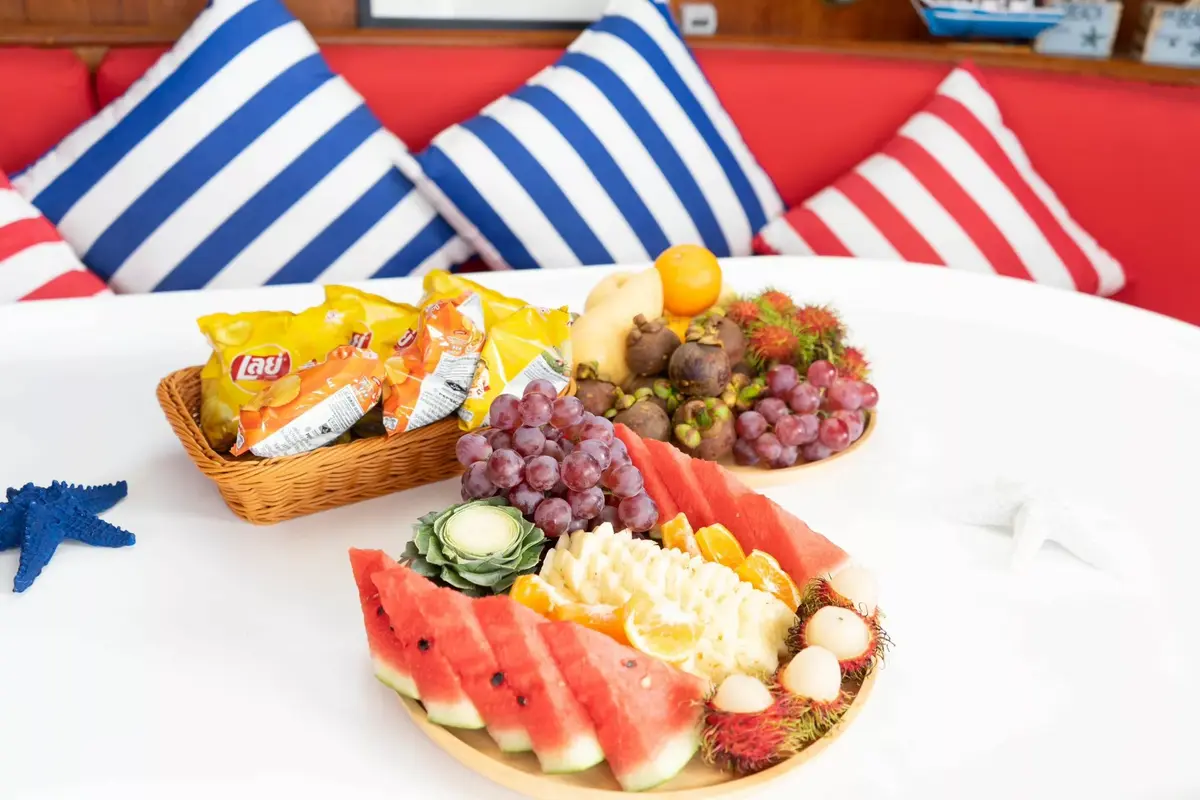
On a standard shared charter in the $120 to $190 per person range, “lunch included” means a deli-style spread: local bread, cold cut meats, pasta salad, and unlimited rum punch served only after snorkeling wraps up for safety reasons. Private charters for six starting around $1,200 operate on a completely different level — champagne, fresh fruit, and an onboard BBQ grilling steak, chicken, or surf-and-turf.
On the shared boats (Traveler Catamaran, SS Tobias), the rum punch flows generously once the swimming is done. Expect no hot food and no dietary substitutions.
At the premium private tier, the captain doubles as grill master. A YETI cooler is stocked with cold drinks, and the food is unrecognizable compared to the shared-boat standard.
One universal rule across nearly every vessel: red wine is banned. A single spill permanently stains the white gelcoat of a fiberglass hull, and no operator will risk it. Bring rosé or whites if BYOB is allowed, and always confirm the BYOB policy before packing glass bottles.
Sailing catamaran vs. power catamaran: which should you book?
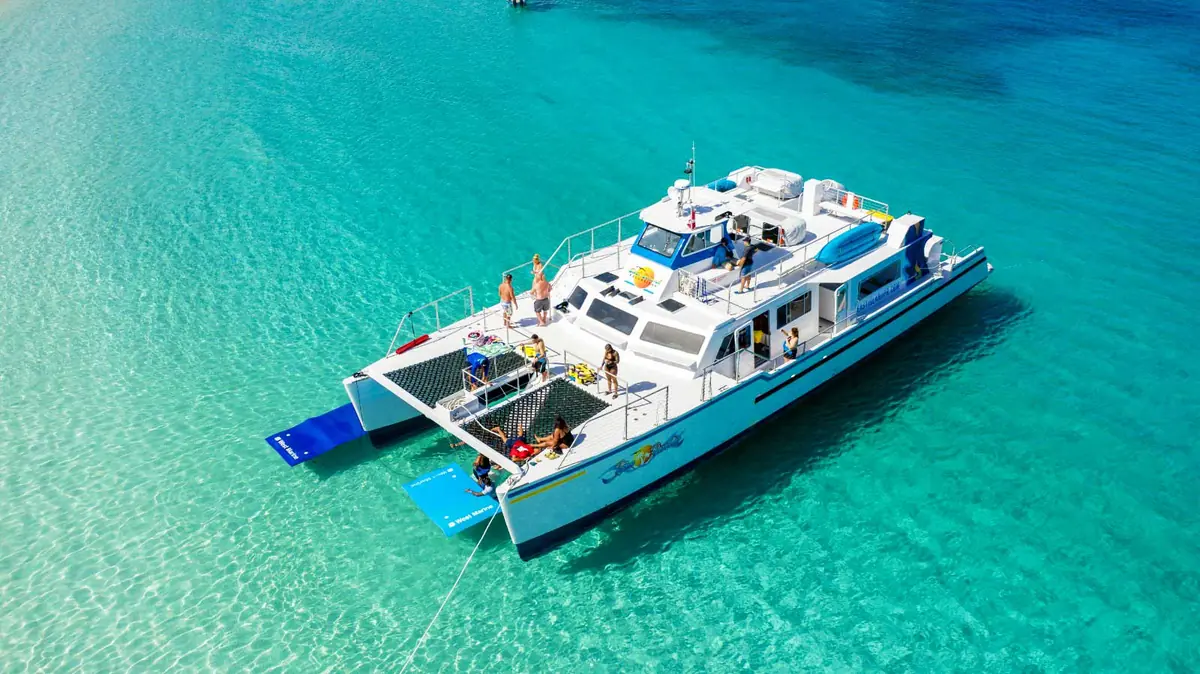
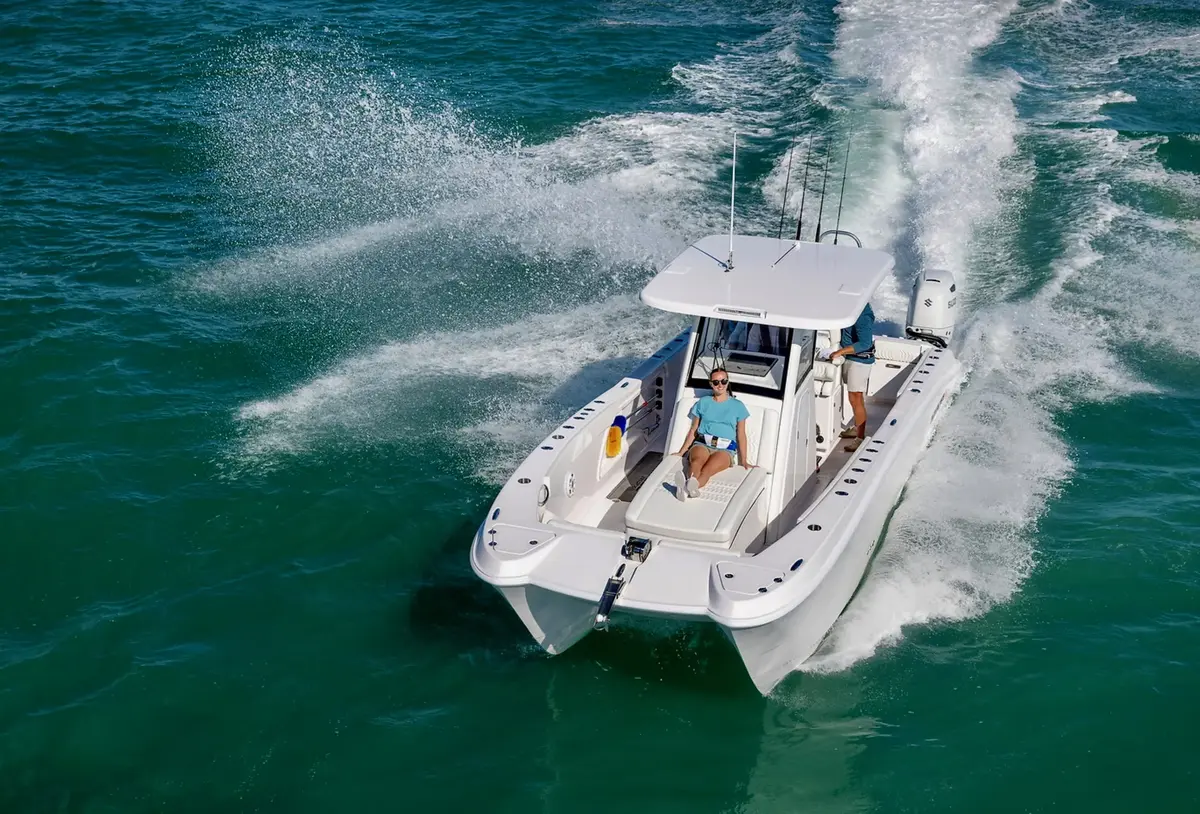
A sailing catamaran moves at the pace of the wind, carries 50 to 70 passengers, and treats the transit as part of the experience. A power catamaran runs twin diesel engines, carries roughly 20 passengers, and is built purely to cut chop quickly and maximize beach time. They deliver almost opposite vacations under the same label.
Sailing catamaran — the slow-travel option
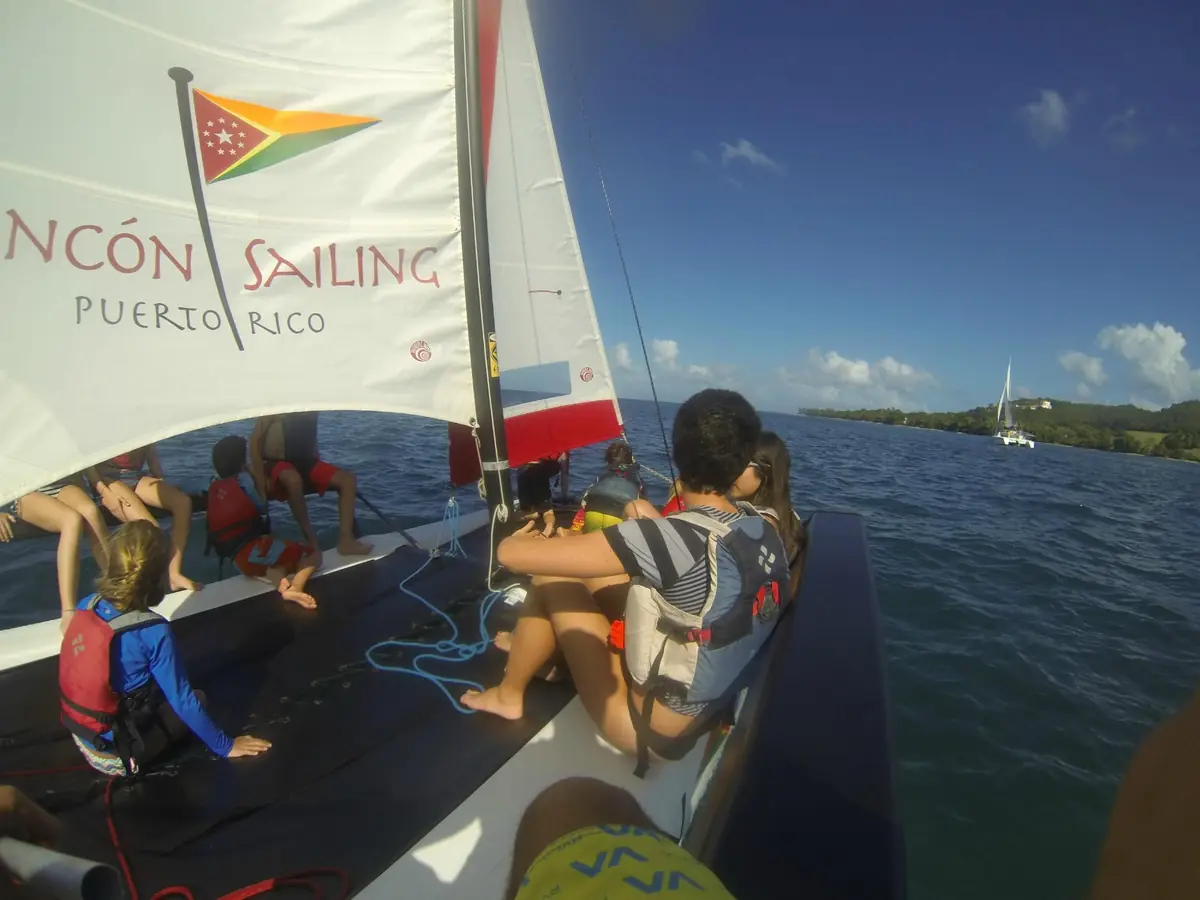
Boats like the East Wind feature built-in water slides, sun nets strung between the hulls, and a genuinely social atmosphere. If you value the glide over the destination clock, this is the correct pick.
Power catamaran — the efficiency option
Boats like the Eco Isleño prioritize transit speed above all else. The trade-off is loud engine noise, a heavy fuel smell on calm days, and the aggressive hull-slamming on the Culebra crossing.
Pro Tip: Ask operators specifically whether the boat uses engine or wind power for the majority of the transit. That one question tells you everything you need to know about the day you are buying.

Before you book
TL;DR: Get the land logistics right — shuttle, DRNA cash, tipping — and the water delivers. Match your destination to your tolerance for swells (Icacos = flat, Culebra = rough, Rincón = mellow), confirm age policies in writing, and know exactly which food tier you are paying for.
The sailing corridors of Puerto Rico cater to families with toddlers, serious snorkelers, and sunset chasers alike — but only if you book the right boat for your actual priorities, not the one with the prettiest drone shot. For travelers still mapping out the rest of their trip, a catamaran day slots neatly into a wider lineup of things to do in Puerto Rico.
Which traveler are you going to be on your trip: an Icacos beach-party regular, a Culebra reef diver, or a Rincón sunset chaser?