Most guides to Fajardo Puerto Rico hand you a pretty photo and a vague beach list. This one hands you the ferry times, lunar windows, rip-current warnings, and the one phone call that will make or break your nature reserve visit.
How do you get to Fajardo Puerto Rico from San Juan?
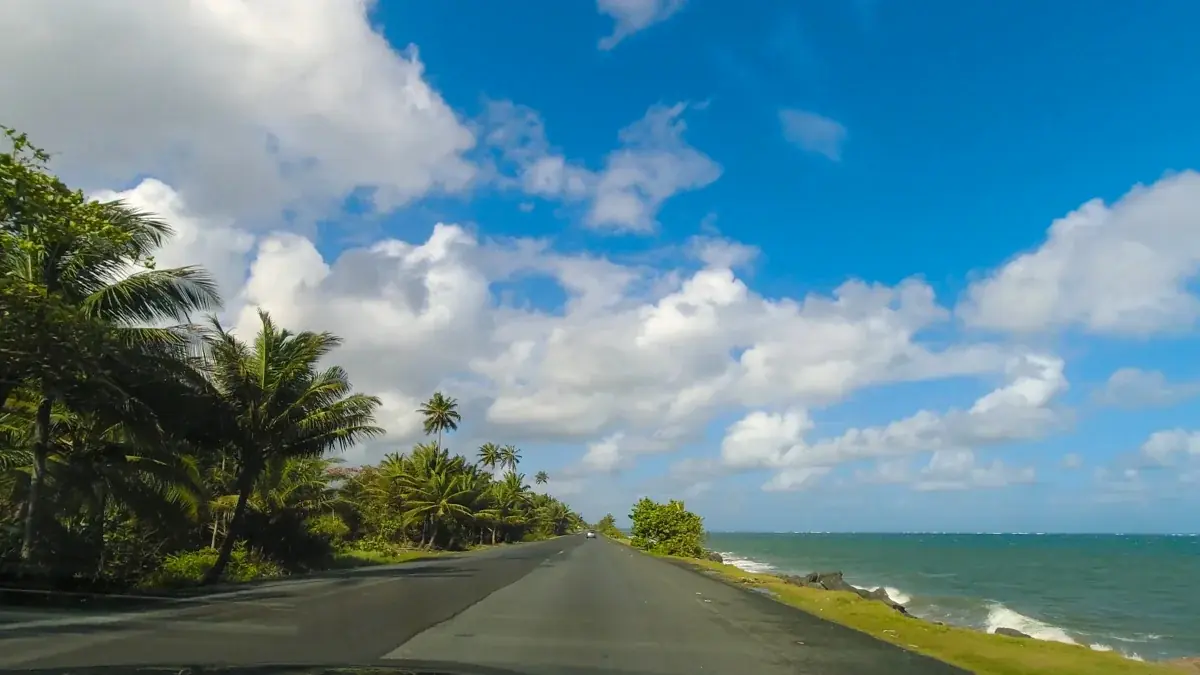
Fajardo sits 35 miles (56 km) east of San Juan, about a one-hour drive via Route 66 (toll road) merging onto Road 3 toward the coast. A rental car is the most reliable option because rideshare availability collapses after dark on the eastern coast. Pre-booked shuttles and Ubers work outbound but fail on the return trip.
The drive out is easy. The drive back is where travelers get stranded, especially after a nighttime bio bay tour. Pre-arrange everything before you leave the capital.
Your three transit options:
- Rental car: $30–$90/day plus tolls, 50–60 minutes, total freedom, mandatory for remote trailheads. Watch for unfamiliar roads and low security at remote beach lots. See our full guide to renting a car in Puerto Rico before booking.
- Pre-booked shuttle (Mozio): $20–$40 per person, 90–120 minutes, stress-free airport pickup. Expect multiple hotel stops along the Condado corridor and rigid scheduling.
- Rideshare (Uber): $60–$90 with surge, 50–60 minutes outbound. Near-impossible to get a return ride at night.
If you are arriving on a late flight, add an extra hour of travel time to any shuttle estimate.
Why rideshare apps will strand you on the eastern coast
Getting an Uber in Puerto Rico is easy inside the capital — and close to impossible on the eastern coast after midnight. The driver pool in the eastern municipalities is a fraction of what you will find in San Juan.
After a 9:00 PM bio bay kayak tour wraps up near Las Croabas, dozens of tourists pull out their phones at the same moment. They face surge prices of $80 or more with 45-minute waits, assuming a driver exists at that hour at all.
Pro Tip: Book a private shuttle or a rental car for any evening involving the bioluminescent bay. This is not a suggestion. I have watched groups of four split a $120 surge fare back to Condado because nobody planned the return.
Is Fajardo Puerto Rico safe for tourists?
Fajardo is generally safe for tourists. The gang-related incidents that occasionally make headlines stay concentrated in specific urban pockets and do not touch the coastal tourist corridors of the northeast. The two real concerns are rental-car break-ins at beach lots and unlit side roads after dark.
Solo female travelers consistently rate the Las Croabas village as comfortable for independent exploration, particularly because accommodations, restaurants, and kayak launches sit within walking distance of each other.
Two practical rules apply everywhere:
- Rental car valuables: Beach parking lots are opportunistic theft zones. Leave nothing visible on seats. Bags, electronics, and loose change all invite smashed windows.
- Nighttime navigation: Stay within the well-lit Las Croabas, Seven Seas, and bio bay launch corridors. Avoid unmarked side roads after dark.
The real danger at Fajardo’s hidden beaches
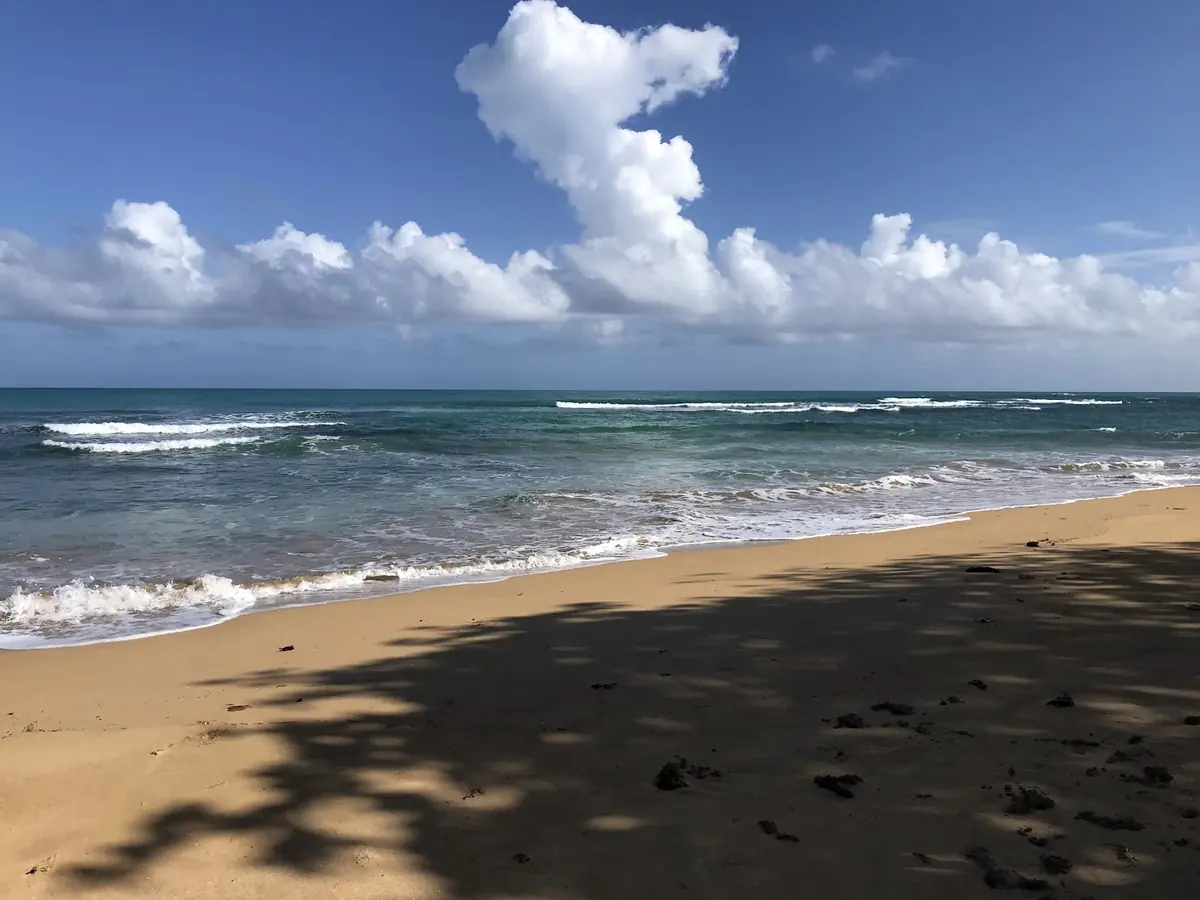
Playa Escondida and Playa Colorá are visually extraordinary and statistically dangerous. Both sit along the northeastern Atlantic coast and are subject to fierce rip currents and immediate deep-water drop-offs just past the surf line. Bloggers share photos of them daily. Almost none mention the currents.
There are no lifeguards. Emergency response takes time. Do not wade past your knees when northern swells are running, and check surf reports before visiting any northeastern beach. A calm surface can hide powerful subsurface pulls.
1. Laguna Grande bioluminescent bay
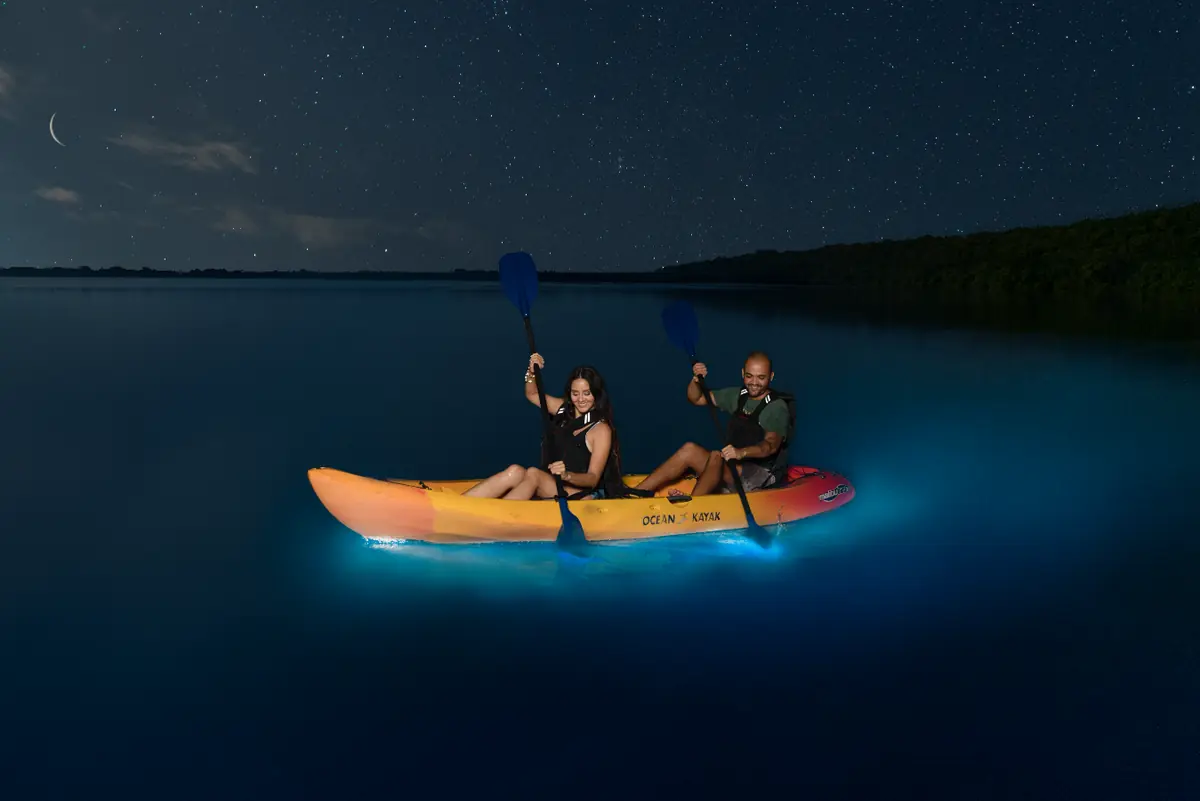
Paddling into a pitch-black mangrove lagoon and watching your kayak paddle ignite with neon blue-green light is the single experience that defines Fajardo Puerto Rico. The glow comes from Pyrodinium bahamense dinoflagellates, single-celled organisms that emit a burst of bioluminescence when physically disturbed. Every stroke trails a bright wake, and fish darting beneath the hull flash like blue sparks in black water.
The approach matters as much as the destination. A narrow channel through dense red mangroves is the only way into the open lagoon. Inside the canopy the air turns earthy and sulfur-laced from humidity and decomposing leaf litter. It is not unpleasant. It is the smell of a functioning ecosystem. Puerto Rico Bio Bay Tours is the original outfitter running kayak and electric-boat trips from Las Croabas — compare operators in our full roundup of bioluminescent bay tours in Puerto Rico.
- Location: Las Croabas, Fajardo (about 10 minutes from the town center)
- Cost: around $68/person for guided kayak tours
- Best for: Couples, families with older kids, adventure travelers
- Time needed: 2–3 hours including briefing and return paddle
How do you pick the right night for the bio bay?
The moon will ruin your tour if you let it. Ambient moonlight washes out the dinoflagellate glow entirely, so the darker the sky the more dramatic the effect. The booking formula is simple: plan your tour within three days before or three days after the new moon. Avoid any date within three days of a full moon.
How each lunar phase performs:
- New moon (3 days before/after): Maximum neon glow. Book weeks ahead — these slots sell out first.
- First or third quarter: Moderate to strong visibility. Book the latest available slot (8:00 PM or later) so the moon is lower on the horizon.
- Full moon (3 days before/after): Minimal to zero glow. Pivot to a guided mangrove eco-walk instead.
- After heavy rainfall: Highly variable. Fresh-water runoff drops the salinity and suppresses dinoflagellate activity. Call the outfitter the afternoon of your tour.
Pro Tip: DEET-based bug spray is banned on every bio bay tour because the chemicals kill the dinoflagellates. Pack picaridin or oil of lemon eucalyptus instead, and apply it at the car before you reach the launch.
2. Las Cabezas de San Juan nature reserve
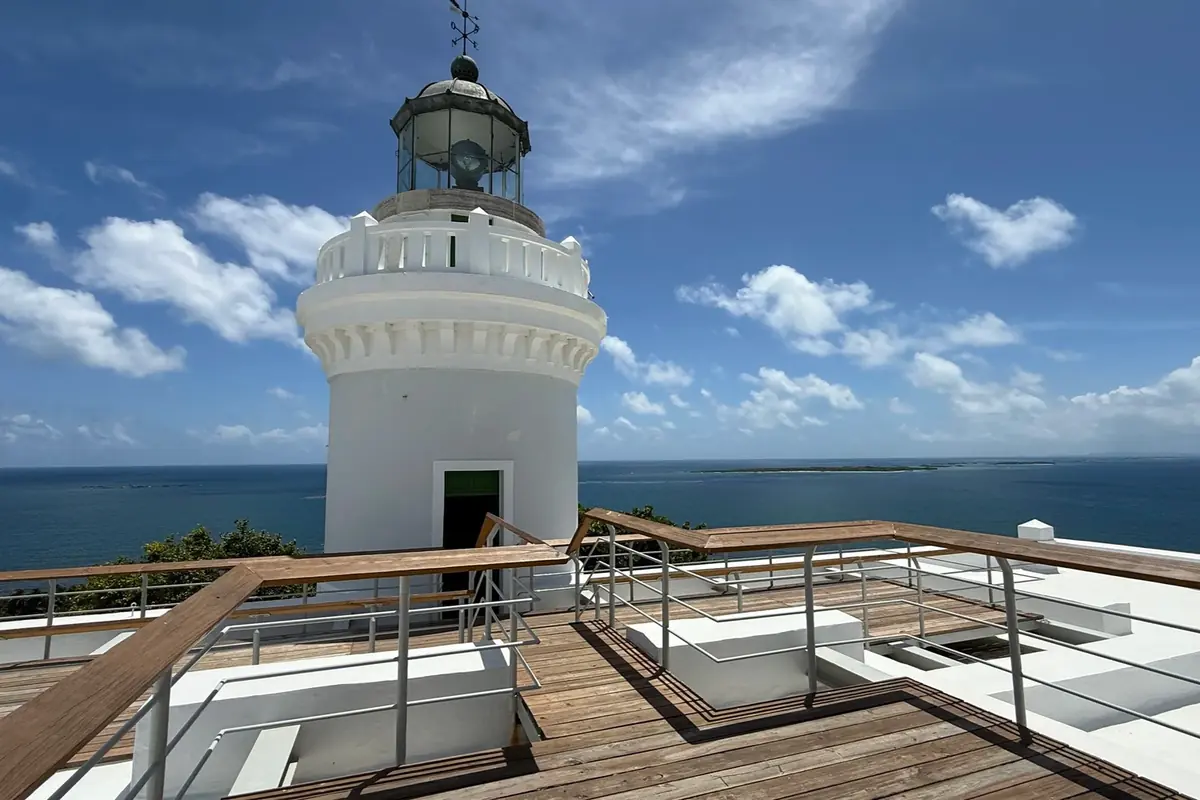
At the northeastern tip of the island, a 316-acre protected reserve wraps around a 19th-century Spanish colonial lighthouse with sweeping views of the Atlantic, the offshore cays, and the distant outline of the US Virgin Islands. The reserve is gated and runs exclusively by guided trolley tour with mandatory advance reservations.
How do you actually book the Las Cabezas nature reserve?
There is no online booking system. You must call Para la Naturaleza directly at 787-722-5882 during their operating hours to secure a spot. This is the single most common mistake travelers make in Fajardo — they read about the lighthouse, drive 20 minutes to the gate, and get turned away because walk-ups are not accepted.
- Location: Road 987 Km 6.0, Las Cabezas, Fajardo
- Cost: $12–$15/person for the guided trolley tour (senior and student discounts apply)
- Best for: Nature enthusiasts, history travelers, families
- Time needed: 2.5 hours
3. Balneario Seven Seas
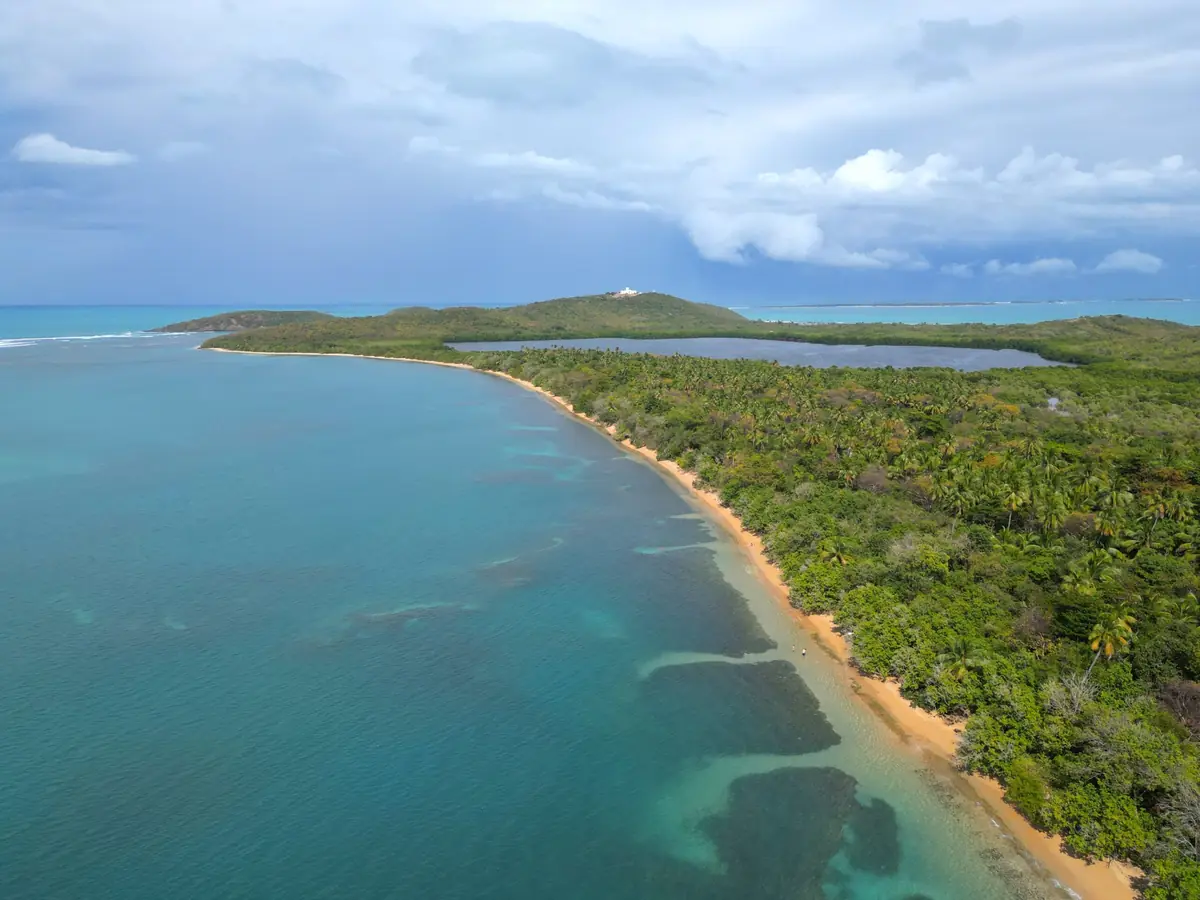
Seven Seas is Fajardo’s primary public beach and earns that status. The crescent-shaped cove blocks most of the open-ocean swell, which produces consistently calm, clear water. That calm makes it ideal for entry-level snorkeling in Puerto Rico and young children. Palm and almond trees line the inland edge, giving you genuine shade without renting an umbrella.
The beach has paid parking, rentable lockers, and public shower facilities — all three worth using. The parking lot is monitored, which matters for the rental-car security concern above. Seven Seas also works as the staging point for two of the best hikes in the area: the trail to Playa La Matita and the rugged route to the La Zanja natural pool.
- Location: Road 987, Fajardo (north of the town center)
- Cost: Parking fee applies; beach access is free
- Best for: Families, snorkelers, base camp for coastal hikes
- Time needed: Half day minimum
How do you hike to La Zanja natural pool?
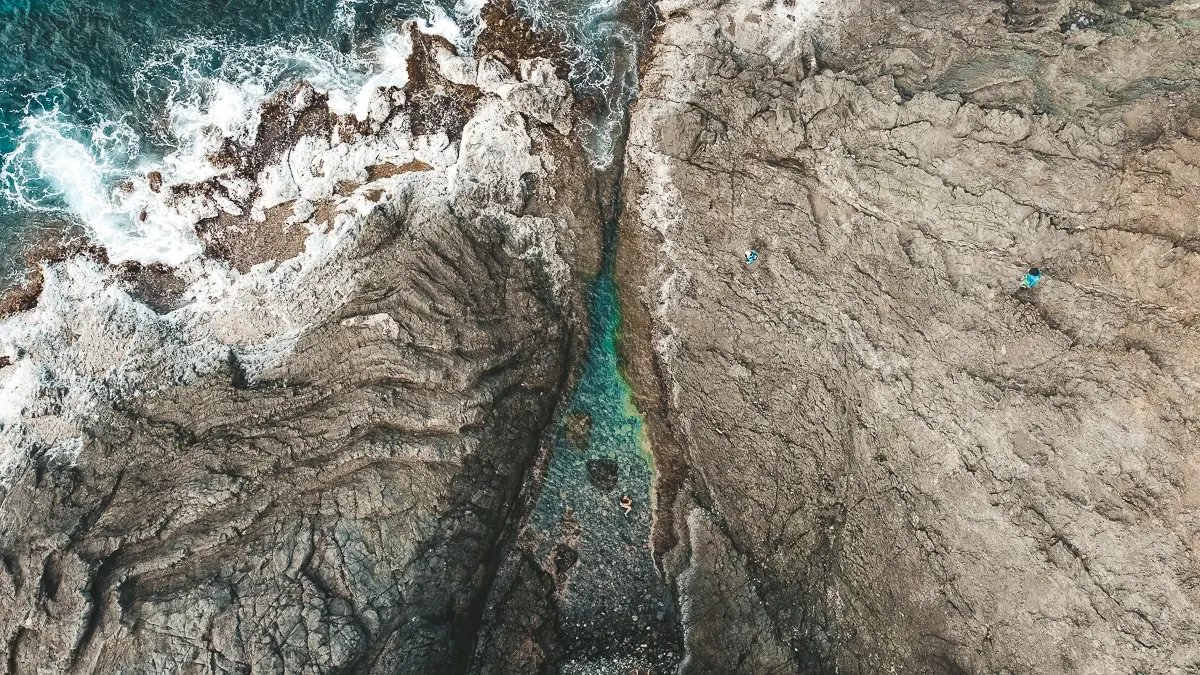
La Zanja is a cliff-enclosed pool where Atlantic surge pushes through a narrow rock channel. It is one of the most dramatic natural features on the eastern coast and one of the hardest to reach without a proper map. The route runs about 0.3 miles (500 m) past Playa La Matita across dark volcanic rock.
Follow this exact sequence:
- Start at the Seven Seas malecón (boardwalk).
- Walk northeast along the soft sand of Playa La Matita.
- When the sand ends, enter the tree line.
- Navigate roughly 0.3 miles (500 m) of sharp, uneven volcanic rock angled toward the coast.
The transition from powdery sand to volcanic field is jarring. Humidity inside the tree corridor is stifling until the tree line breaks, then the Atlantic wind hits and the sound of surge crashing through the rock channel confirms you have arrived.
Pro Tip: Closed-toe shoes are non-negotiable. The volcanic rock will shred sandals and twist ankles. Skip this hike if you have knee problems or limited mobility, and skip the pool itself on high-swell days when the surge fills it and makes entry dangerous.
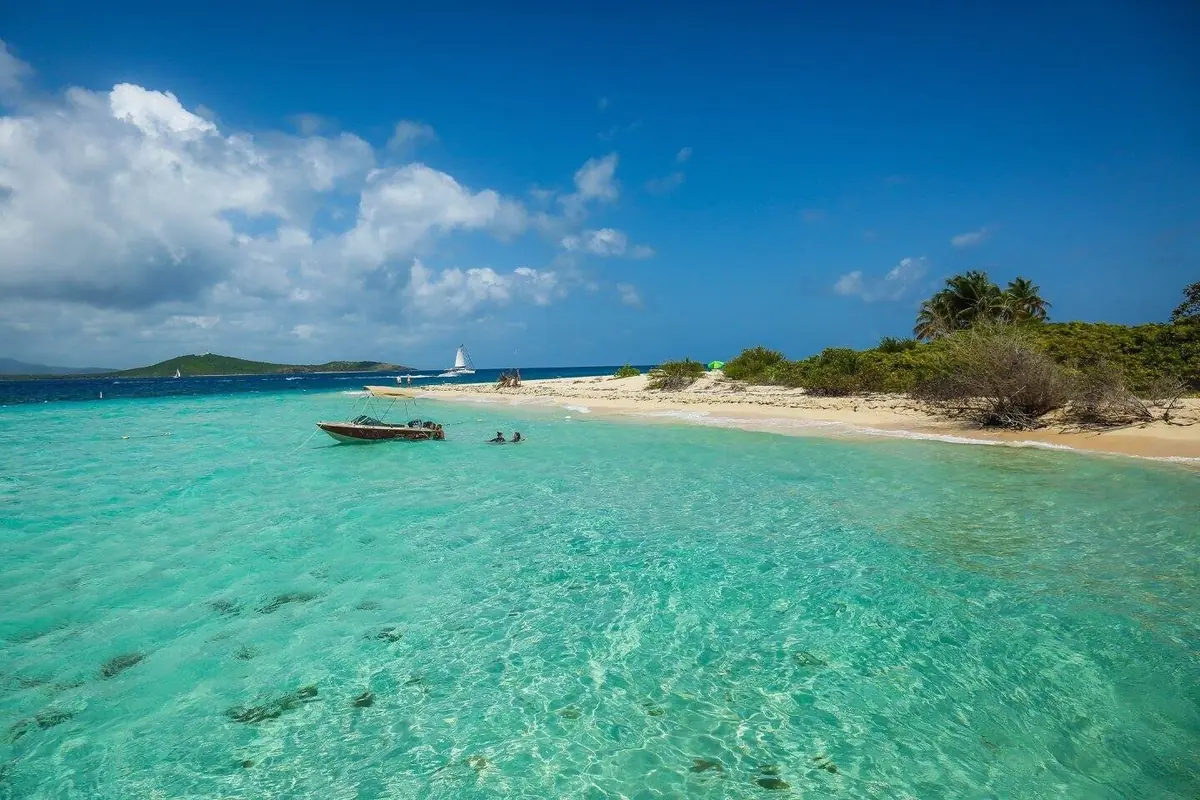
How do you get from Fajardo to Culebra and Vieques?
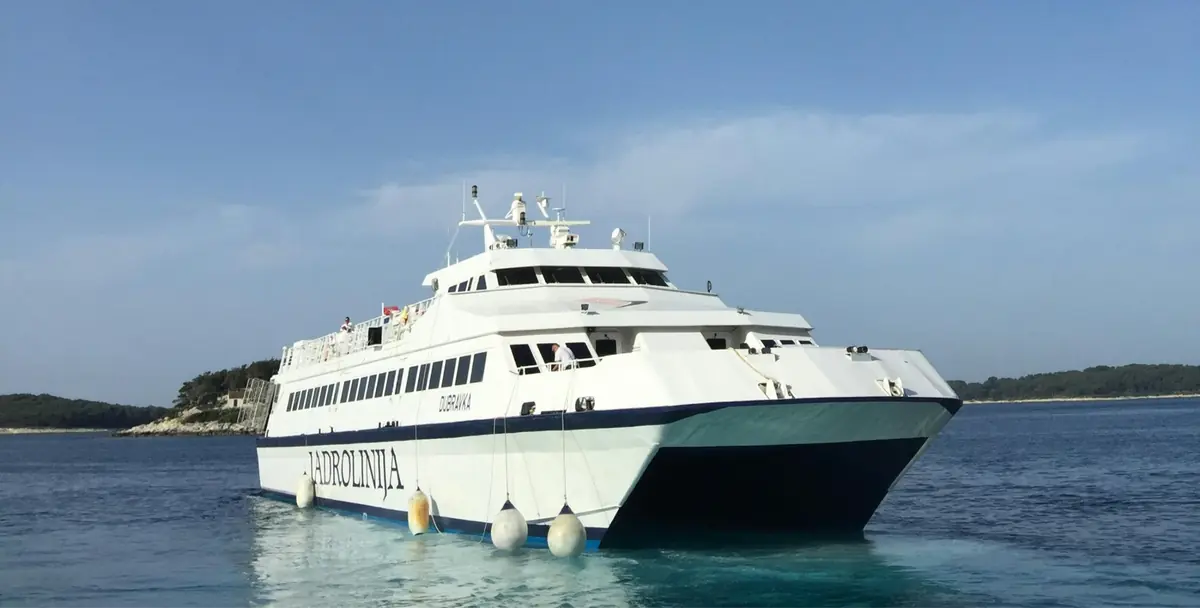
The Spanish Virgin Islands of Culebra and Vieques are accessible by the Ceiba ferry terminal, about 15 minutes south of Fajardo’s town center. The ferry costs roughly $2 per person each way, which has made it one of the most competitive tickets in Puerto Rico. Buy tickets weeks in advance through the official online portal — walk-up is not a viable strategy during peak travel.
Sold-out crossings are the norm, not the exception. For travelers who miss the ferry or get seasick, small propeller flights from the adjacent regional airport reach both islands faster and more comfortably, but at significantly higher cost.
Pro Tip: GPS the Ceiba terminal specifically, not Fajardo town. Travelers routinely navigate to the old San Juan-era ferry location and miss their crossing.
Culebra or Vieques — which island wins your only day?
If your schedule allows only one offshore island, pick by what you want out of the trip:
- Choose Culebra for beaches. Flamenco Beach is a 1-mile (1.6 km) arc of white sand that consistently ranks among the top beaches in the Caribbean. Tamarindo Beach is the standout for sea turtle snorkeling. Culebra works as a day trip.
- Choose Vieques for bioluminescence. Mosquito Bay holds a Guinness World Record for the highest concentration of dinoflagellates in any body of water on earth. The island covers 50 square miles (130 sq km) with roaming wild horses and far less tourist density. Vieques requires an overnight stay — the bio bay is a night experience and the last ferry leaves before dark.
Where should you eat in Fajardo Puerto Rico?
Skip the overpriced tourist spots on the main road and eat where locals actually spend their weekends. The three picks below cover street food, breakfast with a view, and same-day seafood straight off the boat. All three are within a 20-minute drive of Las Croabas.
The Kioskos de Luquillo
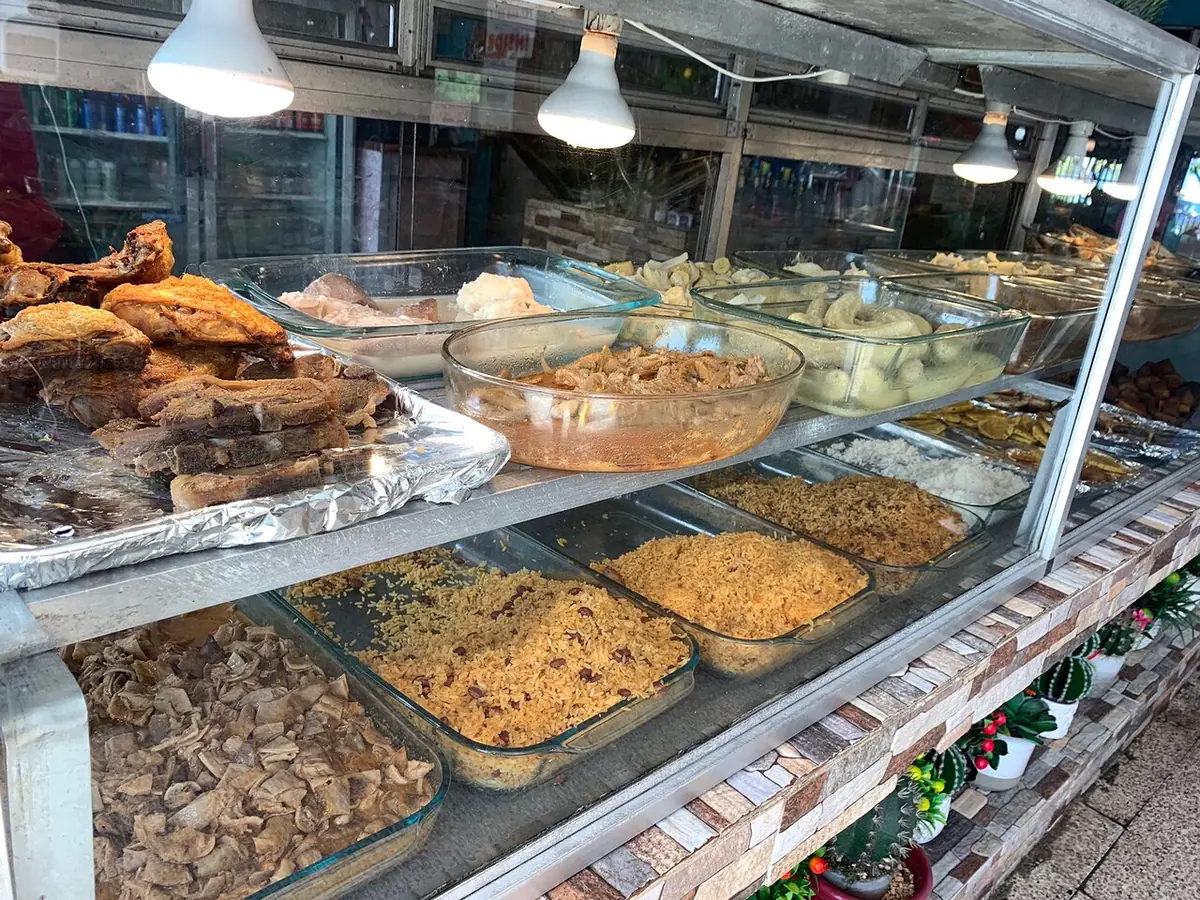
A short drive west on Road 3 brings you to the Luquillo kiosk strip — one of the most concentrated authentic food corridors on the island. Over 60 family-owned stands line a palm-backed public beach. Work through slow-roasted lechón asado, a plate of mofongo, or handheld grilled pinchos. For something quick, the alcapurrias and pastelillos stuffed with fresh seafood are exactly what every other food guide is trying to approximate. This is not a tourist trap — it is where locals eat on weekends.
Las Vistas Cafe
Perched on the hill above the Siete Mares Bay Inn in Las Croabas, Las Vistas earns its reputation twice: once for the 360-degree view of the bay, the lighthouse, and the offshore islands, and again for the food. Order the arepa eggs Benedict — the English muffin is replaced with a deep-fried wheat arepa whose exterior shatters with an audible crunch, with steaming fluffy interior under smooth hollandaise. The coconut-banana pancakes are the other non-negotiable. A consistent ocean breeze crests the hillside terrace. Breakfast here is easily one of the best two hours you will spend in the area.
Ocean View Restaurant
Commercial fishermen dock directly at the Las Croabas marina, which means the seafood at the marina-adjacent restaurants is hours, not days, out of the water. Order the mahi-mahi, the garlic-sauce grouper, or anything served with fried breadfruit on the side.
4. El Conquistador Resort
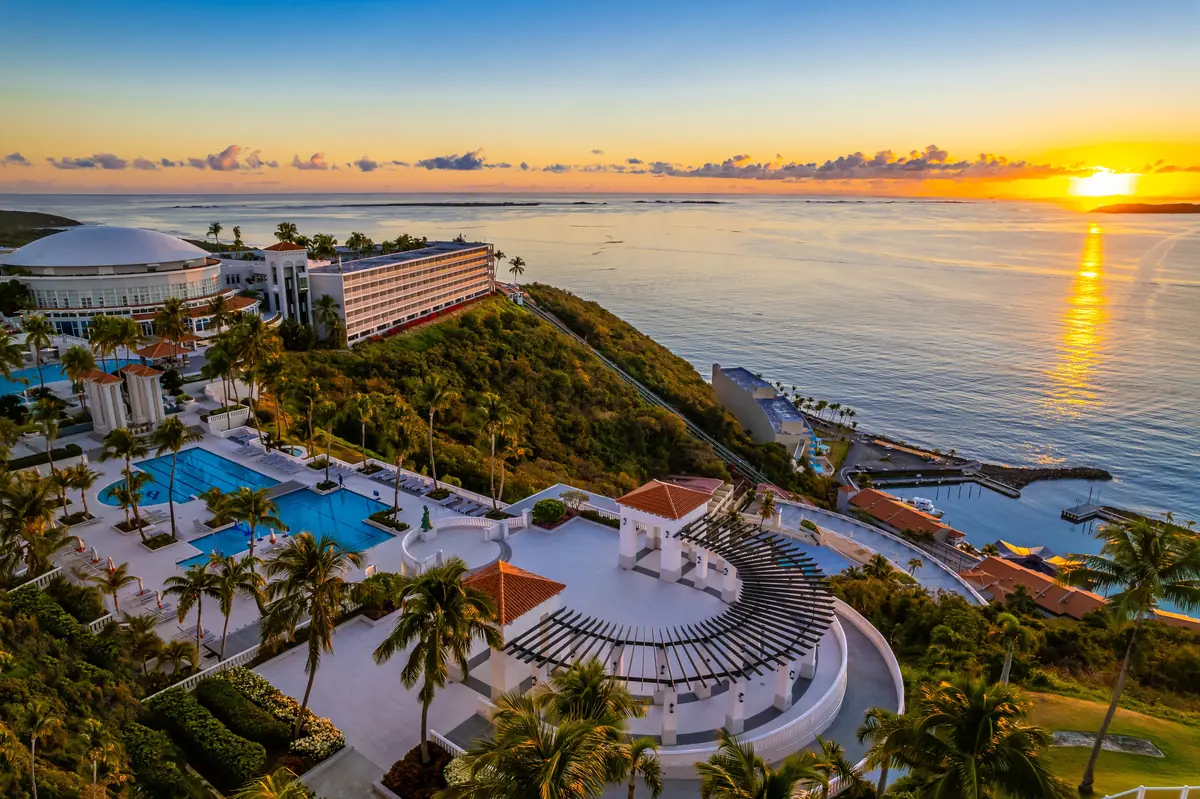
El Conquistador commands a 300-foot (91 m) coastal cliff above the northeastern shoreline. It is logistically its own small town, and first-time guests are routinely confused about how to navigate it. A cable-railway funicular moves guests from the clifftop main lobby down to the marina level — use it, because the gradient is not walkable with luggage. It regularly appears on our list of the best resorts in Puerto Rico for travelers who want a self-contained base.
Pro Tip: The resort’s private Isla Palomino is reached by a dedicated ferry with a strict 10:00 AM to 3:00 PM operational window and limited slots. Request your passage at check-in. Miss that window and you miss the island entirely — there is no second ferry.
- Location: 1000 El Conquistador Ave, Fajardo
- Cost: from around $249/night for Las Brisas rooms; day-use options vary
- Best for: Luxury travelers, families, couples who want a self-contained resort
- Time needed: 2+ nights to justify the funicular logistics
5. Siete Mares Bay Inn
For travelers who want to walk to the bio bay launch, the reserve trailhead area, and Las Vistas Cafe without touching a car key, the Siete Mares Bay Inn in Las Croabas is the most strategically located property in the area. The inn sits directly beneath the cafe and within a ten-minute walk of the Laguna Grande kayak departure point. You avoid nighttime driving on unfamiliar roads and the surge-priced rideshare gamble after the tour wraps up.
It is a small, eco-focused property — the exact opposite of El Conquistador, which is the point.
- Location: Las Croabas neighborhood, Fajardo
- Cost: Mid-range; verify current rates directly with the property
- Best for: Eco-travelers, couples, anyone prioritizing bio bay access
- Time needed: 2 nights to cover the bio bay and the reserve
Before you book
Fajardo Puerto Rico rewards preparation more than almost any destination in the Caribbean. Get three things right and the rest of the trip follows: check the lunar calendar before booking the bio bay, call Para la Naturaleza at 787-722-5882 before driving to the nature reserve, and pre-arrange your return transportation before you paddle into the dark. For the bigger picture, pair this guide with our complete Puerto Rico travel guide.
TL;DR: Book the bio bay within three days of a new moon, reserve Las Cabezas by phone (not online), and never rely on rideshare for the return trip after a night tour. These three decisions separate a great Fajardo trip from a frustrating one.
What is your biggest question about planning a trip to Fajardo Puerto Rico — the bio bay timing, the Culebra vs. Vieques call, or something else? Drop it in the comments.