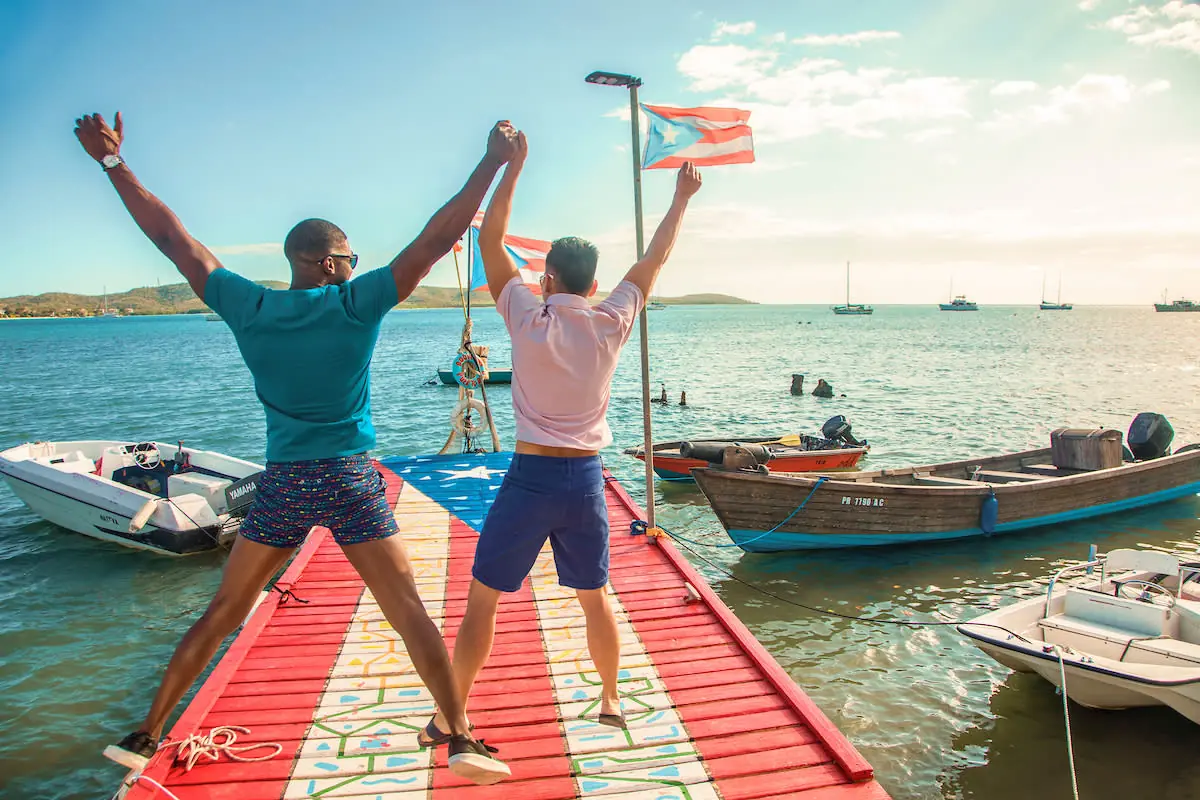
You’ve seen the photos — water that flares electric blue at every paddle stroke. Book the wrong night, the wrong bay, or the wrong operator and you’ll stare at black water for an hour. This guide gives you a plan for Puerto Rico bioluminescent bay tours that actually works, and it pairs well with a complete Puerto Rico travel guide if you’re still building the wider trip.
Does the moon phase ruin bioluminescent bay tours?
Yes. A bright moon will wash out any bioluminescent bay tour, no matter how good the operator or how calm the water. The single biggest factor in what you see is the moon phase — book within three days on either side of the new moon, and skip any tour running on a full moon, even under tarps.
Bioluminescent bays glow because of microscopic organisms called dinoflagellates that emit a faint blue-white light when agitated. That light is so dim that even a half-lit moon drowns it out. Watch out for operators who run full-moon tours under canvas tarps — it’s a claustrophobic workaround that most repeat visitors rate a disappointment.
Pro Tip: Cross-reference your travel dates against a lunar calendar before you book anything. Non-refundable tours on a full moon are money wasted. Standard group kayak tours run $48 to $76 per person; private sunset-kayak combos scale from $525 to $1,775 depending on group size.
Which Puerto Rico bioluminescent bay should you pick?
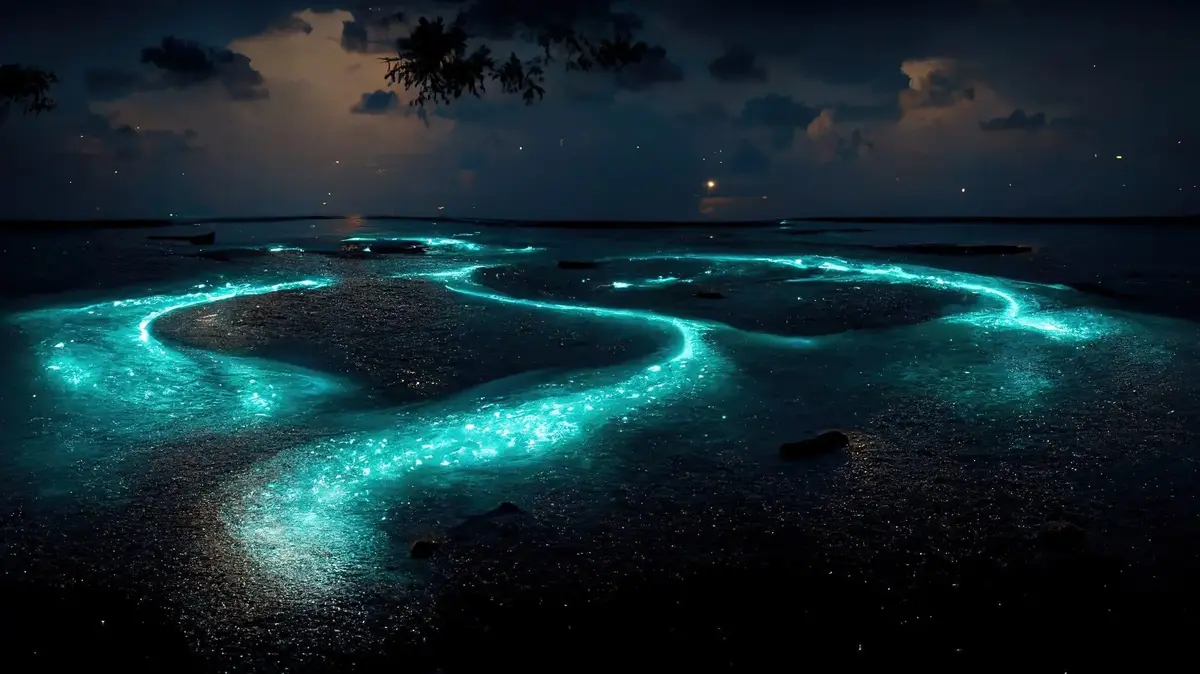
There are three accessible bio bays in Puerto Rico, and they are not interchangeable. Mosquito Bay in Vieques is the brightest on the planet and worth the overnight trip. Laguna Grande in Fajardo is the easiest day-trip from San Juan. La Parguera in Lajas is the dimmest but the only one where you can legally get into the water.
1. Mosquito Bay, Vieques
Mosquito Bay holds the Guinness World Record for the highest concentration of bioluminescent dinoflagellates on Earth. Vieques is undeveloped and has almost no light pollution, so the effect is immediate — every paddle stroke looks like a sub-aquatic meteor trail peeling off the stern. Fish darting under your kayak leave visible comet streaks.
This is the definitive pick if you want the purest, most intense version of the experience. The tradeoff is simply getting to the island.
Quick Stats:
- Location: Vieques Island, off the eastern coast of Puerto Rico
- Cost: $48 to $75 per person for group kayak tours
- Best for: Eco-purists, couples, travelers with flexible itineraries willing to overnight
- Time needed: Overnight stay on Vieques; tour itself runs about 2 hours
2. Laguna Grande, Fajardo
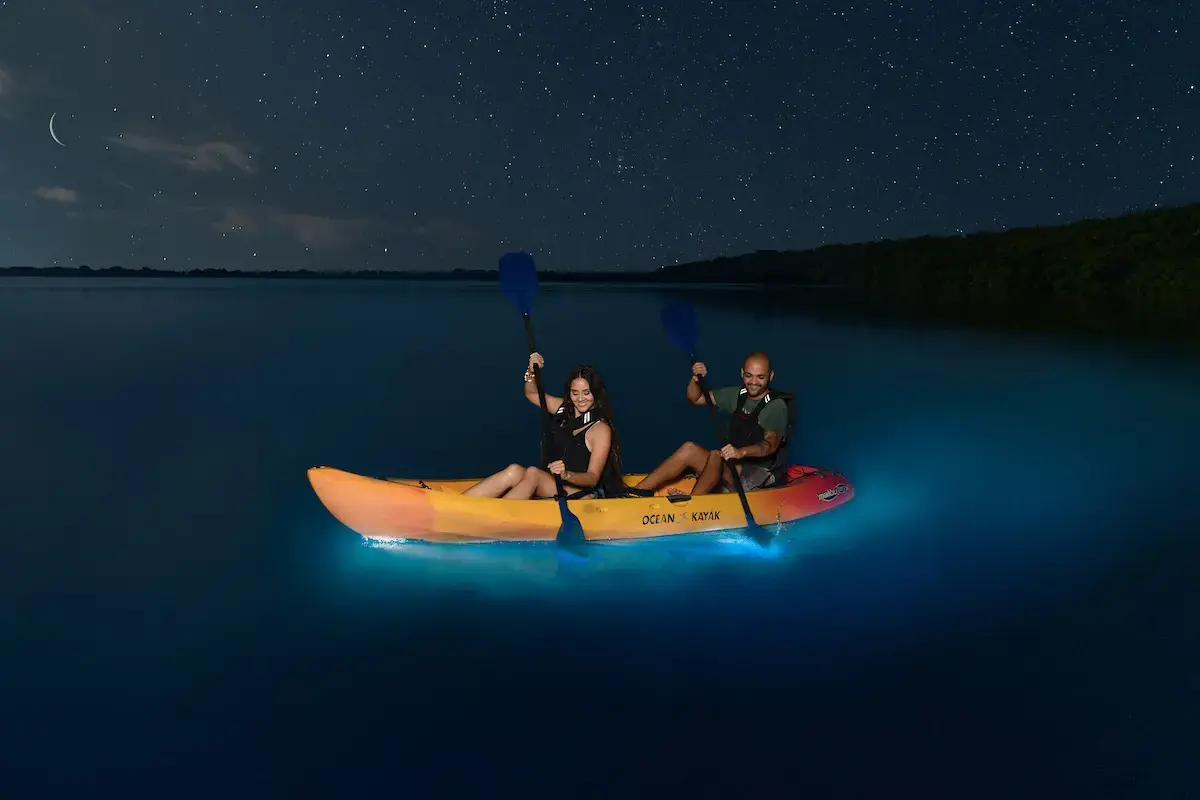
Laguna Grande sits on the eastern tip of the main island, about a 40-mile (64 km) drive from San Juan. It’s technically a lagoon, reached by paddling through a long, narrow canal canopied by mangroves. The air drops noticeably cooler as the canopy closes overhead and the smell shifts to that salt-and-decomposing-mangrove mix — earthy, heavy, unmistakably alive.
The glow is slightly less intense than Vieques, but the convenience is unmatched. For most travelers looking to fit Puerto Rico bioluminescent bay tours into a San Juan trip, basing yourself in Fajardo is the right call.
Quick Stats:
- Location: Las Croabas, Fajardo, on the eastern coast
- Cost: $55 to $75 per person
- Best for: Day-trippers, families staying in San Juan, first-time visitors
- Time needed: Full evening; 1.5 hours on the water plus 1-hour drive each way from San Juan
3. La Parguera, Lajas
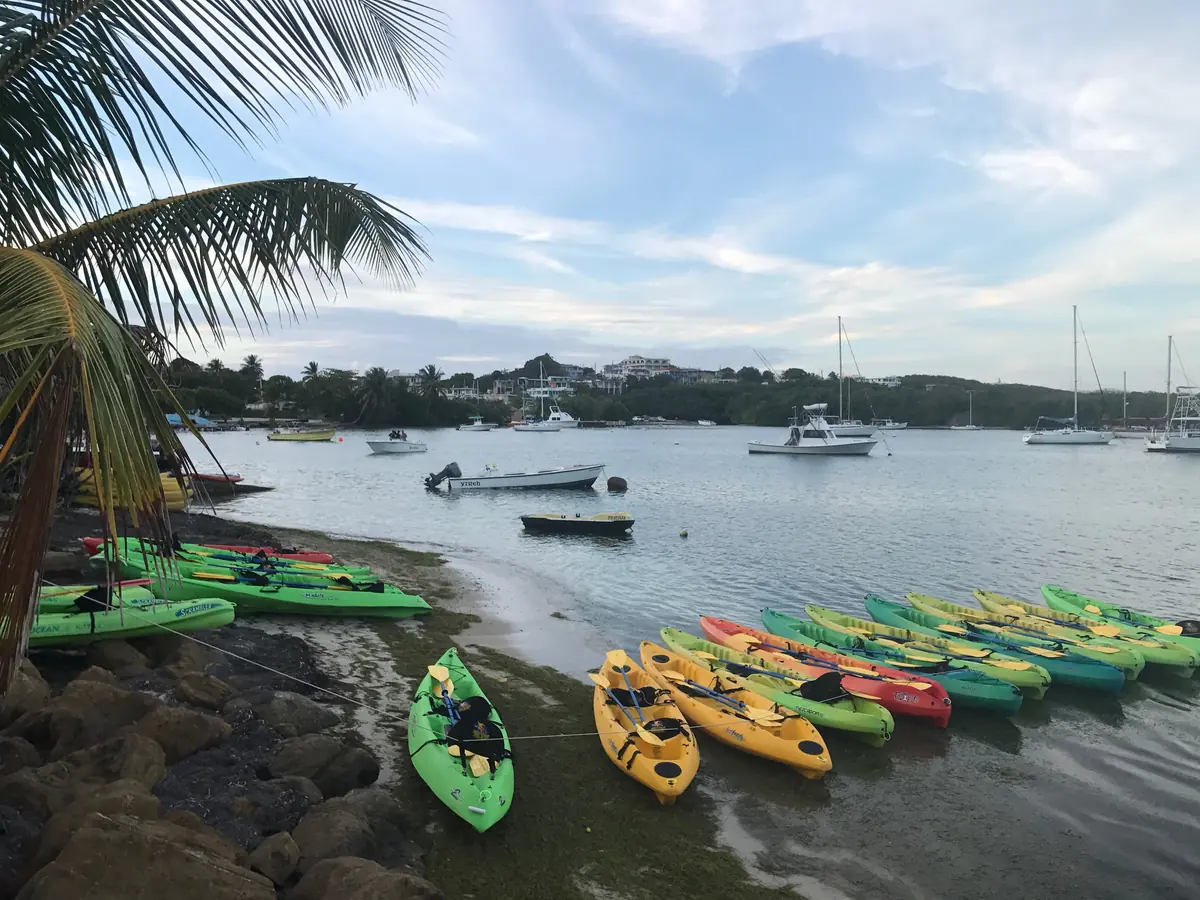
La Parguera is the dimmest of the three, but it’s the only bay where some operators still allow direct water contact — meaning you can swim through glowing blue waves for a wildly different, more physical experience. It’s also the only bay where motorized boats are the norm instead of kayaks, which makes it the most accessible option physically but the least intimate visually. If you’re already working through a Guánica and La Parguera travel guide, slotting the bay tour into that leg is a natural fit.
Quick Stats:
- Location: Lajas, on the southwestern coast
- Cost: $15 to $45 per person; private boat tours run higher
- Best for: Adventure travelers and anyone already exploring the southwest coast
- Time needed: About 2 hours on the water
How do you get to Vieques — ferry or flight?
You have two options: the passenger ferry from Ceiba (cheap, slow, unpredictable) or a 20-minute flight from San Juan (expensive, fast, reliable). If your schedule is tight or you’re visiting during high season from December through April, fly. If you have flexibility and want the bargain, take the Ceiba ferry and pad your buffer.
The ferry departs from the Ceiba terminal on the eastern coast. A one-way adult non-resident ticket now runs $11.25 per person following the Puerto Rico Ferry (Hornblower) fare increase that took effect in early 2026 — still cheap, but no longer the $2 bargain older guides reference. Arrive at least one hour before departure (the official cutoff), and realistically two hours in high season. Boarding priority legally goes to Vieques residents first.
The terminal runs with the chaos of any working commercial port: overlapping announcements, diesel rumble from cargo ferries, midday heat bouncing off asphalt, and no guarantees. Taking a rental car on the cargo ferry is difficult and usually unavailable to tourists — park at the terminal’s monitored lot for about $8 per day and handle renting a car in Puerto Rico on Vieques itself instead.
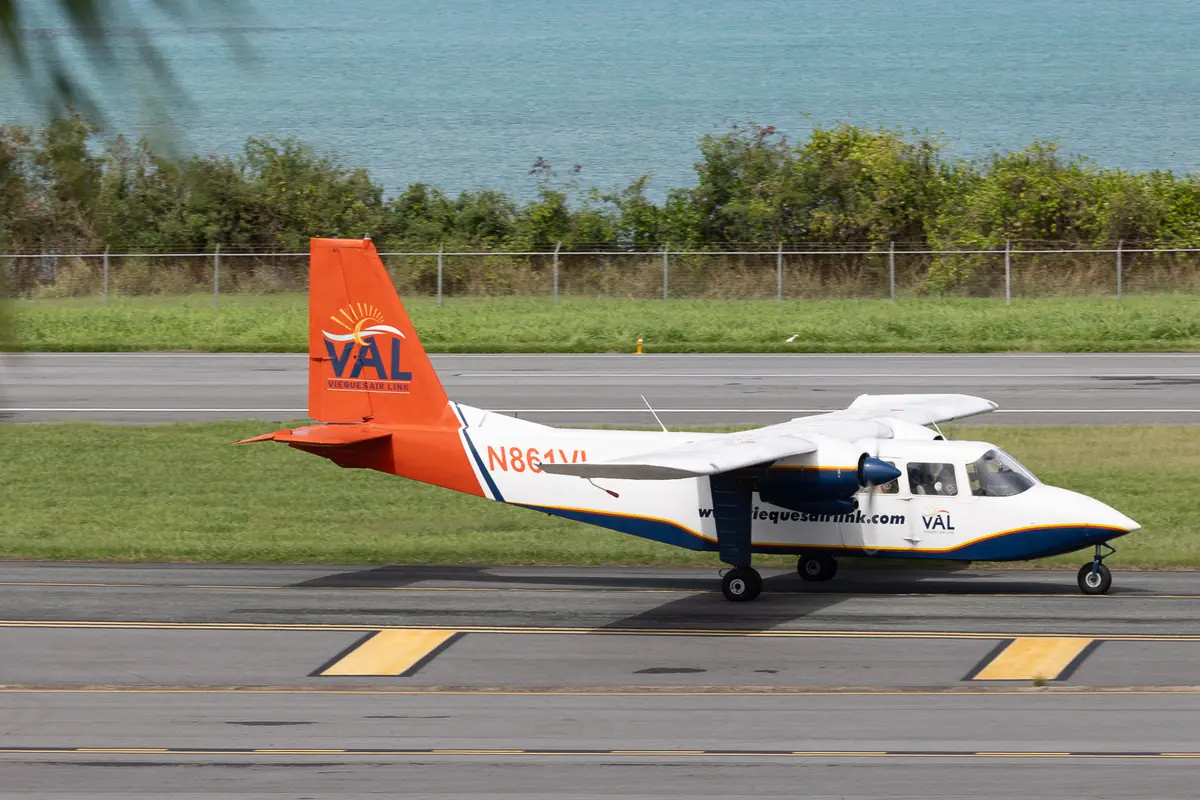
Pro Tip: If you value your sanity and have the budget, fly. Regional carriers like Vieques Air Link run routes from San Juan (SJU and Isla Grande) and Ceiba several times a day. Expect to pay around $200 or more per person round-trip from SJU, but the flight takes about 20 minutes versus hours of terminal uncertainty.
Which kayak or boat should you book?
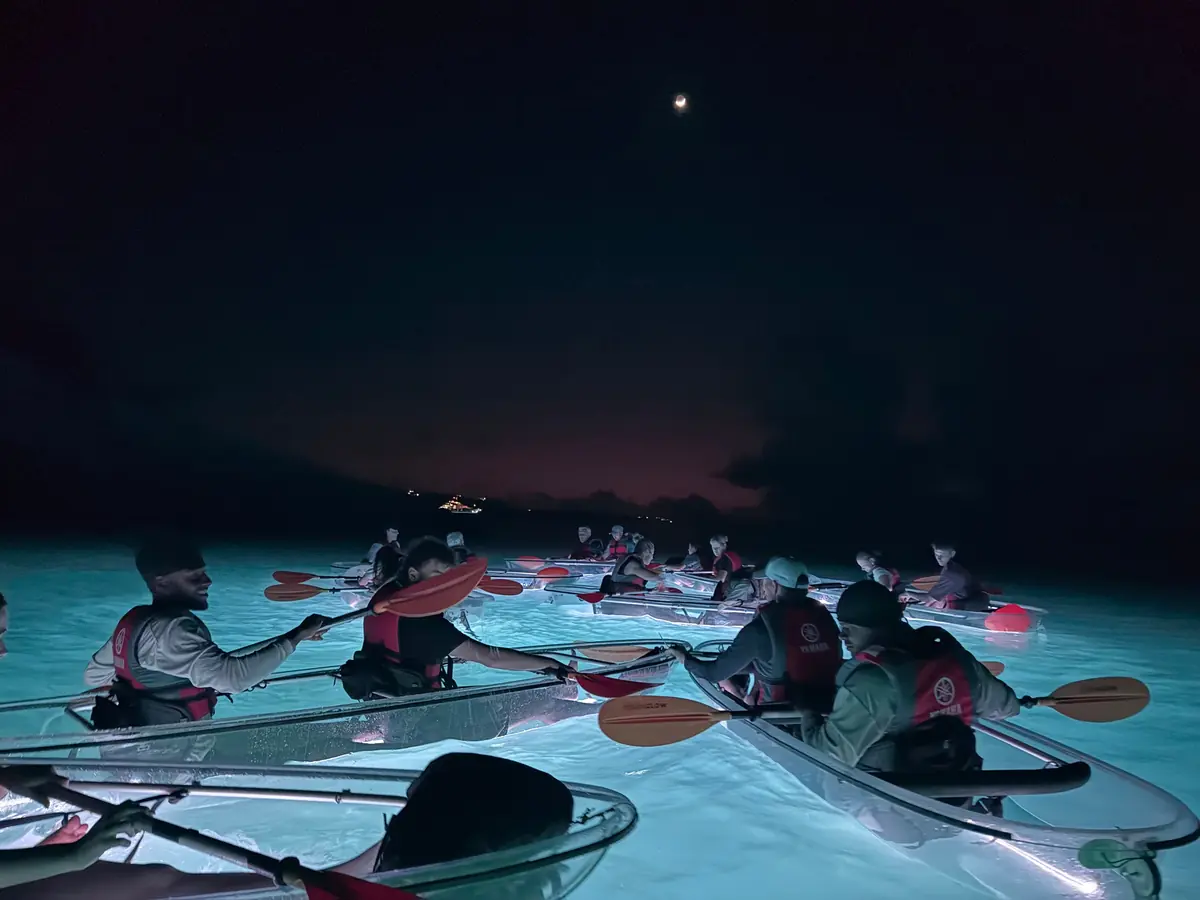
Your vessel directly affects how much of the glow you actually see. Clear-bottom kayaks are the most immersive and worth the upgrade if available. Standard tandem kayaks still work well but show the glow only around the paddle. Electric pontoon boats trade intimacy for stability and are the right call for families with small kids or anyone with mobility concerns.
Clear-bottom kayaks are built from transparent polymer composites, not glass. The see-through hull lets glowing water rush directly beneath you, creating a full three-dimensional light display under your feet.
Standard tandem kayaks remain the industry workhorse, and you’ll still see blue sparks flare and fade with every stroke — but the effect is perimeter-only, not under you.
Electric pontoon boats sit higher above the water, which reduces the visual intensity, but they’re stable and require no physical effort. For Laguna Grande in particular, they’re often the only realistic option for travelers who can’t manage a 90-minute paddle.
Pro Tip: Request a clear-bottom kayak at the time of booking. Many operators run mixed fleets and offer them as a small upgrade, but you have to ask specifically — they don’t assign them by default.
What should you avoid putting on your skin before a bio bay tour?
Standard sunscreens and DEET-based bug sprays are toxic to bioluminescent bays and kill the dinoflagellates that produce the glow. Before any Puerto Rico bioluminescent bay tour, switch to a mineral sunscreen with zinc oxide or titanium dioxide and a botanical insect repellent — both belong on any serious Puerto Rico packing list. This applies even if you applied the product hours earlier — residue transfers off your skin into the water.
The chemical compounds oxybenzone and octinoxate in most commercial sunscreens directly damage dinoflagellate populations. Botanical repellents built from soybean, castor, citronella, or cedar oil work instead of DEET — they’re oilier and less convenient, but they won’t sterilize the bay you came to see.
Remember: swimming is strictly prohibited at both Mosquito Bay and Laguna Grande, and all three bays require a licensed operator. Independent navigation is illegal.
Can you actually photograph bioluminescence?
Yes, but only with deliberate settings — every automatic mode will fail. Kill the flash, stabilize the camera with a small tripod or clamp, and use long exposures (10 to 30 seconds) at high ISO. For smartphones, use night mode and push exposure to the maximum. Apps like NeuralCam or DeepSkyCamera layer rapid frames and consistently beat stock camera apps.
For DSLR and mirrorless cameras, shoot full manual:
- Aperture: f/2.8 to f/4
- ISO: start at 1600, push to 3200 and watch for noise
- Shutter speed: 10 to 30 seconds
- Focus: manual, with a remote shutter release to avoid shake
Pro Tip: Shoot RAW and boost exposure in post. The blue channel holds the most recoverable detail, and a 2-stop lift in Lightroom can turn a near-black frame into a usable image.
How do you build a full day around a Fajardo tour?
Most travelers staying in San Juan can turn Laguna Grande into a full day without backtracking by chaining El Yunque, Luquillo beach kiosks, and the Las Croabas launch point along the PR-3 corridor. Leave San Juan by 8 a.m., hike a waterfall in El Yunque before noon, lunch at Luquillo, then arrive in Fajardo before sunset for check-in.
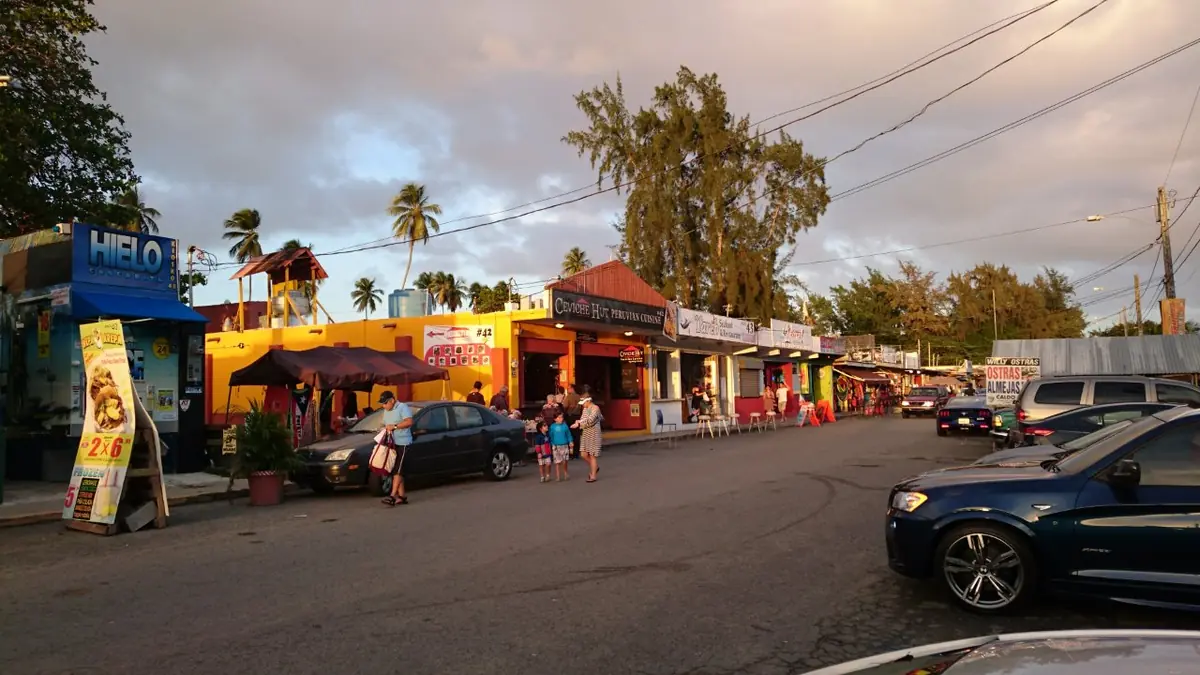
El Yunque National Forest sits directly along the route east and is a natural pairing for a morning of hiking to waterfalls before the heat sets in. By early afternoon, drop down to the coast. The Luquillo kiosks are a line of open-air stalls selling fried seafood, alcapurrias, cold Medalla, and cold coconut water — a local institution and your cheapest decent lunch of the trip.
Arrive at the Las Croabas launch area before sunset to check in and get oriented. The tour itself runs after dark and wraps between 9:00 p.m. and 10:30 p.m.
Pro Tip: Book dinner before the tour, not after. Most restaurants in the smaller coastal towns around Fajardo close by 10 p.m., and you’ll finish the paddle hungry. Ask your operator for late-night spots if you need one.
Before you book
TL;DR: Pick your dates around a new moon, pick Mosquito Bay for the best glow or Laguna Grande for the easiest logistics, use mineral sunscreen and botanical repellent, and request a clear-bottom kayak when you reserve. Get those four right and the rest takes care of itself.
These bays are among the most genuinely extraordinary natural experiences you can reach without expedition-level logistics. But the payoff is conditional — on the moon, the bay you pick, what’s on your skin, and whether you understood the ferry situation before you missed the boat.
Which of the Puerto Rico bioluminescent bay tours are you leaning toward, and have you already checked your travel dates against the lunar calendar?